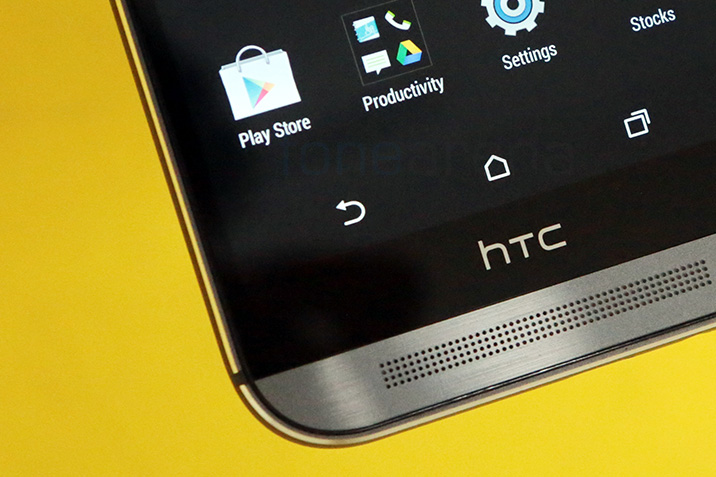
HTC seems to be back after several slumps in its revenues and profits, as the Taiwanese manufacturer has posted its unaudited results for the fiscal second quarter of 2014, on its investors website. The second quarter saw the release of its latest flagship device, the HTC One M8, which is possibly doing quite well for the company. The device, armed with the same popular design as its predecessor, added a second camera module on its back to tout interesting software based effects as one of its USPs. Couple that with top end specifications and a premium build, the company might have with them, a winner, at least financially.
Author: Bharadwaj Chandramouli
Oppo Find 7 Unboxing
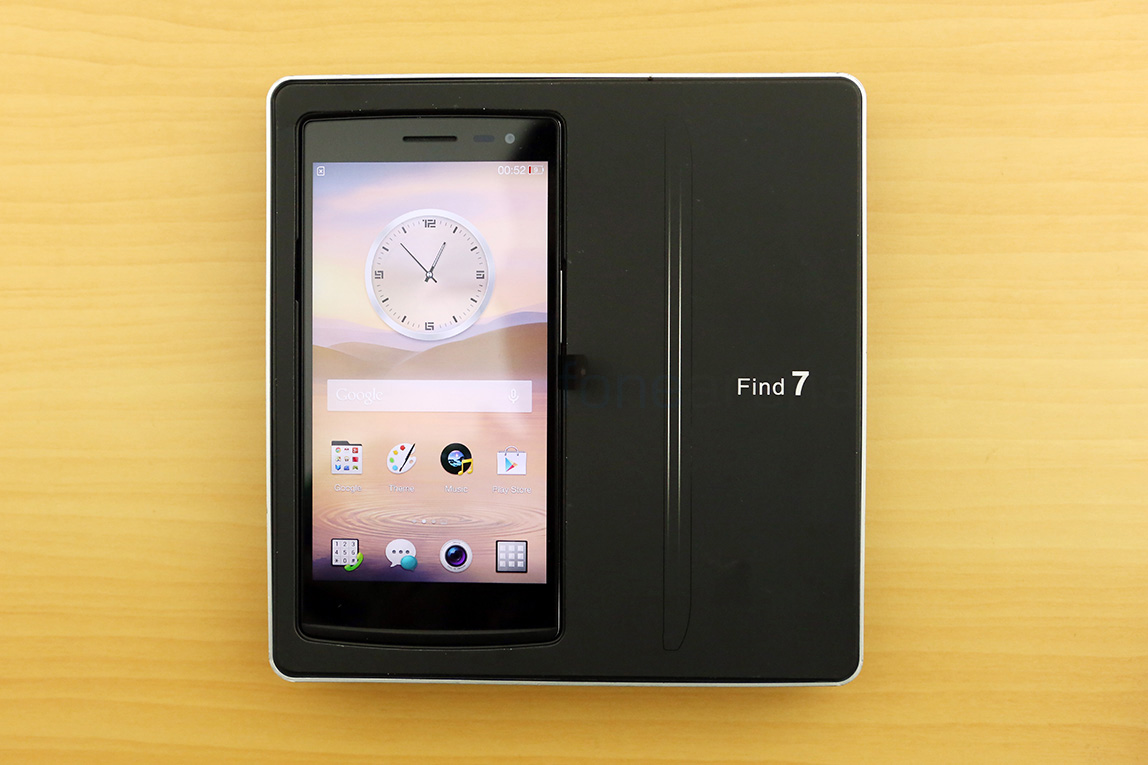
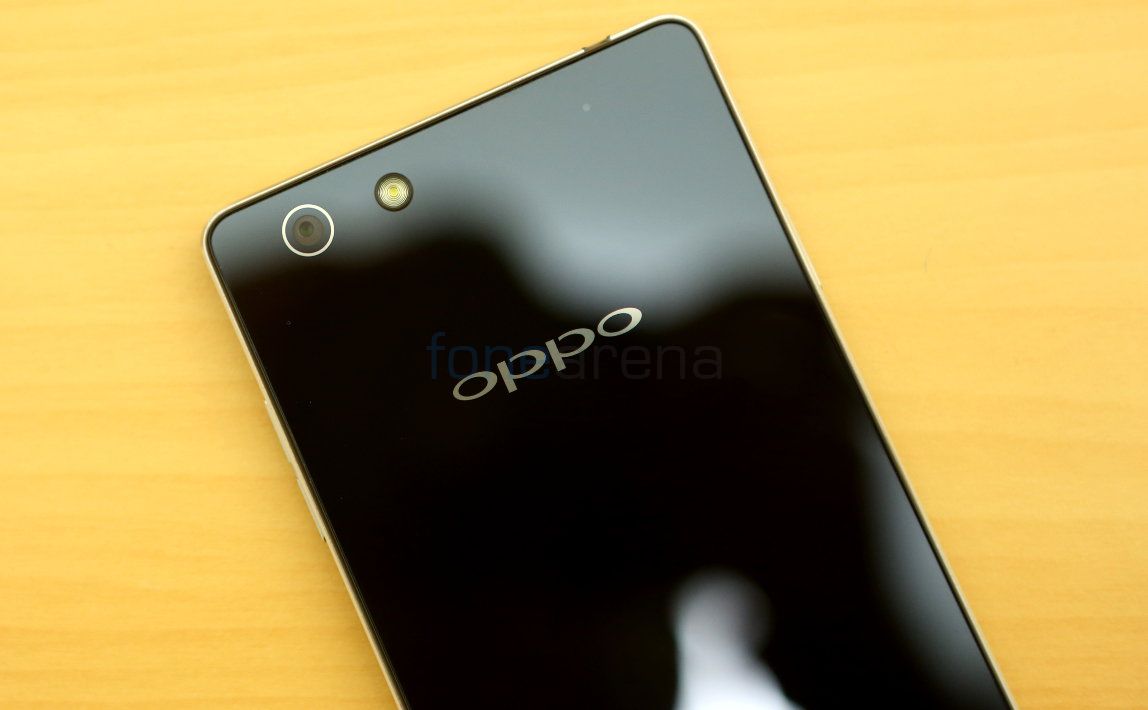
Oppo made its Indian debut not too long ago, and has been consistently bringing in all the devices from its international portfolio here. After the Oppo N1, the next flagship device(s) to land here in India are the Find 7a and more importantly, the Find 7. Both these devices were announced for the Indian market, with prices at Rs. 31,990 for the Find 7a and Rs. 37,990 for the Find 7. The major differences between those two? The display, and the amount of RAM, with the rest of them only minor. The Oppo Find 7 is truly a successor to the Find 5 though, as the Find 7, much like its predecessor, has one of the firsts in the world, when it comes to the display. But quad HD resolution on a 5.5″ screen with the latest Snapdragon processor also qualifies the Find 7 for the top end competition, which includes the likes of LG G3. With that said, we have it here in the retail form, and here is our unboxing treatment of the Find 7, to give you a fairly decent look at the hardware as well as the software –
httpv://www.youtube.com/watch?v=5wqJNaqe5N8
Xiaomi Mi3 Camera Samples
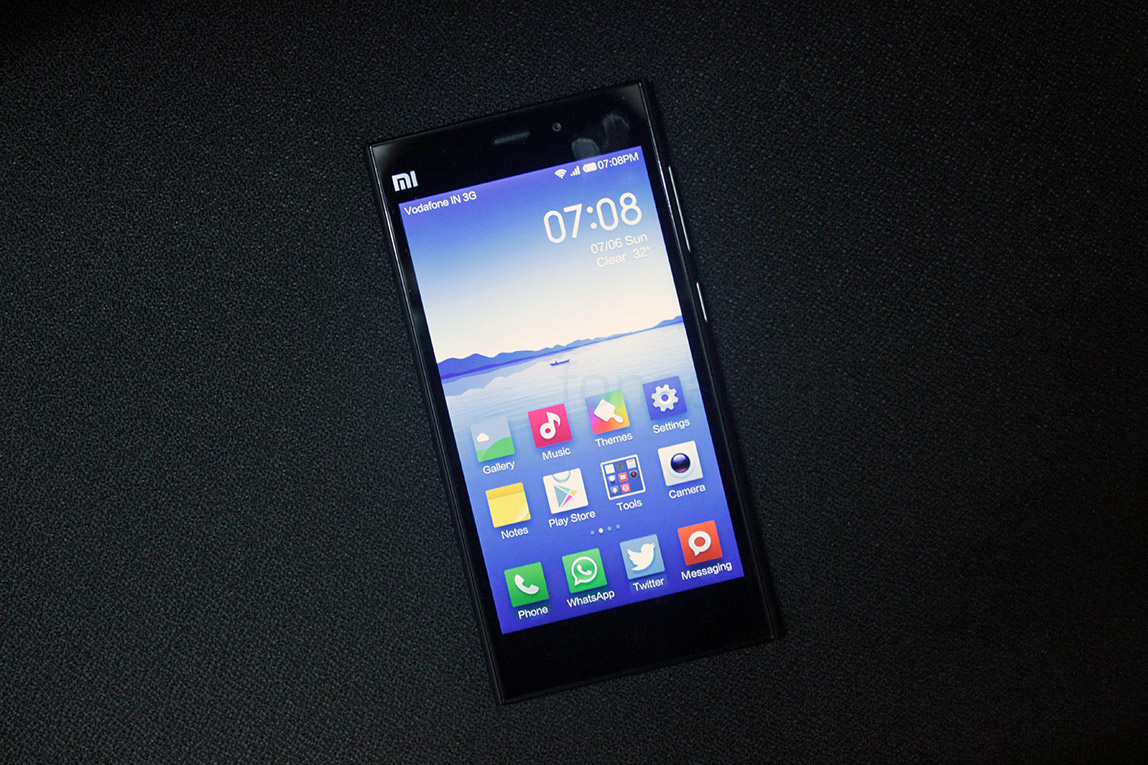
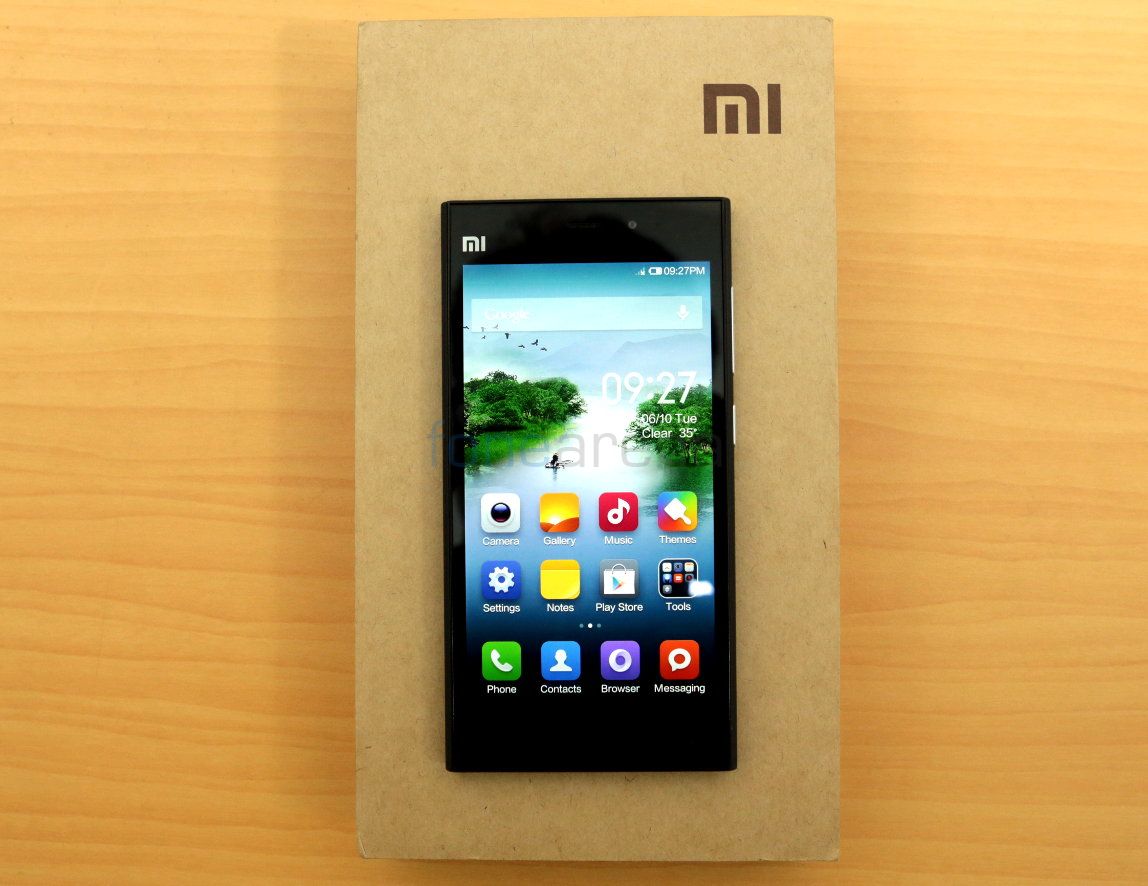
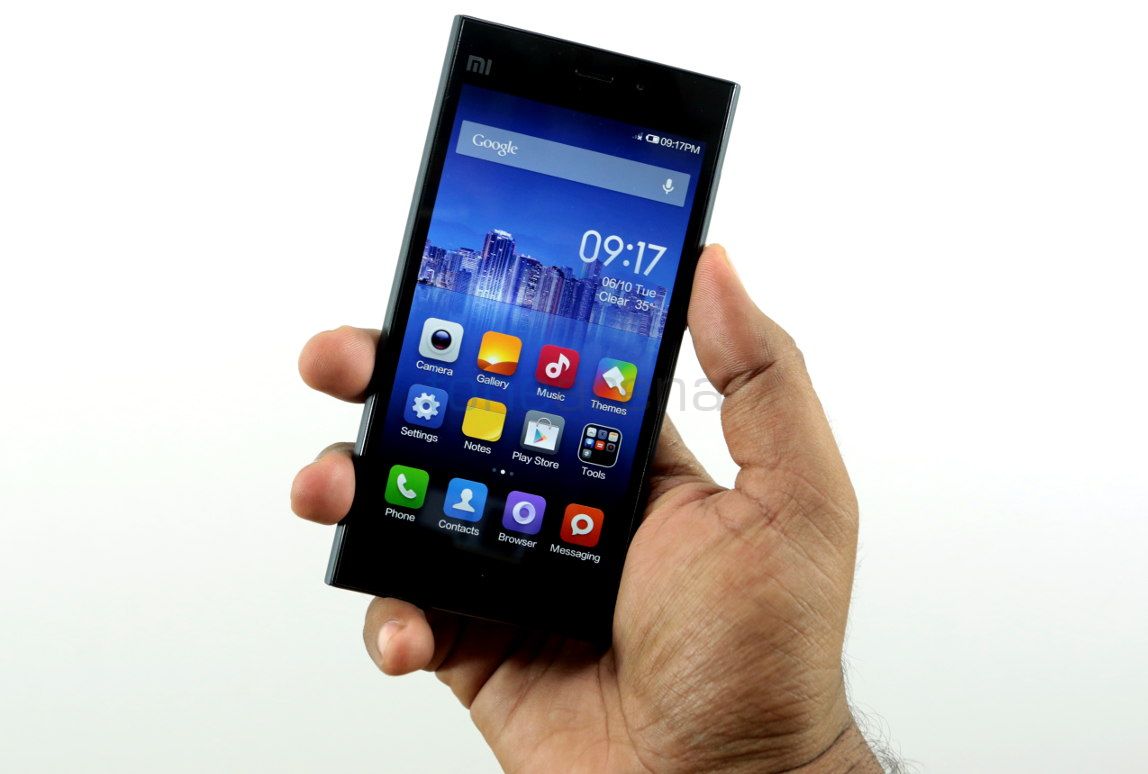
Xiaomi is all set to enter India really soon, with a portfolio of devices to be sold using the online-only business model, but in anticipation, we had already gotten the Mi3, the company’s flagship device. Selling for a low price, the Xiaomi Mi3 hopes to offer what every other flagship offers, but at a fraction of the price, much like the recently launched One Plus One. The Mi3 has a nice minimalistic design and solid build, but also packs powerful internals including a Snapdragon 800 processor that drives a 5″ 1080p display and also powers the camera experience on the device. We are going to focus on the camera part in this post specifically, to show how it performs in different conditions. So, skip past the break to view all the full resolution camera samples from the Xiaomi Mi3.
Here’s why Android One is great for the budget smartphone market
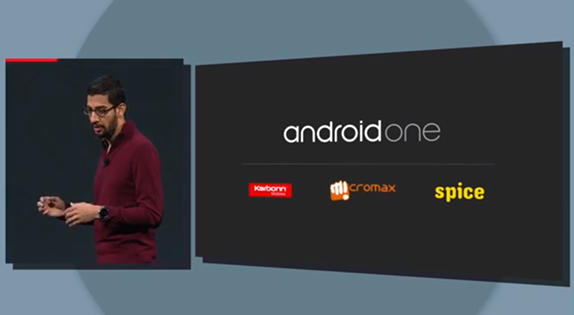
One of the many significant announcements at the recent Google I/O developers conference was Android One. The program was formally unveiled with one central goal in mind, reaching the next 5 billion people in the world. These are the ones without a smartphone, mostly in emerging markets like India, China and so on. Google will be partnering with companies in the supply chain to provide a turnkey solution for many OEMs that are currently driving the budget smartphone segment in emerging markets. Android One involves a combination of affordable reference hardware, handpicked by Google, and stock Android software, with updates directly from Mountain View. The first three OEMs to sign up for this program are from India, which has familiar, but rather important, implications for the budget smartphone market.
Continue reading “Here’s why Android One is great for the budget smartphone market”
Material Design is the new visual language of everything Google
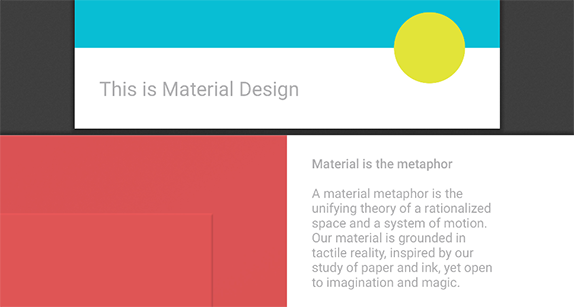
Yesterday, at the Google I/O conference in San Francisco, design played a huge role in the company’s announcements to the public. After getting Android One out of the way, Android and Chrome chief Sundar Pichai invited Matias Duarte on stage. Being one of the highly creative minds behind the critically acclaimed WebOS interface, Matias made his mark on Android with Ice Cream Sandwich. Fondly called Android ICS, the update was and still is one of the biggest visual overhauls for Android, as a platform. “Holo” was the design language spear headed by Matias, who talked up design principles based on clean lines and flatter interface elements. It was the beginning of a more coherent interface for Android, but Google, as a company, was heading in a separate design direction.
Continue reading “Material Design is the new visual language of everything Google”
LG G Watch Photo Gallery
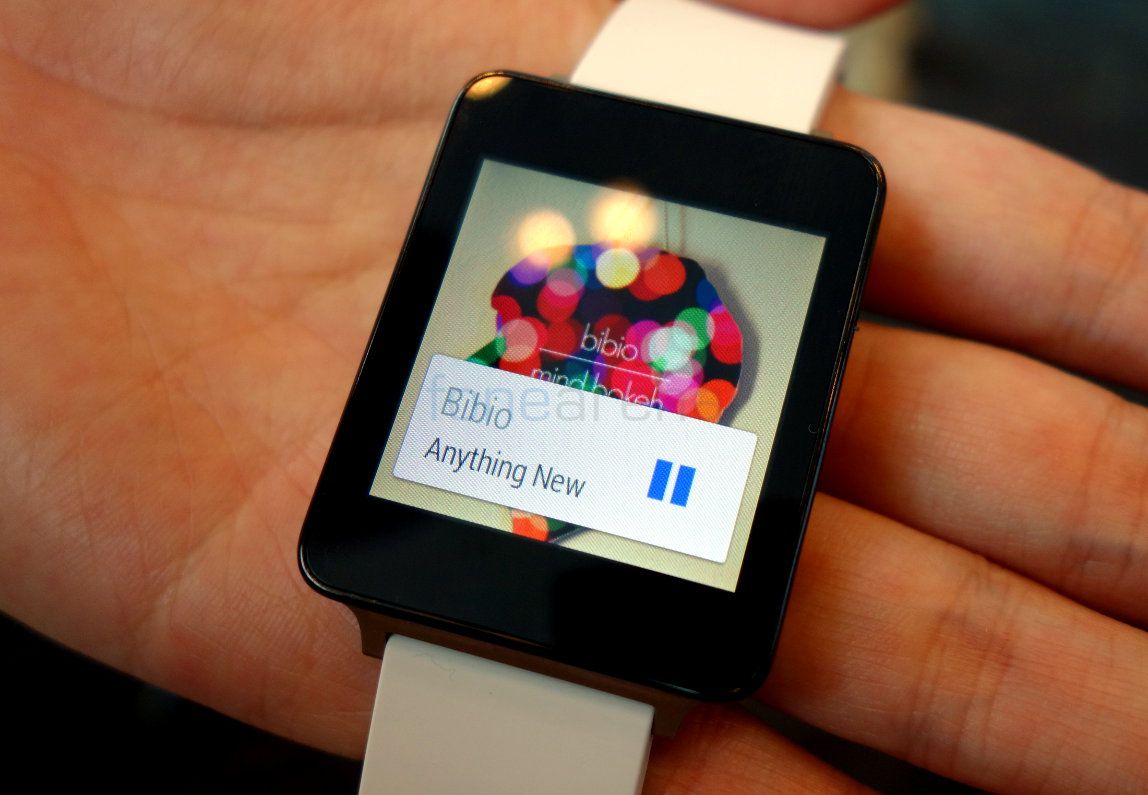
LG was one of the first manufacturers to announce a Smartwatch based on Android Wear, but yesterday, at the Google I/O developers conference, the device was made available for sale, making it the first Android Wear Smartwatch in the market along with the Samsung Gear live. This being LG’s first watch, unlike Samsung, the approach, although bland, is a bit different. Priced at $229 in the US and Rs. 14,999 in India, where it is currently on pre-order, the LG G watch makes for an interesting first look at the Android Wear ecosystem. Lets take a photo walkthrough of the device in action, but before that, here is our hands on experience of this device, shot on video –
httpv://www.youtube.com/watch?v=F72RUiBSlek
Samsung Gear Live Photo Gallery
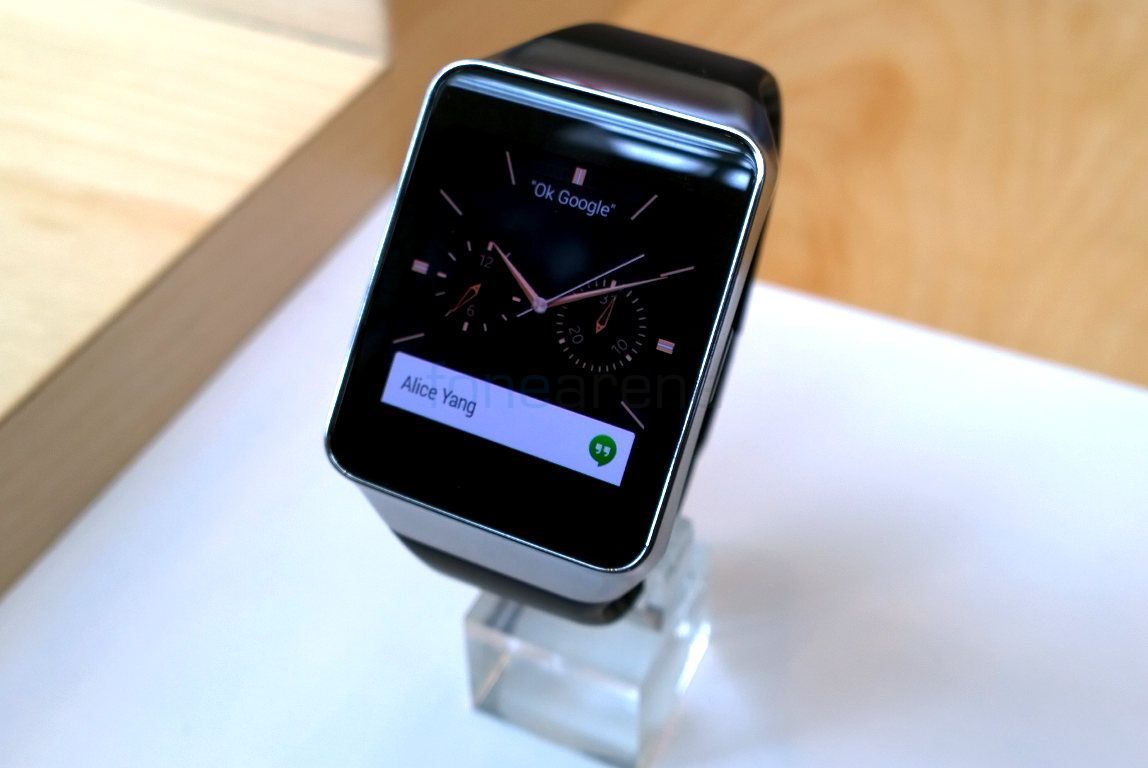
Samsung, though not part of the initial list of partners associated with Android Wear, surprised everyone by announcing the Gear Live yesterday, which has already gone on sale in the US today, and is no on pre-order in India, for a price of Rs. 15, 900. Following the design philosophy of its other Gear devices, this Android Wear based Smartwatch will be sold along with the LG G watch. Both the Korean giants have their own first Android Wear based Smartwatches out, but lets focus on the Gear live here, which adds the unique functionality to measure heart rate using the hear rate sensor on its back. It looks and feels pretty similar to the other Gear watches, unsurprisingly, so lets take a photo walkthrough of this device, straight from the I/O developer event in San Francisco.
Micromax, Karbonn and Spice are the first Android One program members
Google just unveiled its new program called “Android One” at their I/O developer event today, in San Francisco. This program, which involved creating attractive low cost Android smartphones using reference hardware and stock software, already has three members. The three OEMs who are the first companies to sign up for Android One are Karbonn, Micromax and Spice, all Indian smartphone manufacturers well versed in making budget smartphones running Android.
Continue reading “Micromax, Karbonn and Spice are the first Android One program members”
Android One unveiled: Reference hardware and stock Android for cheap Smartphones
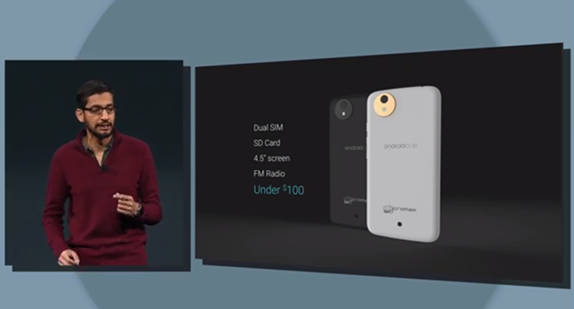
Google’s Android and Chrome chief took to the stage to unveil “Android One”, a new program for developing markets, using which OEMs can produce really simple low cost Android smartphones. Sundar Pichai detailed this effort to convert the masses of feature phone users to smartphones in developing markets, at the Google I/O developer event today. The program will include a set of hardware reference platforms, with stock Android being the default experience that will reach the consumers. This is certainly a bold move by Google to tackle OEM skinning and is actually taking over from the process that is currently been going on in the Mediatek space.
Continue reading “Android One unveiled: Reference hardware and stock Android for cheap Smartphones”
Oppo N1 and R1 get a price cut to Rs. 32,990 and Rs. 24,990 respectively
Oppo N1, the previous flagship device from the company and Oppo R1, the premium mid range handset, have both got themselves a price cut in the Indian retail market. Previously sold for Rs. 39,990, the Oppo N1 will now be sold for Rs. 32,990 whereas the Oppo R1, which started selling for Rs. 26,990 will now be sold for Rs. 24,990. Replacing the flagship N1 is the new Find 7 which was announced a while back in India, and it will instead sell for Rs. 37,990. This price cut comes after the portfolio refresh that happened recently, with the announcement of the new top end devices Find 7 and the Find 7a.
Continue reading “Oppo N1 and R1 get a price cut to Rs. 32,990 and Rs. 24,990 respectively”
Nokia X, X+ and XL will not be getting the 2.0 X platform update
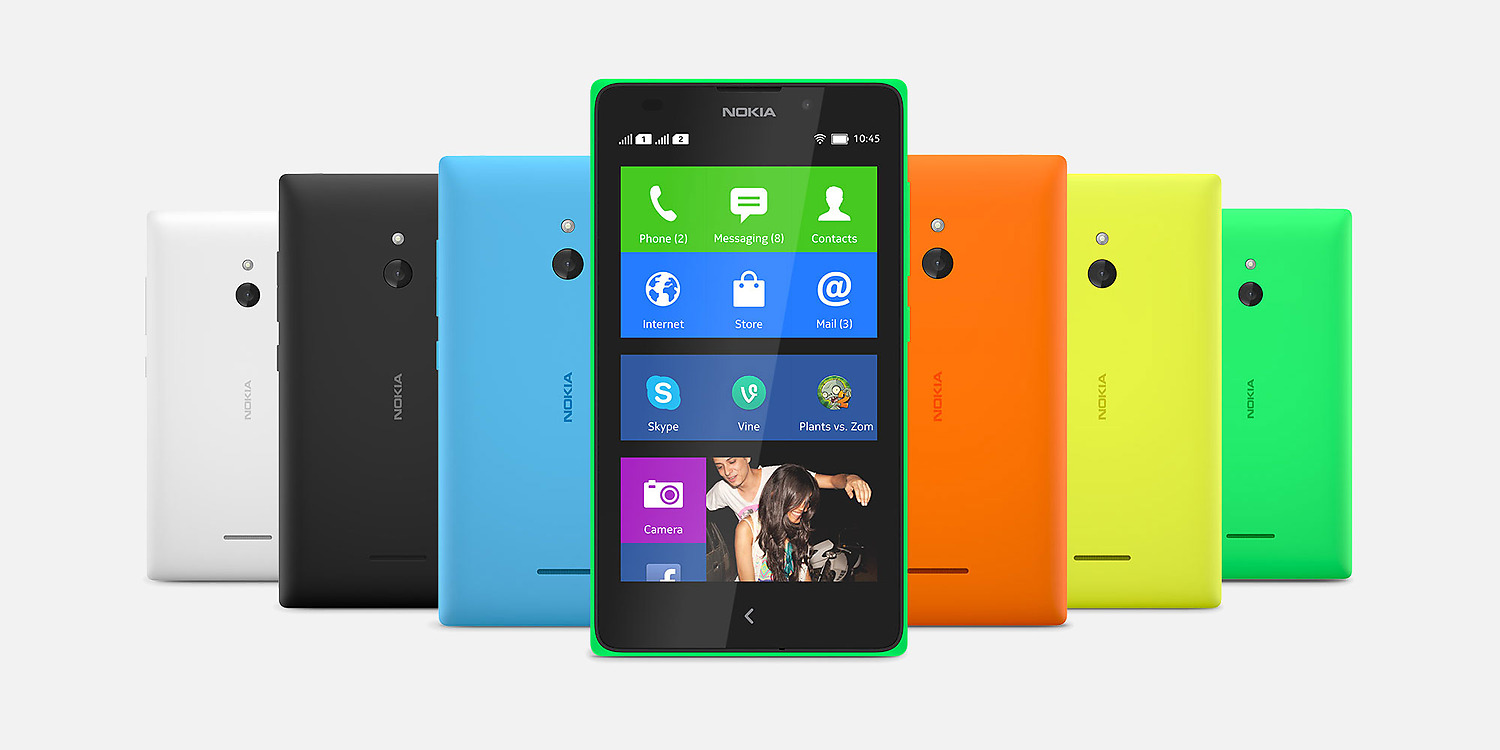
Microsoft’s mobile division signaled the continuation of its Android range of devices with the announcement of Nokia X2 yesterday. The latest Android device from the company not only sports new hardware on the inside, but also runs on the 2.0 version of the X Platform, a forked variant of Android that debuted with the original. It’s basically a heavily skinned OS based on AOSP, without Google Play services, and now it looks more like Windows Phone than ever. This is thanks to the 2.0 update’s visual improvements including a new quick settings menu, an app list and a multitasking switcher that has taken advantage of the new hardware home button freeing up functions for the back button. This new hardware level change has rendered the older range Nokia X, X+ and XL devices incapable of this upgrade, says Nokia in its latest blog.
Continue reading “Nokia X, X+ and XL will not be getting the 2.0 X platform update”
Spice Stellar 360 Review
In a world of touchscreen phones, choices in form factors are few, but Spice, one of the many Indian smartphone manufacturers, is offering one, with a keyboard. Spice’s Stellar 360, a budget Android touchscreen smartphone with a full sized qwerty keyboard, wants to appeal to a crowd that still likes its messages typed, on a real keyboard. Selling at a very low price of Rs. 4,799, can the phone be the bridging gap between lower end keypad based phones and a full touch screen device? Lets find out in our review.
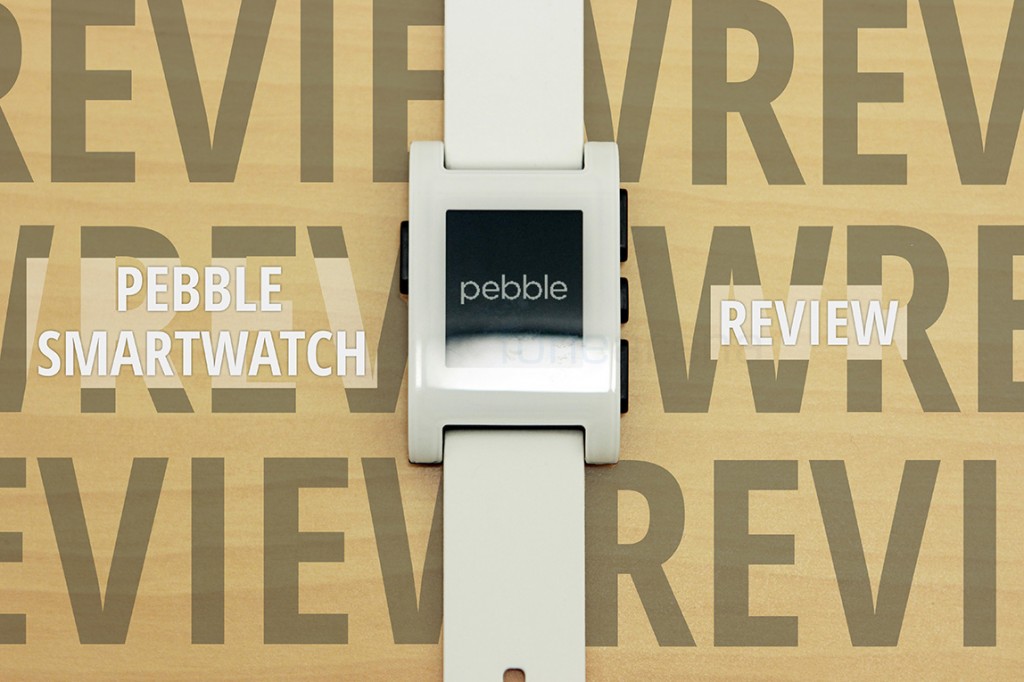
Pebble Smartwatch Review: Tip of the iceberg
From Kickstarter project to an actual company, it must have been a roller coaster ride for Pebble, the smartwatch, and the company behind the product, making it one of the first wearable gadgets to work in tandem with the smartphone platforms of our time. It is still one of the most well-funded Kickstarter projects of all time, having served as a clear indicator for the birth of a whole new market. Several months after the funding was completed, it shipped its product to its backers and now, it is shipping globally with two models, the original and a more premium Pebble Steel.
Since then, competitors have scrambled to make a mark on this new market, but none have succeeded so far. With Android Wear on the horizon and supported devices coming out in a few weeks or months, the landscape is set to change, but we don’t know how yet. Assuming you, the readers, are in the market for a smartwatch now, will the Pebble still be worth it, even after the onslaught of Android wear powered devices? Let’s find that out in our review.
Continue reading “Pebble Smartwatch Review: Tip of the iceberg”

Hands on with the HTC One M8 Dot View Case
Accessories have always been key part of the buying experience, especially since the advent of the predominantly touch screen phones. It’s almost a necessity that one cover up their pricey phone to prevent damage. Companies took advantage of this and offered unique solutions as cases to differentiate themselves, like for example Samsung’s “Flip cover” or later, the S-View cover, had a magnetic flap that was attached to the whole back cover and also had a window to display at a glance information. While that was mimicked by LG for its own flagship device using the Quick Window cover, the other flagship maker, HTC, has taken a different route this time. The One M8, unlike the M7, is smoother and more slippery, mandating a requirement for a case this time, and HTC has one, called the Dot View case. Sporting a dotted front made of silicon and a more grippy plastic back, the One M8 also gains a new “Dot view” mode that makes at-a-glance interaction really interesting. Find out how it works, in our video here –
httpv://www.youtube.com/watch?v=Fg2GeU4XHTA
Read the HTC One M8 Review here
Continue reading “Hands on with the HTC One M8 Dot View Case”
ASUS Zenfone 5 Unboxing
ASUS, the Taiwanese manufacturer, has been in the Android race for quite a while now, at times, experimenting with form factors and convergence. Niche markets aside, like any other company, ASUS also caters to the mass market crowd which just wants to pick up a smartphone. Along those lines, the company revealed three devices, with various screen sizes, ranging from 4 to 6 inches in screen sizes, but with identical user experience. These devices under the “Zenfone” range were announced way back in January during CES, but are only starting to appear in the retail market. We bought one off from a Taipei market, and here is our unboxing video to show the device off, to you –
httpv://www.youtube.com/watch?v=KmZXR3xodT4