OpenAI rolls out GPT-5.5 with improved coding, research, and automation capabilities

OpenAI has introduced GPT-5.5, a new model designed for real-world computing tasks including coding, research, data analysis, document creation, and software interaction. It moves beyond single-response AI toward full workflow execution with planning, tool use, and task completion. Continue reading “OpenAI rolls out GPT-5.5 with improved coding, research, and automation capabilities”
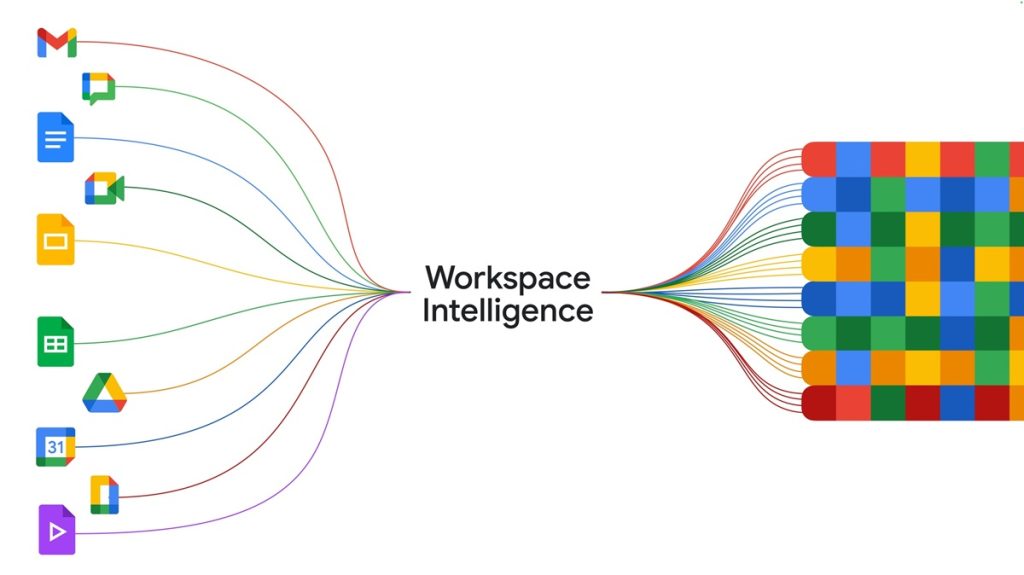

Google rolls out Workspace Intelligence with Gemini-powered AI across Docs, Gmail, and Drive

Google has introduced Workspace Intelligence, a new AI system integrated into Google Workspace. Powered by Gemini, the system is designed to reduce time spent switching between apps and manually gathering information. Continue reading “Google rolls out Workspace Intelligence with Gemini-powered AI across Docs, Gmail, and Drive”

Google unveils TPU 8t and TPU 8i chips for agentic AI and reasoning workloads

At Google Cloud Next, Google announced its eighth-generation Tensor Processing Units (TPUs), introducing two purpose-built architectures: TPU 8t and TPU 8i. These chips are designed to support large-scale AI workloads, from model training and development to high-volume inference and agent-based systems. Continue reading “Google unveils TPU 8t and TPU 8i chips for agentic AI and reasoning workloads”

JEDEC previews next-generation LPDDR6 features targeting data centers and AI

The JEDEC Solid State Technology Association has announced a preview of new features slated for the upcoming revision of the JESD209-6 LPDDR6 memory standard. Continue reading “JEDEC previews next-generation LPDDR6 features targeting data centers and AI”

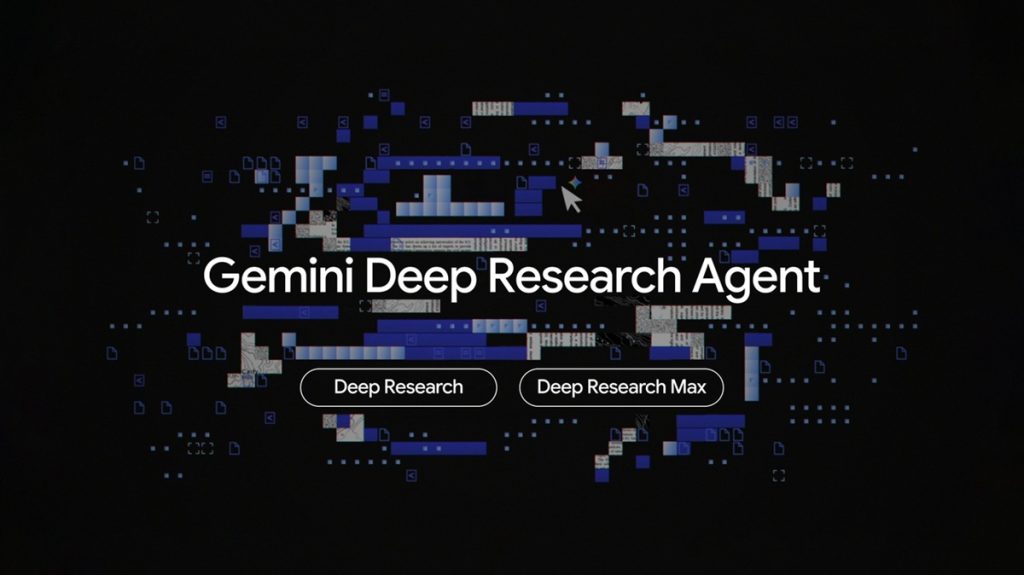
Google expands Deep Research and Deep Research Max for autonomous research workflows

Google has introduced Deep Research and Deep Research Max, powered by Gemini 3.1 Pro, marking a step change in its autonomous research agents. The update builds on the Gemini Deep Research preview released in December via the Interactions API, expanding it into a system capable of generating structured, fully cited reports. Continue reading “Google expands Deep Research and Deep Research Max for autonomous research workflows”

Google AI Studio gets vibe coding support with higher usage limits and Gemini Pro access

Google has updated Google AI Studio with higher usage limits and expanded model access for AI Pro and Ultra subscribers. The update focuses on enabling faster experimentation and application development with minimal setup, described by the company as support for “vibe coding.” Continue reading “Google AI Studio gets vibe coding support with higher usage limits and Gemini Pro access”

OpenAI rolls out ChatGPT Images 2.0 with improved text rendering, multilingual support, and thinking capabilities

OpenAI has introduced ChatGPT Images 2.0, a next-generation image generation model designed to produce precise, structured, and usable visual outputs. The model is built to handle complex visual tasks, improve instruction accuracy, and generate images that better reflect real-world design needs. Continue reading “OpenAI rolls out ChatGPT Images 2.0 with improved text rendering, multilingual support, and thinking capabilities”

OpenAI rolls out Chronicle to build Codex memories from screen context

OpenAI introduced Chronicle as a feature that helps Codex create memories using what’s visible on your screen. It reduces the need to manually provide context by enabling Codex to understand ongoing tasks, tools, and workflows with minimal input. Continue reading “OpenAI rolls out Chronicle to build Codex memories from screen context”

Amazon and Anthropic expand AI partnership with major financial and infrastructure commitments

Since 2023, Amazon and Anthropic have partnered to facilitate the adoption of generative artificial intelligence across various industries. Currently, over 100,000 customers utilize Anthropic’s Claude models on Amazon Web Services (AWS), positioning Claude as a leading model family on Amazon Bedrock. Continue reading “Amazon and Anthropic expand AI partnership with major financial and infrastructure commitments”

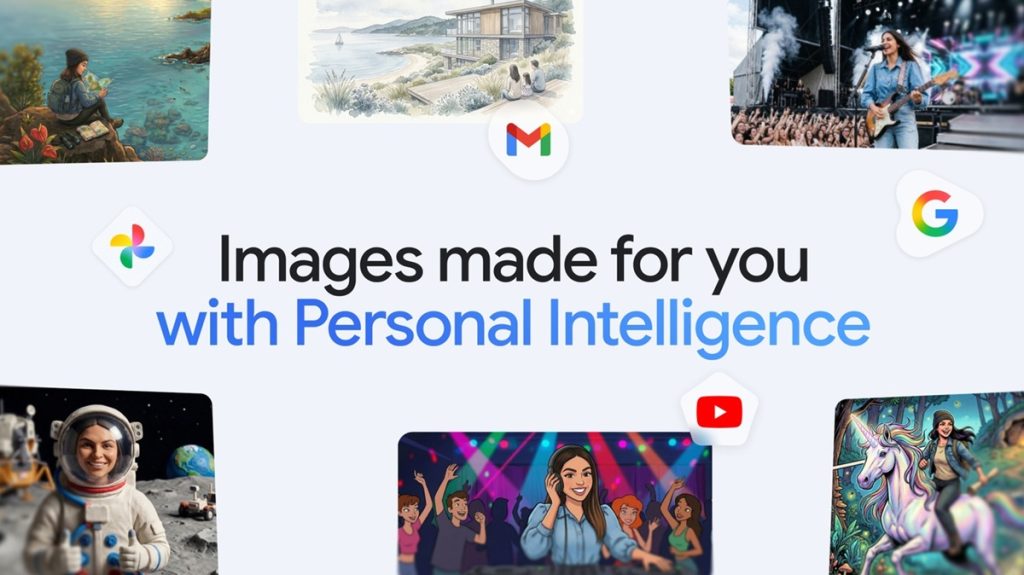
Google Gemini adds personalized image creation with Google Photos integration

Google is rolling out a new Personal Intelligence feature in the Gemini app that makes AI image generation more context-aware and personalized. The update combines Nano Banana 2 with Google Photos integration so users can create images based on their lifestyle, preferences, and real-world memories without needing long prompts or manual uploads. Continue reading “Google Gemini adds personalized image creation with Google Photos integration”

Anthropic rolls out Claude Opus 4.7 with major coding and AI agent upgrades

Anthropic has introduced Claude Opus 4.7, now generally available across Claude products and major cloud platforms. The model is a direct upgrade over Opus 4.6, delivering stronger performance in advanced software engineering, long-running AI agent tasks, instruction accuracy, multimodal vision, and real-world knowledge work. Continue reading “Anthropic rolls out Claude Opus 4.7 with major coding and AI agent upgrades”

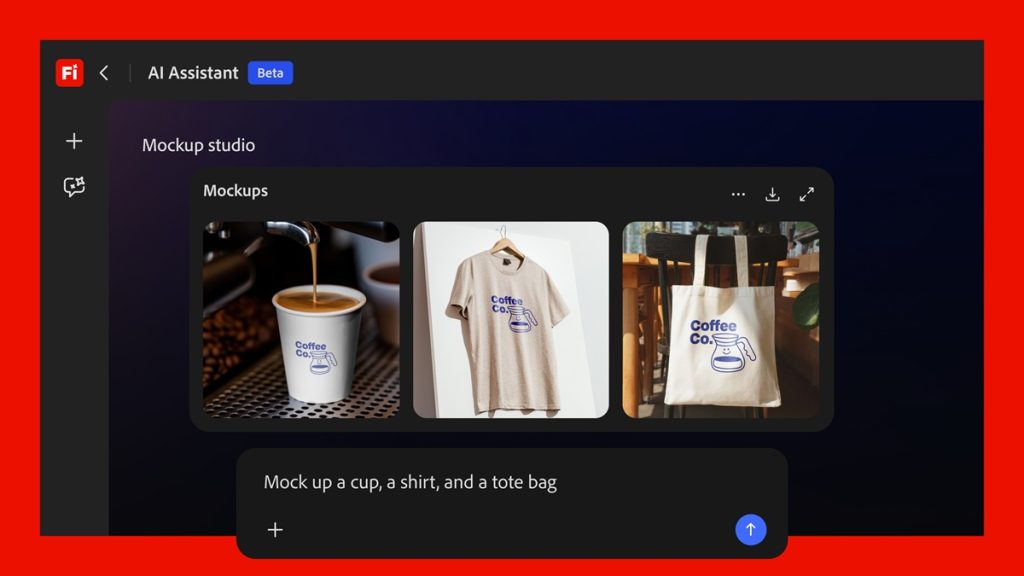
Adobe rolls out Firefly AI Assistant with creative agent for multi-step workflows

Adobe has announced an update to its Firefly platform with the introduction of Firefly AI Assistant, powered by a creative agent. The update also brings new video and image editing features and expands support for third-party AI models. Continue reading “Adobe rolls out Firefly AI Assistant with creative agent for multi-step workflows”

Google rolls out Gemini 3.1 Flash TTS with better speech quality and developer controls

Google has introduced Gemini 3.1 Flash TTS, a new text-to-speech model focused on improving speech quality, controllability, and scalability. The model is part of the Gemini 3.1 Flash Audio family and is designed for developers, enterprises, and general users building AI-based speech applications. Continue reading “Google rolls out Gemini 3.1 Flash TTS with better speech quality and developer controls”

India AI readiness gap widens as leaders earn 73% digital revenue: IDC

IDC’s research paper Modernising Legacy: Winning in the Age of AI surveys 1,400 Asia/Pacific IT leaders and examines the widening AI readiness gap across the region. It explains why the Leaders cohort generates 3x digital revenue and how organisations can reduce technical and data debt to improve AI outcomes. Continue reading “India AI readiness gap widens as leaders earn 73% digital revenue: IDC”

OpenAI rolls out GPT-5.4-Cyber to strengthen AI-powered cybersecurity defense

OpenAI has expanded its Trusted Access for Cyber (TAC) program and introduced GPT-5.4-Cyber, a cybersecurity-focused variant of its GPT-5.4 model. The update is designed to strengthen AI-powered cyber defense by giving verified security professionals structured access to advanced capabilities while maintaining strict safety safeguards. Continue reading “OpenAI rolls out GPT-5.4-Cyber to strengthen AI-powered cybersecurity defense”