Xiaomi Mi3 Benchmarks

Xiaomi Mi3 Benchmarks

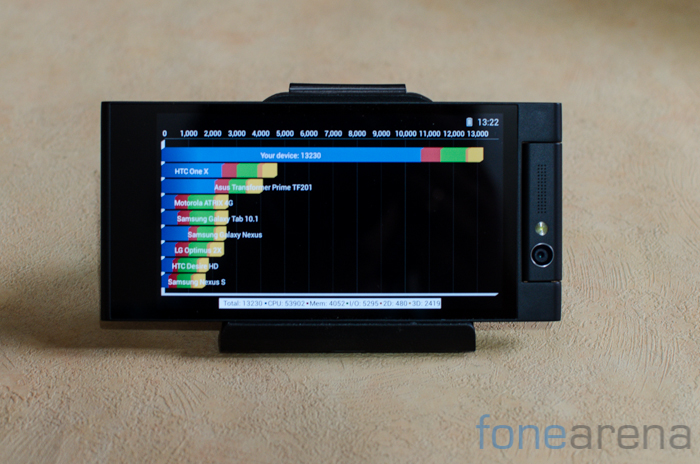
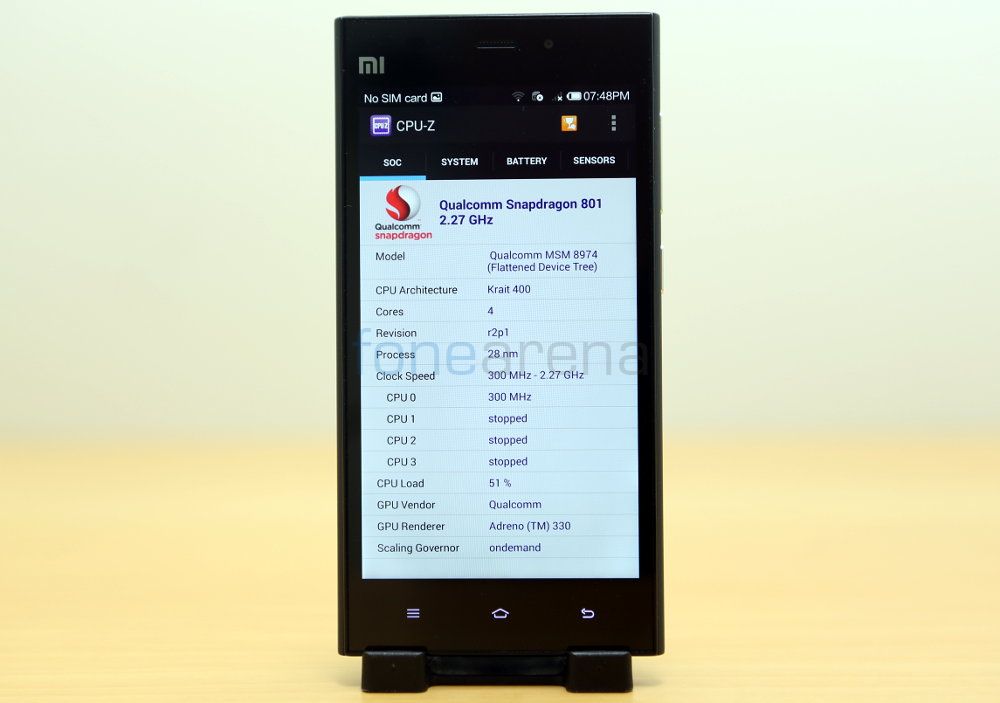
Xiaomi announced Mi3, its high-end smartphone back in September last year. We brought you unboxing of the smartphone recently, here we have its benchmarks. It is powered by quad-core Snapdragon 800 (MSM 8274AB) 28nm HPm Krait 400 CPU clocked at 2.3 GHz power core and has Adreno 330 GPU. 5-inch full HD display and runs on MIUI V5 based on Android 4.3 (Jelly Bean). Check out the synthetic benchmark scores below. Continue reading “Xiaomi Mi3 Benchmarks”

Oppo R1 Benchmarks

Oppo R1 Benchmarks

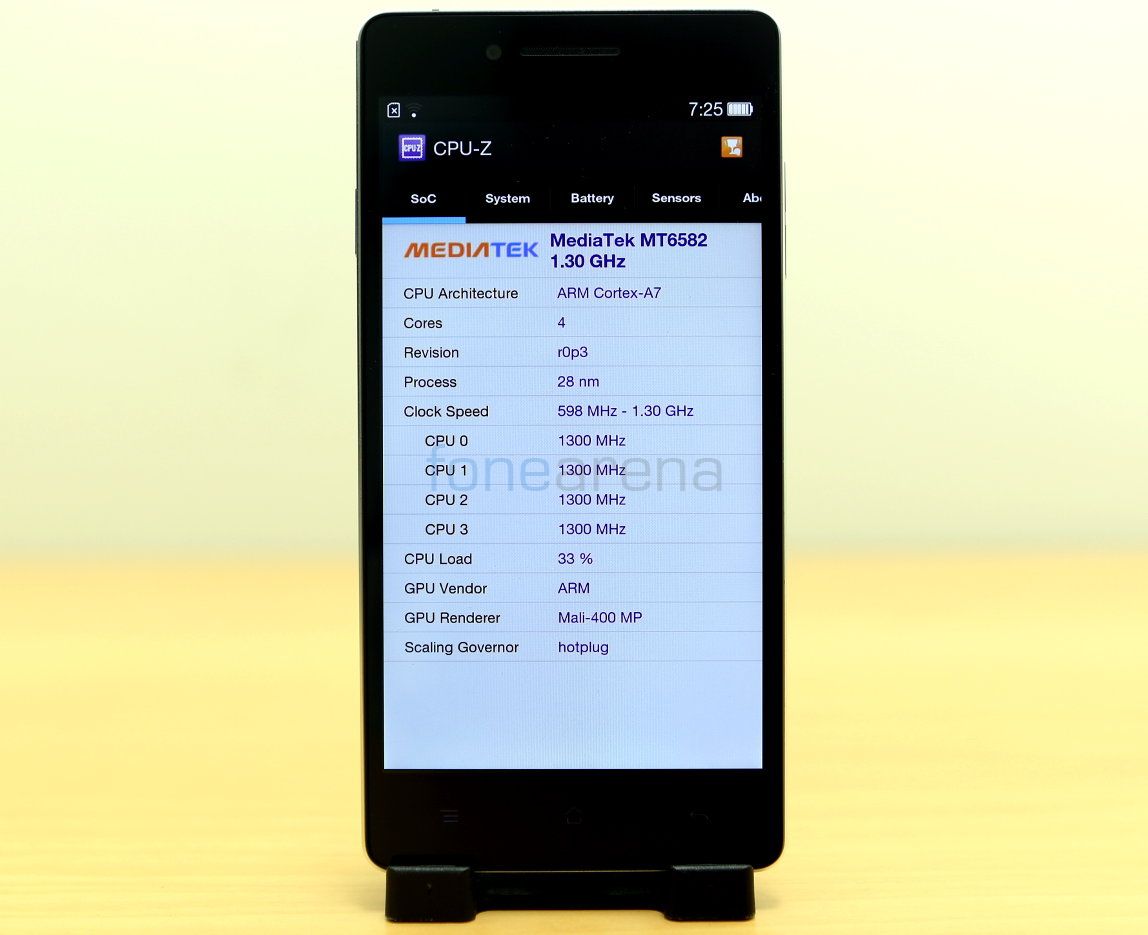
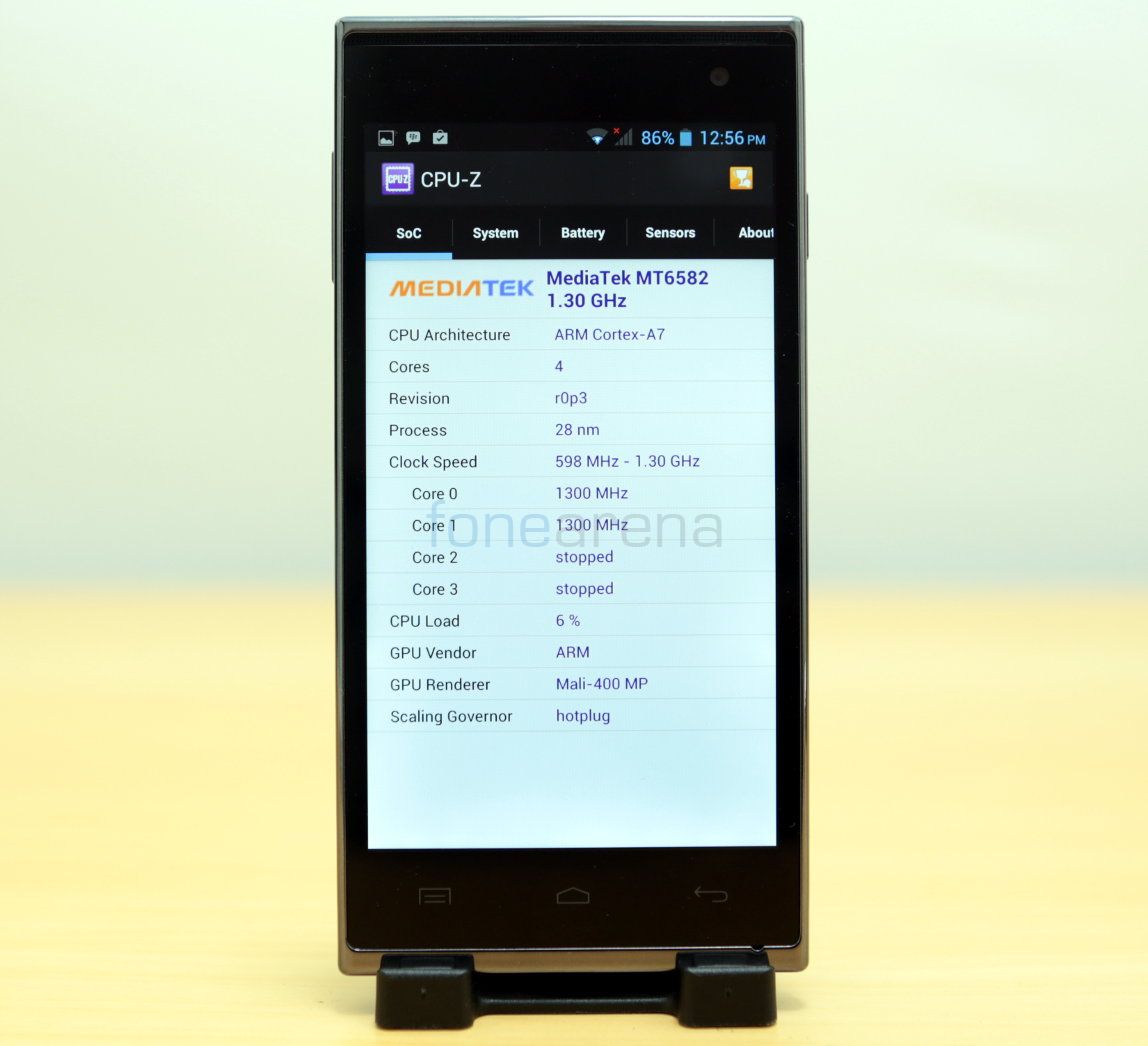
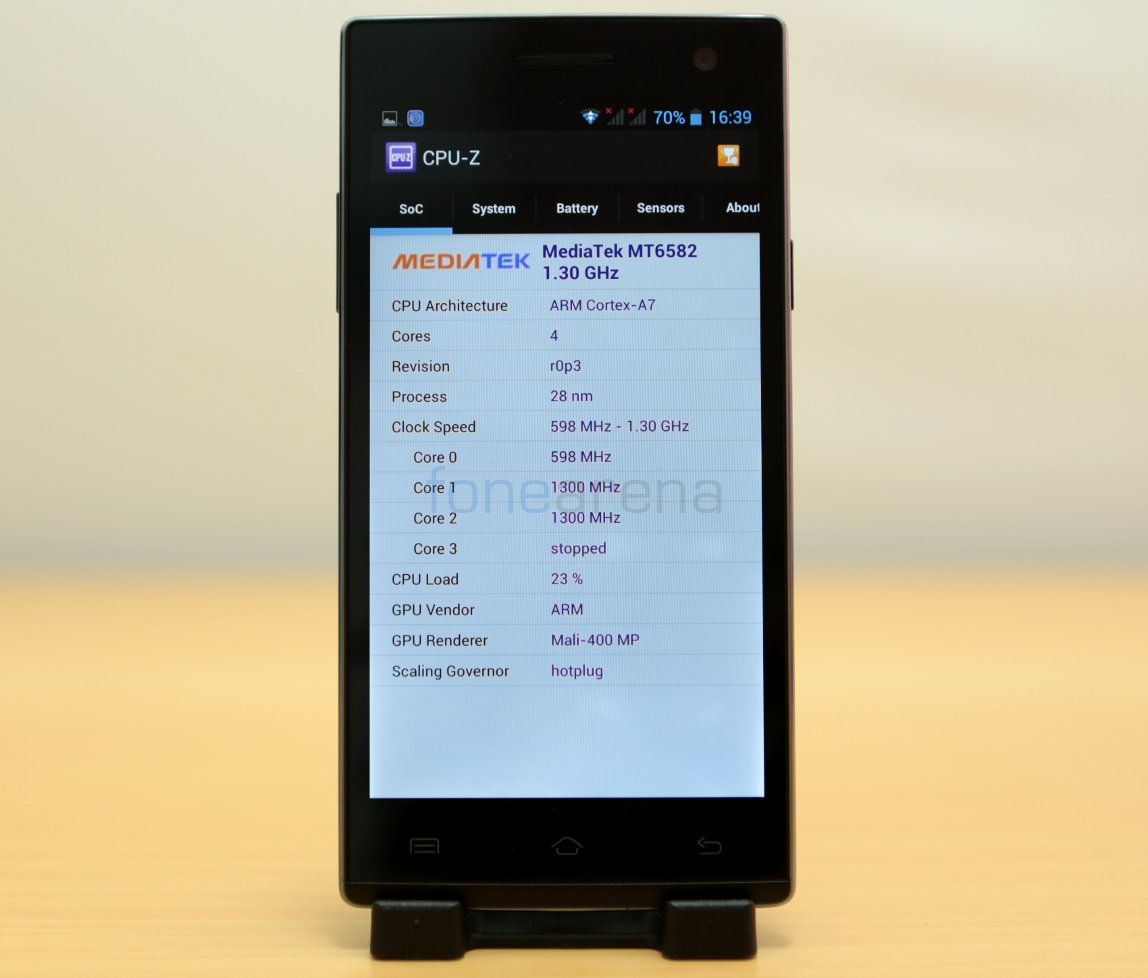
Oppo launched the Oppo R1 (R829), successor of last year’s Oppo R819 in India April in India priced at Rs. 26990. We brought you the unboxing of the device recently, here we have the benchmarks of the smartphone. It is powered by a 1.3GHz quad-core MediaTek MT6582 processor and Mali 400 GPU. It packs 1GB RAM, runs on Android 4.2 (Jelly Bean) based Color OS and has a 5-inch (1280 x 720 pixels) HD IPS display. It has premium build quality, but Oppo could have gone with a faster Snapdragon SoC to justify the high price tag. Check out the synthetic benchmark scores below. Continue reading “Oppo R1 Benchmarks”

Micromax Unite 2 A106 Benchmarks

Micromax Unite 2 A106 Benchmarks

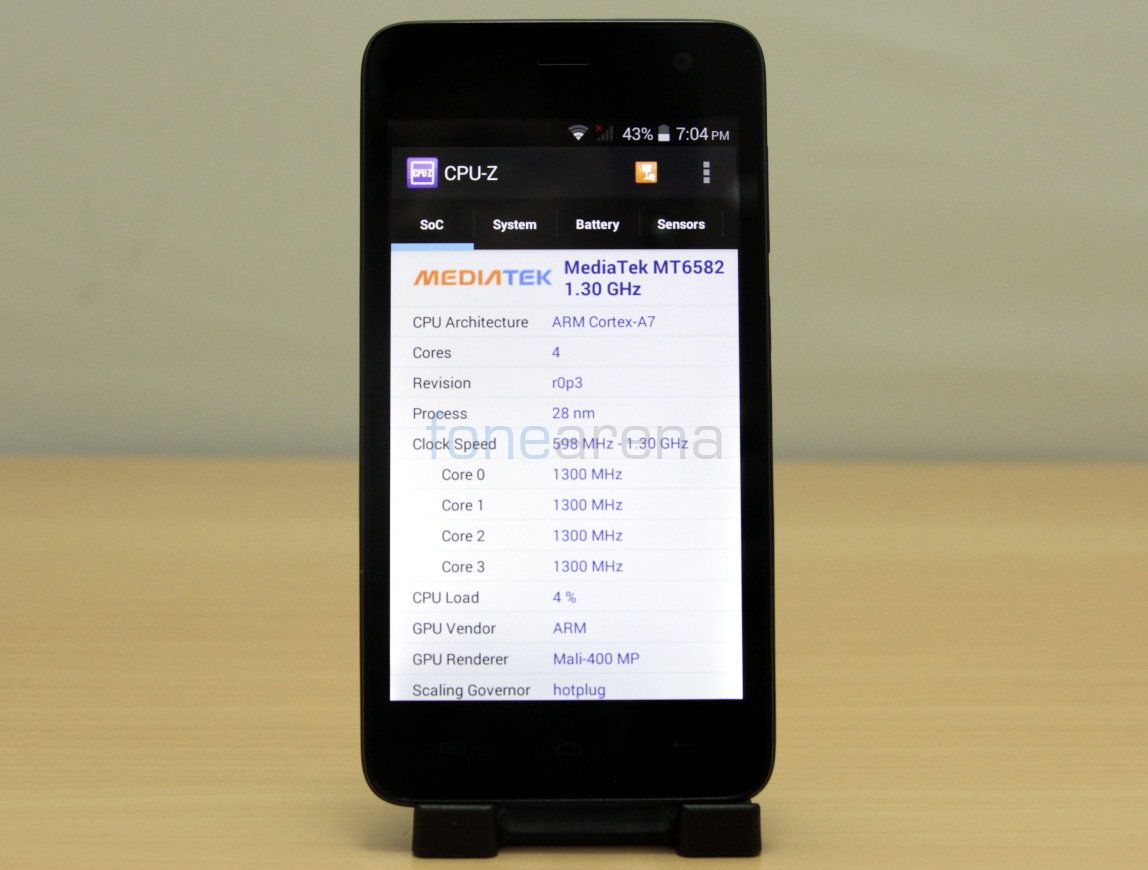
Micromax launched the Unite 2 A106, the company’s first smartphone running on Android 4.4 (KitKat) last month. We already brought you the unboxing of the Unite 2, here we have the benchmark of the smartphone. It is powered by a 1.3 GHz quad-core MediaTek MT6582 processor with Mali 400 GPU. It packs 1GB of RAM and has a 4.7-inch WVGA display. Let’s find out how the  Unite 2 performs in range of synthetic benchmark tests. Continue reading “Micromax Unite 2 A106 Benchmarks”

Lava Iris X1 Benchmarks

Lava Iris X1 Benchmarks

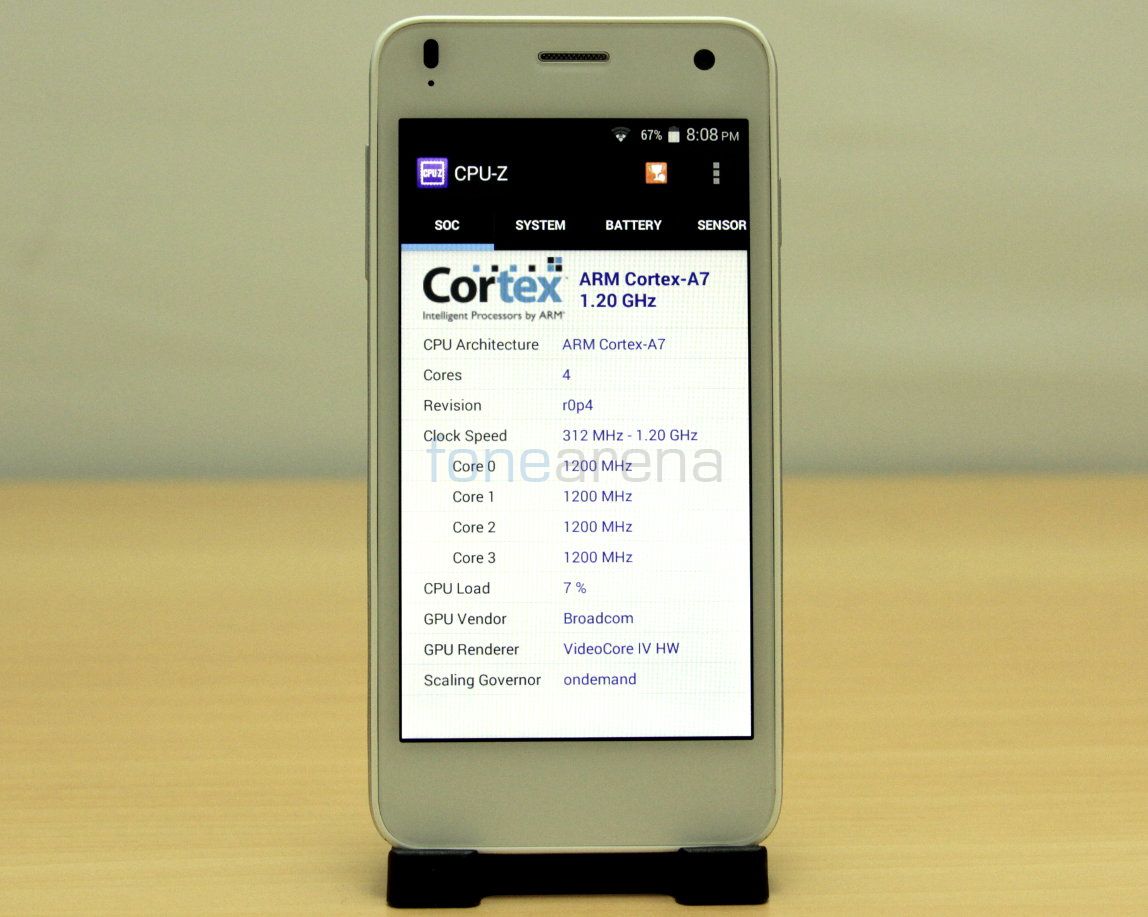
Lava launched the Iris X1, the company’s first budget smartphone running on Android 4.4 (KitKat) last month. It is powered by a quad-core Broadcom BCM23550 processor clocked at 1.2 GHz and has Videocore IV GPU. It has a 4.5-inch FWVGA IPS screen and has 1GB of RAM. We already brought you the unboxing of the smartphone earlier this week, here we have the benchmarks. Let us find out how the smartphone performs in a range of synthetic benchmark tests. Continue reading “Lava Iris X1 Benchmarks”

Gionee Elife S5.5 Benchmarks

Gionee Elife S5.5 Benchmarks

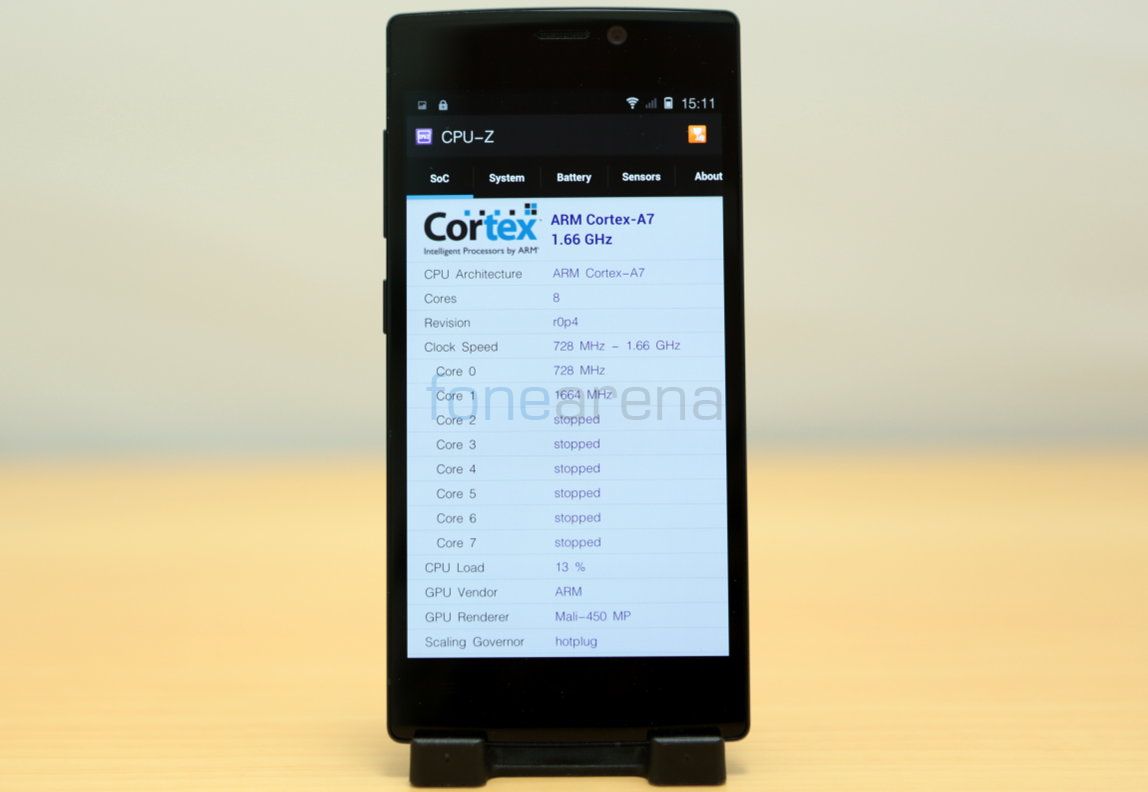
Gionee launched the Elife S5.5, the world’s slimmest smartphone in India back in March that went on sale recently. We already brought you the unboxing of the device. Here we have the benchmarks of the smartphone. It is powered by a 1.66 GHz Octa-Core MediaTek MT6592 processor which has 8 ARM Cortex-A7 CPUs and is based on 28nm HPM. It has a Mali 450-MP4 GPU, comes with a 5-inch HD display and  runs on Android 4.2 (Jelly Bean) with Amigo 2.0 UI on top. Check out the synthetic benchmark results below.

Continue reading “Gionee Elife S5.5 Benchmarks”

Panasonic P81 Benchmarks

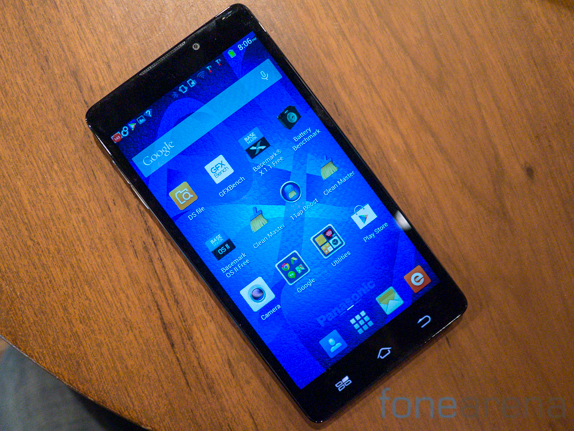
Panasonic P81-1Earlier this month, Panasonic revealed its first entrant into the Octa Core race. The Panasonic P81 powered by MediaTek’s MT6592 chipset is the company’s flagship device. The phone has a 5.5 inch 720p display and runs on the 1.7Ghz variant of MediaTek’s chipset with Android Jellybean onboard. We put the handset through a series of benchmarks to pit it against the competition. Follow through to take a look at how the handsets copes up with synthetic benchmarks.  Continue reading “Panasonic P81 Benchmarks”

HTC Desire 816 Benchmarks

HTC Desire 816 Benchmarks

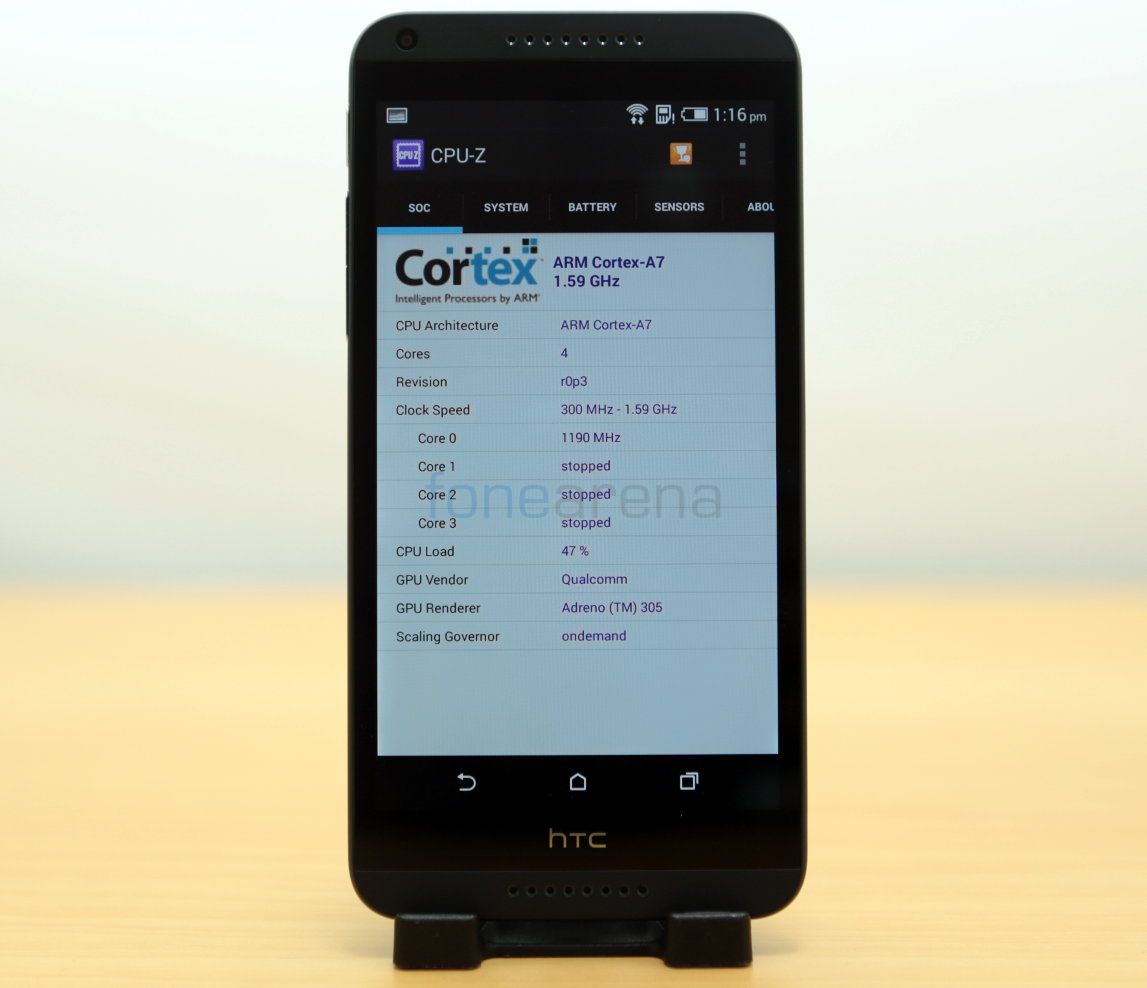
HTC launched the Desire 816, a mid-range smartphone in the Desire series in India recently. It went on sale in the Indian market earlier this week and we already brought you the unboxing of the smartphone recently. Here we have the benchmarks it. The Desire 816 is powered by a quad-core Qualcomm Snapdragon 400 processor with four ARM Cortex A7 Cores and Adreno 305 GPU. It has a 5.5-inch (1280 x 720 pixels) display and runs on Android 4.4 (KitKat)  with HTC’s own Sense UI on top. Let us check how it performs in a range of synthetic benchmarks. Continue reading “HTC Desire 816 Benchmarks”

Lava Iris Pro 20 Benchmarks

Lava Iris 20 Benchmarks

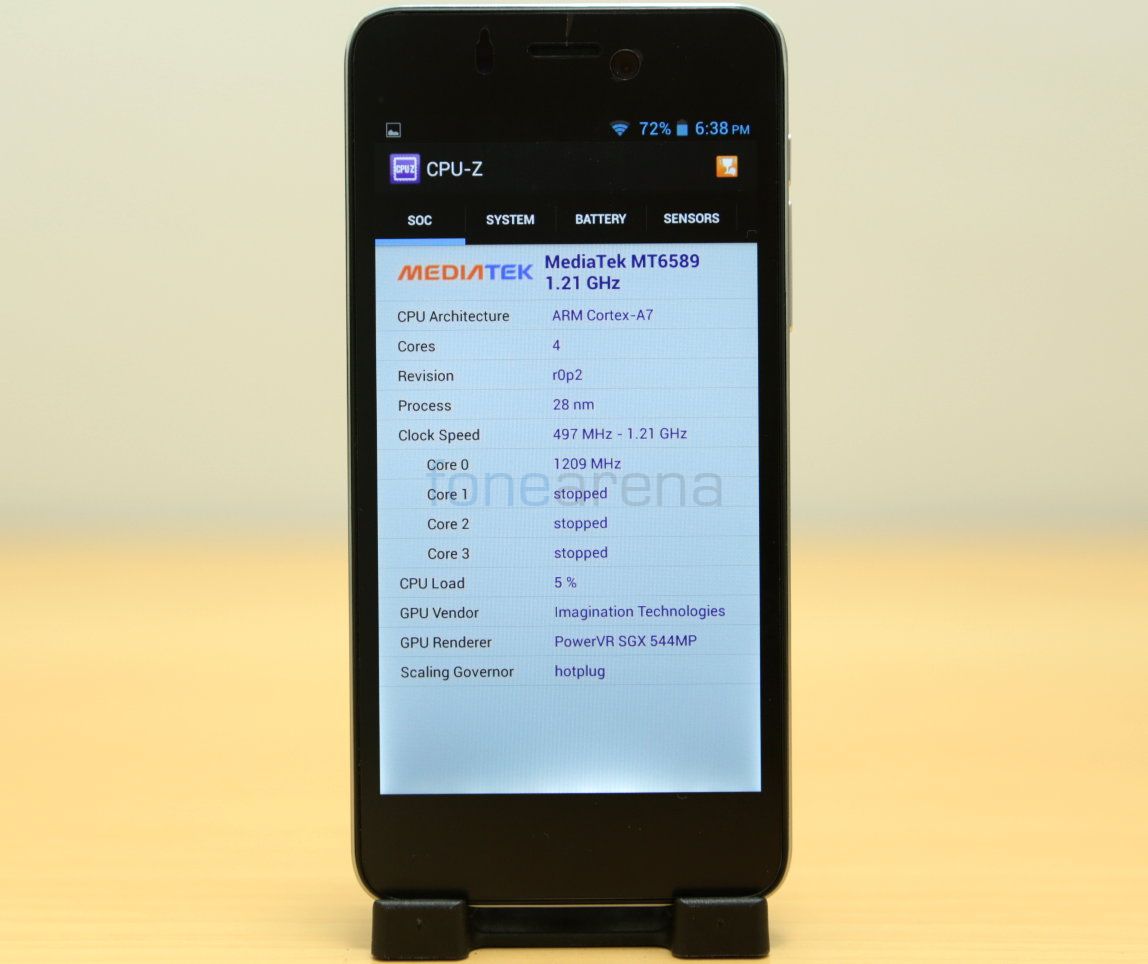
Lava launched the Iris Pro 20, a slimmed down version of the Iris Pro 30 last month for Rs. 13,999. We already brought you the unboxing of the device recently, here we have the benchmarks of the smartphone. It has a 4.7-inch (960 x 540 pixels) qHD capacitive touch screen display, unlike the Iris Pro 30 that had a HD display, but this one is powered by the same quad-core MediaTek 6589 processor clocked at 1.21 GHz per core with PowerVR SGX 544MP GPU and runs on Android 4.2.1 (Jelly Bean) we had seen on the Iris Pro 30.  Let us find out the synthetic benchmark scores of the smartphone. Continue reading “Lava Iris Pro 20 Benchmarks”

Motorola Moto E Benchmarks

Moto E Benchmarks

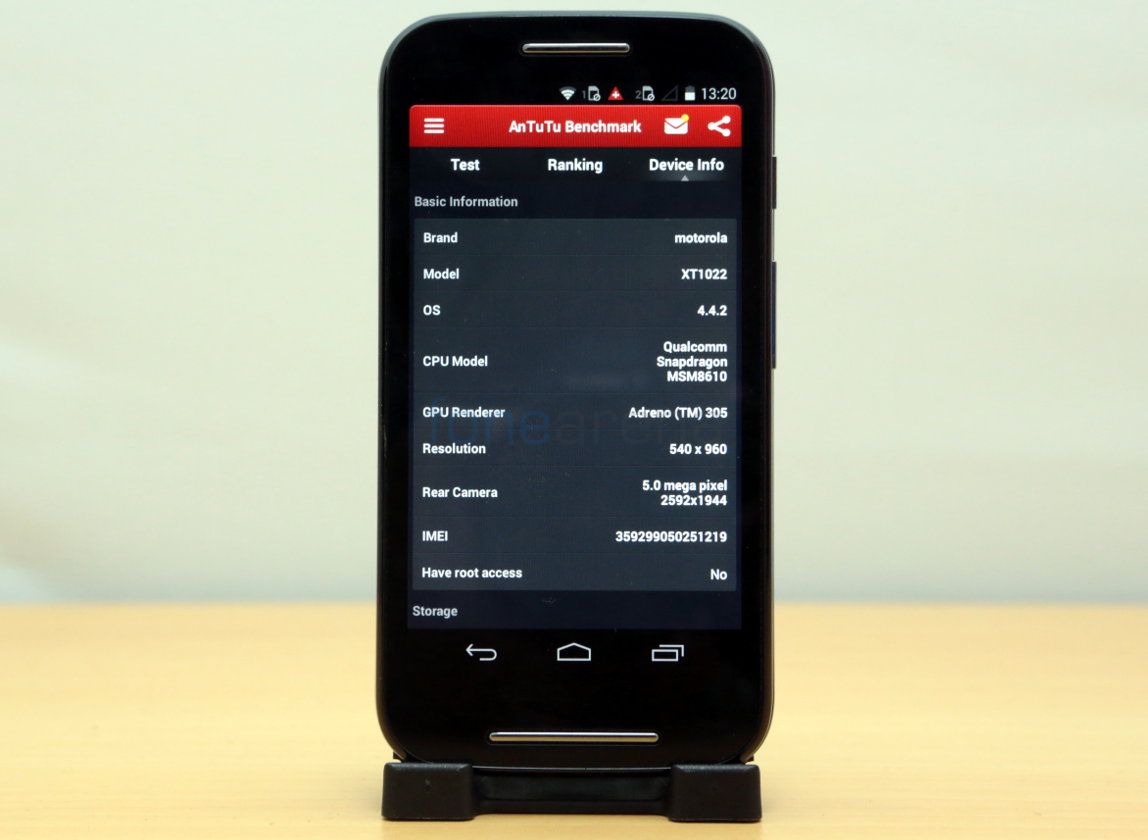
Motorola launched the Moto E, the company’s latest budget smartphone in India earlier this week for Rs. 6,999. We already brought you the unboxing of the Moto E. Here we have the benchmarks of the smartphone. The Moto E is powered by a 1.2 GHz dual-core Qualcomm Snapdragon 200 (MSM8610) processor with Adreno 302 GPU. It has a 4.3-inch qHD screen and runs on Android 4.4.2 (KitKat). Let’s check out how the smartphone performs in a range of synthetic benchmark tests. Continue reading “Motorola Moto E Benchmarks”

Lava Iris 504Q+ Benchmarks

Lava Iris 504Q Plus Benchmarks

Lava launched the Iris 504Q+ successor of the Iris 504Q last month. We already brought you the unboxing and the photo gallery of the smartphone. Here we have the benchmarks of the device. It is powered by a 1.3 GHz quad-core MediaTek MT6582 processor with ARM Cortex A7 cores and Mali 400 GPU, similar to Xolo Q1010i that was launched recently. It has a 5-inch HD display based on OGS technology, has a 10MP rear camera with Sony Exmor RS sensor and runs on Android 4.2 (Jelly Bean). Continue reading “Lava Iris 504Q+ Benchmarks”

Xolo Q1010i Benchmarks

Xolo Q1010i Benchmarks

Xolo launched the Xolo Q1010i, an upgraded version of the Xolo Q1010 last month. We brought you the unboxing few days back. Here we have the benchmarks of the smartphone. The Xolo Q1010i is powered by a 1.3 GHz quad-core MediaTek MT6582 processor with ARM Cortex A7 cores and Mali 400 GPU. It packs 1GB of RAM and runs on Android 4.2.2 (Jelly Bean). It has a 5-inch HD display and has a 8MP rear camera with Sony Exmor R sensor. Let’s find out how the smartphone performs in range of synthetic benchmark tests. Continue reading “Xolo Q1010i Benchmarks”

Gionee Elife E7 Mini Benchmarks

Gionee Elife E7 Mini-1-2

The Gionee Elife E7 Mini was unveiled alongside the flagship device, the Elife E7 at an event a few months back from where we’d brought you our first hands on. Powered by a 1.7 Ghz Mediatek MT6492 processor and paired with 1GB of RAM, the Elife E7 Mini is a decidedly less powerful device than the flagship. The phone has a 4.7 inch 720p display and is running on Android 4.2.2 with Gionee’s custom Amigo OS 2.0 UI layer thrown on top for good measure. We put the device through a range of synthetic benchmarks to get some comparative scores. Let’s check them out below. Continue reading “Gionee Elife E7 Mini Benchmarks”

Spice Stellar Mettle Icon Mi-506 Benchmarks

Spice Stellar Mettle Icon Mi-506 Benchmarks

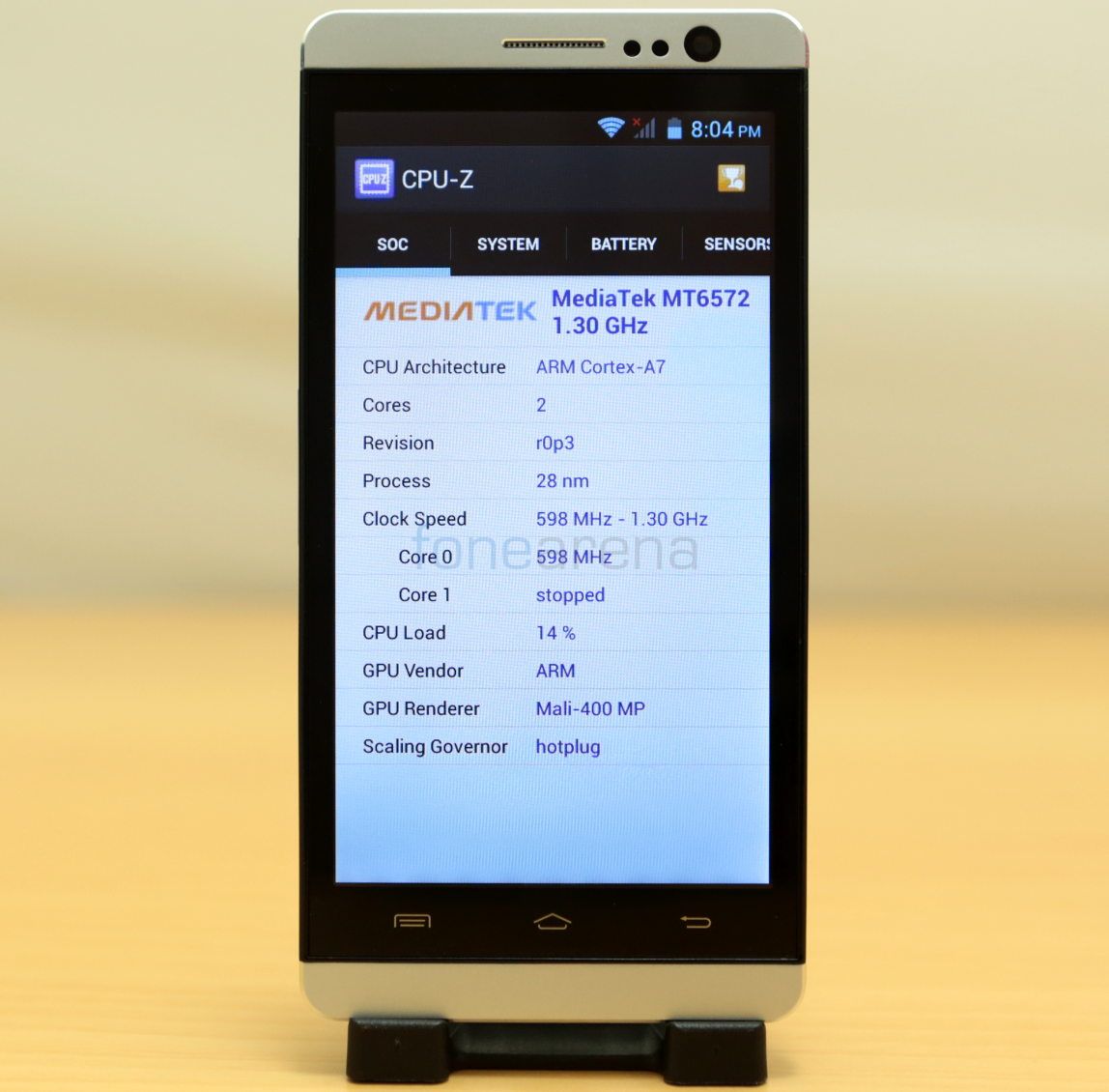
Spice launched the Mettle Icon Mi-506 with Metal build recently. We brought you the unboxing earlier this week, here we have the benchmarks of the device. It is powered by a dual-core MediaTek MT6572 SoC with Mali-400 MP GPU clocked at 1.3 GHz. It has a 5-inch (480 x 854 pixels) display, runs on Android 4.2 (Jelly Bean) and has 512MB of RAM. Let us check out the synthetic benchmark tests. Continue reading “Spice Stellar Mettle Icon Mi-506 Benchmarks”

Samsung Galaxy Note Pro 12.2 Benchmarks

The Samsung Galaxy Note Pro 12.2 stands out as perhaps the biggest Android tablet that you can get at the moment. The tablet is not only physically large, it also packs in it some serious firepower in the form of specifications. Under the hood is a 1.9Ghz Exynos 5 Octa processor paired with 3GB of RAM. The Exynos 5 Octa or the Exynos 5420 SoC has the big.LITTLE architecture where it pairs two clusters of four cores each. By switching between two clusters of Cortex A7 or Cortex A15 cores depending on the task load, the OS can optimize for battery life and performance.Samsung Note Pro 12.2 -13
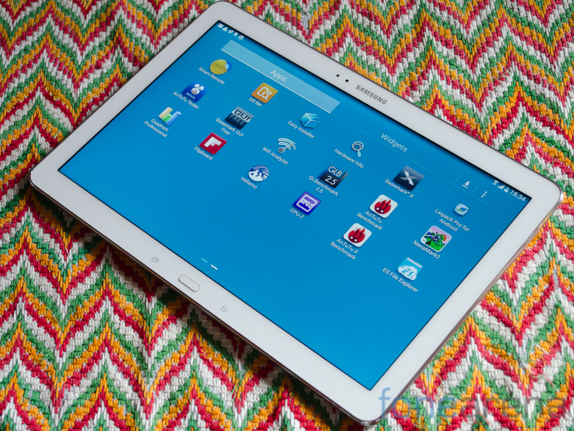
Unlike the Exynos 5422 variant of the chipset that is found in the Galaxy S5, the Galaxy Note Pro 12.2 does not have HMP (Heterogeneous Multi Processing) enabled which means that the OS cannot schedule task threads on all 8 cores simultaneously. While we’ll talk in detail about real life performance in our full review, here’s a couple of benchmarks to give you a comparative idea of how the Note Pro 12.2 fares against other popular Android tablets across categories. Continue reading “Samsung Galaxy Note Pro 12.2 Benchmarks”

Samsung Galaxy S5 Exynos 5 Octa Benchmarks

Samsung Galaxy S5 Benchmarks

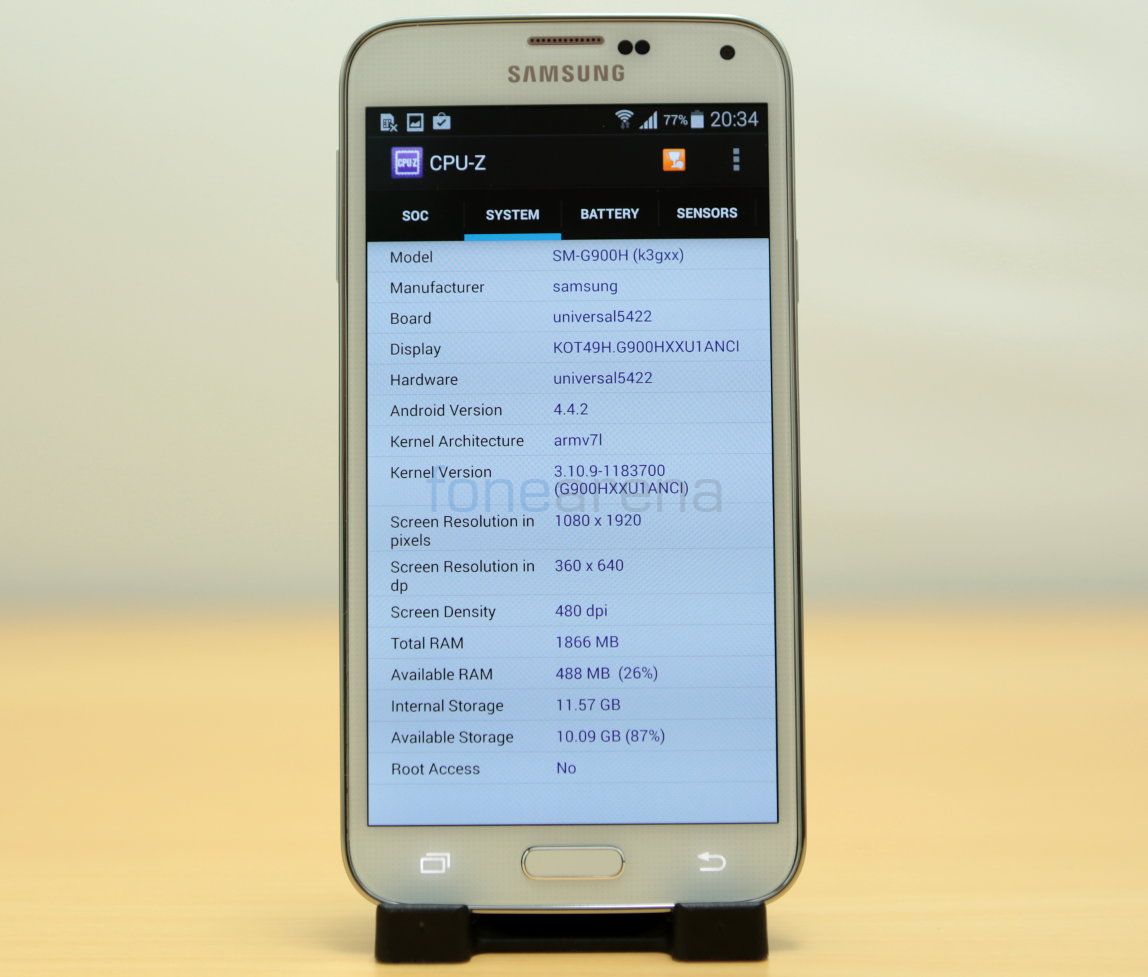
Samsung launched the Galaxy S5, the company’s latest smartphone powered by the latest Exynos 5 Octa chip last week . We already brought you the unboxing and the photo gallery of the device, here we have the benchmarks of the smartphone. It is powered by an Octa-Core Exynos 5422 processor based on ARM big.LITTLE architecture and 28nm High K Metal Gate Process technology, similar to the previous Exynos 5 chips. Continue reading “Samsung Galaxy S5 Exynos 5 Octa Benchmarks”