Lava Iris 405+ gets Android 4.4 KitKat update

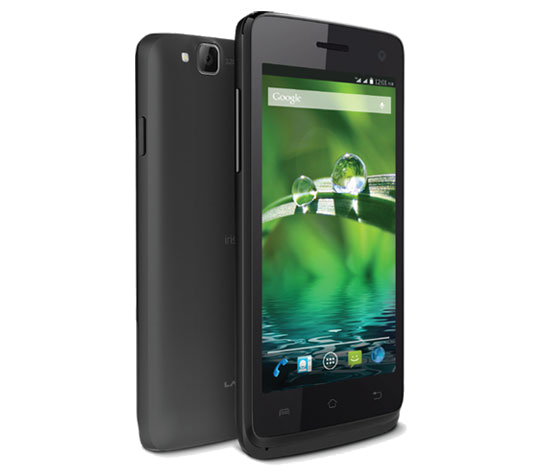
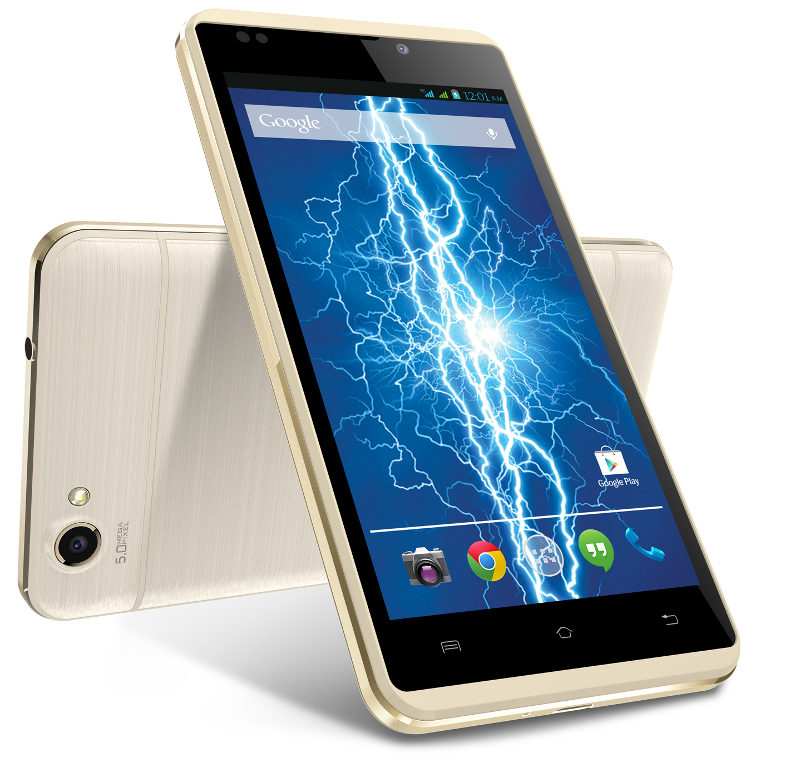
Lava Iris 405 plus Android 4.4

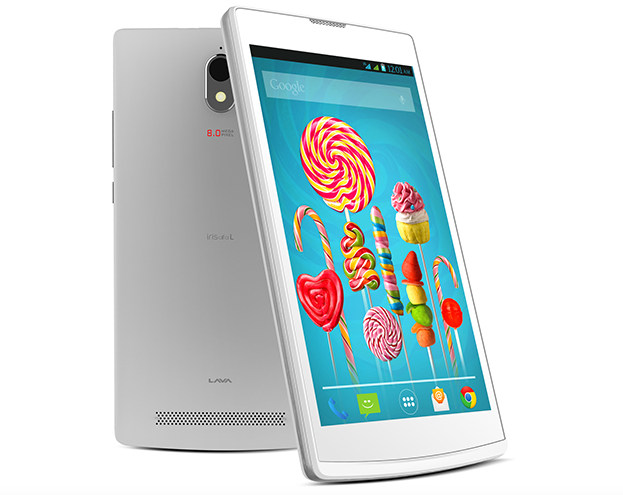
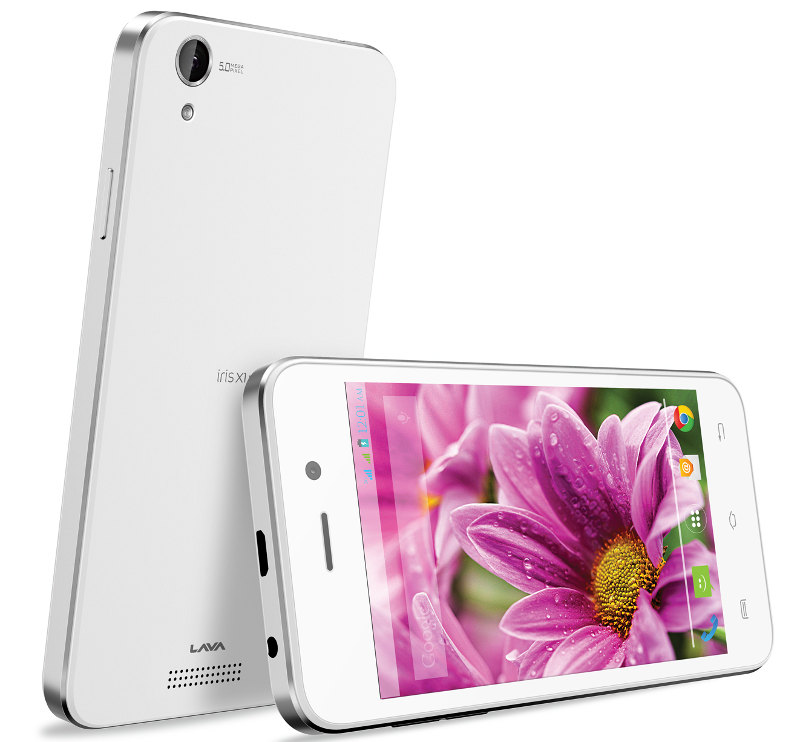
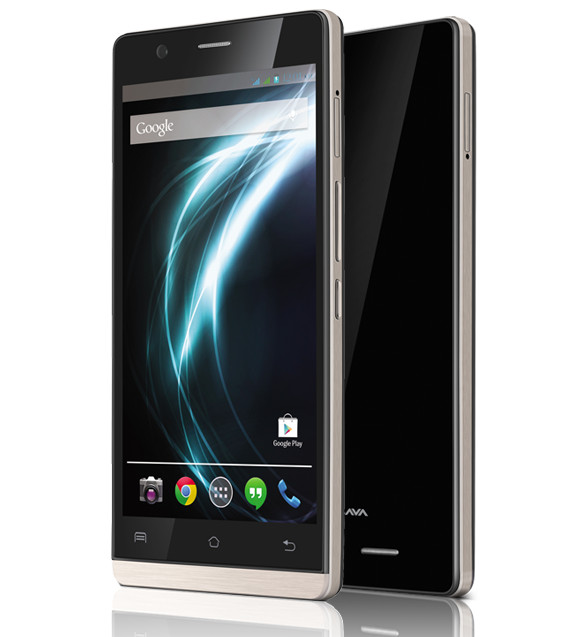
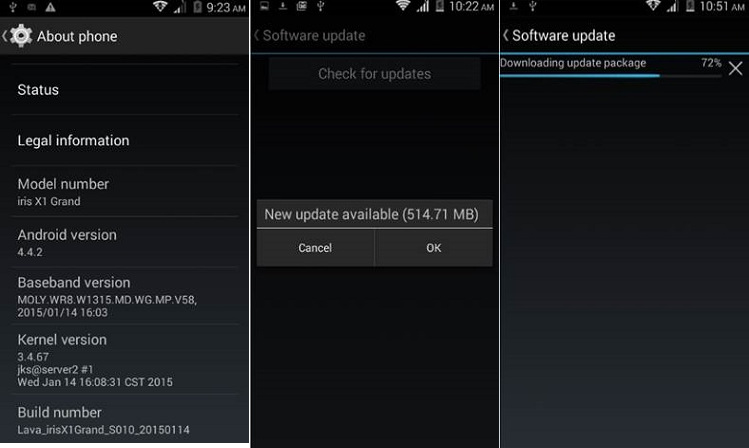
Lava rolled out Android 4.4 (KitKat) over-the-air (OTA) update for the Iris 504Q+ back in July, now the company has started rolling out Android 4.4 update for the Iris 405+ smartphone. It was launched back in January running Android 4.2 (Jelly Bean). The KitKat update for the smartphone should offer improved user experience through an enhanced user interface and software performance.It also brings a new dialer app. Lava is yet to release the official changelog for the update. Continue reading “Lava Iris 405+ gets Android 4.4 KitKat update”

Lava launches five new Android smartphones priced between Rs. 4000 and Rs. 6000

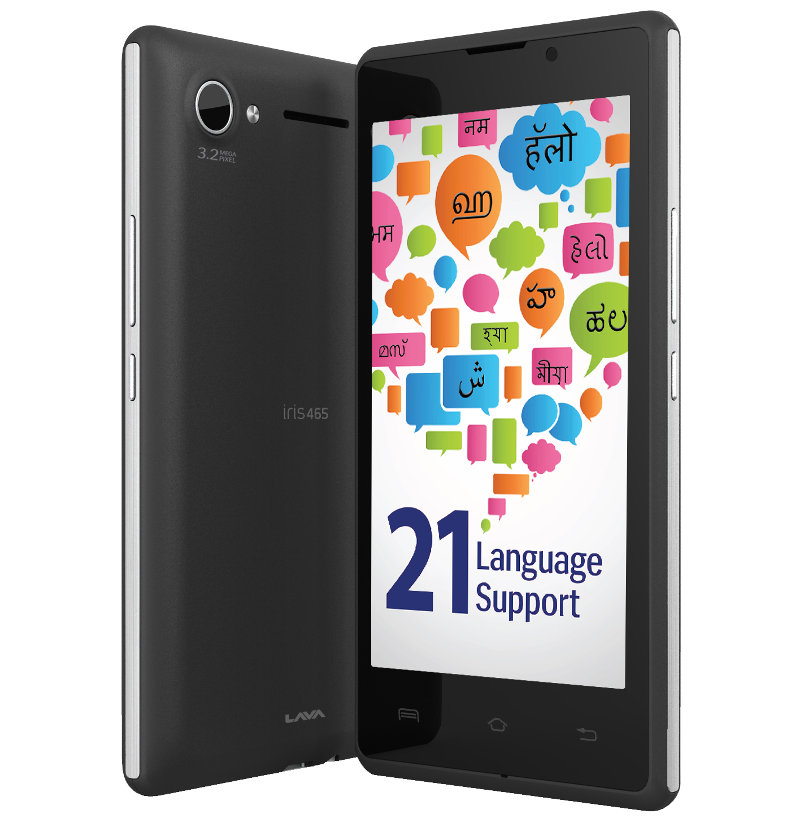
Iris 400S

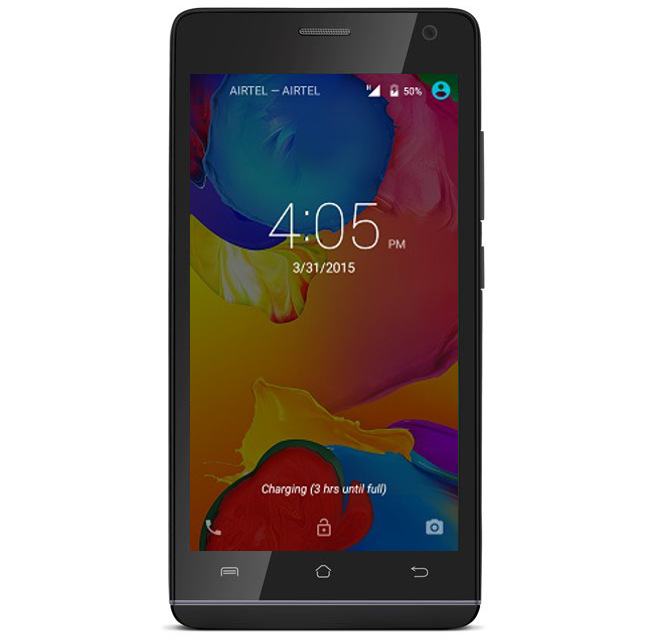
Lava has launched the five new smartphones in the Iris series. These include the Iris 400s, Iris 400 colors, Iris 250, Iris 404 Flair and the Iris 410. All these smartphones have dual SIM support. Continue reading “Lava launches five new Android smartphones priced between Rs. 4000 and Rs. 6000”

Lava Iris 352 Flair and Iris 404 Flair with Android 4.4 now available for Rs. 3999 and Rs. 4199

Lava Iris 352 Flair

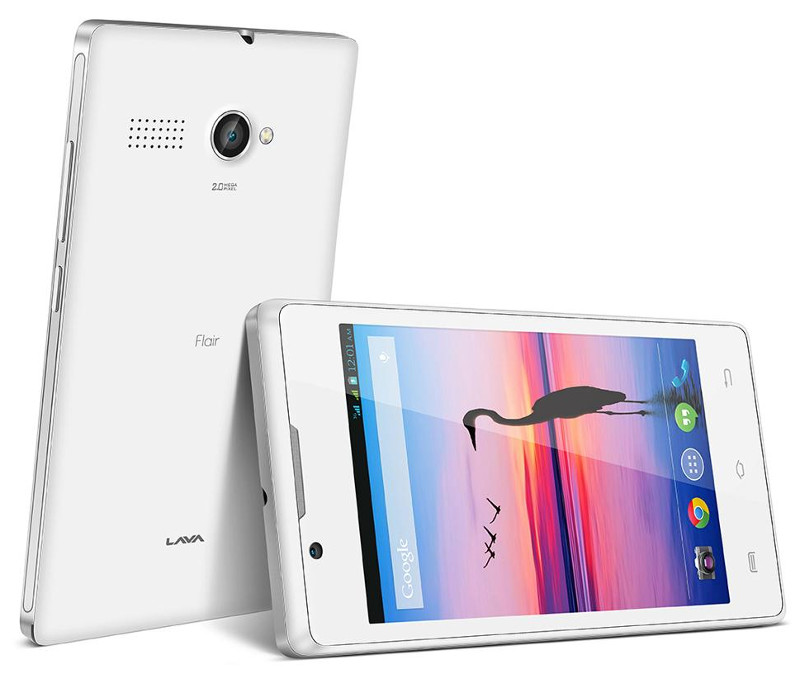
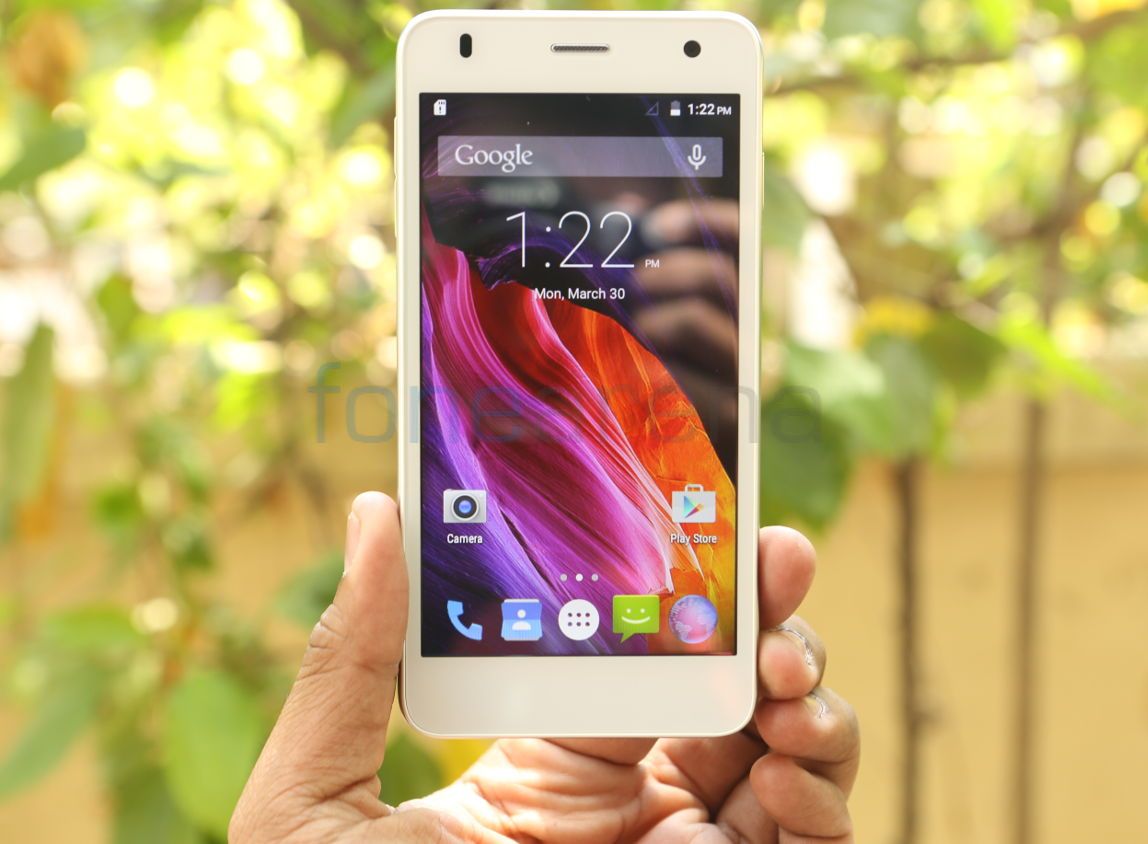
Lava Iris 352 Flair and Iris 404 Flair, latest budget smartphones from the Iris series are now available from Indiatimes Shopping. These have a 3.5-inch HVGA and 4-inch WVGA screen, powered by a dual-core processor and run on Android 4.4 (KitKat). Check out the complete specifications below. Continue reading “Lava Iris 352 Flair and Iris 404 Flair with Android 4.4 now available for Rs. 3999 and Rs. 4199”

Lava Iris 460 with 4.5-inch OGS display, Android 4.4 launched for Rs. 6699

Lava Iris 460

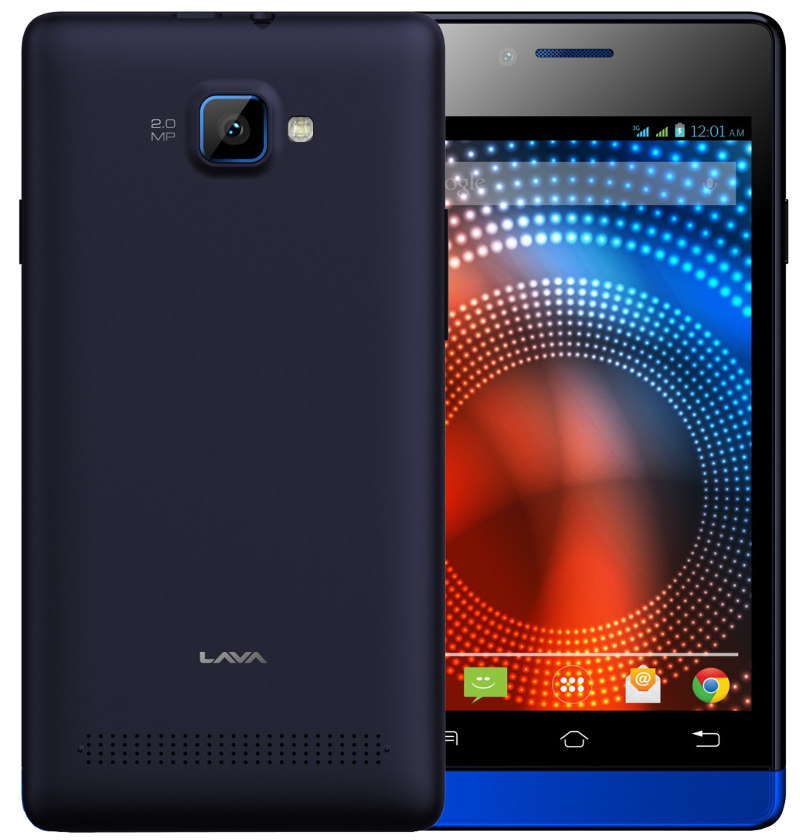
Lava has officially launched the Iris 460. It was spotted on the official website back in July and packs a 4.5-inch FWVGA screen based on one-glass-solution (OGS) technology, 1.3 GHz dual-core processor, 5-megapixel auto focus rear camera with LED flash and 0.3-megapixel front-facing camera. It has leather-like back cover.

Continue reading “Lava Iris 460 with 4.5-inch OGS display, Android 4.4 launched for Rs. 6699”

Lava Iris 400Q with 4-inch display, Android 4.4 now available for Rs. 5499

Lava Iris 400Q

Lava Iris 400Q, the latest budget smartphone in Lava Iris Q series is now available from Homeshop18. It has almost similar specifications as the Iris 406Q that was launched back in April, including a 4-inch WVGA display, 1.2 GHz quad-core processor, 5-megapixel rear camera with LED flash, 0.3-megapixel (VGA) front-facing camera and dual SIM support, but this runs on Android 4.4 (KitKat) out of the box. Continue reading “Lava Iris 400Q with 4-inch display, Android 4.4 now available for Rs. 5499”

Lava Iris X5 with 5-inch HD display, 5MP front camera with LED flash launched for Rs. 8799

Lava Iris X5

Lava Iris X5, the company’s latest selfie-focused smartphone in the X series is now available exclusively from online retailer Amazon.in. It has a 5-inch HD display based on one-glass-solution (OGS), powered by a 1.2 GHz quad-core processor and runs on Android 4.4.2 (KitKat). It has a 8-megapixel rear camera with dual LED flash similar to the Iris X1, but the main highlight is its 5-megapixel front-facing camera with LED flash to capture better selfies. Continue reading “Lava Iris X5 with 5-inch HD display, 5MP front camera with LED flash launched for Rs. 8799”

Lava to launch selfie-focused X series smartphone

Lava new X Series teaser

Lava launched the Iris X1, the first smartphone in the X series back in May. Today Lava has announced that it would launch a new smartphone with a wide-angle front camera with LED flash in the X series soon. Sony launched the Xperia C3, a similar selfie-focused smartphone with a 5-megapixel front camera with LED flash recently. Lava did not reveal the resolution of the rear camera yet. Continue reading “Lava to launch selfie-focused X series smartphone”

Lava Iris Pro 30+ with 4.7-inch HD display, 13 MP Camera launched for Rs. 11990

Lava Iris Pro 30 Plus

Lava has launched the Iris Pro 30+, the company’s latest flagship smartphone and the successor of Iris Pro 30 that was also launched earlier this year. It has a 4.7-inch (1280 x 720 pixels) IPS display based on OGS technology, 7.9mm slim and 116 gram light-weight body. It is powered by a 1.5 GHz quad-core MT6589T processor and runs on Android 4.2 (Jelly Bean) OS. It has a 13-megapixel rear camera with dual LED flash, 1.1 micron OmniVision BSI 2 sensor and a 3-megapixel front-facing camera.

Continue reading “Lava Iris Pro 30+ with 4.7-inch HD display, 13 MP Camera launched for Rs. 11990”

Lava Iris 360 Music with dual front speakers, Android 4.2 now available for Rs. 3849

Lava Iris 360 Music

Lava Iris 360 Music, the company’s latest entry-level smartphone is now available from Indiatimes Shopping and Saholic. The main USP of the smartphone is its dual front-facing speakers. It has 3.5-inch HVGA screen , powered by 1GHz dual-core processor and run on Android 4.2 (Jelly Bean). It has a 3-megapixel rear camera with and a 0.3-megapixel front-facing camera. Continue reading “Lava Iris 360 Music with dual front speakers, Android 4.2 now available for Rs. 3849”

Lava Iris X1 with 8GB internal storage launched at the same price of Rs. 7999

lava-iris-x1-review-21

Lava launched the Iris X1, a budget smartphone running Android 4.4 (KitKat) back in May with 4GB of internal storage. Less internal storage was a major problem that we faced during our review, since the internal storage fills up quickly after installing few apps. Now the company launched the Iris X1 with 8GB ROM at the same price of Rs. 7,999. The Lava Iris X1 also has a microSD card slot. Continue reading “Lava Iris X1 with 8GB internal storage launched at the same price of Rs. 7999”

Lava Iris 460 with 4.5-inch OGS display, Android 4.4 listed on official website

Lava Iris 460

Lava is all set to launch the Iris 460 in the Iris series running Android 4.4 (KitKat). The smartphone is listed on the official website and packs a 4.5-inch FWVGA screen based on one-glass-solution (OGS) technology, 1.3 GHz dual-core processor, 5-megapixel auto focus rear camera with LED flash and 0.3-megapixel front-facing camera. Continue reading “Lava Iris 460 with 4.5-inch OGS display, Android 4.4 listed on official website”

Lava Magnum X604 with 6-inch HD display, Android 4.4 launched for Rs. 11999

Lava Magnum X604

Lava has launched Magnum X604, the company’s latest smartphone in the new Magnum series. It has a  6-inch (1280 x 720 pixels) HD IPS display, powered by a 1.2 GHz quad-core processor and runs on Android 4.4 (KitKat). It has a 8-megapixel auto focus rear camera with BSI sensor, LED Flash, 1080p full HD video recording and a 2-megapixel front-facing camera. Continue reading “Lava Magnum X604 with 6-inch HD display, Android 4.4 launched for Rs. 11999”

Best smartphone under Rs. 10000 – Motorola Moto E vs Micromax Unite 2 vs Xolo Q600s vs Lava Iris X1

Motorola Moto E, Micromax Unite 2, Xolo Q600s and Lava Iris X1 are part of the affordable value for money series of smartphones under the Rs.8,000 price tag and today, we put all of them against each other to help you make a better choice when you are about to purchase a budget smartphone. In this small comparison, we consider the display, performance, the camera, gaming and battery life of the smartphones to help you get a better perspective about these smartphones.

moto-e-iris-x1-unite-2-xolo-q600s-budget-comparison-5

All these smartphones have dual-SIM capability and come with Android 4.4.2 KitKat out of the box.

Display

The specification of the displays is as follows –

Motorola Moto E – 4.3inch qHD (540×960 pixels) display 256ppi
Micromax Unite 2 – 4.7inch WVGA (480×800 pixels) display 199ppi
Lava Iris X1 – 4.5inch FWVGA (480×854 pixels) display 218ppi
Xolo Q600s – 4.5inch qHD (540×960 pixels) display 245ppi

Moto E is the sharpest display in terms of pixel density, but it is also the smallest and is the only in the lot to have on-screen buttons. So it has a comparatively very small display. Unite 2 has the biggest display amongst the lot, but also has the least dense display with just a WVGA display and a pixel density less than 200ppi. Lava Iris X1 has a reasonable 218ppi 4.5inch display while the Xolo Q600s has the second sharpest display.

moto-e-iris-x1-unite-2-xolo-q600s-budget-comparison-4

In terms of brightness, the Xolo Q600s is the brightest with the Unite 2 coming in second, followed by Iris X1 and Moto E is the least bright. Xolo Q600s emerges as the strongest in terms of viewing angles with the Unite 2 again coming in second. The Moto E ’s display does better in terms of viewing angles than the one on the Lava Iris X1. Color accuracy is maintained well in the Xolo Q600s and to some extent in the Unite 2. The displays of Moto E and Iris X1 appear relatively cooler than usual.

Overall, in terms of display quality, the Xolo Q600s is the clear winner and Unite 2 comes in next. The displays of Moto E and Iris X1 come in next. If you are a fan of bigger displays, then you would be picking the X1 over Moto E as Moto E’s screen estate is shrunk down by on screen buttons.

Performance

In terms of general performance, the Snapdragon powered Moto E is better than the other three. The Unite 2 comes in next thanks to its quad-core MediaTek chip and the Broadcom quad-core chip powered X1 and Q600s take the last place. Both these phones are laggy and that shows in their general user interface. Opening the apps is much quicker on Moto E and Unite 2, while the Broadcom powered X1 and Q600s severely fall behind in this aspect. Web browsing on Chrome is pretty much the same on all these phones with pinch to zoom taking a few seconds to load and that is expected in a budget offering.

Camera

Coming to the camera, here is a quick look at the specifications of the various camera units.

Moto E – 5MP fixed focus – NO LED Flash – No front camera – 854x480pixels video
Unite 2 – 5MP Auto focus – LED Flash – 2MP front camera – 720p video
Q600s – 5MP Auto focus – LED Flash – VGA front camera – 720p video
Iris X1 – 8MP Auto focus – LED Flash – 2MP front camera – 1080p video

moto-e-iris-x1-unite-2-xolo-q600s-budget-comparison-2

In terms of quality, the 8MP Iris X1 does very well while the Unite 2 and Q600s come in next with good details and colors. The fixed focus 5MP unit on Moto E is probably the worst performer in this range and if camera on a phone is very important to you, then you should reconsider Moto E. You can check out the samples of the four phones right below.

Motorola Moto E

moto-e-camera-sample-1

moto-e-camera-sample-1

moto-e-camera-sample-1

Micromax Unite 2

unite-2-camera-sample-1

unite-2-camera-sample-1

unite-2-camera-sample-1

Xolo Q600s

xolo-q600s-camera-sample-1

xolo-q600s-camera-sample-1

xolo-q600s-camera-sample-1

Lava Iris X1

iris-x1-camera-sample-1

iris-x1-camera-sample-1

iris-x1-camera-sample-1

Gaming

Among the four phones, Moto E takes the crown mainly because of its Adreno GPU while the others are stuck with VideoCore GPU or Mali GPU which aren’t quite capable. Most of the games we tried included – Subway Surfer, Riptide GP2, Temple Run 2, Dead Trigger 2 and Shadow gun. Moto E was able to run the casual games well, but just started lagging on the big ones like Shadow gun. The next best is the Unite 2 and that is because of the Mali400 GPU. The VideoCore GPU powered Iris X1 and Q600s performed less than the Moto E and Unite 2. Both these phones could run the game, but that isn’t their strongest suit.

httpv://www.youtube.com/watch?v=vHYnTjNOvAQ

httpv://www.youtube.com/watch?v=cQju_ToG9lw

httpv://www.youtube.com/watch?v=cweKJuuFH-Q

httpv://www.youtube.com/watch?v=SmNw9CwhzkM

Battery Life

Moto E is the winner here again. Moto E has striped down specifications of the Moto G, but Motorola have kept almost all of its battery juice intact. Moto G had a great battery life and the Moto E does even better. The other phones aren’t that good when compared to the Moto E, but all the three will last at least one day of normal usage. Moto E will definitely last a day and half of normal usage.

moto-e-iris-x1-unite-2-xolo-q600s-budget-comparison-3

Conclusion

As you can see from the comparison above, no phone is perfect and at this price range, almost all of them are far from perfect. But the choice of the perfect phone for you rests with you. If you want an excellent display, but can do with average performance, then you can get the Xolo Q600s. If the phone needs to be fast, compact and have a long battery life, then the Motorola Moto E should be your choice. If you are a fan of big displays, the Micromax Unite 2 should be the one for you. If you want a premium looking device at a bargain price, then the Lava Iris X1 should be your choice with its iPhone like looks. All the phones have their pros and cons and we try to summarize it below.

moto-e-iris-x1-unite-2-xolo-q600s-budget-comparison-1

Motorola Moto E

Pros

  • Excellent Battery life
  • Very compact and feels solid
  • Cheapest among the four

Cons

  • Horrible camera
  • The screen is very small(comparatively) and you have to use only on-screen buttons
  • Feels heavy and bulky

Micromax Unite 2

Pros

  • Big display which is relatively better than others
  • Good battery life
  • Reasonable camera

Cons

  • Low resolution display (less than 200ppi)
  • Probably the least good looking device among the four
  • Feels big and bulky

Xolo Q600s

Pros

  • Excellent display(considering the four phones)
  • Good solid build quality

Cons

  • Performance is bad – UI is slow and sluggish
  • Camera isn’t great

Lava Iris X1

Pros

  • Premium looks and very good design(although seems copied from the iPhone)
  • Camera is better than the others

Cons

  • Poor performance
  • Battery life could have been better
  • Display performs poorly when compared to the others

Lava Iris 350M now available for Rs. 3329, Iris 402e coming soon

Lava Iris 350M

Lava Iris 350M, a new entry-level smartphone in the Iris series is now available from online retailer HomeShop18. The Iris 402e, another entry-level smartphone has appeared on the official website. The Iris 350M has a  3.5-inch HVGA screen and the Iris 402e comes with a 4-inch WVGA screen based on OGS technology. Both these are powered by 1GHz processor and run on Android 4.2. (Jelly Bean). Both these have dual SIM support and 2G (EDGE) connectivity. Continue reading “Lava Iris 350M now available for Rs. 3329, Iris 402e coming soon”

Lava Iris X1 Review

The battle for the entry range Android smartphone is well and truly on after Motorola started it by launching the Moto E for Rs. 6,999. It did not take long for the Indian manufacturers to “adapt” to the trend and soon we had a lot of value for money entry range smartphones and the Lava Iris X1 is one of them, probably the classiest looking of the lot. Lets check out what you get with the Lava Iris X1 for Rs. 7,999.

lava-iris-x1-review-21 Continue reading “Lava Iris X1 Review”