
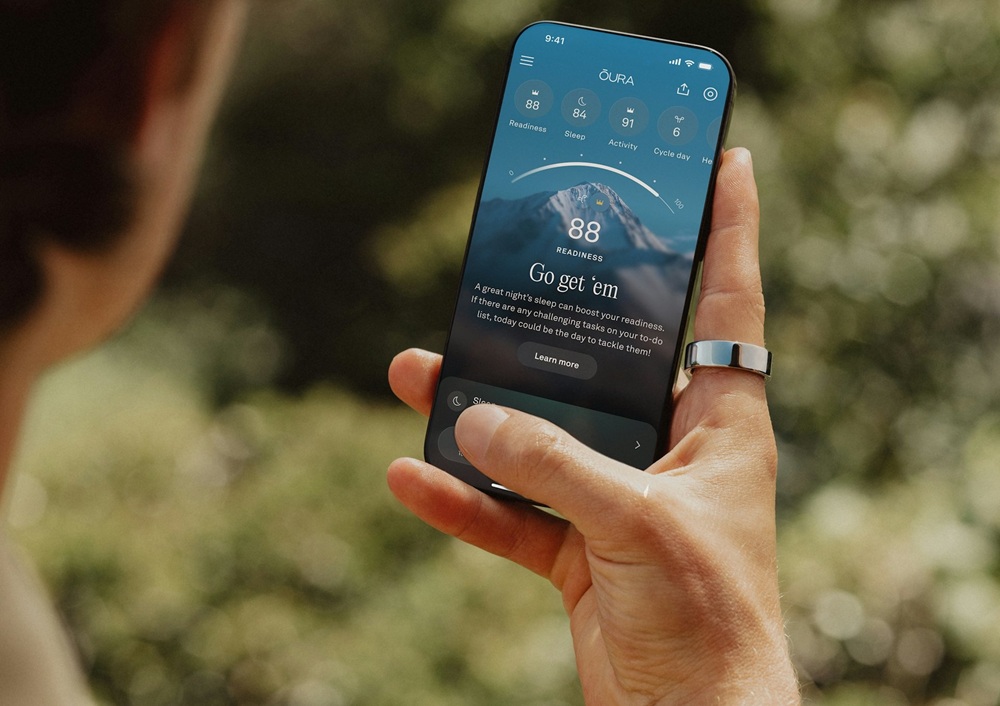
Oura has introduced two new features—Hormonal Birth Control support and Menopause Insights—designed to help users track and understand hormonal changes using continuous biometric data. The update expands the platform’s women’s health capabilities across contraception use and menopause stages.
Cycle Insights updated with Hormonal Birth Control support
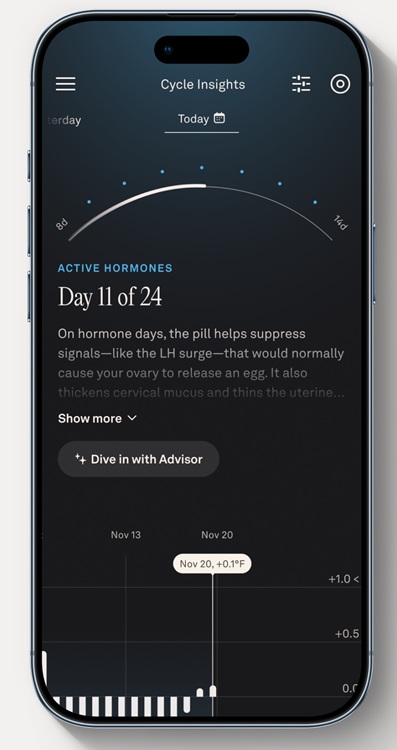
Oura has updated its Cycle Insights feature to support users using hormonal contraception, including pills, patches, IUDs, implants, and other methods. The feature provides insight into how hormonal contraception may influence individual baseline metrics over time.
This update introduces a first-of-its-kind view of how biometrics shift across hormone and hormone-free days, linking daily physiological data with user-reported experiences.
Key features
- Log birth control methods across more than 20 combinations, including pills, patches, IUDs, implants, and others
- Track changes in temperature patterns, sleep, and recovery metrics
- Monitor bleeding patterns and symptoms over time
- Distinguish expected variations from changes outside typical patterns
- Access tailored educational insights to help build body literacy and understand individual responses
Healthcare integration (U.S.)
In the United States, Oura is partnering with Twentyeight Health, a provider-led, insurance-enabled women’s healthcare platform.
Users who opt in can:
- Connect with a nationwide network of licensed clinicians
- Book same-day virtual consultations
- Sync cycle and sleep data to support contraceptive counseling
- Receive prescriptions for hormonal contraception
- Access ongoing counseling, refills, and home delivery
The integration is designed to reduce barriers related to cost, time, and access to in-person reproductive care.
Menopause Insights focuses on perimenopause tracking
Oura has also introduced Menopause Insights, a feature designed to track and assess perimenopause and menopause-related changes.
Perimenopause affects more than 1 billion women globally, yet it remains under-recognized, with many users navigating symptoms without clear guidance on their impact.
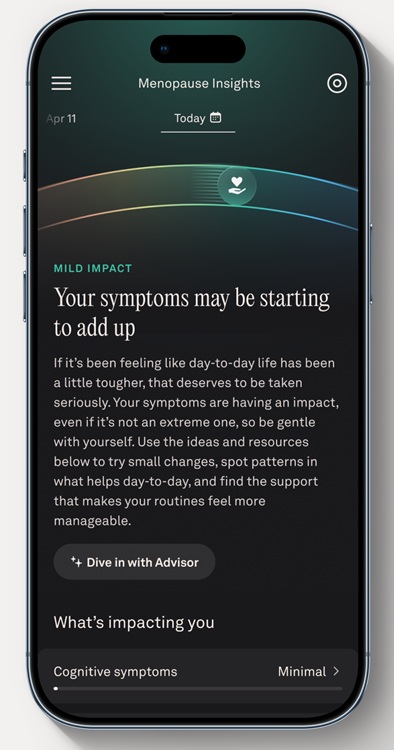
At the core of this feature is the Menopause Impact Scale, a research-based clinical questionnaire developed by Oura. It is designed to measure how menopause-related symptoms affect quality of life, replacing older tools developed using smaller, clinic-based samples.
Key features
- Structured assessment across sleep, mood, cognition, and daily functioning
- Personalized dashboard showing overall impact level
- Breakdown of contributing symptom domains
- Tracking of symptom patterns over time within the My Health view
- Correlation of symptoms with lifestyle factors, stress, and interventions
- Option to save and share results with clinicians
Expanded women’s health ecosystem and research
These features build on Oura’s existing tools, including Cycle Insights, Fertile Window tracking, Pregnancy Insights, and a custom women’s health AI model designed to interpret health data and queries using a clinically grounded, domain-specific approach.
Oura is also working with healthcare platforms such as Maven, Progyny, and Twentyeight Health to integrate biometric data into care plans.
In addition, ongoing research collaborations across pregnancy, menstrual health, and midlife hormonal changes use continuous biometric data to study health patterns across diverse populations.
Together, these developments position the platform as an adaptive women’s health companion that can support users across different hormonal life stages.
Availability
The new features will begin rolling out globally starting May 6.
Speaking on the update, Holly Shelton, Chief Product Officer at Oura, said:
Hormonal health has been treated as an afterthought in both medicine and technology for decades. When more than half of women in their reproductive years are using contraception and more than a billion women are moving through perimenopause and menopause, asking them to rely on trial and error, vague reassurance, or generic symptom trackers is simply not enough. By connecting hormonal context to the biometric data Oura tracks, we’re giving women visibility, language, and evidence they haven’t had at this scale.