
Google has released Android 17 Beta 2, continuing its focus on privacy, security, and performance. This update introduces new system APIs, cross-device capabilities, enhanced connectivity, and developer tools for testing apps ahead of the stable release.
User Experience and System UI
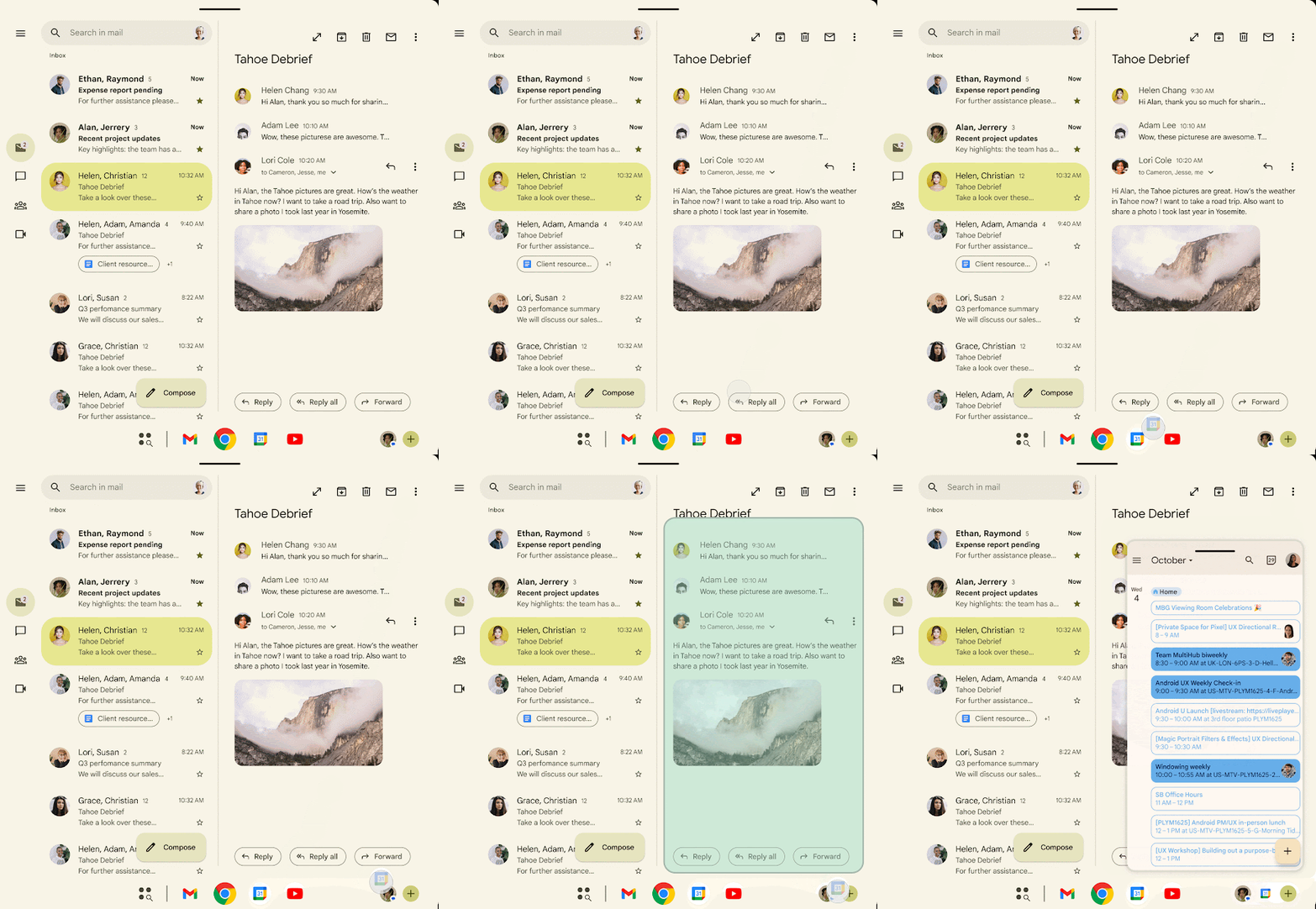
Android 17 Beta 2 introduces Bubbles, a floating window interface for phones, tablets, and foldable devices. Users can create a bubble by long-pressing an app icon.
On larger screens, a bubble bar in the taskbar allows organizing, moving, and anchoring bubbles. Developers should follow multi-window guidelines to ensure apps function correctly in this mode.
Other UI updates include:
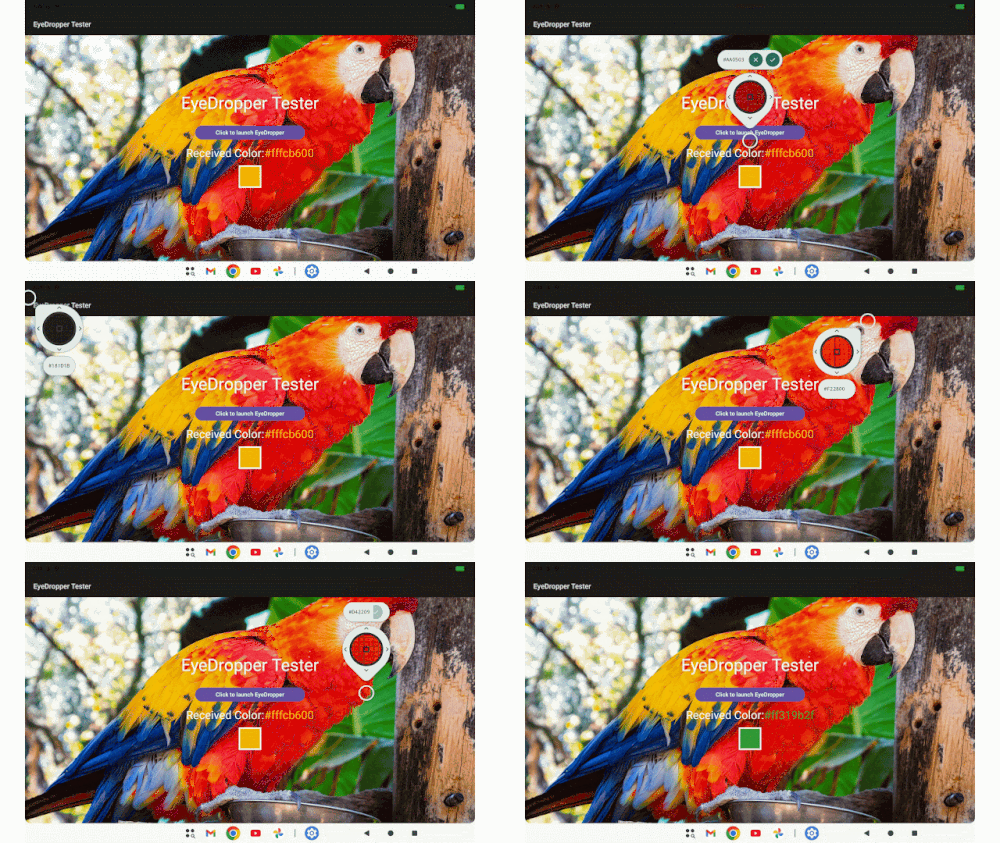
- EyeDropper API: Lets apps select a color from any pixel without requiring screen capture permissions.
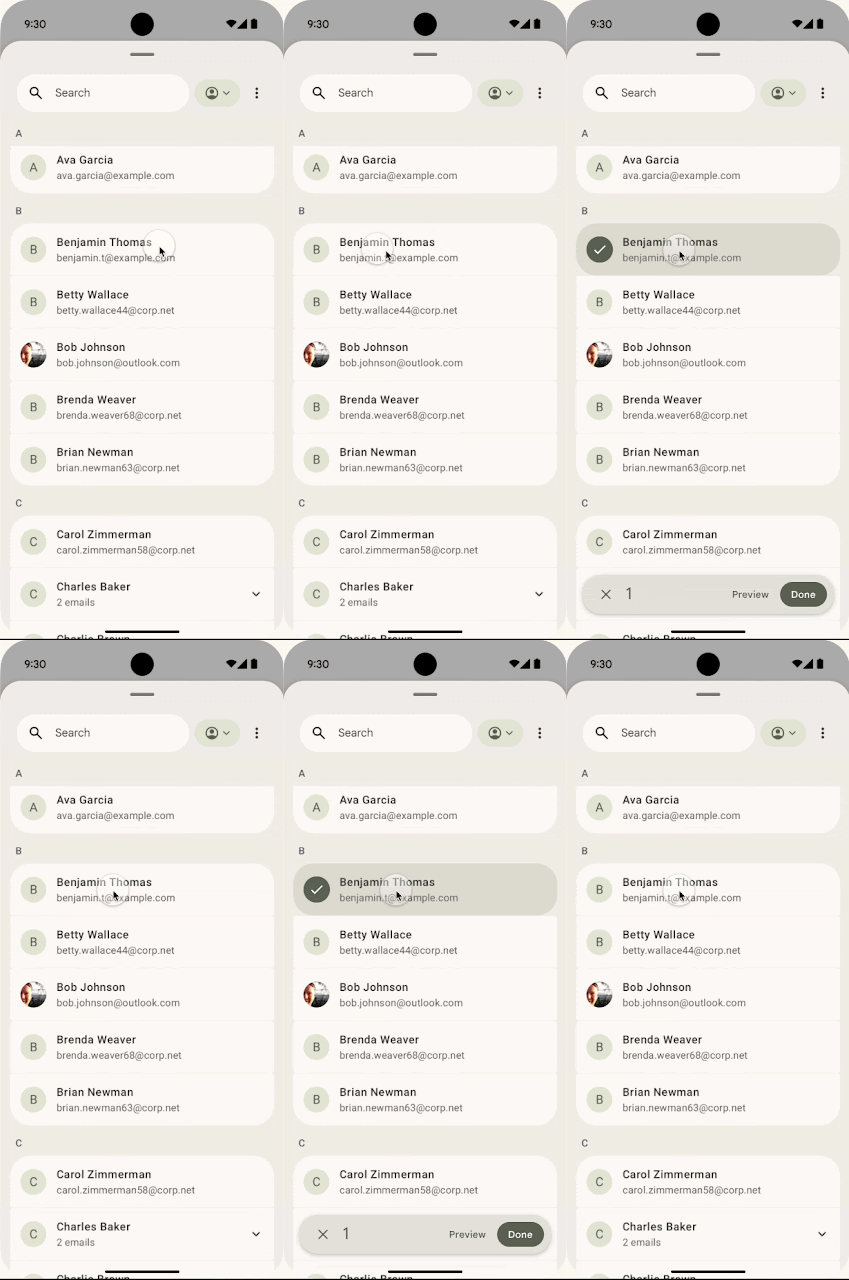
- Contacts Picker (
ACTION_PICK_CONTACTS): Provides temporary, session-based access to specific contact fields from personal or work profiles.
- Touchpad Pointer Capture: Gestures now report like mouse events; absolute mode allows detailed finger tracking.
- ChooserSession
getInitialRestingBounds: Identifies the final position of Chooser elements after animations for precise UI adjustments.
Connectivity and Cross-Device Features
Android 17 adds a Cross-Device Handoff API, allowing applications to resume their state on nearby devices, including tablets. Using CompanionDeviceManager, the system displays handoff suggestions and supports both app-to-app and app-to-web transitions.
Additional connectivity and data enhancements include:
- UWB DL-TDOA: Supports privacy-preserving indoor navigation, compliant with FIRA 4.0 DL-TDOA specifications.
- Proximity Detection: Wi-Fi Alliance specification for more accurate and reliable proximity measurements.
- Carrier Data Rate Access:
getStreamingAppMaxDownlinkKbpsandgetStreamingAppMaxUplinkKbpsallow apps to optimize streaming performance.
Core Functionality, Privacy, and Performance
Android 17 introduces ACCESS_LOCAL_NETWORK, a runtime permission that limits unauthorized local network access. Apps can use system-mediated device pickers to avoid prompting users or request permission explicitly to maintain LAN communication. Users who have granted other NEARBY_DEVICES permissions are not prompted again.
Other updates include:
- Time Zone Offset Broadcast (
ACTION_TIMEZONE_OFFSET_CHANGED): Fires on system offset changes, complementingACTION_TIME_CHANGEDandACTION_TIMEZONE_CHANGED. - NPU Access: Apps must declare
FEATURE_NEURAL_PROCESSING_UNITto access LiteRT, vendor SDKs, or NNAPI. - ICU 78 & Unicode 17: Expanded support for new scripts, emoji blocks, and direct formatting of time objects.
SMS and OTP Protection
Android 17 expands OTP protections for SMS messages. For apps not intended as recipients, OTP messages are delayed for three hours. This applies to:
- WebOTP messages
- SMS Retriever format messages
- Standard OTP SMS messages
Exemptions include the default SMS app, assistant apps, and connected device companion apps. Developers should use SMS Retriever or SMS User Consent APIs to maintain OTP functionality.
Developer Guidance and Release Timeline
Pixel users can enroll in the Android Beta program for OTA updates. Non-Pixel devices can use 64-bit emulator images in Android Studio. Google is targeting Platform Stability in March, after which final SDK and NDK APIs will be delivered. Apps can then target SDK 37 and publish updates to Google Play.
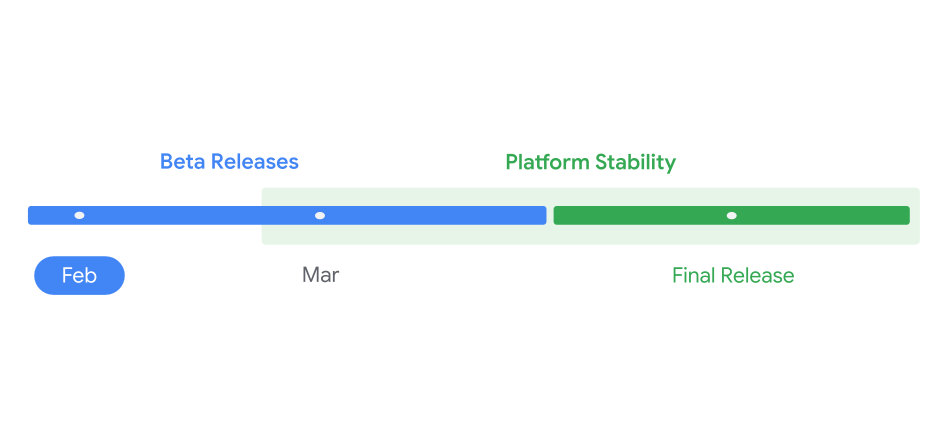
Key points for developers:
- Quarterly updates planned for Android 17.
- Q2 release: Introduces planned app-breaking behavior changes.
- Q4 minor SDK update: Adds additional APIs and features.
- Compile against the new SDK, test apps in CI environments, and report issues via the official tracker.