Google has announced Nano Banana 2 Lite, its fastest and most cost-efficient Gemini Image model to date, alongside expanded developer access to Gemini Omni Flash, its multimodal video generation and conversational editing model.
Google said the two models are designed for end-to-end multimedia workflows that combine rapid image generation with video creation and editing. According to the company, developers can use the models for workflows involving high-volume image generation, multi-turn video editing, and multimodal content creation.
Nano Banana 2 Lite
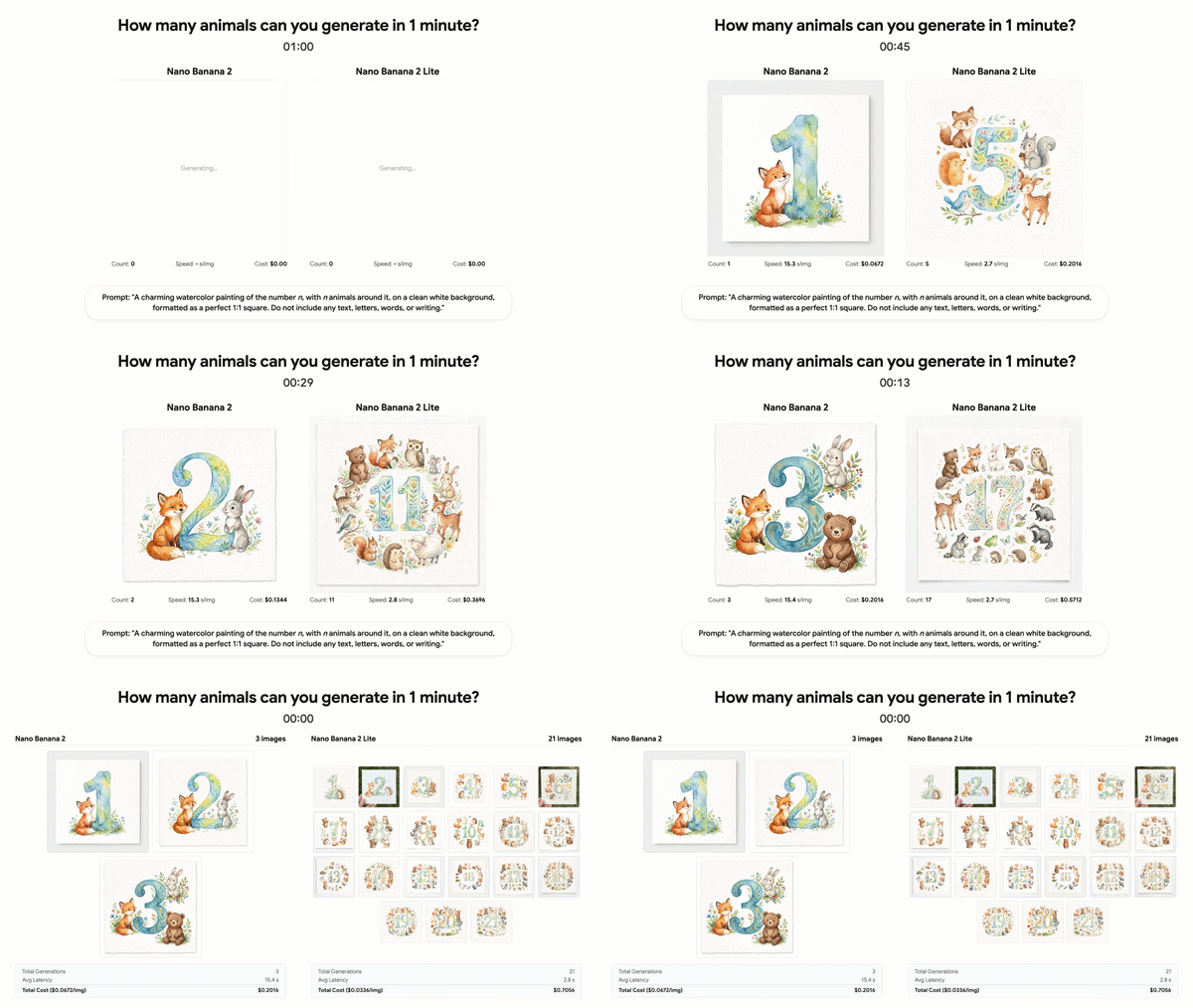
Nano Banana 2 Lite (gemini-3.1-flash-lite-image) is designed for rapid ideation, high-throughput workloads, and high-velocity developer pipelines where speed and cost efficiency are primary requirements.
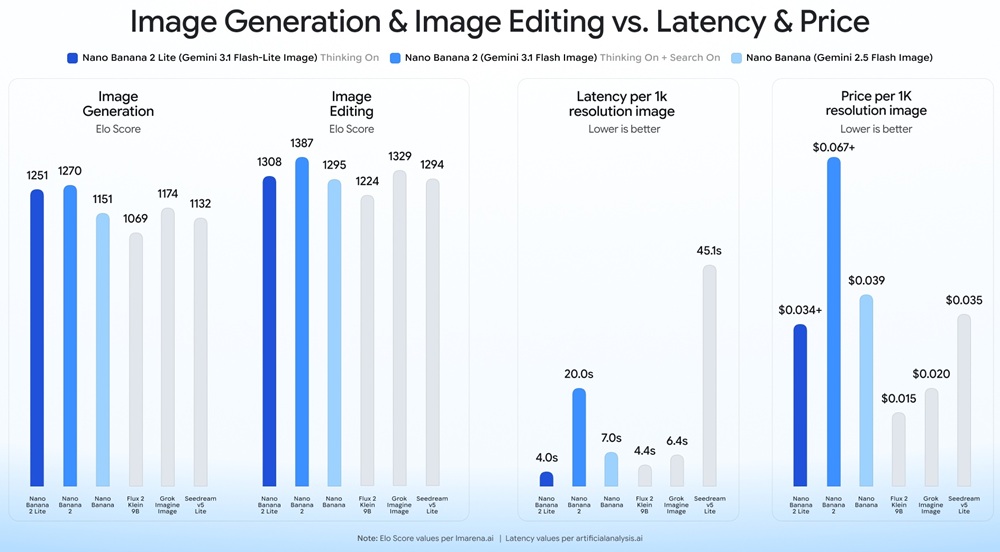
Google is recommending Nano Banana 2 Lite as the replacement for the original Nano Banana model (gemini-2.5-flash-image), stating that developers can switch immediately to gain improvements in image quality, generation speed, and operational costs.
Key features include:
- Text-to-image generation latency of approximately 4 seconds
- Pricing of $0.034 per 1K-resolution image
- Support for interactive prototyping, rapid visual drafting, and high-volume image generation
- Reliable prompt adherence
- Strong character consistency
- Legible in-image text rendering
Understanding the Nano Banana family
Google also detailed the current Gemini Image model lineup:
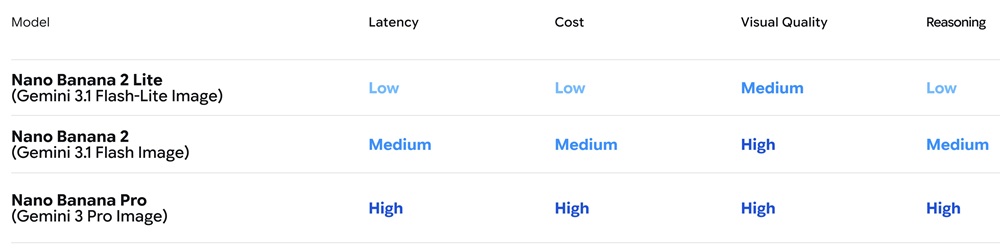
| Model | Description |
|---|---|
| Nano Banana 2 Lite (Gemini 3.1 Flash Lite Image) | Built for near-real-time, high-volume workflows with ultra-low latency. |
| Nano Banana 2 (Gemini 3.1 Flash Image) | Google’s “generalist workhorse” that balances image quality, latency, and cost. |
| Nano Banana Pro (Gemini 3 Pro Image) | Designed for professional workflows requiring greater control and advanced reasoning. |
| Nano Banana (Gemini 2.5 Flash Image) | Previous-generation image model that Google recommends replacing with Nano Banana 2 Lite. |
Gemini Omni Flash arrives for developers
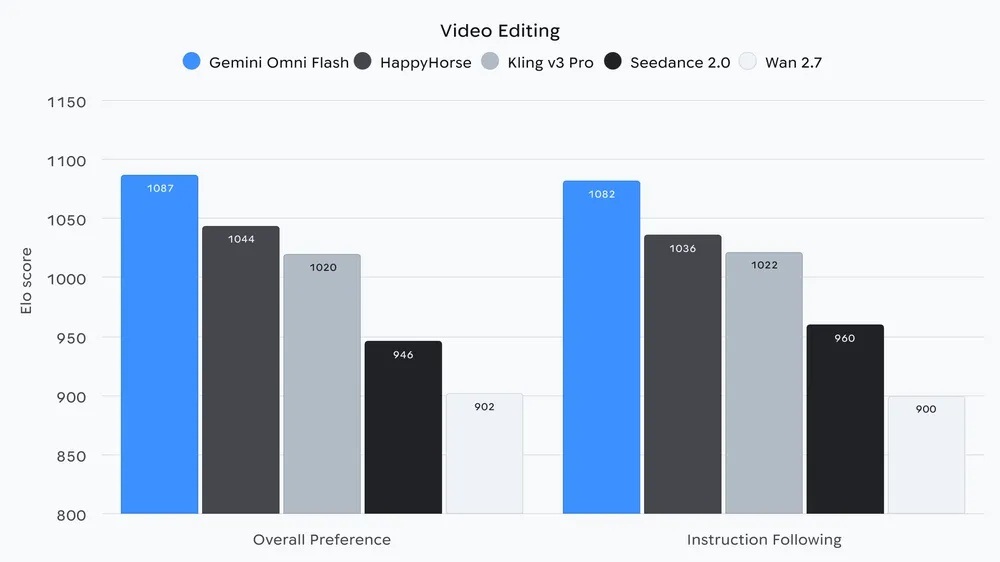
Google has expanded access to Gemini Omni Flash (gemini-omni-flash-preview), its model for video generation and conversational editing.
Originally introduced at Google I/O, Gemini Omni Flash combines Gemini’s multimodal reasoning capabilities with native video generation and editing. The model supports video generation and editing using text, image, and video inputs.
Google has priced Gemini Omni Flash at $0.10 per second of generated video output, matching the pricing of Veo 3.1 Fast.
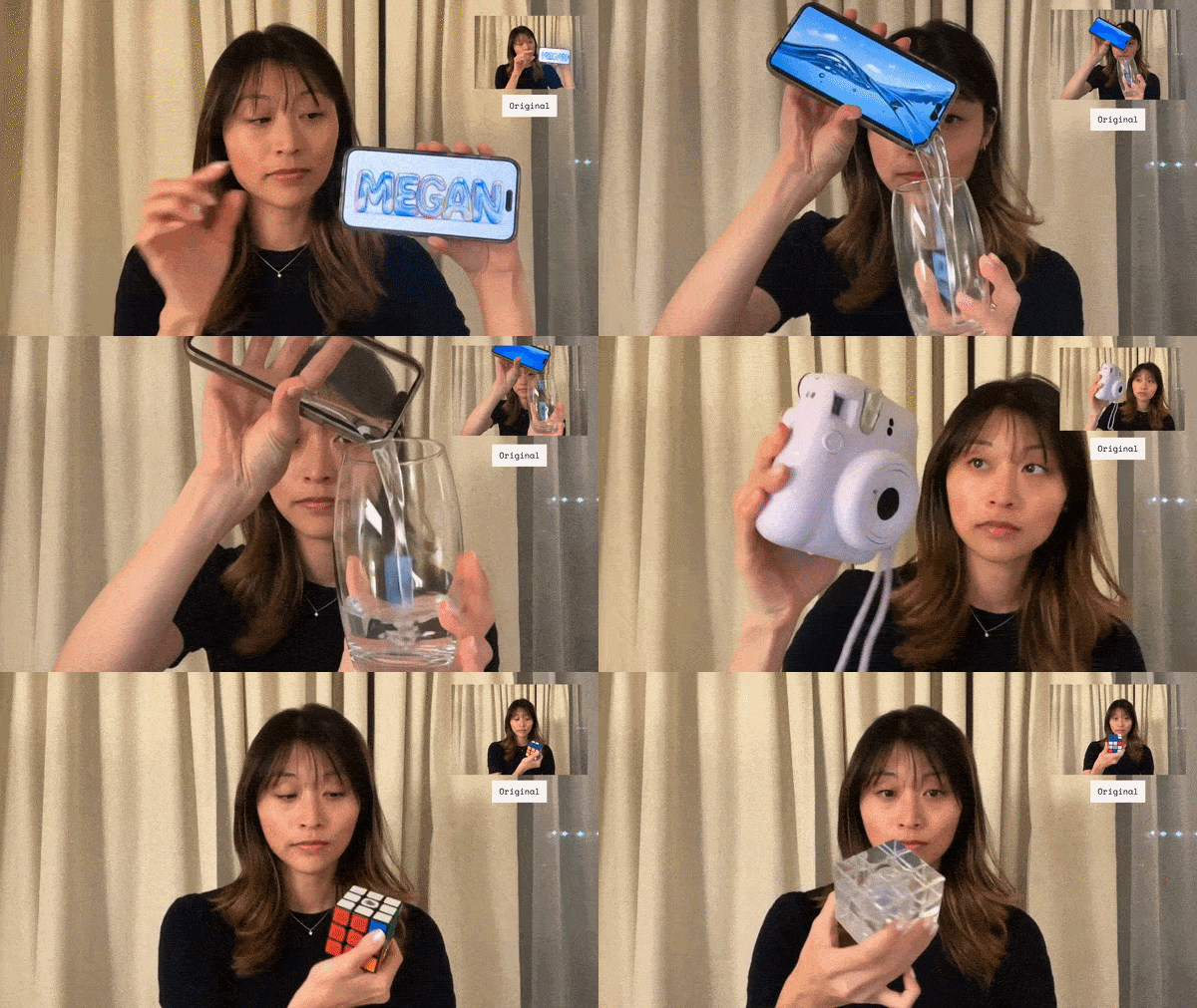
Google highlighted four key capabilities of Gemini Omni Flash:
- Conversational video editing using natural language prompts
- Multimodal referencing using text, image, and video inputs
- Real-world knowledge integration using Gemini’s knowledge of subjects including history, biology, and narrative logic
- Synchronization of text and graphical elements with video actions
Current limitations
Google noted several limitations in the current public preview release:
- Video generation is currently limited to clips up to 10 seconds long
- Support for longer video durations is planned
- Audio reference uploads are not yet supported
- Scene extension is not yet available through the Gemini API
- Video references up to 3 seconds long are accepted by the API schema but are not currently processed correctly
- Character consistency across scene changes and panning camera movements remains an area of ongoing improvement
Building with both models
Google said developers can combine Nano Banana 2 Lite and Gemini Omni Flash in end-to-end image and video generation workflows.
Developers can use Nano Banana 2 Lite to generate images and then pass those images as references to Gemini Omni Flash to create animated videos. Through the Interactions API, session history and conversational context can be maintained, allowing users to perform up to three sequential edits within a single workflow.
Google also released several demo applications built using both models.
Anywhere
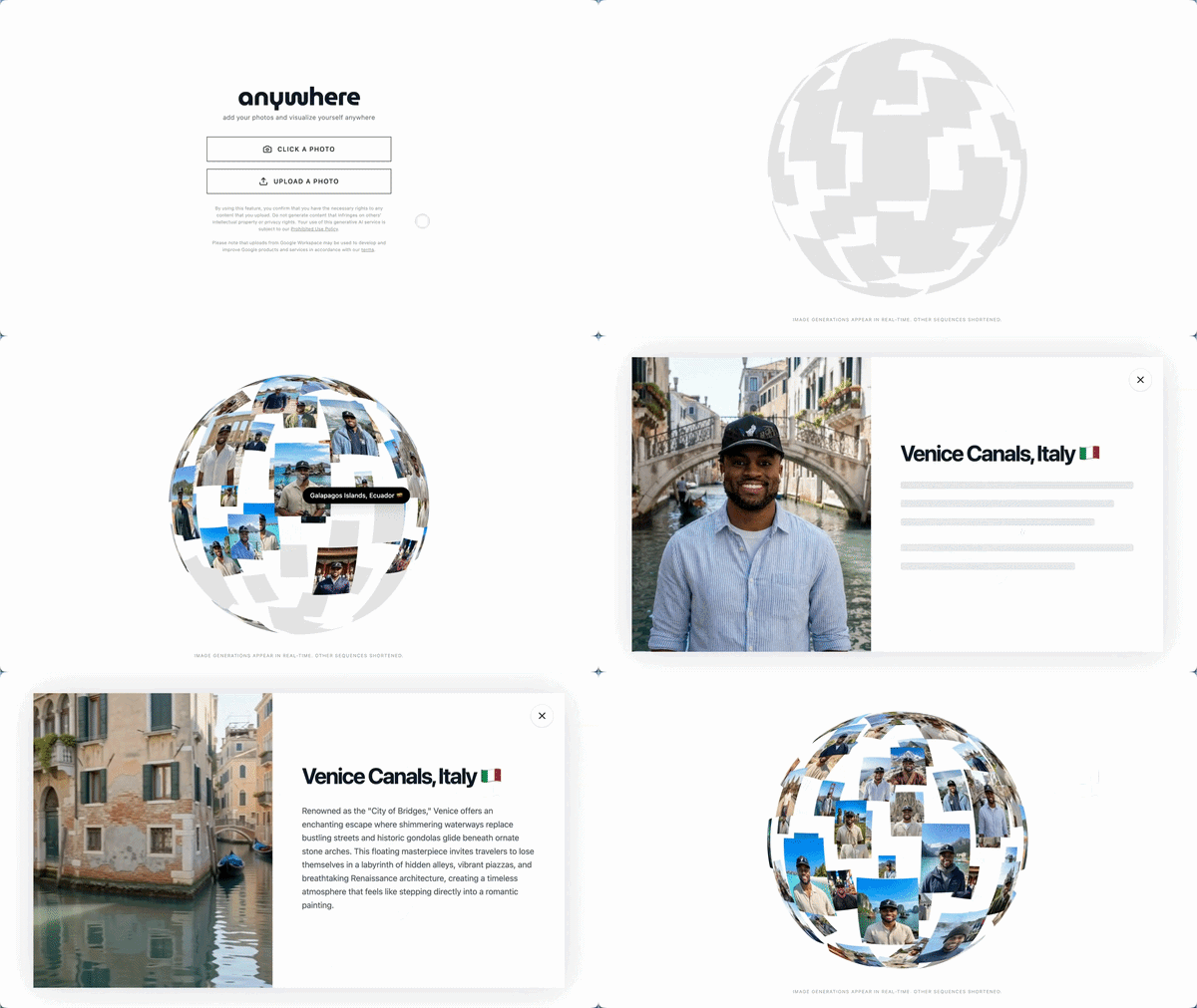
Anywhere allows users to upload a selfie or photo and use Nano Banana 2 Lite to place themselves across dozens of iconic landmarks. Gemini Omni Flash can then convert generated images into animated clips of those locations.
Space Lift
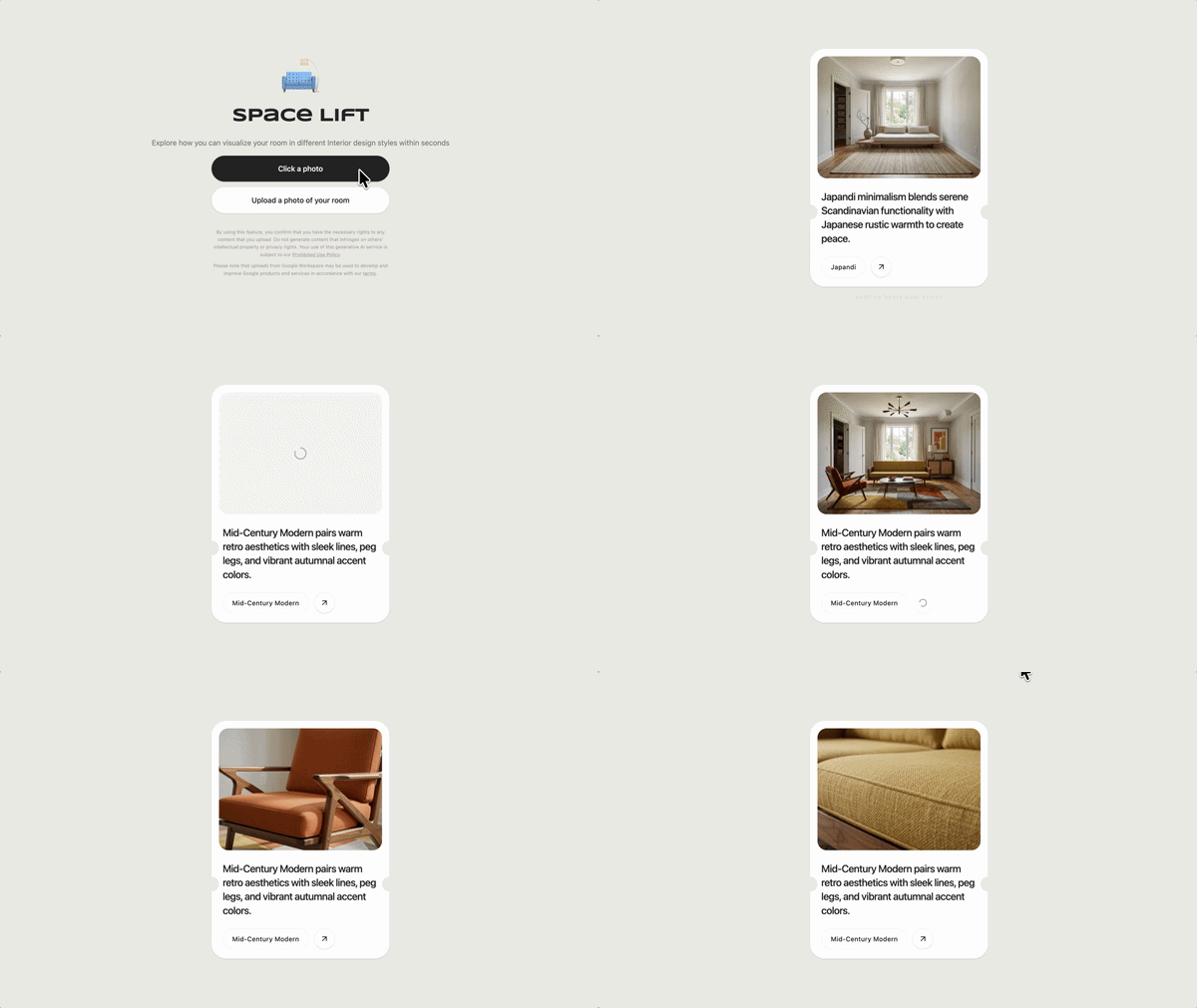
Space Lift is an interior design application that uses Nano Banana 2 Lite to generate fully realized room concepts across multiple design aesthetics from a single uploaded image. Gemini Omni Flash can then create cinematic visualizations of those concepts.
Omni Product Studio
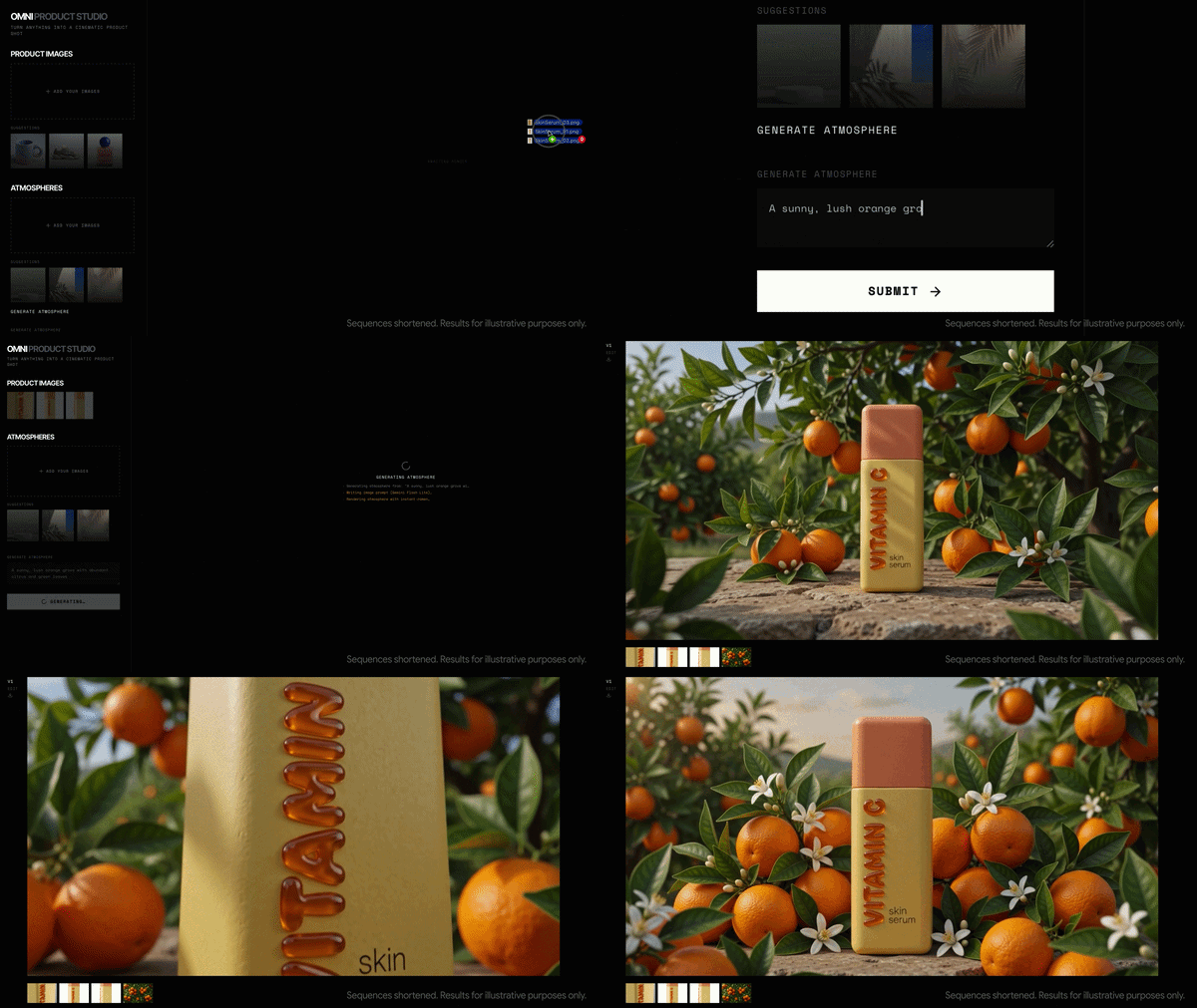
Omni Product Studio demonstrates how static images generated by Nano Banana 2 Lite can be converted into cinematic e-commerce videos using Gemini Omni Flash, demonstrating multimodal image-to-video workflows.
Safety and transparency
Nano Banana 2 Lite and Gemini Omni Flash incorporate SynthID watermarking technology.
Users can verify AI-generated content through the Gemini app, Gemini in Chrome, and Google Search. Google also said it is expanding verification tools to help users understand how content has been created and edited across the web.
Availability and developer resources
Nano Banana 2 Lite: Available starting today through Google AI Studio, the Gemini API, and the Gemini Enterprise Agent Platform. The model is also rolling out to AI Mode in Search, the Gemini app, NotebookLM, Google Photos, Stitch, Google Flow, and Google Ads.
Gemini Omni Flash: Available in public preview through Google AI Studio, the Gemini API, the Gemini Enterprise Agent Platform, the Gemini app, and Google Flow.
Developer resources for both models include:
- Google AI Studio playground access
- Gemini API documentation
- Prompting guides and example workflows for Nano Banana 2 Lite and Gemini Omni Flash