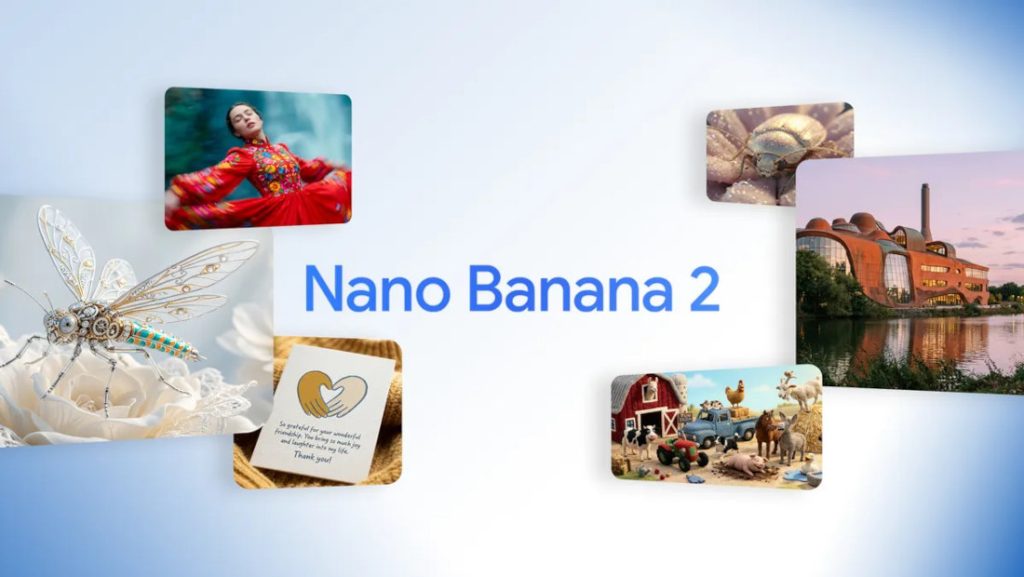
Google has announced the release of Nano Banana 2, officially designated as Gemini 3.1 Flash Image. This update follows the initial release of the Nano Banana model in August of last year and the subsequent Nano Banana Pro version in November.
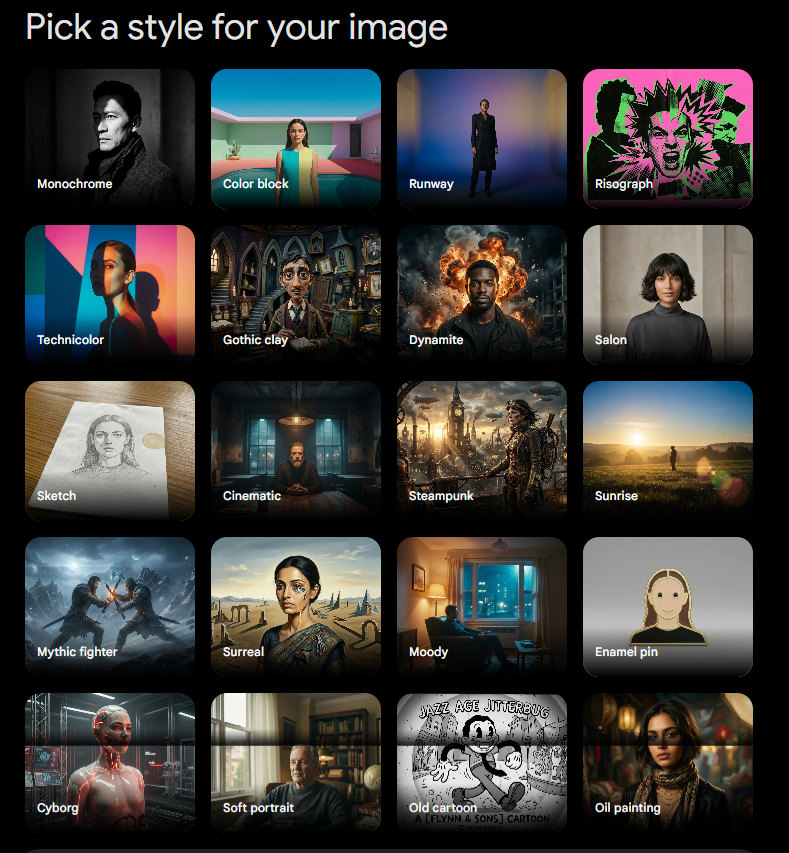
The new model is positioned to combine the advanced visual generation and reasoning capabilities of the Pro tier with the faster processing speeds characteristic of Google’s Flash architecture. It is designed to offer developers an improved price-performance ratio for deploying sophisticated visual creation at scale.
Key Features and Upgrades
Nano Banana 2 introduces several technical and functional updates aimed at improving both speed and output quality compared to its predecessor:
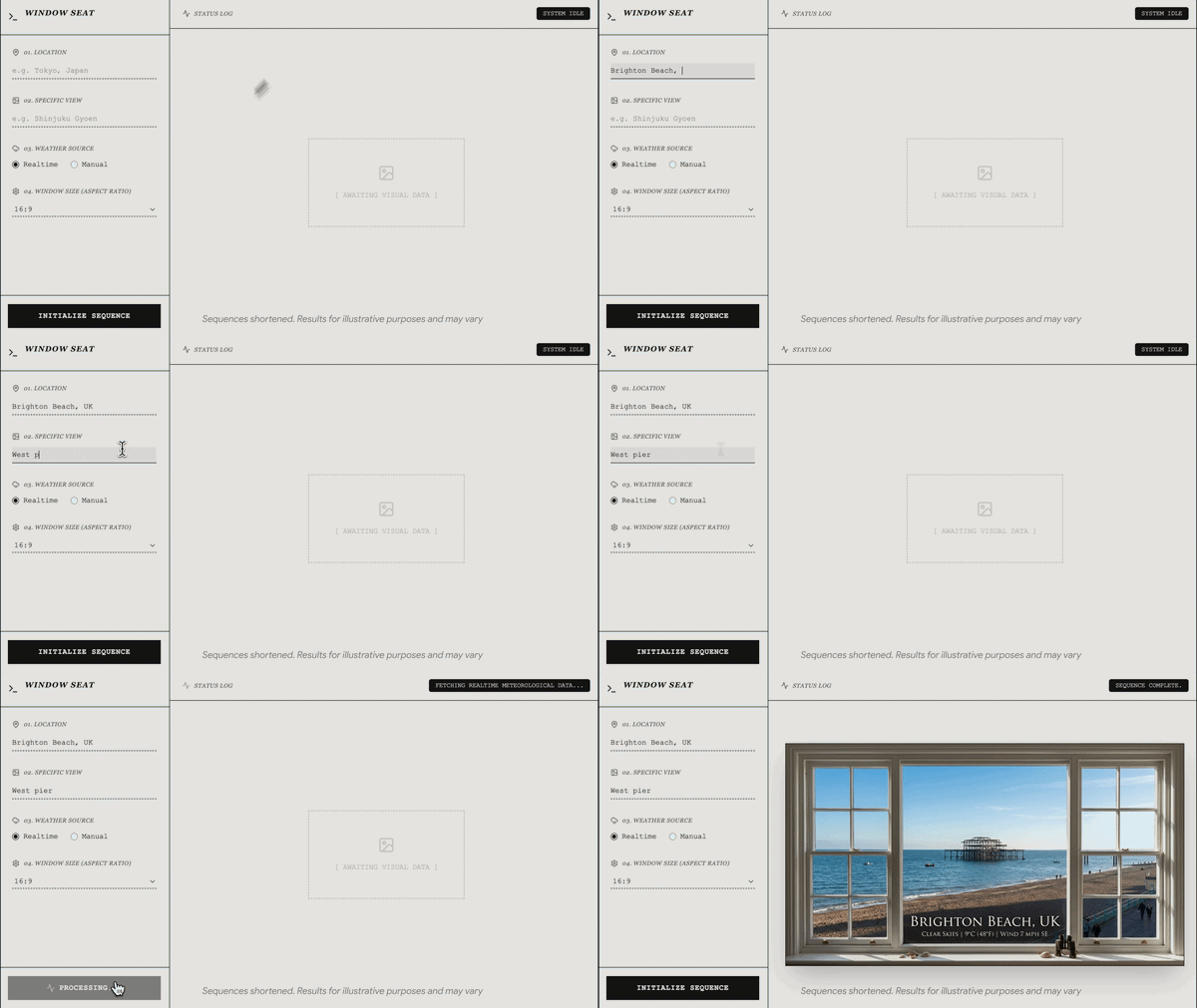
- Real-Time Knowledge Integration: The model accesses real-world information and web search images to accurately render specific subjects. To demonstrate this, Google built a “Window Seat” demo app, which generates photorealistic window views based on specific global locations and live weather data.
- Text Rendering and Localization: The system can generate legible text within images, suitable for dynamic UI generators or marketing mockups. It also supports in-image localization. A demo app titled “Global Ad Localizer” highlights this by translating ad copy and adapting the visual context for different international markets directly within the image.
- Subject Consistency: The model allows users to maintain the visual consistency of up to five distinct characters and 14 objects within a single workflow. Google’s “Pet Passport” demo illustrates this by taking a single reference photo of a pet and rendering it accurately across various famous global landmarks.
- Configurable Thinking Levels: Developers can now adjust the model’s reasoning process. By toggling between “Minimal” (default) and “High/Dynamic” thinking levels, the model can dedicate more processing time to complex, multi-layered prompts before rendering, which improves instruction adherence.
- Expanded Output Specifications: Nano Banana 2 supports a wider range of aspect ratios, adding native support for 4:1, 1:4, 8:1, and 1:8 formats. It also introduces a new 512px resolution tier optimized for efficiency and minimizing latency in heavy-duty pipelines, joining the existing 1K, 2K, and 4K offerings.
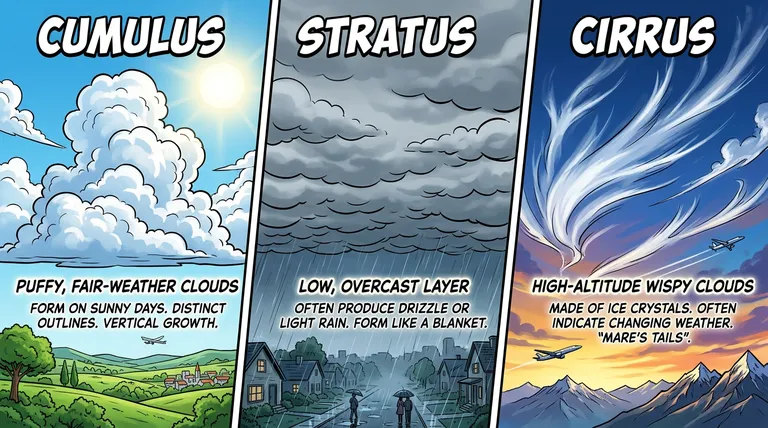
- Visual Fidelity: The new model provides improvements in vibrant lighting, texture richness, and overall detail while maintaining faster generation speeds.

Product Integration and Availability
Google is offering Nano Banana 2 for rapid generation and search-grounded tasks, while Nano Banana Pro remains available for workflows requiring maximum high-fidelity factual accuracy. Nano Banana 2 is currently rolling out across the following platforms:
- Developer Tools: The model is available today for developers requiring enterprise deployment or building custom applications. Access requires a paid API key. It is integrated into the Gemini API, Google AI Studio, Google Cloud’s Vertex AI, Google Antigravity, and Firebase.
- Gemini App: Nano Banana 2 replaces Nano Banana Pro as the default across the Fast, Thinking, and Pro models. Google AI Pro and Ultra subscribers retain access to Nano Banana Pro for specialized tasks by using the “regenerate” option in the three-dot menu.
- Google Search: Integrated into AI Mode and Google Lens across the Google app, as well as mobile and desktop web browsers. It is available in 141 new countries and territories, supporting eight additional languages.
- Flow: Nano Banana 2 is now the default image generation model in Flow, accessible to users for zero credits.
- Google Ads: The model is currently available to power asset suggestions during campaign creation.
Content Provenance and Verification
Alongside the model release, Google provided an update on its generative media identification tools. Nano Banana 2 outputs utilize the company’s proprietary SynthID watermarking technology, interoperating with C2PA Content Credentials to provide context on how an image was created or modified.
According to Google, the SynthID verification feature in the Gemini app has been used over 20 million times since its launch in November. The company also announced plans to integrate C2PA verification directly into the Gemini app in the near future.