
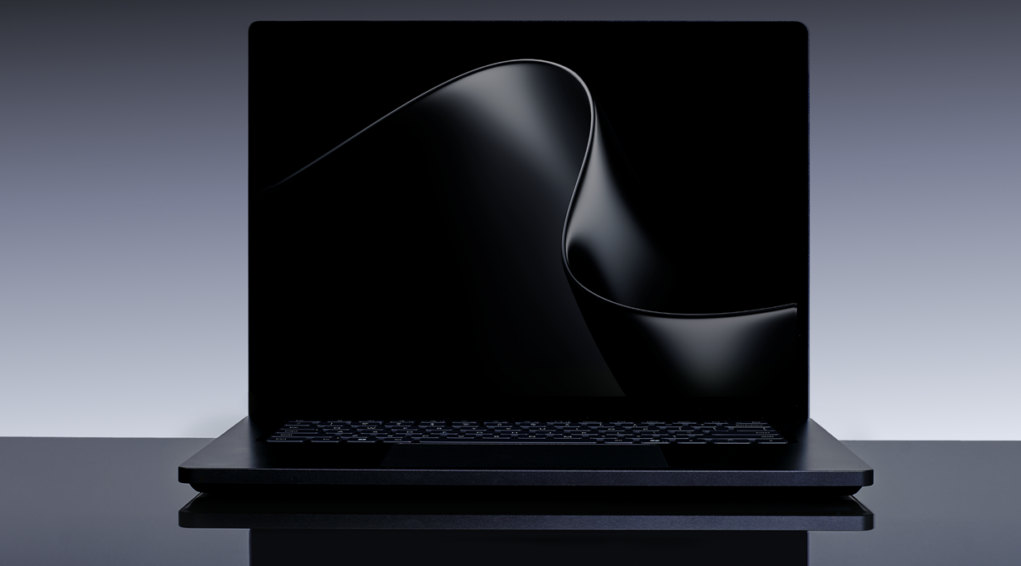
Microsoft has announced the upcoming release of the Surface Laptop Ultra, a high-performance device designed specifically for developers, AI builders, and creators who require massive computing power. Developed in close partnership with NVIDIA, the laptop is engineered from the ground up to handle demanding local workloads, including 3D rendering, large-scale software compilation, and complex artificial intelligence models.
Technical Specifications and Architecture
The Surface Laptop Ultra is positioned as the most powerful Surface device to date. It introduces a specialized architecture tailored for high-throughput computing, bridging the gap between portable workstations and desktop-class performance.
Silicon and Processing Power
The device is the first in the Surface lineup to integrate an NVIDIA Blackwell RTX GPU, featuring full CUDA support. This hardware configuration delivers up to 1 petaflop of AI compute, which enables the system to run artificial intelligence models with up to 120 billion parameters locally.
Unified Memory Architecture
To eliminate traditional data bottlenecks between the processor and graphics card, the Surface Laptop Ultra utilizes a unified memory architecture:
- Capacity: Configurable up to 128GB of unified memory.
- Functionality: The system dynamically allocates the RAM pool between the CPU and GPU based on real-time workload demands.
- Use Case: This allows for the simultaneous execution of multi-model AI workflows, heavy 3D rendering, and background compilations without performance degradation.
Thermal Efficiency and Design
Microsoft emphasizes an “inside-out” engineering approach for the Surface Laptop Ultra, co-developed by mechanical, electrical, thermal, acoustic, and software engineers. The internal architecture is optimized to manage the heat generated by the Blackwell GPU and high-efficiency CPU while maintaining quiet operation.
Despite its high power output, the device is designed for mobility, offering precise, lightweight chassis construction and all-day battery life to support extended workloads away from a power source.
Display and Interface Features
The external hardware is tailored toward precise creative and technical work, highlighted by a premium display and an expanded interface selection.
| Feature | Specification |
| Display Type | 15-inch mini-LED PixelSense Ultra Touchscreen |
| Peak Brightness | Up to 2,000 nits (HDR) |
| Pixel Density | 262 pixels per inch (PPI) |
| Color Accuracy | High-precision tuning |
| Input | Microsoft’s largest haptic touchpad to date |
| Finishes | Available in Platinum and Nightfall |
Connectivity and Sustainability
Moving away from minimalist port configurations that require external adapters, the Surface Laptop Ultra includes a comprehensive selection of built-in I/O ports designed for professional workflows:
- HDMI
- USB-C
- USB-A
- SD Card Slot
- 3.5mm Headphone Jack
Microsoft states that the design philosophy balances structural durability and peak performance with repairability, ensuring the machine’s longevity matches its hardware capabilities.
Software Optimization and Availability
The hardware is deeply integrated with Windows and optimized specifically for RTX Spark, ensuring that software developers and AI creators can leverage the full capabilities of the hardware ecosystem out of the box.
The Surface Laptop Ultra is scheduled for official release later this year. Pricing and specific regional availability have not yet been disclosed.
Brett Ostrum, corporate vice president of Surface at Microsoft, said:
Surface has always exemplified the best of what a Windows PC can be. With Surface Laptop Ultra, we’re bringing that focus to creators, developers and engineers who need serious performance in a device that is thoughtfully designed, portable and deeply connected to the Windows tools and platform they count on. Our work with NVIDIA will deliver a Surface built for the way ambitious work gets done.