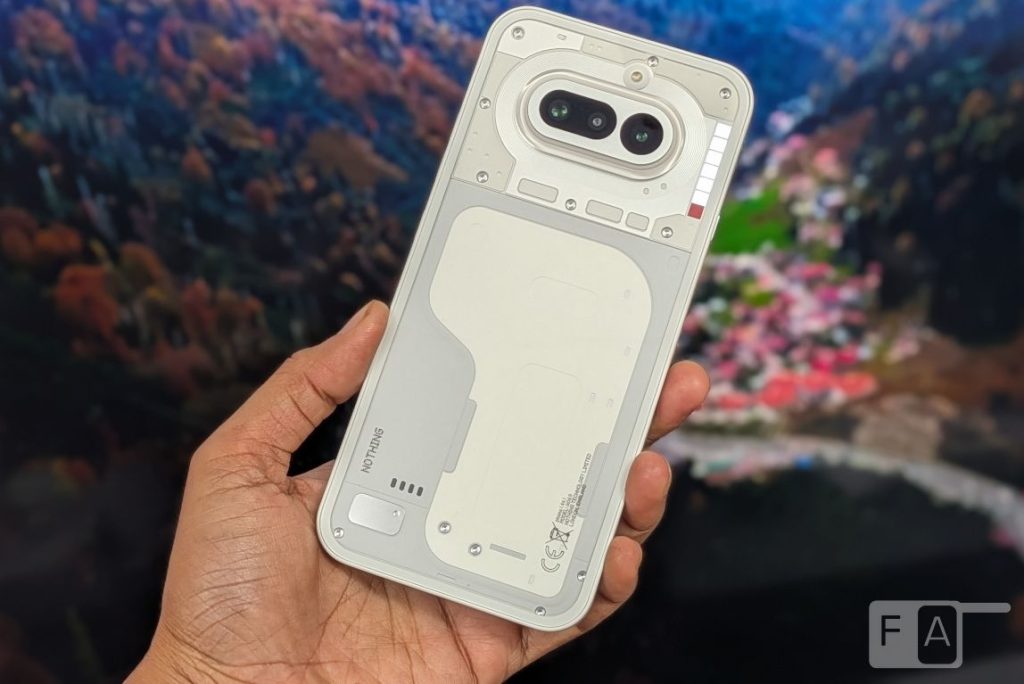
London-based Nothing launched the Nothing Phone (4a) and Phone (4a) Pro smartphones earlier this month, as the successors to last year’s Phone (3a) series. Here we have the Nothing Phone (4a) that gets a better screen, a faster SoC, a better telephoto camera, and a bigger battery.
Is this worth the price? Let us dive into the review to find out.
Box Contents
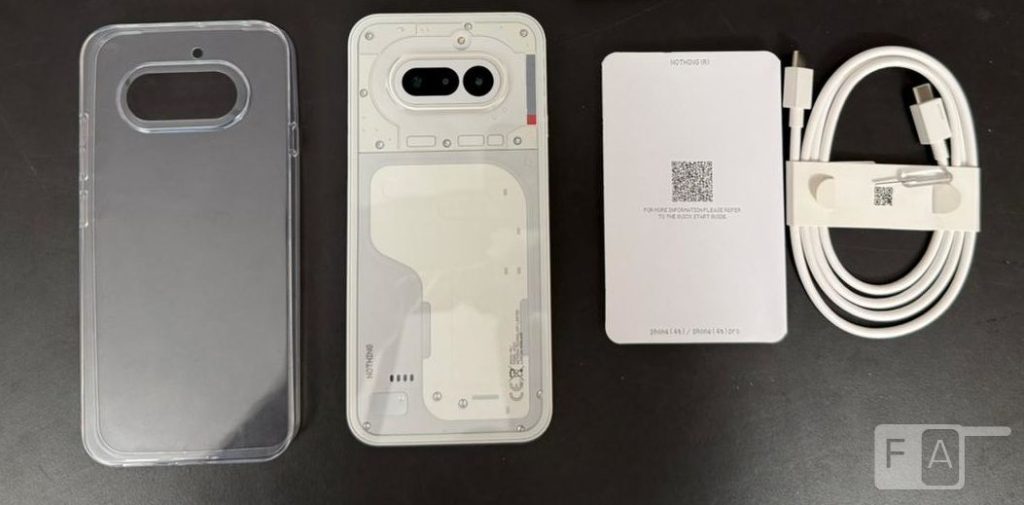
- Nothing Phone (4a) 12GB + 256GB in White
- USB Type-C to C cable
- SIM Ejector tool
- Clear Protective Case
- User manual and warranty information
Display, Hardware and Design
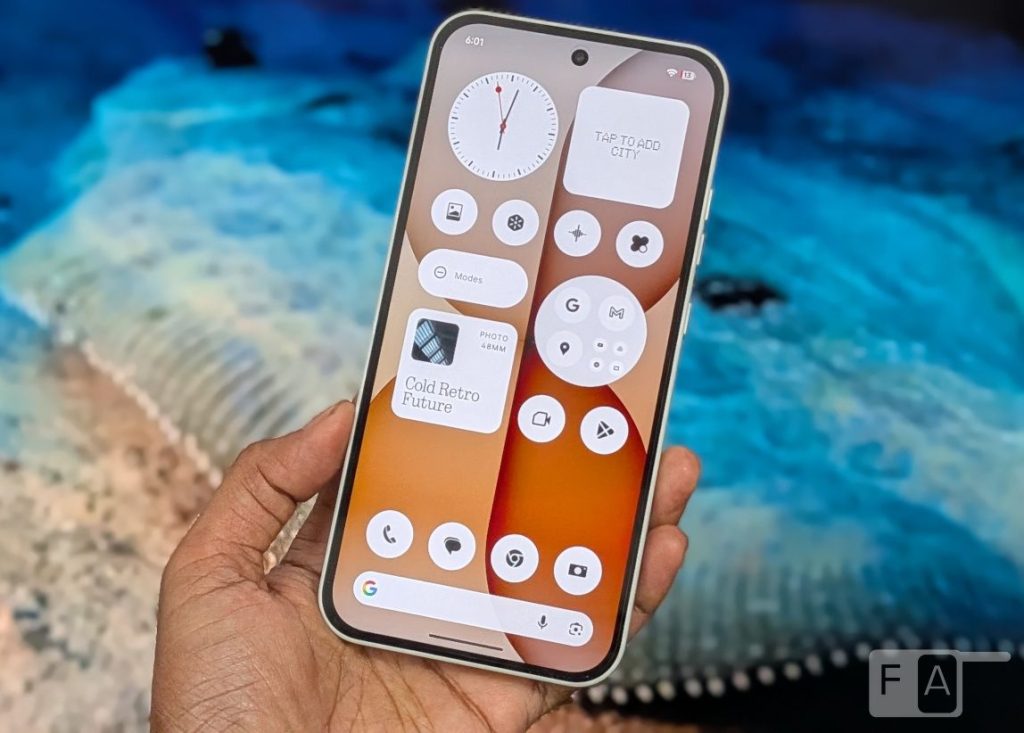
Starting with the display, the Nothing Phone (4a) has a 6.78-inch 1.5K AMOLED display with a pixel resolution of 1224 x 2720 pixels, a 20:9 aspect ratio, and a pixel density of about 440 PPI. The display is bright, thanks to 800 nits (typical), 1600 nits outdoors, and 4500 nits peak brightness, which is enabled when you are watching HDR content, offering up to 50% improvement in peak brightness compared to the Phone (3a).
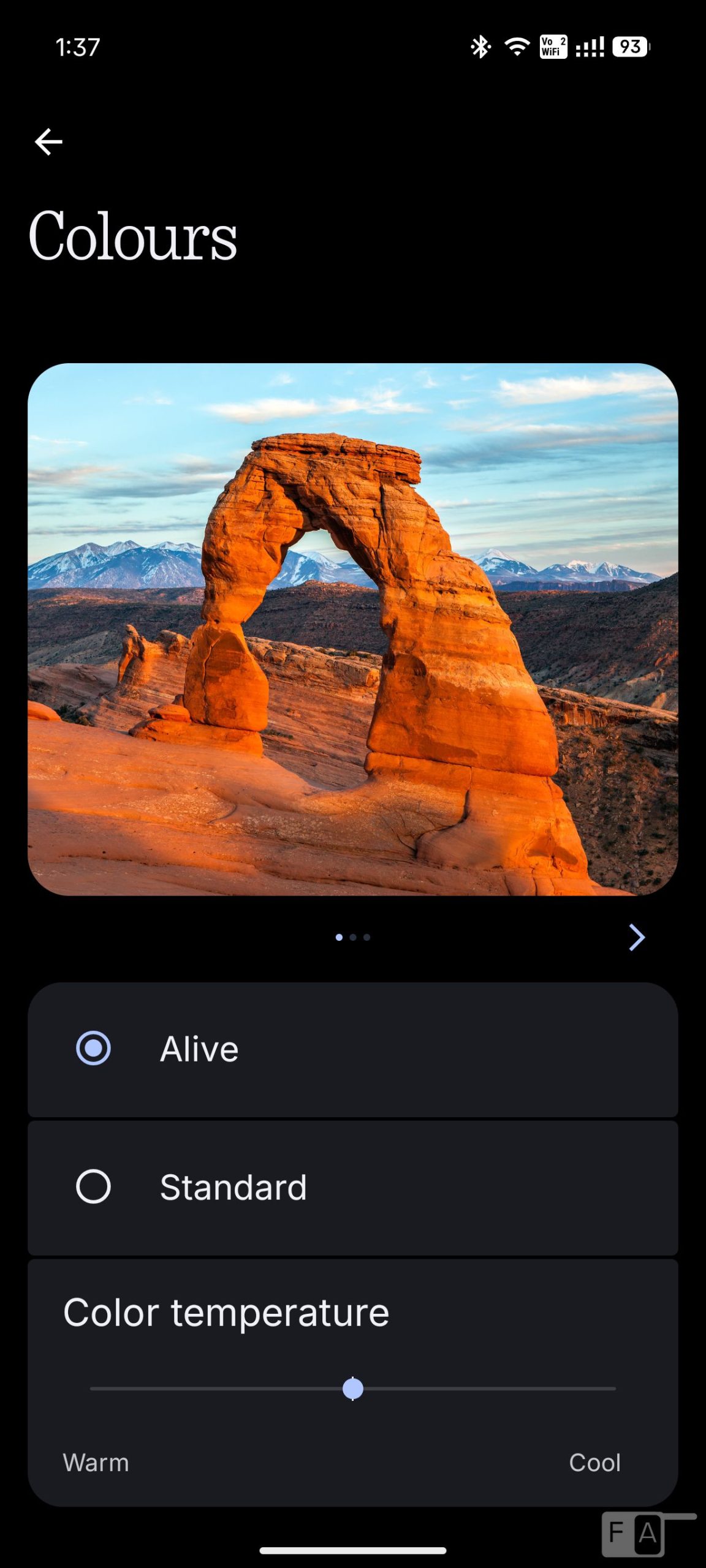
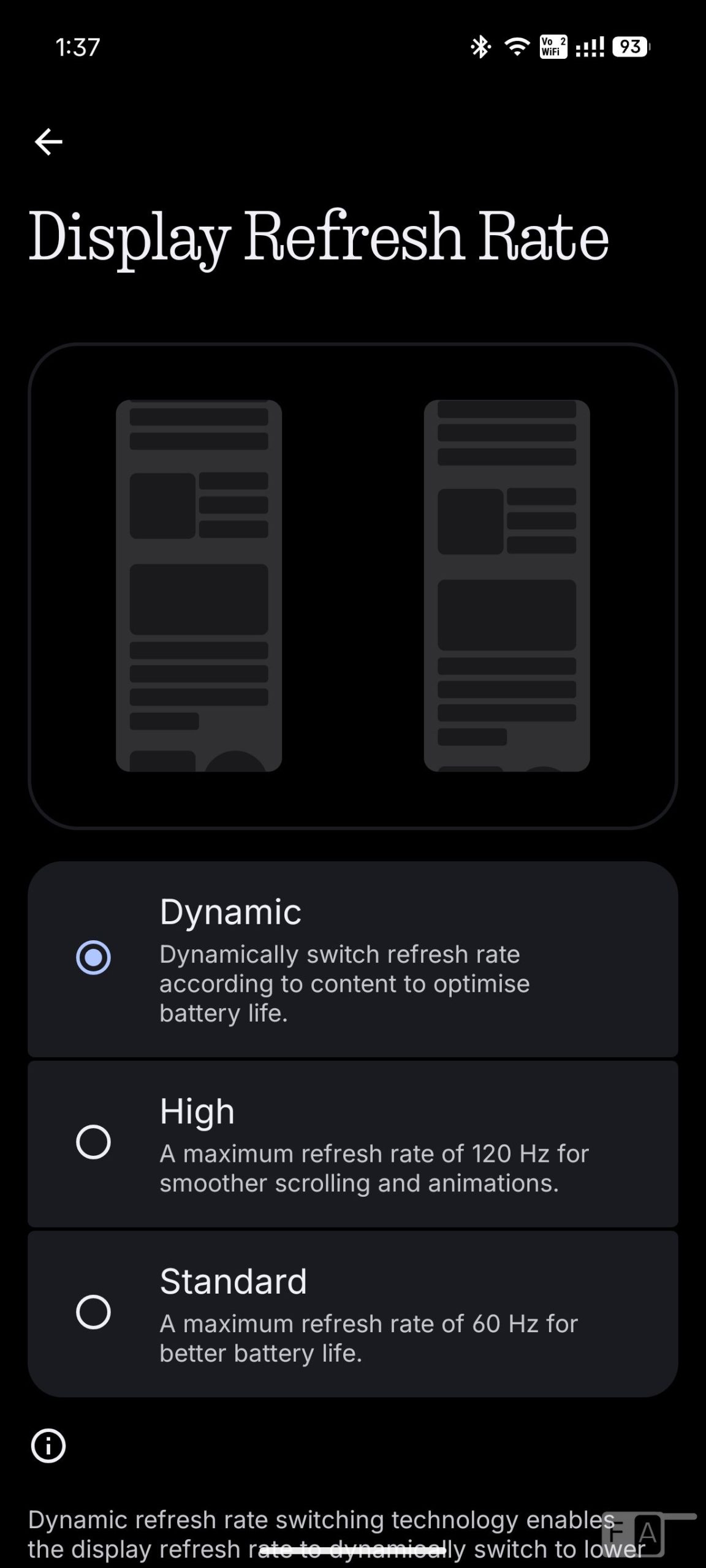
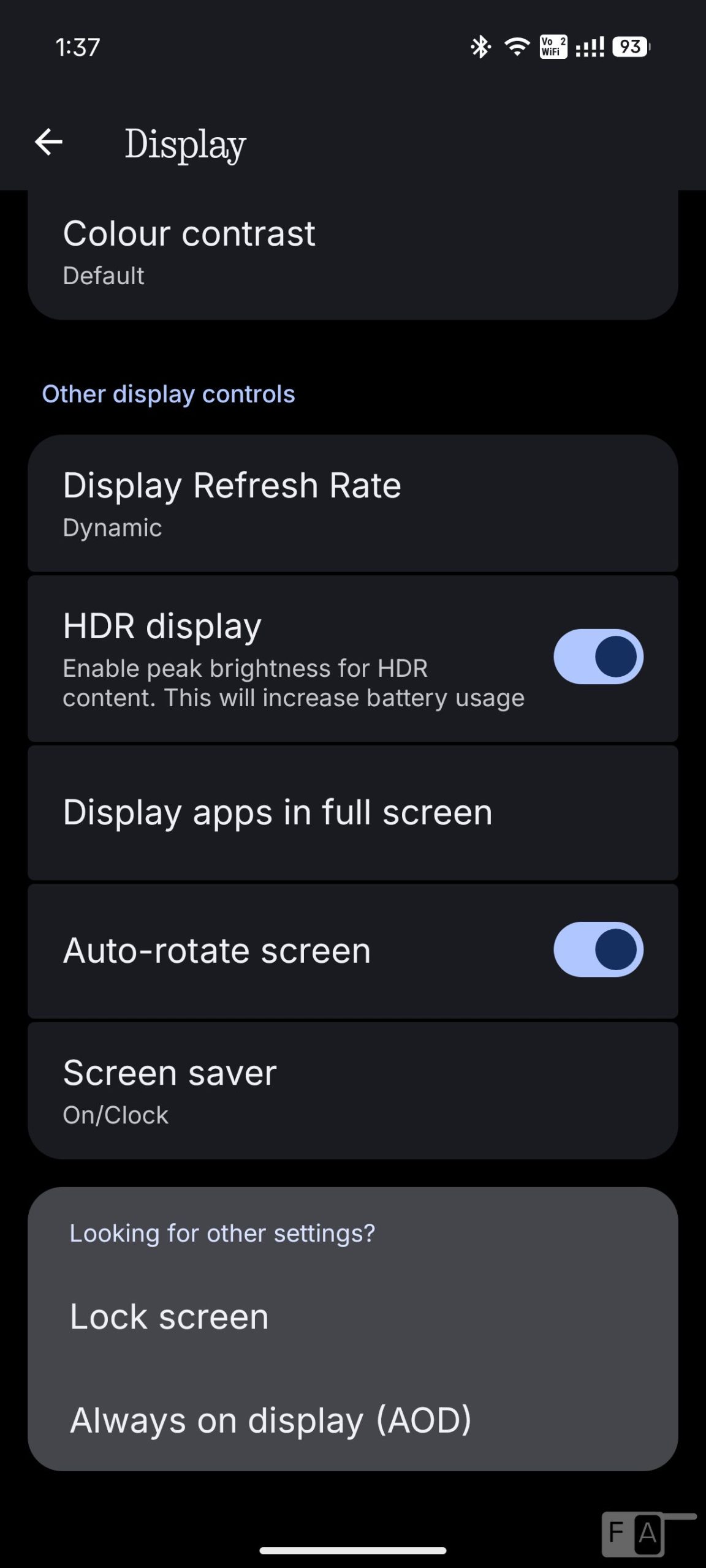
The phone has a 30-120Hz refresh rate display that can switch between 30Hz, 60Hz, 90Hz, and 120Hz according to the content. It has a 480 Hz touch sampling rate and a 2500 Hz touch sampling rate when in Gaming Mode. It offers a buttery smooth user experience, especially when you are scrolling through the UI and when gaming. It also has HDR 10+ support, which works for YouTube.
Under the display options, there are different options to adjust colours based on your preference. There is also a night light option that lets you reduce the display’s blue light emission, so it doesn’t cause eye strain when you are reading at night. It has an always-on display option, but it doesn’t offer a lot of customization and is similar to the Pixel. It doesn’t have MEMC or DC dimming option but comes with 2160Hz PWM dimming that is enabled in low lighting conditions. The phone comes with Corning Gorilla Glass 7i protection, a change from Panda Glass protection in the predecessor.
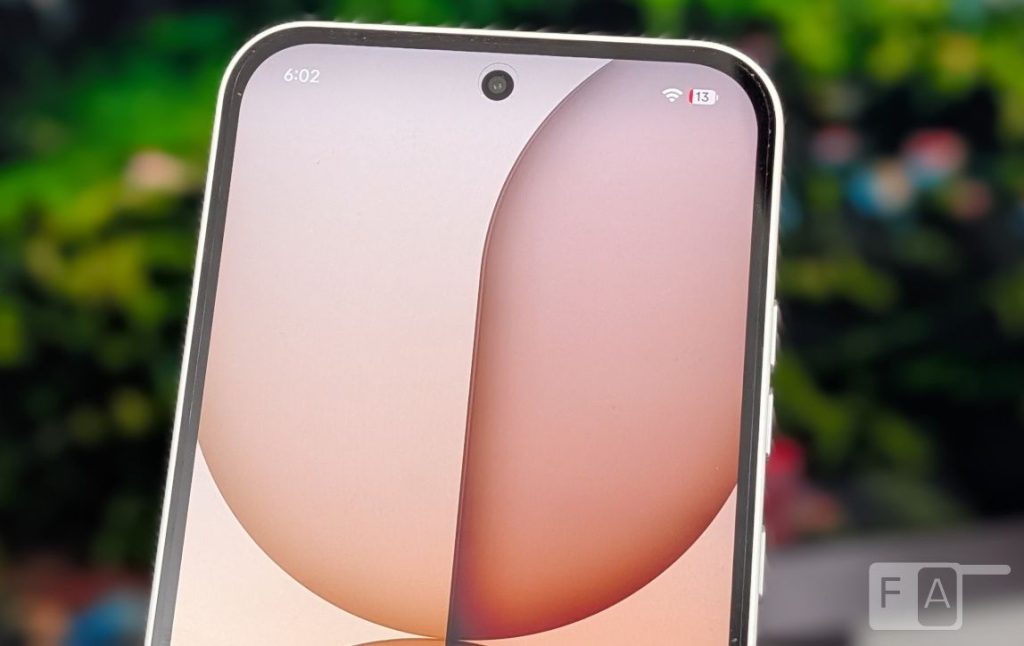
The phone has a tiny center punchhole that houses a 32-megapixel camera, similar to the Phone (3a). Above the display there is an earpiece on the top edge, which also doubles up as a secondary speaker.
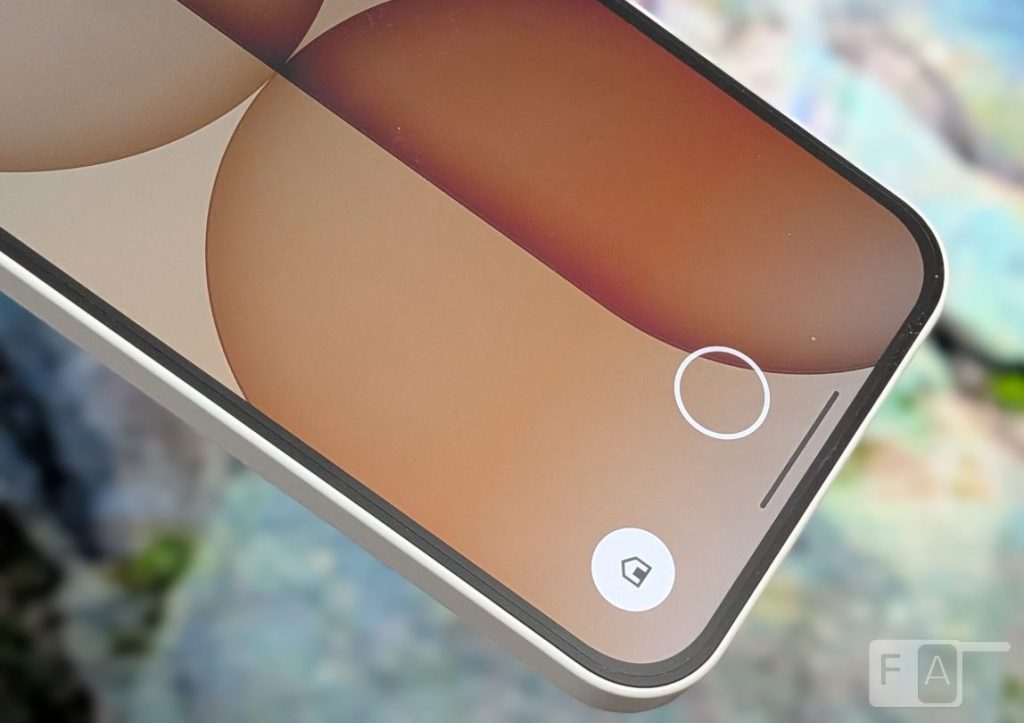
The phone has an optical in-display fingerprint scanner. The small bezel below the display is uniform to the sides and the top, similar to the older models. Even though the bottom bezel is minimal, the side bezels are thicker compared to some mid-range phones in the range.
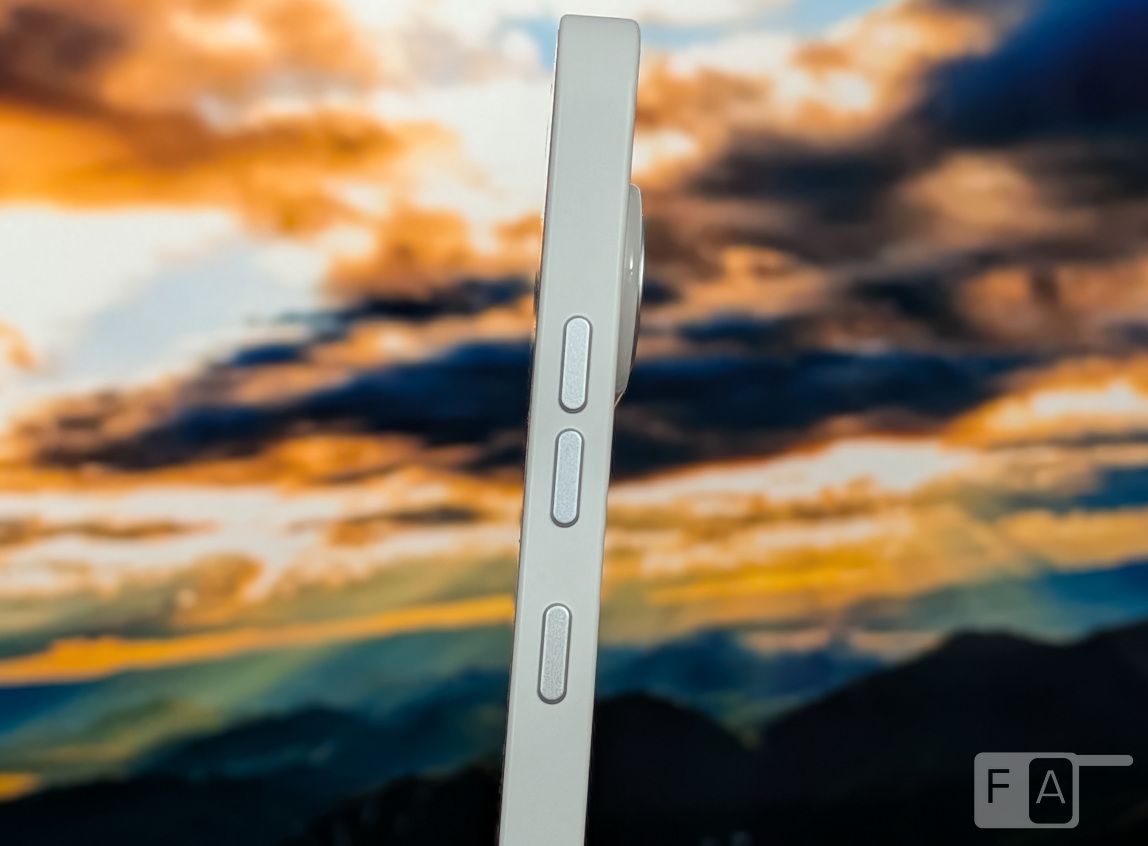
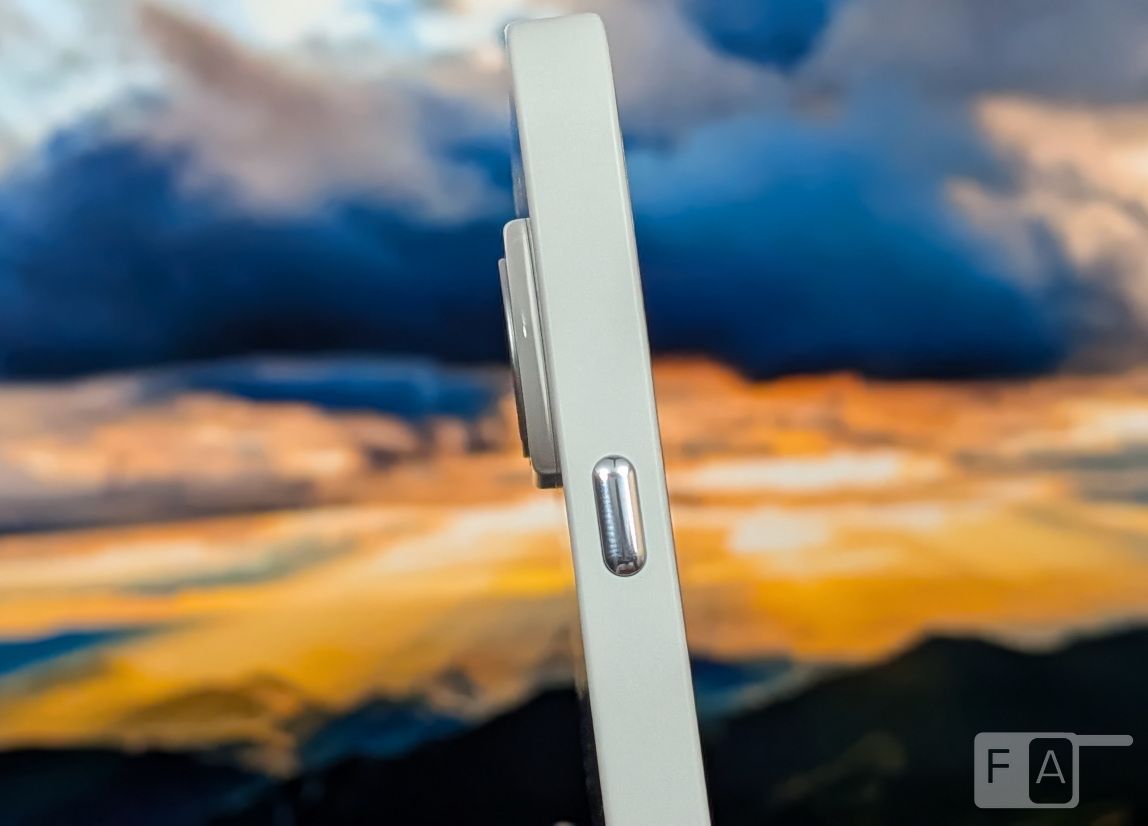
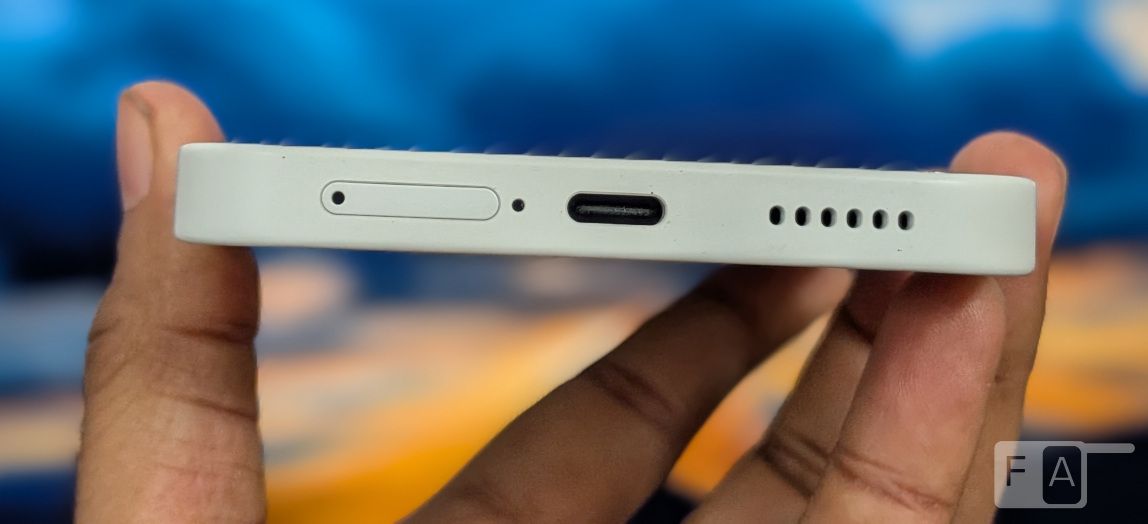
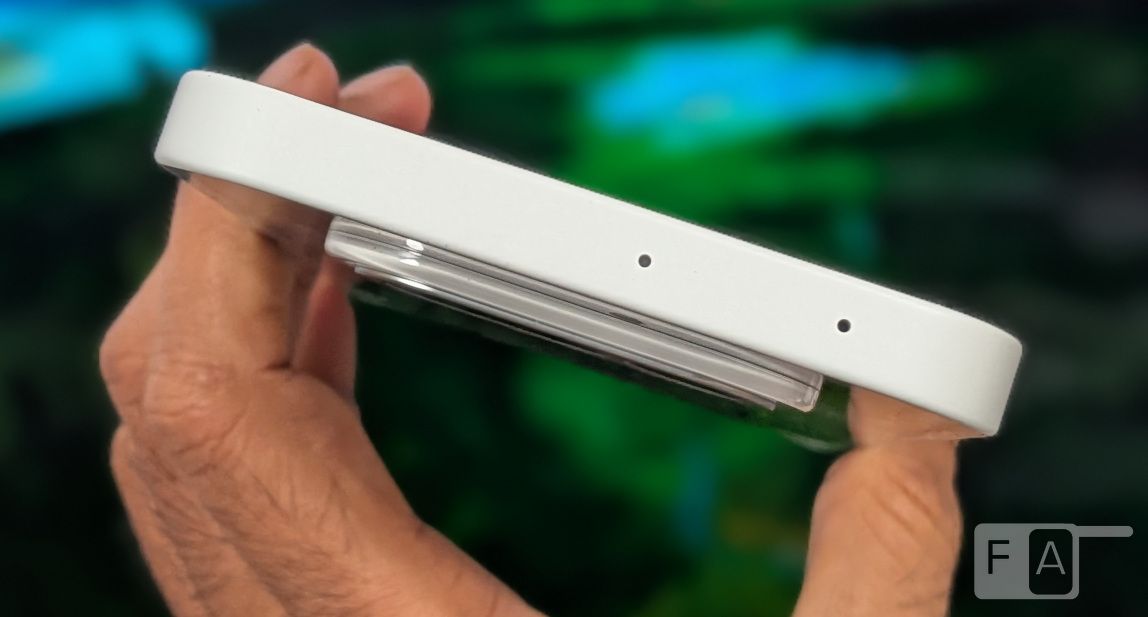
Coming to the button placements, the power button is present on the right side along with the volume rockers. The Essential Key is now on the left instead of the right since the volume rockers are present on the right. The dual SIM slot, primary microphone, USB Type-C port, and the loudspeaker grill are on the bottom. The secondary microphone is on the top. The phone still has a polycarbonate frame, and it has a matte finish so it doesn’t slip easily.
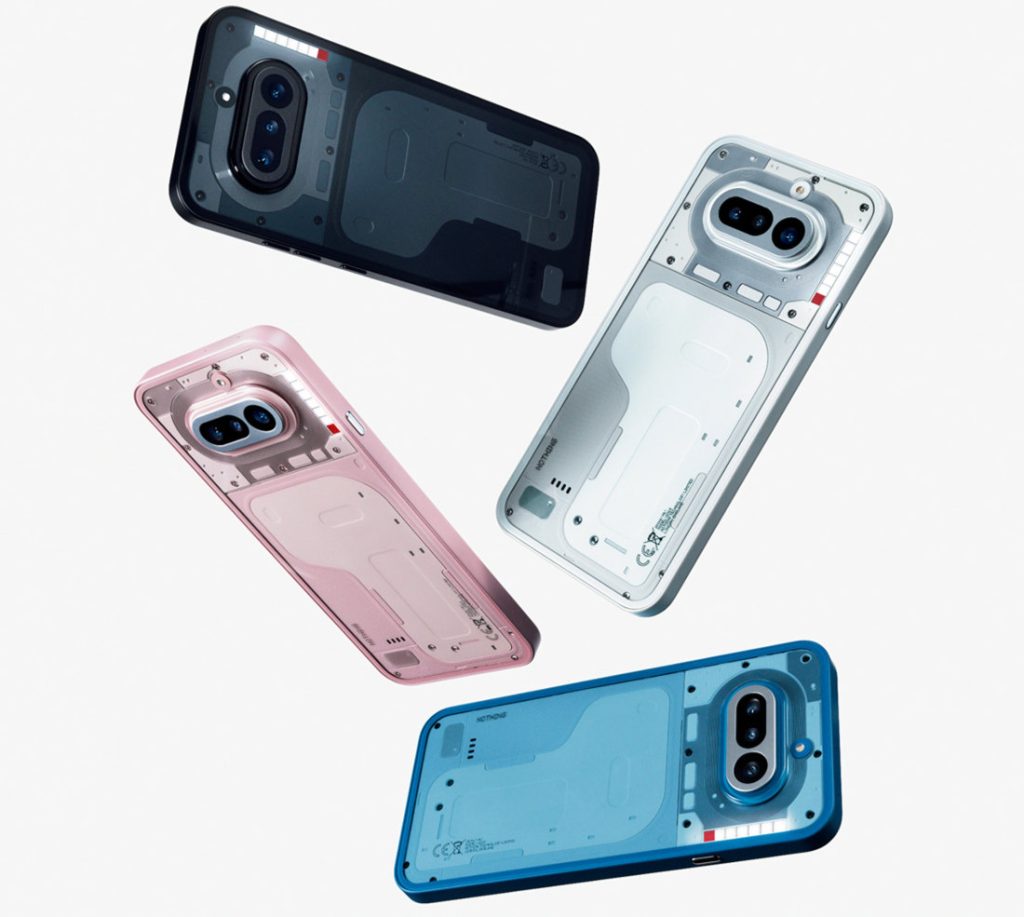
The phone still features a transparent glass back with a unique design, which feels premium and doesn’t get scratched easily. Still, I would recommend you use a case to protect the back since it’s a bit slippery. The camera deco now has a metal finish, and the camera bump has been reduced in the Nothing Phone (4a) compared to the Phone (3a) since this uses a tetra prism telephoto lens.
The main highlight of the phone is the Glyph Interface, which is now present as a single Glyph Bar that is a rectangle of 63 mini-LEDs in 7 squares, up to 40% brighter than previous versions, reaching up to 3,500 nits. In addition to white, the phone also comes in pink, black, and blue colors. The phone is just 8.55mm thick and weighs 204.5 grams. Even with a slightly bigger battery, the weight increase compared to the 3a is just a few grams.
The phone has IP64 ratings for splash resistance, so it can manage slight spills or light rain, but you can’t immerse it in water. Some competitors offer IP68 and even IP69 ratings in the price range, but this is mainly the user’s preference since water damage is not covered under warranty.
Camera
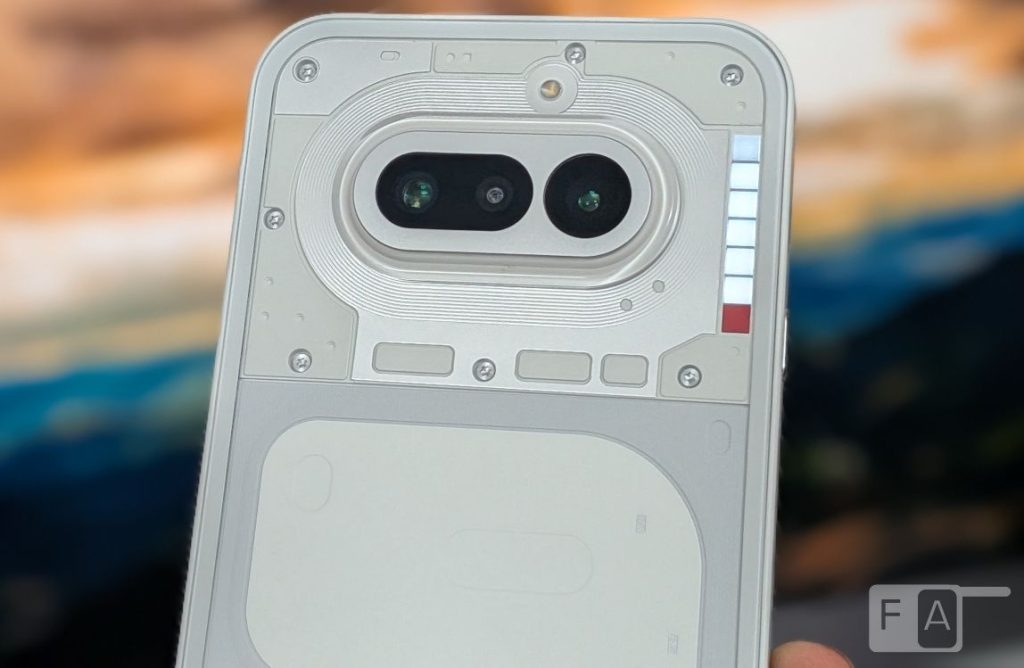
- 50MP main camera with f/1.88 aperture, 1/1.56″ Samsung GN9 sensor, OIS,
- 8MP 120° ultra-wide camera with IMX355 sensor, f/2.2 aperture
- 50MP 1/2.75″ Samsung JN5 3.5x periscope telephoto, OIS, 7x lossless zoom, up to 70x ultra zoom
- 32MP 1/3.44″ front camera with Samsung KD1 sensor, f/2.2 aperture
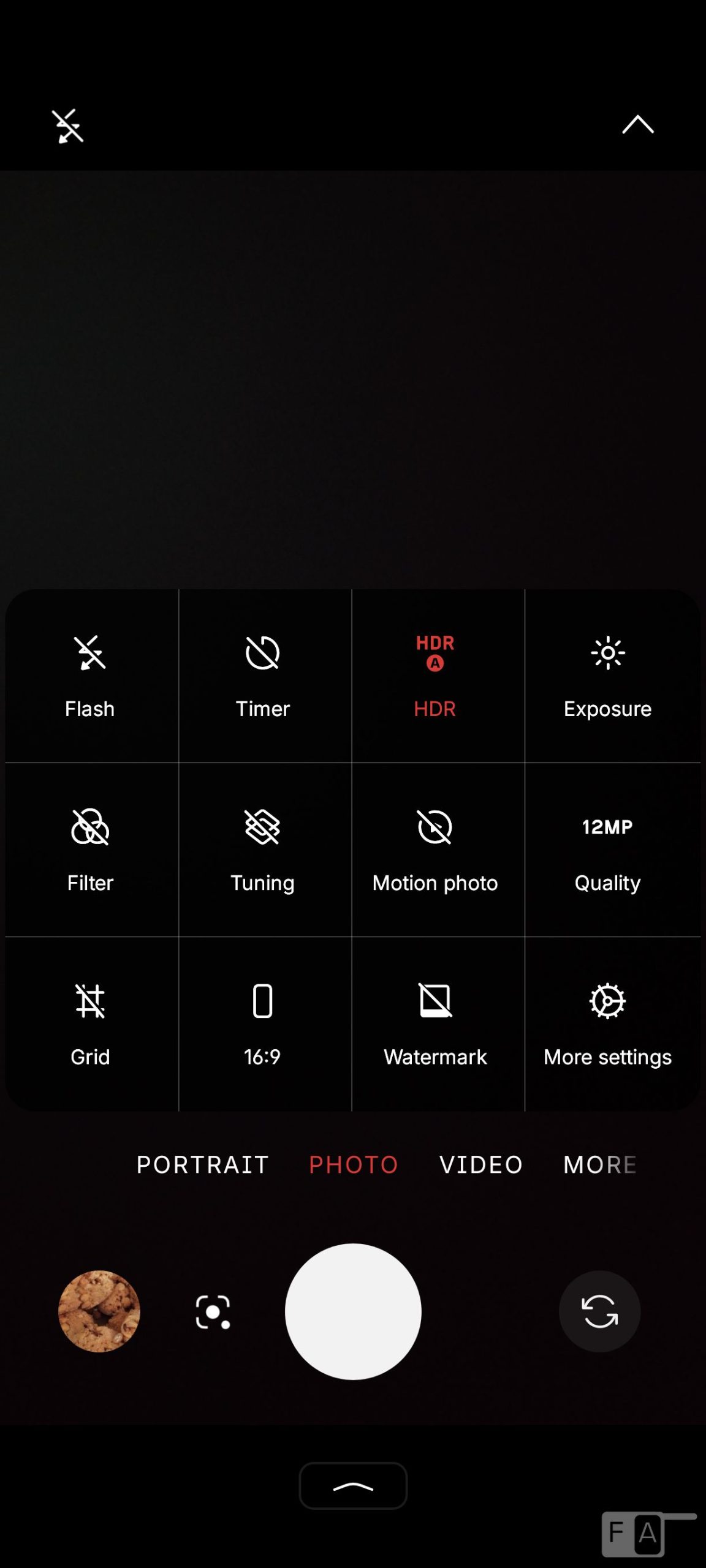
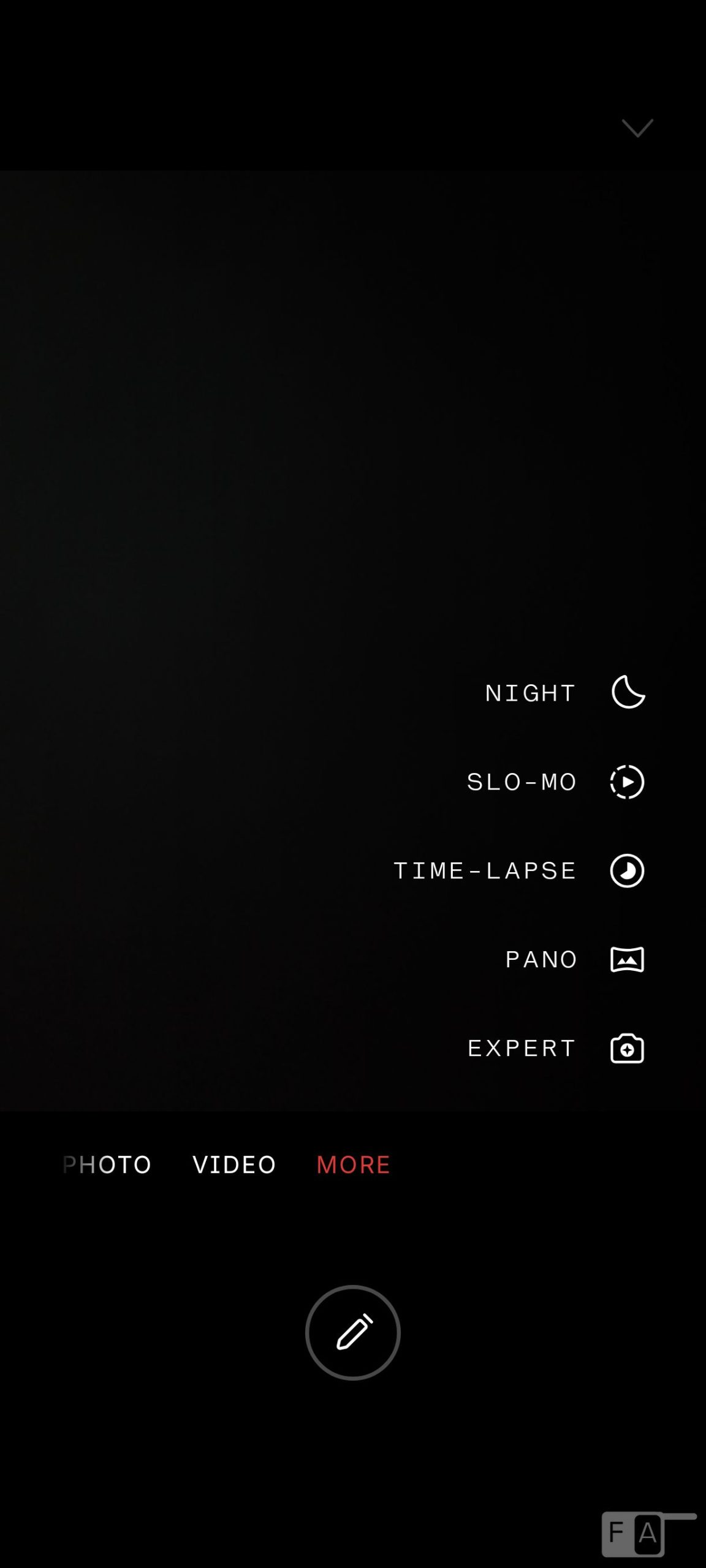
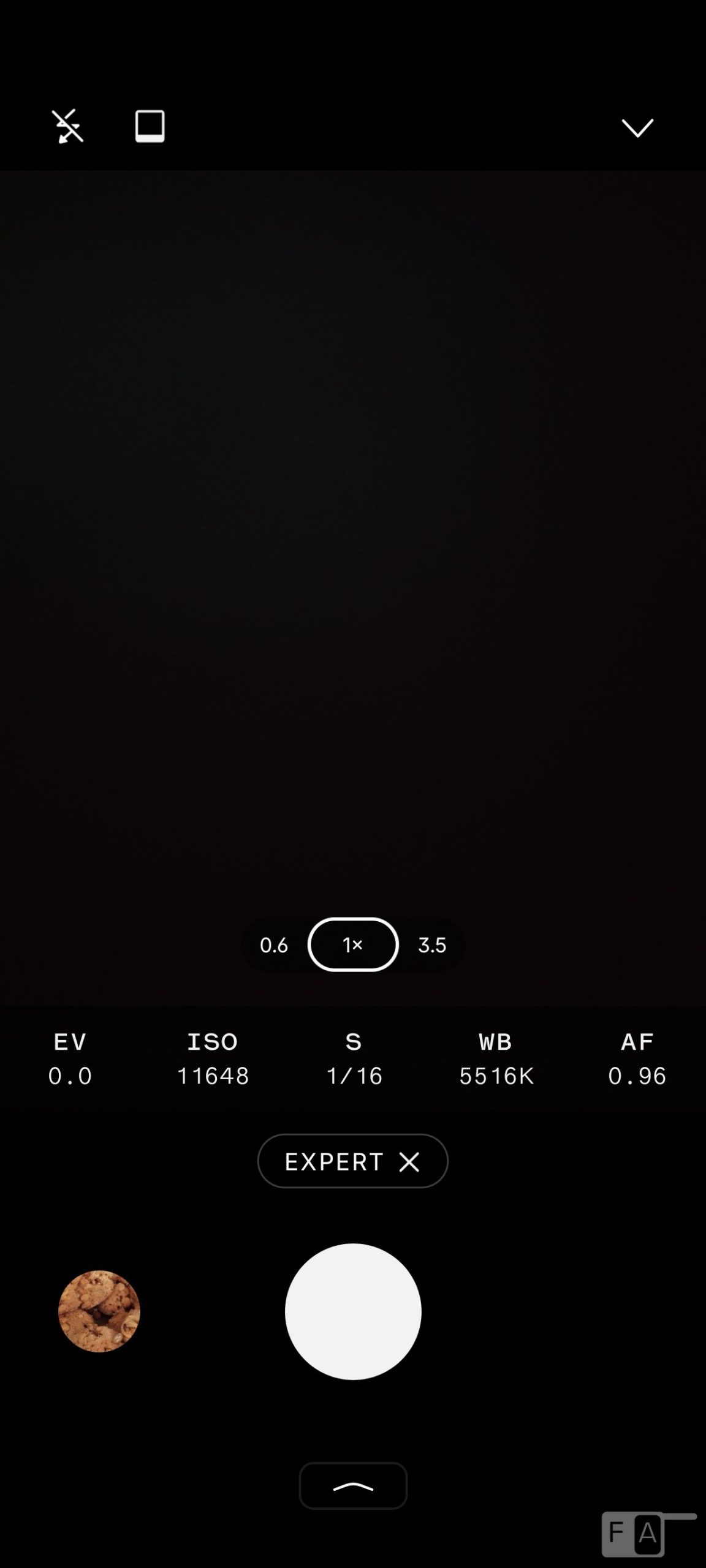
The camera UI is similar to other phones with Nothing OS 4.1. There are options for Night, Macro, Portrait, Photo, Video, and more options that have slow-mo, time-lapse, pano, and expert mode. The expert mode is pro mode, which lets you adjust white balance, focus, shutter speed (1/8000s to 32 seconds), ISO (50 to 6400) and the option to select the main, ultra-wide, and telephoto lenses. There is also a RAW option.
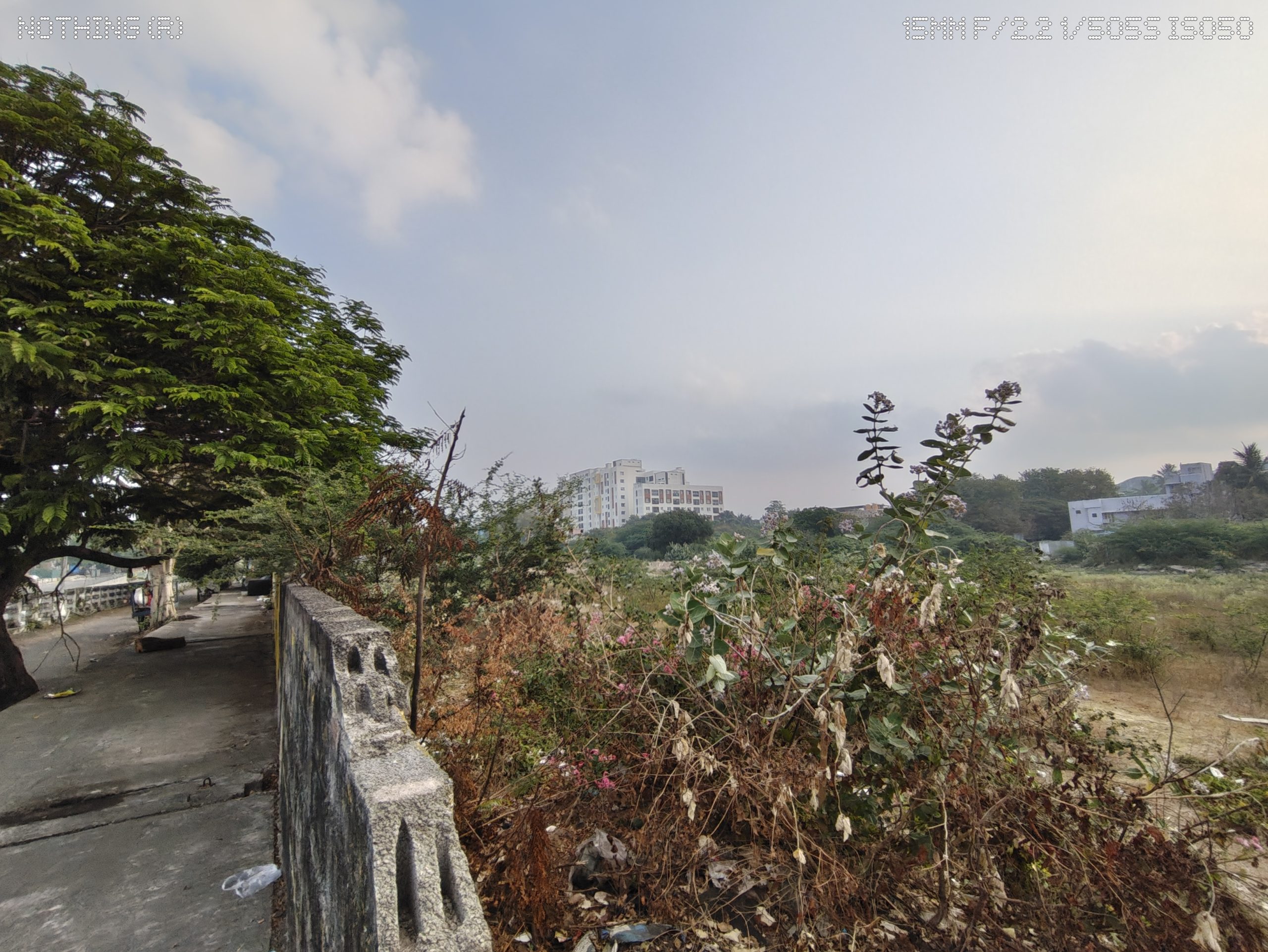
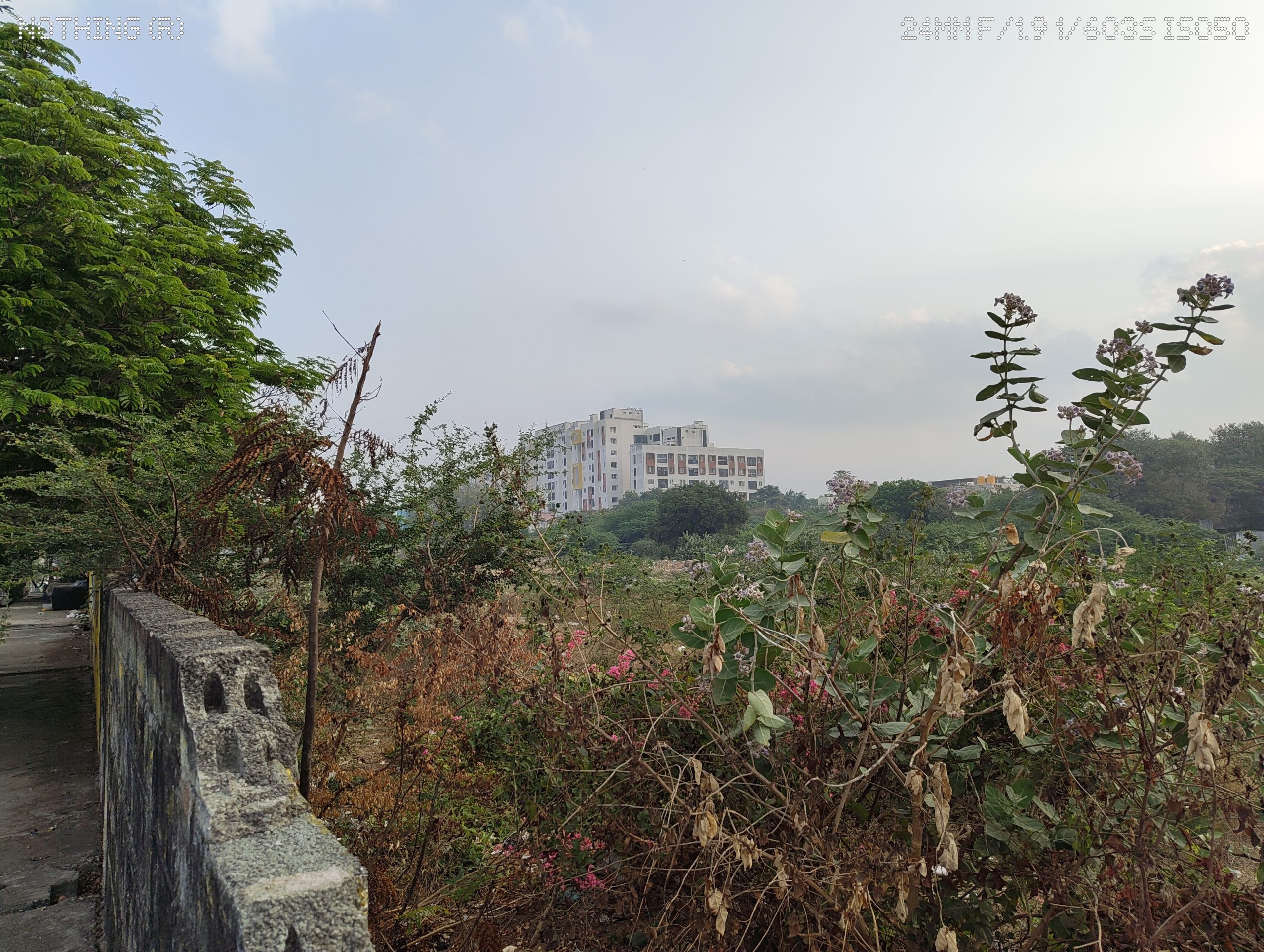
Coming to the image quality, daylight shots came out well with good dynamic range, and the images are natural-looking. After pixel binning technology, you get a 12.5MP output from the main and the telephoto cameras. HDR shots are better with improved dynamic range. The 8MP ultra-wide camera is decent, and the colors are almost similar. The 50MP periscope telephoto camera does a good job. 3.5x optical zoom and 7x in-sensor zoom are good. Even though there is up to 70x zoom, quality is good up to 30x.
Instead of the Telemaco option, the company offers the Macro with the main camera since this uses a tetra-prism telephoto. The same old 32MP front camera does a good job in daylight and could be better in low light. Edge detection is good in portrait shots. Low-light camera performance is good, and the auto night mode helps to keep the noise low.
Check out the camera samples.
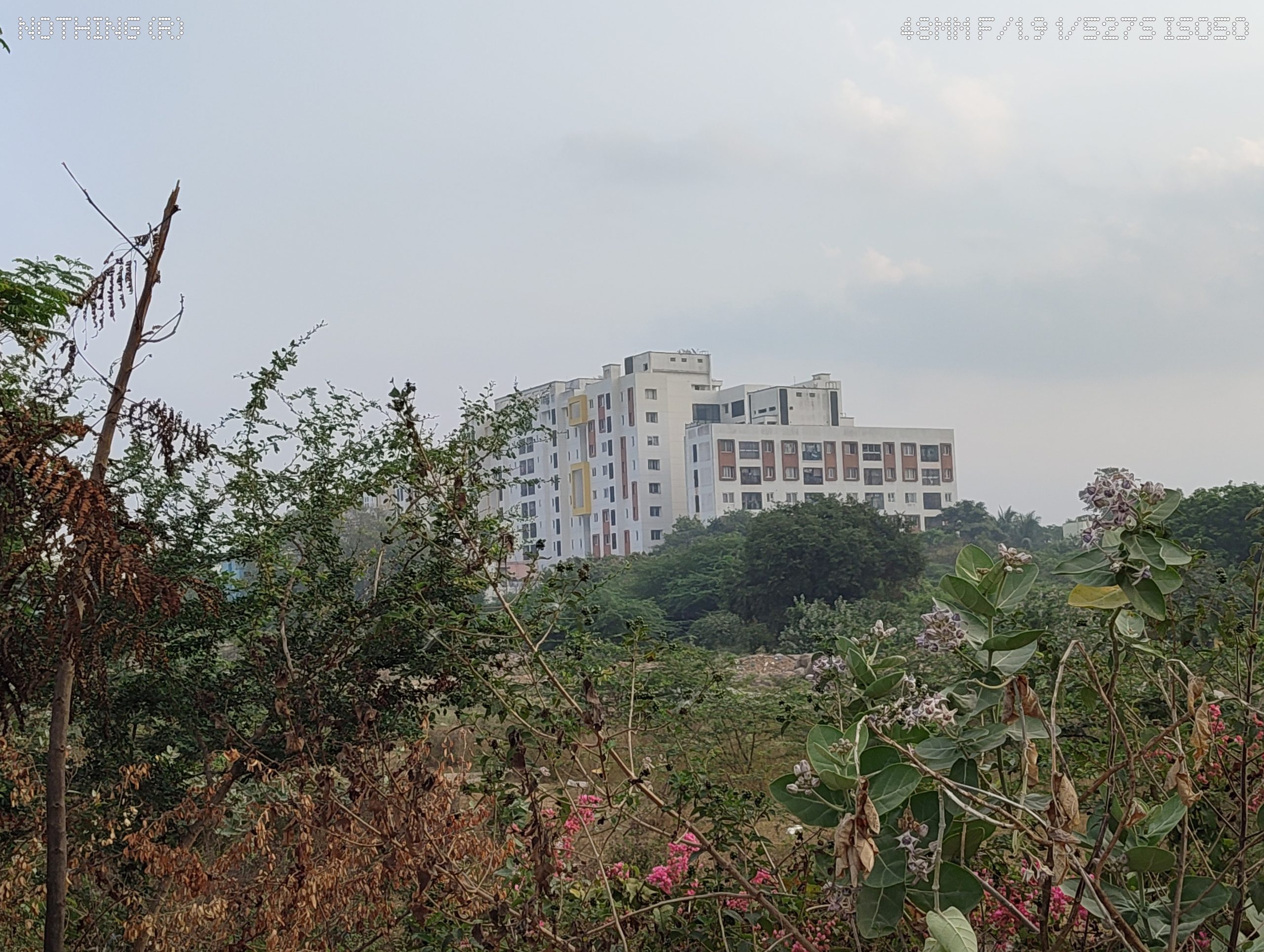
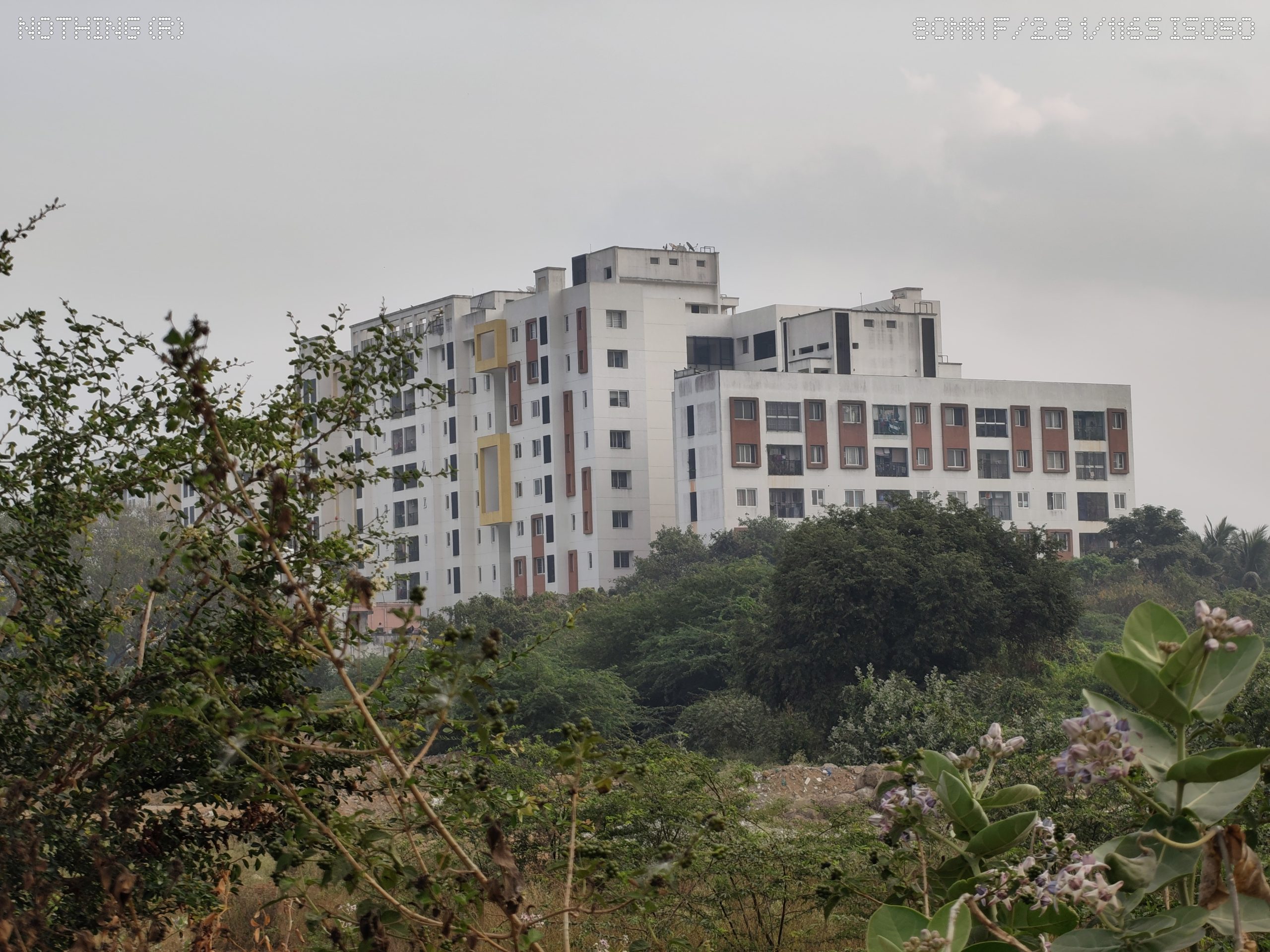
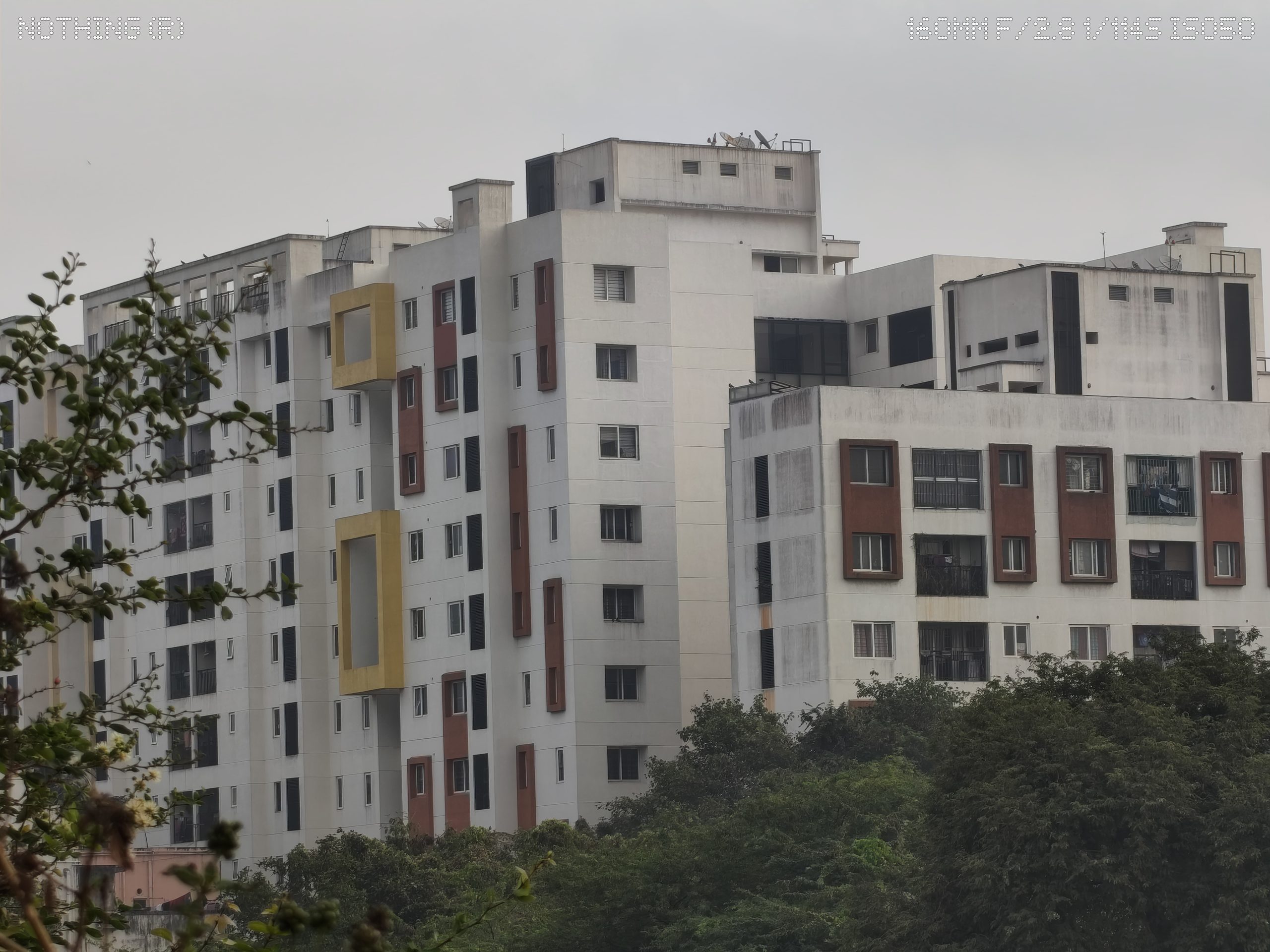
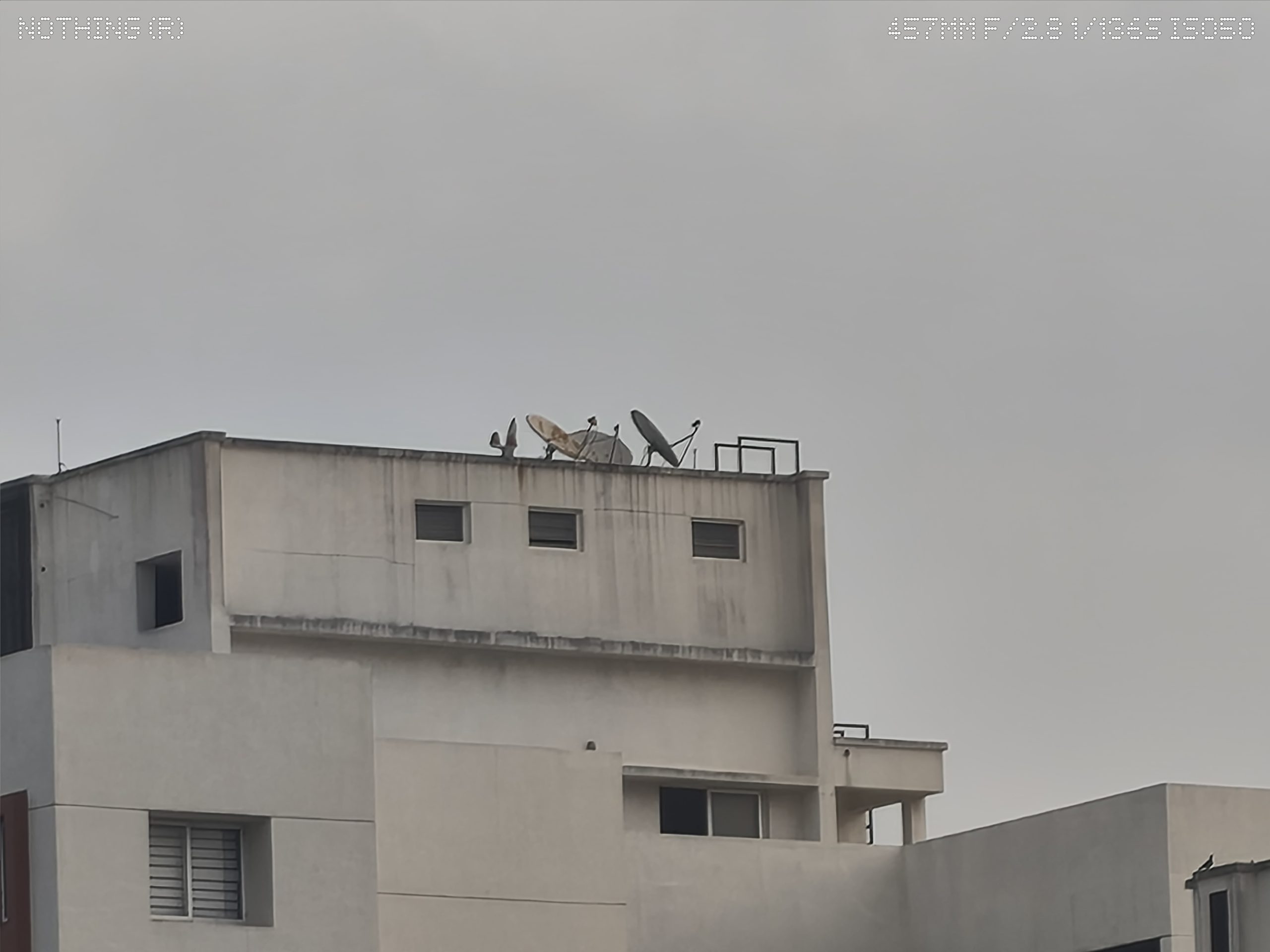
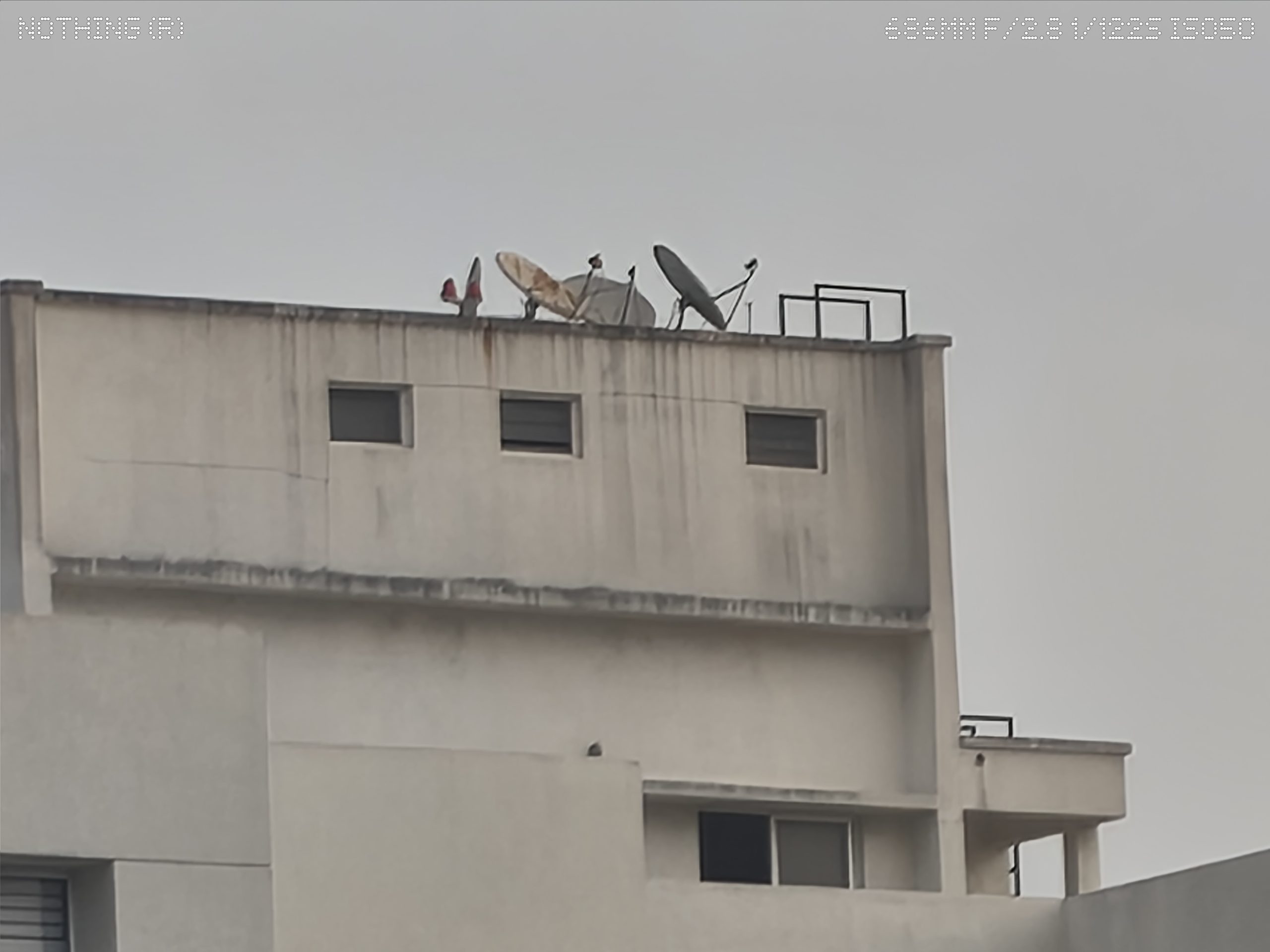
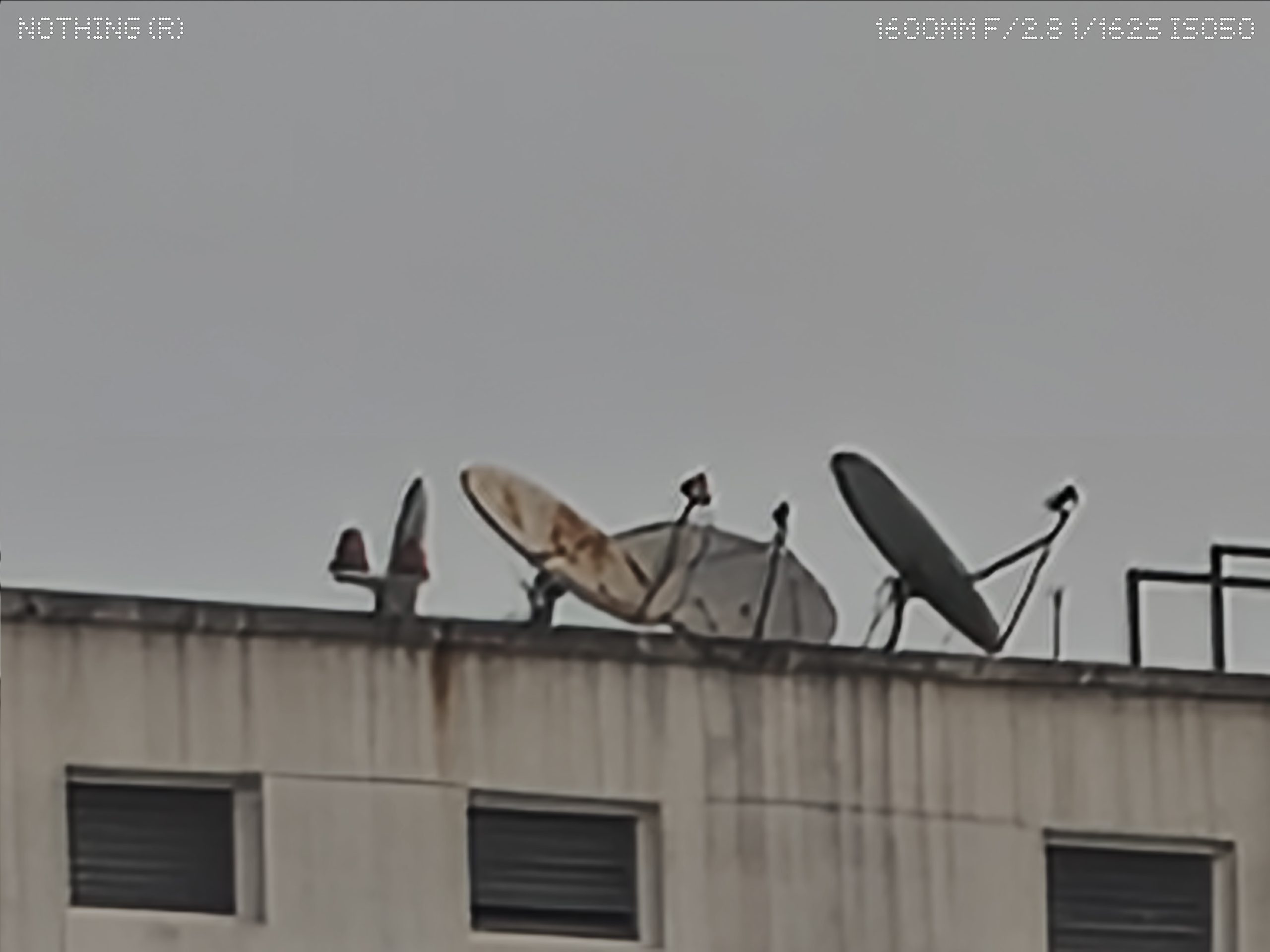
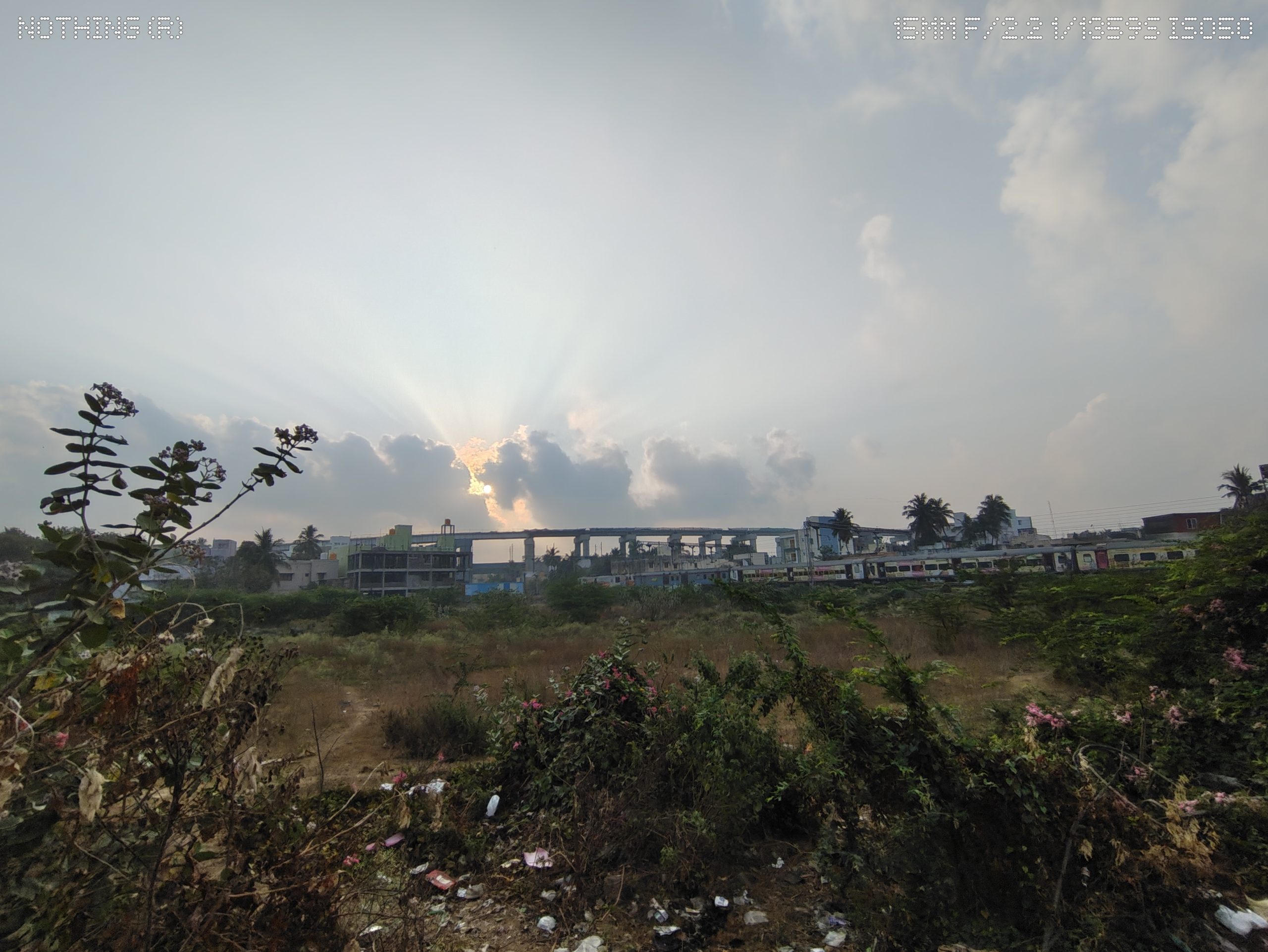
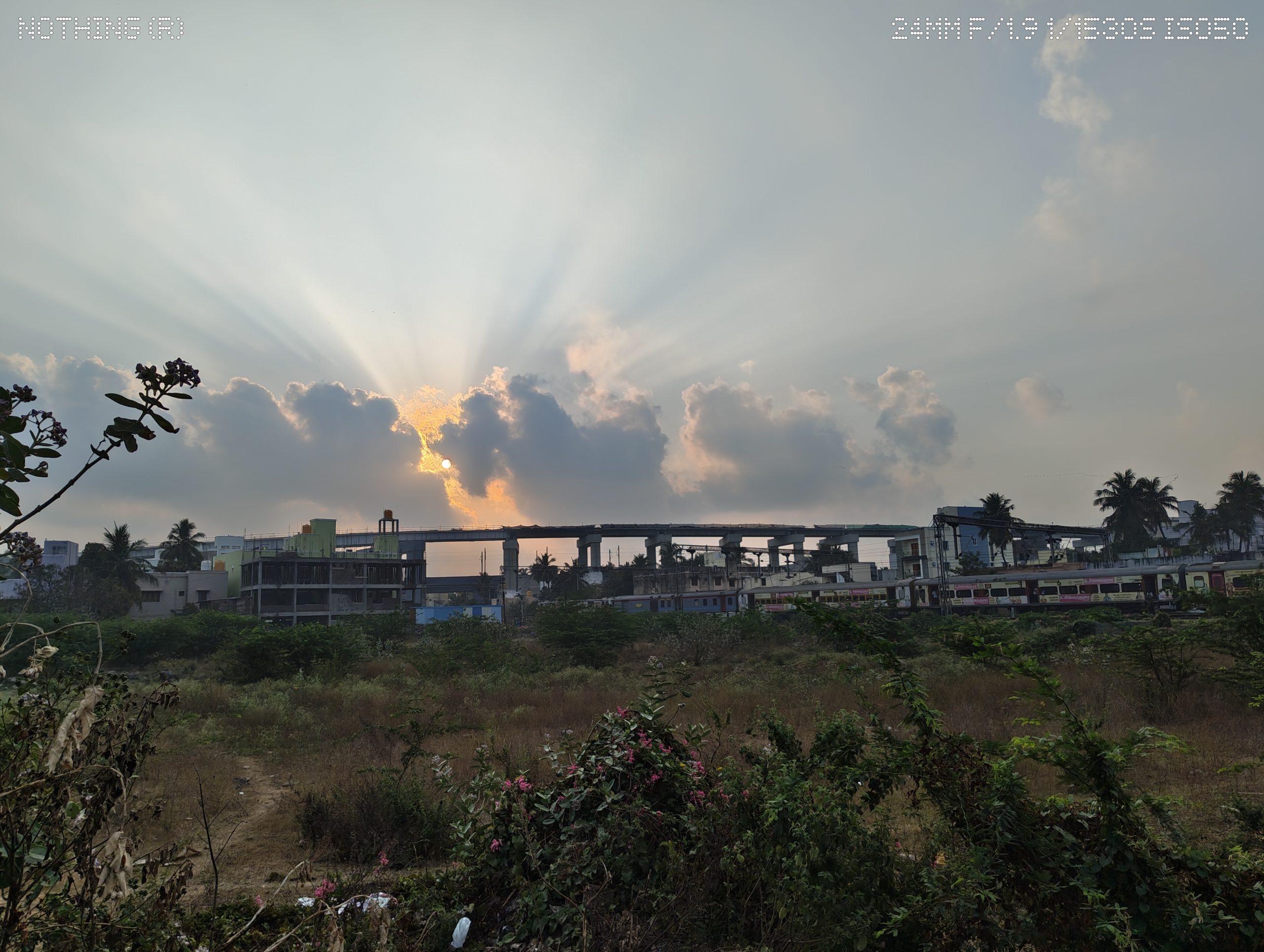

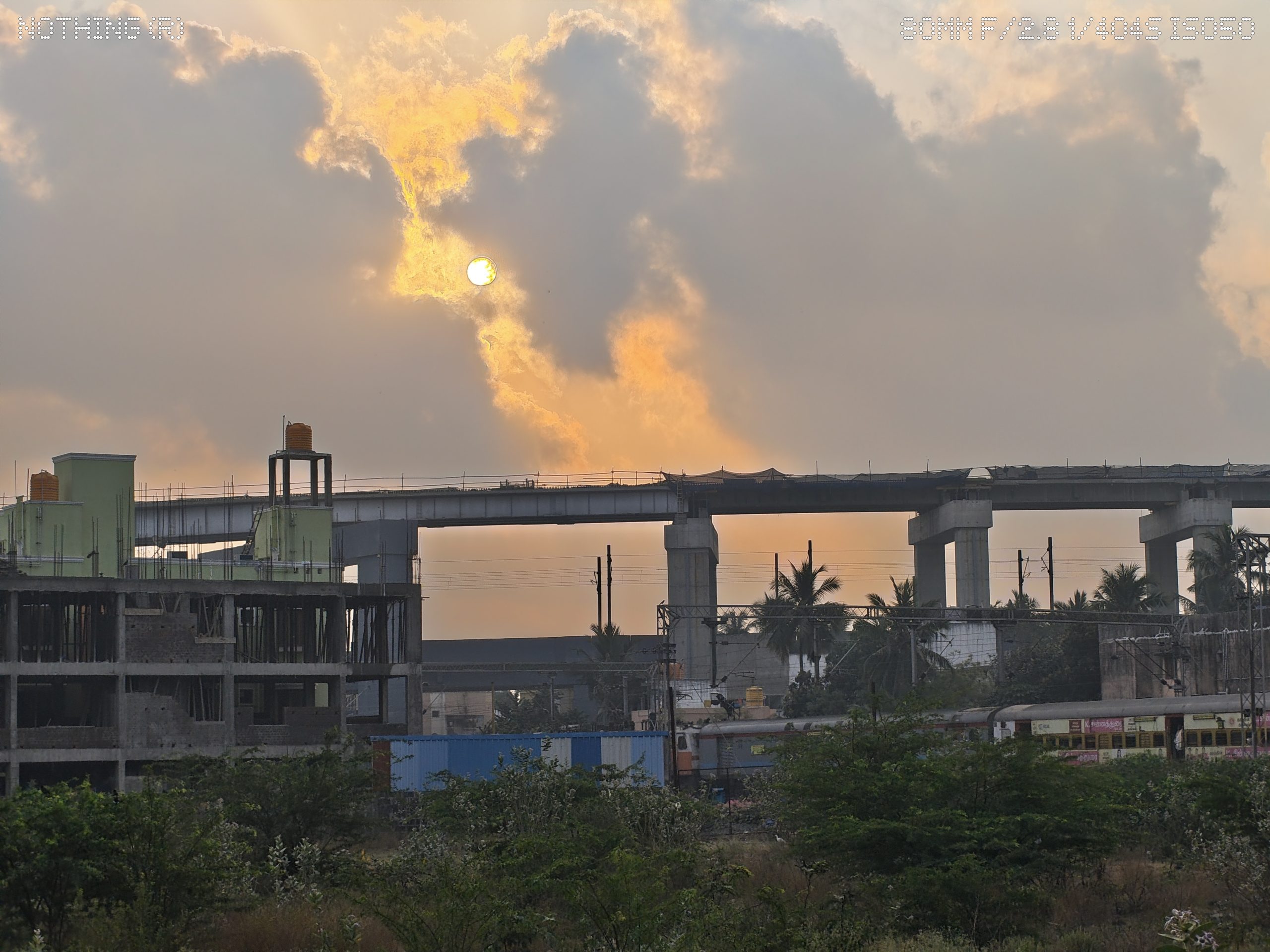
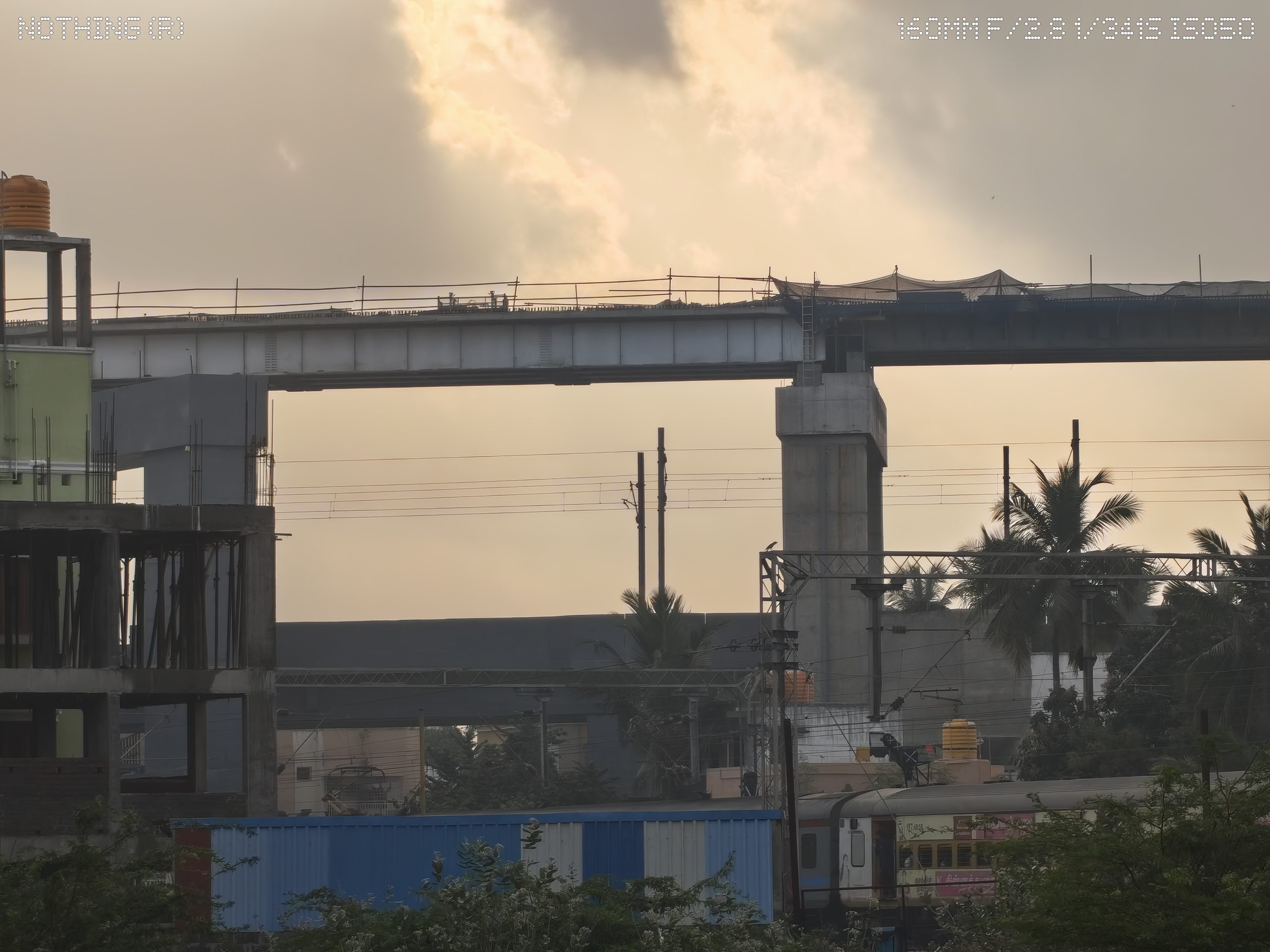
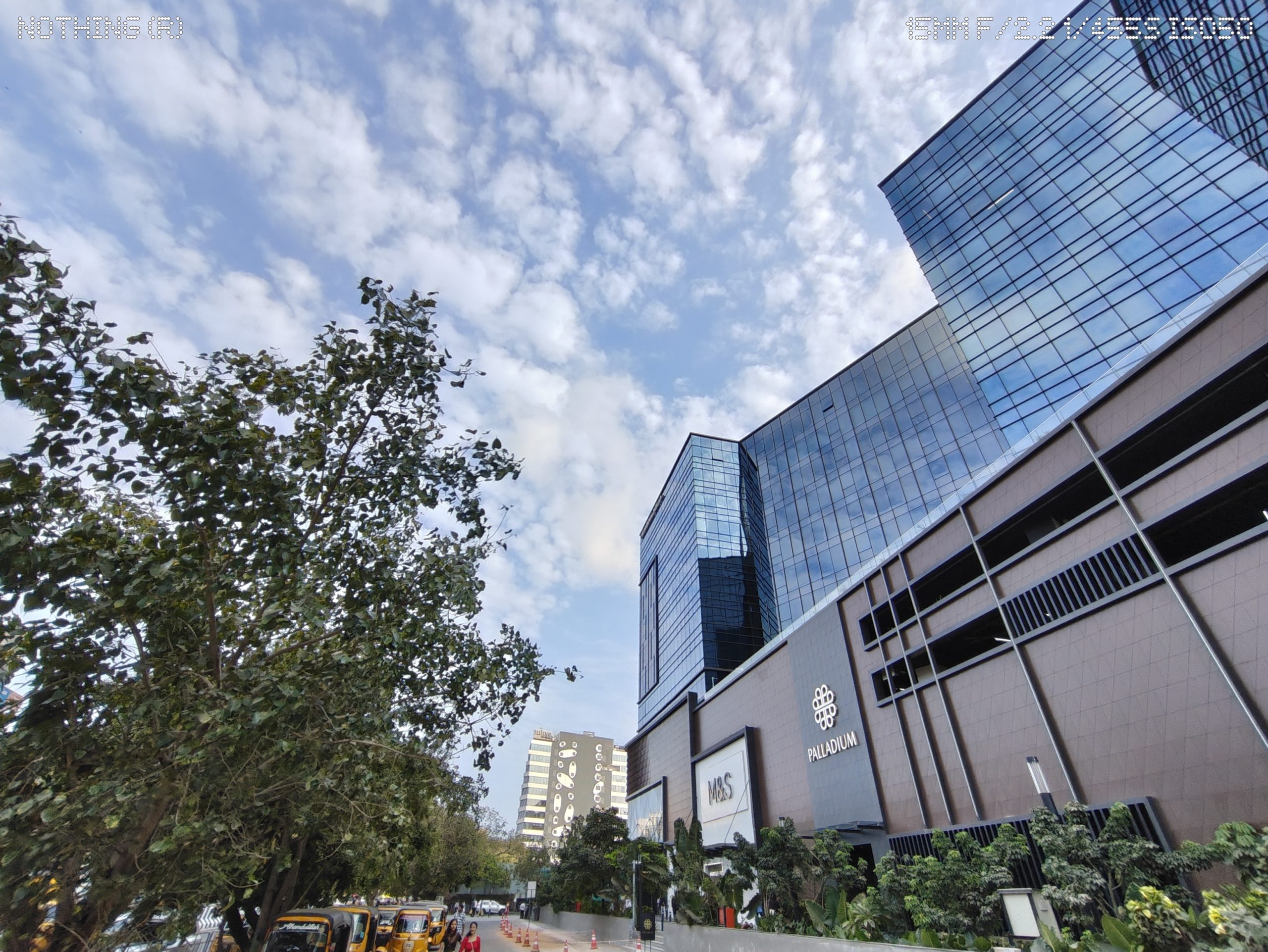
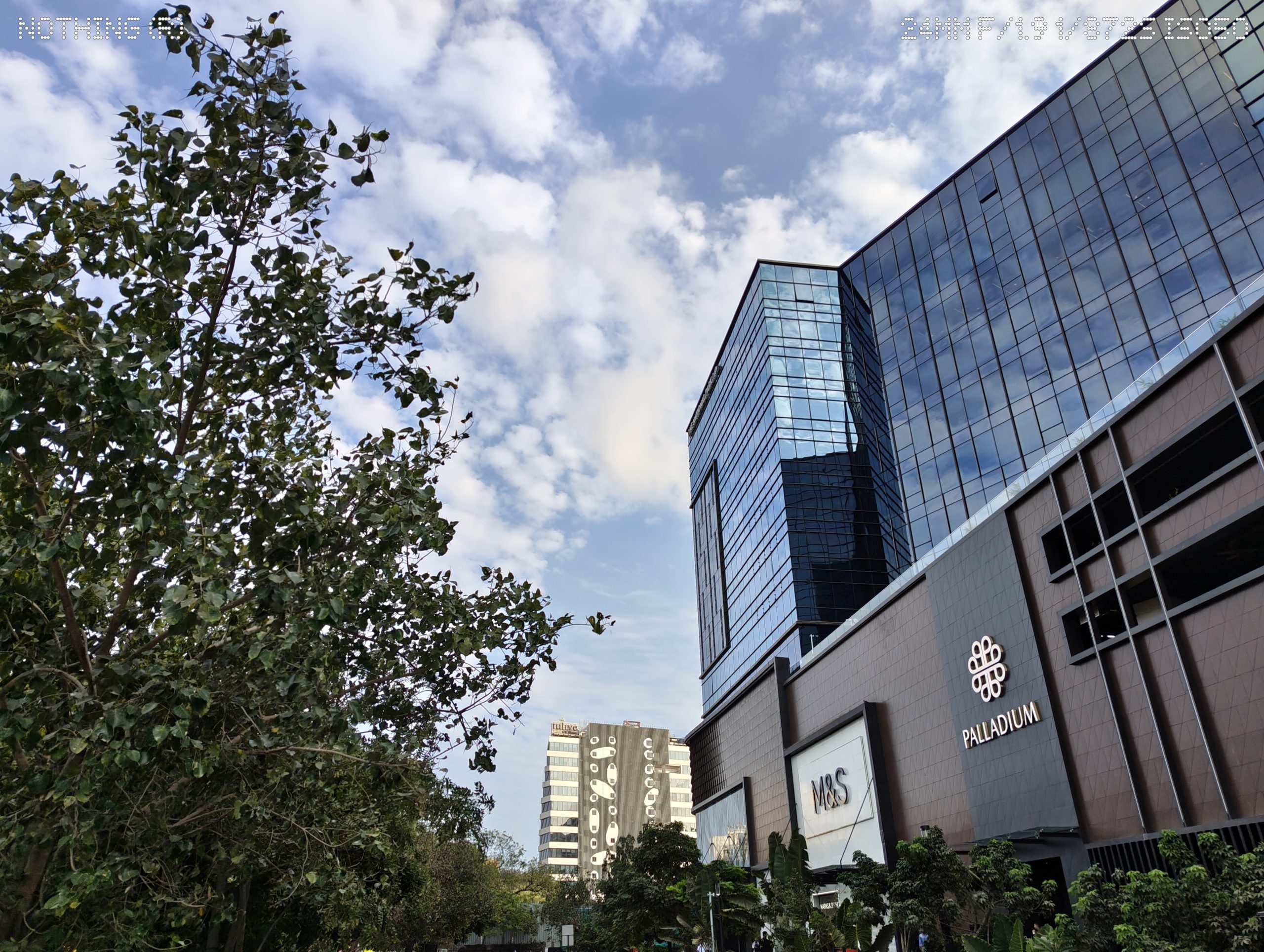
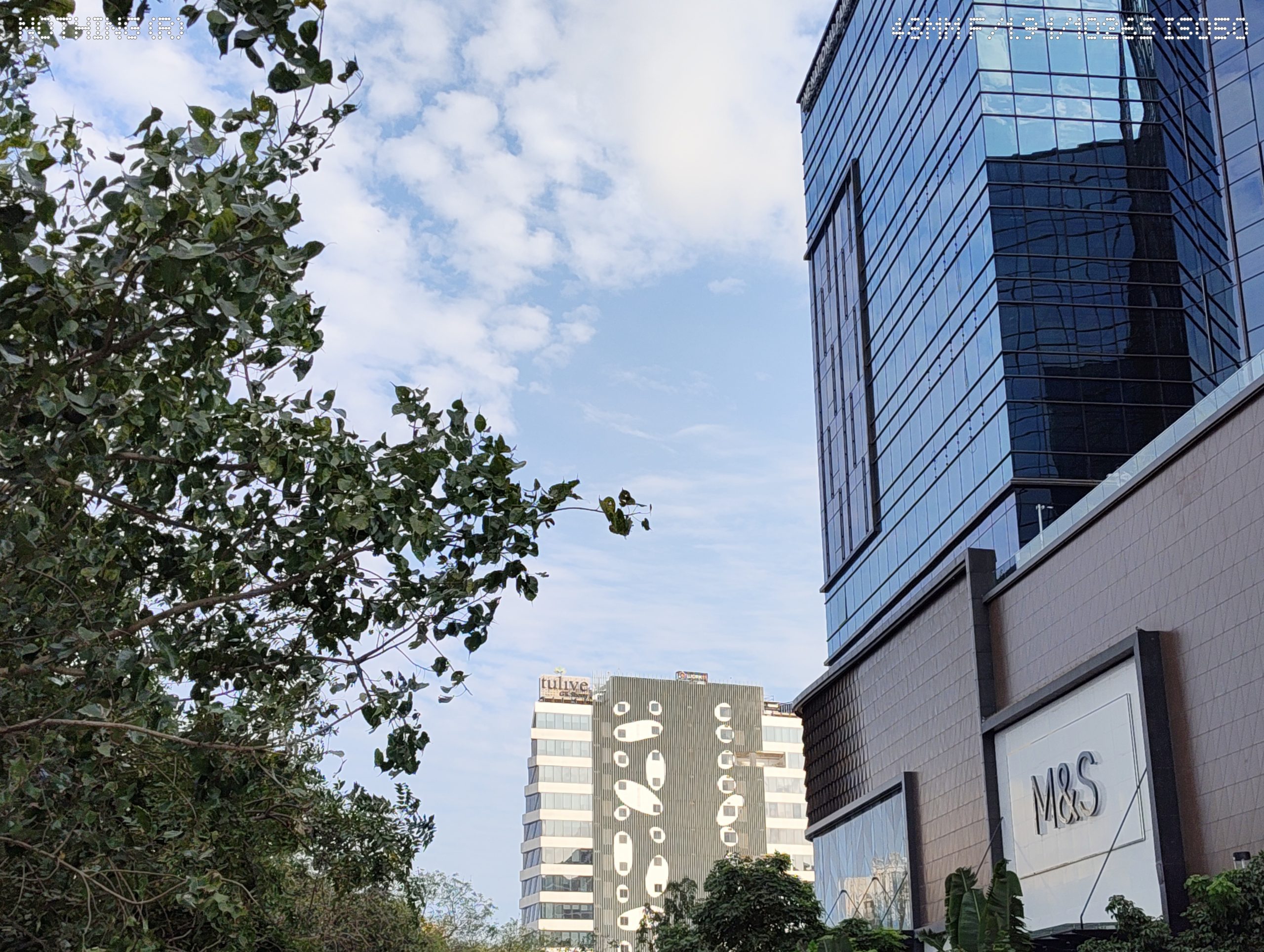
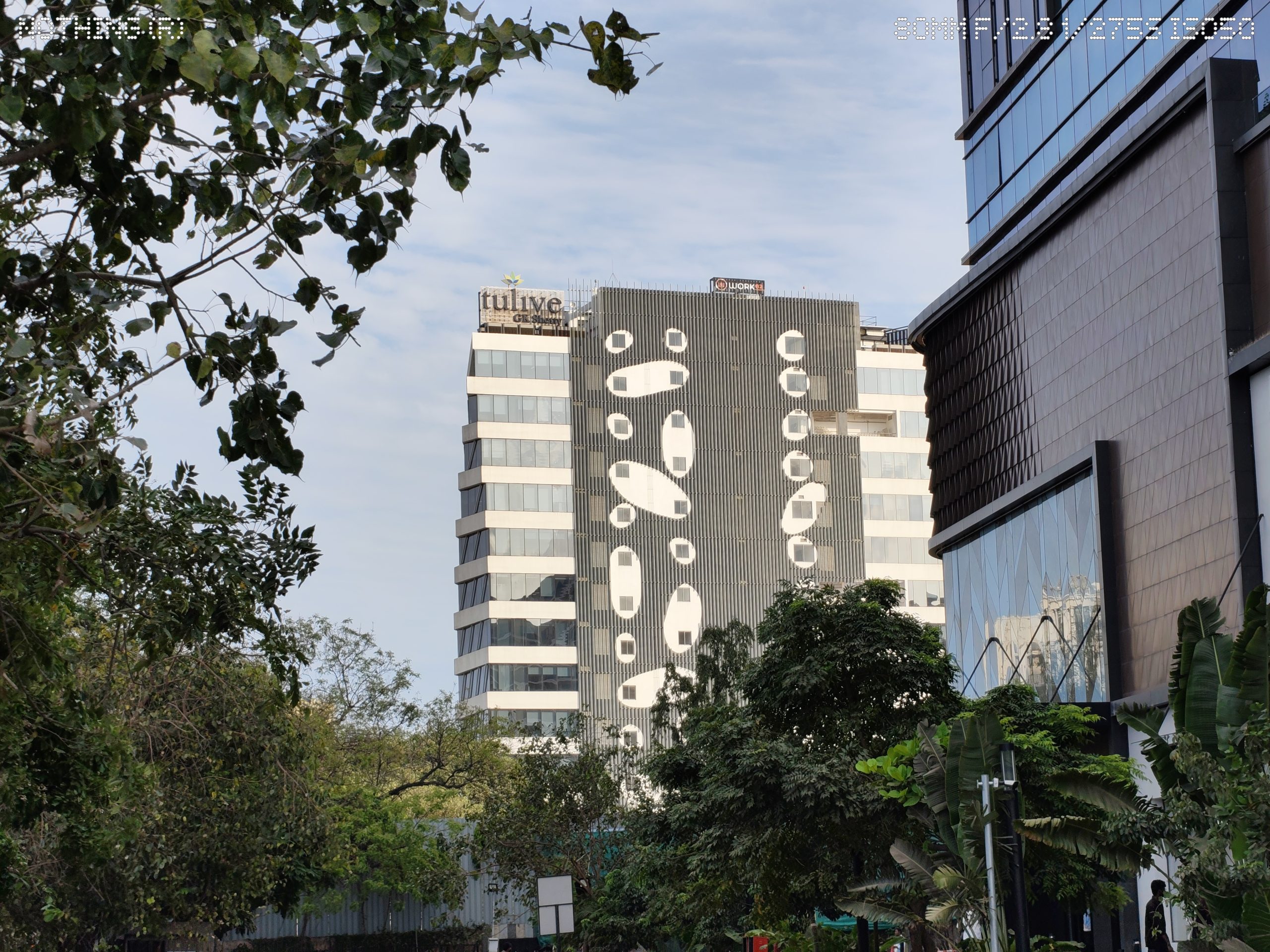
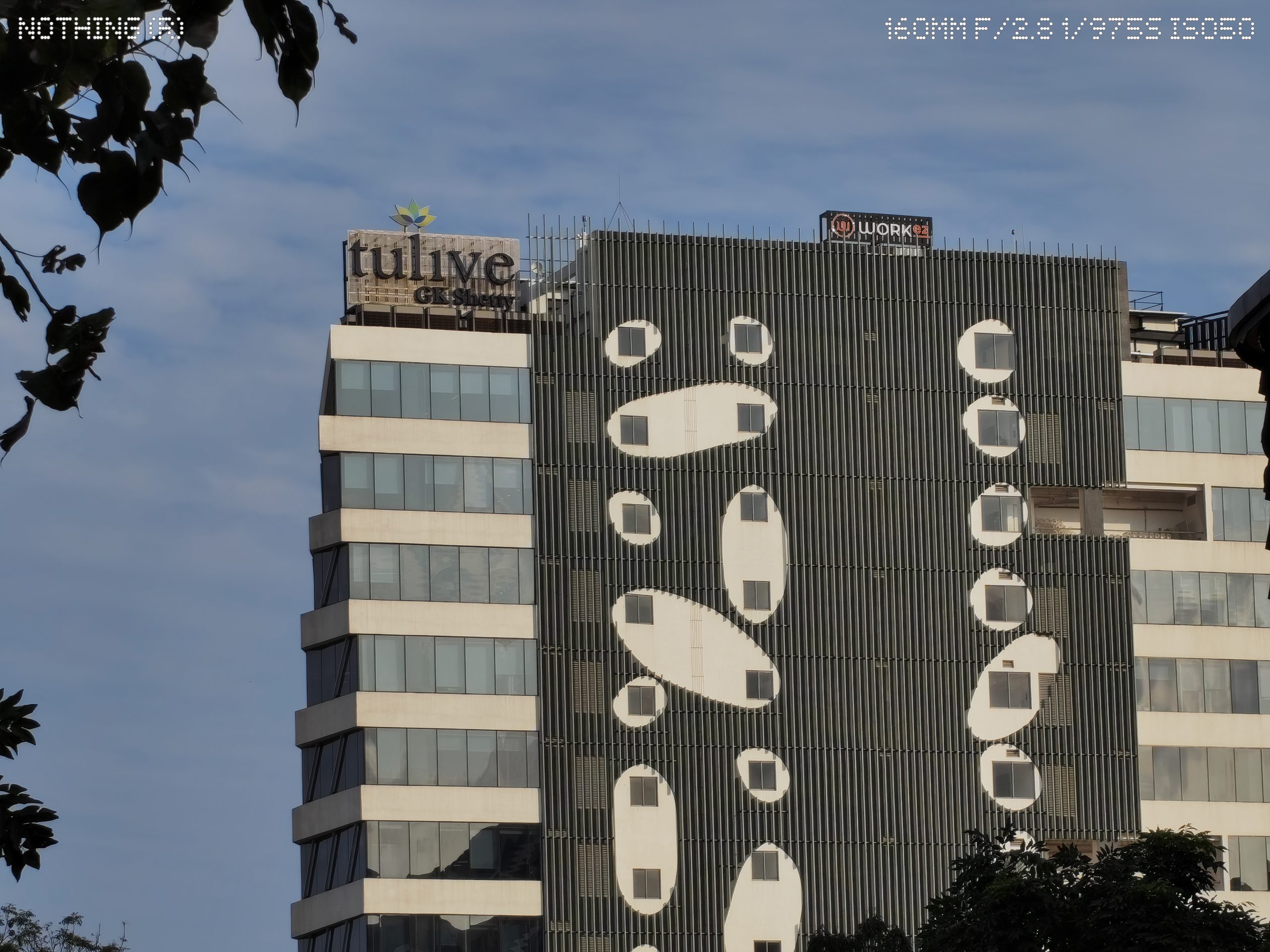
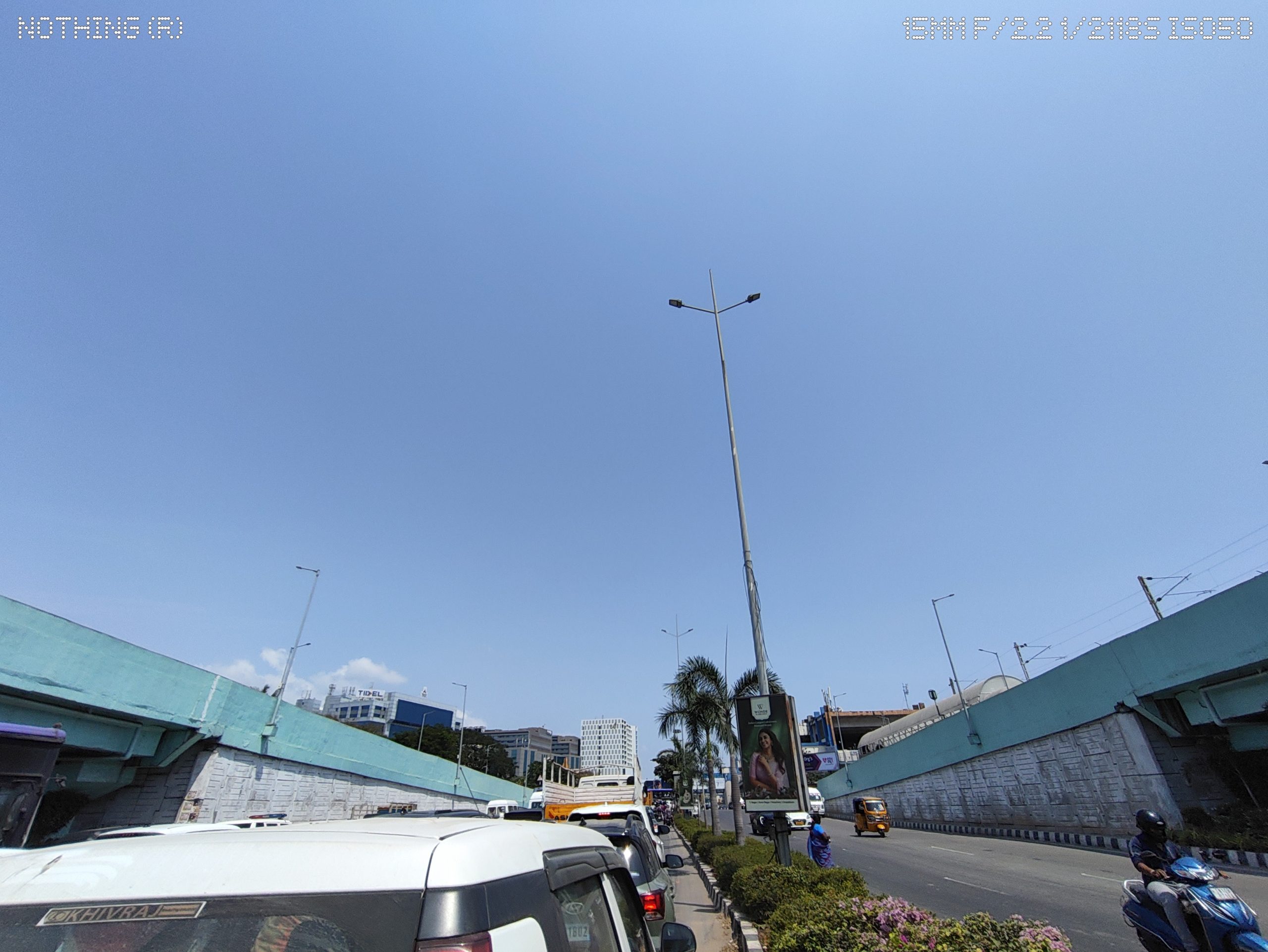
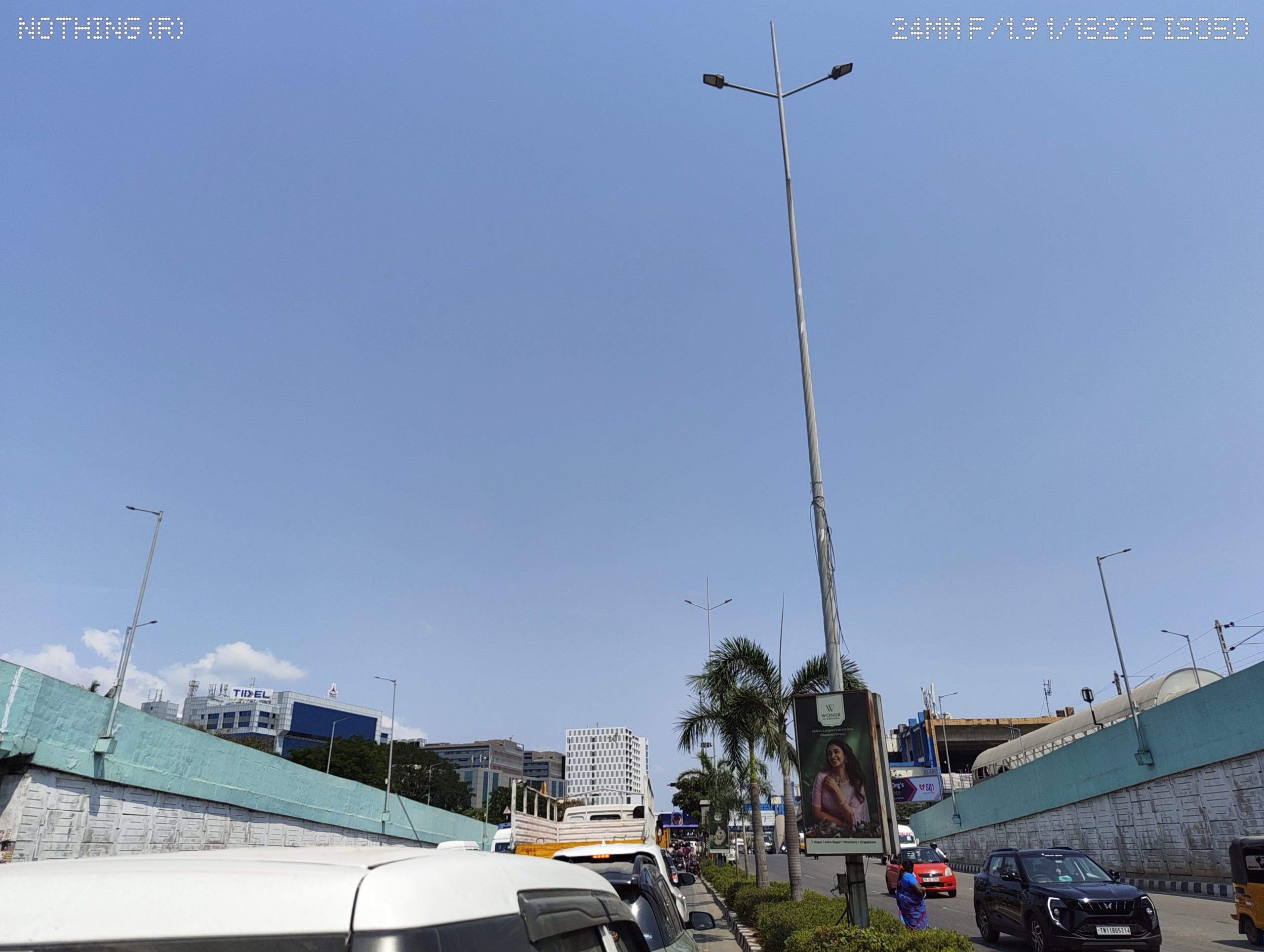
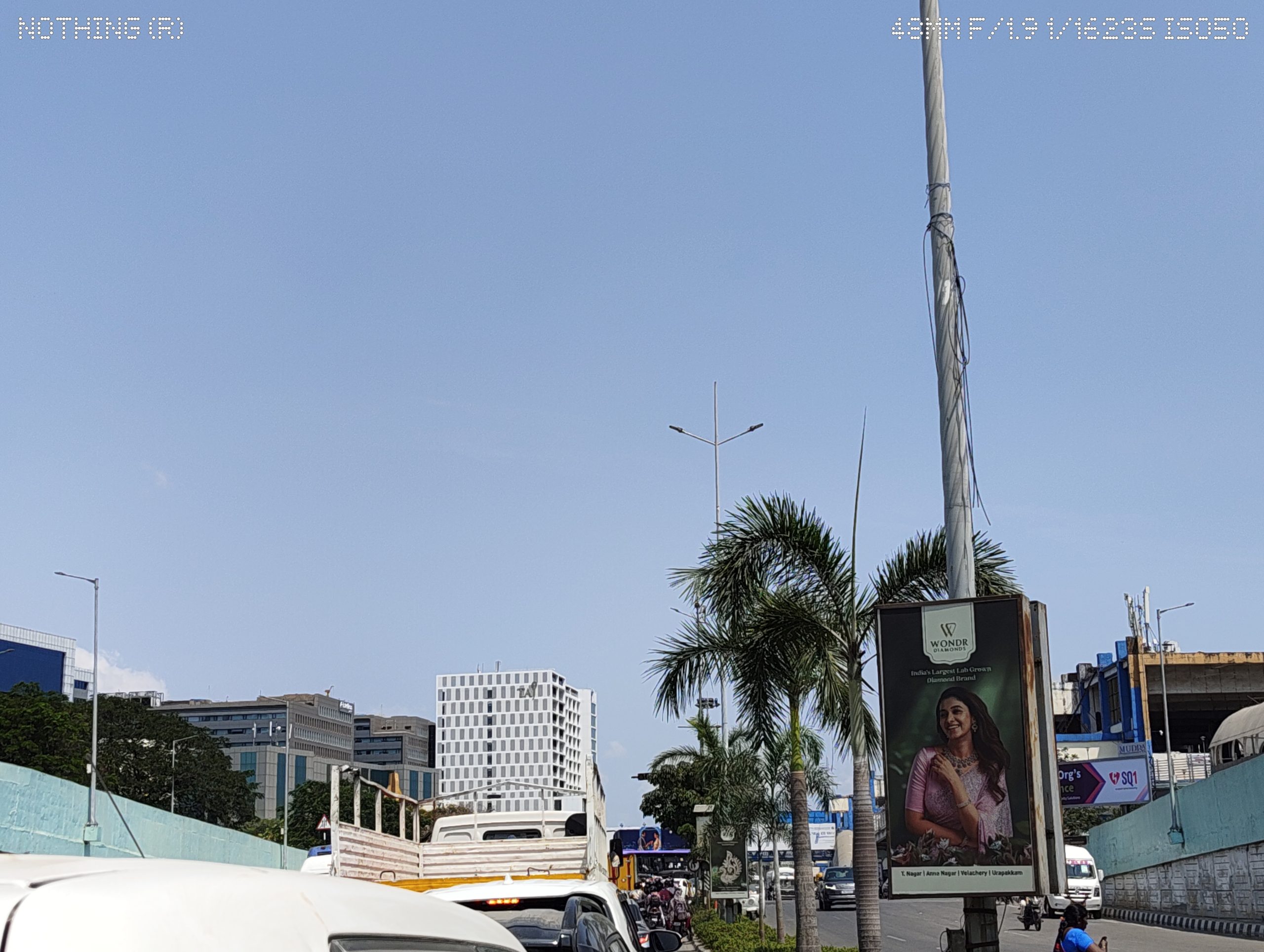
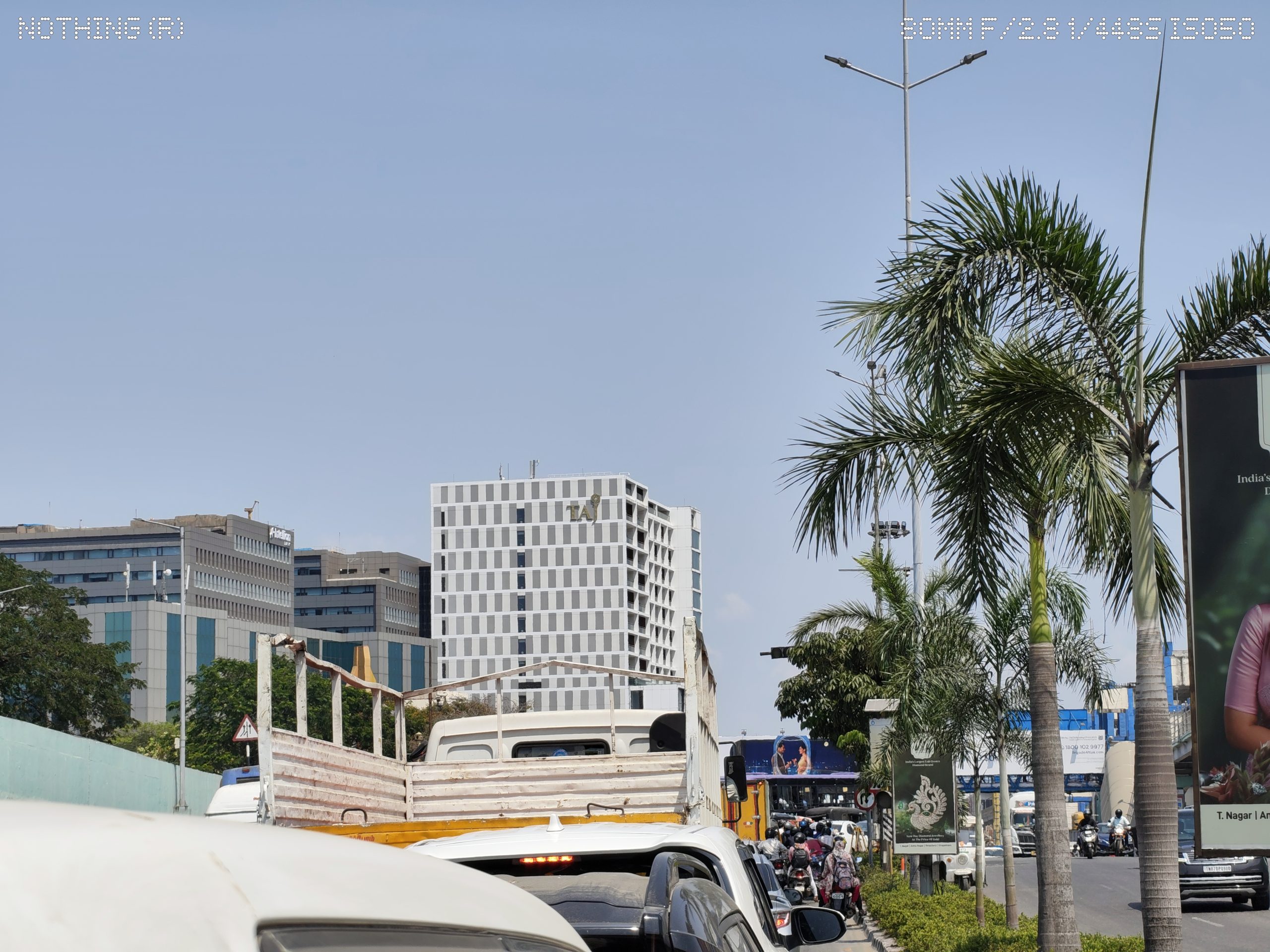
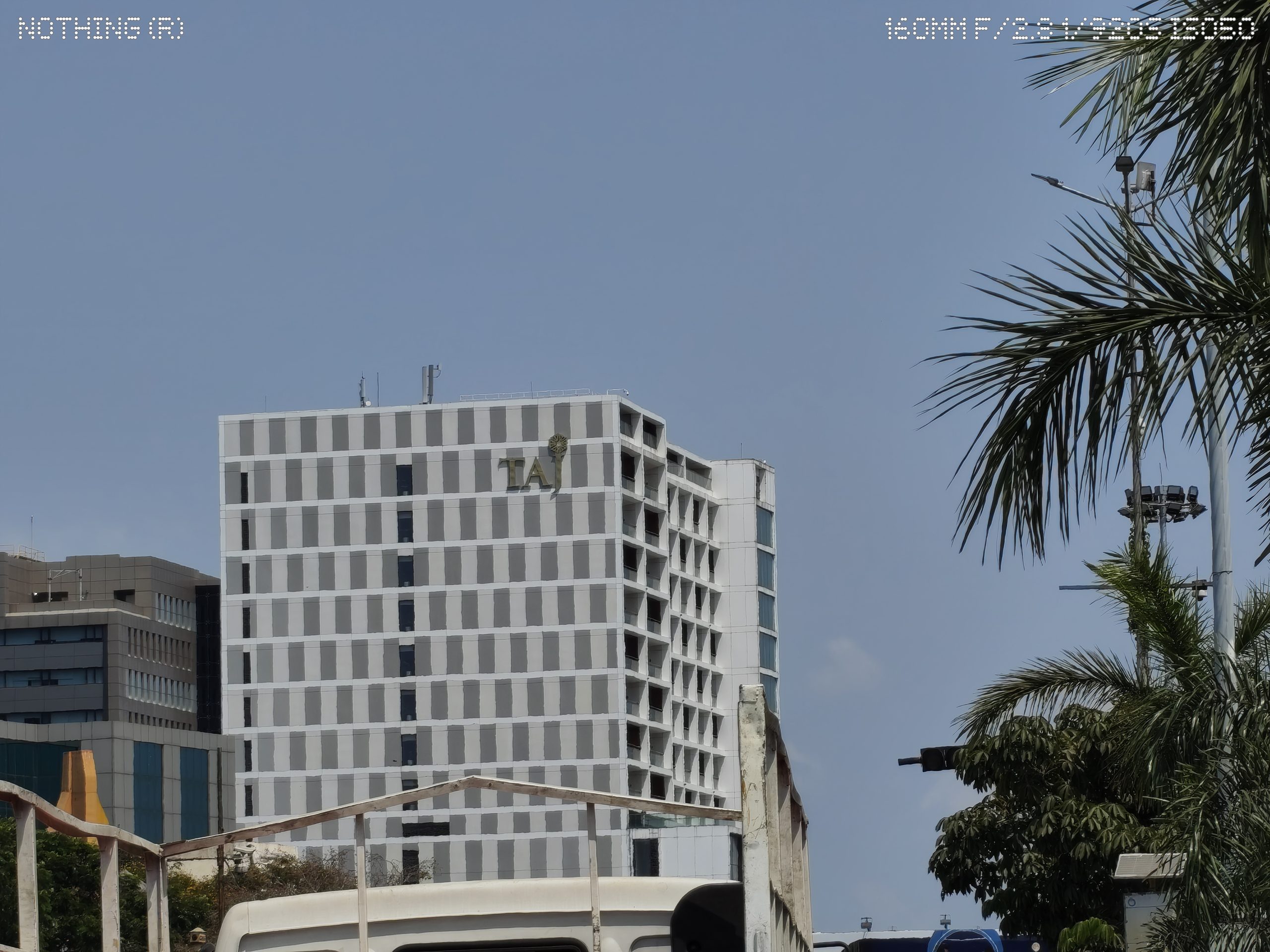
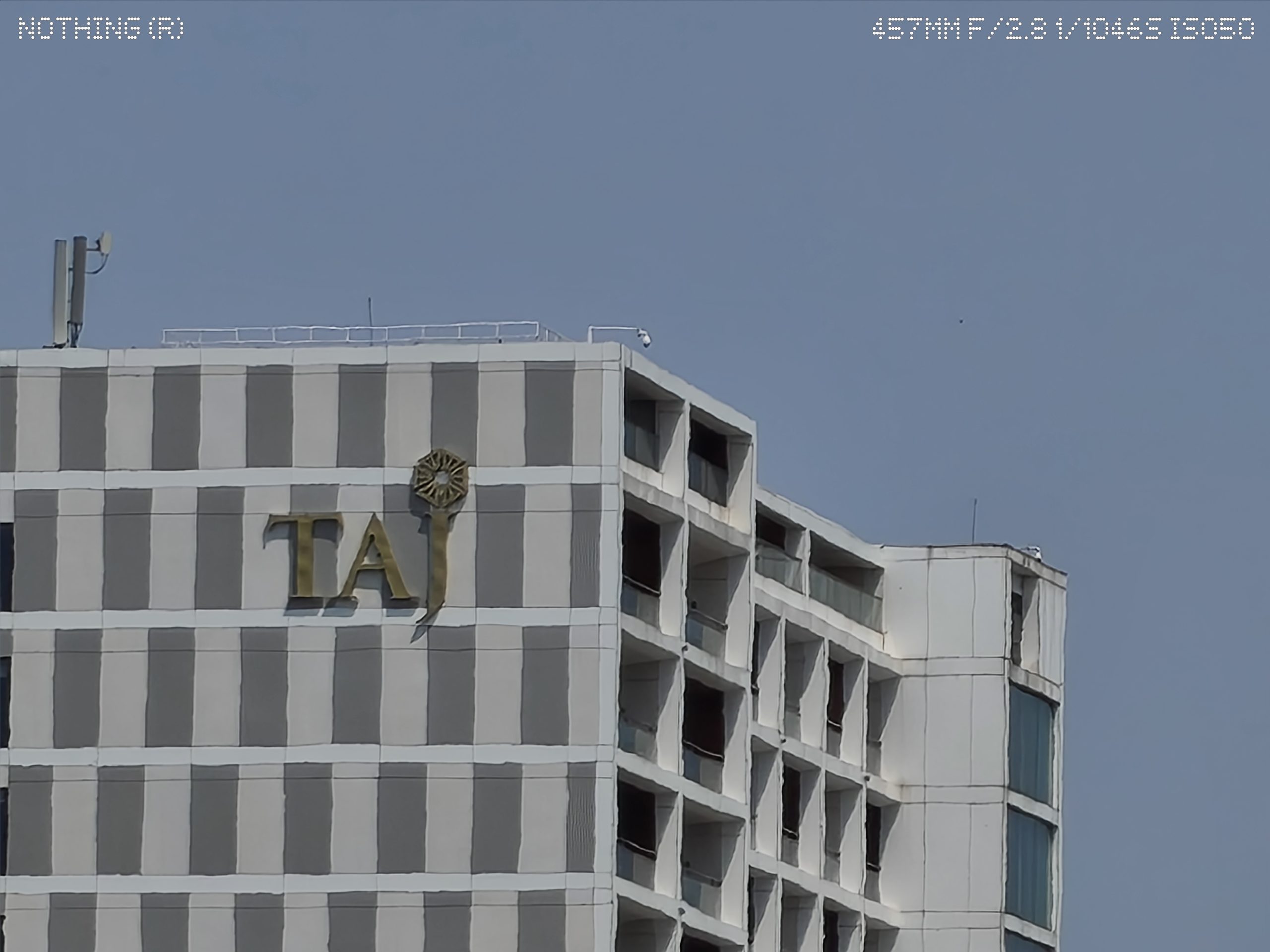
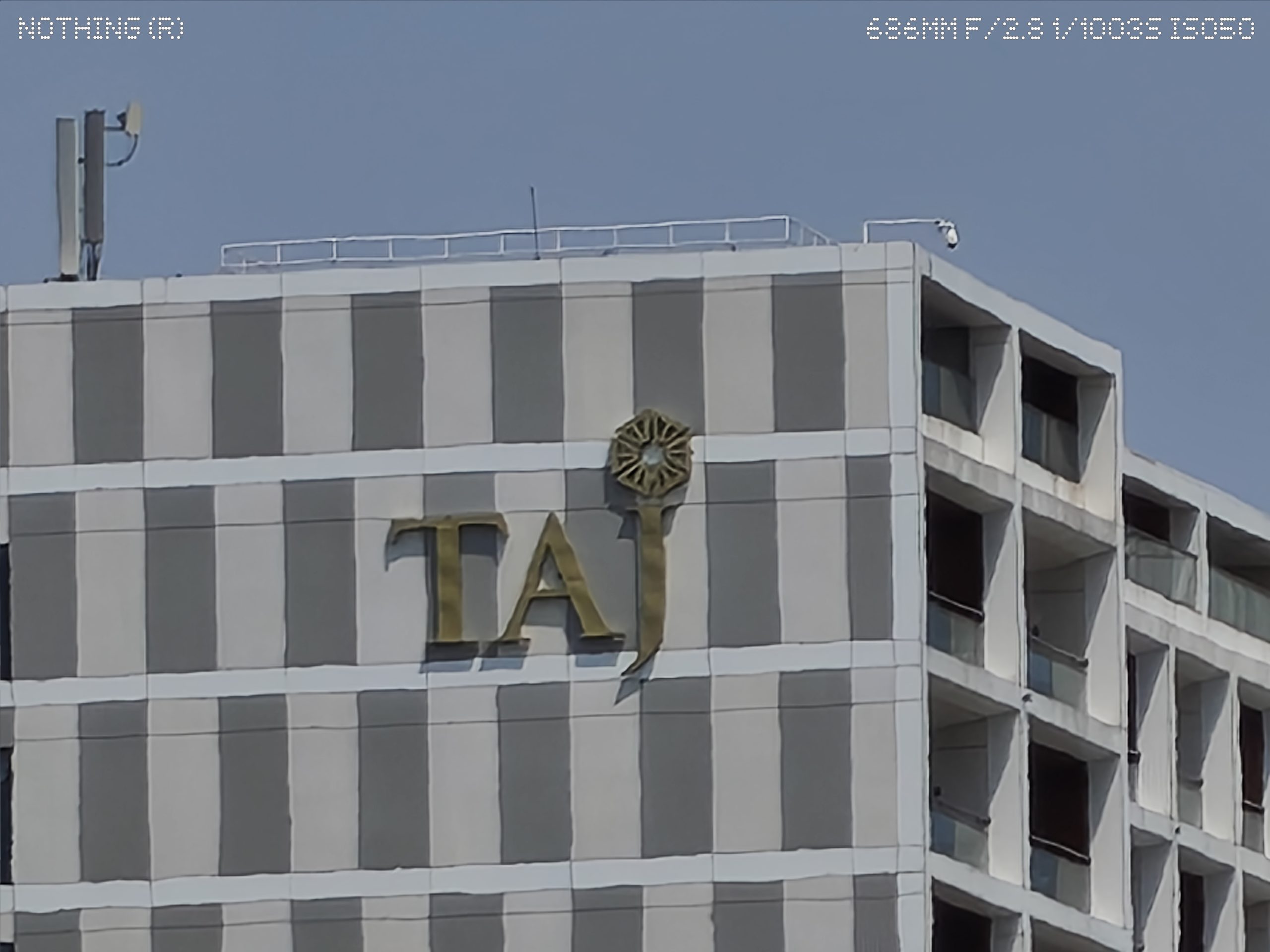



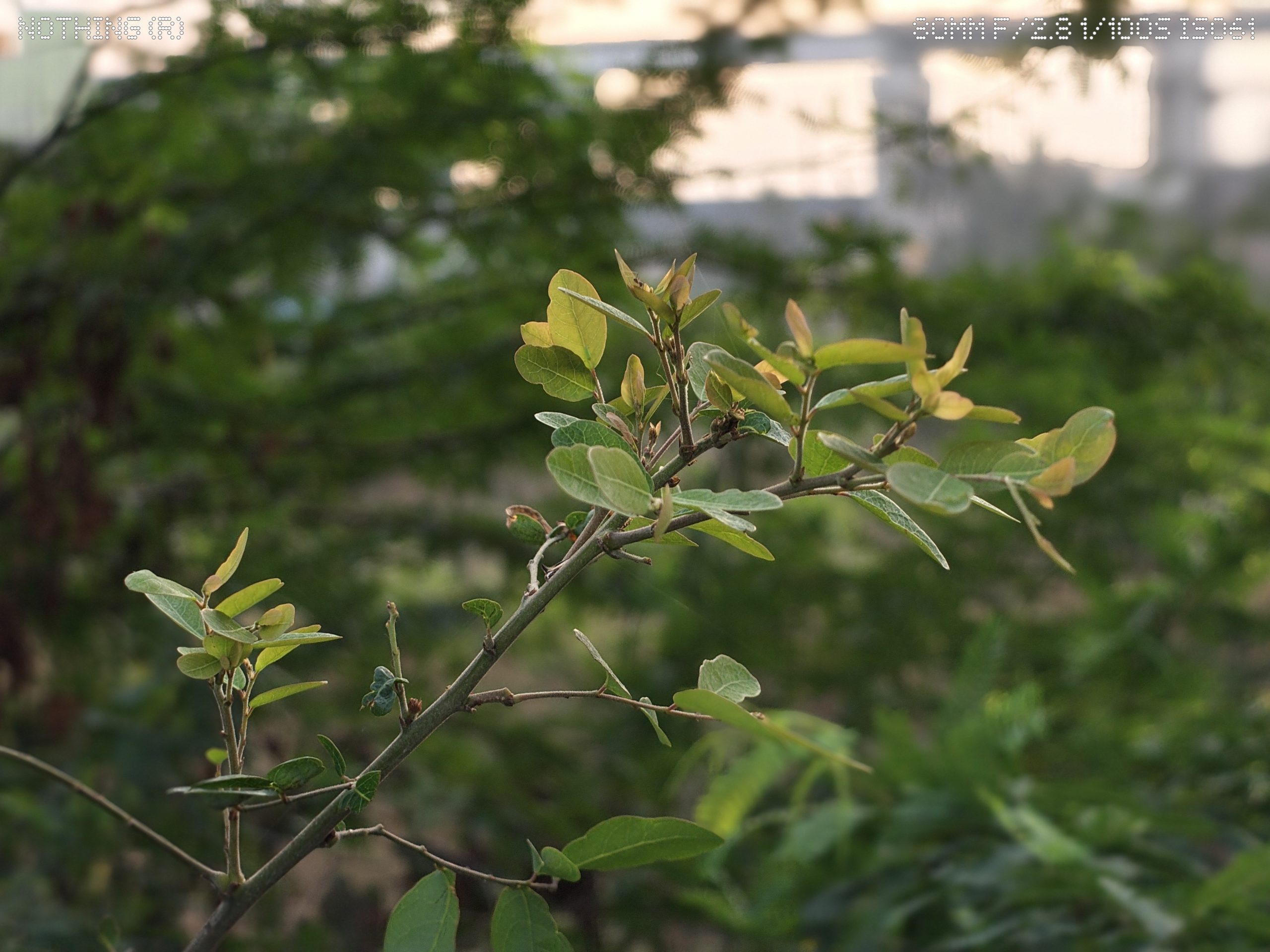
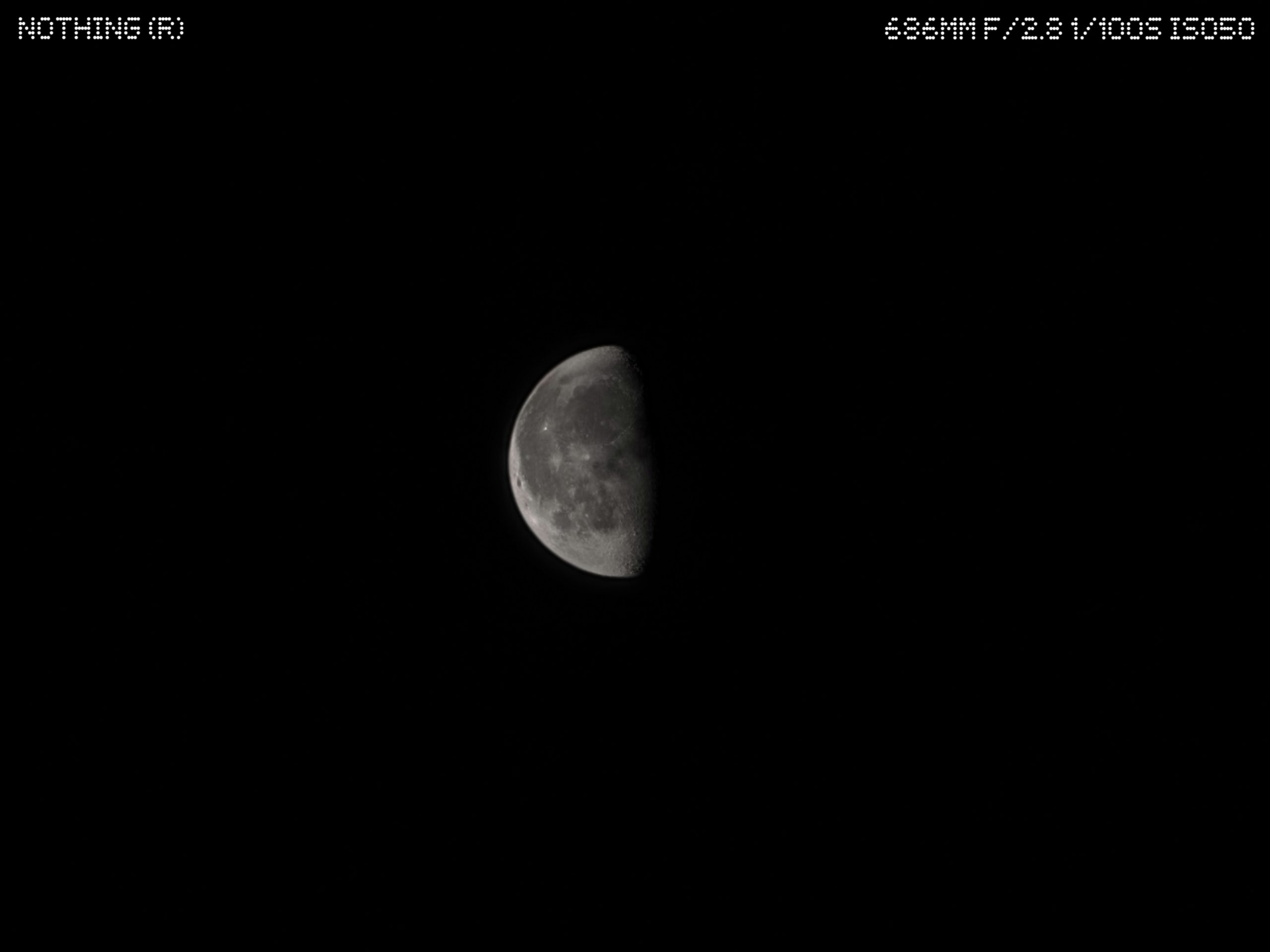
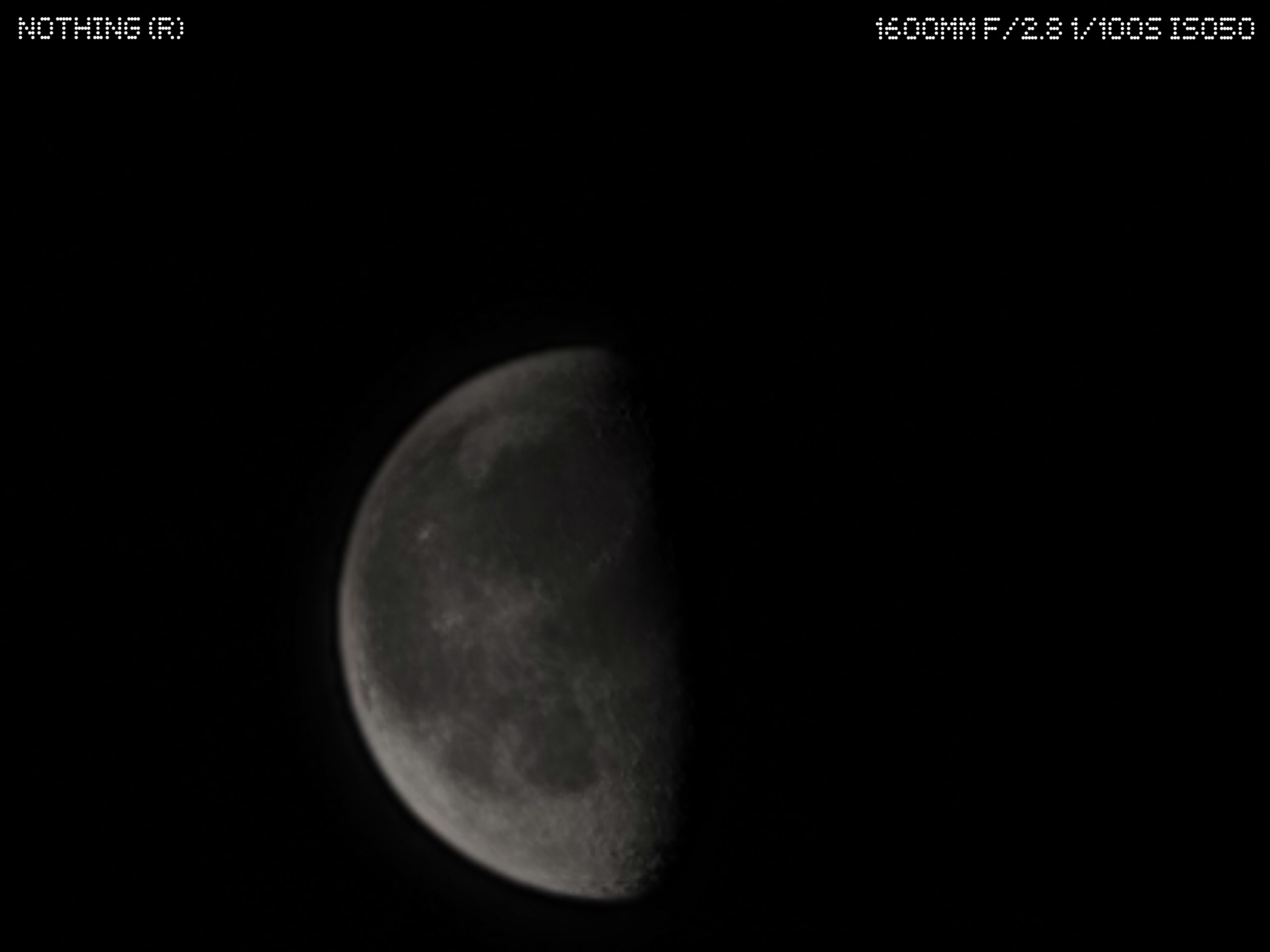
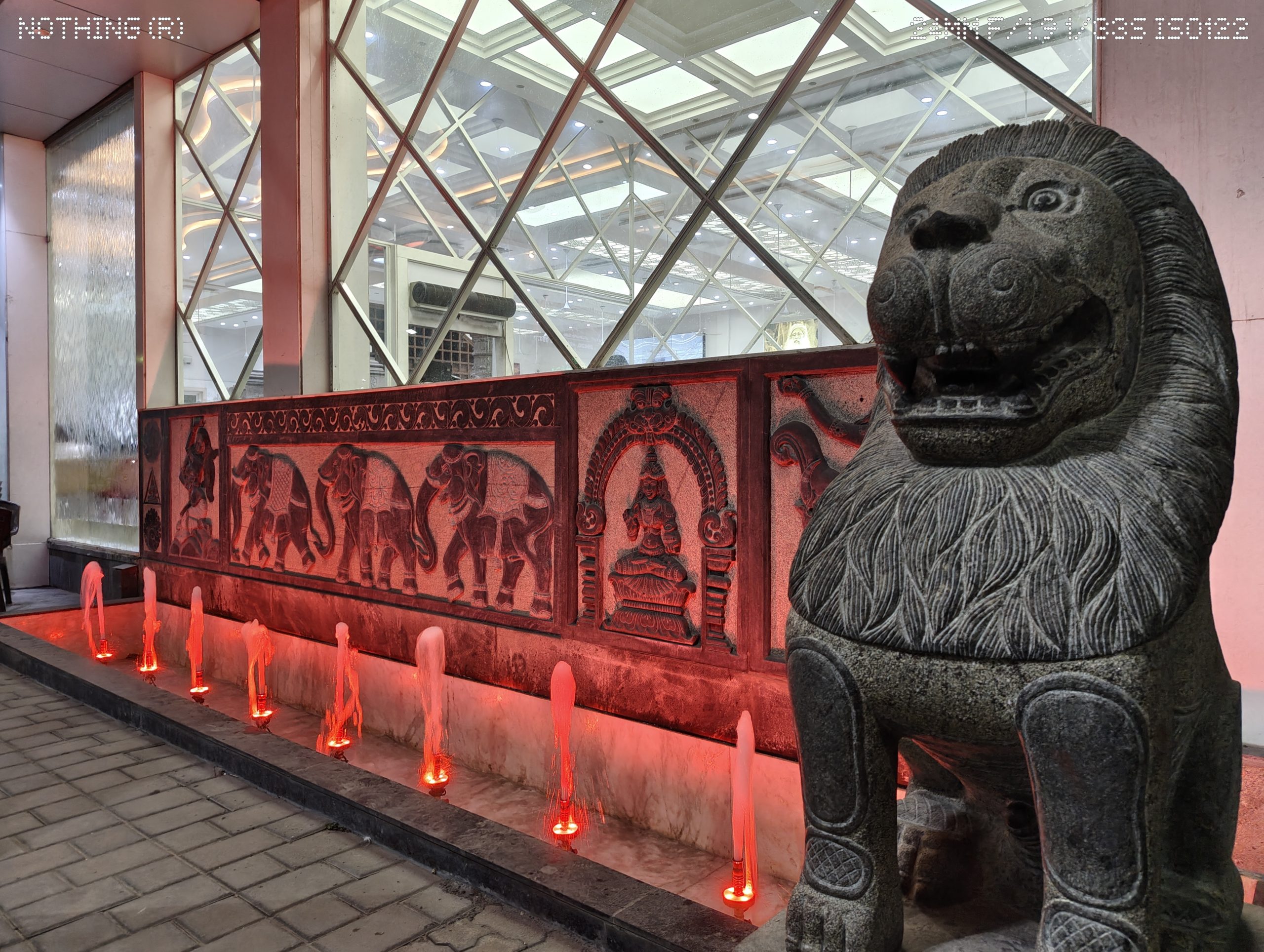
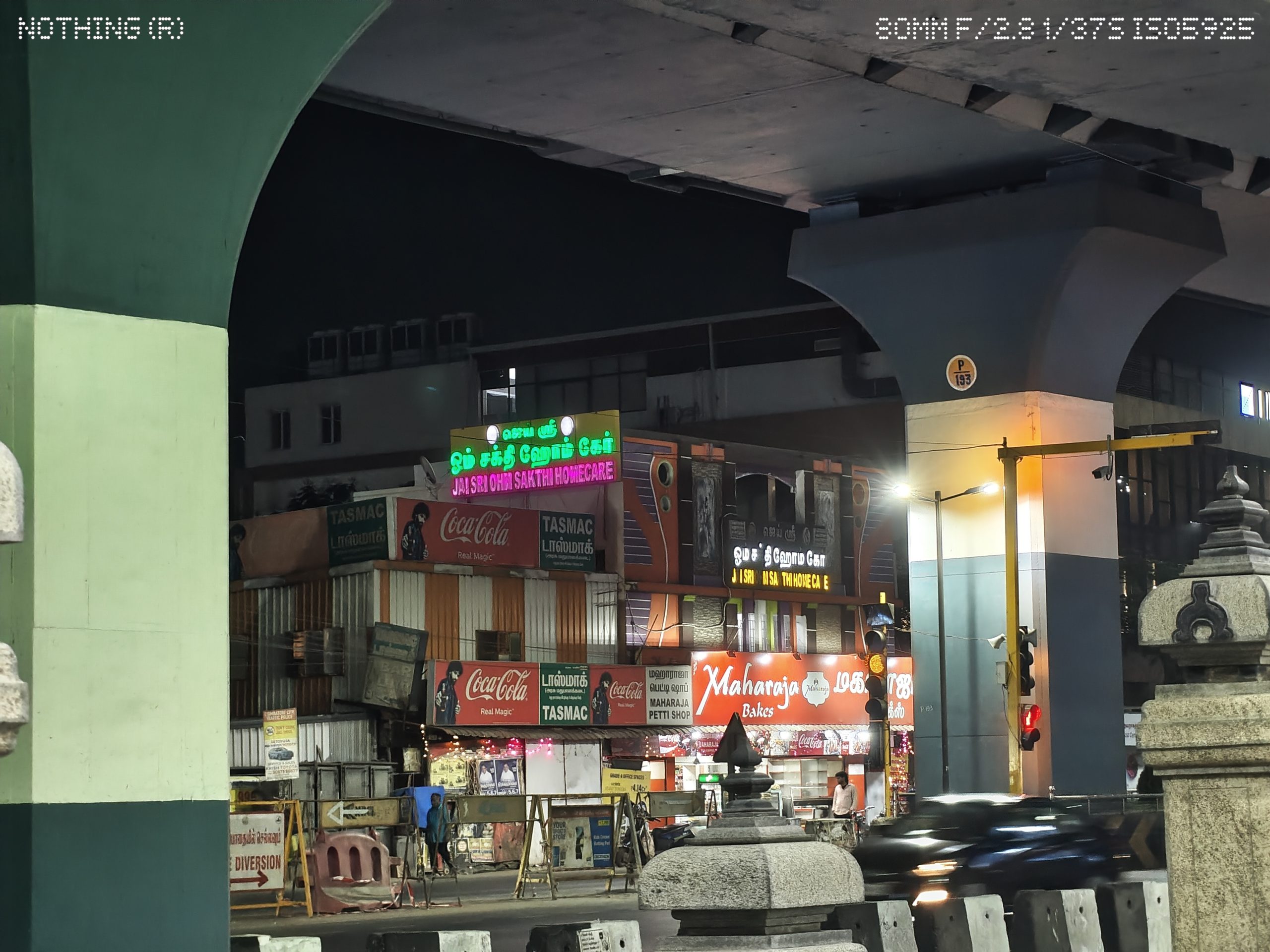
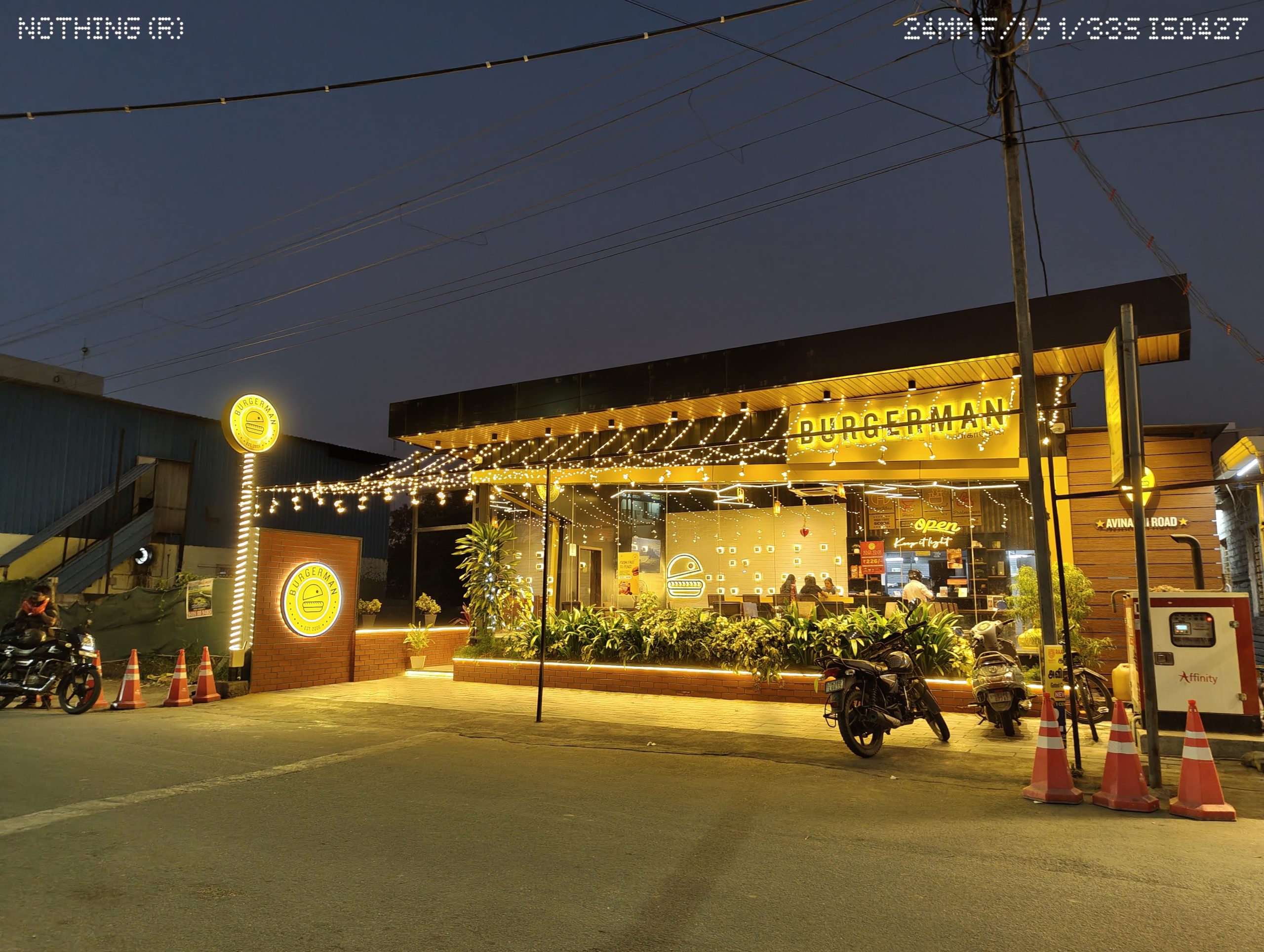
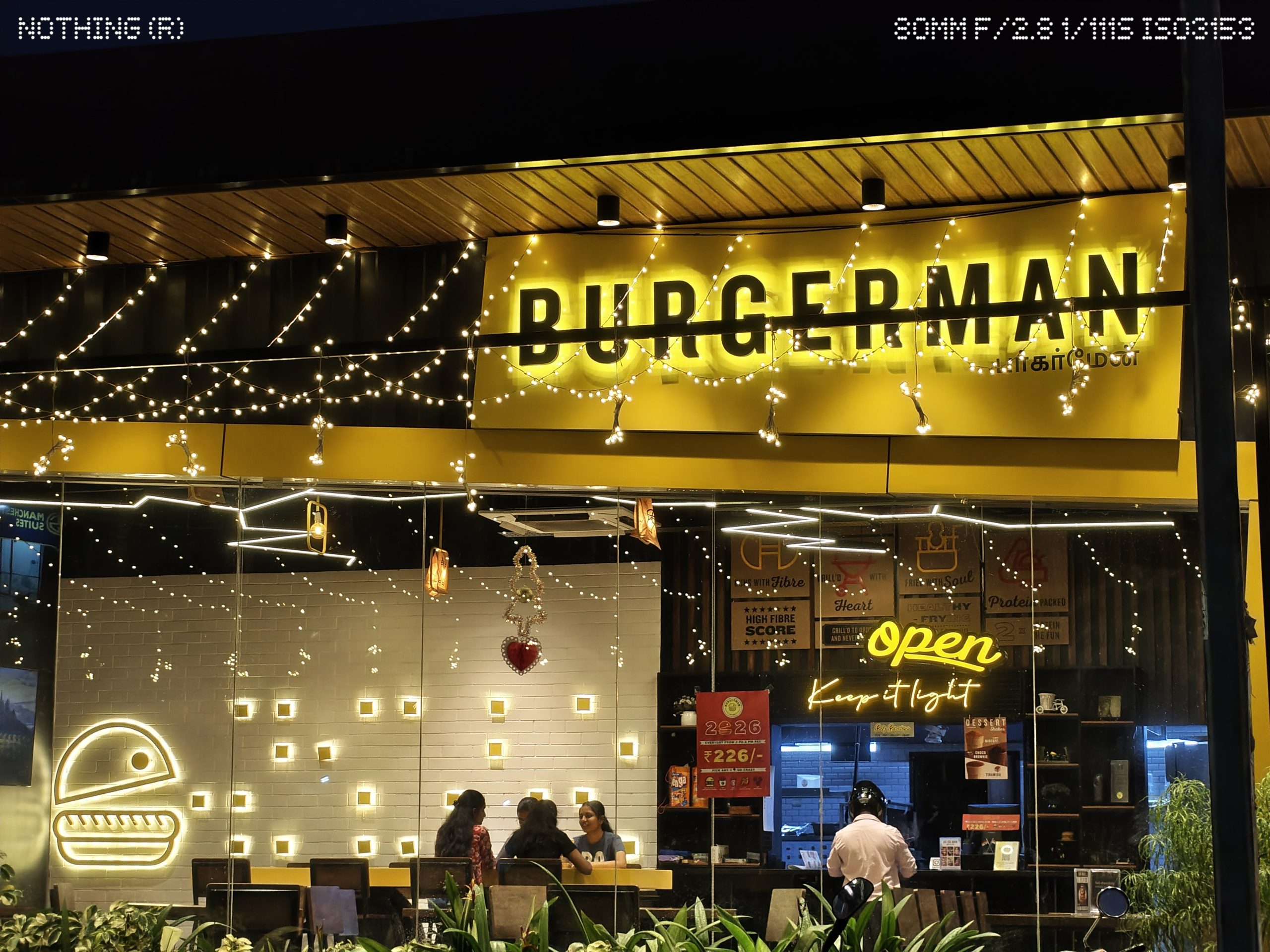

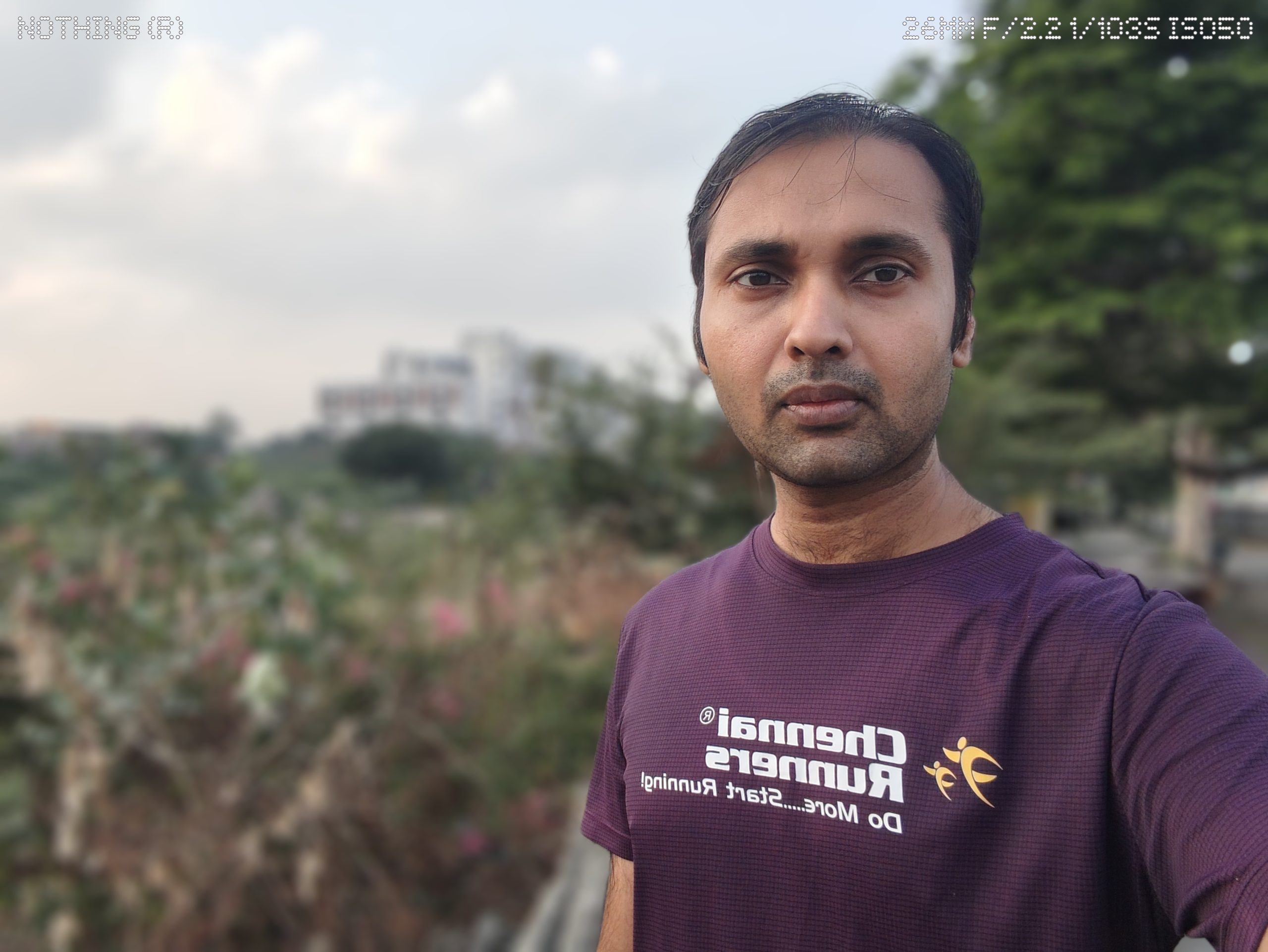
It can record videos at 4k resolution at 30 fps from the main and telephoto cameras. It also has slow motion 1080p at 120 fps. However, it misses 4K video recording with the front camera. OIS in the main camera and telephoto does its job. Video quality from the main camera is good, and the stabilization is good as well. There is no HDR video option. Apart from the LED flash, you can also use the Glyph LED lights for both photos and videos.
Software, UI and Apps
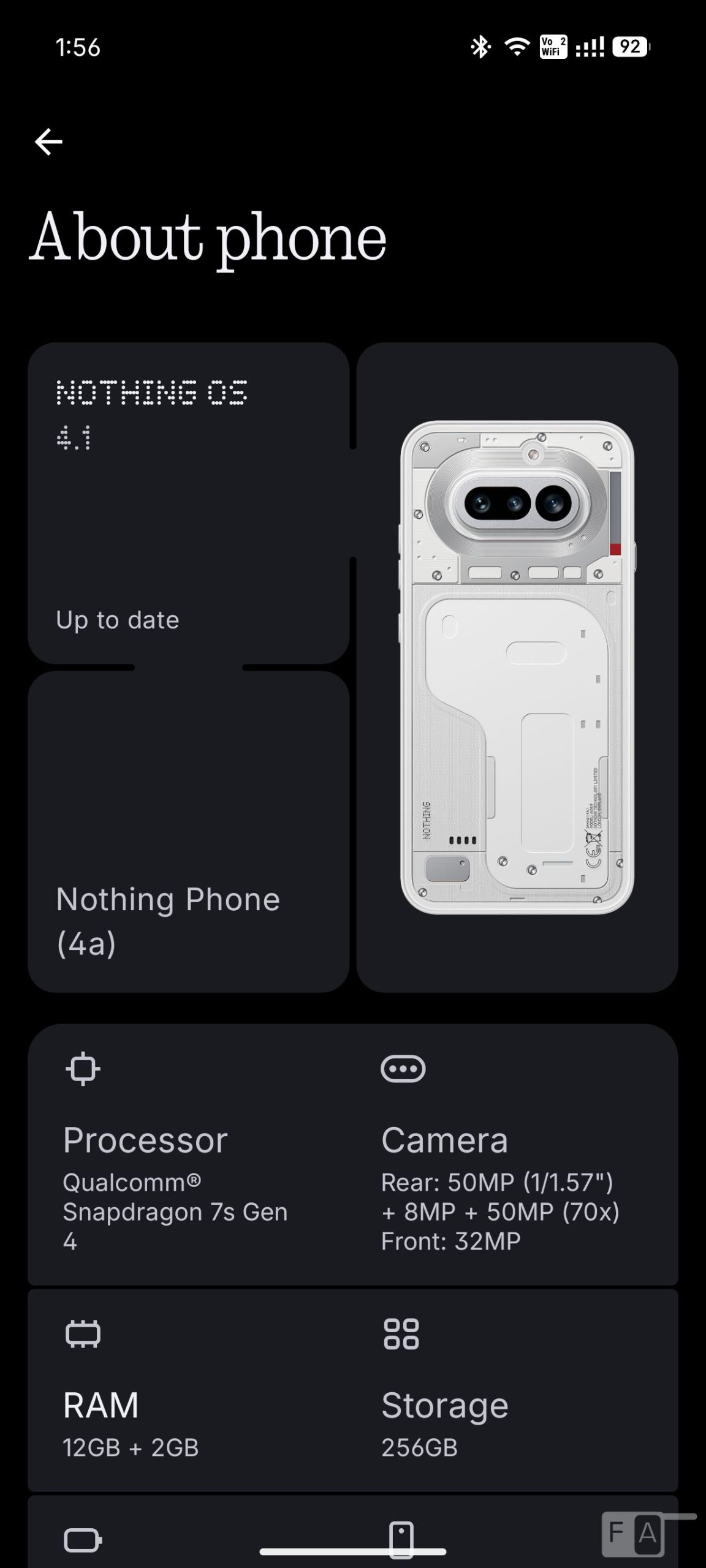
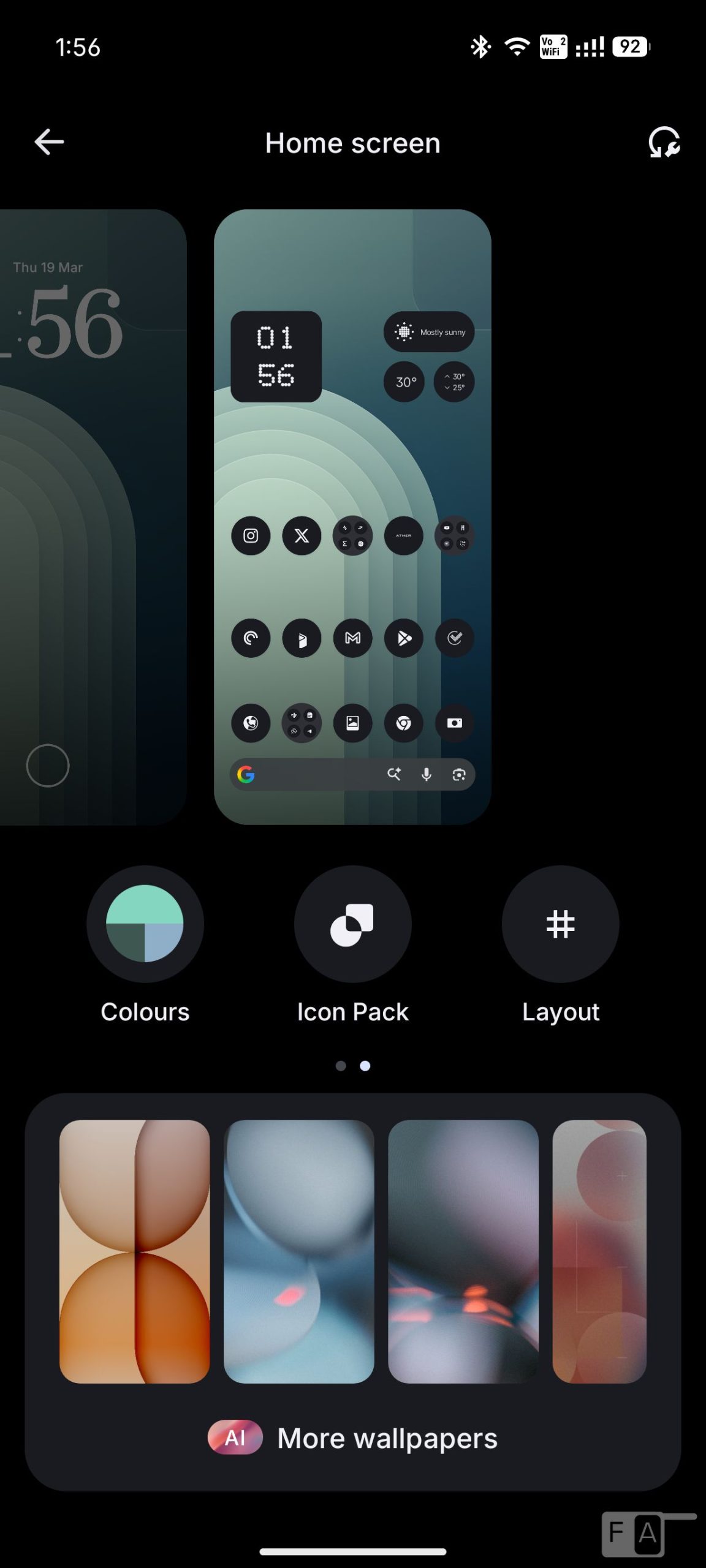
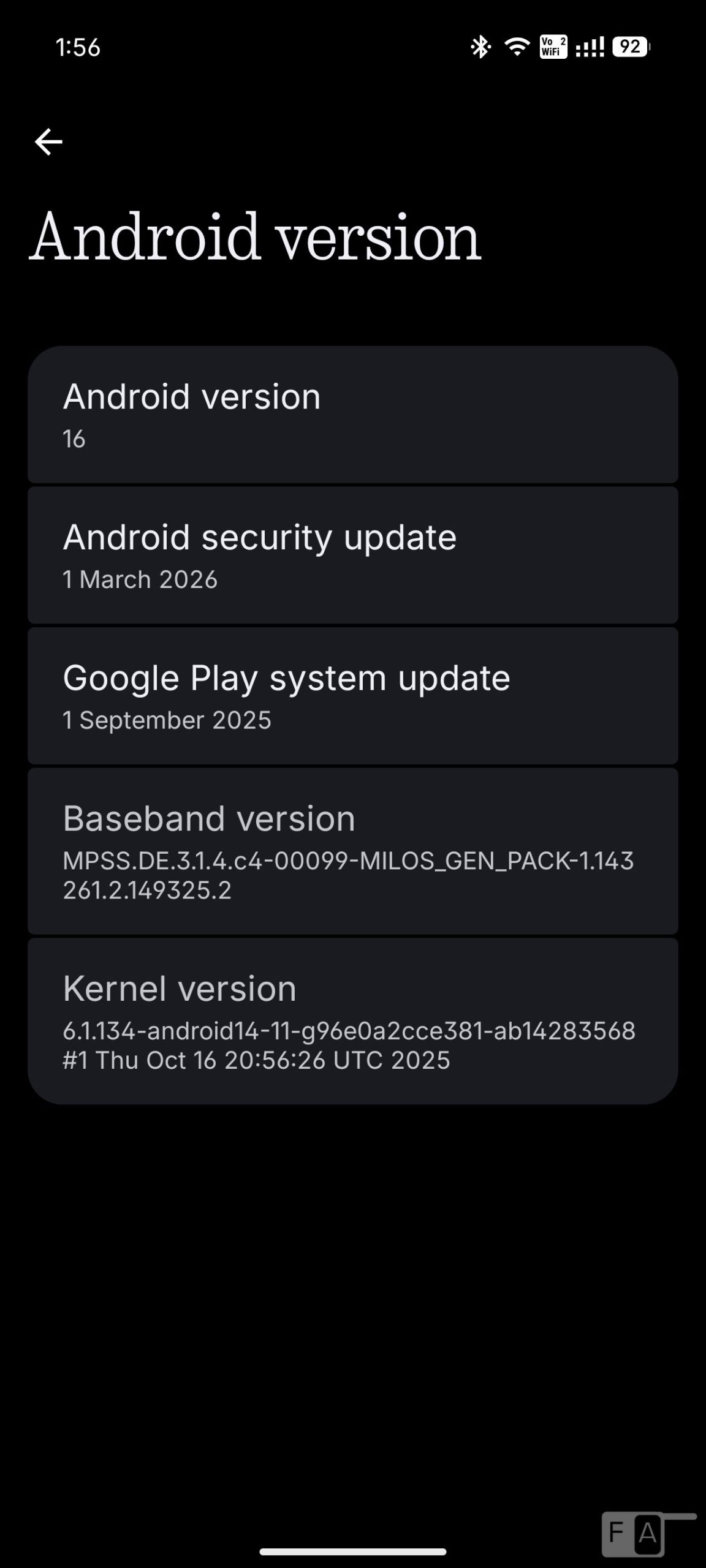
The Nothing Phone (4a) runs Android 16 out of the box, with Nothing OS 4.1 on top. It has the March 2026 Android security patch. The company has promised 3 Android OS updates and 6 years of security patches, the same as the 3a. Apart from the fonts and UI, it gives a stock Android experience.
Nothing OS 4.0 is already available, bringing a refined design, better Quick Settings, Extra Dark Mode, Pop-up View, app optimization, a new camera interface and controls, user-controlled AI, a more responsive lock screen and Always-On Display (AOD), clearer brightness controls, and improved connectivity for Bluetooth and Wi-Fi.
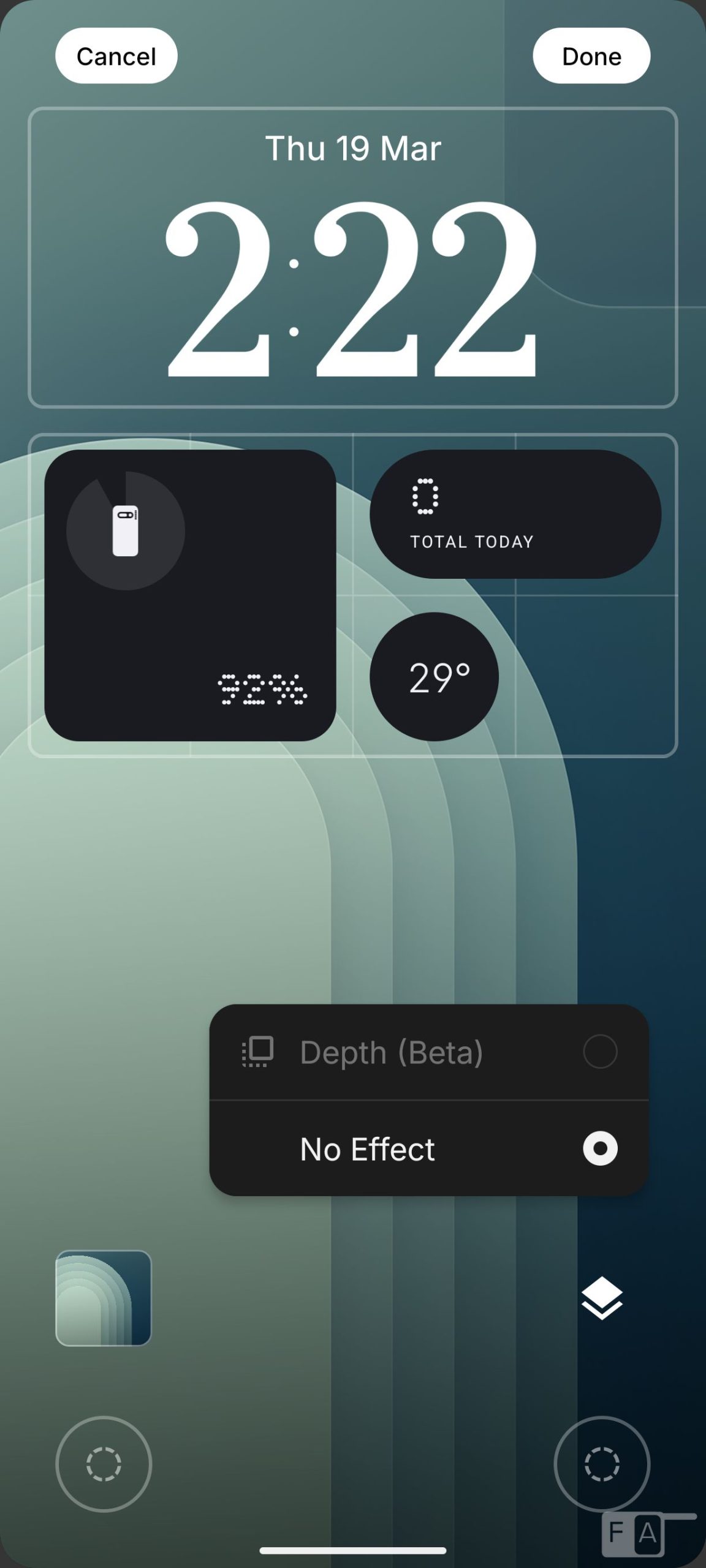
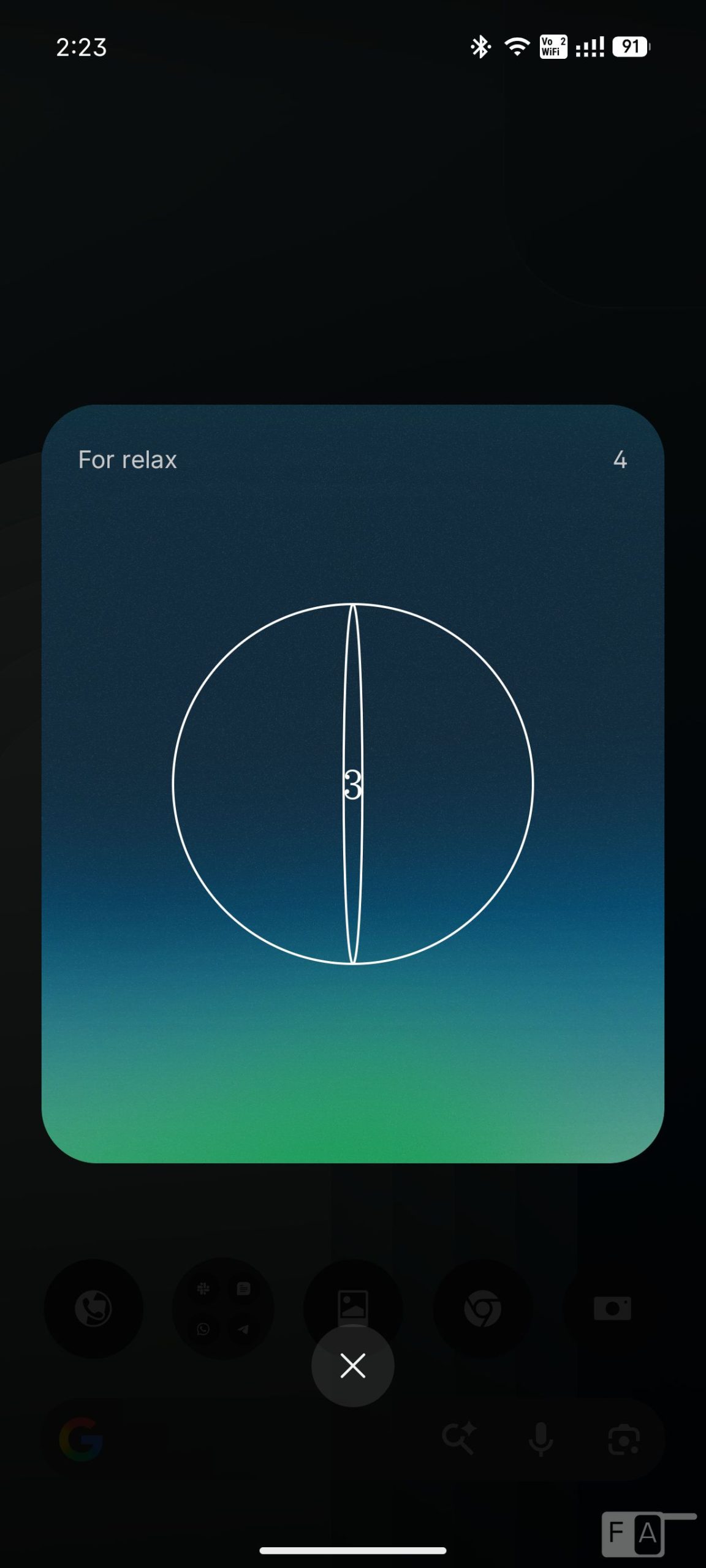
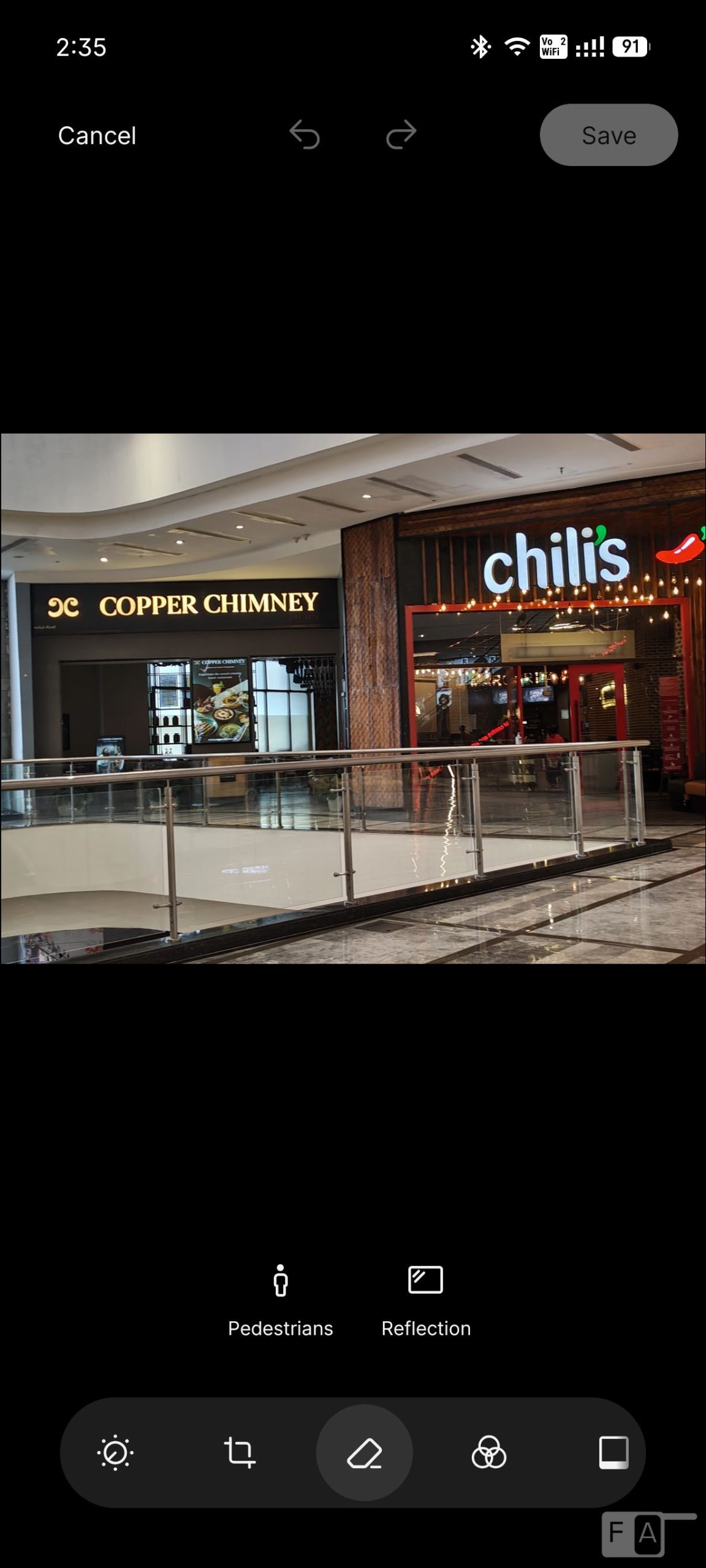
Nothing OS 4.1 brings a new lock screen with depth wallpaper and more customization for the watch; there is a Breathing Break widget that gives you access to simple, structured breathing exercises. There is a new AI eraser feature in the gallery, but it can remove people and reflections and doesn’t erase objects.
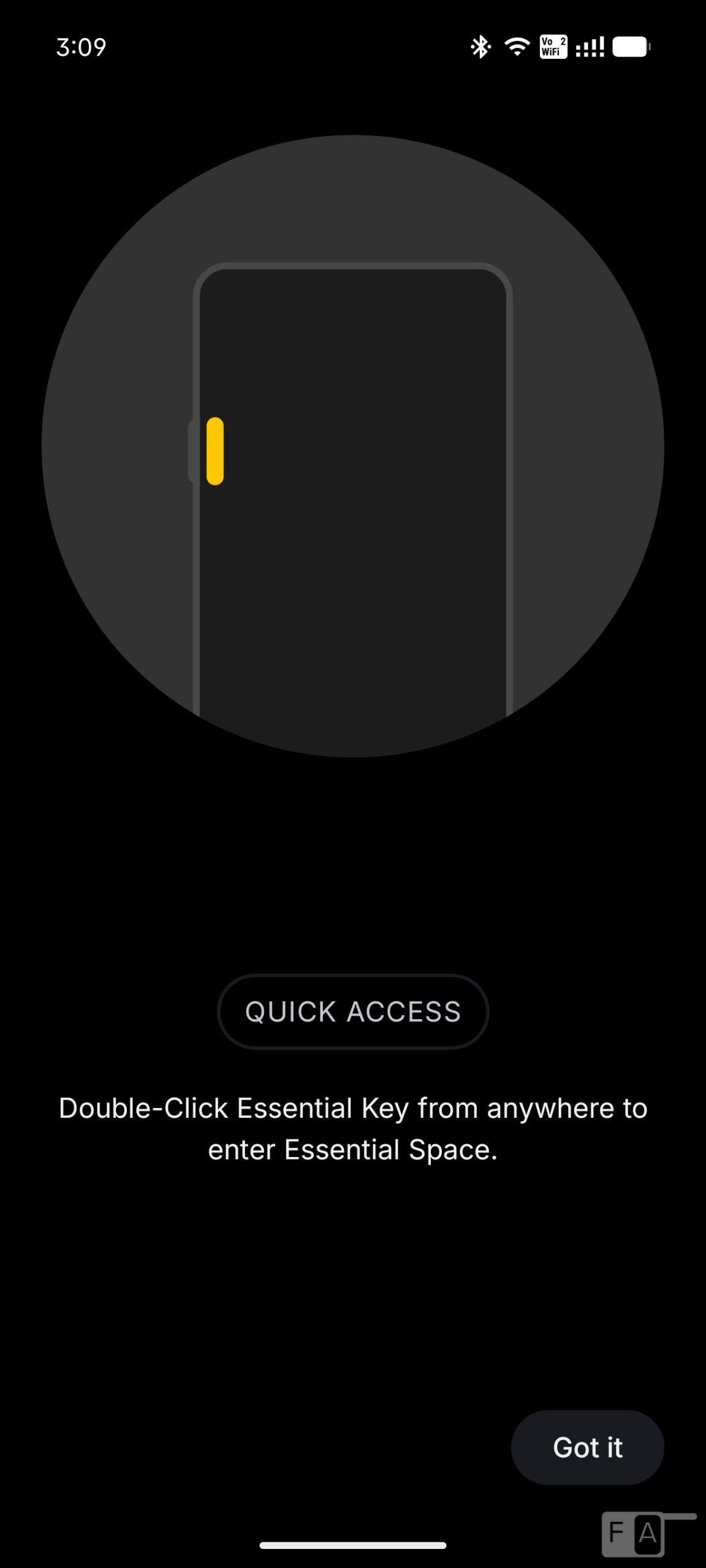
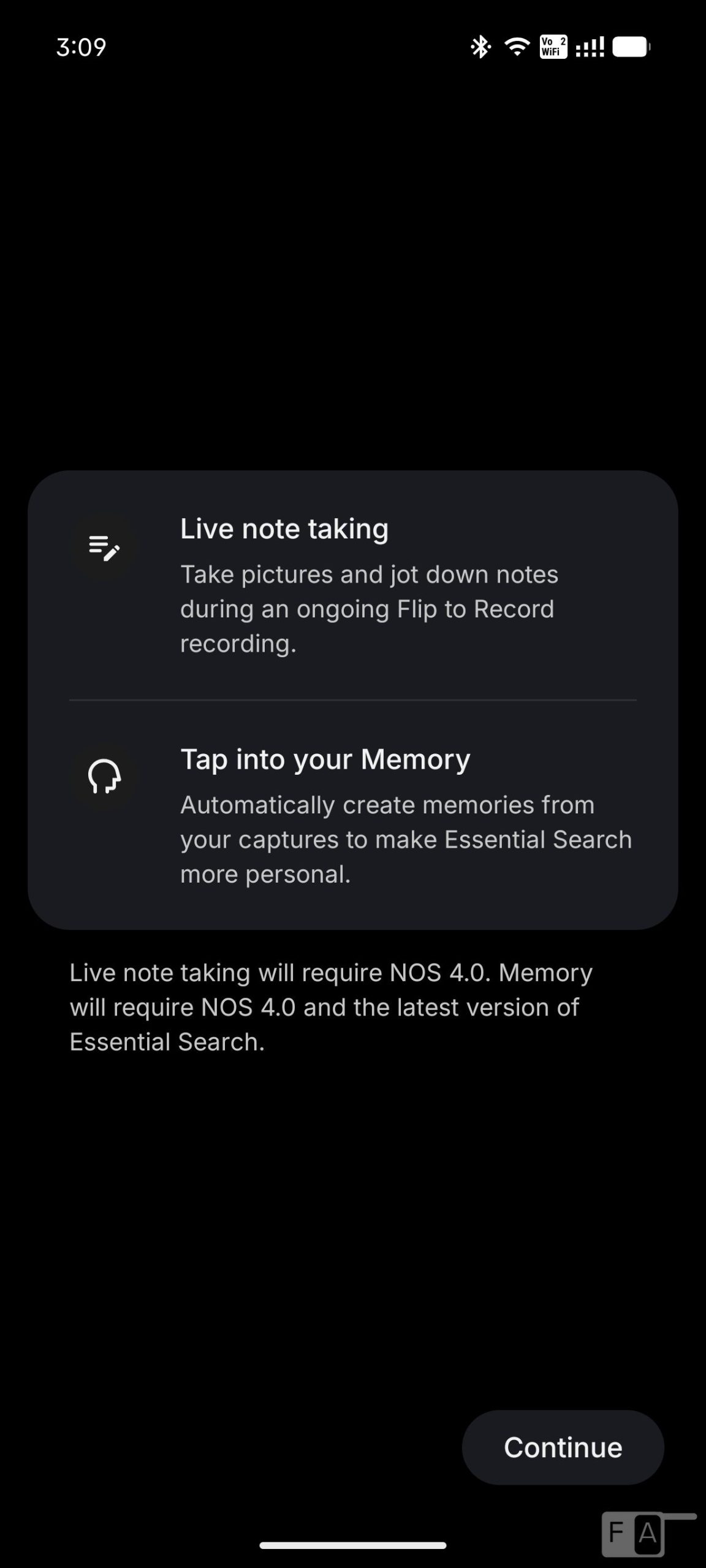
The essential Key below the power button launches Essential Space, an AI-powered hub for note-taking, ideas, and inspirations. You can press the Essential Key to capture and send content to Essential Space, long-press to record a voice note, and double-tap to head straight to all your saved content. With Nothing OS 4.1, Essential Space gets cloud access,
so you can sync across Nothing devices.
Out of 12GB LPDDR4X RAM, you get 11.14GB of usable RAM, and about 5GB of RAM is free when default apps are running in the background. It also has memory extension or virtual RAM for up to 8GB. Out of 256GB UFS 3.1 storage, you get about 224.84GB of free storage. It has UFS 3.1 storage; compared to UFS 2.2 in the Phone (4a) series, it is a good improvement.
Apart from the Google apps, it has Facebook and Instagram apps pre-installed. The Lock Glimpse feature that was introduced with the Phone (3a) Lite has been removed.
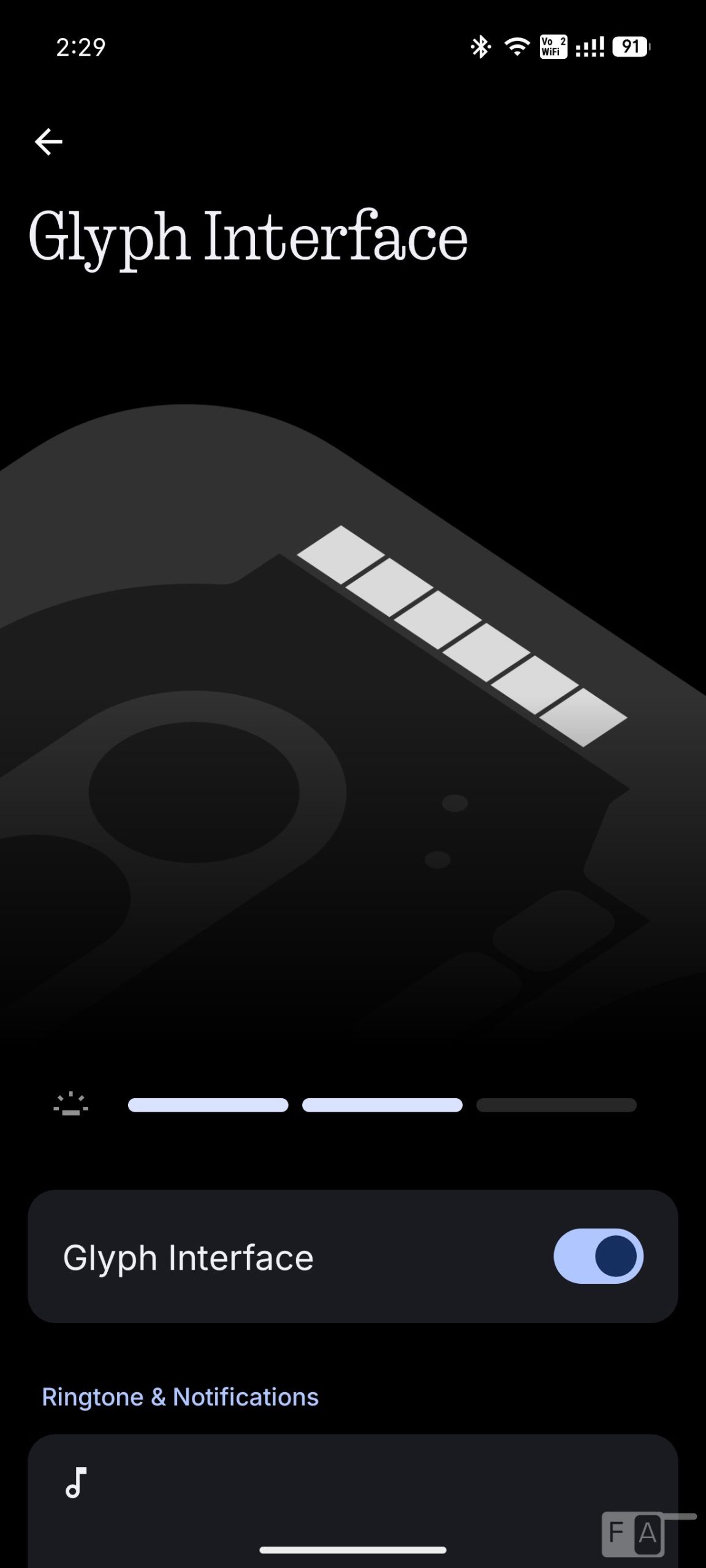
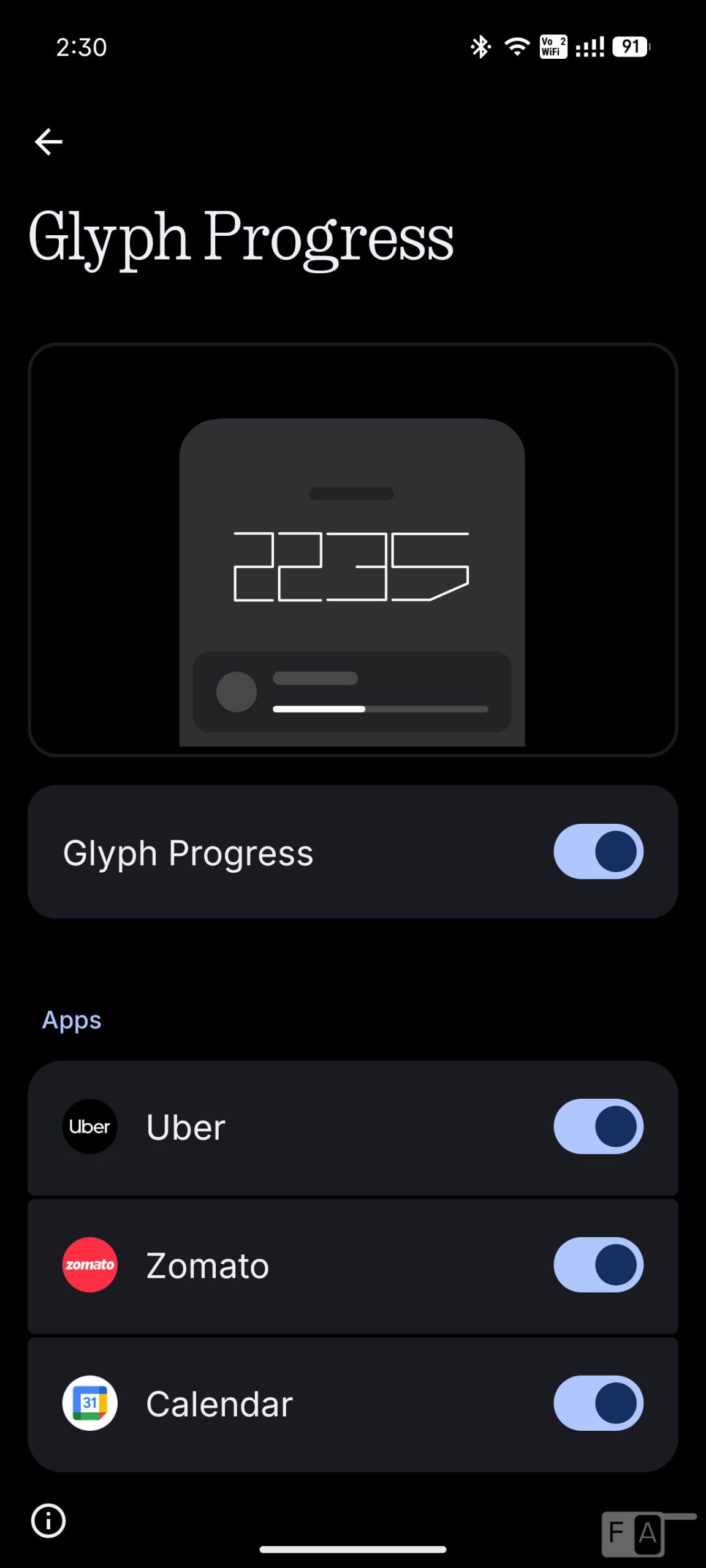
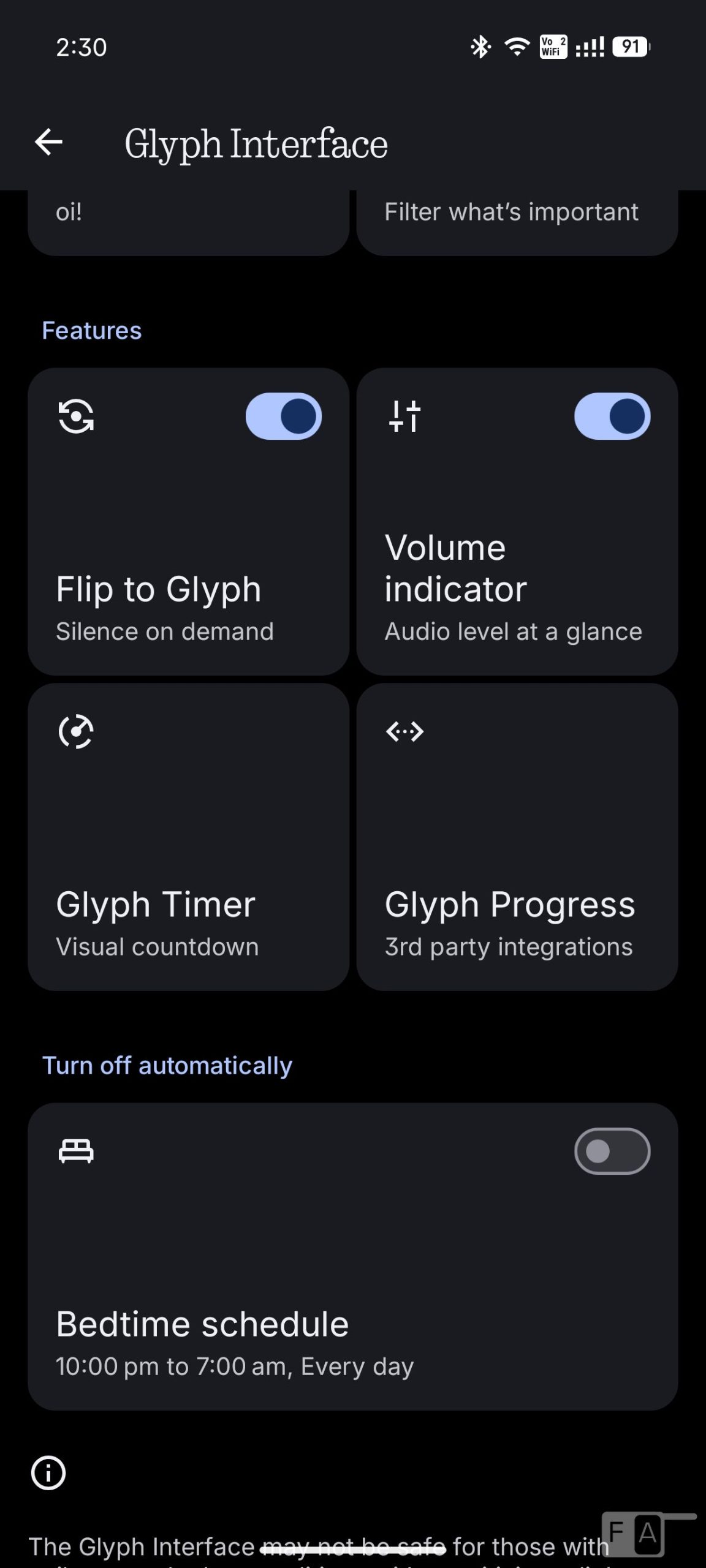
The new Glyph lights offer similar effects, but they are in a straight line as Glyph Bar, and the red indicator is also below that. You can also track Live Updates with it to see real-time progress from apps like Uber, Google Calendar, Zomato, Just Eat and Google Maps. Nothing said that support for more apps will be added soon.
Fingerprint sensor and Face unlock
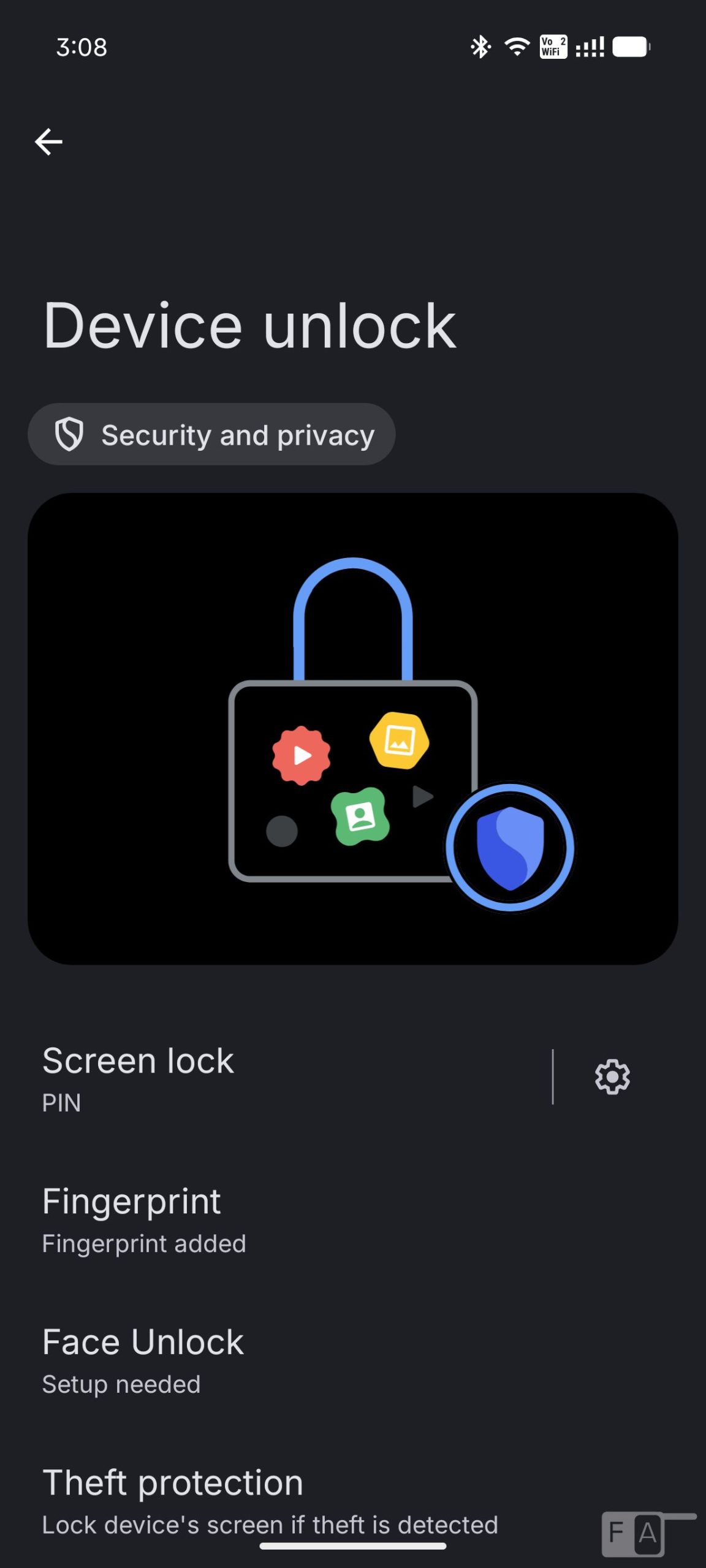
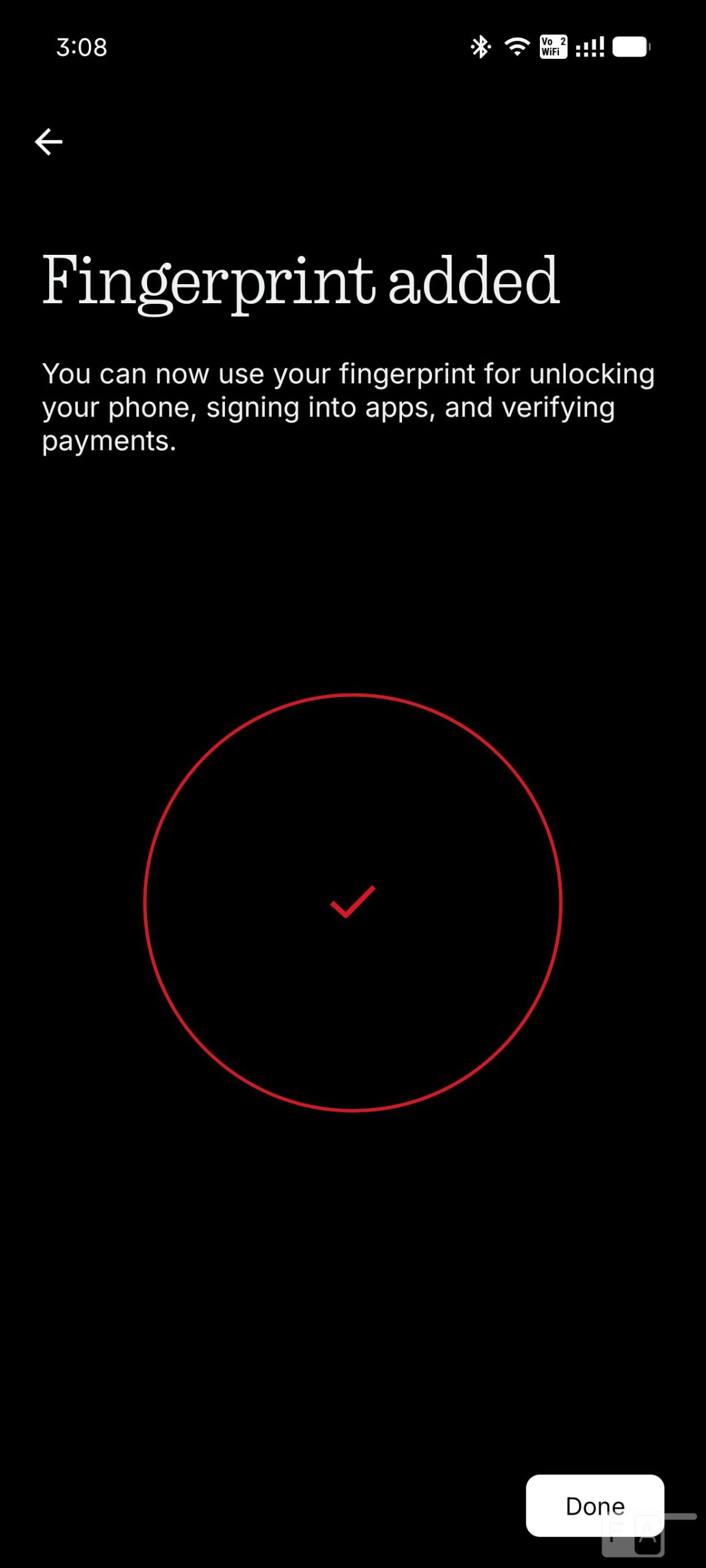
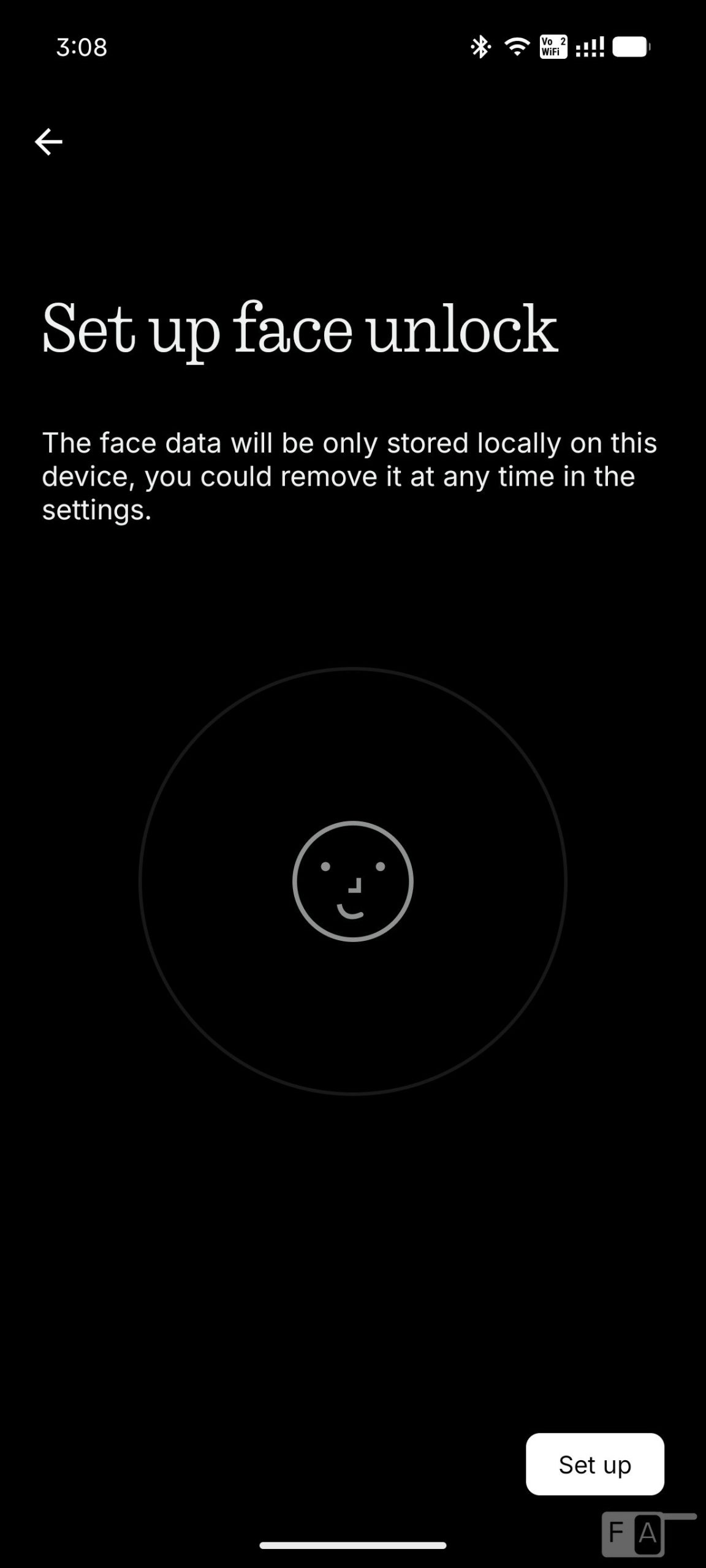
The phone has an in-display optical fingerprint sensor that immediately unlocks the phone just by keeping your finger on the sensor. You don’t get any animation options. The phone also has face unlock that can unlock the phone in seconds, but it is not as secure as a fingerprint.
Music Player and Multimedia
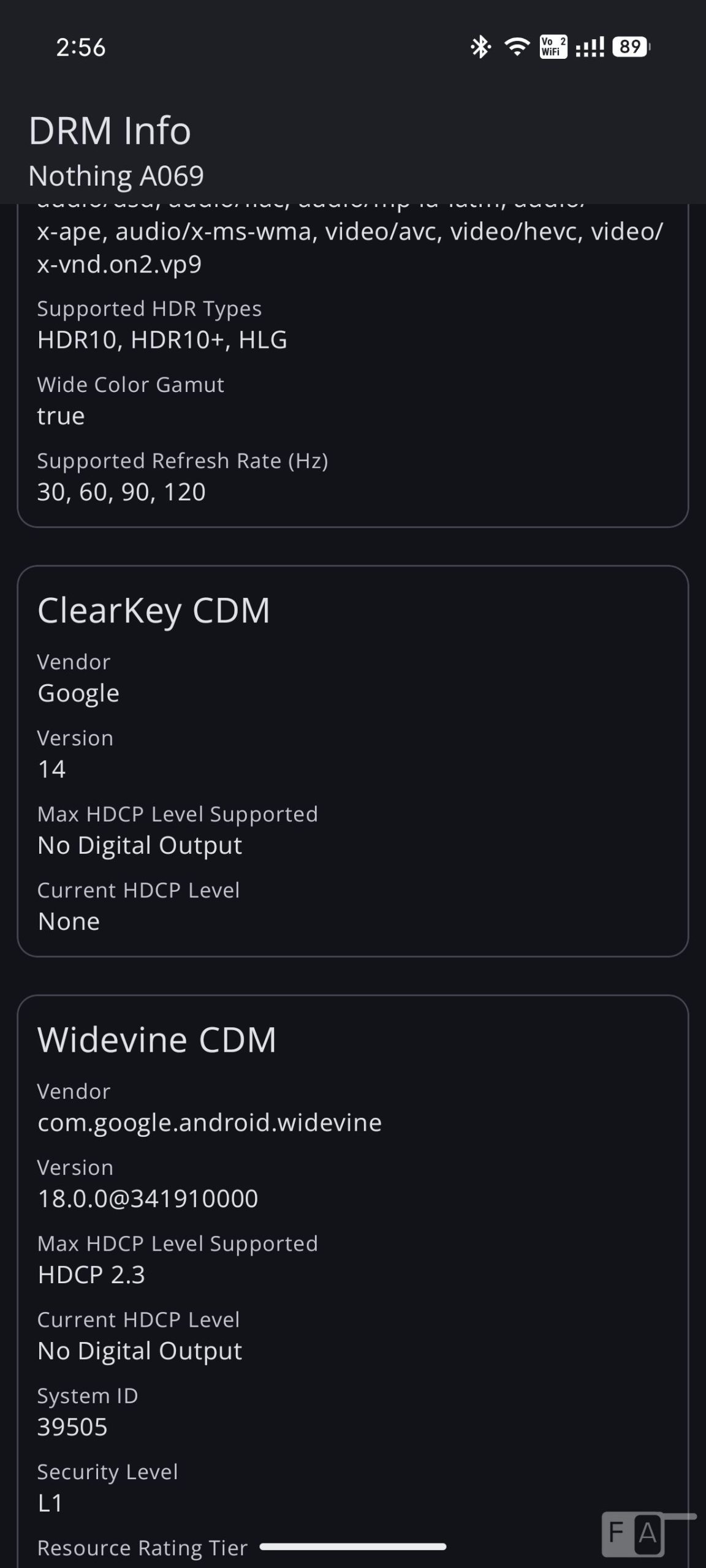
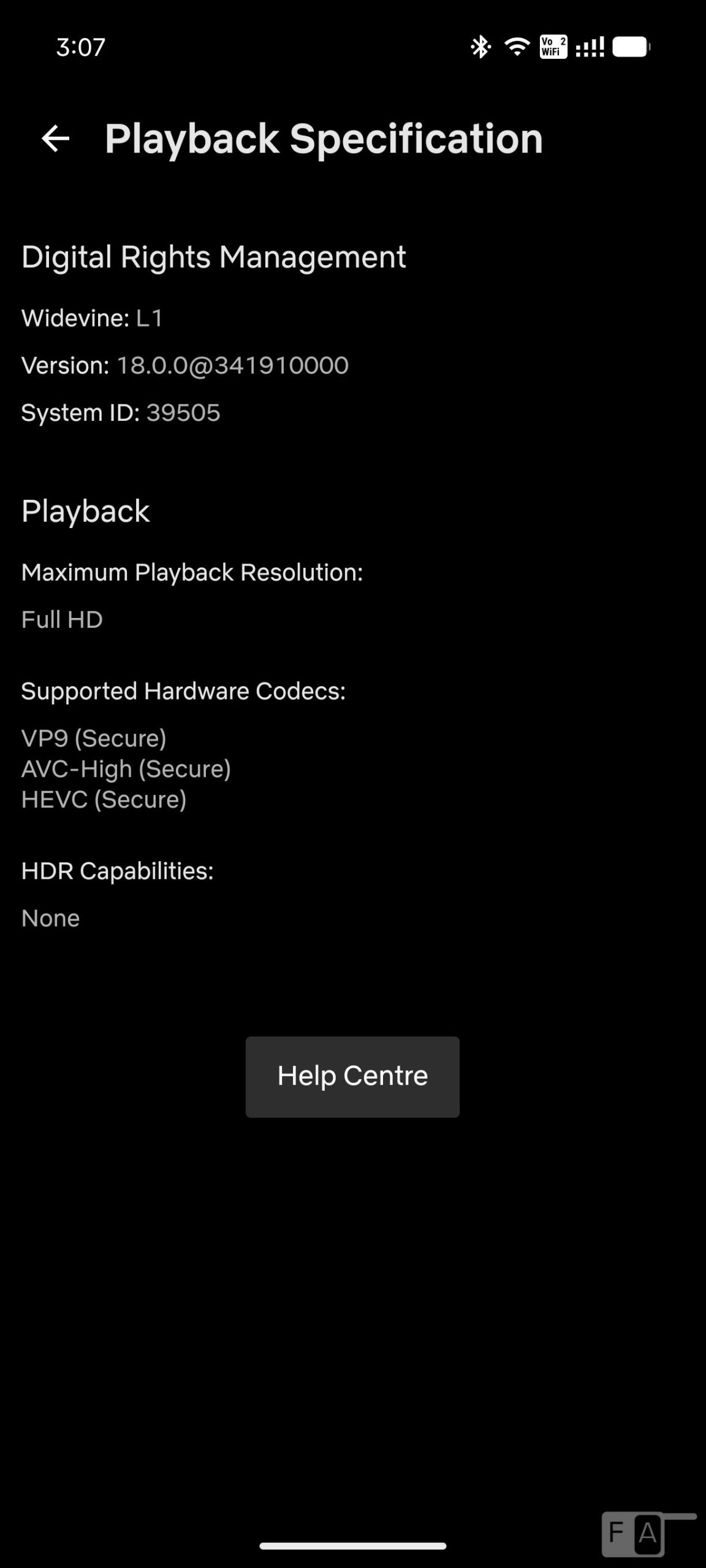
YouTube Music is the default music player. It doesn’t have Dolby Atmos or any other custom audio features. Audio through the stereo speakers is good and loud. Audio through the headphones is good as well. Haptic feedback is also good. This has Widevine L1 so that you can play HD content on Amazon Prime Video, Netflix and other streaming apps. HDR works on YouTube, but you don’t get HDR playback on Netflix.
Dual SIM and Connectivity
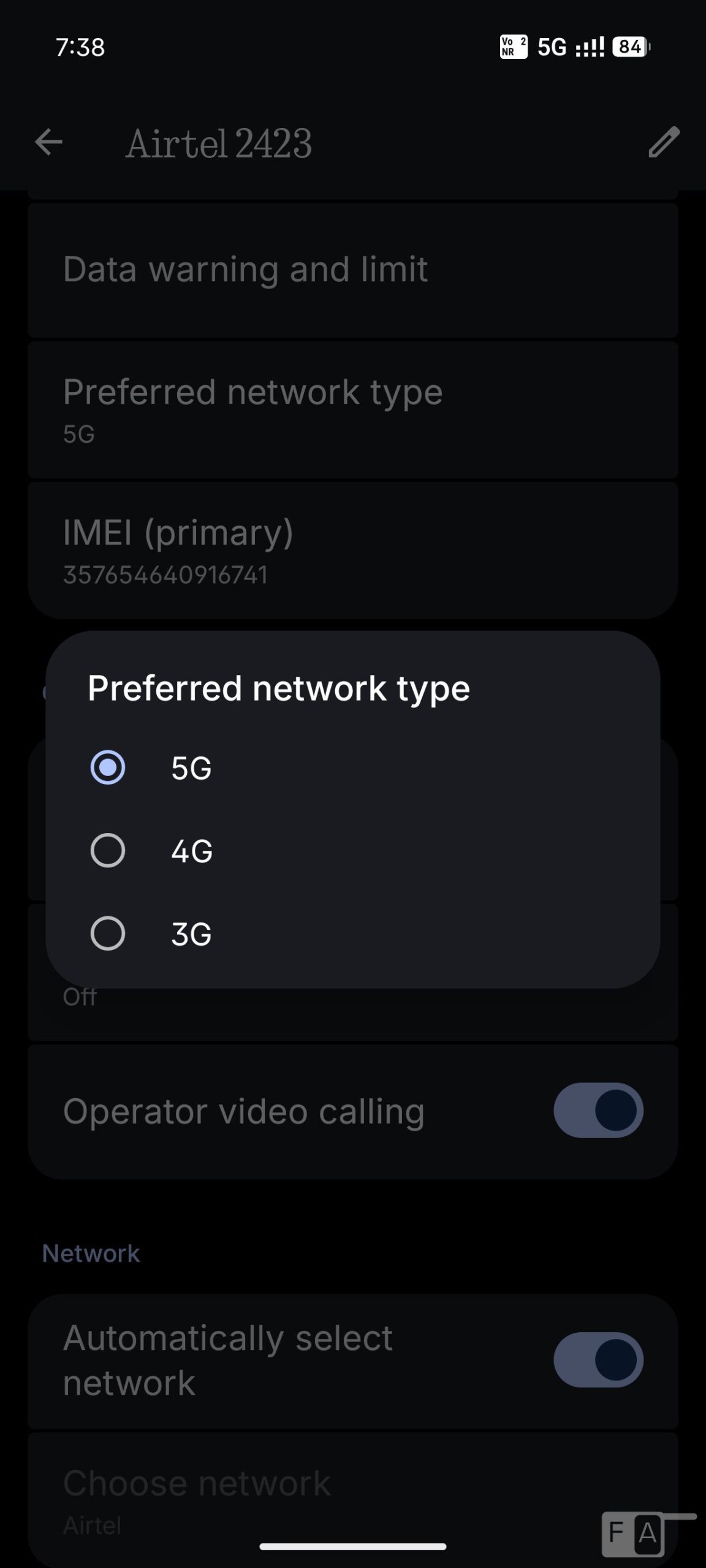
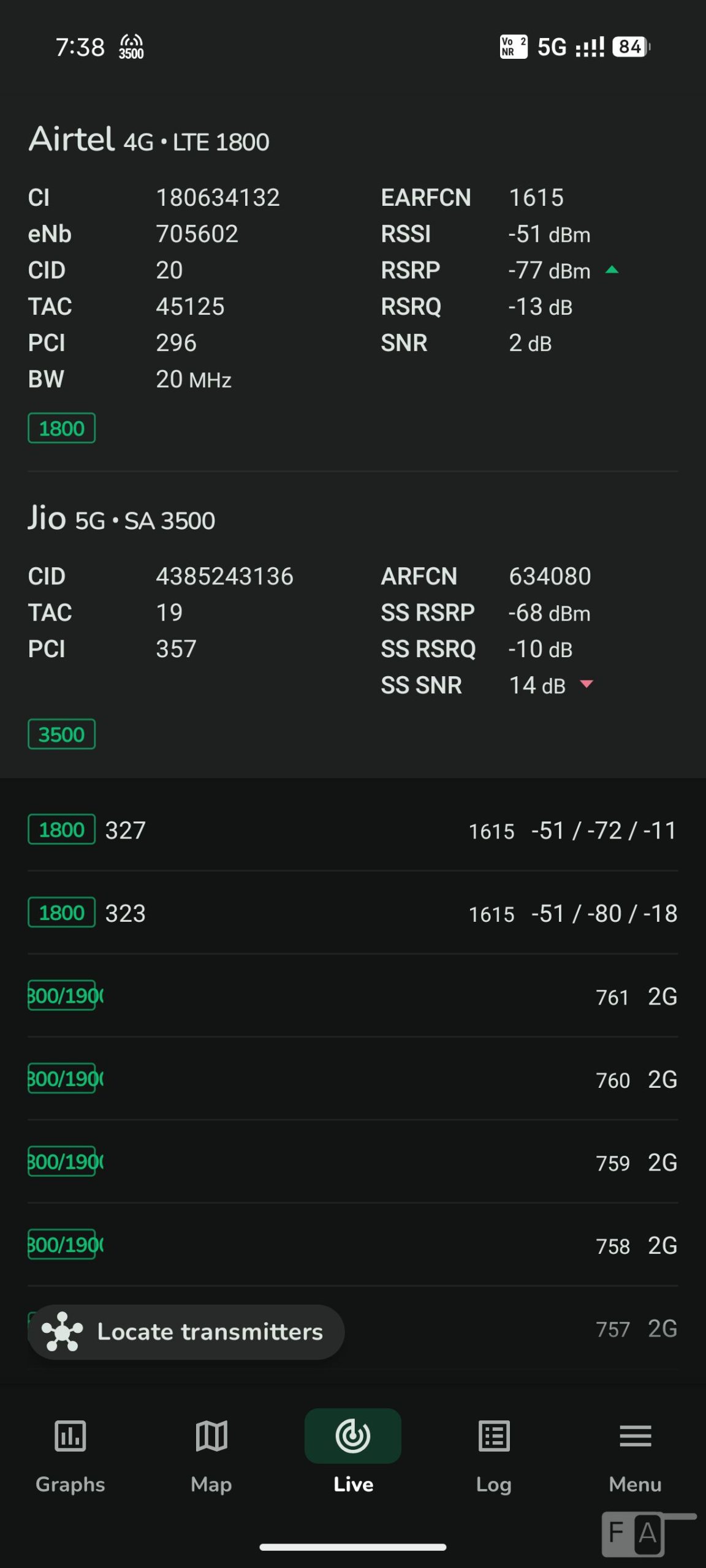
It has the usual set of connectivity features such as 5G with support for n1, n3, n5, n8, n28 ,n38, n40, n41, n77, n78 bands, dual 4G VoLTE, Wi-Fi 6 802.11 ax (2.4 + 5GHz), Bluetooth 5.4, GPS + GLONASS, but the NFC support has been removed from the Indian version. It also has USB OTG support. The phone also has carrier aggregation. We did not face any call drops, and the earpiece volume is good.
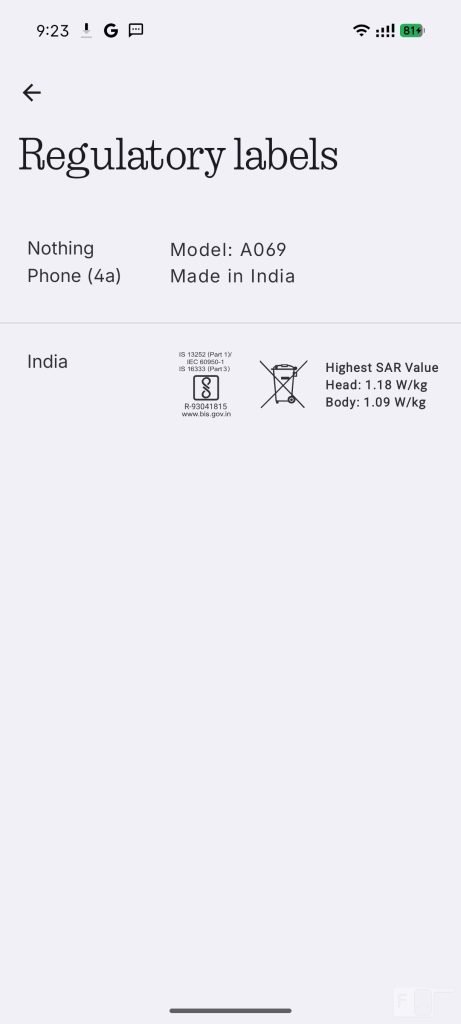
The Nothing Phone 4a’s body SAR is 1.09W/Kg and head SAR is at 1.18/Kg which is almost similar to Phone (3a) and is well under the limit in India, which is 1.6 W/kg (over 1 g).
Performance and Benchmarks
The phone is powered by Snapdragon 7s Gen 4 Mobile Platform, which is a considerable upgrade compared to the Snapdragon 7s Gen 3 used in the Phone 3a. This has 1 x 2.7 GHz ARM Cortex-A720 prime core, 3 x A720 performance cores at up to 2.4 GHz, and 4 x Cortex-A520 efficiency cores at up to 1.8 GHz.
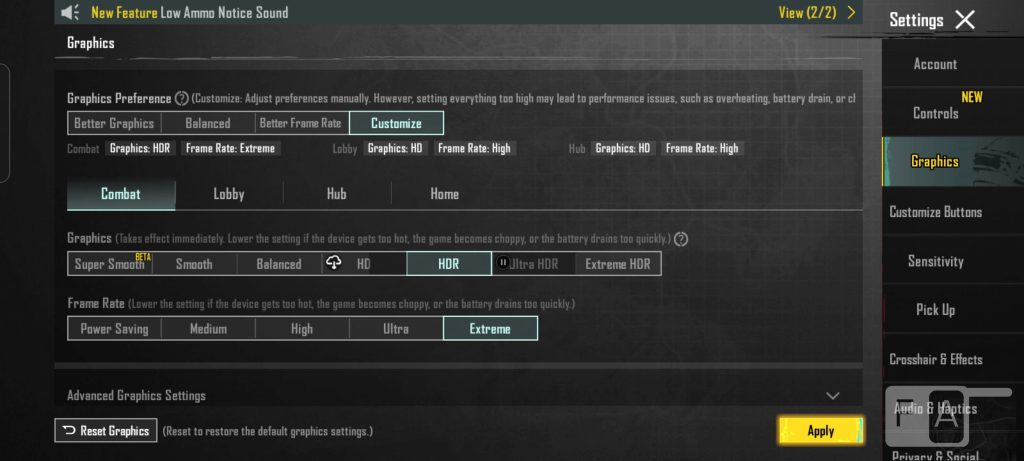
There is Adreno 810 GPU offers good gaming performance. The phone has improved VC cooling, says the company. The Adaptive Performance Engine 4.0 offers 120 FPS gameplay in BGMI and up to 90 FPS in Call of Duty: Mobile. It can handle graphic-intensive games like Genshin Impact, but not at max graphics. In BGMI, HDR and Extreme work.
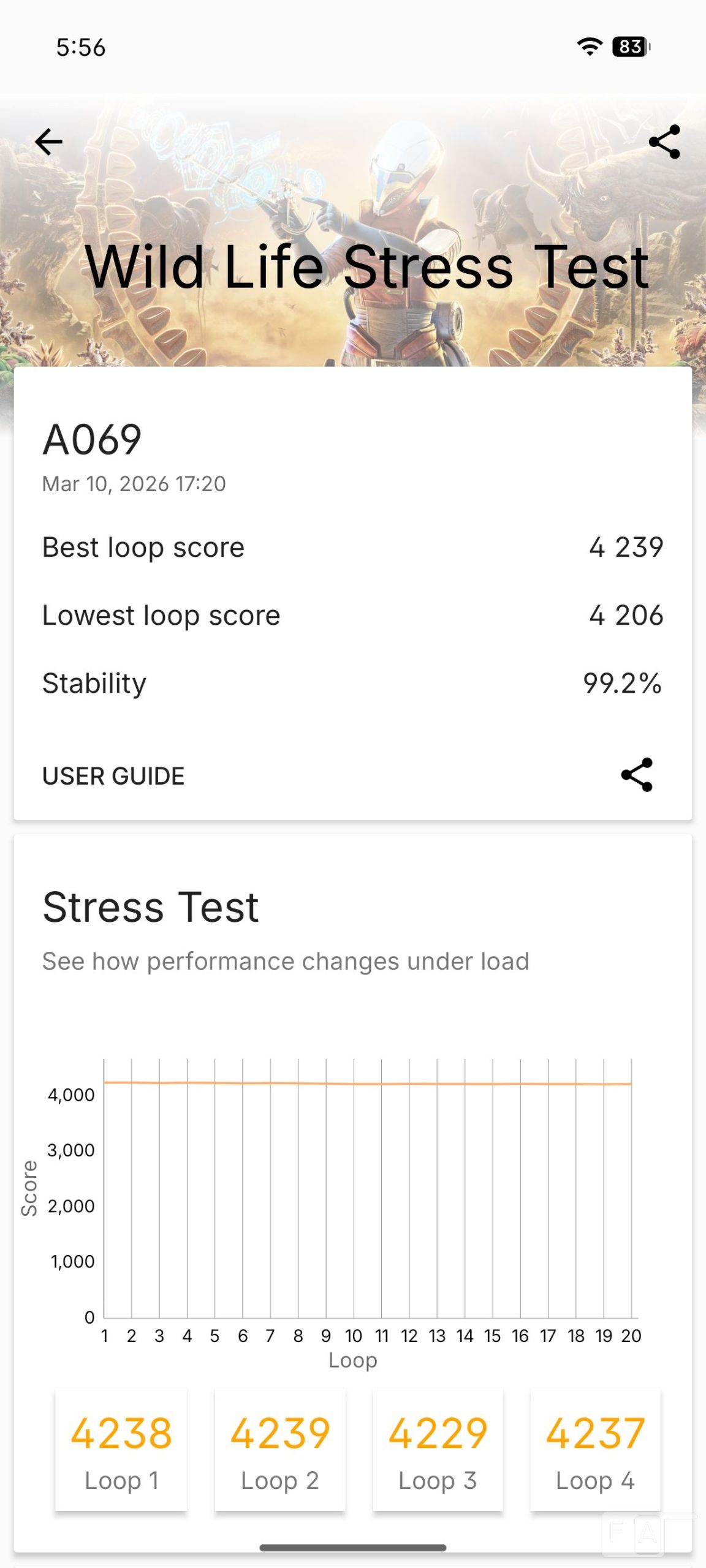
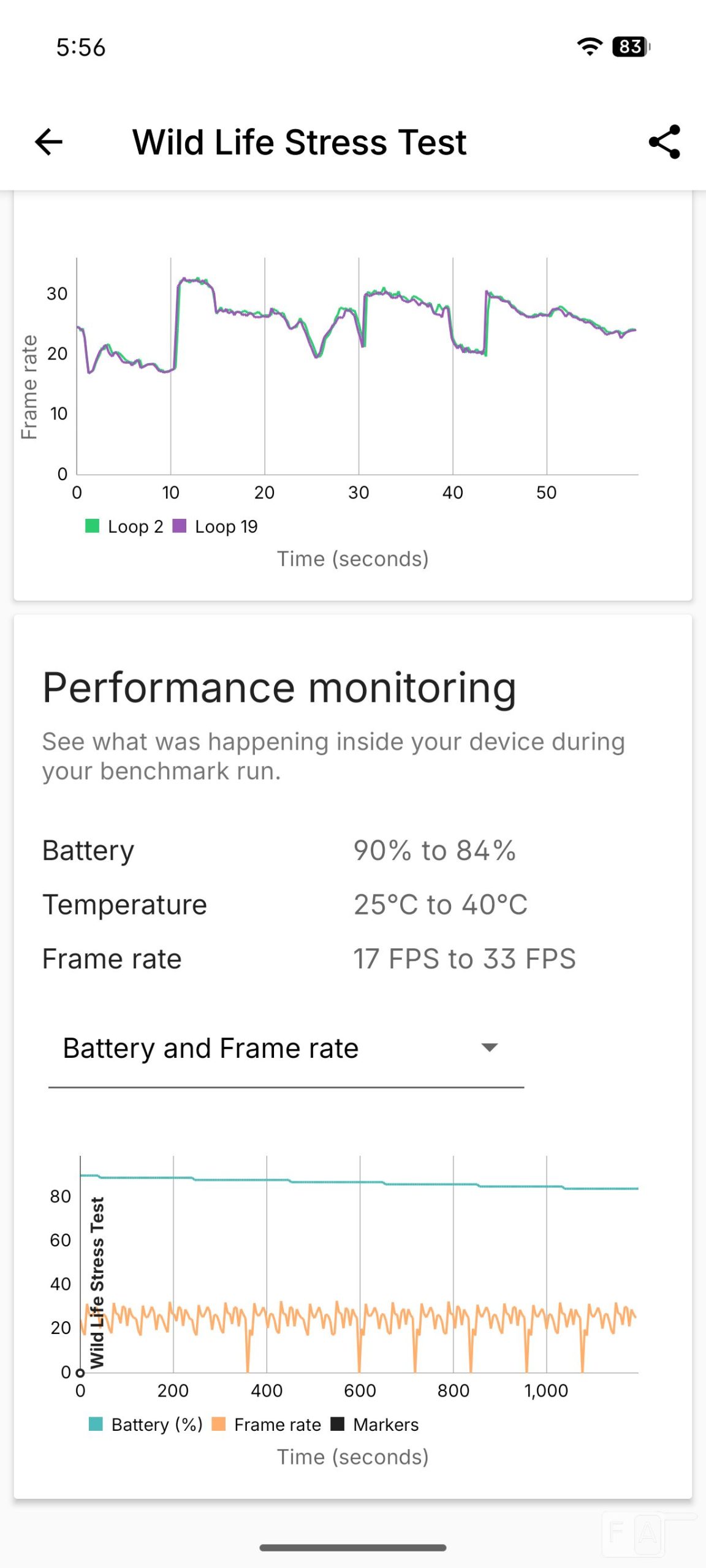
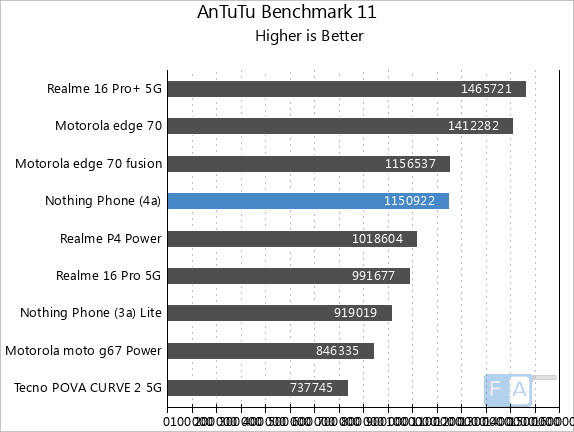
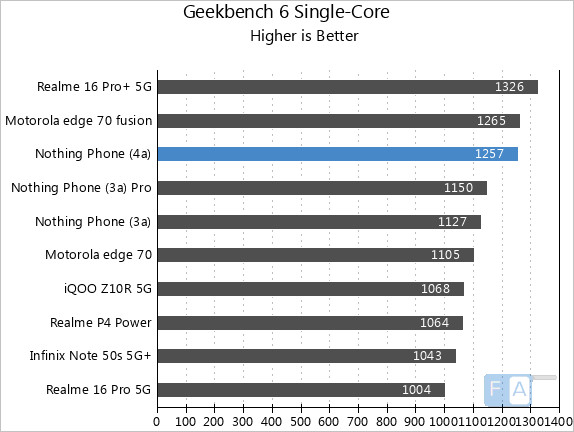
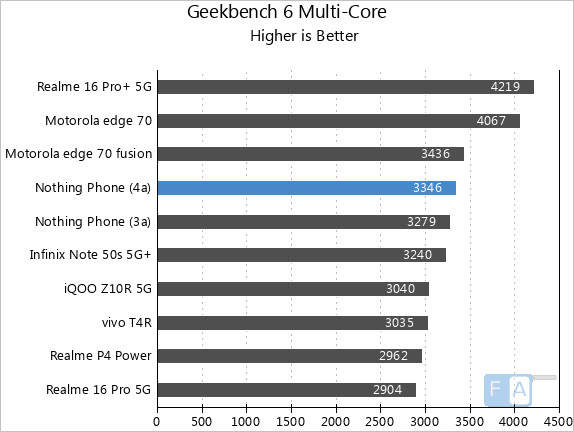
In 3D Mark wild life stress test, it scored 99.2%, which is good. The temperature increased from 25 to 40 degrees, which is slightly more than the 3a. That said, check out some synthetic benchmark scores below.
This shows a good improvement in performance compared to the Phone (3a).
Battery life
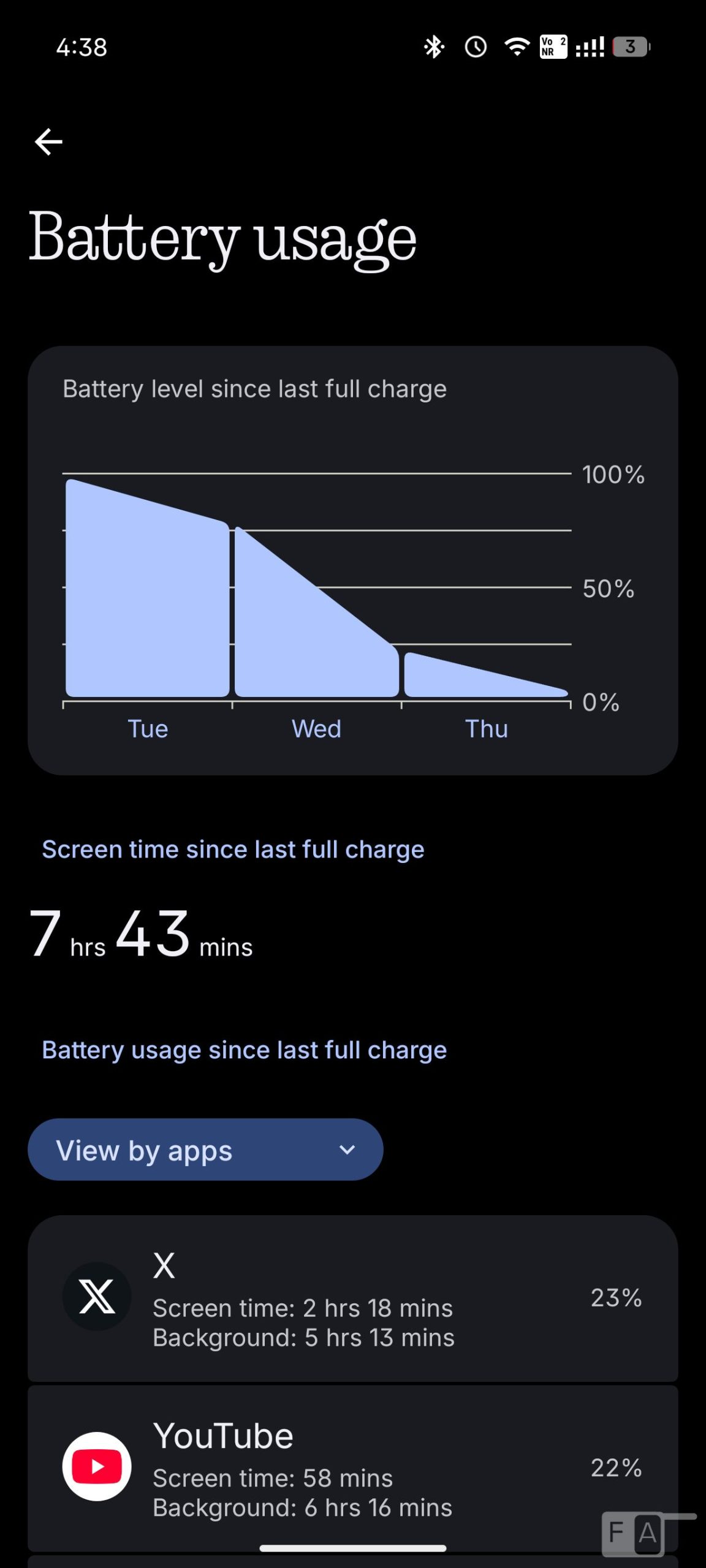
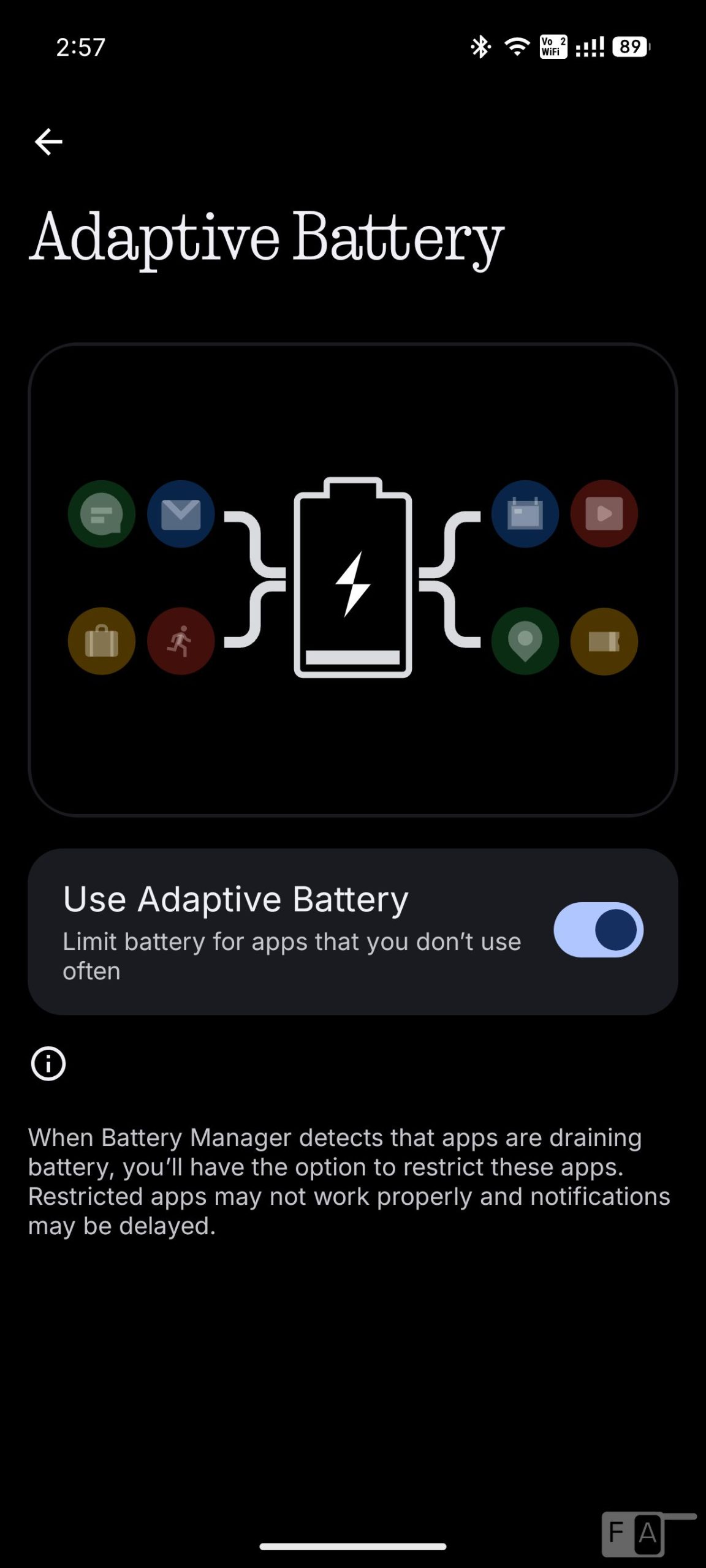
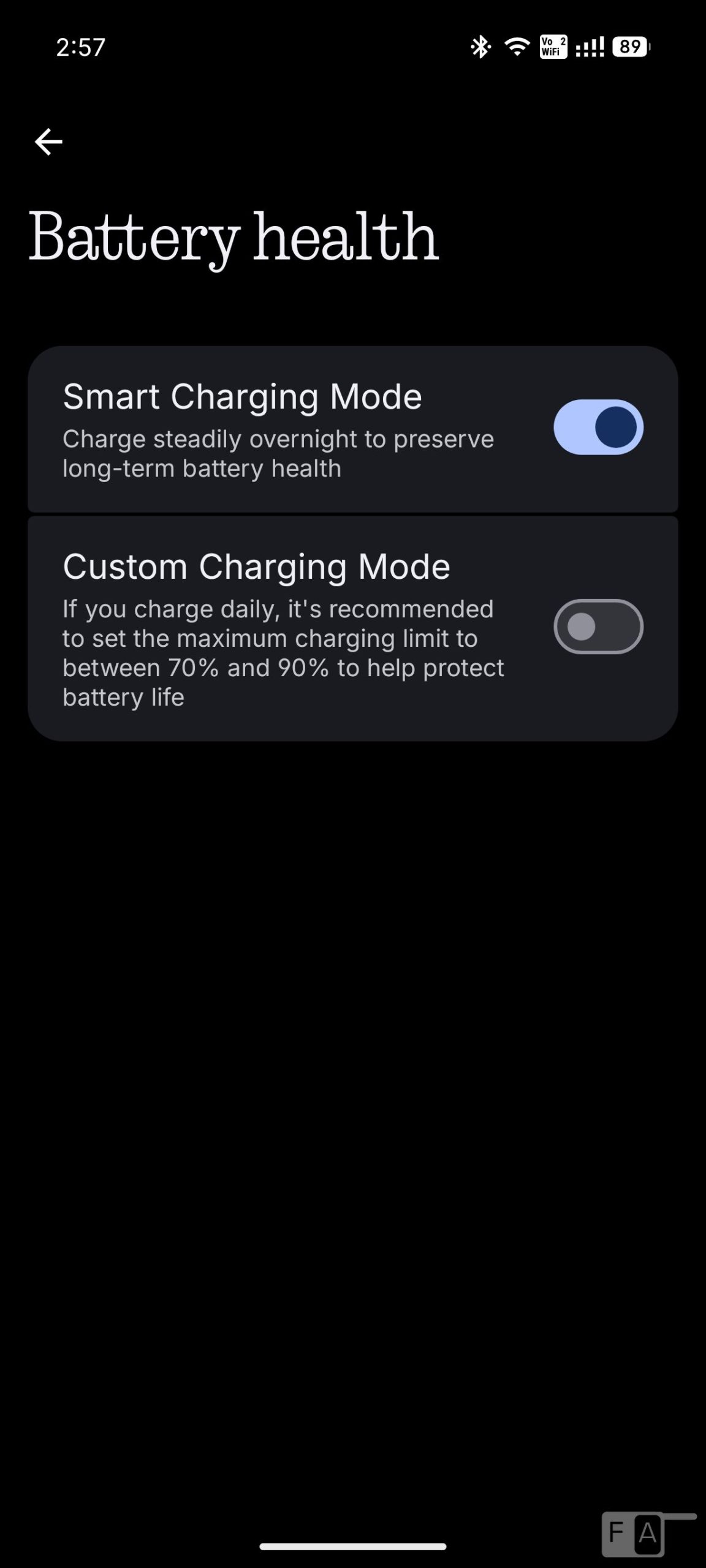
Coming to the battery life, the phone packs a 5400mAh (typical) built-in battery, compared to 5000mAh in the Phone (3a) series. Thanks to the opitimization, it lasts for more than a day even with heavy use on 5G. With minimal use on Wi-Fi, it should last for over 2 days. I got over 7 and half hours of screen on time with 2 days of use, with mixed use of mostly Wi-Fi and occasional 5G use in 120Hz.
With the 50W fast charging, it can charge up to 50% in about 25 minutes and up to 100% in about 1 hour with the charge. It doesn’t have wireless charging capabilities but has reverse wired charging at 7.5W.
The phone can maintain over 90% of its maximum capacity after 1,200 charging cycles, corresponding to over 3 years and 4 months of daily charging, says the company.
Conclusion
The Nothing Phone (4a) represents a confident step forward for Nothing, successfully transitioning from a “design-first” experiment to a well-rounded mid-range contender. By addressing the most common critiques of the Phone (3a)—specifically the performance and camera versatility—Nothing has created a device that feels premium without the flagship price tag.
The addition of a dedicated periscope telephoto lens replacing the 2x telephoto is the standout upgrade here, offering a level of photographic flexibility rarely seen in the sub-Rs. 35,000 segment. When you pair that with the consistent performance of the Snapdragon 7s Gen 4 and a battery that comfortably pushes into a second day, the Phone (4a) becomes a very easy recommendation for those who value both style and substance.
At a starting price of Rs. 31,999 (and effectively under Rs. 29,000 with offers), the Nothing Phone (4a) is slighly more than the launch price of the Phone (3a), but considering the competitors, it is decent. While competitors like motorola might offer slightly faster charging, a bigger battery, 4K video recording for the front camera, or higher IP ratings, they often lack the cohesive software experience and something like the Glyph Interface. If you can live without the in-box charger and don’t mind the lack of NFC in India, the Phone (4a) is arguably the most “complete” smartphone Nothing has released in the mid-range category.
Pricing and availability
The Nothing Phone (4a) is priced at Rs. 31,999 for the 8GB + 128GB model, Rs. 34,999 for the 8GB + 256GB model and the 12GB + 256GB model costs Rs. 37,999. With bank discount, the effective starting price is Rs. 28,999.
It is now available from Flipkart, Flipkart Minutes, Vijay Sales, Croma and all leading retail stores.
Alternatives
The motorola edge 70 fusion has the same chip, and a bigger battery, but doesn’t have a telephoto camera. Nothing Phone 3a Pro is still a good option if you are fine with the design. vivo T4 Ultra is another option with periscope a telephoto camera in the budget.
Pros
- Good display
- Smooth performance
- Good cameras
- Good build with glass back
- Good battery life with fast charging
Cons
- No charger in the box
- No 4K video recording for the front camera
- No NFC in India