
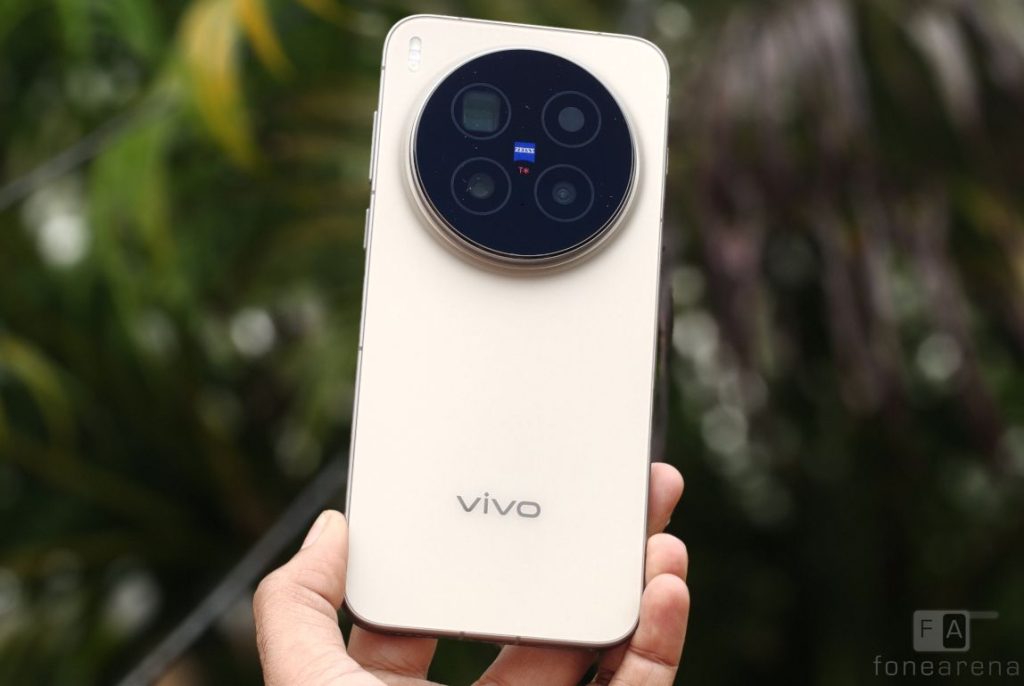
vivo launched the X300 series in India today as the successor to last year’s X200 series. Here we have the X200 Pro, the top-end model in the series. This gets a brighter LTPO screen, faster processor, improved 200MP APO telephoto sensor, ZEISS optics, and a huge 6510mAh battery. Is this the best camera phone for the price? Let us dive into the review to find out.
| Box Contents |
| Camera |
| Battery Life |
| Conclusion |
Box Contents
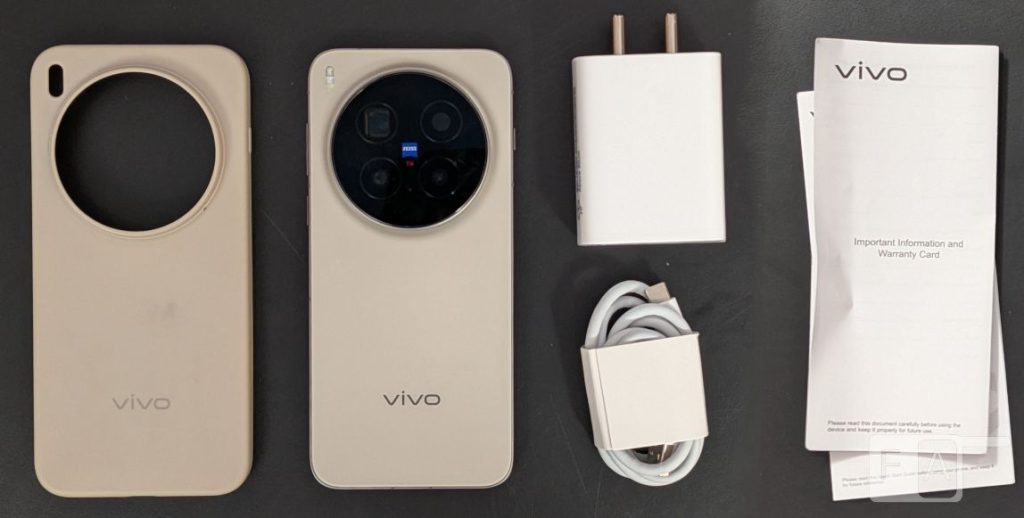
- vivo X300 Pro 16GB + 512GB version in Dune Gold colour
- Silicon case
- USB Type-A to Type-C Cable
- 90W Super FlashCharge wall adapter
- SIM ejector tool
- Quick start guide and Warranty information
Display, Hardware and Design
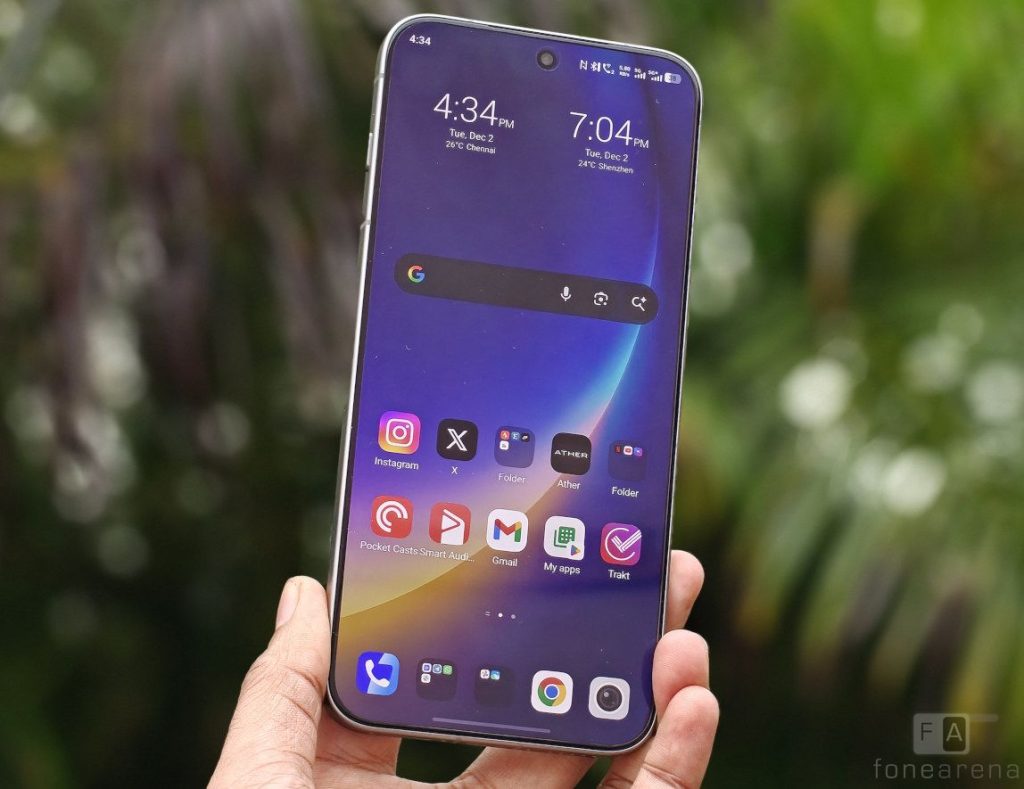
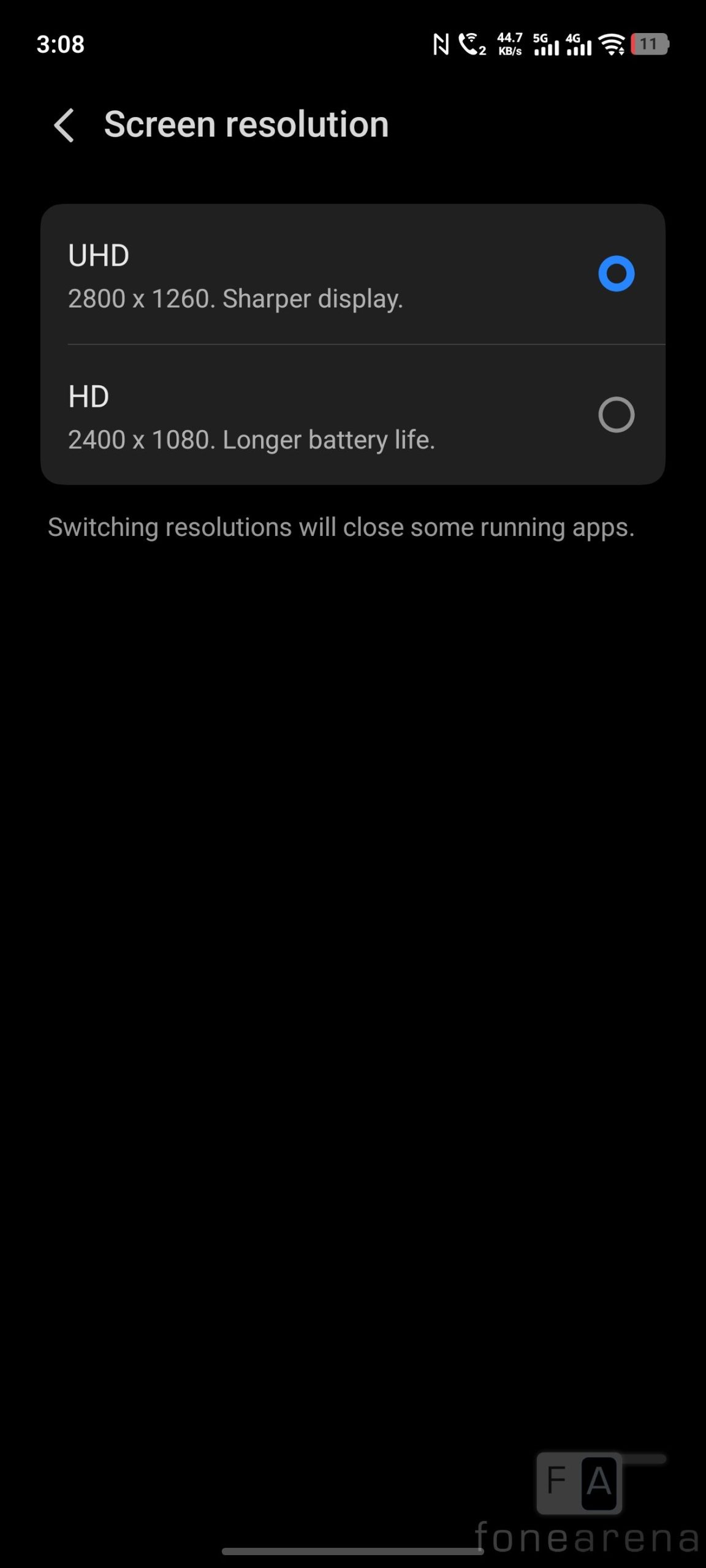
The X300 Pro sports a 6.78-inch (2800 × 1260 pixels) 1.5K+ 20:9 aspect ratio flat AMOLED display. The sunlight legibility is good, and it has up to 4500 nits peak brightness and the HBM or outdoor brightness is now 2000 nits. The colour output good as well since it has 1.07 billion colors.
You can select between 1080p and 1.5K display options. vivo says that the screen has 0.1-120Hz refresh rate 8T LTPO display. When enabled, it offers a buttery smooth user experience, especially when you are scrolling through the UI and when gaming.
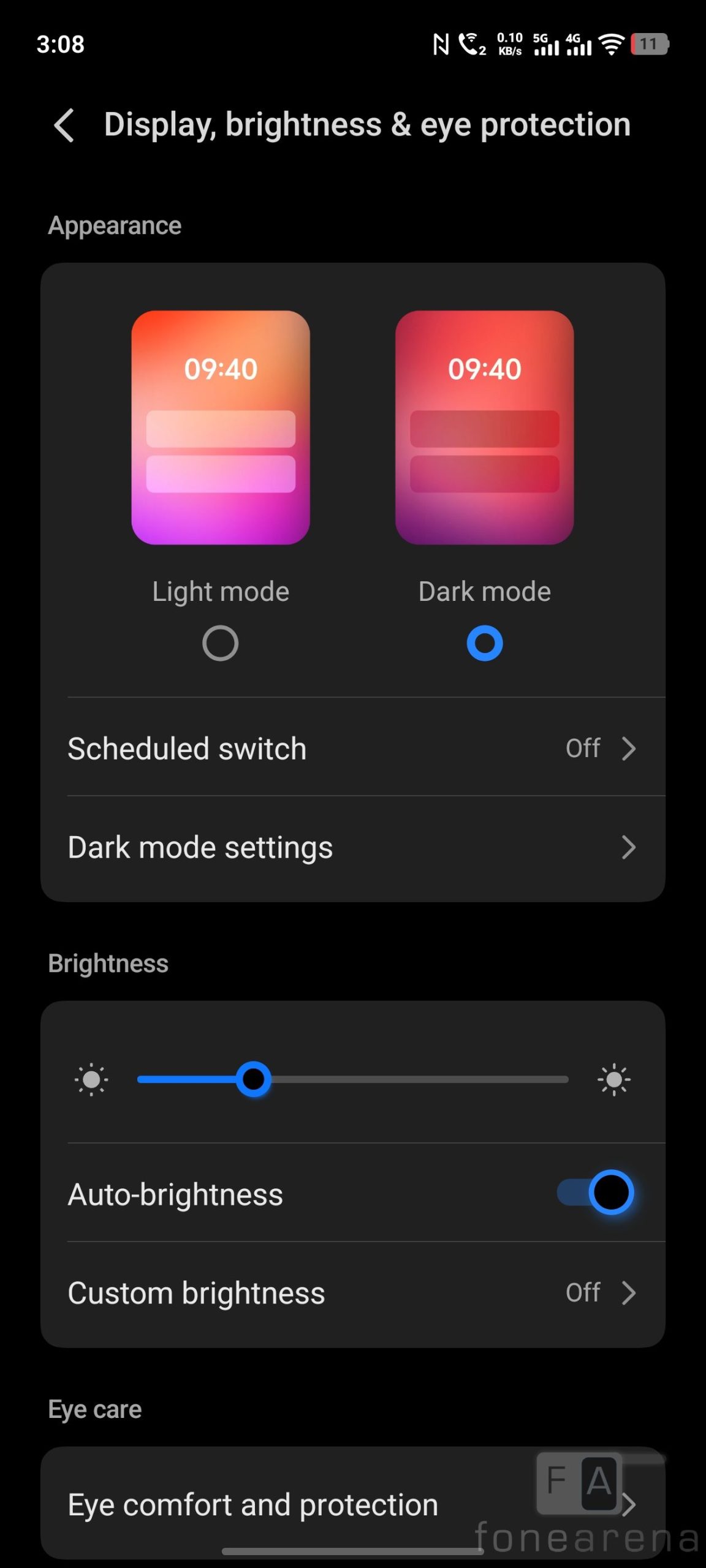
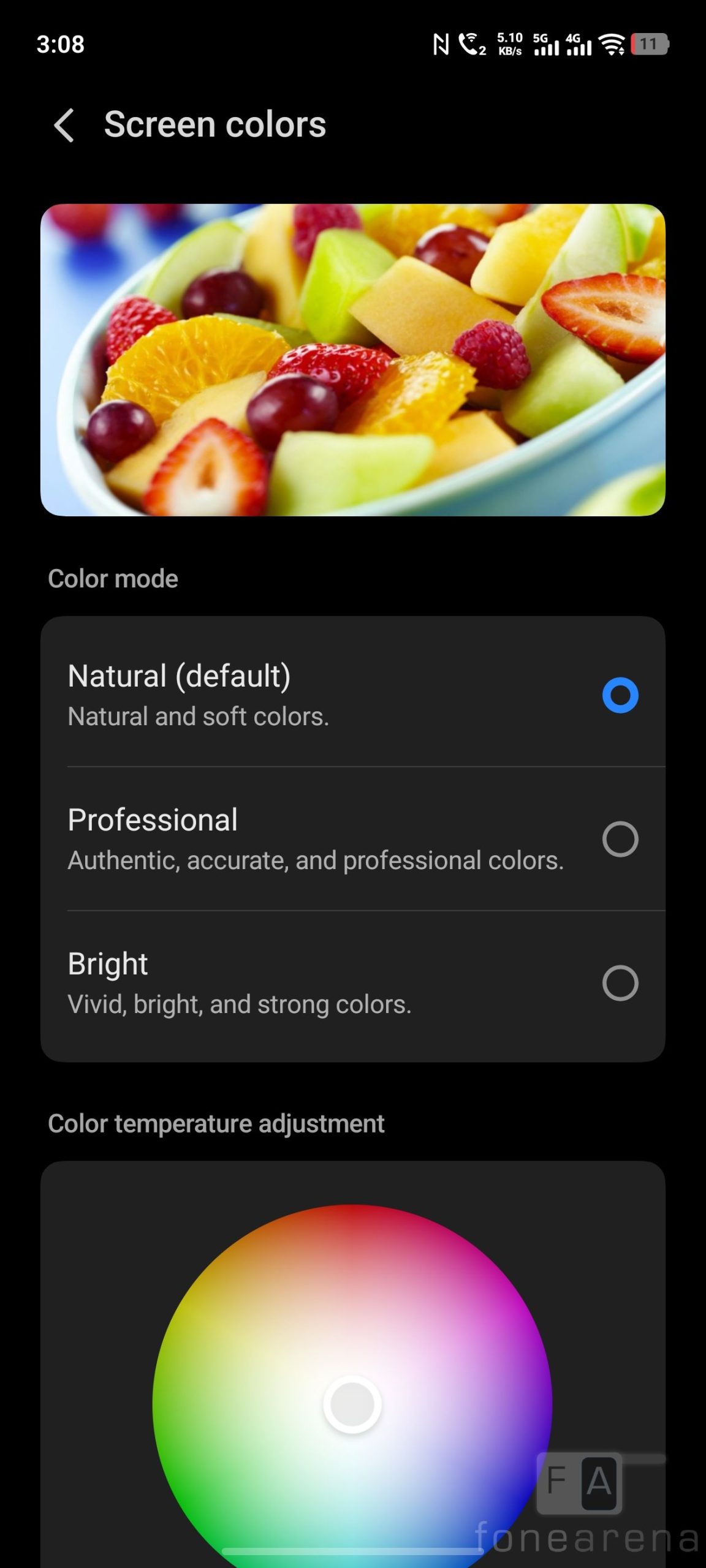
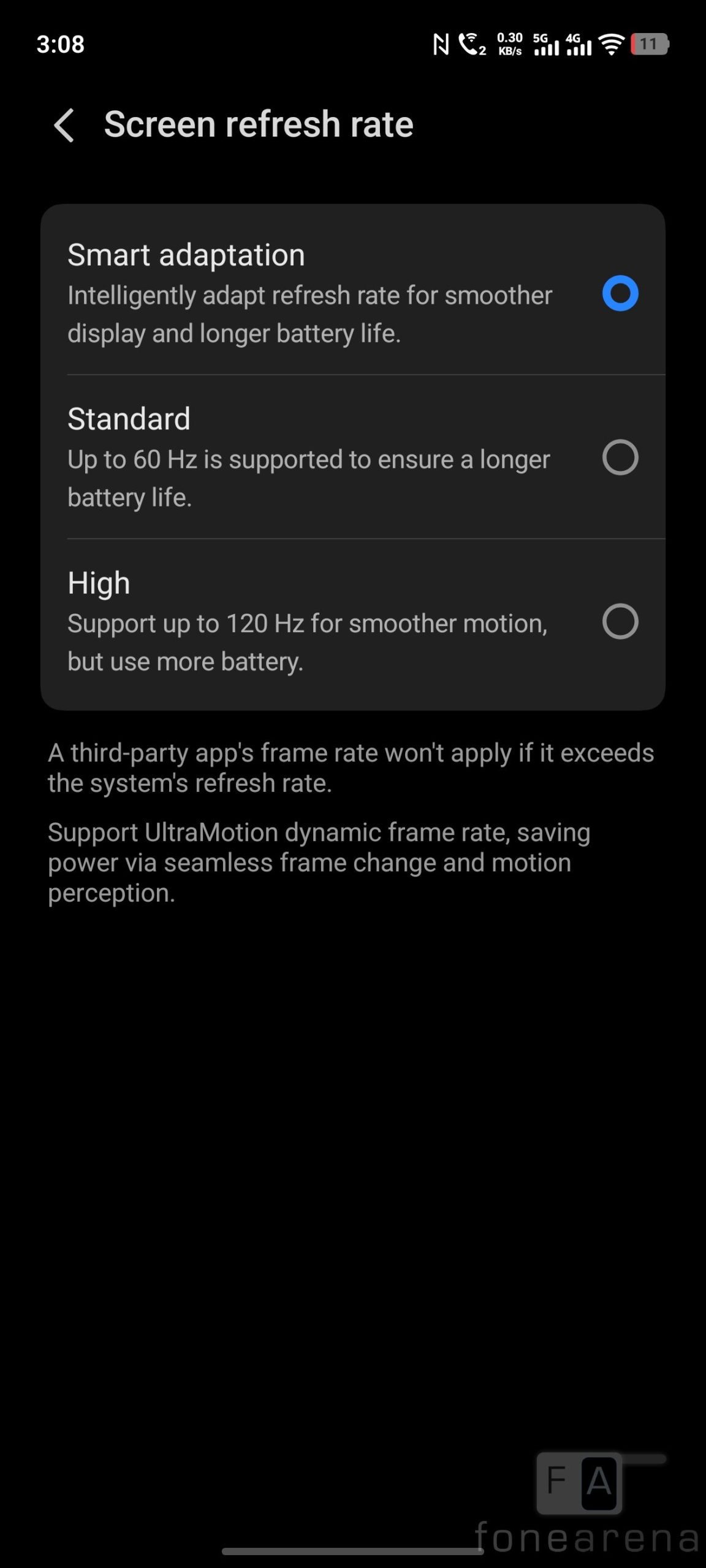
You can select from standard (default), professional and bright screen colour modes. You can select smart switch or force it to 60Hz or 120Hz. Visual enhancement optimizes the color and contrast of some pictures for more vivid display effects, says the company.
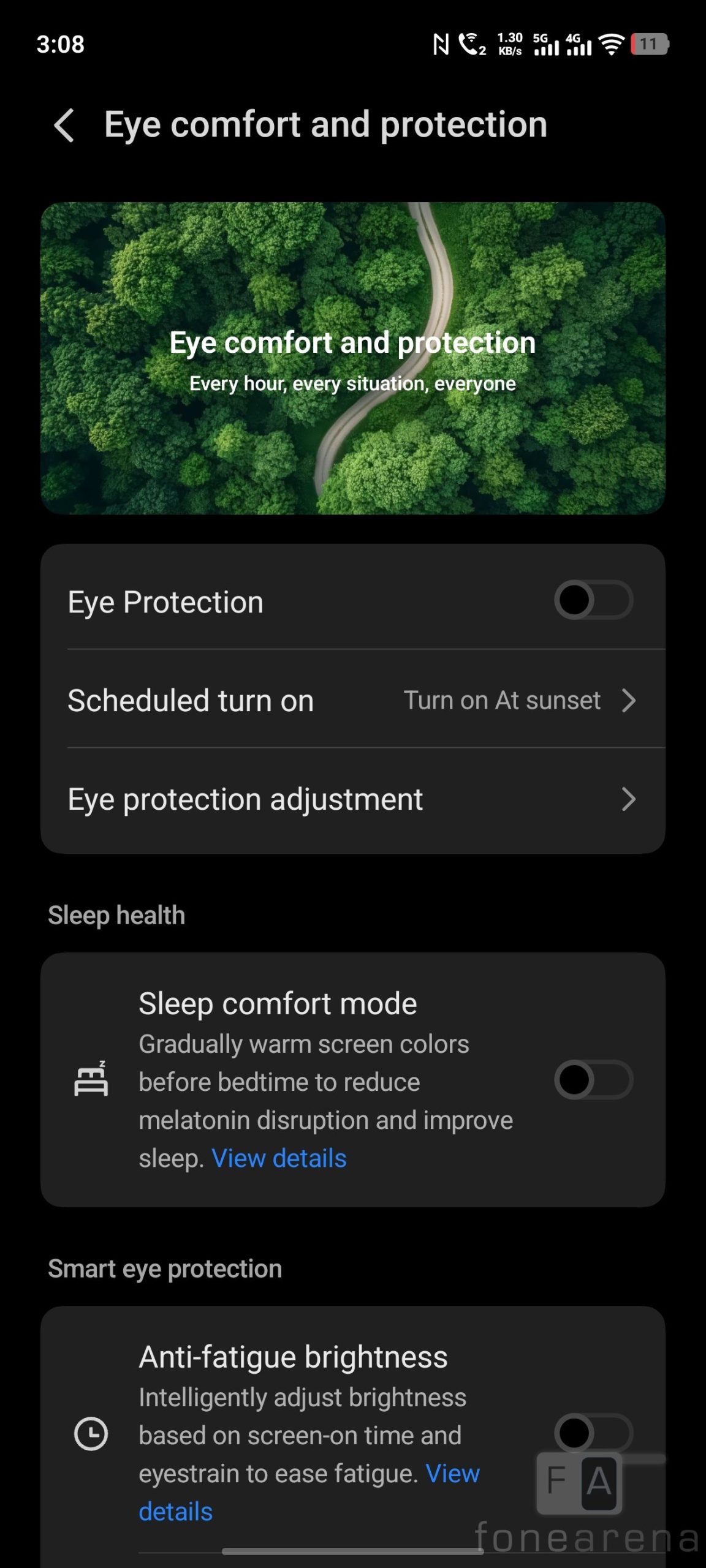
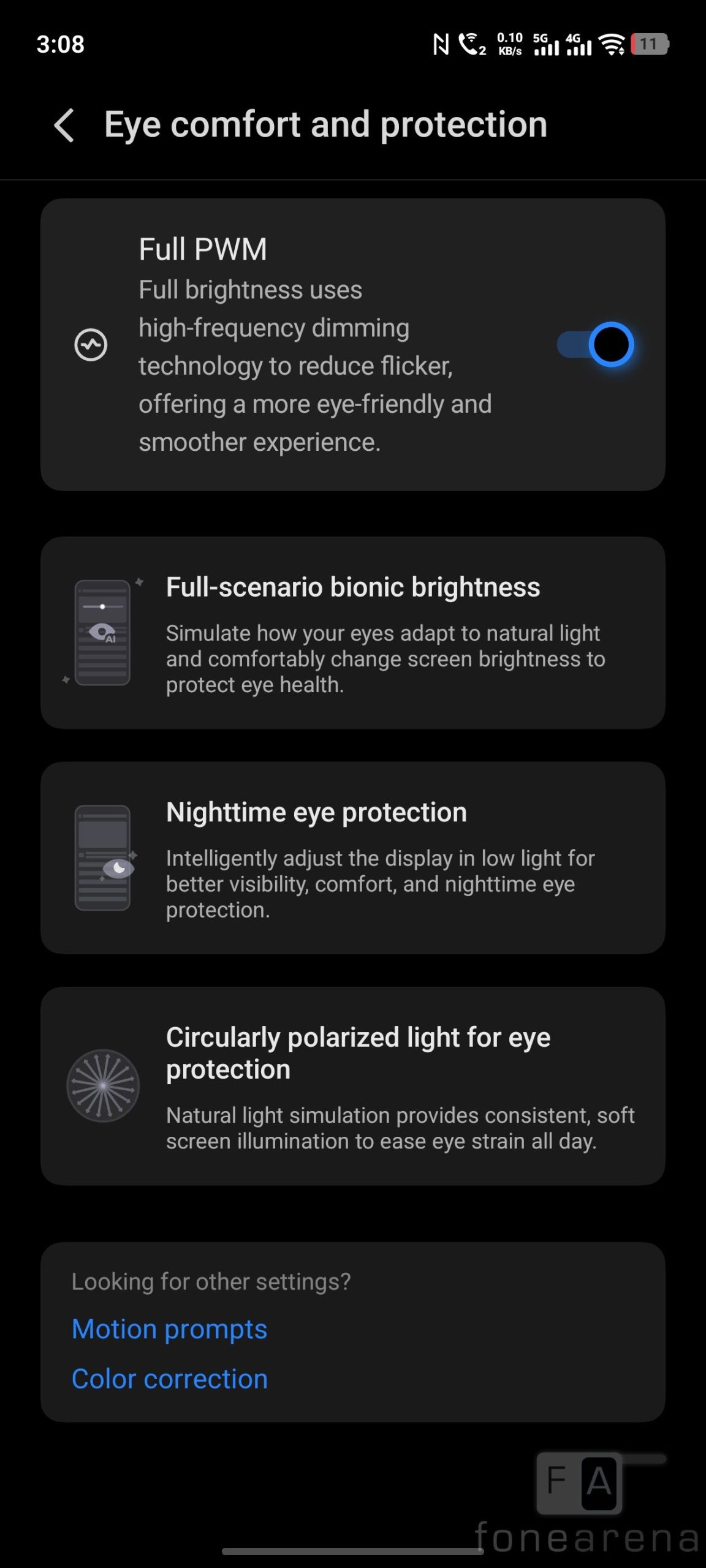
There is also super resolution for improved frame rate and resolution in some apps like YouTube, Netflix and Prime video. There is 2160Hz PWM Dimming that is automatically activated when you are using the phone in low brightness, and you also get AI-powered Smart eye protection that has anti-fatigue brightness and Full PWM options. It also has HDR 10+ and Dolby Vision support.
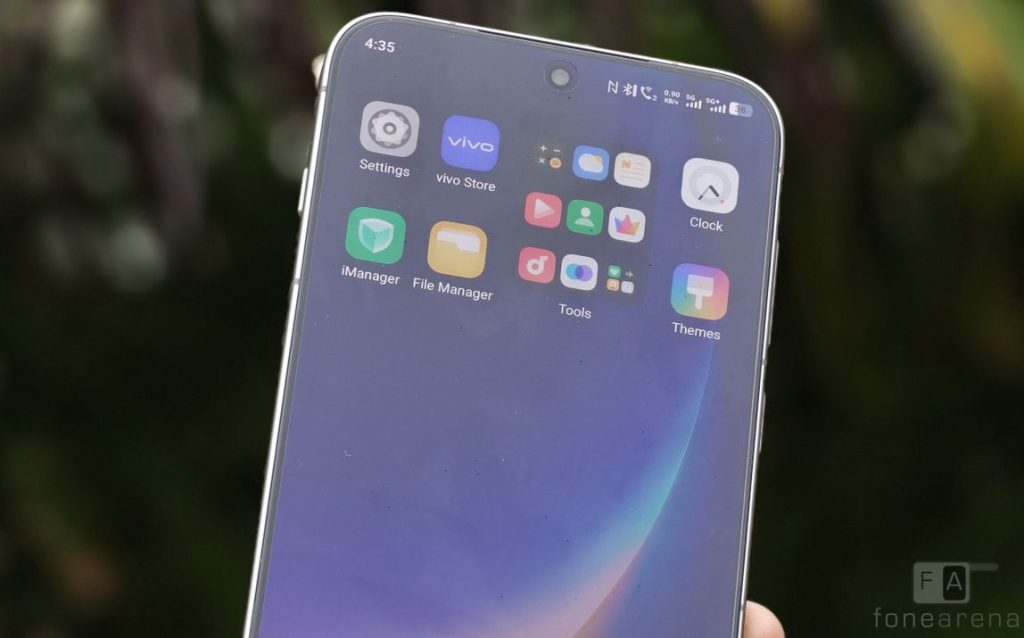
The phone has a new 50MP front camera inside the tiny punch-hole, same as the predecessor. There is an earpiece on the top edge which also works as a secondary speaker.
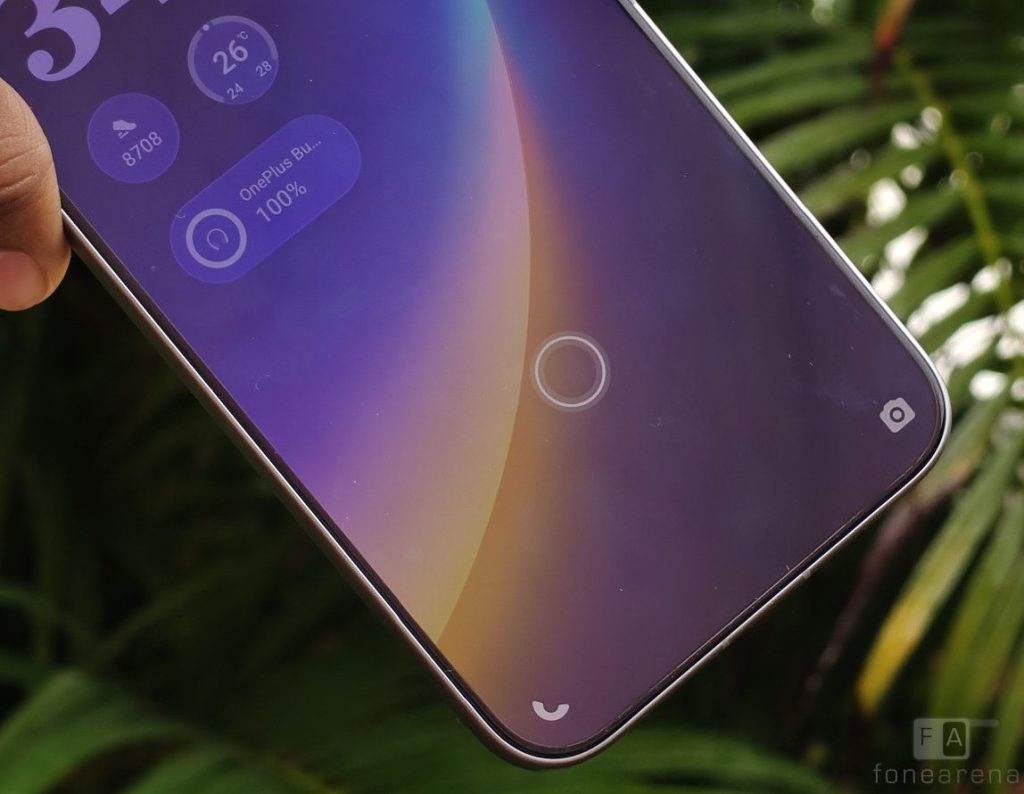
You can see 1.15mm ultra-narrow bezels around the screen. The haptic feedback is good as well, thanks to the powerful vibration motor.
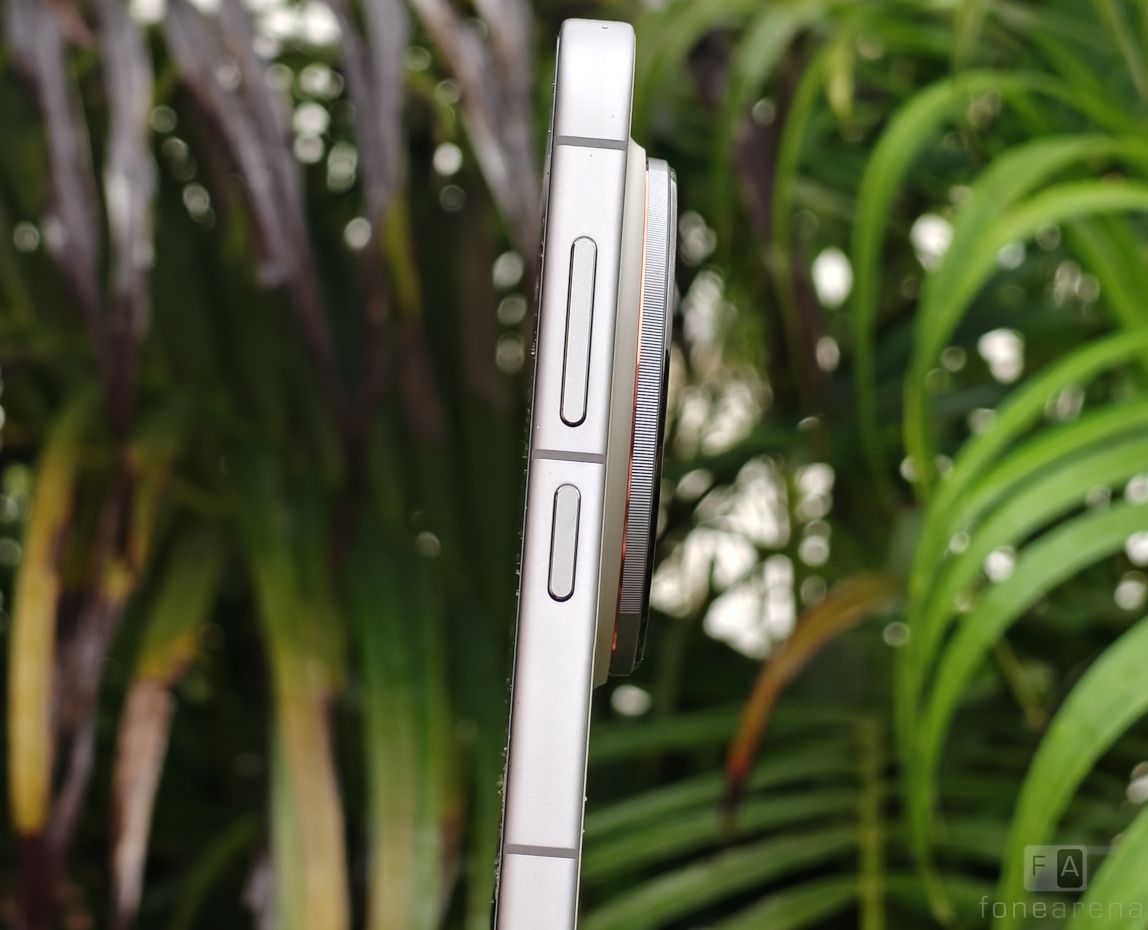
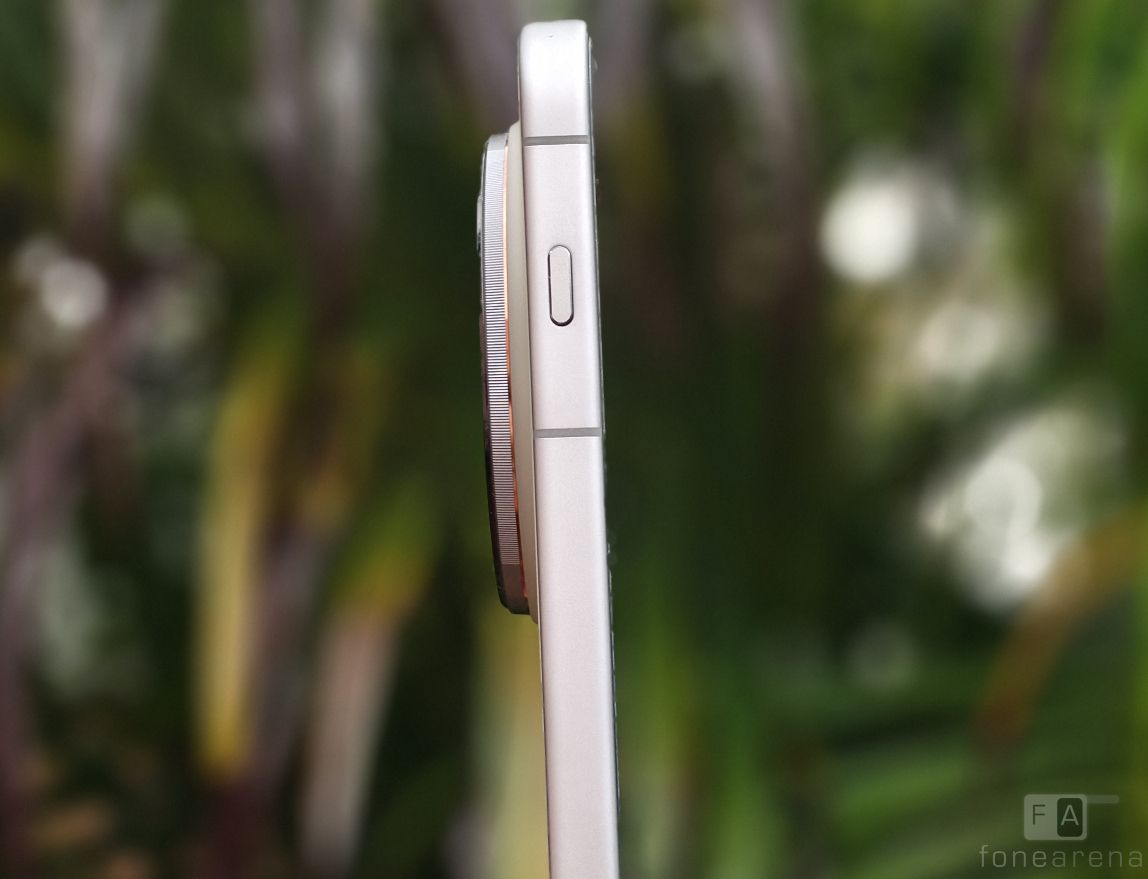
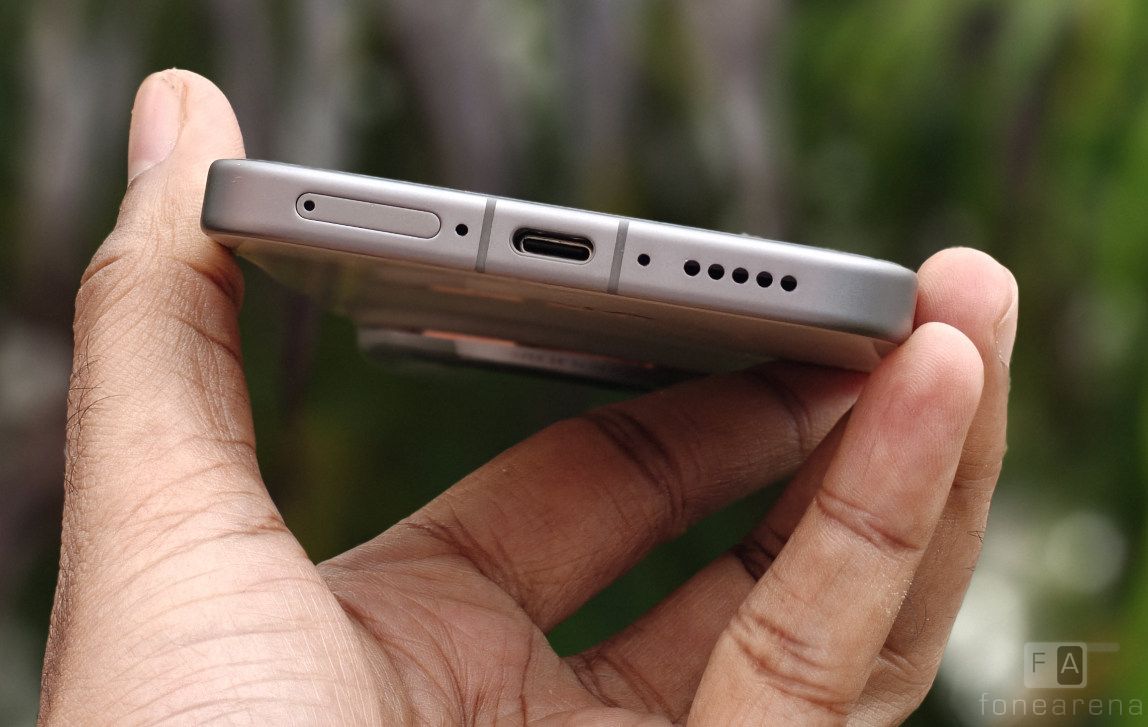
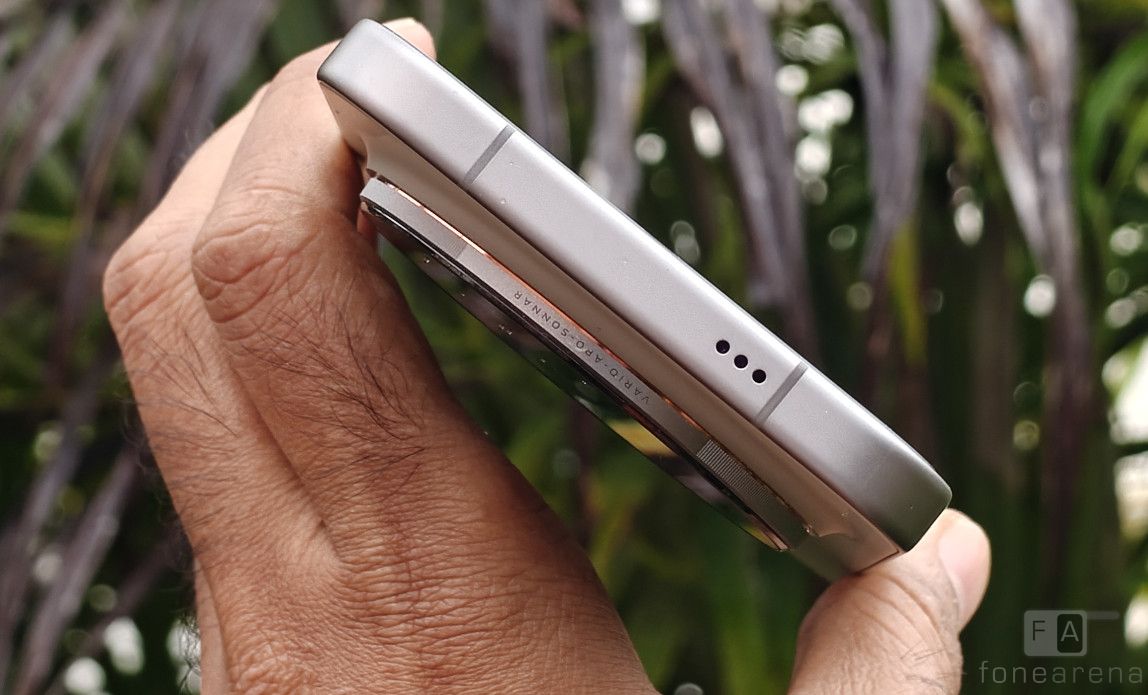
Coming to the button placements and ports, the power button is present on the right side along with the volume rockers. There is a new shortcut button on the left that is customizable for press and hold and double press. The dual SIM slot, primary microphone, USB Type-C port and the loudspeaker grill are present on the bottom and the secondary microphone is present on the top and the IR blaster is present on the back.
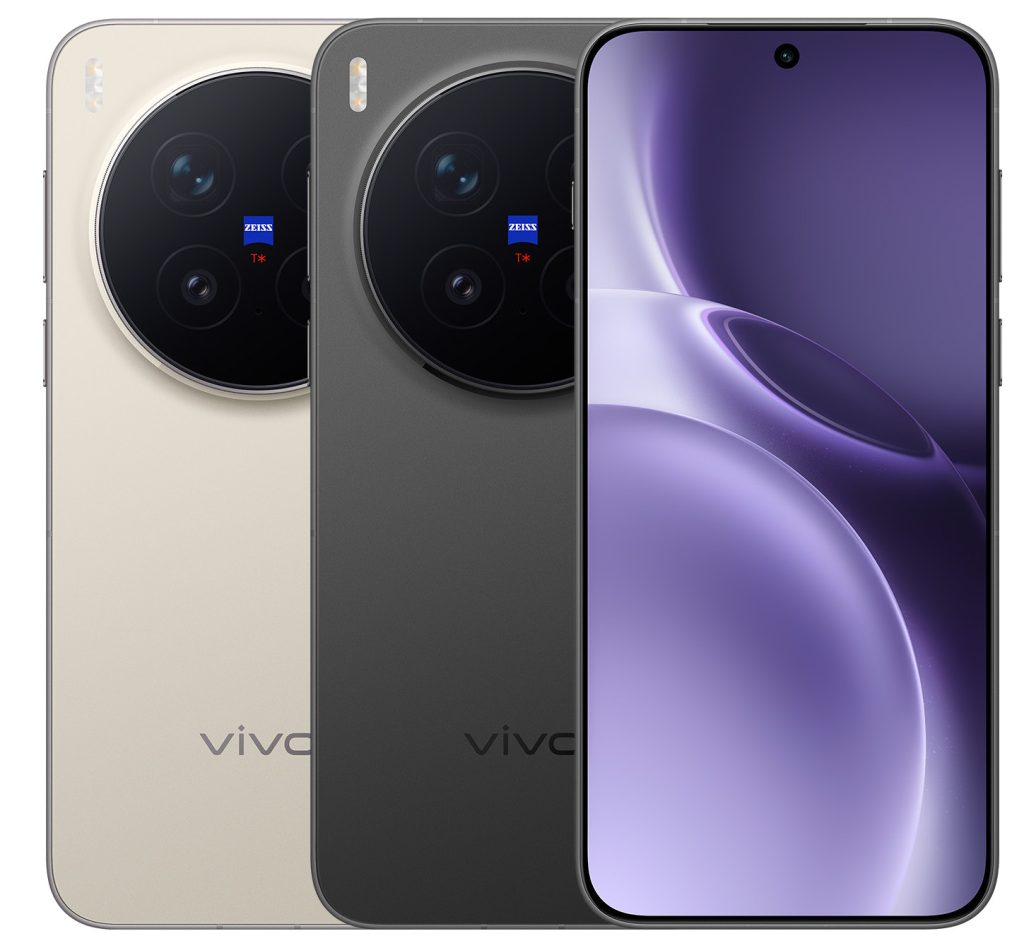
It has a metal frame with a matte finish, so it doesn’t attract fingerprints. It weighs 226 grams which is actually lighter than the predecessor, even though this packs a bigger, 6510mAh battery. The weight distribution is decent, and it is a bit top-heavy due to huge sensors.
Notably, the screen is protected by “Armor Glass,” which claims a 110% performance enhancement in drop resistance compared to standard glass. It carries both IP68 and the superior IP69 rating for high-temperature water jet resistance.
Camera
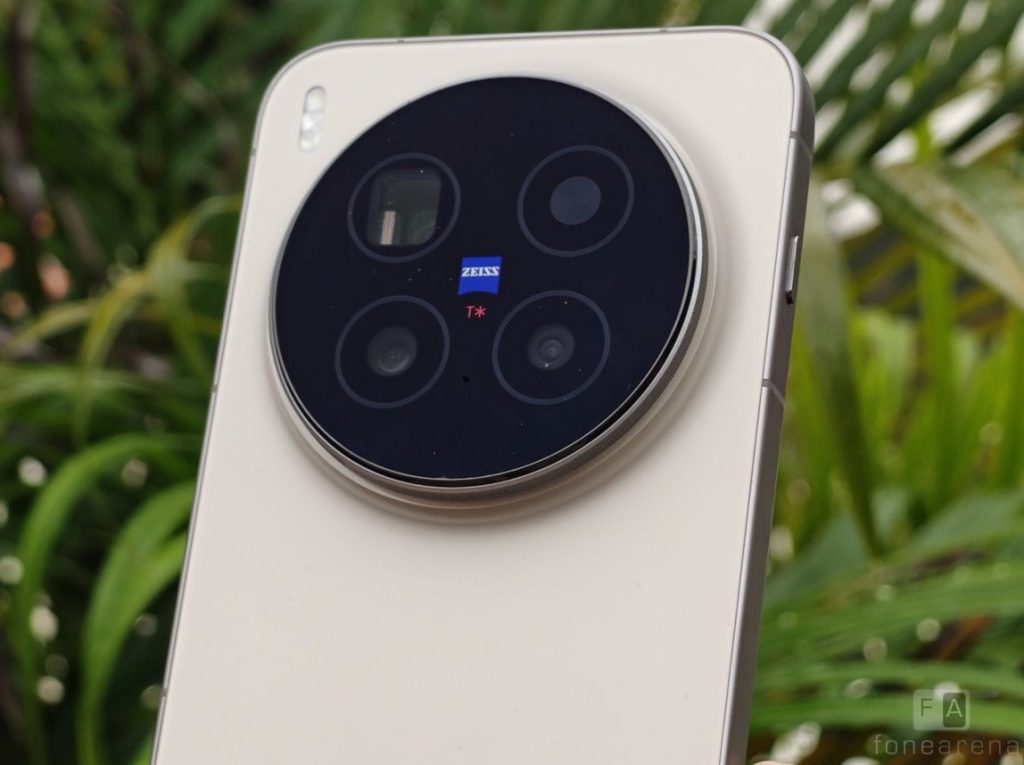
- 50MP camera with 1/1.28″ Sony LYT828 sensor, f/1.57 aperture, OIS
- 50MP ultra-wide-angle camera with Samsung JN1 sensor, f/2.0 aperture
- 200MP 1/1.4″ Samsung HPB ZEISS APO periscope telephoto camera with f/2.67 aperture, OIS, 3.7x optical zoom, telephoto macro
- 50MP front-facing camera with Samsung JN1 sensor with autofocus, f/2.0 aperture
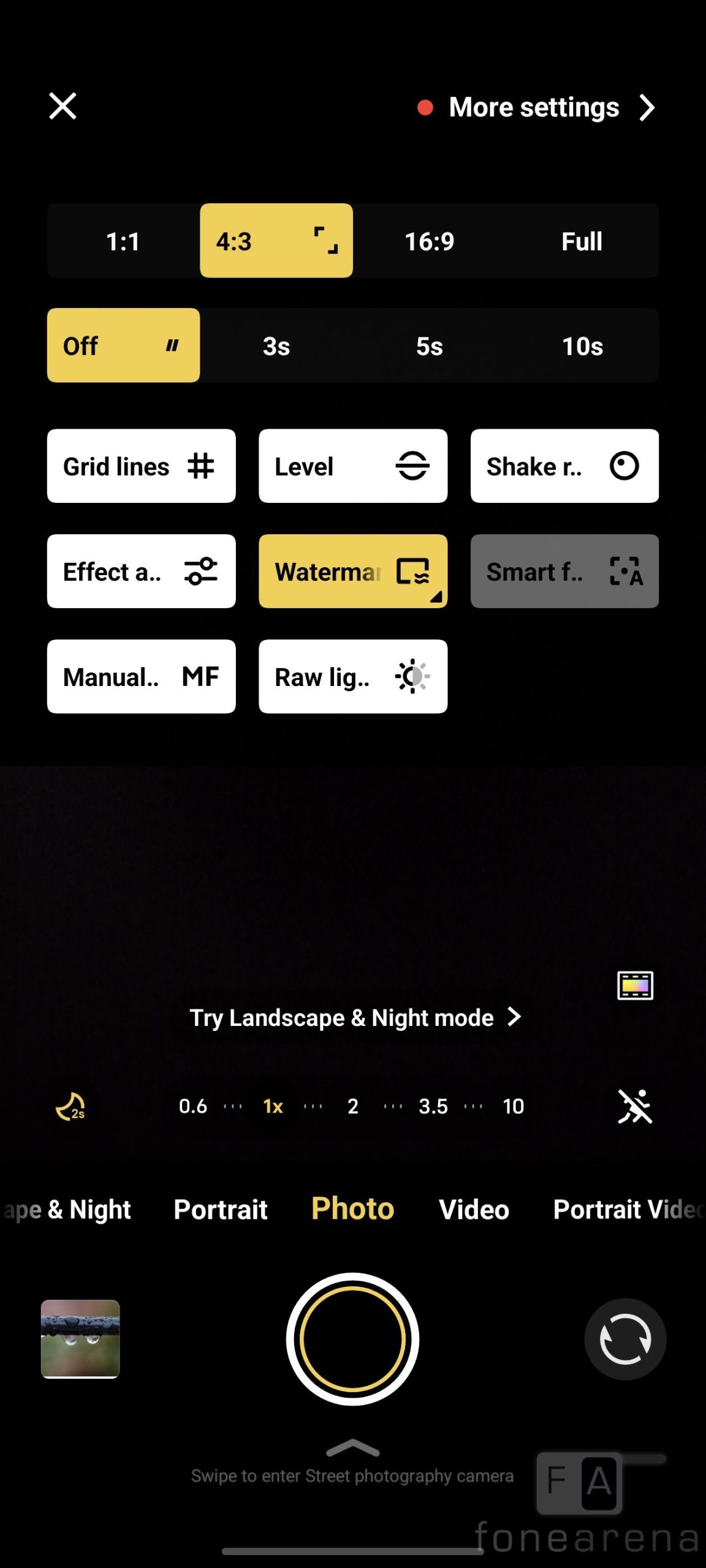
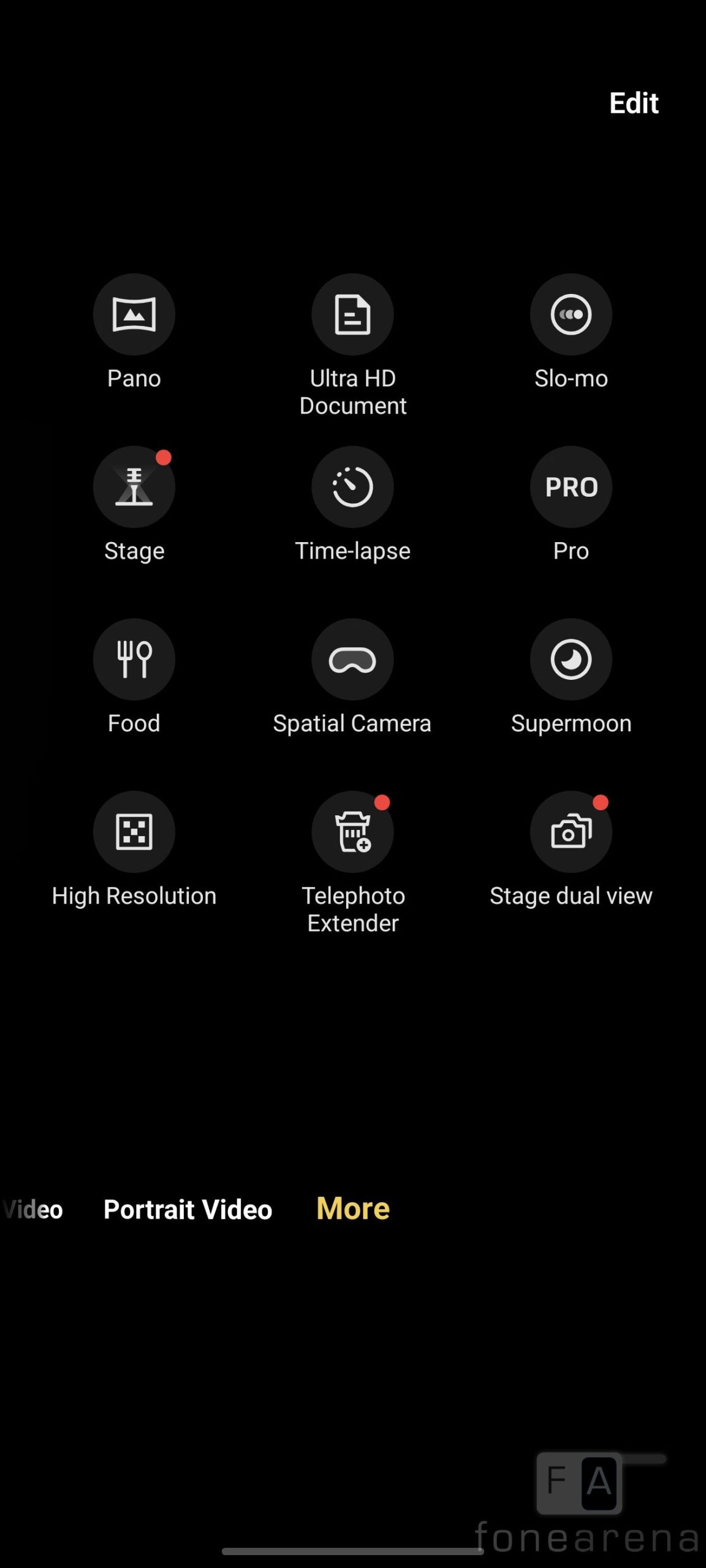
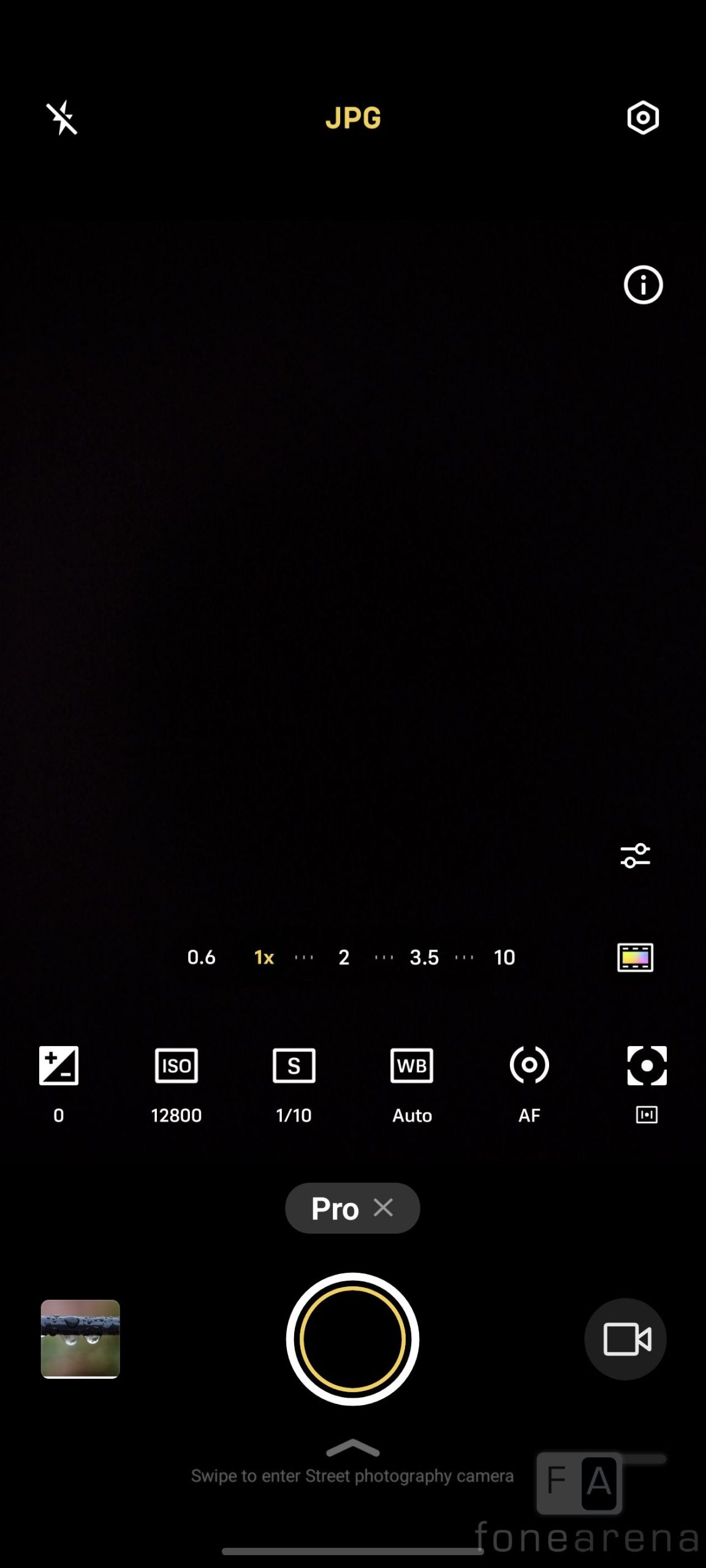
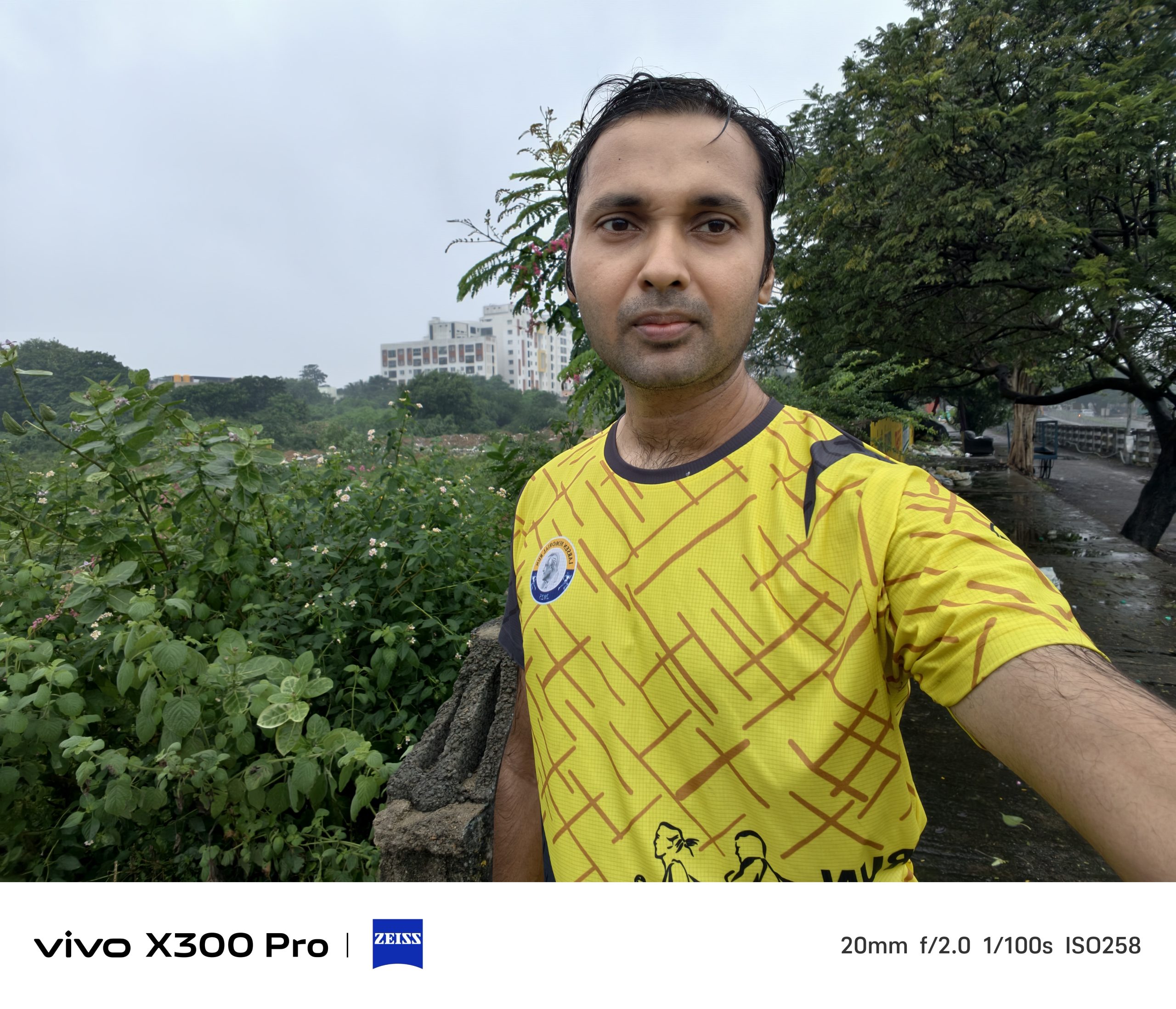
The camera UI is the same as other phones running OriginOS. It includes several features such as AR stickers, Pro Sports mode, long exposure, 50MP mode, supermoon, and more. The Stage mode lets you shoot concerts and music festivals. The landscape and night mode is good for night shots, and it is also good for moon shots. There are street photography features with a custom UI. Even though the phone has a 50MP rear camera, the final output is 12.5MP in size after pixel binning, and the front camera output is 50MP.
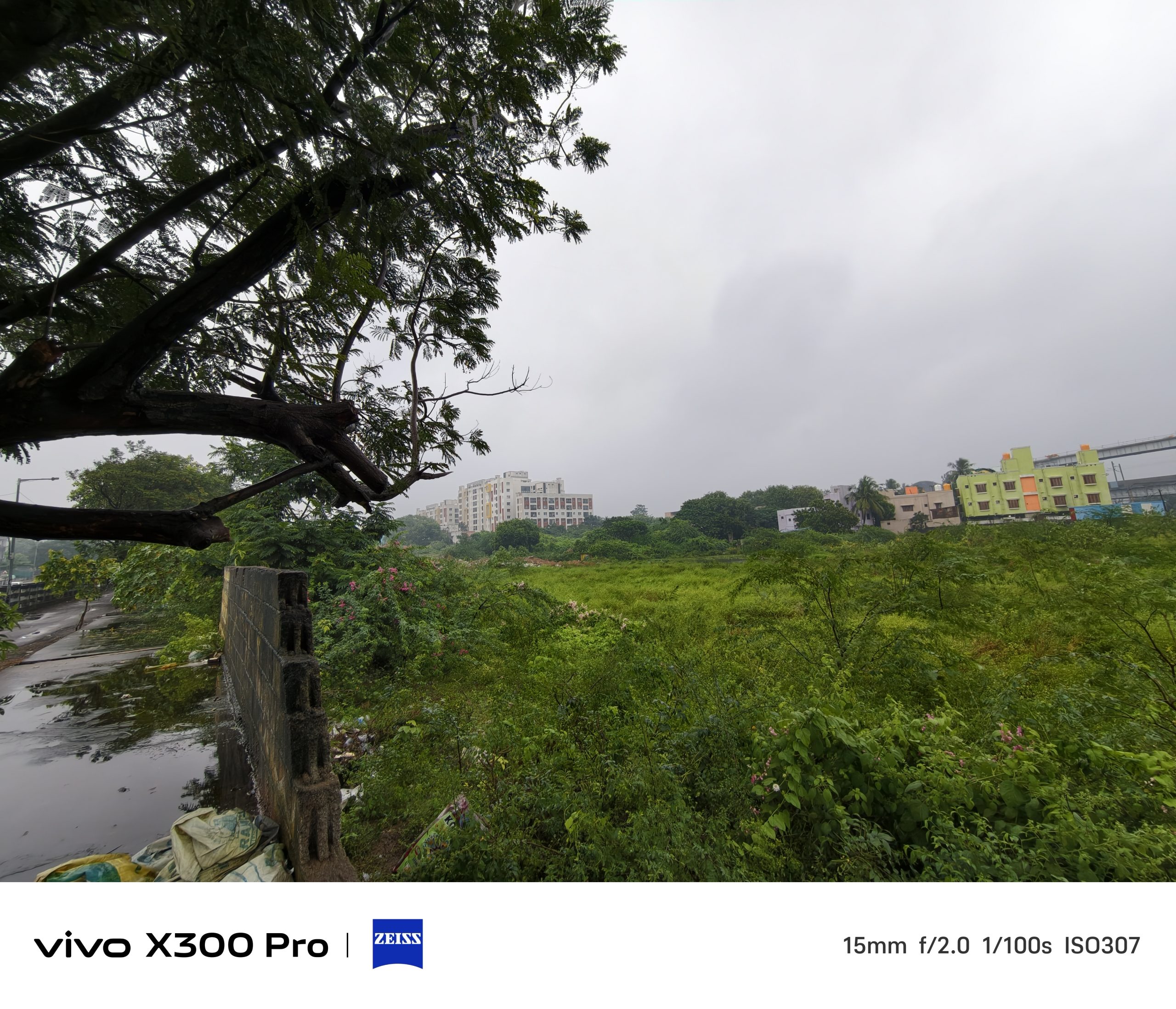
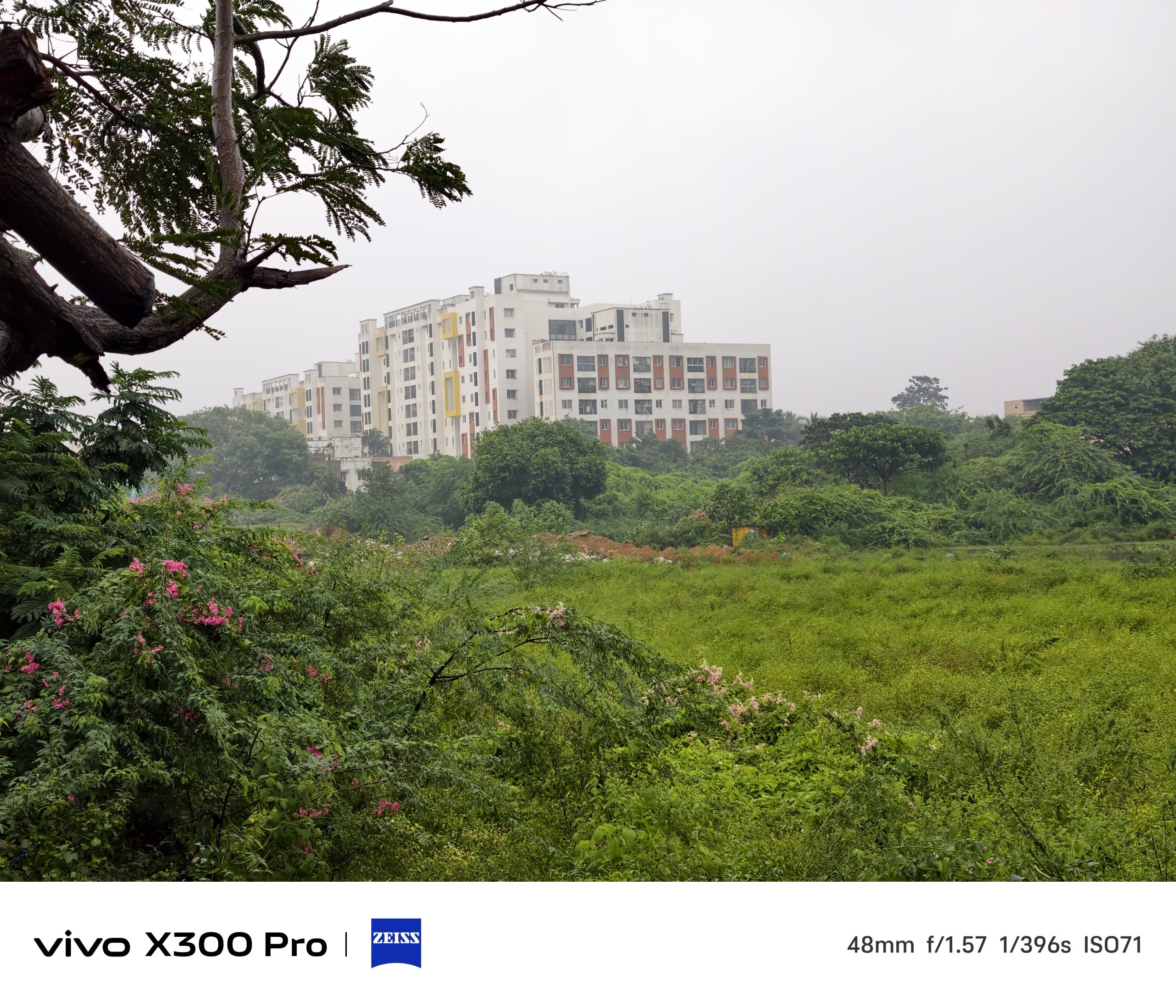
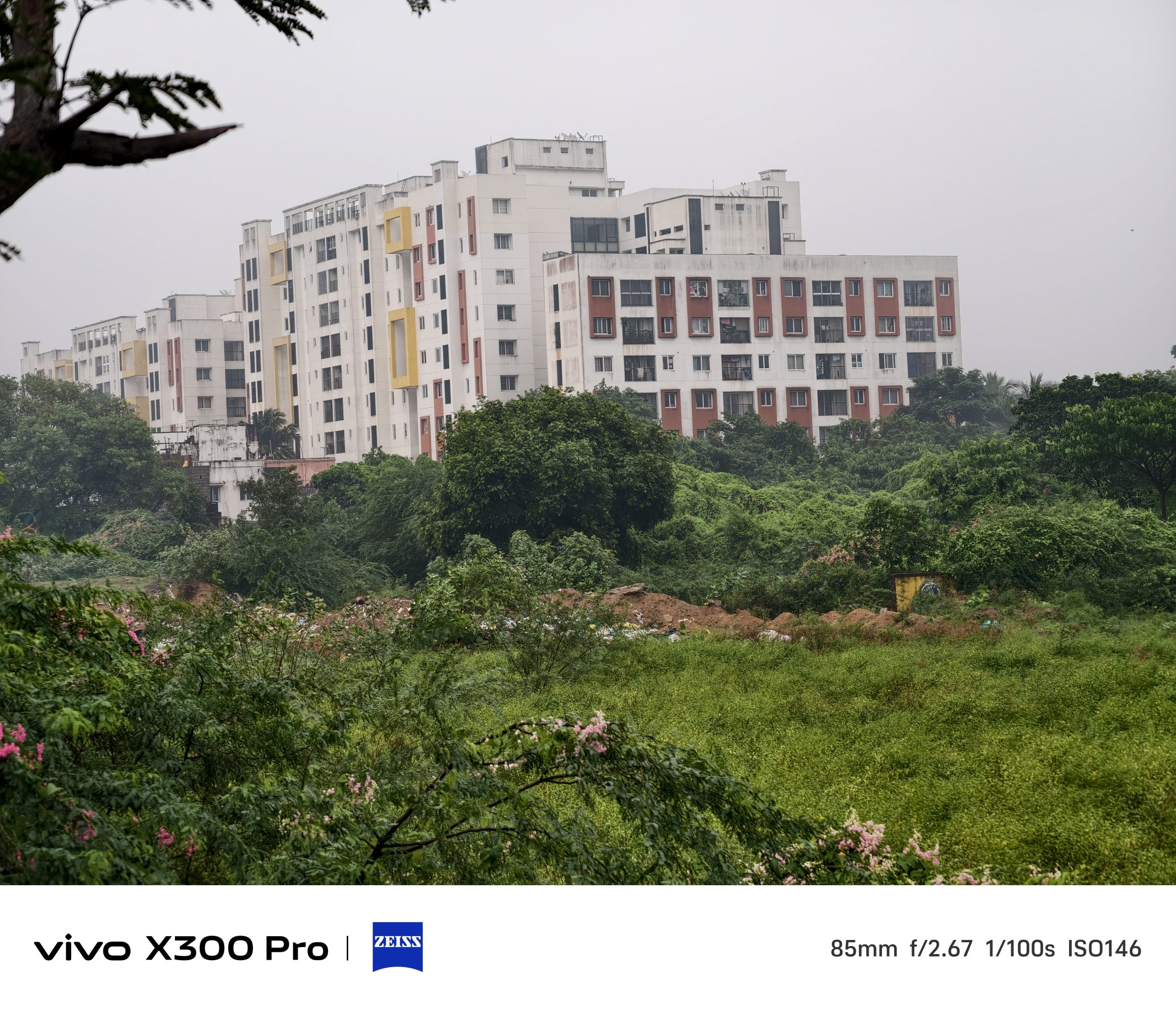
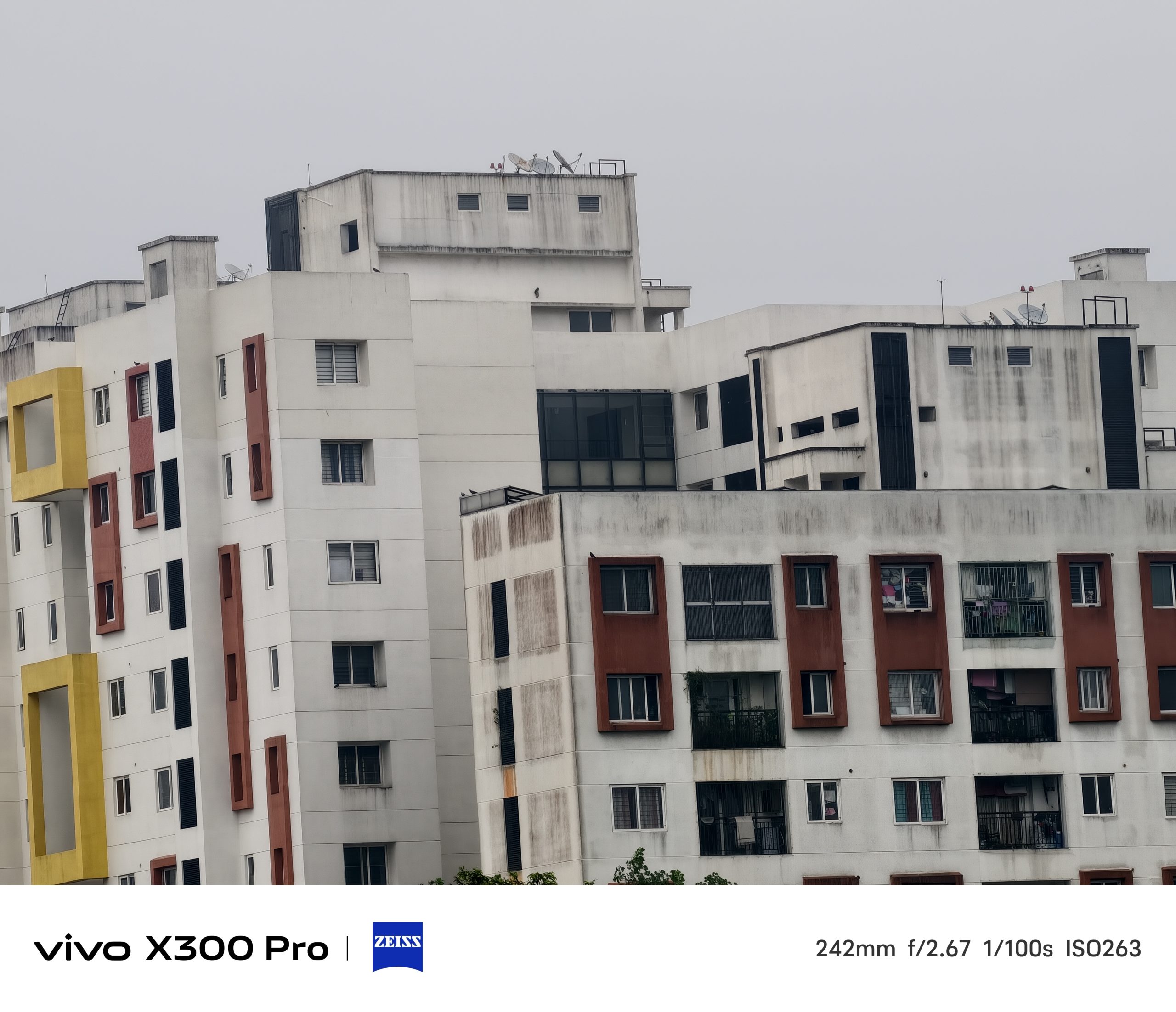
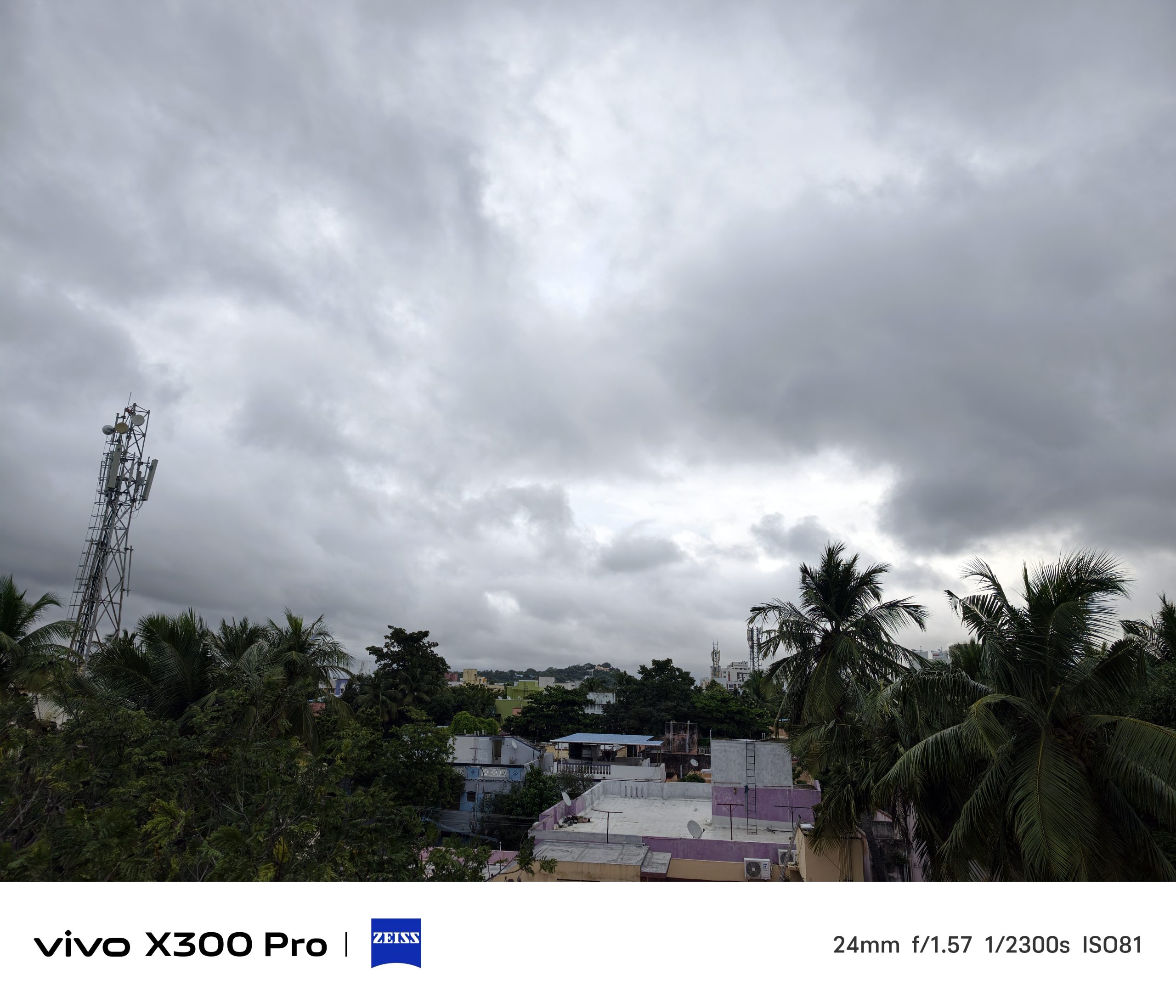
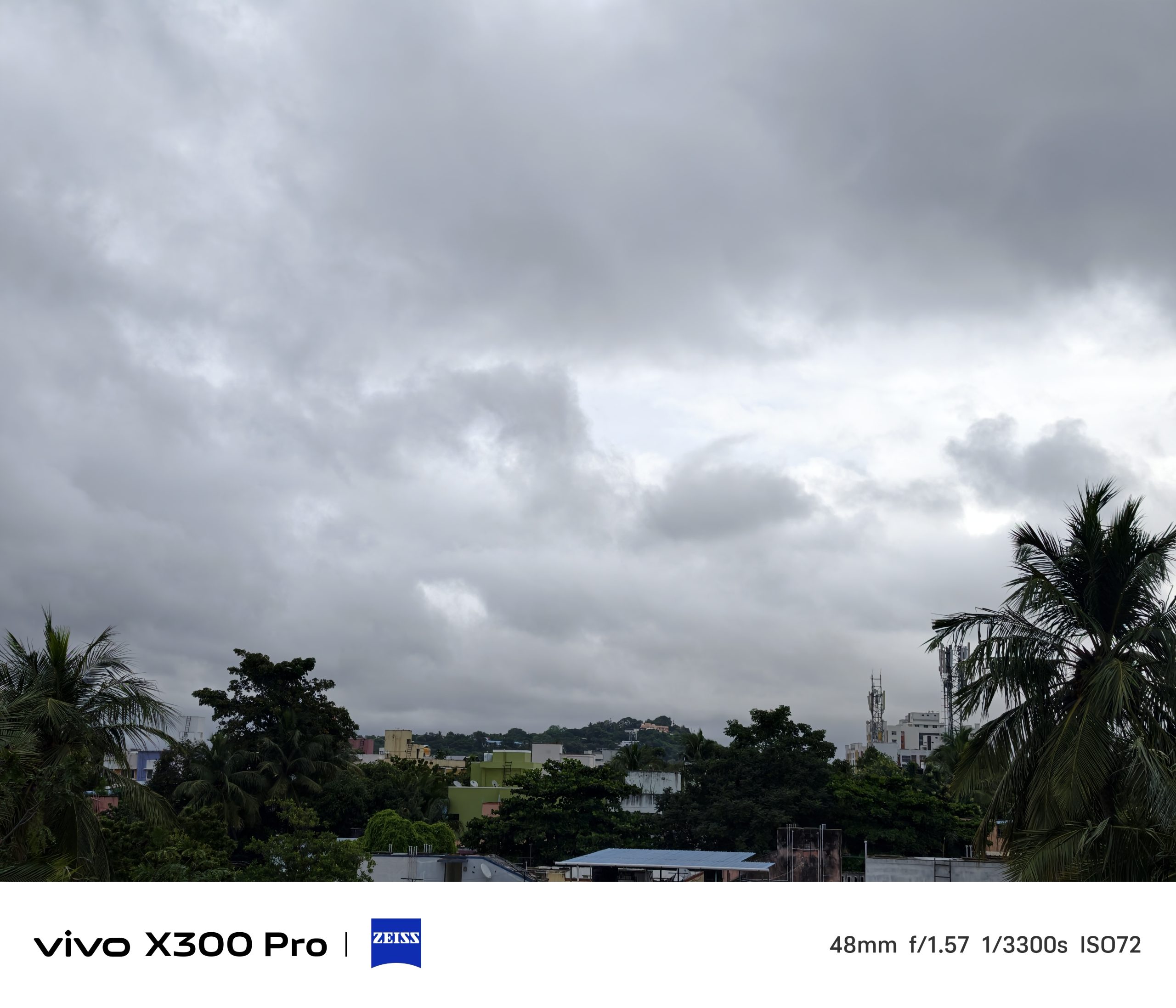
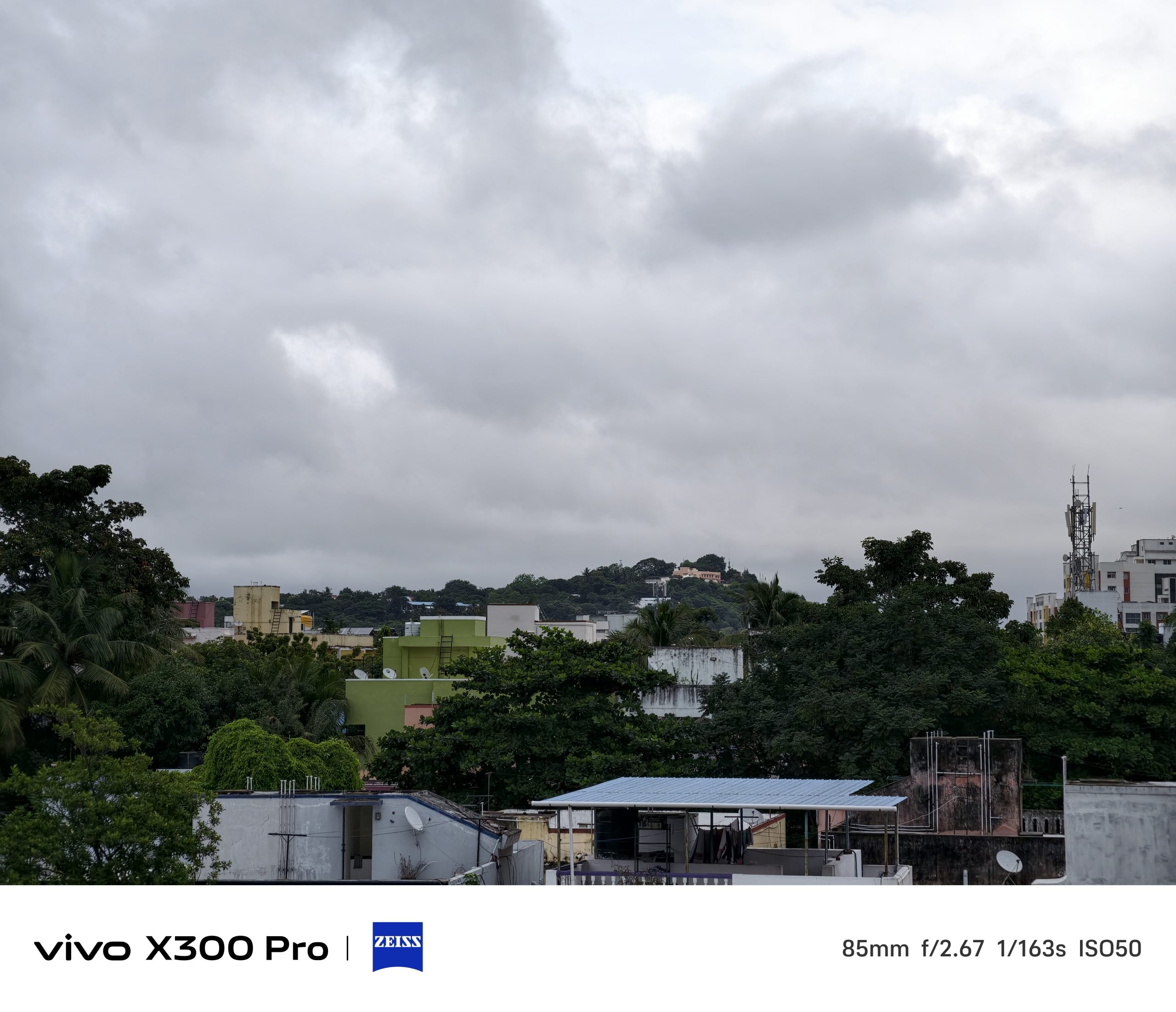
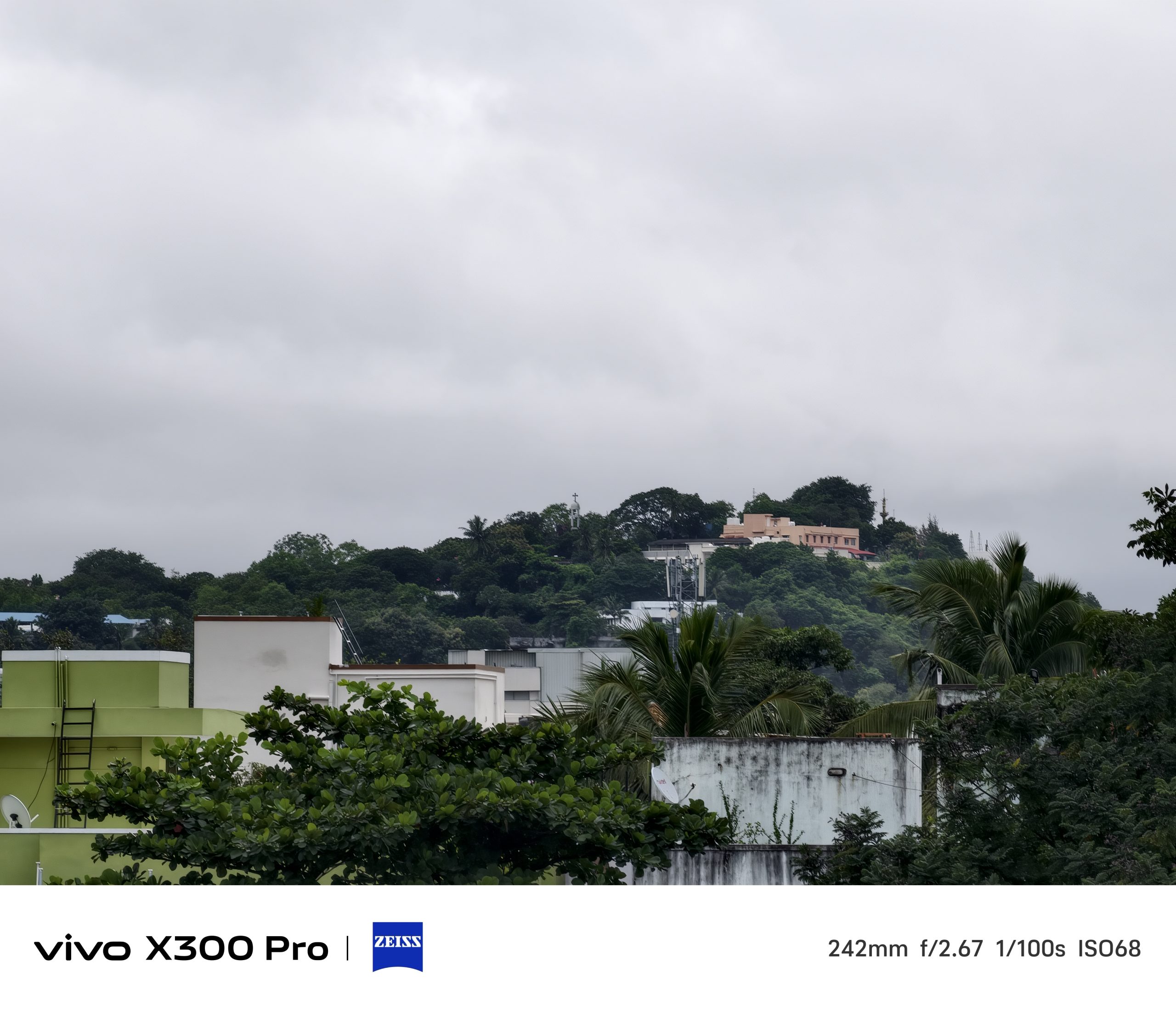
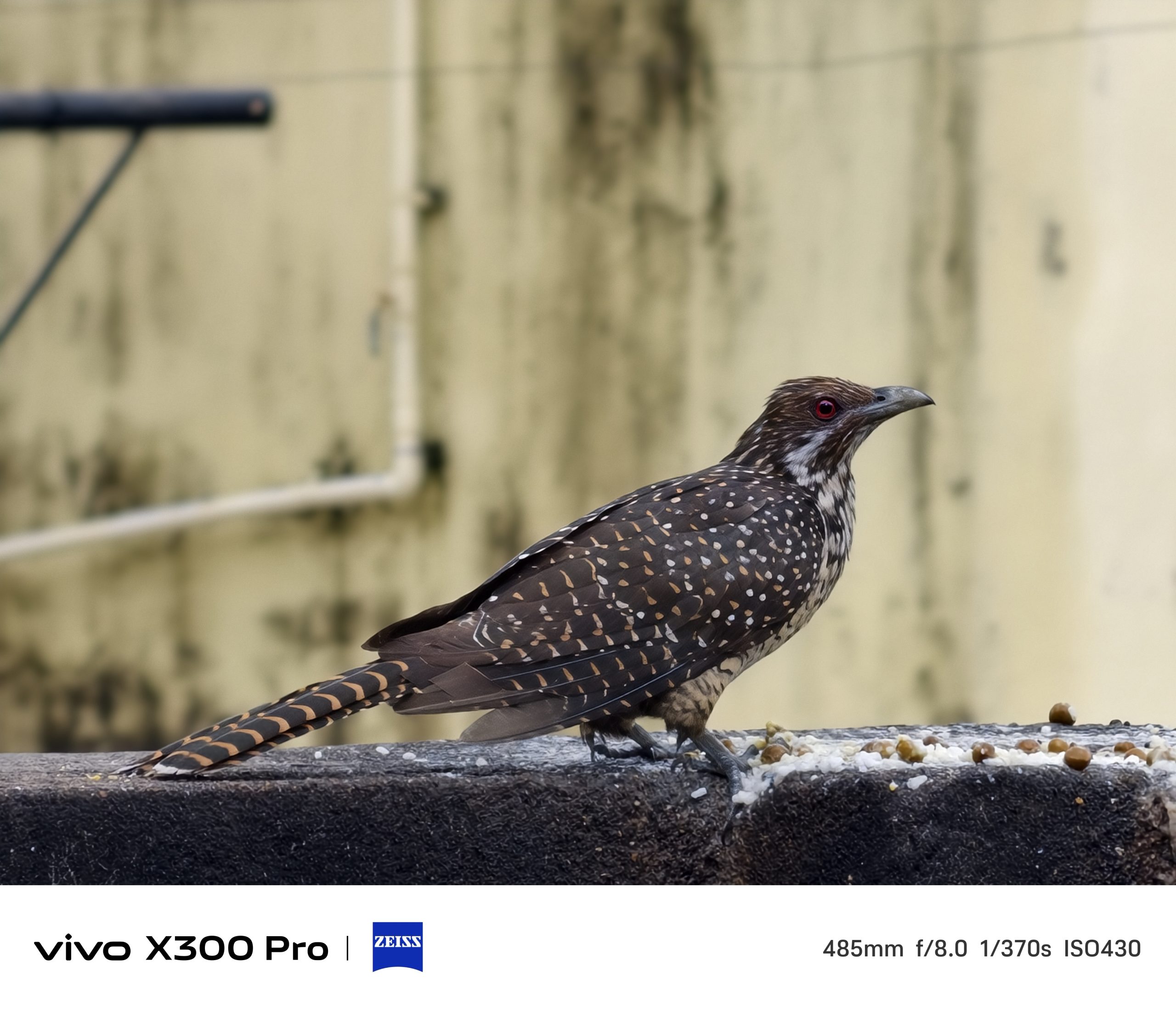
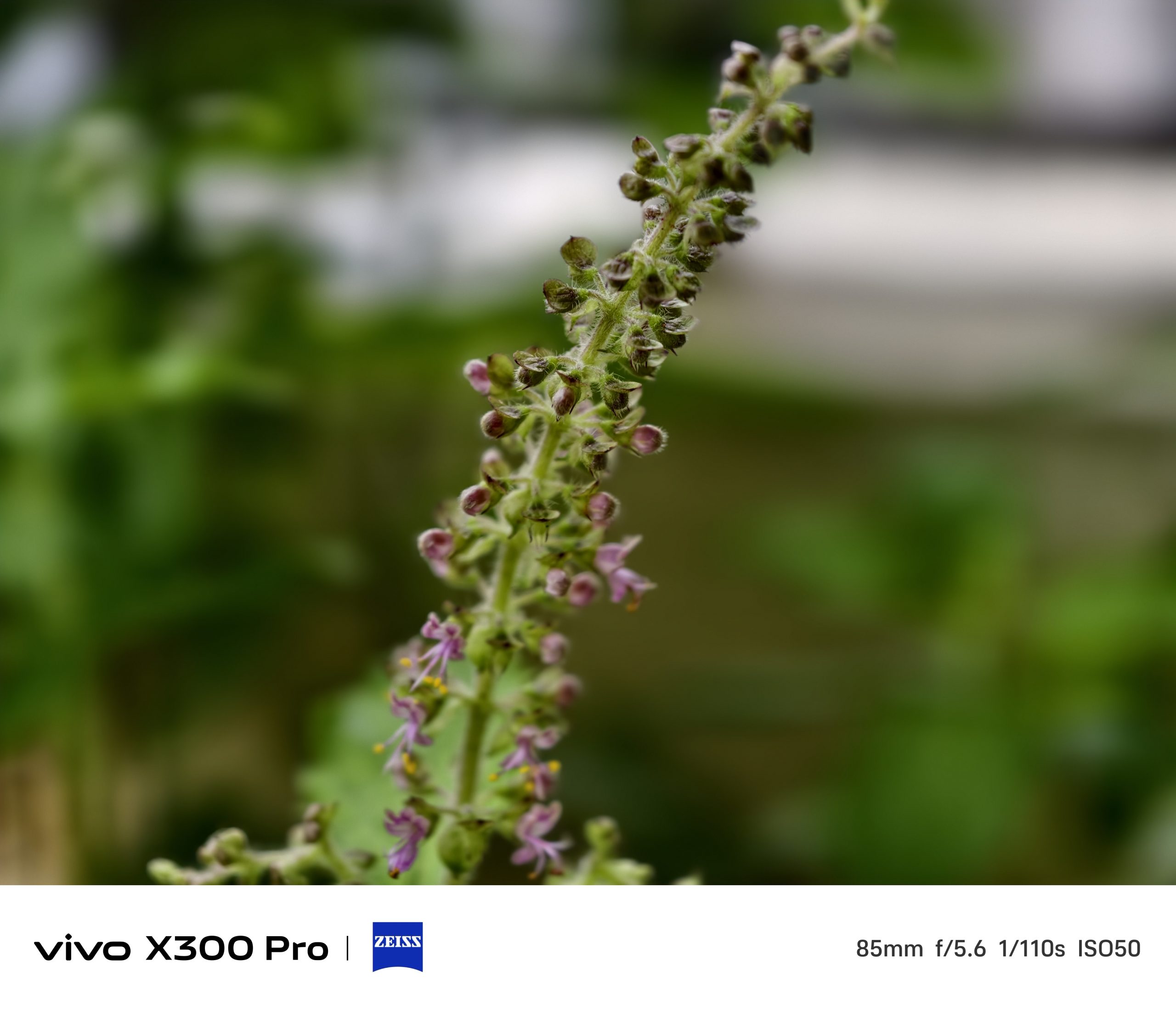
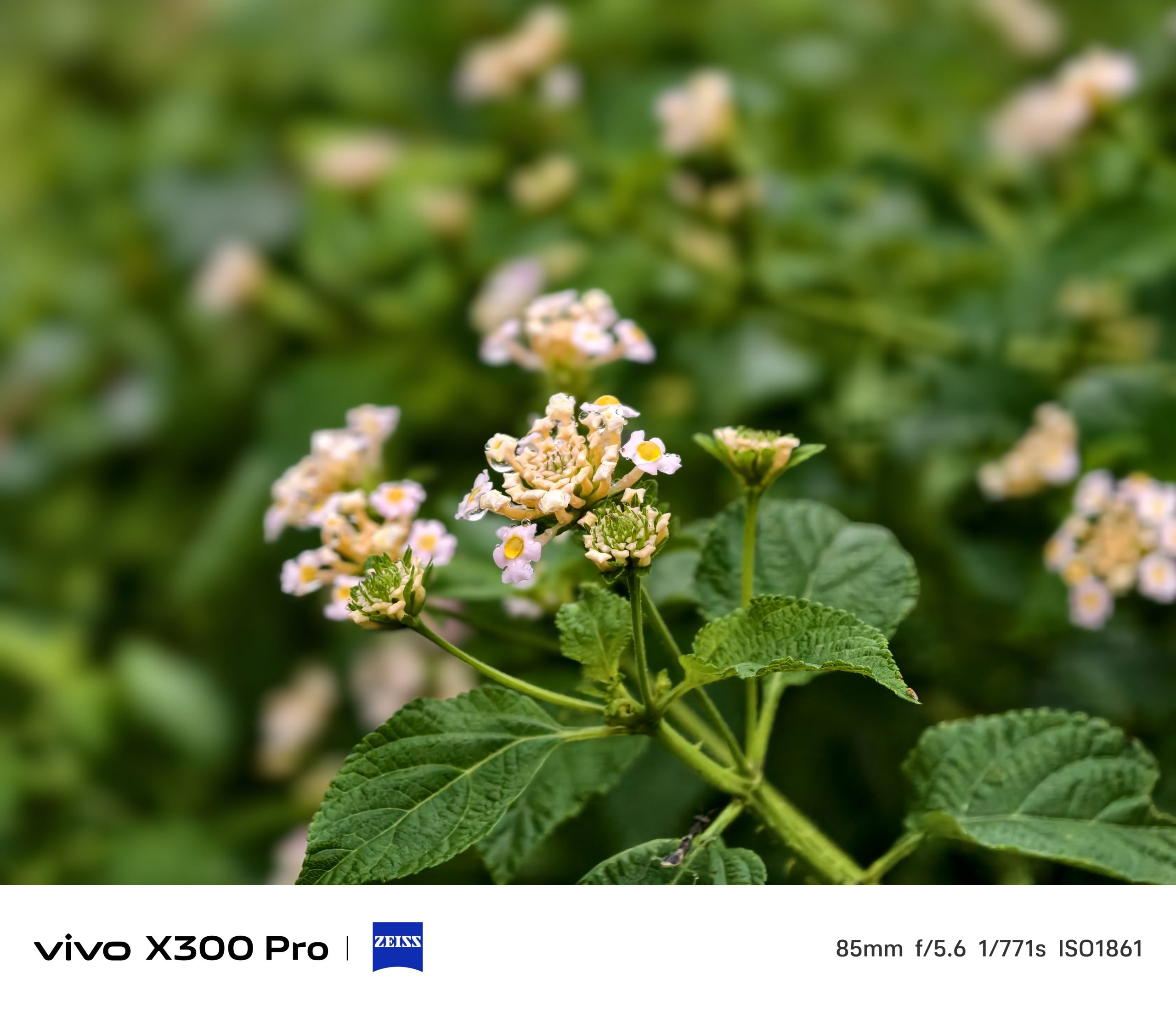
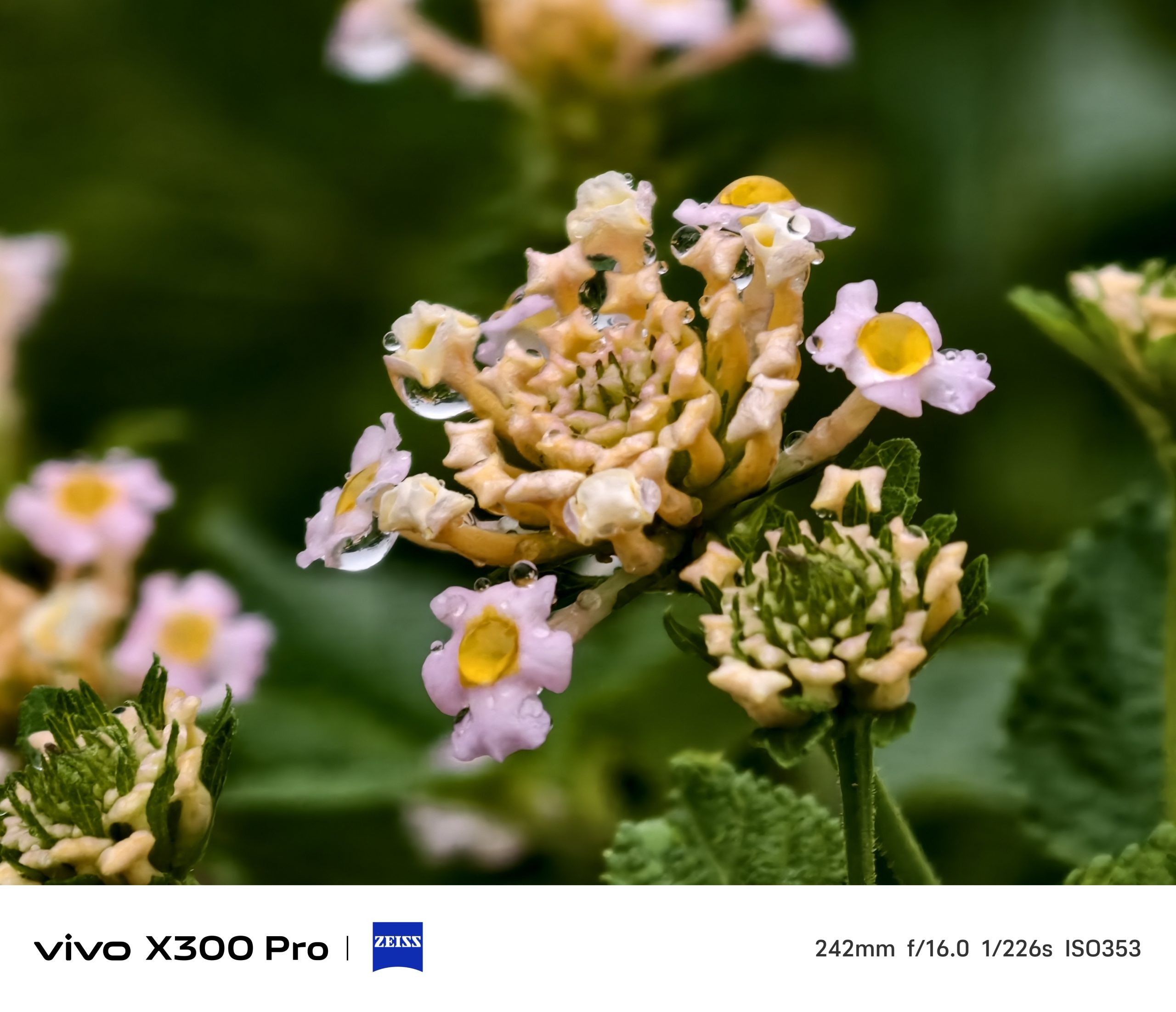
The new Sony LYT-828 offers impressive images in all scenarios, including low-light. The 50MP ultra-wide camera is good as well, and the new 200MP HPB 1/1.4″ sensor co-developed with Samsung has been improved a lot compared to the X200 Pro. The periscope camera has a 85mm equivalent focal length, offering up to 3.5x optical zoom and 20x magnification in telephoto macro mode, which let you shoot macro from far away. There will be reduction in the image quality when you zoom, but manages 10x macro shots at 242mm without any issues. There is also telephoto bird shot feature which is useful. The stabilization is rated at CIPA 5.5, rivalling DSLRs for handheld stability.
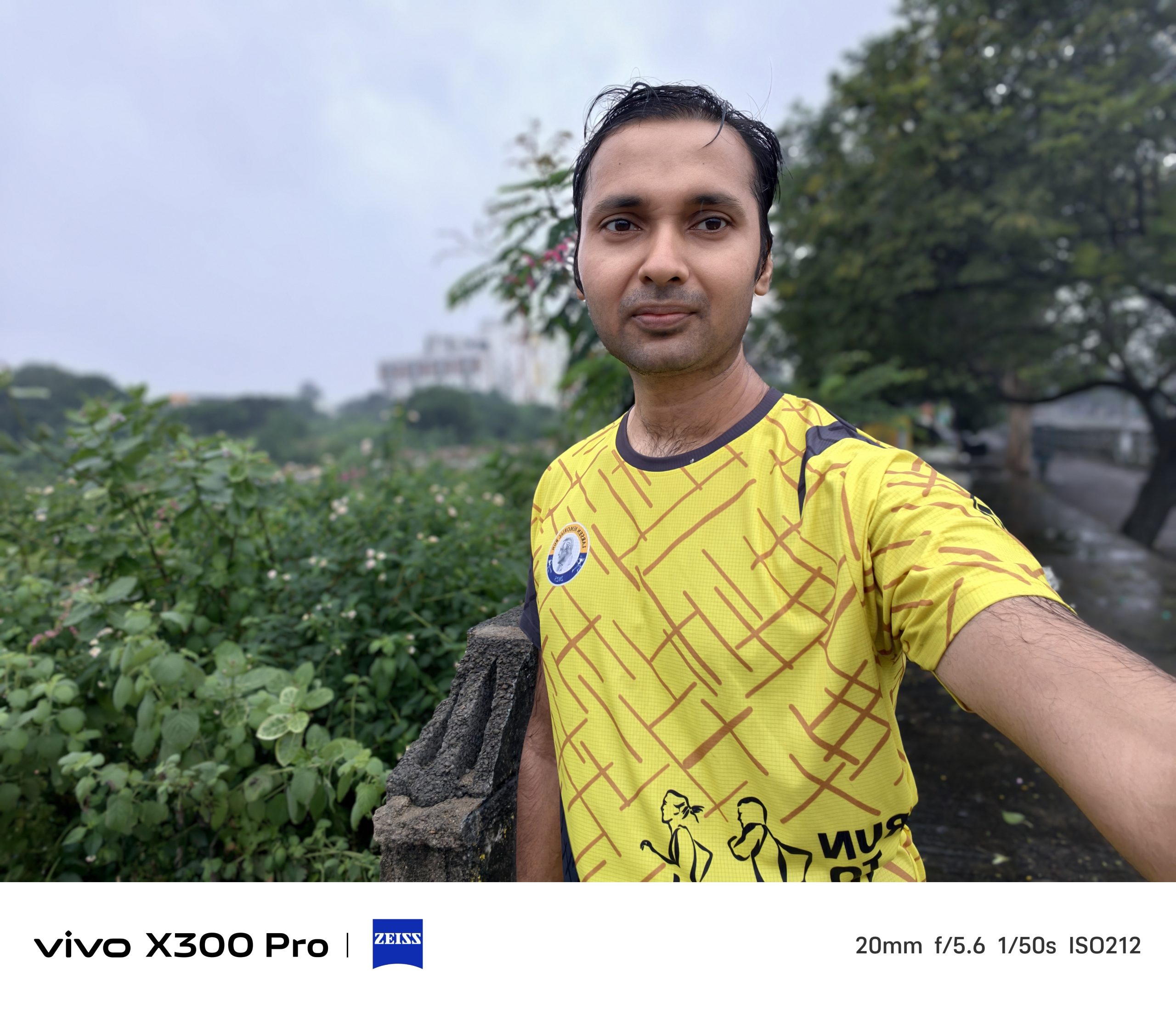
The portrait mode benefits from ZEISS optics and specific “Humanistic” focal lengths (23mm, 35mm, 50mm, 85mm). There are 8 ZEISS Style Portrait options. Overall, the telephoto camera is a huge improvement compared to the X100 Pro. The 50MP front camera is a good improvement compared to 32MP sensor in the predecessor.
Check out some camera samples below
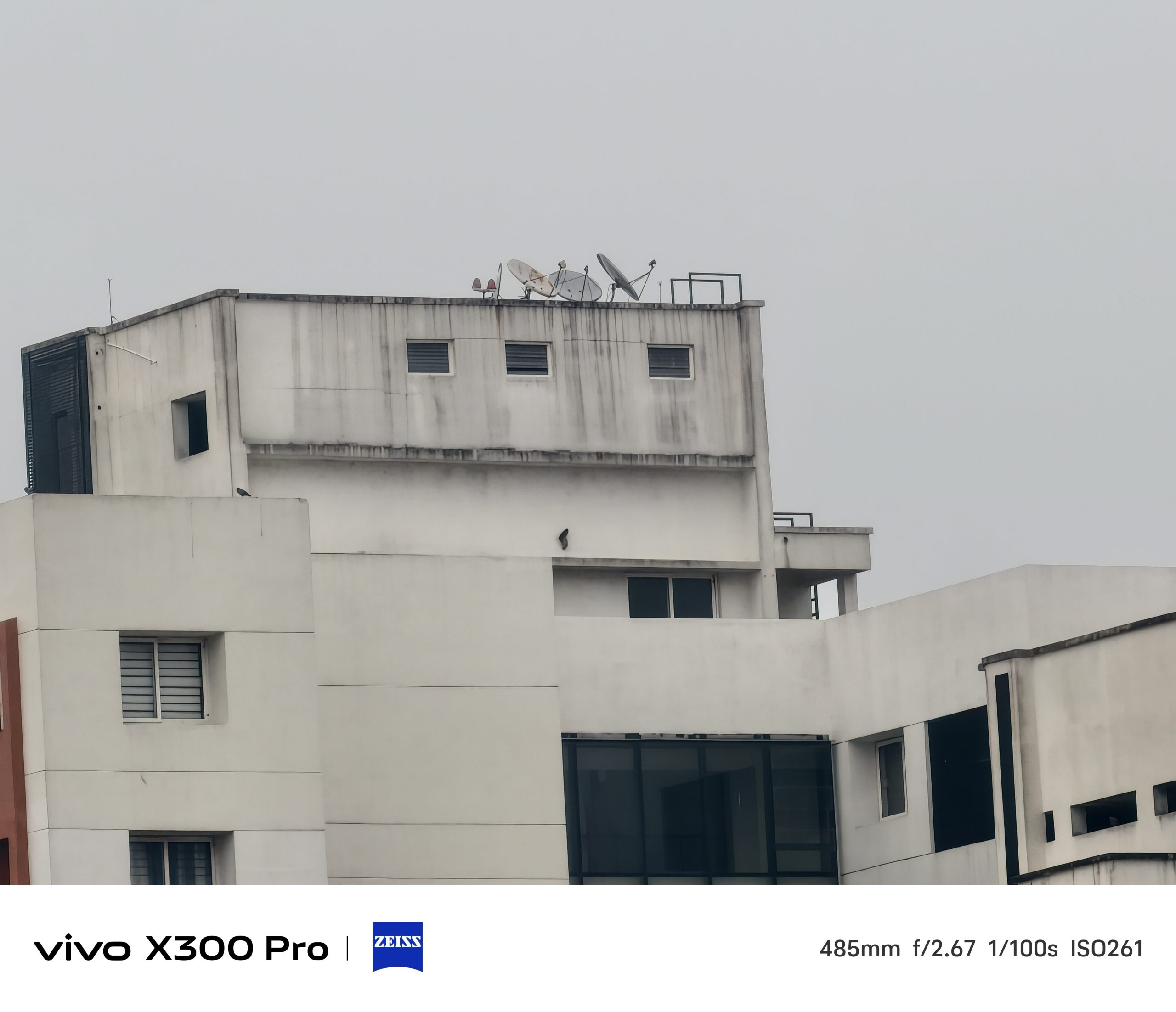
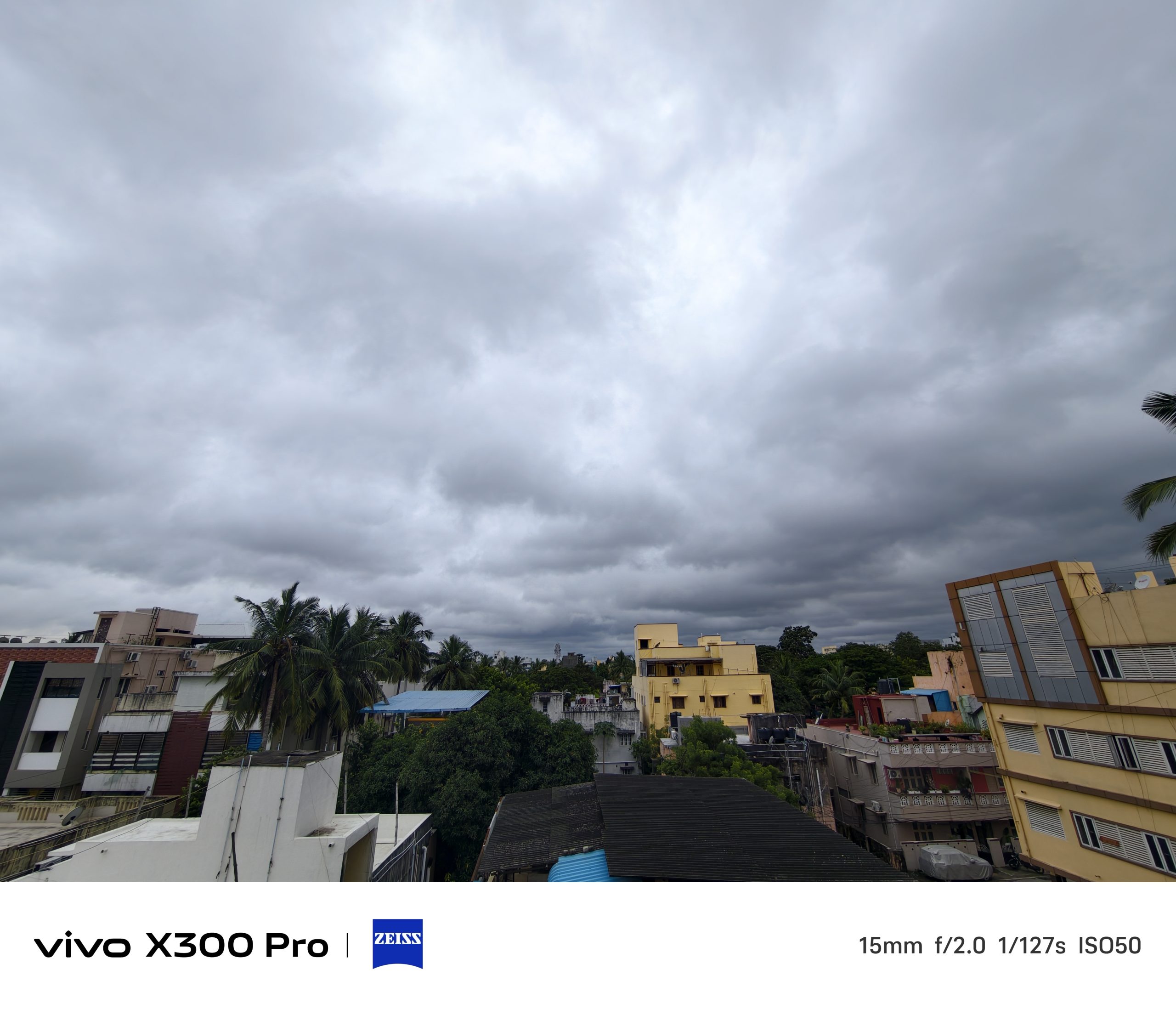
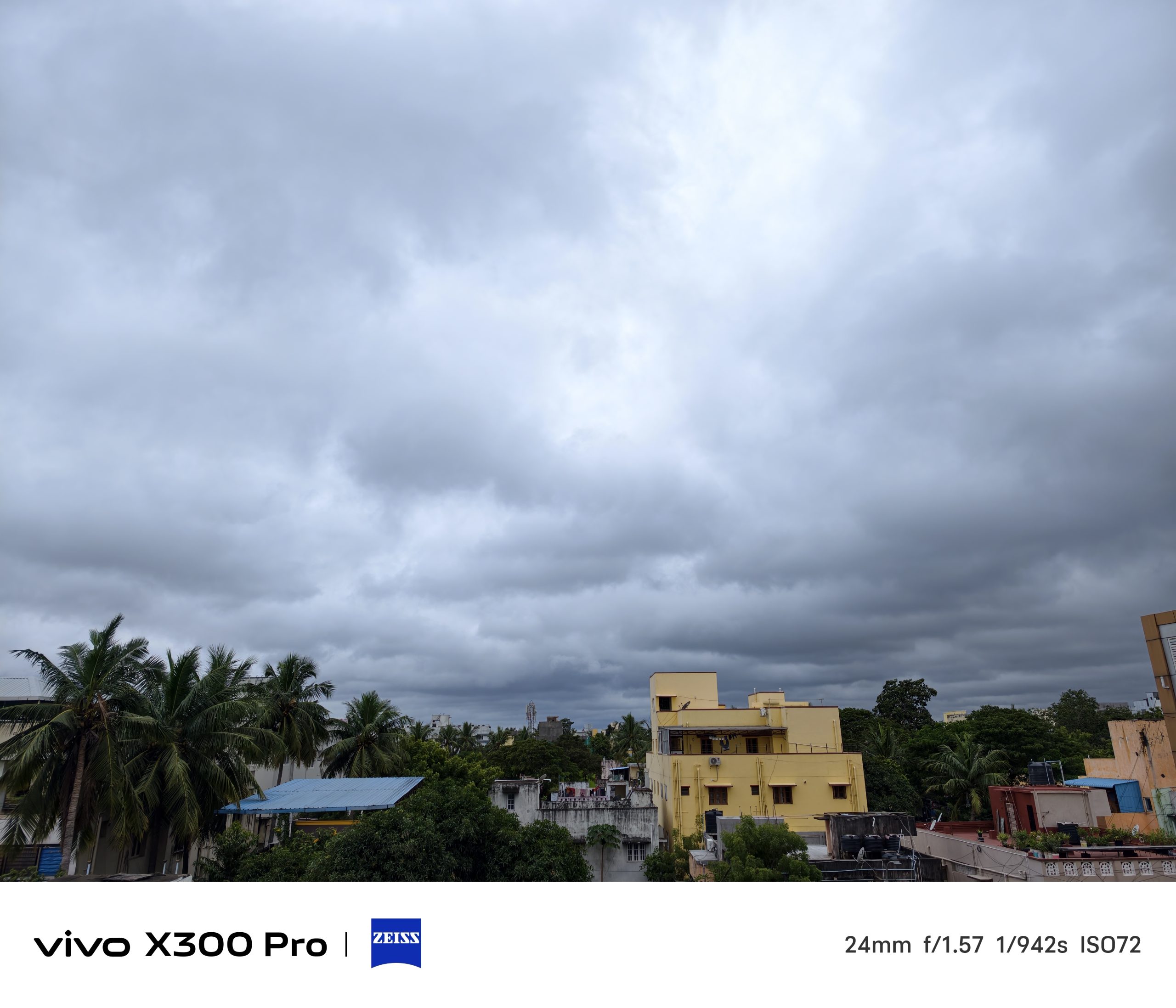
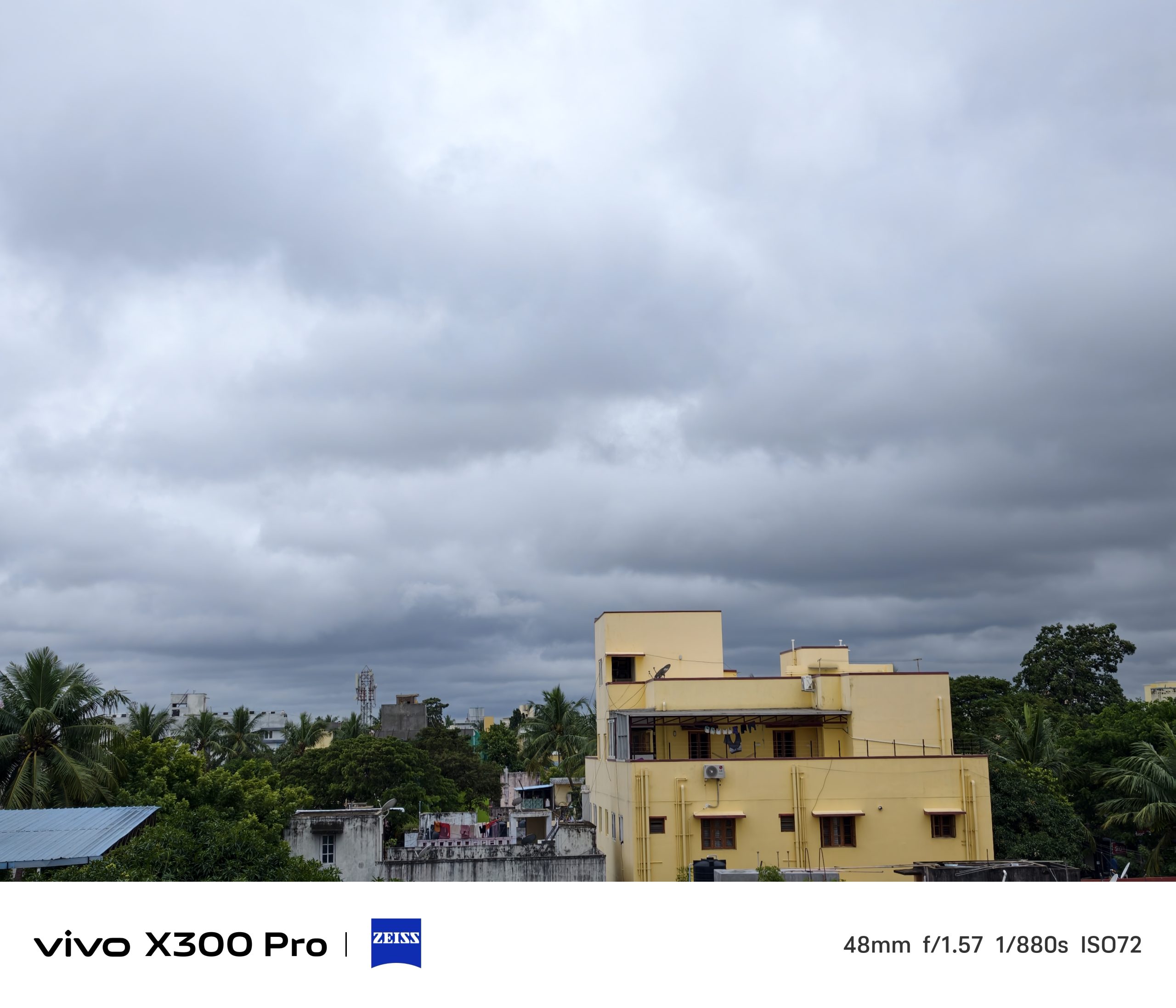
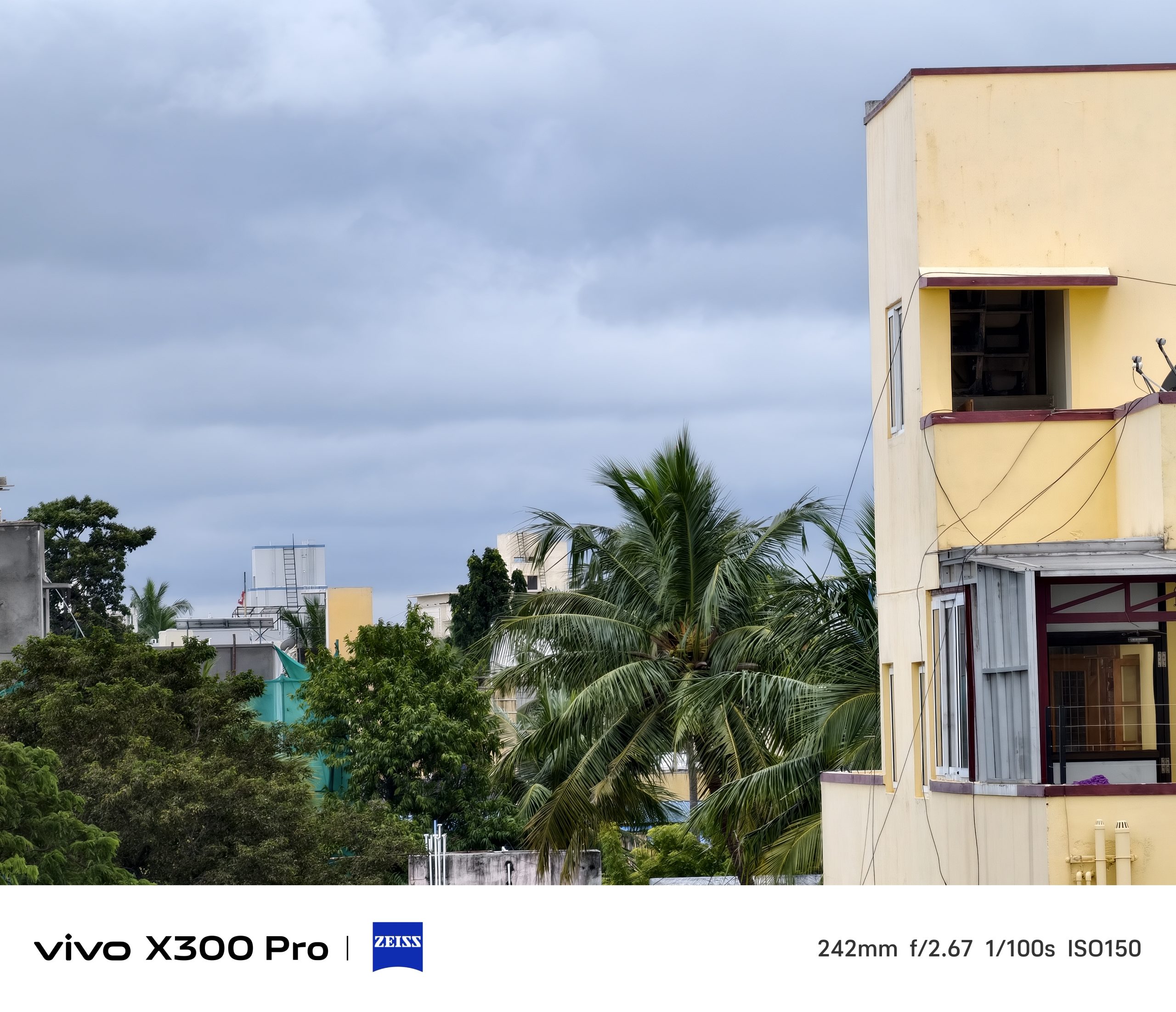
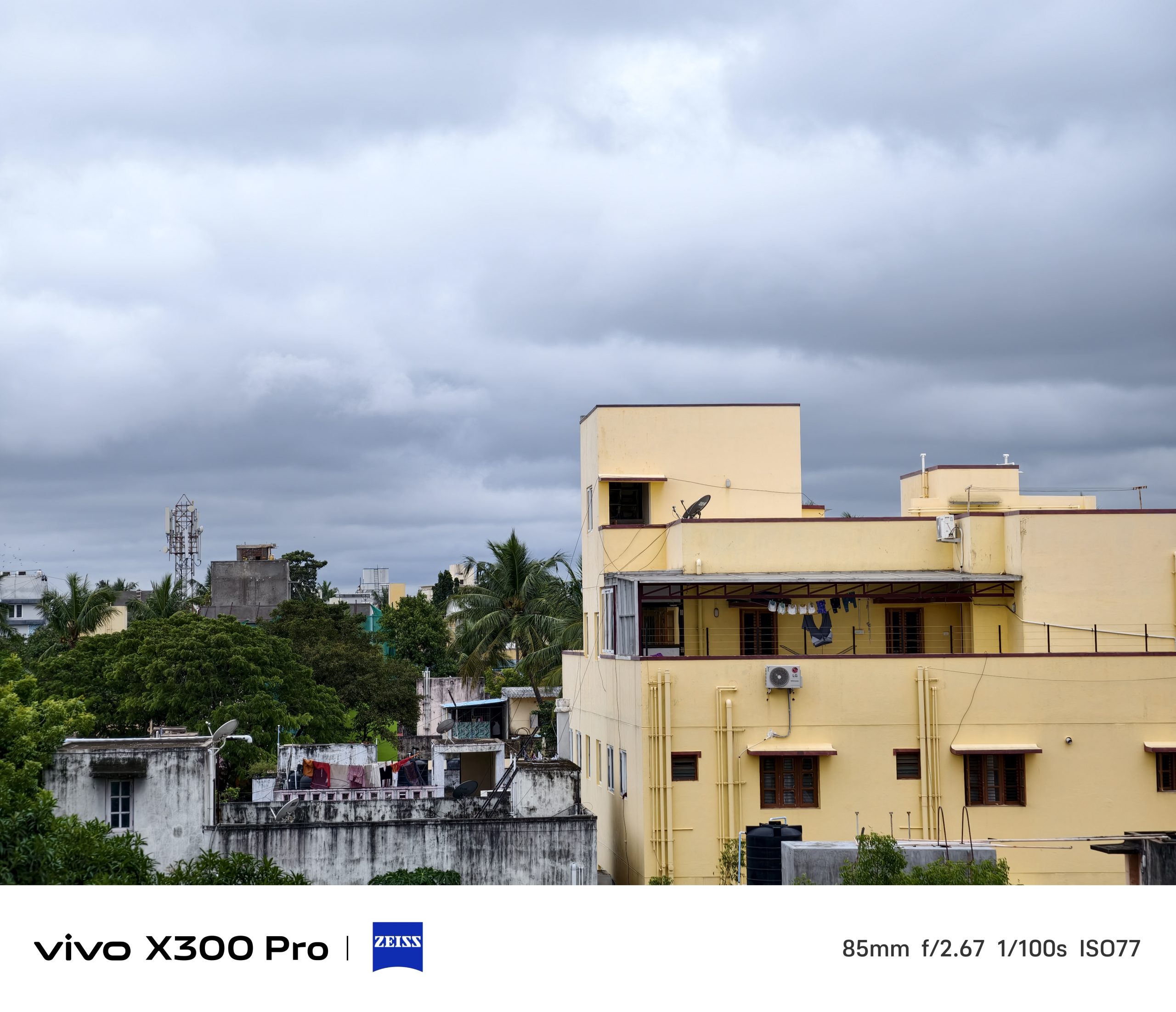
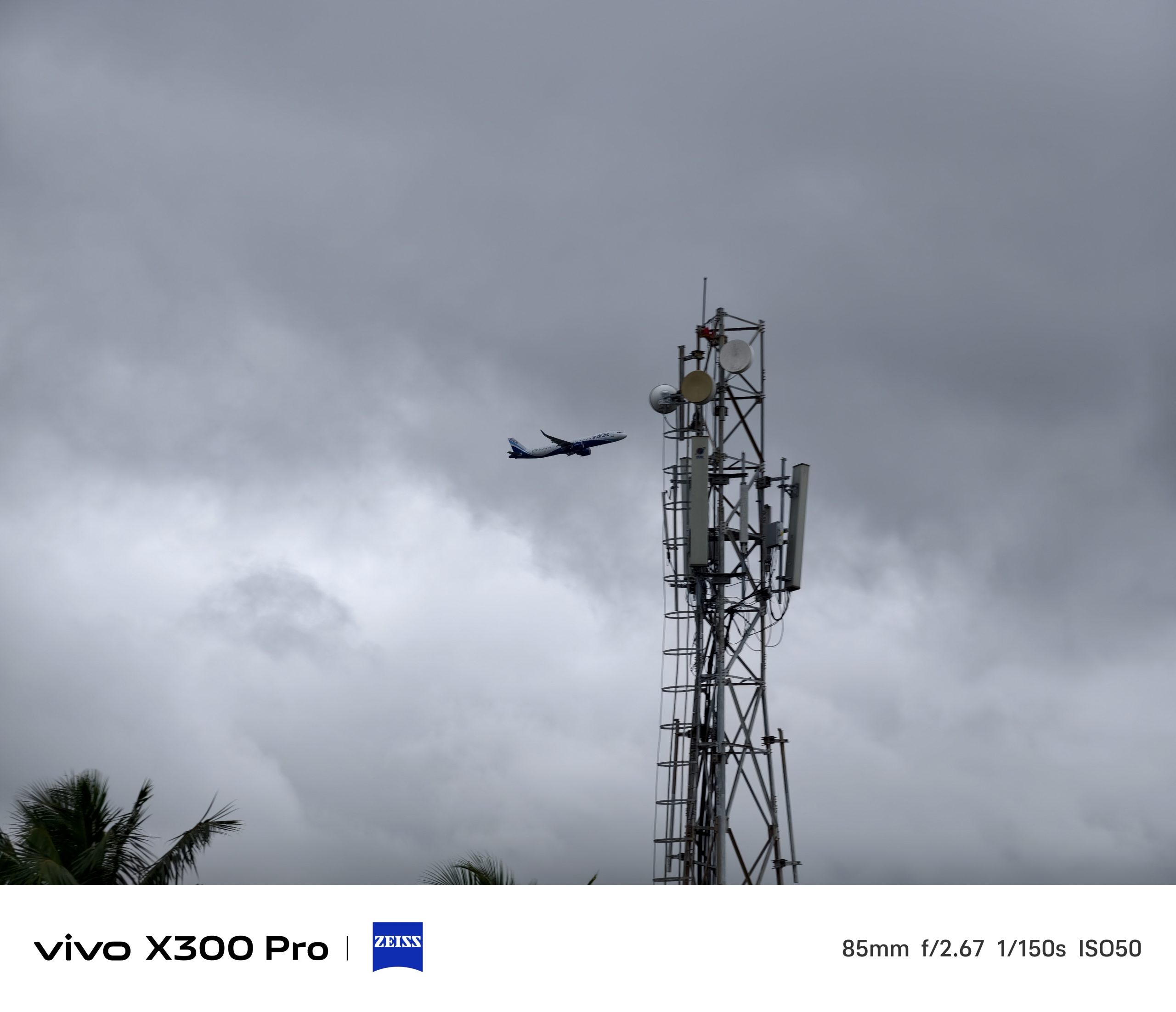
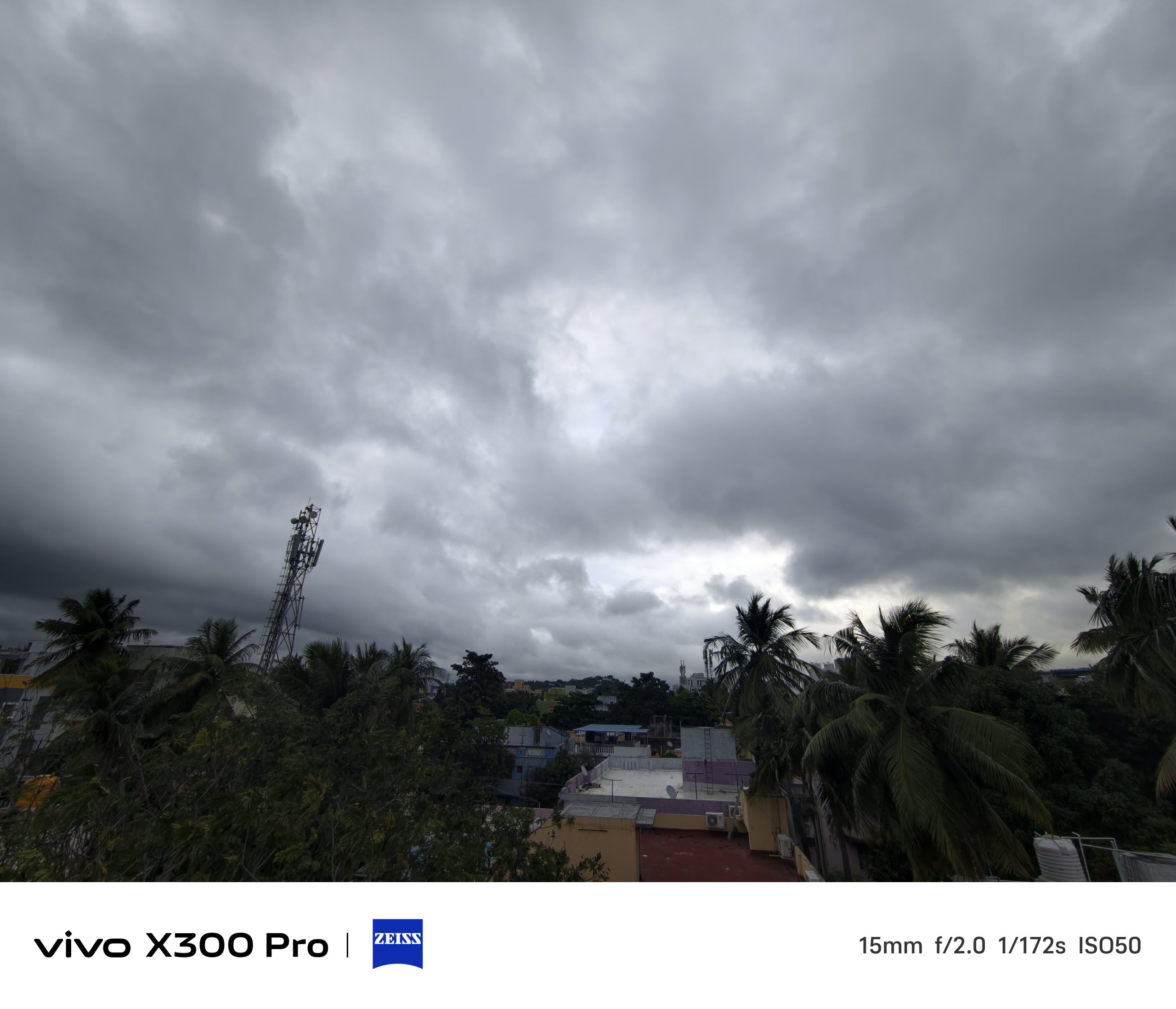
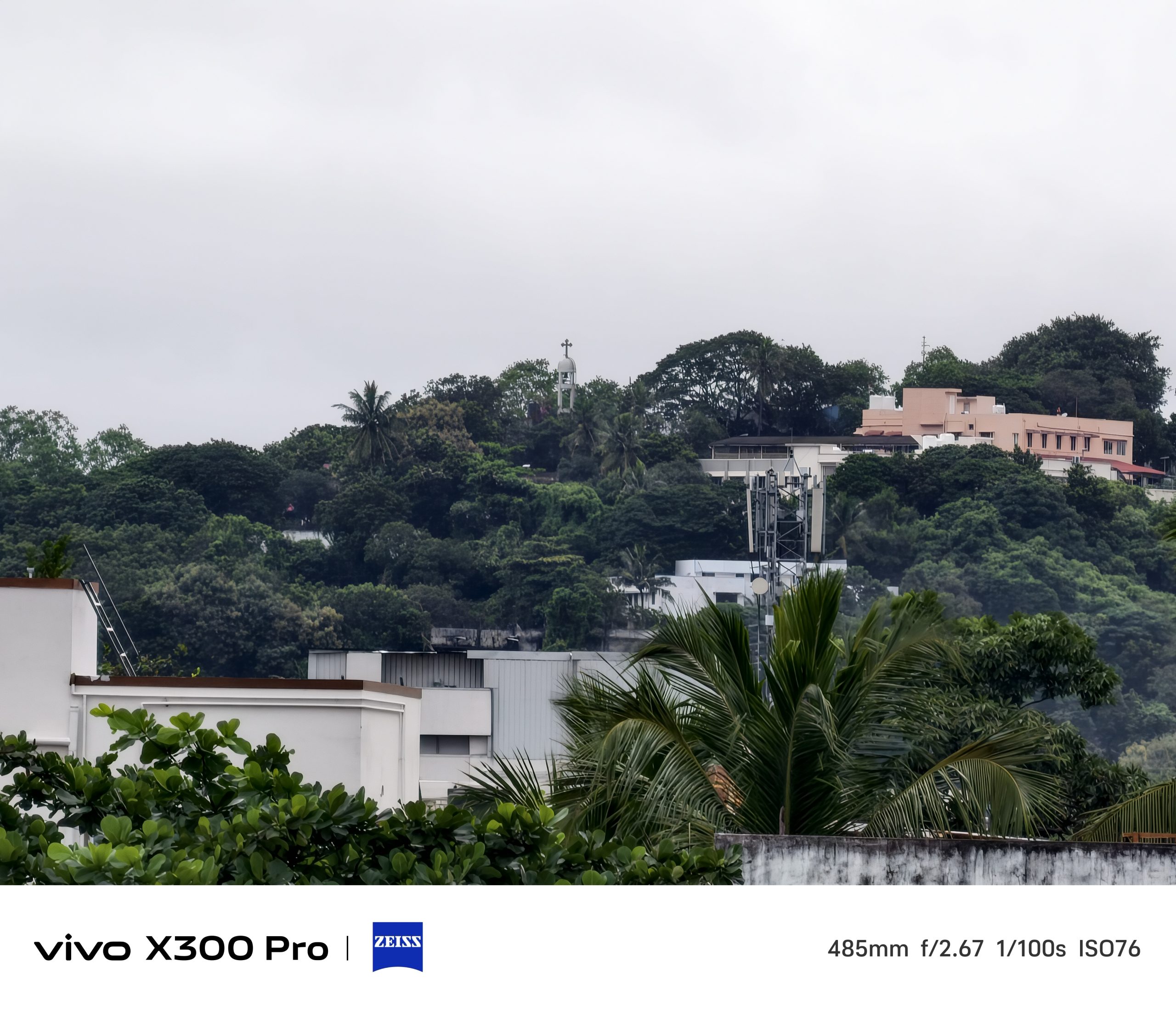
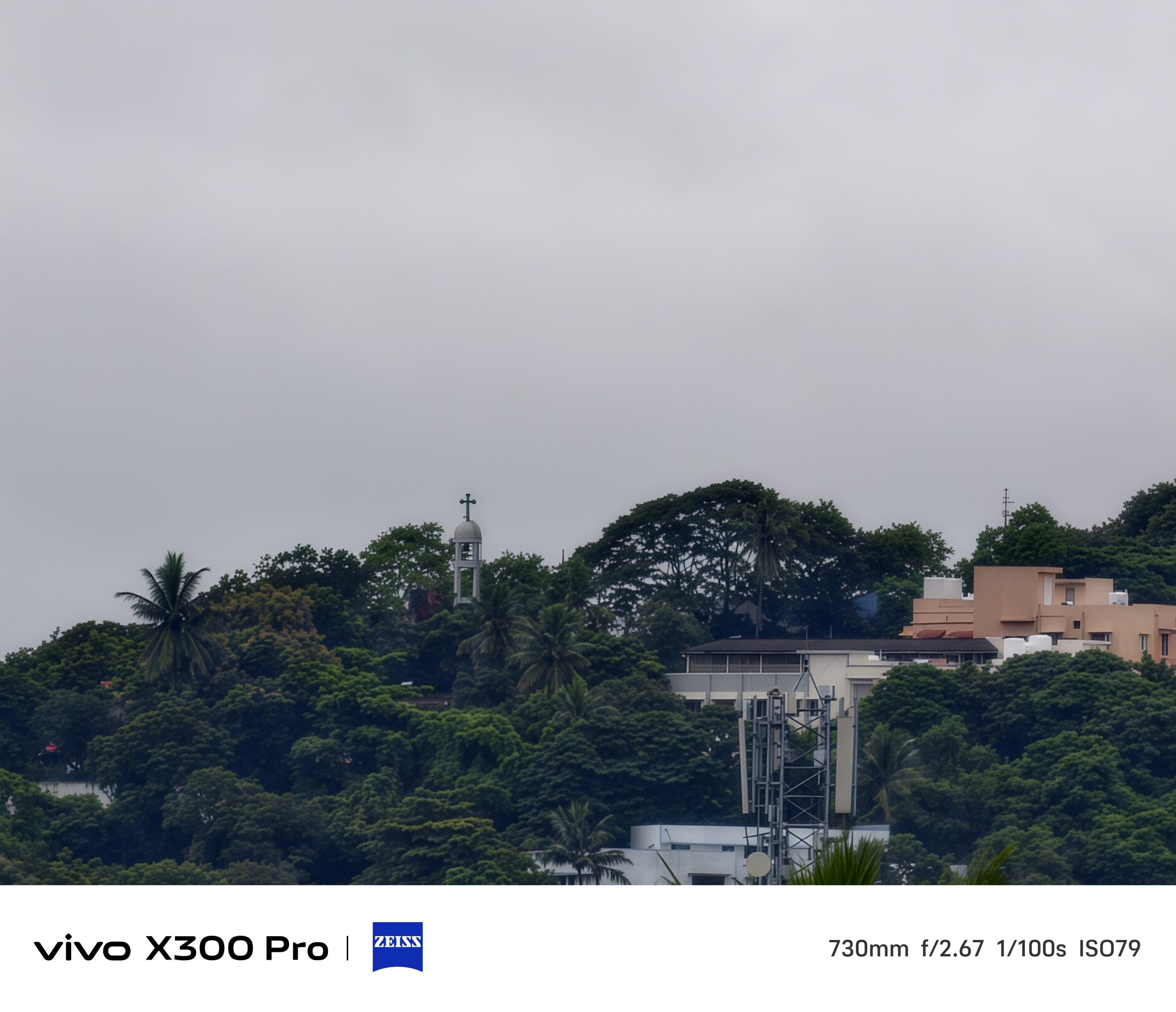
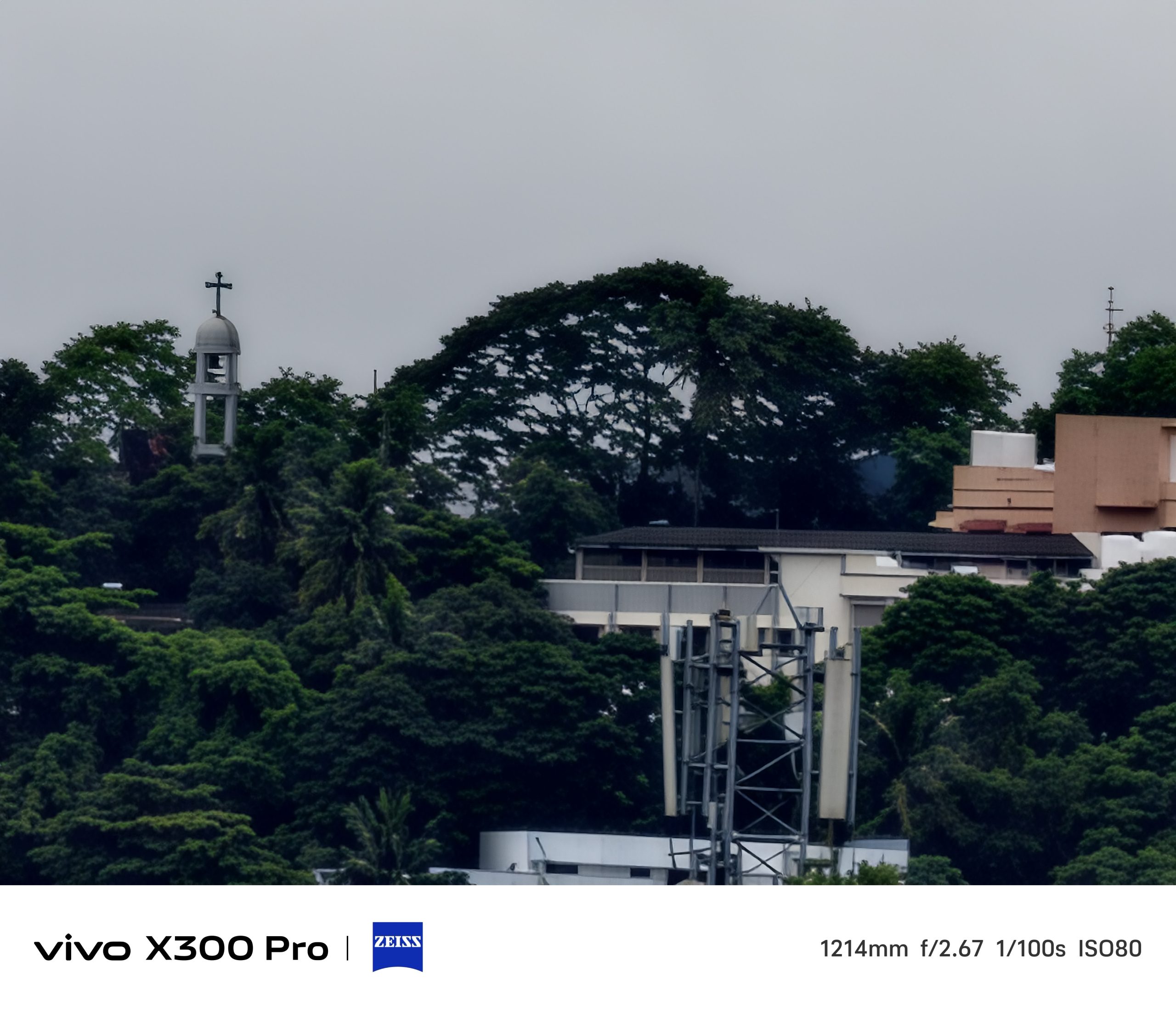
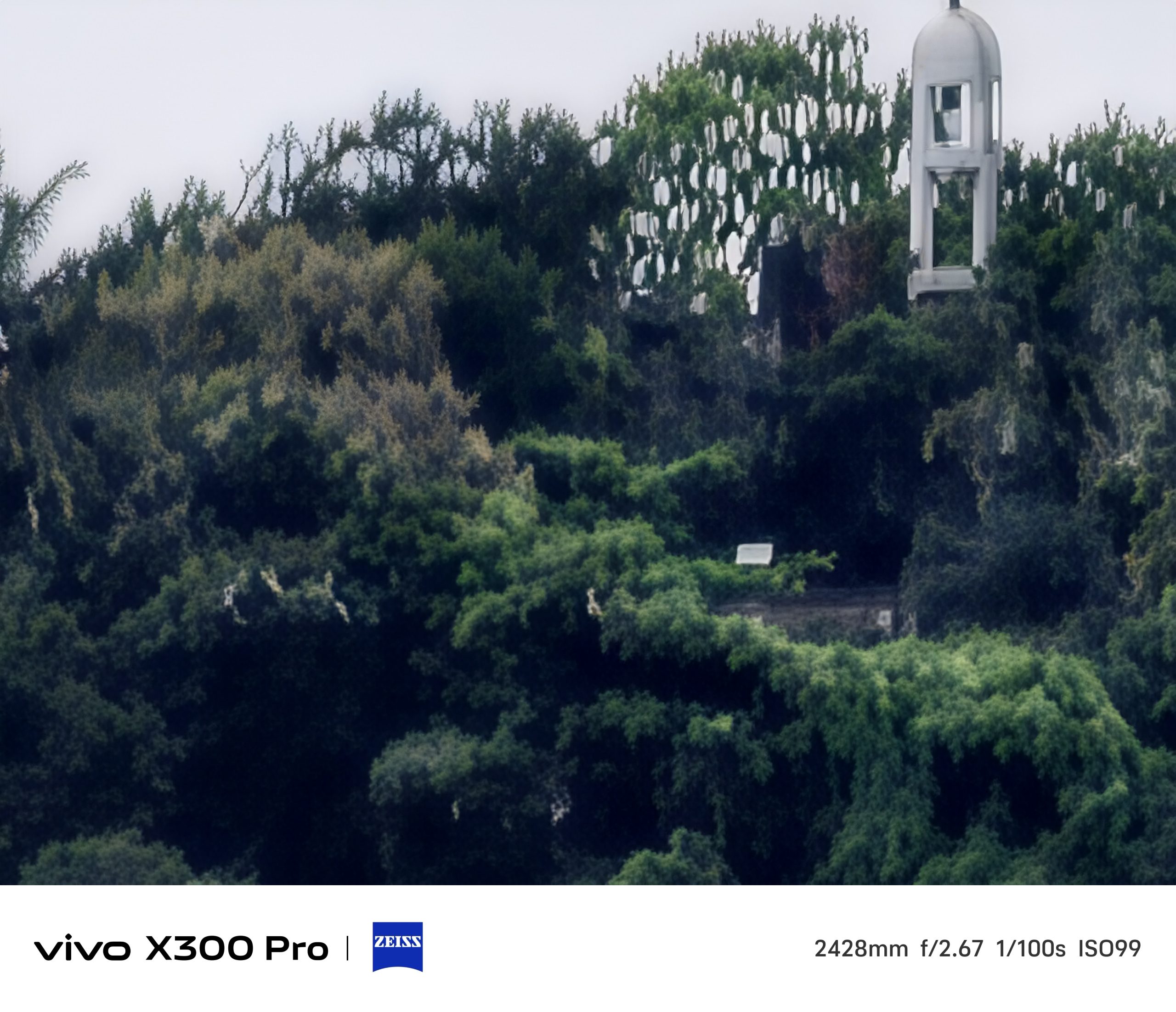
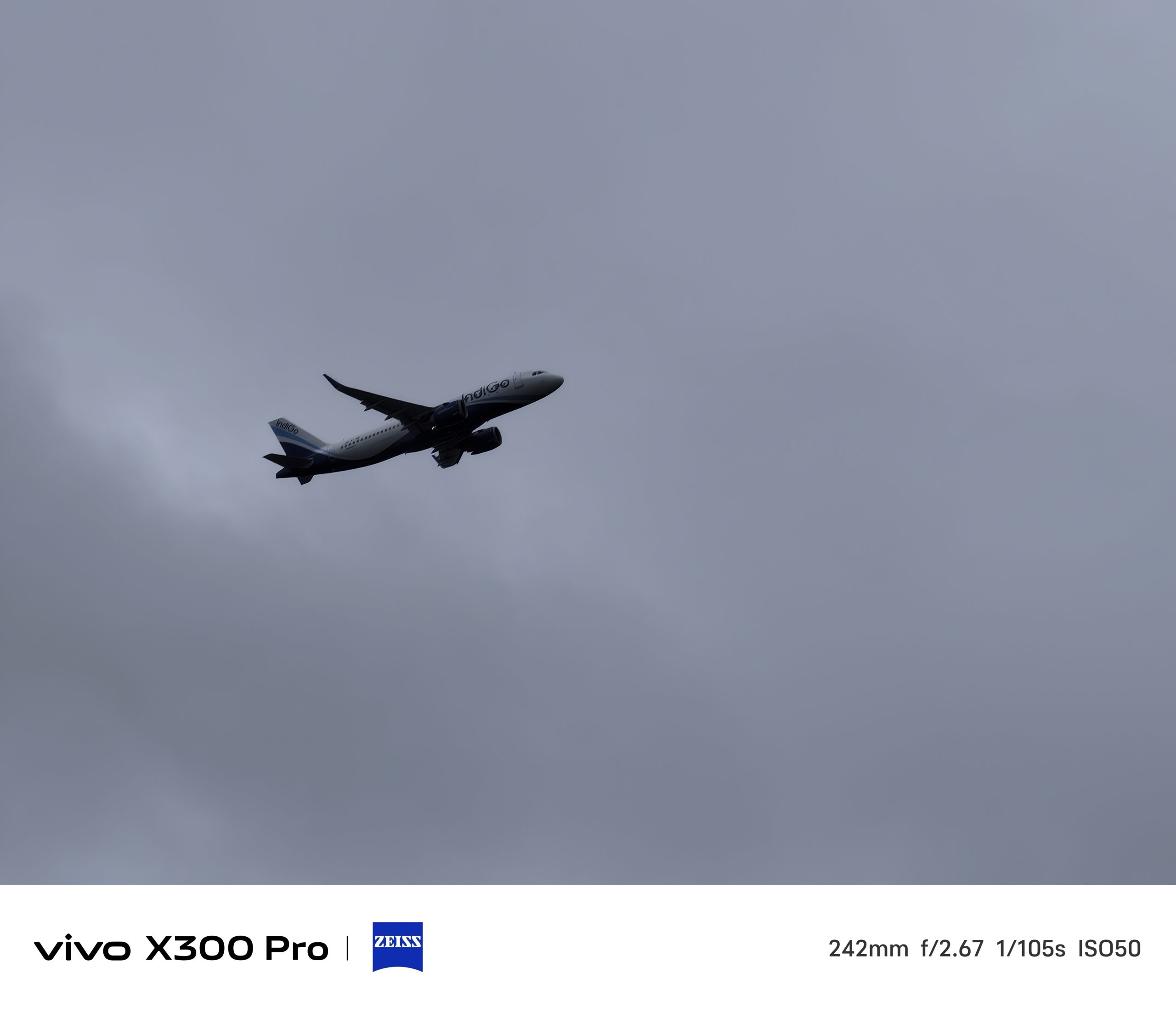
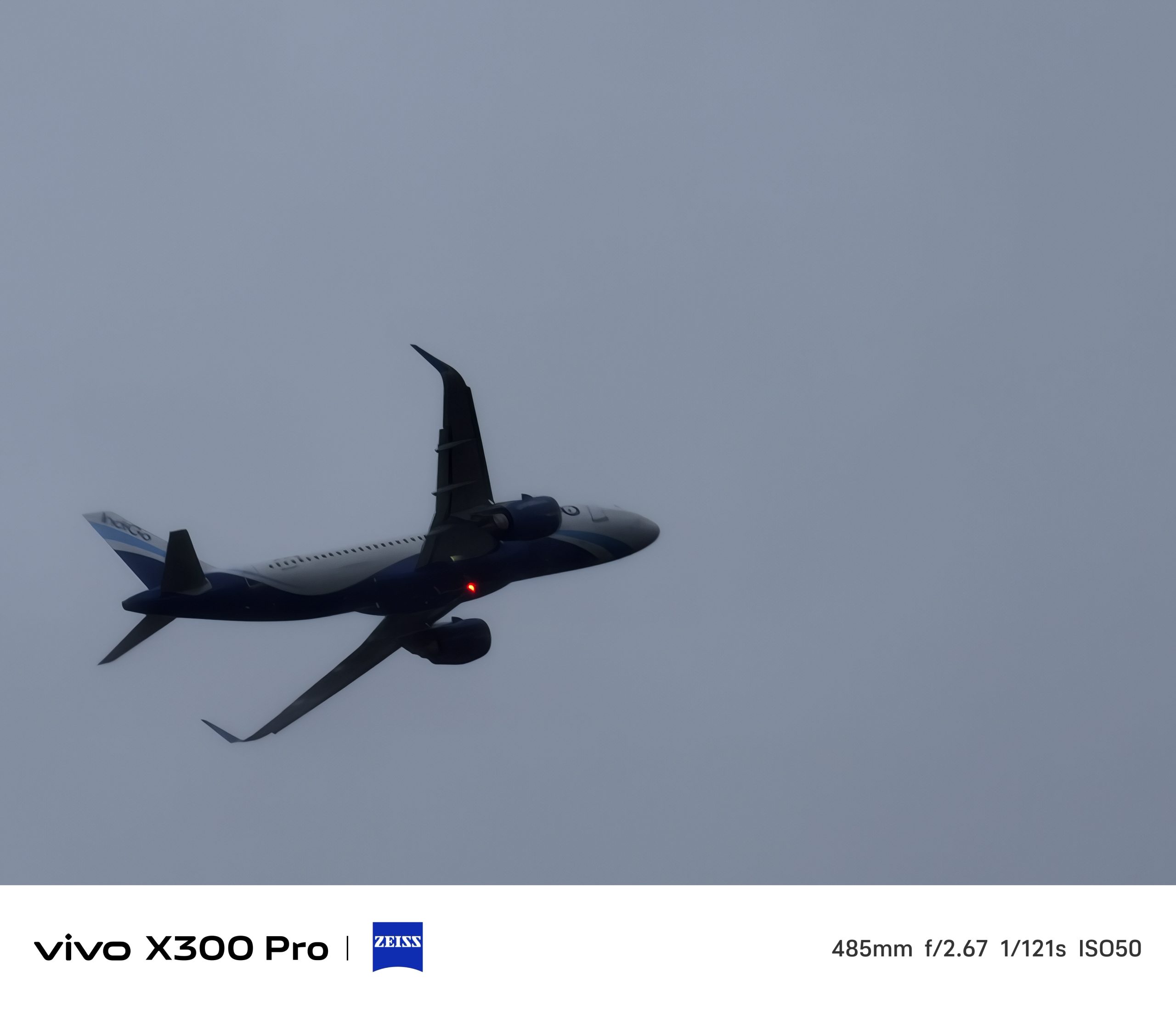
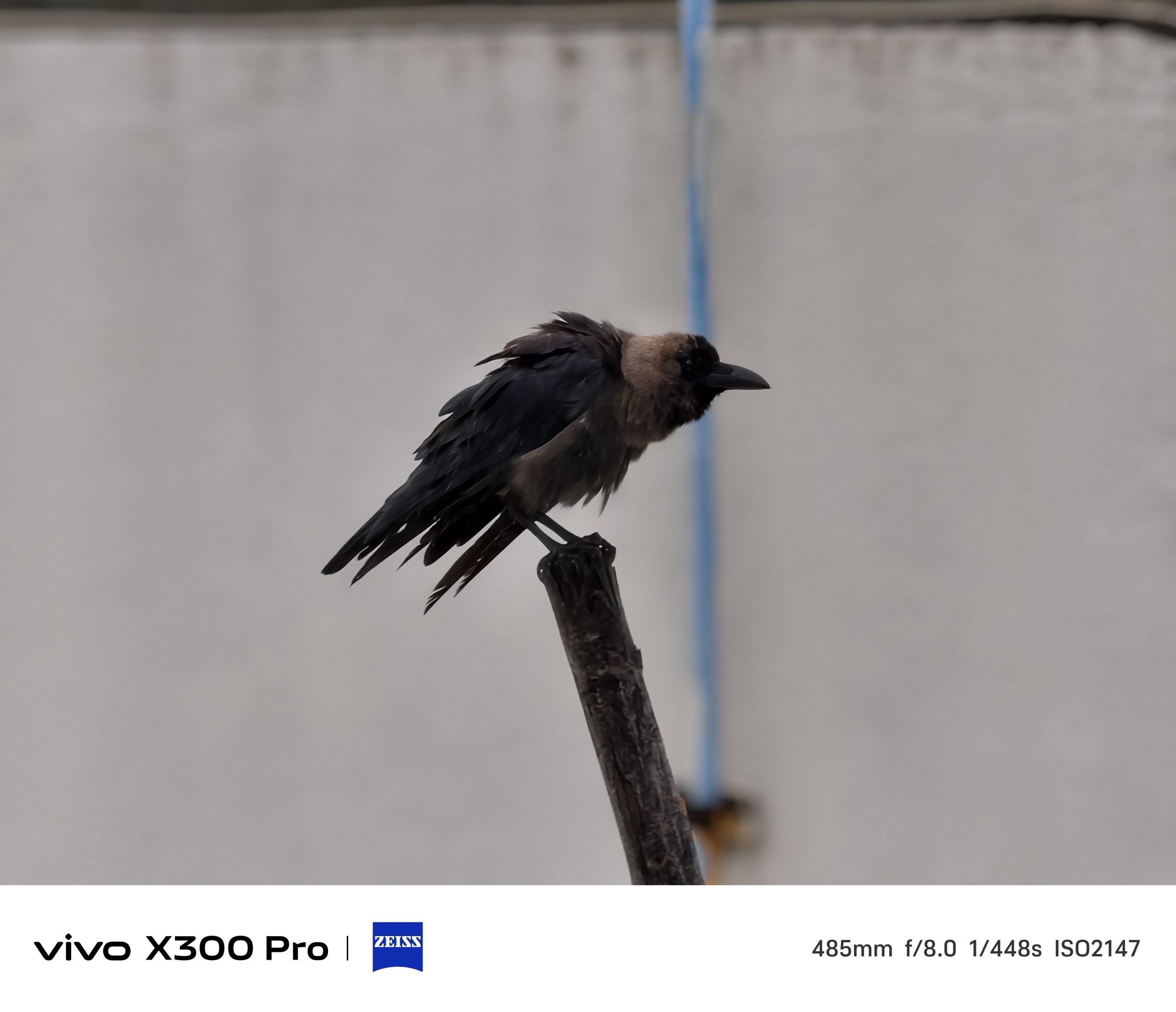
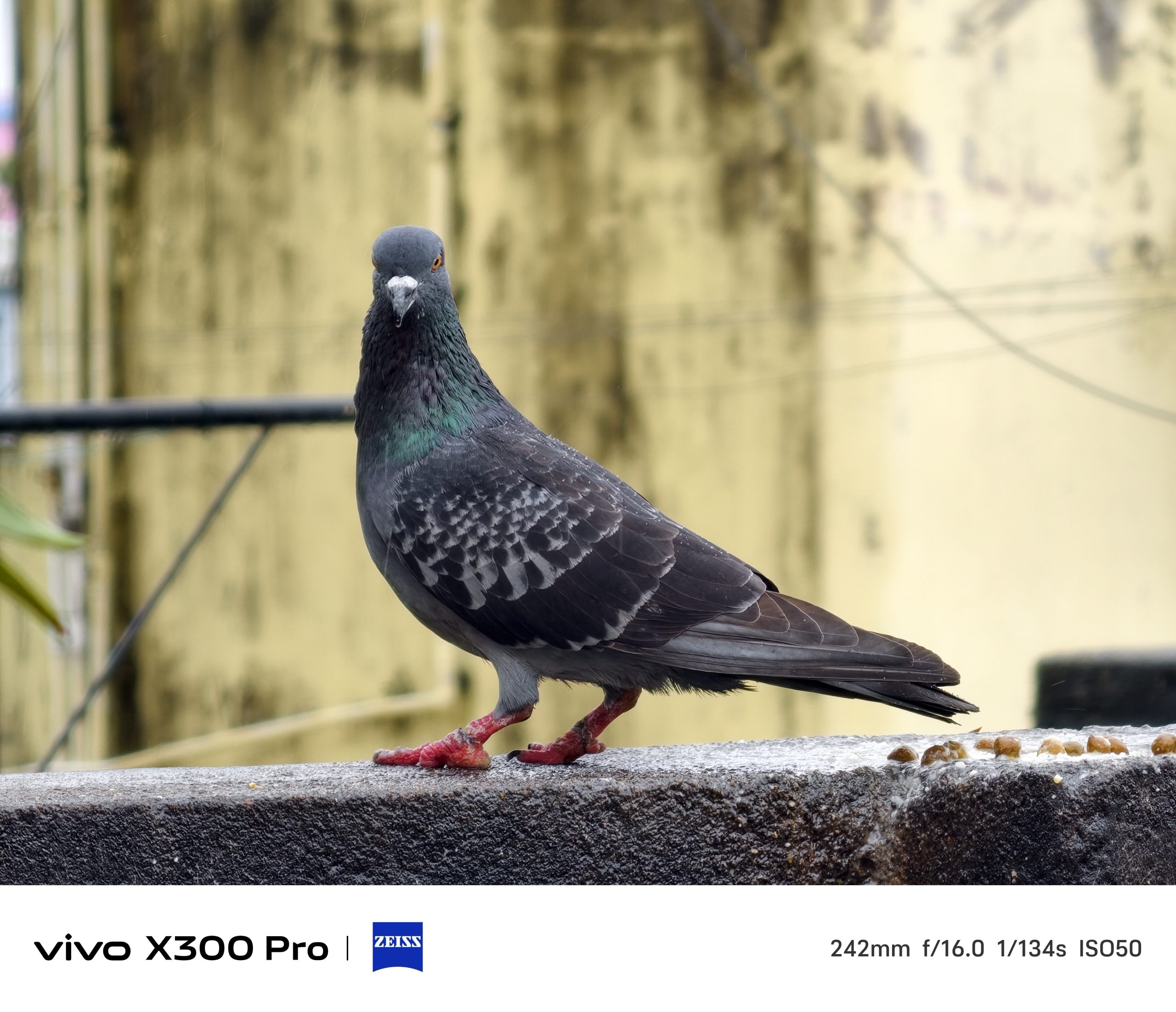
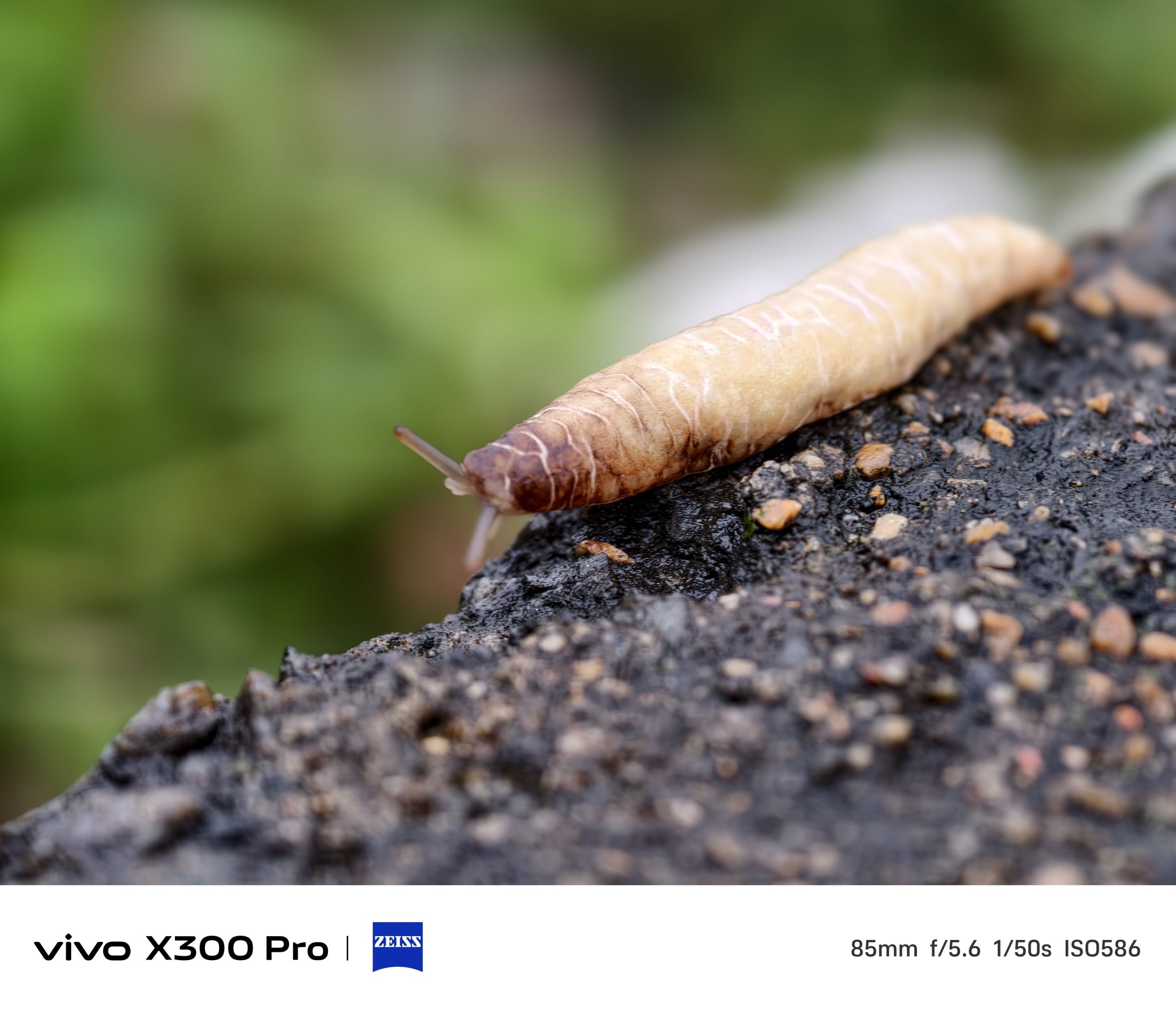
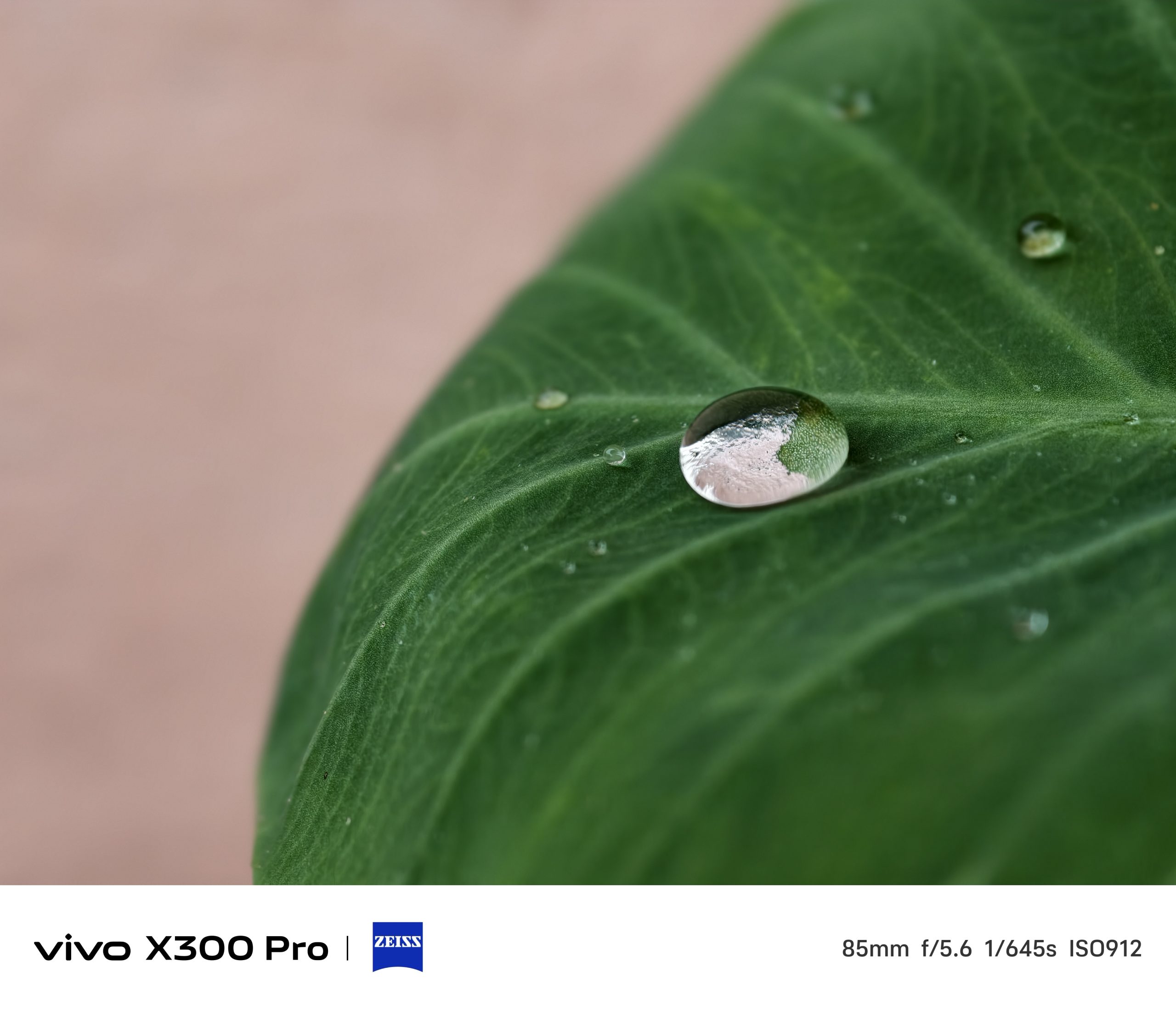
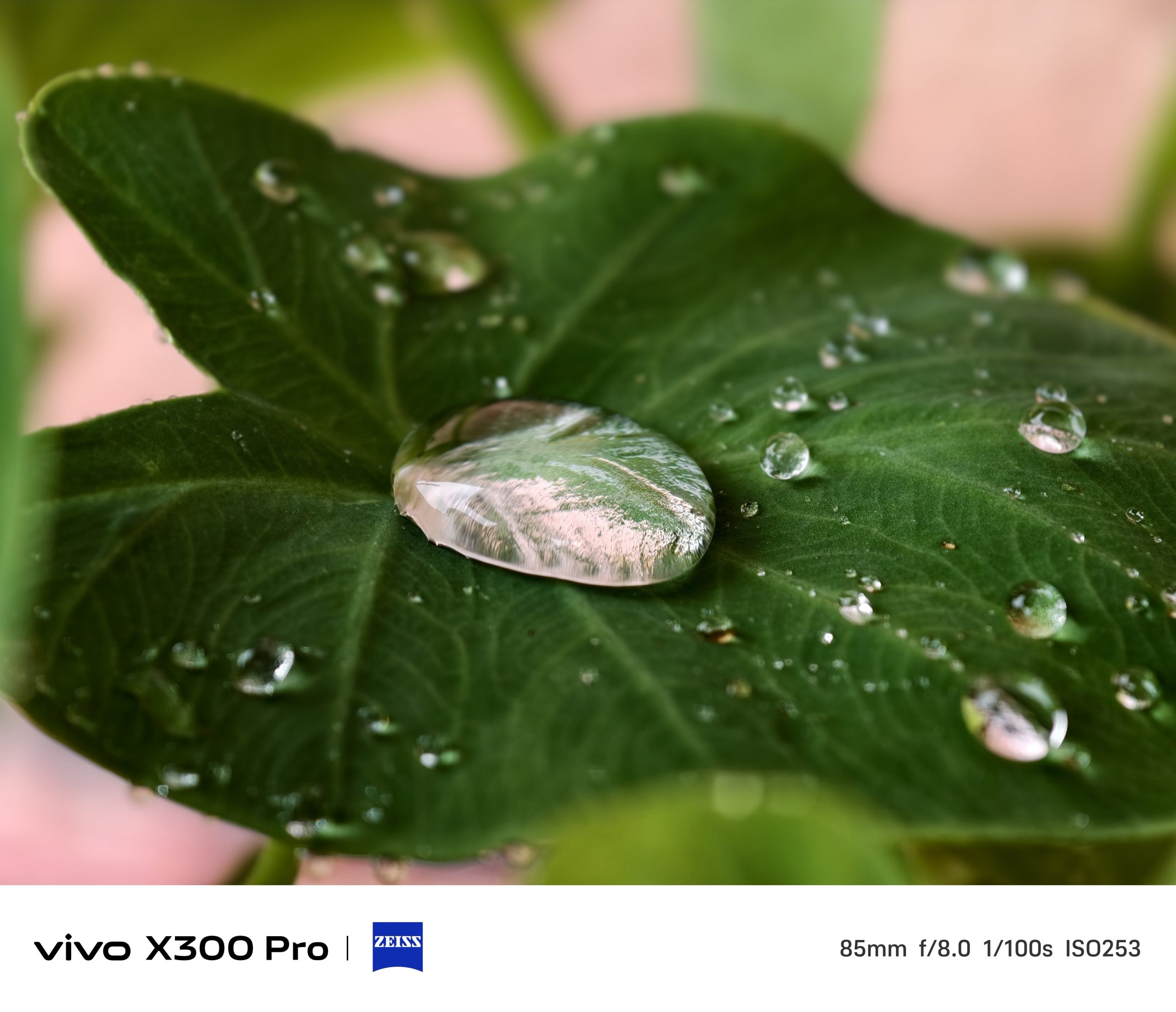
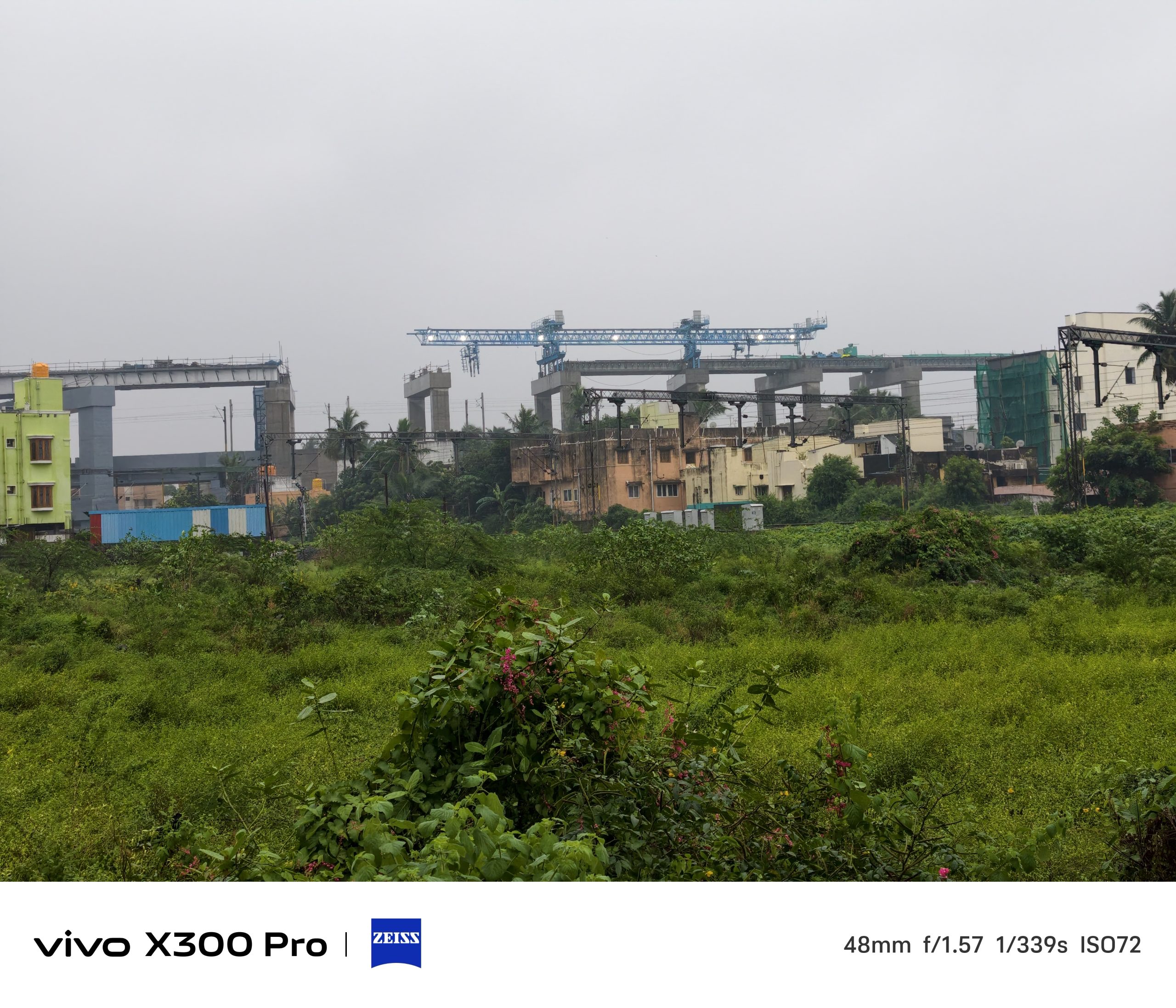
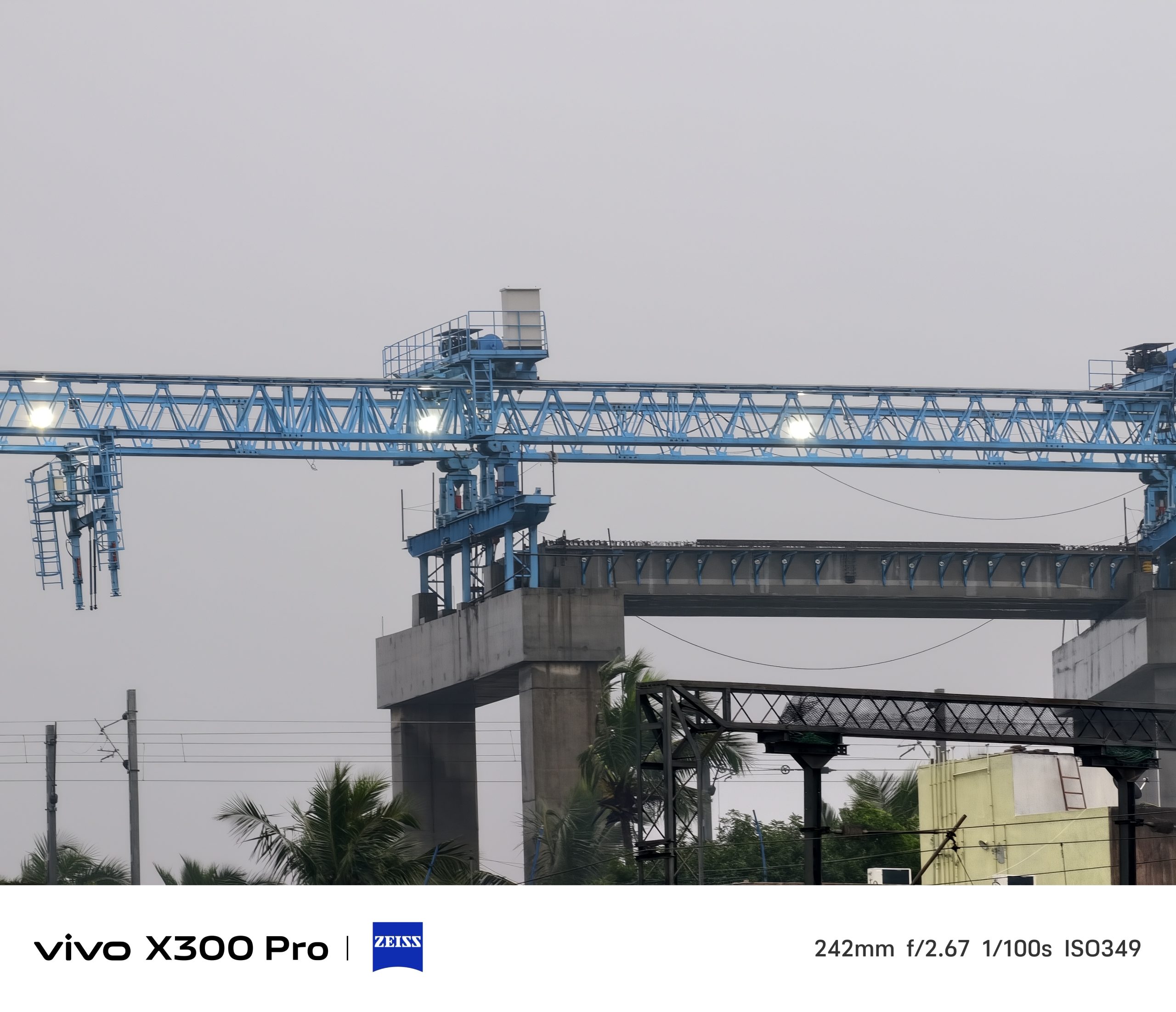
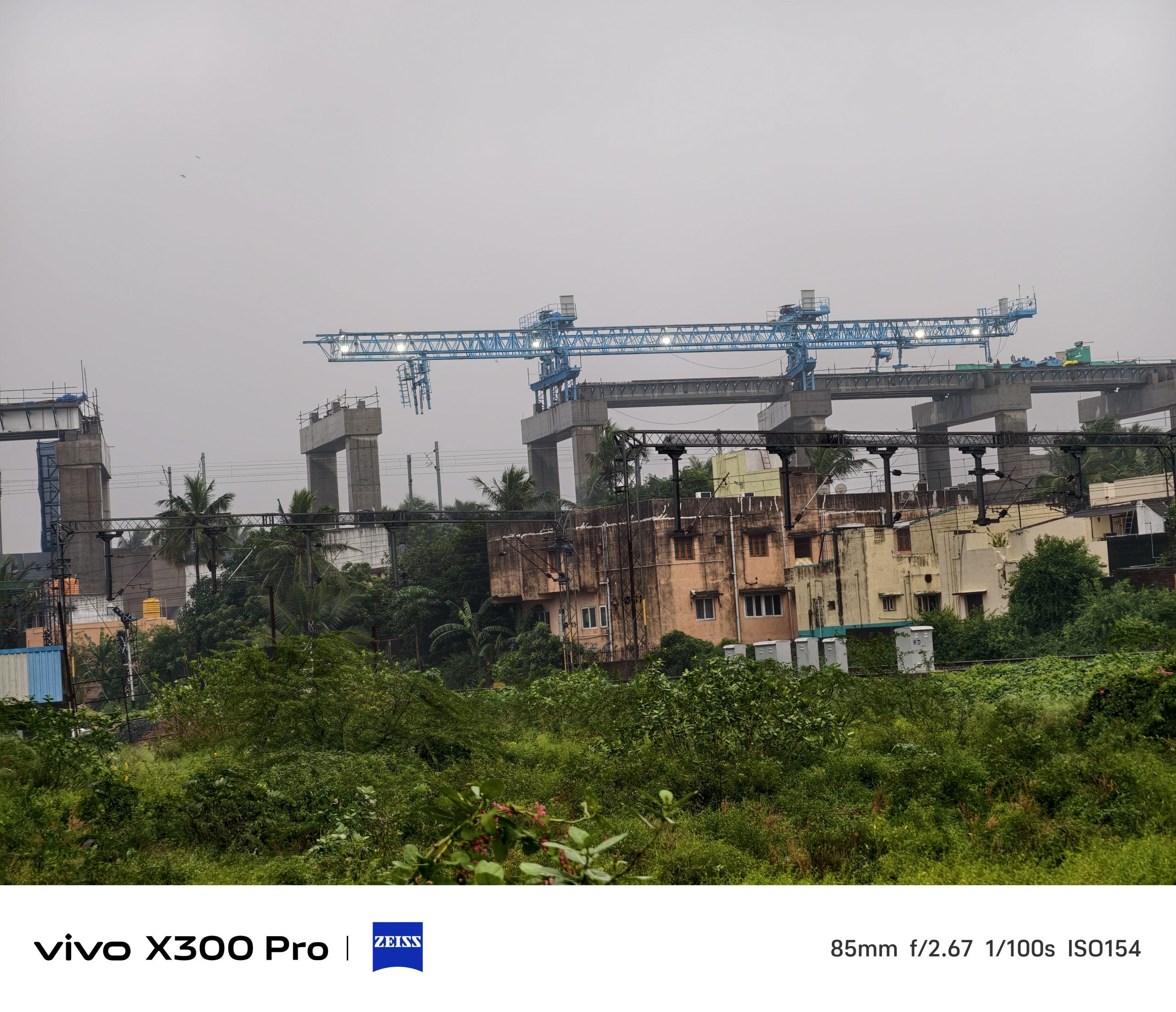
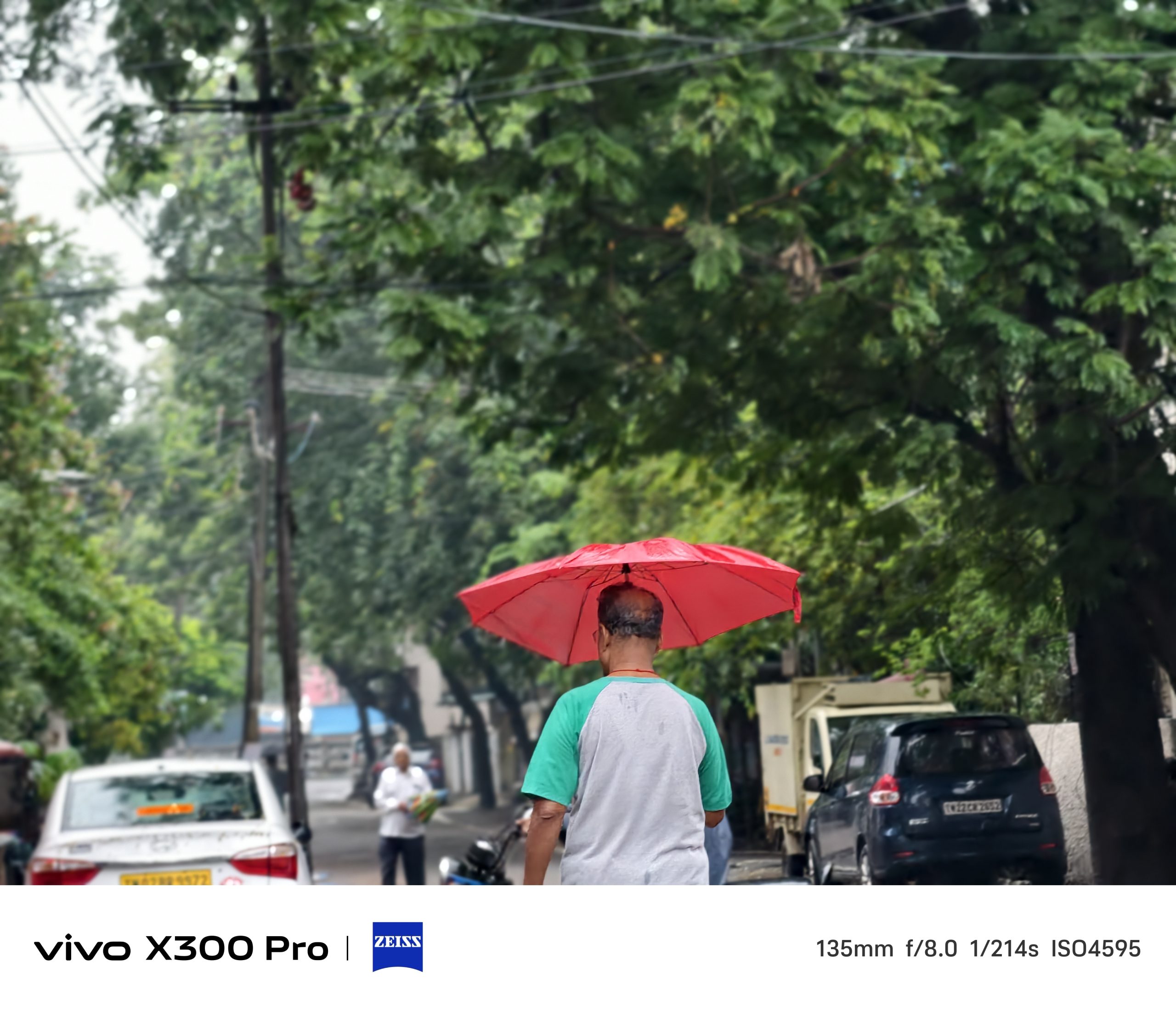
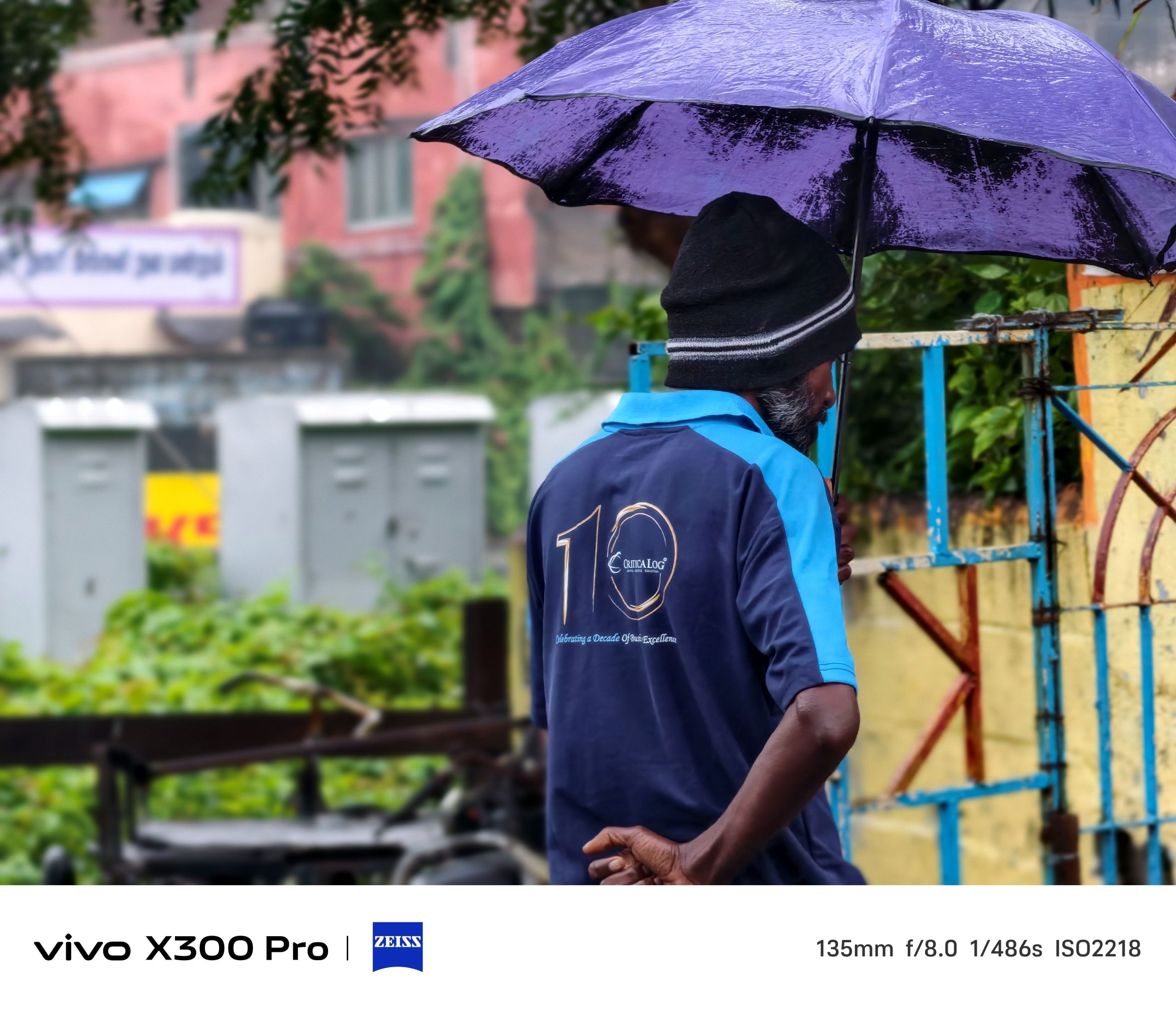
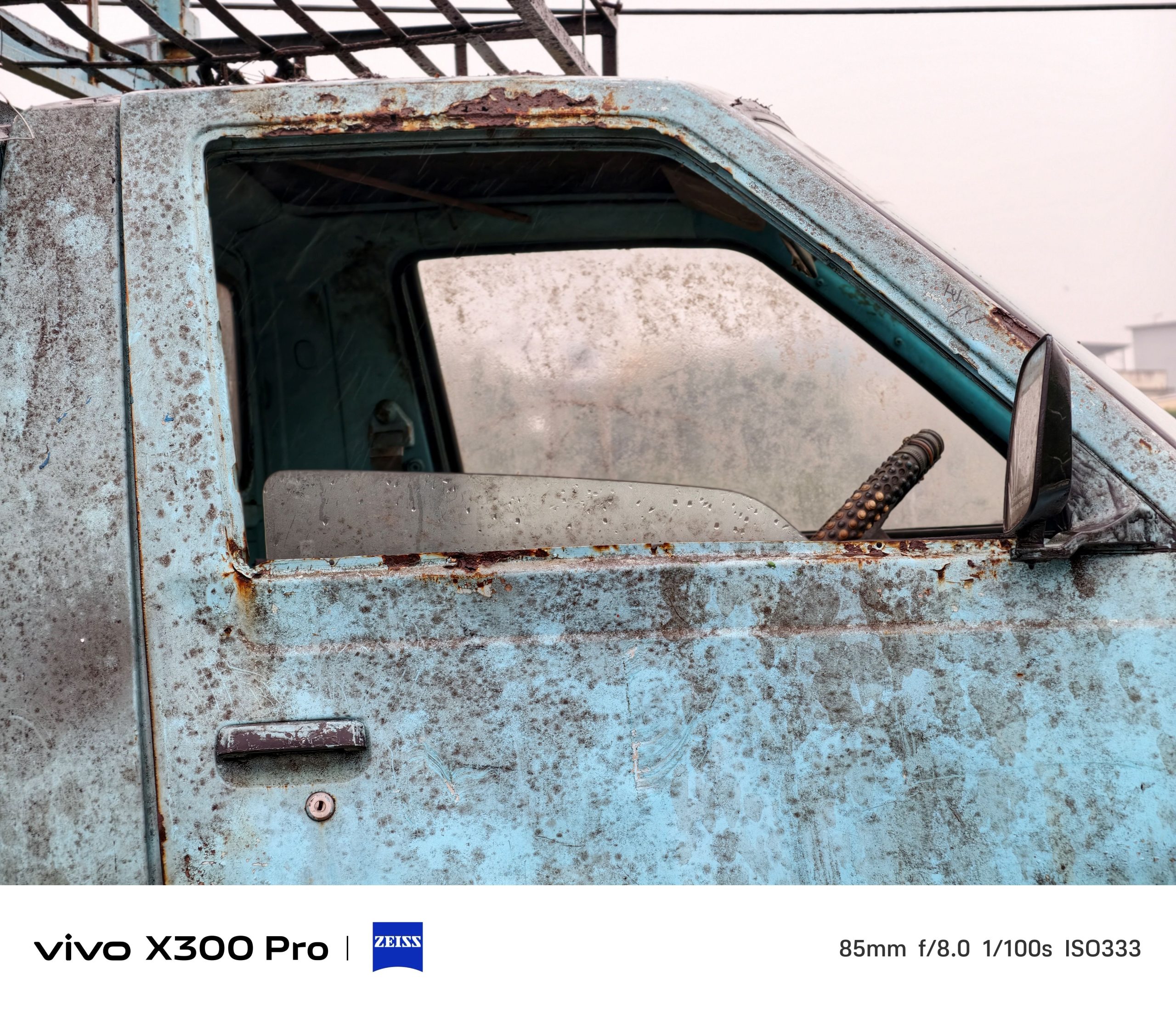

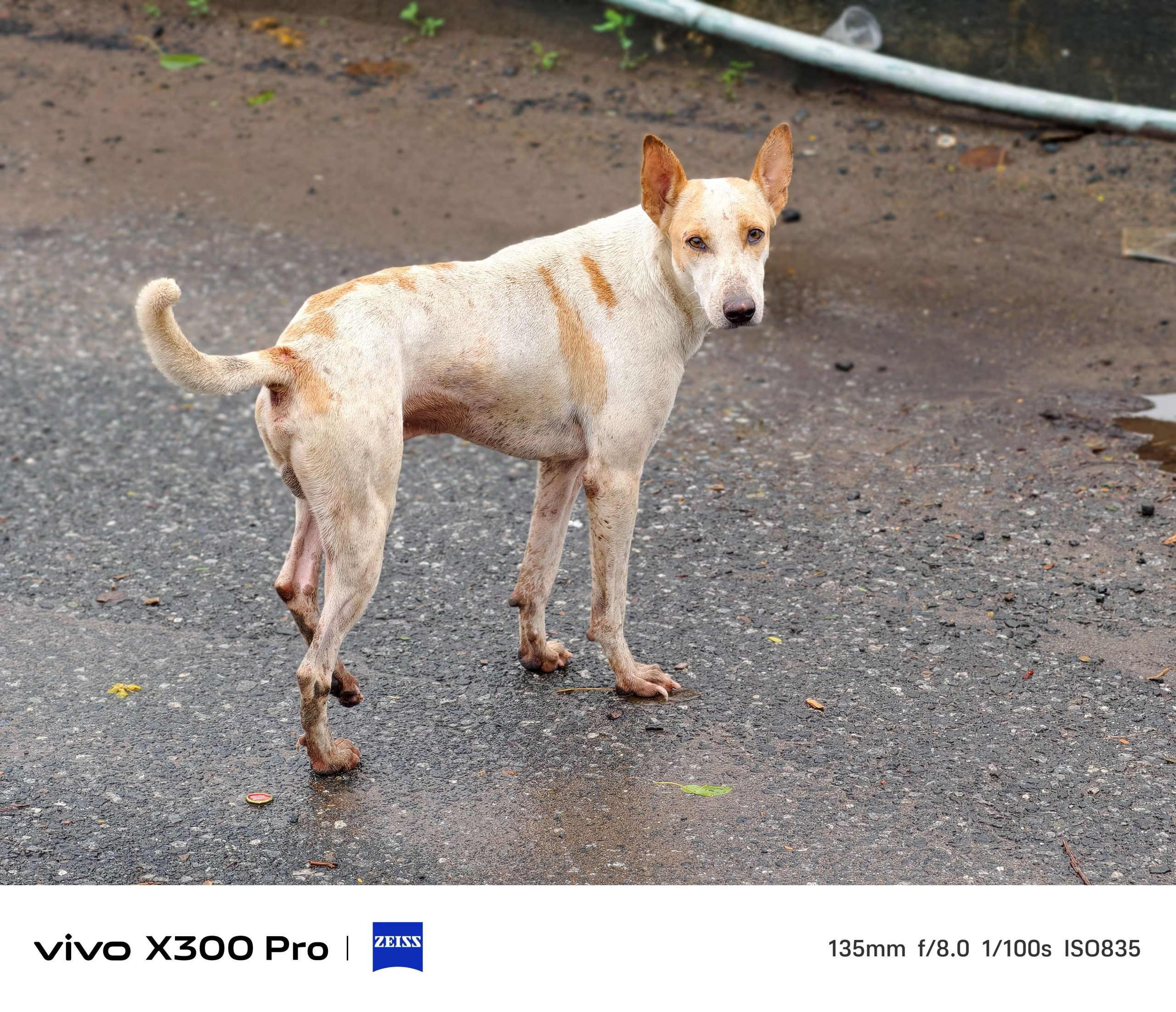
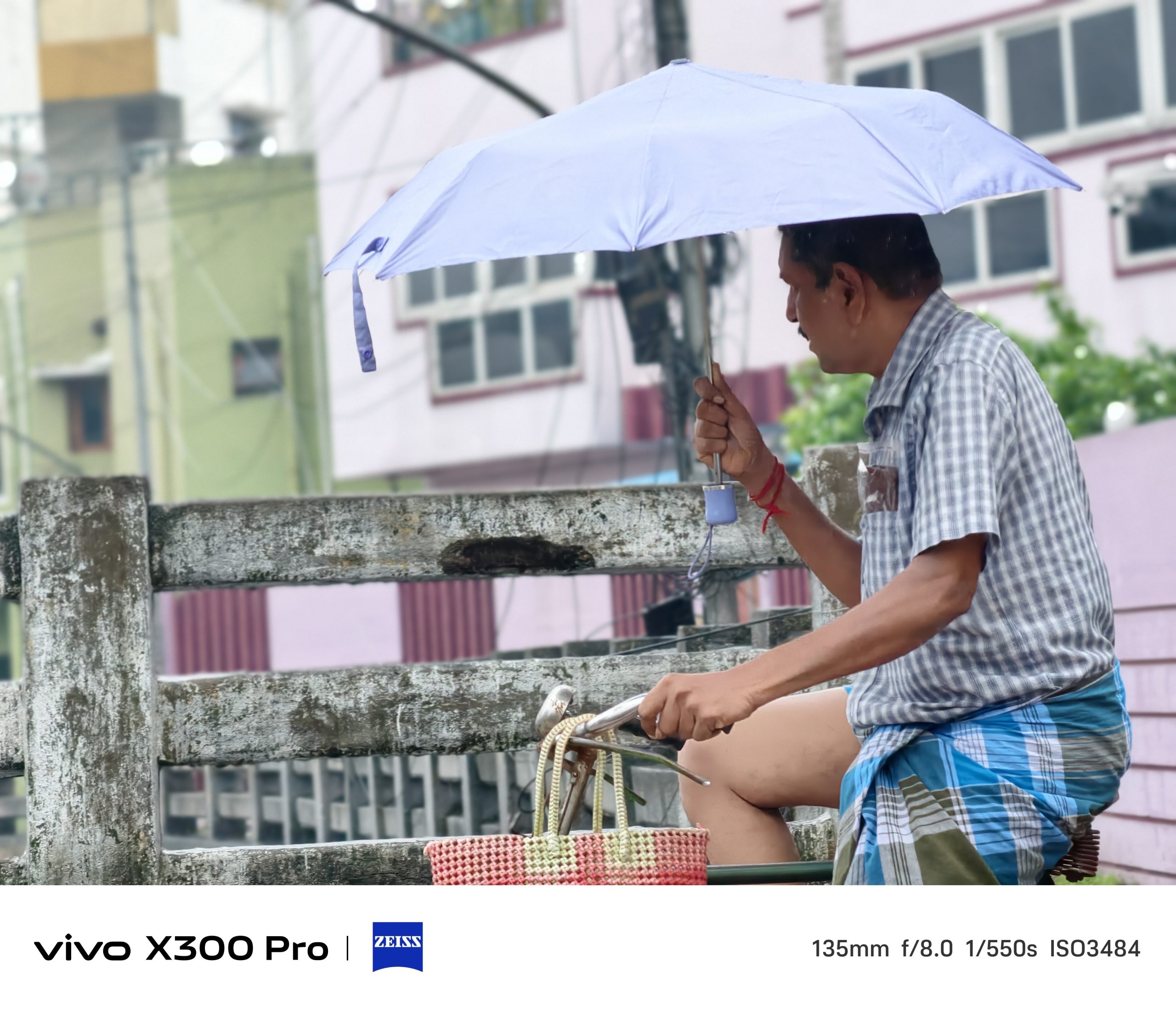
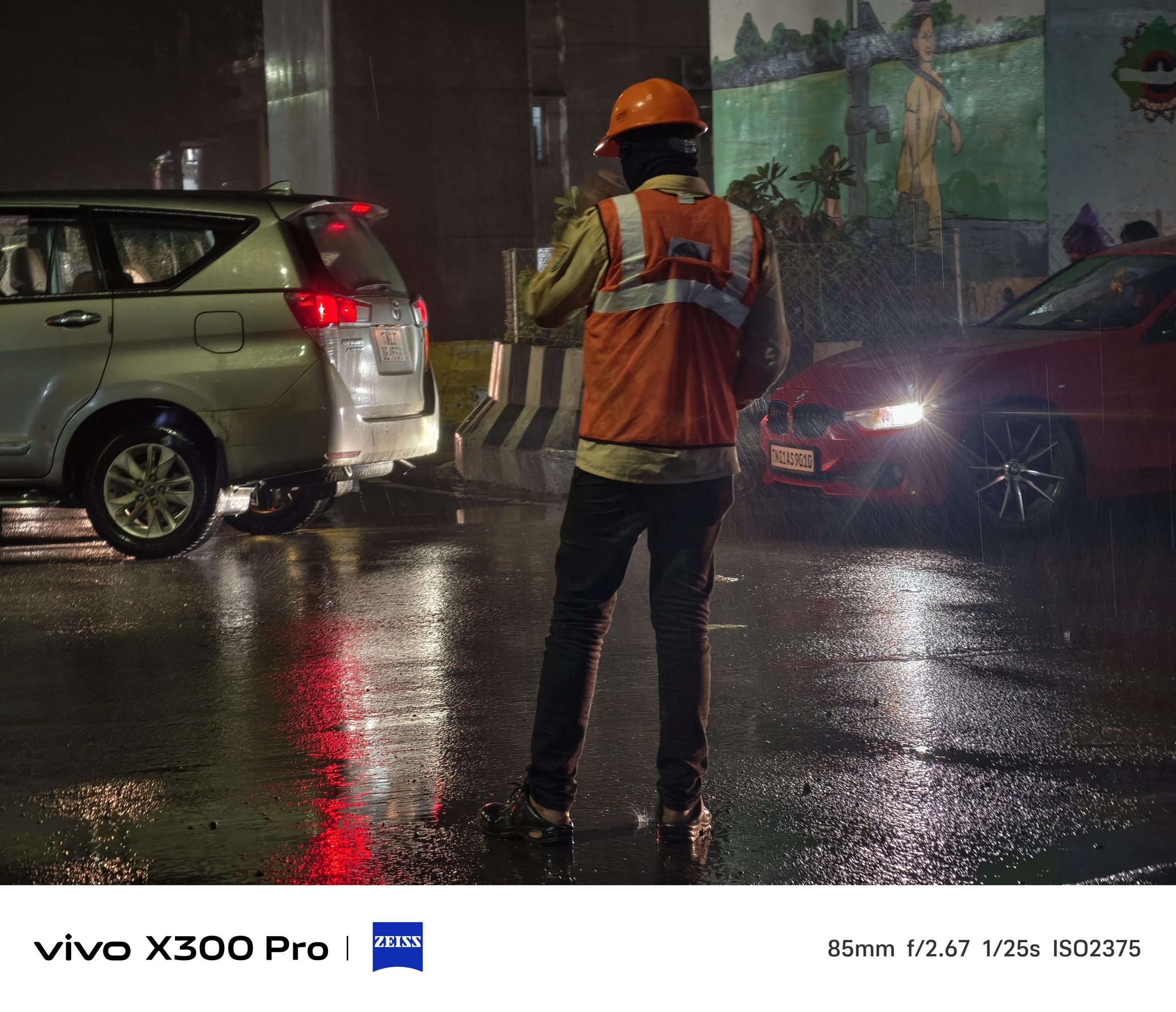
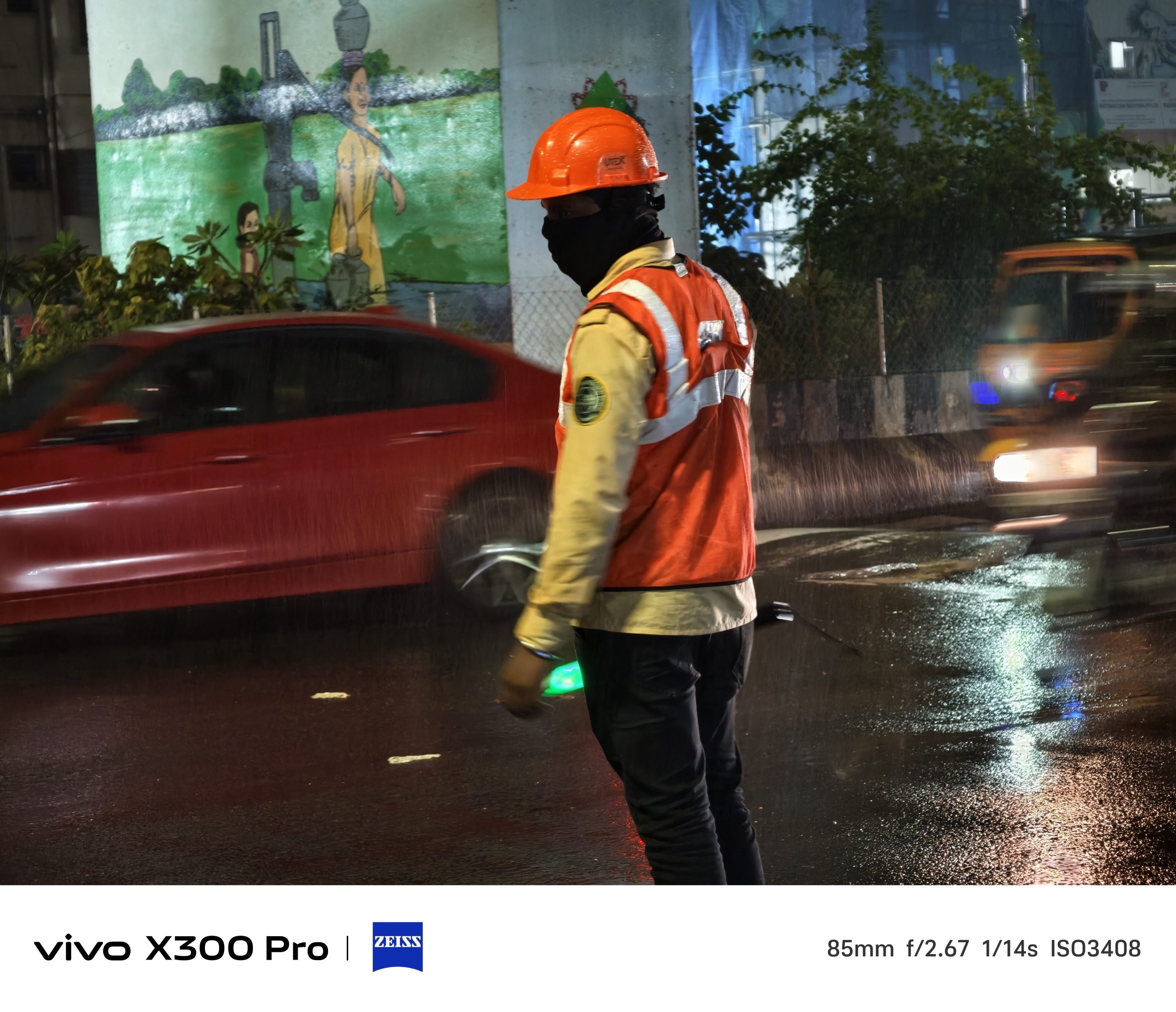
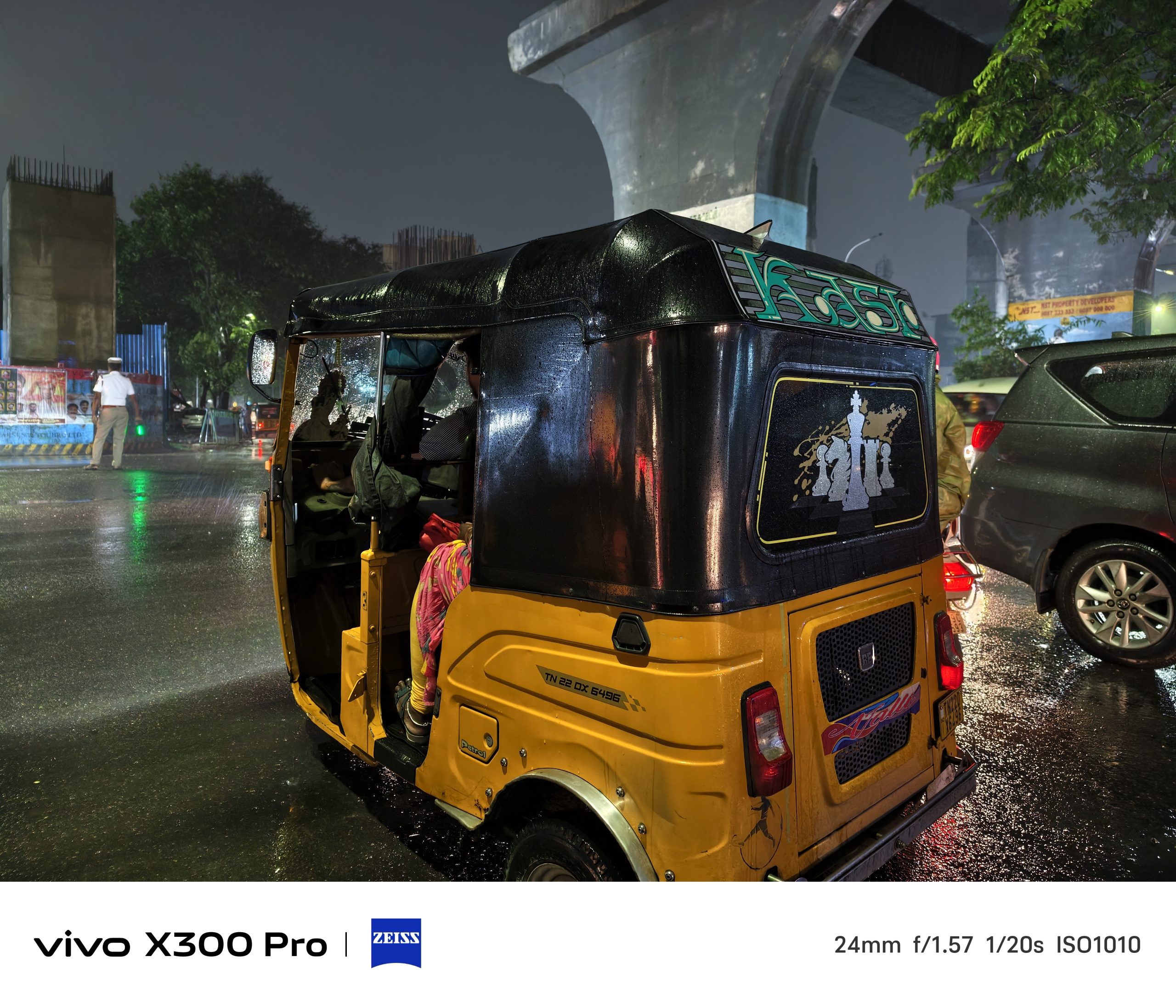
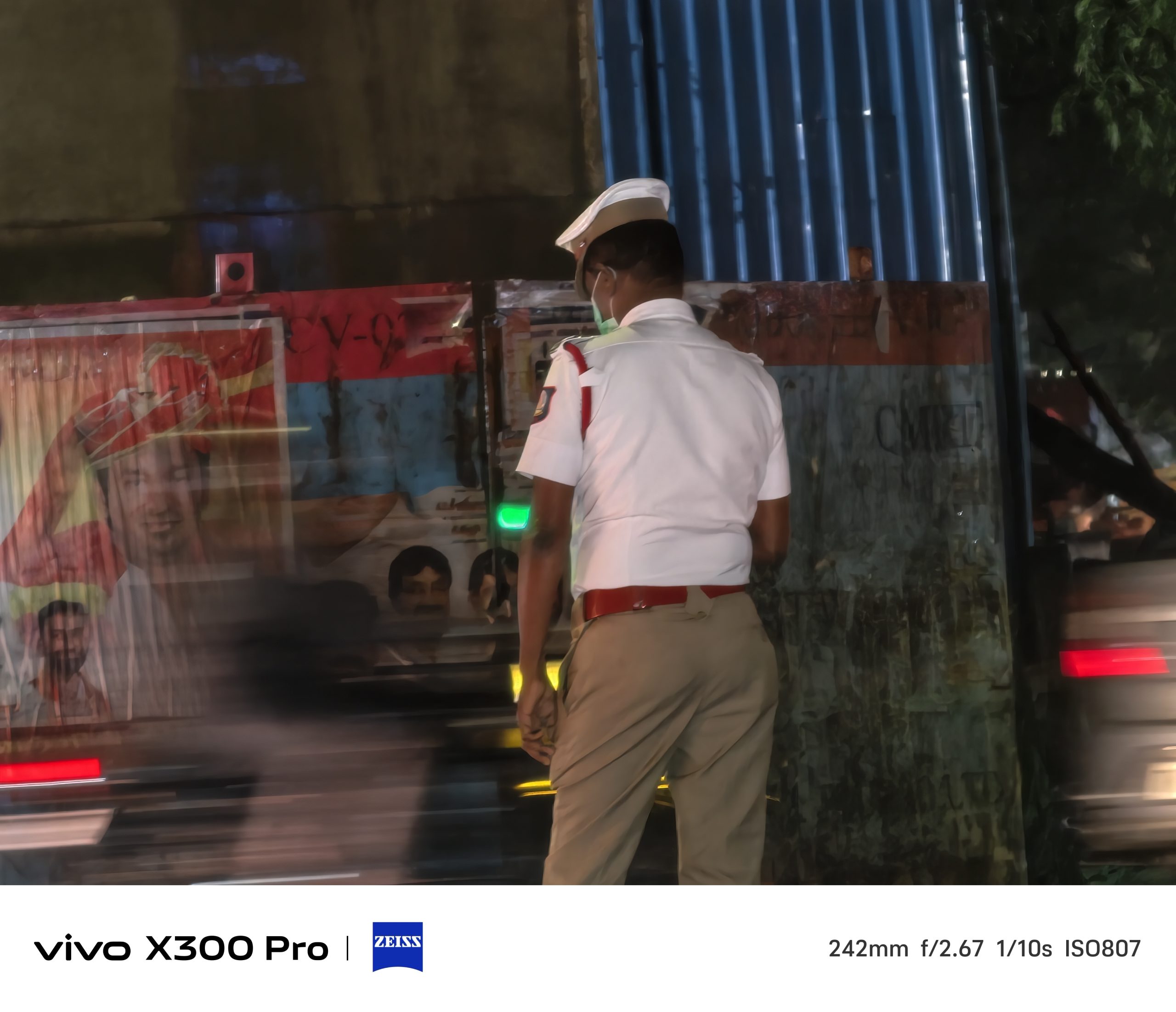
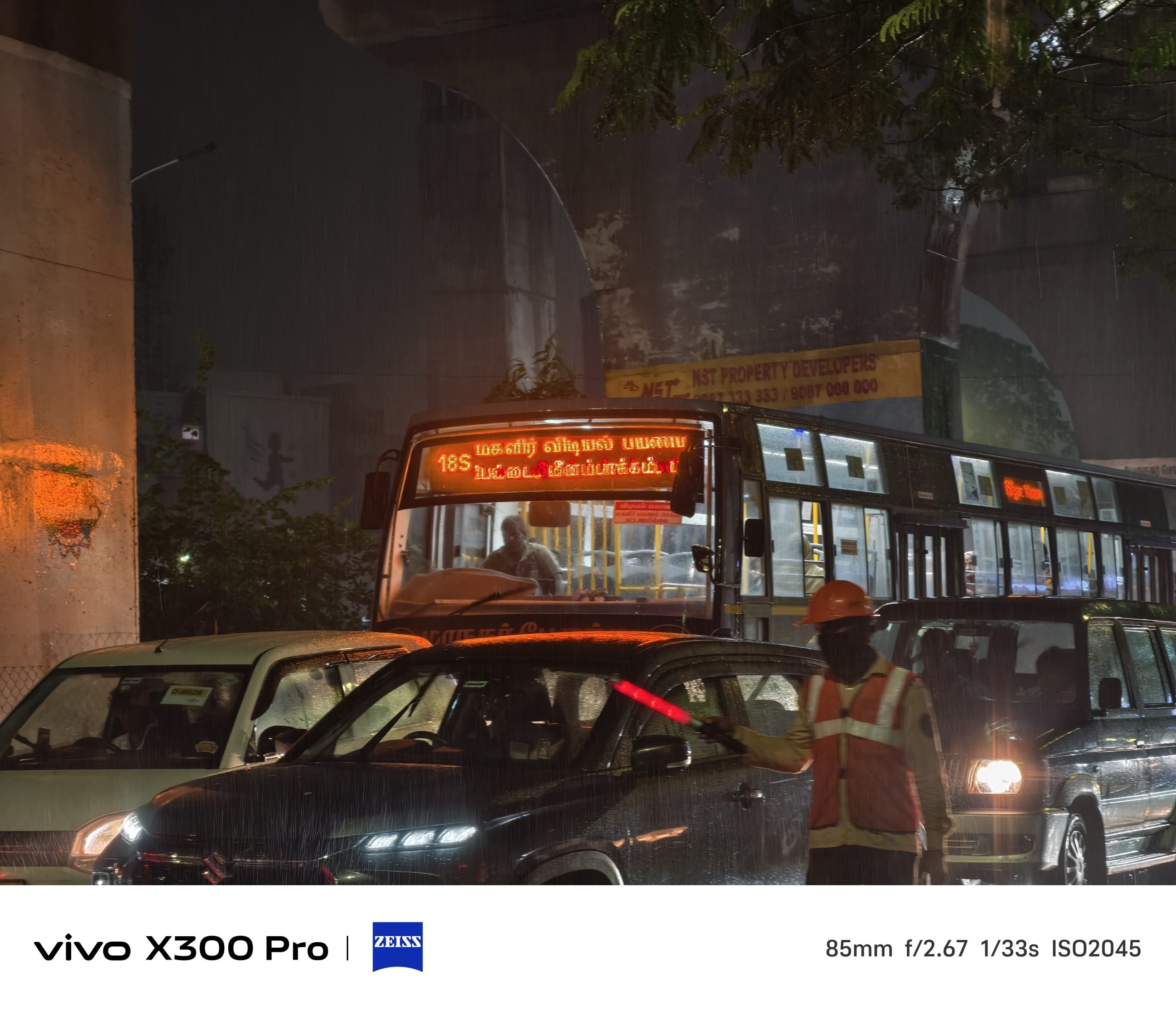
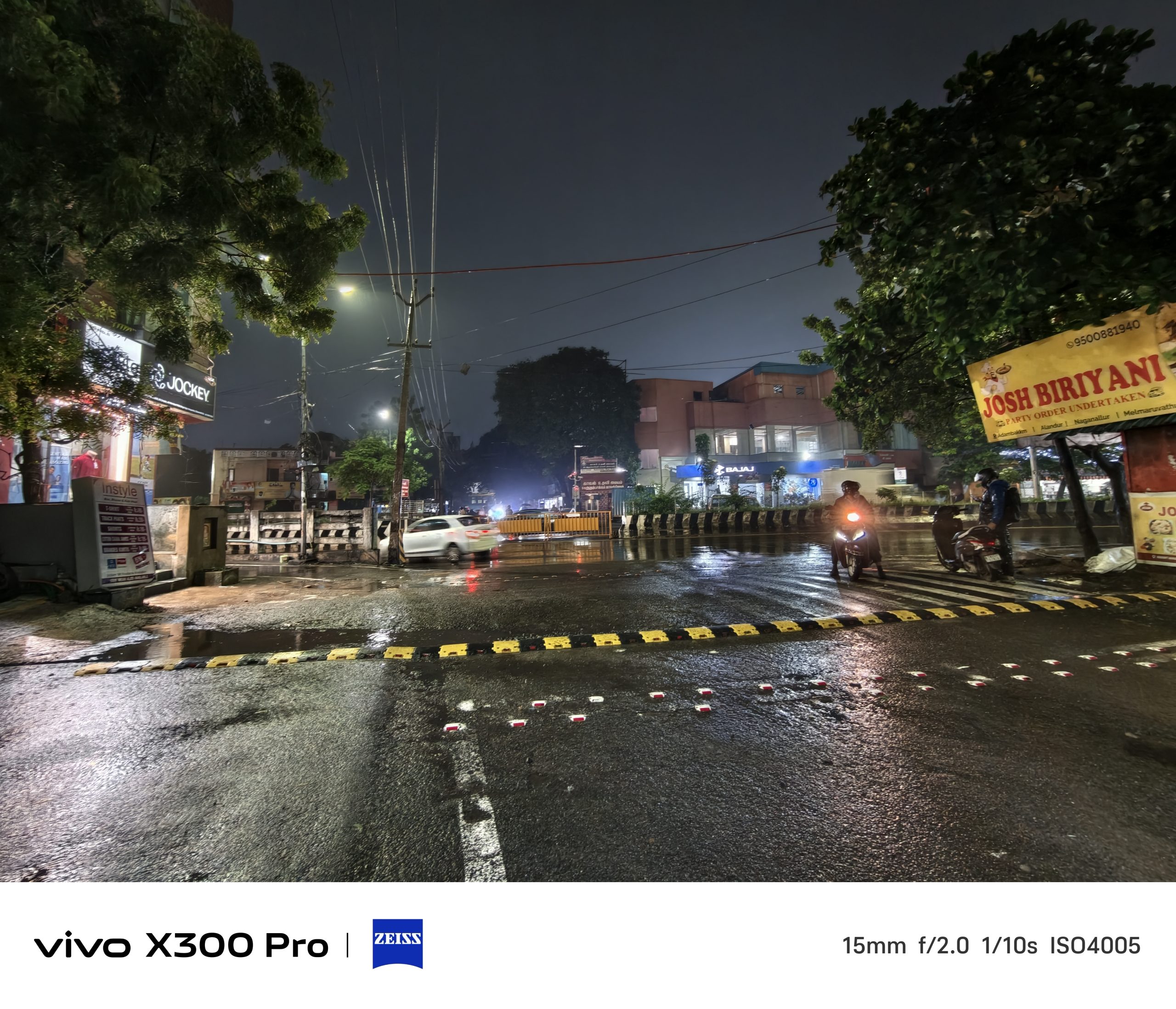
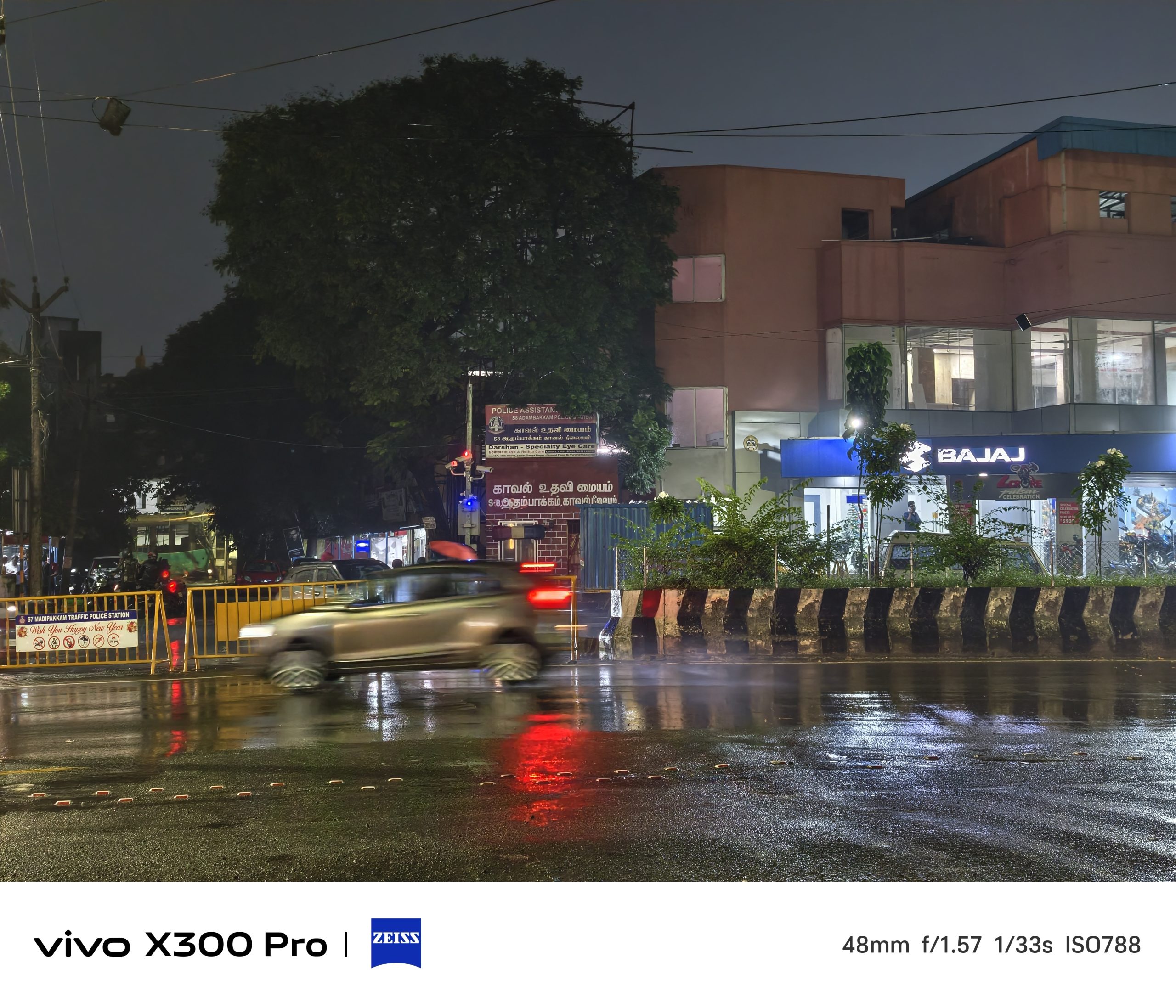
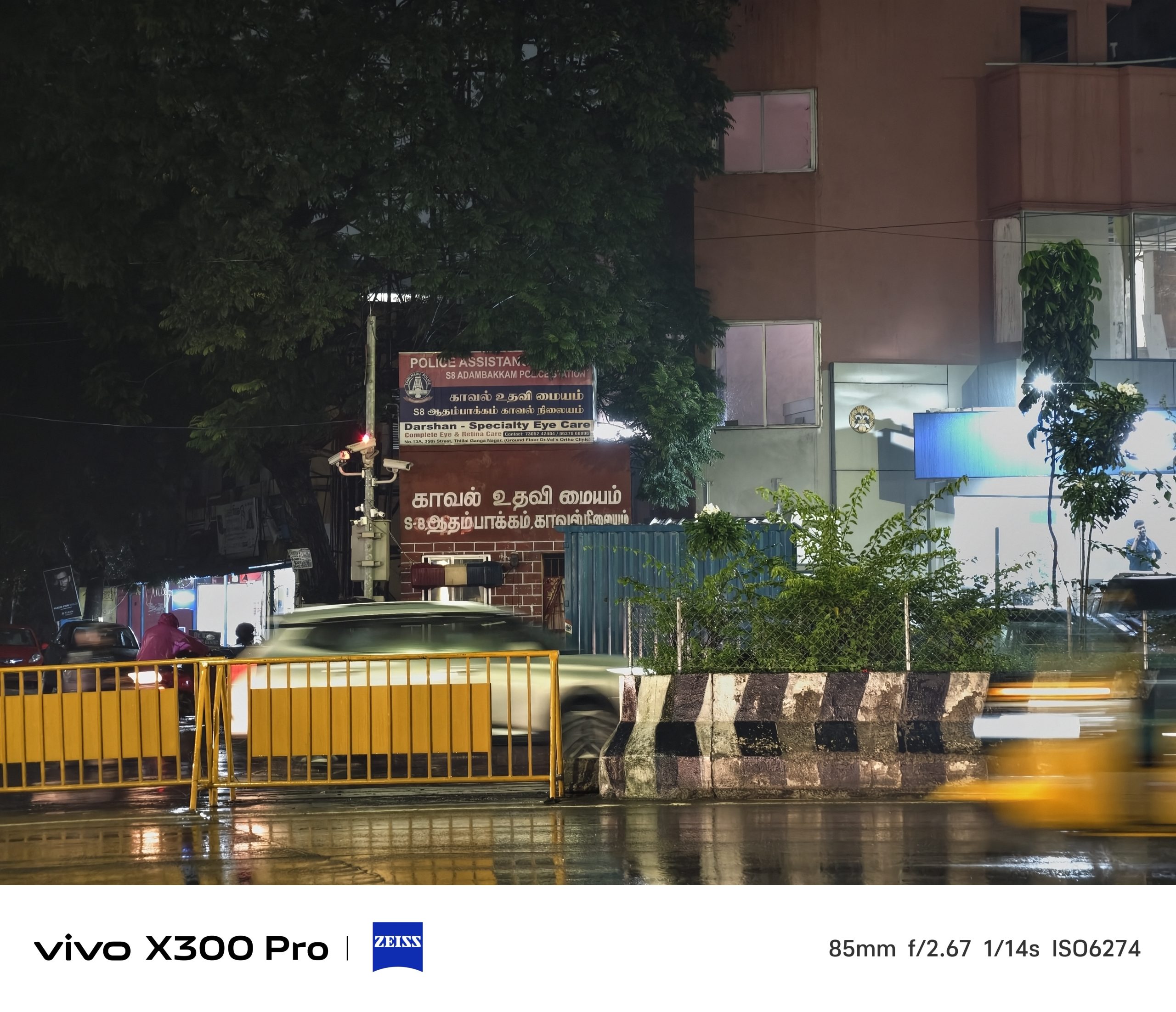
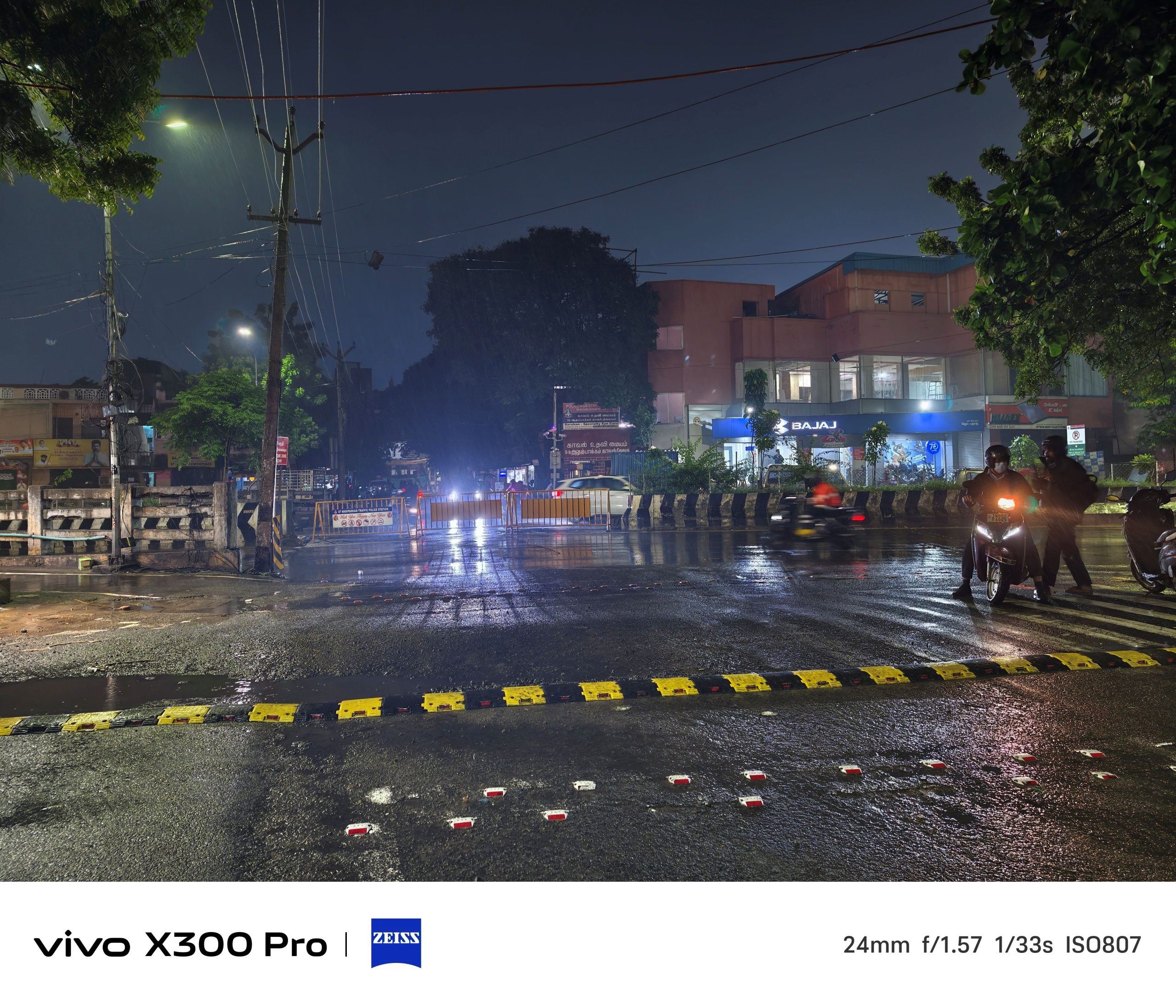
It can record videos at 8k resolution at up to 30 fps, and 4k resolution at up to 120 fps from the rear camera and the front camera has supports 4K 60 fps recording with Dolby Vision HDR. It has standard and ultra stabilization, but the resolution is down to 2.8K 60 fps in ultra option since it crops the content. OIS does a good job in stabilization. It also does 4K 60 fps portrait video with all the cameras, including the front camera, thanks to the V3+ chip.
Software, UI and Apps
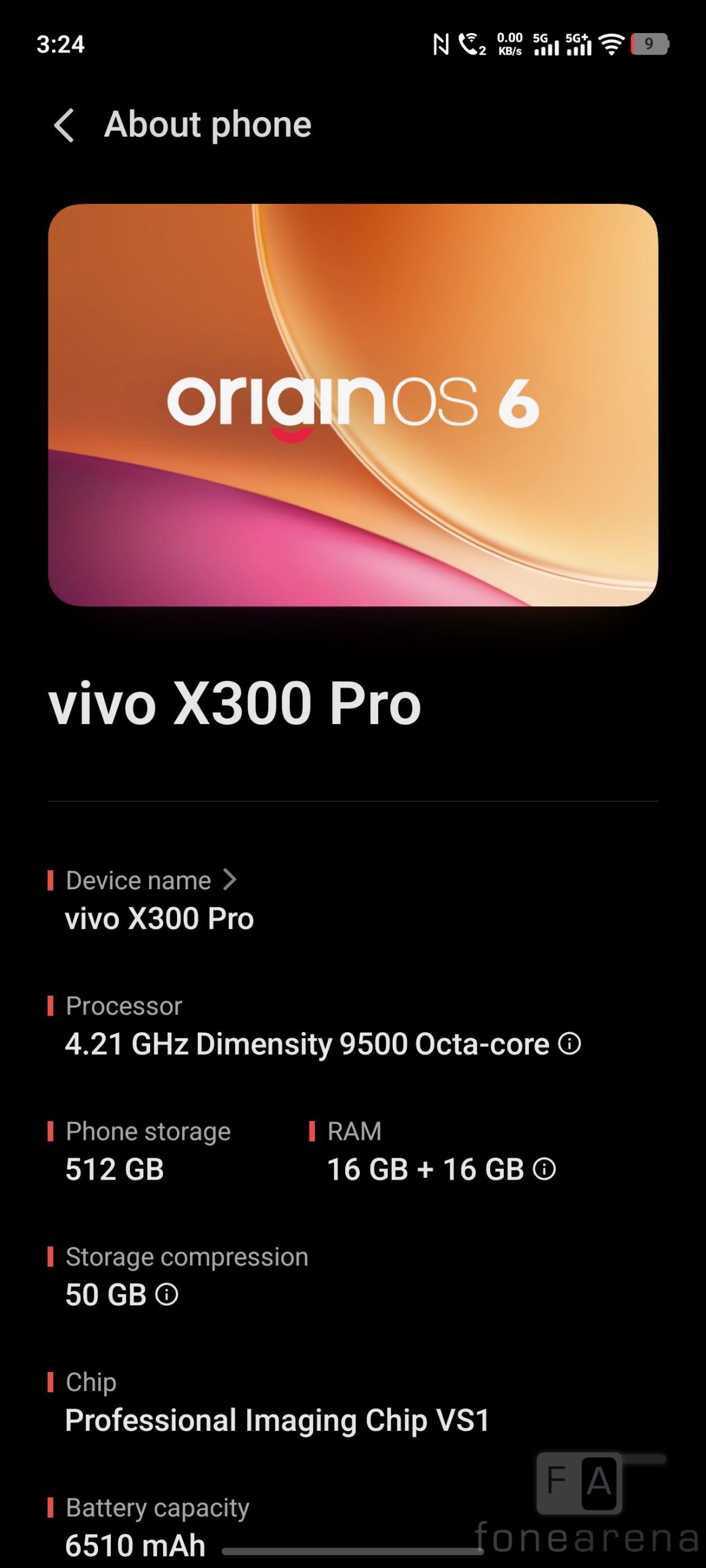
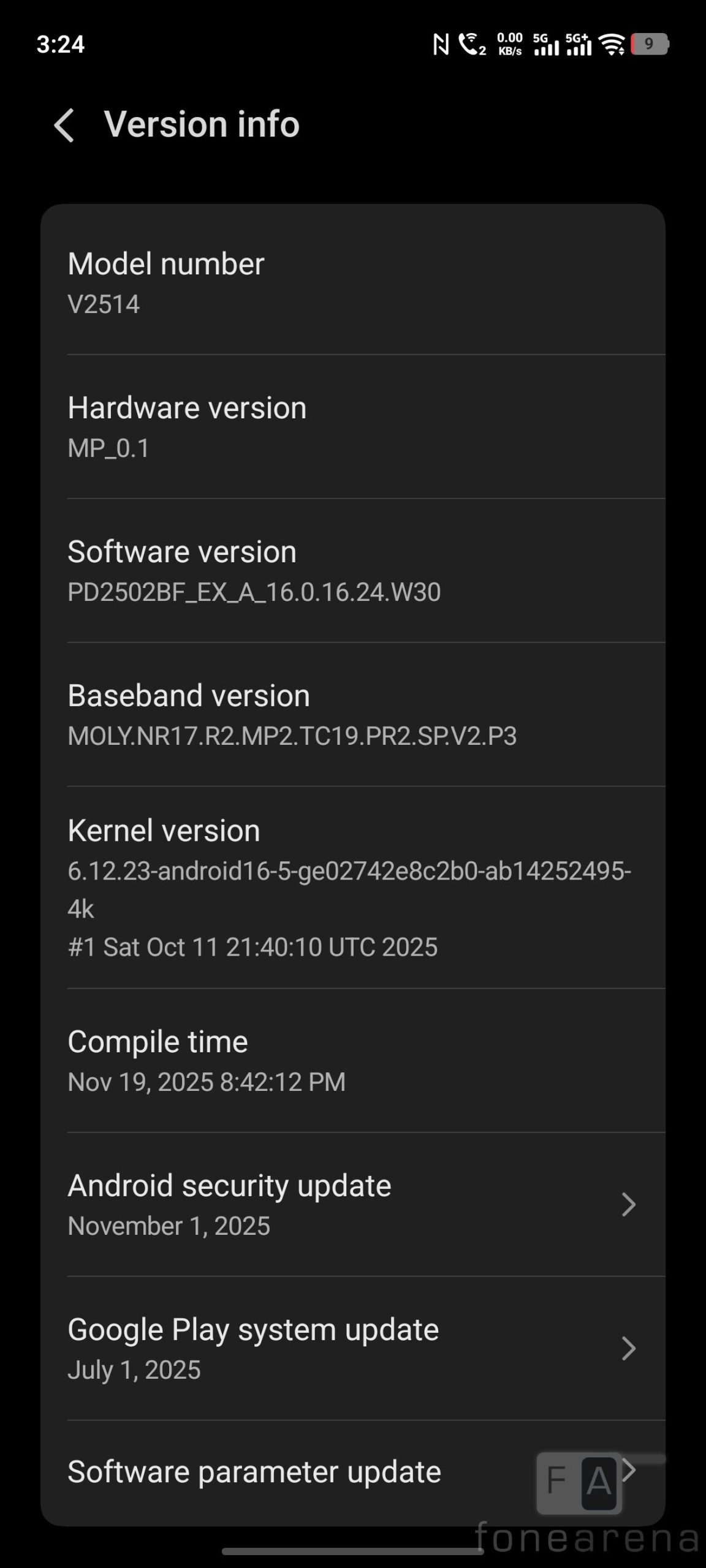
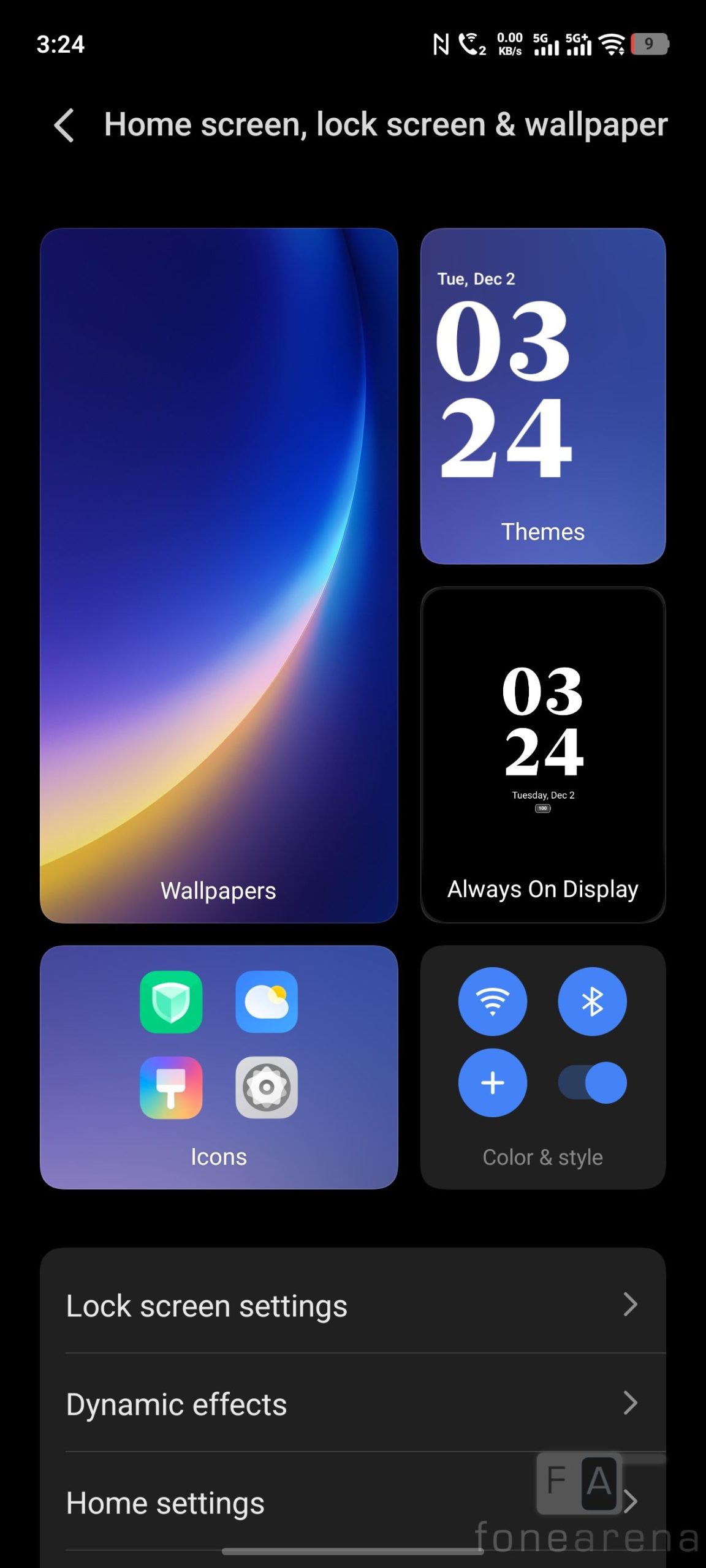
Coming to the software, the phone runs on Android 16 with Origin OS 6 on top, making it the one of the first phones in the country to run OriginOS 6 out of the box. It has Android security patch for November 2025. The vivo X300 Pro will get 5 Android OS updates and 7 years of security updates for the first time.
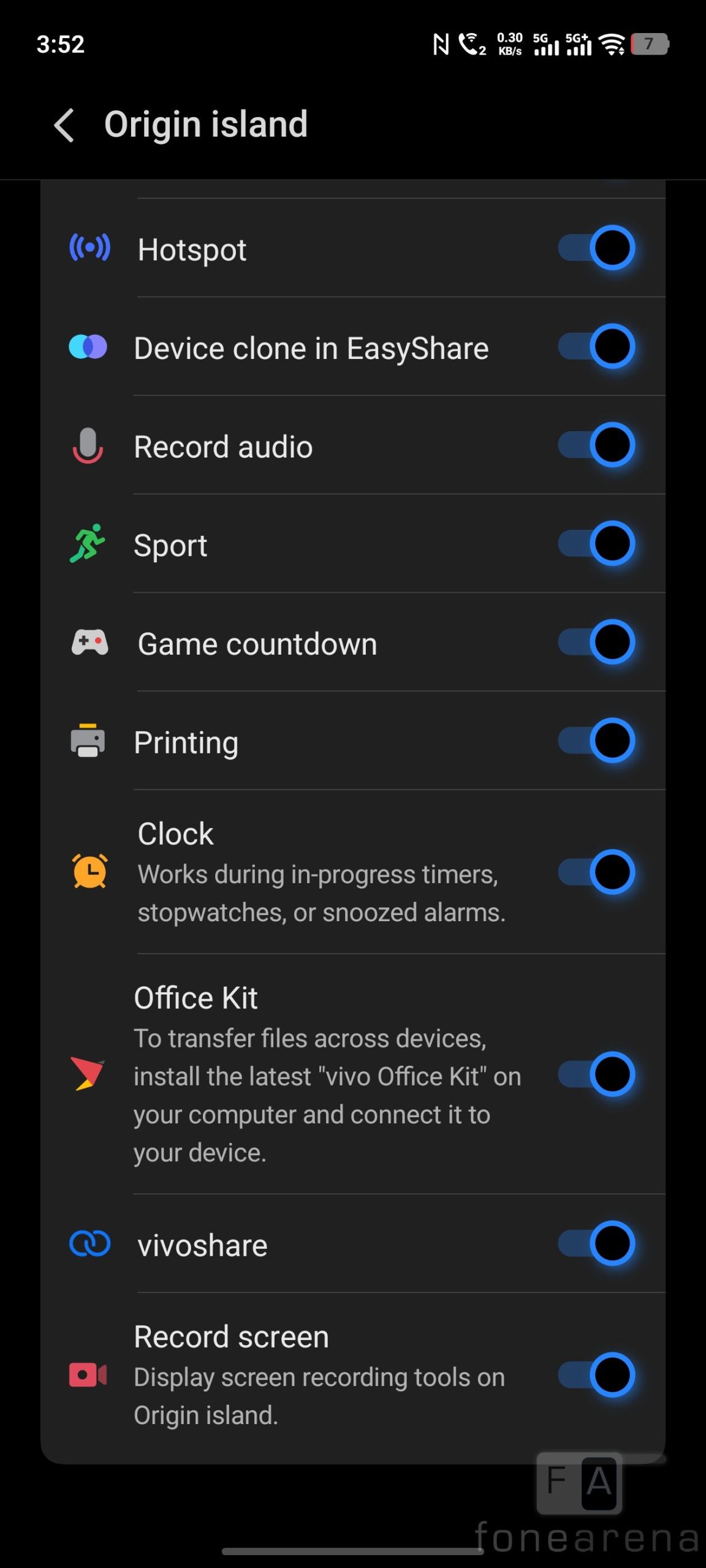
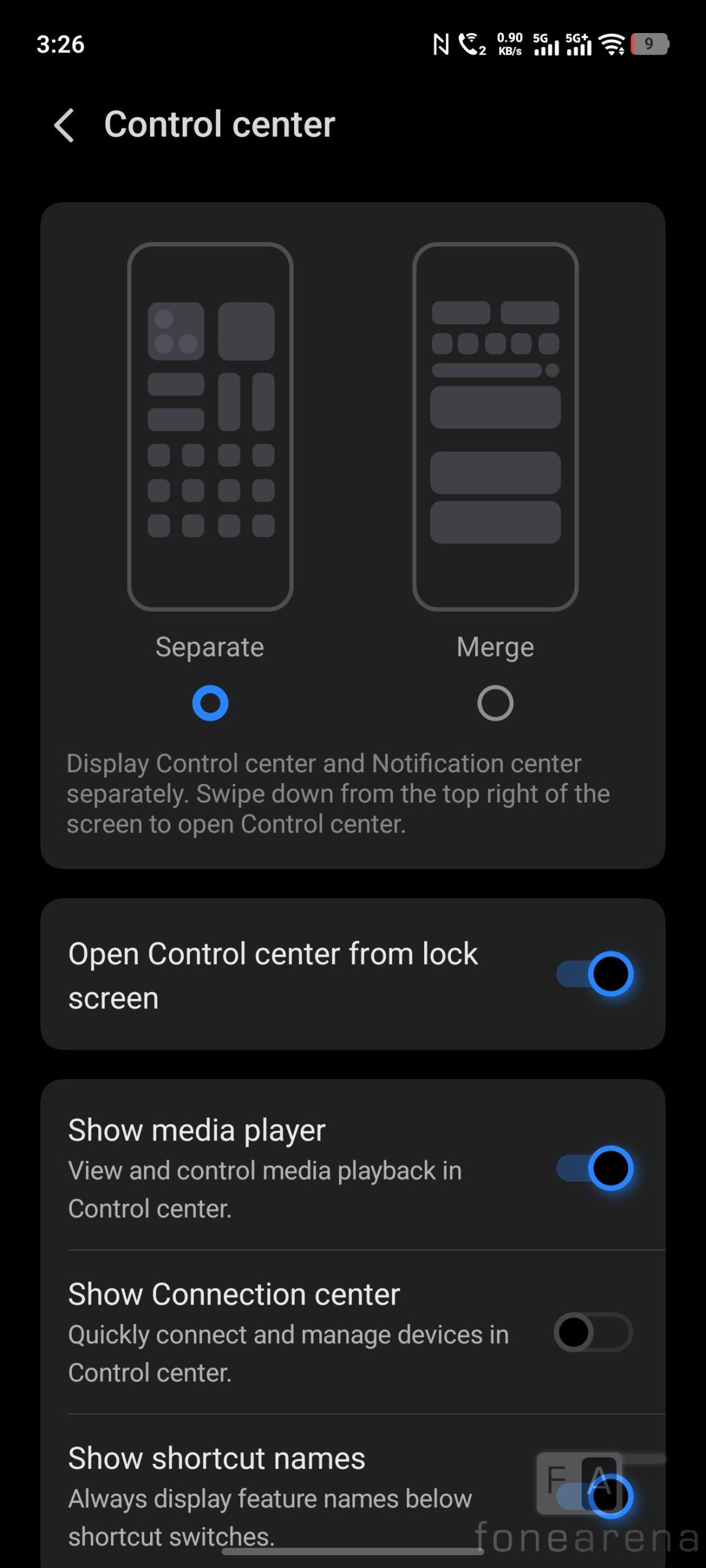
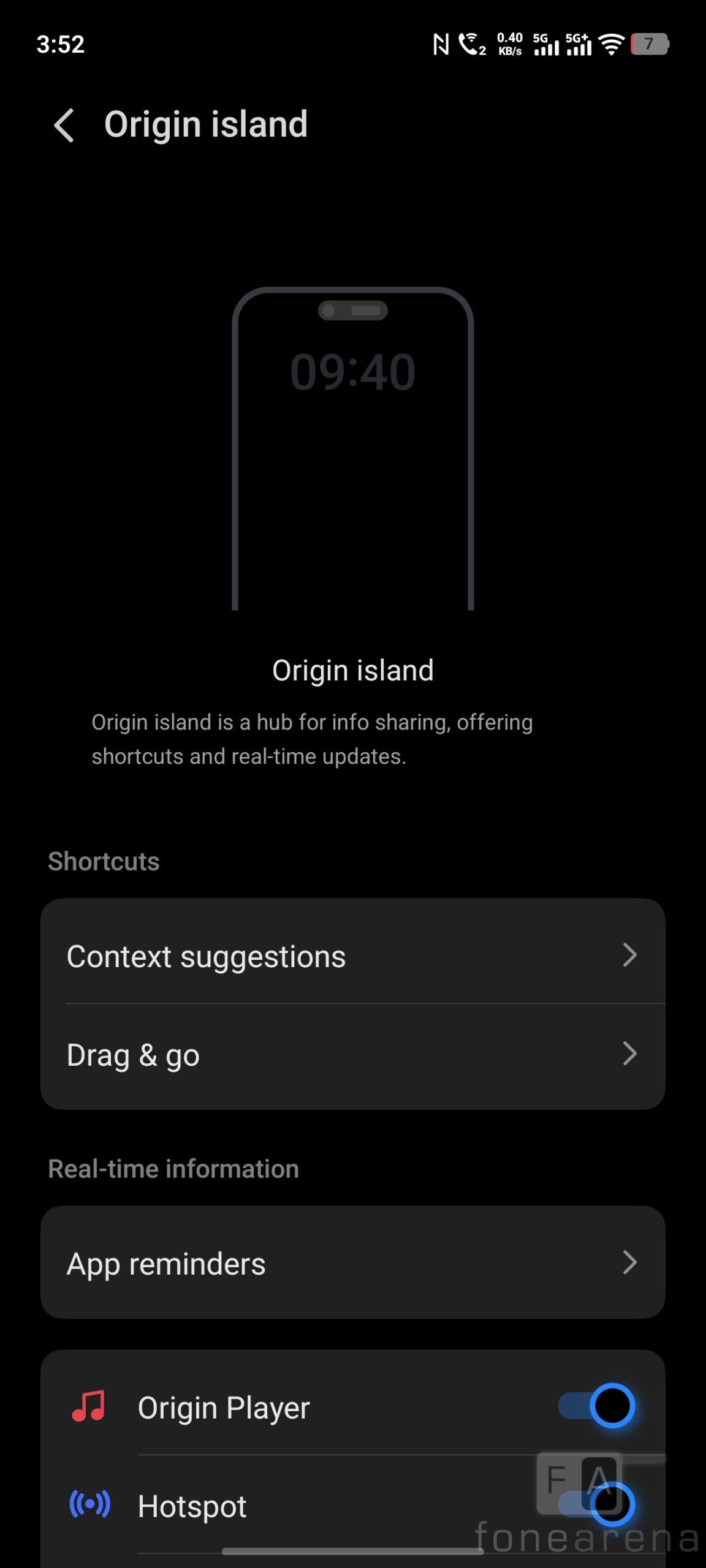
OriginOS 6 centres around the new Origin Smooth Engine, coordinating computing, storage, and display modules for sustained system responsiveness. The Origin Animation System introduces motion effects such as Spring Animation, Blur Transition, Morphing Animation, and One Shot Animation for enhanced visual fluidity, inspired by natural elements.
There are Dynamic Glow and Translucent Color effects for visual depth, Immersive Weather offering animated environmental visuals, Lock Screen Grid for flexible widget arrangement and photo blending, and a new 4×7 Home Screen Grid with adaptive folders and Flip Cards that animate with device motion.
- Origin Island: Real-time status bar with Android 16 Live Updates
- Copy & Go: Copy details to call, text, or schedule directly
- Drag & Go: Move photos or content seamlessly between apps
- AI Retouch: Combines AI Erase, Image Expander, and Photo Enhance
- Productivity Tools: Smart Call Assistant, DocMaster, AI Creation, AI Search
- Cross-Device Integration: Office Kit for Windows and Mac and One-Tap Transfer for iQOO and iPhone offer smooth workflow
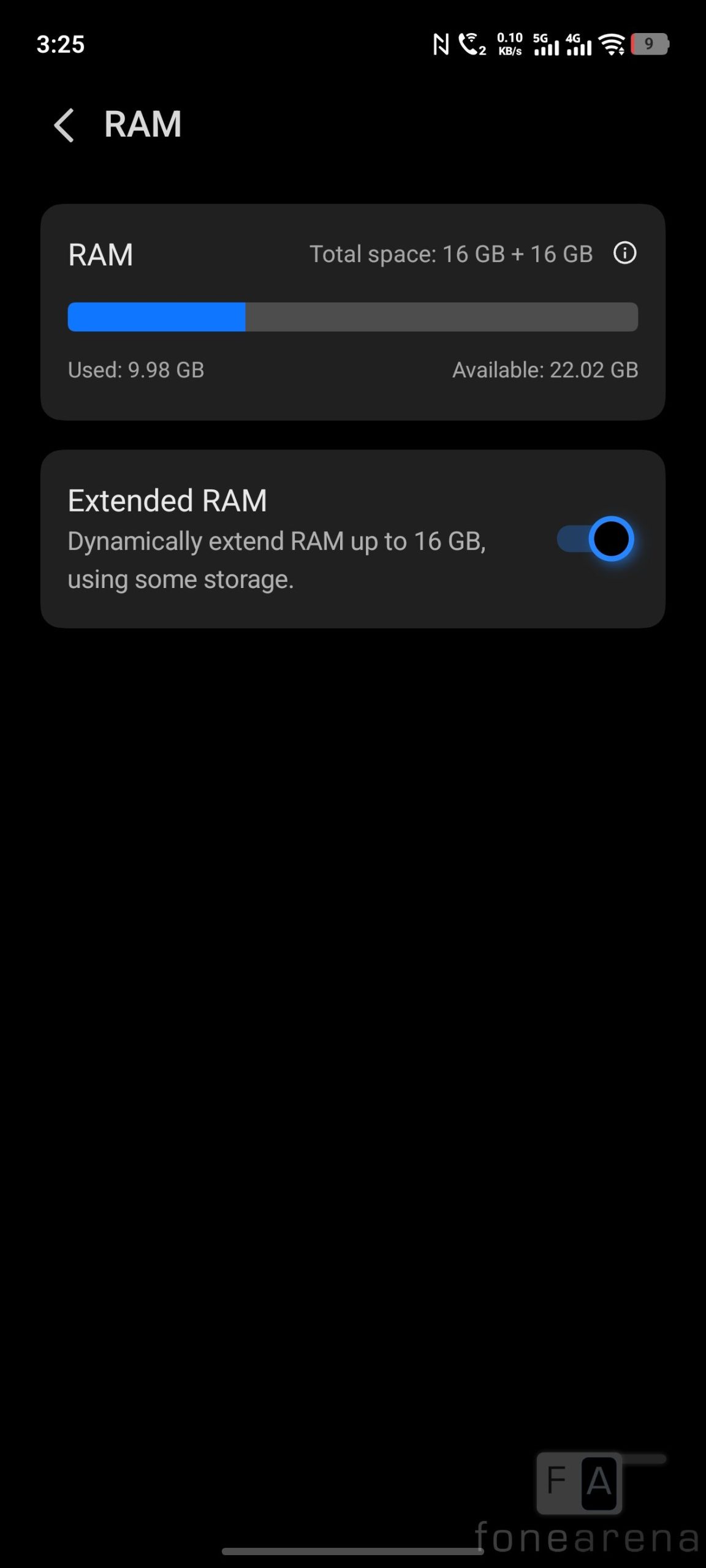
Out of 16GB of LPDDR5X Ultra RAM, about 14.96GB is usable, out of which 10GB is free when the default apps are running in the background. There is additional 16GB RAM expansion feature. Out of 512GB of UFS 4.1 storage, 459GB is free out of the box.
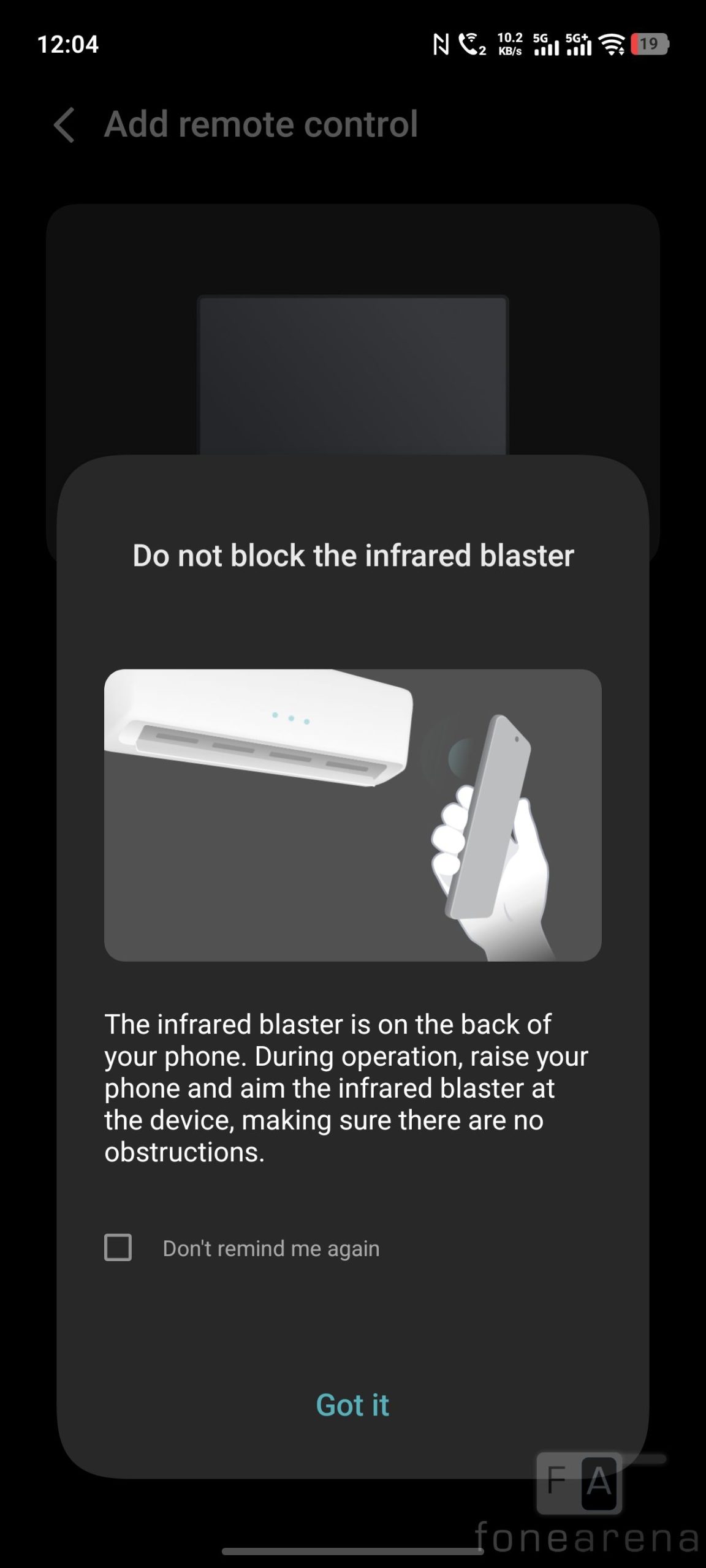
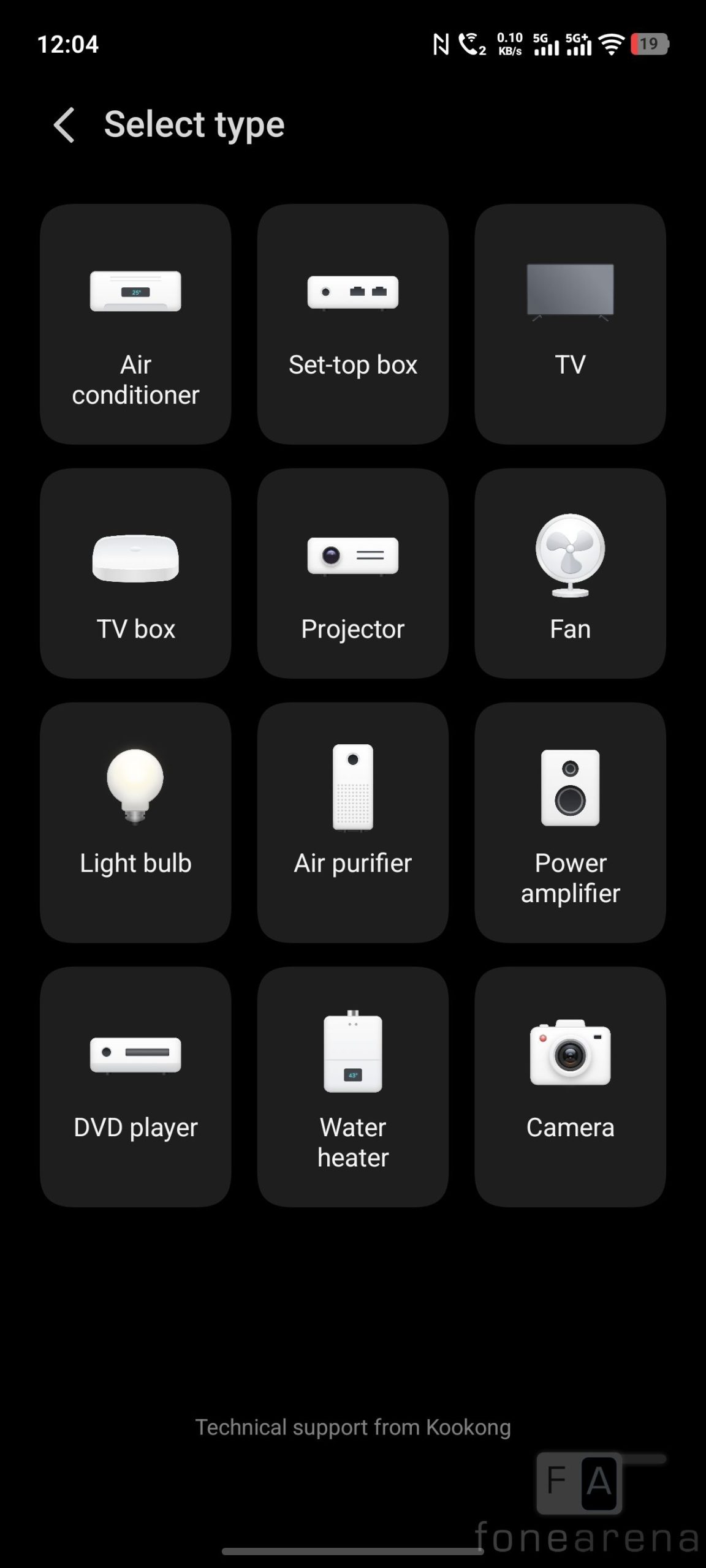
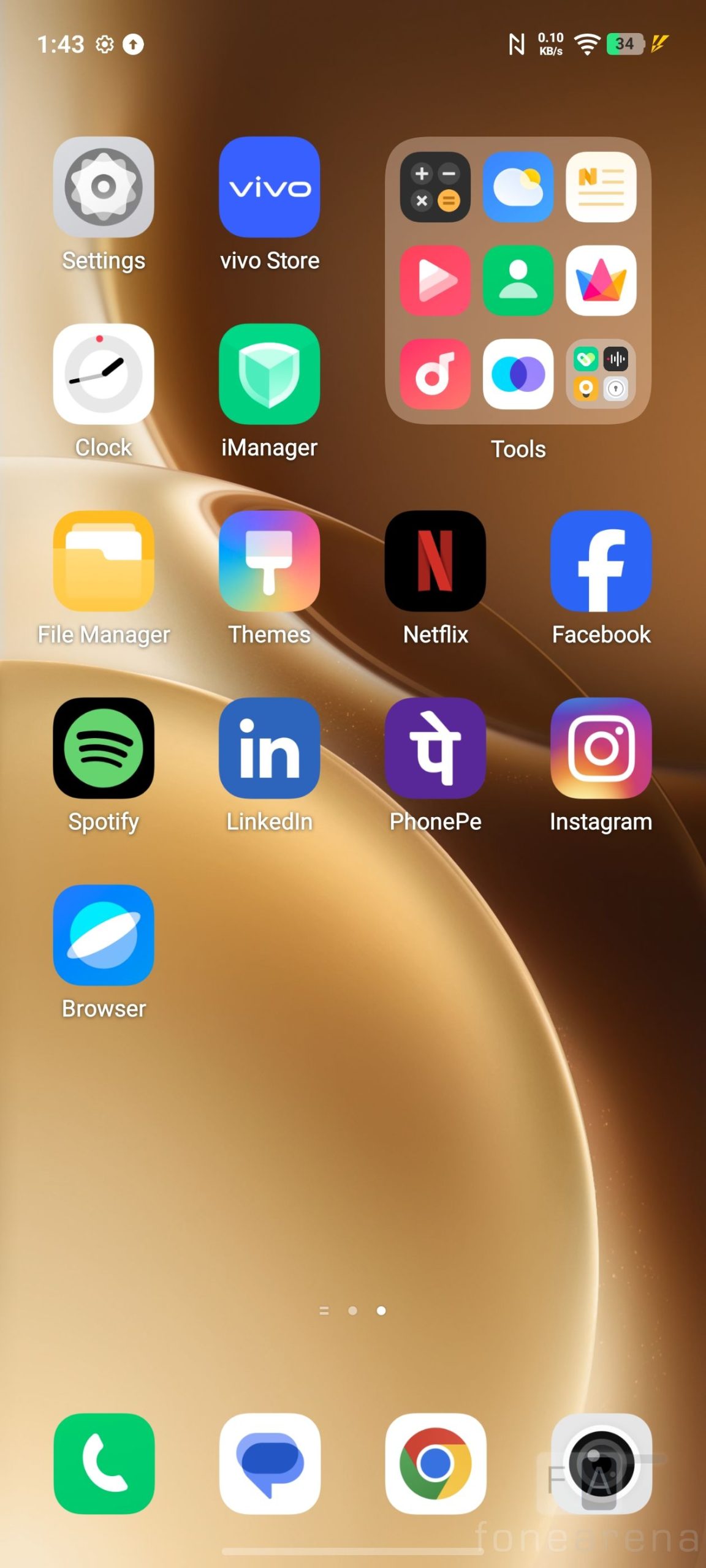
Since the phone has an IR blaster on the back, it comes with a Smart Remote app. Apart from the usual set of utility and Google apps, it comes preloaded with a lot of apps such as Facebook, PhonePe, Netflix, Instagram, LinkedIn and Spotify. These apps can be uninstalled, but they come back after reset.
Fingerprint sensor and Face unlock
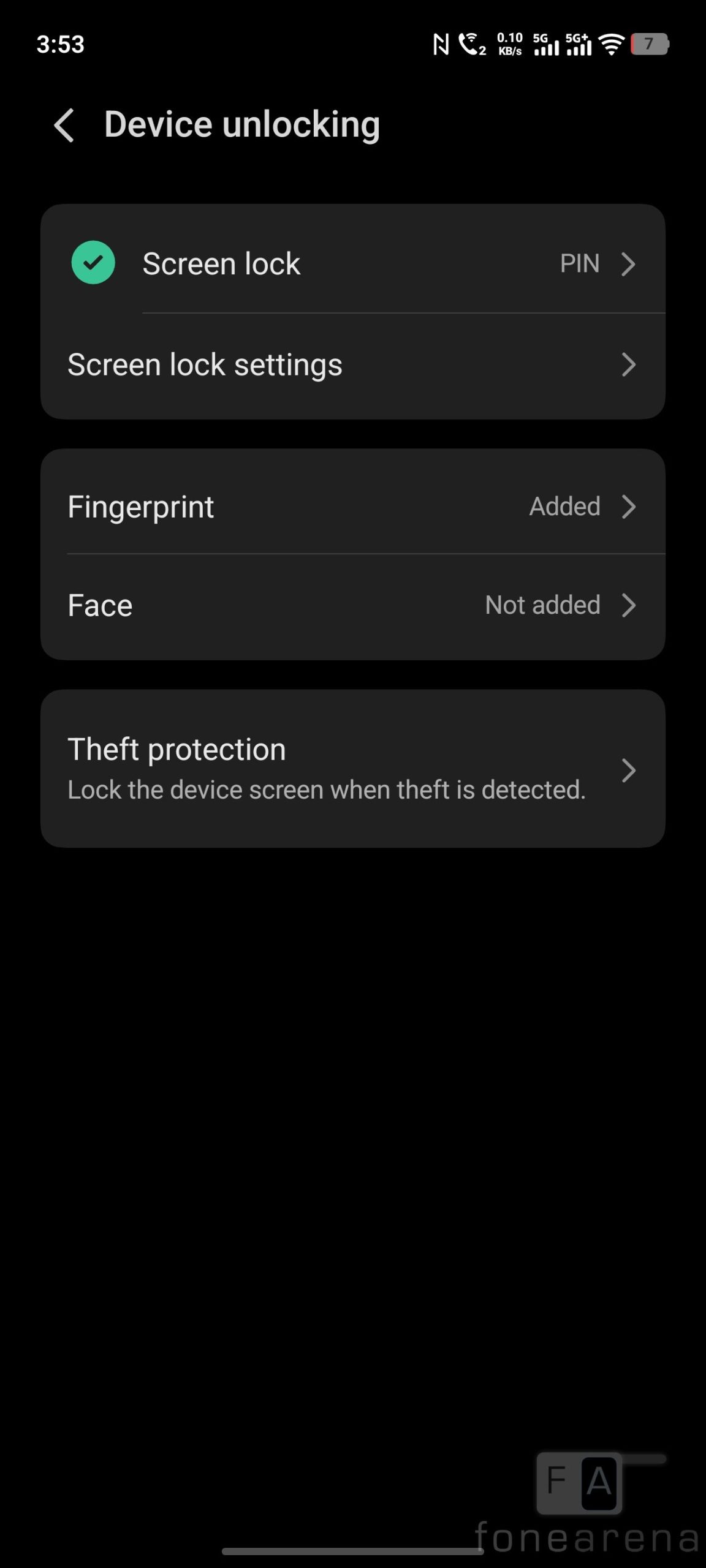
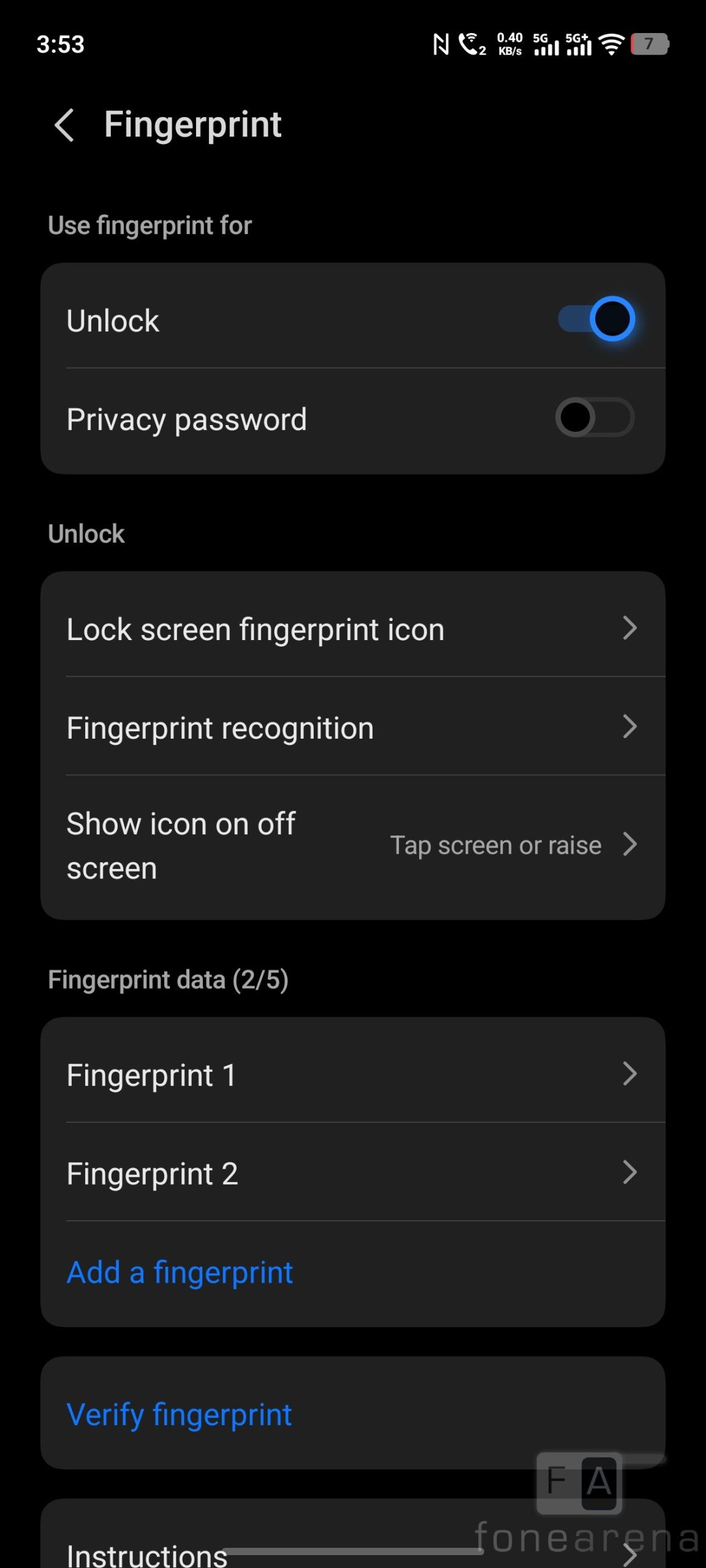
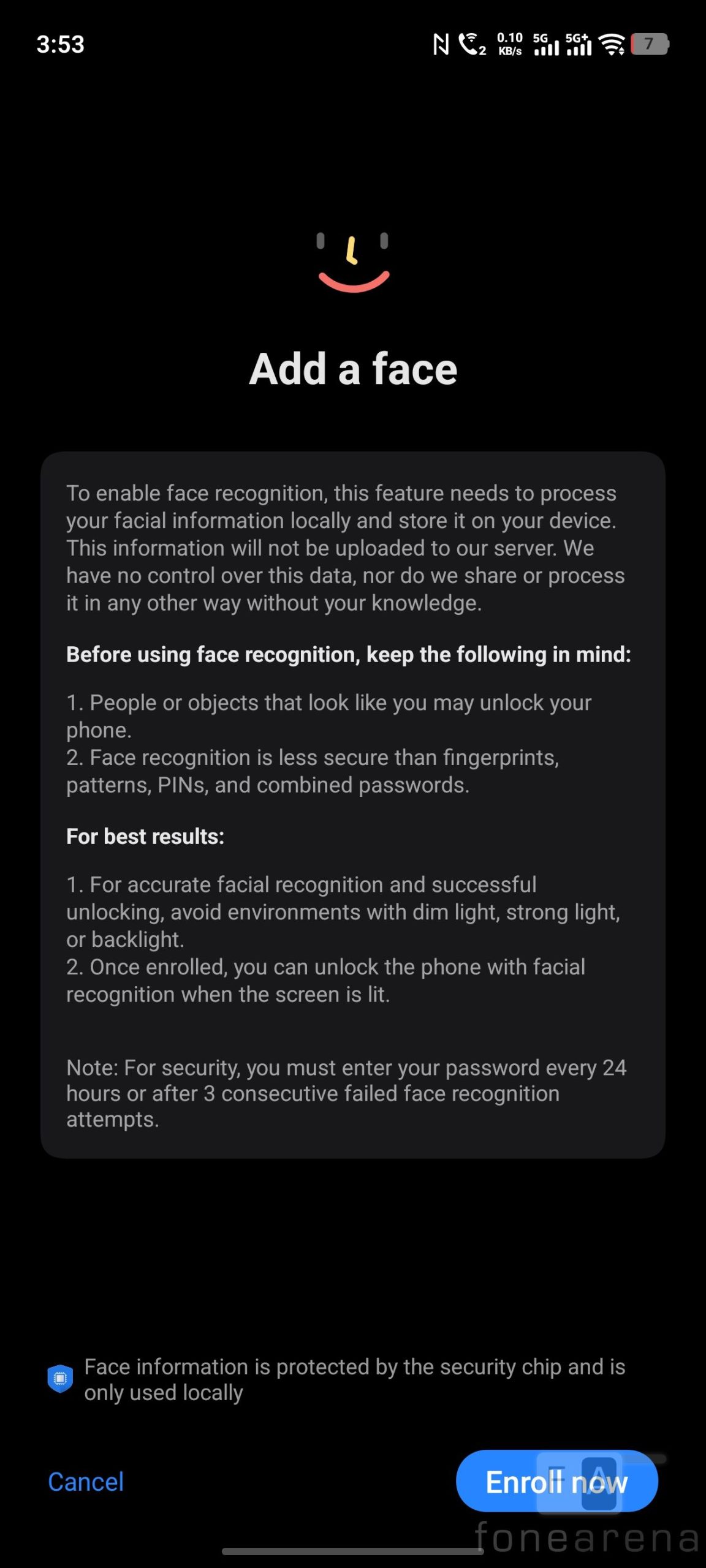
The phone uses an ultrasonic in-display fingerprint sensor 2.0, which is quicker and more accurate compared to the optical fingerprint scanner. You can add up to 5 fingerprints. There are different animation styles that display when you unlock, which you can disable. The phone also has face unlock that can unlock the phone in seconds, but it is not as secure as fingerprint.
Music and Multimedia
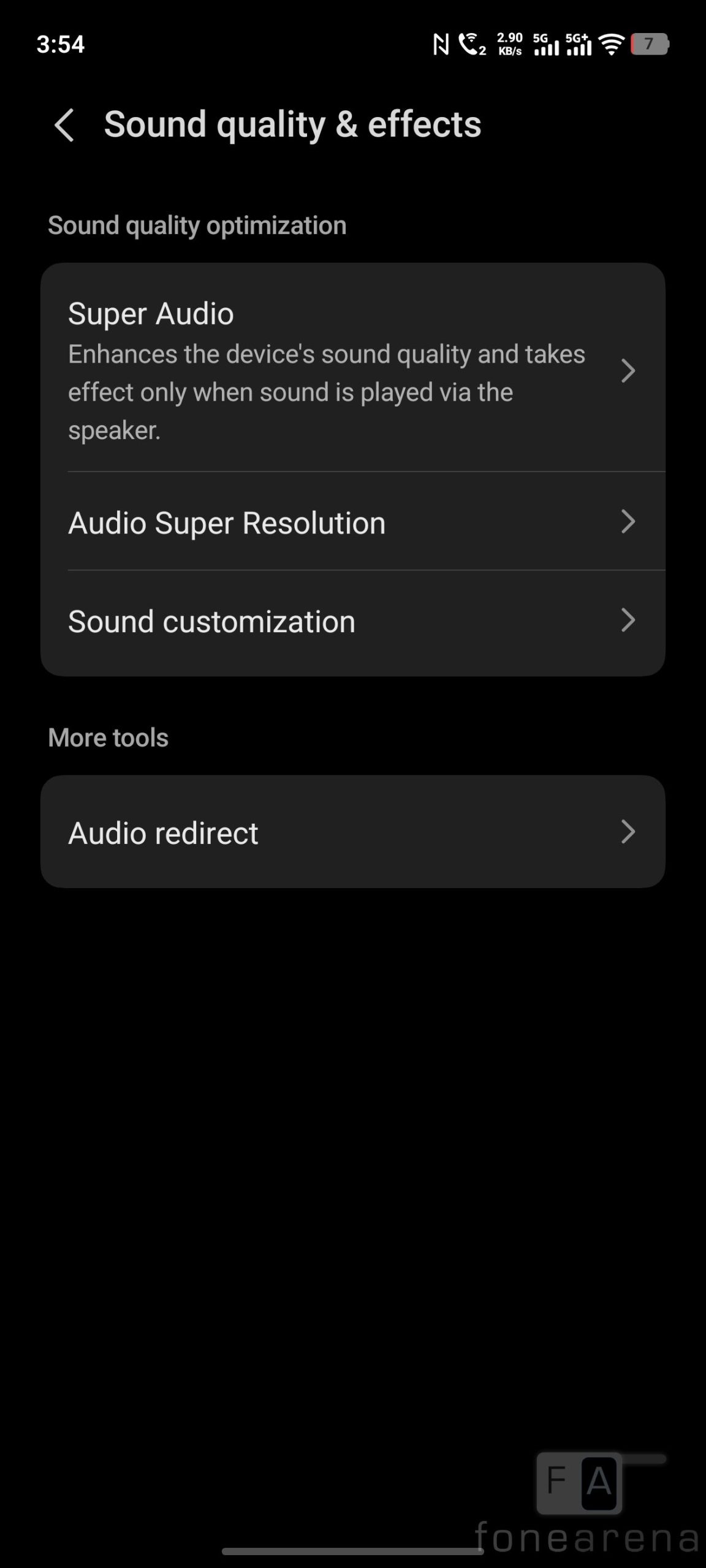
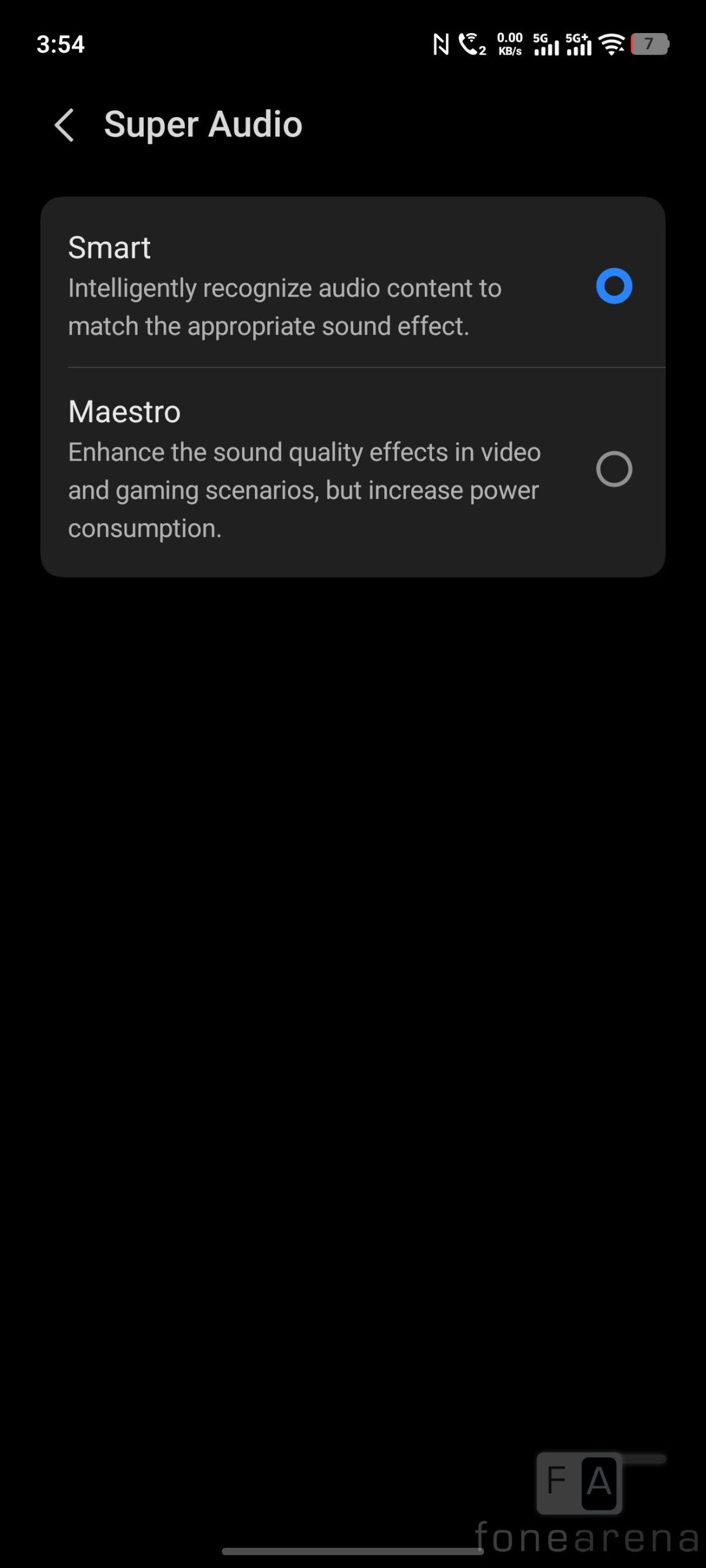
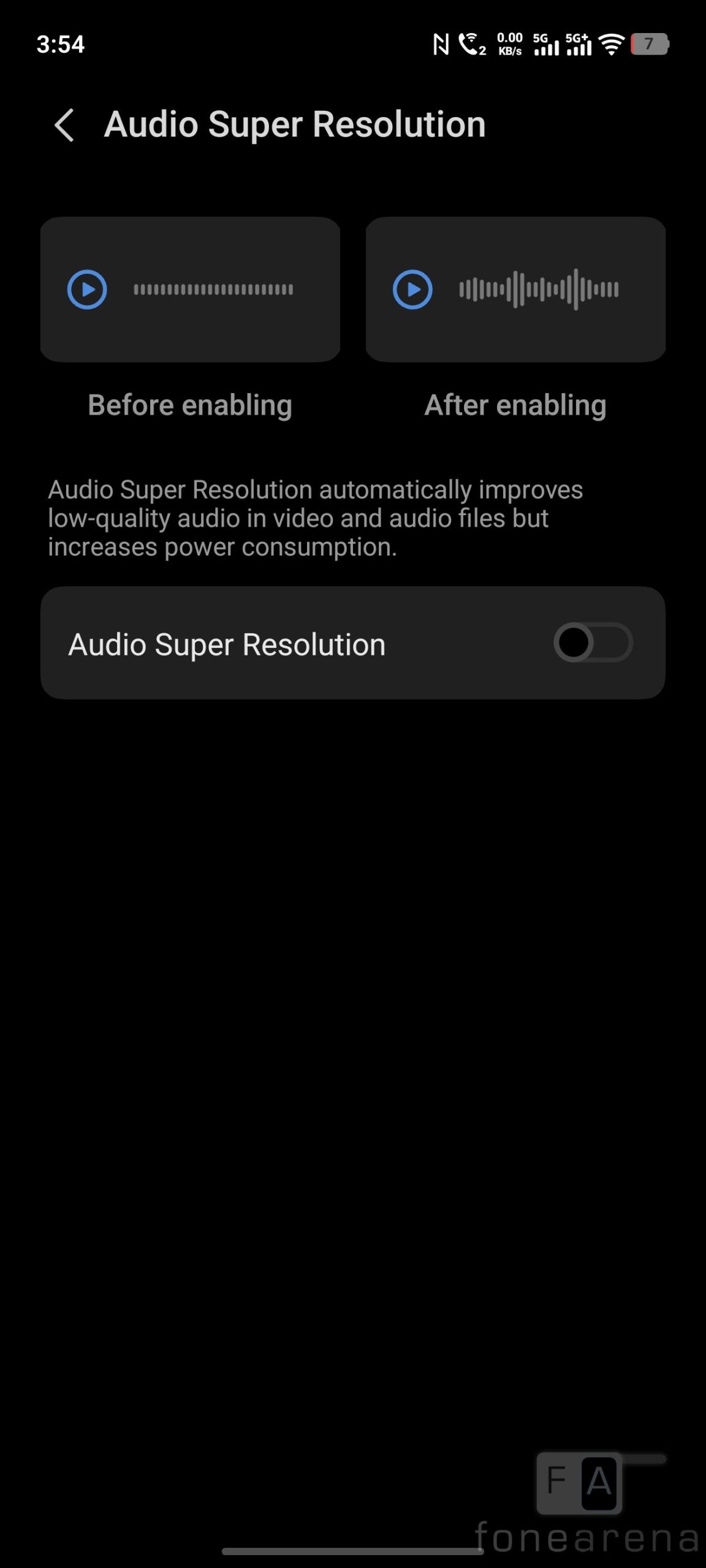
The default Music Player also has equalizer and DeepField sound effects. It doesn’t have FM Radio support. There is audio super resolution, and super audio features. Audio through the stereo speakers is crisp and loud. Audio through the headphones is good as well.
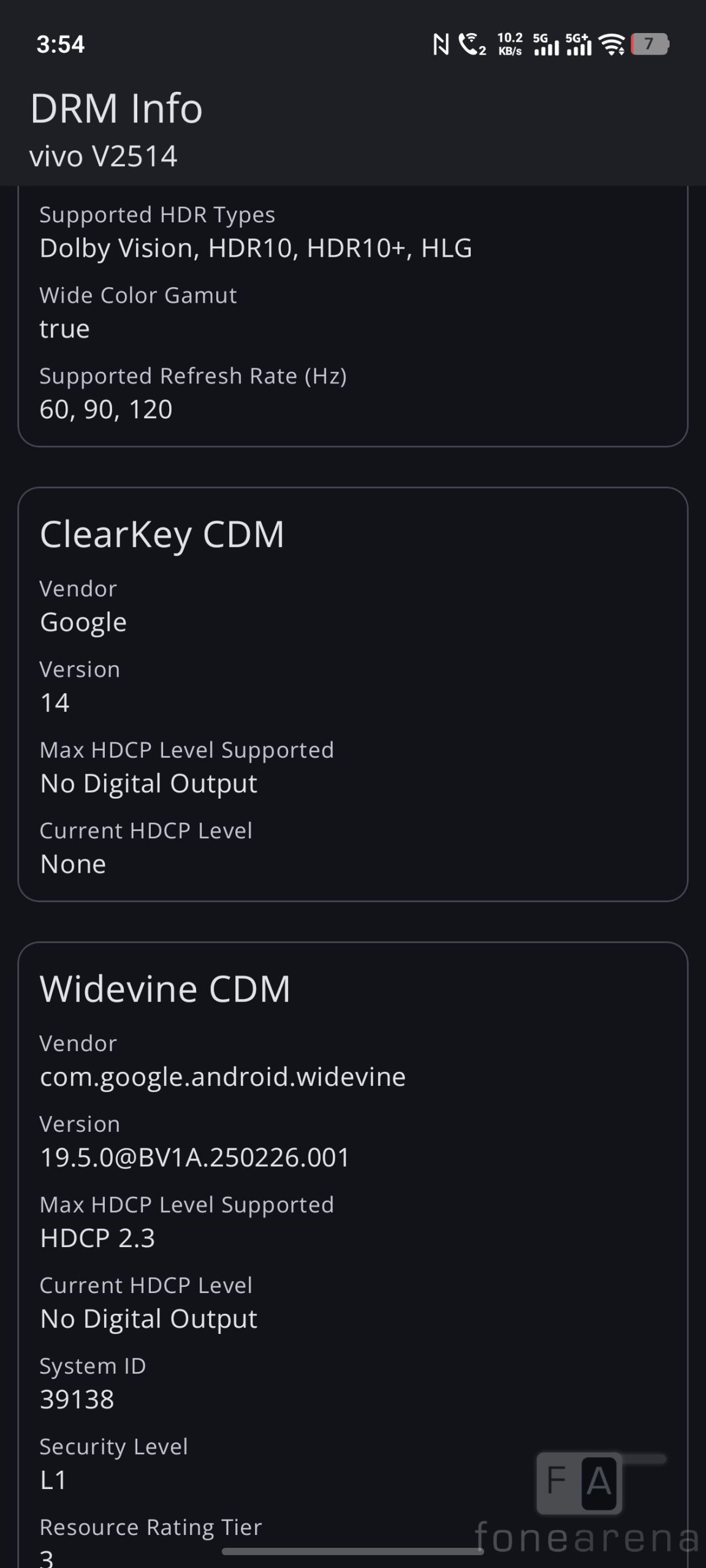
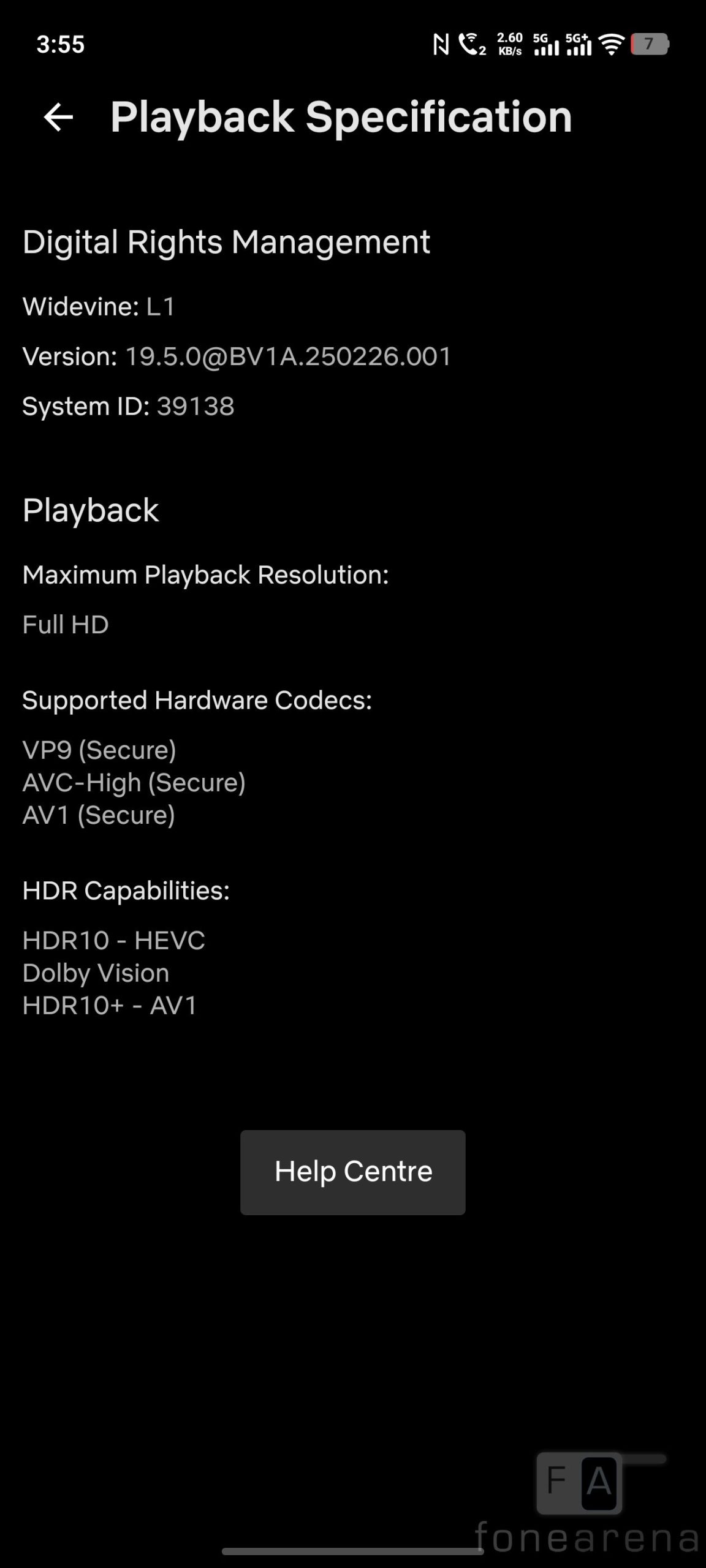
This has Widevine L1 so that you can play HD content on Amazon Prime Video, Netflix and other streaming apps. It also supports HDR playback on YouTube, and Dolby Vision works for Netflix along with HDR 10+.
Dual SIM and Connectivity
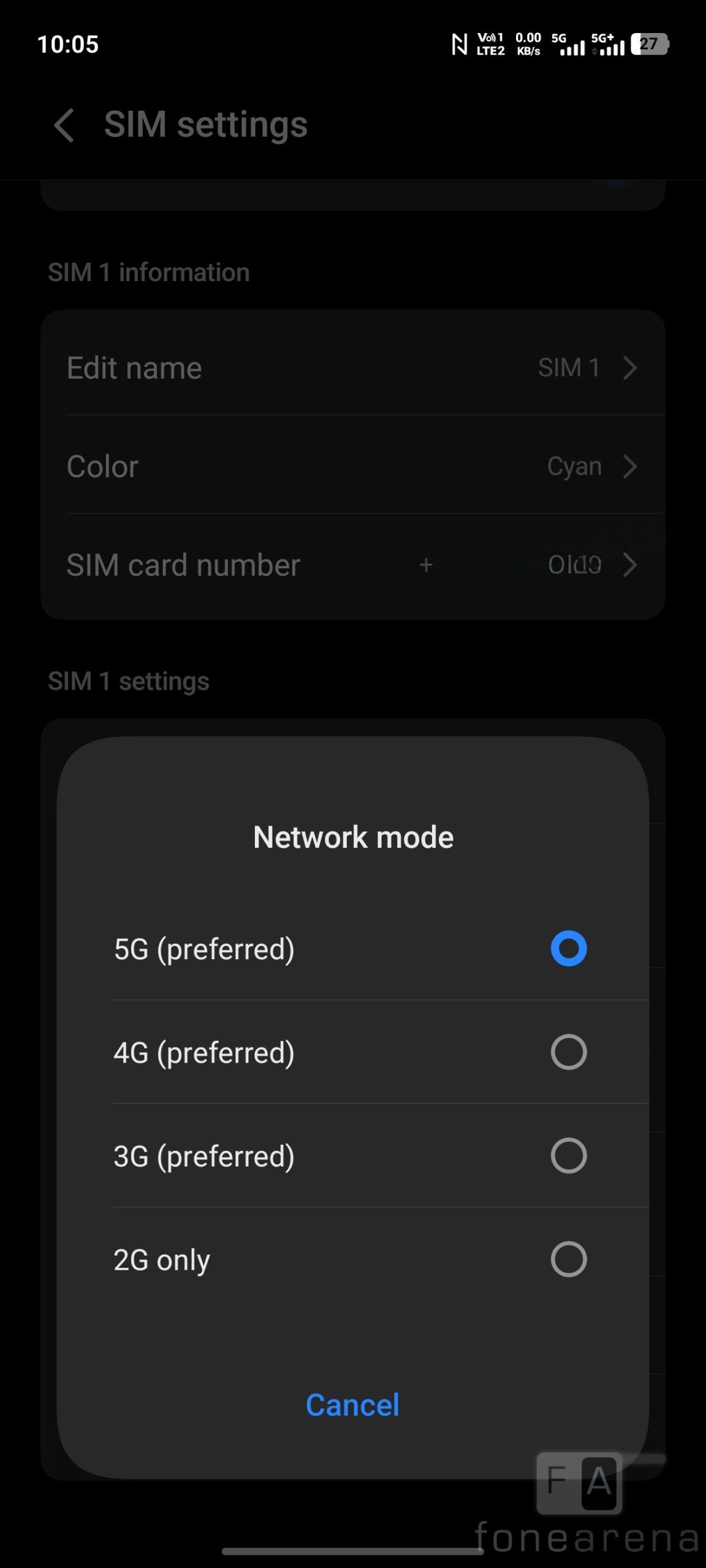
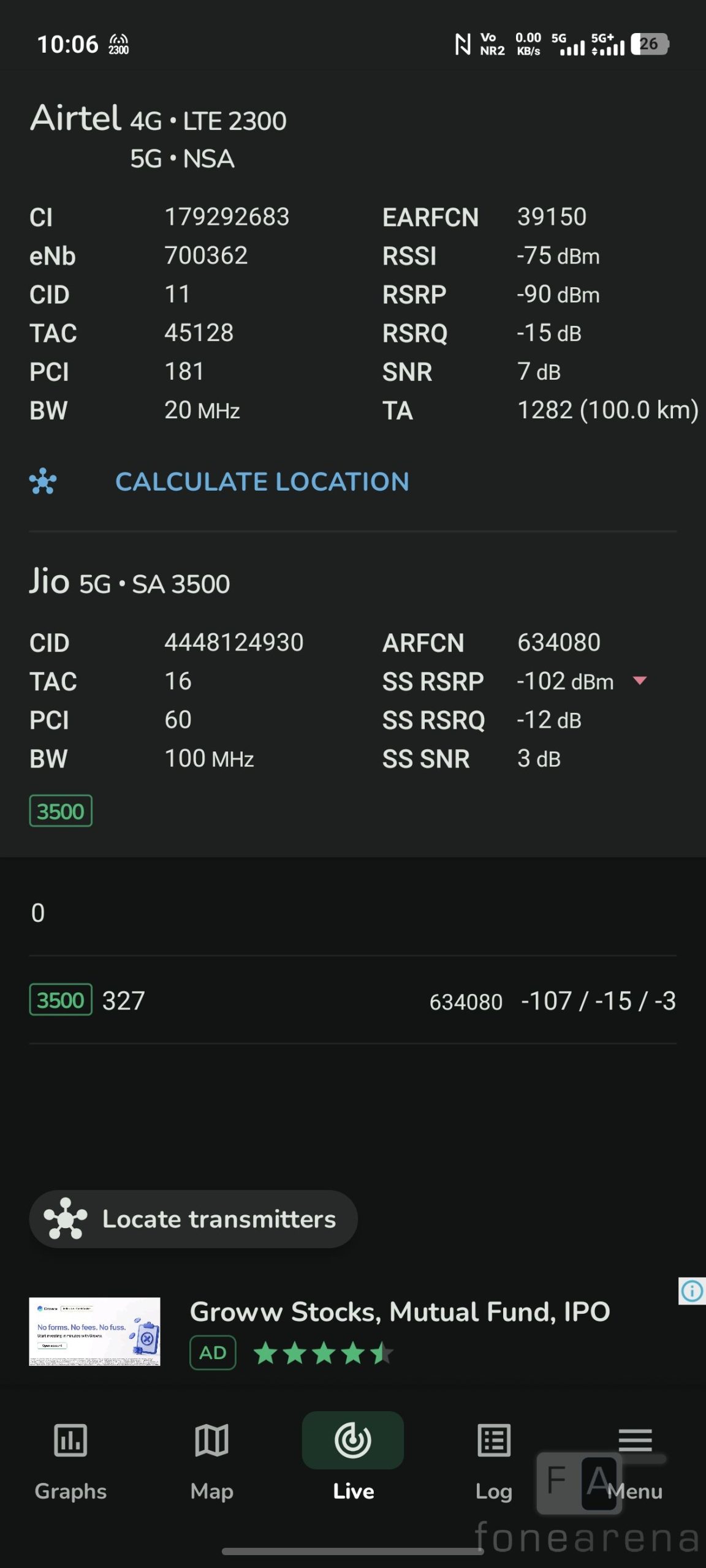
It has the usual set of connectivity features such as 5G with support for n1/n2/n3/n5/n7/n8/n20/n25/n26/n28/n38/n40/n41/n66/n71/n75/n77/n78/n79 bands, and supports Airtel and Jio 5G out of the box. It also has eSIM support. There is also dual 4G VoLTE, Wi-Fi 7 802.11be (2.4 GHz, 5 GHz and 6 GHz), Bluetooth 6.0, GPS + GLONASS and NFC support. It also has USB OTG support, and it has USB 3.2 Gen1. We did not face any call drops and the earpiece volume is good.
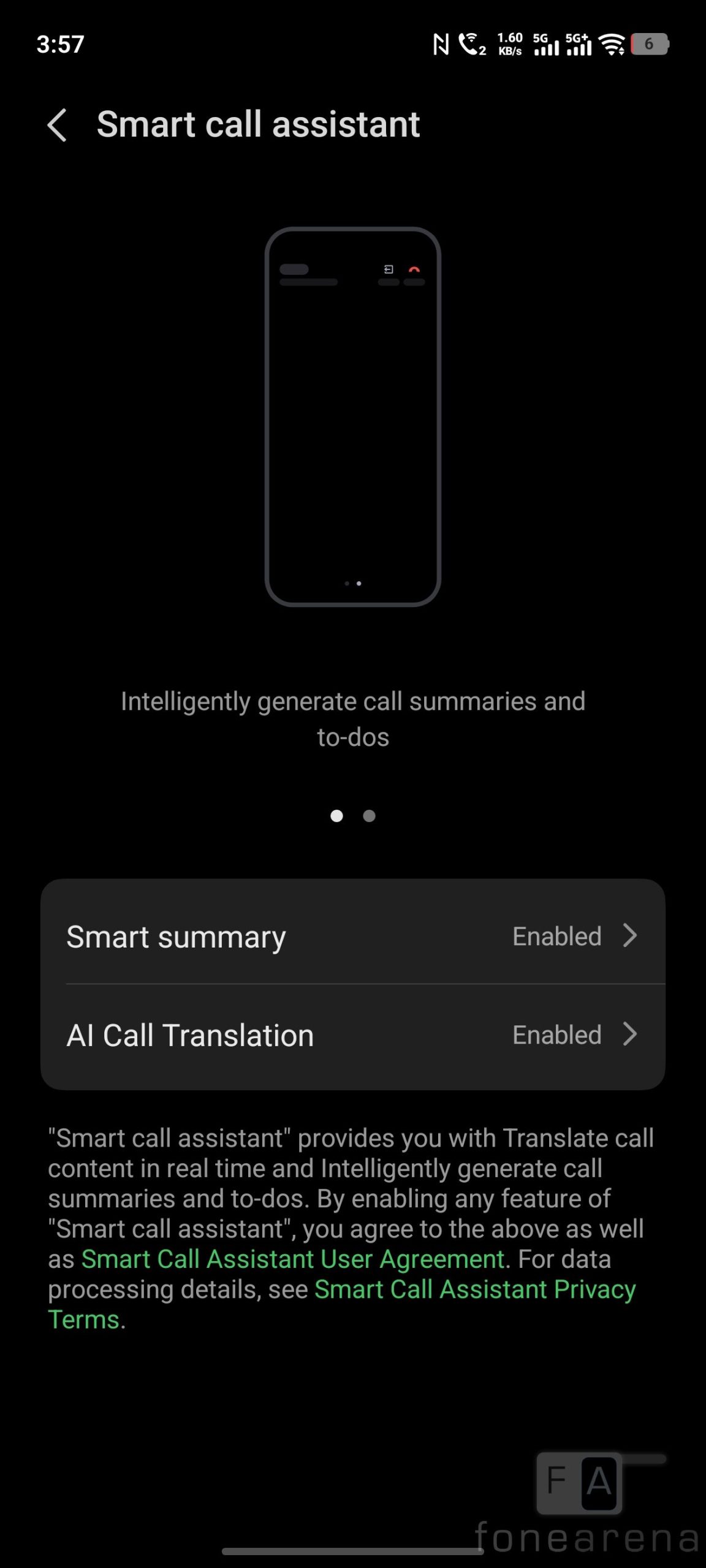
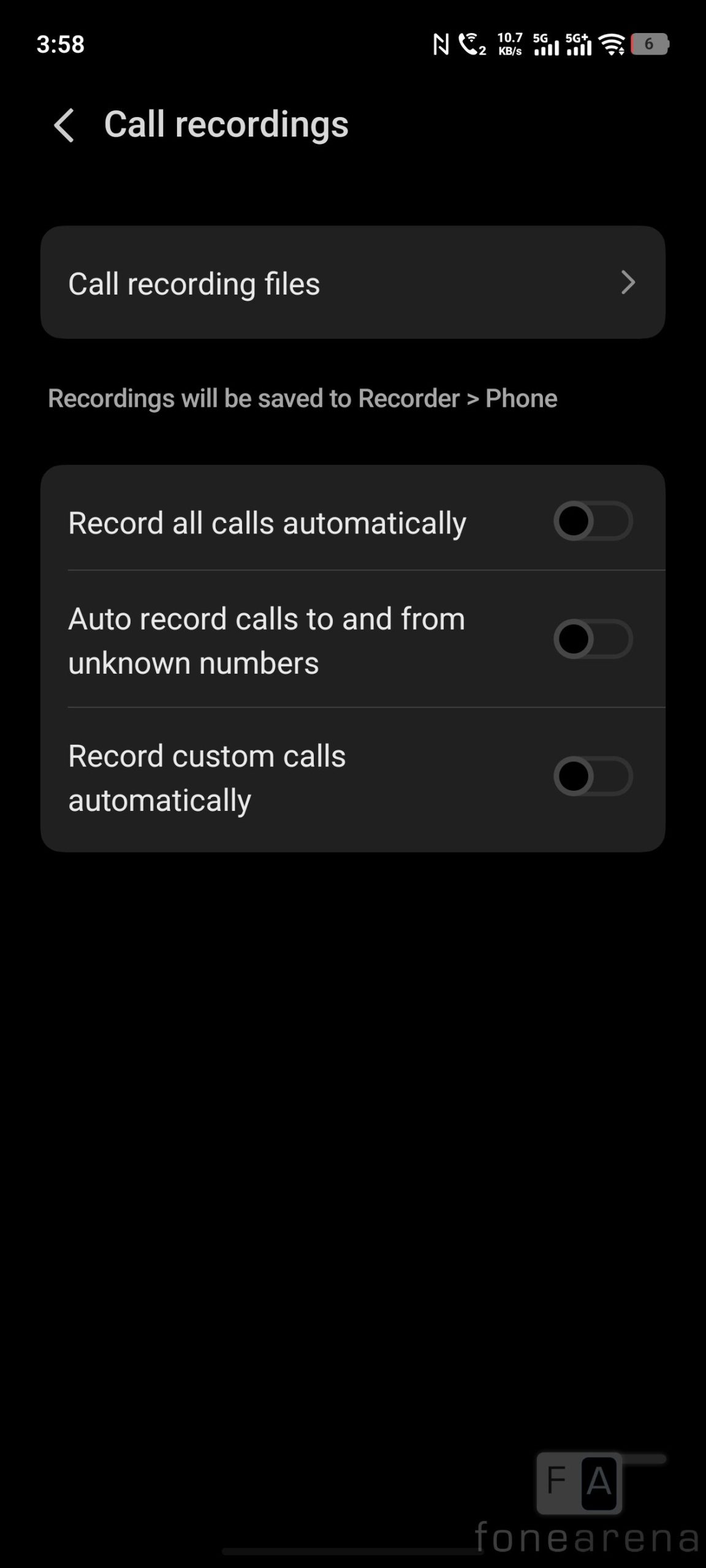
The stock dialer adds smart summary and AI call translation. There is also call recording without announcement. It uses Google messages.
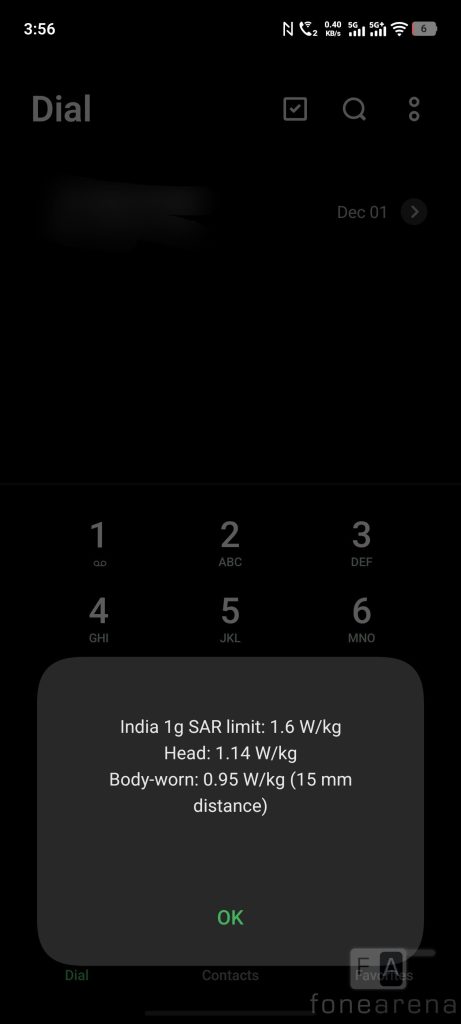
The vivo X300 Pro’s body SAR is 0.95W/Kg and head SAR is at 1.14/Kg, which is slightly higher than the X200 Pro, but well under the limit in India which is 1.6 W/kg (over 1 g).
Performance and Benchmarks
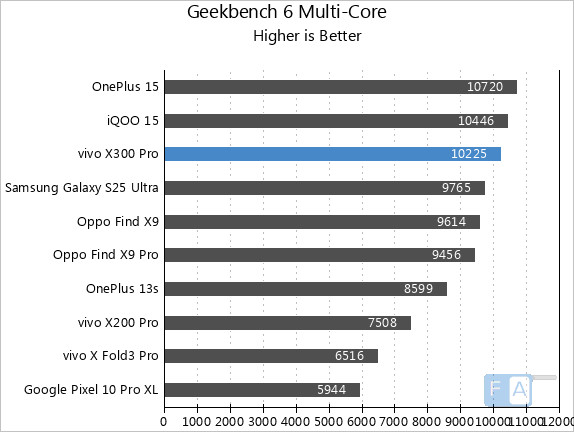
This is one of the first phones in India to be powered by MediaTek Dimensity 9500 SoC. It has the same 1-3-4 microarchitecture but uses 1x Arm C1-Ultra performance cores clocked at 4.21GHz, 3 x Arm C1 premium performance cores clocked at 3.5GHz and 4 x C1 Pro big cores clocked at 2.7GHz.
Its single-core performance is improved by 32% compared to the previous generation, and its multicore performance is improved by 17%, according to the company. It is fabricated using the second-generation TSMC’s 3nm process Technology and promises 42% improved power efficiency.
The phone has efficient cooling System features a new high-tech ice vein capillary core design with a built-in super water absorption channel to enhance VC water return speed. This allows for rapid evaporation and absorption of heat during heating, while also providing rapid water replenishment, similar to plant roots absorbing water. Nanofluid has strong hydrophilicity and can accelerate the cycle speed of liquid phase change, absorption, heat conduction, heat dissipation, and reflux, said the company.
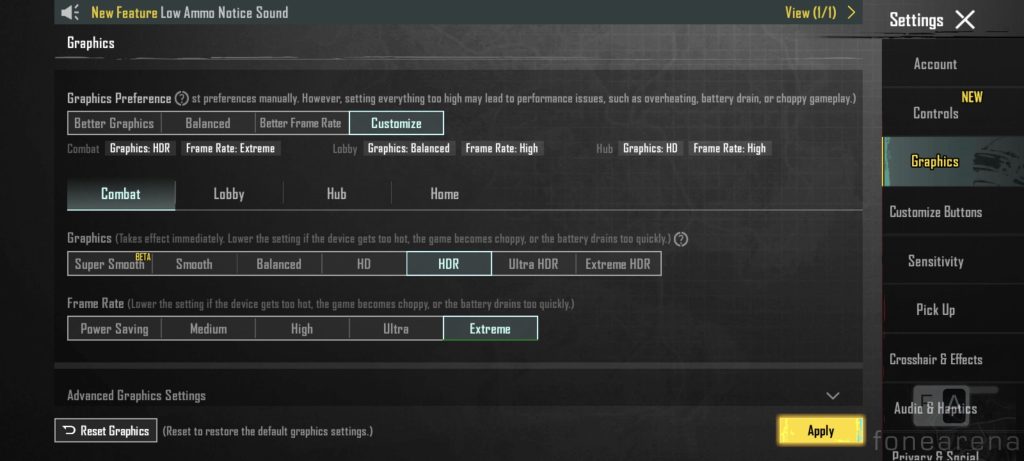
We did not face any issues or frame drops in the graphic-intensive games like COD, BGMI and Genshin Impact. HDR and Extreme works for BGMI.
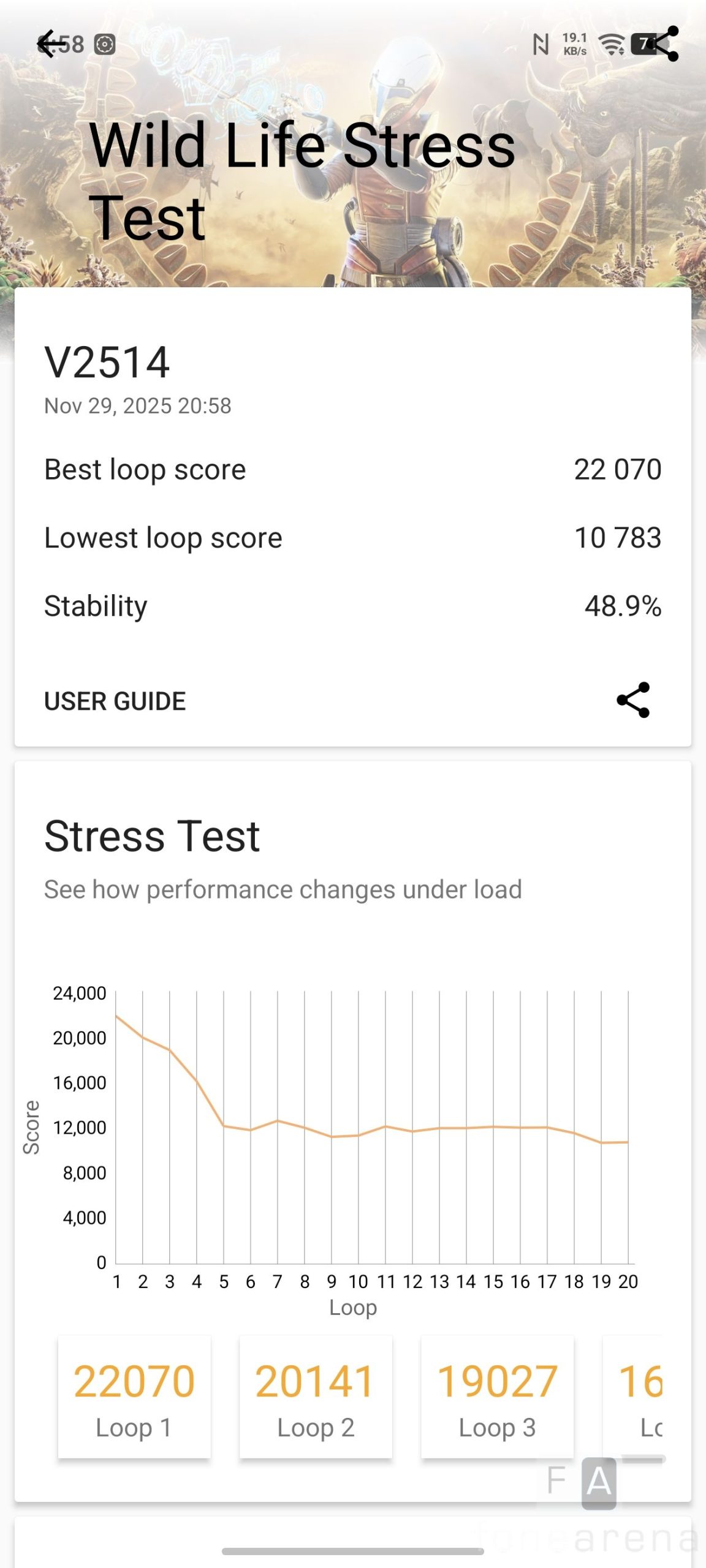
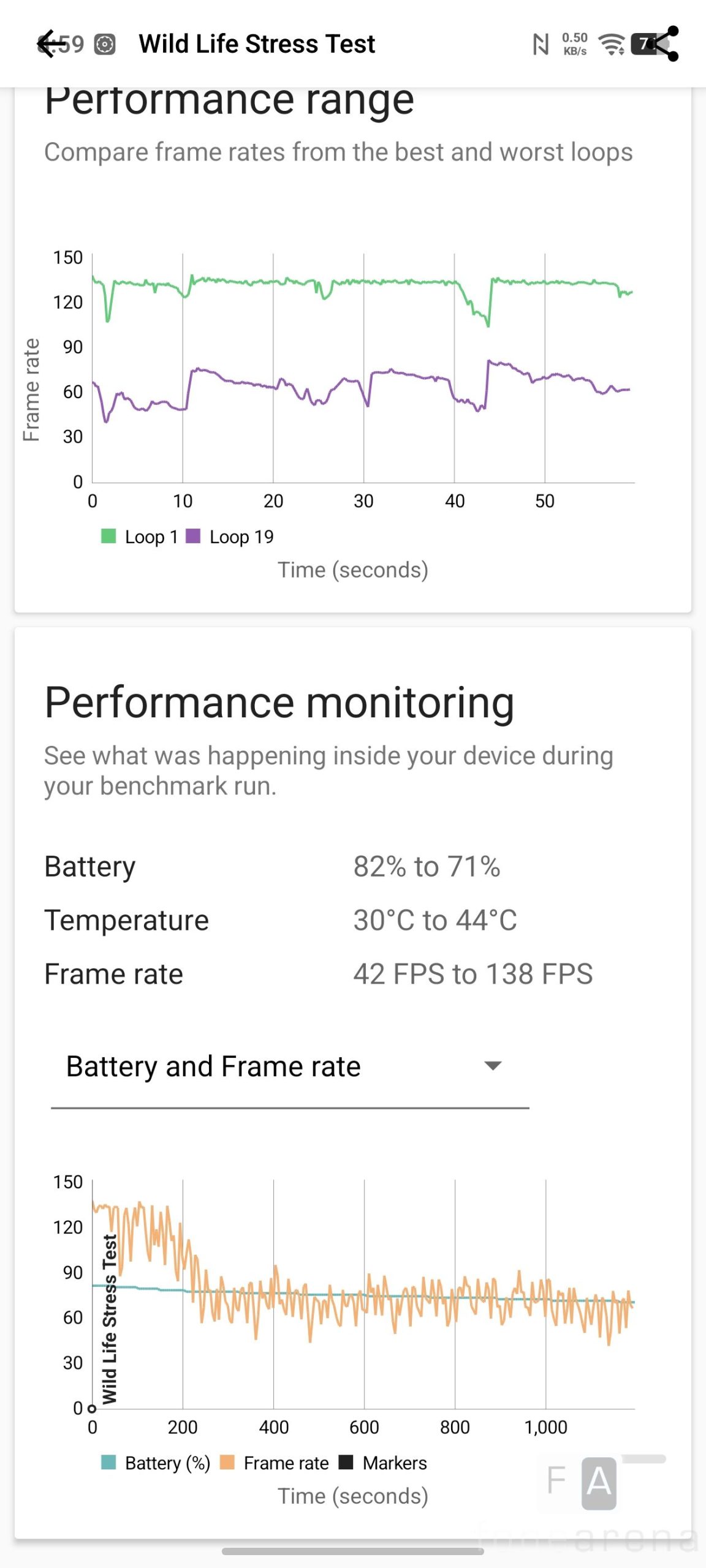
In 3D Mark wild life stress test, it scored 48.9%, and the temperature shot up from 30 to 44 degrees. Even though the score is slightly less, the temperature is similar to X200 pro. It still has thermal throttling, which the X300 Pro faced.
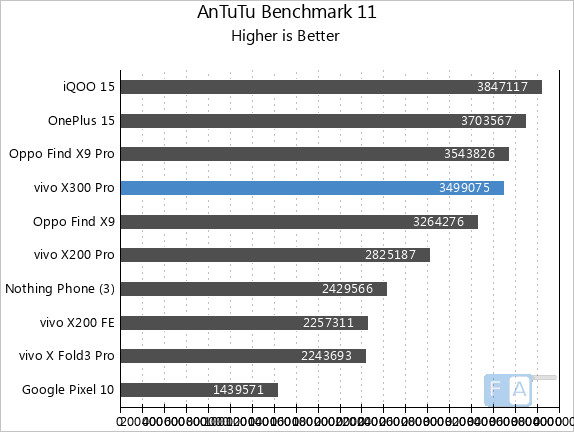
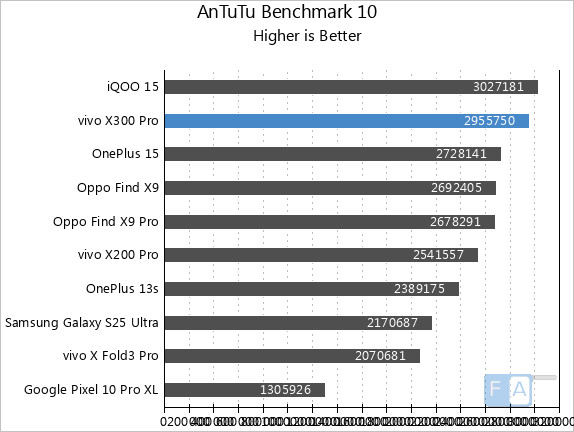
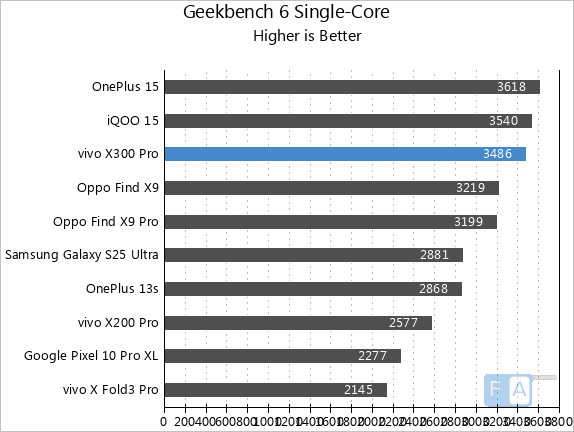
Check out some synthetic benchmark scores below.
Battery life
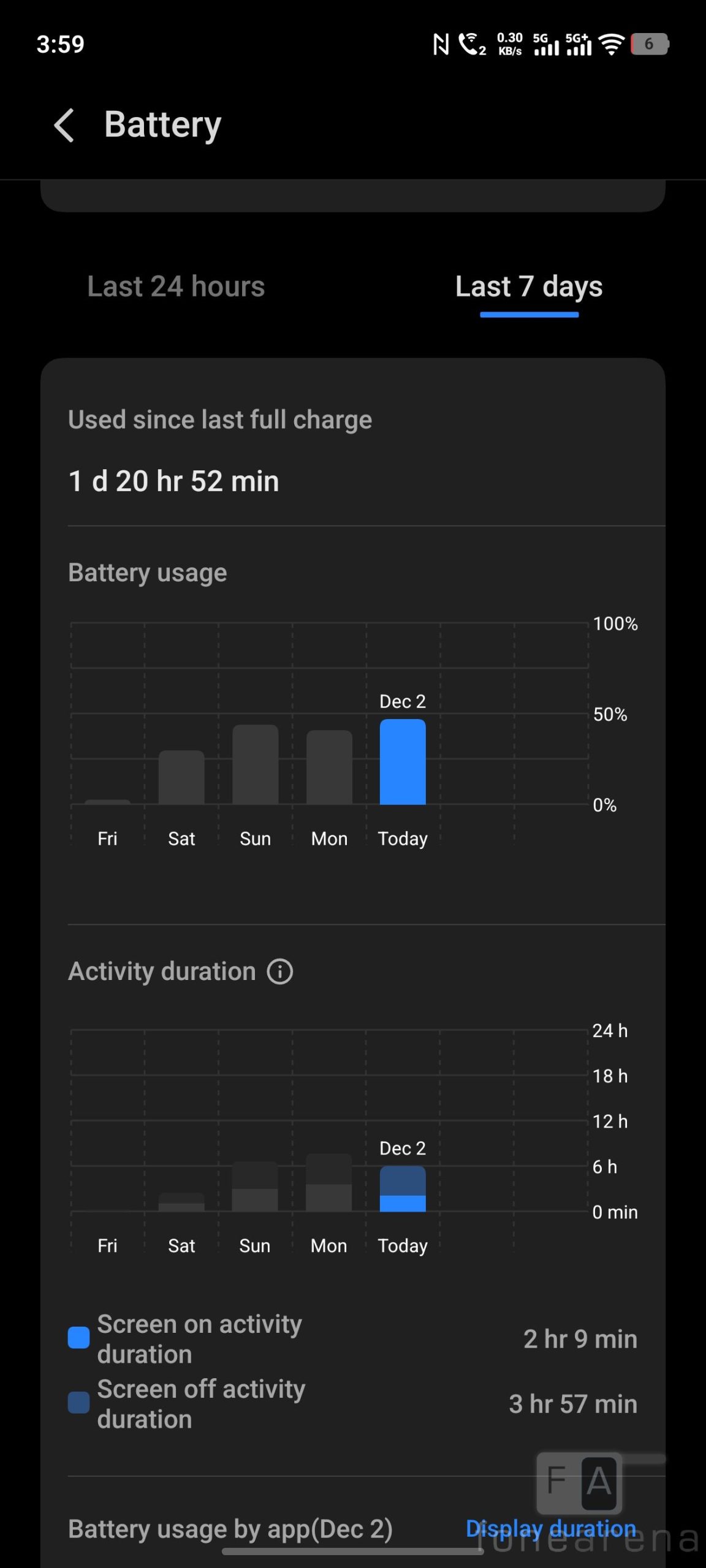
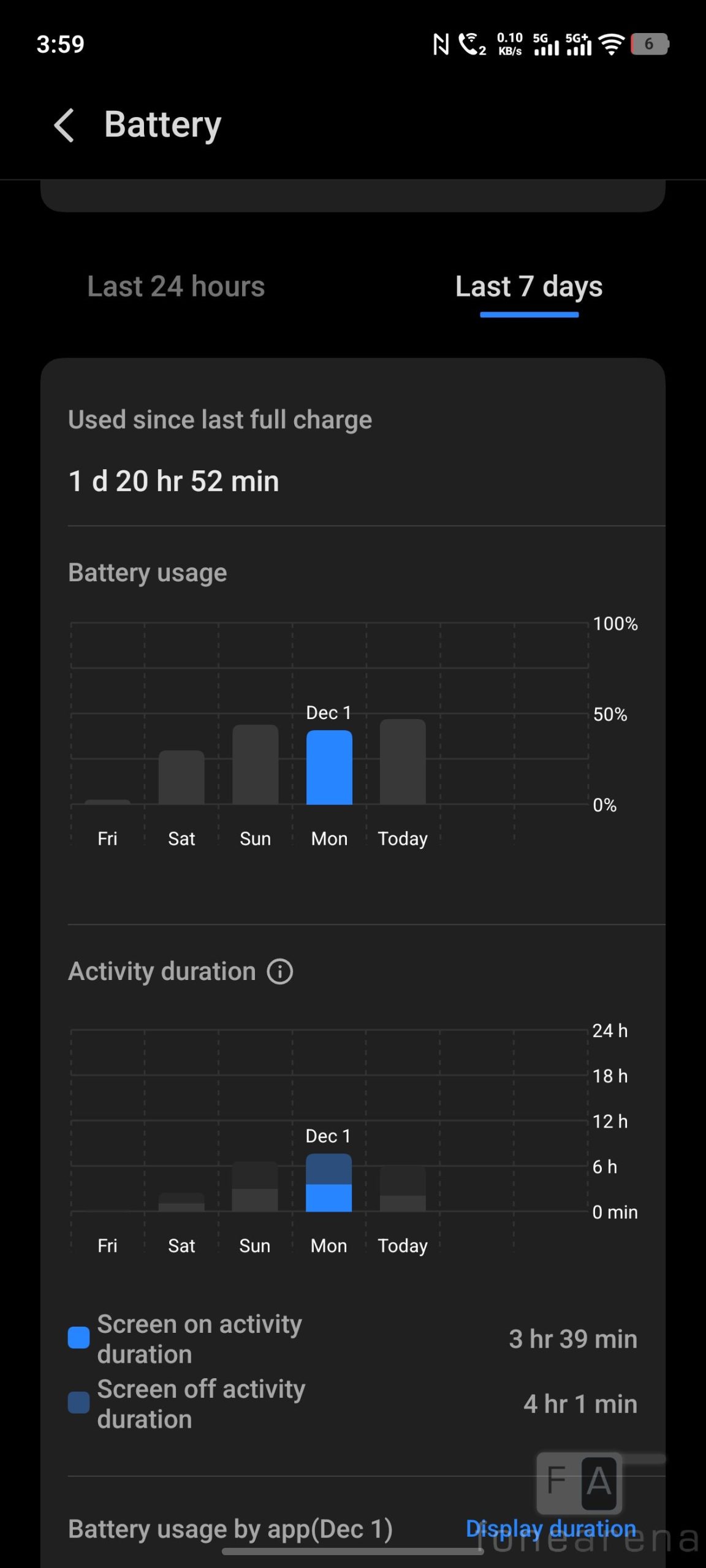
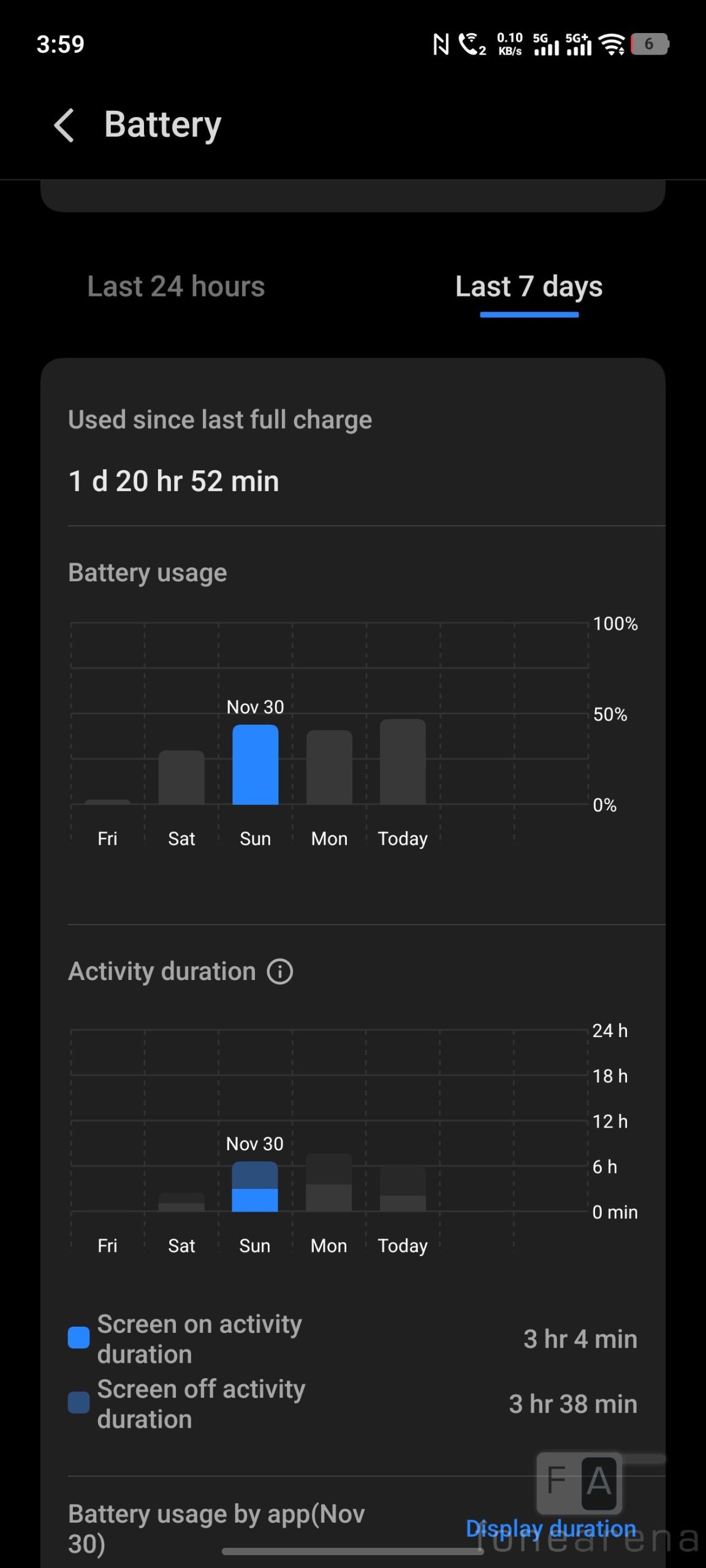
Coming to the battery life, the phone packs a 6510mAh (typical) Silicon-Carbon battery, which is 510mAh bigger than the X200 Pro. The 4th-Gen Silicon Negative Electrode Technology Semi-Solid State Battery, ensures enduring performance even in extreme cold down to -20°C. It can easily last for a day with heavy use, thanks to the optimization.
I got over 6 hours of screen on time with close to 2 days of use, mostly on Wi-Fi, and occasional 5G use with Smart refresh rate. This is better than the vivo X200 pro.
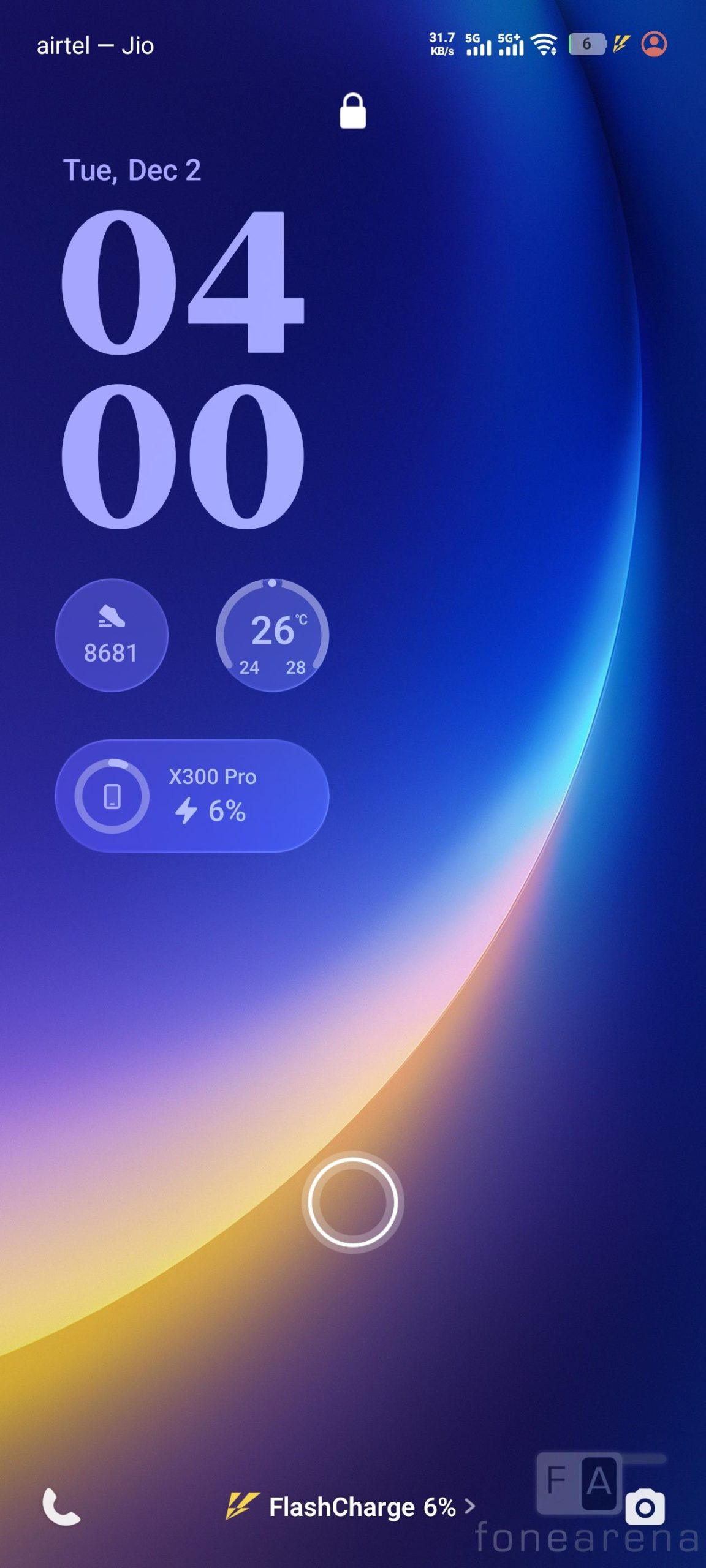
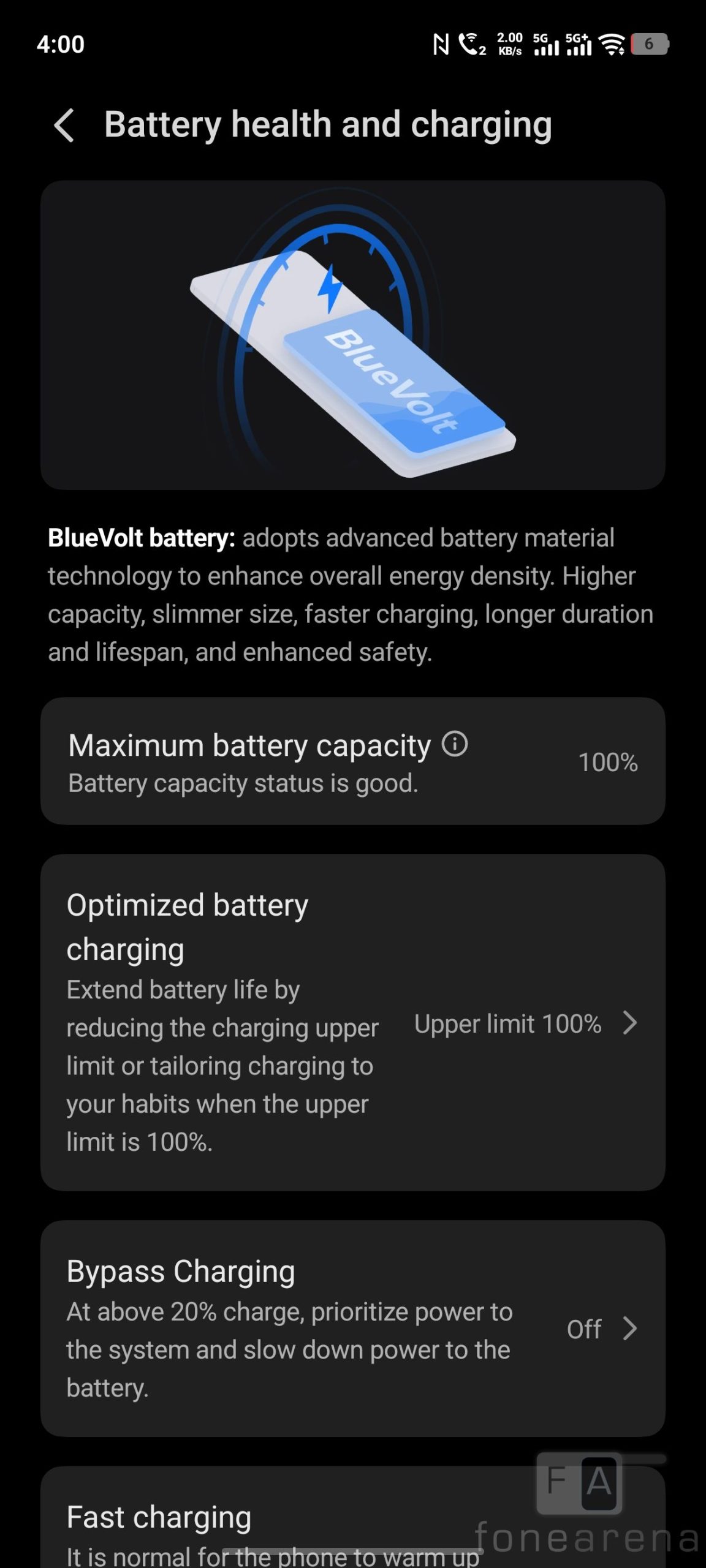
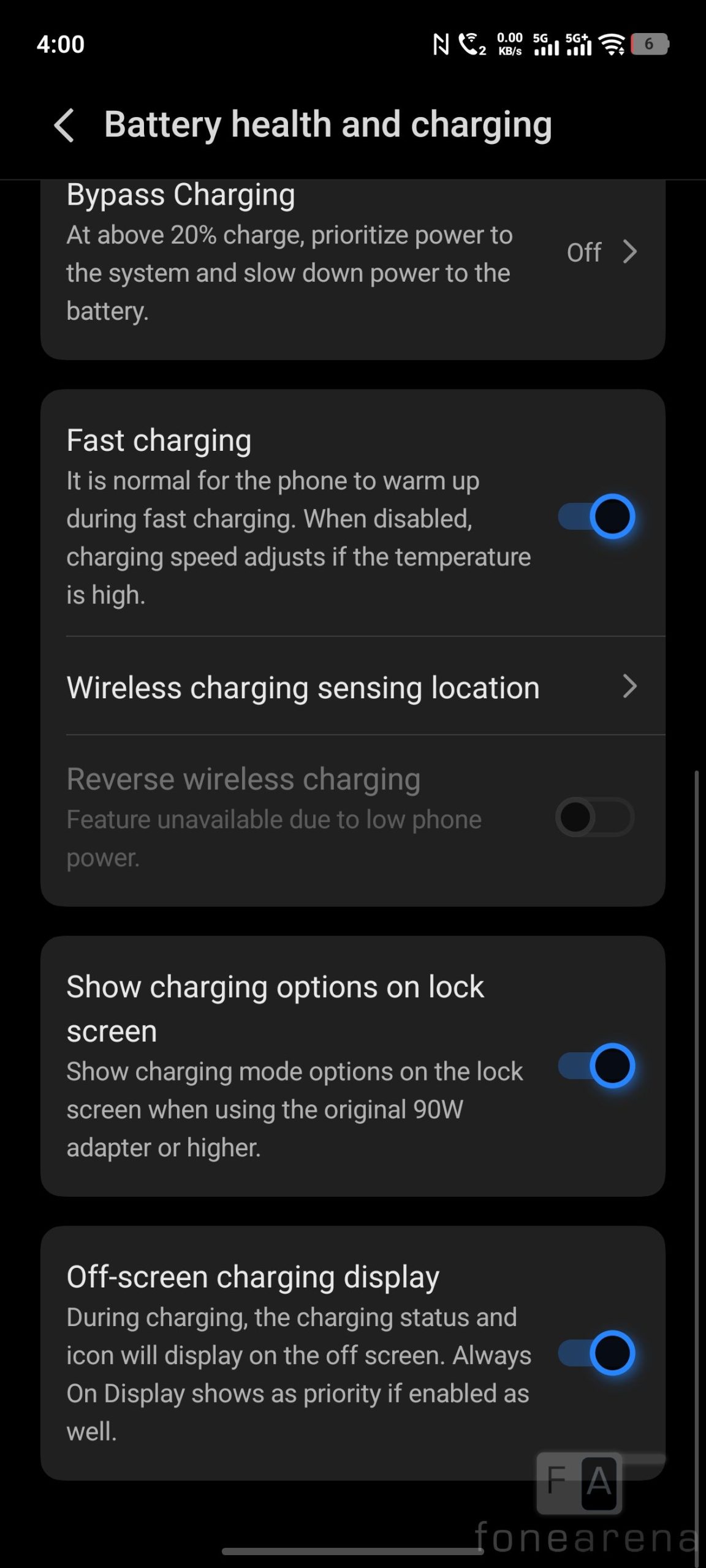
Since the phone has support for 90W fast charging, it can charge up to 50% in about 20 minutes and up to 100% in about an hour. You will have to enable fast charging option if you want to reduce the charging time, but the phone gets a bit hot. There is also supports 55W PD3.0 PPS charging. It also has 40W wireless charging support.
Conclusion
Is the vivo X300 Pro a good upgrade to last year’s X200 Pro? Undoubtedly, yes. The vivo X300 Pro is not just an incremental update; it is a substantial leap forward, particularly in the departments that matter most to power users: imaging and endurance.
The shift to the 200MP ZEISS APO telephoto sensor is a game-changer, offering zoom capabilities and macro performance. Coupling that with a massive, 6510mAh Silicon-Carbon battery—without making the phone heavier than its predecessor—is a feat of engineering that addresses the biggest pain point of modern flagships.
Furthermore, vivo has finally addressed the longevity concern with the promise of 5 Android OS updates and 7 years of security updates. However, this premium experience comes at a literal cost. The steep Rs. 15,000 price hike pushes the X300 Pro into the ultra-premium territory, competing directly against the absolute top-tier variants from competitors. While the thermal throttling under extreme stress is a slight blemish, it rarely impacts day-to-day usage or photography.
If you are a mobile photographer who craves the best zoom lens on the market, or a power user who needs a battery that genuinely lasts more than a day, the vivo X300 Pro is a fantastic choice.
Pricing and availability
The vivo X300 Pro is priced at Rs. 1,09,999 for the single 16GB + 512GB model. It will be available from vivo India eStore, Amazon.in, Flipkart and offline stores from December 10th with pre-orders starting today. The vivo ZEISS 2.35x telephoto extender kit is priced at Rs. 18,999.
There are bank offers, and those buying the smartphone with the Telephoto Extender Kit can avail a flat Rs. 4,000 off on the bundle.
Alternatives
The OPPO Find X9 Pro is a direct competitor, with a slightly bigger battery and the same Dimensity 9500 chip. The Samsung Galaxy S25 Ultra is a good alternative since the price has come down since the launch, and S26 Ultra is around the corner. The latest Google Pixel 10 Pro XL is also a good, but pricier option.
Pros
- 1.5K AMOLED 120Hz LTPO display is brilliant
- Smooth performance
- Impressive cameras with improved telephoto and front cameras
- Solid build quality, IP68 + IP69 ratings
- Good battery life with 90W fast charging, 40W wireless charging
Cons
- Throttles under extreme sustained load
- Pre-installed bloatware (though removable)