
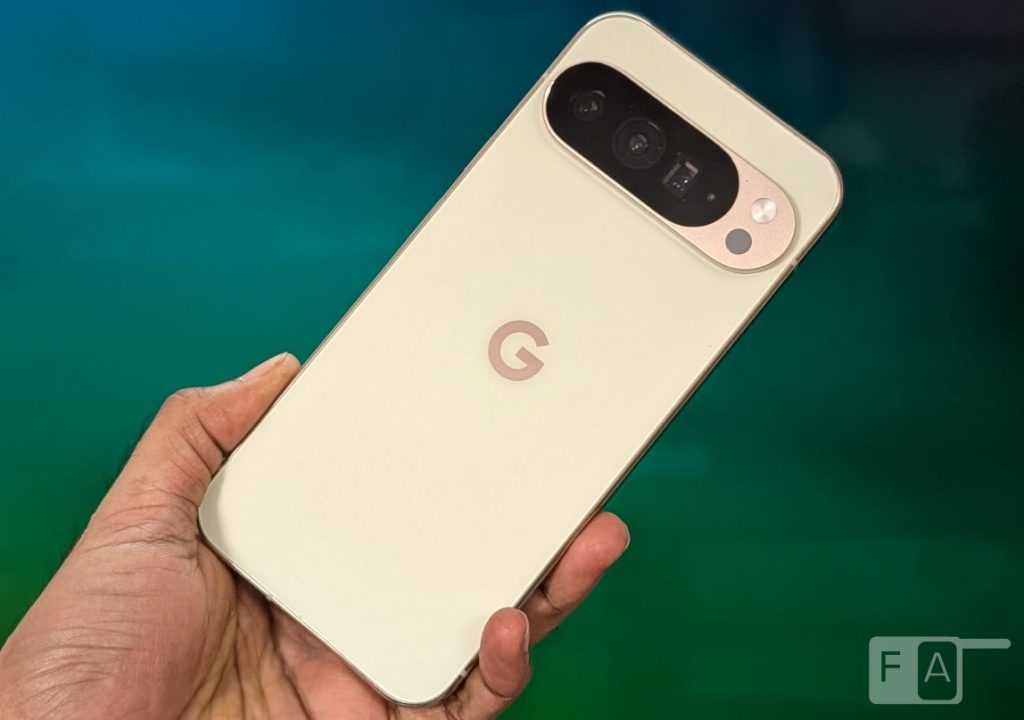
The Google Pixel line has always carved its own path, prioritizing intelligent software and computational photography over a raw specifications war. With the Pixel 10 Pro XL, Google doubles down on this philosophy, presenting a device that is not just a smartphone, but a portal to the future of AI. After a month of intensive real-world use, it is clear that this is a device of tangible, thoughtful upgrades. It refines an already excellent formula with a standout camera system and an AI package no competitor can currently match, though it is not without its growing pains and paradoxes.
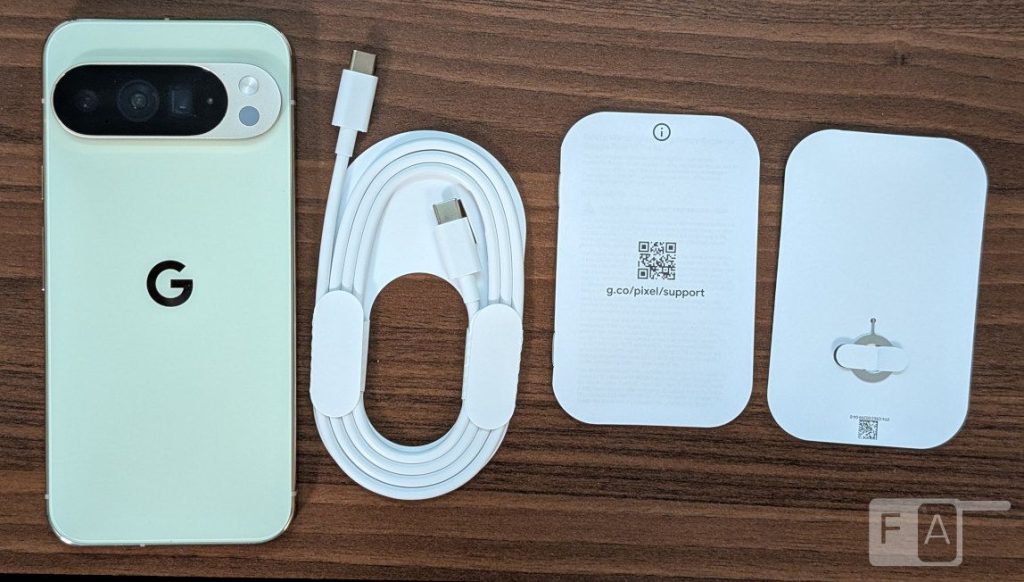
Box Contents
- Google Pixel 10 Pro XL (Jade, 256GB)
- 1m USB-C to USB-C cable (USB 2.0)
- Quick Switch Adapter
- SIM Ejector Tool
- User Guide and Warranty Information (Note: 45W USB-C PD 3.0 (PPS) charging adapter is sold separately)
Hardware, Design and Build
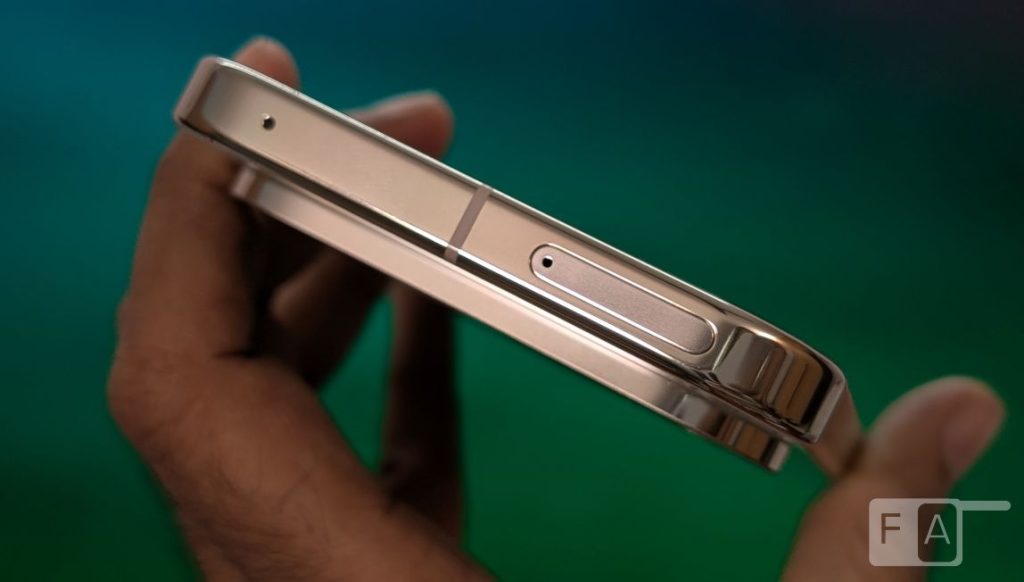
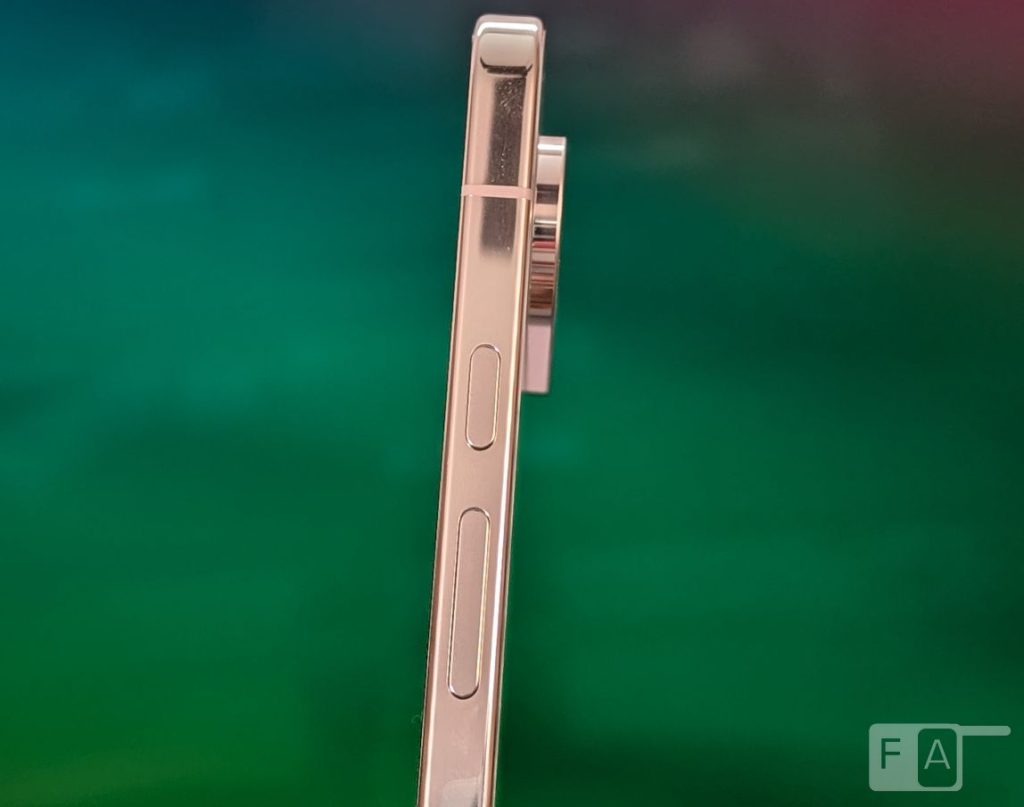
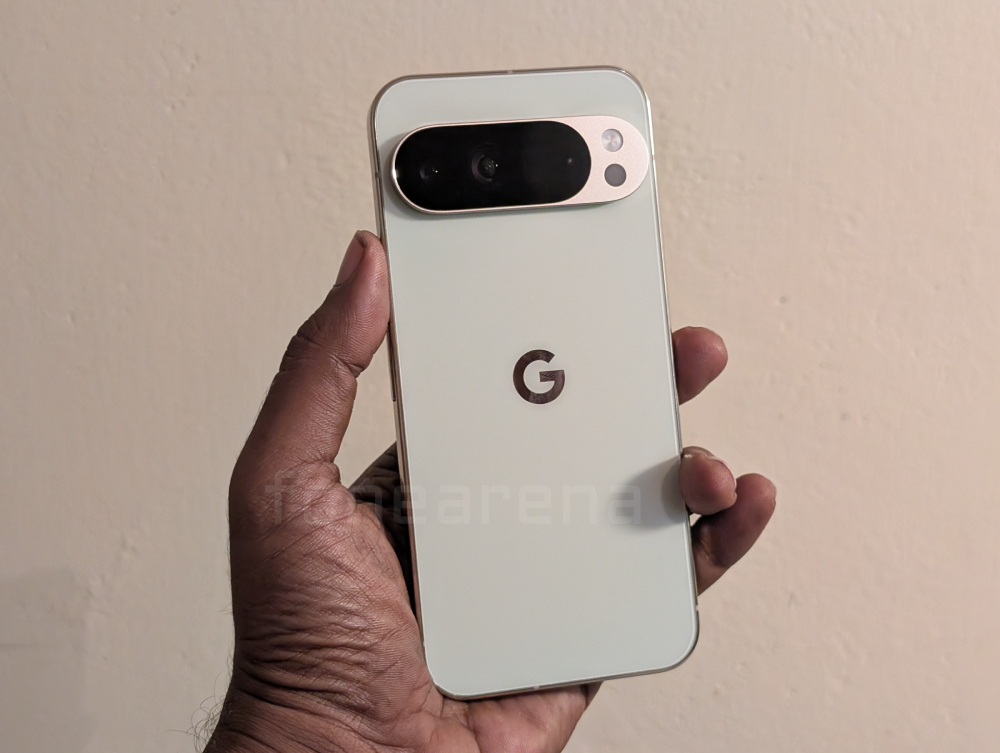
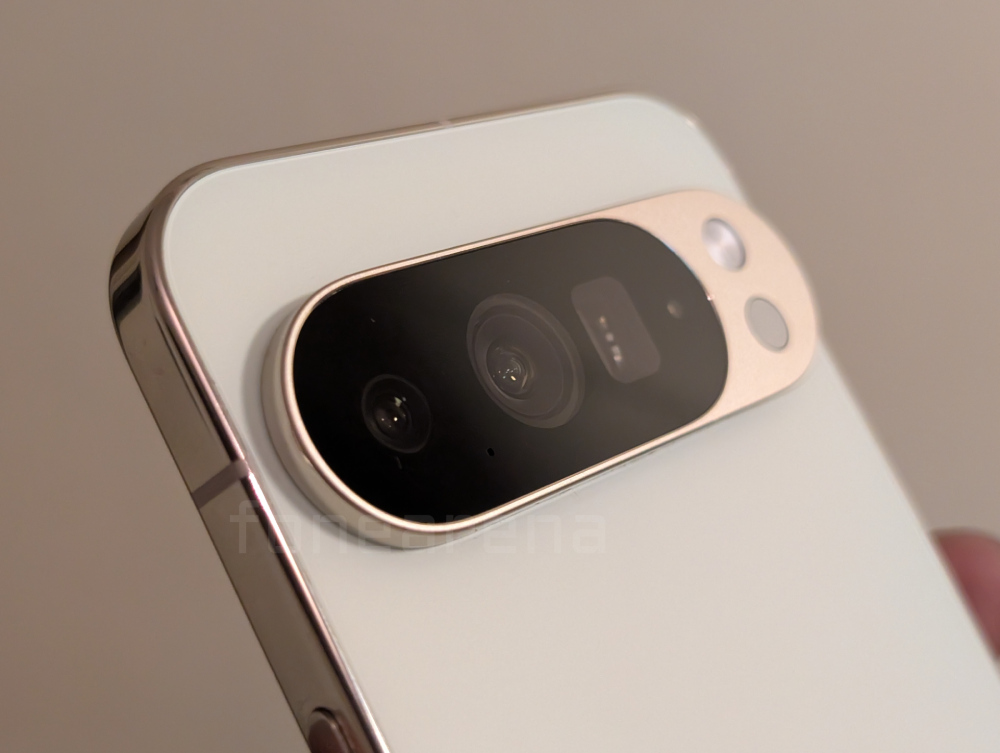
Right out of the box, the Pixel 10 Pro XL exudes a high-end, premium feel. It is a continuation of the design language from the 9 Pro XL, but with subtle refinements to the camera capsule and a slightly larger, shinier Google logo on the back. Our review unit, in its “Jade” color, features stunning gold-plated sides that catch the light beautifully, giving it a much more luxurious and chrome-like appearance.
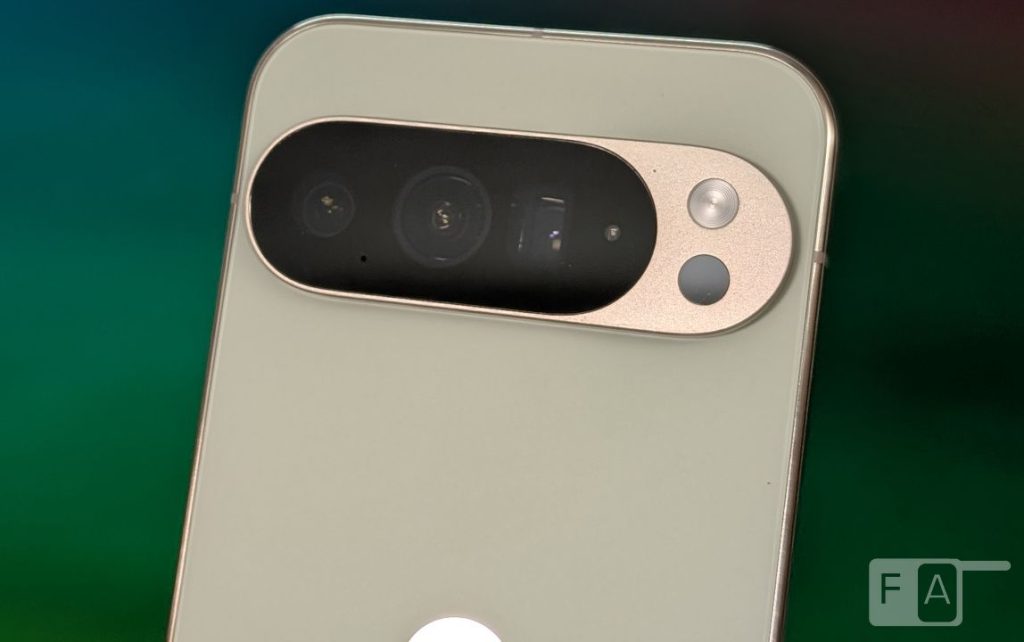
The materials feel fantastic to the touch. The combination of a silky matte Corning® Gorilla® Glass Victus® 2 back and a polished, spacecraft-grade aluminum frame feels so luxurious, in fact, that I was brave enough to use it without a case. This was a practical choice, mirroring my experience with the 9 Pro XL. At 162.8 mm in height, 76.6 mm in width, 8.5 mm in depth, and 232 grams, the phone has a significant heft.
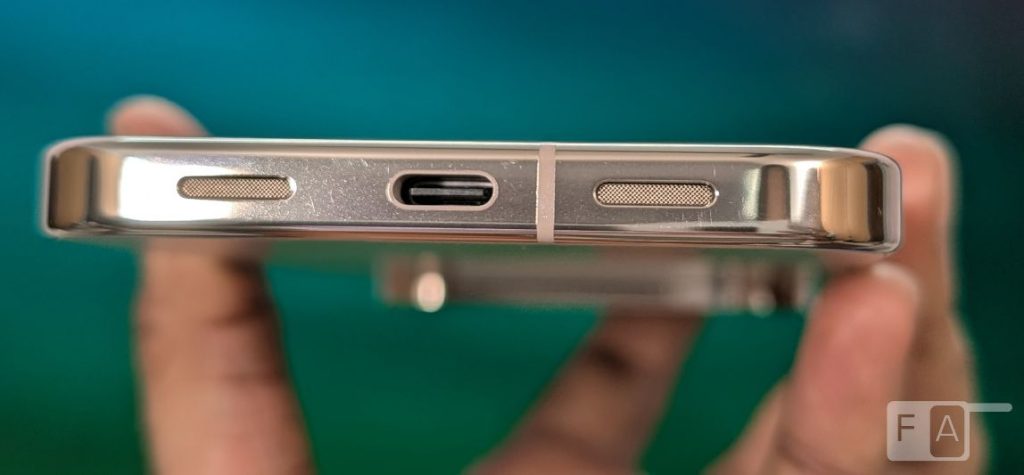
While comfortable for those with larger hands, adding a thick case makes the weight very noticeable in a pocket or bag. For users with smaller or drier hands, the combination of size and smooth materials might make the equally capable, smaller Pixel 10 Pro a more sensible choice. It is a beautiful, IP68-rated device, but its weight remains a factor to consider.
A Magnetic Personality: The Pixel Ecosystem
Perhaps one of the most significant yet under-marketed upgrades from the 9 Pro XL is the inclusion of a magnet array on the back of the device. This seemingly small addition is a massive functional leap, enabling full compatibility with the vast and mature ecosystem of MagSafe accessories. This instantly opens the door to a world of magnetic chargers, wallets, car mounts, and stands that “just work” without any fussy clips or adhesives.
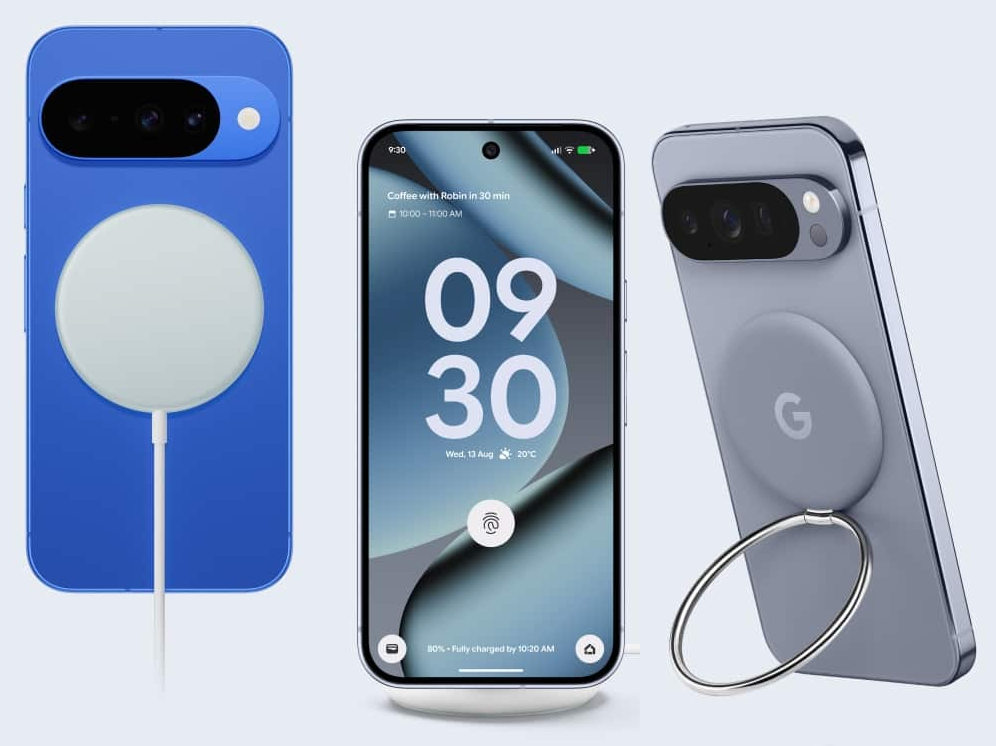
This is a brilliant and strategic move by Google. It not only enhances the phone’s versatility but also significantly lowers the barrier for iPhone users to switch. By adopting this standard, Google acknowledges the convenience users have come to expect and makes the Pixel a more compelling hardware proposition. It is a clear signal that the Pixel is no longer just a luxurious alternative in terms of software and camera; it is now positioned to compete on a more level playing field in the lucrative accessory market, making a strong case for itself as a true, top-tier competitor to Apple.
Display
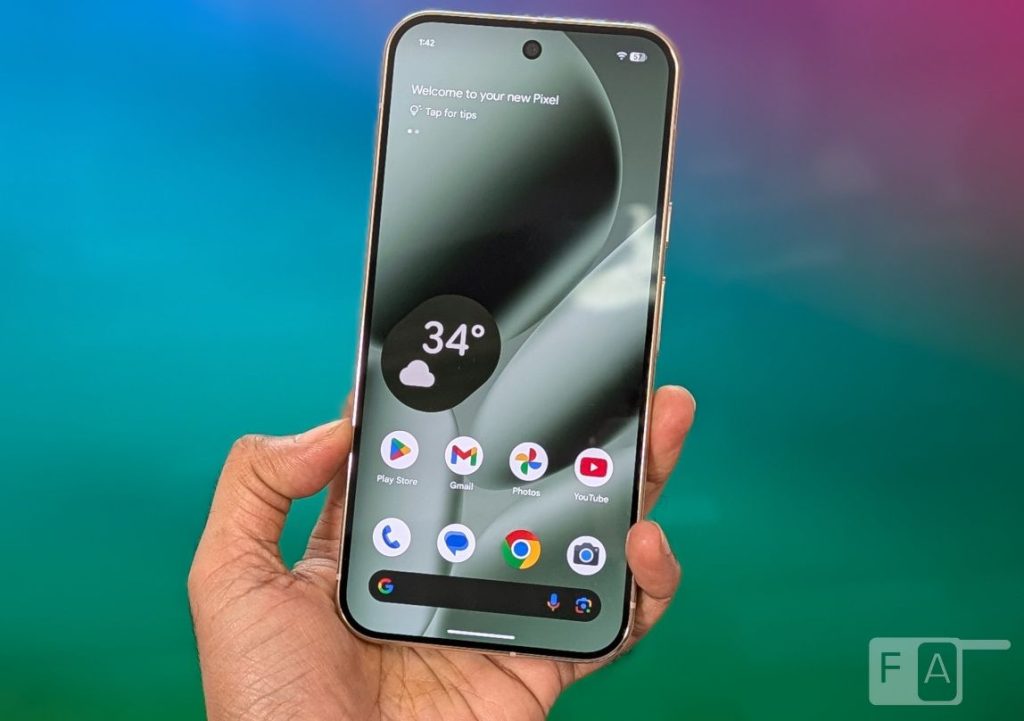
The 6.7-inch, 1344 x 2992 LTPO OLED screen is, in a word, fantastic. With a pixel density of 486 PPI and a 20:9 aspect ratio, everything is incredibly sharp. The “Smooth Display” adaptive refresh rate, which varies from 1 to 120 Hz, is as fluid as ever. It is aided by the battery-saving feature of dropping to 1Hz on static content, a welcome carryover from its predecessor.
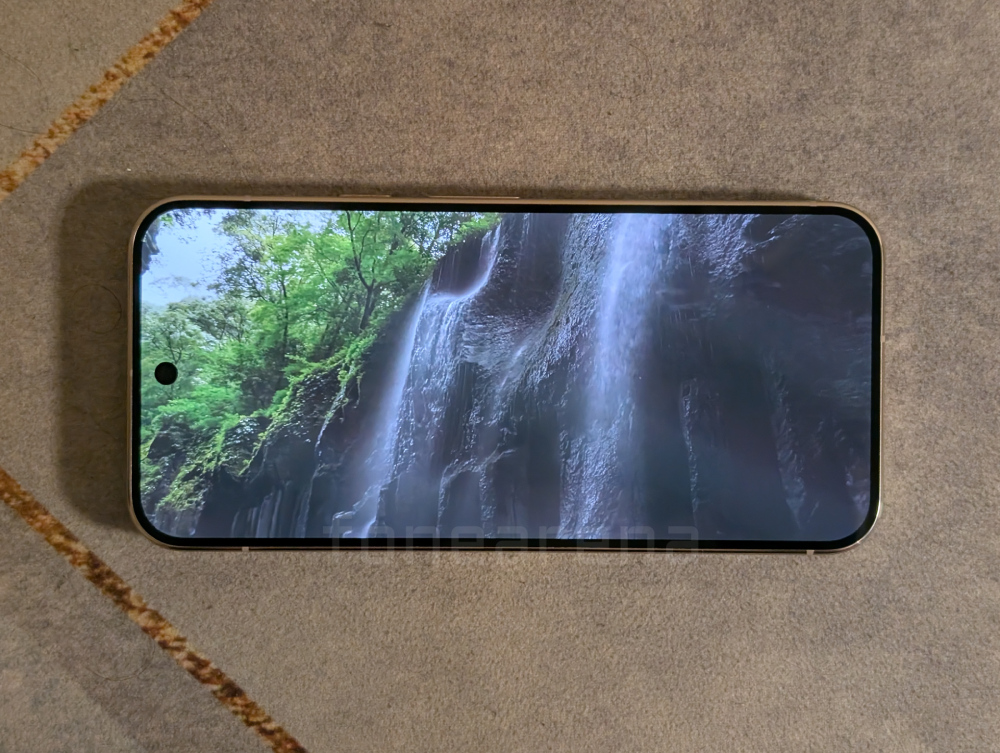
The headline feature is the brightness. Google claims 2,200 nits for HDR and a peak of 3,300 nits. In the harsh sunlight of Chennai, this translates to flawless outdoor legibility, a definite and noticeable improvement over the 9 Pro XL. In a direct side-by-side comparison, the Pixel is visibly brighter than an iPhone 15 Pro Max. However, I did notice that in some HDR videos, the iPhone retained slightly more detail in the brightest highlights. It is a minor point that may require some software tweaking from Google, but the Pixel’s sheer brightness is a huge win for daily usability. A welcome software addition is the “Adaptive Tone” feature which, while seen on other phones, works flawlessly here and is a nice upgrade for the Pixel line.
Performance and Thermals
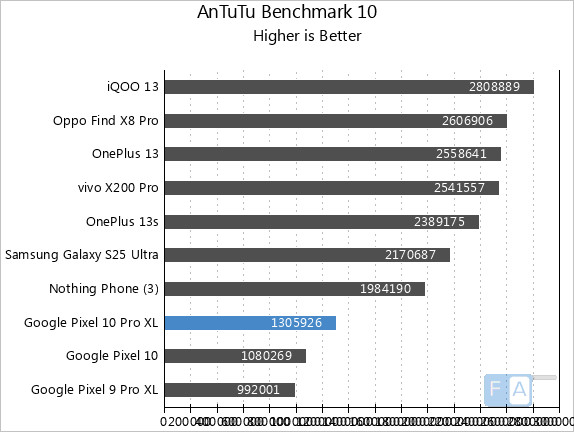
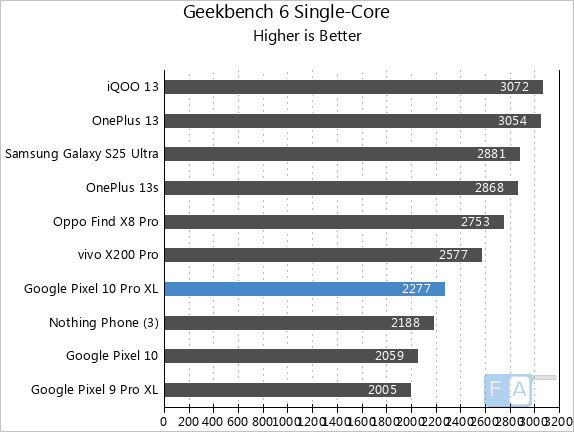
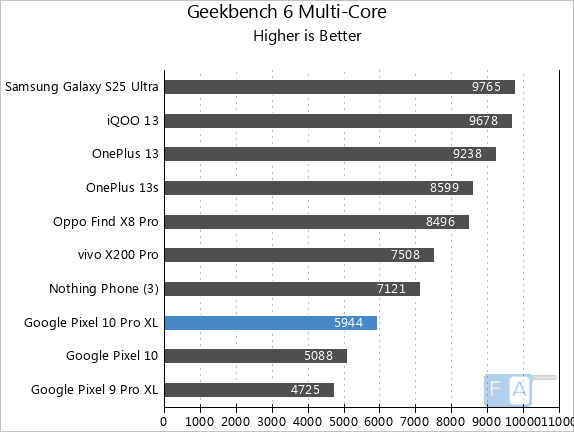
This is where the Pixel 10 Pro XL story gets complicated. The device is powered by the new 3nm Google Tensor G5 chip, the Titan M2 security coprocessor, and a generous 16GB of LPDDR5X RAM. On paper, it is a beast. In reality, the initial experience out of the box was uncharacteristically laggy for a flagship. Even the last year’s model did not have this problem; in fact, the 9 Pro XL flourished after its Android 16 update. Stutters were noticeable when scrolling through image-heavy feeds like X and YouTube. This suggests a lack of optimization for the new PowerVR DXT-48-1536 GPU, a switch from the Mali GPUs used in previous Tensors.
A recent software update has thankfully smoothed out most of these issues, but occasional stutters can still be found. This indicates that Google still has significant optimization work to do, a sentiment echoed by reports across the internet of poor performance in demanding games like Genshin Impact. Herein lies the paradox: the phone’s thermal management is excellent. Even during extended 4K 60fps video recording sessions, the device gets warm but never uncomfortably hot. It is a definite improvement over the Pixel 9 Pro XL, which heated up a little more under similar conditions, and it handles sustained camera use better than my iPhone 15 Pro Max. There were no overheating warnings or performance throttling from the camera app, proving the hardware can handle sustained loads when the software is properly optimized for the task.
Camera
The Pixel camera has always been a titan, and the 10 Pro XL continues this legacy, focusing on intelligent improvements rather than a massive hardware overhaul. From the samples, you will be able to get a glimpse of the Pixel 10 Pro XL experience.


















Main Camera (50 MP Wide)
- 50 MP Octa PD wide camera, ƒ/1.68 aperture, 82° field of view, 1/1.3″ image sensor size
The main sensor hardware is unchanged from the 9 Pro XL, which is no bad thing. It remains one of the best, most reliable point-and-shoot cameras on any smartphone, delivering that signature Pixel look with fantastic detail, dynamic range, and class-leading computational photography that merges multiple frames for a perfectly balanced output.





















Telephoto Camera (48 MP 5x Zoom)
- 48 MP Quad PD telephoto, ƒ/2.8 aperture, 22° field of view, 5x optical zoom
Here is where the real innovation lies. The telephoto camera now features a new focusing system and enhanced optical image stabilization. This makes a huge difference, producing optically sharp shots up to 5x and usable “optical quality” shots at 10x. More importantly, this new system enables telephoto macro photography.
















While the 9 Pro XL could take macros with its ultrawide, the 10 Pro XL can use both, with the telephoto lens providing superior compression and subject isolation. It is a fantastic addition, though its current implementation has a baffling flaw: you have to switch to manual focus to access it, something we hope is fixed in a future update.
Pro Res Zoom & AI
The headline software feature is “Pro Res Zoom.” At magnifications above 30x, up to 100x, the Tensor G5’s Gemini Nano AI model kicks in. It uses a deep learning model to reconstruct detail and reduce digital zoom artifacts. The results are impressive and clearly AI-driven, sometimes looking a little artificial, but it is a powerful capability unique to this device. The best thing is, Google Photos lets you see what has changed with AI, because the original photos are also saved along with the edited ones. The amount of processing going on is stunning, to say the least. But of course, there is a lot of “imagined” detail from AI. Check these samples.


















Front Camera (42 MP Selfie)
- 42 MP Dual PD selfie camera, ƒ/2.2 aperture, 103° ultrawide field of view
The front-facing camera has received some welcome algorithmic tweaks for more natural and pleasing skin tones, making it a reliable shooter for selfies and video calls.









Video Recording
Video stabilization is also noticeably improved over the 9 Pro XL, making for smooth, vlog-ready footage, even when walking. The ability to shoot in 8K at 24/30 FPS, powered by Video Boost, is a great feature for future-proofing, while the 4K and 1080p options remain as solid as ever.
Software & AI
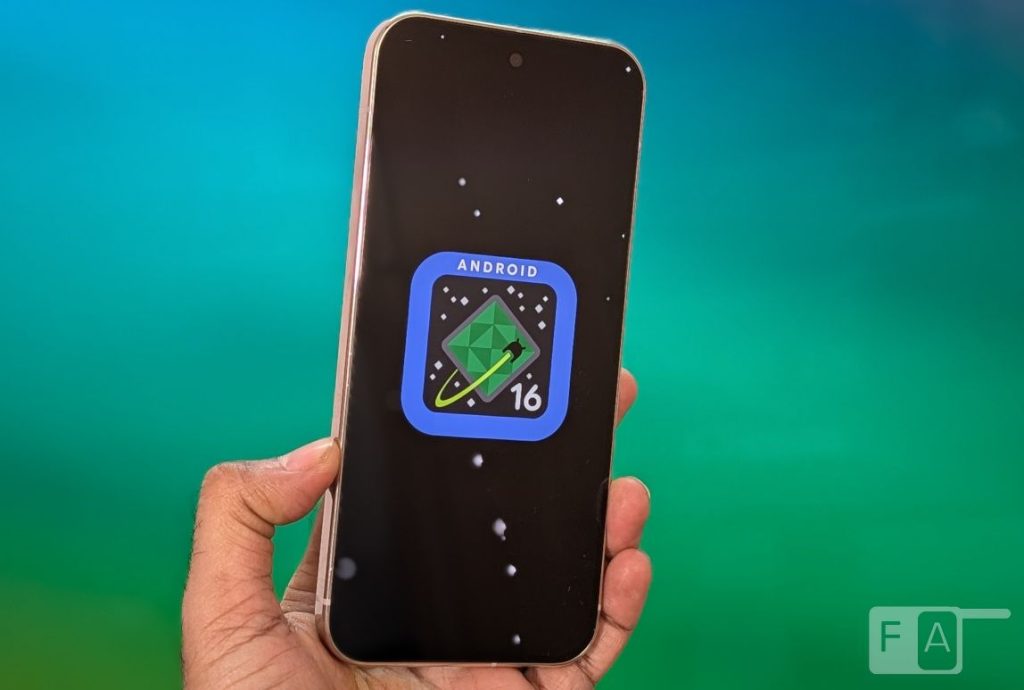
If the hardware is an evolution, the software is a revolution. The Pixel 10 Pro XL is not just a phone; it is a statement about the future of personal computing, backed by a seven-year update promise for OS, security, and Pixel Drops. Gemini AI is integrated at every level. From the camera suggesting better framing to the Pro Res Zoom running on-device via Gemini Nano, the intelligence is palpable.
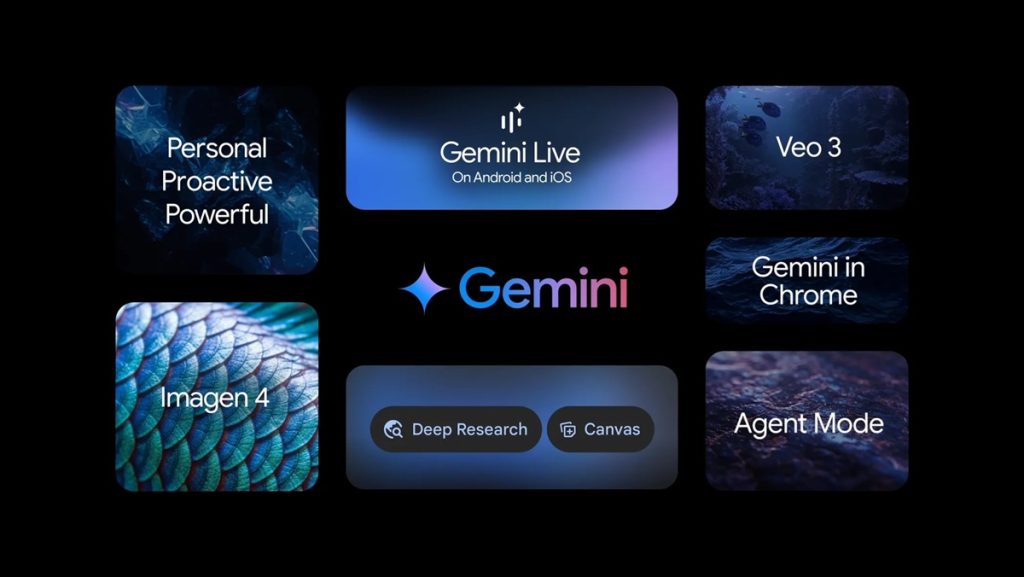
While features like Circle to Search are becoming more common, the Pixel remains the first and best place to experience Google’s vision for AI. However, the single greatest selling point is the bundled one-year Google One AI Premium subscription. This continues the offer from the 9 Pro XL, but its value is now far greater with access to more advanced models like Veo3 and Gemini 2.5 Pro. This subscription alone holds significant monetary value, around ₹24,000 in India, effectively making the phone a gateway to the world’s best AI ecosystem.
Battery & Charging
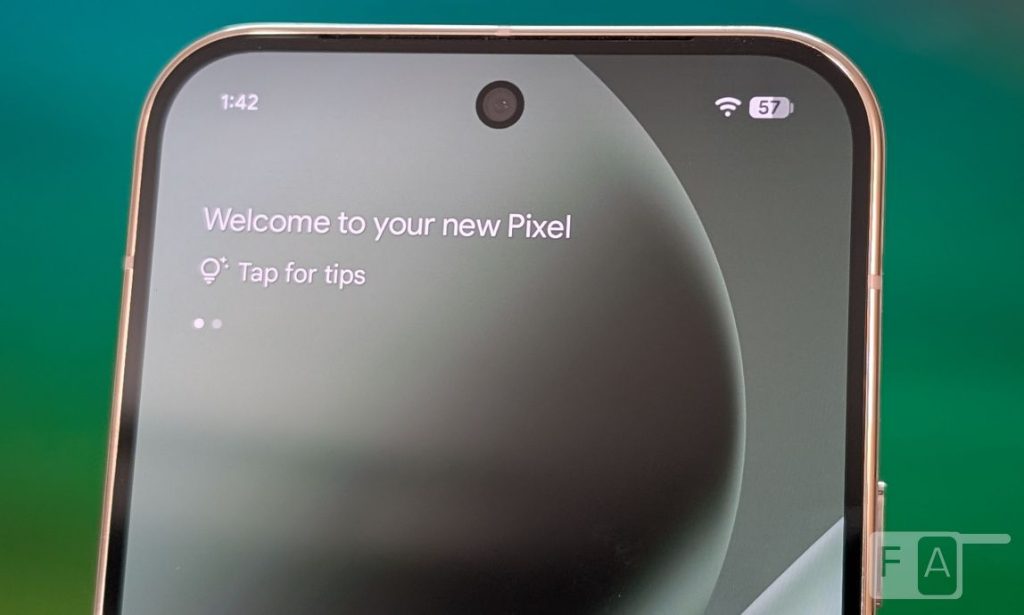
The Typical 5,200 mAh battery delivers on Google’s “24+ hour” promise. On a normal day of use without intensive camera work, the phone easily lasts from morning until the next morning. Heavy camera use will, as expected, drain the battery faster, but for most users, battery anxiety will be a thing of the past. The new 45W fast charging is a welcome improvement. I definitely experienced faster charging speeds with the Pixel 10 Pro XL compared to the 9 Pro XL. It is not a leap ahead, but it is a tangible improvement. Using a compatible PD charger, the phone charges from 0 to 100% in about 1.5 hours. It also supports Pixelsnap wireless charging (Qi2 certified) up to 25W.
Connectivity
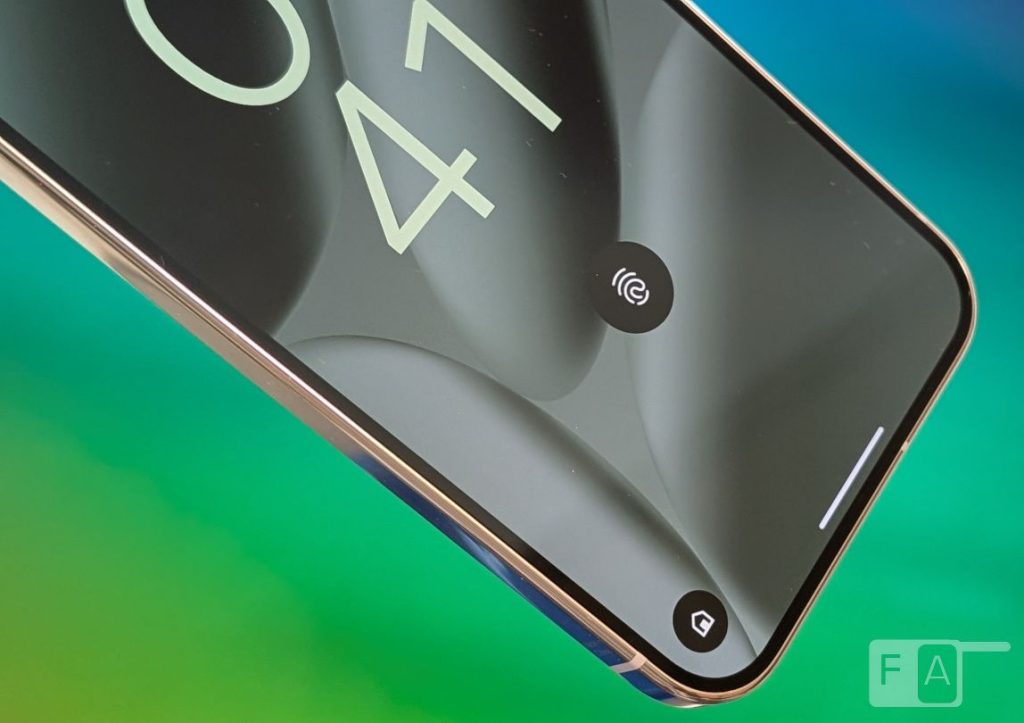
The Pixel 10 Pro XL is fully future-proofed with Wi-Fi 7 (802.11be), Bluetooth® v6, NFC, an Ultra-wideband chip, and comprehensive 5G Sub-6 band support for India. Call quality and signal reception have been consistently strong.

Conclusion
The Google Pixel 10 Pro XL is an intelligent, iterative, and impressive flagship. It makes tangible advancements in the areas that matter to its core audience: a brighter display, better battery life, and a smarter, more versatile camera system. Its greatest strength lies in its identity as an “AI phone,” offering a software experience and bundled value that is second to none.
The only significant mark against it is the inconsistent performance from its new GPU, a software optimization issue that holds it back from true greatness. However, given Google’s ironclad track record with updates, this is a flaw that is very likely to be fixed.
Pros:
- Stunning, premium design with luxurious materials.
- New magnetic system unlocks a vast accessory ecosystem.
- Exceptionally bright and fluid 120Hz display, perfect for outdoor use.
- Versatile camera system with a game-changing telephoto macro and powerful AI zoom.
- Excellent all-day battery life and faster charging.
- Unmatched AI software package and bundled Google One subscription value.
Cons:
- Inconsistent UI performance with stutters and lag that need to be fixed via software updates.
- Weight can be a concern, especially with a case.
- Telephoto macro feature is not user-friendly in its current state, requiring manual focus.
Who is this for?
The Pixel 10 Pro XL is a fantastic and highly recommended upgrade for anyone using a Pixel 8 series or older. For Pixel 9 Pro XL users, it is a collection of nice-to-have upgrades rather than a must-have leap. Ultimately, this is the phone for the AI enthusiast, the photography lover, and the user who values intelligent software and a guaranteed pipeline of future features over raw, industry-leading performance specs.