
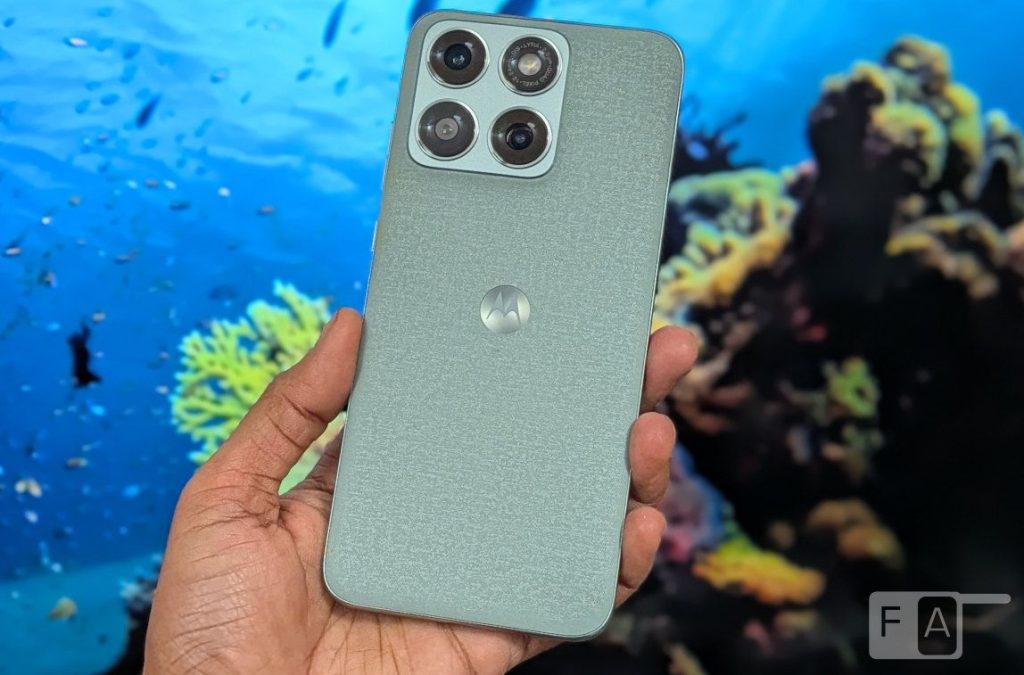
motorola launched the edge 70 fusion, the company’s latest smartphone in the edge 70 series, in India earlier this month. The successor to last year’s edge 60 fusion features a better 144Hz curved screen, a faster processor, a sleek 7.99mm design, and a bigger battery. Is this a good successor? Let us dive into the review to find out.
| Box Contents |
| Camera |
| Battery Life |
| Conclusion |
Box Contents
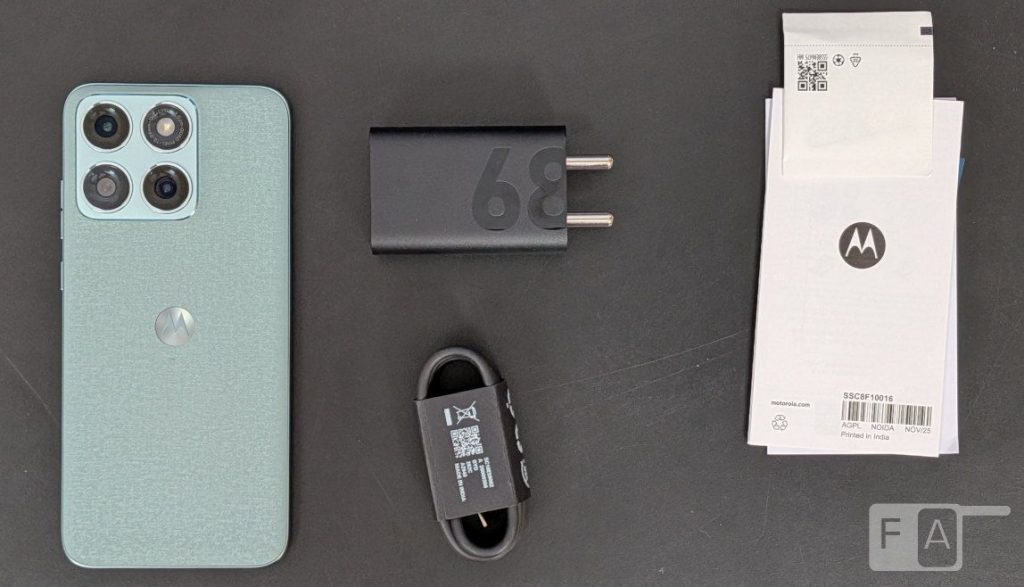
- motorola edge 70 fusion 12GB + 256GB in PANTONE Blue Surf colour
- 67W turbo charger
- USB Type-C to-C cable
- SIM Ejector tool
- User manual
Display, Hardware and Design
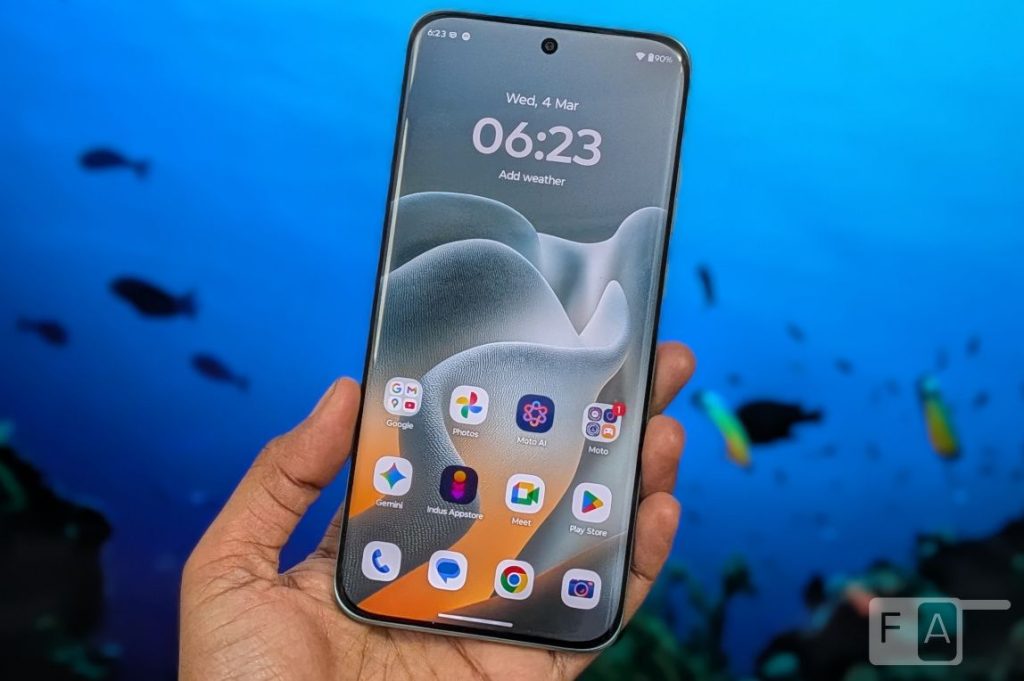
Starting with the display, the edge 70 fusion features a large 6.78-inch 1.5K 144Hz curved AMOLED screen with a pixel resolution of 2772 x 1272 pixels, a 20:9 aspect ratio, and a pixel density of about 450 PPI. This is better than the flat screen in the predecessor.
The display is bright, since it has up to 5200 nits of peak brightness, and the sunlight legibility is good as well. The colours are vibrant as well since it has a 100% DCI-P3 color gamut. The phone is Pantone Validated Colors and Pantone SkinTone Validated.
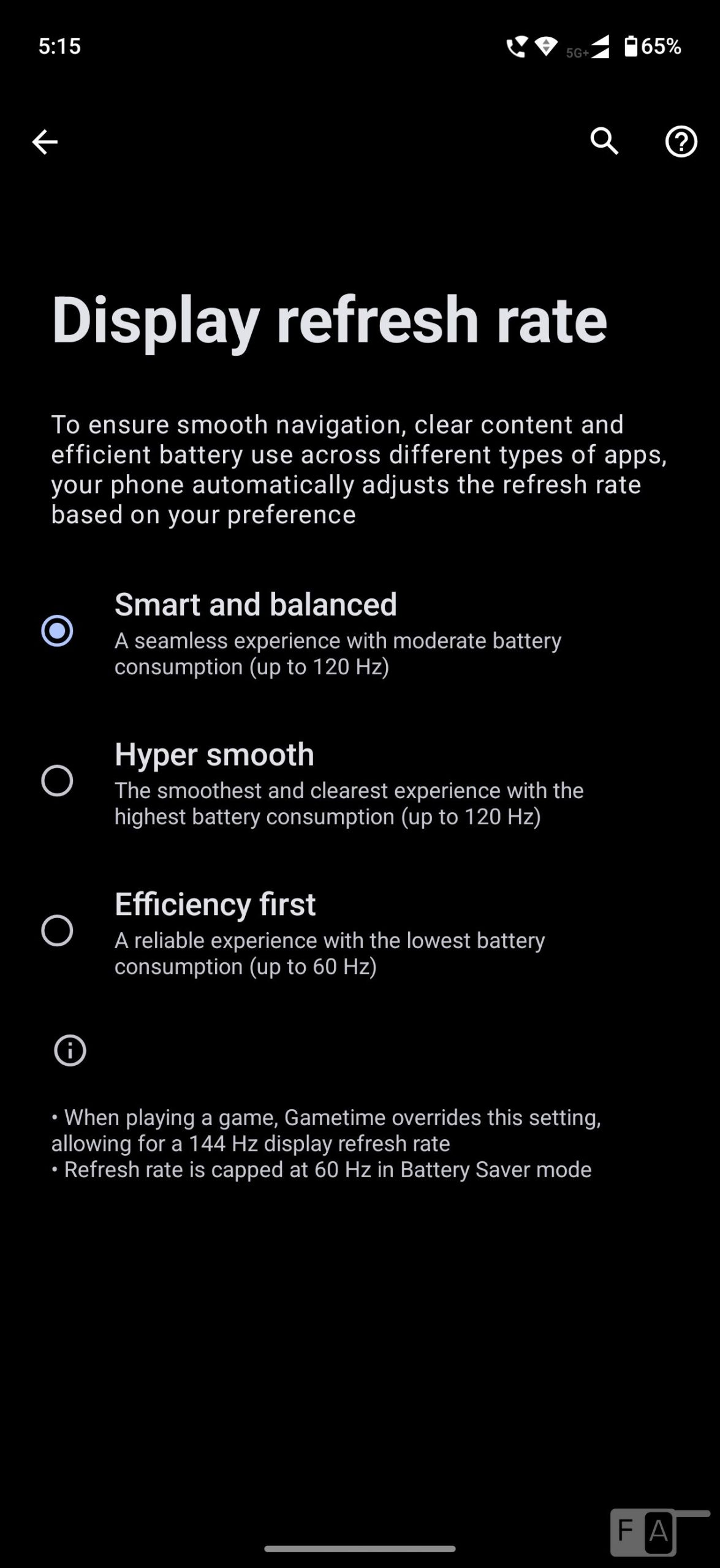
The 120Hz variable refresh rate display offers a fluid user experience since it can switch between 60Hz, 90Hz, 120Hz and 144Hz. It has up to 1500Hz touch sampling rate in gaming mode. It also has HDR+ support, which works for YouTube, but not for Netflix. The phone has Corning Gorilla Glass 7i protection.
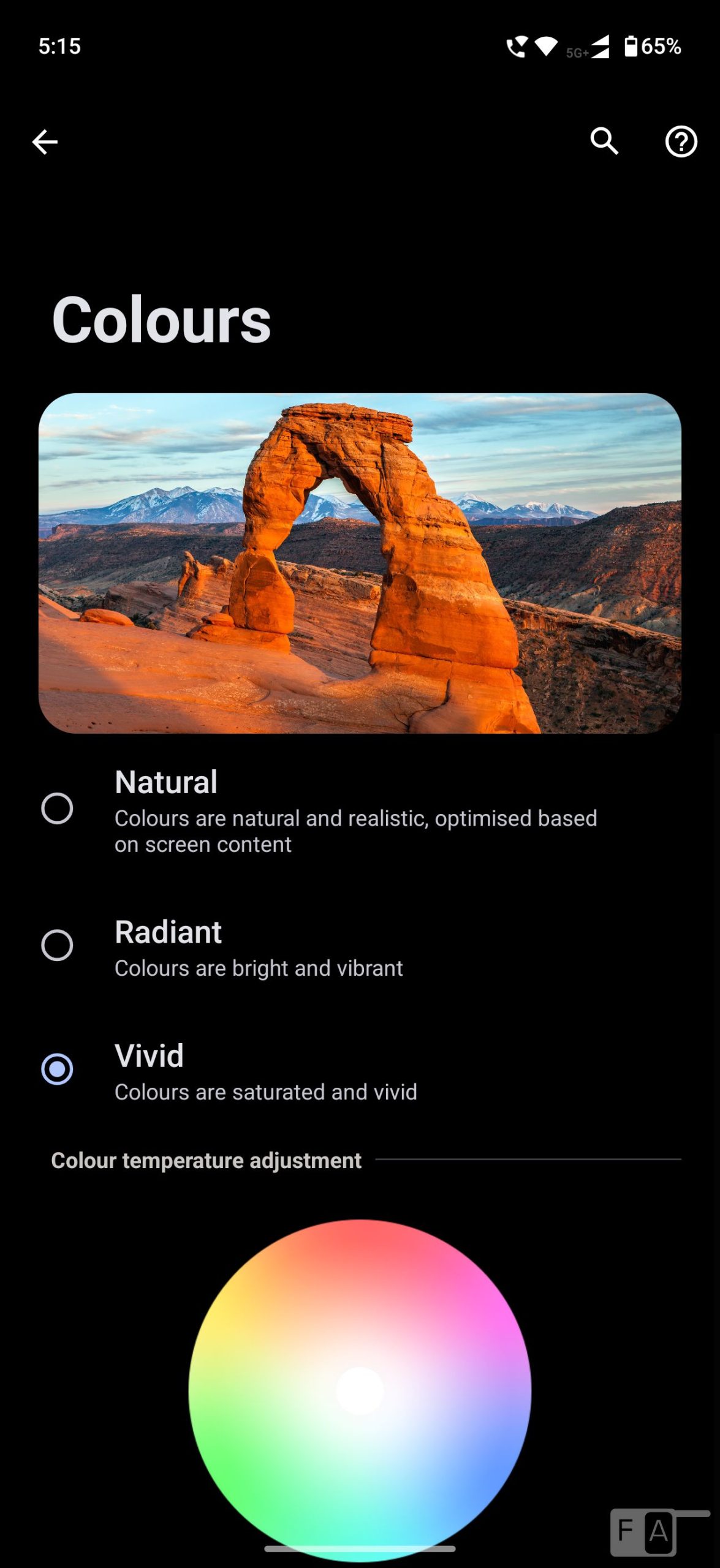
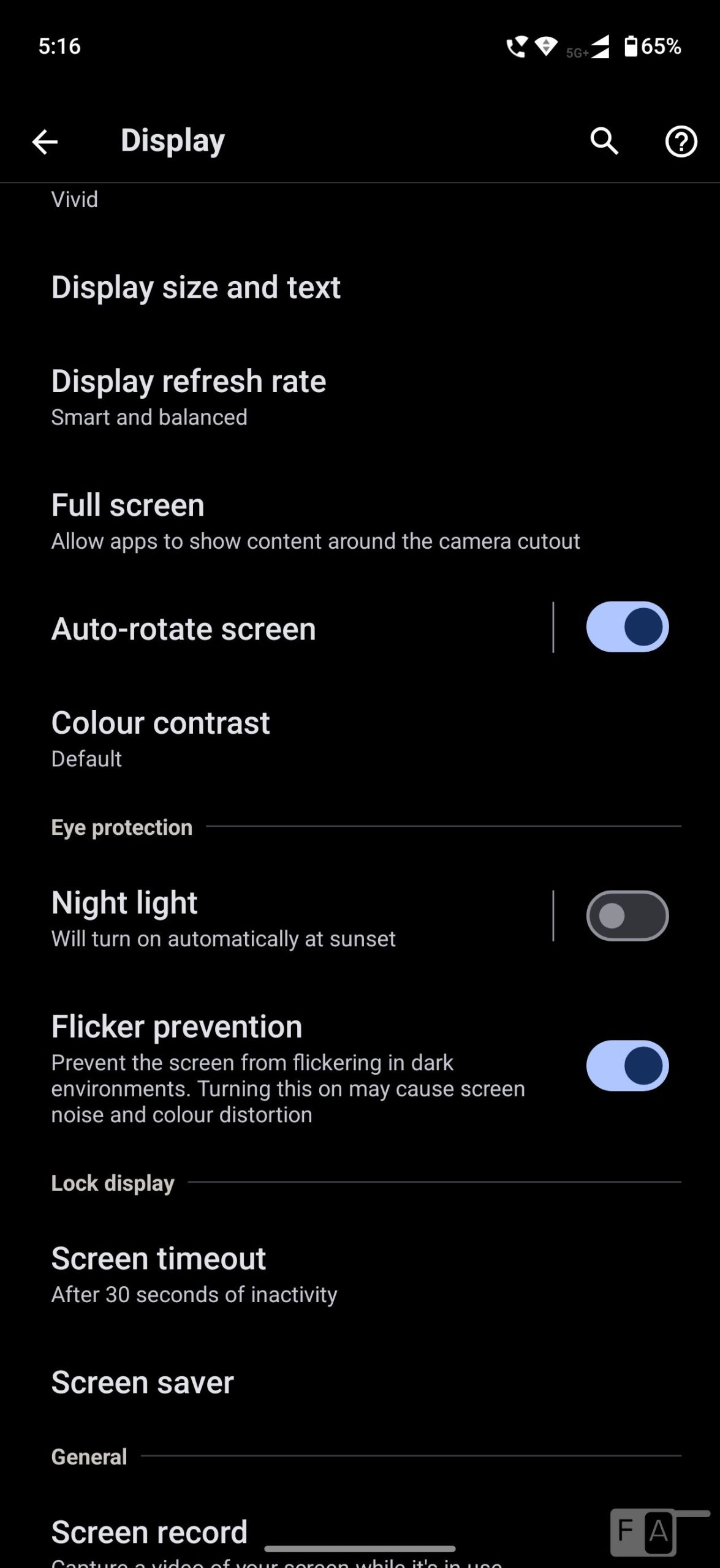
Under the display options there are different options to adjust colours from Natural, Radiant and Vivid colors. There is a flicker prevention option in the settings. It doesn’t have a notification LED, but there is an always-on display.
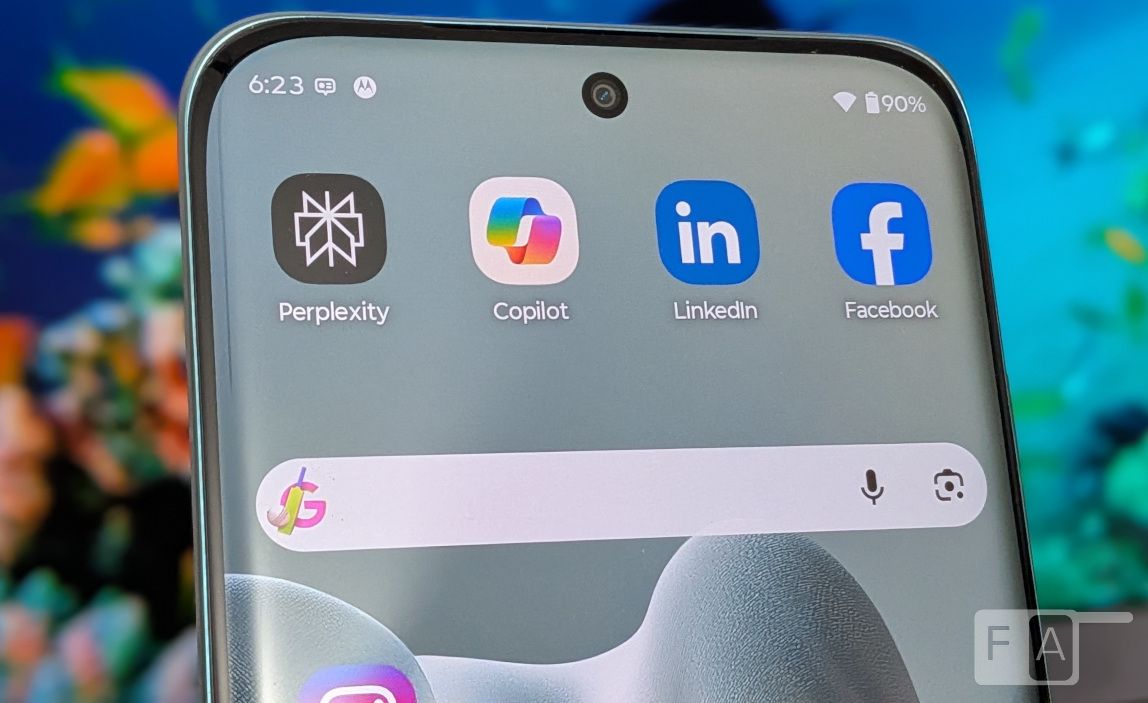
It has a 32MP camera on the front. The earpiece is on the top edge that works as a secondary speaker. The phone has minimal bezels at the bottom of the screen.
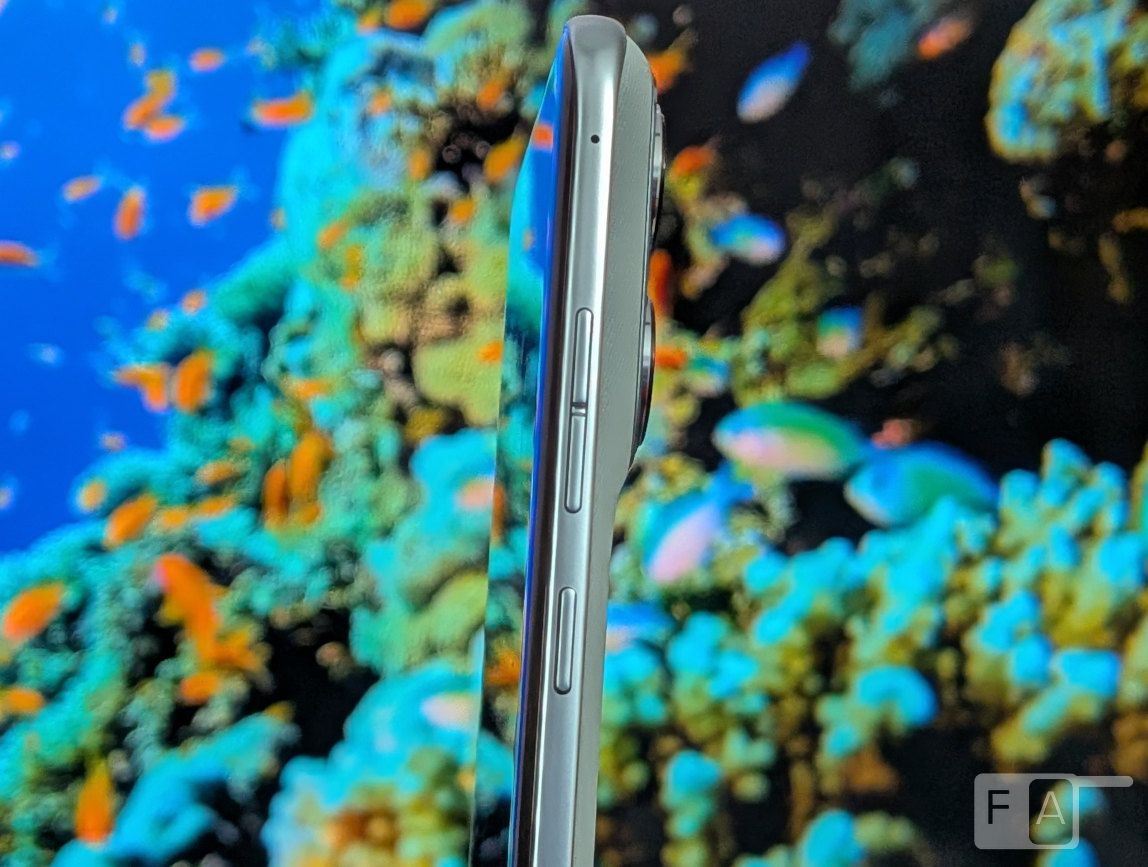
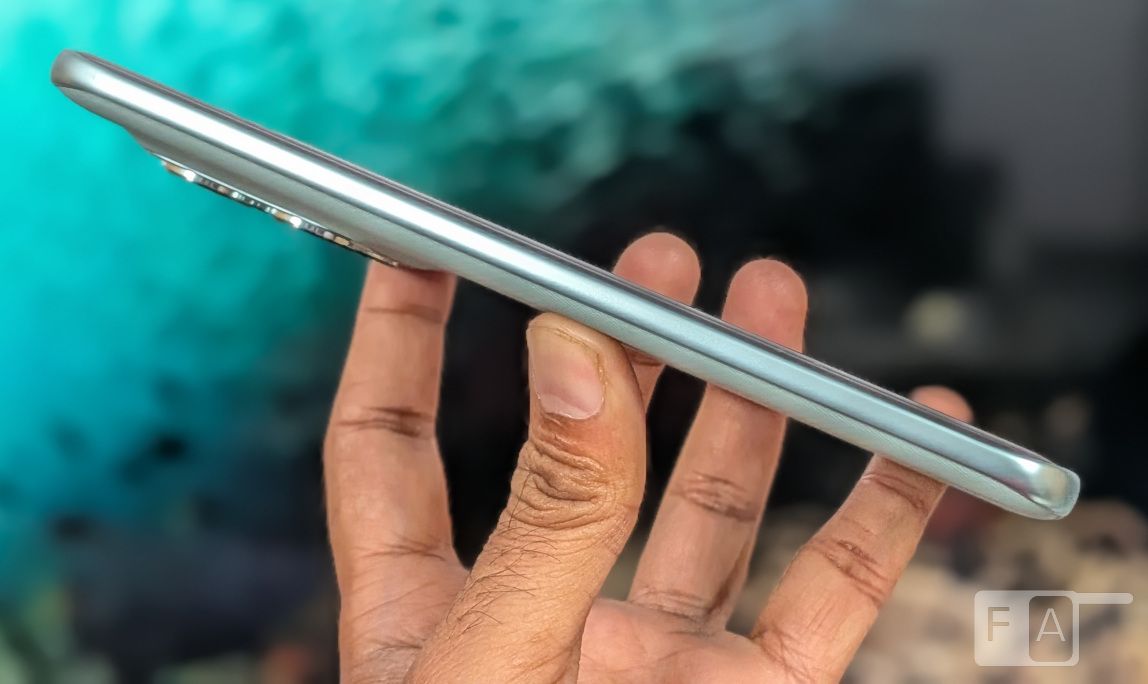
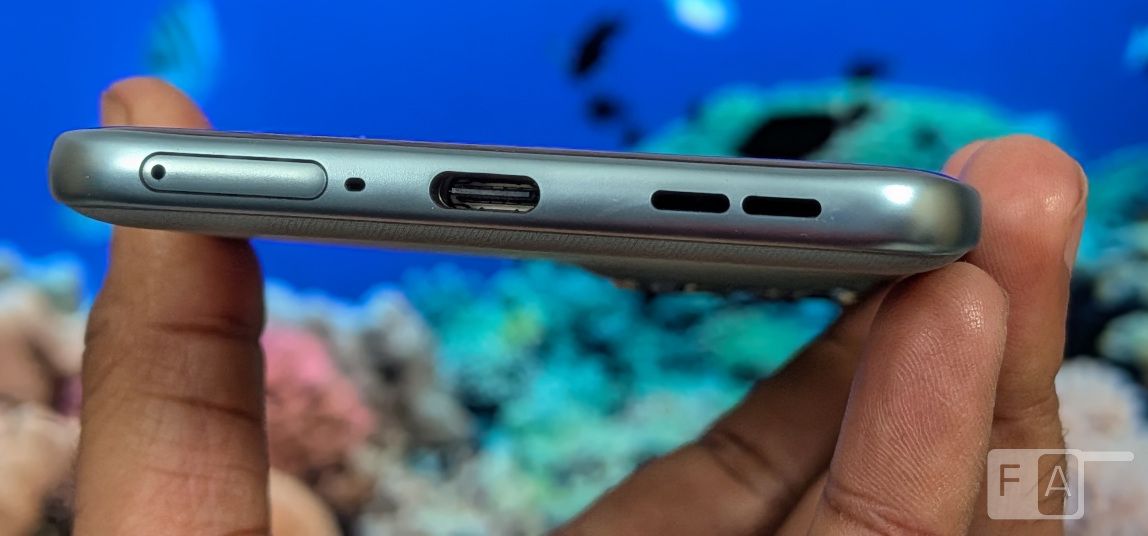
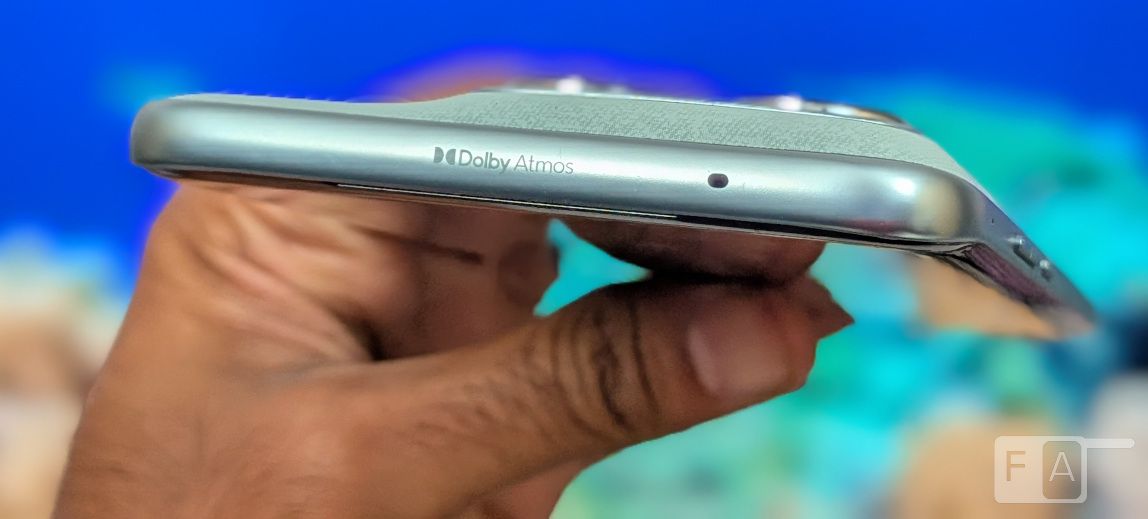
The phone has a 7.99mm sleek design. Even though it has a plastic build, the matte finish looks premium and is solid to hold. The volume rockers and the power button are present on the right side. The dual SIM slot, USB Type-C 2.0 port, and speaker grill are present on the bottom. The secondary microphone is on the top, along with Dolby Atmos branding.
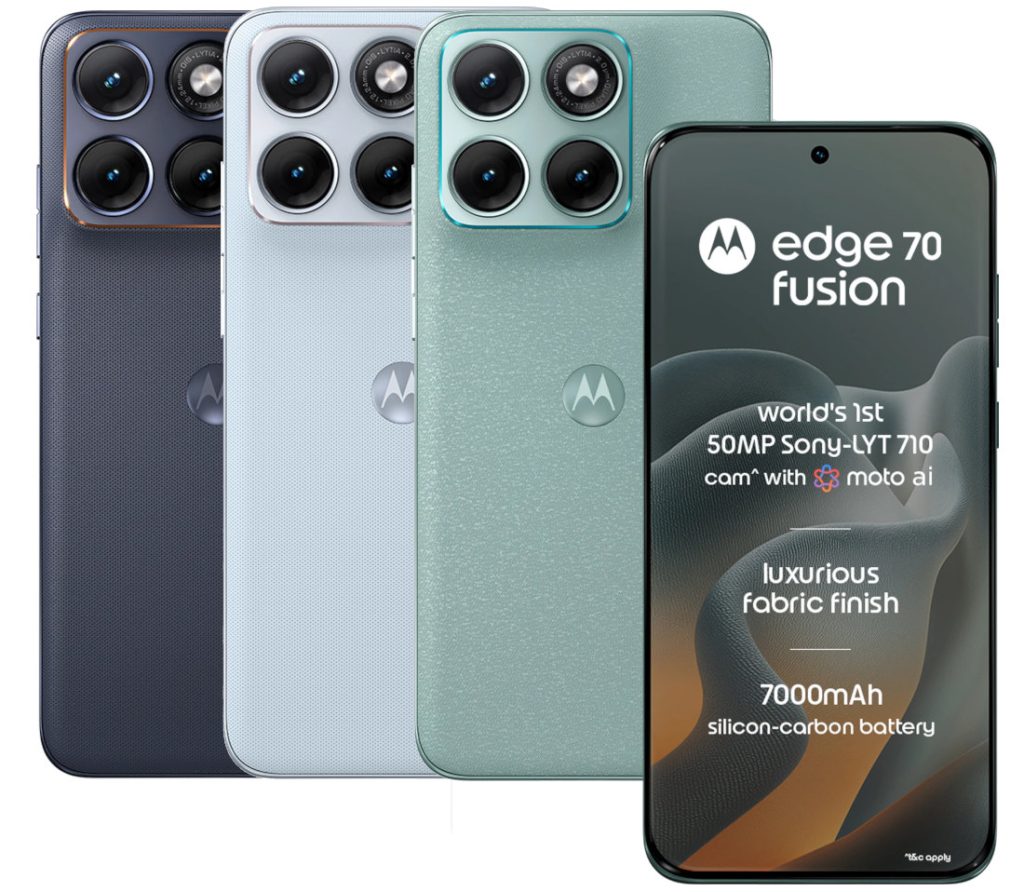
The phone comes with military-grade durability with MIL-810H standard certification and also has IP68 + IP69 ratings for dust and water resistance. All the models feature a nylon- and linen-inspired textured finish on the back that feels smooth to touch and doesn’t attract fingerprints.
Even with a large screen and a huge battery, it has a 193g body. In addition to PANTONE Blue Surf, the phone also comes in PANTONE Country Air, and PANTONE Silhouette colours.
Camera
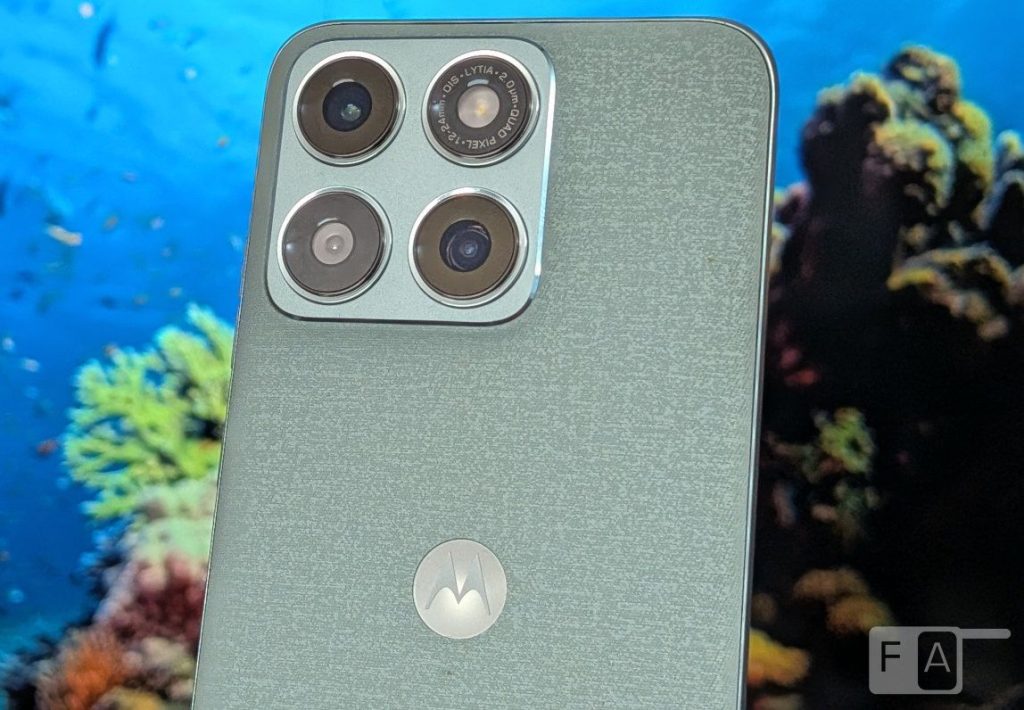
- 50MP rear camera with Sony LYTIA 710 sensor, OIS, f/1.8 aperture
- 13MP ultra-wide camera with macro option, f/2.2 aperture
- 32MP front camera with f/2.2 aperture
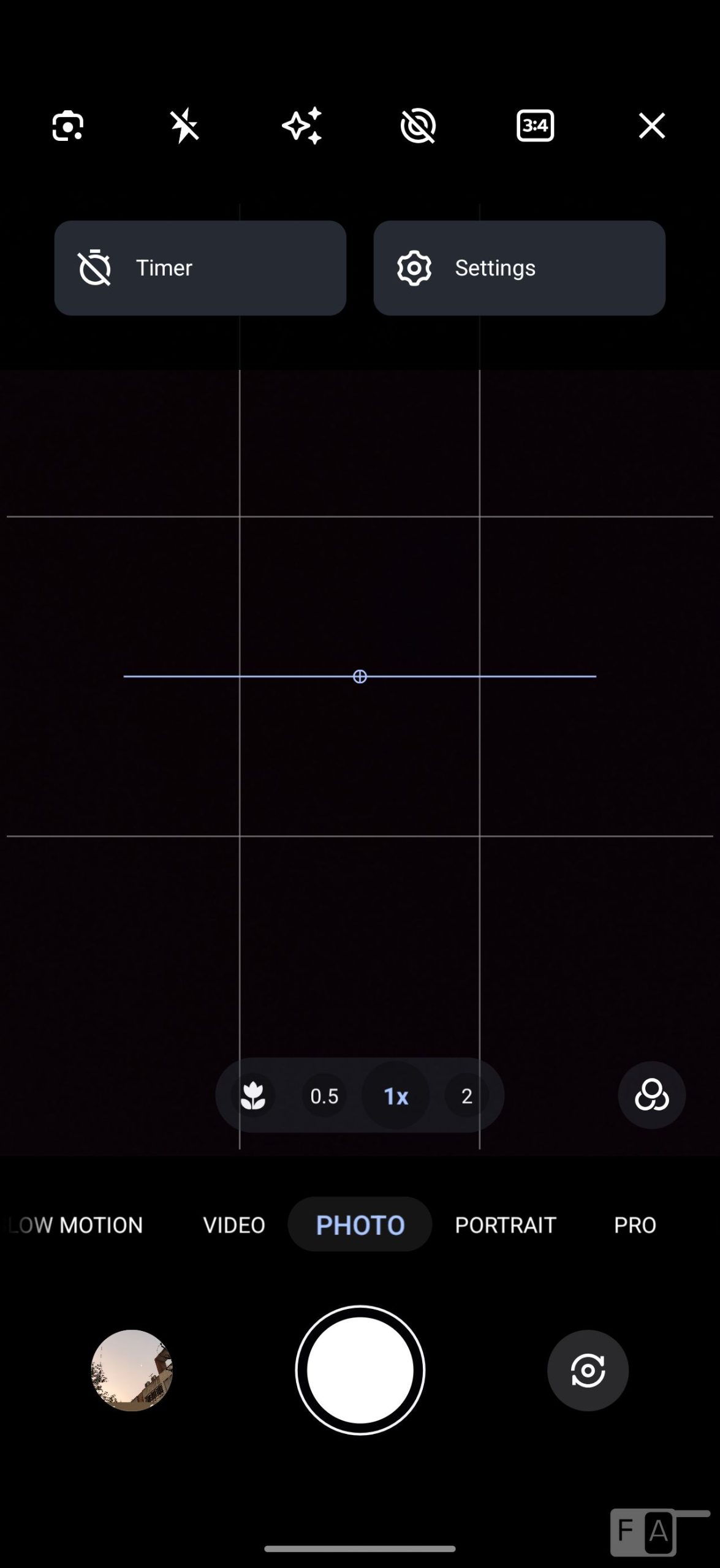
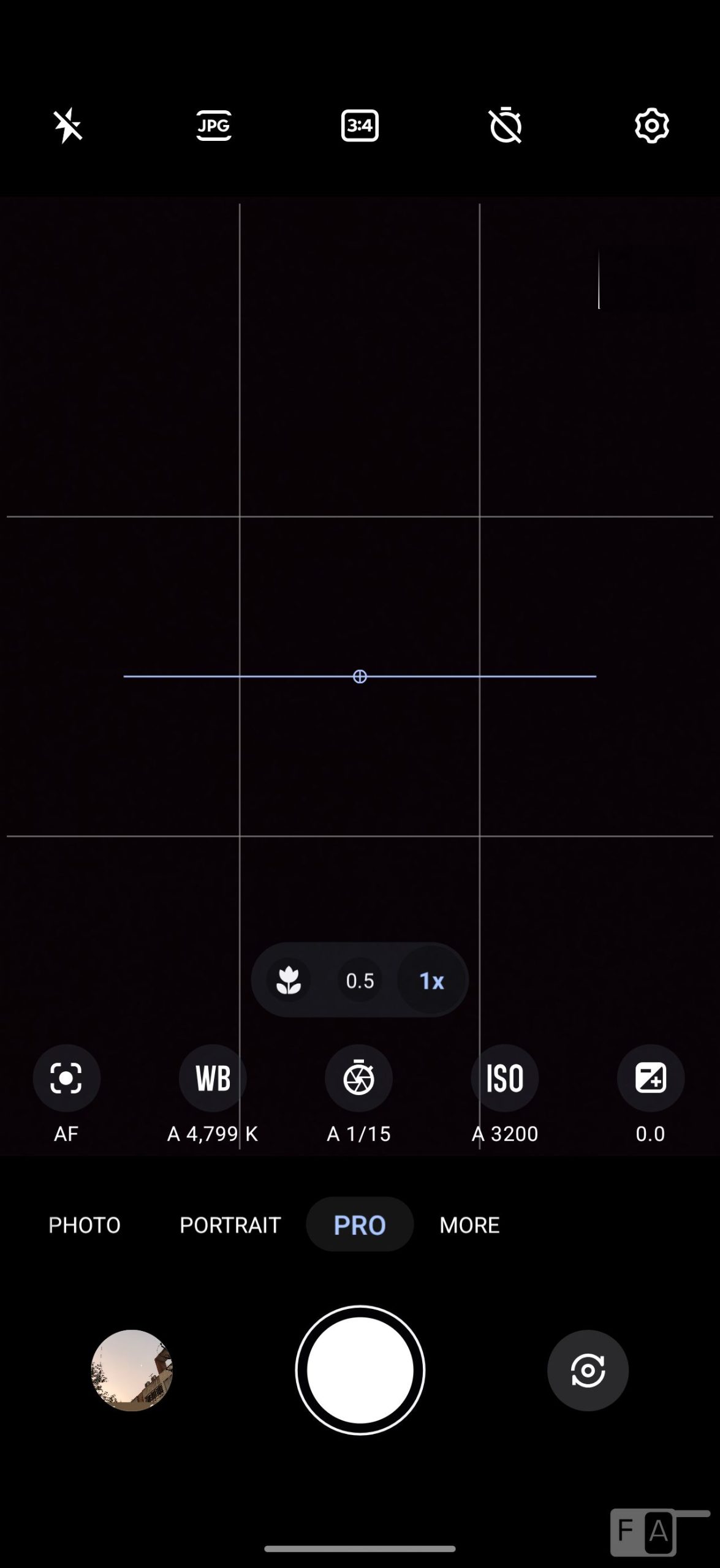
The camera UI is familiar with most Motorola smartphones that include quick toggles between the main camera, ultra-wide, and macro camera on the bottom, and quick toggles for flash, timer, aspect ratio, and more.
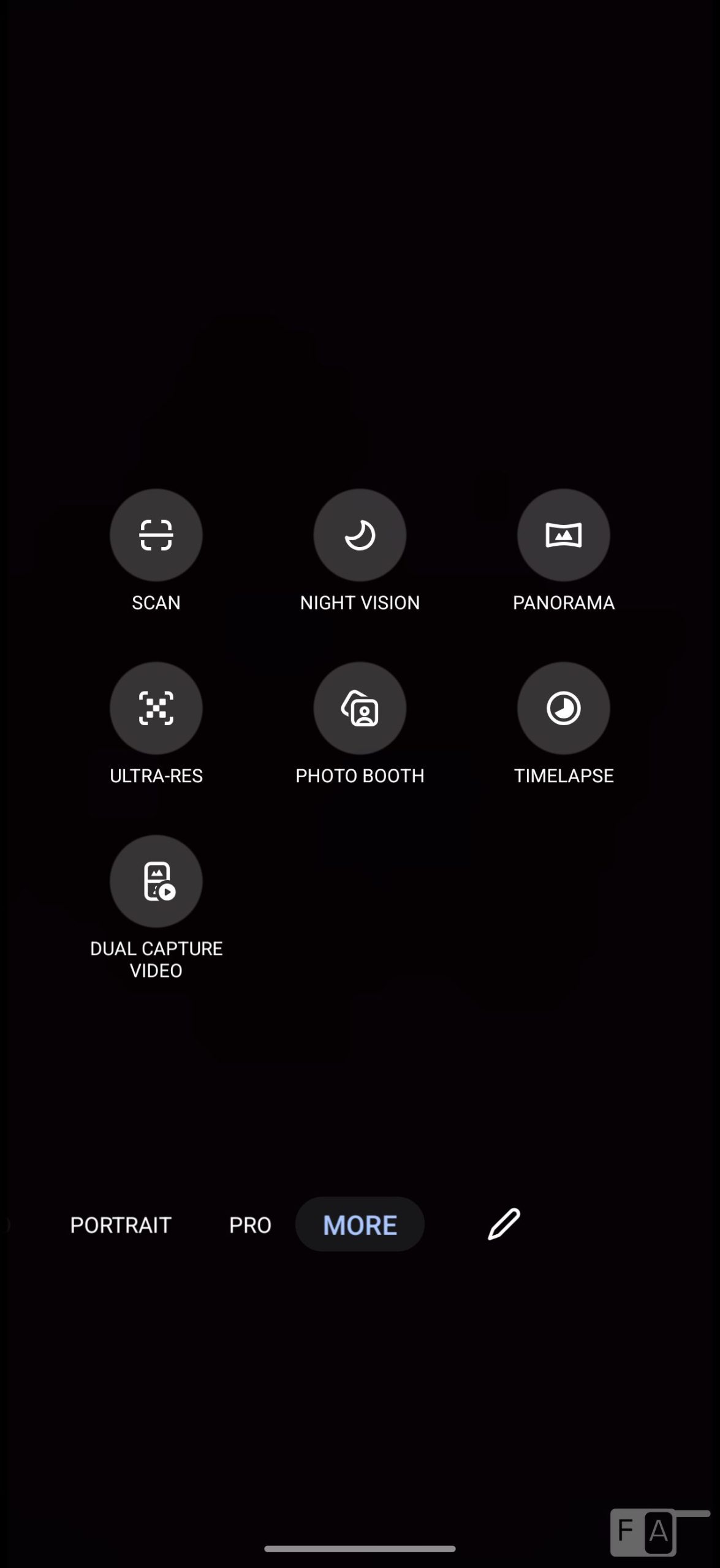
Other camera features include Scan, Night Vision, Panorama, Ultra-Res, Photo Booth, Time-lapse, and Dual Capture Video.
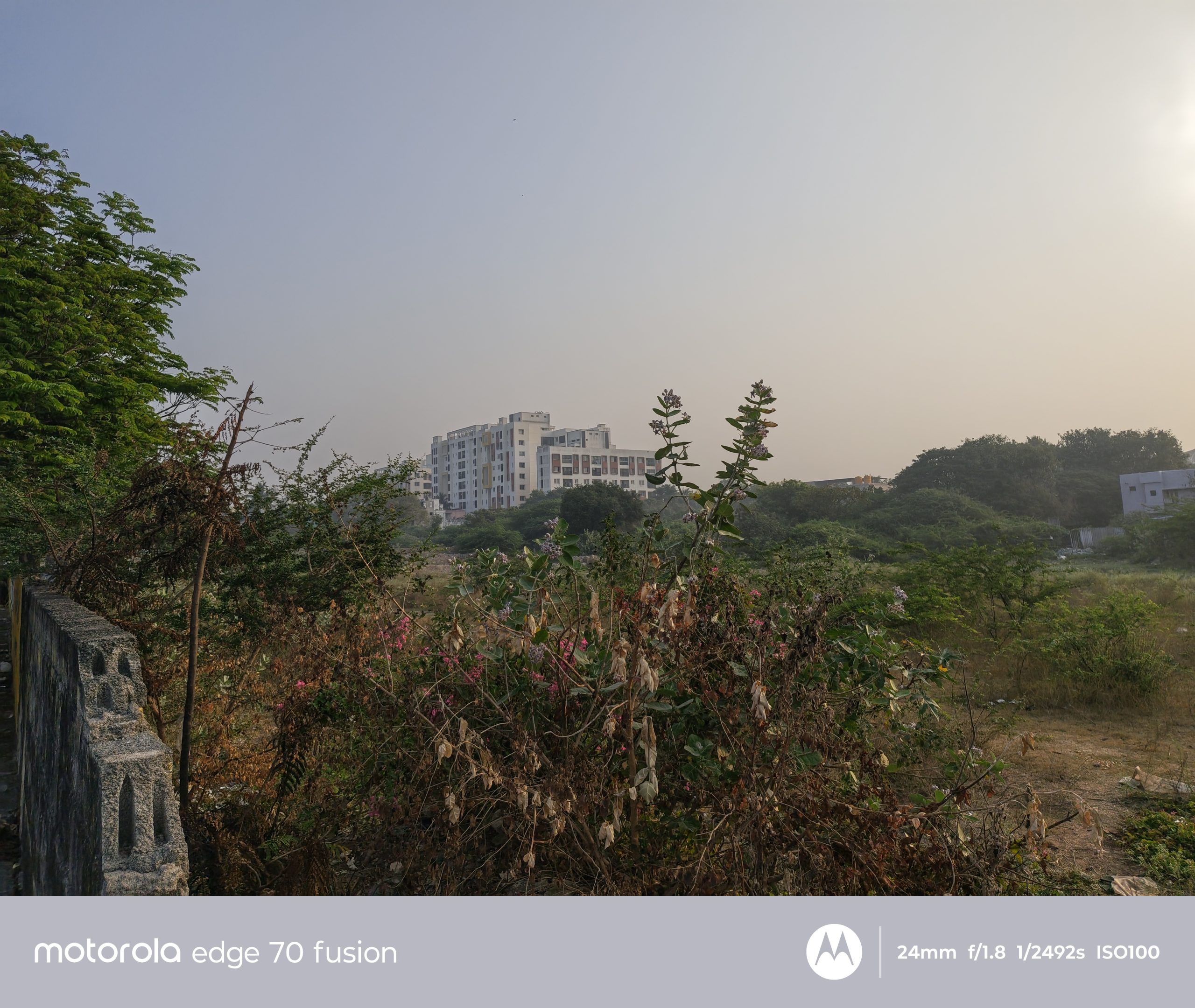
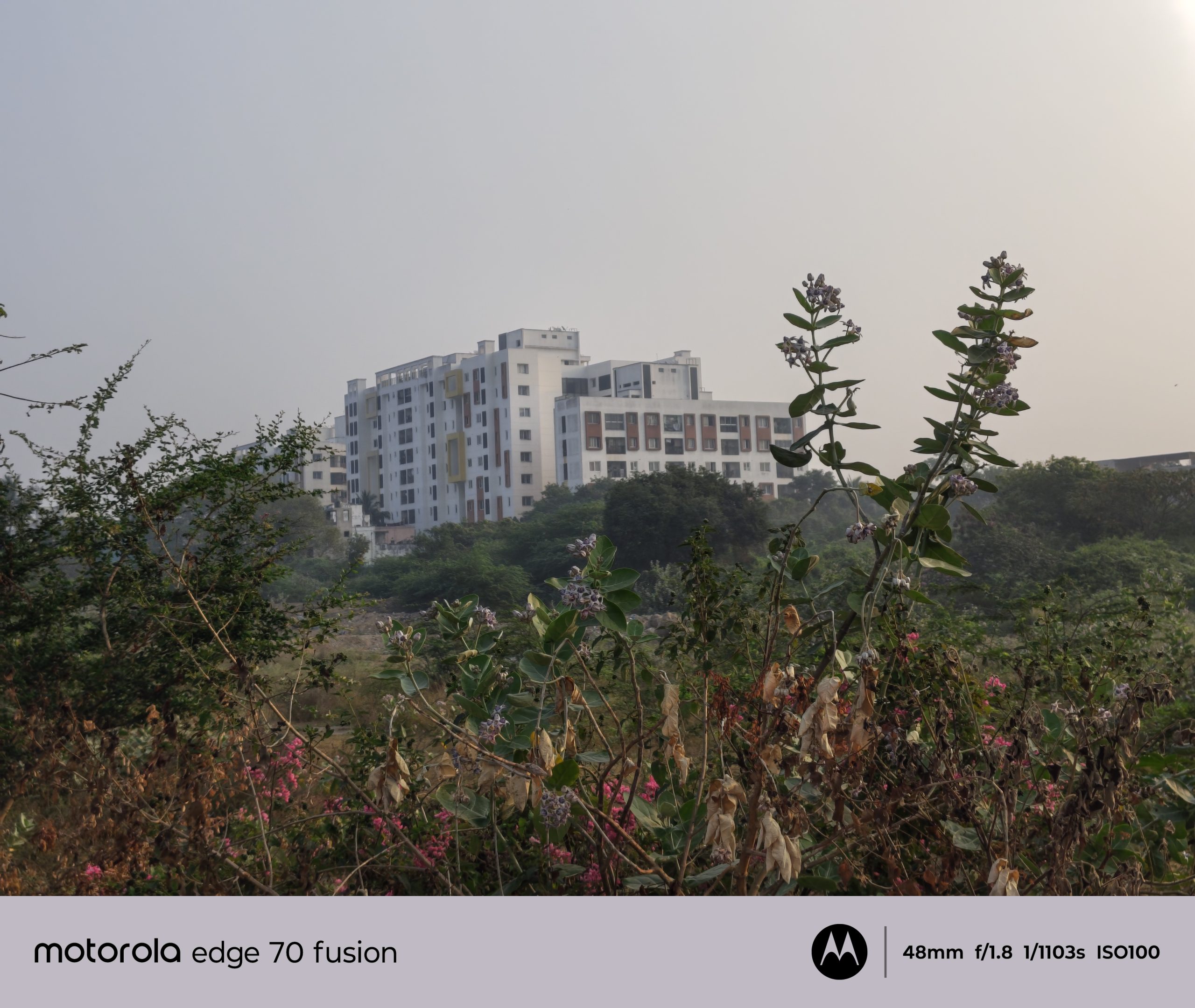
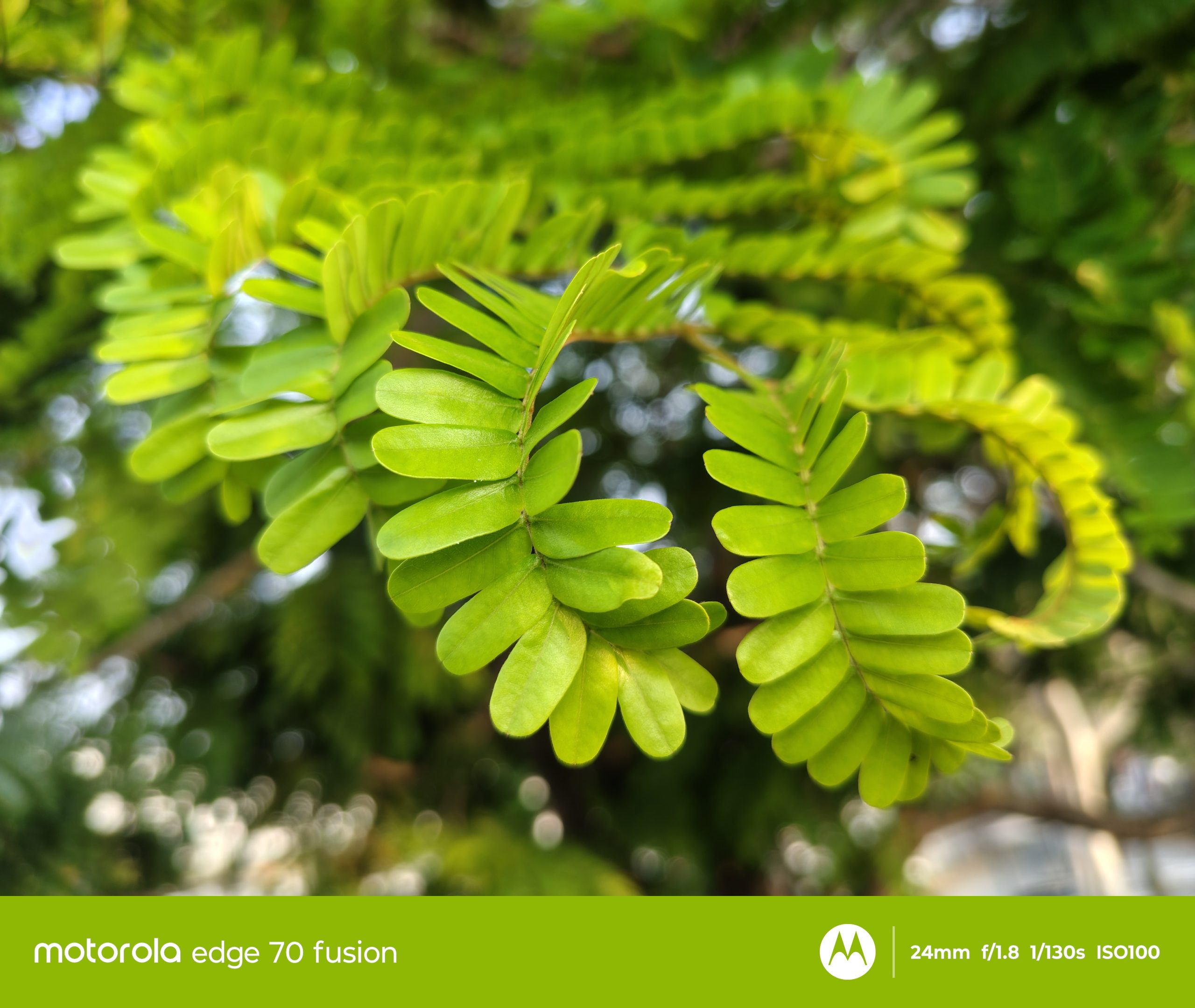
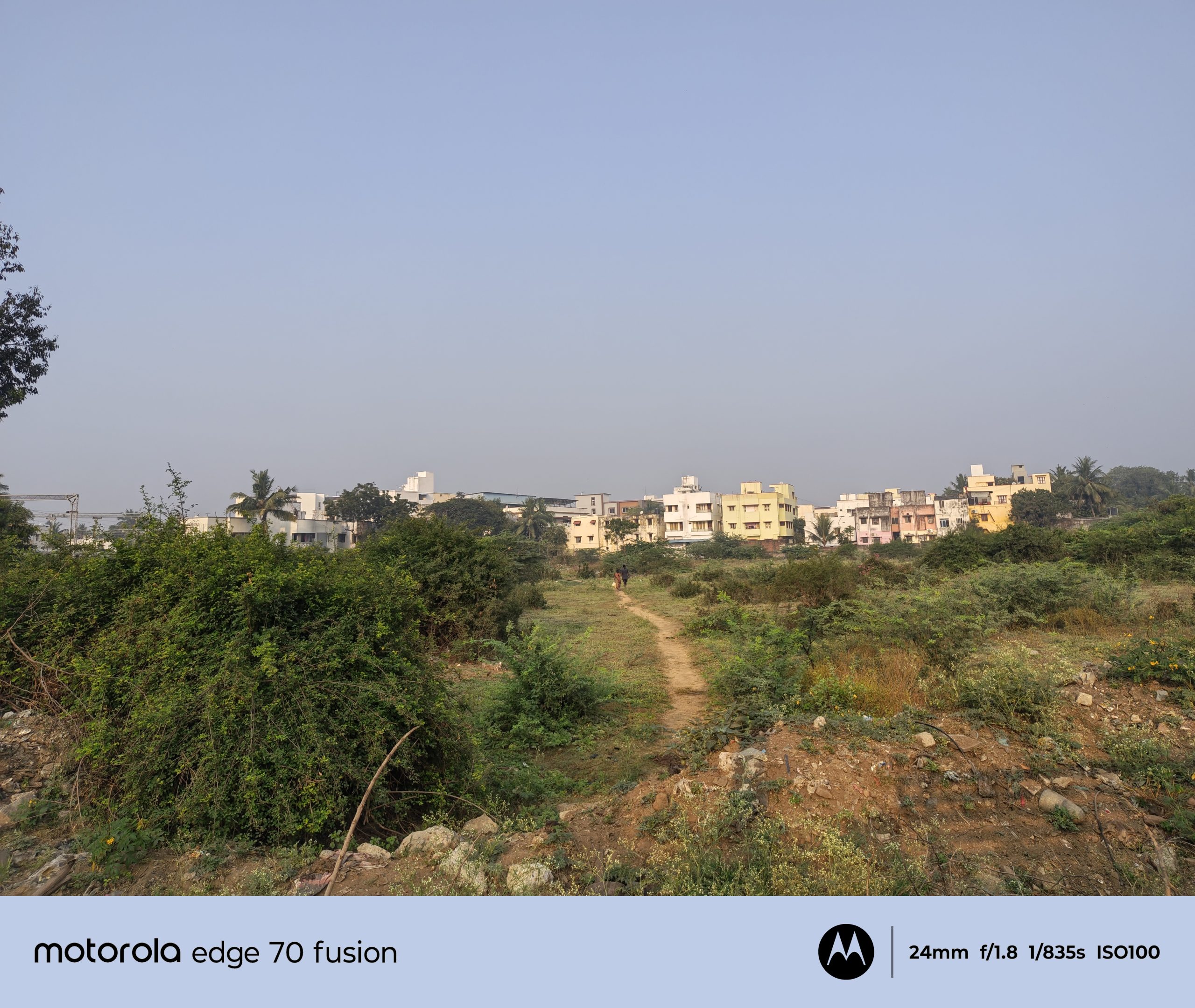
Coming to the image quality, daylight shots came out well with good dynamic range, thanks to Quad Pixel technology that gives you a 12.5MP output. HDR shots are better with improved dynamic range, and it is recommended to enable auto HDR. Low-light camera performance is good, and it gets better with night mode.
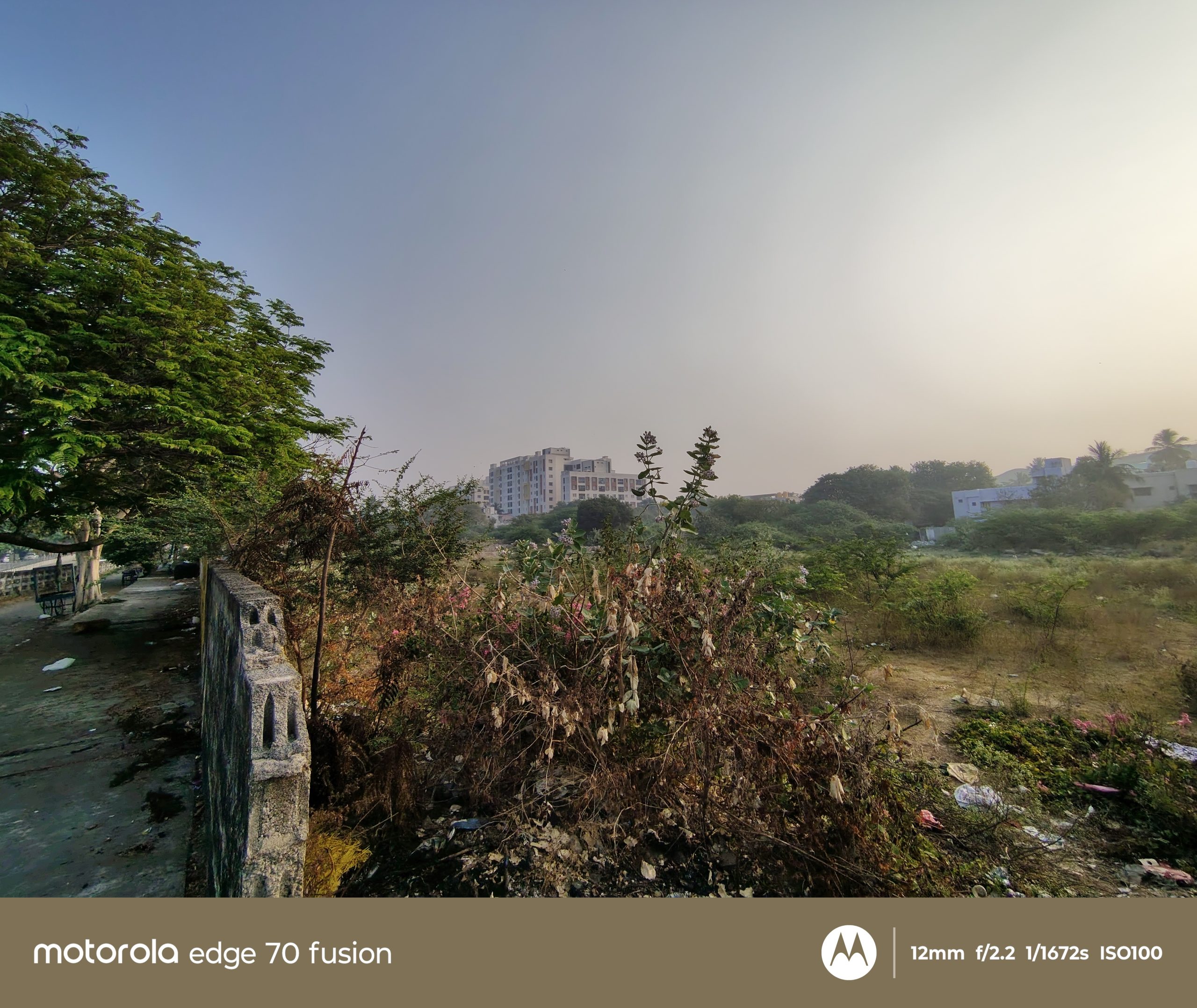
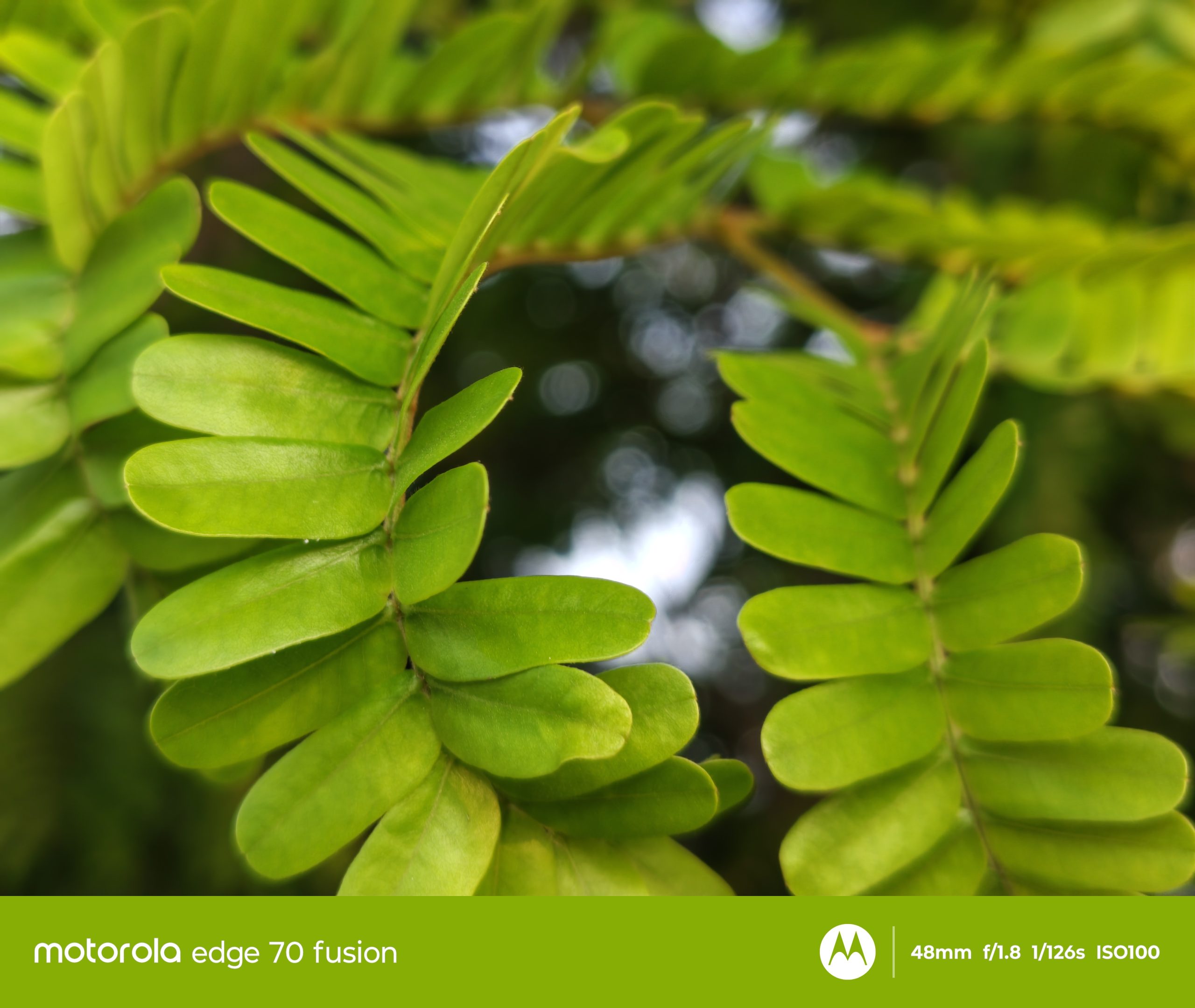
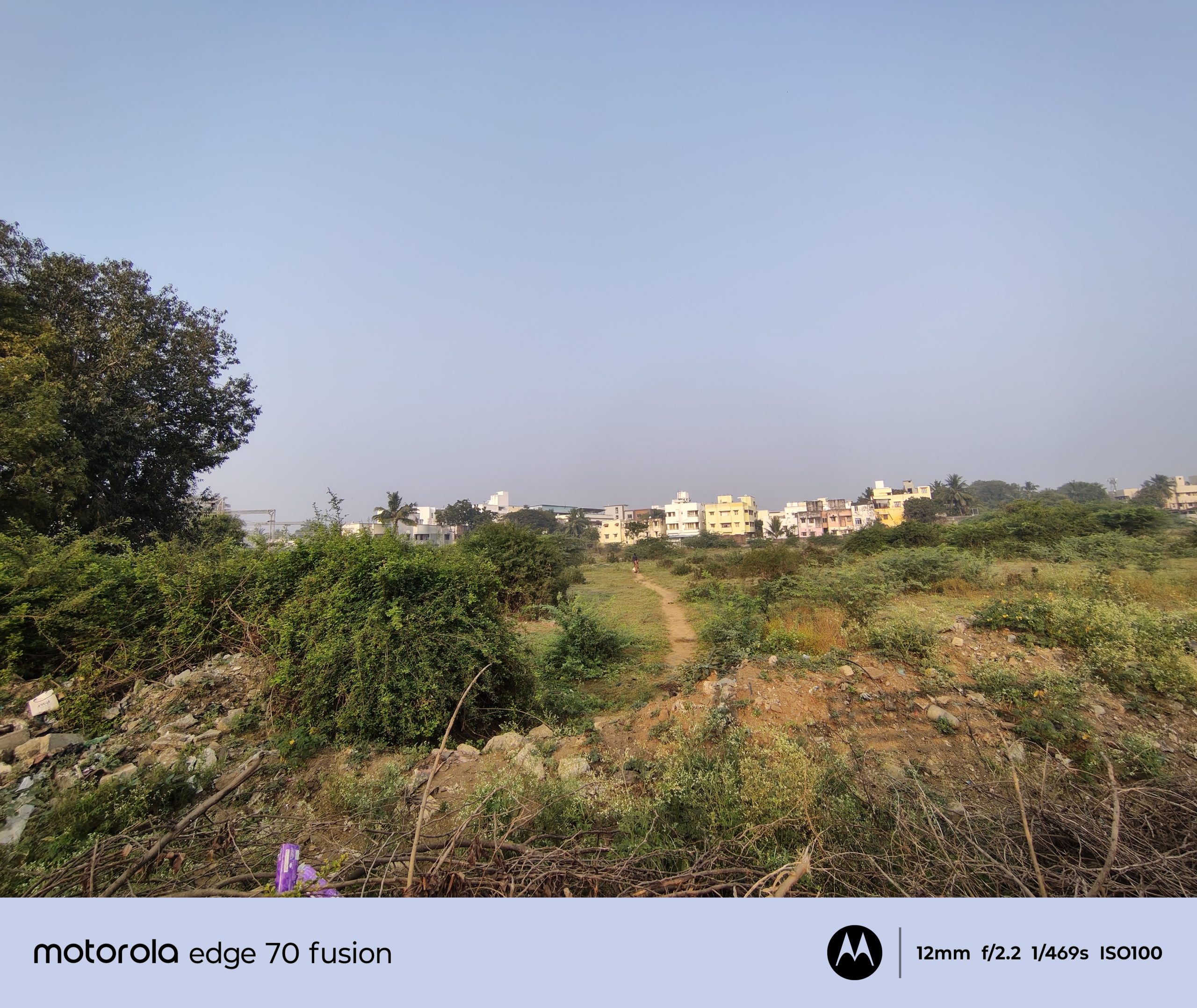
The 13MP ultra-wide camera does a good job, and the macro option with the ultra-wide is good as well, since this is an autofocus camera. The edge detection in portrait shots is good as well. There is no telephoto camera, so you only get up to 10x digital zoom; it is good till 5x zoom, and the quality varies after that. The 32MP front camera does a good job and also offers good edge detection. For the price, the camera performance is good.
Check out the camera samples.
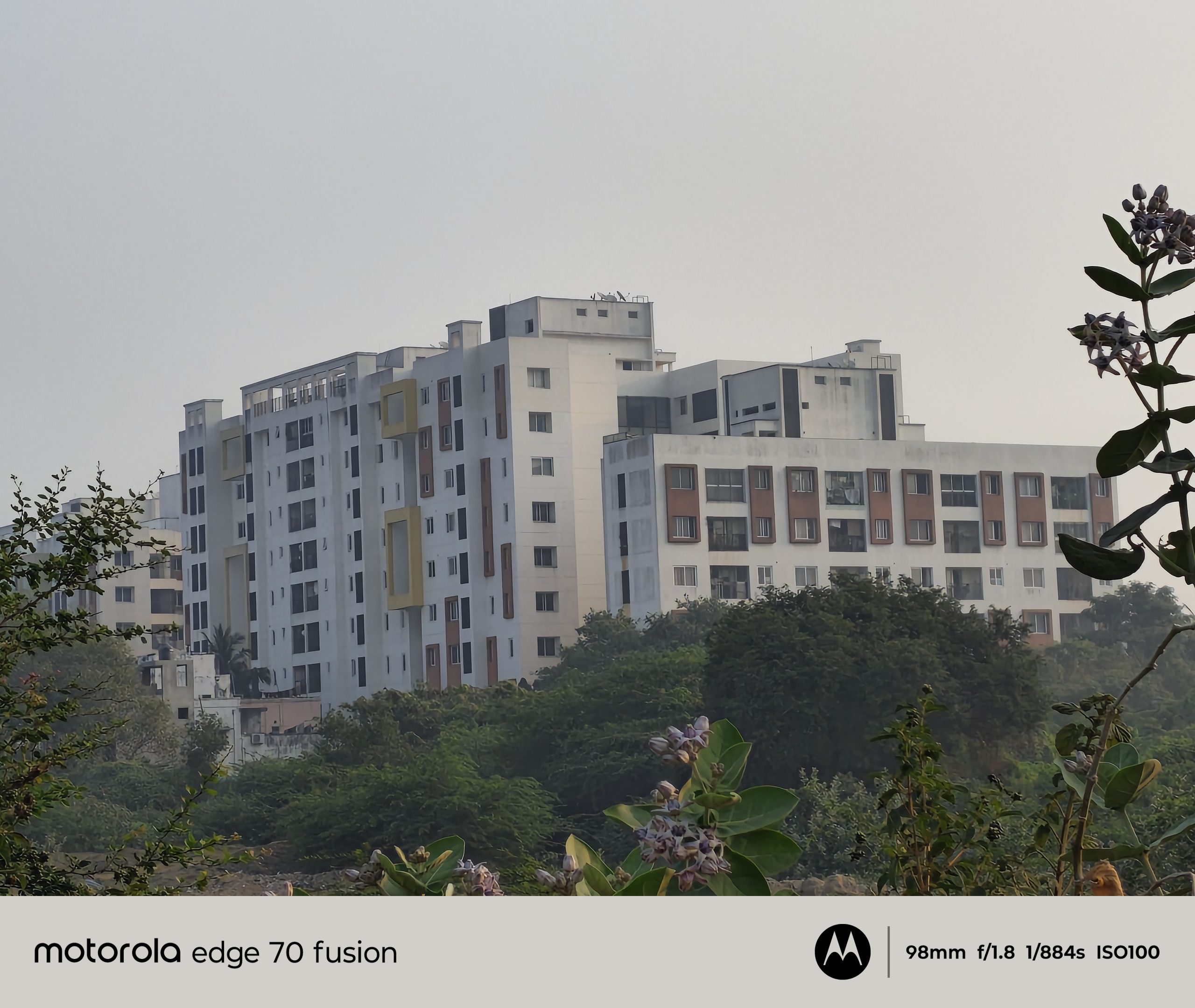
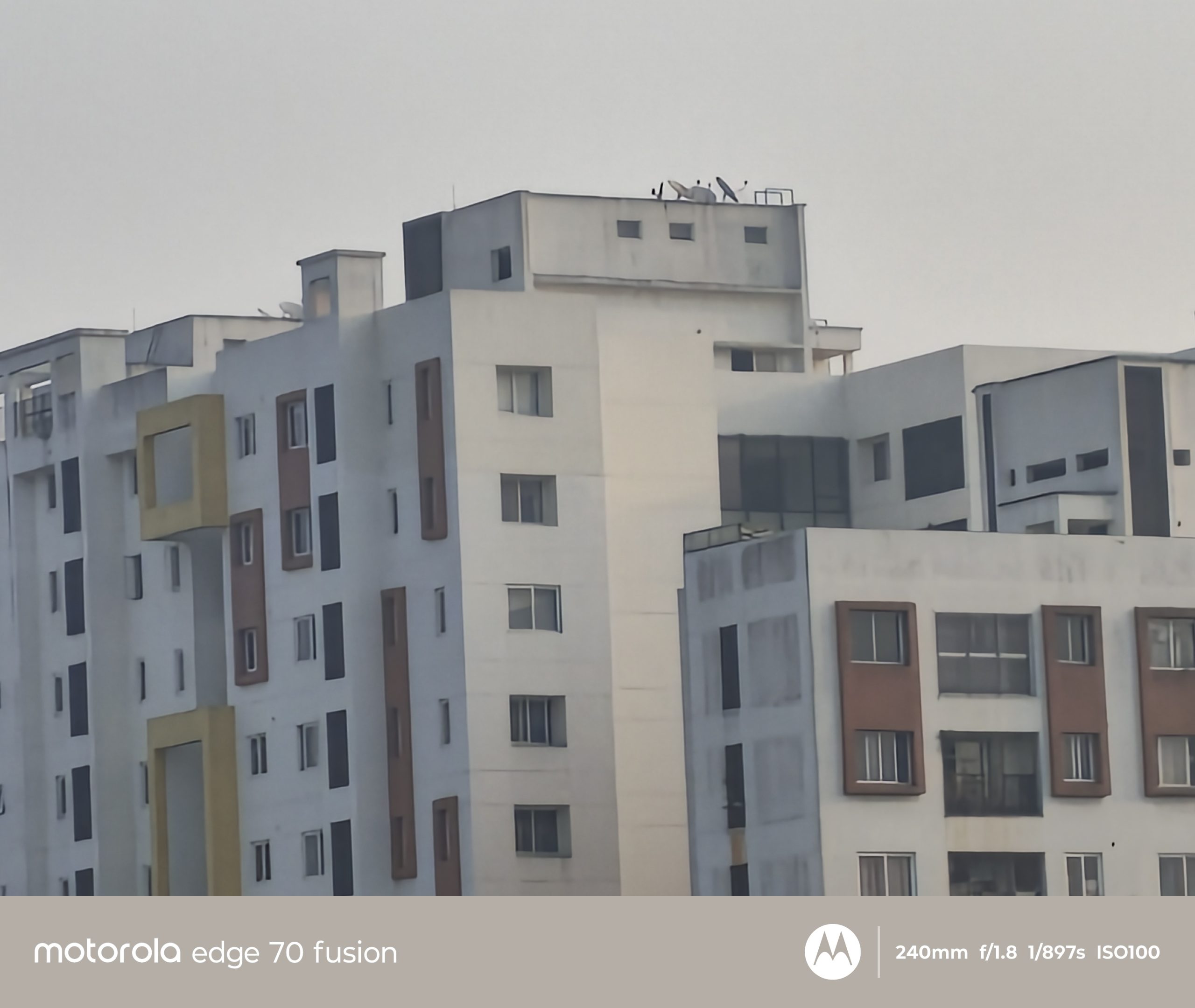
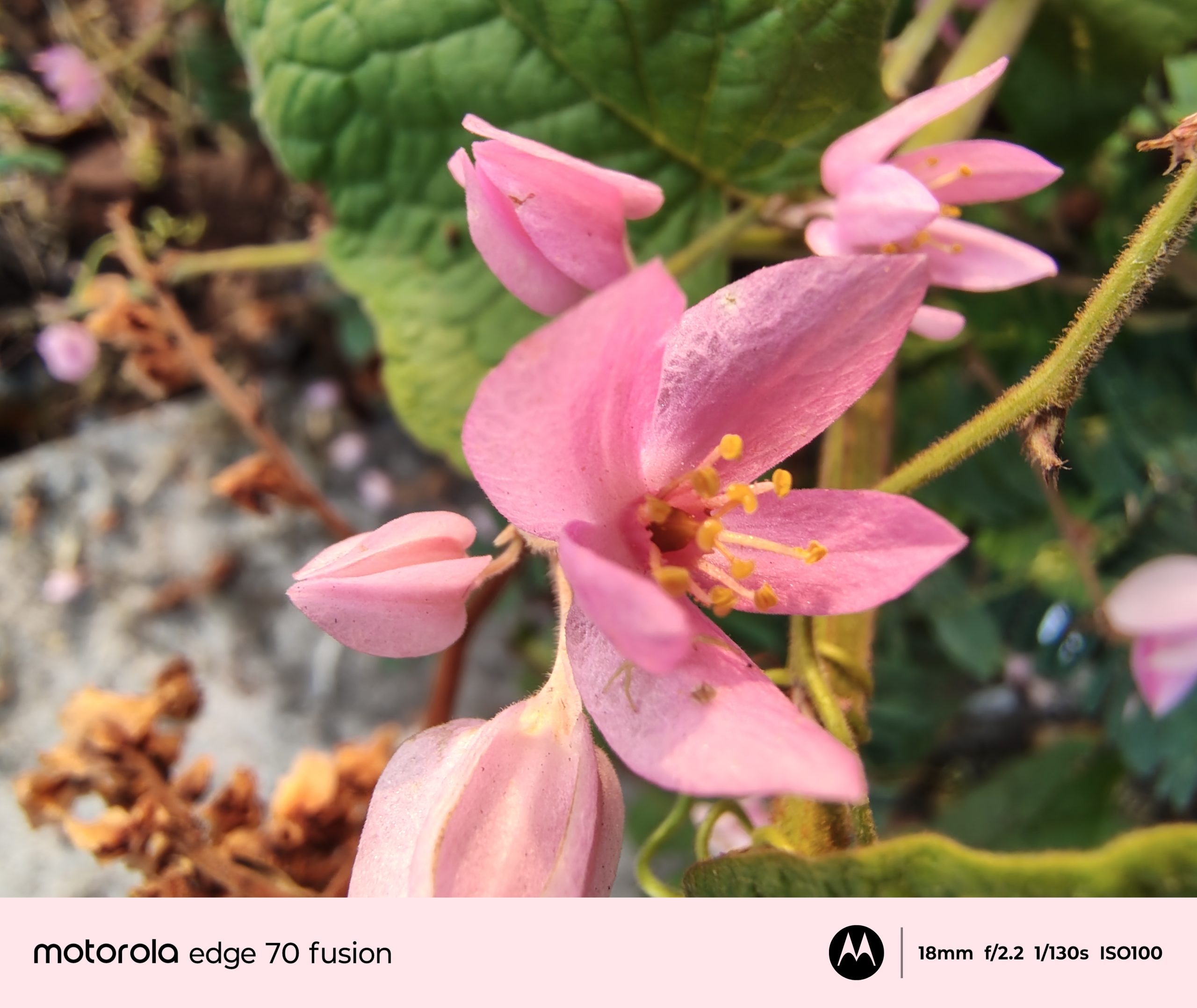
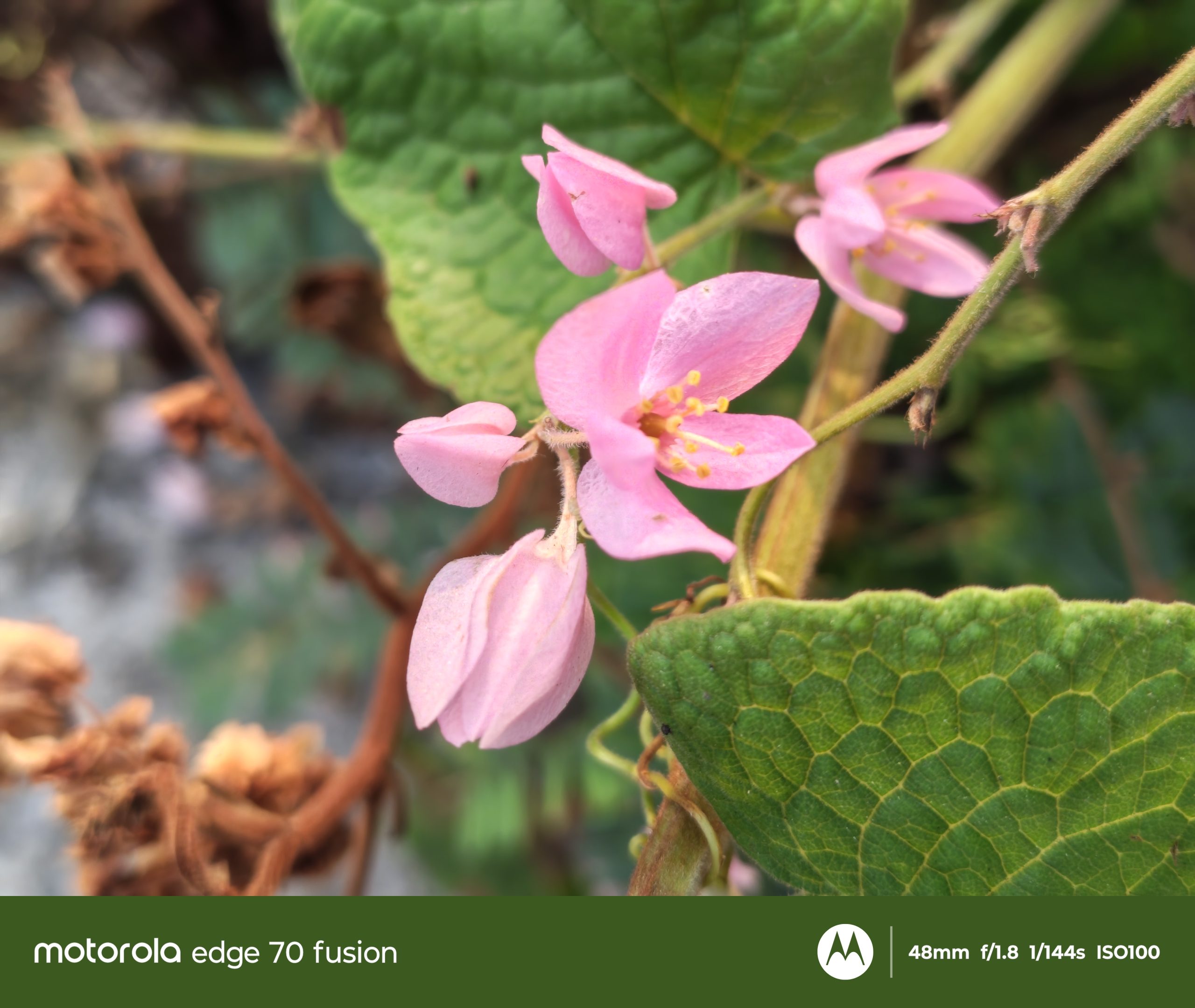
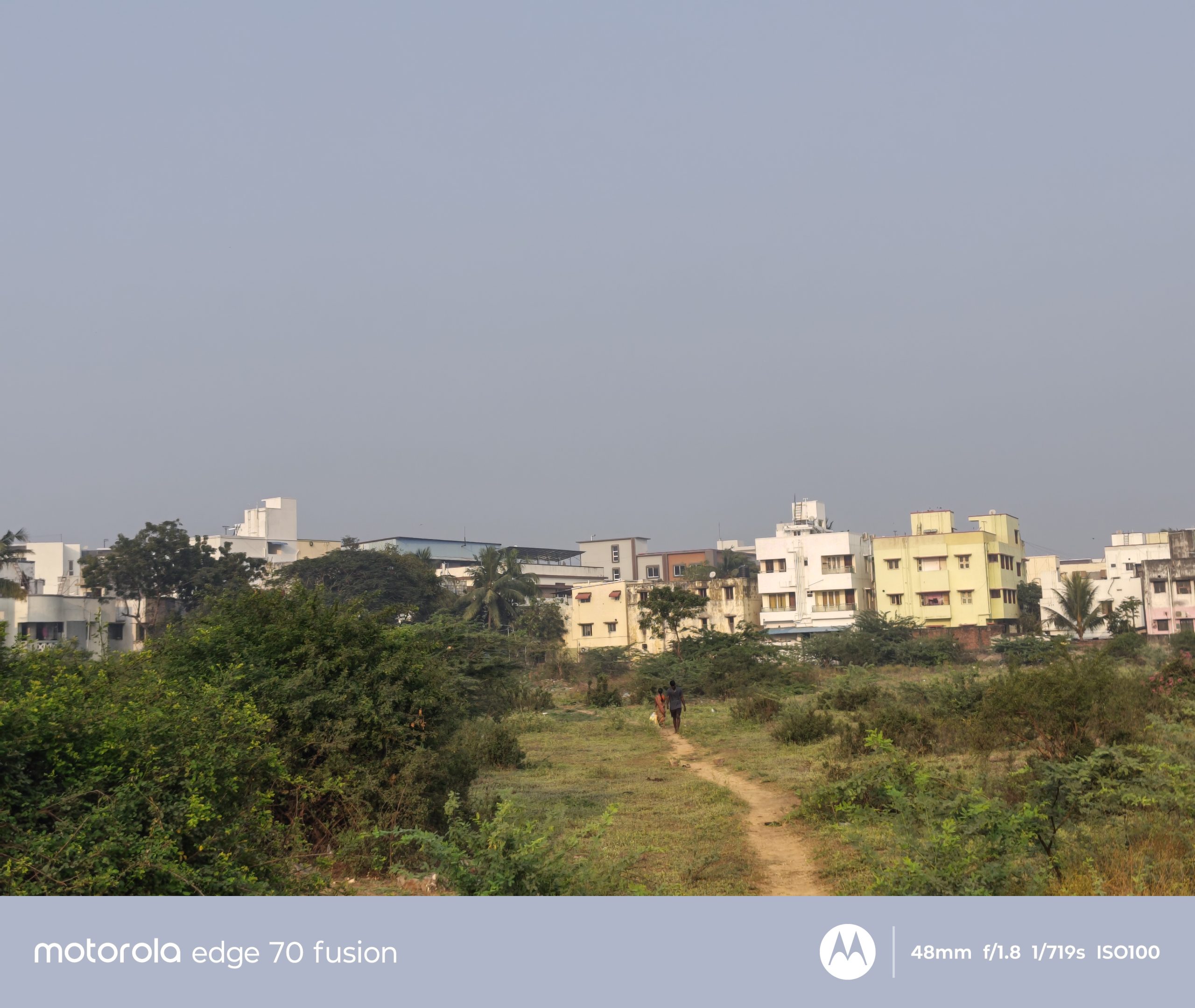
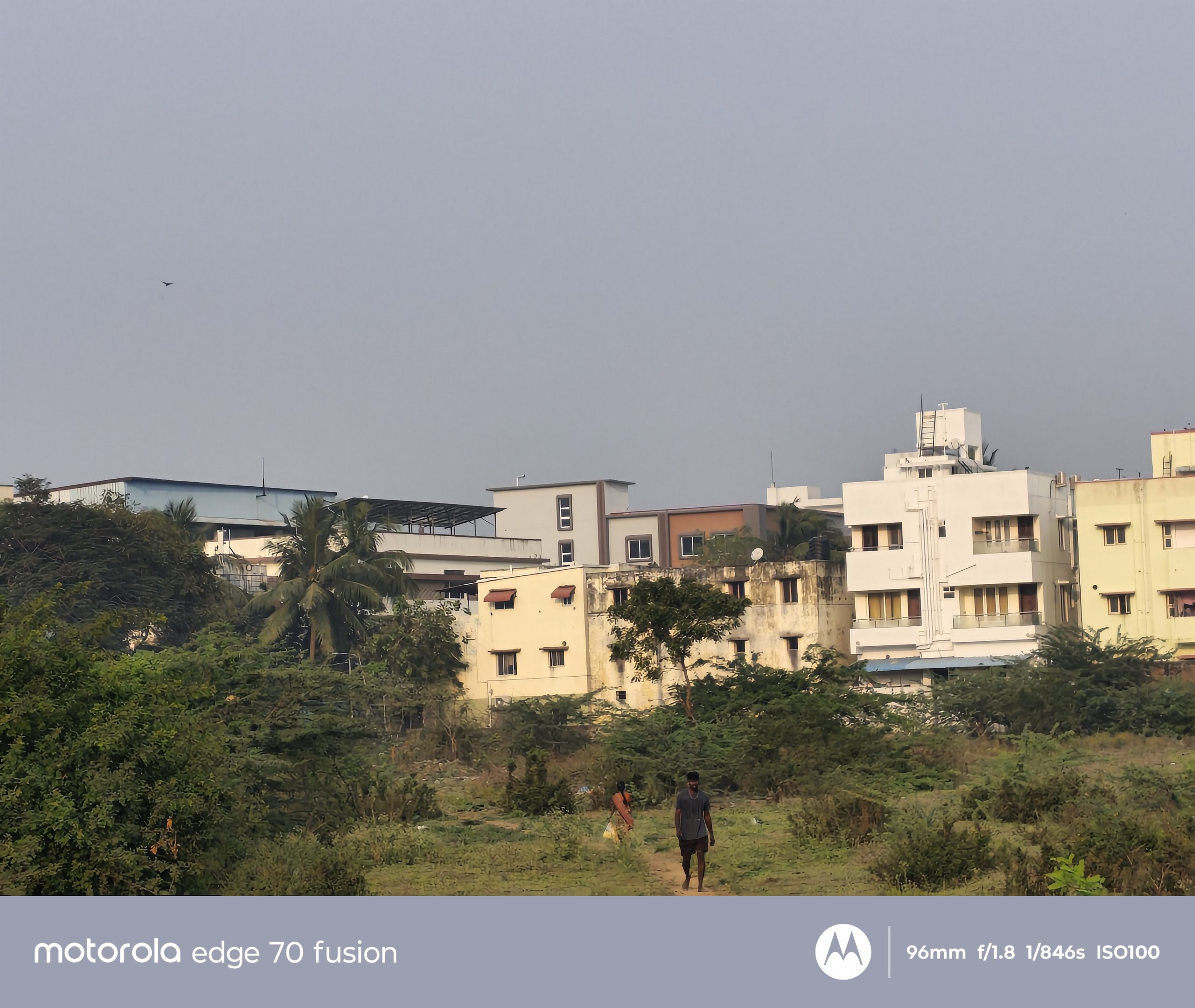
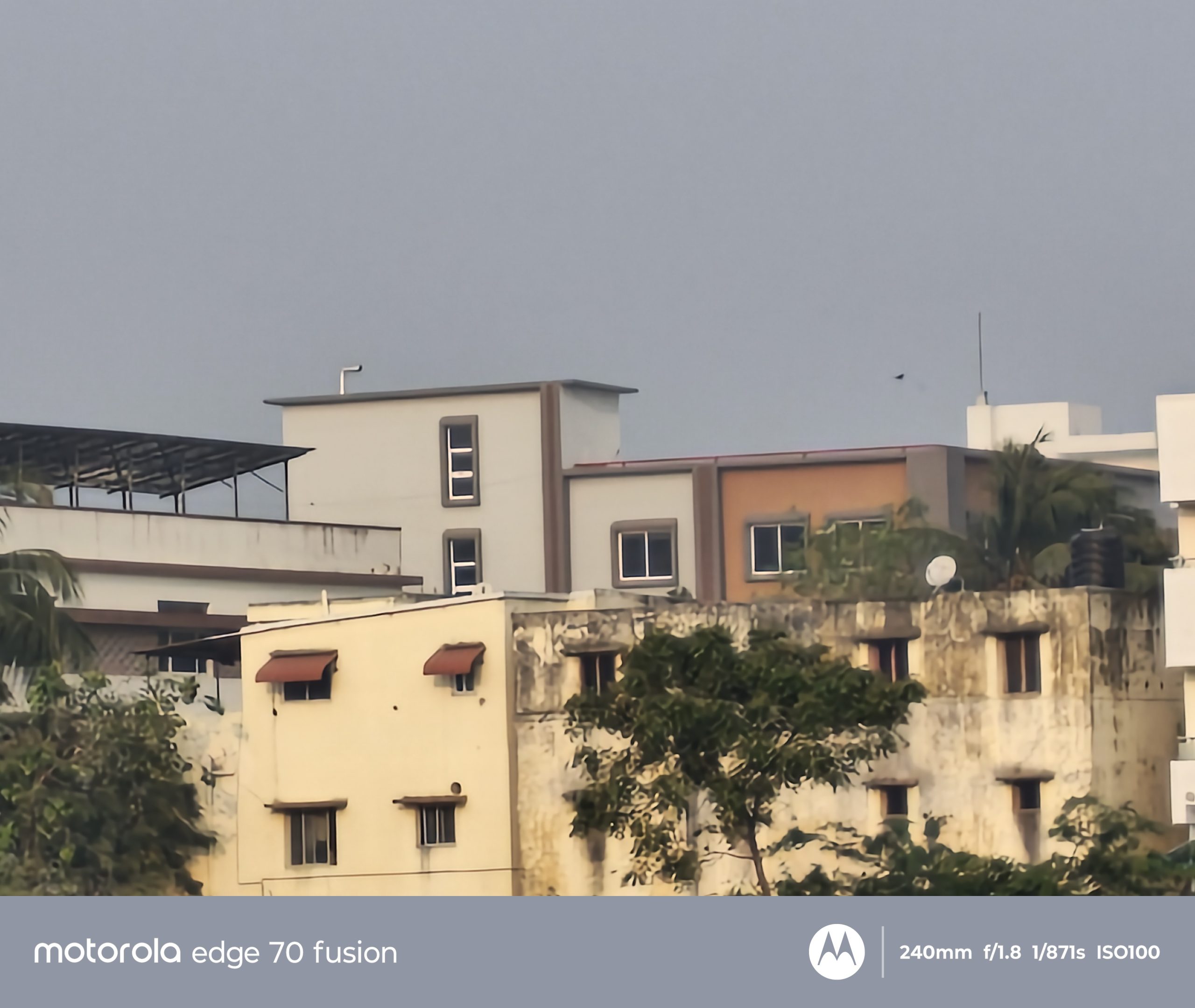
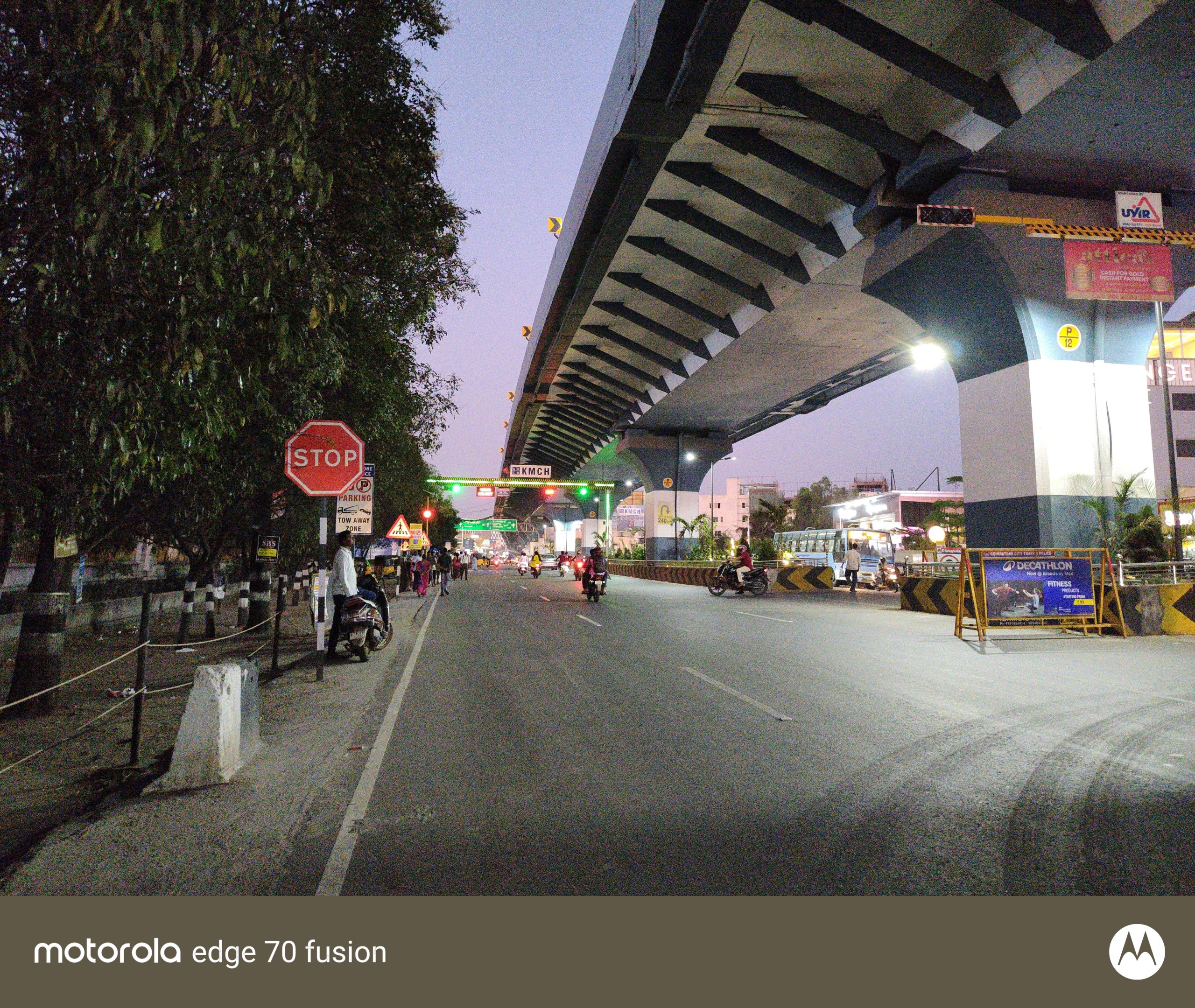
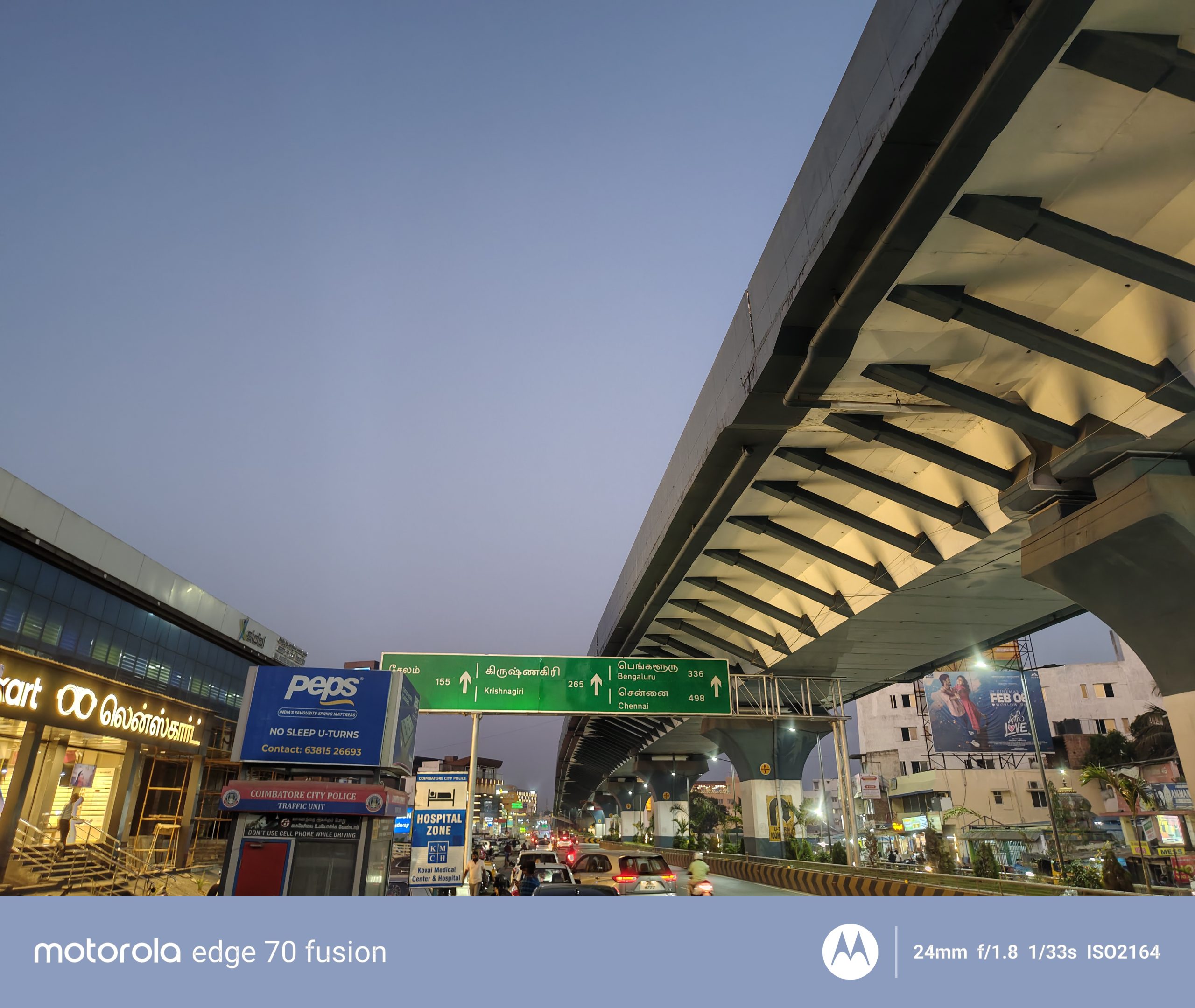
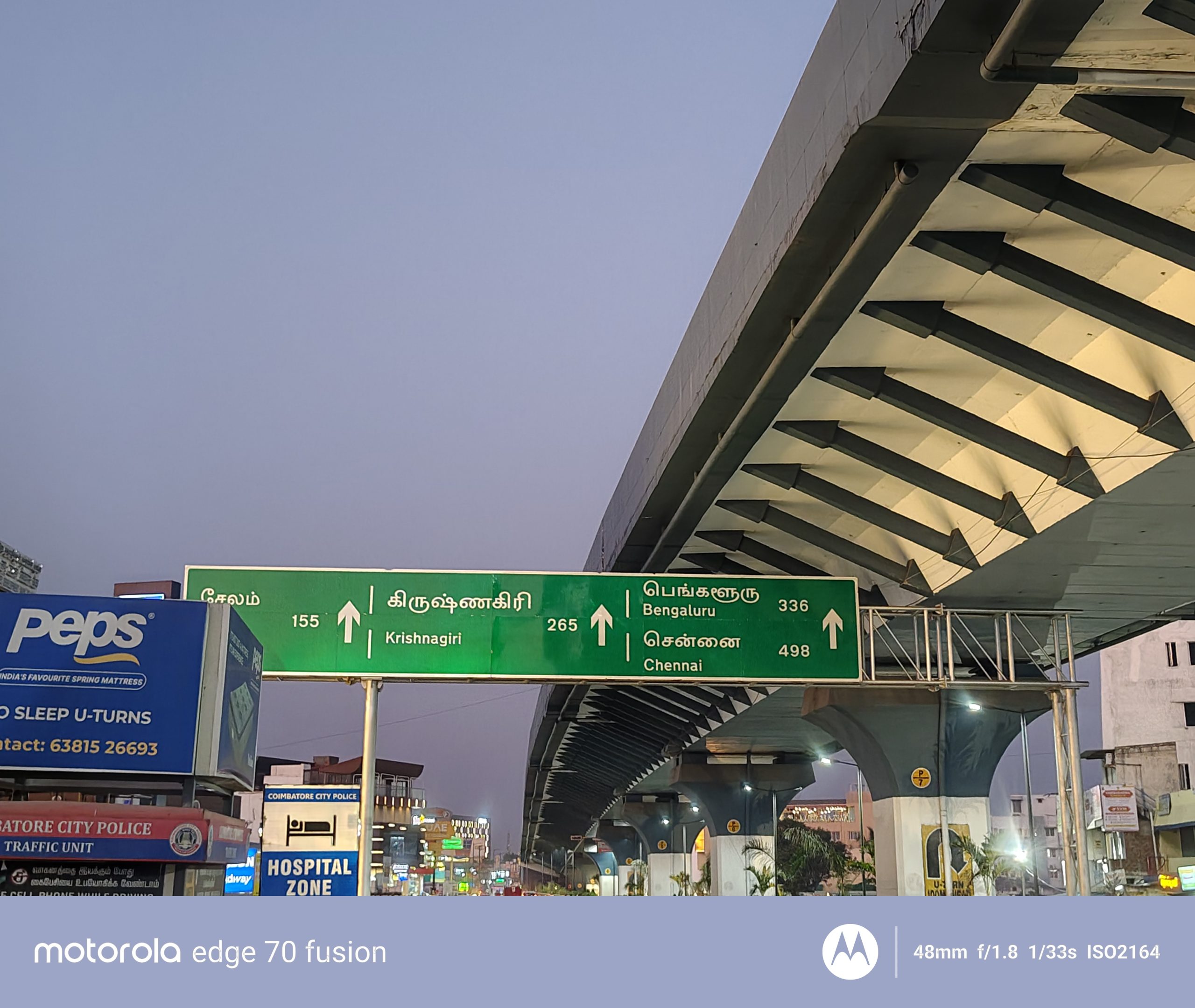
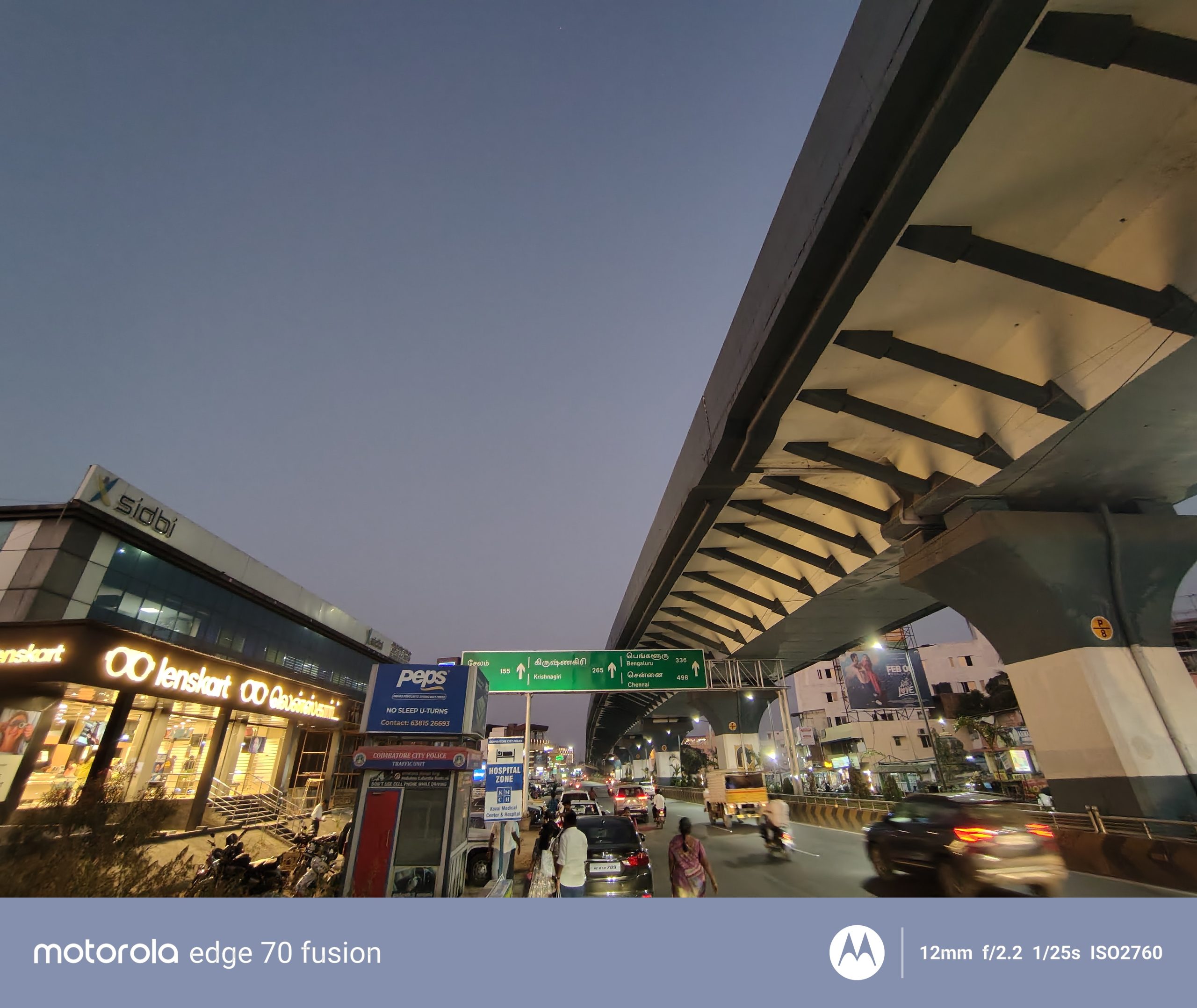
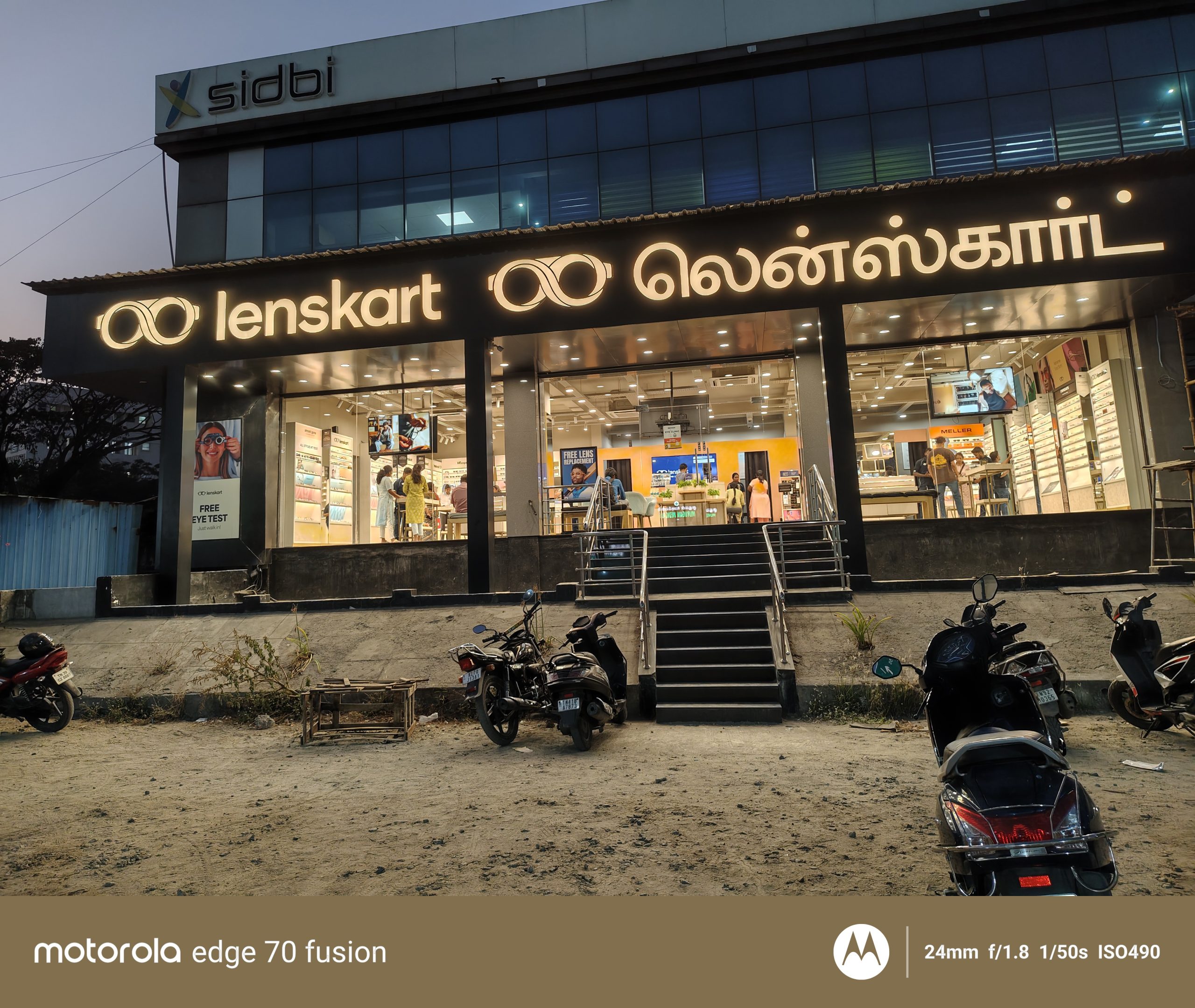
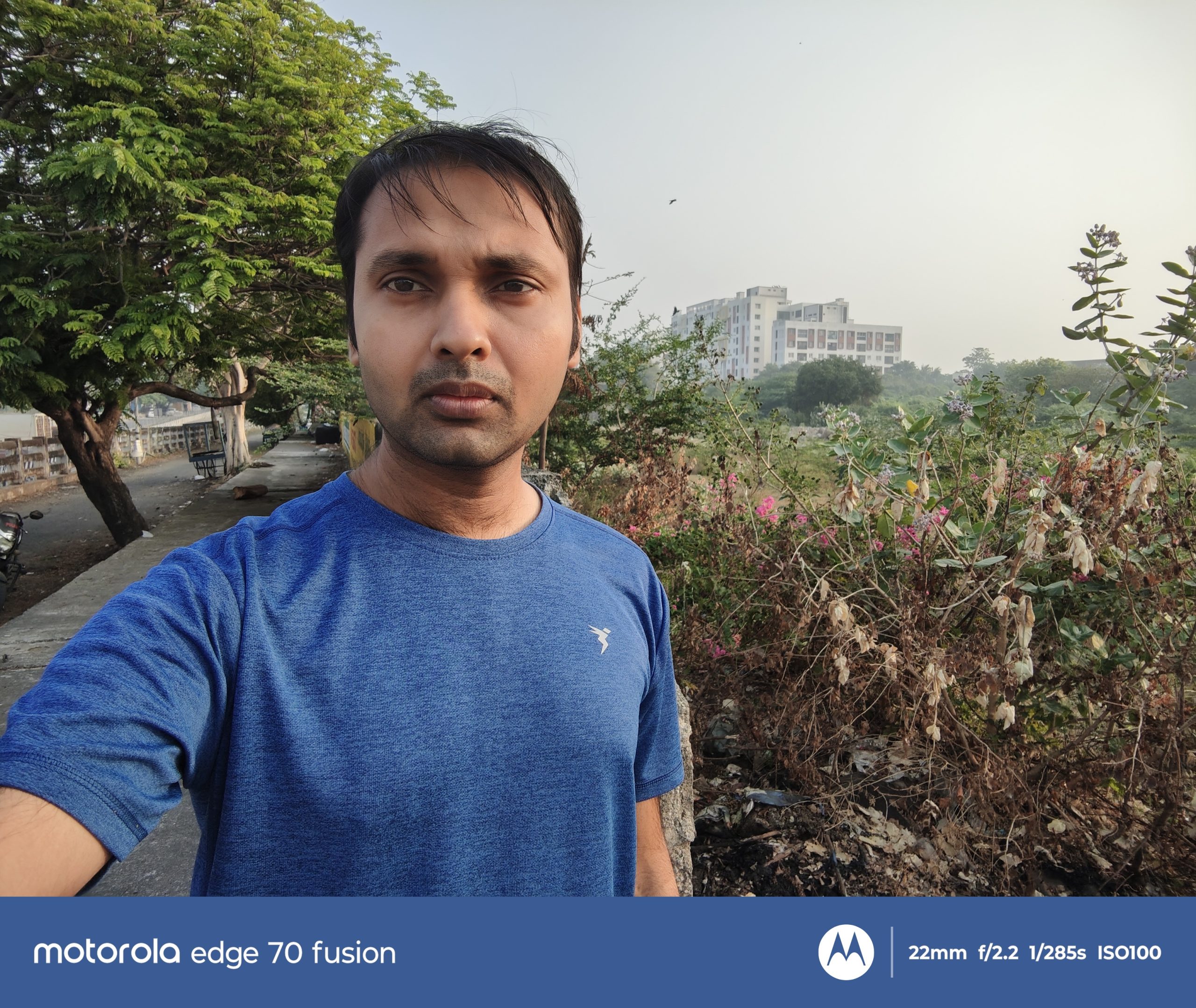
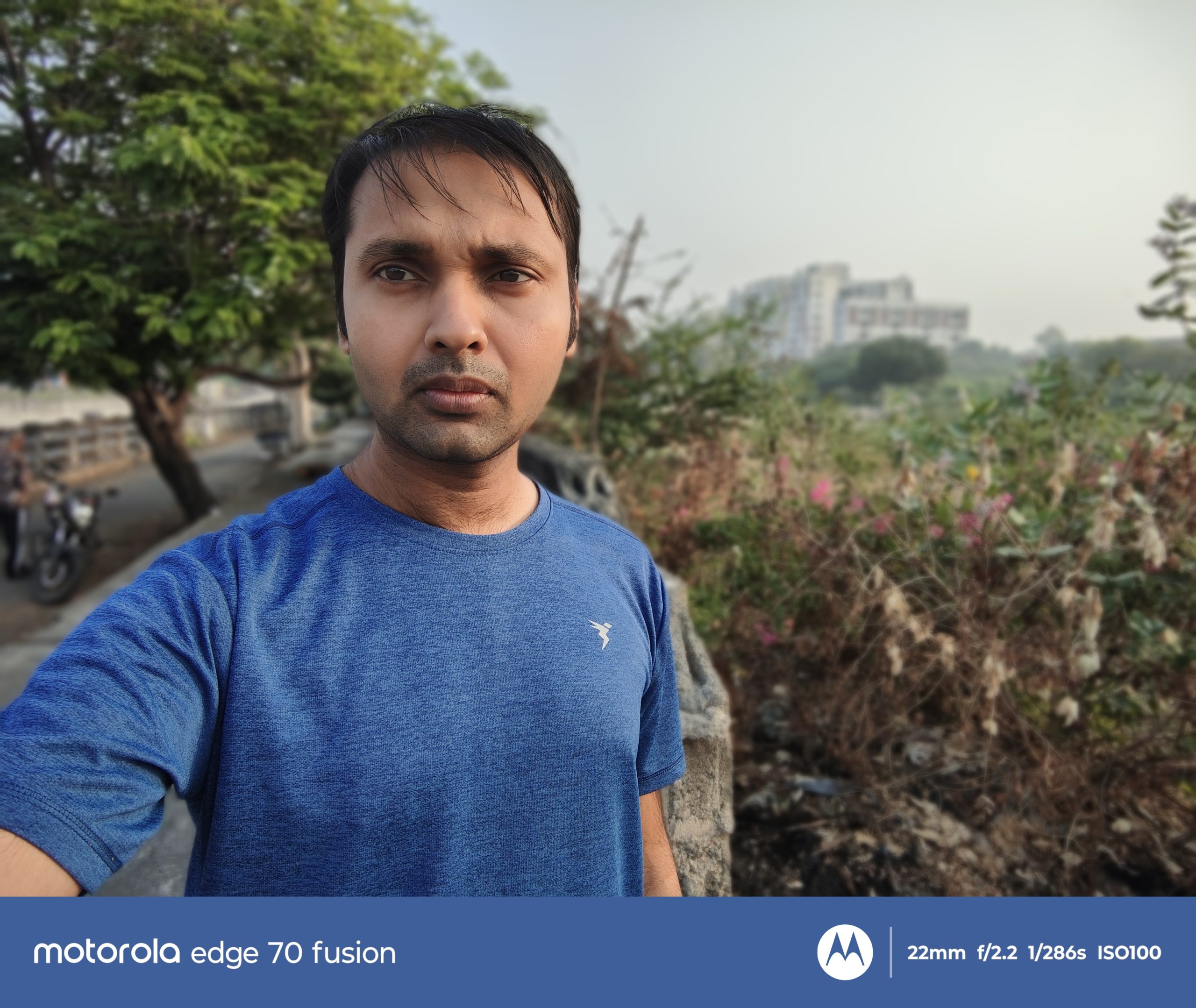
The edge 70 fusion offers 4K UHD video recording at 30 fps from all the cameras. There is slow motion 120 fps at 1080p and 240 fps at 720p resolution. Video quality is decent.
Software, UI and Apps
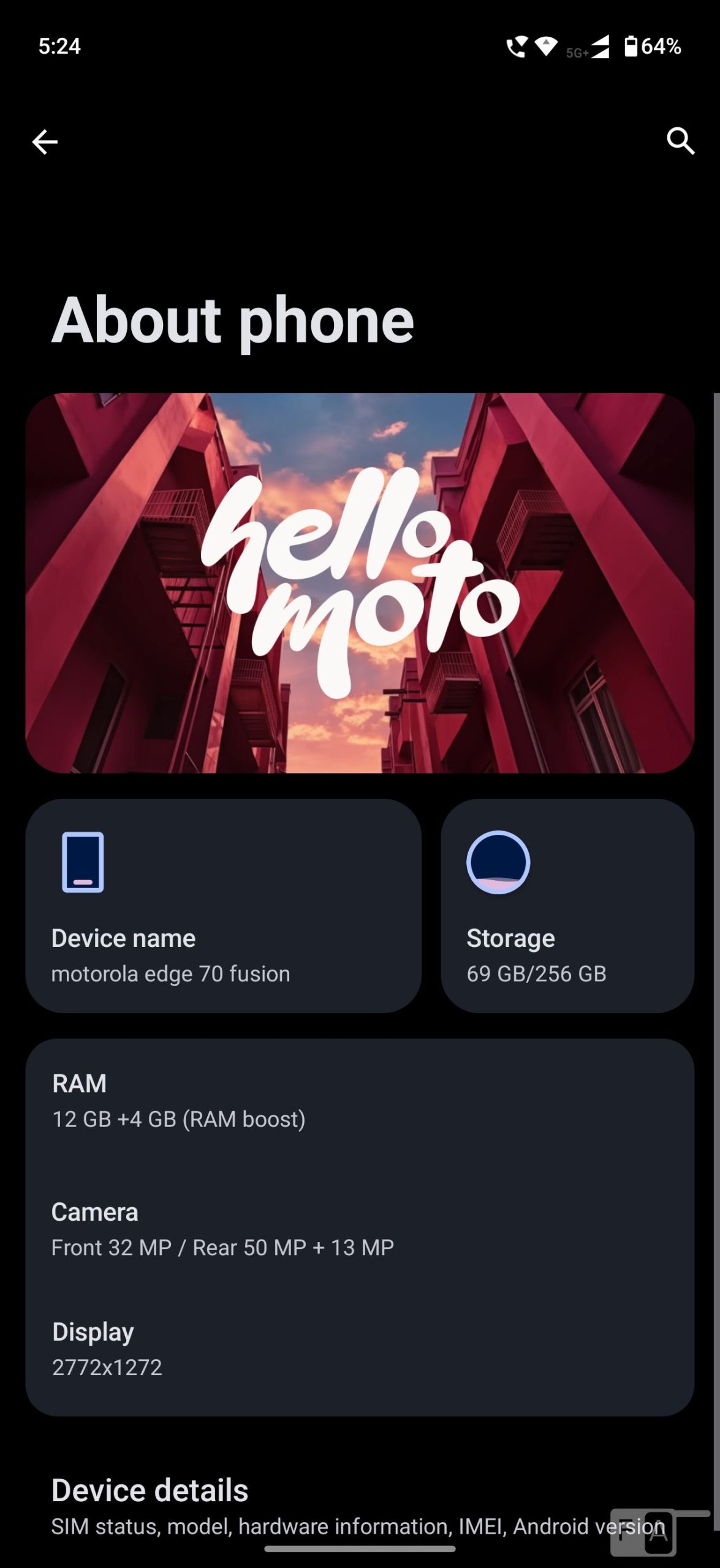
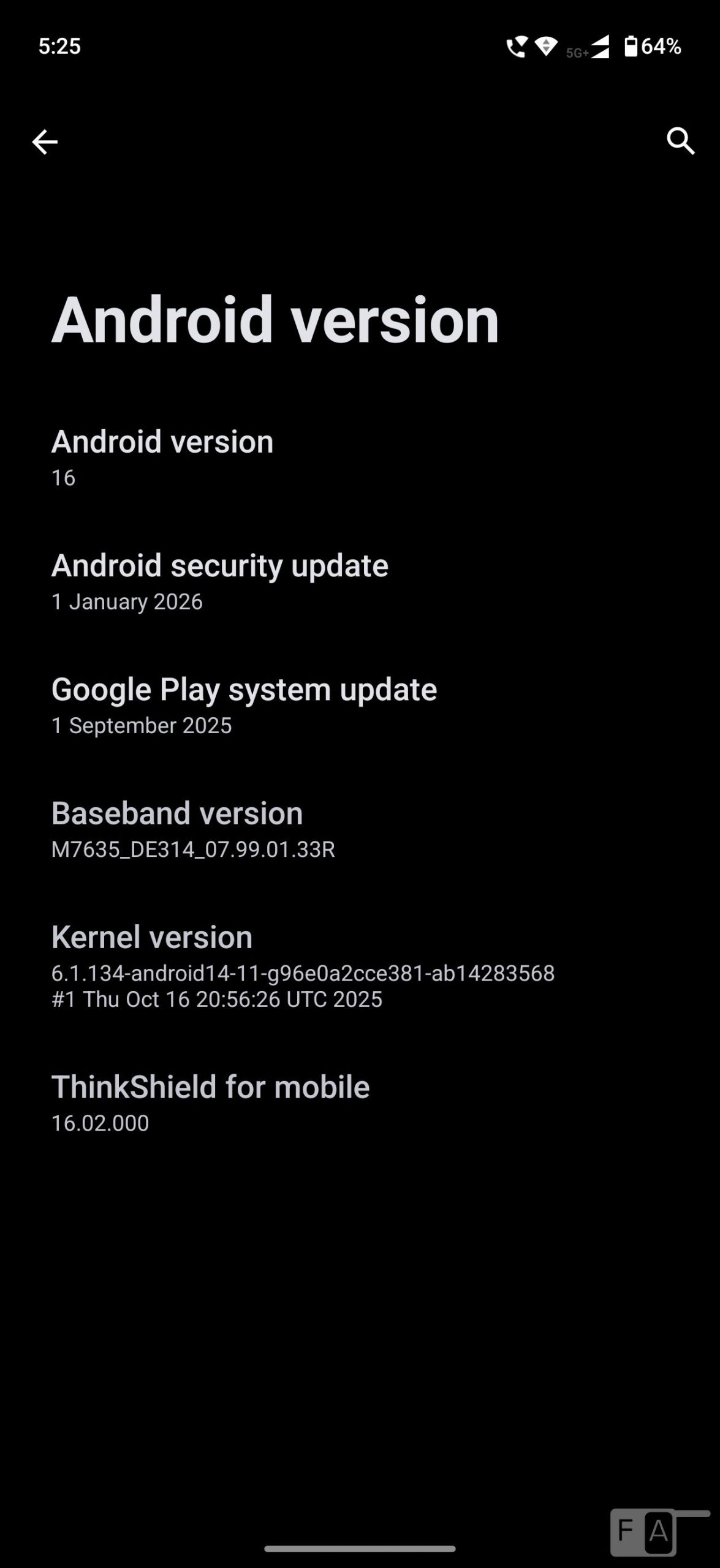
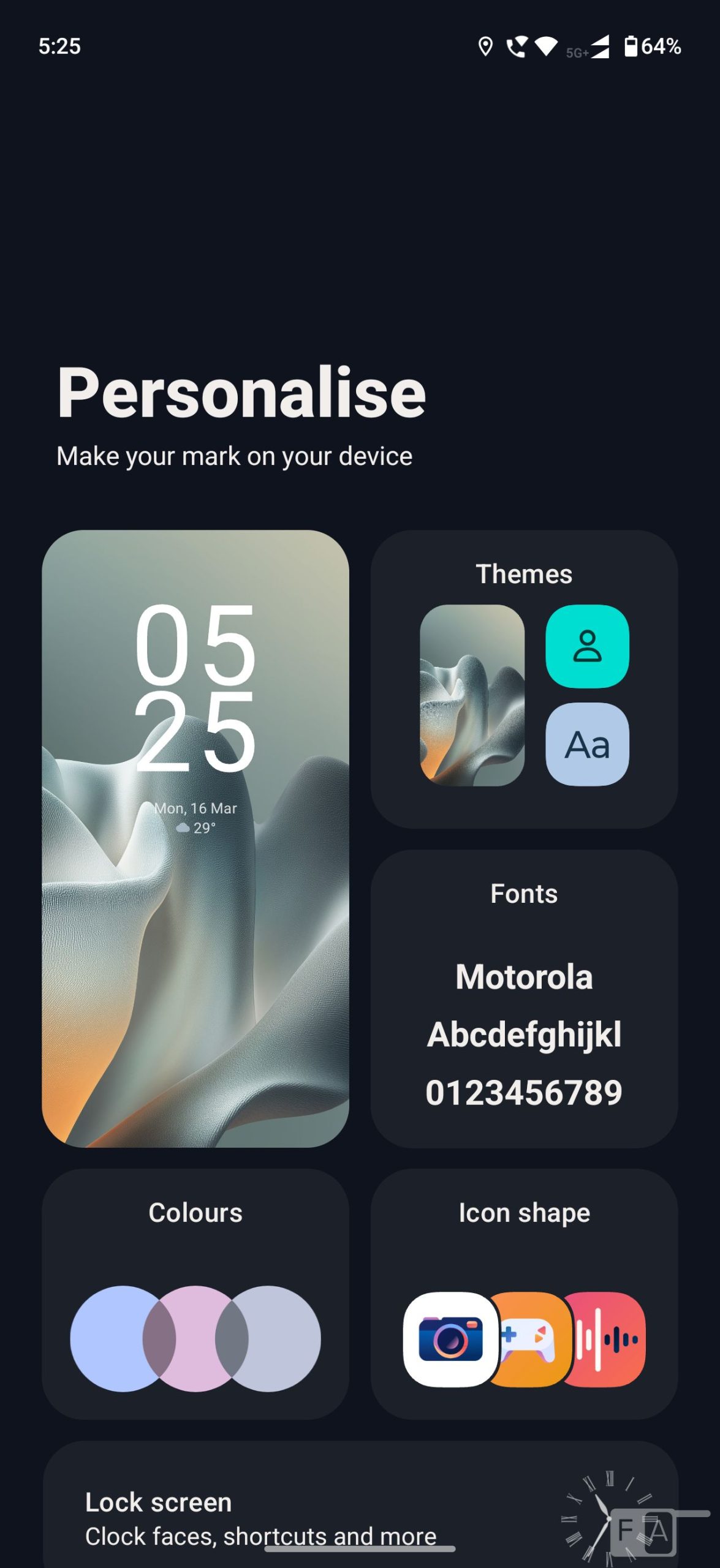
Coming to the software, the phone runs on Android 16 with the January 2026 security patch. On top of Android 16, it has Hello UI, which is stock with added moto features. The company has promised 3 OS updates and 4 years of security updates for the phone, the same as the predecessors.
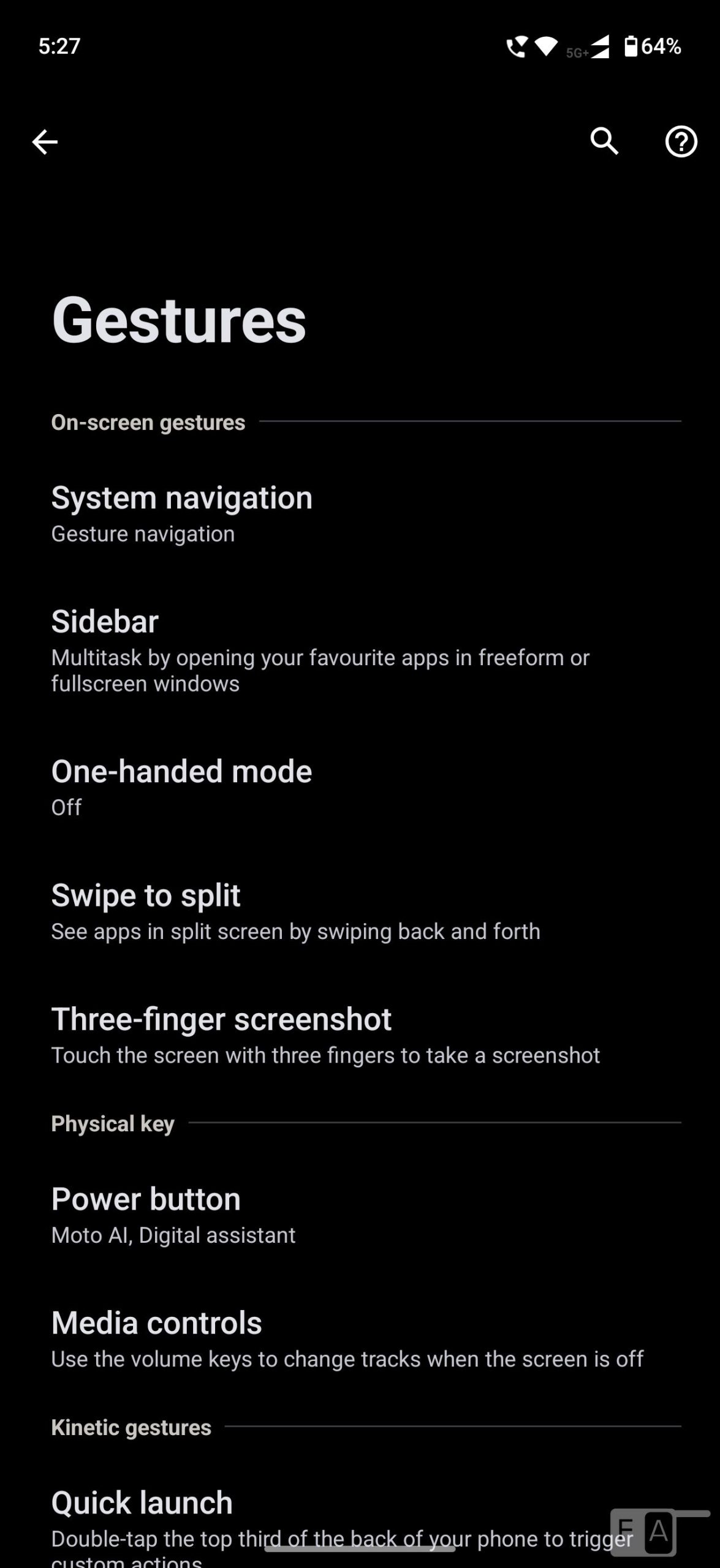
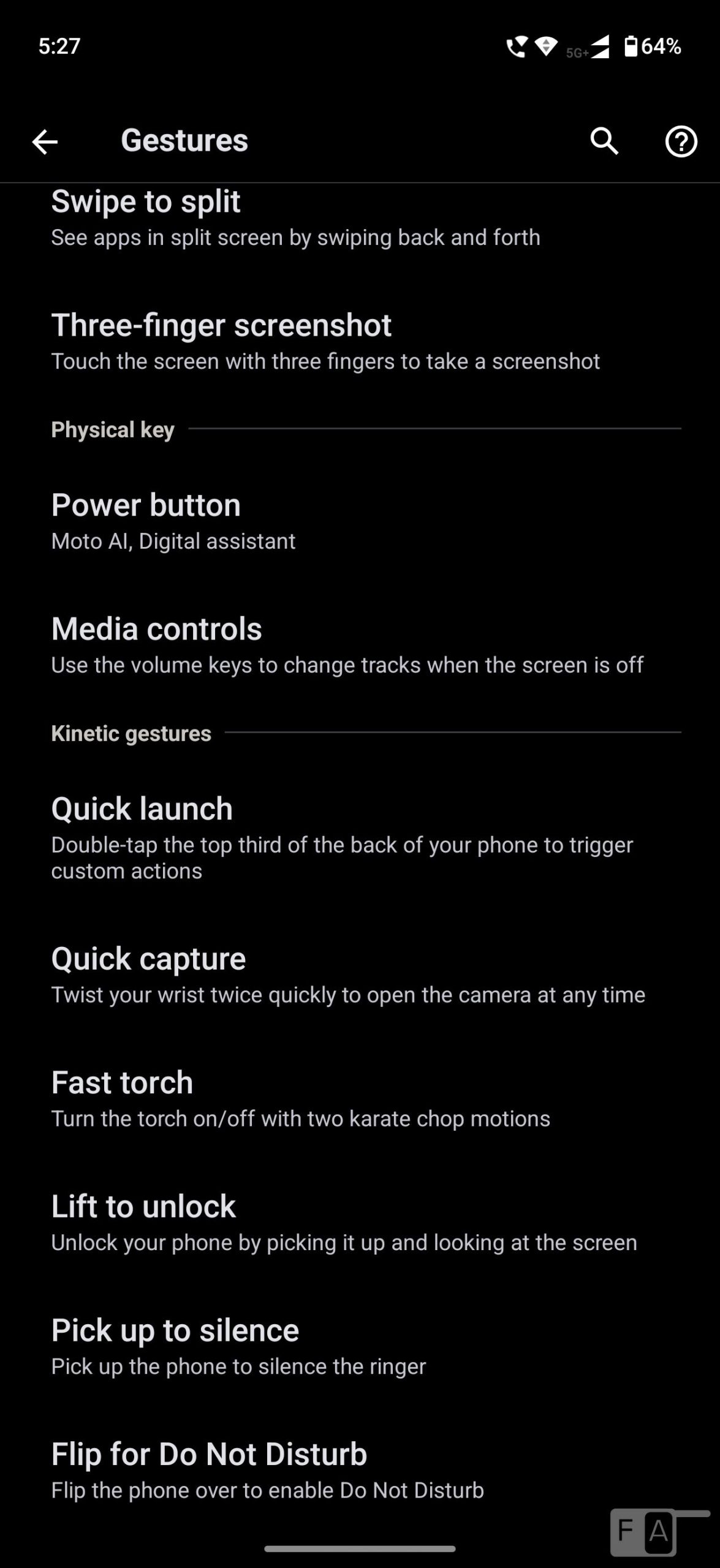
There is nothing to mention regarding the software in specific since it offers a stock Android 16 experience with added features. There are gestures such as quick capture, fast flashlight, three-finger screenshot, sidebar, double press power key, and press and hold power button.
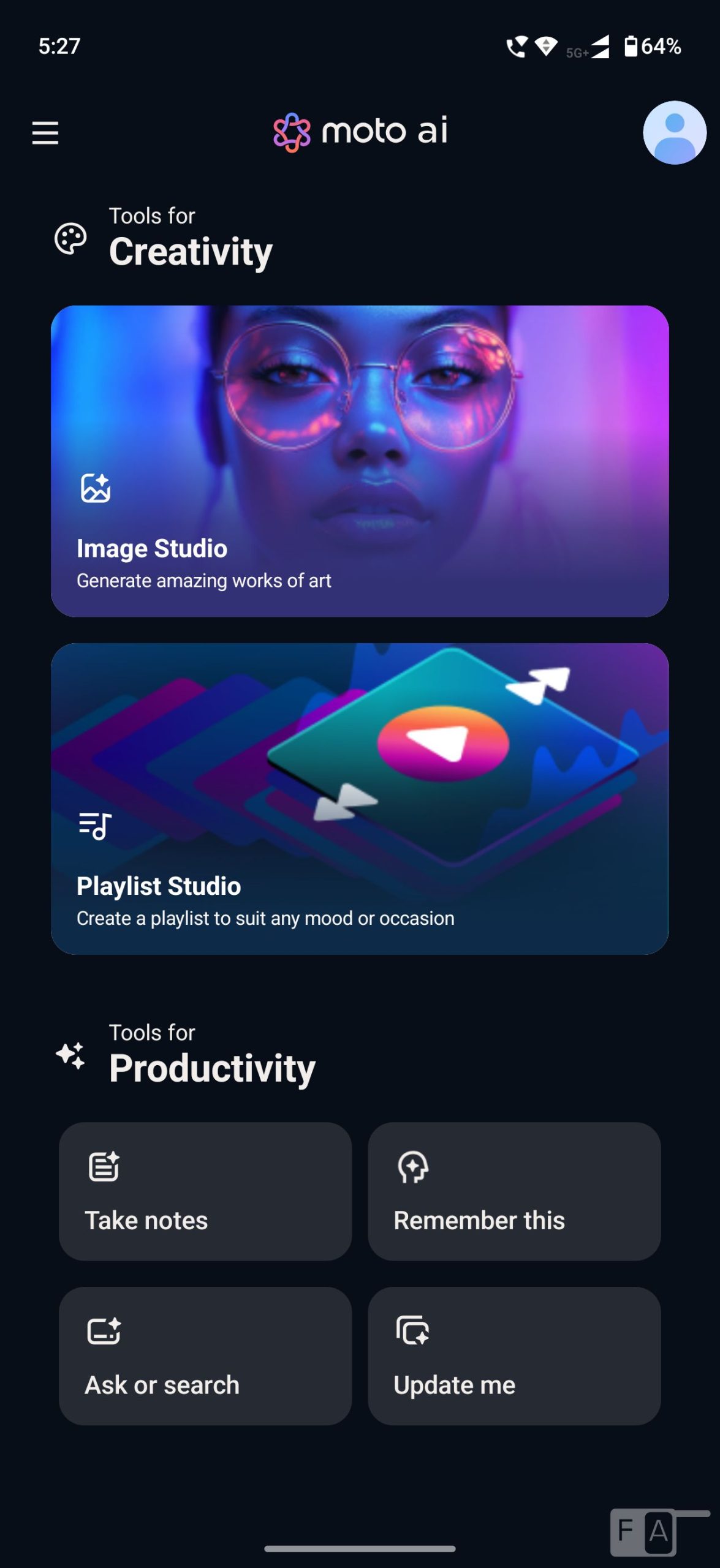
Motorola has heavily integrated “moto ai” into the device for real-time assistance and content generation. Key features include:
- Next Move: Scans and understands on-screen context to offer instant support, research, or next steps.
- Generative Tools: Playlist Studio and Image Studio allow users to generate custom playlists, stickers, and wallpapers.
- Smart Assistant Prompts: Voice commands like “Catch me up,” “Pay attention,” and “Remember this” are built into the OS to summarize information and enhance productivity.
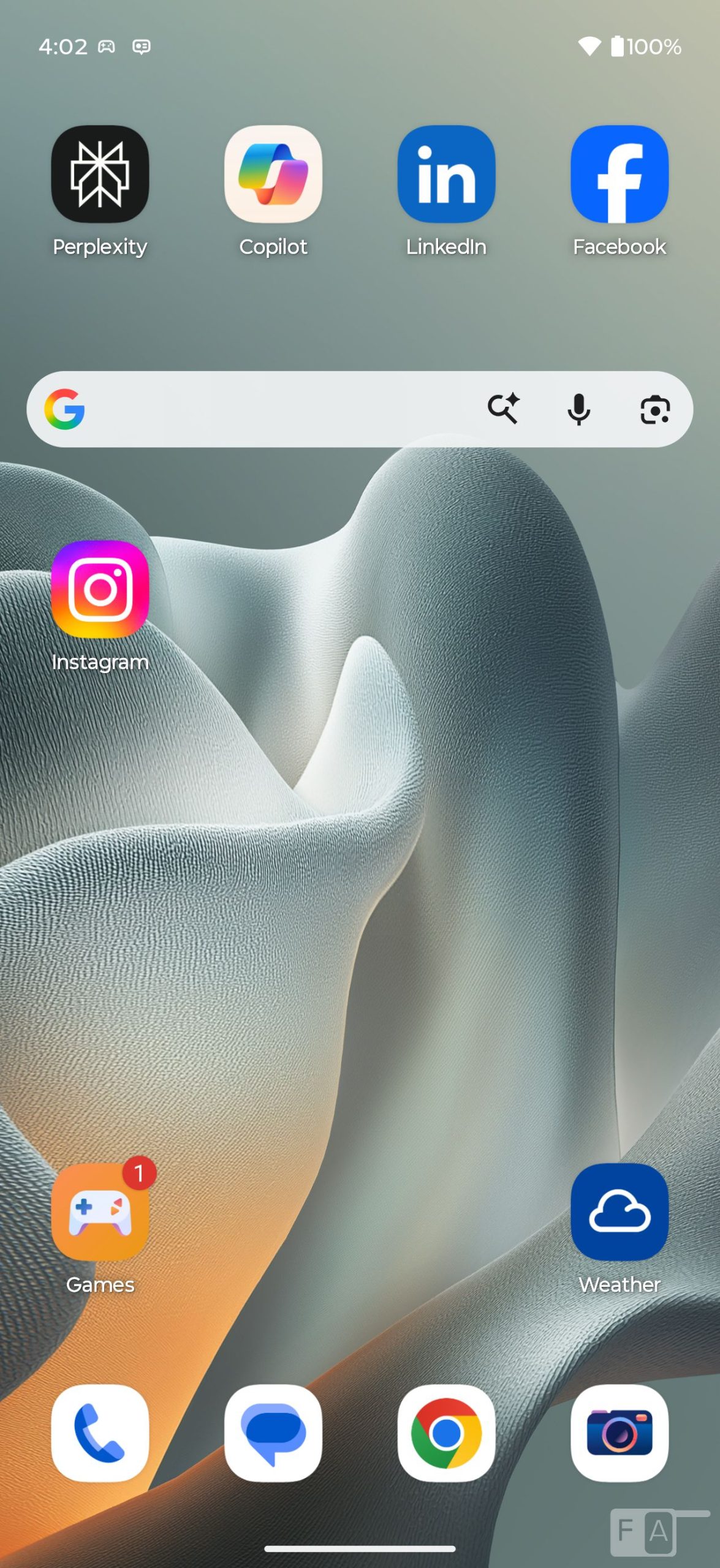
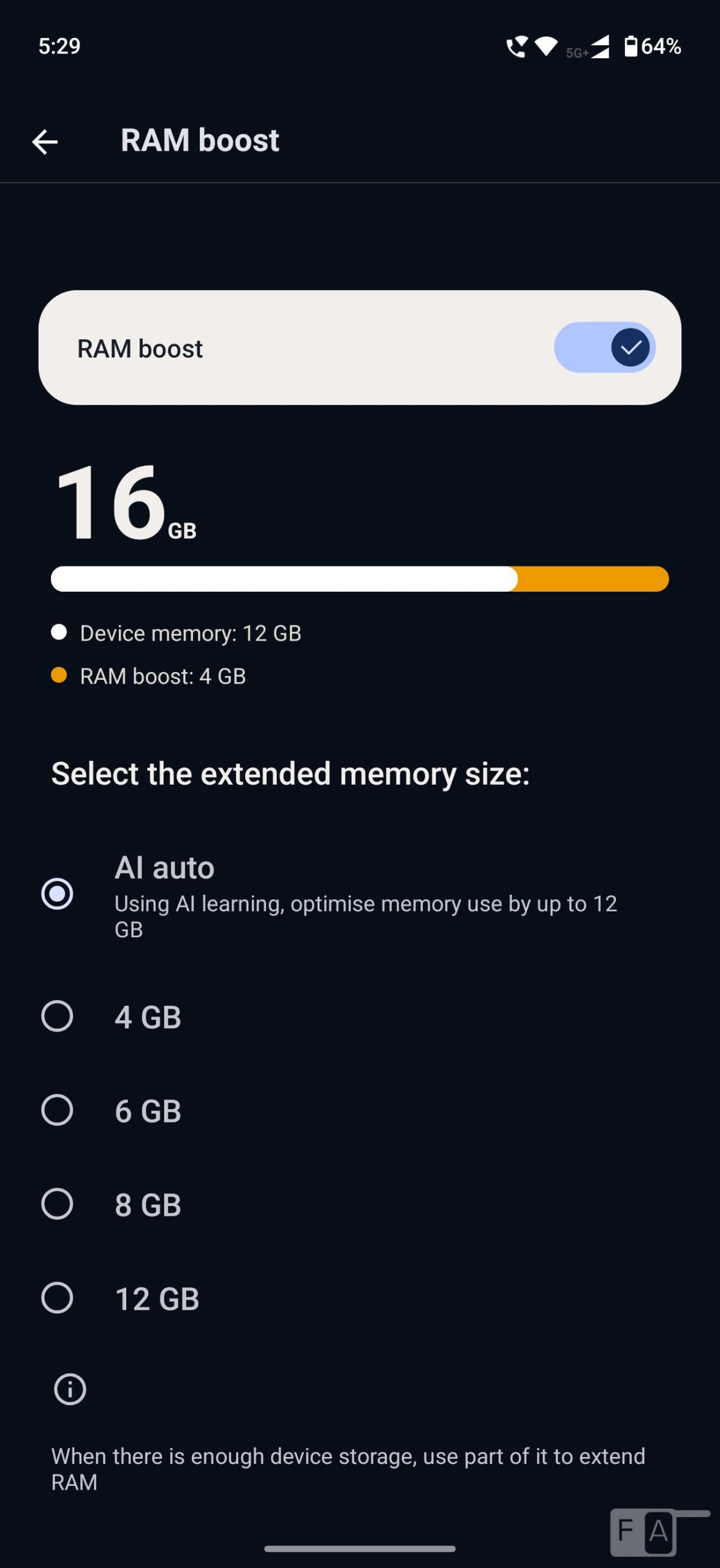
Apart from the usual set of utility apps, Google apps, there are some apps such as Facebook, LinkedIn, Perplexity, Copilot, PhonePe, and Instagram, but you can install them easily. It has 12GB of RAM, out of which 11.18GB of RAM is free. It also has a RAM booster option to add up to 16GB of virtual RAM, and the AI auto RAM boost option is enabled by default. Out of 256GB storage, 213.40GB is usable.
Fingerprint sensor
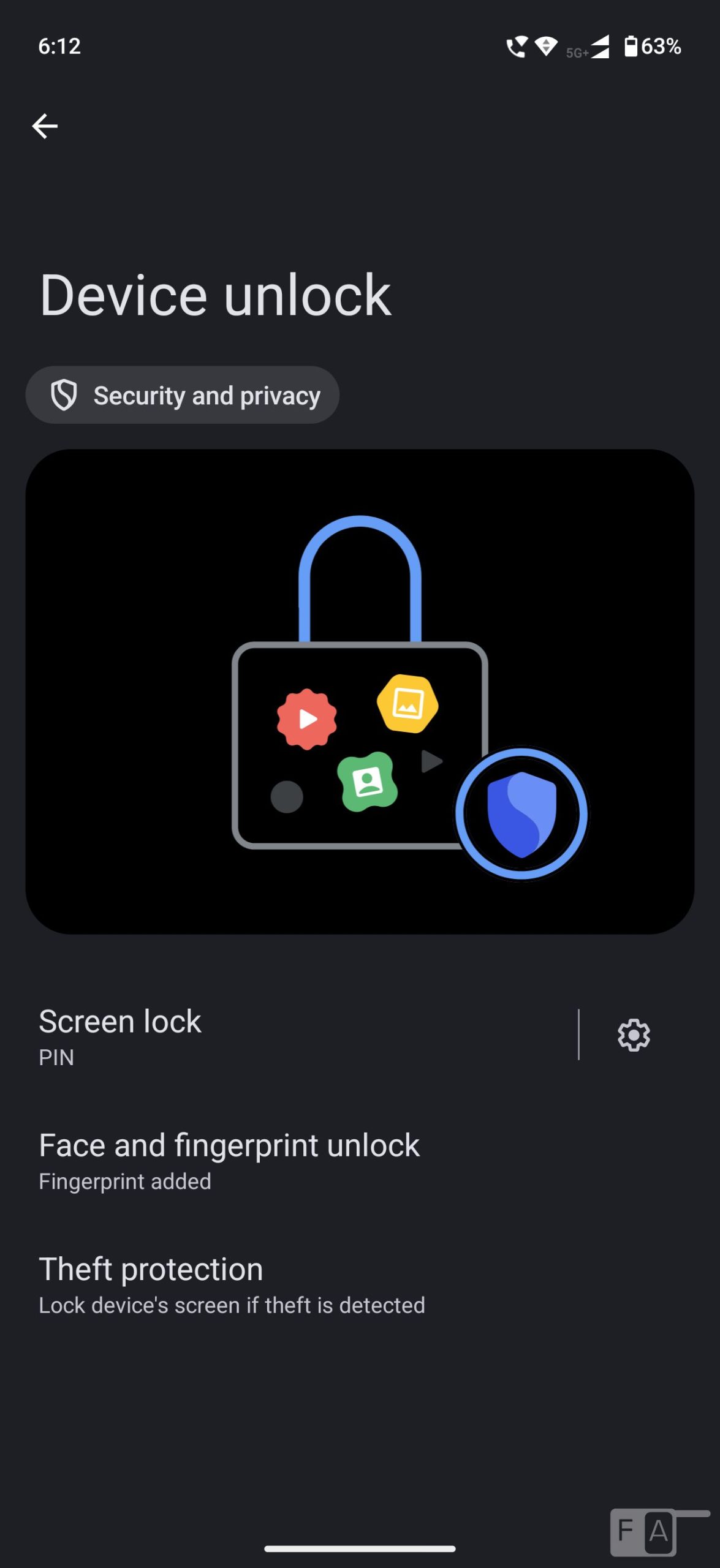
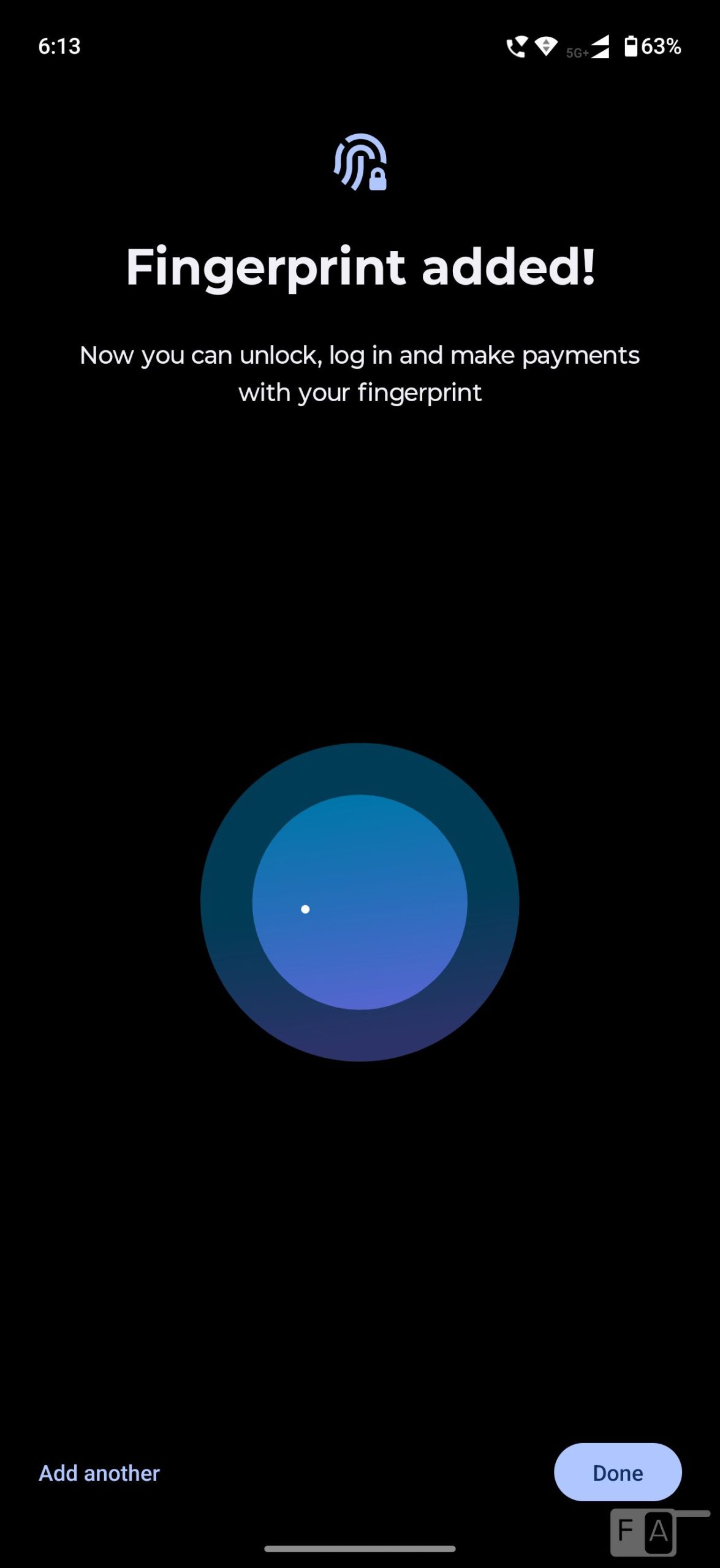
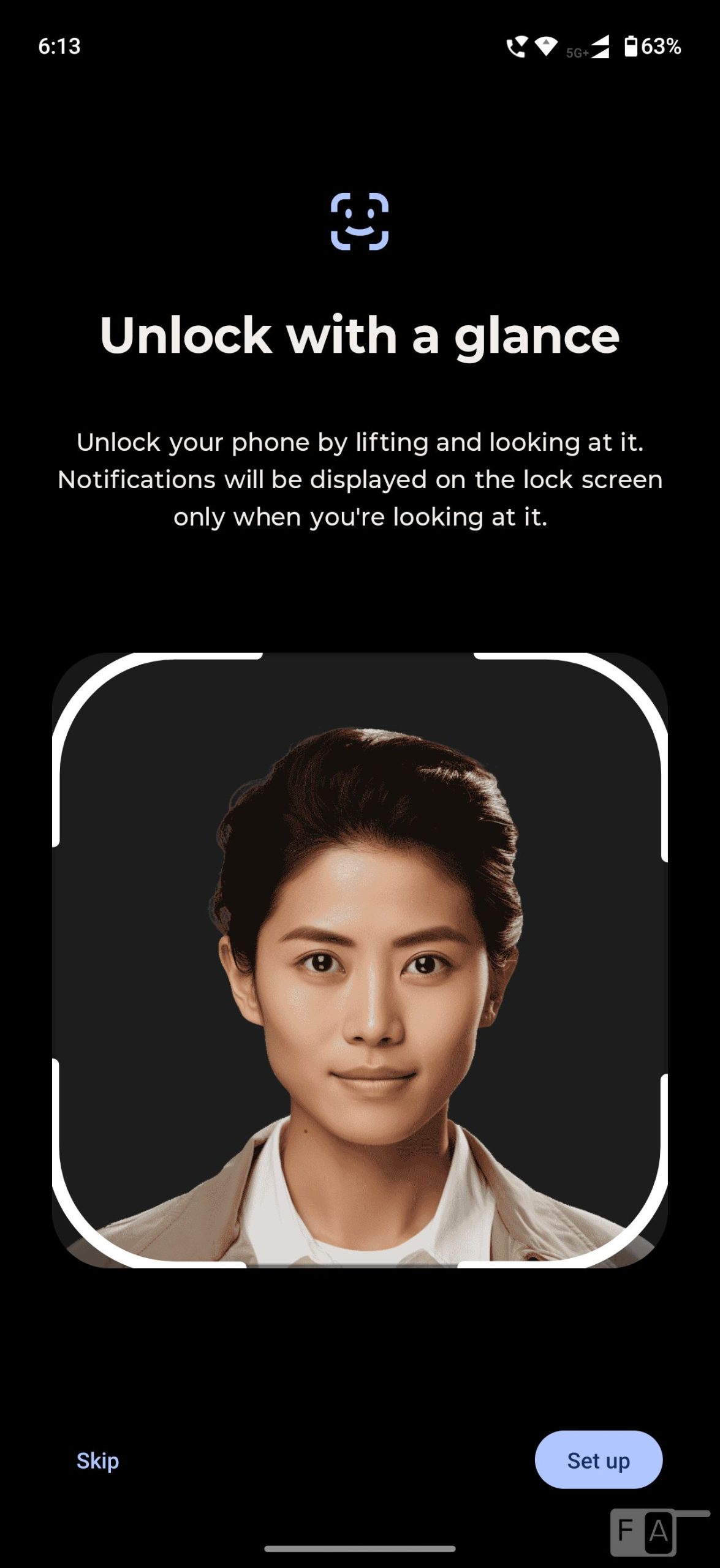
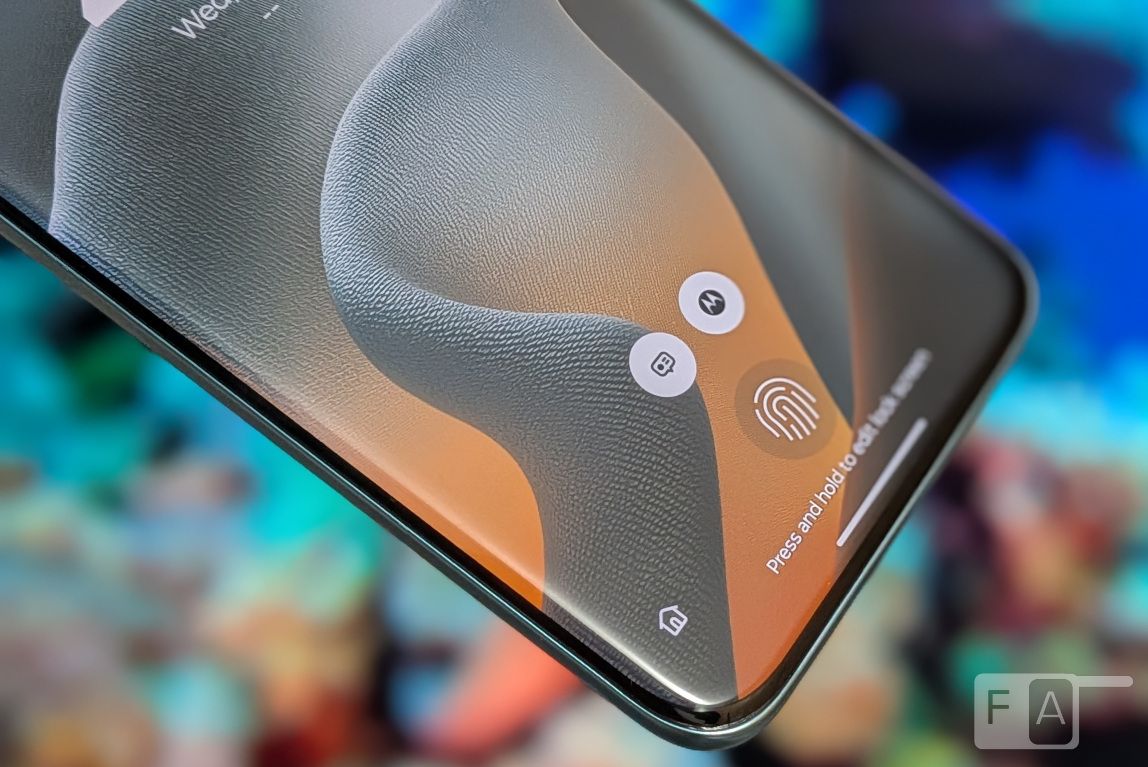
The phone has an in-display optical fingerprint sensor. It immediately unlocks the phone just by keeping your finger. You can add up to 5 fingerprints. You can also use the fingerprint for local apps and payments in apps. The phone also has face unlock, but it is not as secure as a fingerprint.
Music Player, and Multimedia
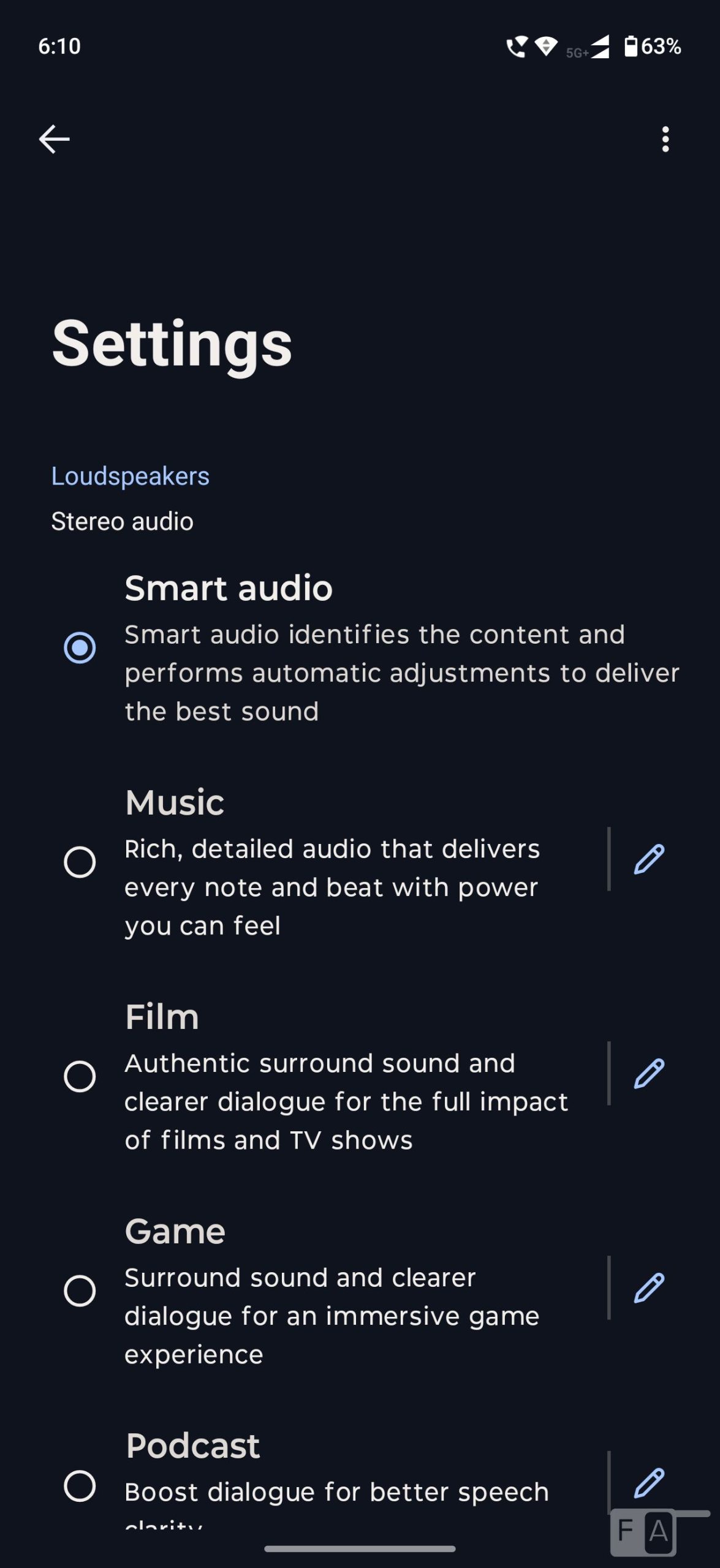
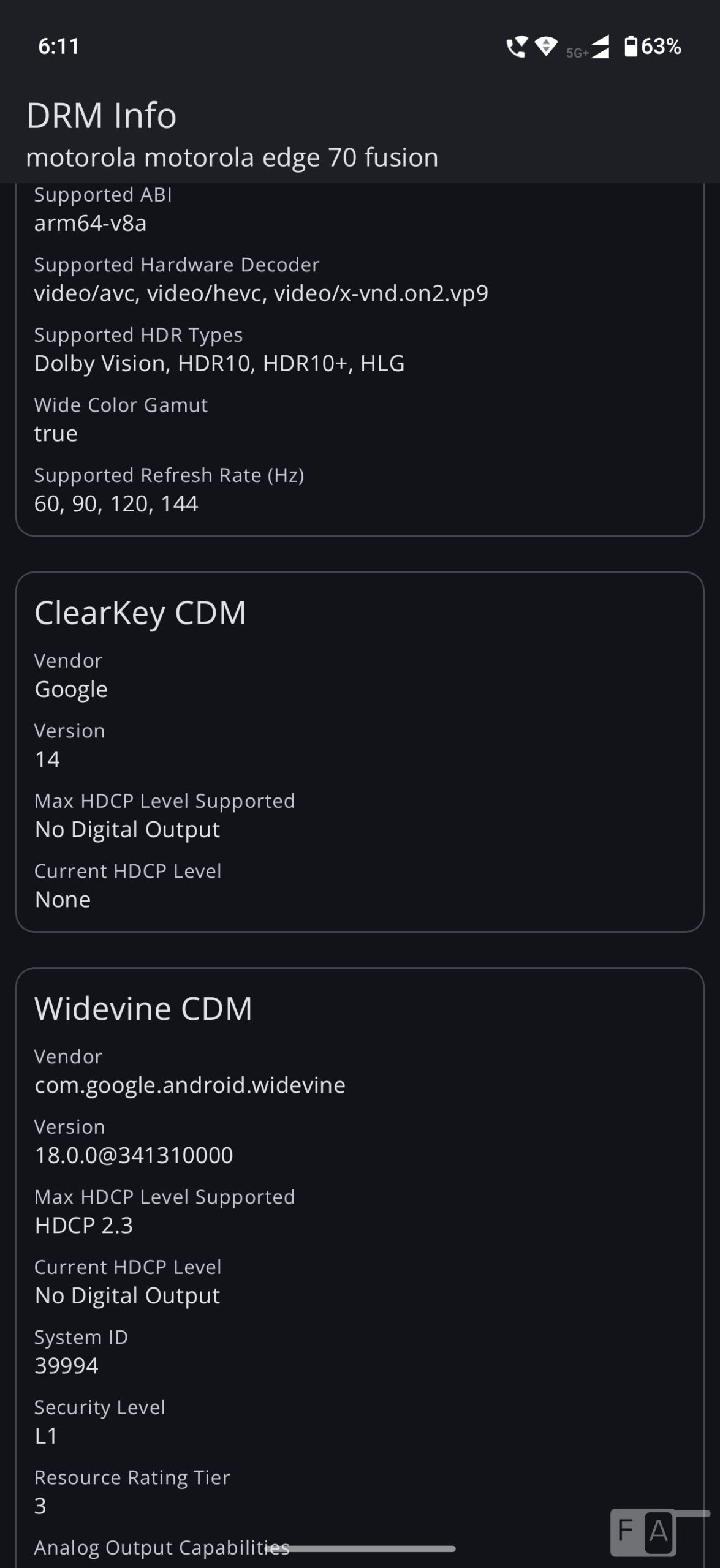
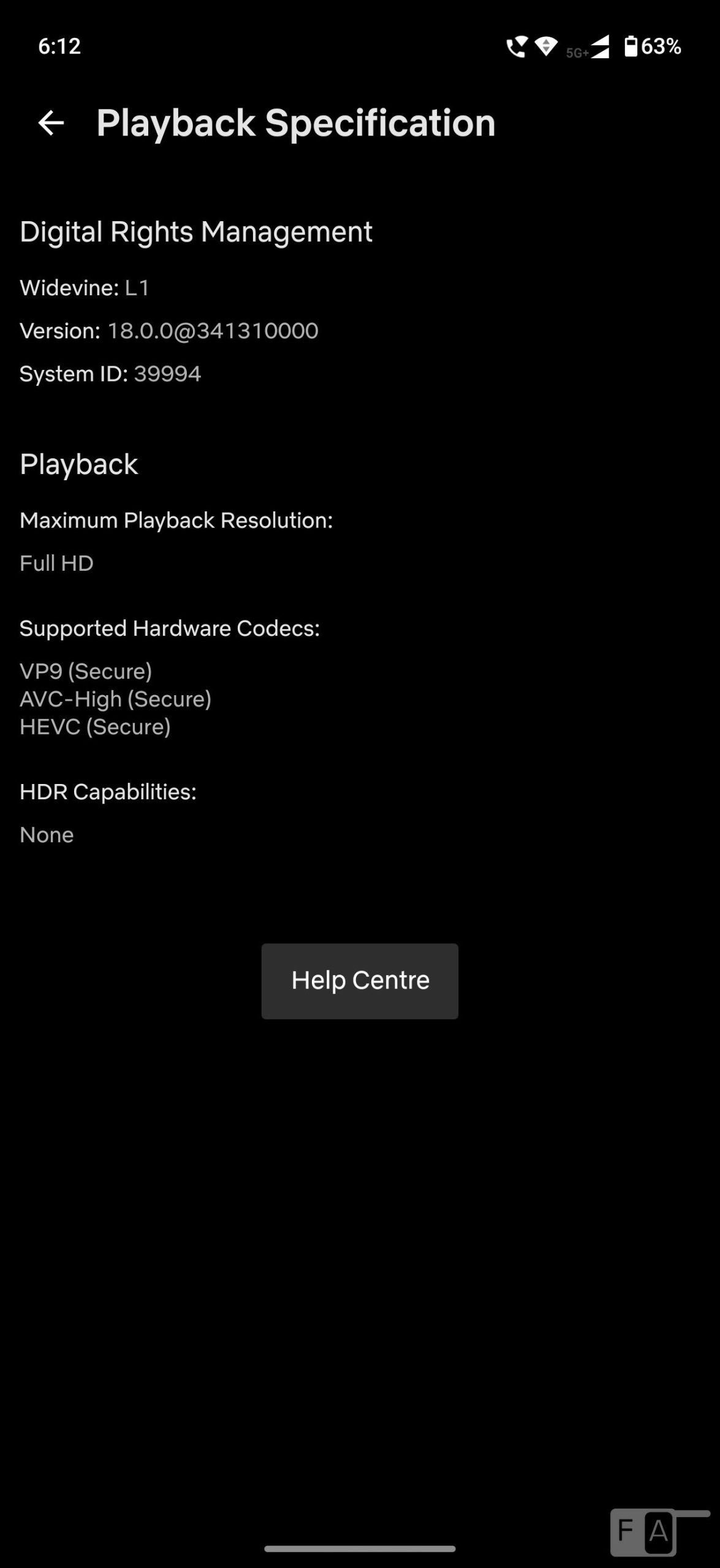
YouTube Music is the default music player. It also has Dolby Atmos. Audio through earphones is good, but the stereo speaker quality is average and could have been better. It has Widevine L1 support, so you can play HD content on Netflix, Amazon Prime Video and other streaming apps without any issues. HDR works for YouTube and Amazon Prime Video but doesn’t work with Netflix.
Dual SIM and Connectivity
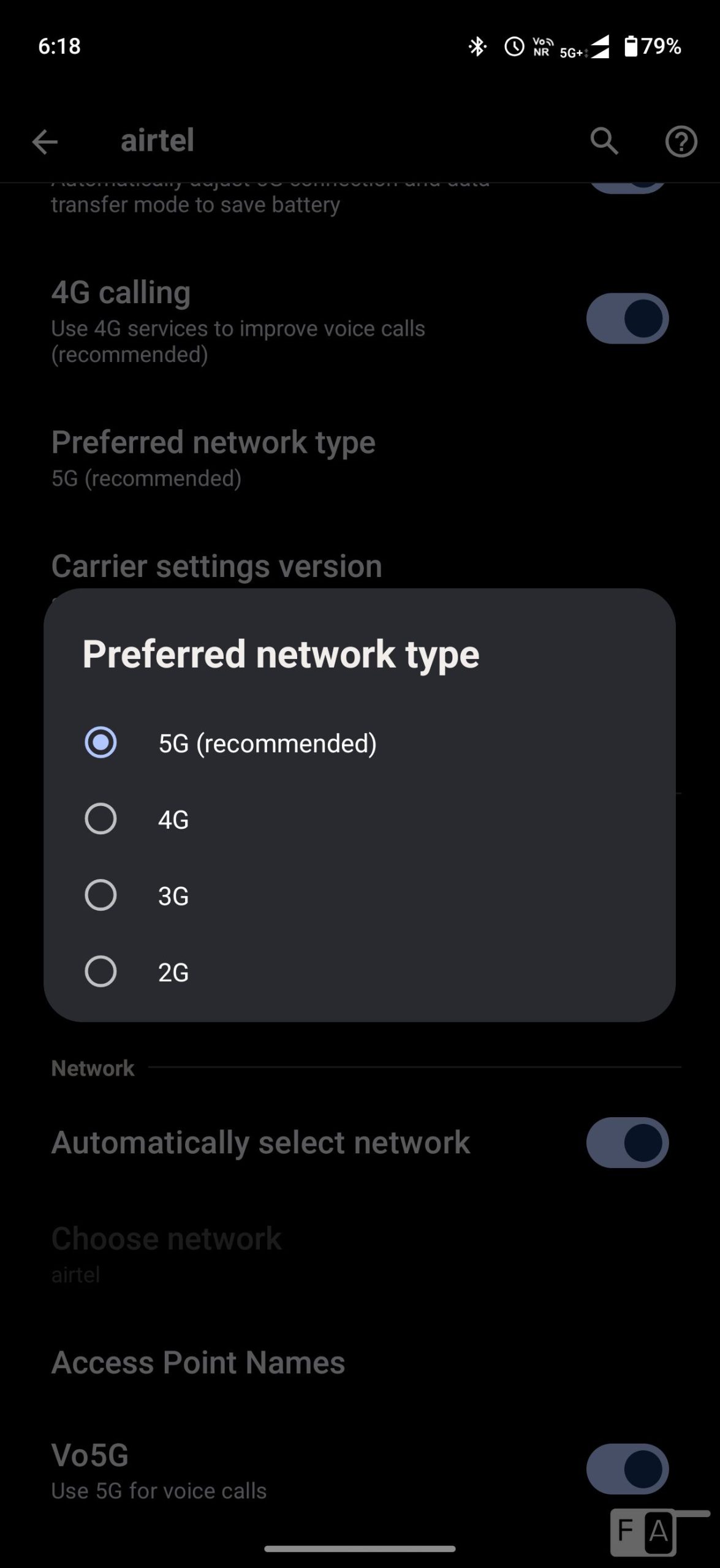
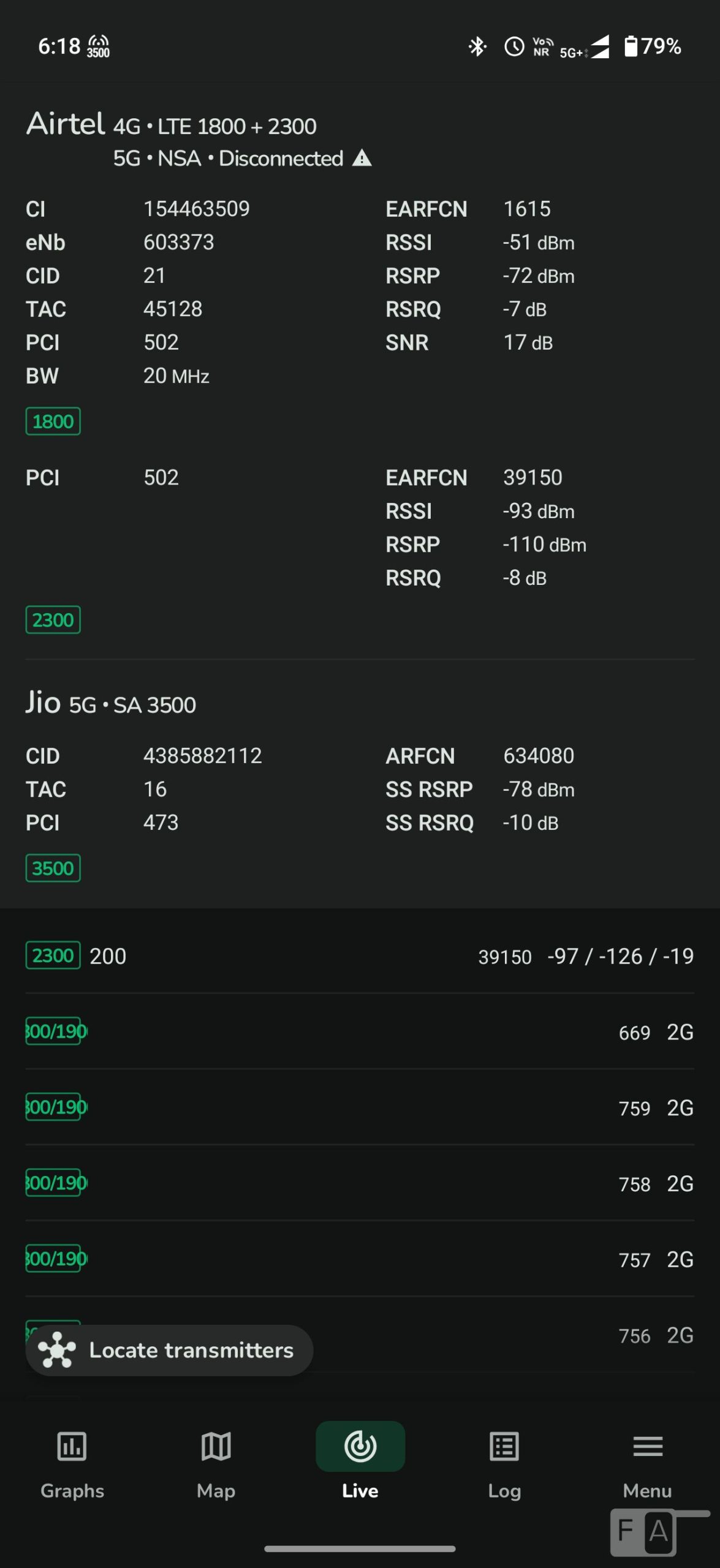
It has the usual set of connectivity features, such as 5G with 11 (n1/2/3/5/8/28/38/40/41/77/78) bands. Jio and Airtel 5G work out of the box. It also has dual 4G VoLTE, 4G carrier aggregation or 4G+, Wi-Fi 6 802.11 ax (2.4 + 5Ghz), Bluetooth 5.4 and GPS, A-GPS, LTEPP, SUPL, Glonass, Galileo and also has NFC.
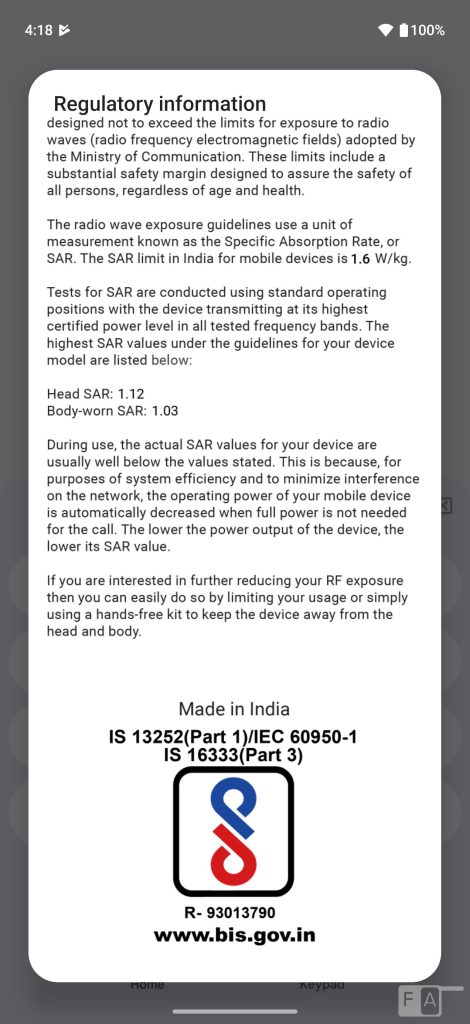
The edge 70 fusion’s body SAR is 1.03W/Kg, and the head SAR is at 1.12W/Kg, well under the limit in India which is 1.6 W/kg (over 1 g).
Performance and Benchmarks
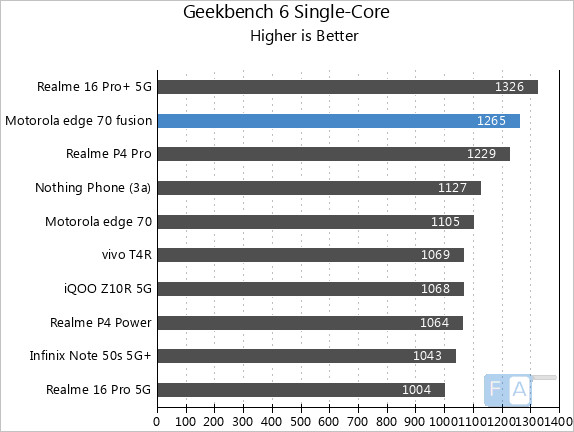
The phone is powered by Snapdragon 7s Gen 4 Mobile Platform, which is a considerable upgrade compared to the MediaTek Dimensity 7400 used in the edge 60 fusion. This has 1 x 2.7 GHz ARM Cortex-A720 prime core, 3 x A720 performance cores at up to 2.4 GHz, and 4 x Cortex-A520 efficiency cores at up to 1.8 GHz.
There is Adreno 810 GPU offers good gaming performance. The phone has 4473mm² VC Cooling System to help keep the phone cool that is rarely seen in phones witha sleek design. It can handle graphic-intensive games like COD, BGMI and Genshin Impact, but not in max graphics. In BGMI HDR and Extreme works.
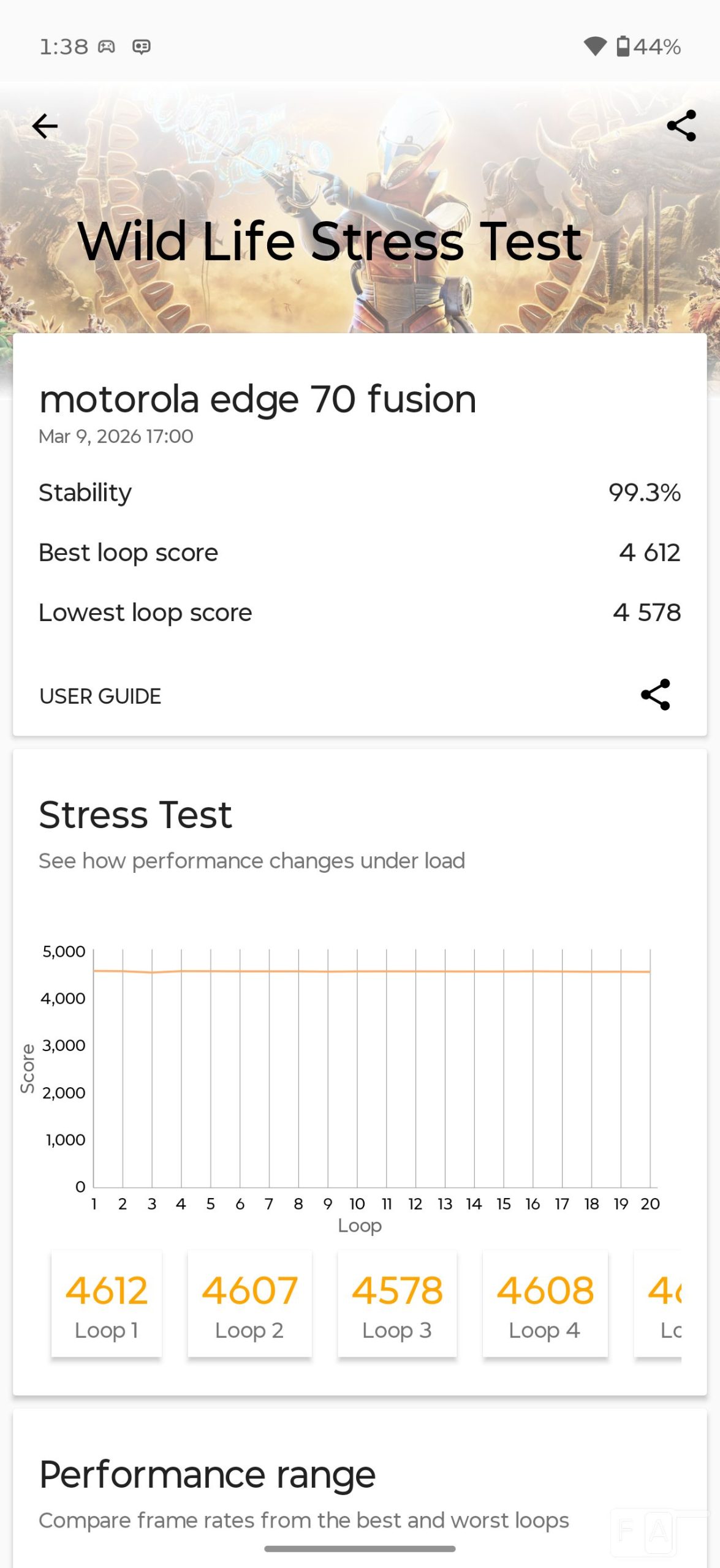
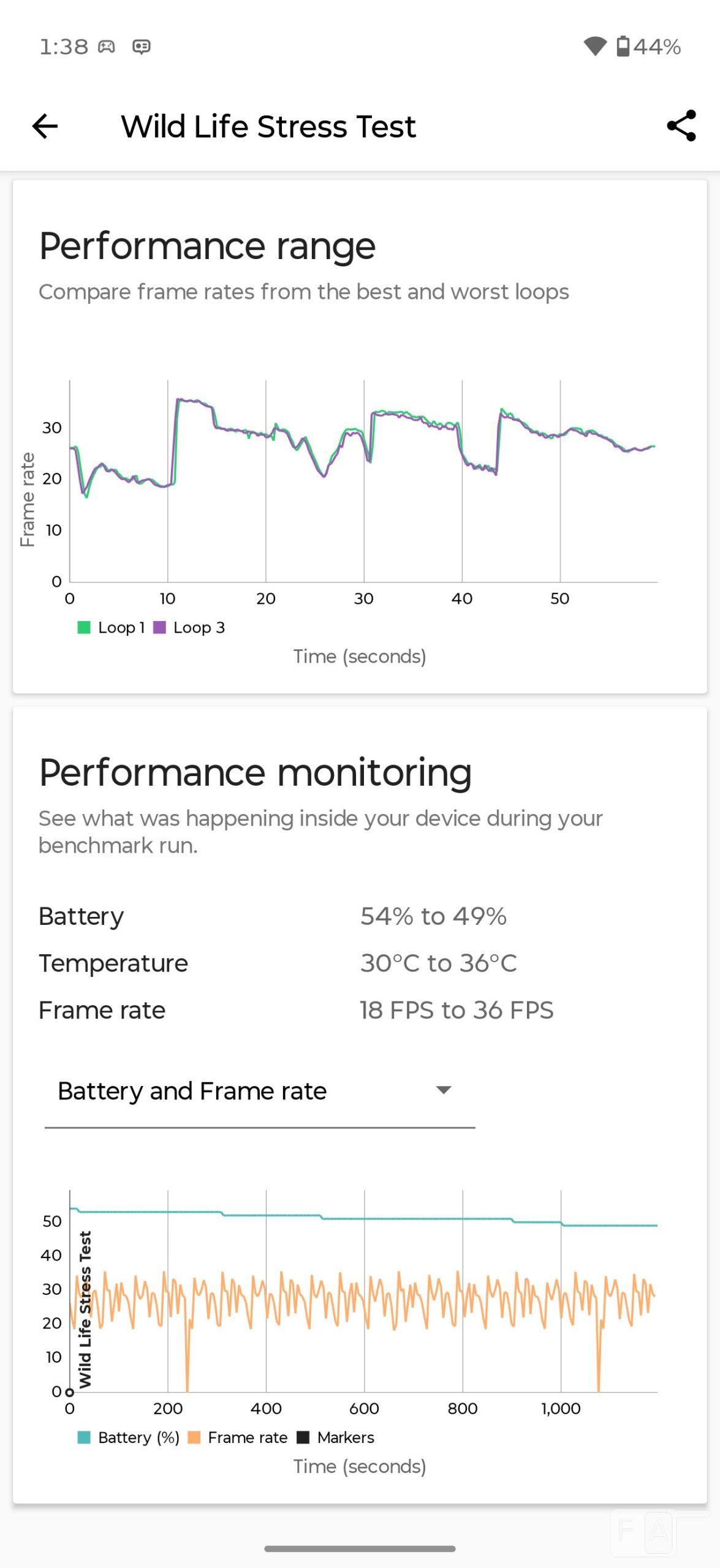
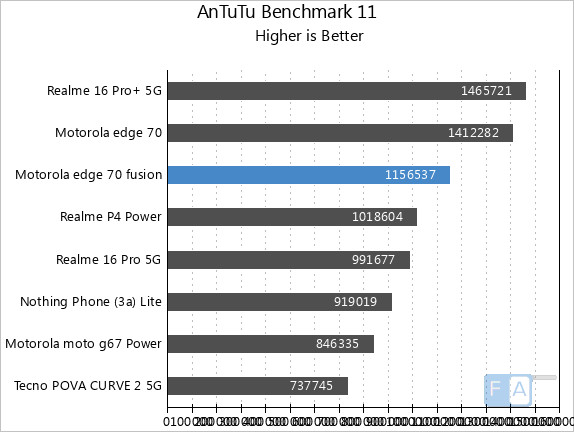
In 3D Mark wild life stress test, it scored 99.3%, which is good. The temperature increased from 30 to 36 degrees, which is not much. That said, check out some synthetic benchmark scores below.

Battery life
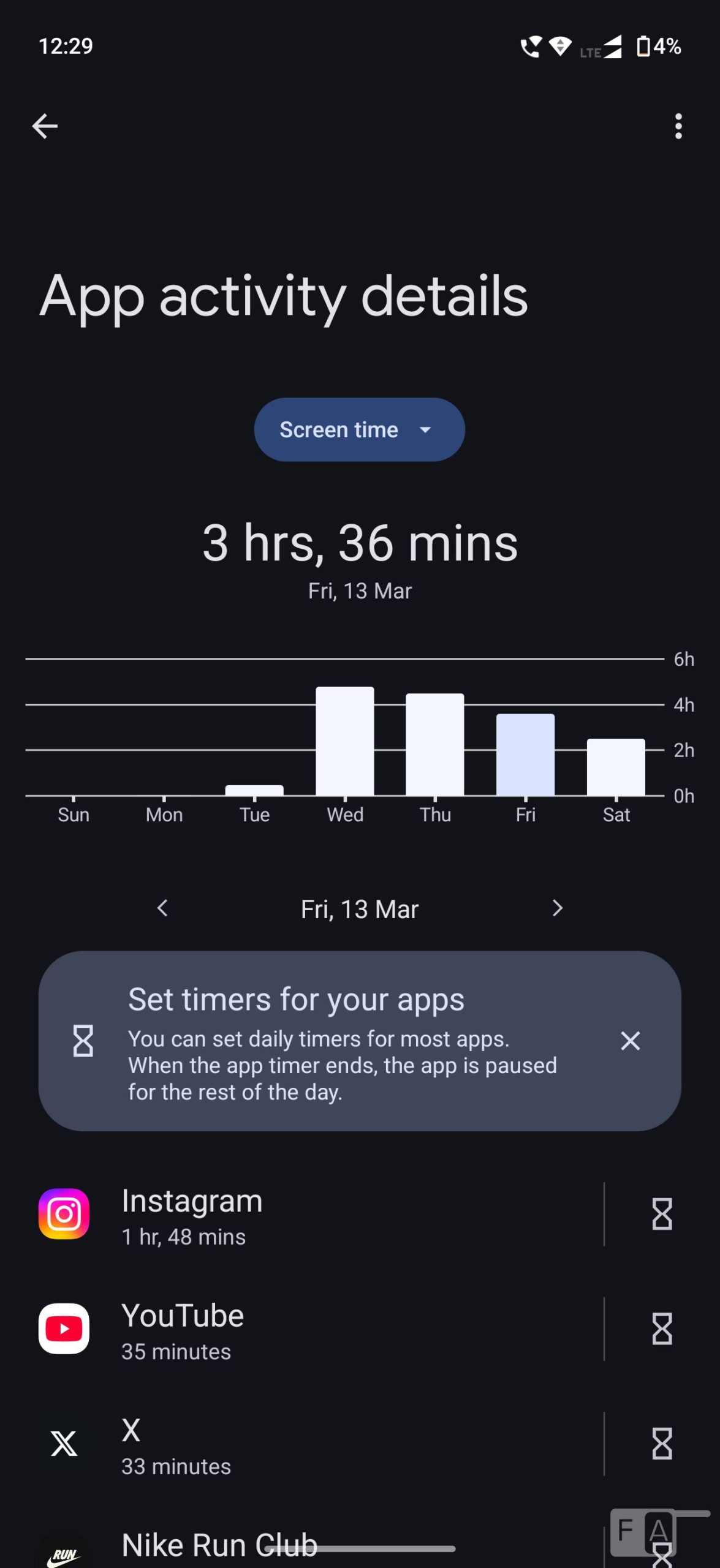
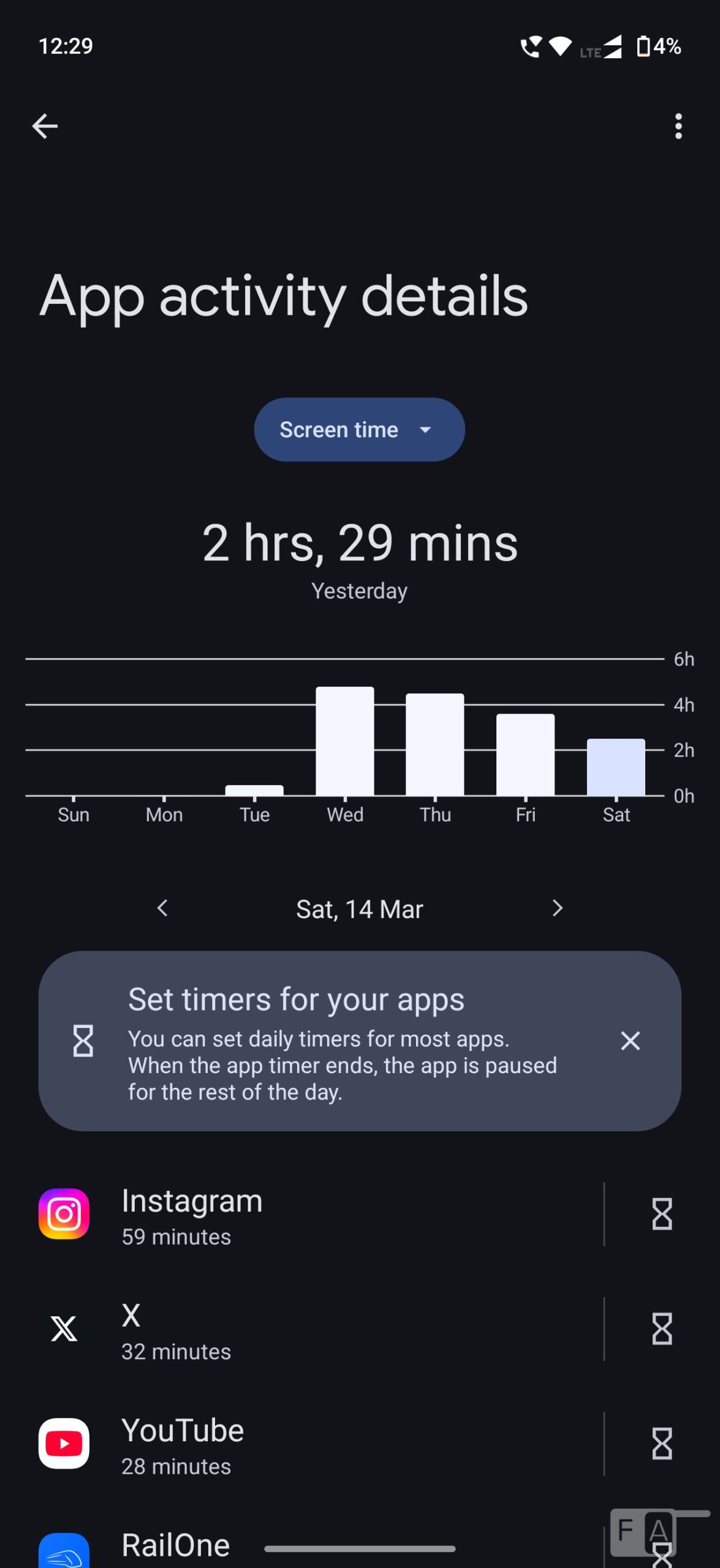
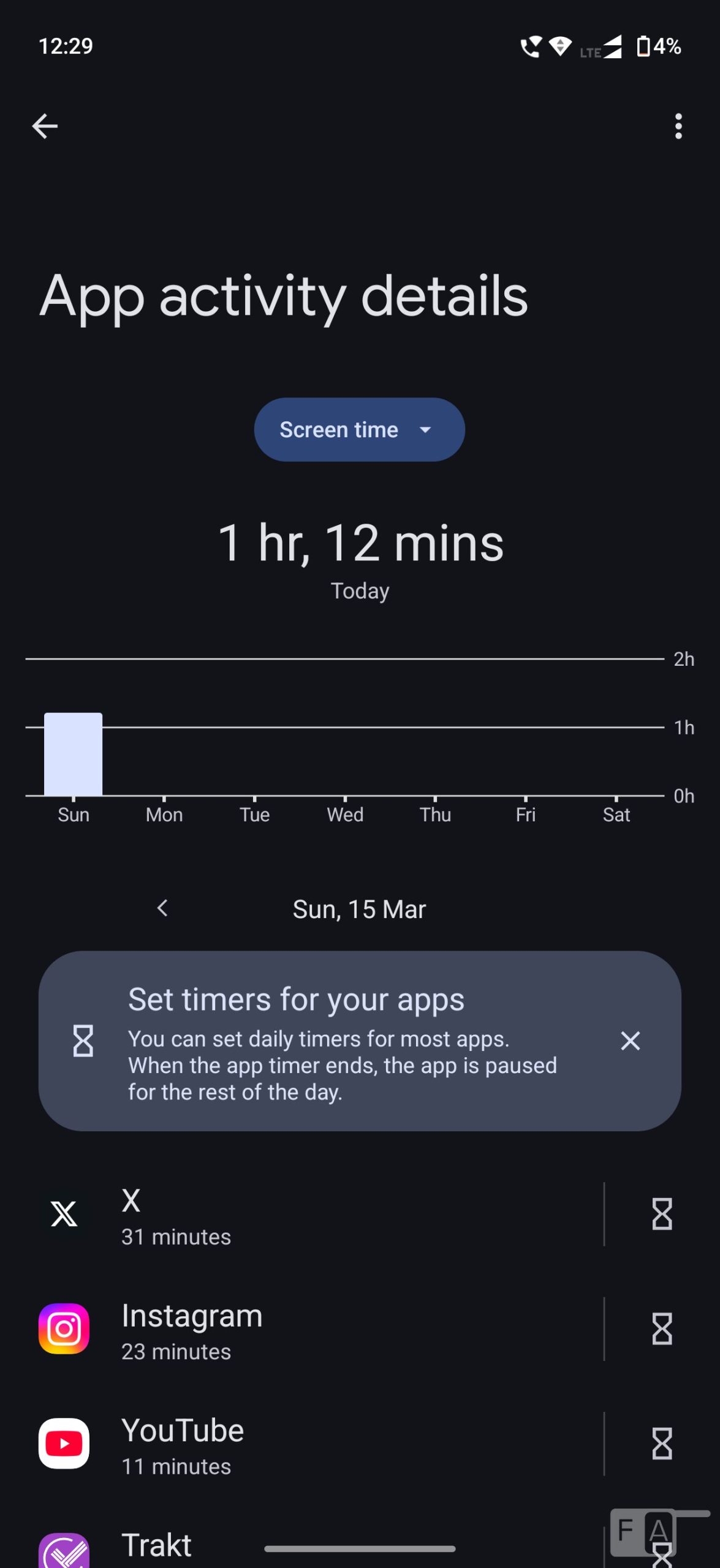
Coming to the battery life, the phone packs a 7000mAh (typical) built-in battery compared to 5500mAh in the edge 60 fusion. Thanks to the optimization, battery life is good even with 5G and heavy multimedia use. I got over 7 hours of screen on-time with over 2 days of use, mostly on Wi-Fi, and occasional 5G use at 120Hz, which is good enough.
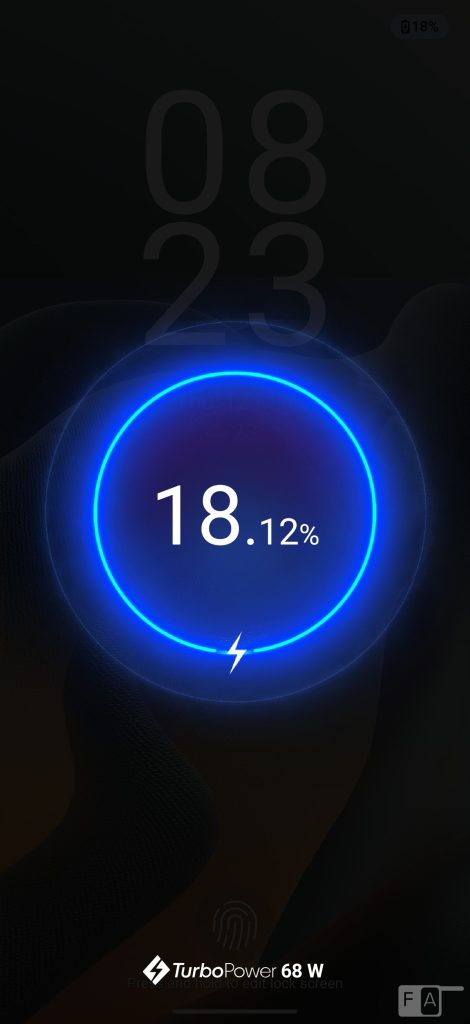
It has 68W fast charging. It takes about an hour to charge the phone fully using a bundled charger, and 50% charge takes around 25 minutes. The phone doesn’t have wireless charging, which is fine considering the price.
Conclusion
The motorola edge 70 fusion is a fascinating evolution in the “Fusion” lineup and a worthy successor to the edge 60 fusion. It successfully transitions from a “value-focused” mid-ranger to a device that feels genuinely premium for the price, specifically due to the leap in build and the sheer endurance provided by that massive battery. While the predecessor was a solid all-rounder, the edge 70 Fusion feels like it has found its identity: a sleek, high-endurance powerhouse for users who hate carrying chargers.
The inclusion of the Snapdragon 7s Gen 4 provides a noticeable uplift in day-to-day fluidity, and the 144Hz curved AMOLED panel is easily one of the best in this price segment. motorola’s commitment to “Hello UI” looks good, but the “moto ai” features are still in their early stages of utility.
Alternatives
The older realme 14 Pro+ 5G with a telephoto camera and a curved screen is a good option in the price range even though it uses an older chip. If you spend more there is motorola edge 70 with a sleeker design, metal frame and a faster chip, but it you have to compromise on the smaller battery.
Pricing and availability
The motorola edge 70 fusion is priced at Rs. 26,999 for the 8GB + 128GB model, the 8GB + 256GB model costs Rs. 29,999; and the top-end 12GB + 256GB model costs Rs. 32,999.
The phone is available from Flipkart, motorola.in and offline stores.
Pros
- 144Hz AMOLED display is good
- IP68 + IP69 ratings
- Good cameras
- Clean UI
- Excellent battery life, fast charging
Cons
- Average video recording quality
- Stereo speakers could be punchier