
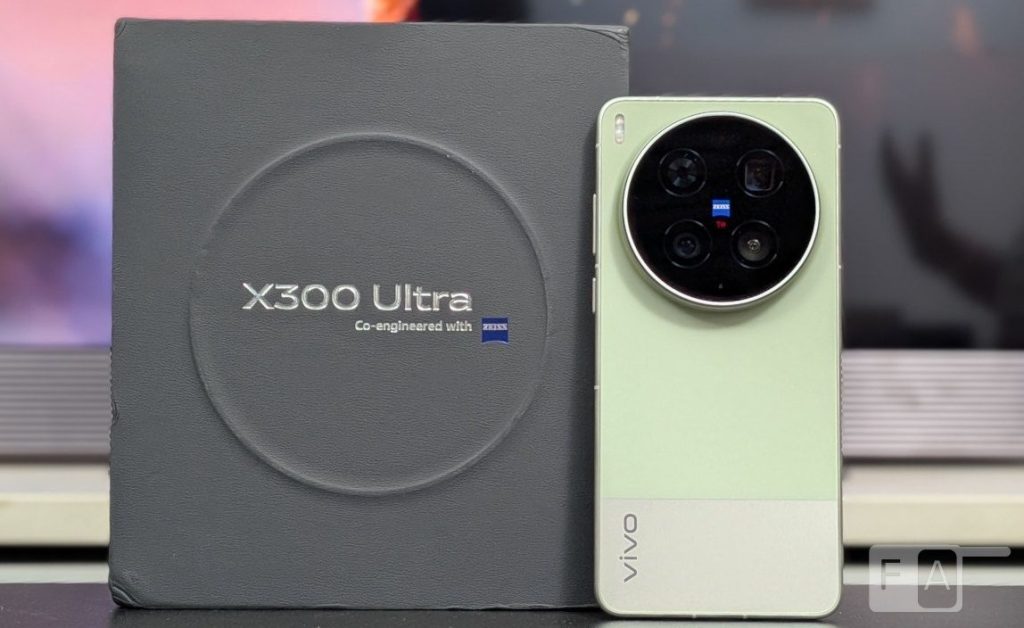
vivo launched the X300 Ultra in India last month as the successor to X200 Ultra which did not launch in the country. This gets a faster processor, an improved 200MP main and 200MP APO telephoto sensor, ZEISS optics, and a huge 6600mAh battery, while retaining a familiar screen. Is this the best camera phone for the price? Let us dive into the review to find out.
| Box Contents |
| Camera |
| Battery Life |
| Conclusion |
Box Contents
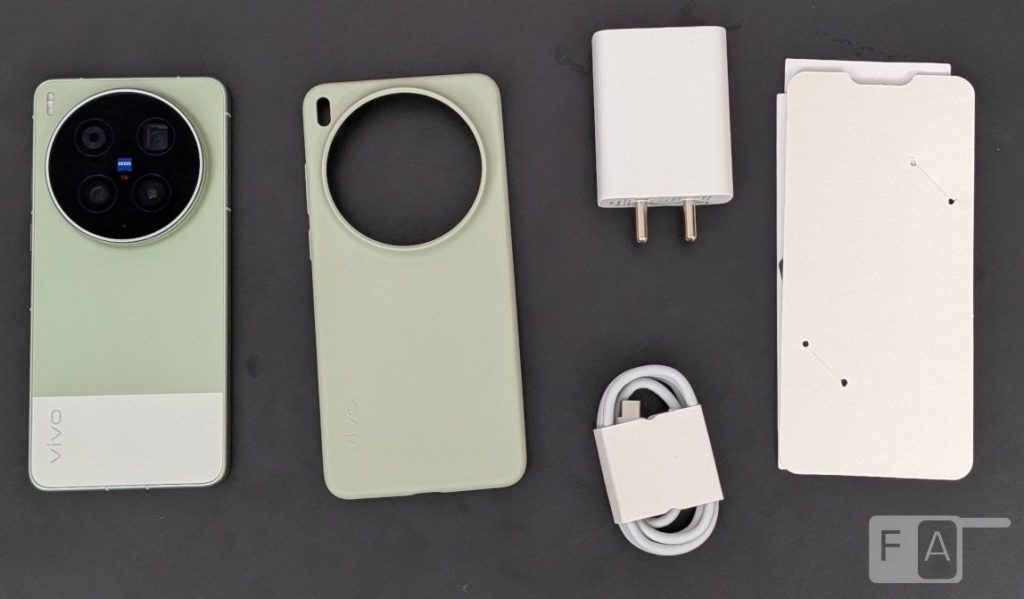
- vivo X300 Ultra 16GB + 512GB version in Victory Green colour
- Silicon case
- USB Type-A to Type-C Cable
- 90W Super FlashCharge wall adapter
- SIM ejector tool
- Quick start guide and Warranty information
Display, Hardware and Design
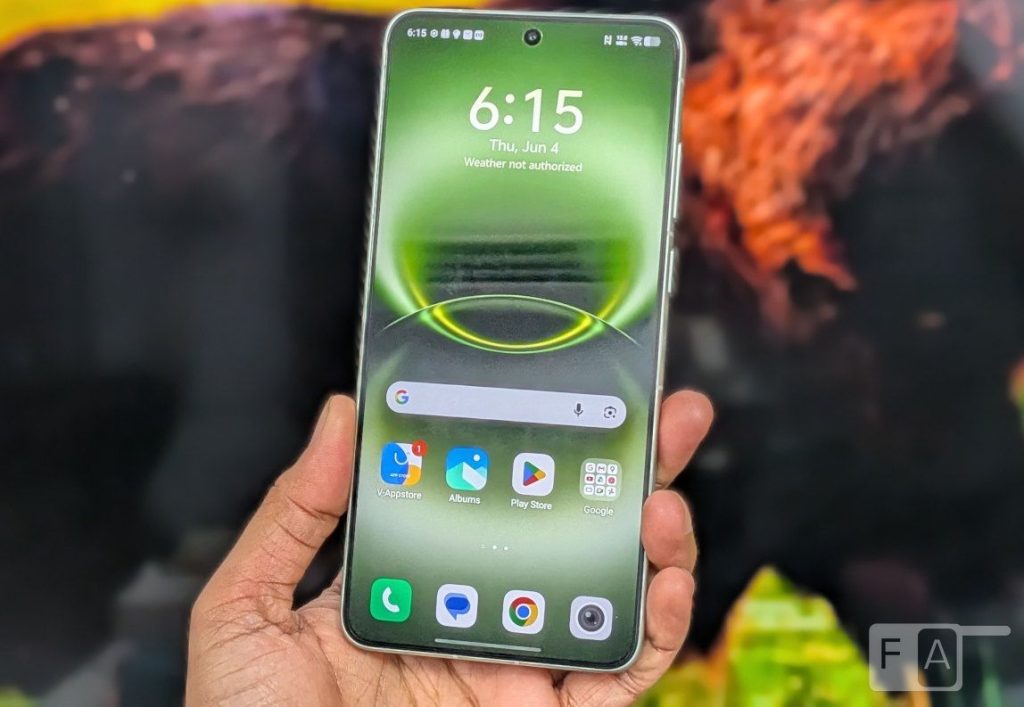
The X300 Ultra sports a 6.82-inch (3168×1440 pixels) 2K 20:9 aspect ratio flat AMOLED display with Q10 Plus Light-Emitting Material. The sunlight legibility is good, and it has up to 4500 nits of peak brightness, and the HBM, or outdoor brightness, is now 2000 nits. The color output is good as well since it has 1.07 billion colors.
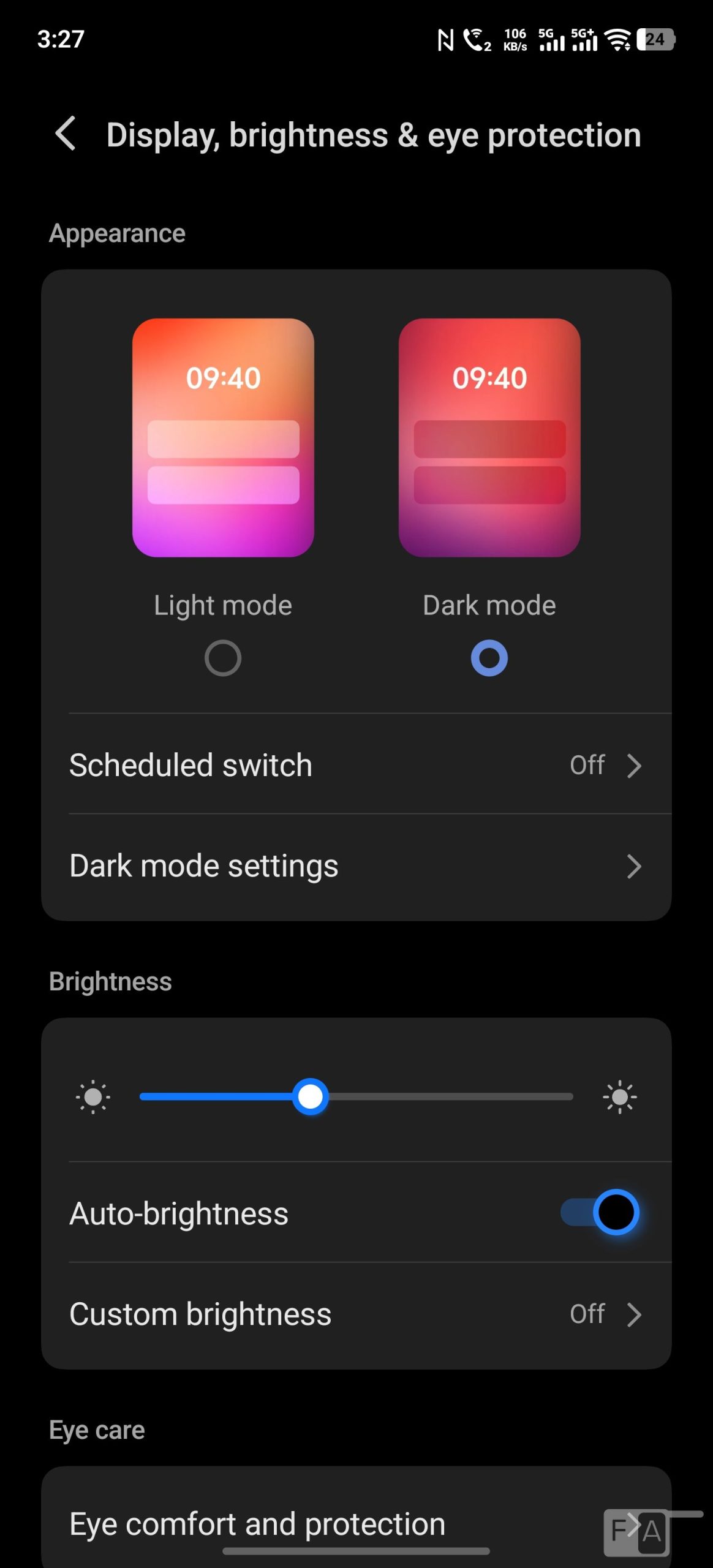
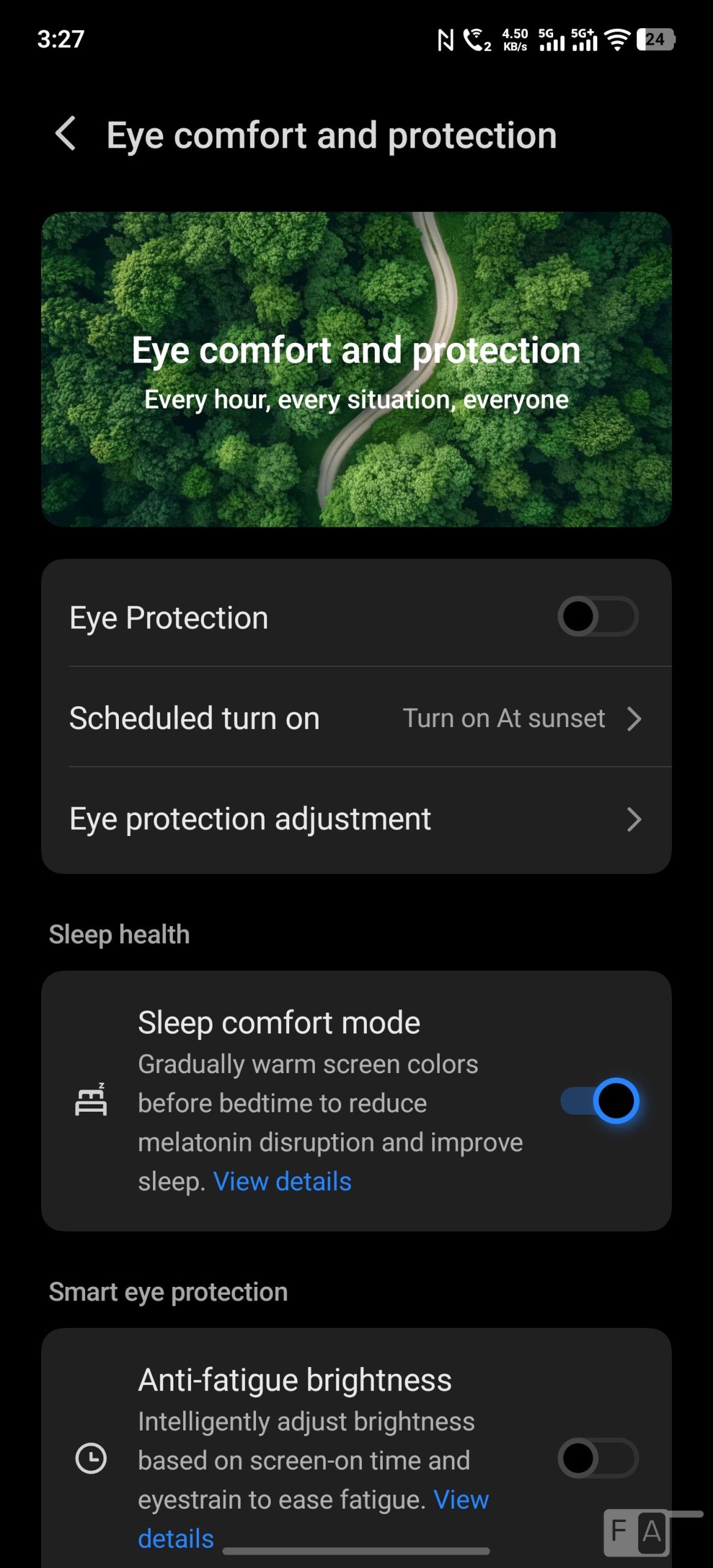
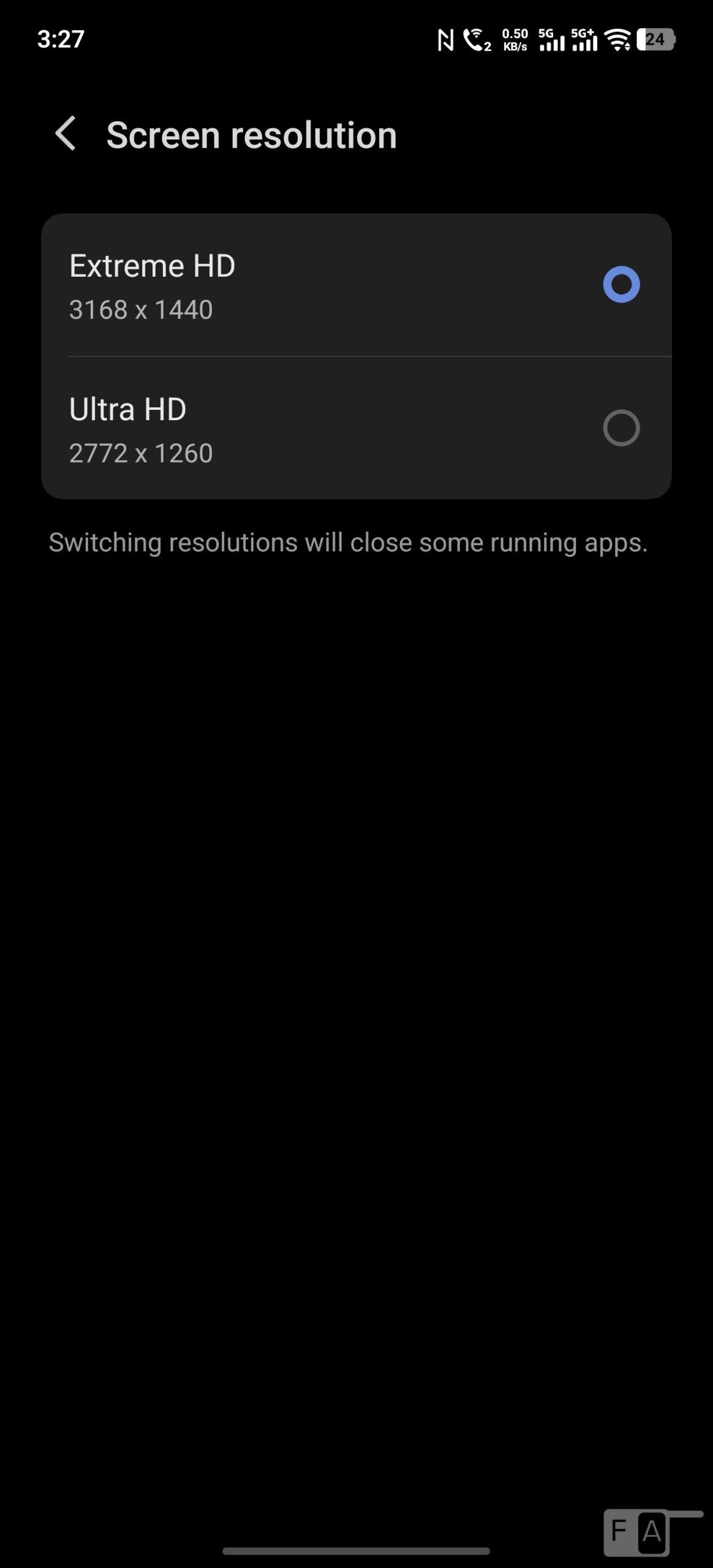
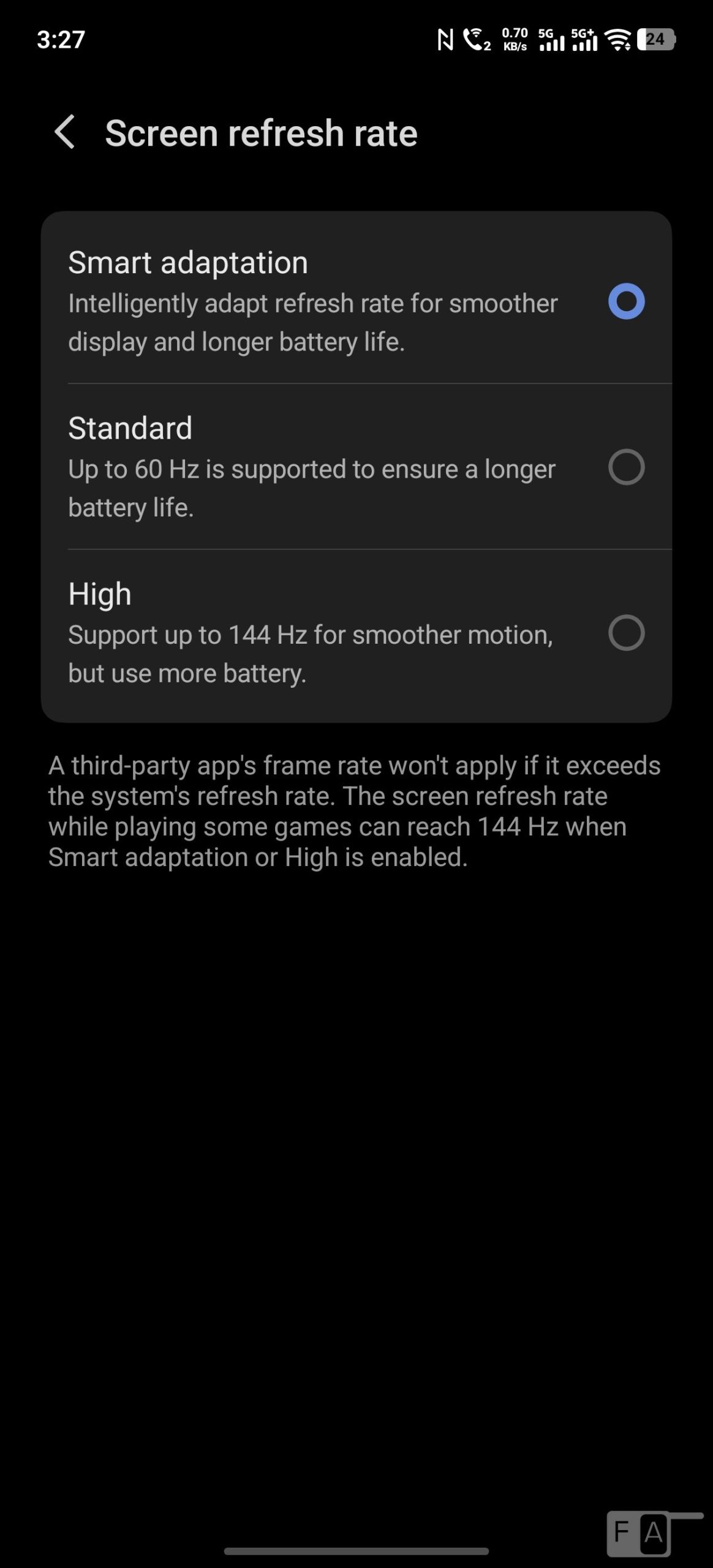
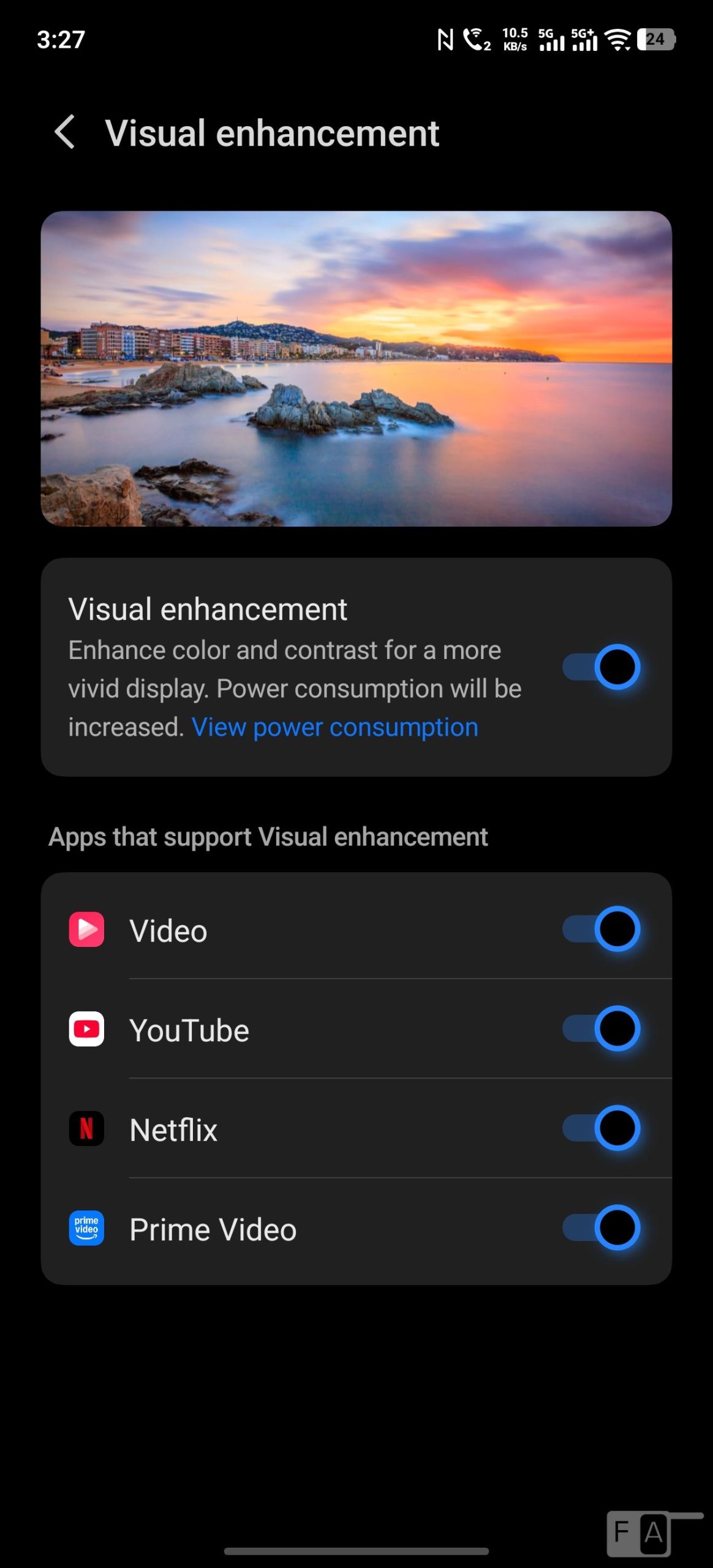
You can select between 1080p and 2K display options. The 1-144Hz refresh rate offers a smooth user experience, especially when you are scrolling through the UI and when gaming.
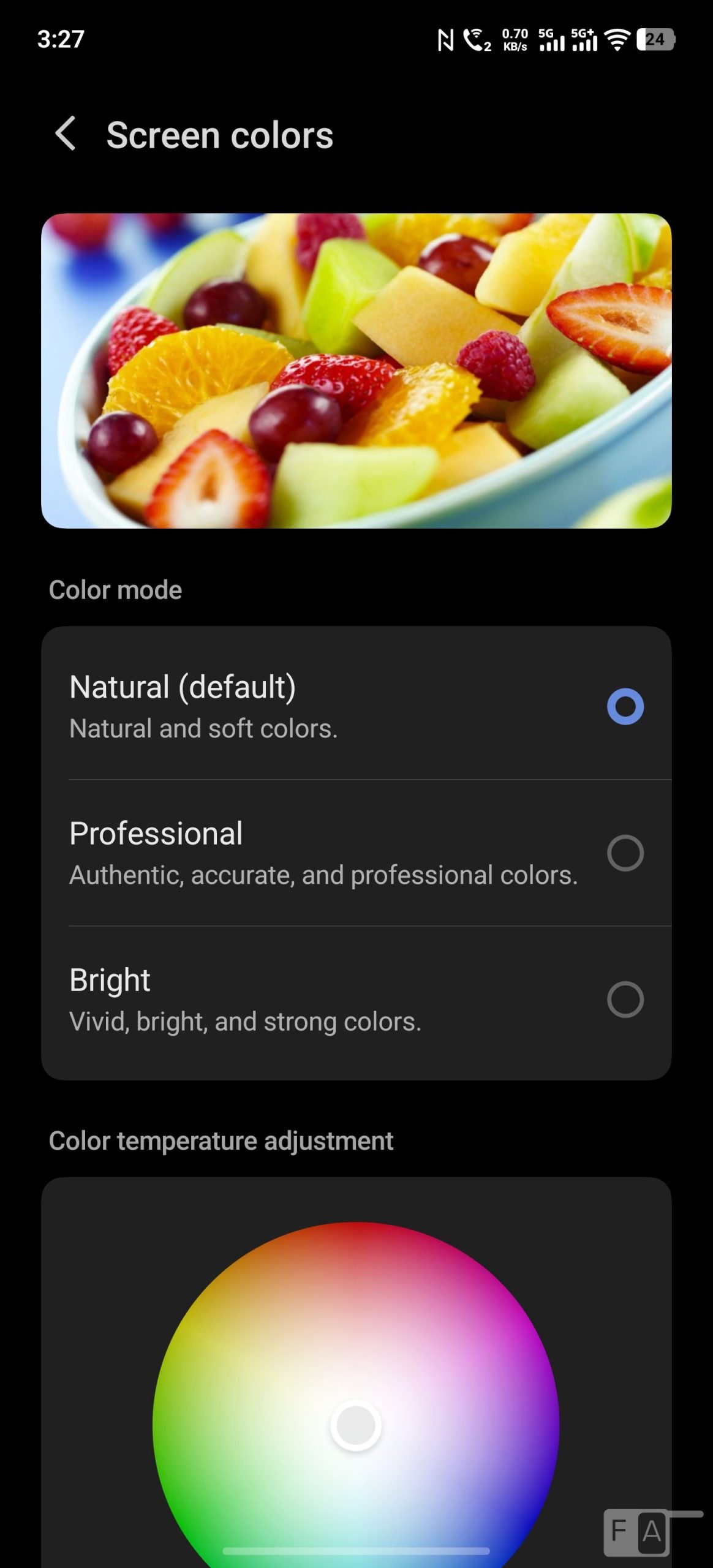
You can select from standard (default), professional, and bright screen color modes. You can select Smart Switch or force it to 60 Hz or 144 Hz, but it can switch between 60 Hz, 90 Hz, 120 Hz, and 144 Hz depending on the content and down to 1 Hz with static content. Visual enhancement optimizes the color and contrast of some pictures for more vivid display effects, says the company.
There is 2160Hz PWM dimming that is automatically activated when you are using the phone in low brightness. The screen has Armor Glass protection. It also has HDR 10+ support, which works for YouTube, and Netflix supports Dolby Vision as well.
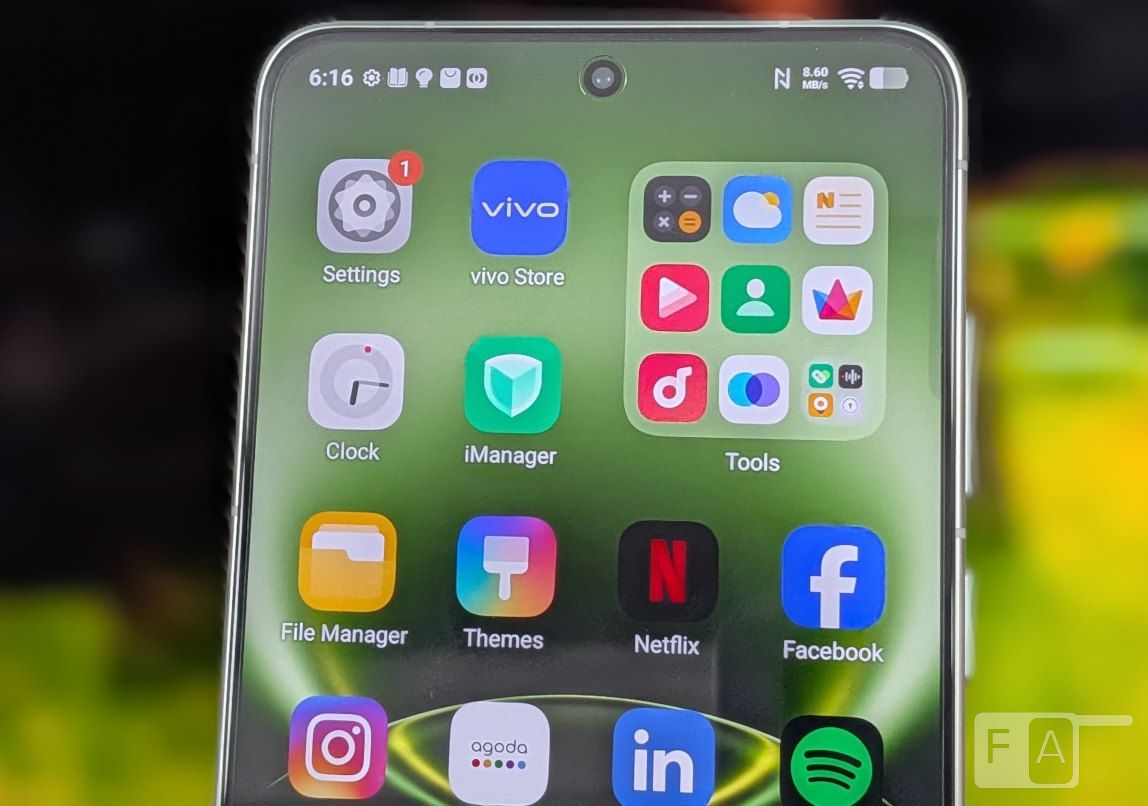
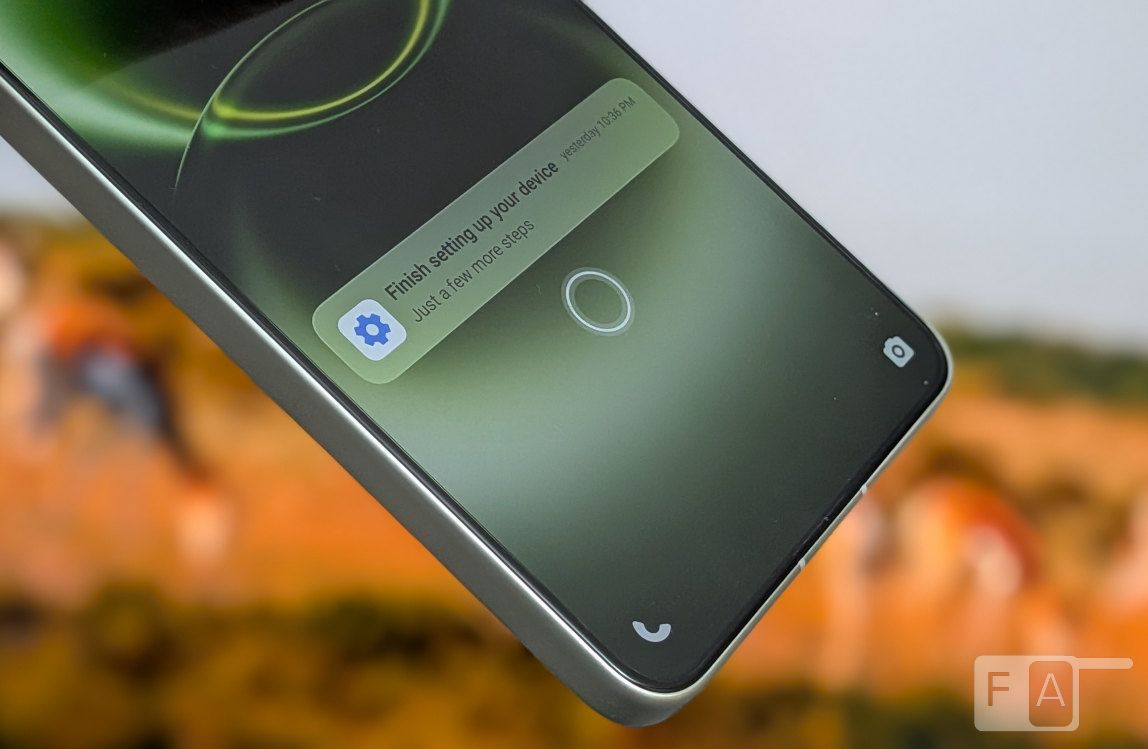
The phone has a 50MP front camera inside the punch-hole. There is an earpiece on the top edge, which also works as a secondary speaker. You can see ultra-narrow bezels around the screen. The haptic feedback is good as well, thanks to X series’ most powerful 751440 ultra-sensitive vibration motor.
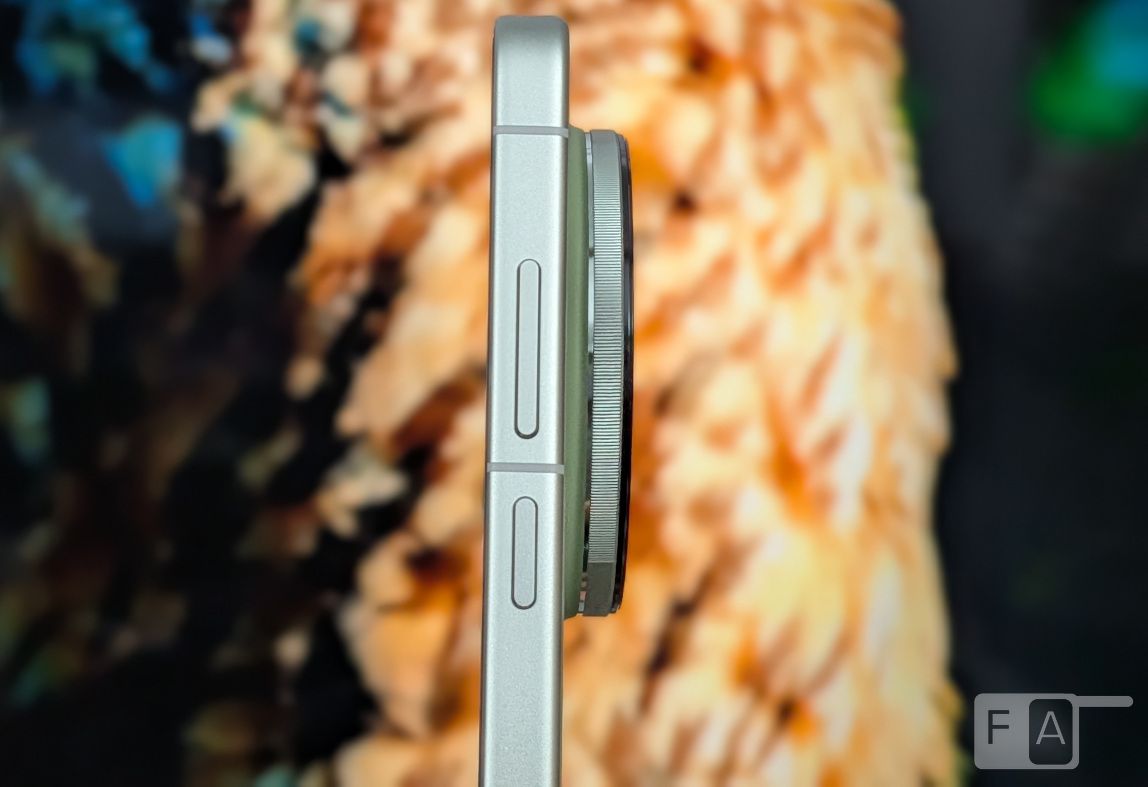
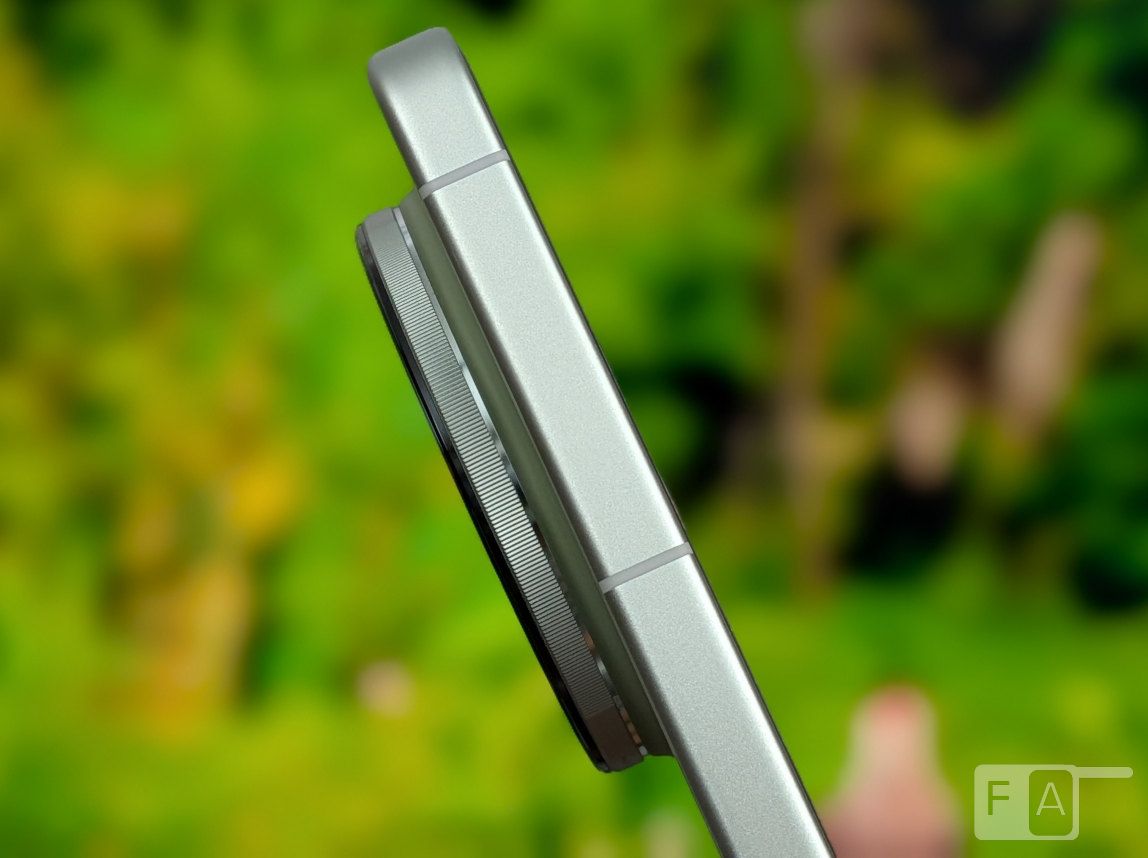
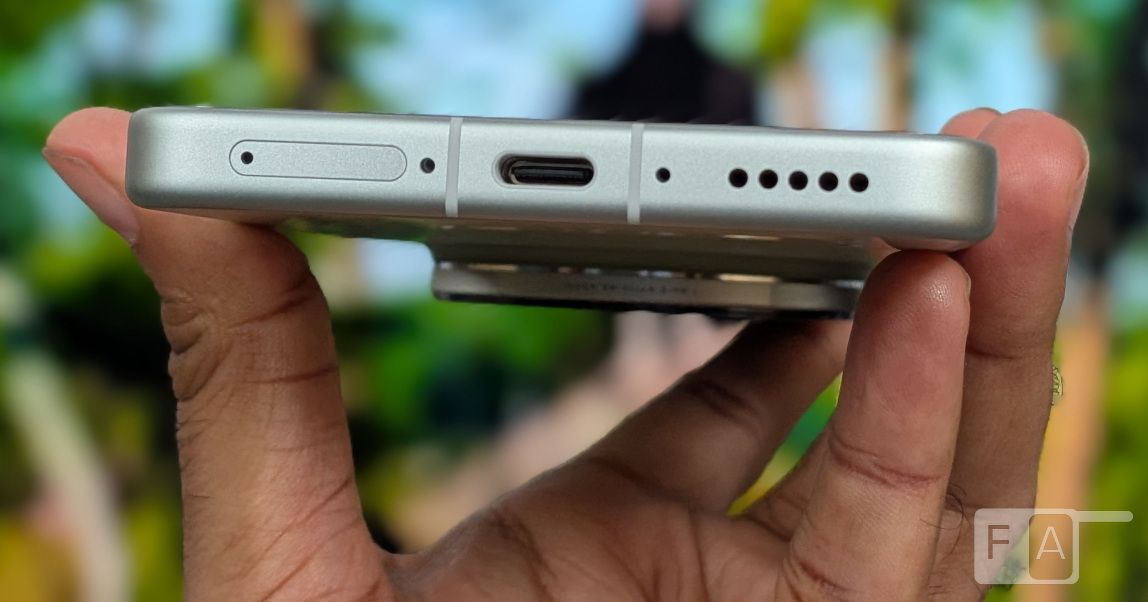
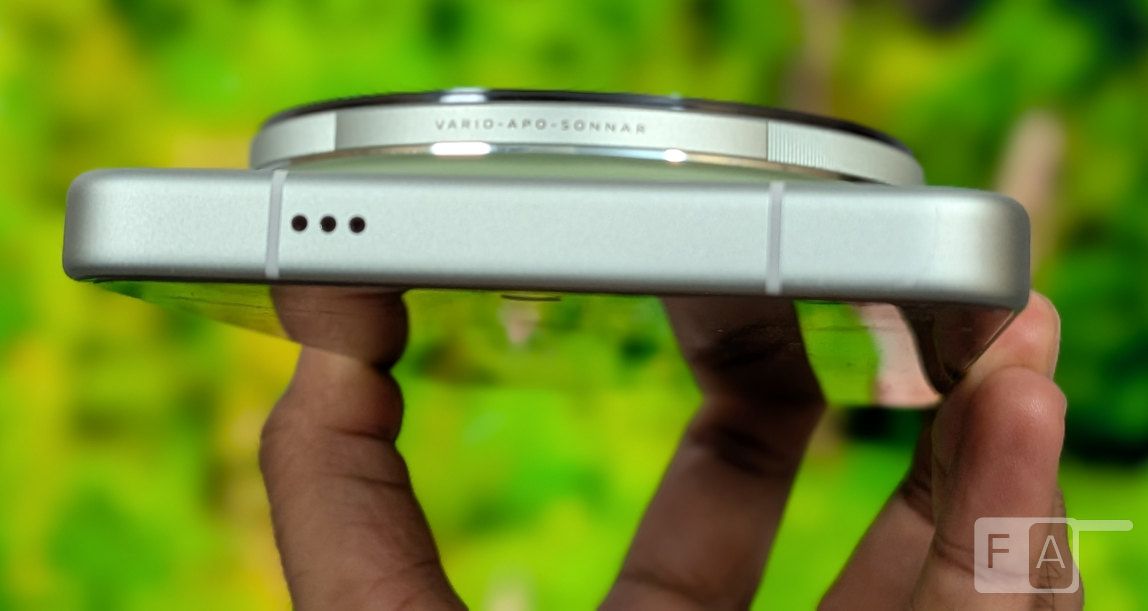
Coming to the button placements and ports, the power button is present on the right side along with the volume rockers. There is nothing on the left side, so you just see the antenna band. The dual SIM slot, primary microphone, USB Type-C port, and loudspeaker grill are present on the bottom, and the secondary microphone is present on the top along with the IR blaster and speaker vent.
It has a metal frame with a matte finish, so it doesn’t attract fingerprints easily. It weighs 237 grams, which is almost similar to the X200 Ultra even with a slightly bigger 6600mAh battery. The weight distribution is good.
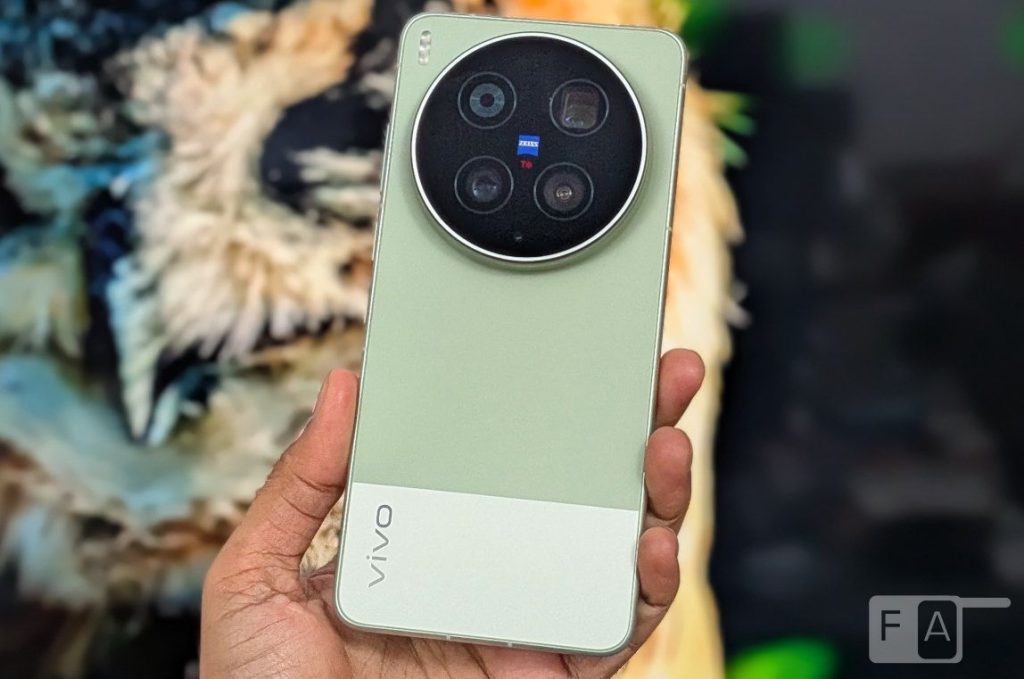
The Victory Green color variant that we have has a dual-tone finish with an additional metal layer on the bottom part, giving the back panel a stylish splicing effect, paying homage to traditional camera design while also creating a unique visual appeal. It also comes in the Eclipse Black color.
It retains IP68 + IP69 ratings and can stand when immersed in up to 1 meter of water or when exposed to high-pressure water jets for 30 seconds. There is also wet-finger screen control enabling calling, shooting, and gaming with a wet or sweaty hand.
Camera
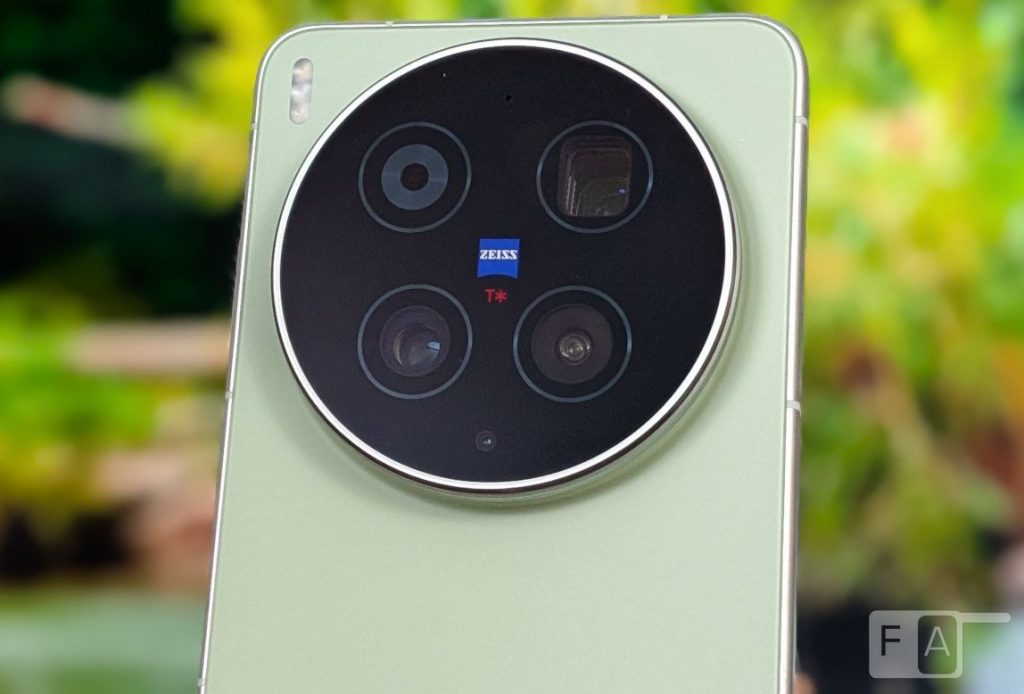
- 200MP camera with 1/1.12″ Sony LYTIA 901 sensor, f/1.85 aperture, OIS
- 50MP ultra-wide-angle camera with f/2.0 aperture
- 200MP 1/1.4″ Samsung HP0 ZEISS APO periscope telephoto camera with f/2.67 aperture, OIS, 3.7x optical zoom, telephoto macro
- 50MP front-facing camera with f/2.0 aperture
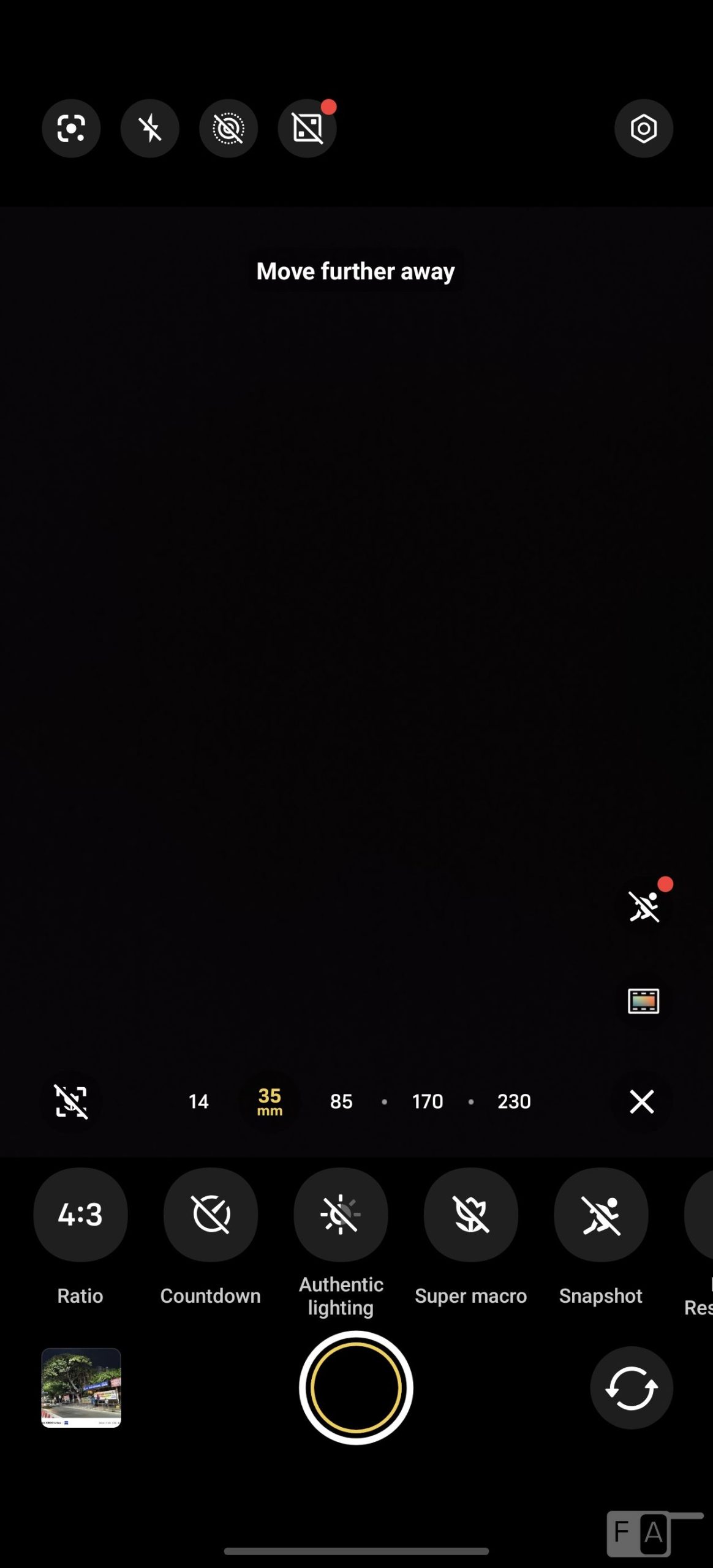
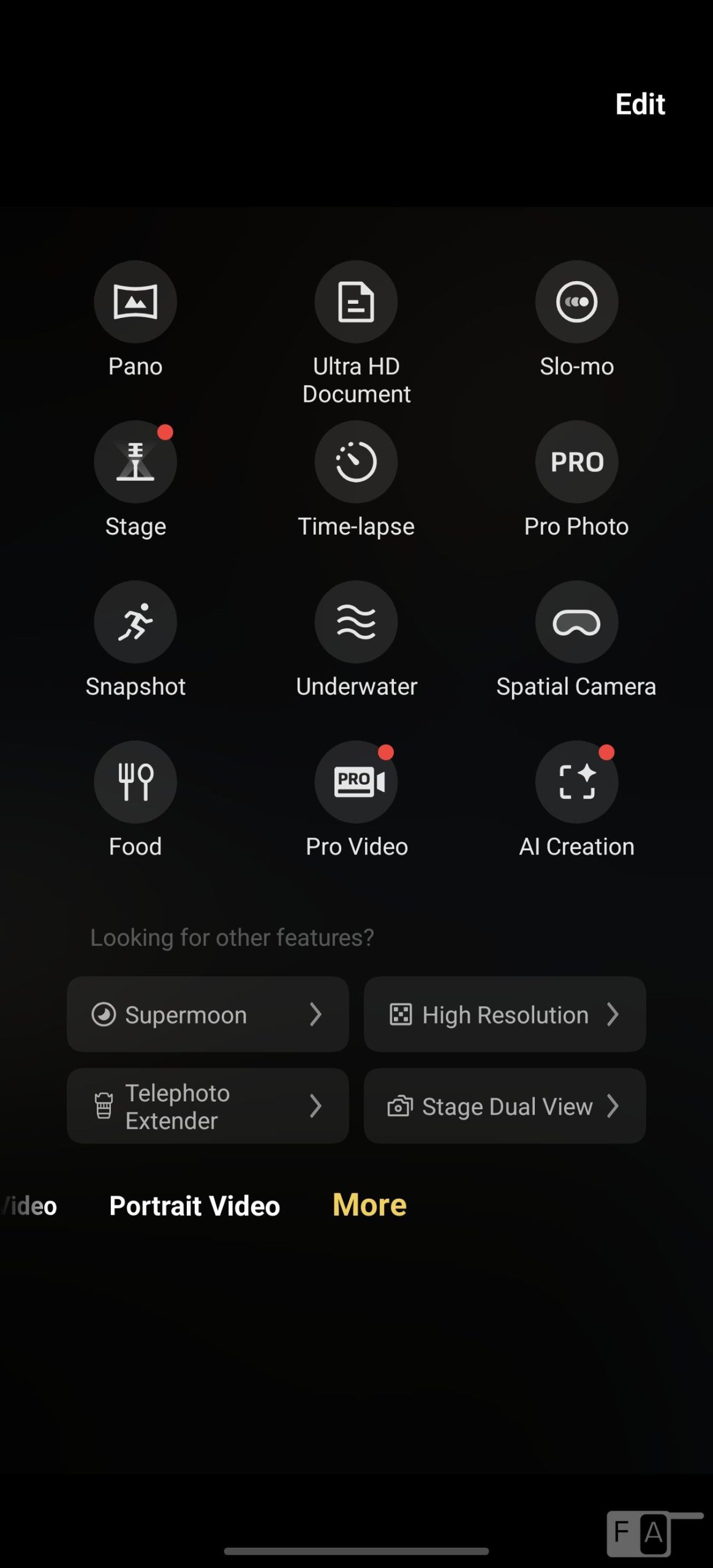
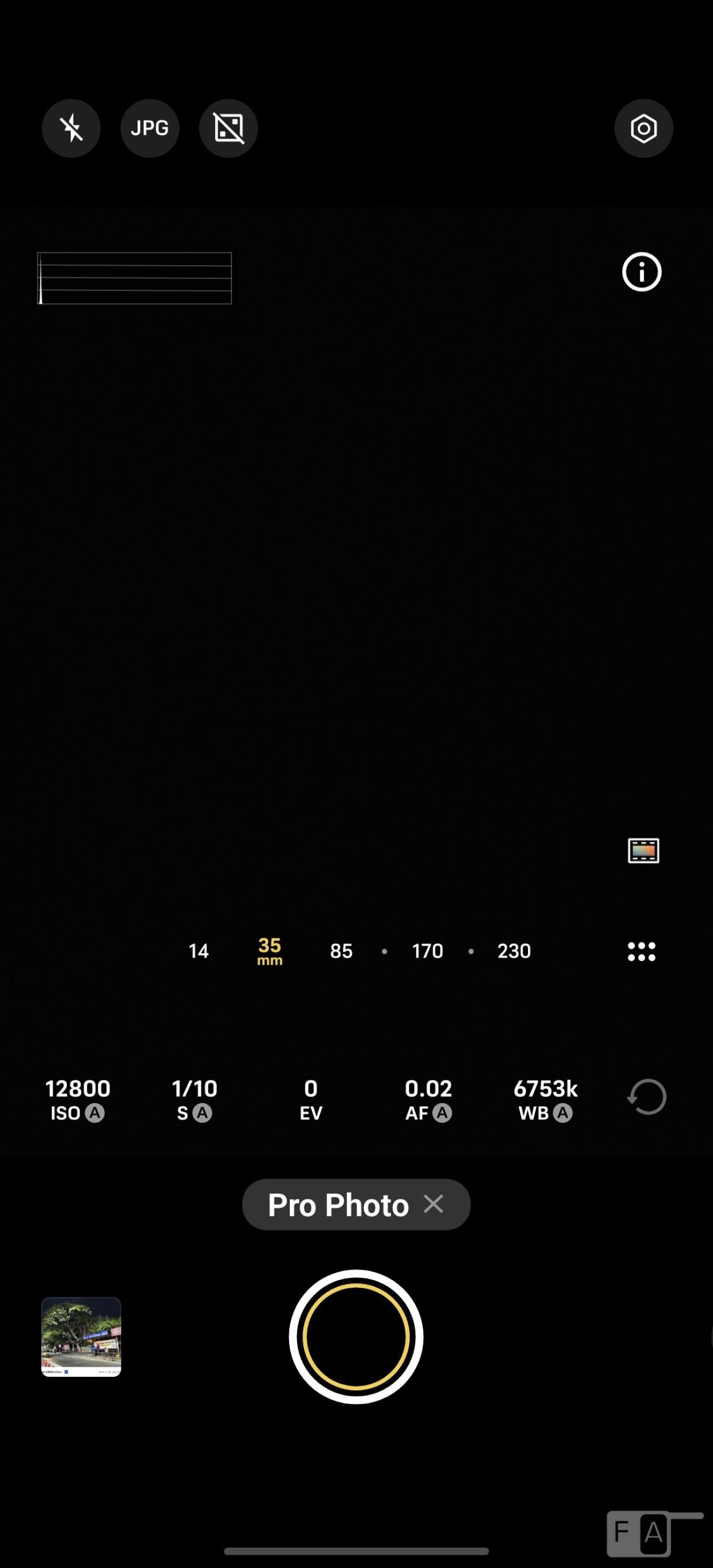
The camera UI is the same as other phones running Origin OS. It includes several features such as AR stickers, Pro Sports mode, long exposure, supermoon, Stage mode, Spatial camera, and more. There are also landscape and night modes and street photography features with a custom UI. Even though the phone has a 200MP rear camera, the final output is 14.2MP in size after pixel binning, and the 50MP front camera output is 14MP.
vivo has switched to the new 200MP 1/1.12″ Sony LYTIA 901 sensor for the main camera that has a pixel size of 0.7μm, and the equivalent light-sensitive area of a single pixel can be increased by 30.9%. At the same time, it uses a 35mm focal length instead of 25mm. As the well-known “golden focal length,” 35mm is closer to the human eye’s field of vision and performs admirably in portrait or documentary photography.
Even with digital zoom down to 50mm, the X300 Ultra’s main camera still performs remarkably well. The “color” issue that vivo had previously been criticized by some users has been significantly optimized on the X300 Ultra thanks to the introduction of native colors and hardware improvements. The X300 Ultra effectively solves the problems that were common in previous vivo phones, such as oversaturation, excessive brightness in shadows, and unclear light perception. Instead, it preserves the colors and brightness of the photos very well, bringing a wonderful sense of atmosphere to the final images.
The 14mm ultra-wide-angle lens is often overlooked in the rear camera module of a mobile phone due to the relative difficulty in composing shots. However, the vivo X300 Ultra’s ultra-wide-angle lens, powered by the Sony LYT-818 sensor, also boasts excellent quality:
The vivo X300 Ultra’s telephoto lens uses a Samsung 200-megapixel HP0 sensor and supports CIPA 7.0 level professional image stabilization. Building on this, the telephoto lens supports 200mm Equivalent vivo ZEISS Telephoto Extender Gen 2 and 400mm Equivalent vivo ZEISS Telephoto Extender Gen 2 Ultra.
Even without the teleconverter, the X300 Ultra’s telephoto lens produces clear and detailed images with natural bokeh, and its resolution, color, and white balance are all very accurate. It also supports telemaco which is impressive. Check out the camera samples.
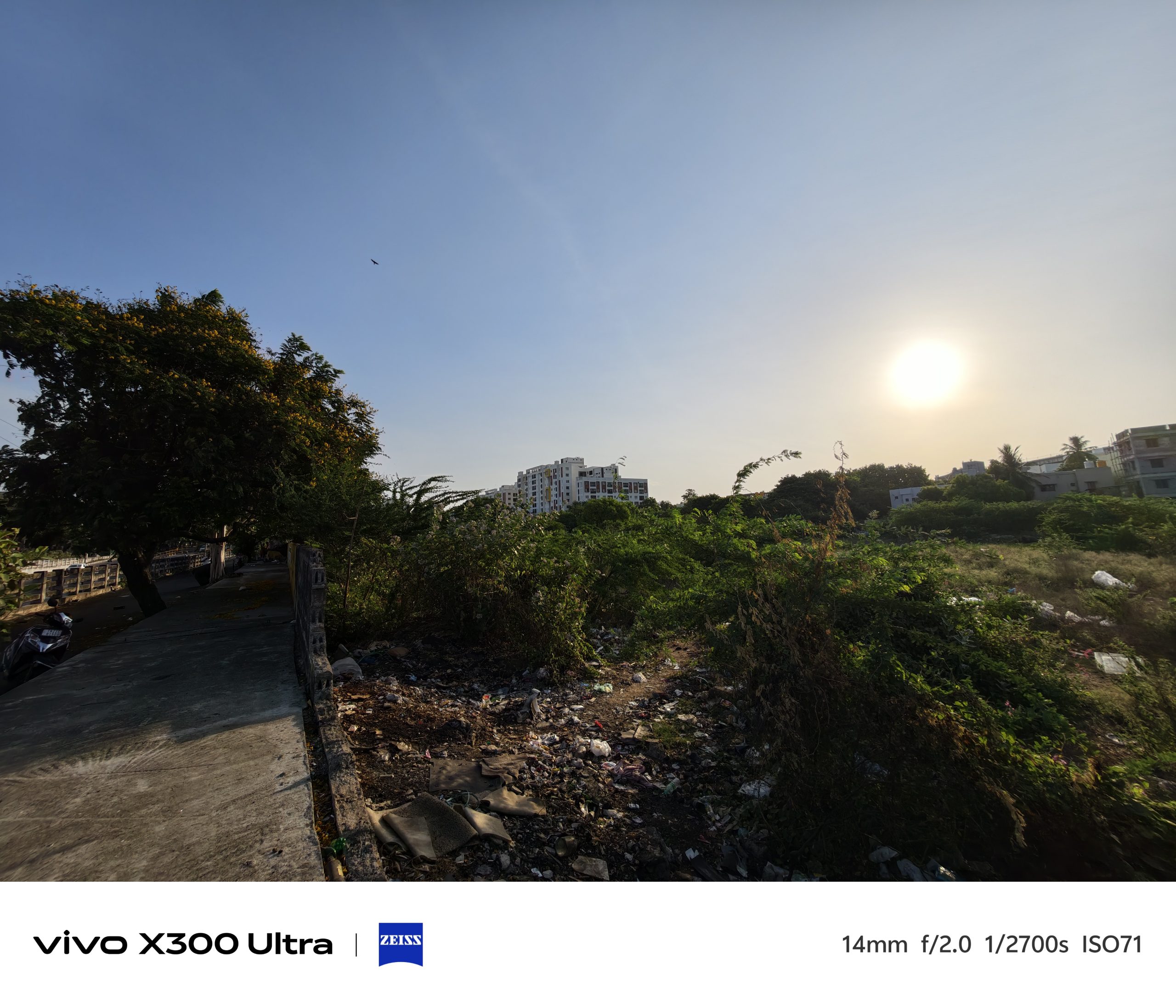
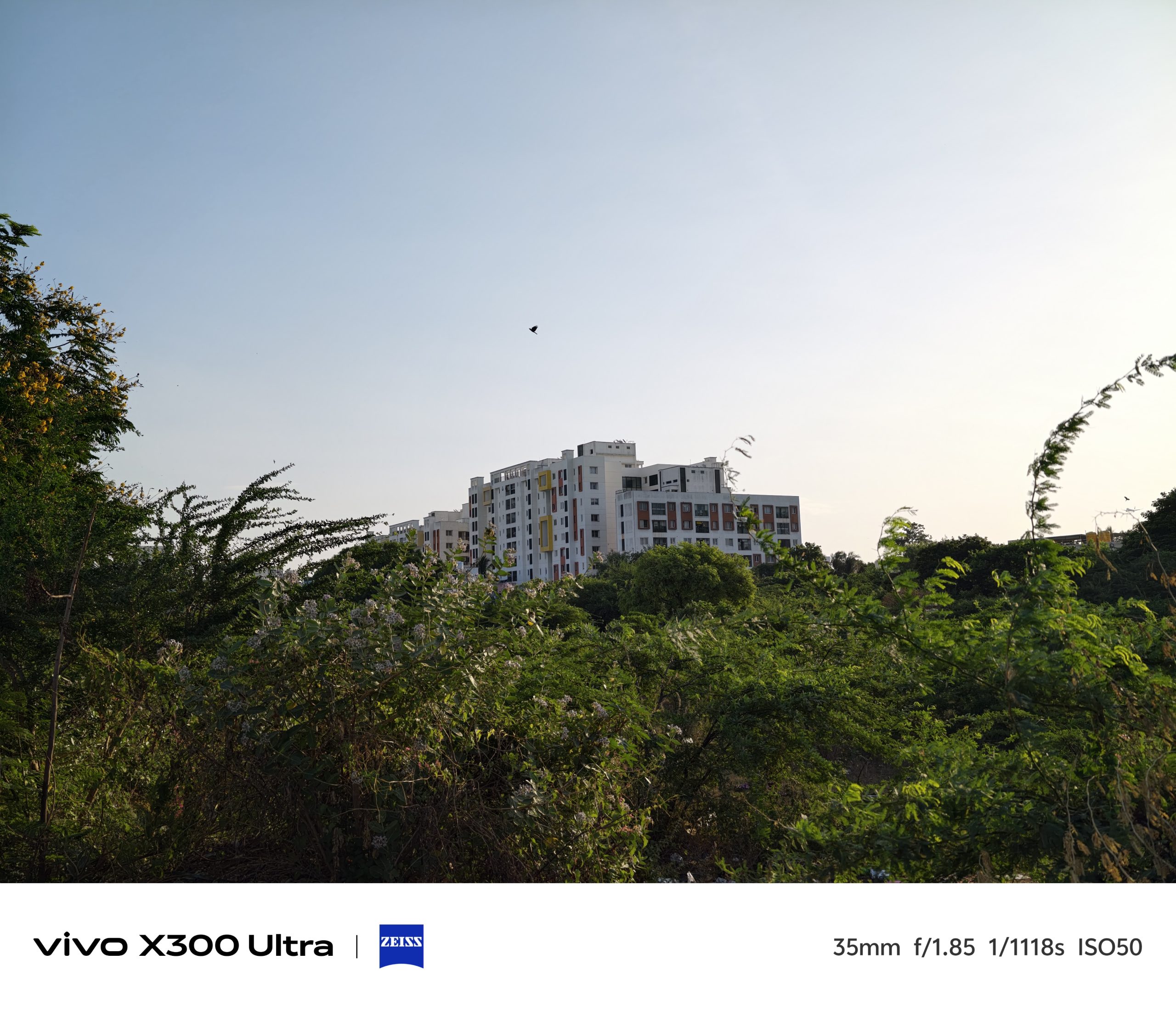
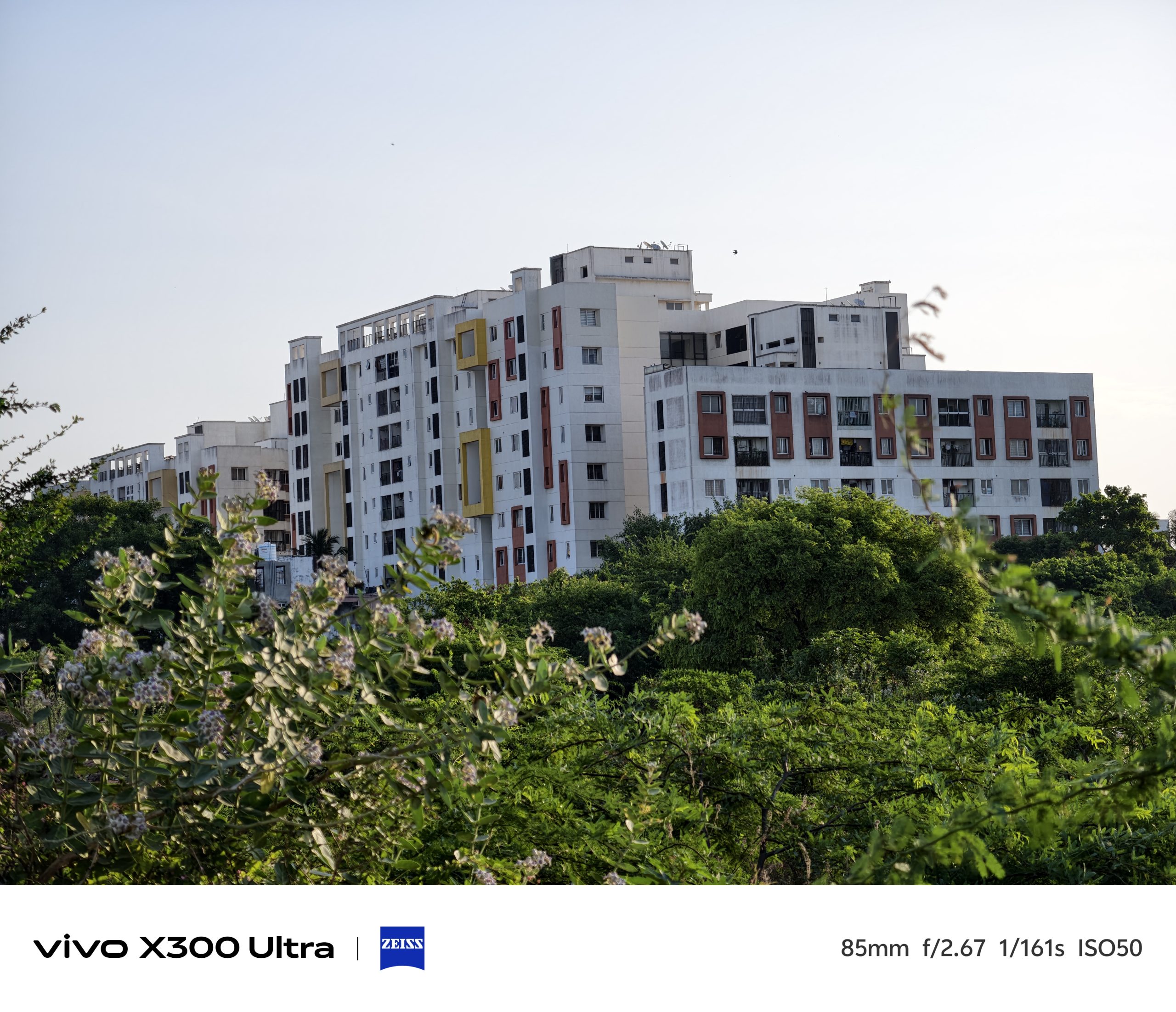
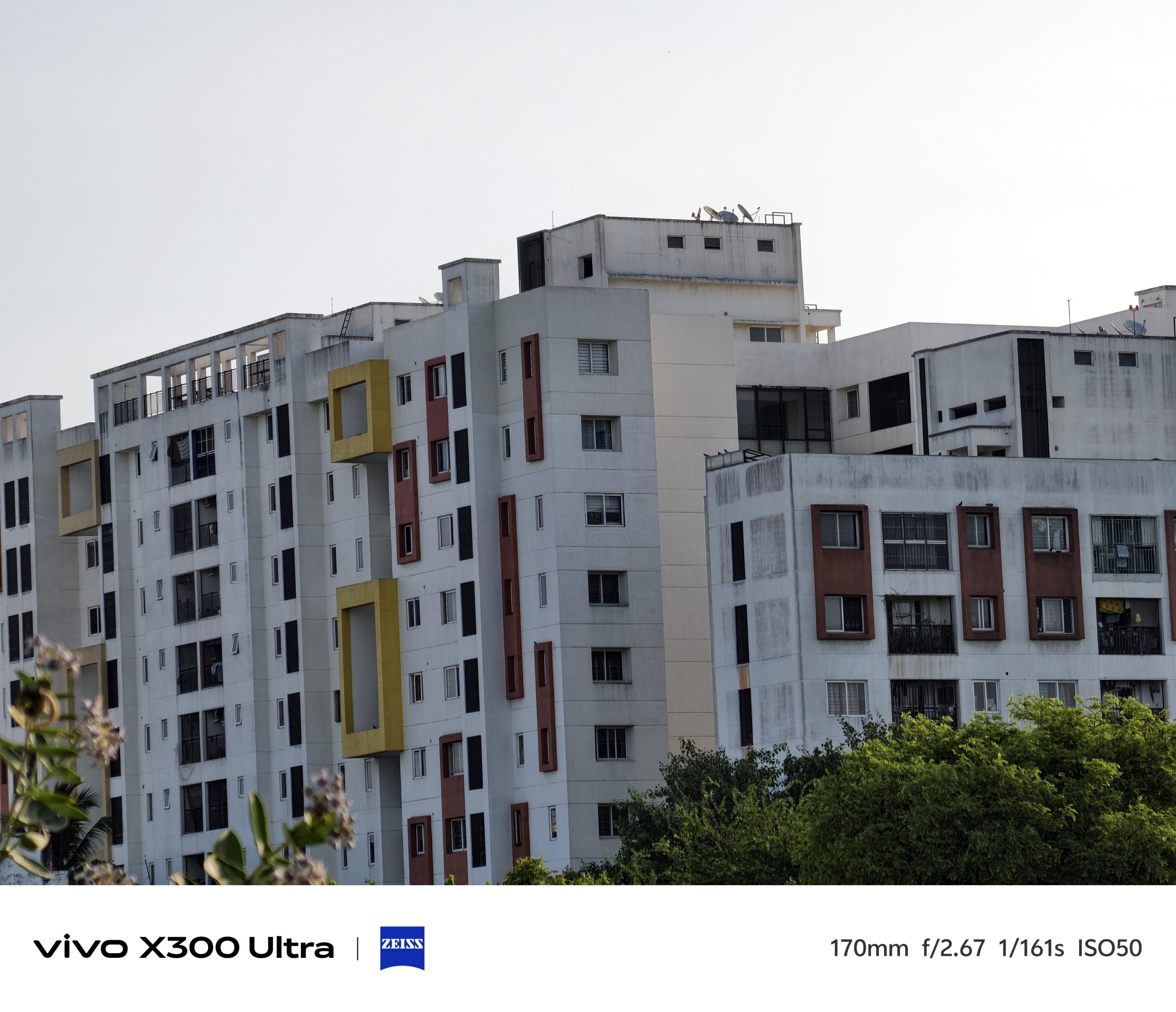
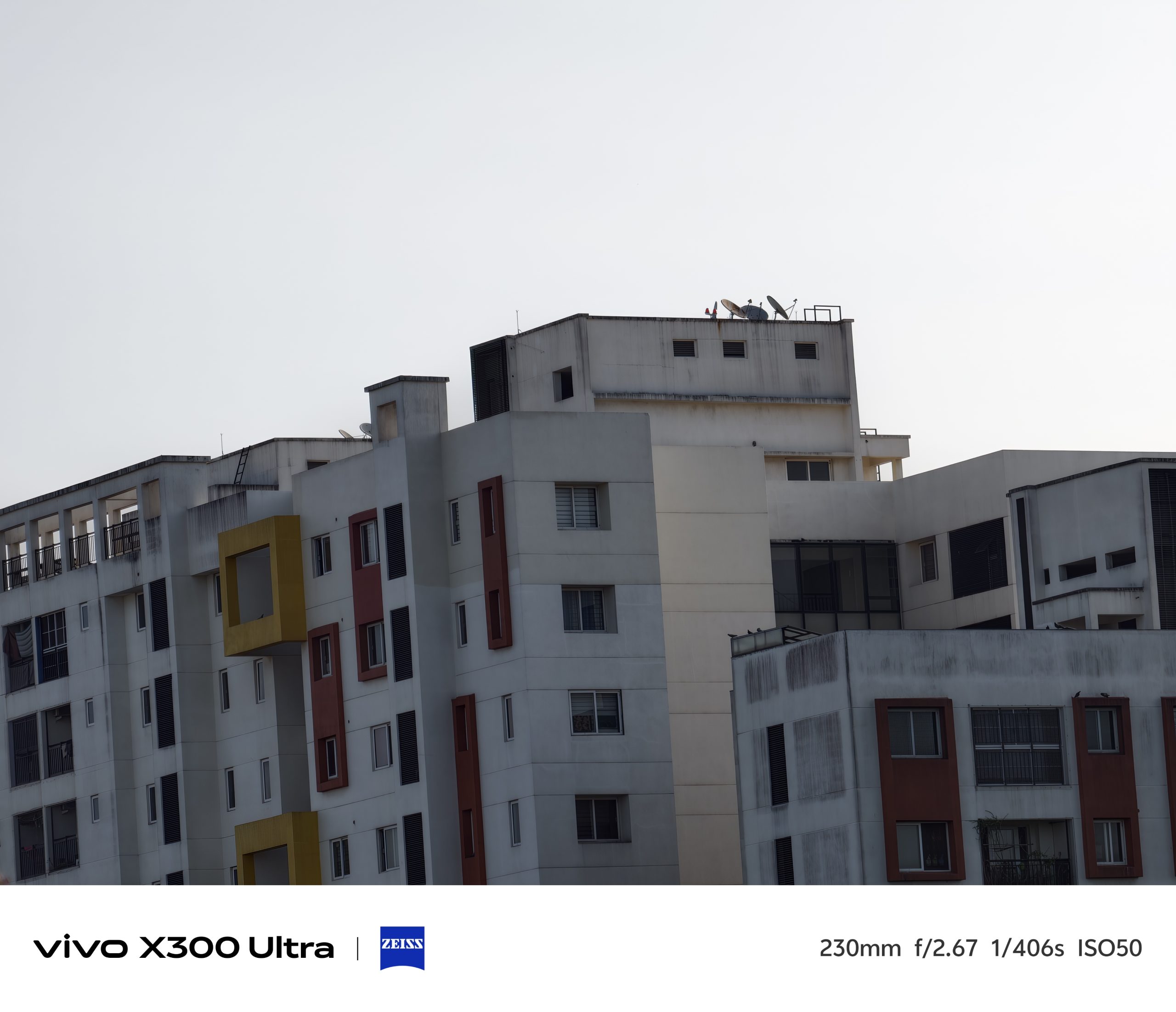
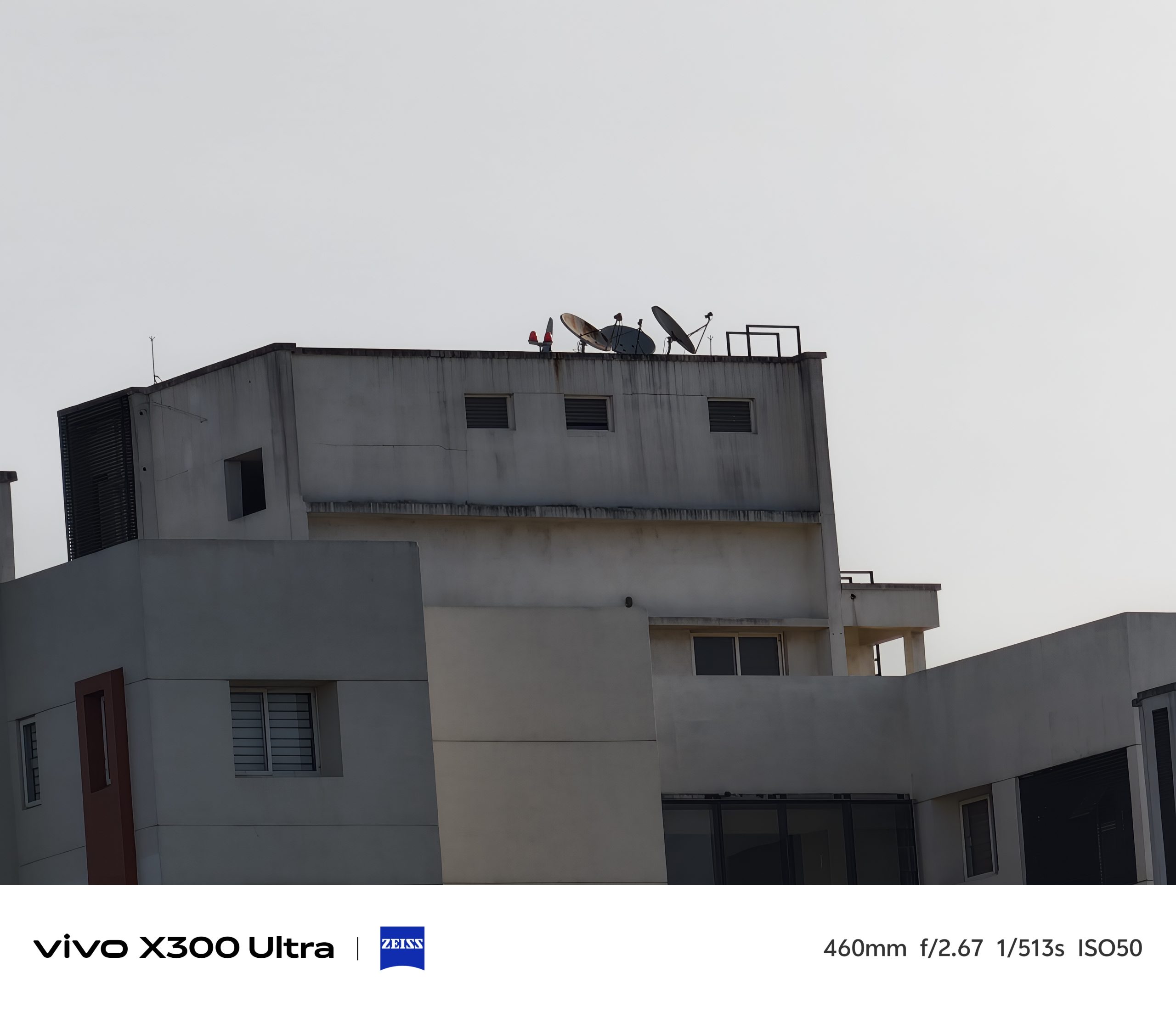
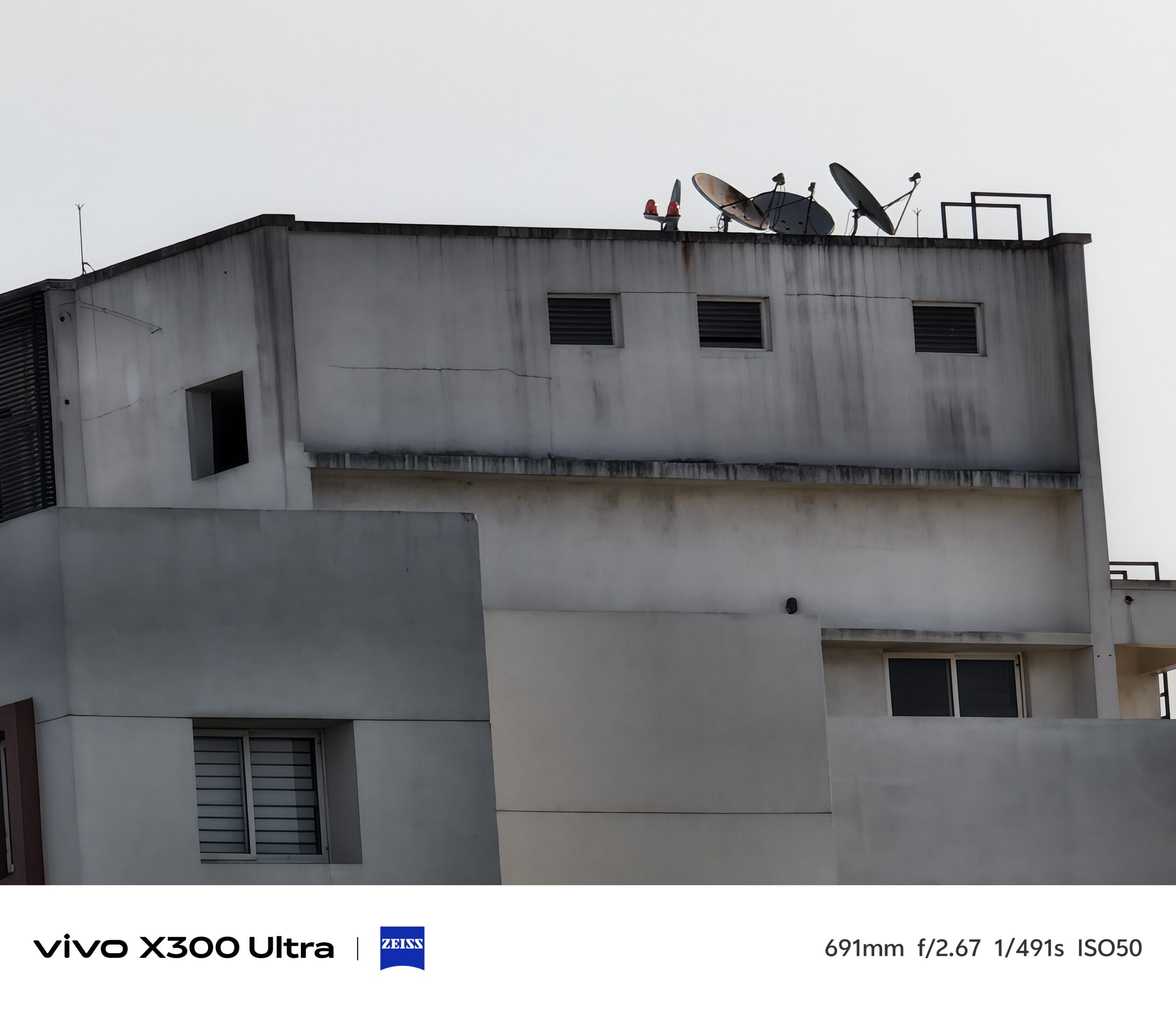
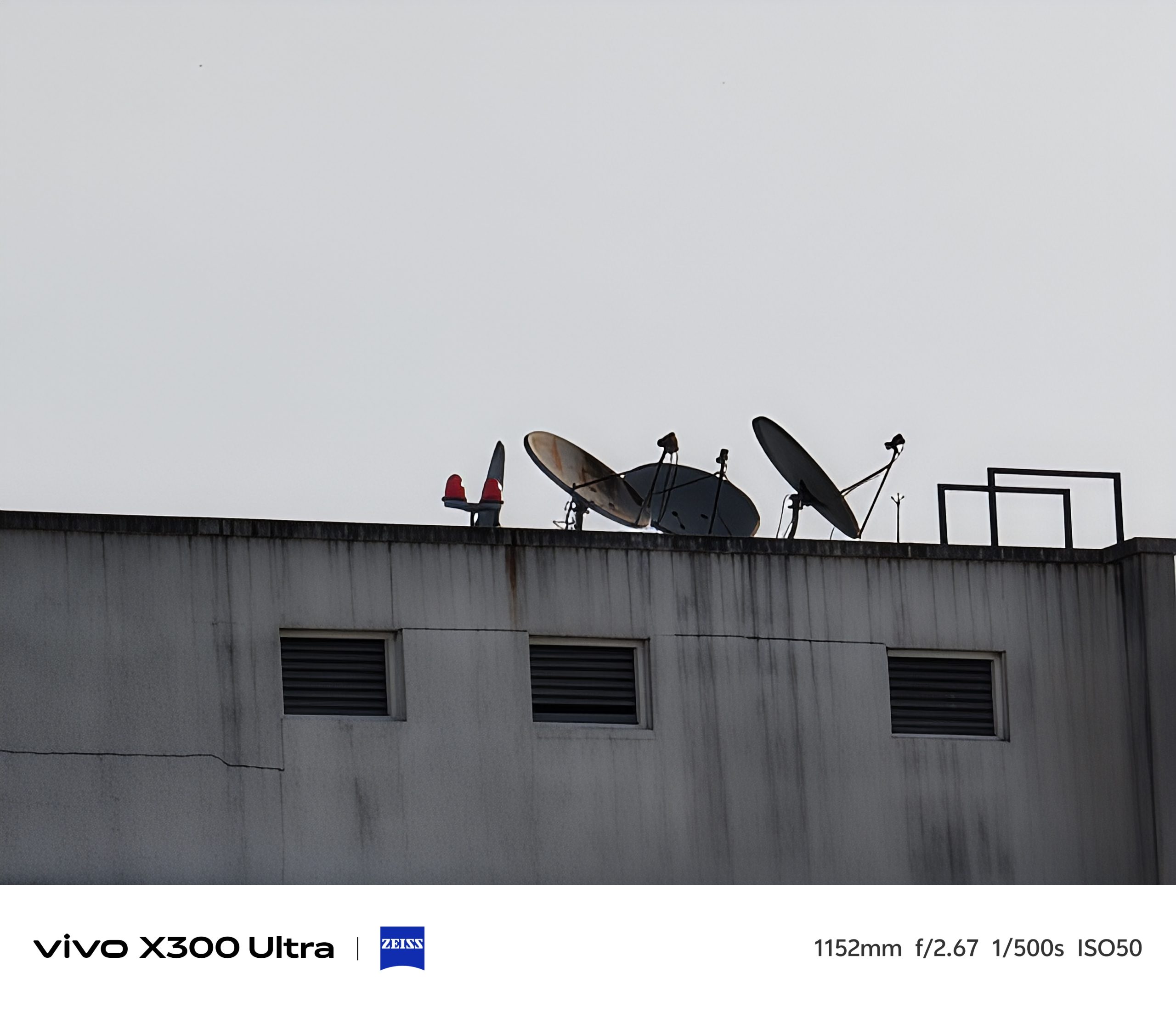
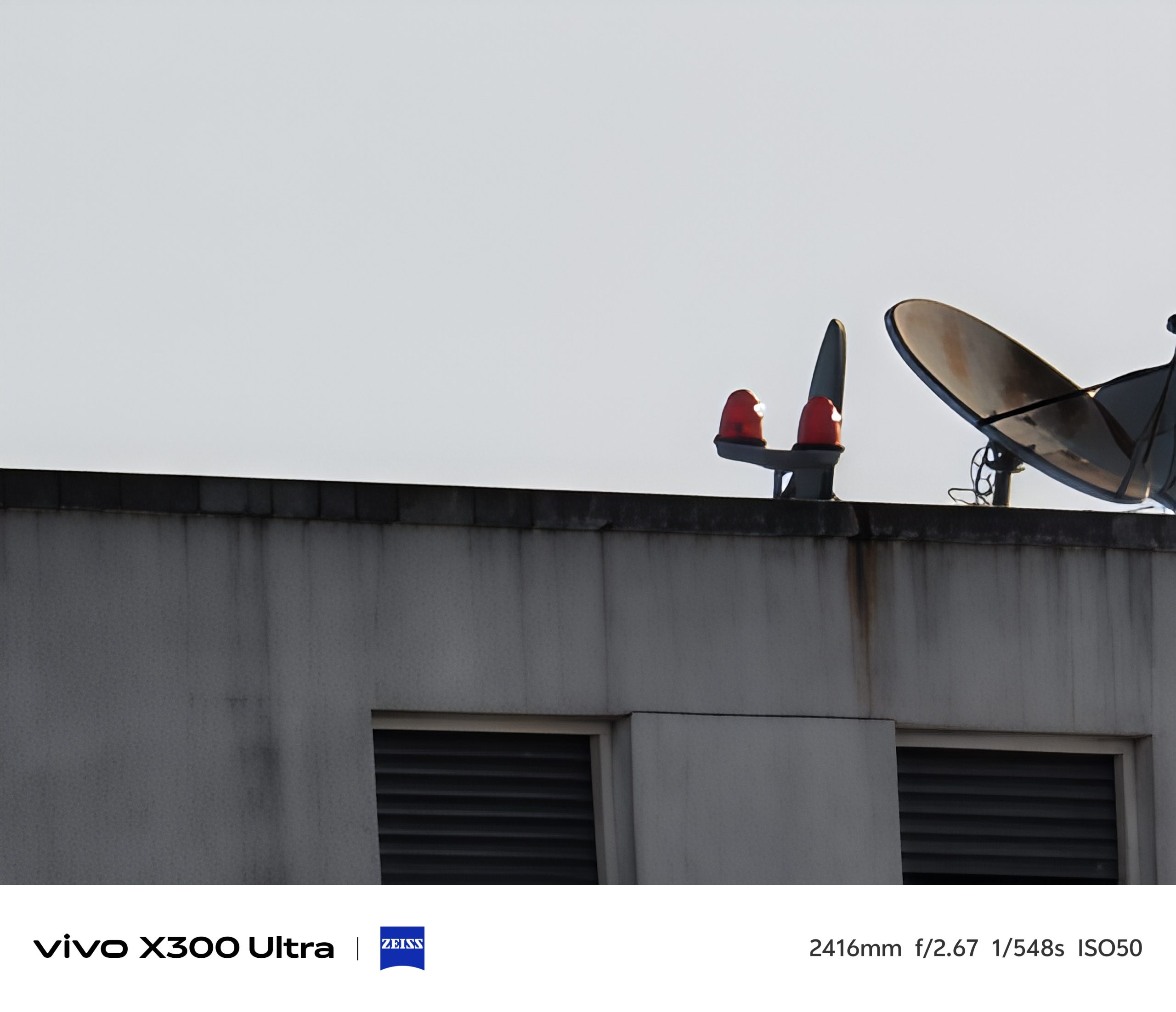
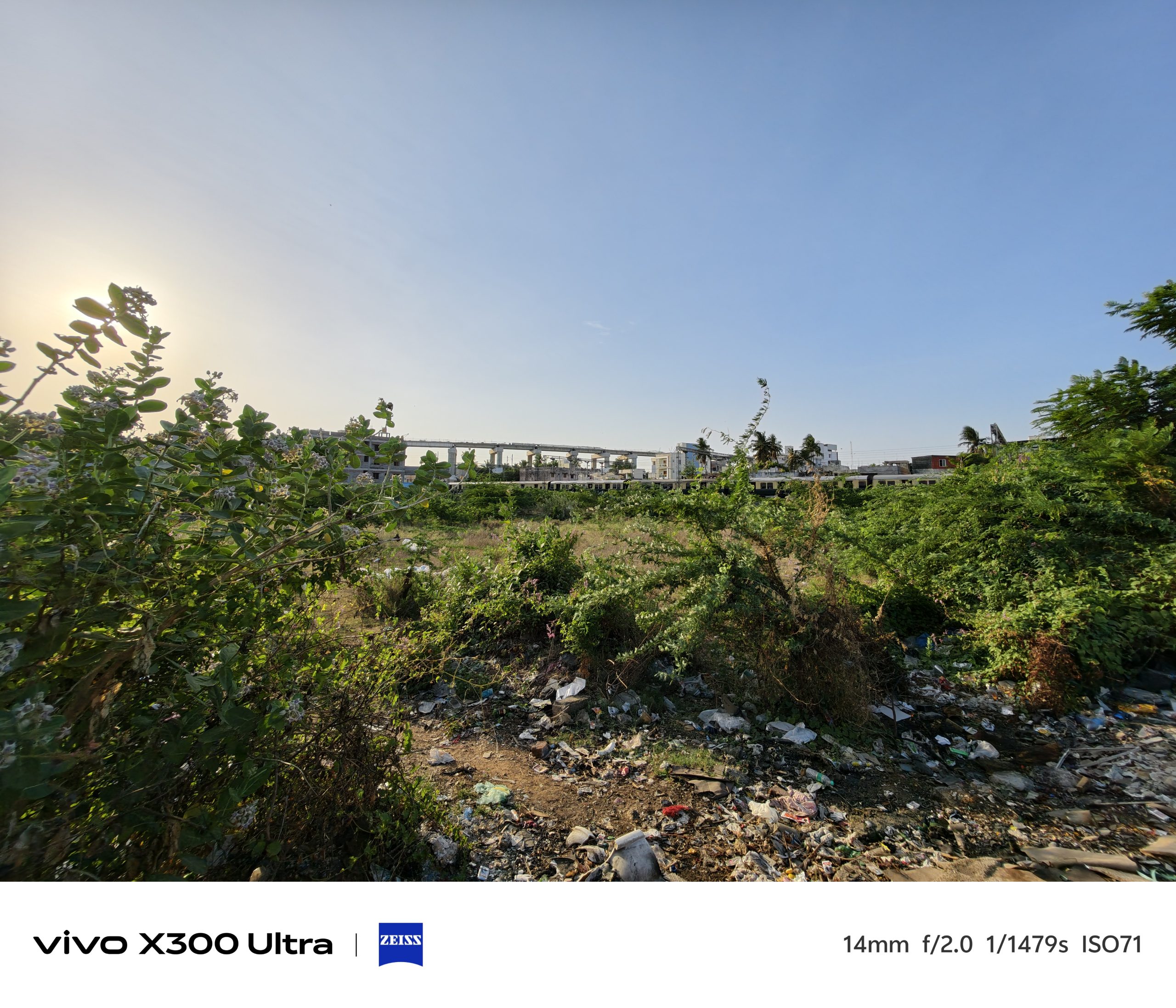


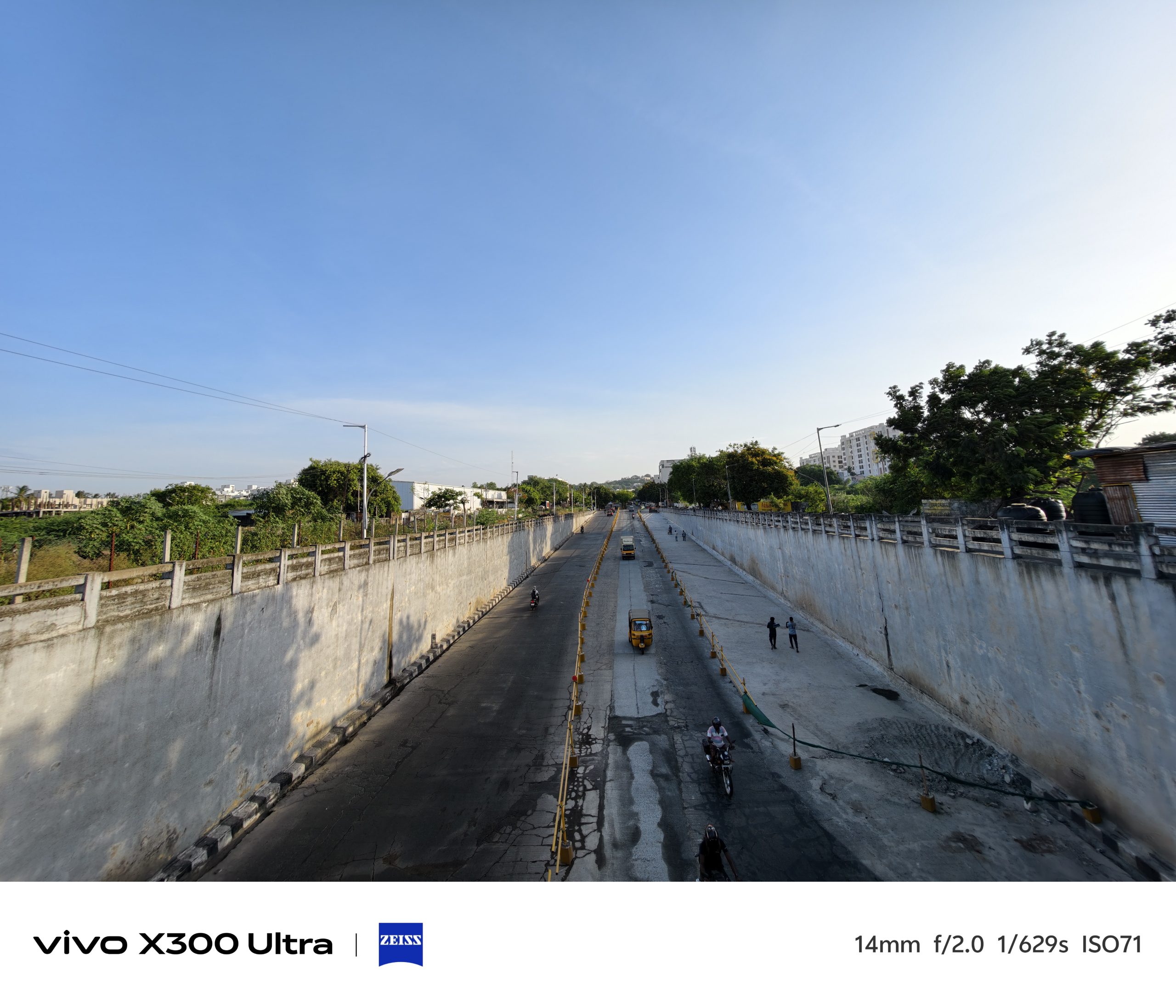
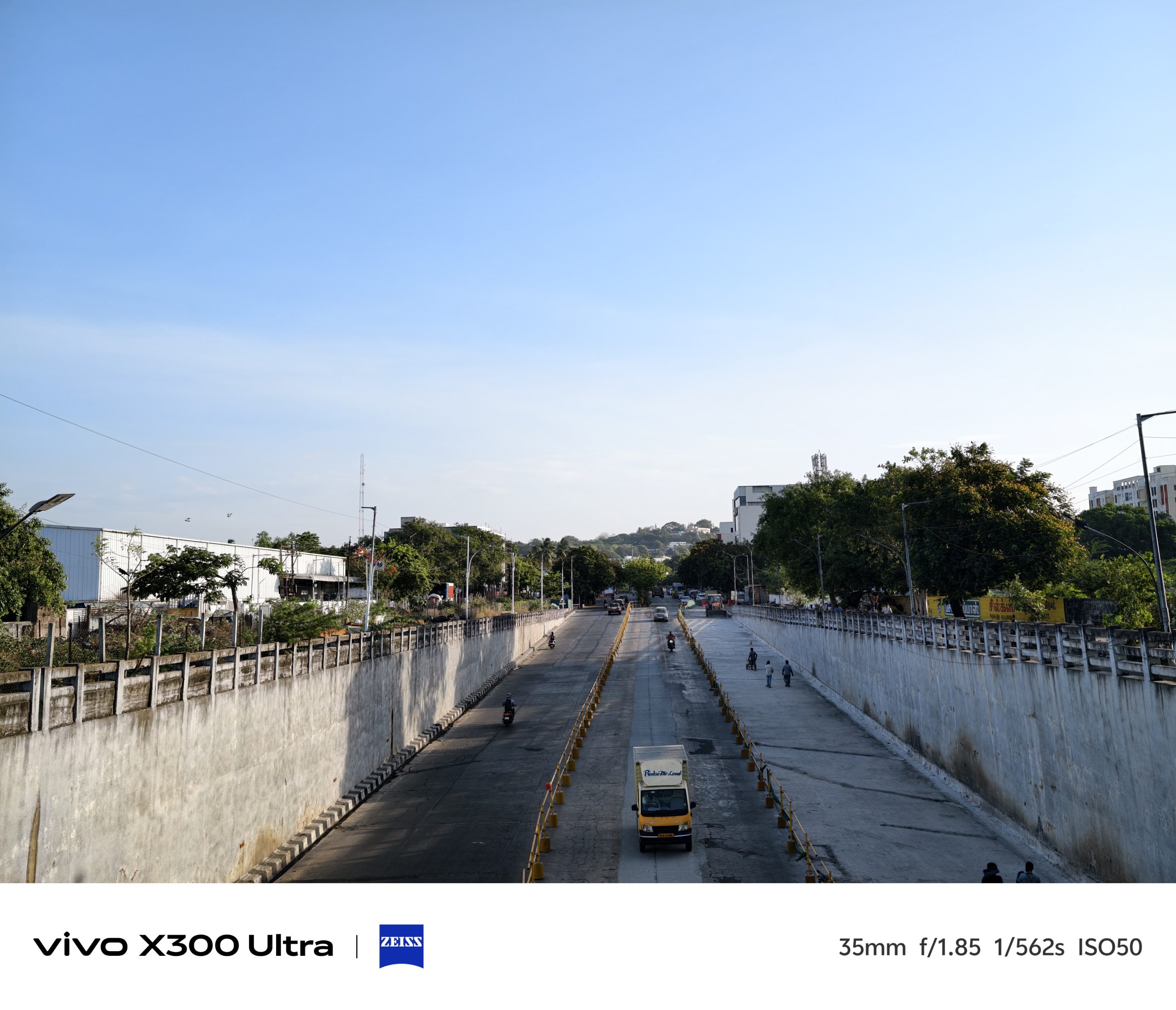
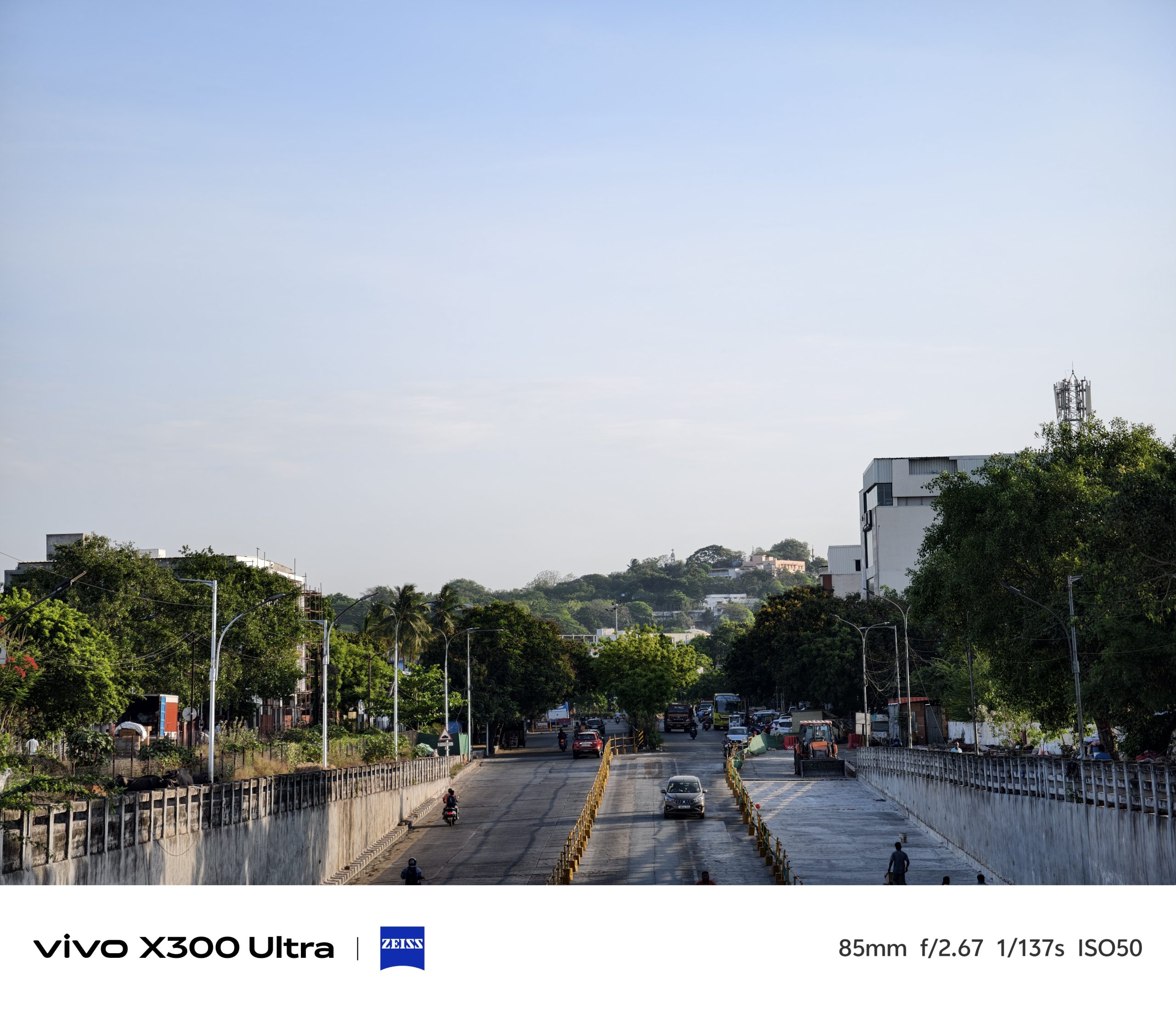
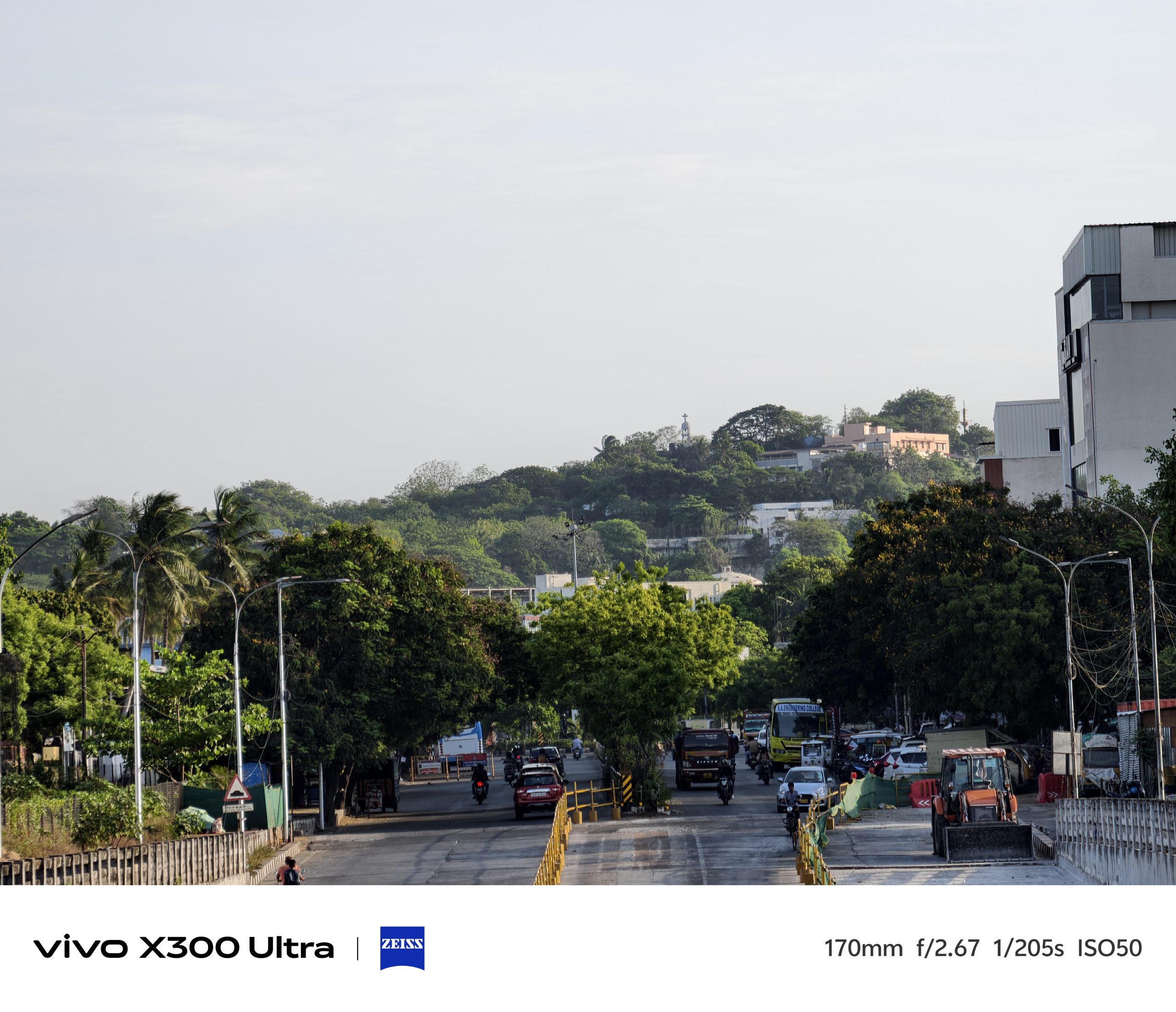
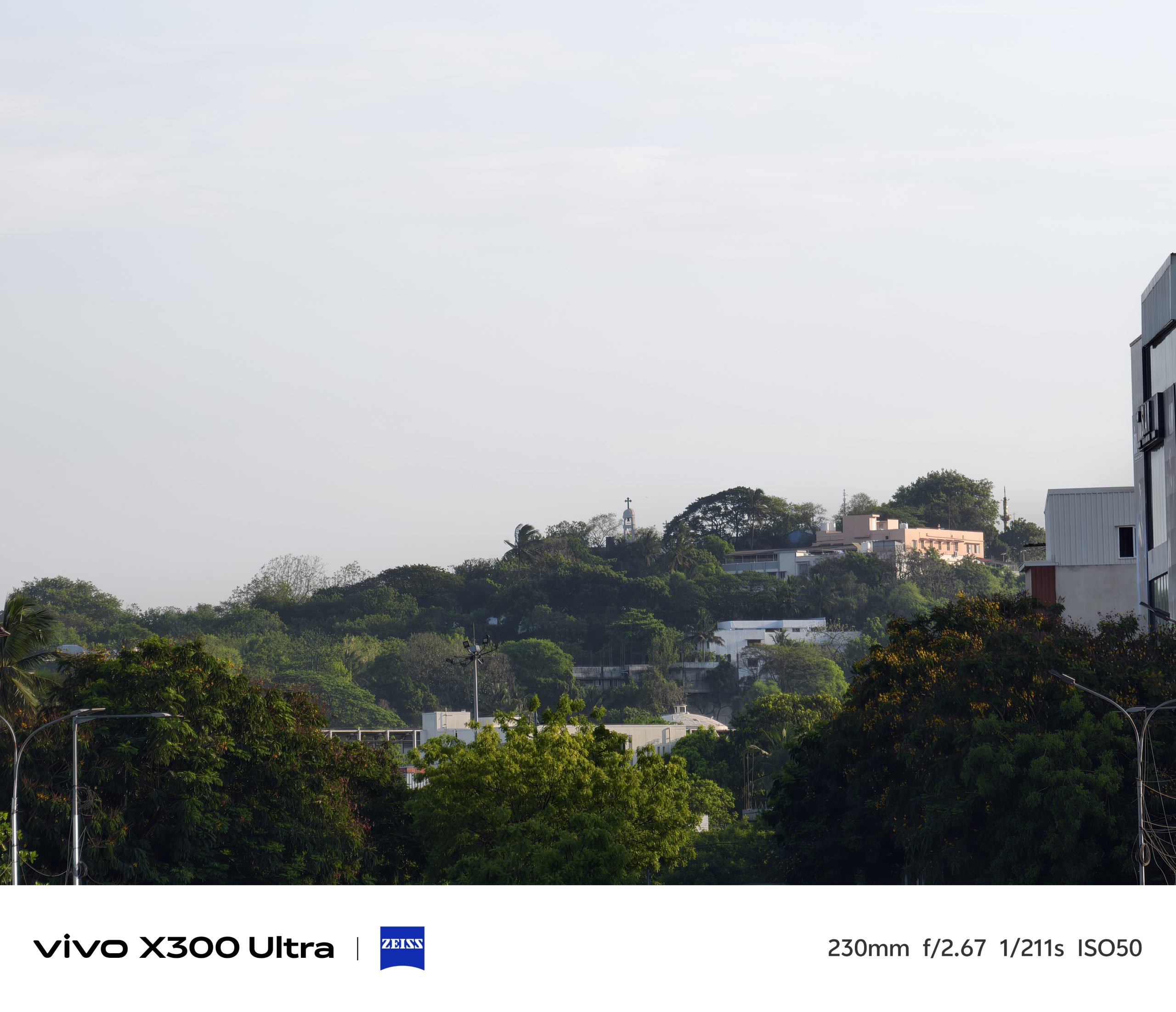
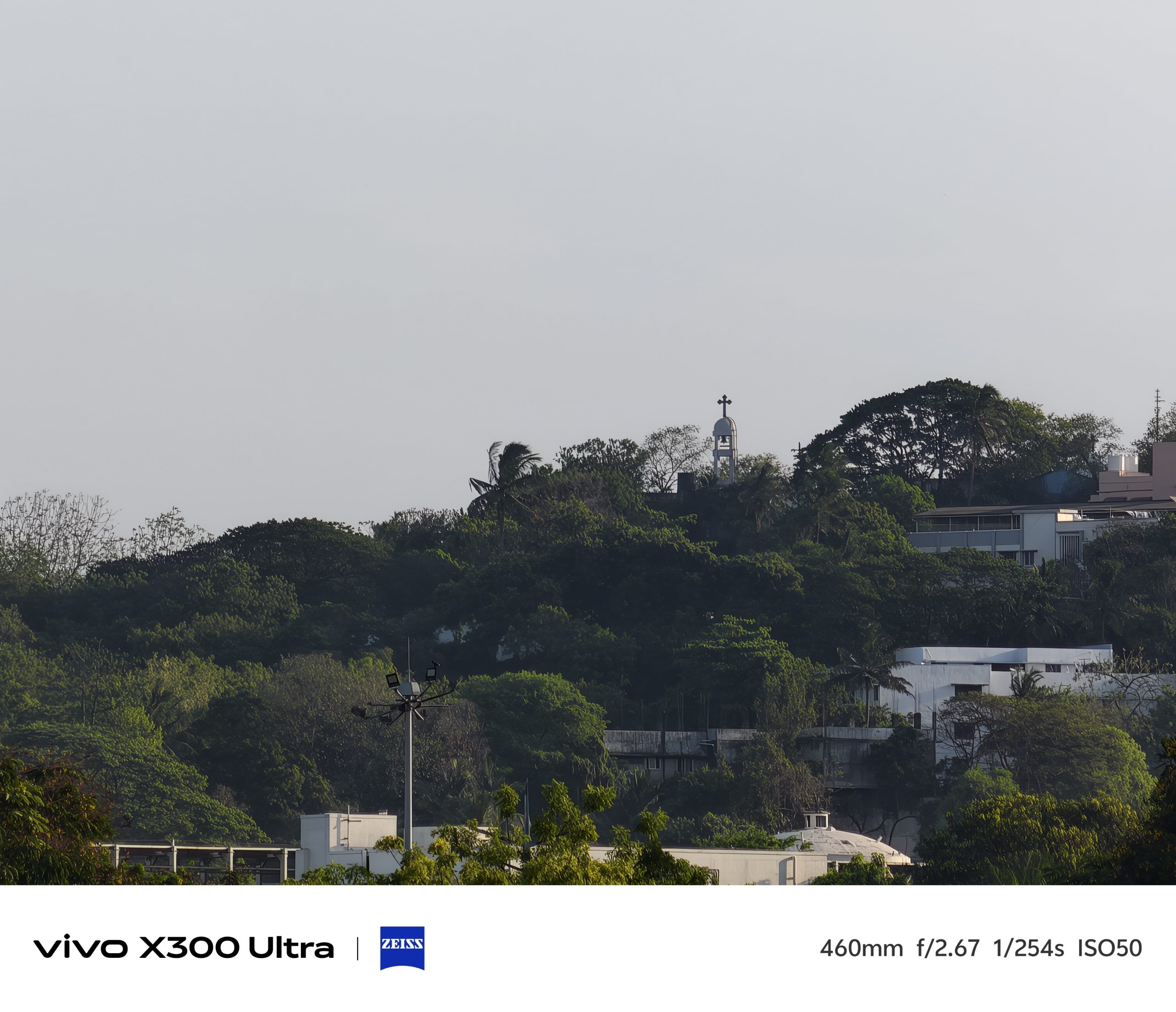
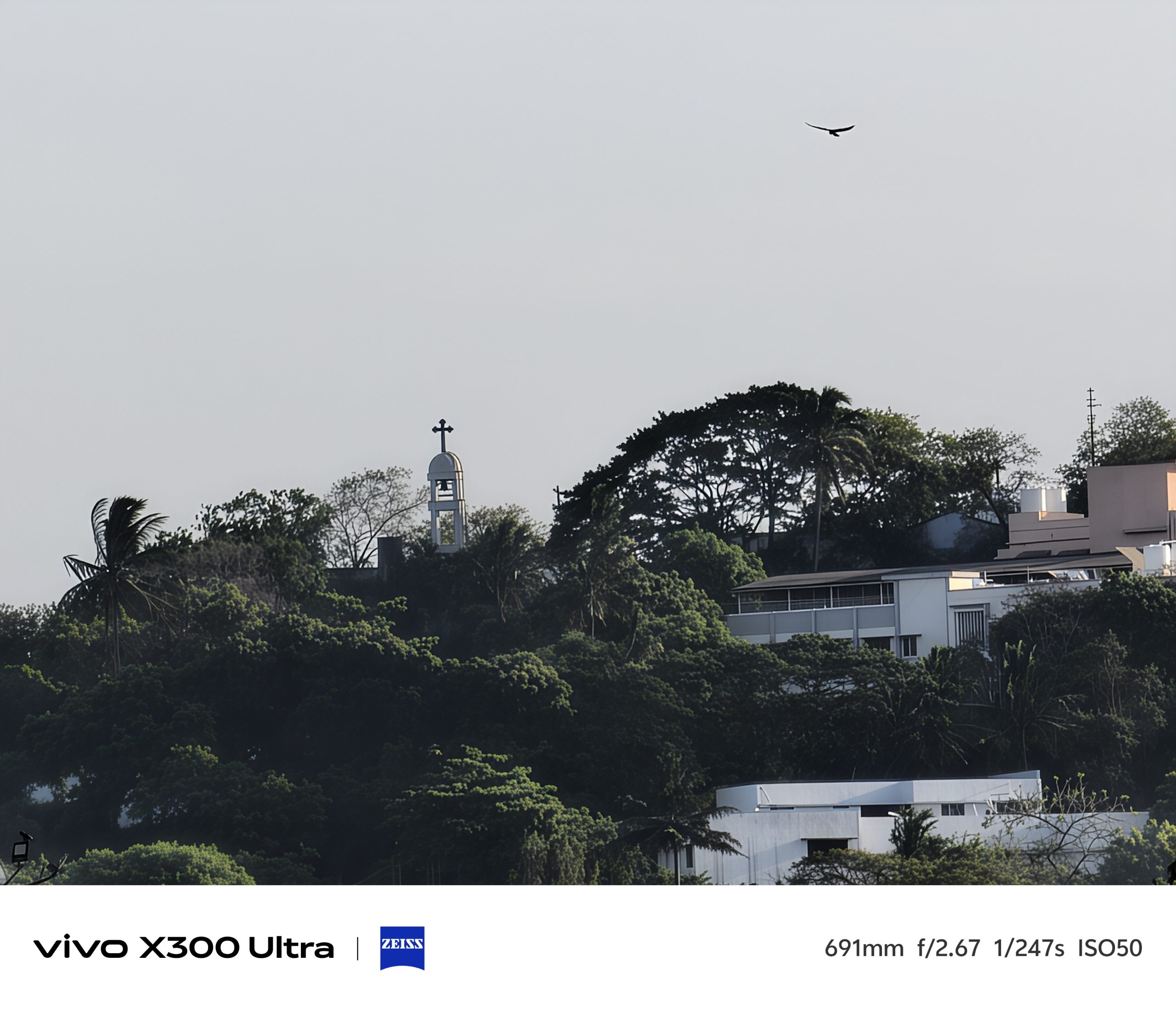
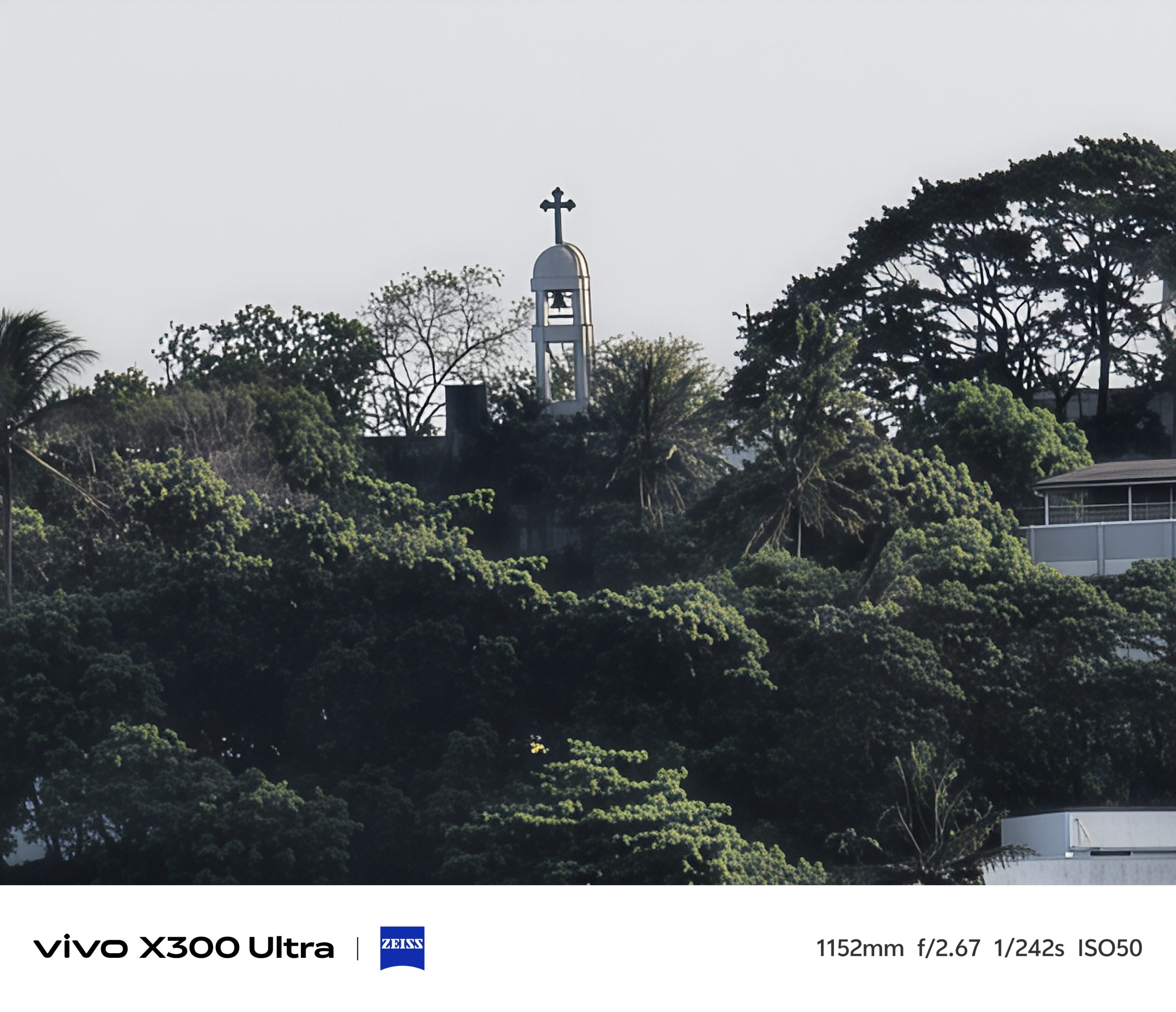
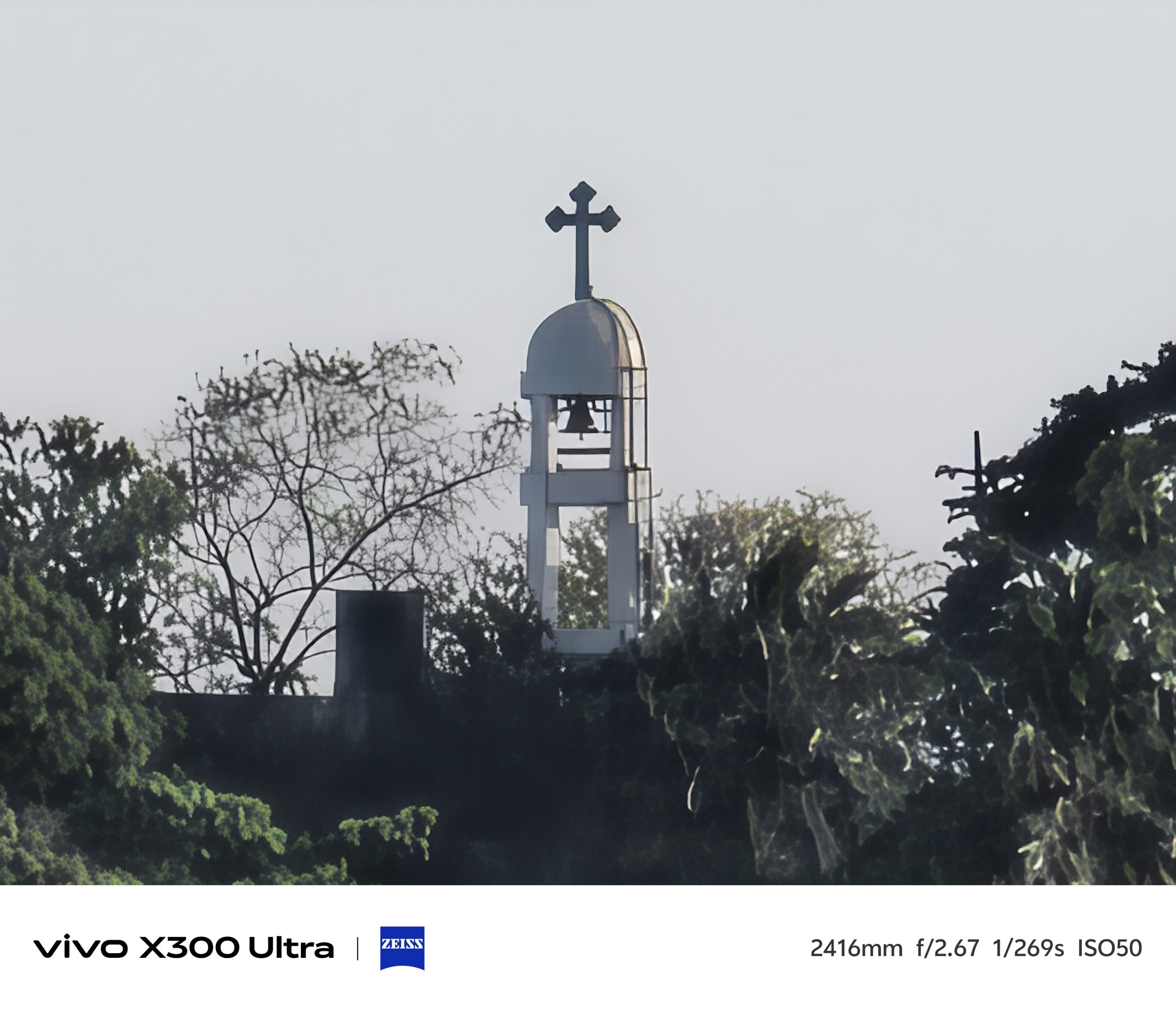
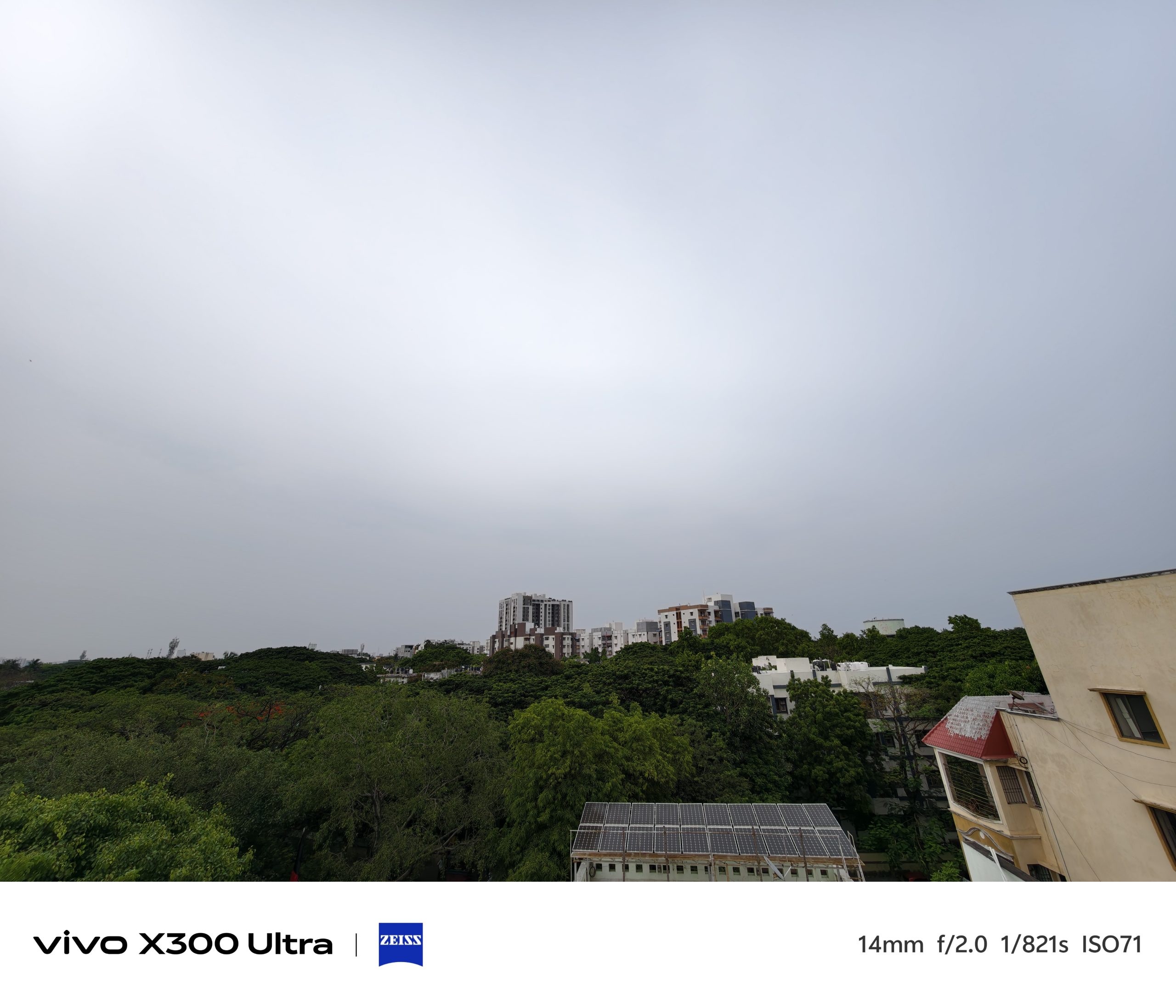
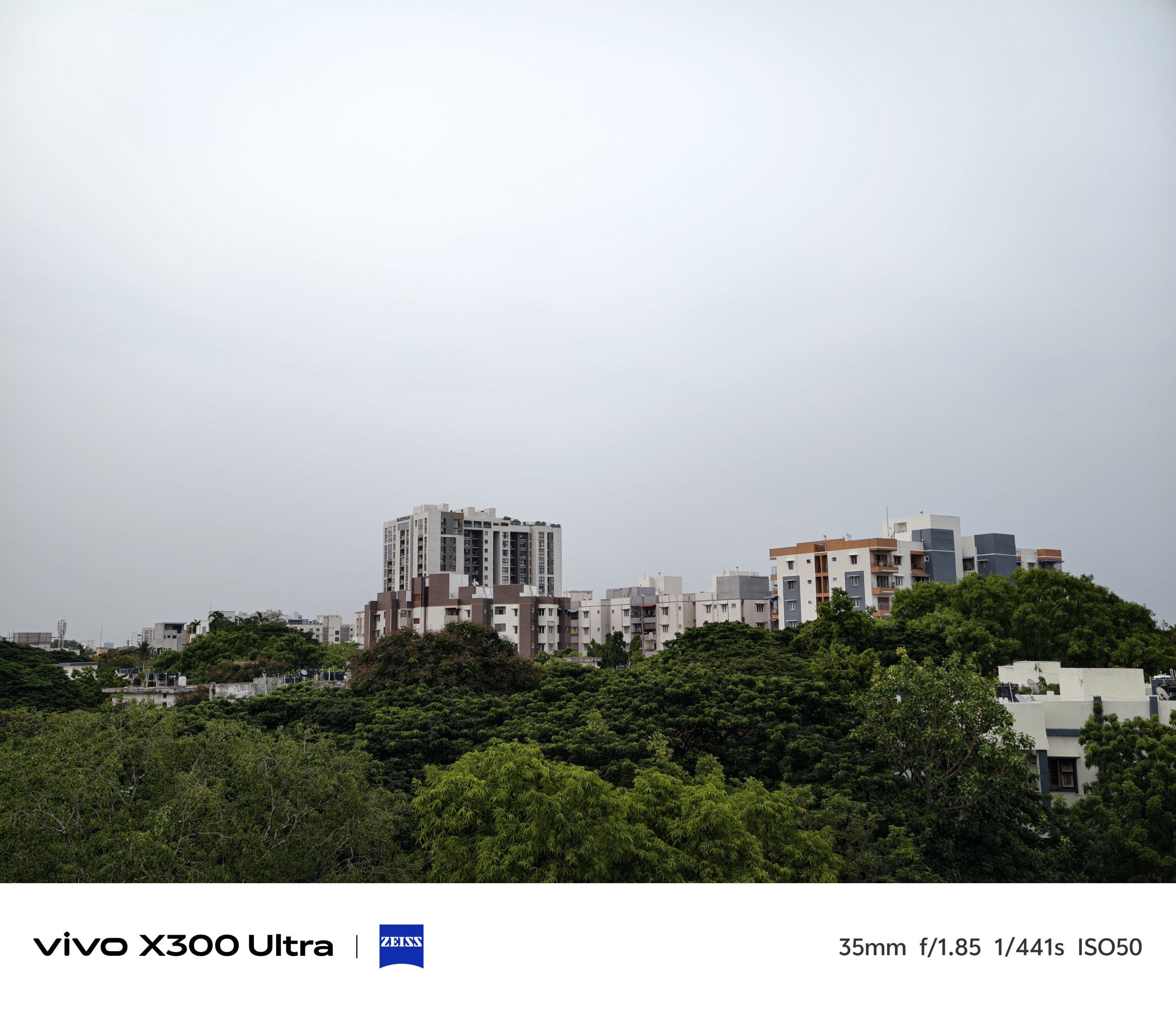
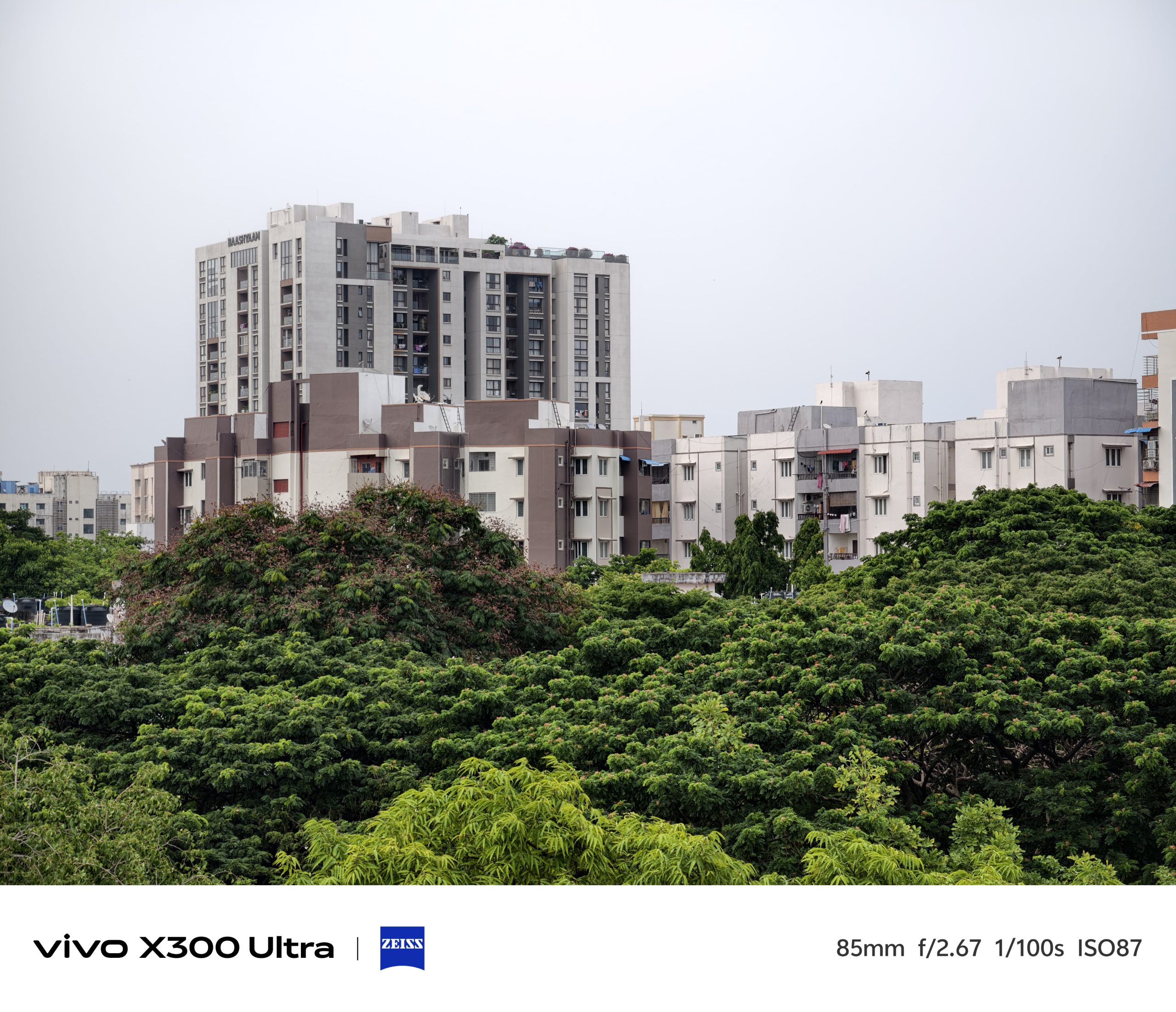
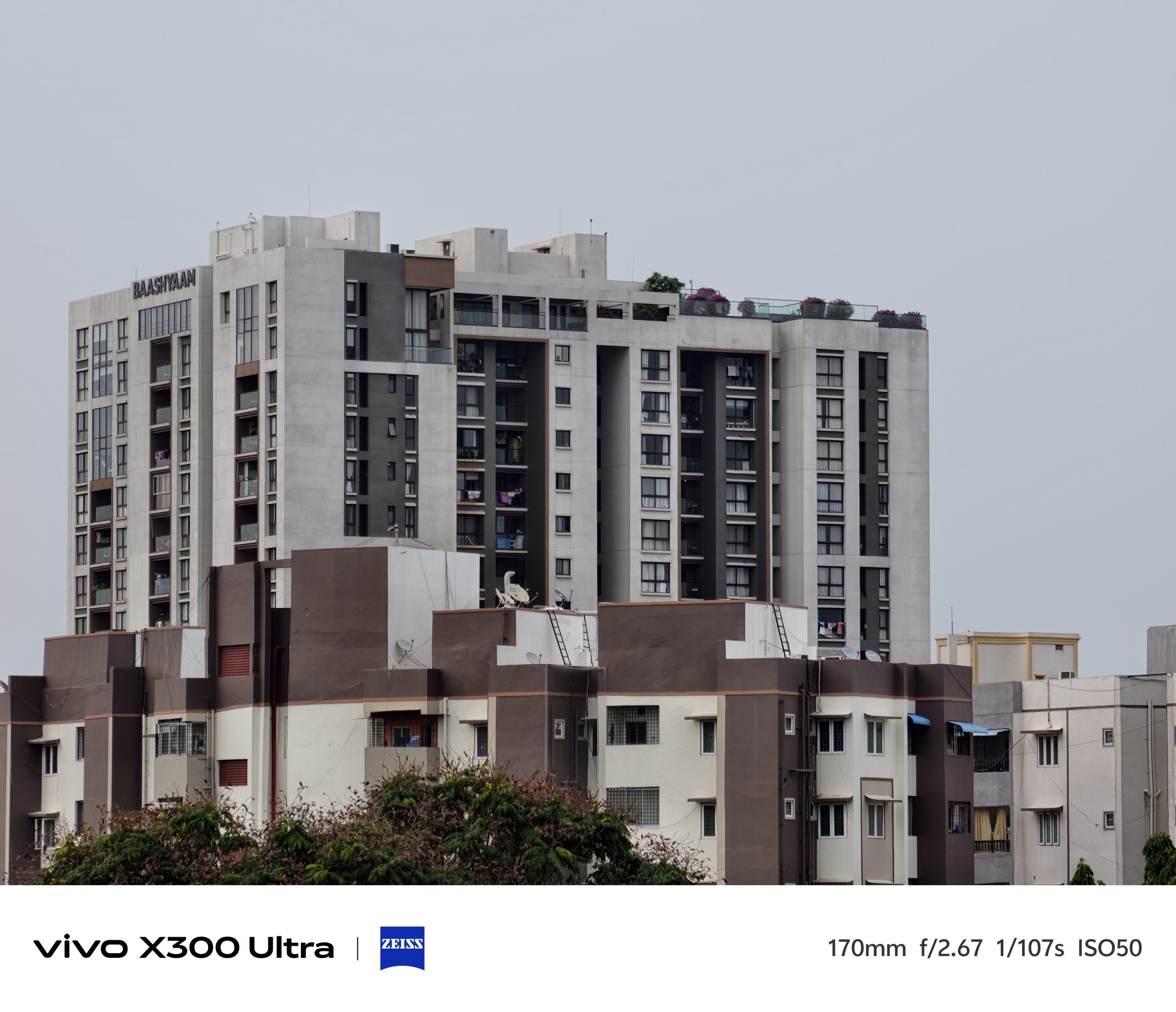
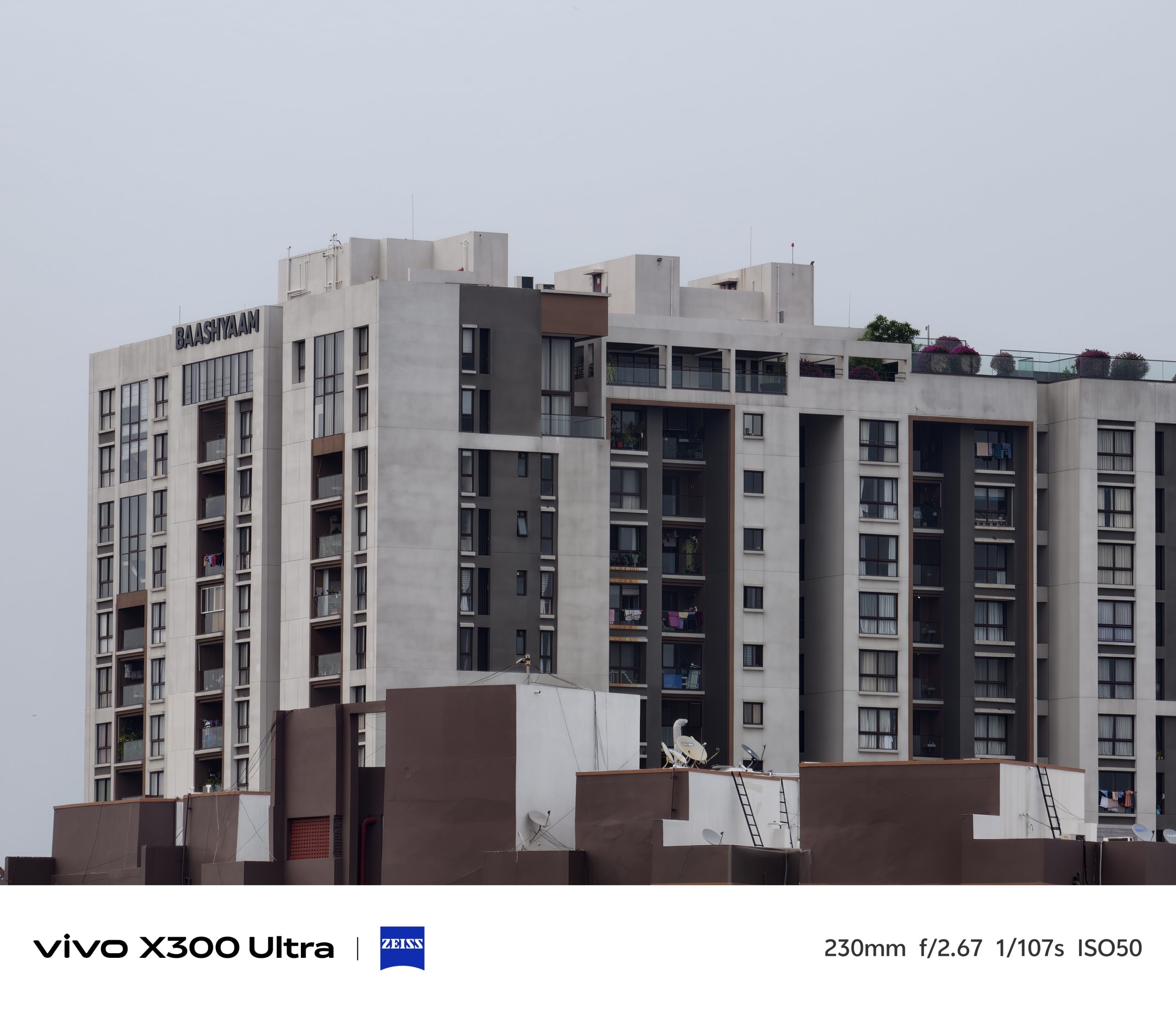
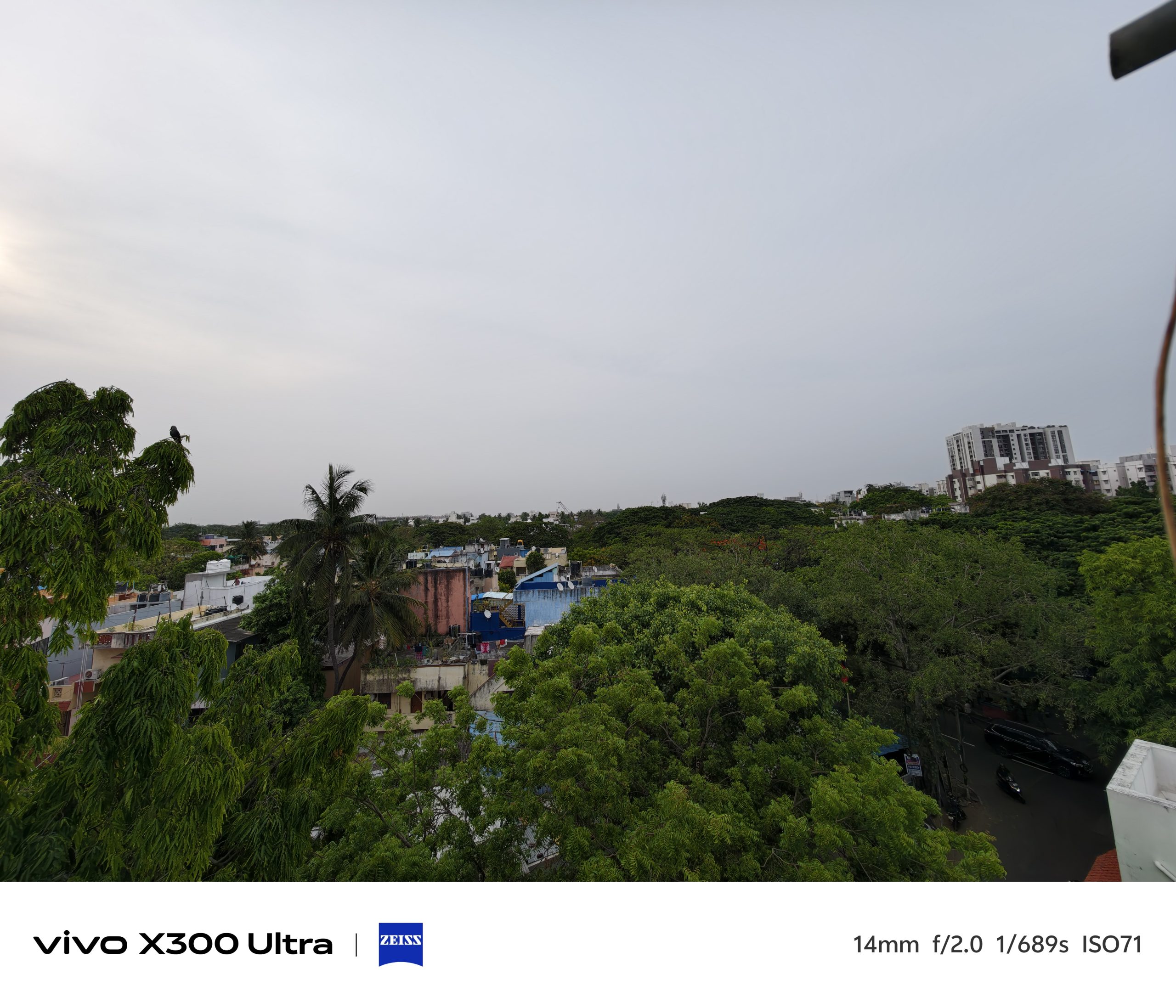
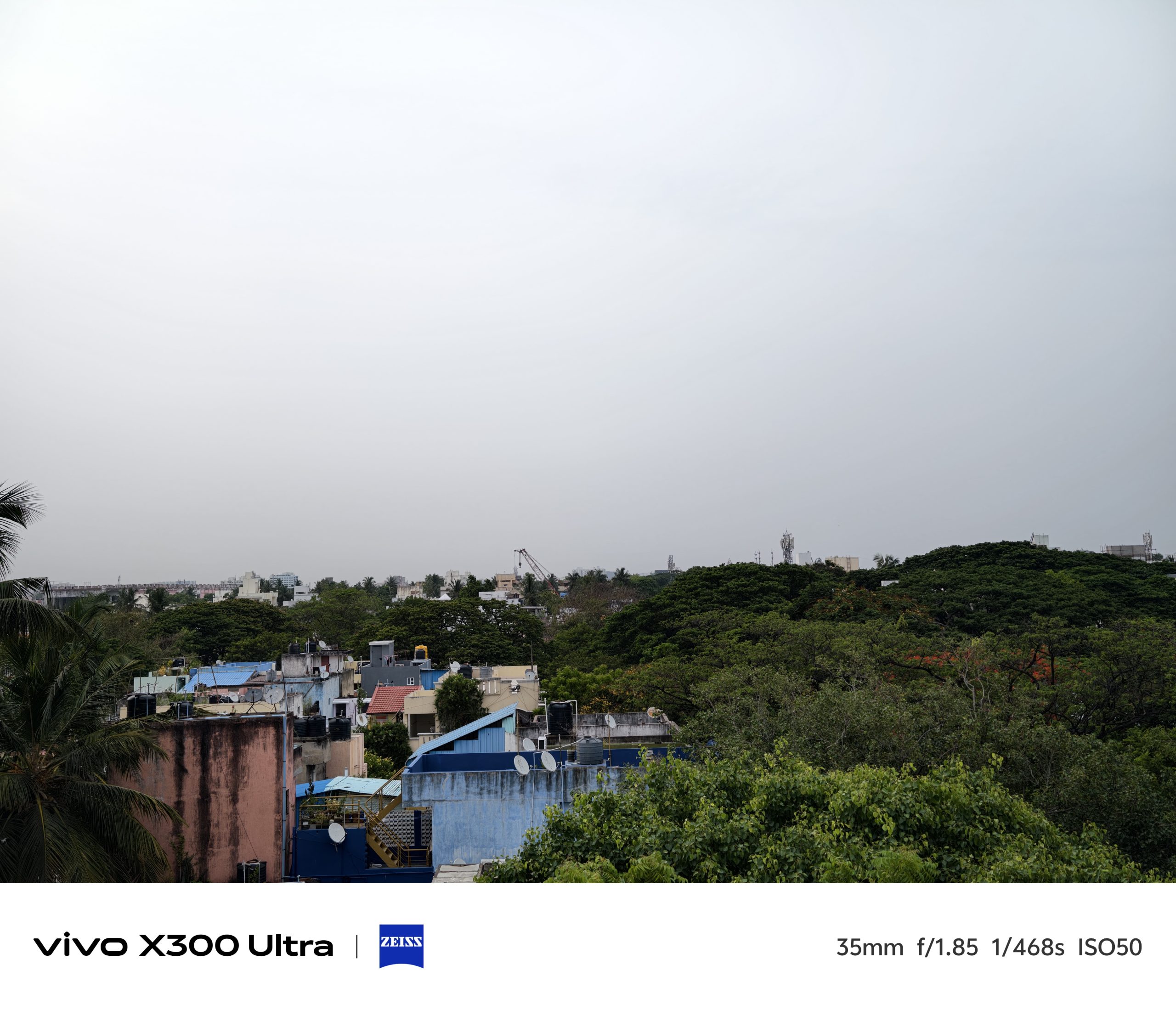
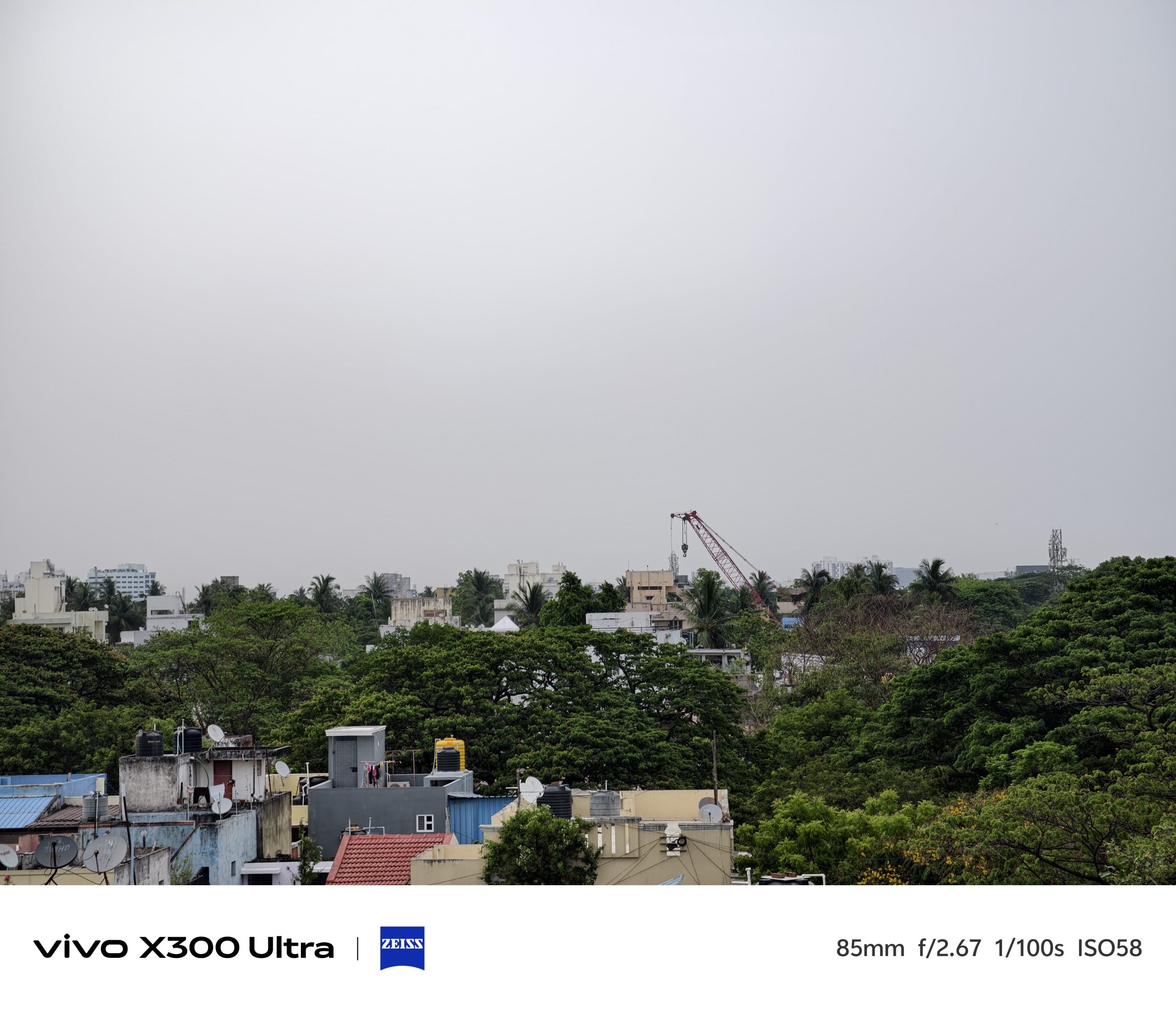
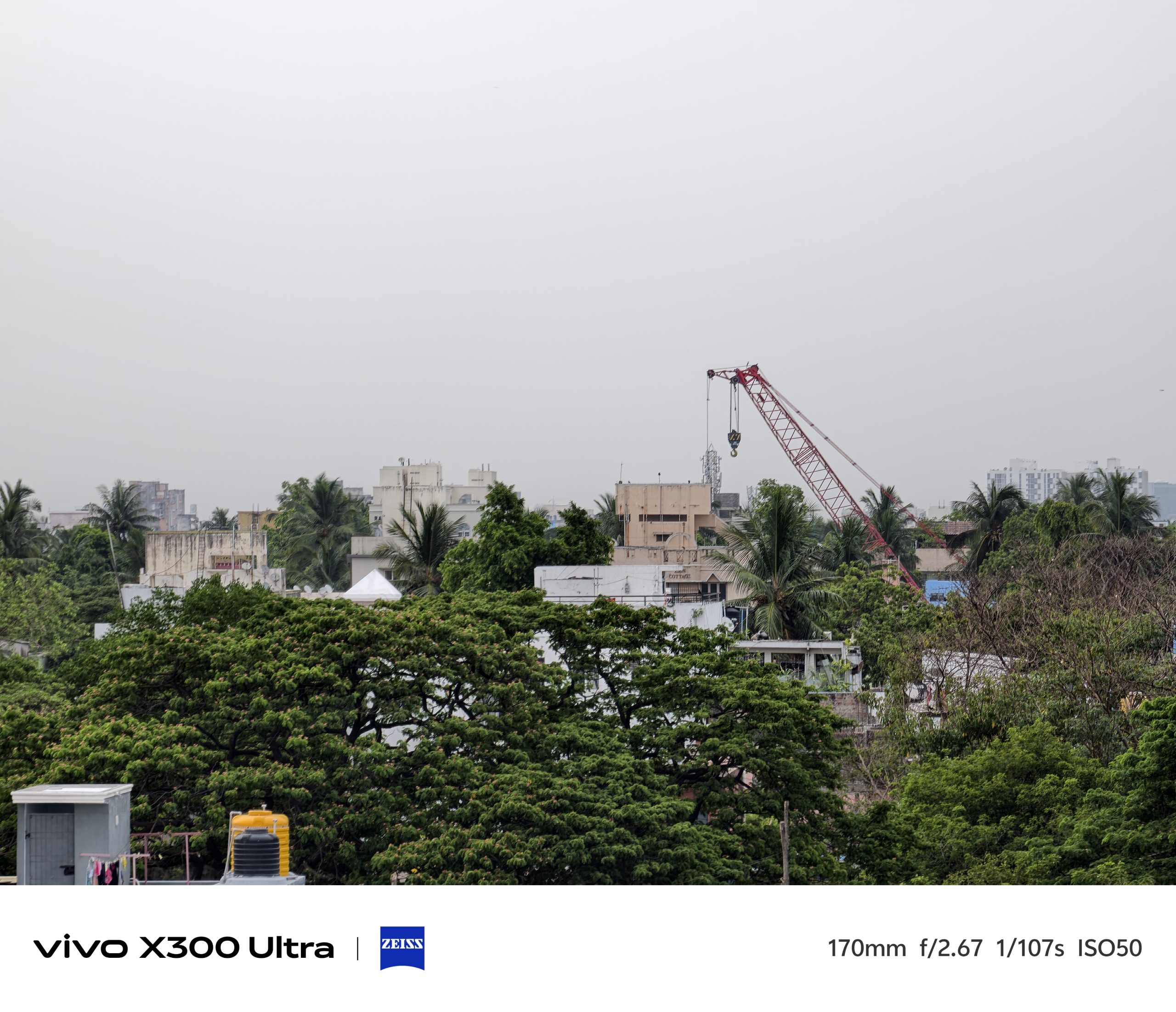
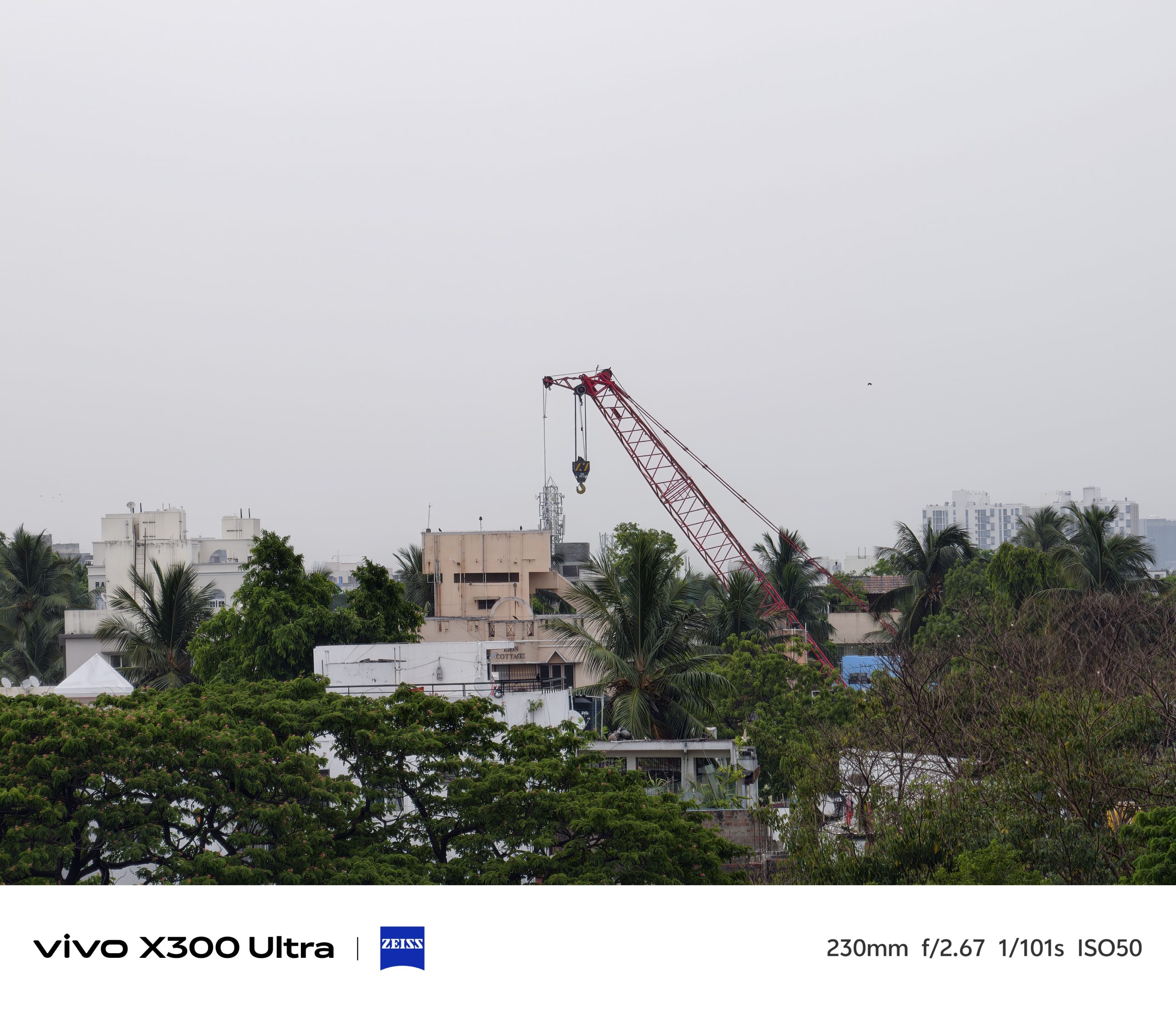
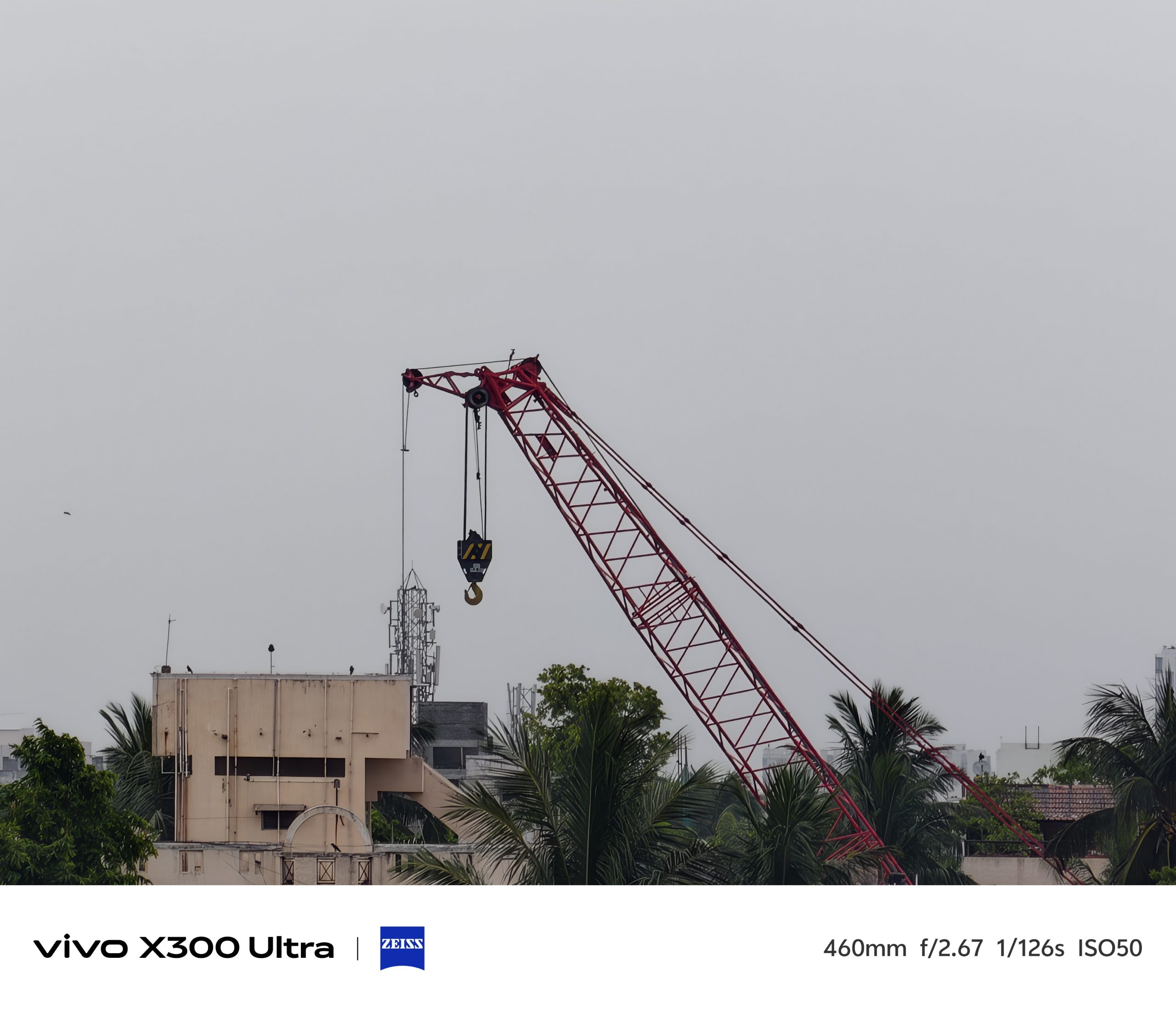
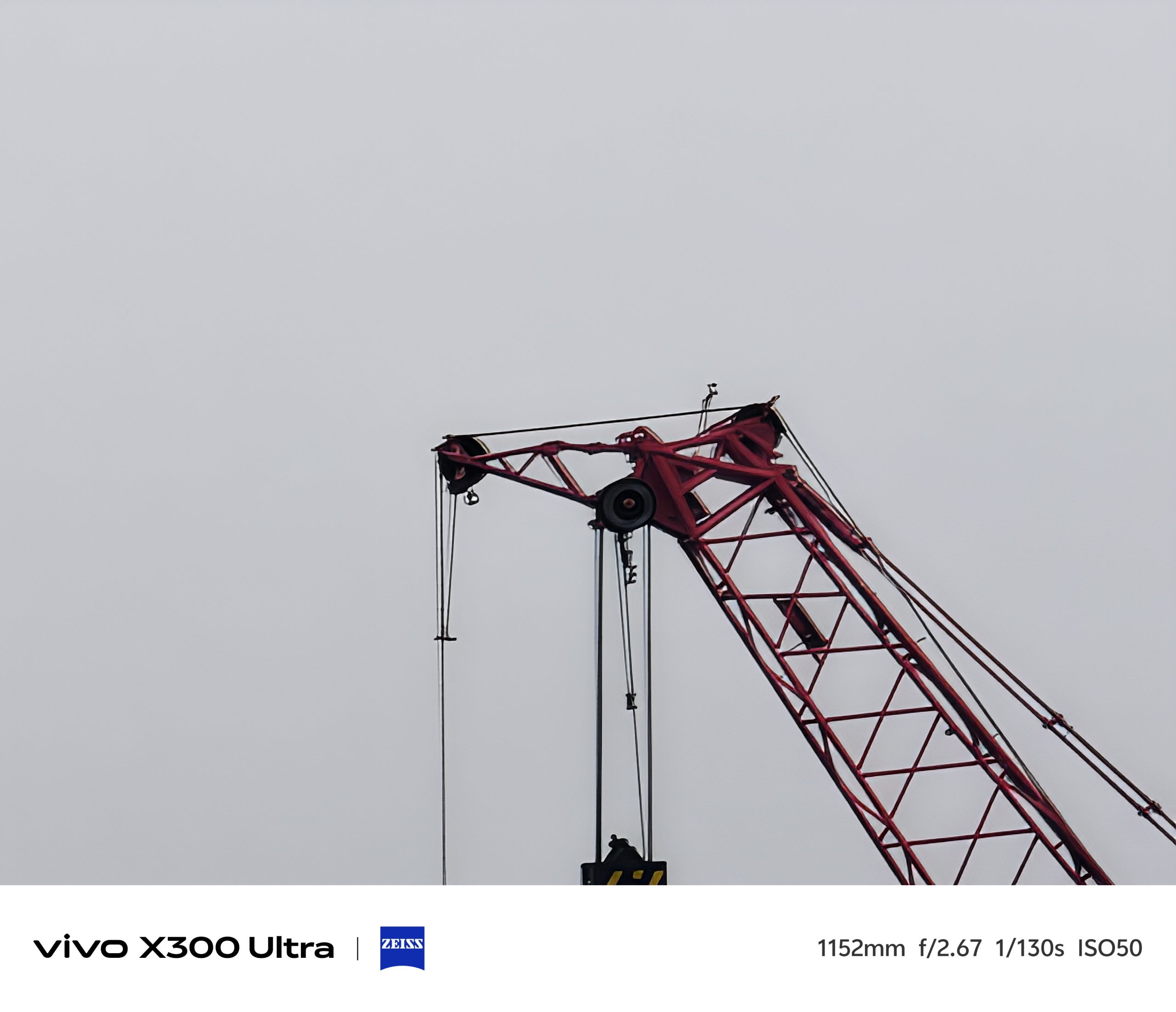
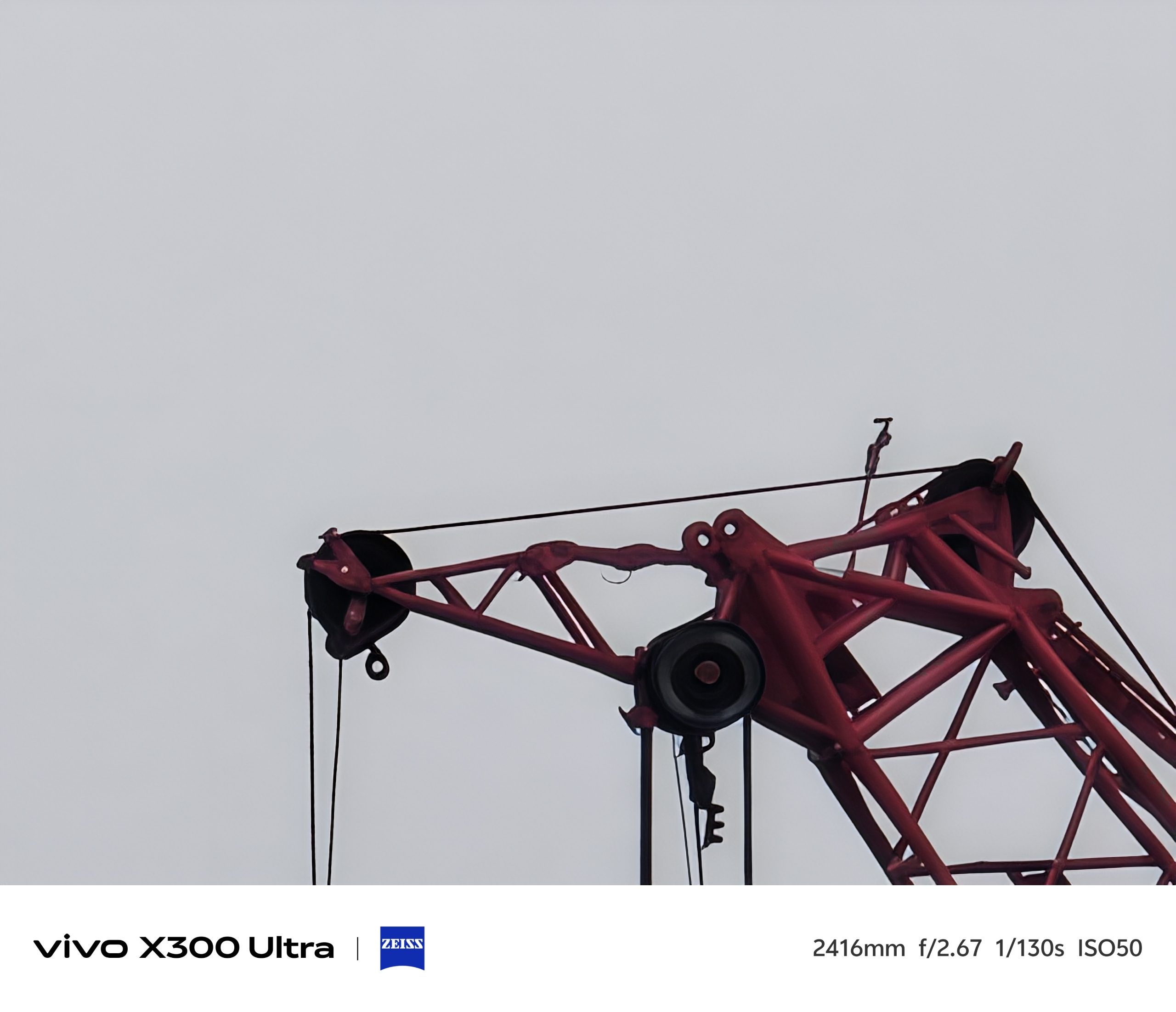
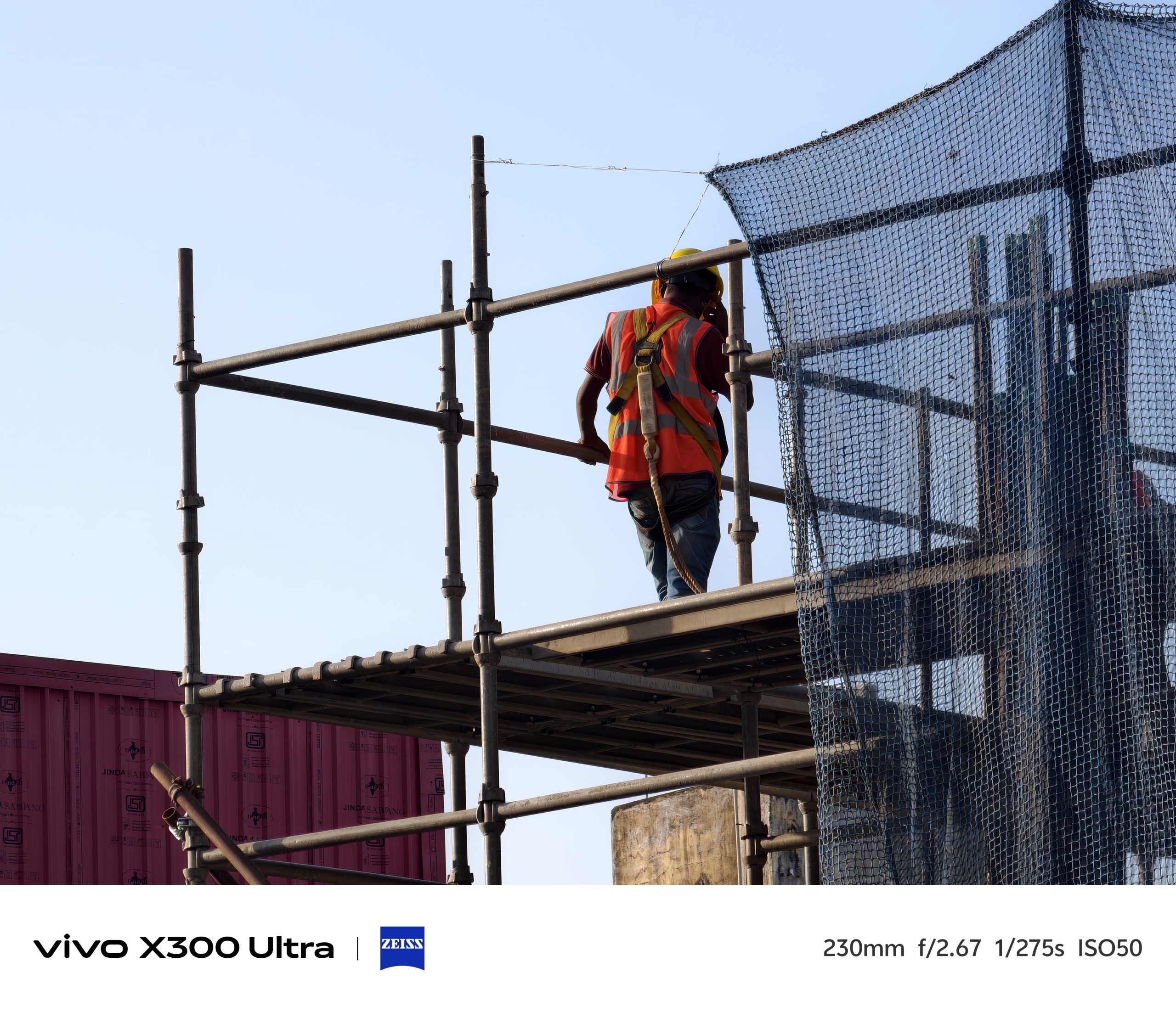
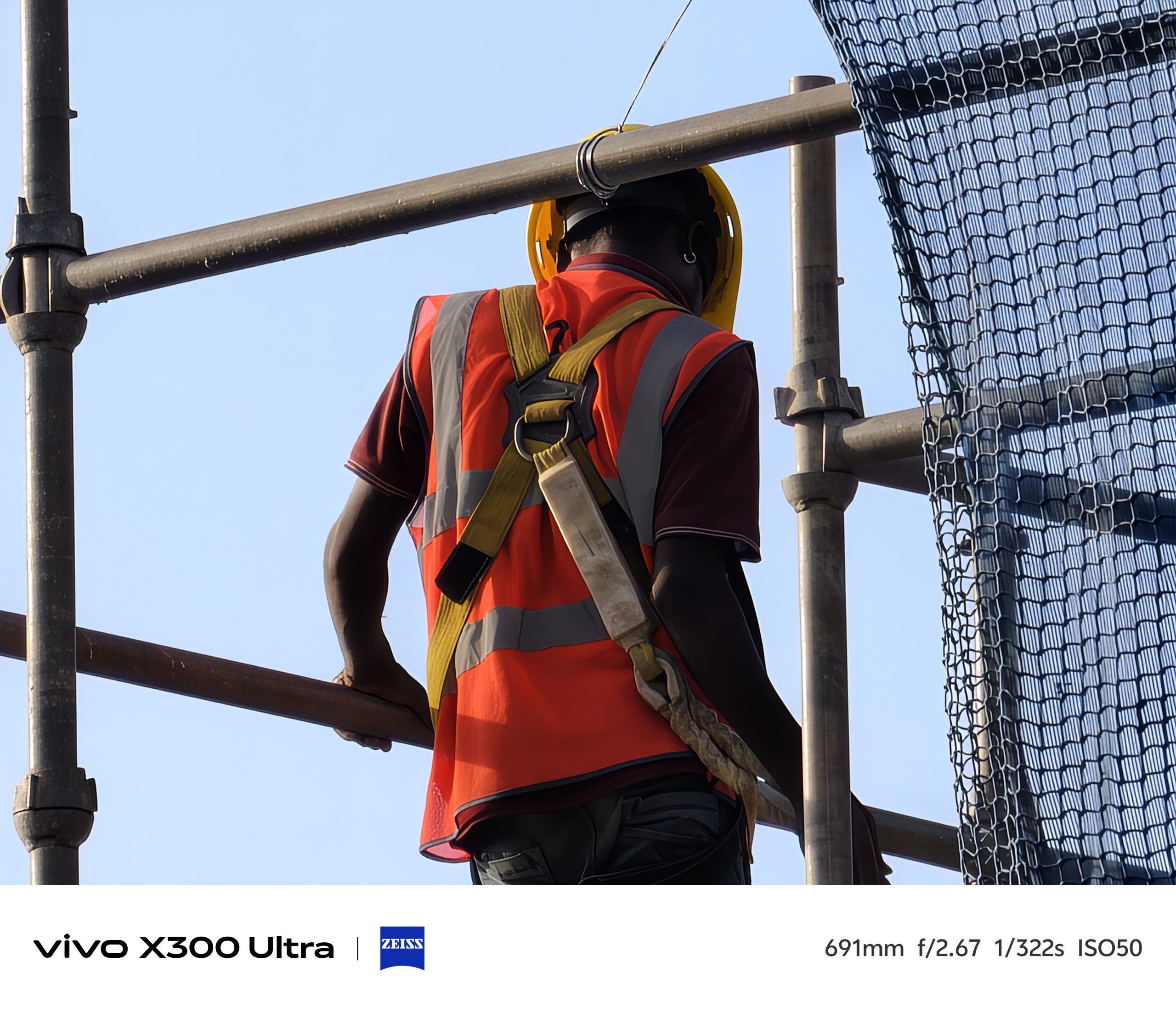

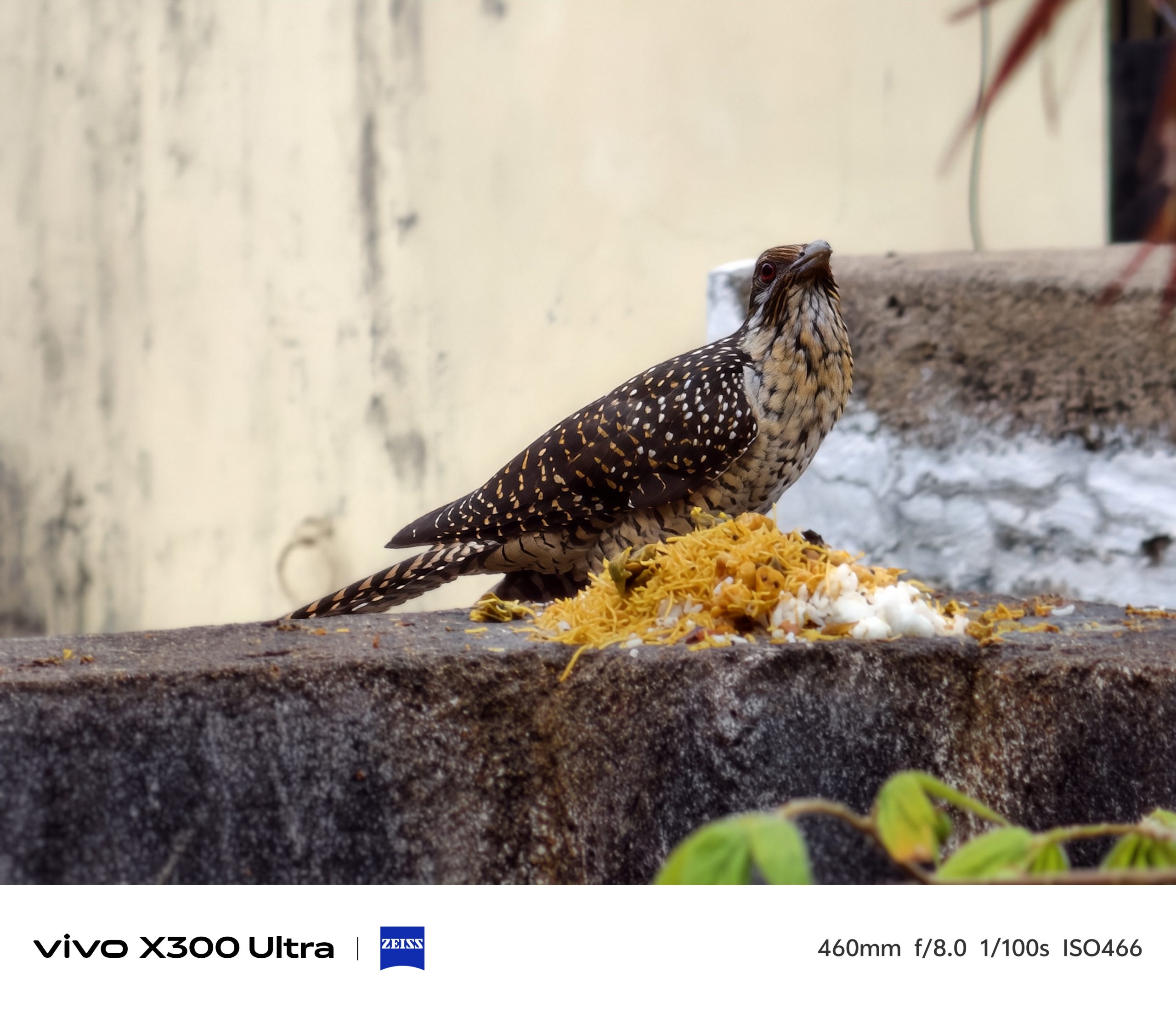


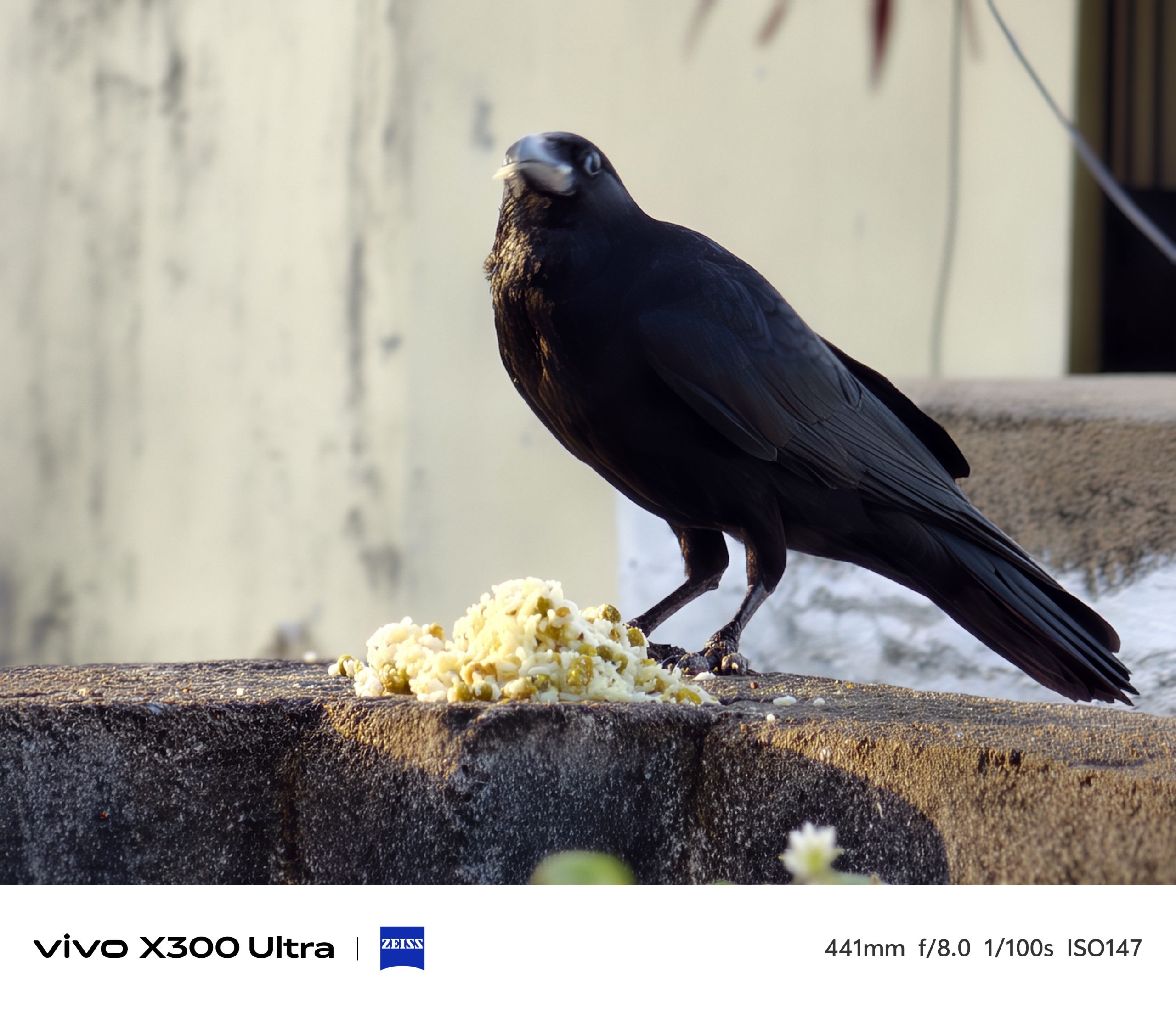
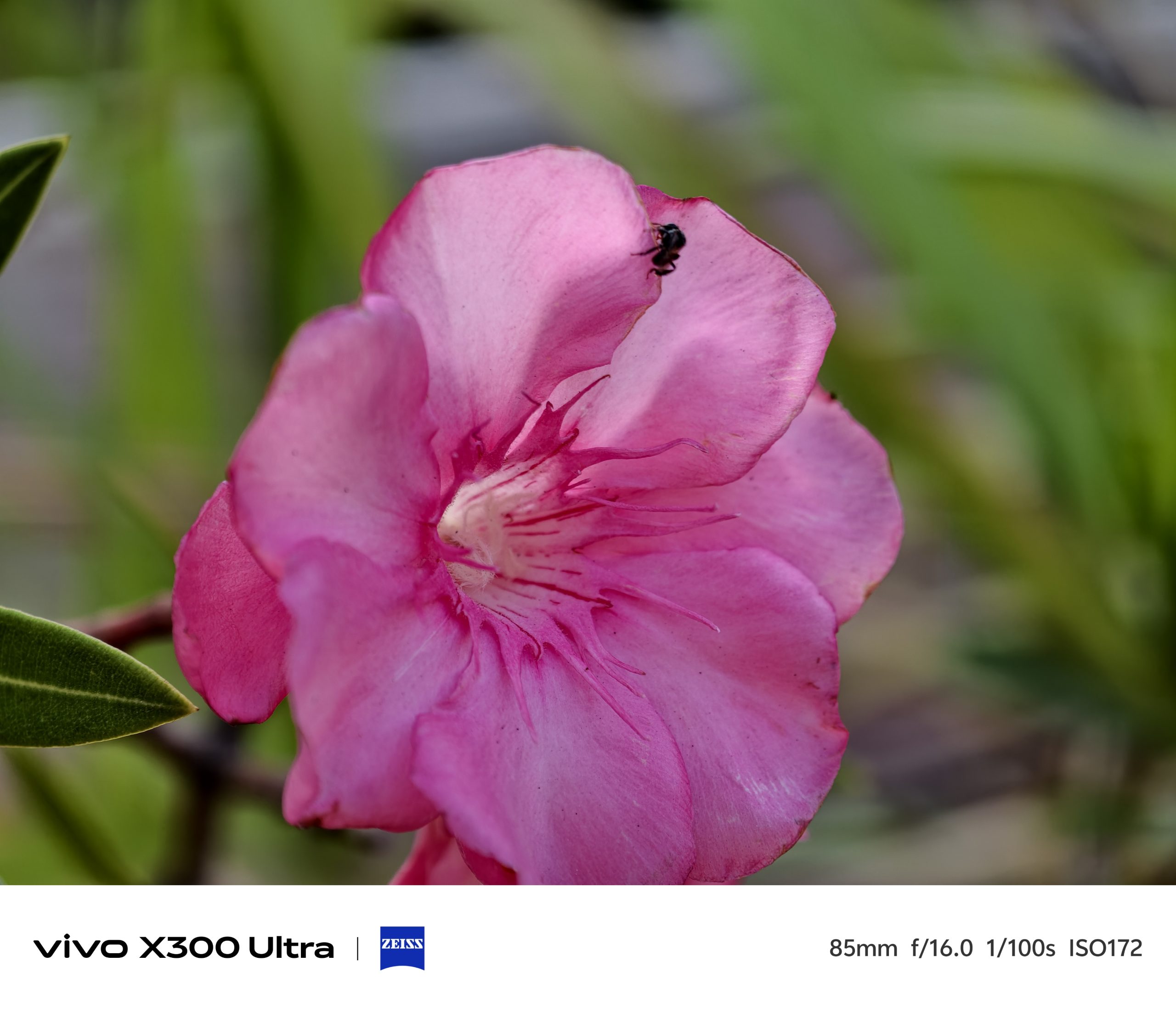
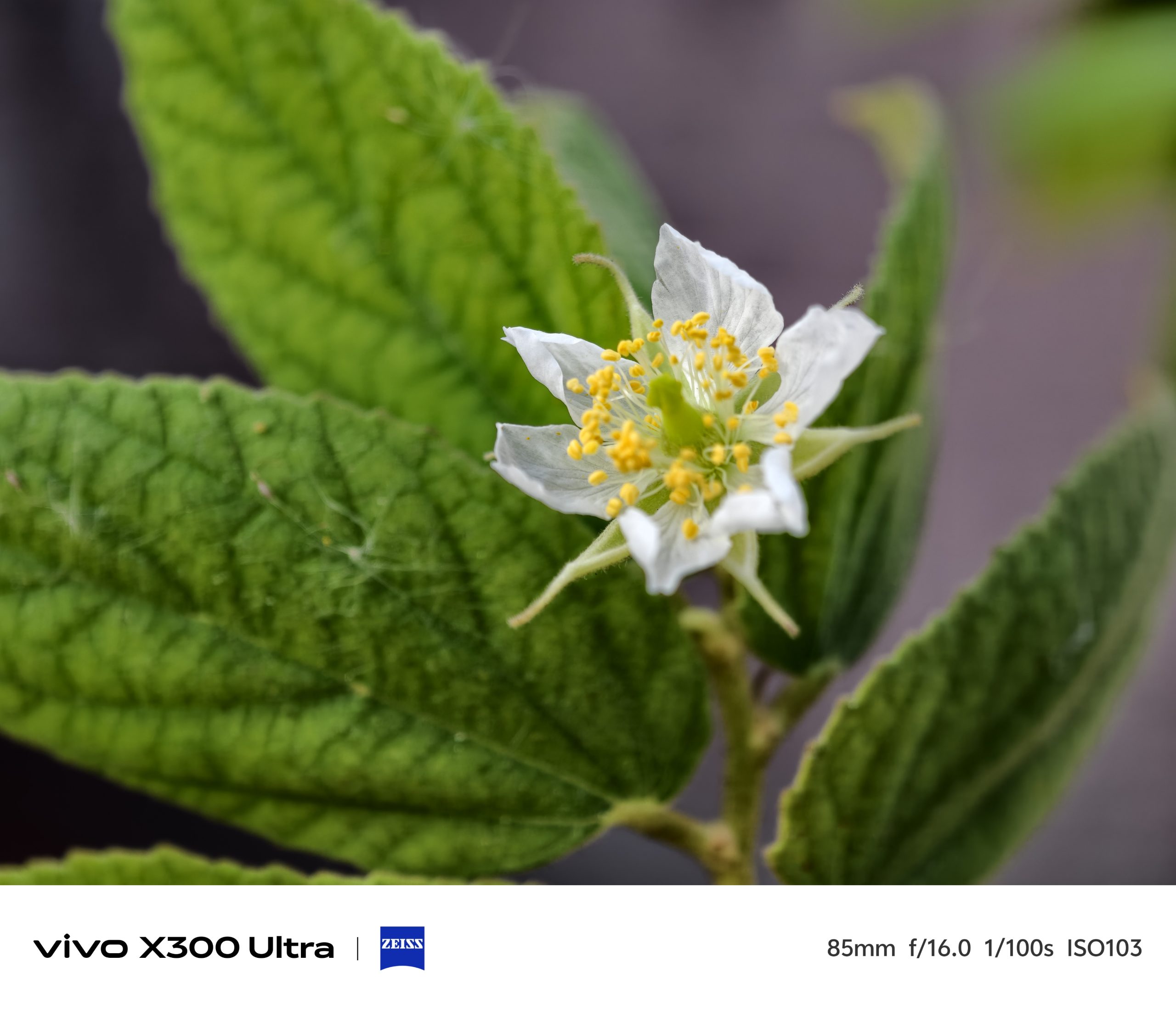
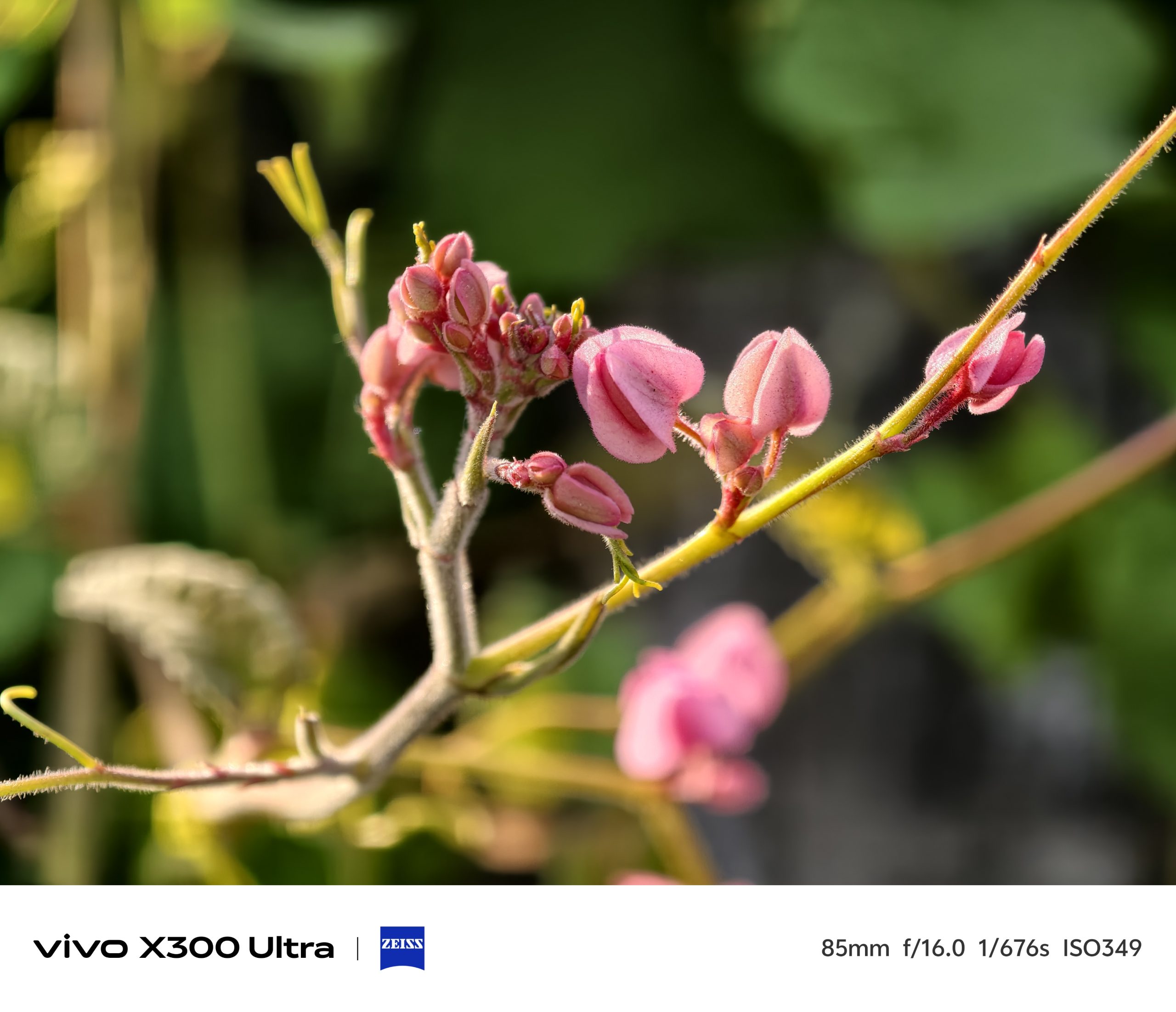
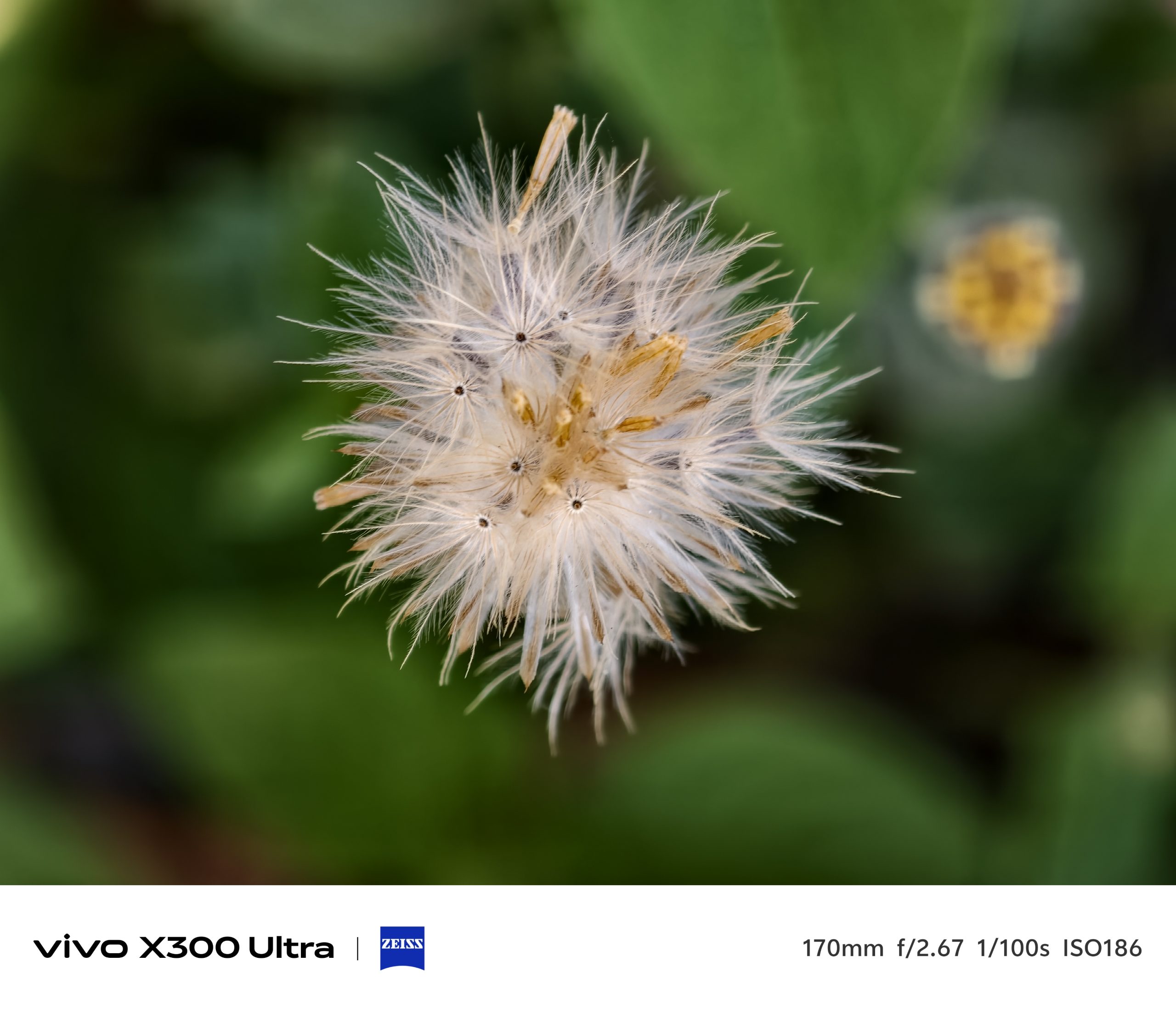
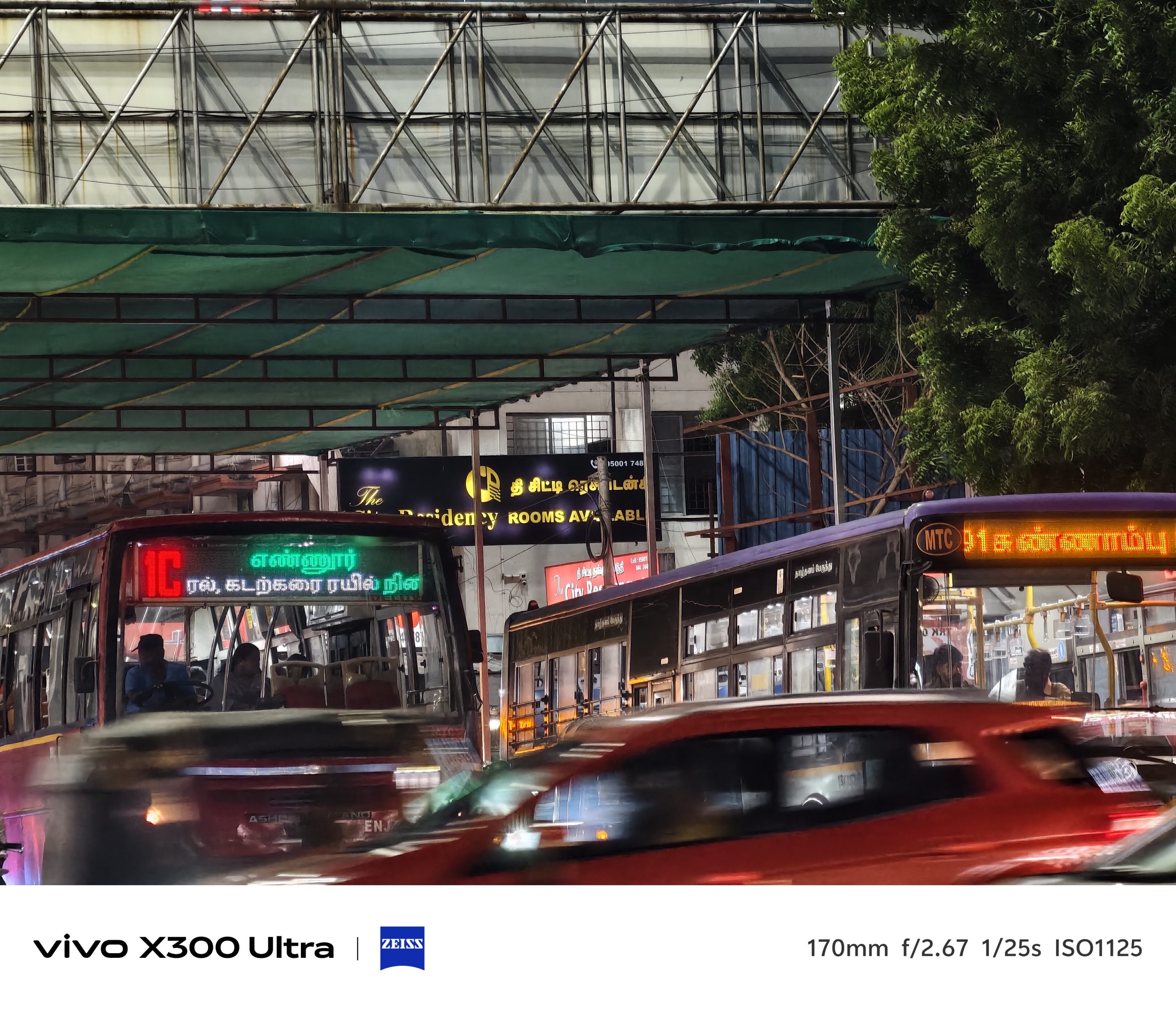
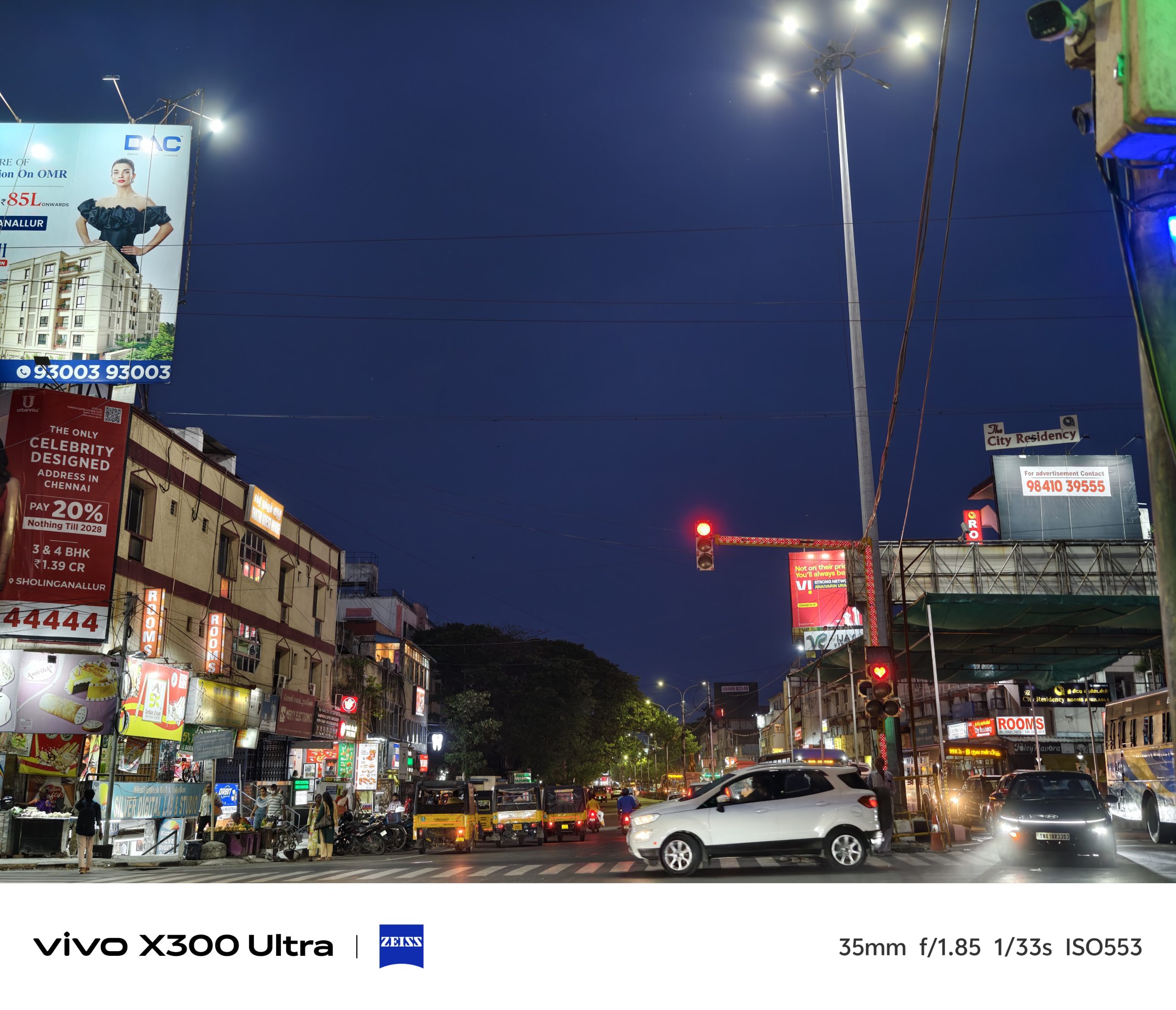
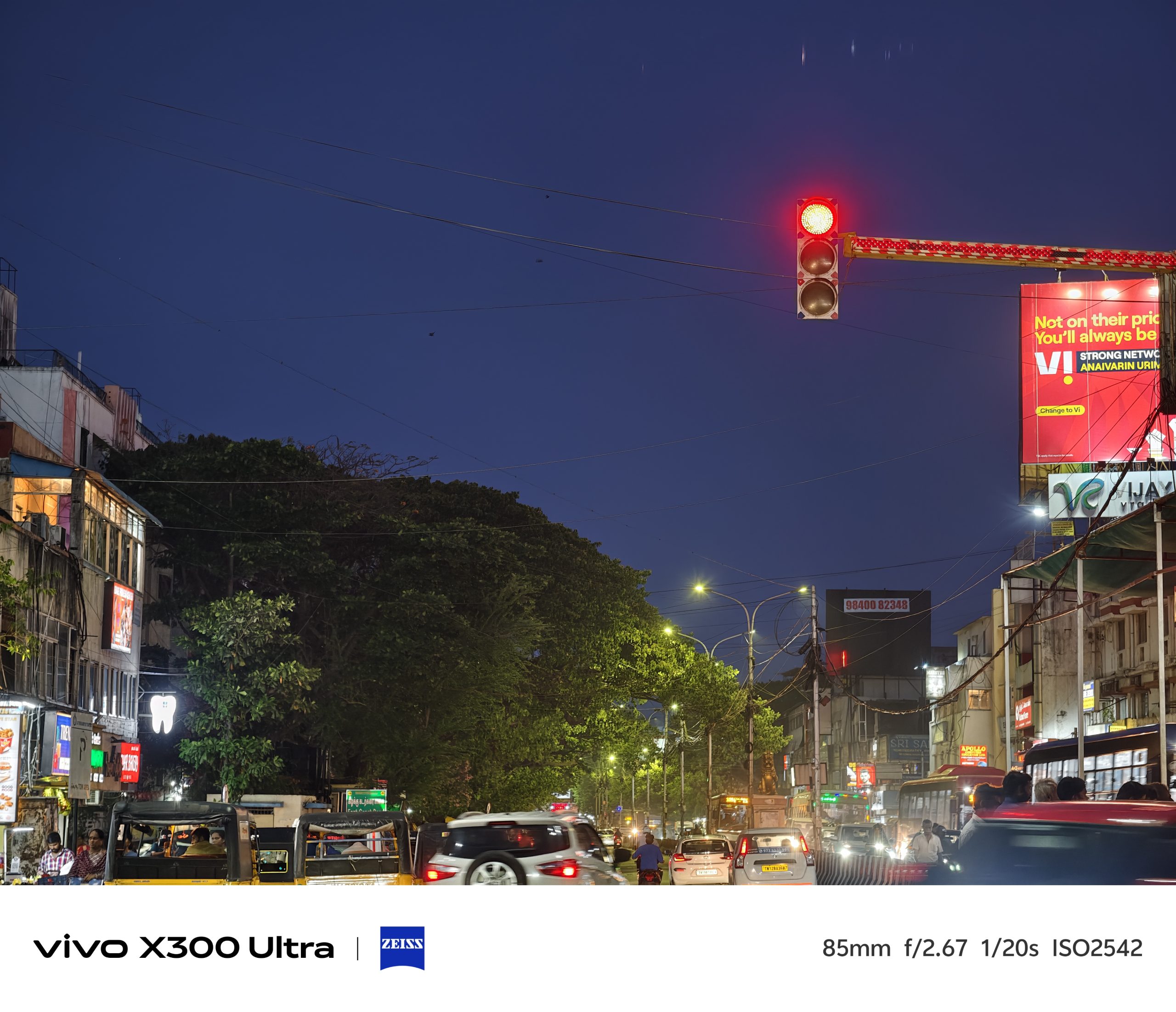
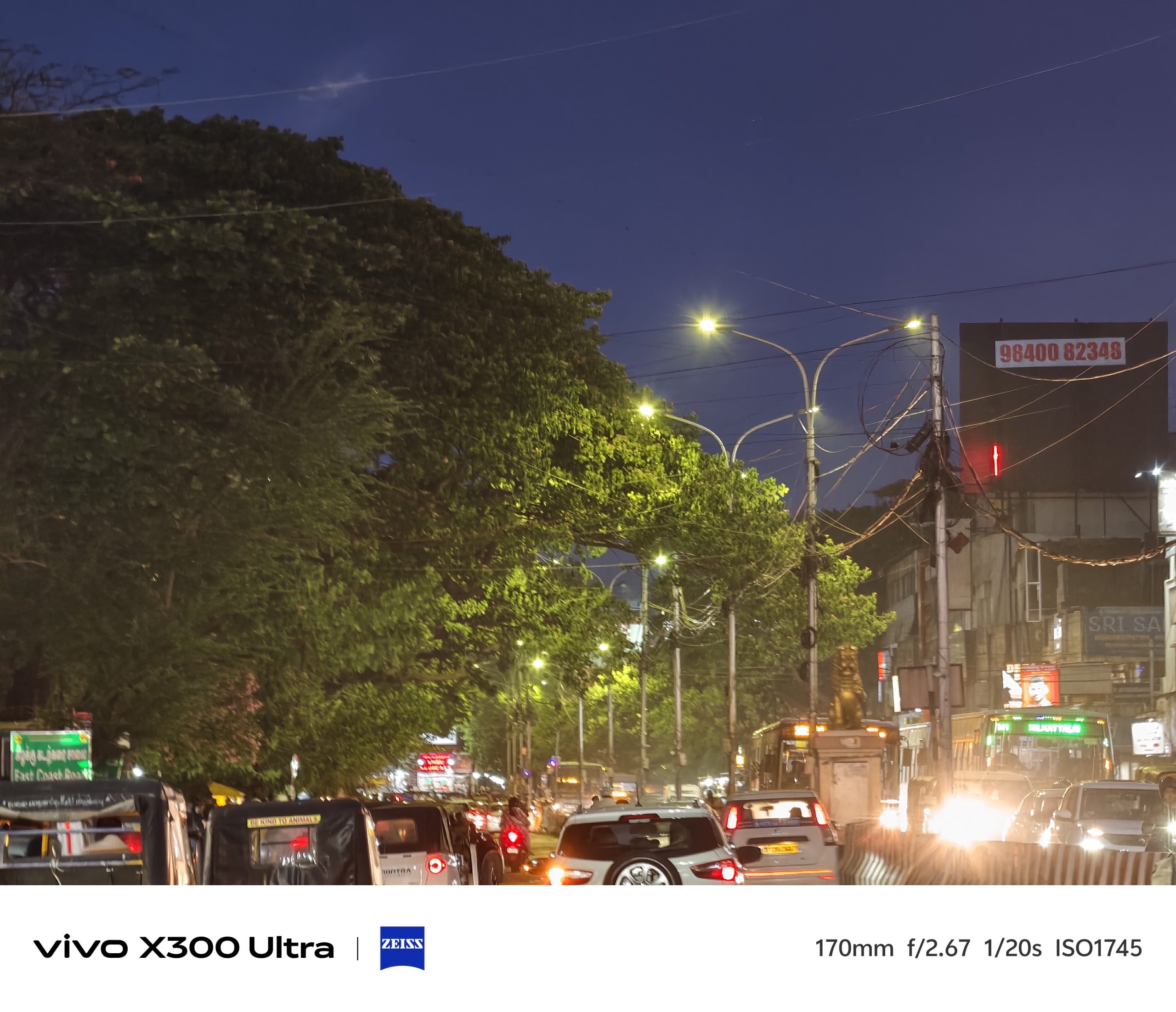
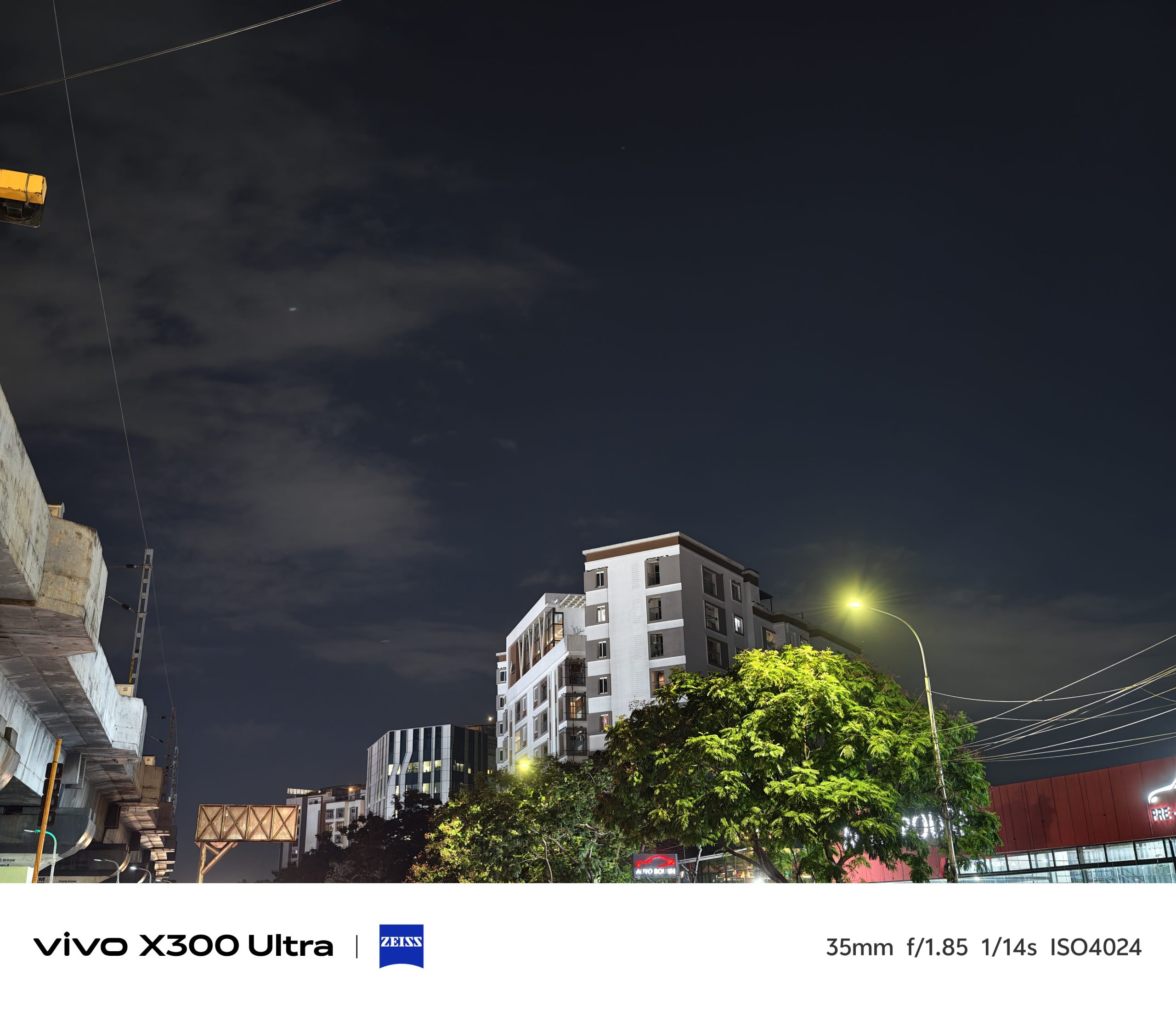
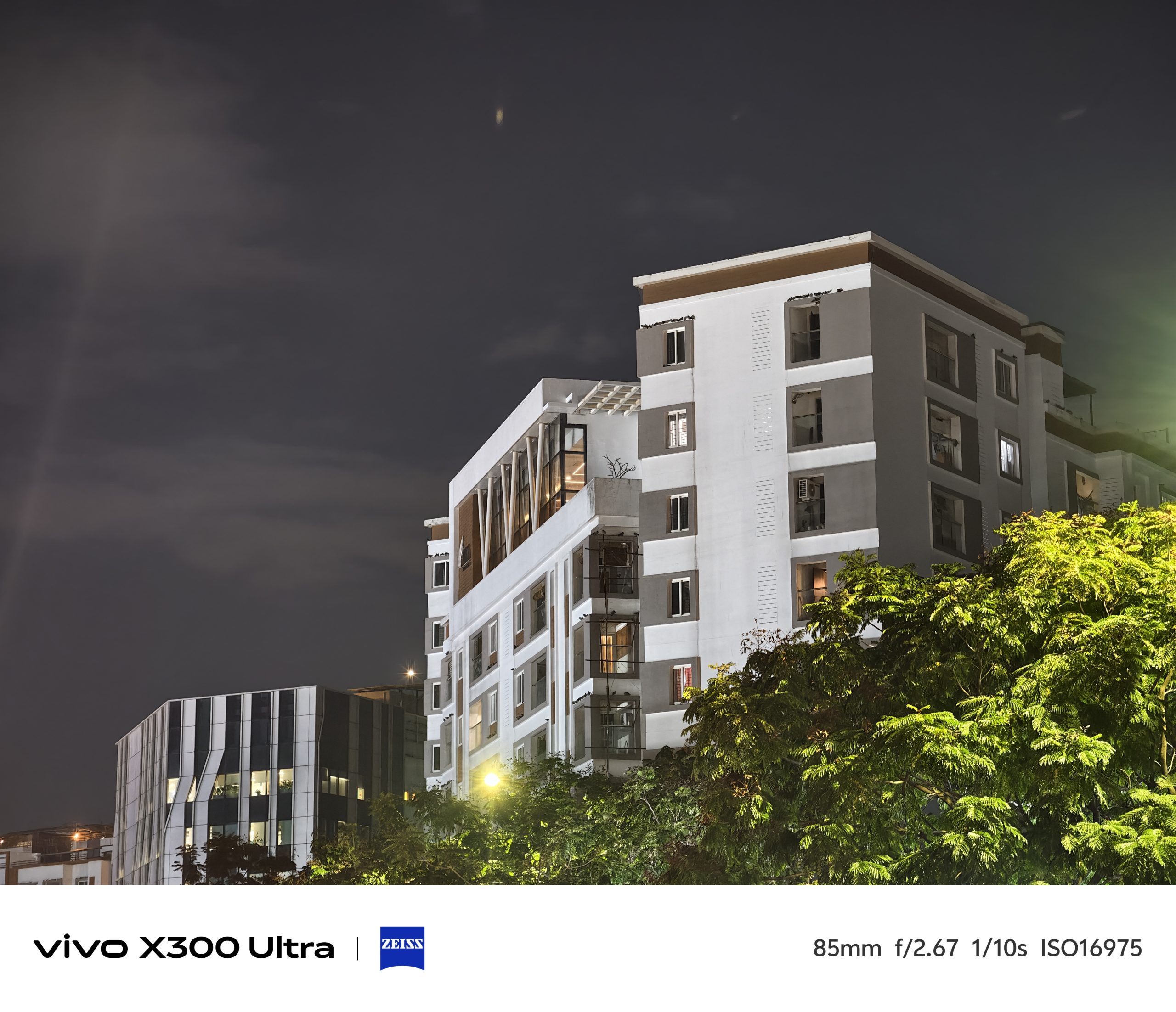
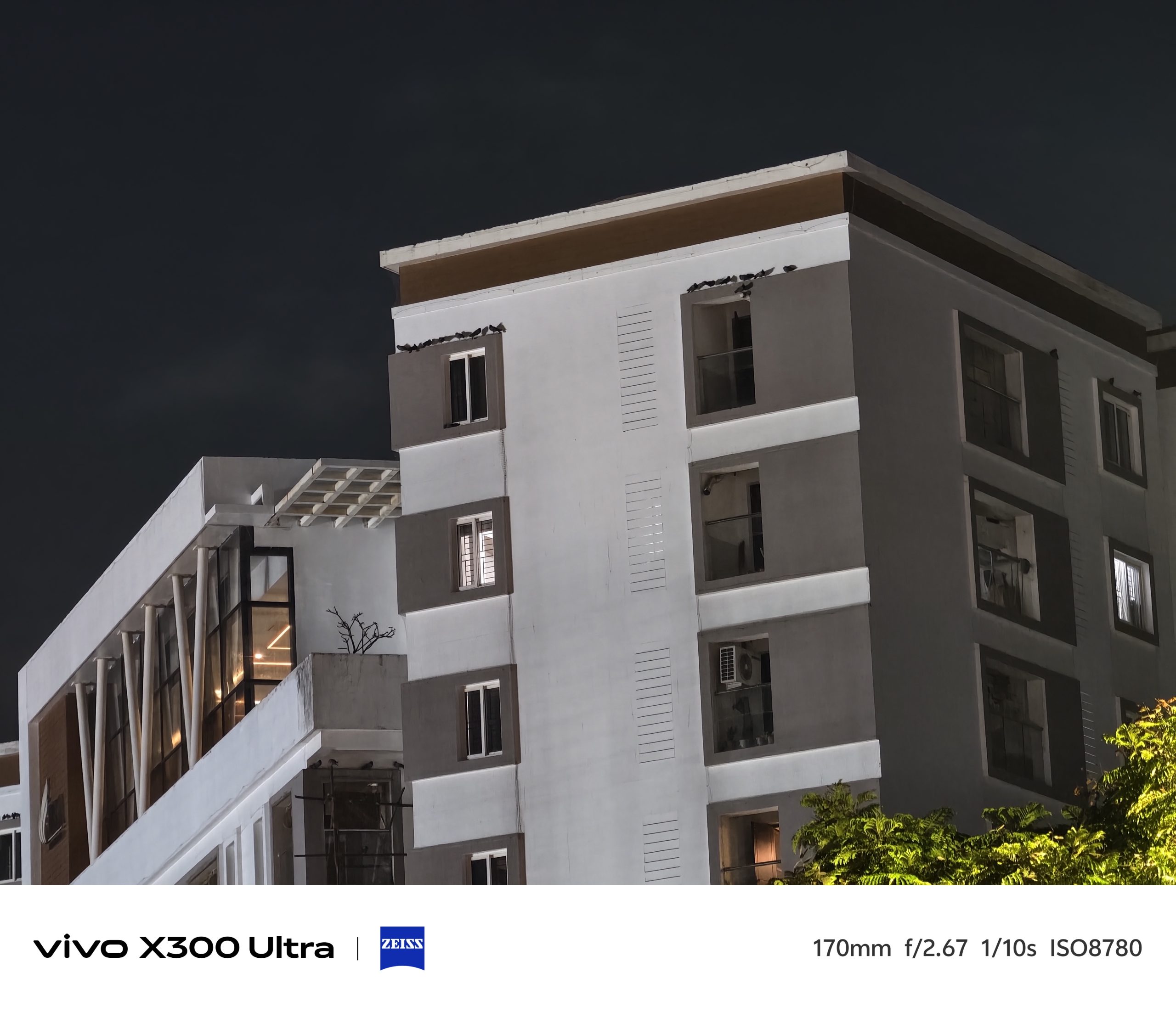
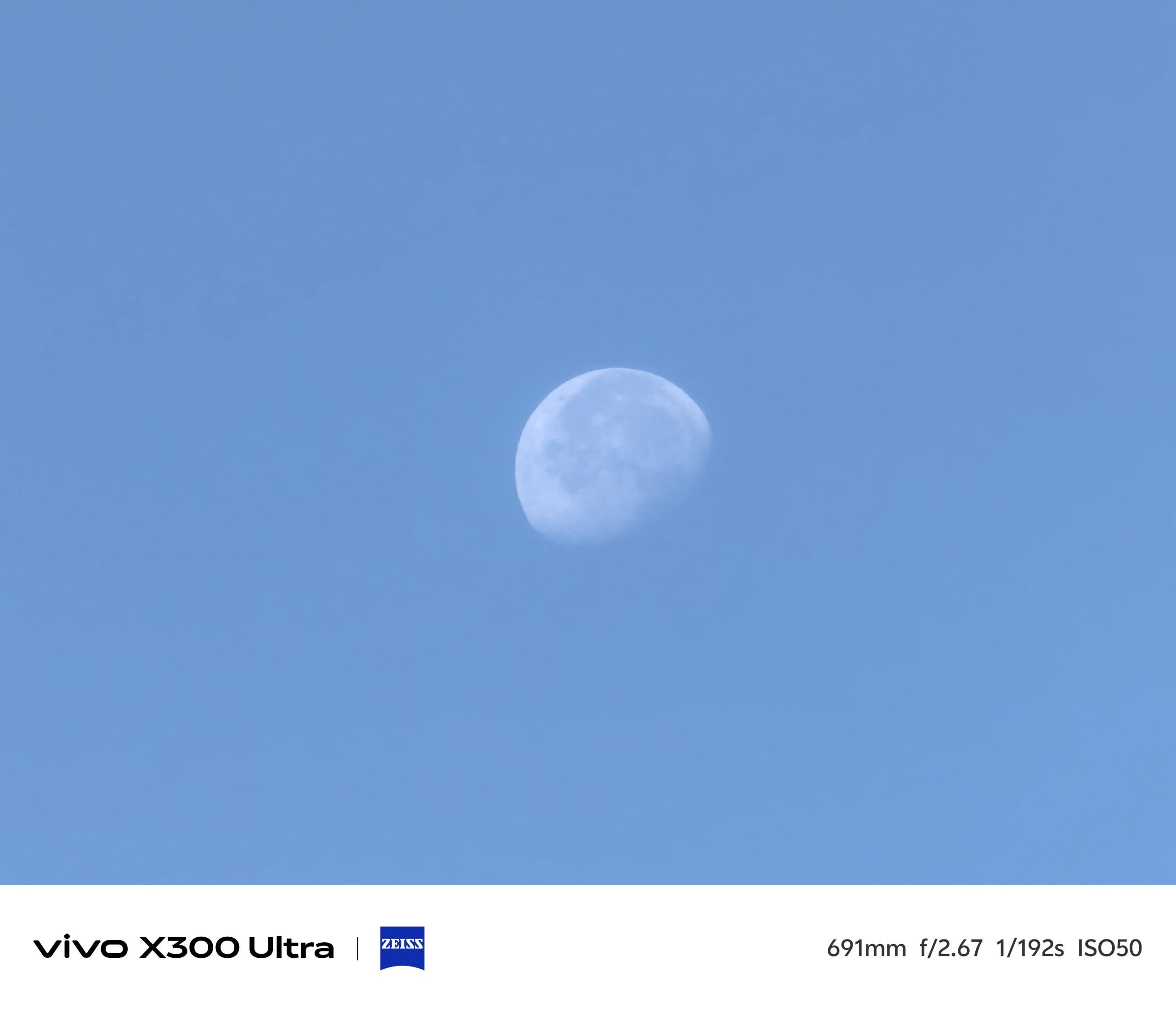
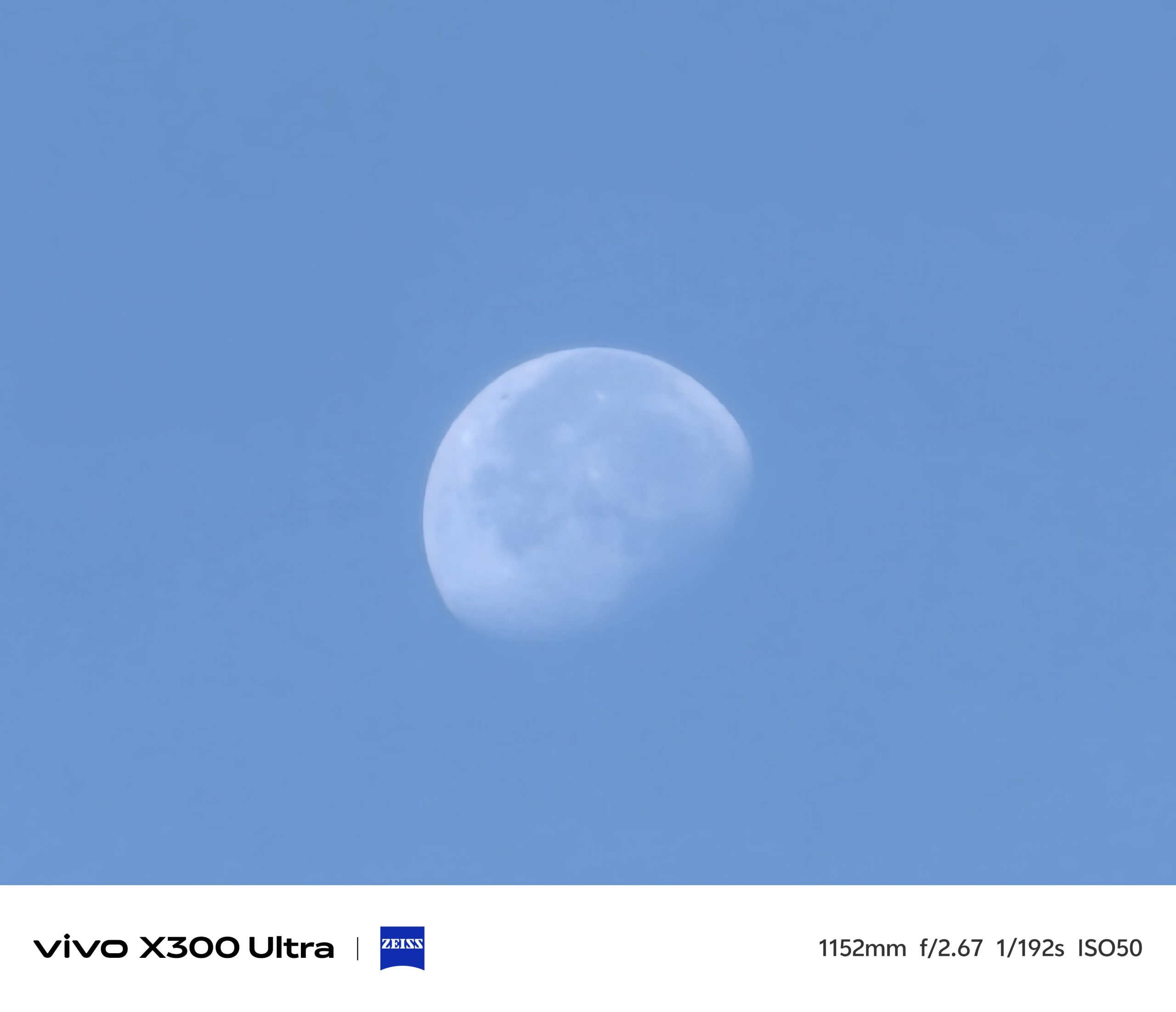
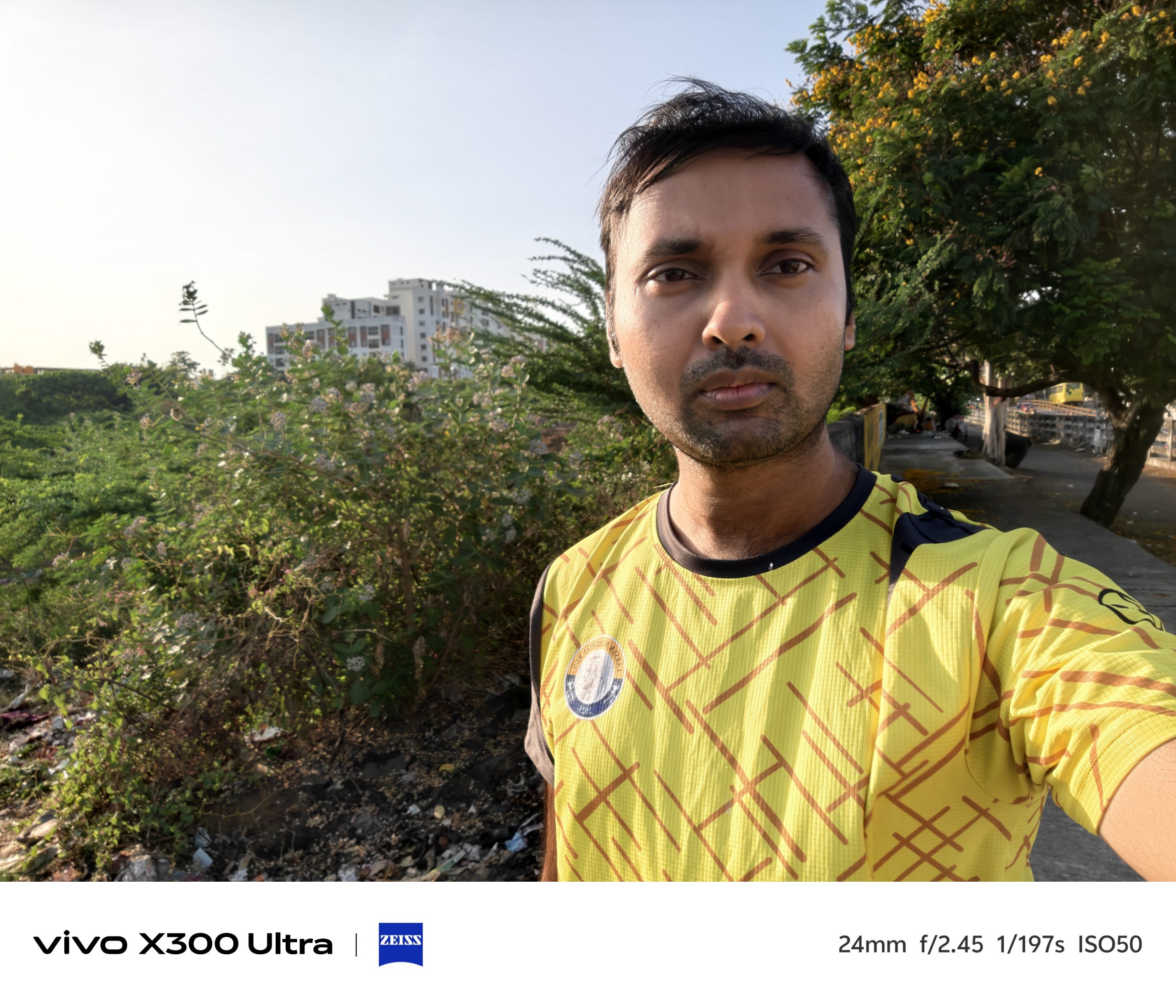
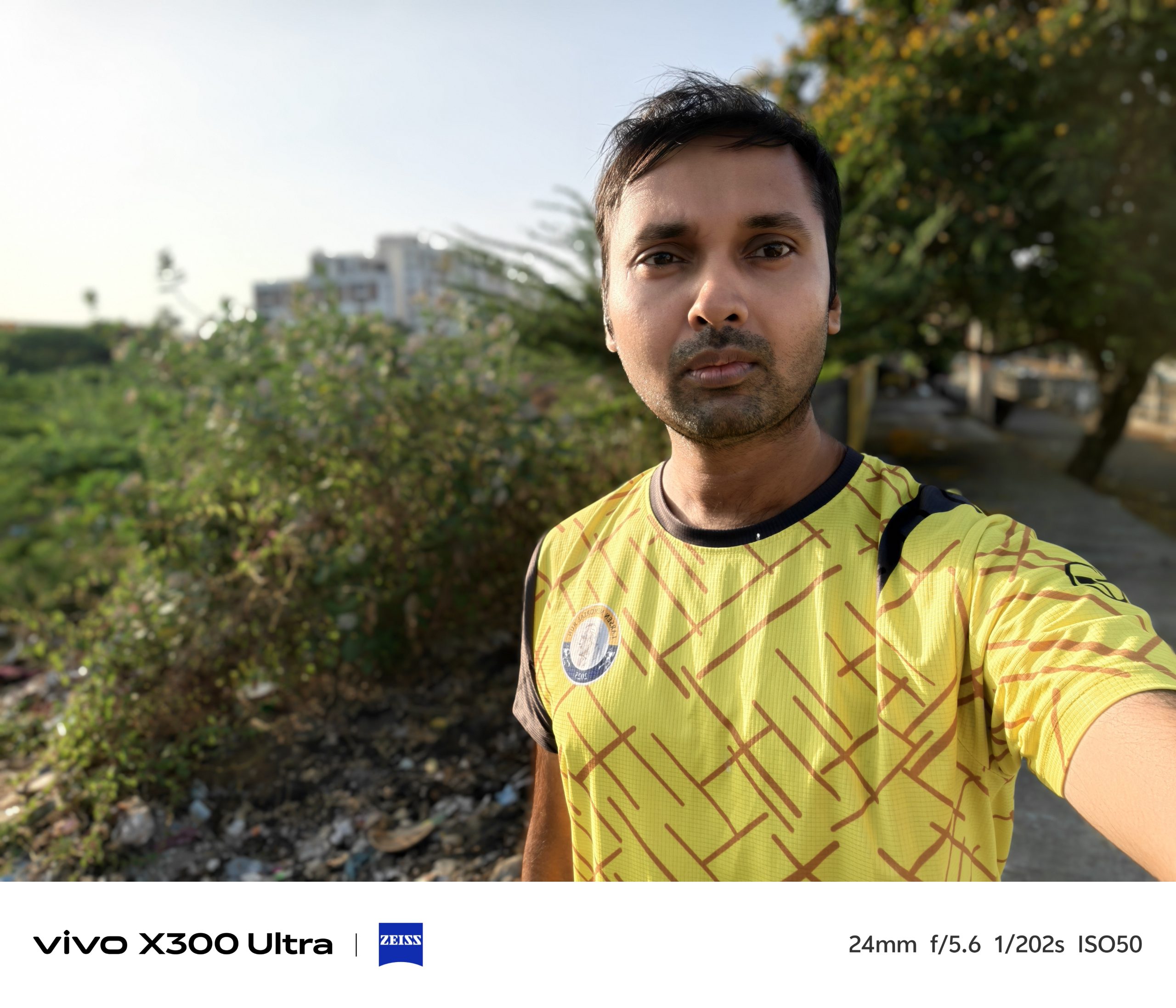
When the professional image mode is enabled, the X300 Ultra supports 4K 120 fps 10-bit log recording across all focal lengths and also supports a 14 EV high dynamic range across all focal lengths. In addition, vivo supports in-device LUT import, combined with a comprehensive UI for displaying parameters in professional mode and a matching photography suite, making it quite usable as a professional imaging tool. It can record 4K 60 fps portrait video with all the cameras, including the front camera, thanks to the VS1+ chip.
Software, UI and Apps
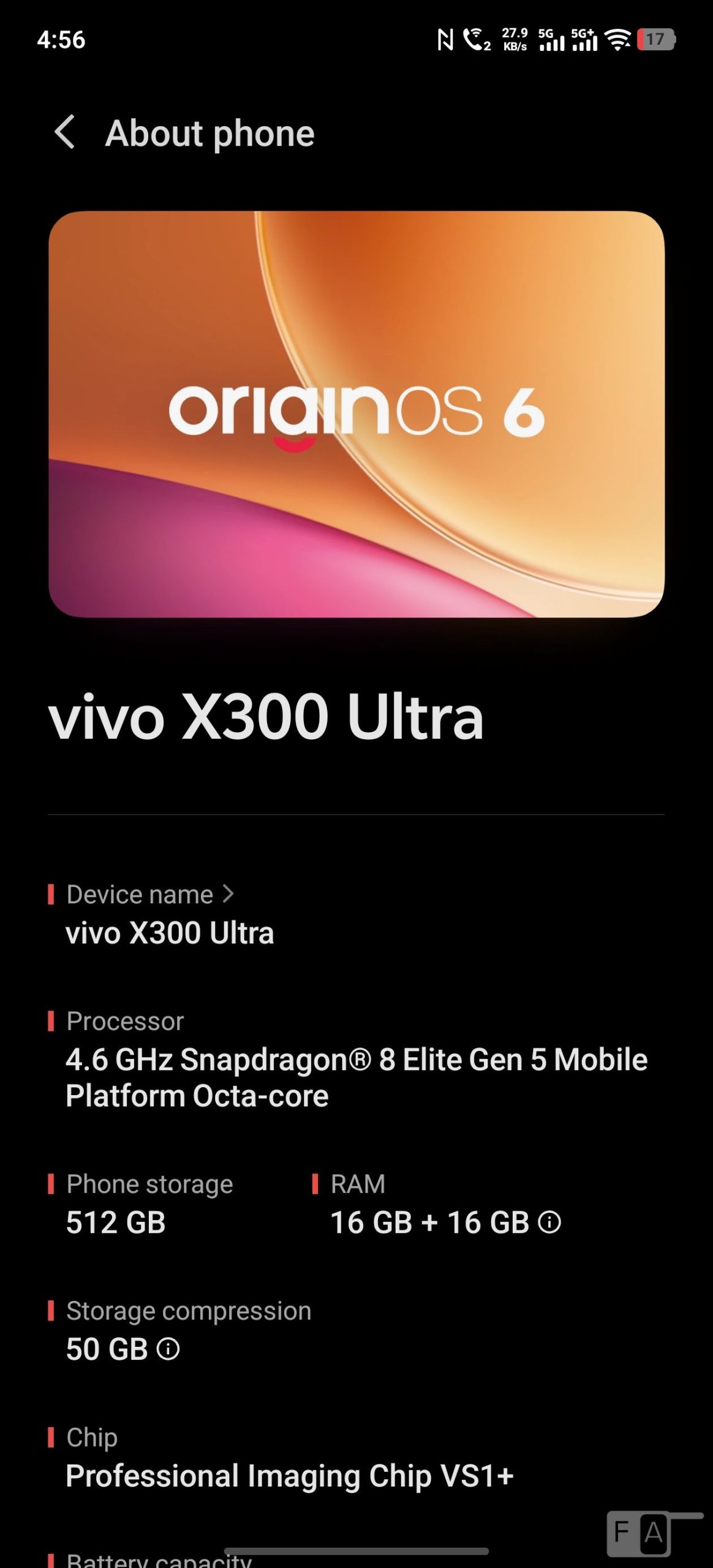
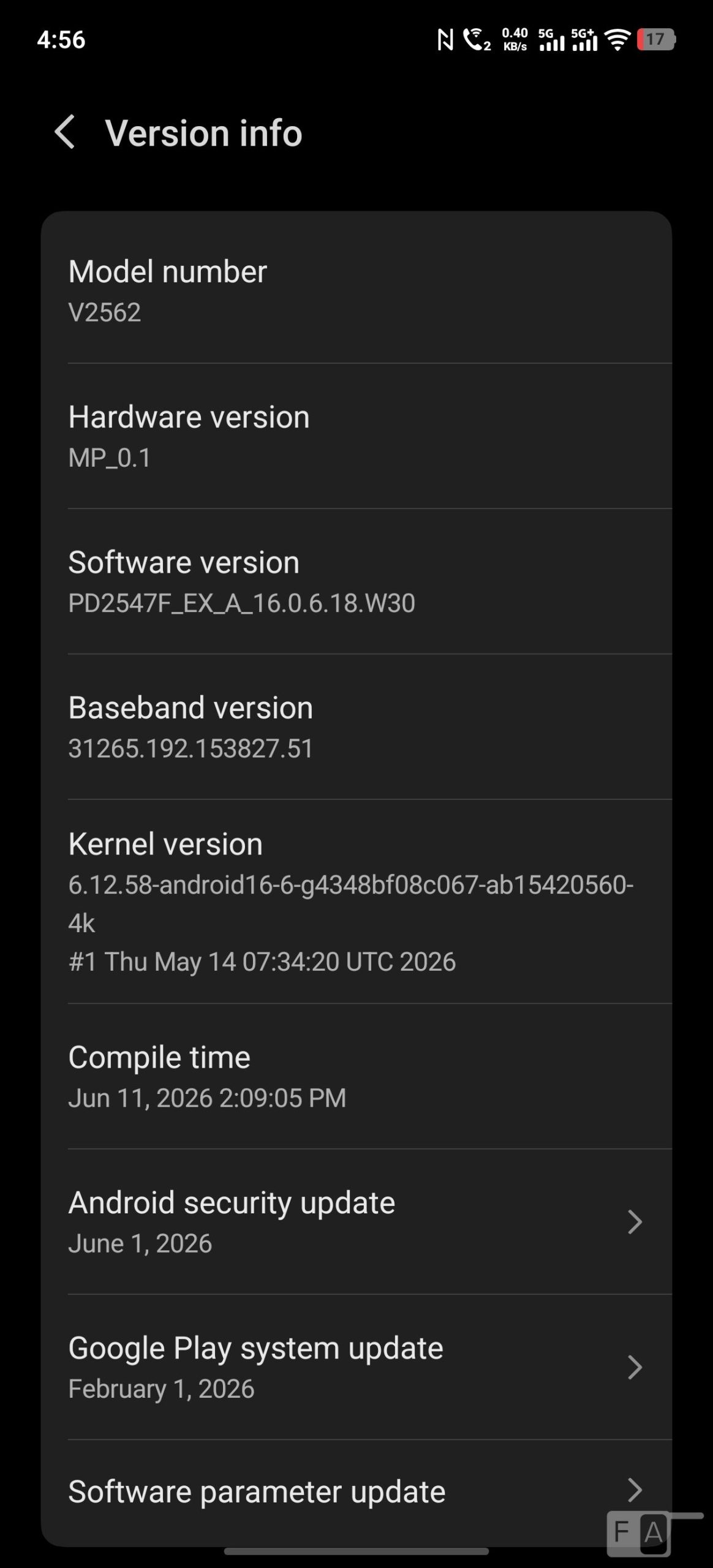
Coming to the software, the phone runs on Android 16 with Origin OS 6 on top. It launched with Android security patch for March 2026 and recently got the June 2026 security patch. The vivo X300 Ultra will get 5 Android OS updates and 7 years of security updates for the first time.
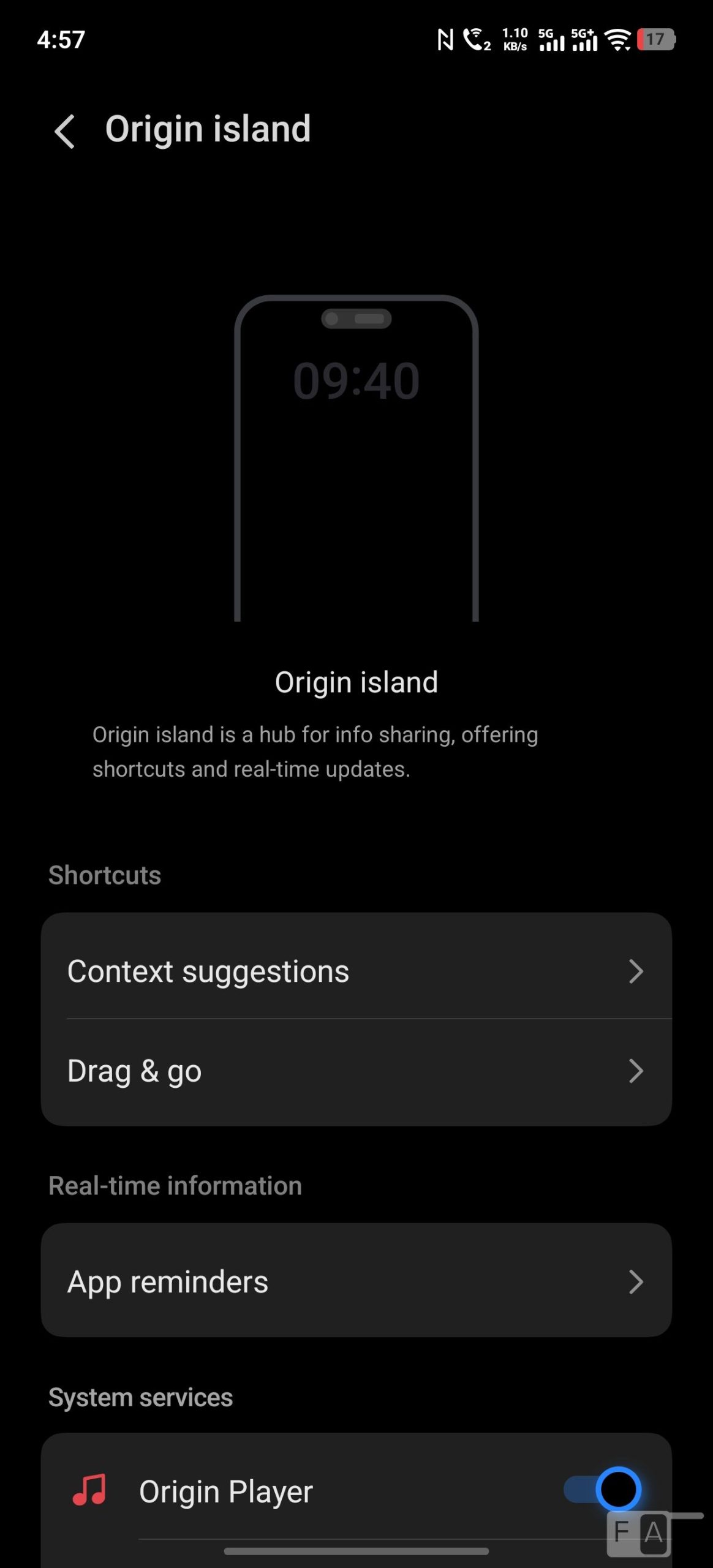
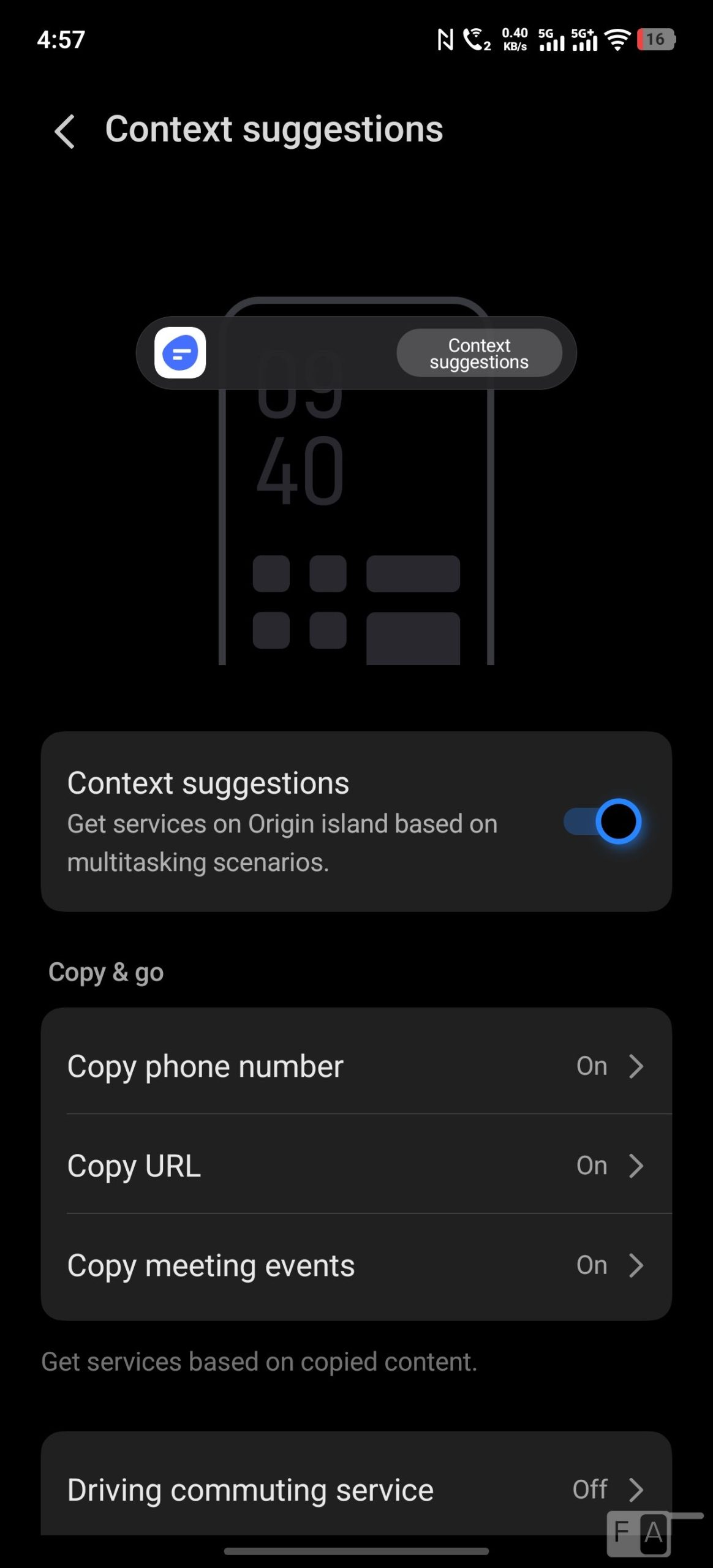
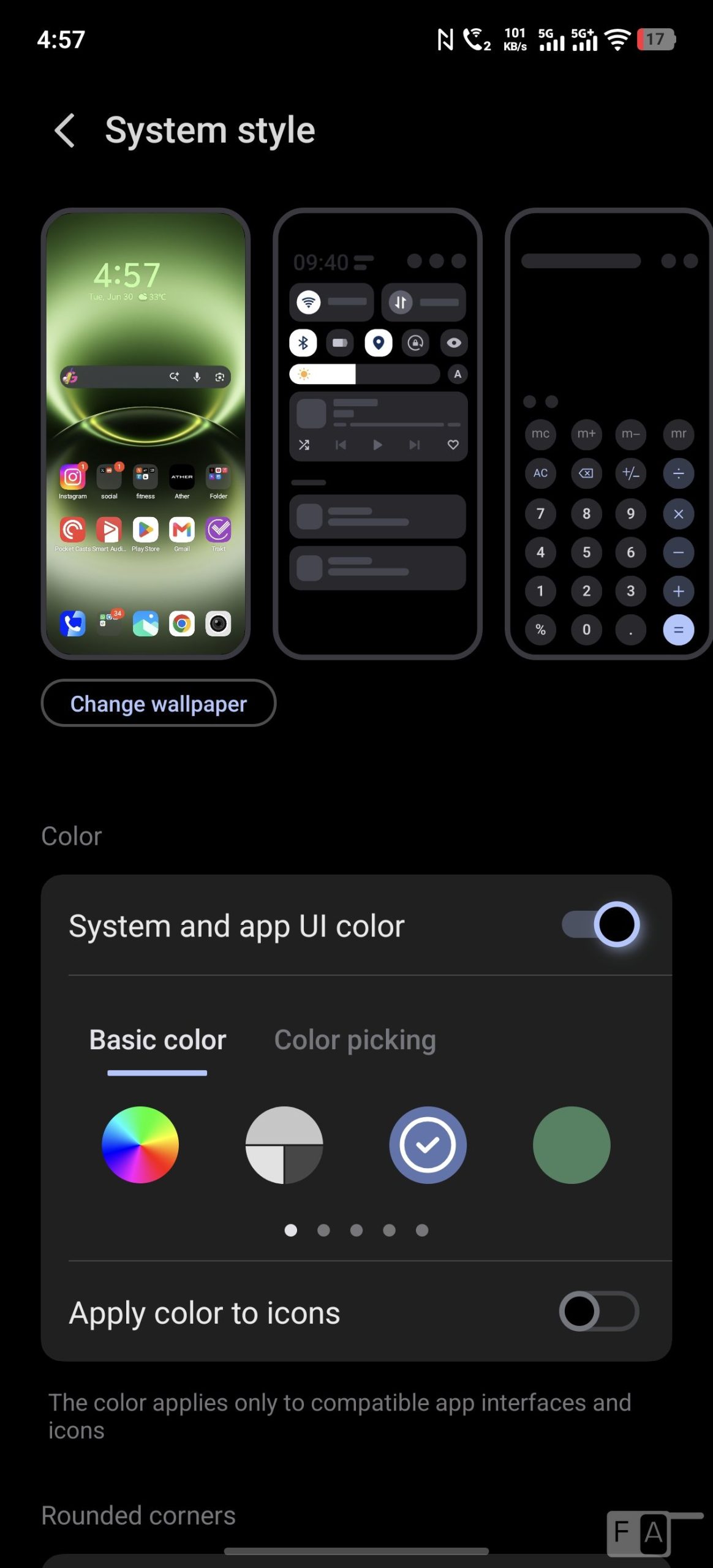
OriginOS 6 centers around the new Origin Smooth Engine, coordinating computing, storage, and display modules for sustained system responsiveness. The Origin Animation System introduces motion effects such as Spring Animation, Blur Transition, Morphing Animation, and One Shot Animation for enhanced visual fluidity, inspired by natural elements.
There are Dynamic Glow and Translucent Color effects for visual depth, Immersive Weather offering animated environmental visuals, Lock Screen Grid for flexible widget arrangement and photo blending, and a new 4×7 Home Screen Grid with adaptive folders and Flip Cards that animate with device motion.
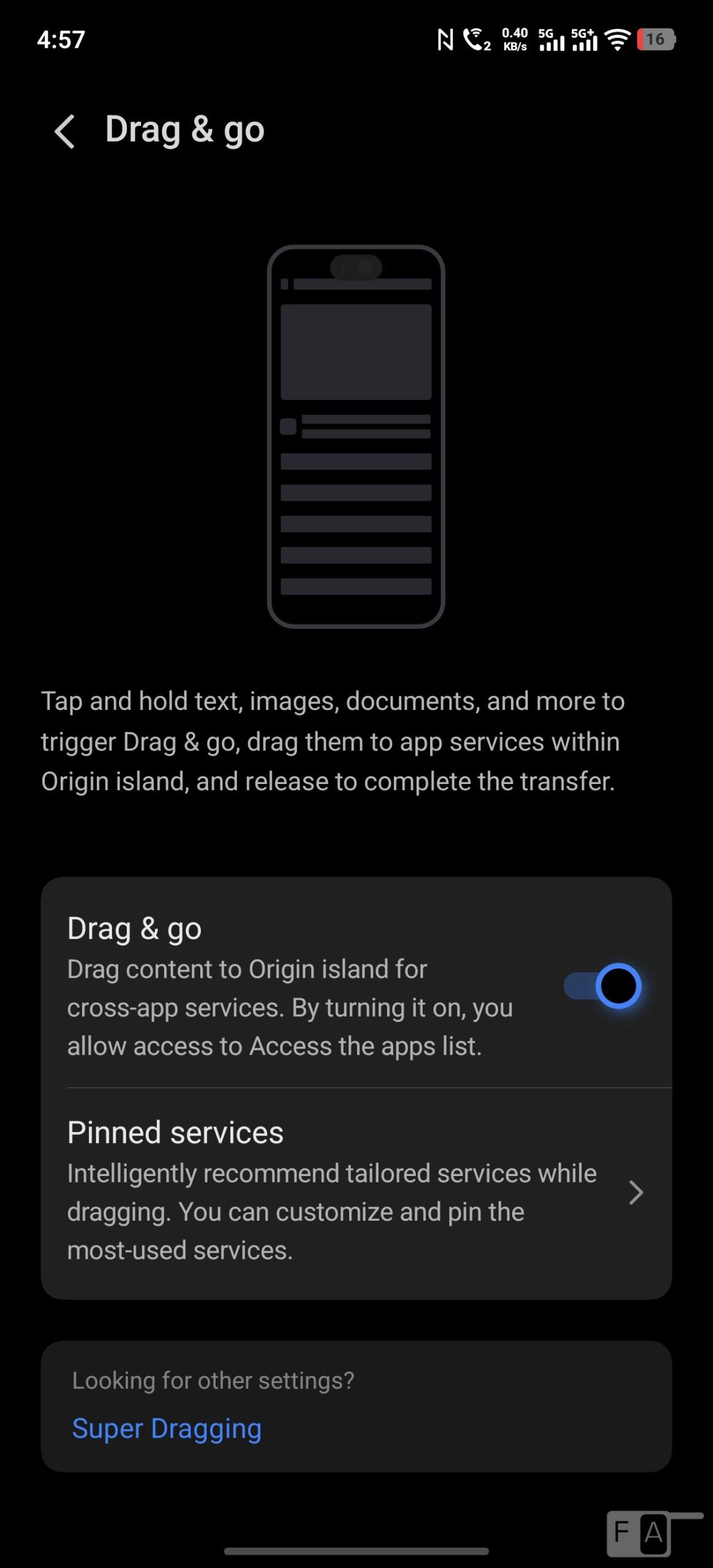
- Origin Island: Real-time status bar with Android 16 Live Updates
- Copy & Go: Copy details to call, text, or schedule directly
- Drag & Go: Move photos or content seamlessly between apps
- AI Retouch: Combines AI Erase, Image Expander, and Photo Enhance
- Productivity Tools: Smart Call Assistant, DocMaster, AI Creation, AI Search
- Cross-Device Integration: Office Kit for Windows and Mac and One-Tap Transfer for vivo and iPhone offer smooth workflow
Out of 16GB of LPDDR5X Ultra RAM, about 14.8GB is usable, out of which 10GB is free when the default apps are running in the background. There is an additional 16GB RAM expansion feature. Out of 512GB of UFS 4.1 storage, 451.16GB is free out of the box.
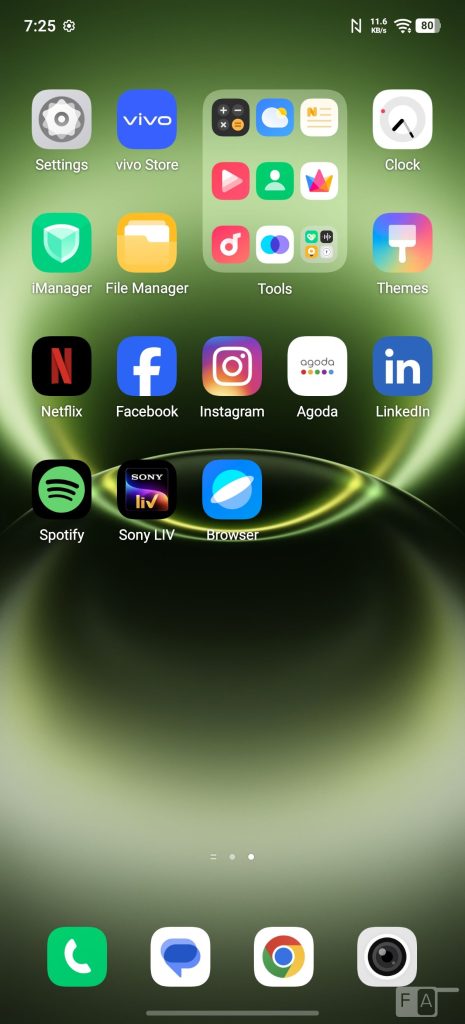
Since the phone has an IR blaster, it comes with a Smart Remote app. Apart from the usual set of utility and Google apps, it comes preloaded with a lot of apps such as Facebook, Spotify, Sony LIV, Netflix, Instagram and LinkedIn. These apps can be uninstalled, but they come back after reset.
Fingerprint sensor and Face unlock
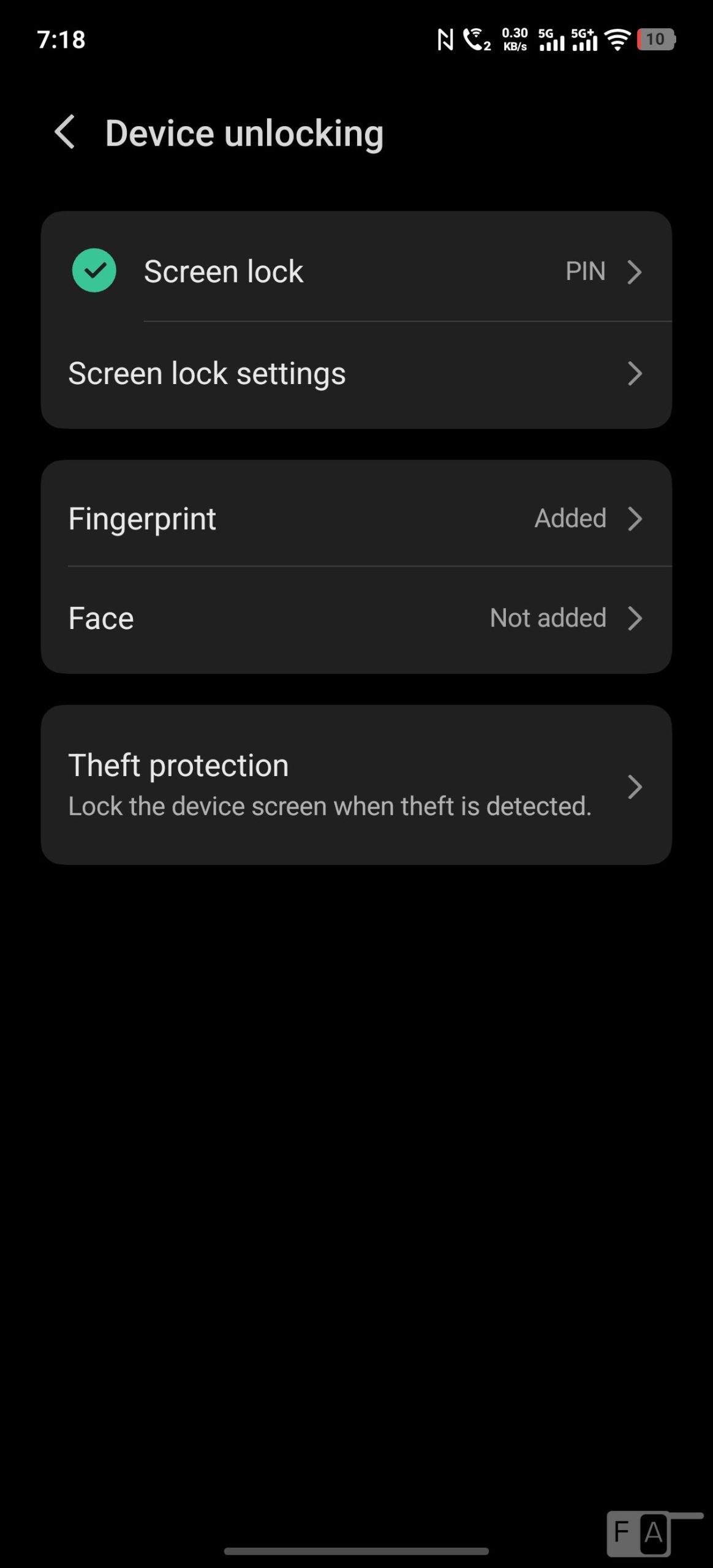
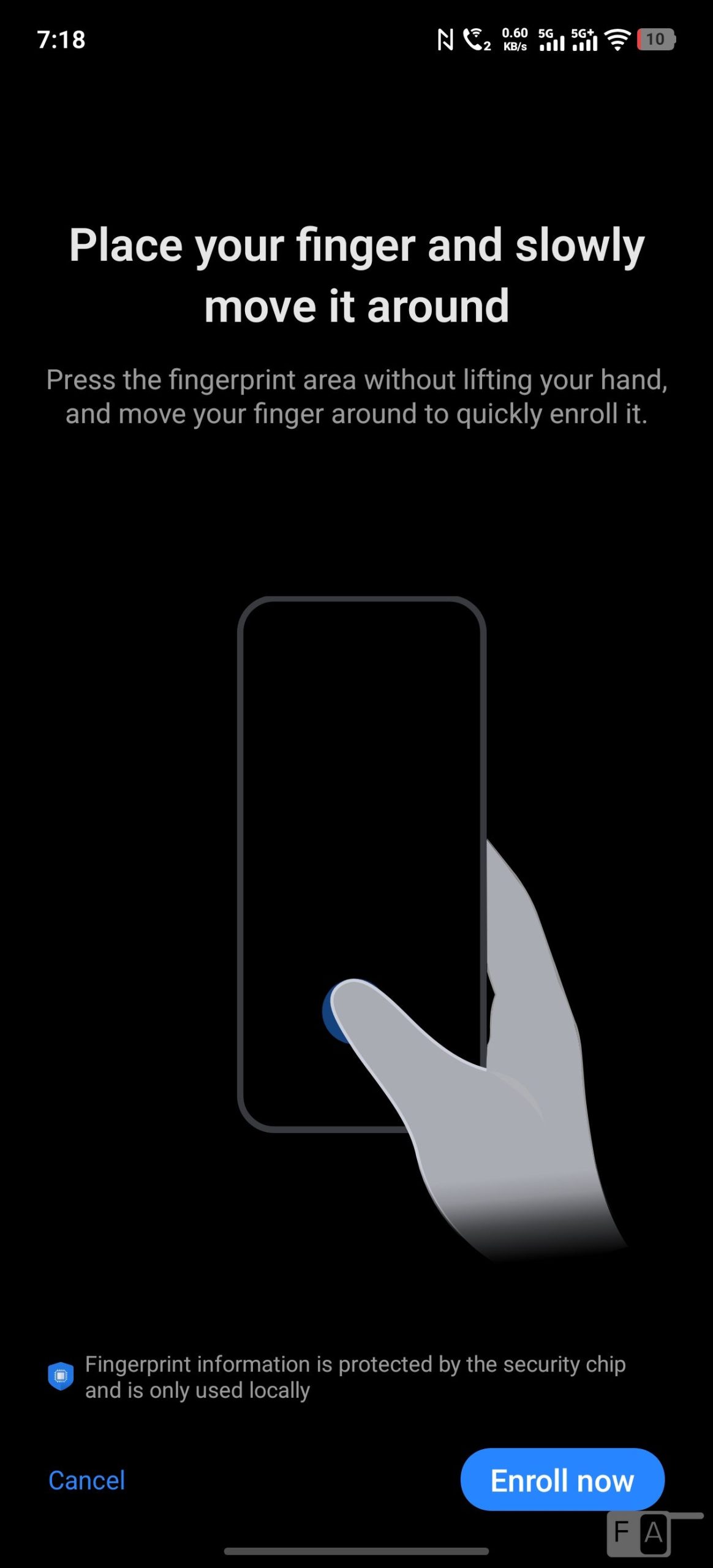
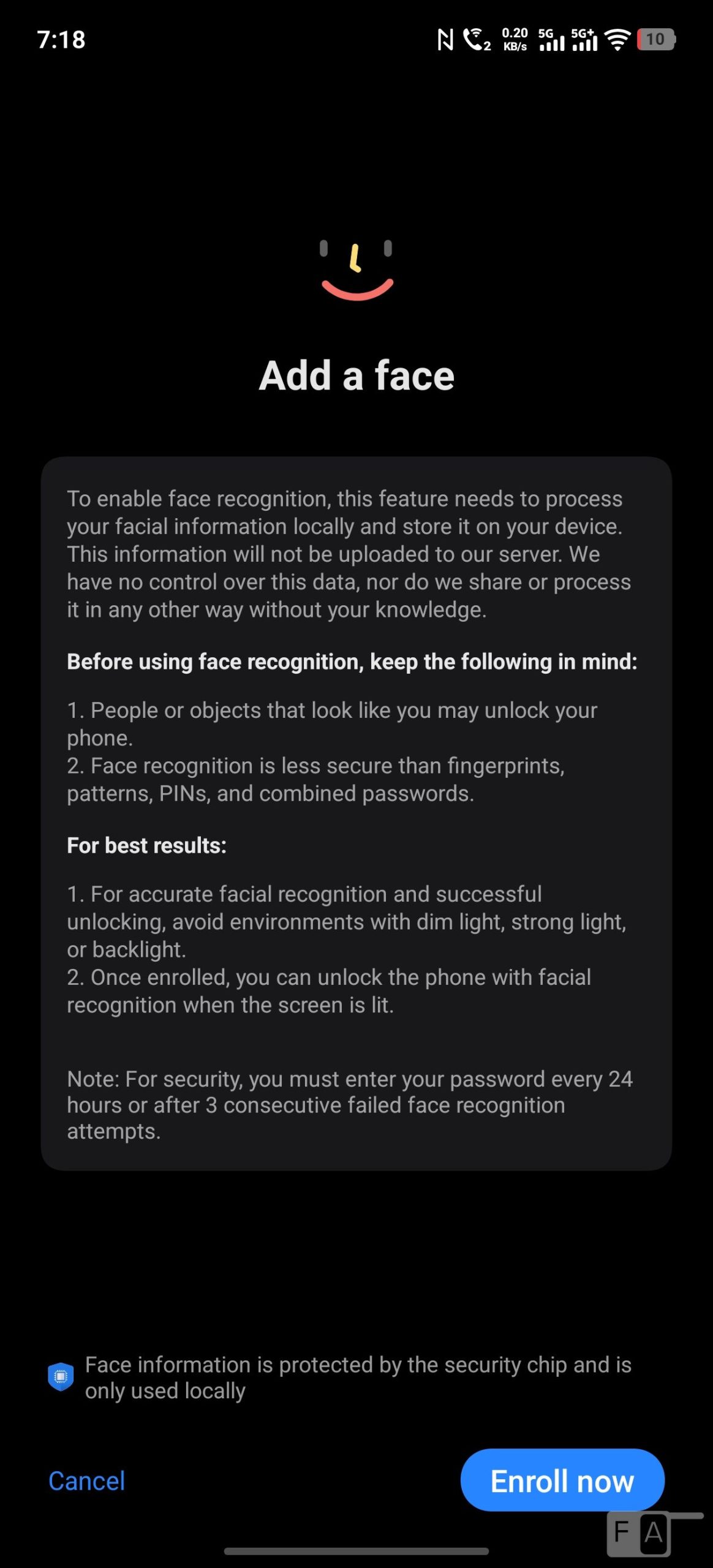
The phone uses a third-generation ultrasonic in-display fingerprint sensor, which is quicker and more accurate compared to the optical fingerprint scanner. You can add up to 5 fingerprints. There are different animation styles that display when you unlock, which you can disable. The phone also has face unlock that can unlock the phone in seconds, but it is not as secure as fingerprint.
Music and Multimedia
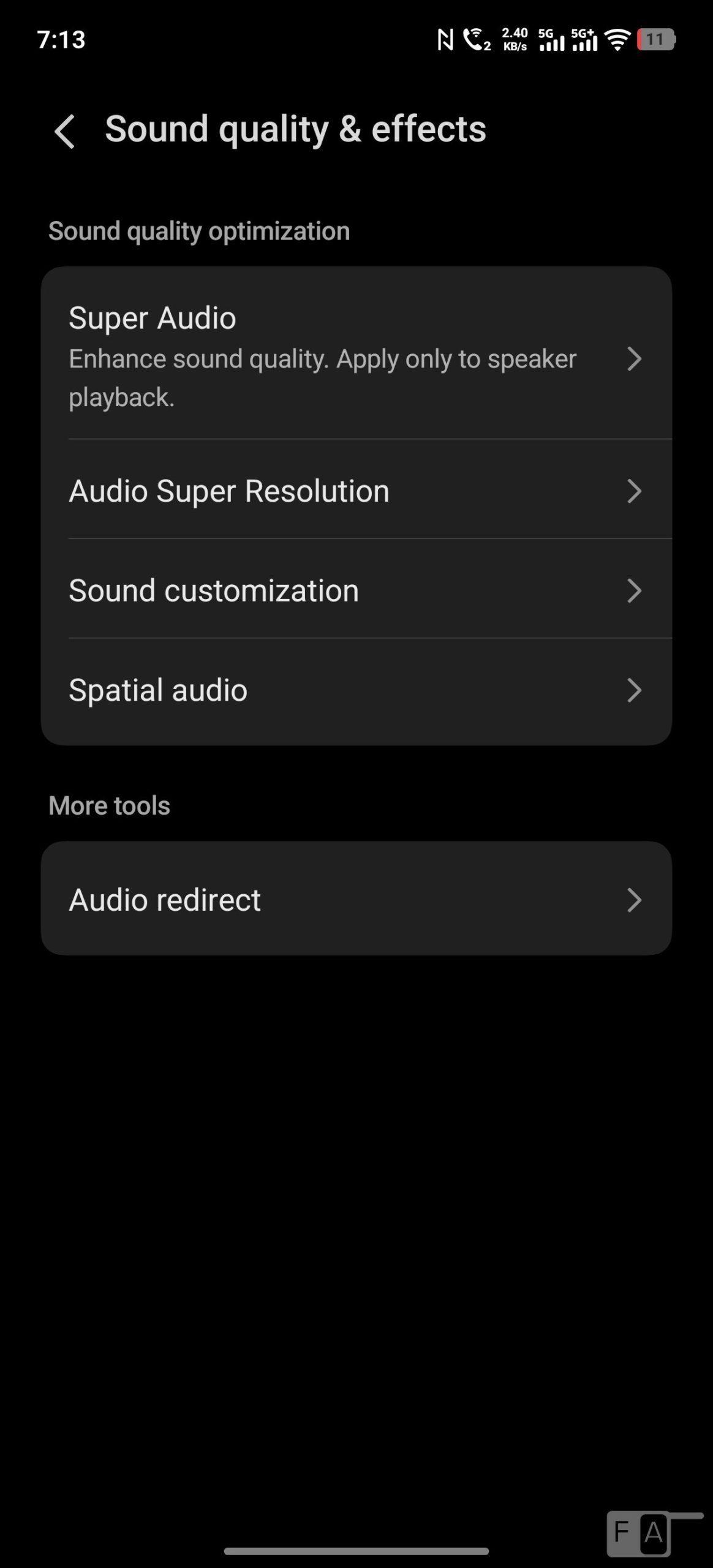

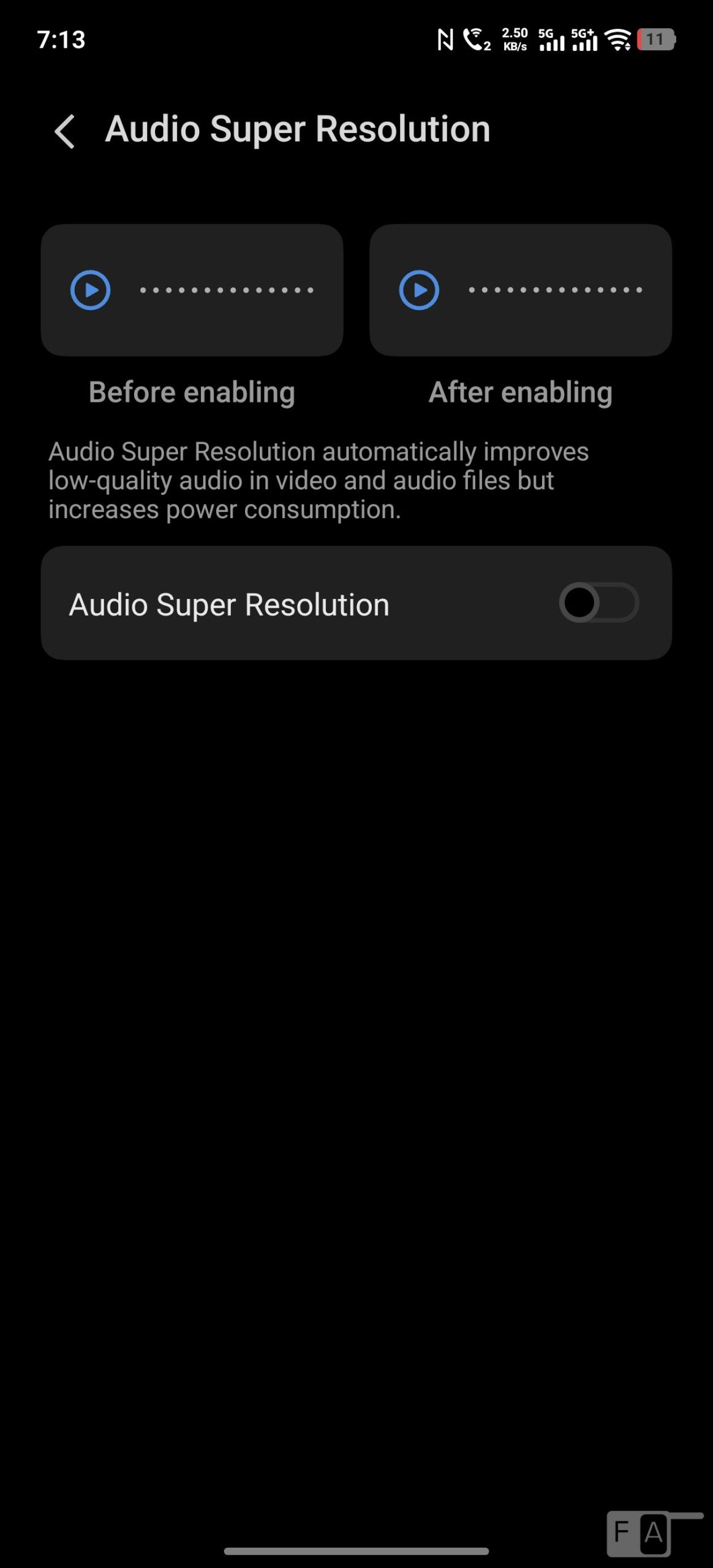
The default music player also has an equalizer and DeepField sound effects. It doesn’t have FM radio support. There is audio super resolution and super audio features. Audio through the stereo speakers is crisp and loud. Audio through the headphones is good as well.
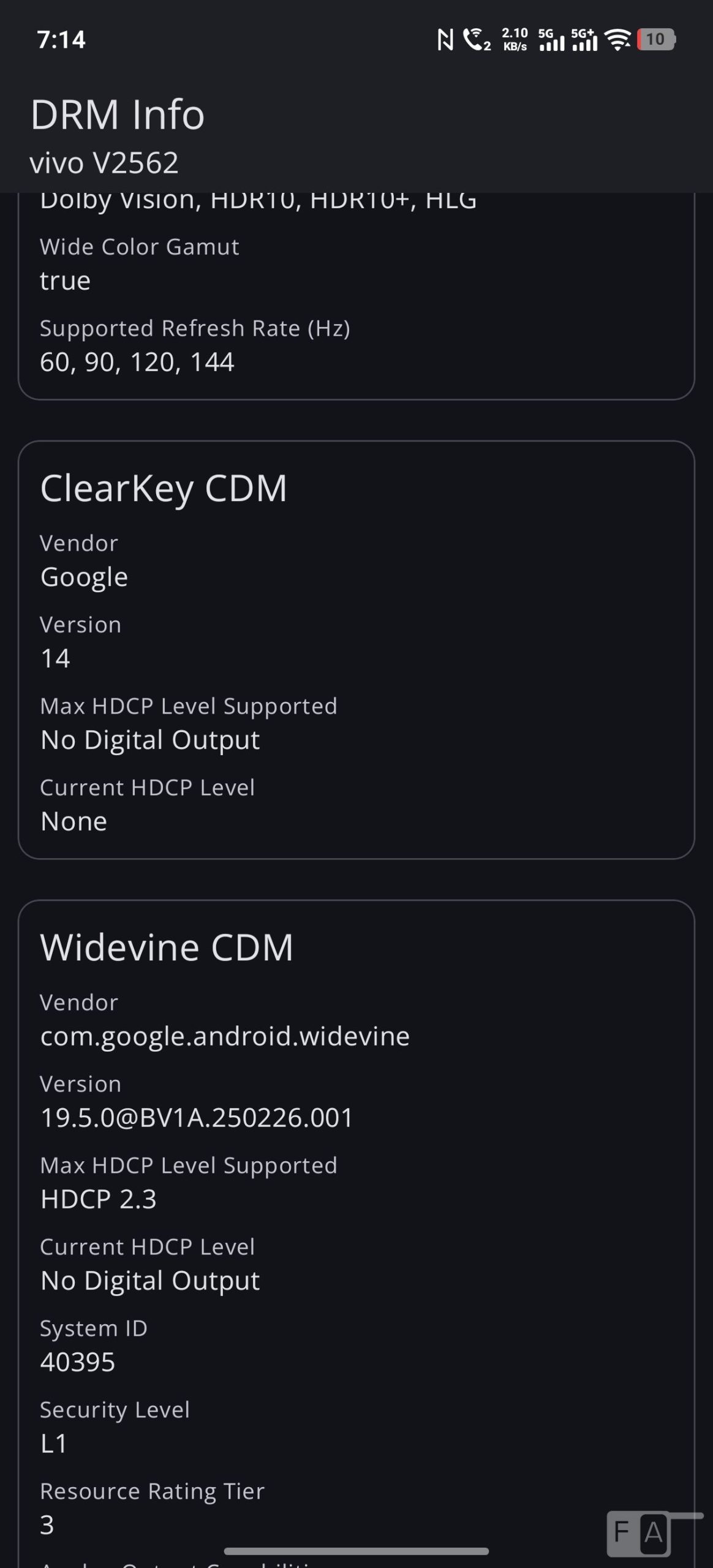
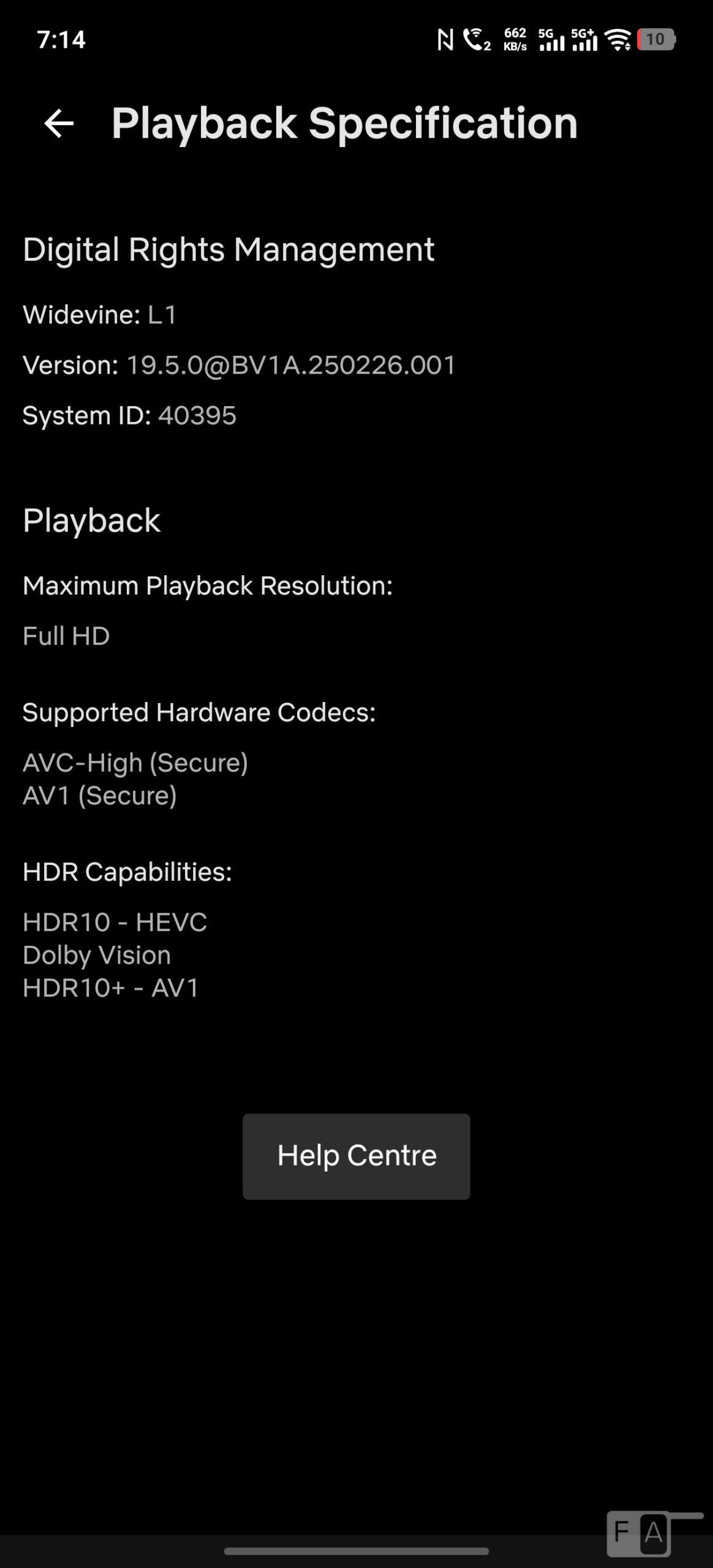
This has Widevine L1 so that you can play HD content on Amazon Prime Video, Netflix and other streaming apps. It also supports HDR playback in YouTube, and Dolby Vision works for Netflix along with HDR 10+.
Dual SIM and Connectivity
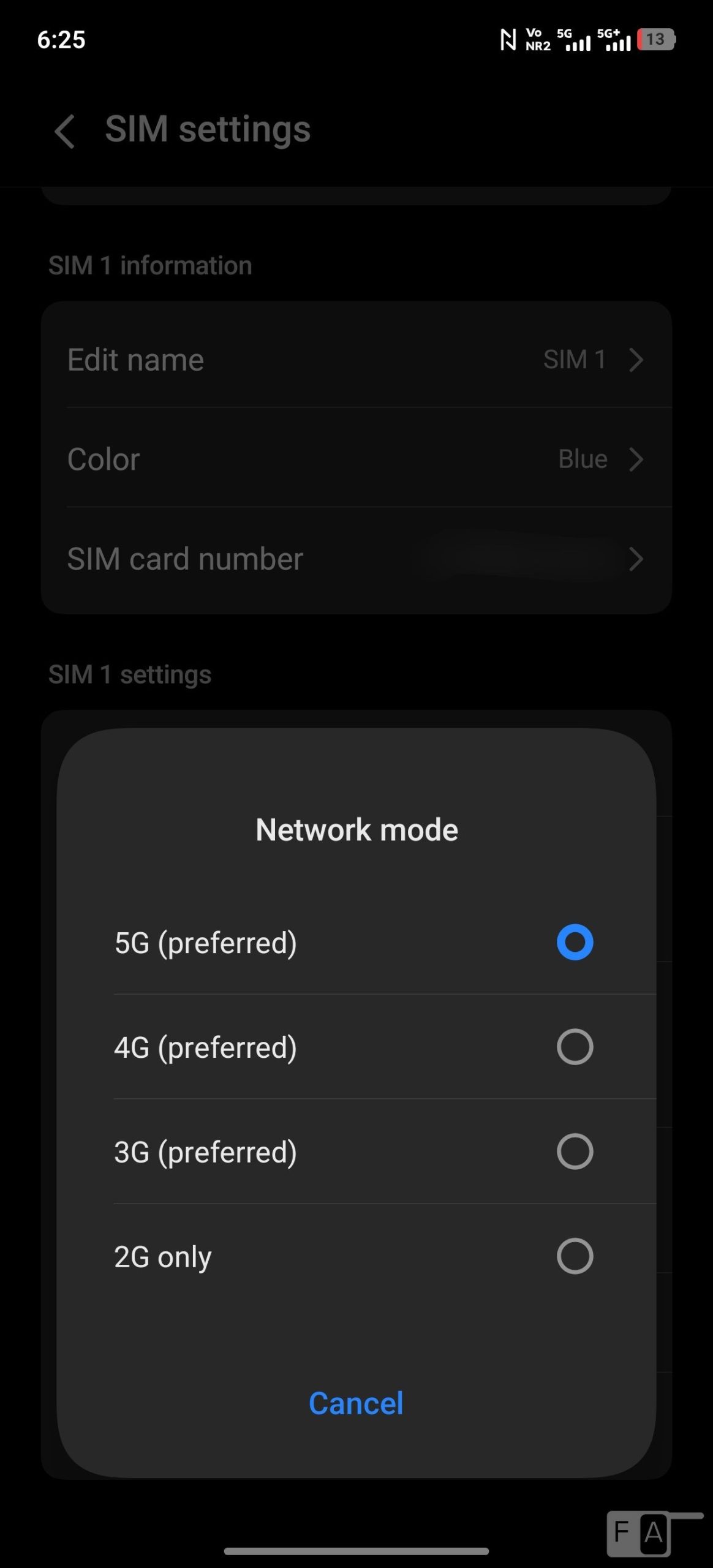
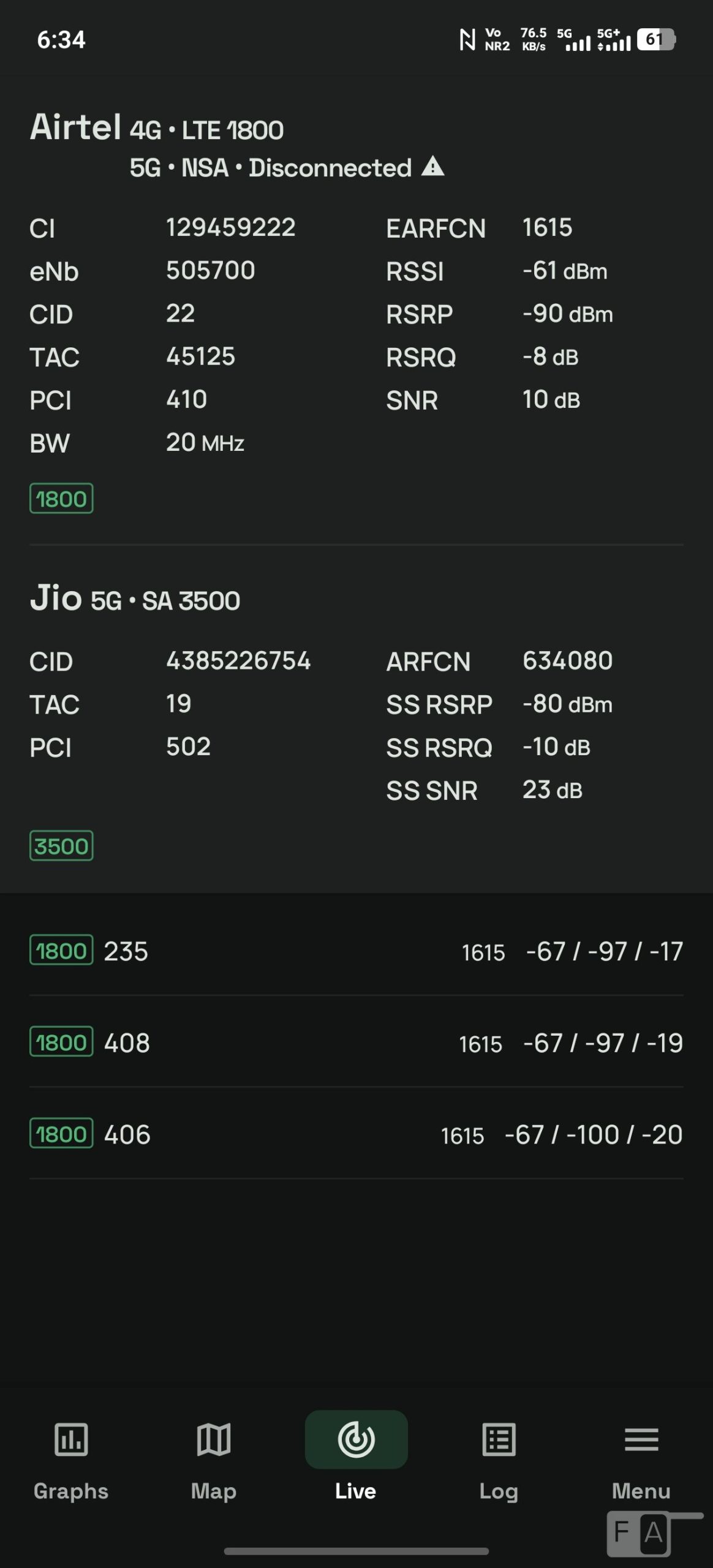
It has the usual set of connectivity features such as 5G with support for n1/n2/n3/n5/n7/n8/n12/n20/n25/n28/n38/n40/n41/n66/n71/n75/n77/n78/n79 bands, and supports Airtel and Jio 5G out of the box. It also has eSIM support. There is also dual 4G VoLTE, Wi-Fi 7 802.11be (2.4 GHz, 5 GHz and 6 GHz), Bluetooth 6.0, GPS + GLONASS and NFC support. It also has USB OTG support, and it has USB 3.2 Gen1. We did not face any call drops, and the earpiece volume is good.
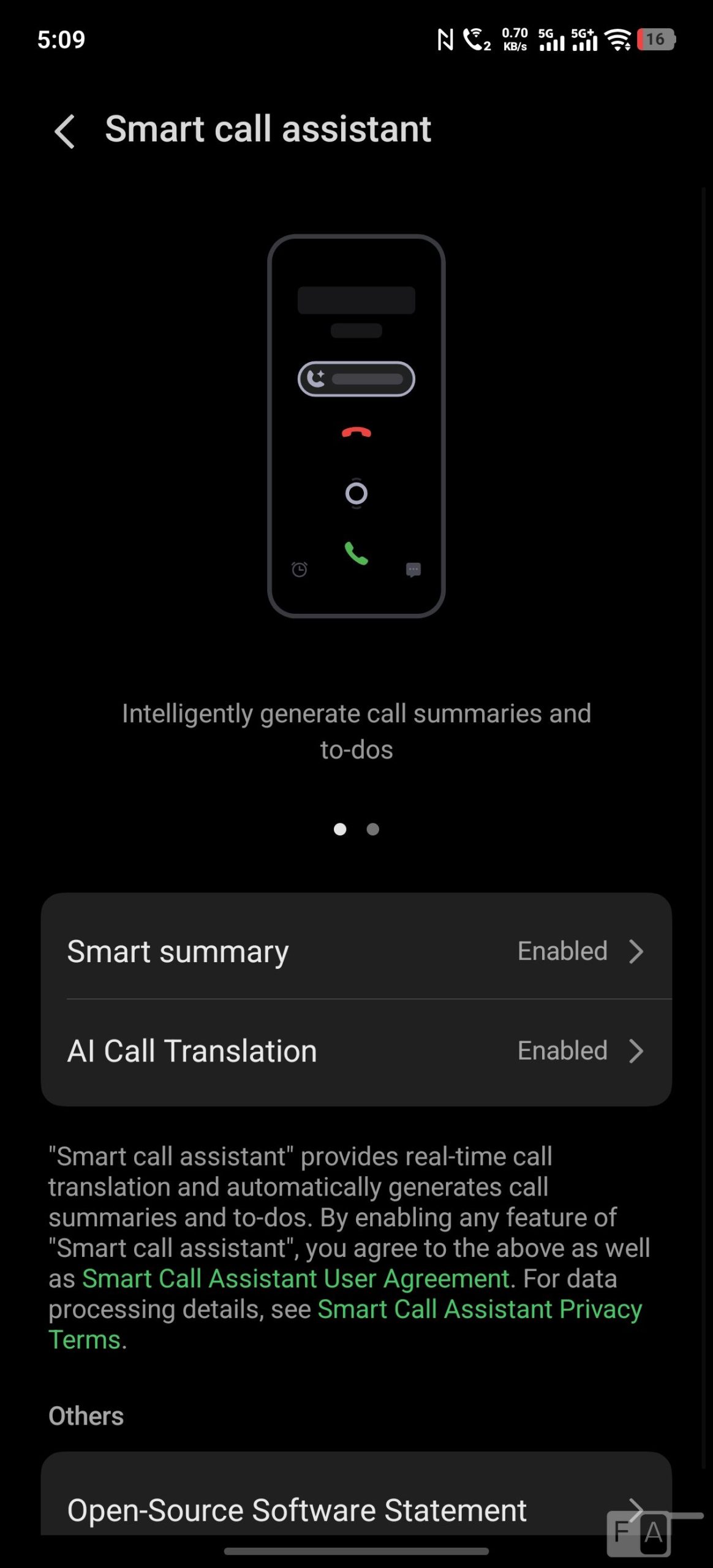
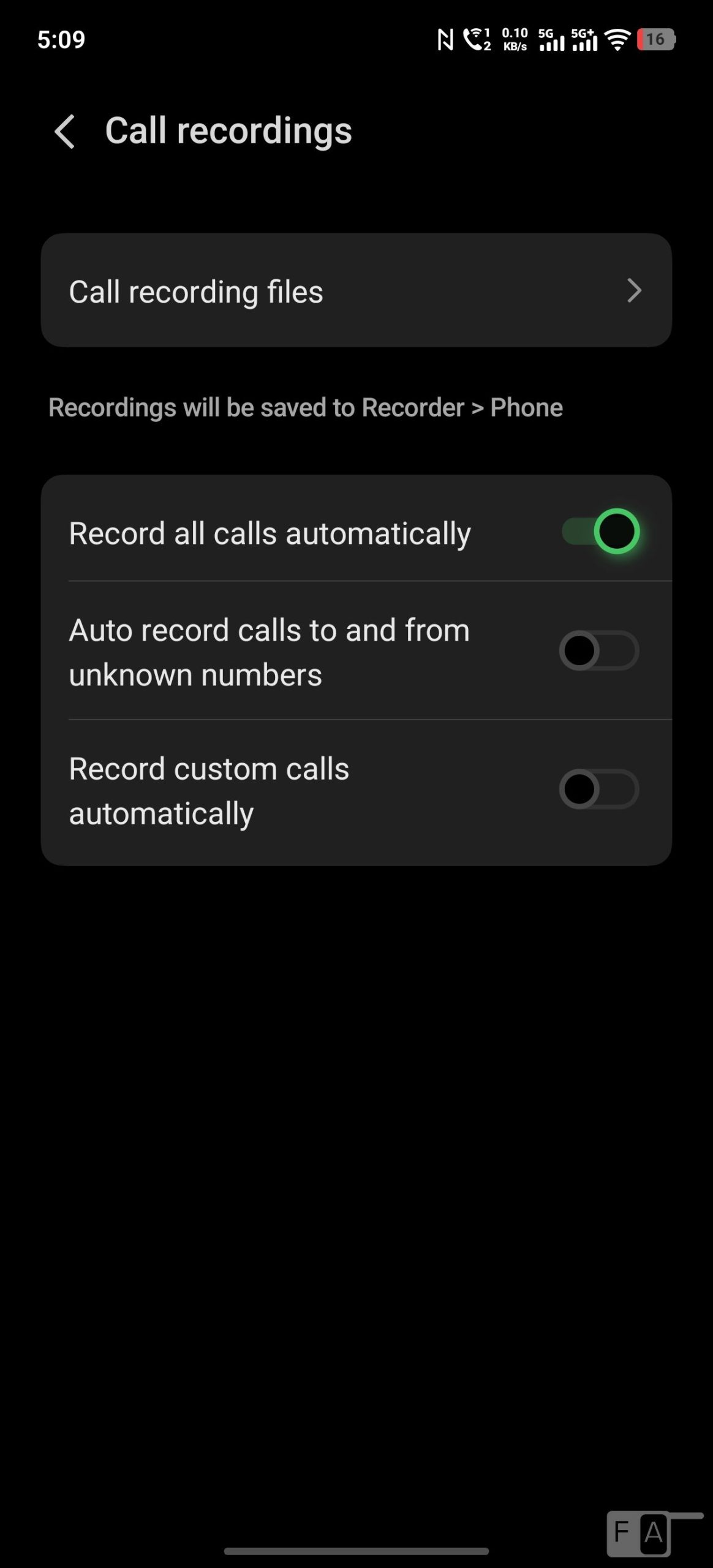
The stock dialer adds smart summary and AI call translation. There is also call recording without announcement. It uses Google messages.
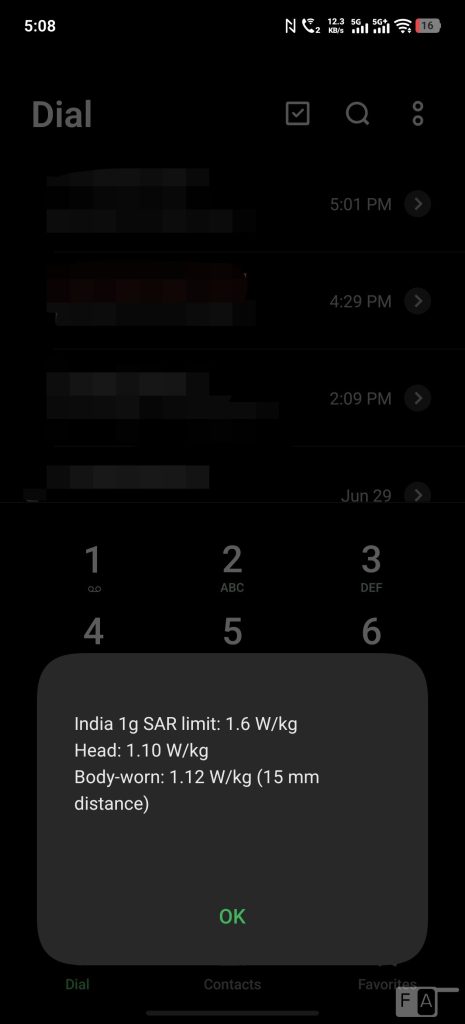
The vivo X300 Ultra’s body SAR is 1.12W/Kg and head SAR is at 1.10/Kg, which is way under the limit in India which is 1.6 W/kg (over 1 g).
Performance and Benchmarks
This is powered by the flagship Snapdragon 8 Elite Gen 5 platform. It has a 2 + 6 all-big core architecture that uses 2 x Oryon Prime CPU at up to 4.6GHz, 6 x Oryon Performance CPUs at up to 3.62GHz.
The phone has a 5800 mm² ultra-large VC vapor chamber in which the VC area has increased by 14% and the vapor chamber space has increased by 22% compared to its predecessor.
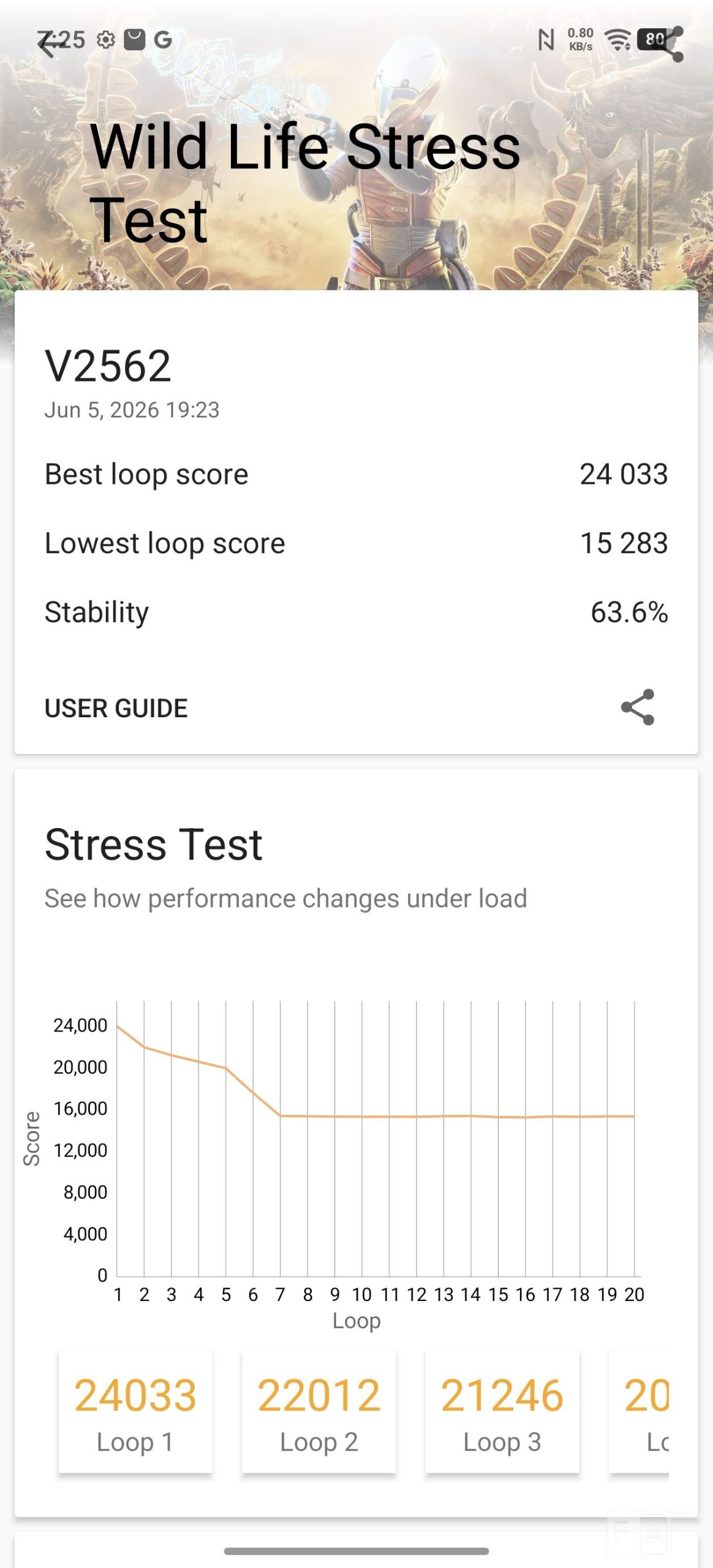
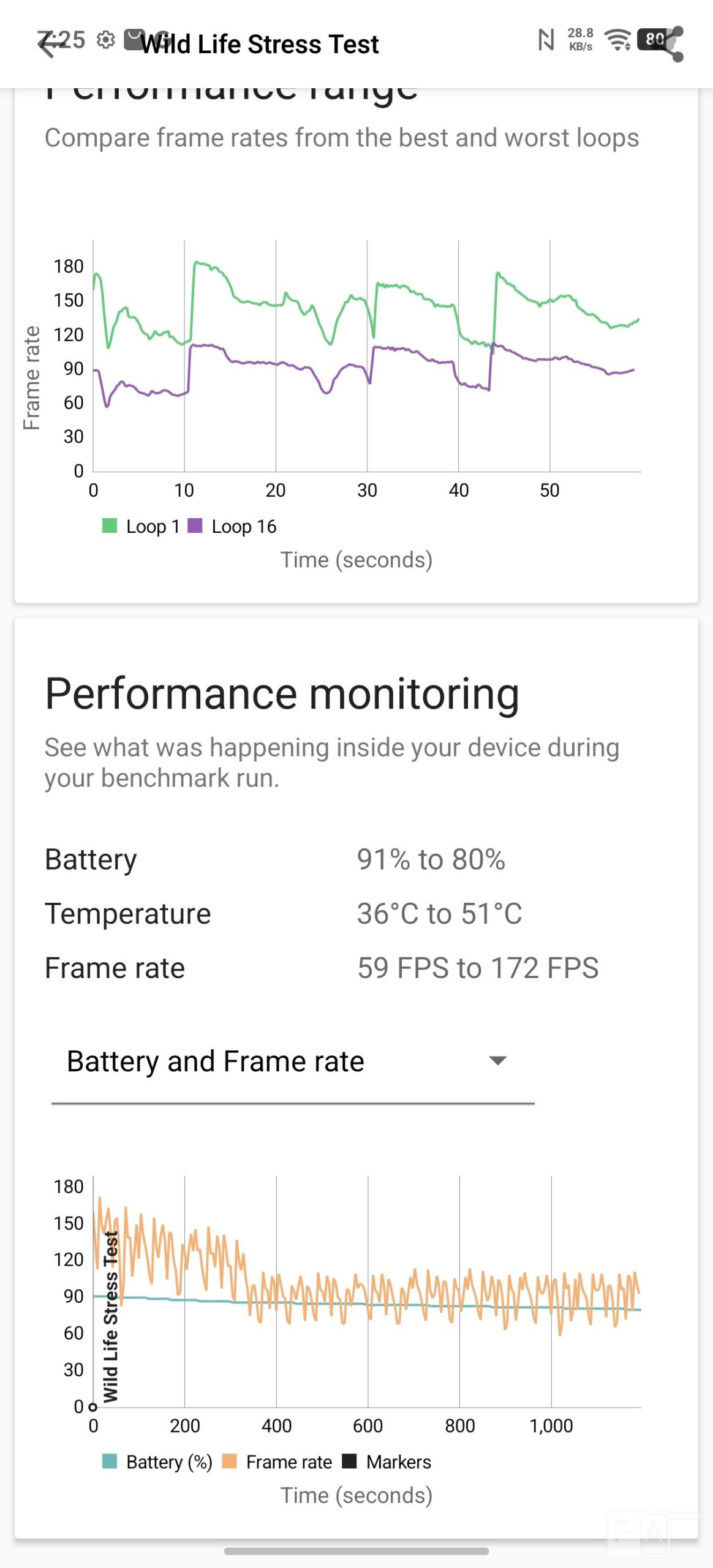
We did not face any issues or frame drops in the graphic-intensive games like COD, BGMI and Genshin Impact, thanks to the new Adreno 840 GPU. In 3D Mark wild life stress test, it scored 63.6%, and the temperature shot up from 36 to 51 degrees.
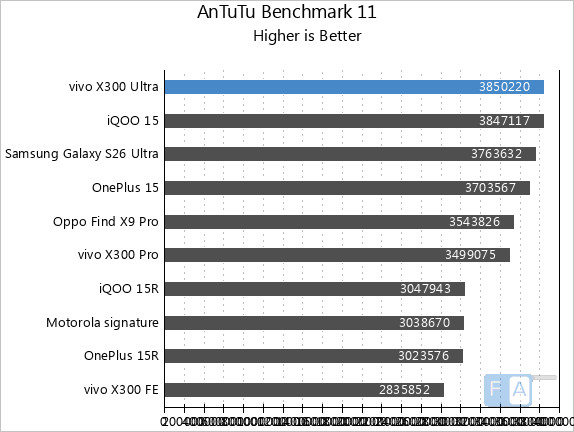
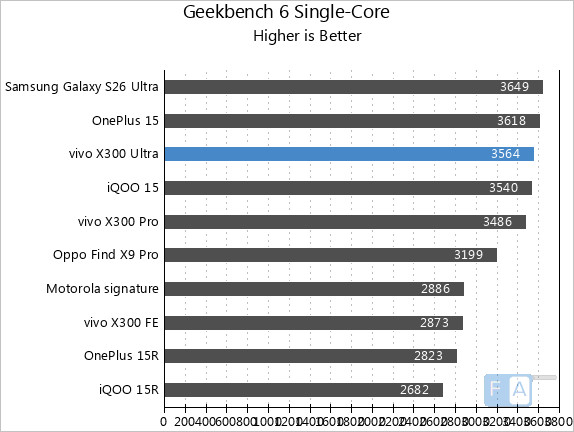
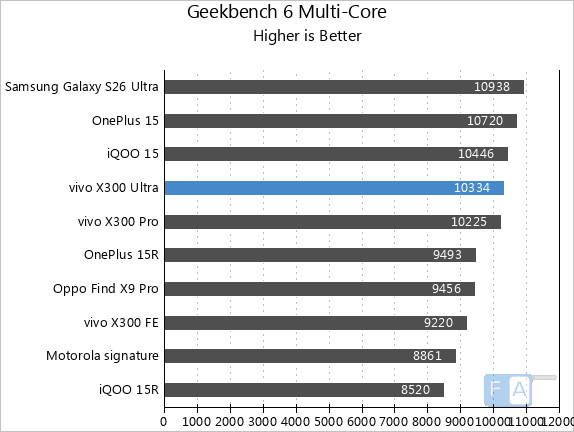
Check out some synthetic benchmark scores below.
Battery life
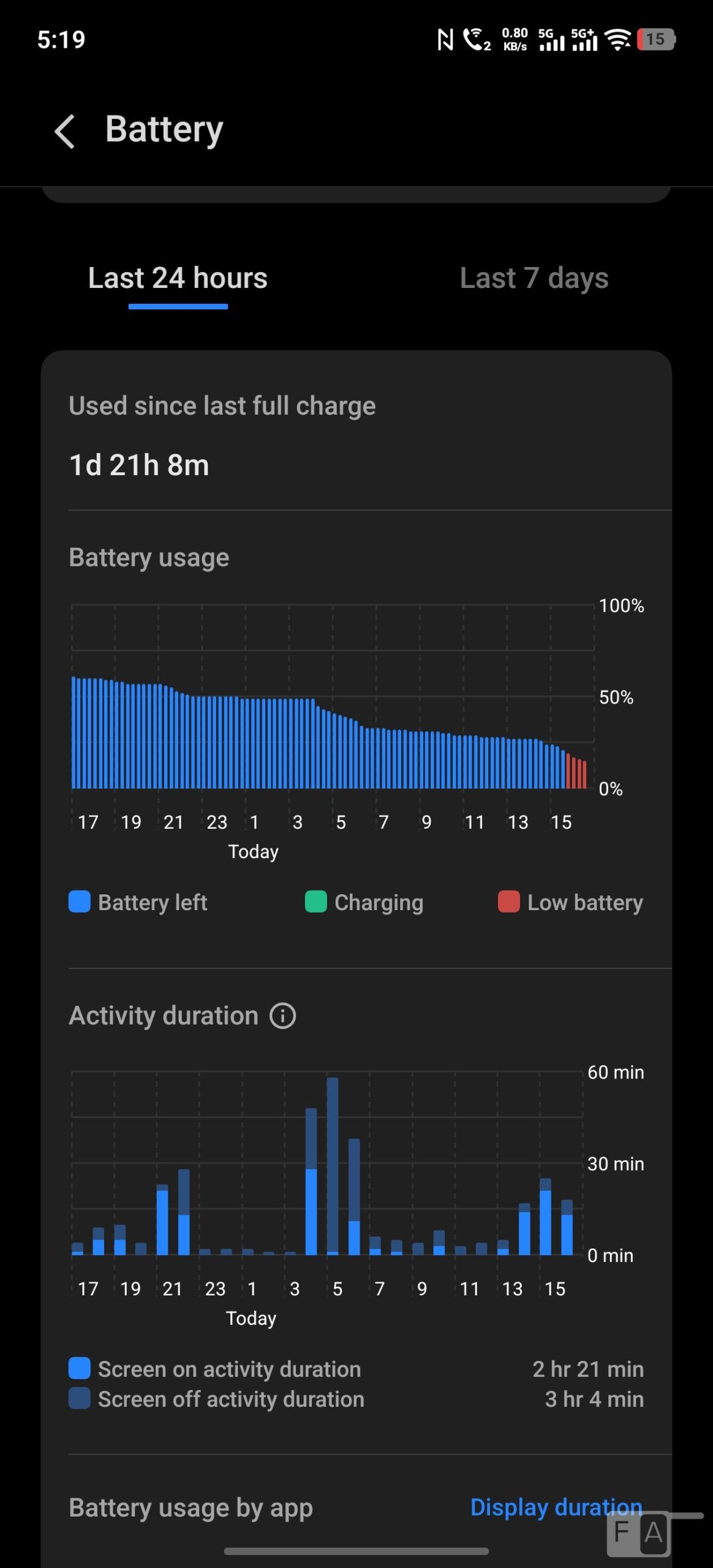
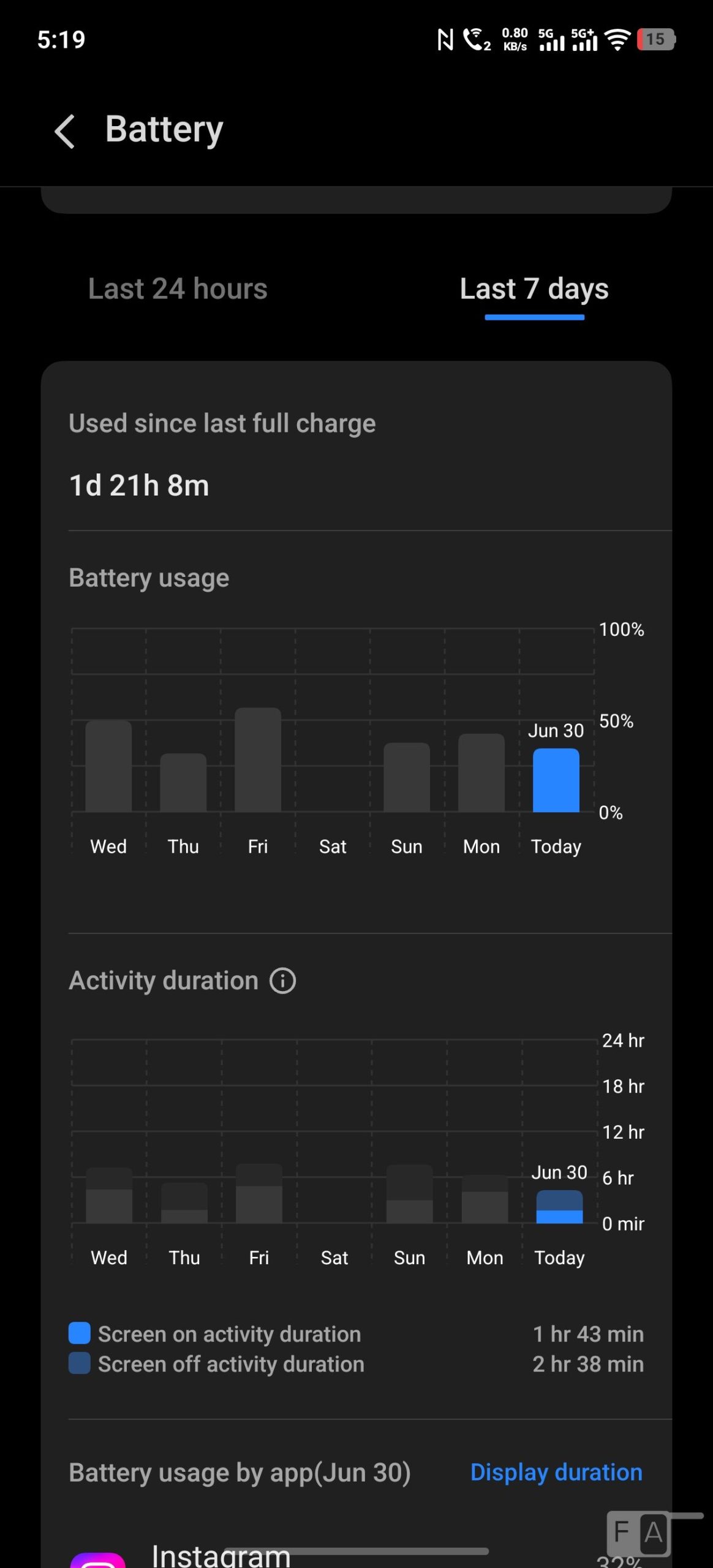
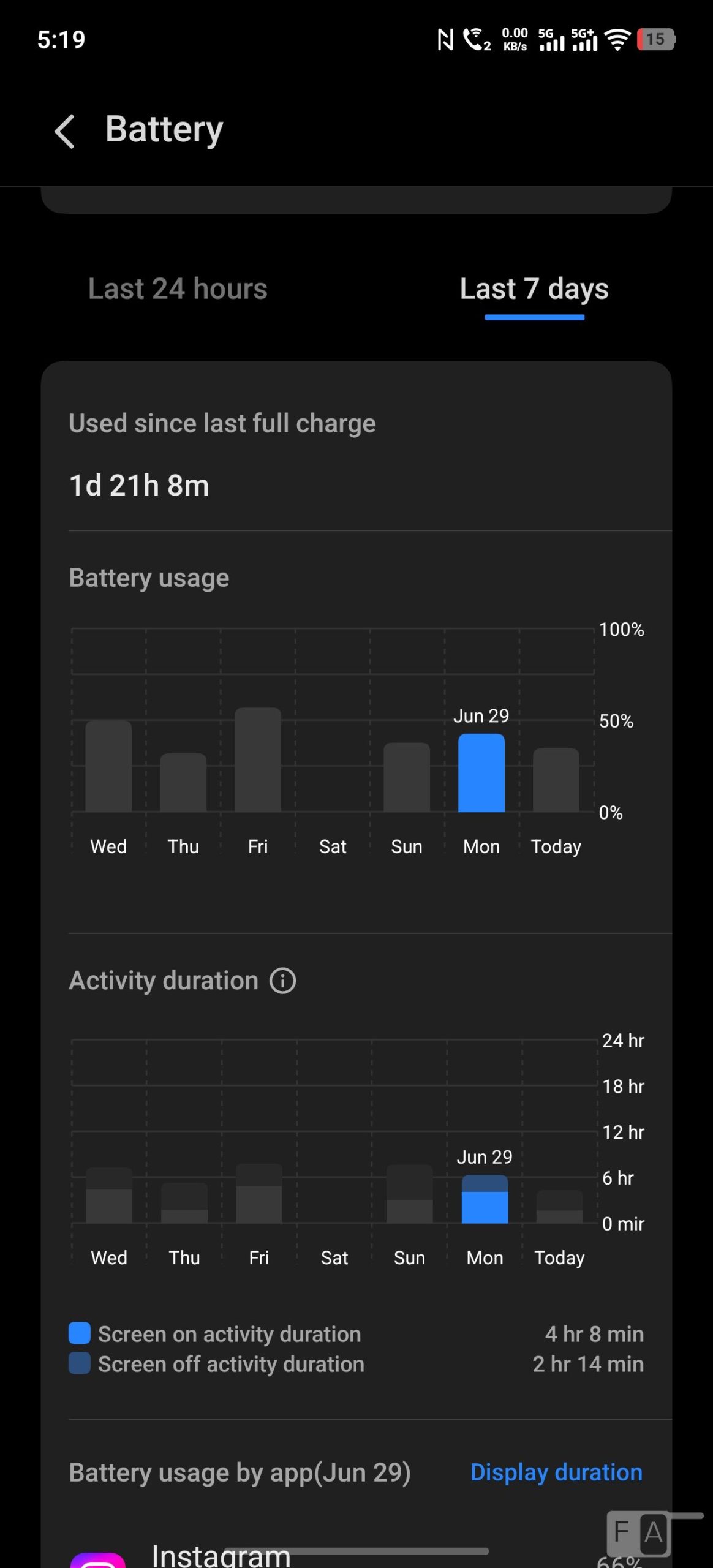
Coming to the battery life, the phone packs a 6600mAh (typical) silicon-carbon battery, which is 600mAh bigger than the predecessor. It can easily last for more than a day with heavy use, thanks to the optimization.
I got about 6 hours of screen on time with 2 days of use, mostly on Wi-Fi, and occasional 5G use with smart refresh rate. This is similar to my use with vivo X200 Pro.
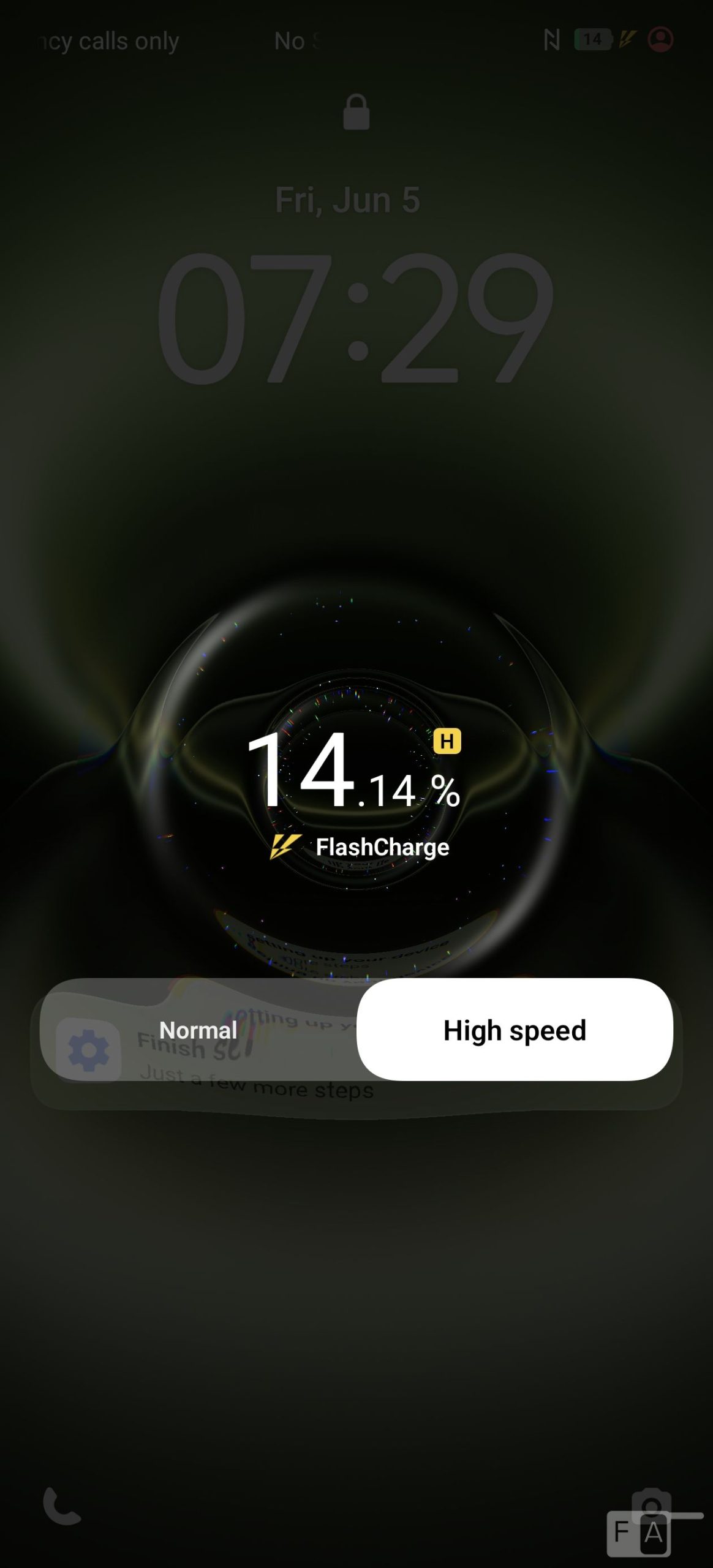
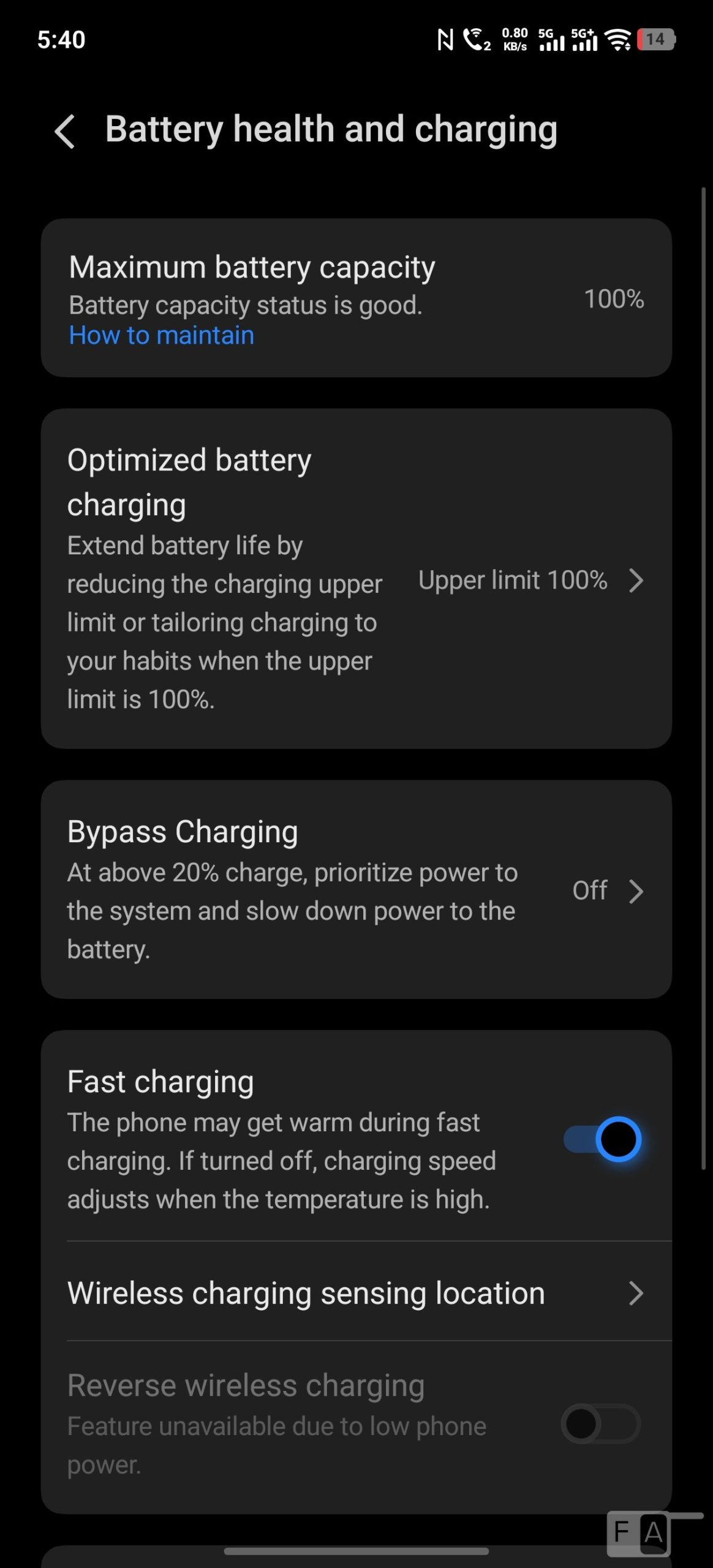
Since the phone has support for 100W fast charging, it can charge up to 50% in about 25 minutes and up to 100% in less than an hour. You will have to enable the fast charging option if you want to reduce the charging time, but the phone gets a bit hot. It also has 40W wireless charging suppor, but you will have to use third-party chargers since the company doesn’t have a charger. There is also a bypass charging feature when gaming, so the charging current bypasses the battery to go straight to the motherboard, so it doesn’t affect the battery.
Conclusion
The vivo X300 Ultra firmly establishes itself as a powerhouse in the ultra-premium flagship segment, delivering arguably one of the most versatile and technically impressive camera systems on a smartphone today. By pairing the custom 35mm Sony LYTIA main sensor with a massive 200MP ZEISS APO telephoto camera, vivo has addressed previous criticisms regarding color accuracy and processing artifacting, offering an atmospheric, professional-grade imaging experience.
Beyond its photographic prowess, the device leaves very little room for compromise, boasting a gorgeous 144Hz 2K display, top-tier performance via the Snapdragon flagship platform, robust dual IP68/IP69 ruggedness, and an exceptional 6600mAh battery that easily stretches past a full day of heavy use.
However, excellence comes at a literal cost. At Rs. 1,59,999 for the standalone device—and pushing past the Rs. 2 Lakh mark if you opt for the full Photography Kit—it requires a substantial financial commitment. Its 237-gram weight and prominent camera module also mean it is not the most pocket-friendly device. If budget is no bar and you want the absolute pinnacle of smartphone zooming and portrait capabilities, the vivo X300 Ultra is arguably the definitive choice.
Pricing and availability
- vivo X300 Ultra 16GB + 512GB – Rs. 1,59,999
- X300 Ultra Photography Kit (including X300 Ultra smartphone, 400mm Equivalent vivo ZEISS Telephoto Extender Gen 2 Ultra and 200mm Equivalent vivo ZEISS Telephoto Extender Gen 2, vivo Imagining grip) – Rs. 2,09,999
- 400mm Equivalent vivo ZEISS Telephoto Extender Gen 2 Ultra – Rs. 27,999
- 200mm Equivalent vivo ZEISS Telephoto Extender Gen 2 – Rs. 15,999
- vivo Imaging Grip Kit – Rs. 11,999
The phone is available from vivo India online store, Flipkart, Amazon.in, and offline stores.
Alternatives
The OPPO Find X9 Ultra is a direct competitor, but it is Rs. 10,000 more. There is also the Xiaomi 17 Ultra at a cheaper rate.
Pros
- 144Hz 2K AMOLED display is brilliant
- Smooth performance
- Impressive cameras
- Solid build quality, IP68 + IP69 ratings
- Good battery life with 90W fast charging, 40W wireless charging
Cons
- Might be heavy and bulky for some
- Steep price with the camera kit