
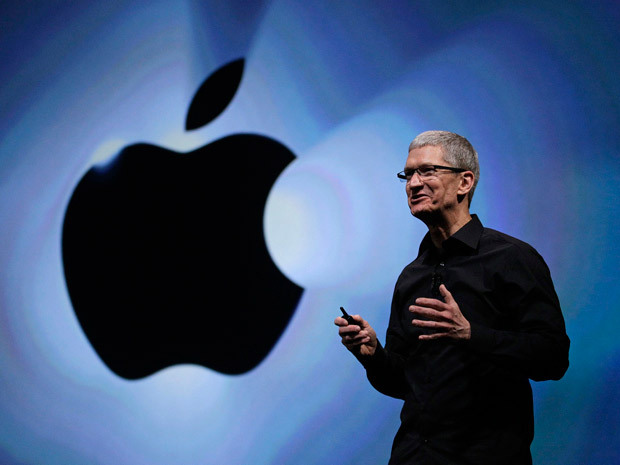
Apple is planning to raise prices on some of its products as soaring memory and storage chip costs continue to pressure the consumer electronics industry, according to a report by The Wall Street Journal. In an interview with the publication, Apple CEO Tim Cook reportedly said the company has worked to absorb higher component costs but acknowledged that price increases have become unavoidable.
“Unfortunately, price increases are unavoidable,” Cook reportedly told The Wall Street Journal, saying Apple can no longer absorb the sharp rise in memory and storage costs. However, he did not disclose when the planned price increases would take effect, how much prices could rise, or which products would be affected.
According to the report, Macs and iPads could see price increases before Apple’s next major hardware launch later this year. Apple also recently raised the starting price of the Mac mini.
AI demand driving memory costs higher
According to the report, the rapid expansion of AI infrastructure has sharply increased demand for DRAM memory and NAND storage chips, driving up costs across the semiconductor industry.
The report attributes the surge to:
- Increased AI infrastructure spending by Google, Microsoft, Meta and Amazon.
- Growing demand for high-bandwidth memory (HBM) used in AI servers.
- Reduced memory supply available for consumer electronics.
- Higher component costs being passed on by memory suppliers.
TechInsights reportedly estimates that prices for both DRAM and NAND have quadrupled since last year and could continue rising through 2027.
The report adds that AI servers are consuming increasing volumes of memory and storage chips, making it more difficult even for Apple to secure adequate supply despite being one of the industry’s largest buyers.
Cook reportedly said both memory and storage pricing have become major challenges for Apple, particularly DRAM, as manufacturers allocate more production to HBM for AI servers. He added that memory pricing and supply need to return to more reasonable levels for consumer products.
For consumer devices, DRAM serves as working memory that enables apps to run, while NAND flash is used for long-term storage of photos, videos, apps and other files.
Higher costs could affect future Apple products
The report says Apple may eventually need to pass some of the increased component costs on to customers to maintain its profit margins.
According to the report:
- Apple has not confirmed which products will see price increases.
- TechInsights estimates a future iPhone Pro could cost about $270 more if Apple fully passes higher memory costs on to consumers.
- Apple is also expected to require additional DRAM for upcoming AI-powered features, including an upgraded Siri.
Apple looks to support supply expansion
According to the report, Samsung, SK Hynix and Micron dominate the global DRAM market, while Samsung, SK Hynix, Micron, Kioxia and Sandisk are among the leading NAND suppliers.
Although memory manufacturers are expanding production capacity, Morgan Stanley reportedly expects supply constraints to continue.
Key forecasts include:
- DRAM wafer production capacity could grow by around 30% by 2027.
- Memory supply for consumer electronics could still remain up to 15% below demand as manufacturers prioritize AI-focused products.
Cook reportedly said Apple is prepared to use its financial resources to help improve memory supply, adding that additional production capacity is needed. However, he also said the company has no plans to build its own memory or storage manufacturing facilities.
The report adds that Apple spends tens of billions of dollars annually on memory and storage chips, making it one of the world’s largest buyers of these components. While the company has historically used its purchasing scale to negotiate favorable pricing, growing AI demand has intensified competition for available supply.
Cook reportedly described the recent surge in memory prices as a “hundred-year flood,” saying he has never witnessed a commodity price swing of this magnitude during more than 40 years in the electronics industry.