Apple is working on its first smart glasses, marking a shift away from earlier augmented reality-focused plans. According to a report by Mark Gurman of Bloomberg, the company is testing multiple frame styles along with a new camera design for the product, which is expected to launch around 2027.
Apple’s shift to display-free smart glasses
Apple began exploring head-worn devices nearly a decade ago through its Vision Products Group. At the time, the company was developing three product categories:
- An iPhone-connected augmented reality headset with a wireless controller
- A high-end mixed-reality headset combining augmented reality and virtual reality
- Lightweight standalone augmented reality glasses
The original roadmap targeted launches between 2020 and 2022. However, only the mixed-reality headset reached the market as the Apple Vision Pro in 2024. The iPhone-tethered device was cancelled, while standalone AR glasses have been delayed and are now expected closer to the end of the decade.
By around 2022, Apple shifted its focus to a simpler category — display-free smart glasses. This segment gained traction after Meta introduced camera-equipped Ray-Ban glasses. Apple’s version, internally called N50, is designed for everyday functionality rather than immersive AR.
Key features
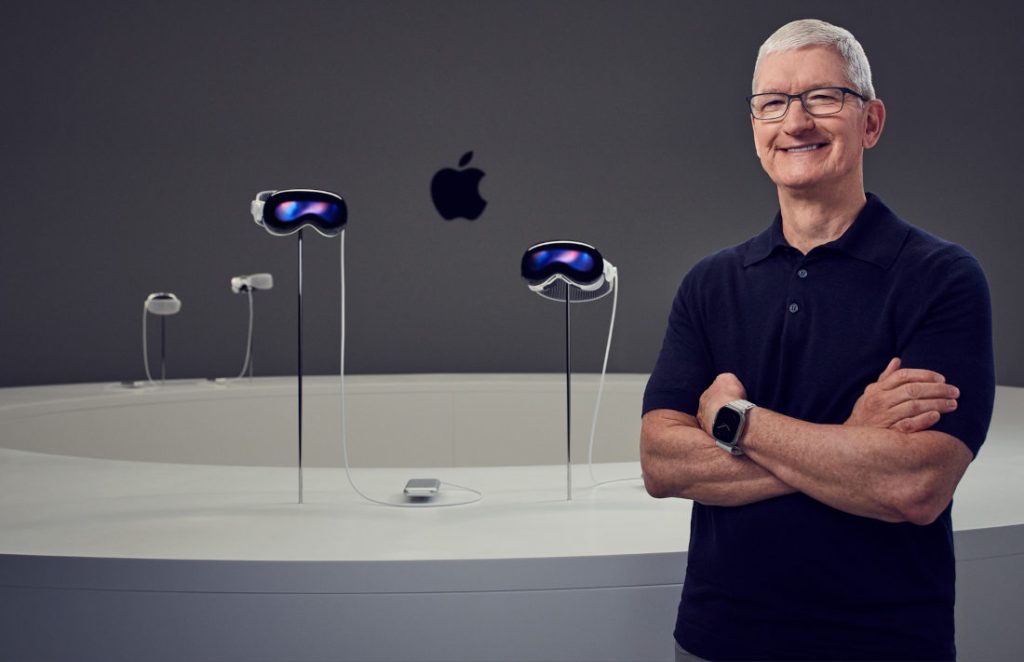
- Design: Four frame styles in testing, including large rectangular (Wayfarer-style), slim rectangular similar to Tim Cook’s glasses, larger oval or circular frames, and smaller refined oval or circular options. Uses acetate material with color options such as black, ocean blue, and light brown. Focus on a recognizable “icon” design.
- Camera: Vertically aligned oval camera lenses with surrounding lighting elements. This differs from circular camera modules used in current smart glasses. Supports photo capture, video recording, and environmental sensing.
- Features: Photo and video capture, phone calls, notification alerts, music playback, voice interaction, and syncing with iPhone for editing and sharing.
- Use cases: Quick photo and video capture, hands-free communication, real-time notifications, music playback, and voice-based assistance.
Siri and Apple Intelligence integration
The smart glasses are expected to work with an updated version of Siri, planned for iOS 27, along with Apple Intelligence.
Expected functions include:
- Context-aware responses based on surroundings
- Computer vision for real-world interpretation
- Turn-by-turn navigation guidance
- Visual reminders based on what the user sees
- Object recognition and contextual assistance
Apple AI wearables strategy and competition
The smart glasses are part of a broader AI-focused wearable lineup that includes:
- Future AirPods with enhanced capabilities
- A camera-equipped pendant-style device
- Smart glasses with environmental awareness
These devices are designed to process real-world data and provide contextual inputs to Apple Intelligence.
Apple will compete with Meta, Google, and Samsung. Its approach includes:
- Integration with the iPhone ecosystem
- In-house chip development
- Focus on materials and build quality
- Direct control over product design
Meta works with EssilorLuxottica for frames, while Google and Samsung are working with Warby Parker. Apple is handling its design internally.
Apple has previously entered product categories after competitors and expanded its position over time, as seen with the iPod, iPhone, iPad, and Apple Watch.
Timeline and future outlook
Apple is expected to introduce its smart glasses by late 2026 or early 2027, with availability planned for 2027.
The first version will focus on core functionality rather than advanced augmented reality. Fully featured AR glasses with lightweight design and usable battery life are still in development and are expected closer to the end of the decade.