
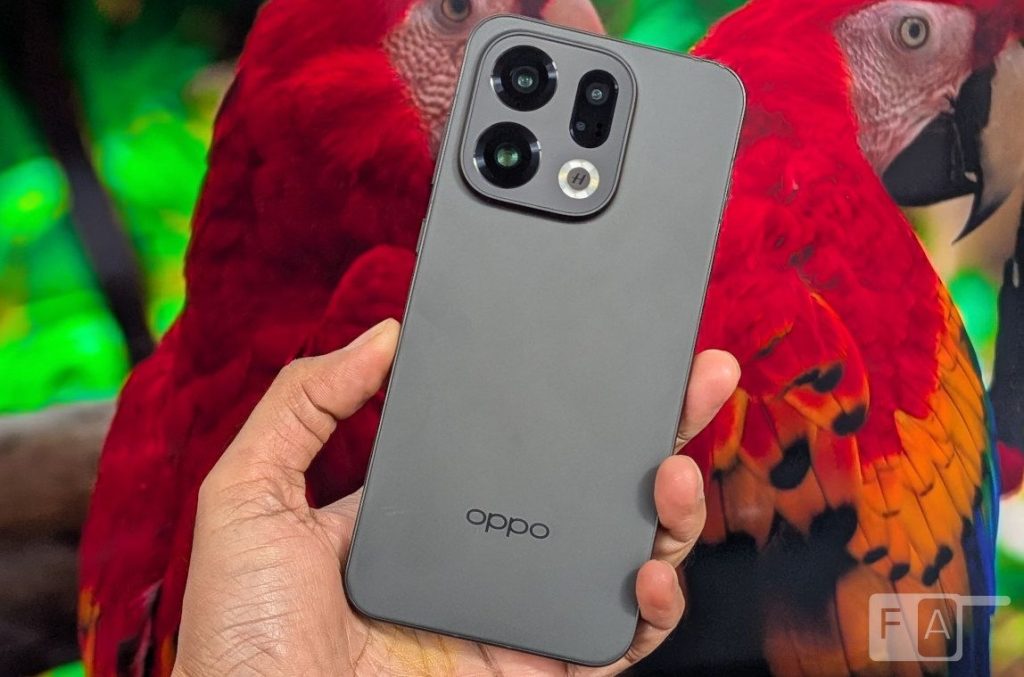
OPPO launched the Find X9 series smartphones in India today, and here we have the review of the Find X9, the smaller model in the series. The company came back with a new Find X series phone last year, and Find X9 builds on this with a faster Dimensity 9500 processor, improved main camera and a bigger battery while maintaining the compact size.
Let’s dive into the review to find out what the company has to offer.
| Box Contents |
| Camera |
| Battery Life |
| Conclusion |
Box Contents
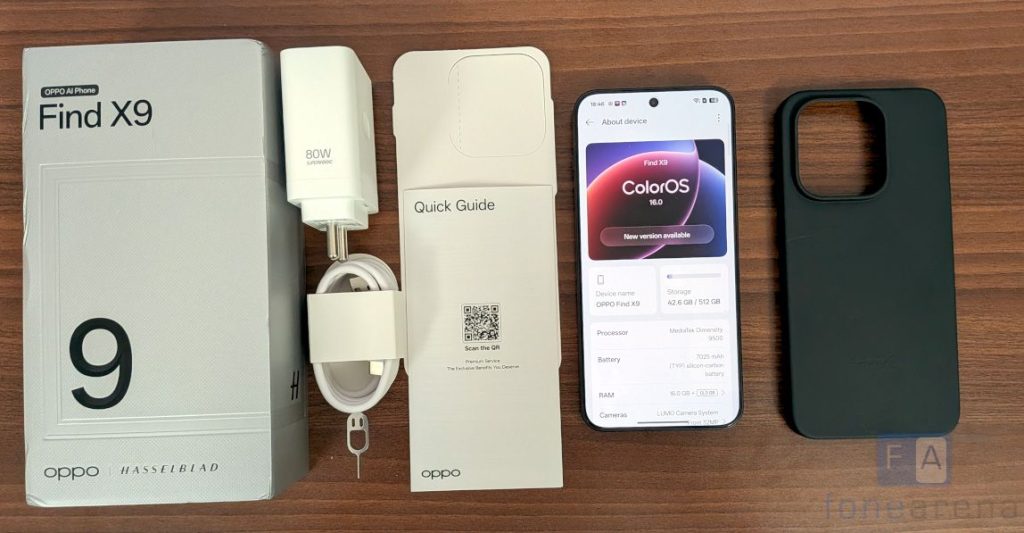
- OPPO Find X9 16GB + 512GB in Space Black colour
- 80W SuperVOOC fast charger
- USB Type-C cable
- Clear protective case
- SIM Ejector tool
- User guide
Display, Hardware and Design
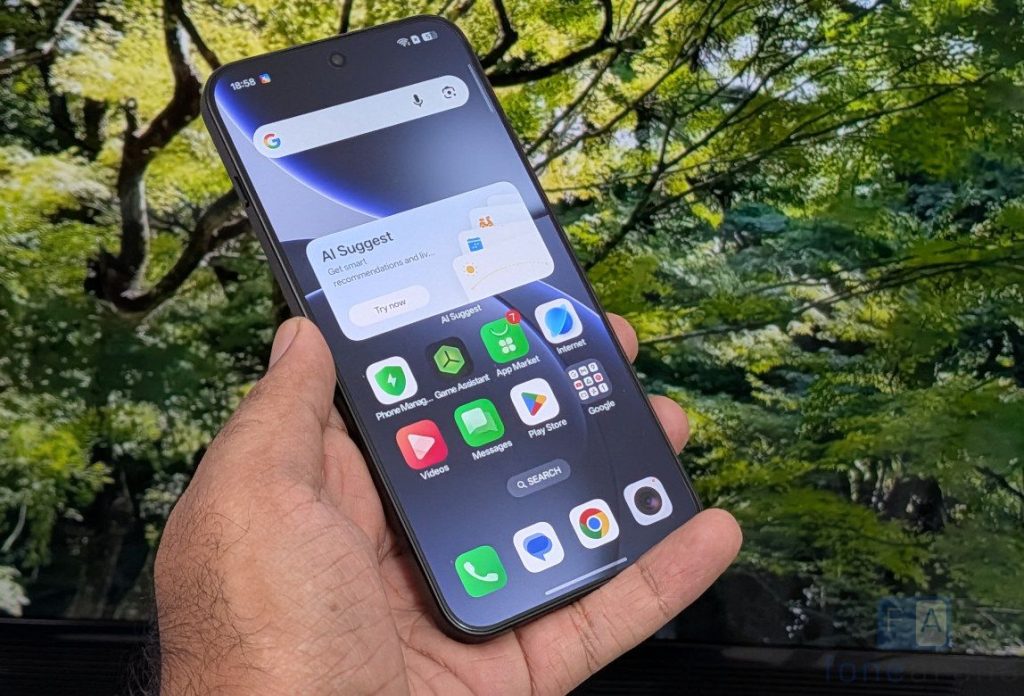
The OPPO Find X9 sports a 6.59-inch (2760 x 1256 pixels) 1.5K flat AMOLED display with 120Hz adaptive refresh rate instead of LTPO variable refresh rate in the Pro model. You can select standard FHD+ or switch to 1.5K. The display has Corning Gorilla Glass 7i protection.
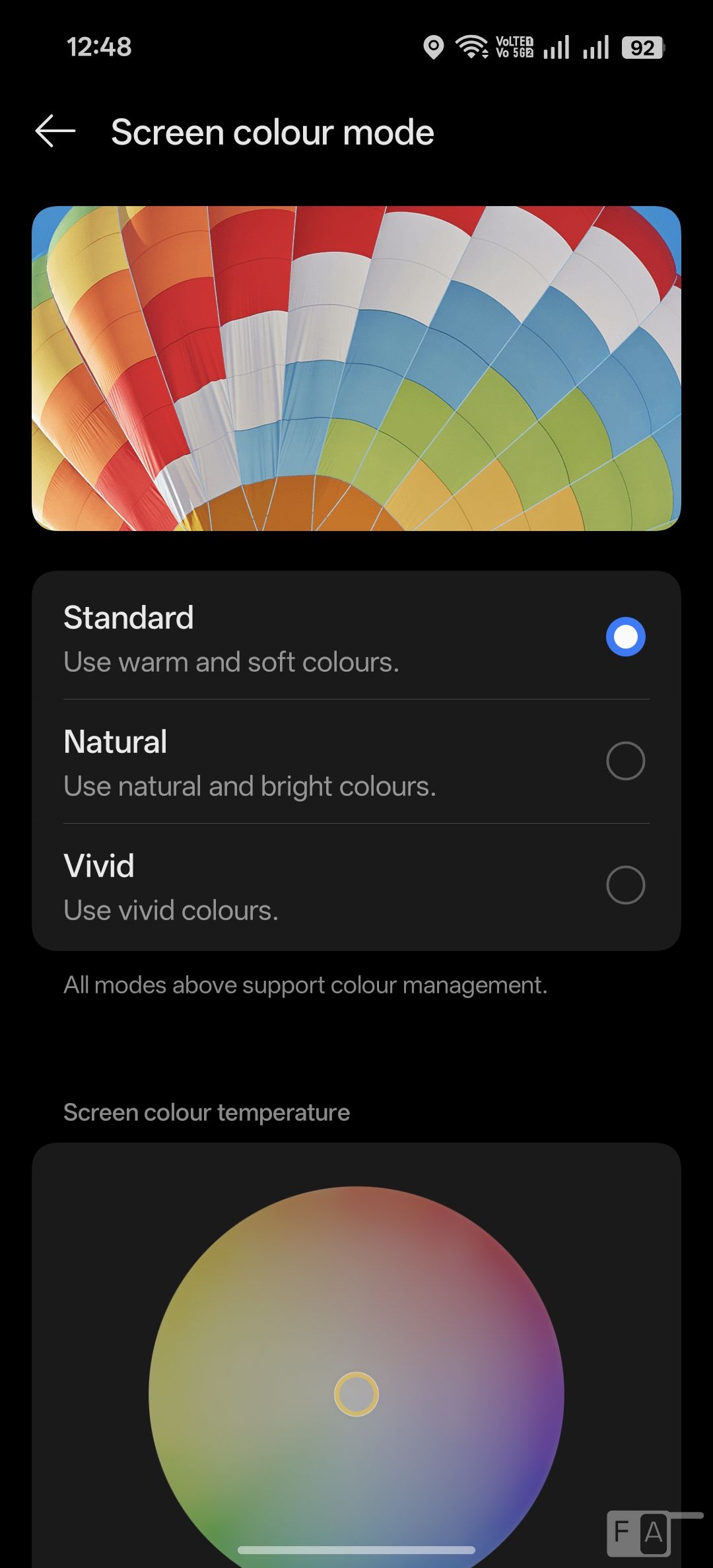
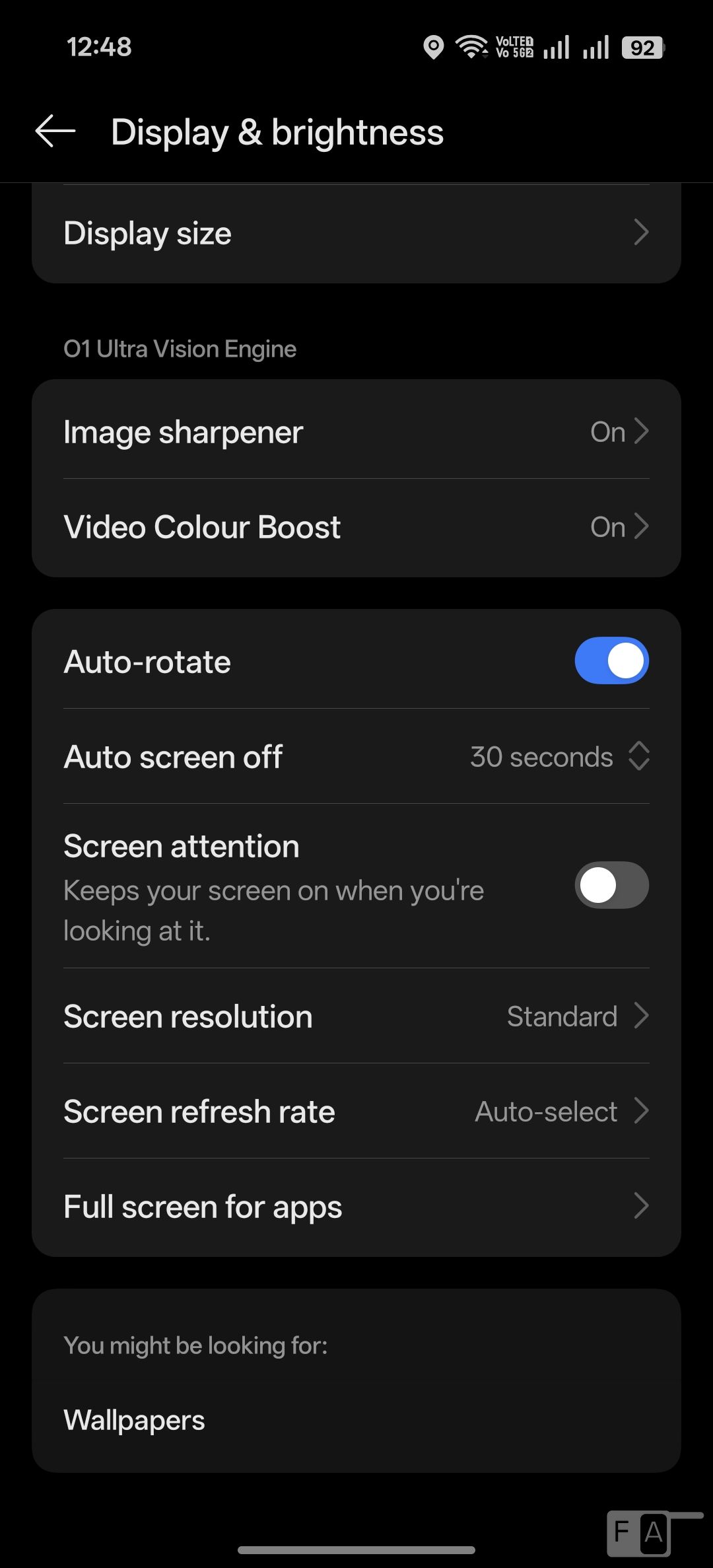
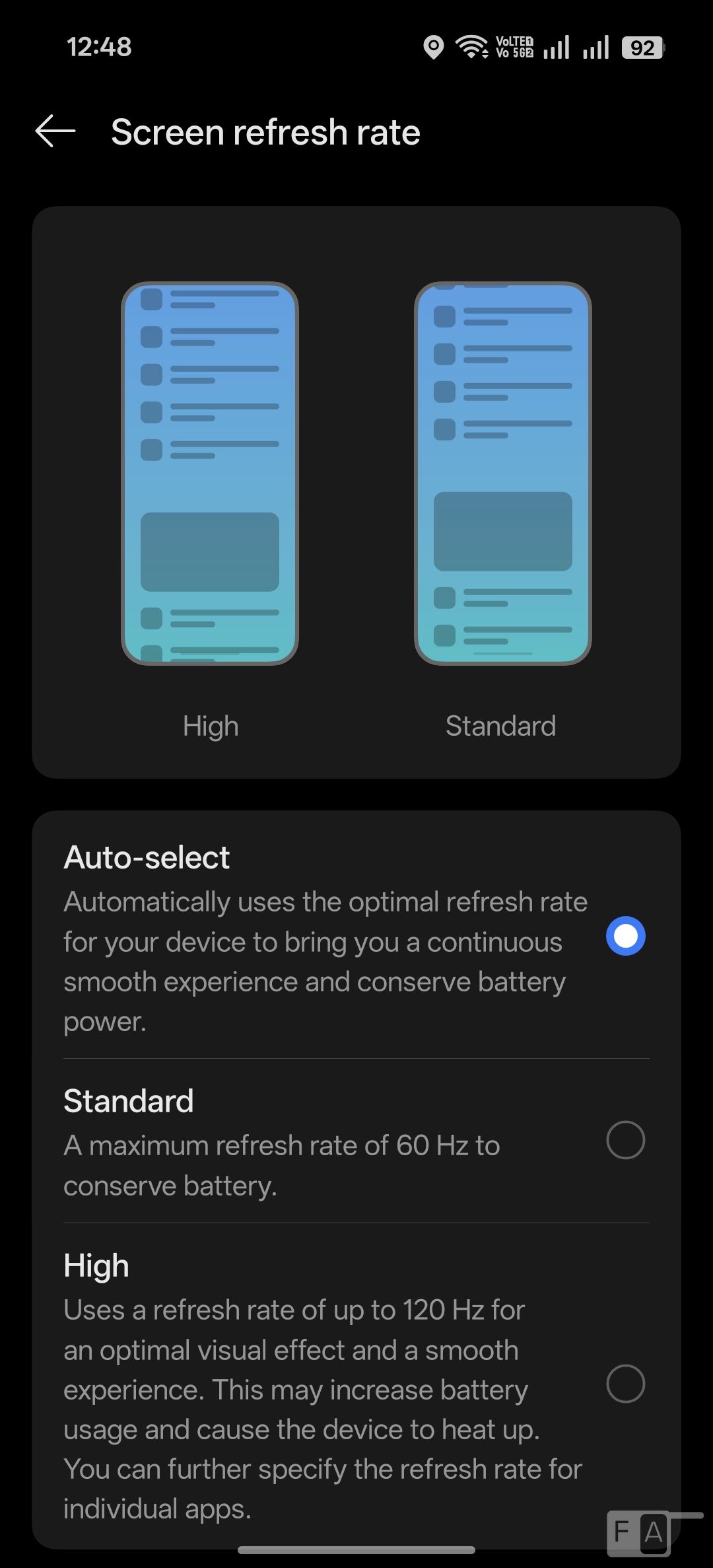
The display is bright, since it has peak full-screen brightness of up to 1800 nits in direct sunlight, which is higher than 1600 nits in the Find X8, and up to 3600 nits local brightness when viewing HDR content, which is actually less compared to 4500 in the X8. It also offers different levels of brightness adjustment and can go down to 1 nit. It offers good colour output since it has 100% DCI-P3 color gamut. You can select from vivid, Natural and Pro screen colour modes. There is 3840Hz PWM Dimming that kicks in 70 nits or below and DC Dimming works when the brightness is above 70 nits.
The phone also has HDR 10 and Dolby Vision support. There is also video color boost and image sharpener options. Overall, the display is good, even though it doesn’t have an LPTO panel.
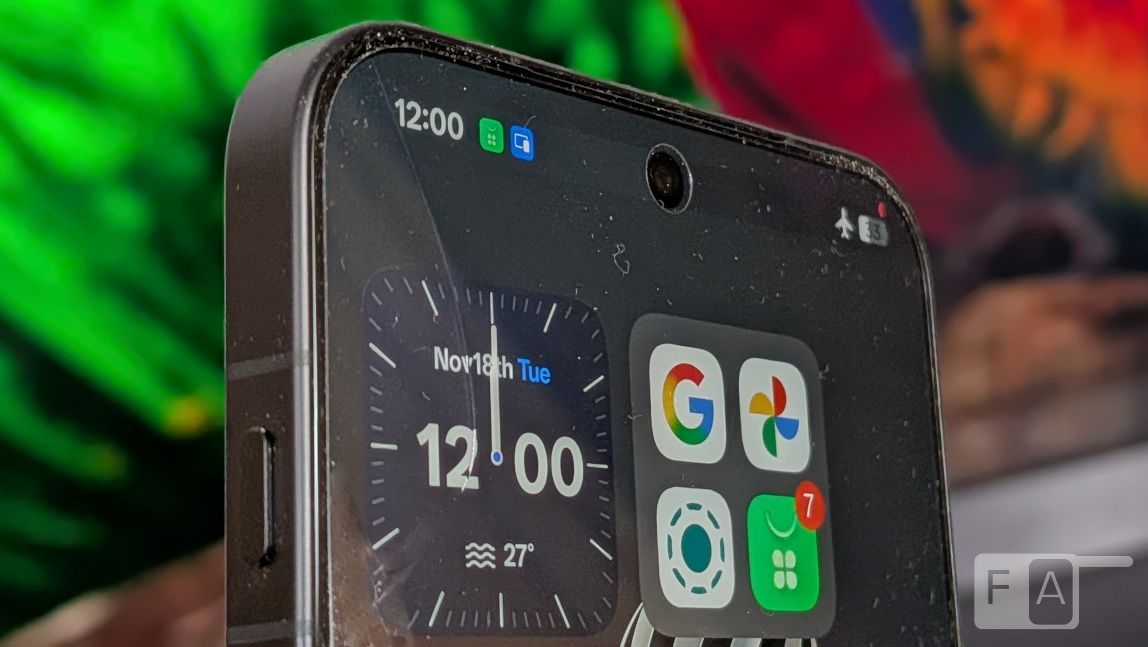
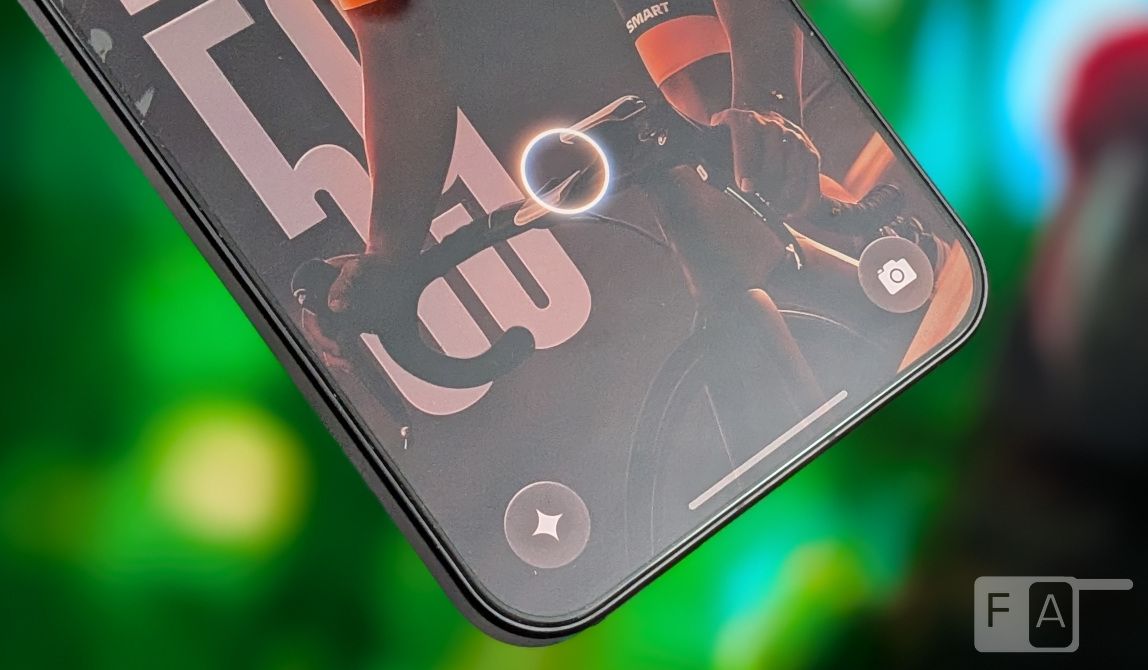
The phone has a 1.1mm symmetrical bezel, which is impressive, and a major improvement compared to 1.45mm in the Find X8. It has X-axis linear vibration motor. The phone has a tiny punch-hole that houses a 32-megapixel camera. Above the display, there is an earpiece on the top edge that works as a secondary speaker. It has an in-display fingerprint scanner which is ultrasonic, finally.
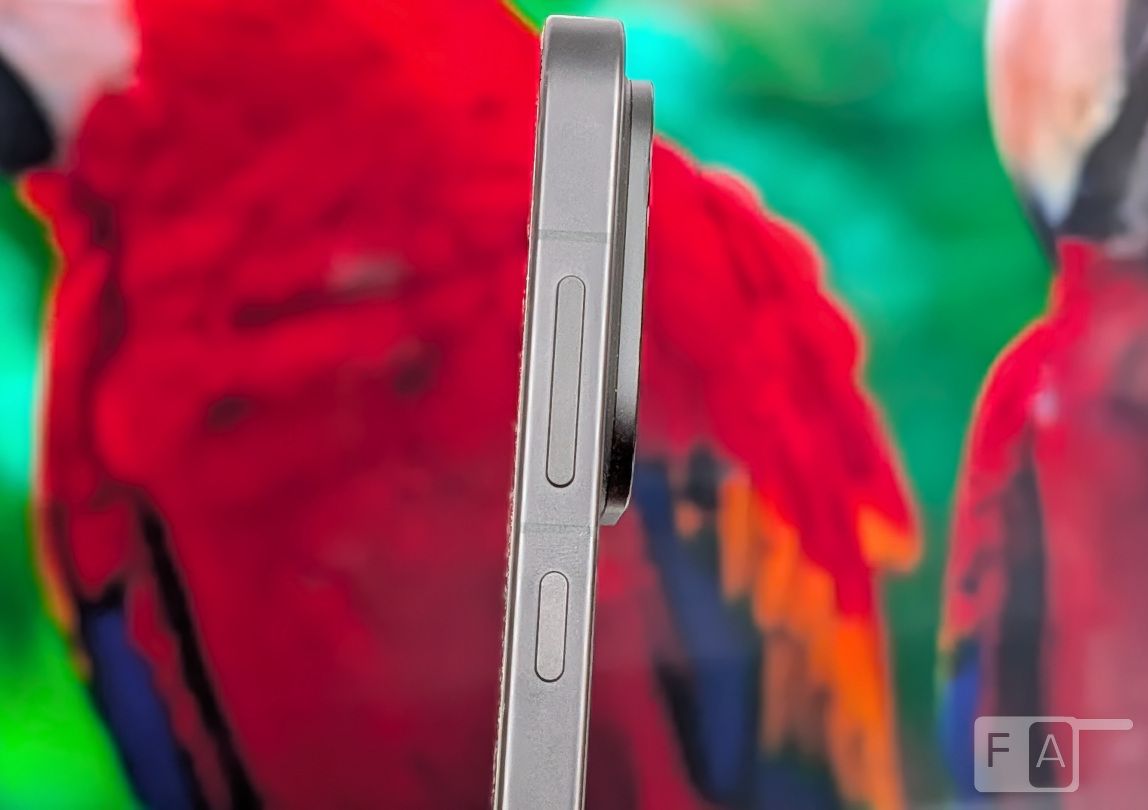
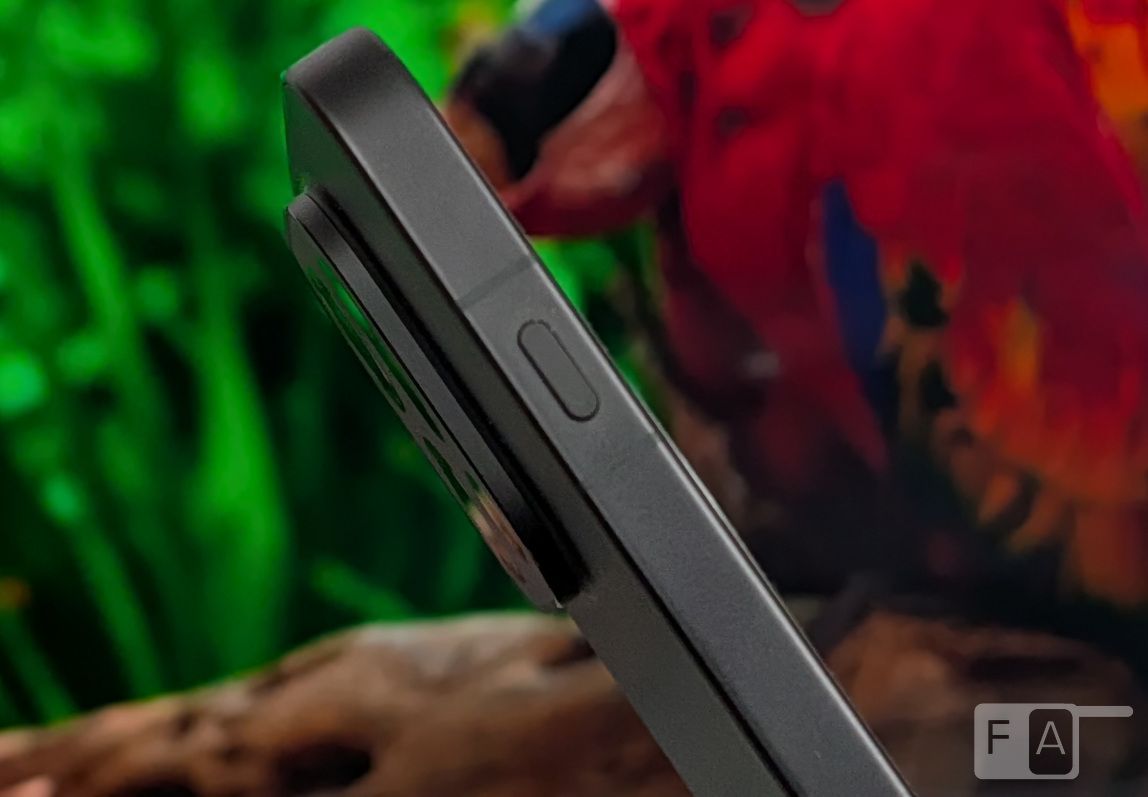
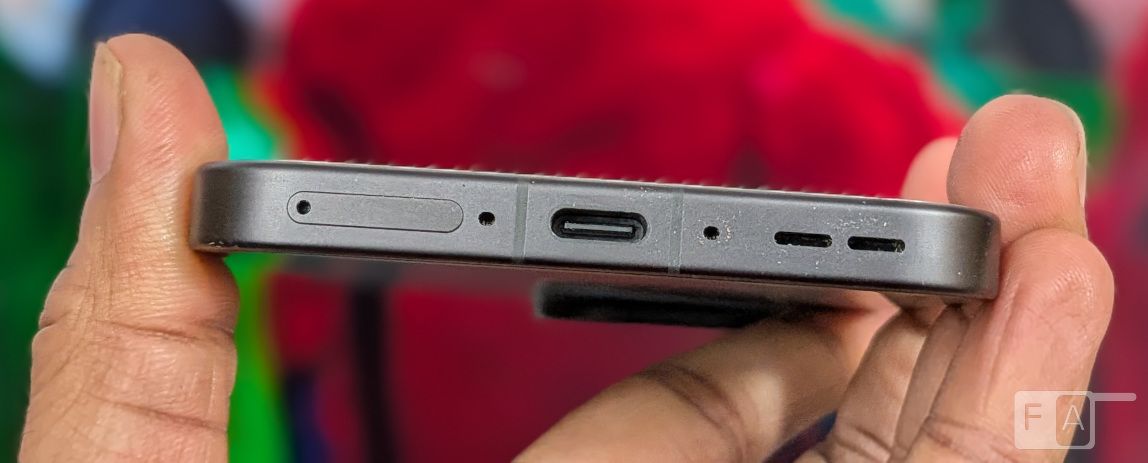
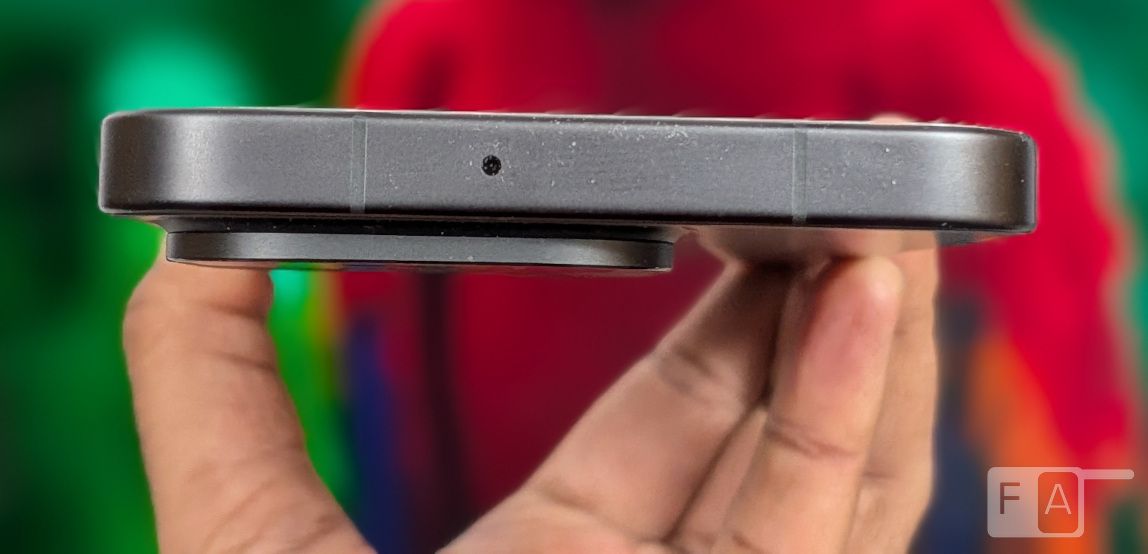
Coming to the button placements and ports, the power button is present on the right side along with the volume rockers. The alert slider which was present on the left is replaced by a snap key. The dual SIM slot, primary microphone, USB Type-C port and the loudspeaker grill are present on the bottom. Only the IR blaster is present on the top, since the secondary microphone is integrated into the earpiece. It has a solid aluminium frame.
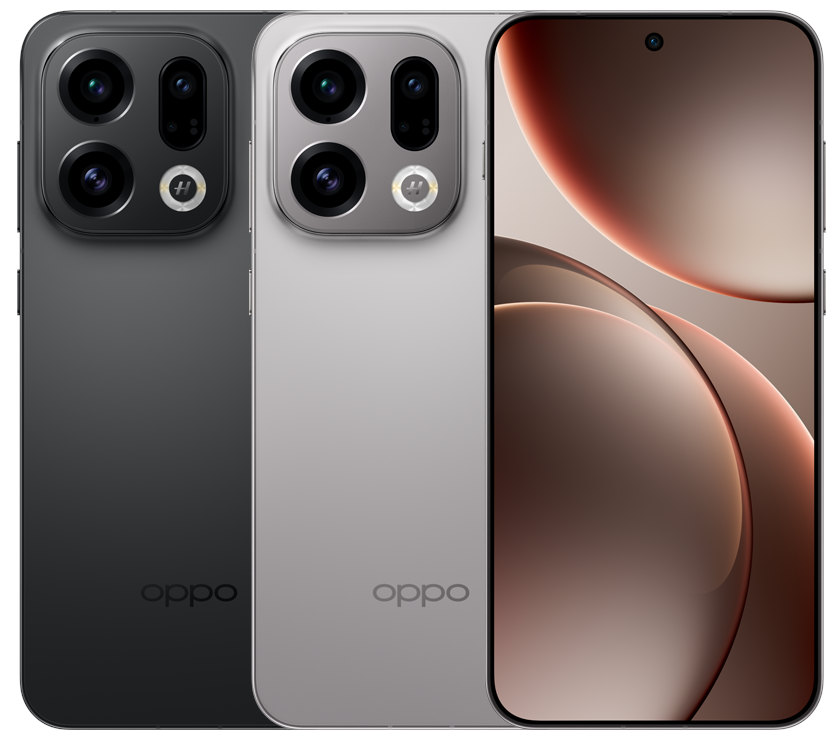
The phone has a flat glass back with a matte finish, offering a good in-hand feel. In addition to the Space Black colour that we have, it also comes in Titanium Grey colour. Even though the phone has round corners and a matte finish on the sides, it offers a good grip and a solid feel. The phone weighs 203 grams, which is 10g heavier than the predecessor, mainly due to the bigger battery. But it is still sleek at just 7.99mm.
The phone is compact and has a good weight balance and redesigned camera housing, which is now present on the top left. The phone doesn’t miss out on the IP66 and IP68 ratings, and also has IP69 ratings for the dust and water resistance offering defence against high-pressure, high-temperature water jets, ensuring the device can withstand even more extreme conditions.
Camera
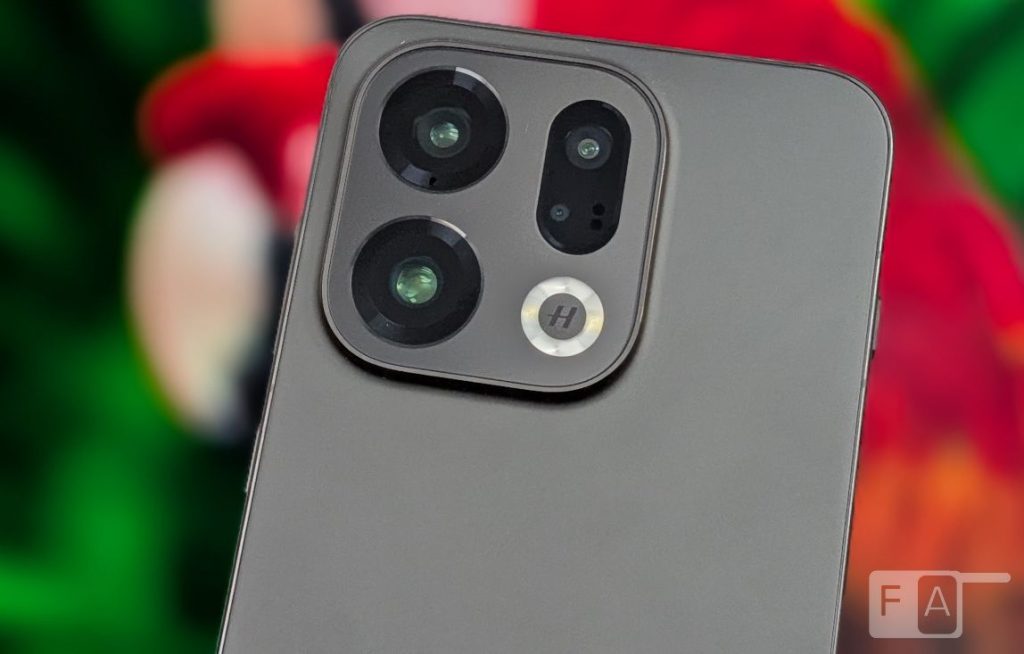
- 50MP camera with 1/1.4″ Sony LYT808 sensor, f/1.6 aperture, OIS
- 50MP ultra-wide camera with JN5 sensor
- 50MP 1/1.95″ LYT600 sensor 3x periscope telephoto camera with ƒ/2.6 aperture, OIS
- 2MP multi-spectral lens, f/2.4 aperture
- 32MP front camera with 1/2.74″ Sony IMX615 sensor, f/2.4 aperture
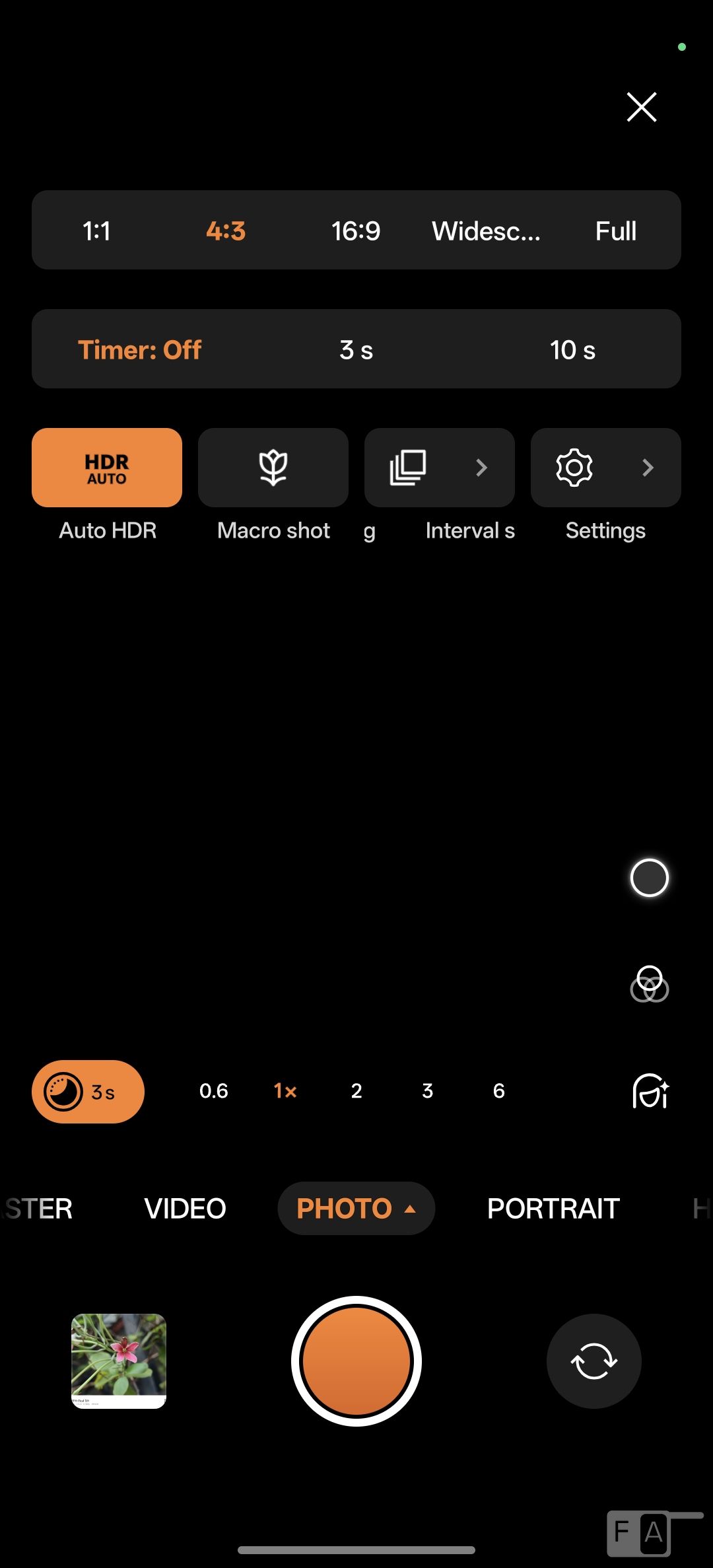
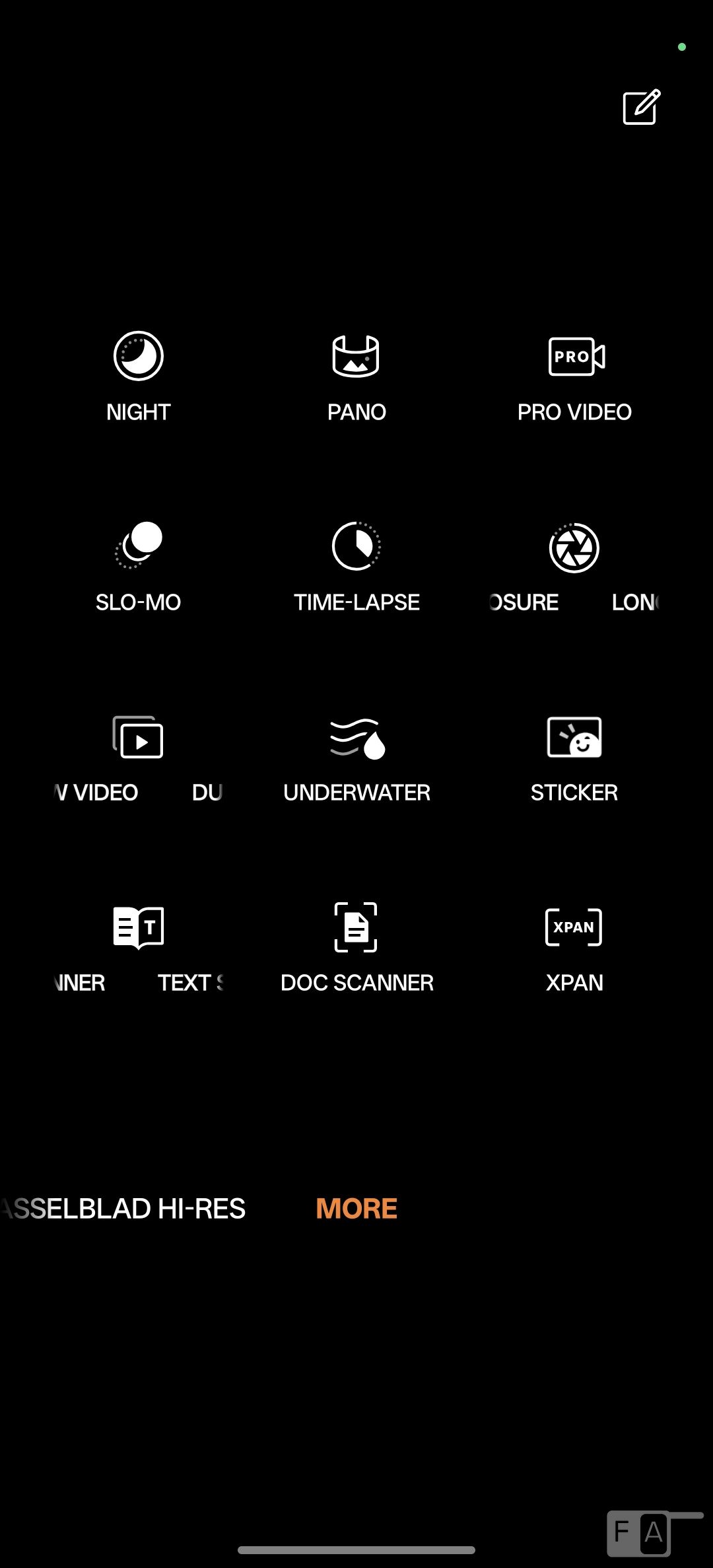
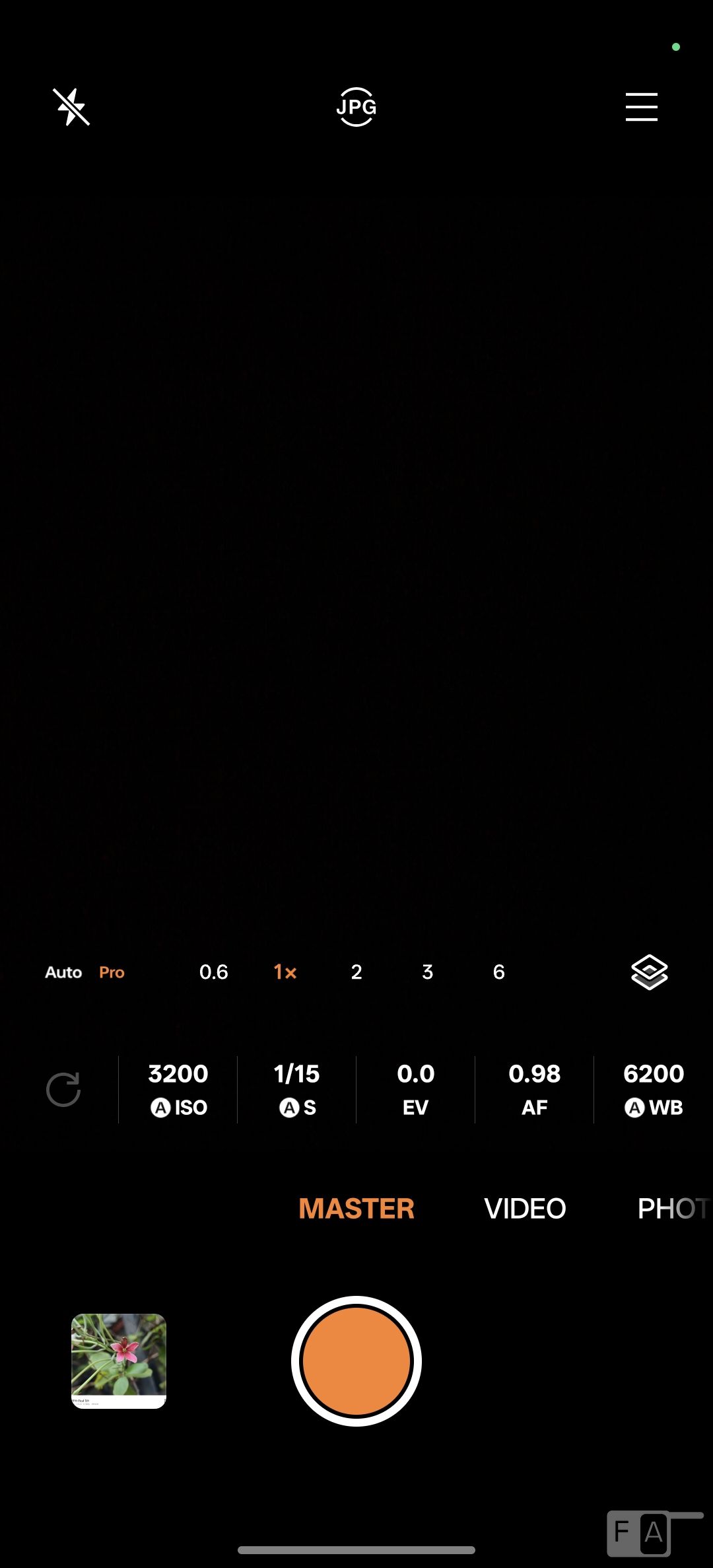
The camera UI in the ColorOS 16 is familiar. The Pro mode is the Master Mode. You get Night mode, Hi-Res, Panorama, Movie, Slo-mo, Time-lapse, Long Exposure, Dual-View video, Sticker, AI ID Photo, Text Scanner and XPAN. The phone uses Hasselblad color science and new Lumo Image Engine, OPPO’s in-house computational photography solution. Images are in 50MP resolution from all the rear cameras and the front camera shots are in 32MP.
Daylight shots were brilliant with a lot of details, thanks to the new Sony Lytia sensor, which is the same LYT808 sensor used in last year’s OPPO Find X8 Pro. The dynamic range is better with auto HDR. The ultra-wide camera is similar to the X8 with wide f/2.0 aperture. You can shoot macro images with the ultra-wide camera, but the main camera macro shots are the best, so I prefer them.
The phone gets a 3X periscope telephoto camera, same as last year Even at 30x zoom and beyond, the details are good, thanks to computational photography. Even though there is support for up to 120x zoom, you don’t get many details.
The portrait does a good job in 1x, 2x and 3x modes. Low light shots are brilliant with a lot of details and less noise, a huge improvement compared to Find X8. The night mode is useful and 32MP auto front camera does an excellent job. The bokeh shots good with good edge detection.
Check out the camera samples
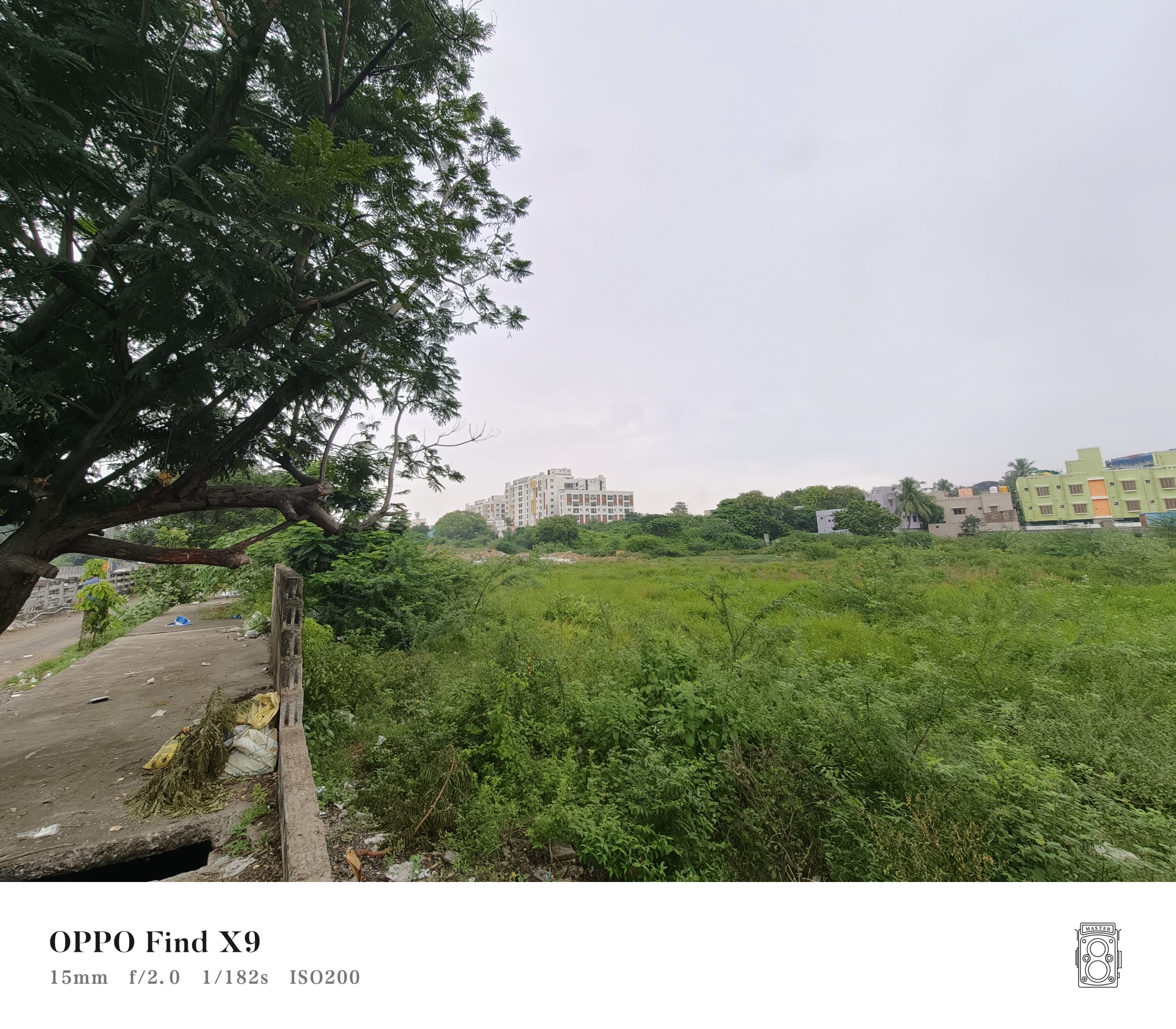
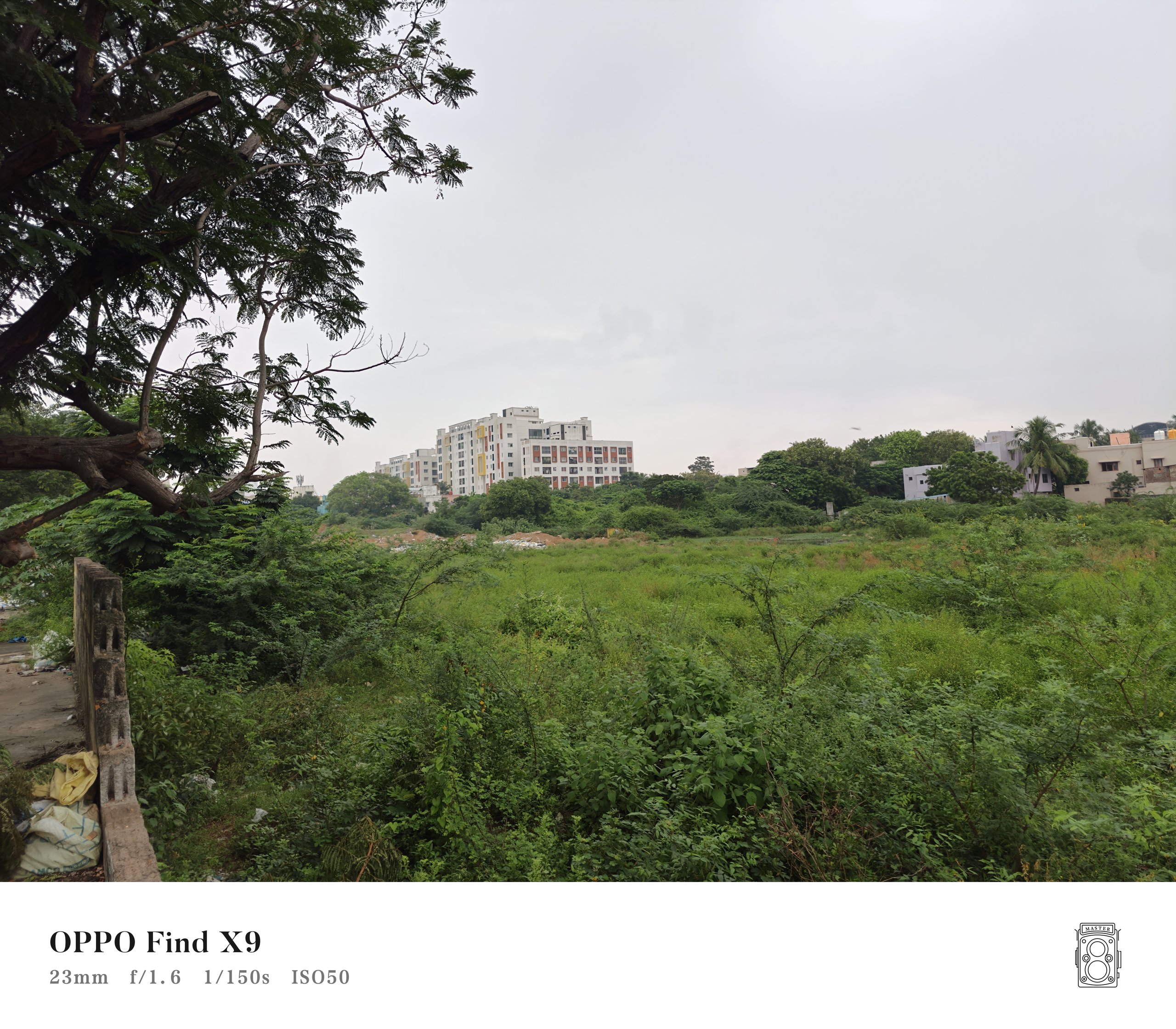
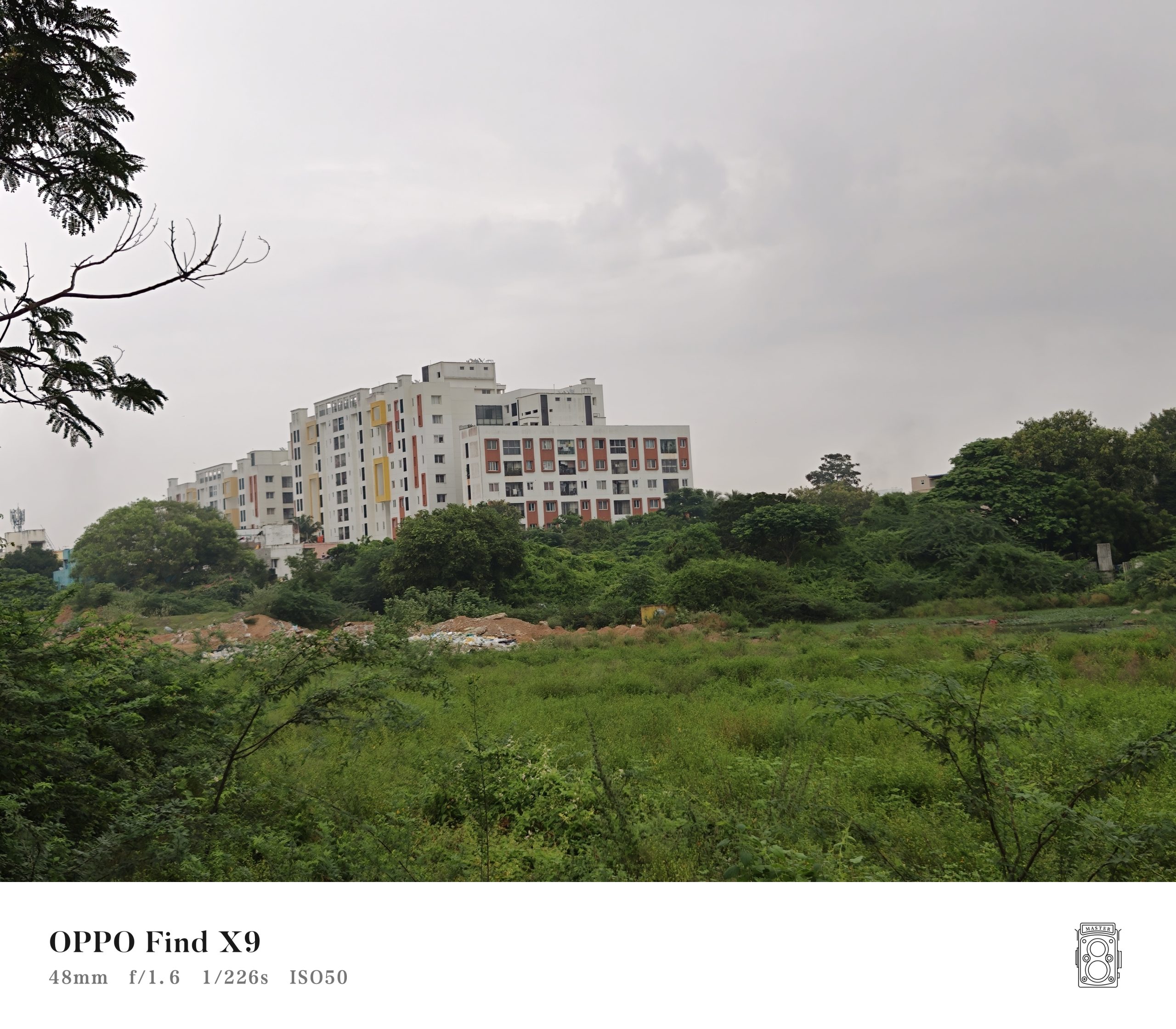
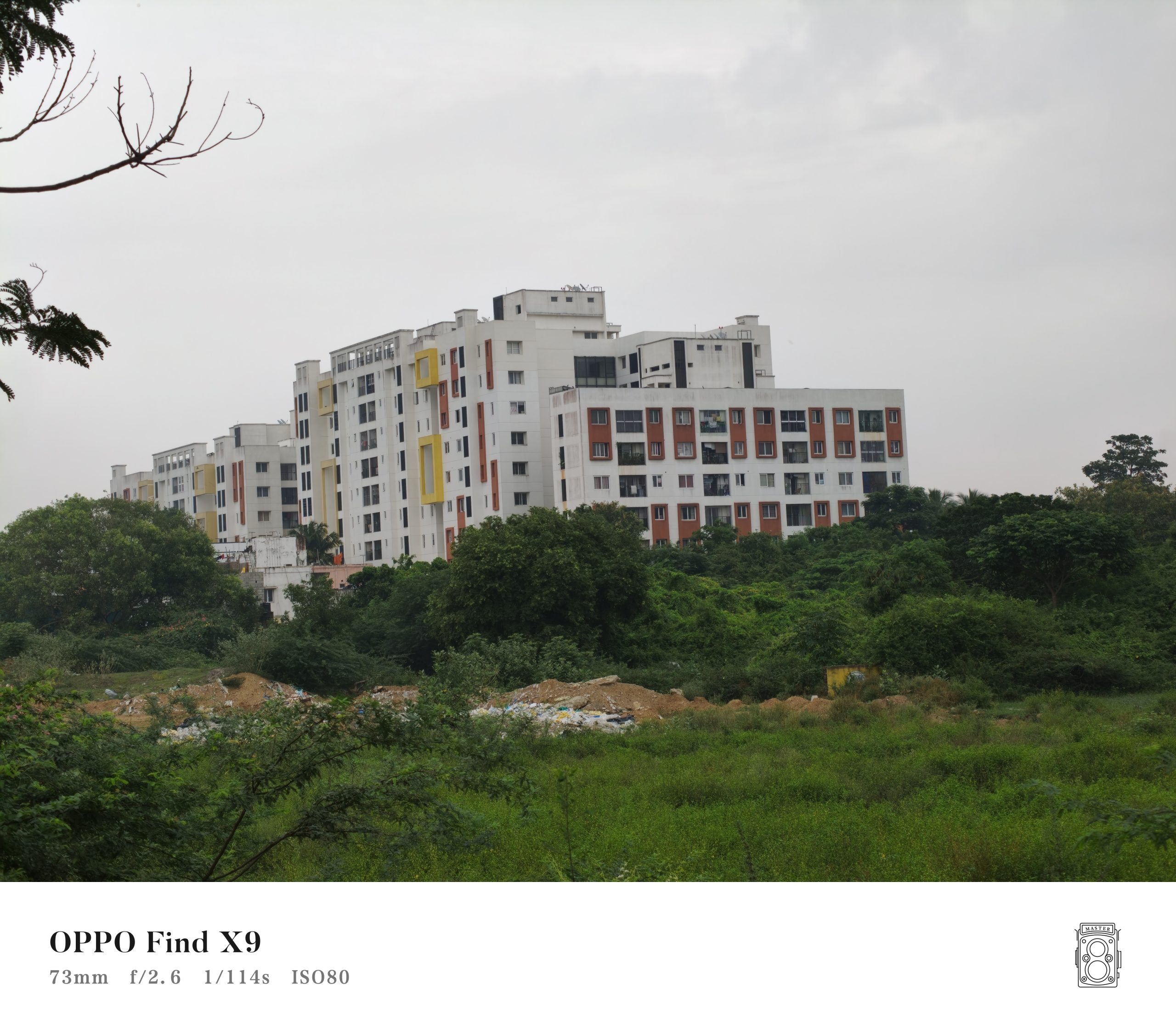
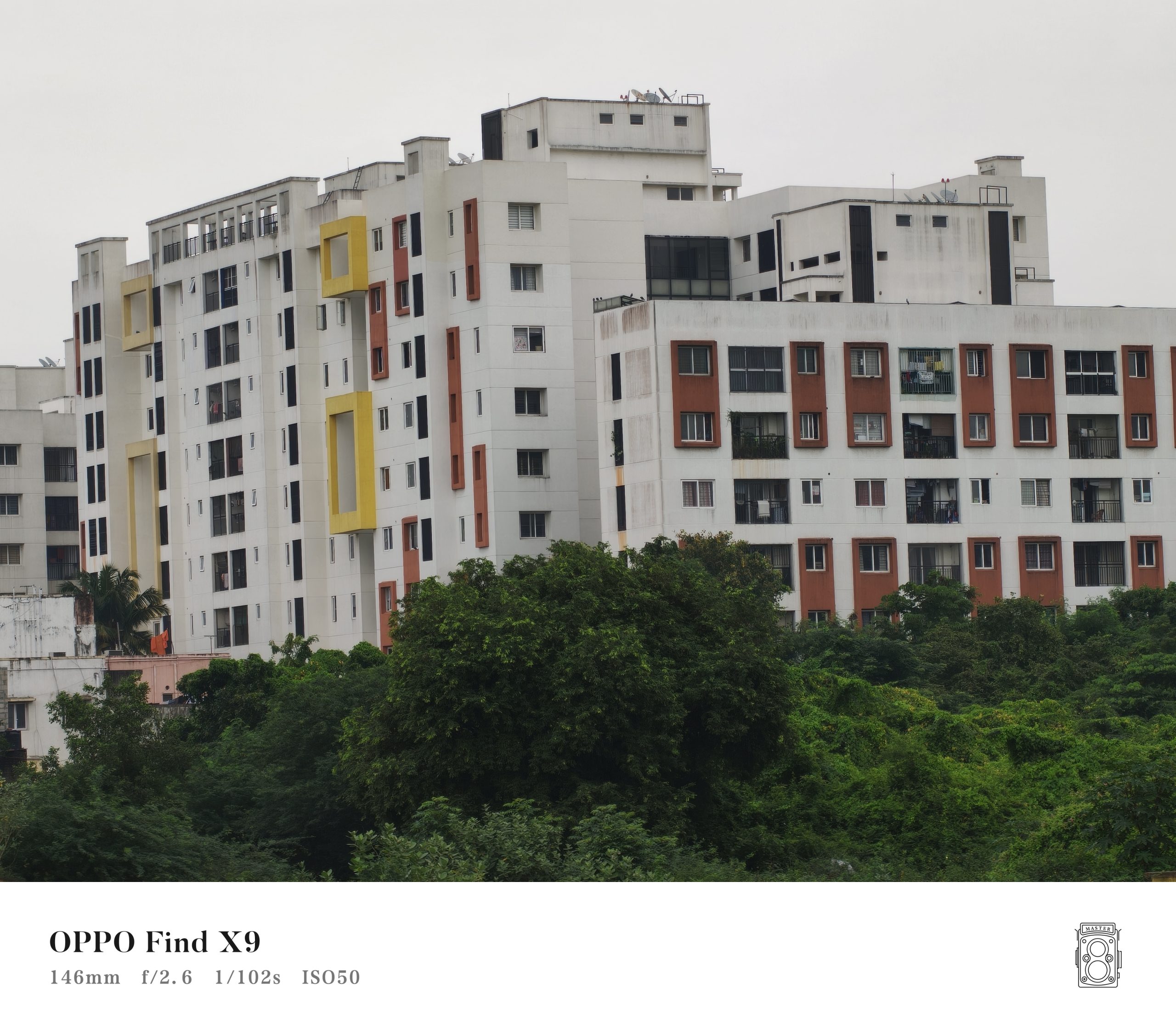
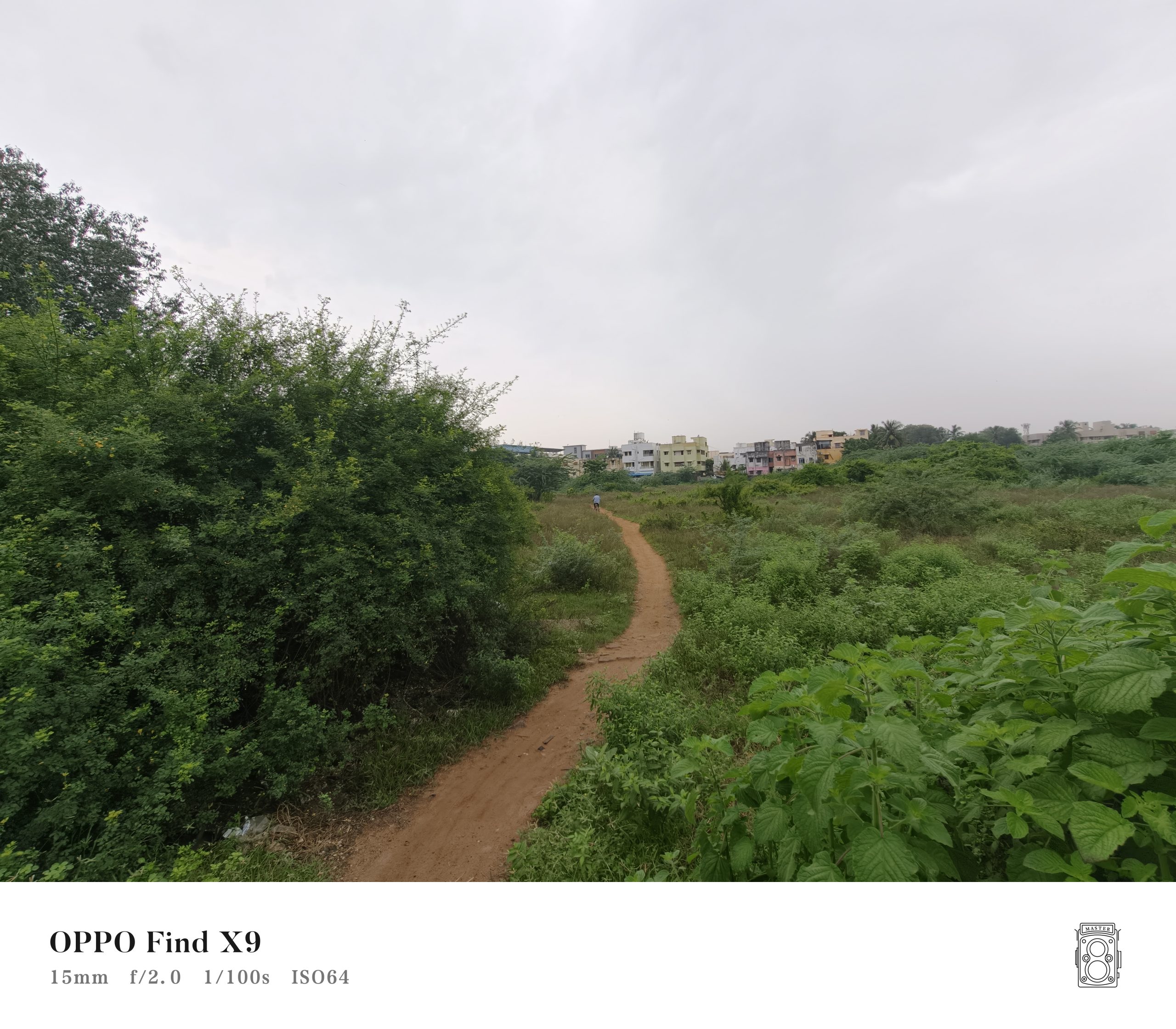
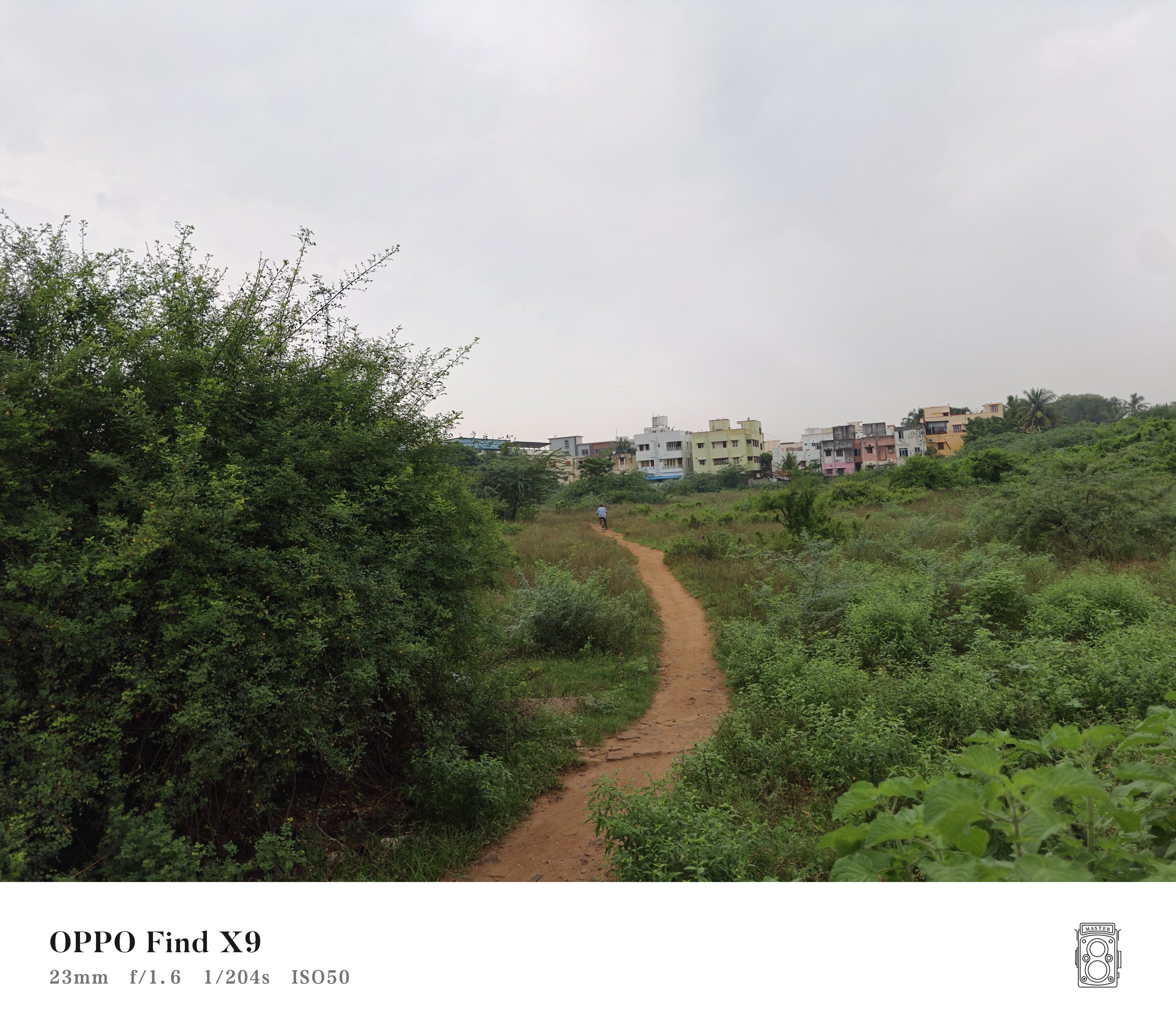
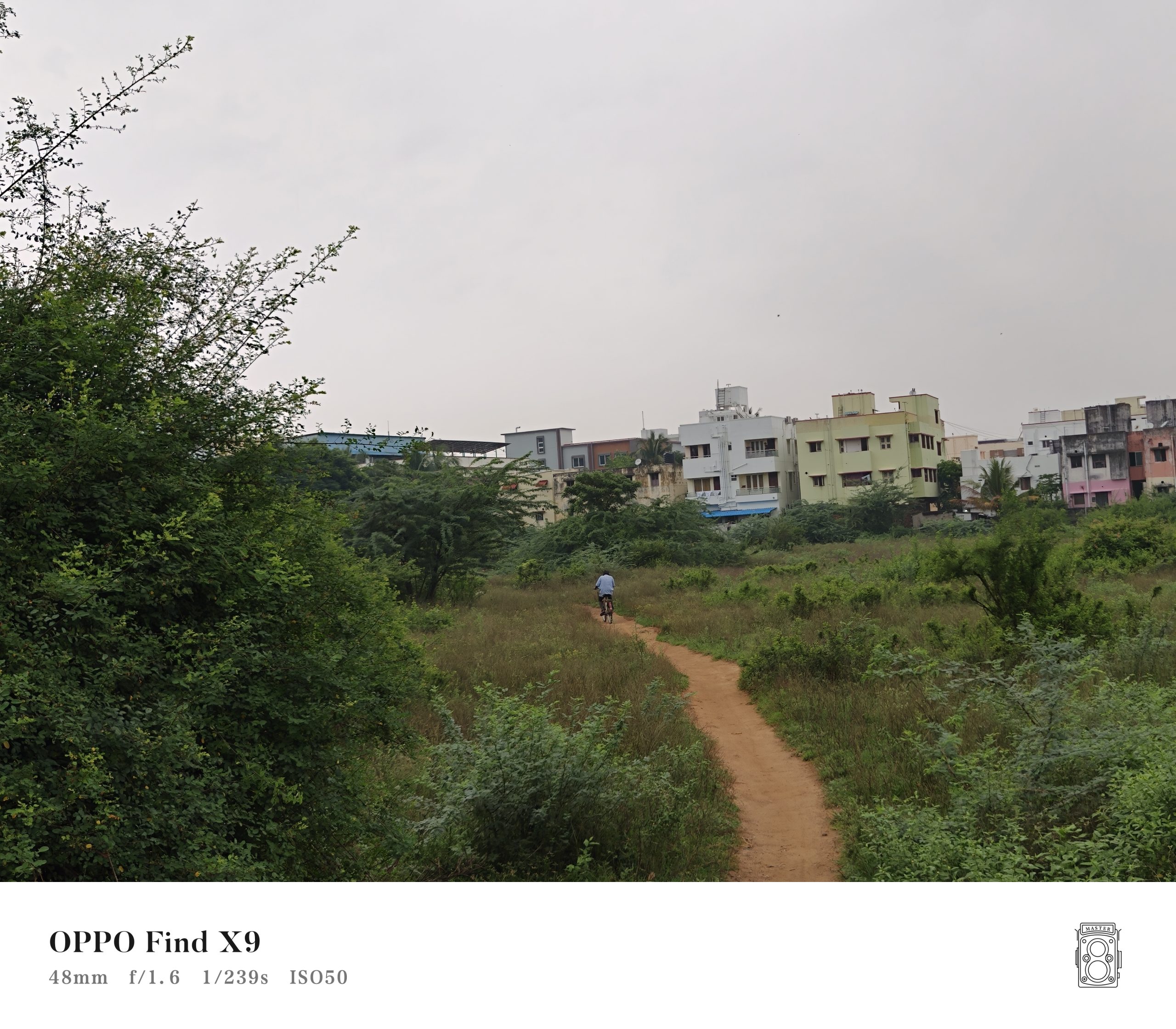
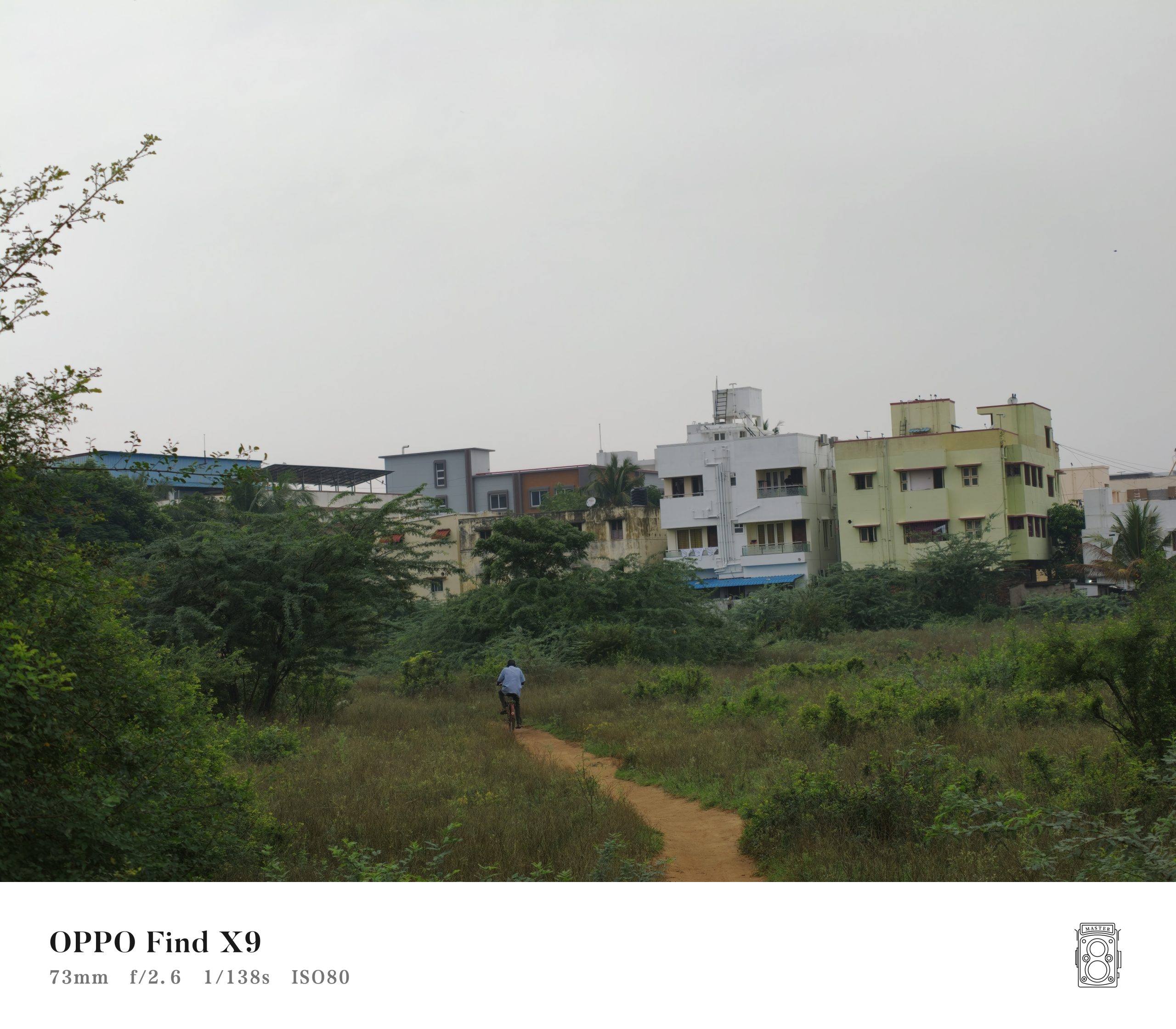
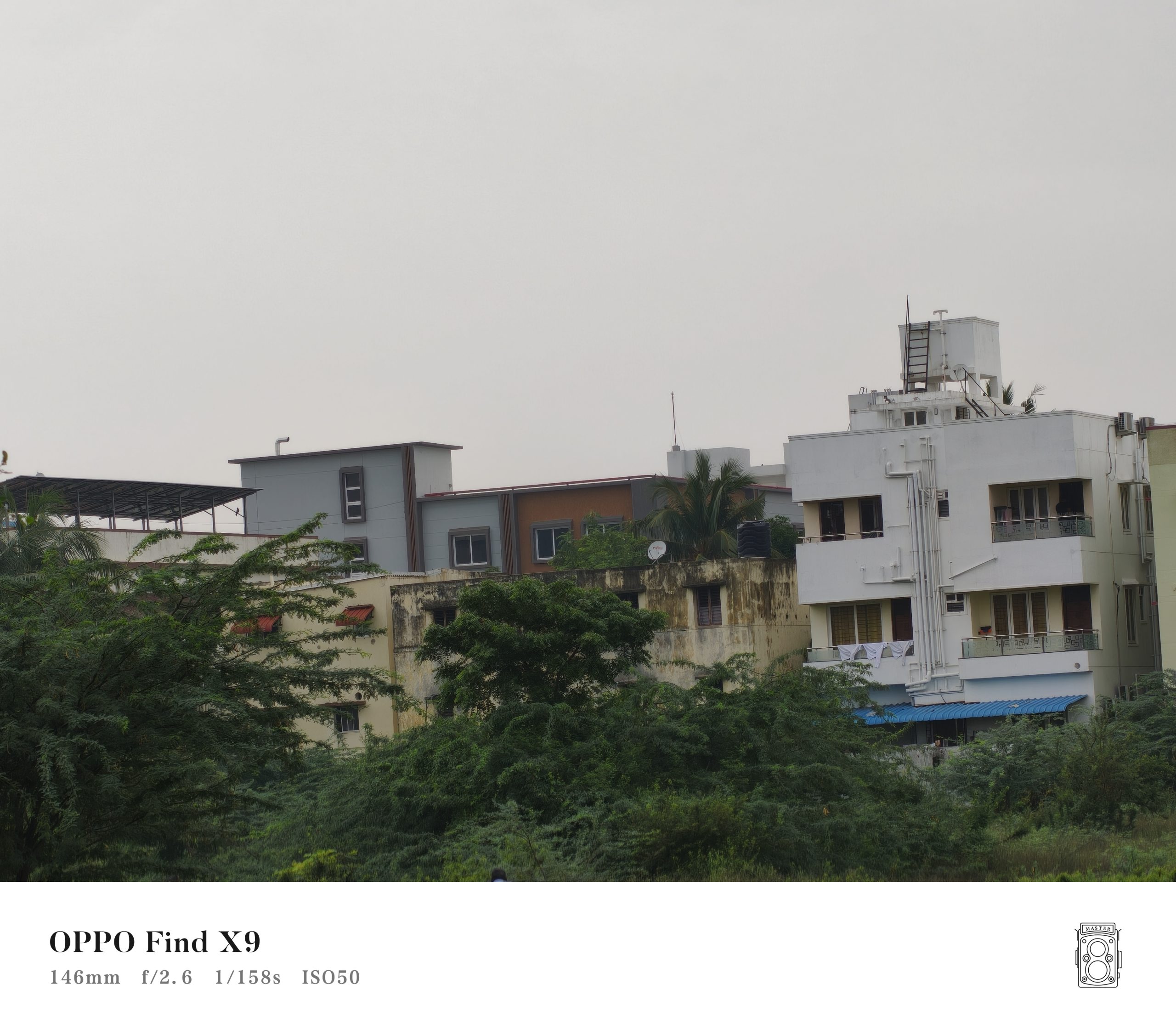
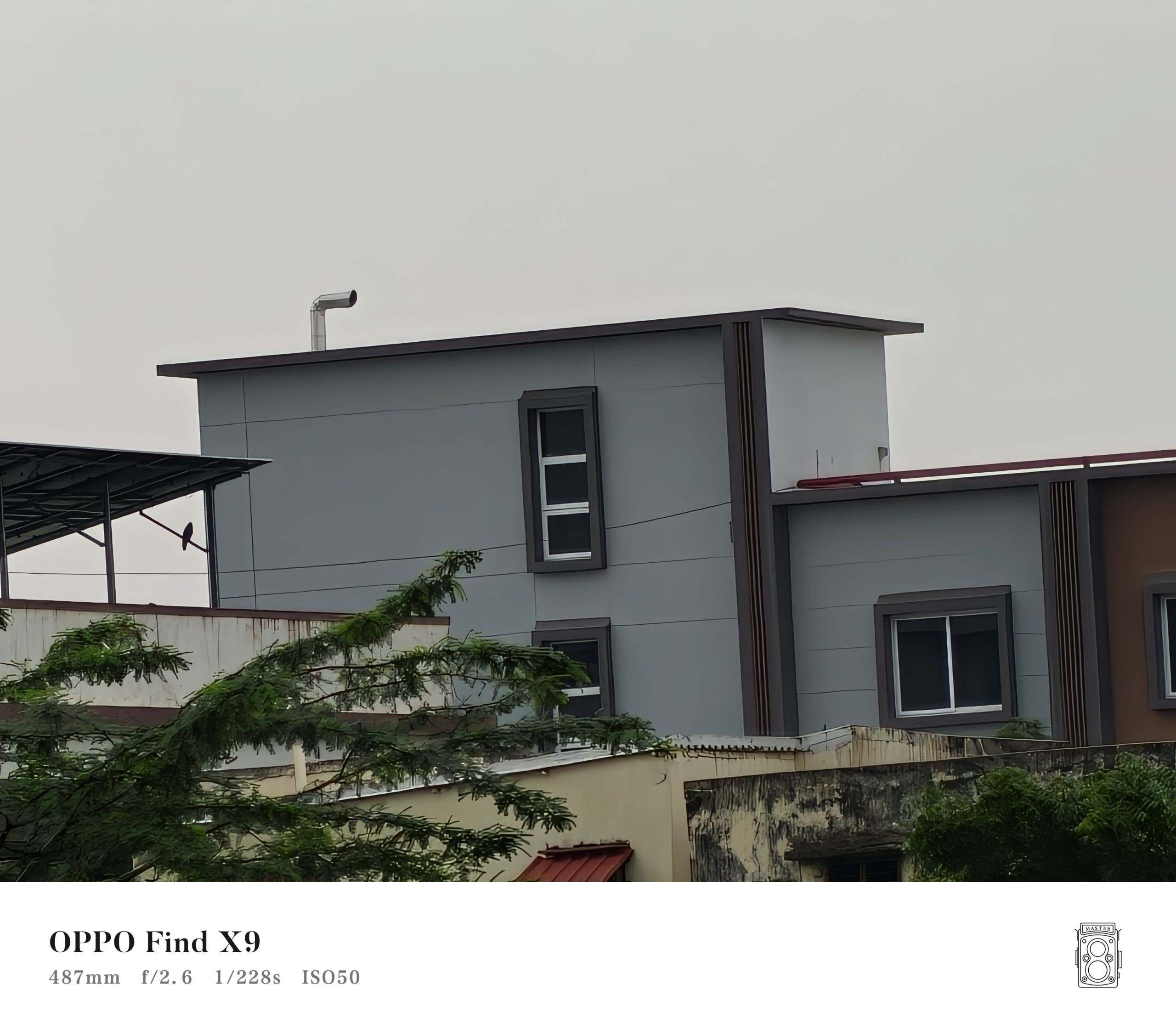
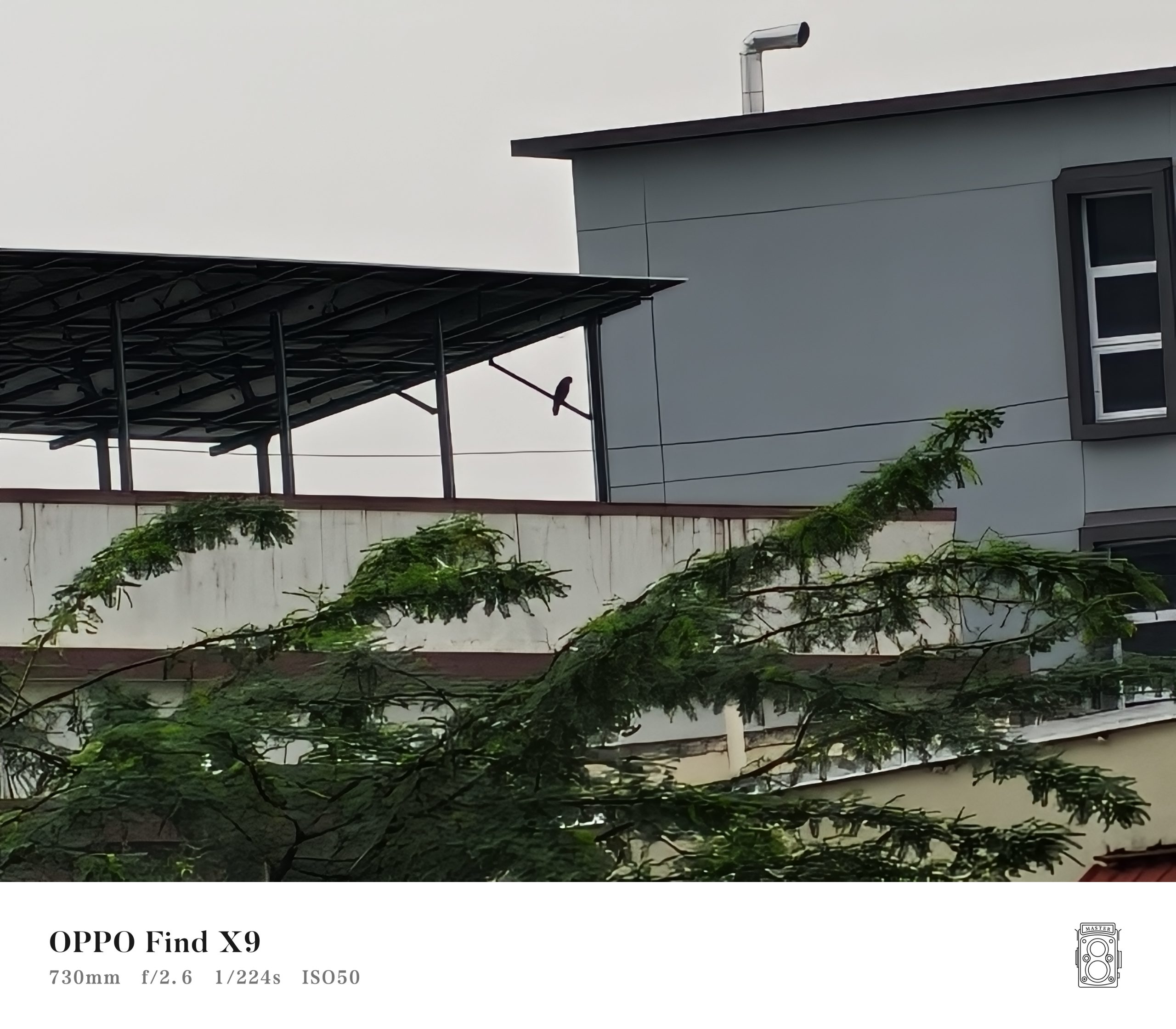
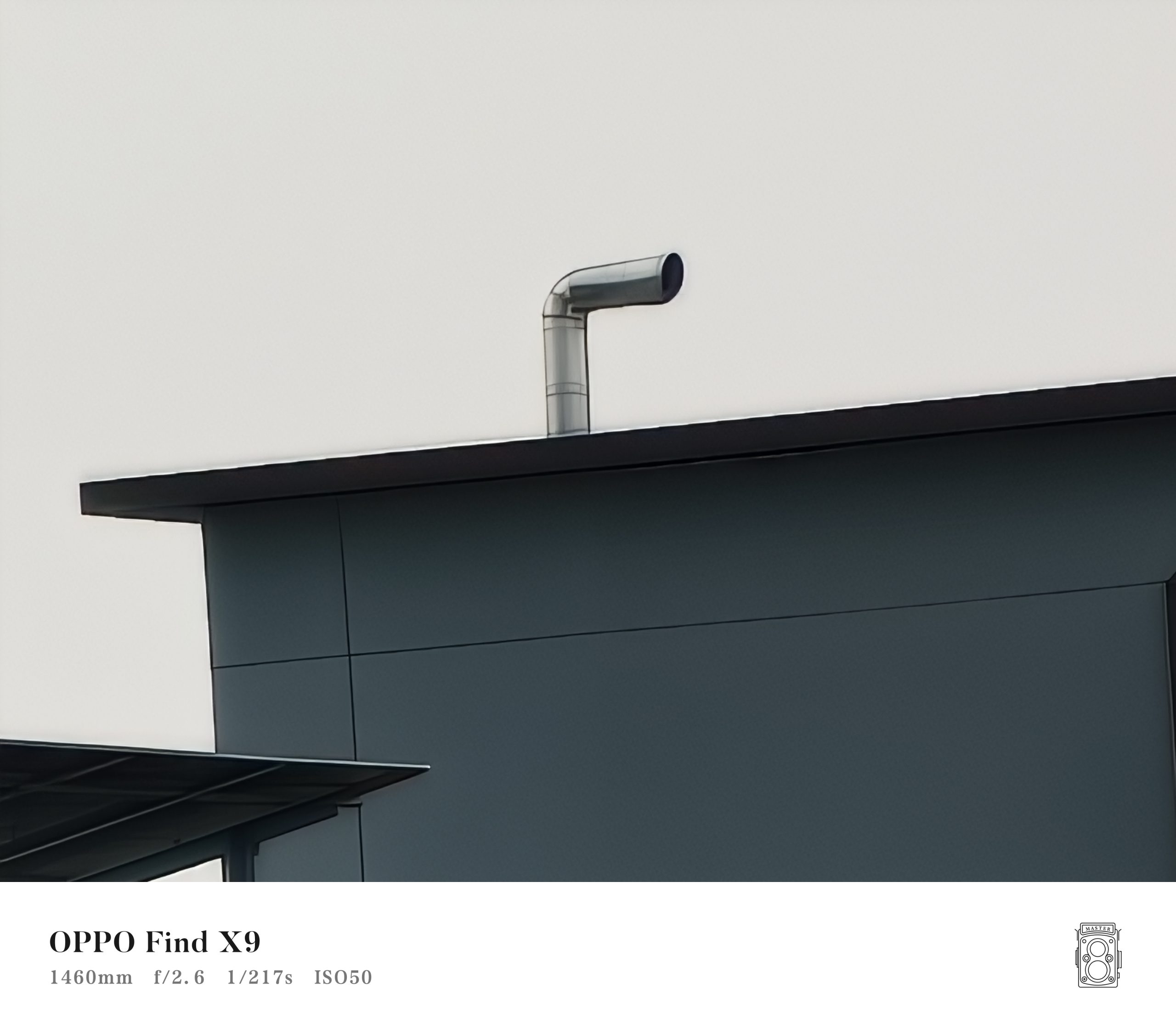
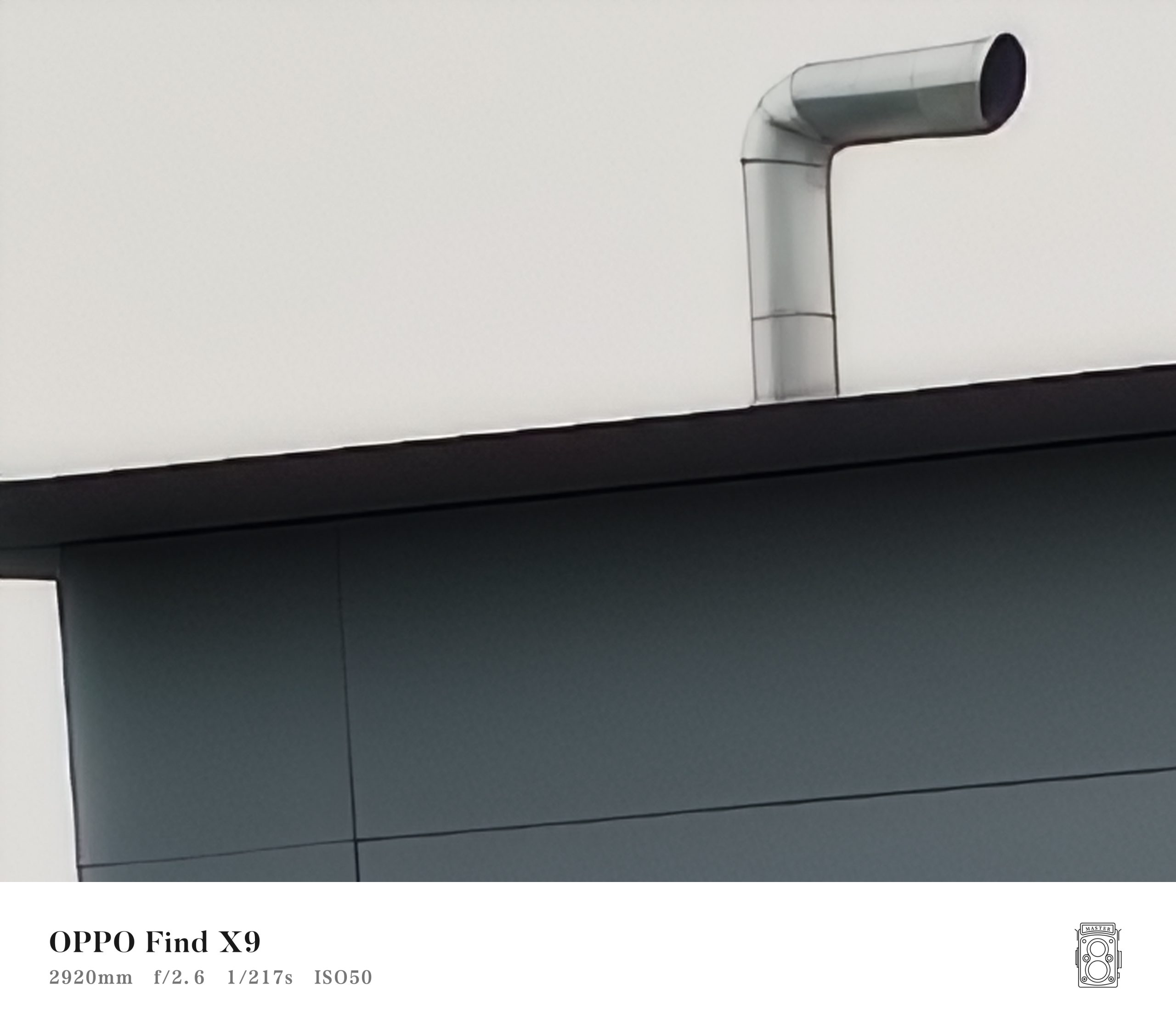


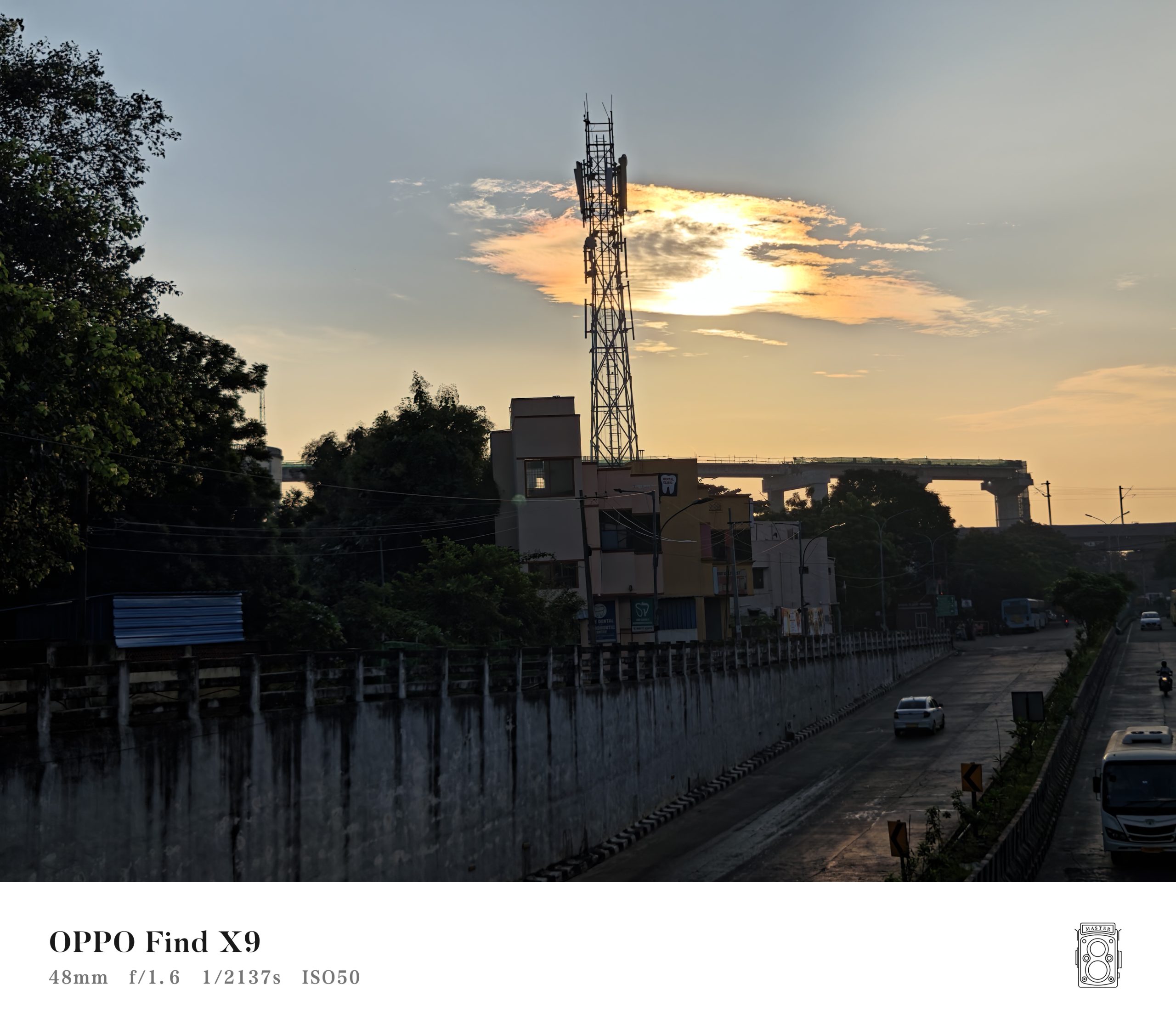
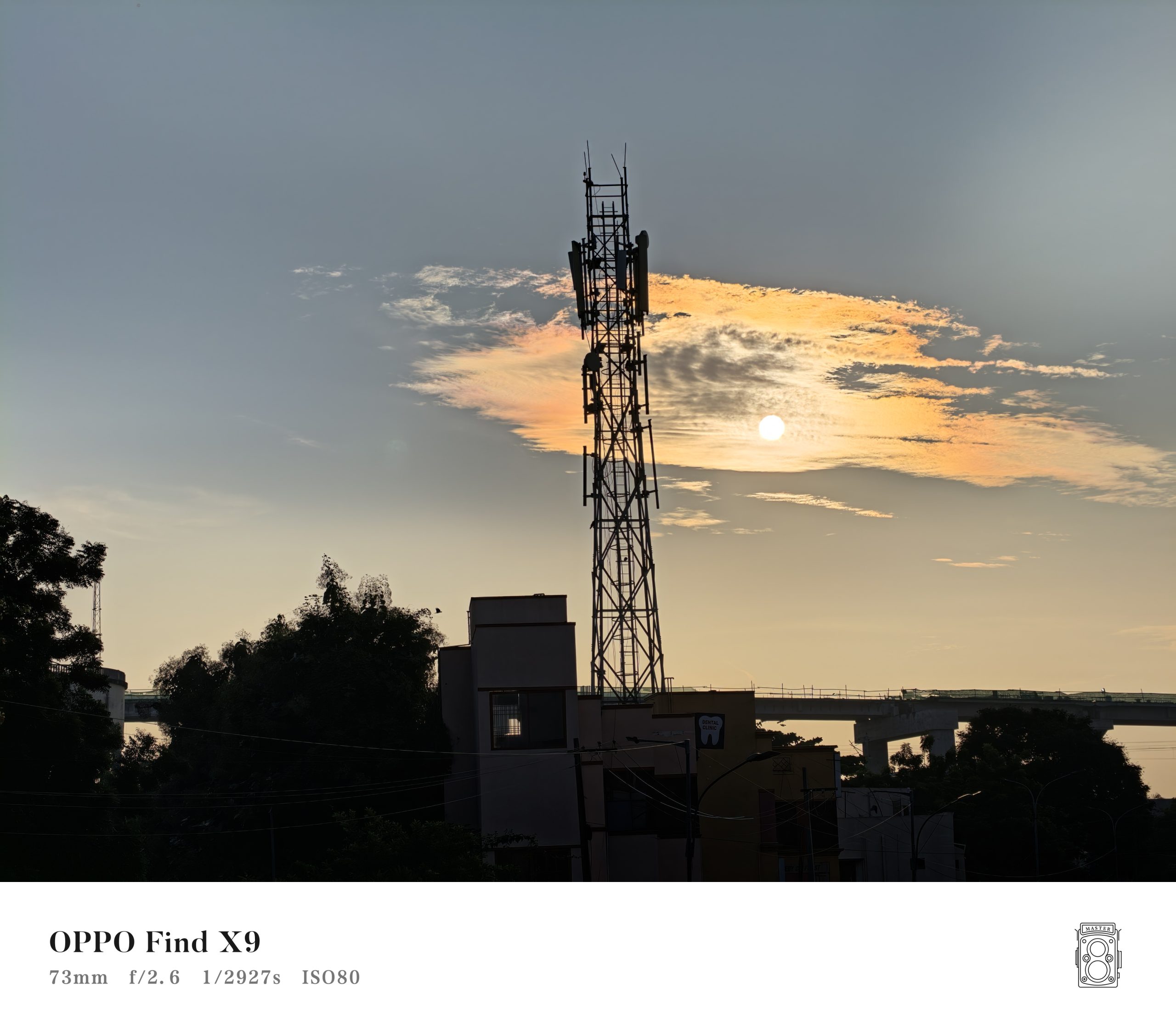
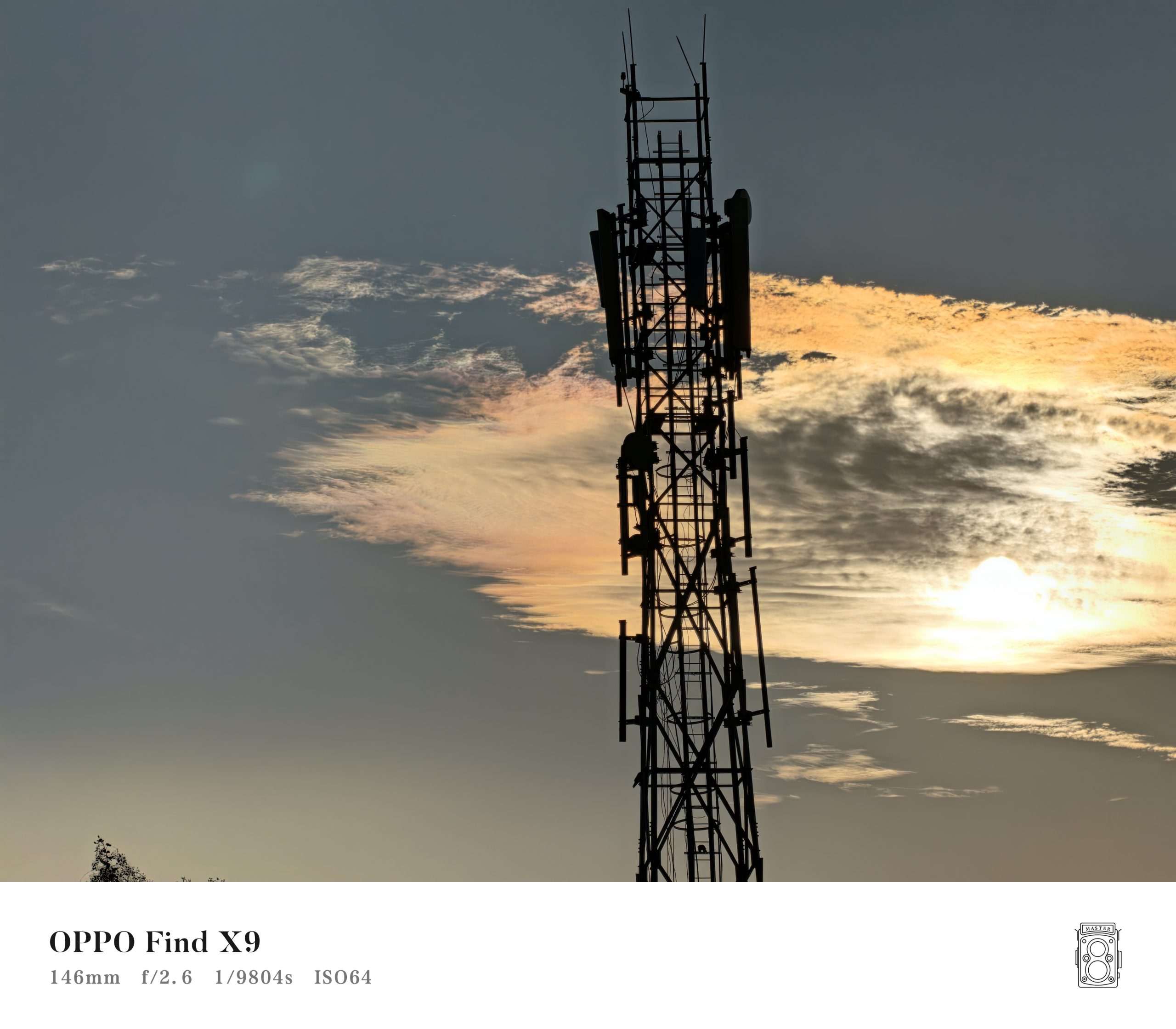
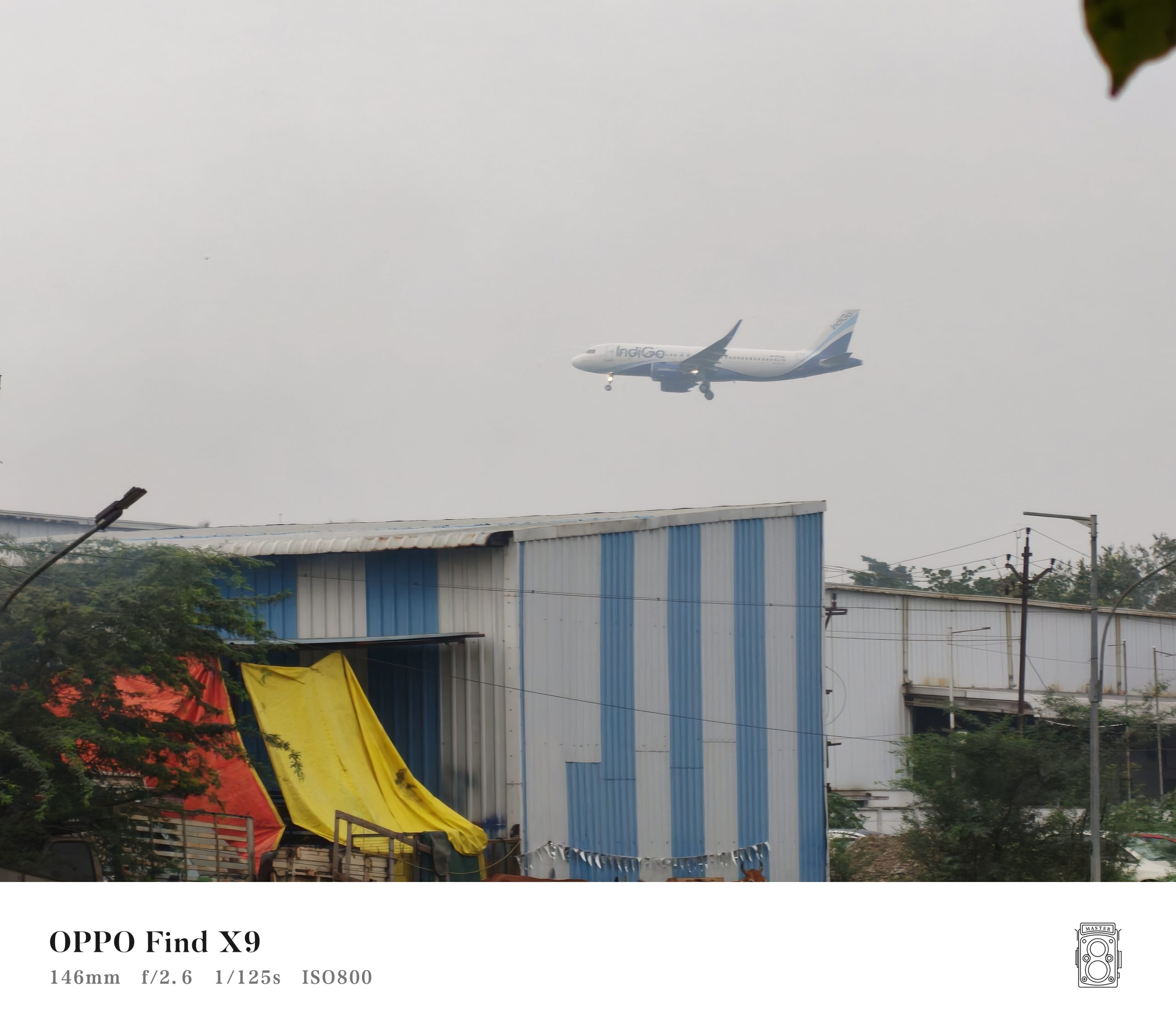
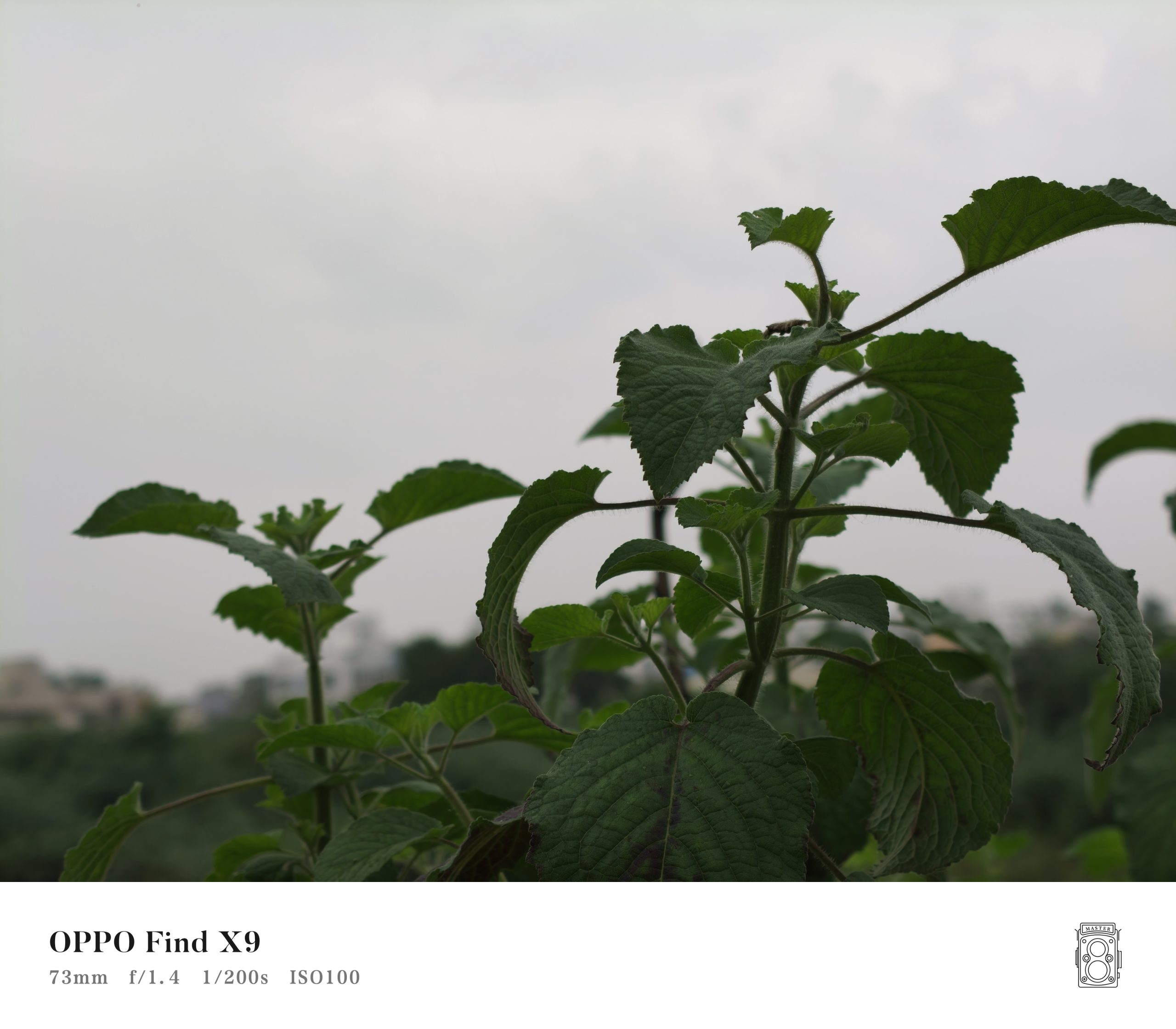
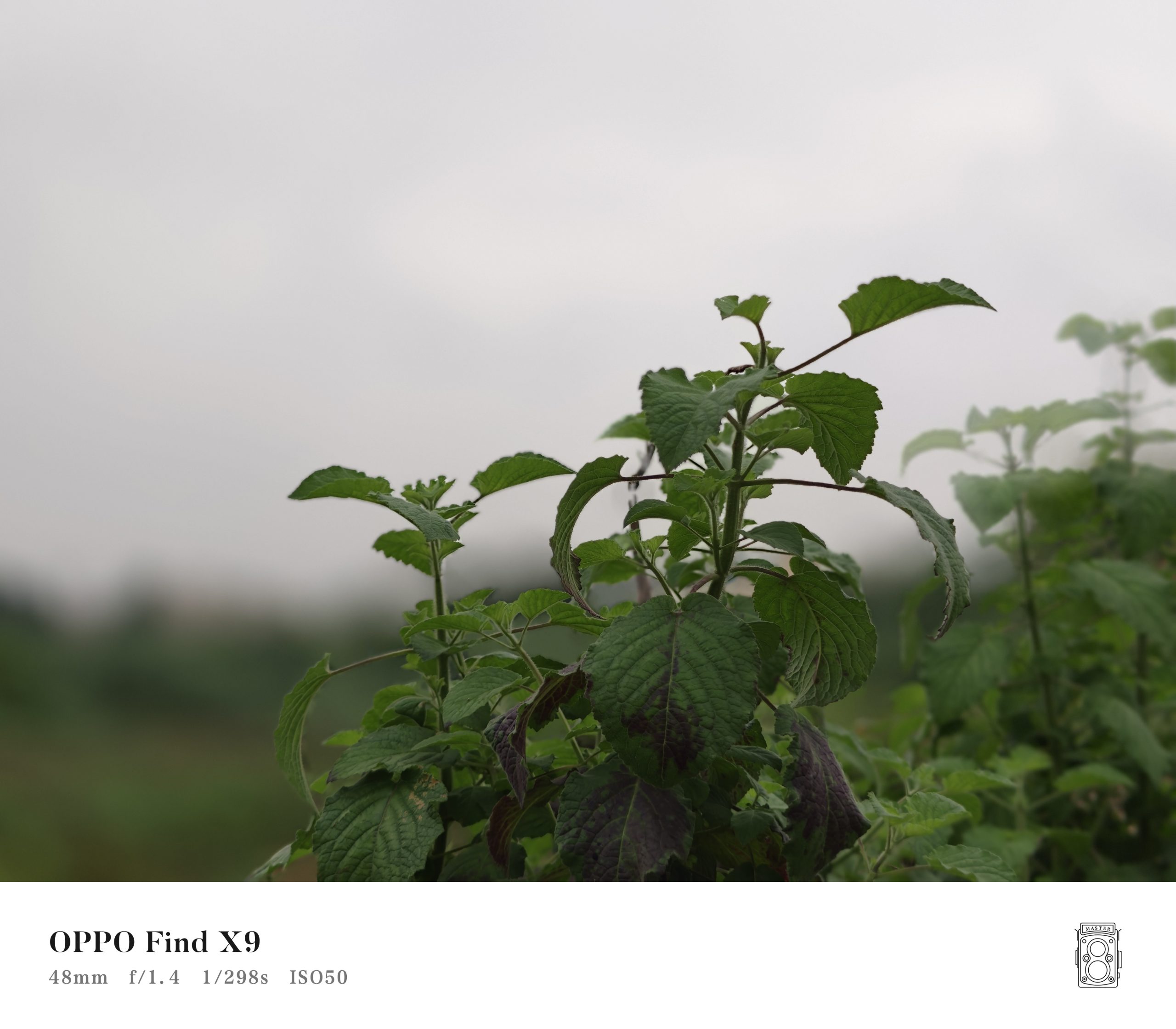
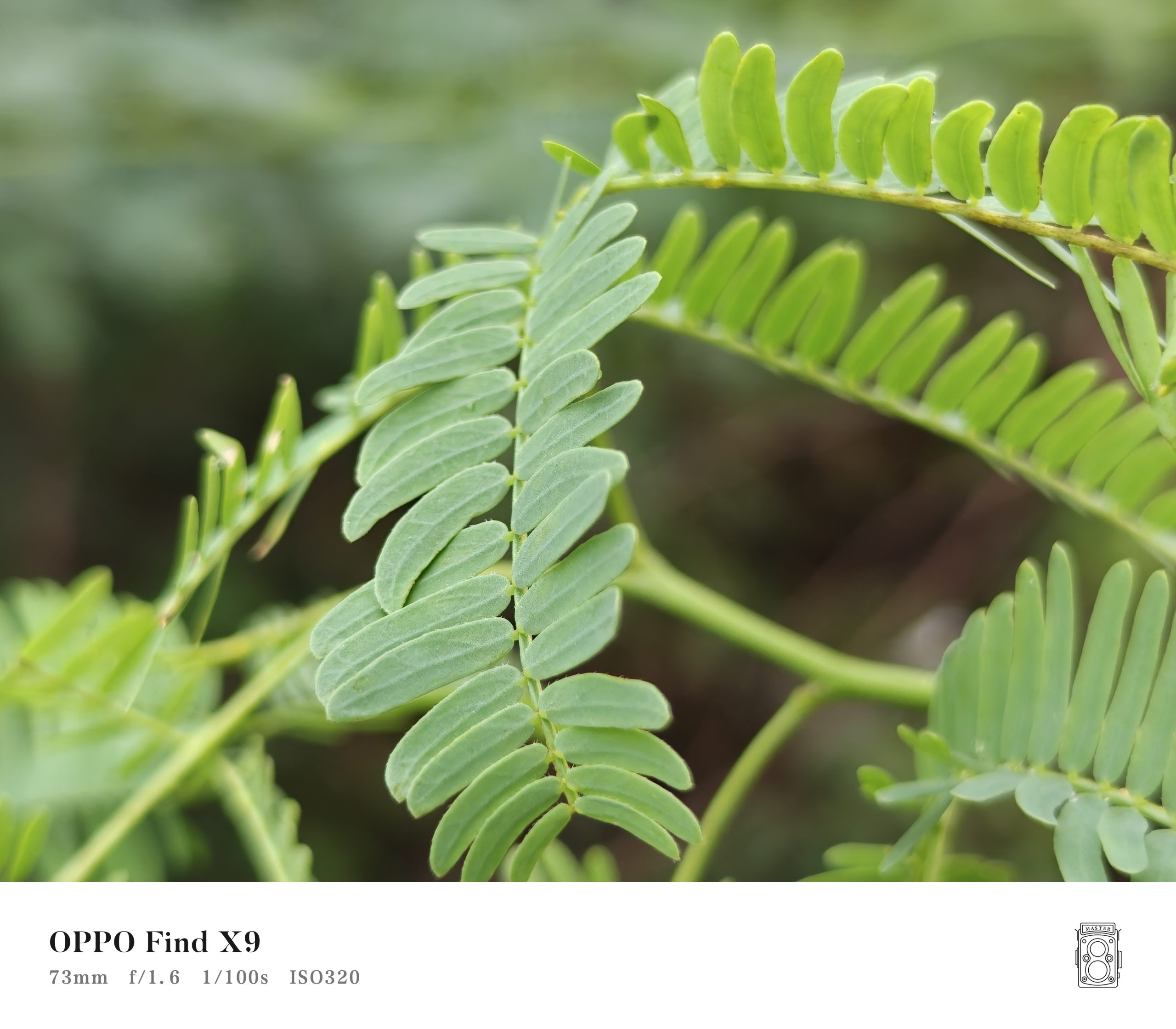


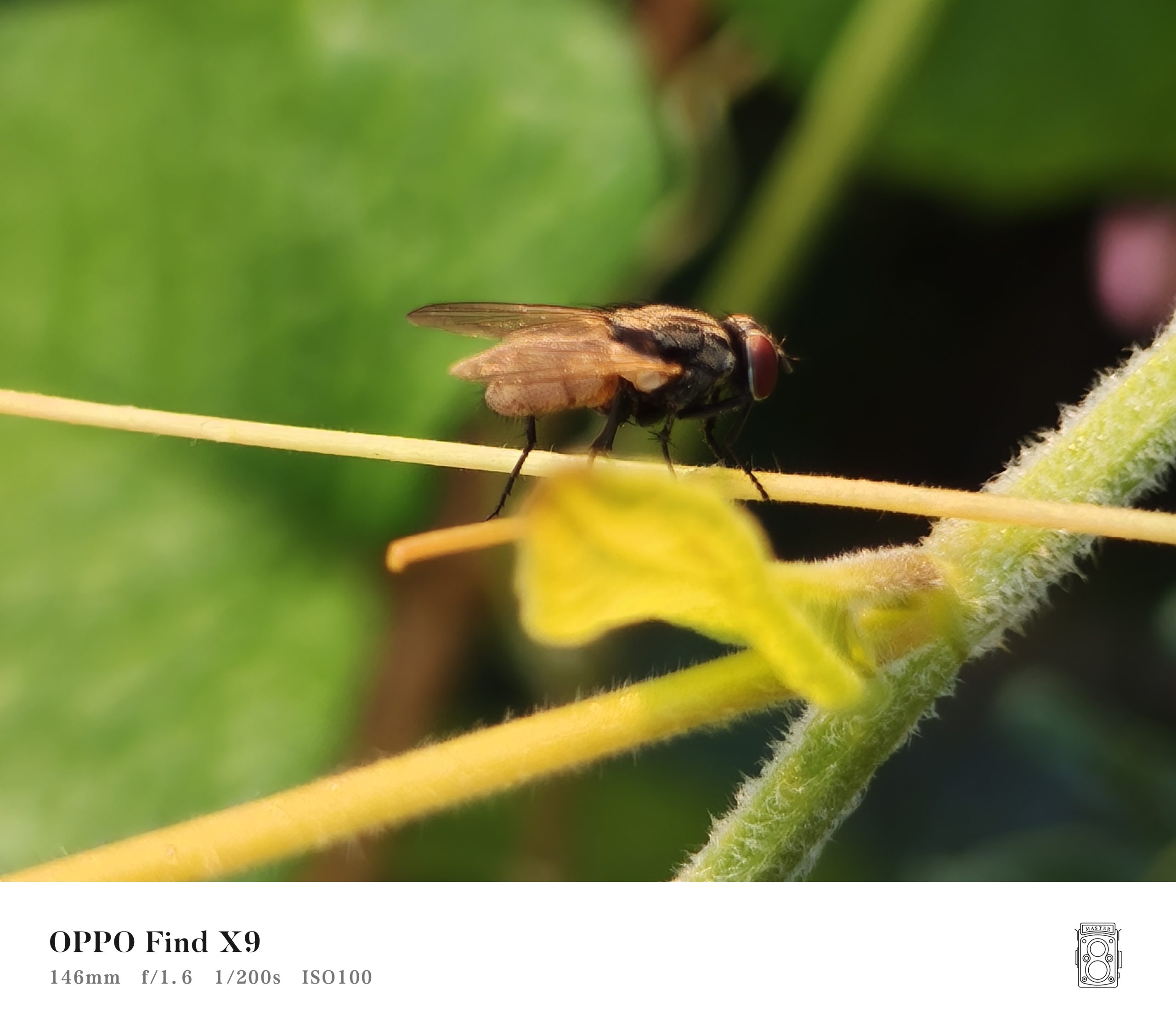
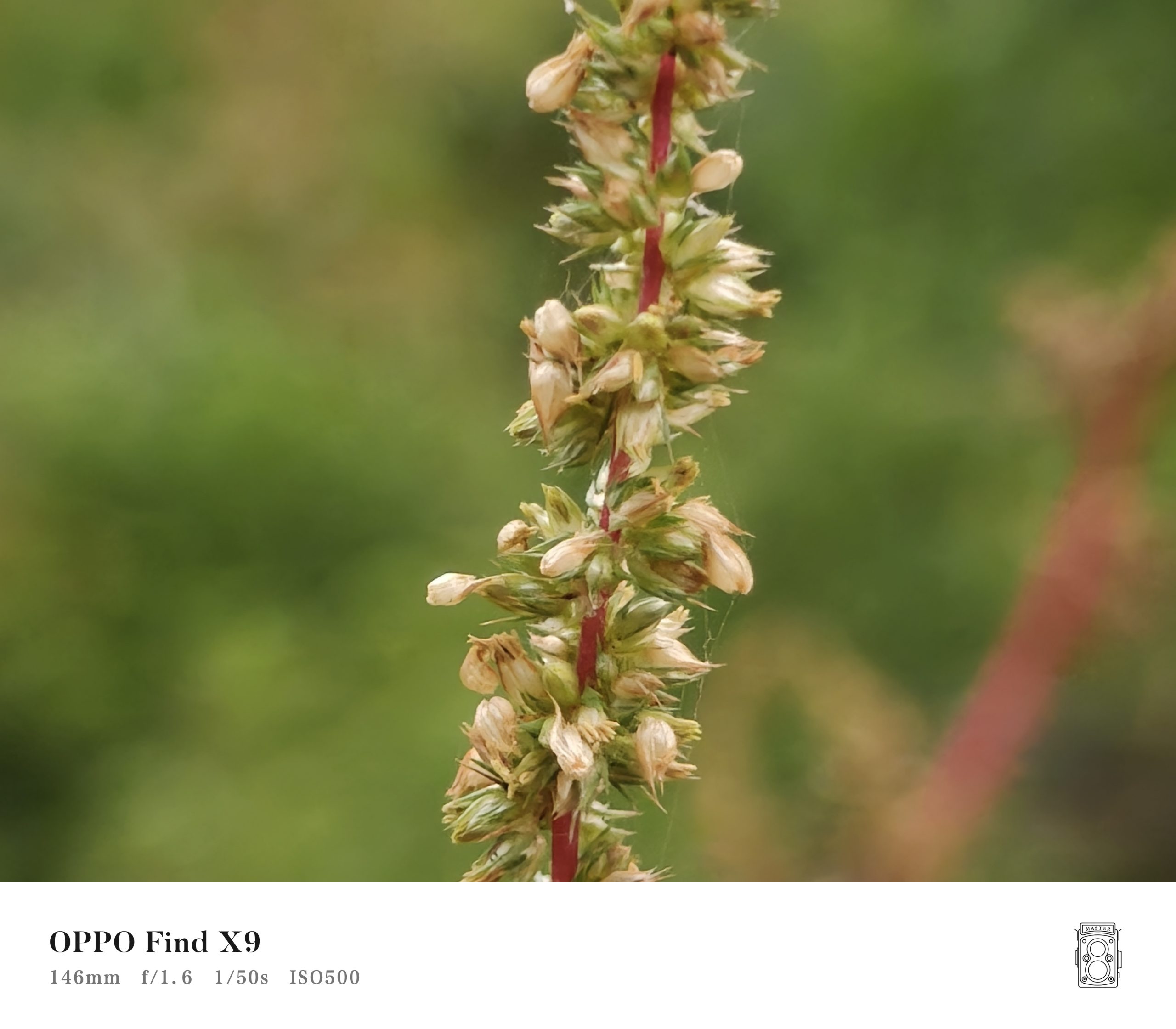
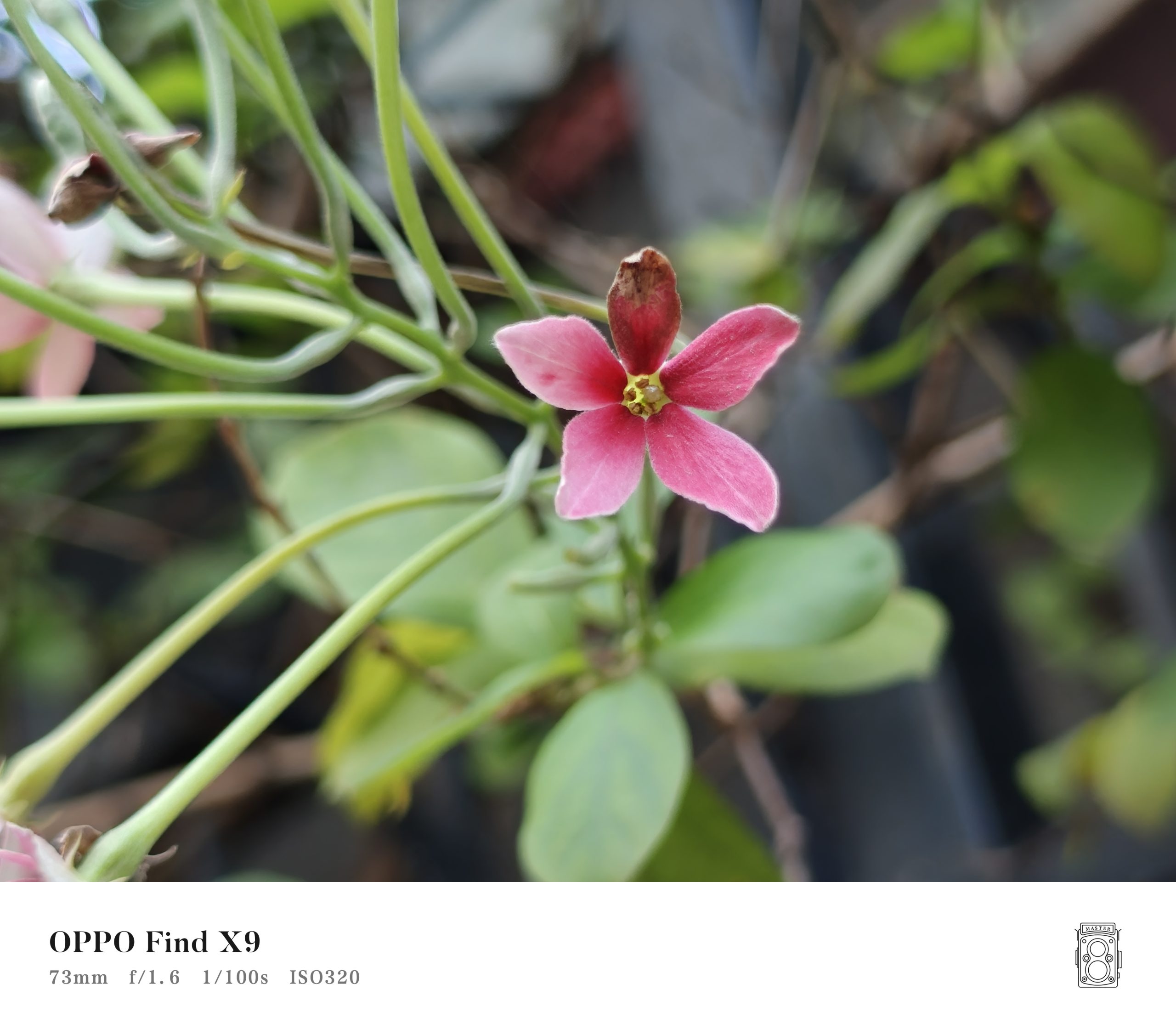
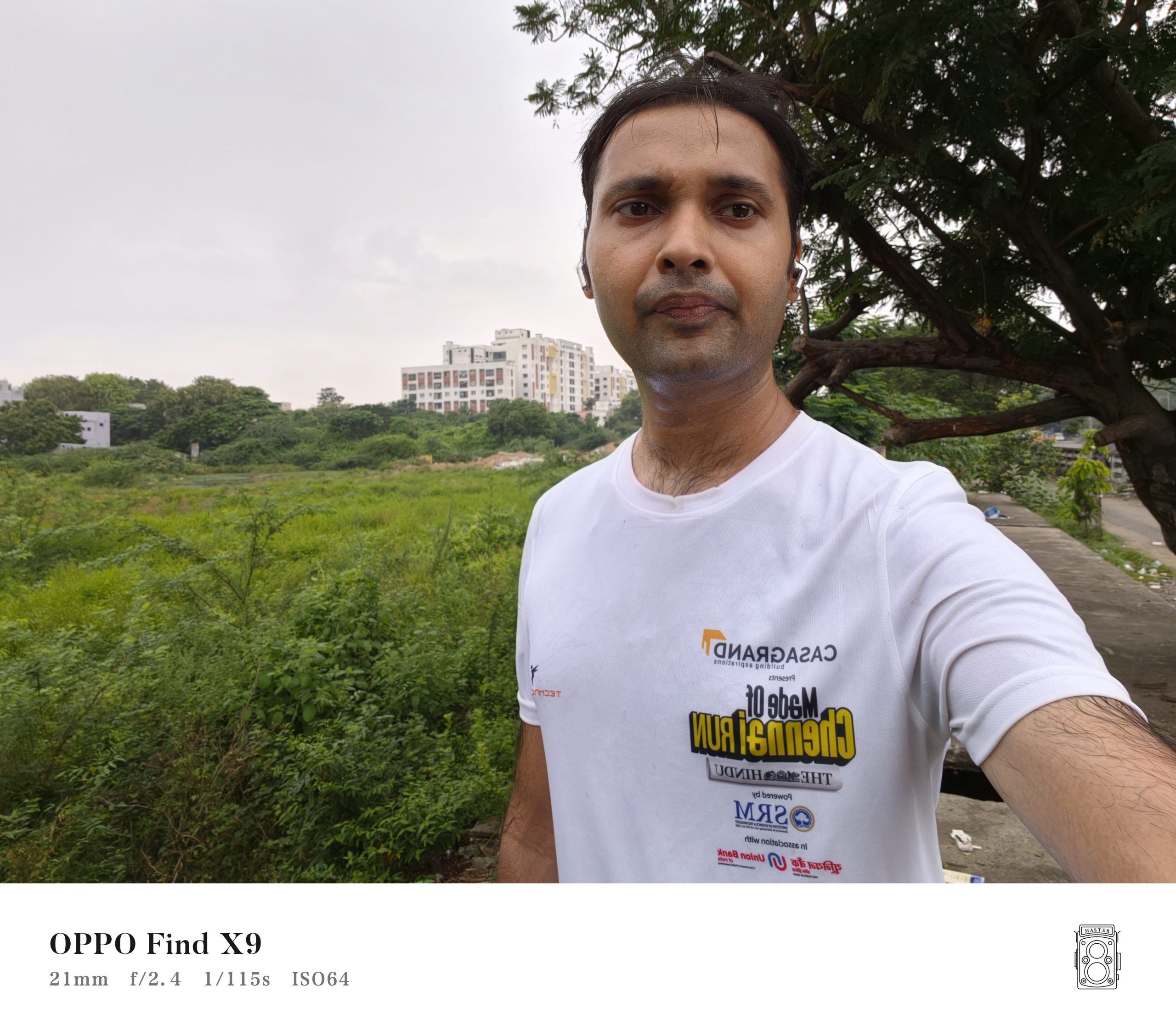
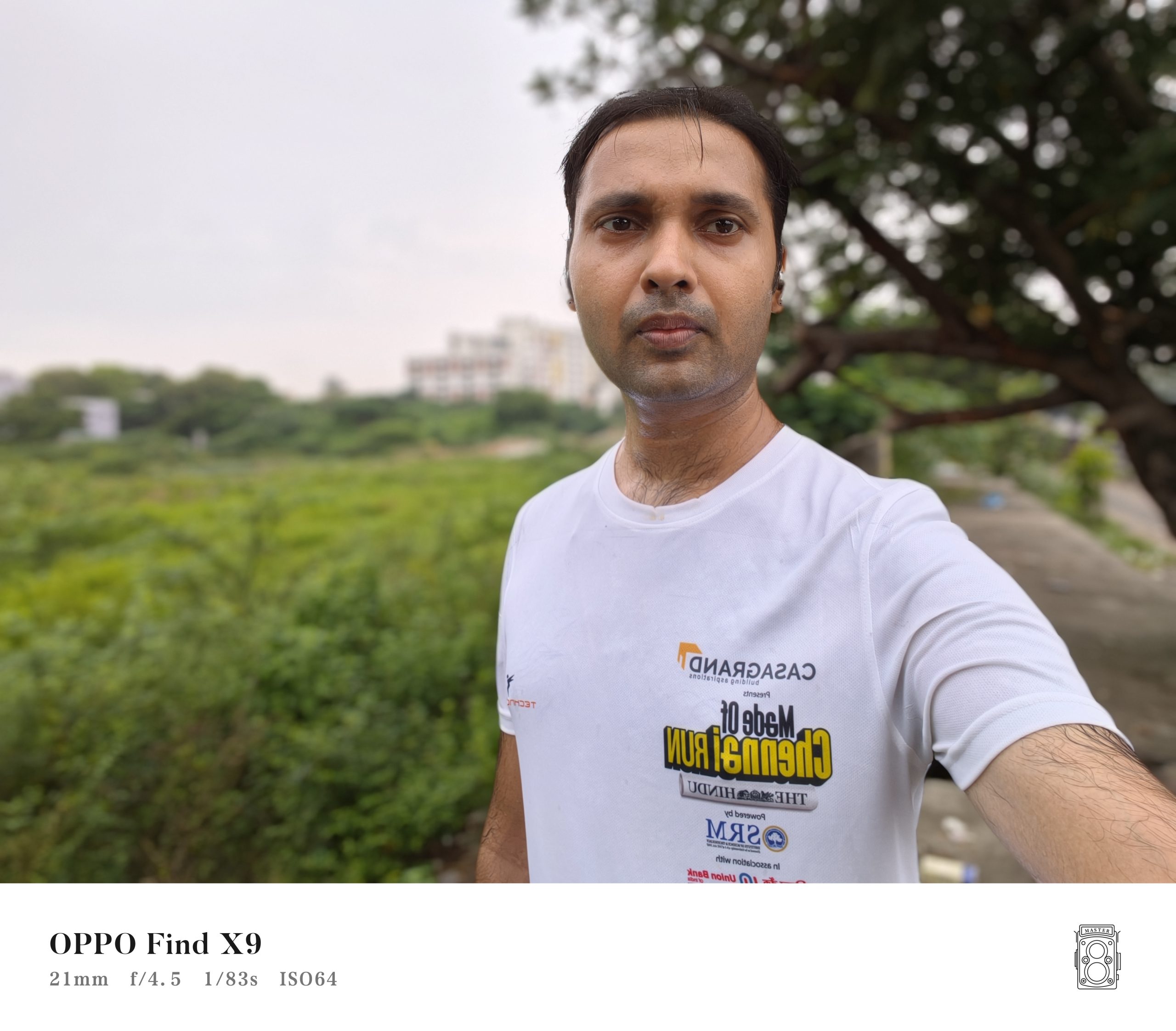
It can record videos in up to 4K 120fps fps, slow motion 4K at 120fps, 1080p 240fps, and 720p at up to 480 fps, and the front camera can also record 4K 60fps videos. All the four rear cameras support Dolby Vision HDR video recording and the rear cameras support 4K 120fps recording, while the front camera can do 4K 60fps HDR. There is OIS and EIS, which does a good job. The phone also has portrait video recording, which is finally 4K 30fps from both the front and rear cameras.
Software, UI and Apps
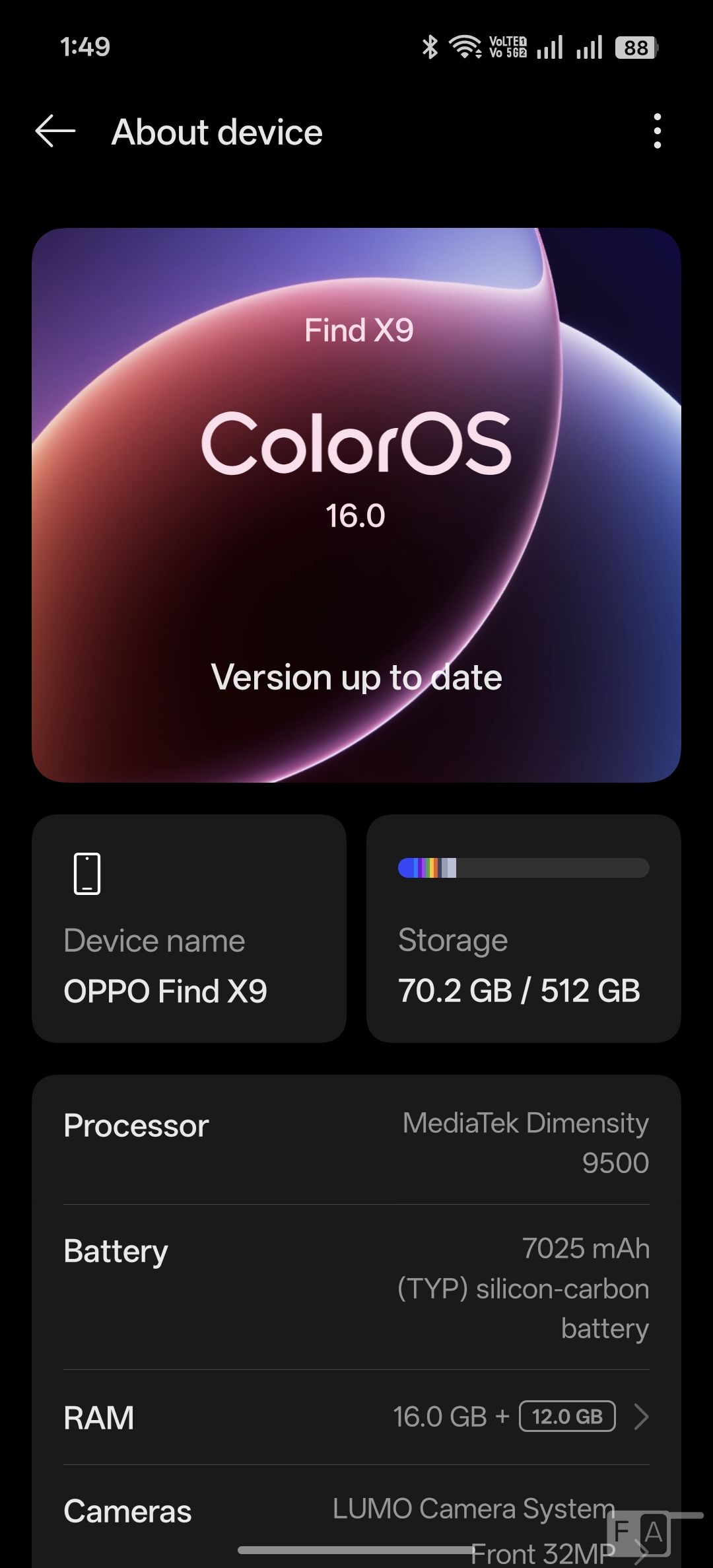
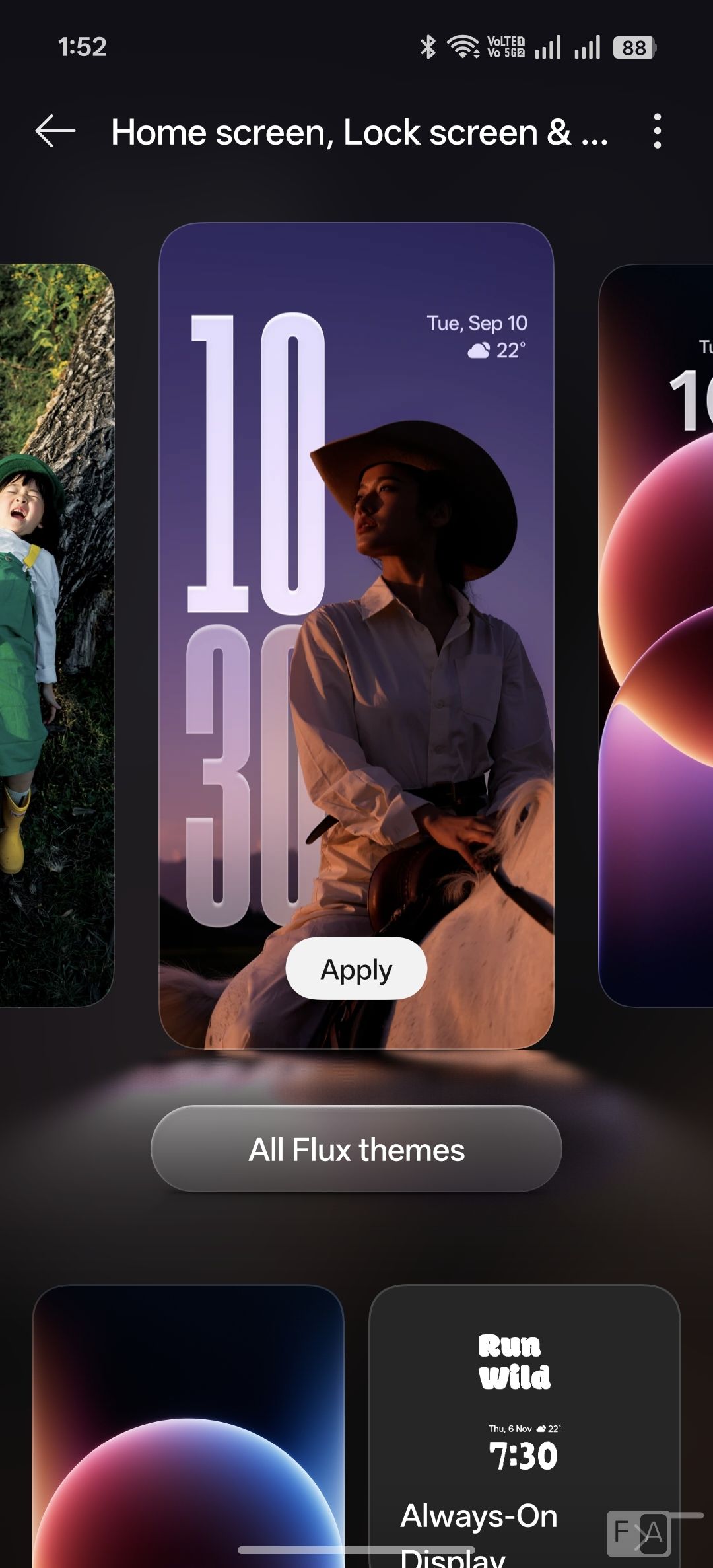
The Find X9 series are the first OPPO phones to run Android 16-based ColorOS 16 out of the box. The phone will get 5 Android updates and 6 years of security updates. ColorOS 16 brings fluid performance, AI enhancements, and a clear, consistent interface across devices.
ColorOS 16 features a light field design inspired by natural light and shadows, using gradient blur, halo effects, particles, and glow for realistic feedback. Flux Home Screen lets you reshape app folders with dynamic layout adjustments, you can resize and reposition icons, cards, and folders dynamically, Match icon colors automatically with wallpaper tones and more.
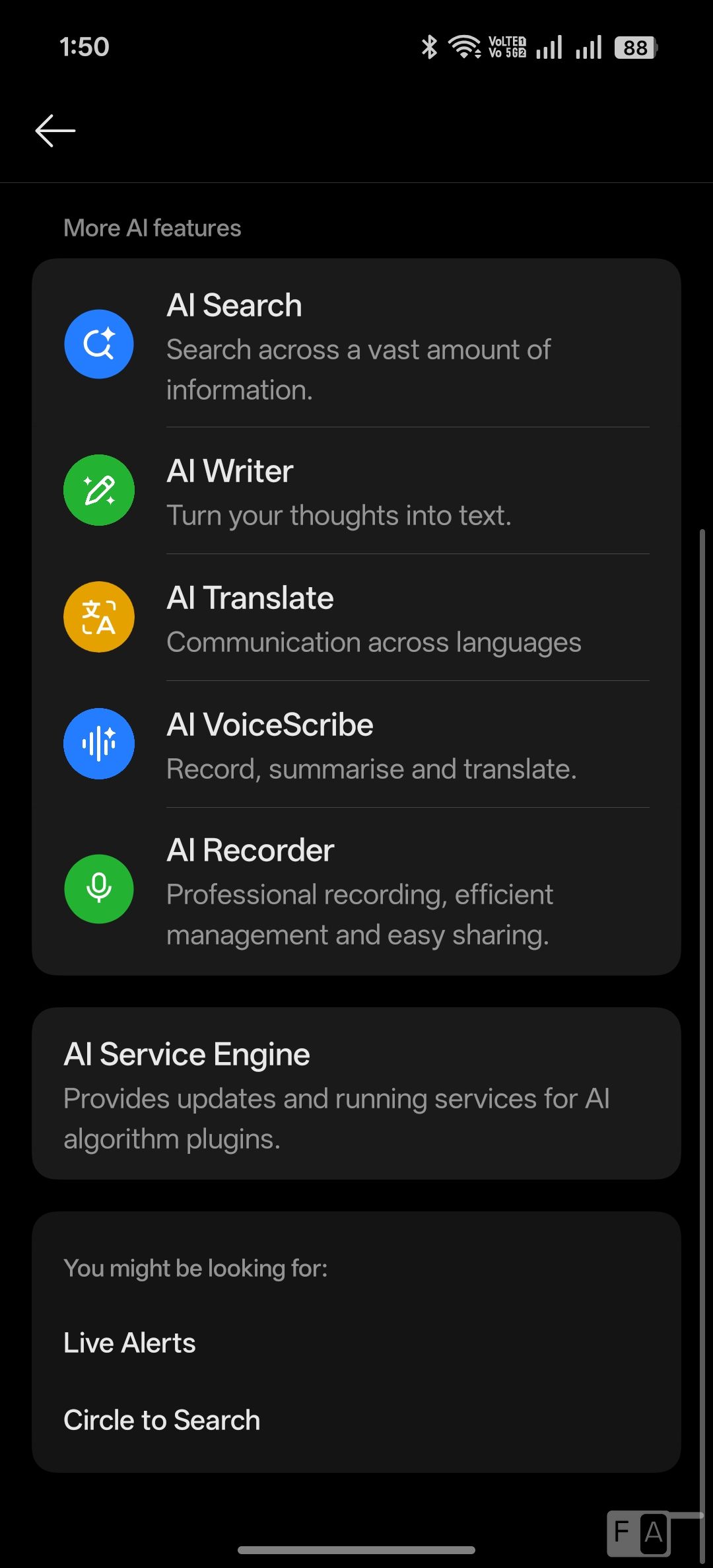
In addition to smoother user interface, there are improvements to productivity tools.
- AI Recording: Includes AI Clear Voice, real-time transcription, and speaker identification. Auto-generated titles help organize key discussion points efficiently.
- AI Writer: Converts short prompts into structured content such as posts, emails, or documents, and can summarize or convert long text into tables or mind maps.
- AI Assistant for Notes: Supports modular editing, allowing users to move, rearrange, or format note components with swipe or drag gestures.
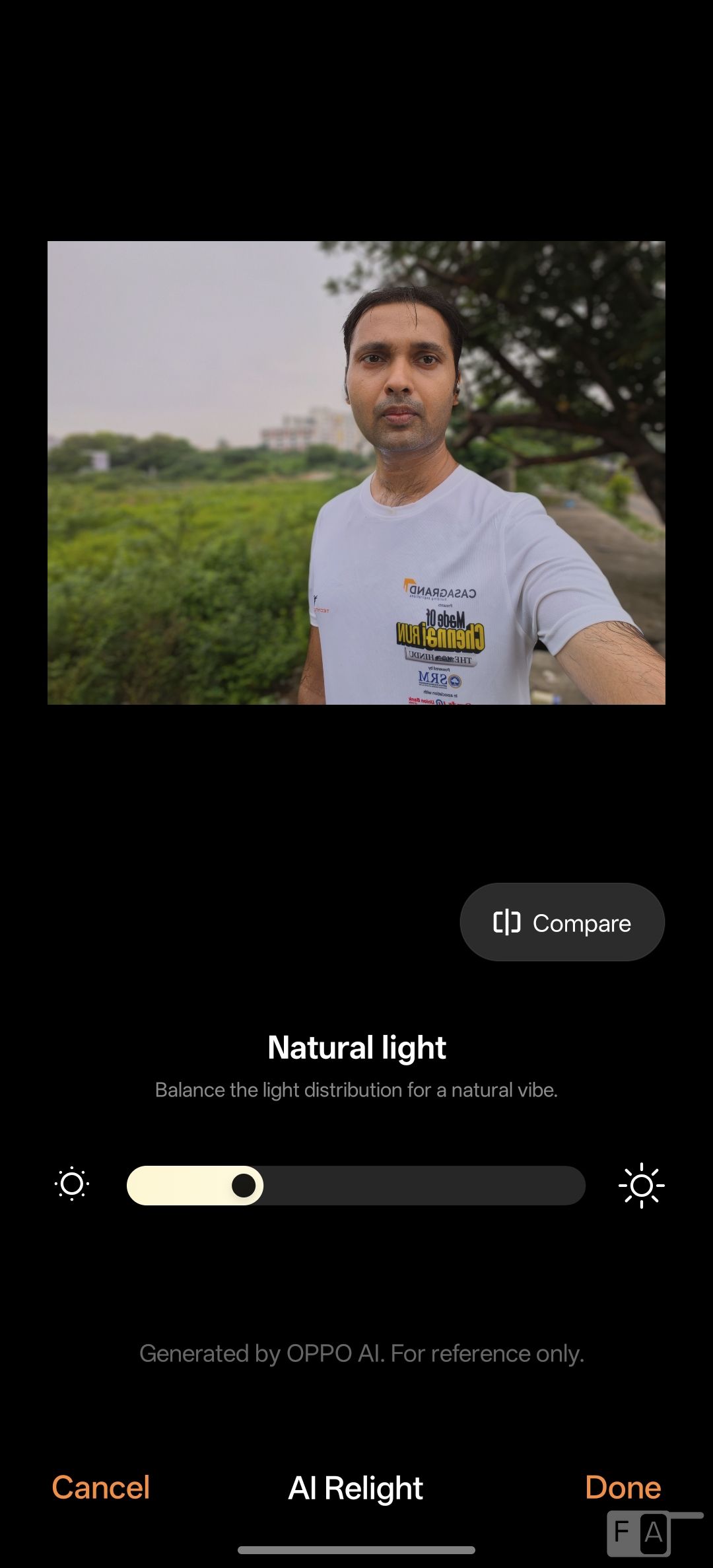
In photos app there is a new AI Portrait Glow feature, Master Cut that offers speed adjustment, crop, rotation, and 4K export for enhanced video editing and Motion Photo Collage that combines multiple motion photos into cinematic collages.
ColorOS 16 enhances cross-device integration and expands interoperability beyond Android, allowing seamless interaction between OPPO devices, iPhones, and Macs.
OPPO Lock adds advanced data protection features such as Call to Lock, Dual Verification, and Chip-Level Deep Lock, securing devices and data even when lost. With Private Computing Cloud sensitive data is processed within OPPO’s Private Cloud, ensuring user information remains secure and inaccessible externally, said OPPO.
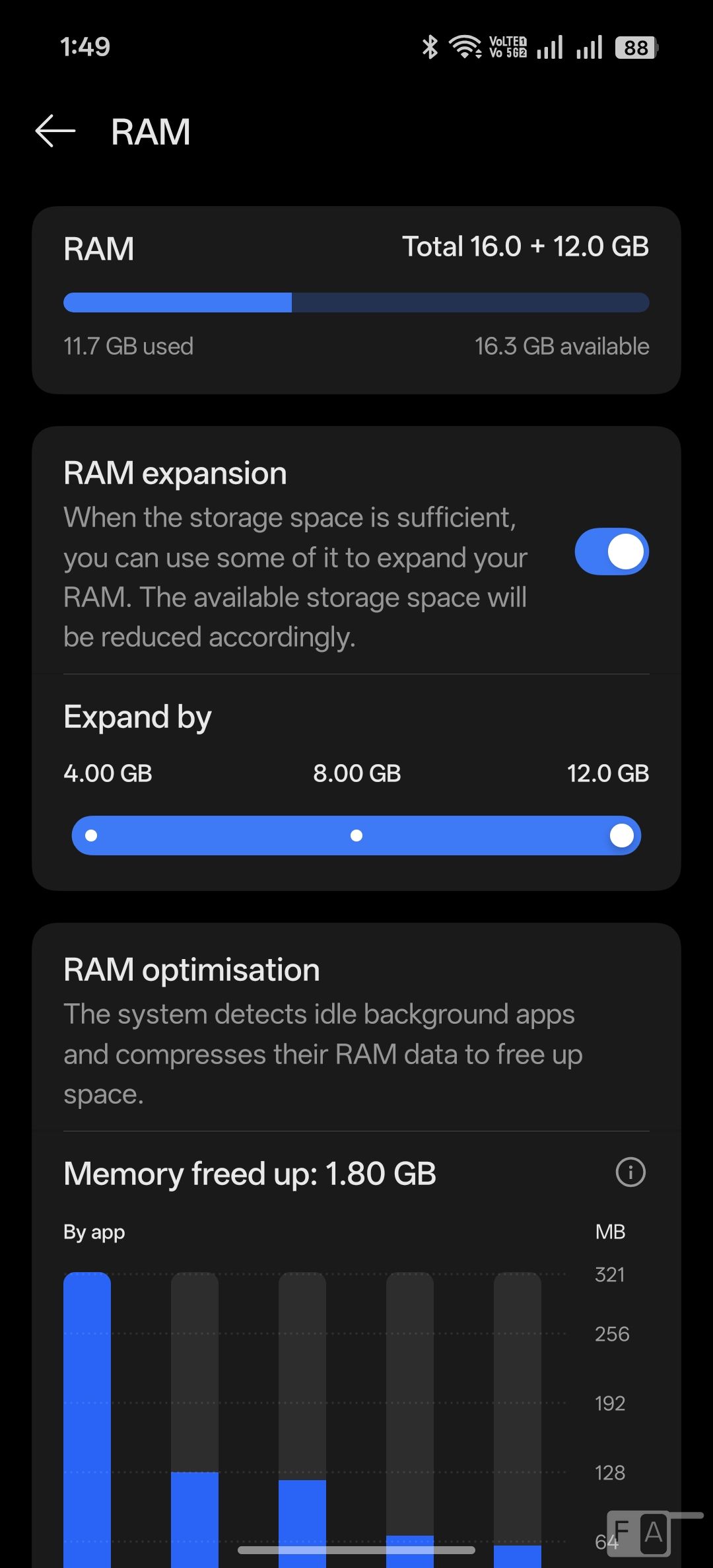
Out of 16GB LPDD5X RAM, you get 14.93GB of usable RAM, and about 8GB of RAM is free when default apps are running in the background. It also has DRE or dynamic RAM expansion feature, which uses the built-in storage as RAM. This has up to 12GB of additional RAM expansion. Out of 512GB UFS 4.1 storage, you get about 454.33GB of free storage. In addition to Google apps, it comes preloaded with few apps like Facebook, Snapchat, LinkedIn, and Spotify apps, but these can be uninstalled.
Snap Key and Mind Space
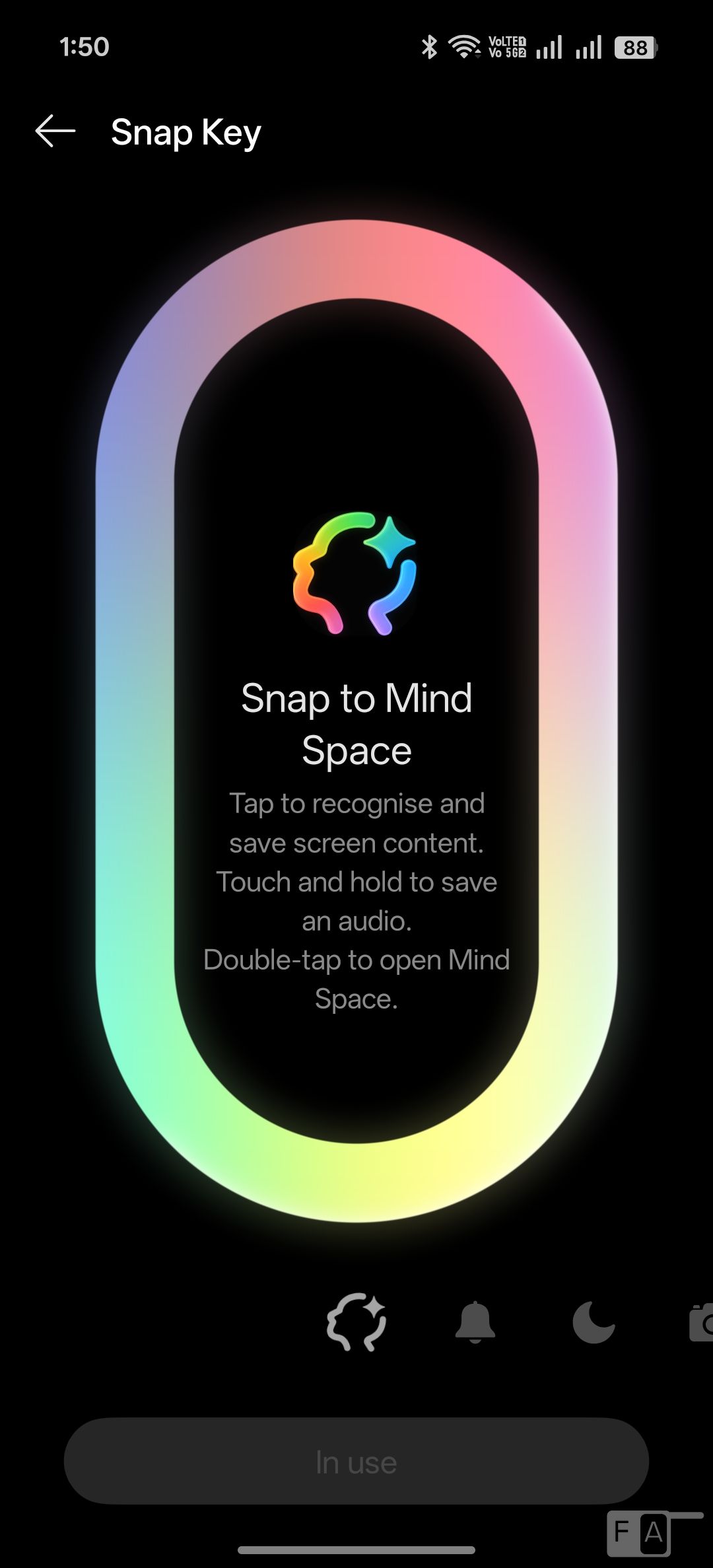
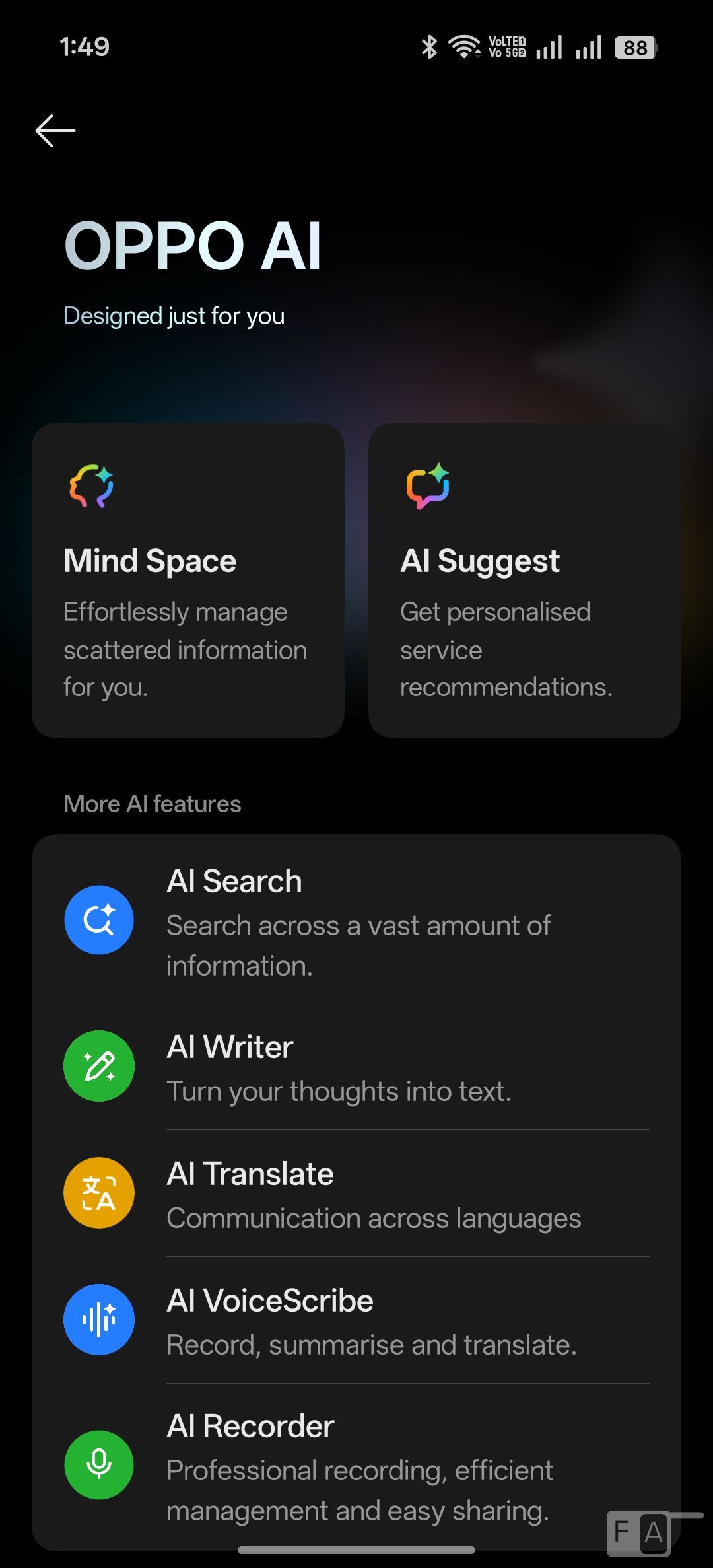
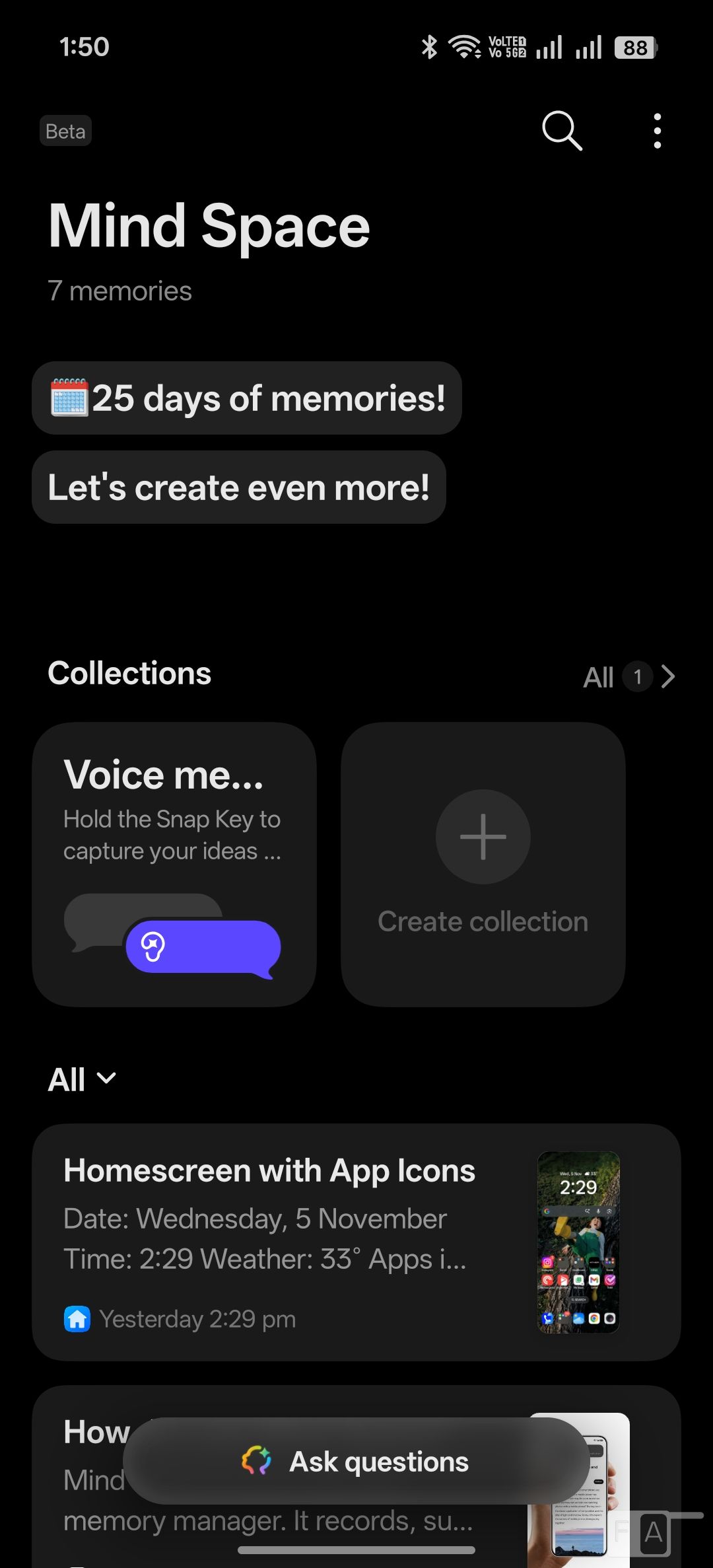
The new Snap Key that replaces the alert slider lets you switch between ring, vibrate, and silent modes. Additionally, customization allows for quick access to features like the camera, translation, or flashlight. You can also set it to launch Mind Space, which saves your content so that you can access them later.
It lets users save and organize important on-screen information — such as events, bookings, or listings — into a dedicated Mind Space, helping avoid information overload. A short-press captures the screen content, a
long-press adds a voice note, and a double-press opens
Mind Space directly.
Beyond simple saving, AI Mind Space uses artificial intelligence to understand the context of saved content. For example, it can pull event details from an image or message and add them directly to the user’s calendar.
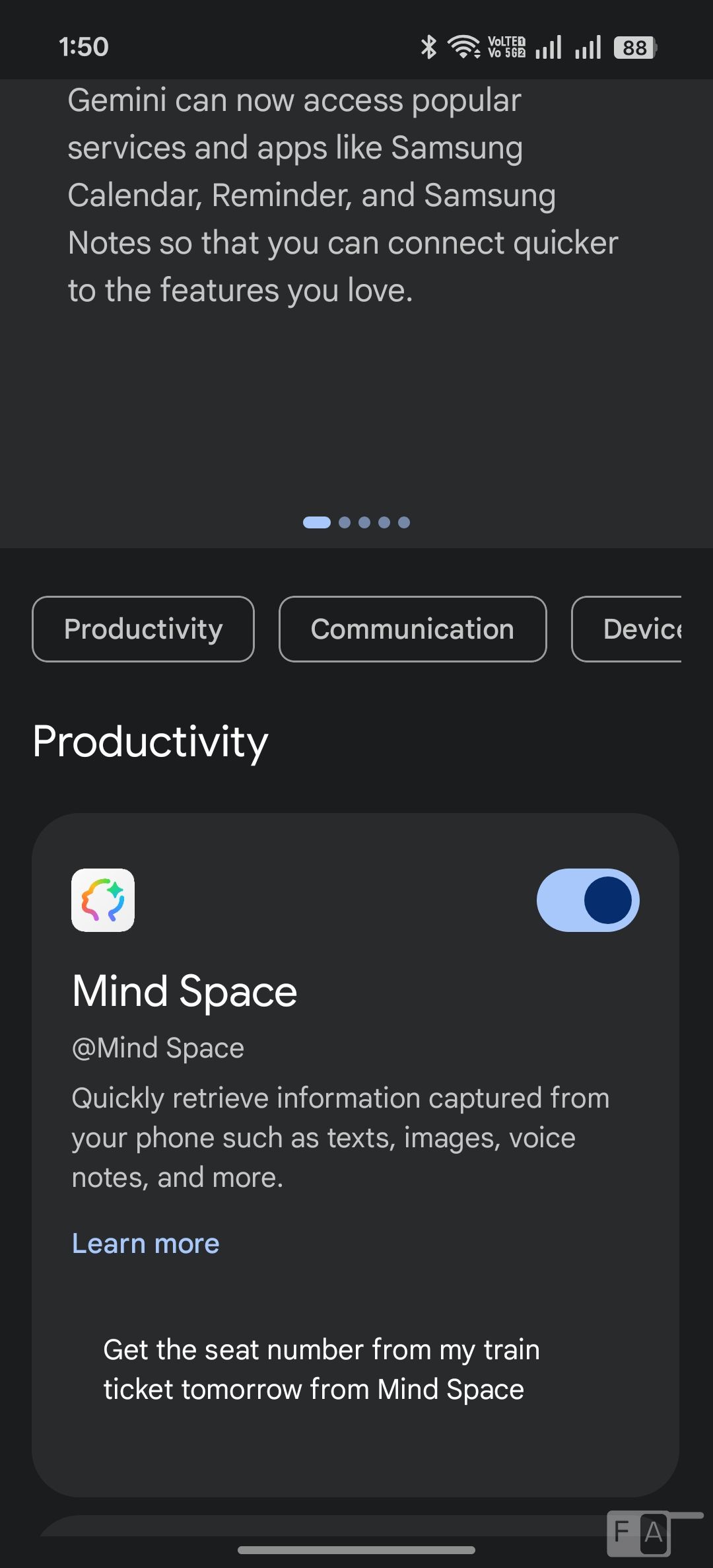
Using AI Search, users will be able to locate saved content through natural language questions. To realize its full potential, AI Mind Space is now connected with Gemini. This integration allows Gemini to draw information and assist users in taking action based on the saved content. You can enable this from the Gemini app settings.
Fingerprint sensor and Face unlock
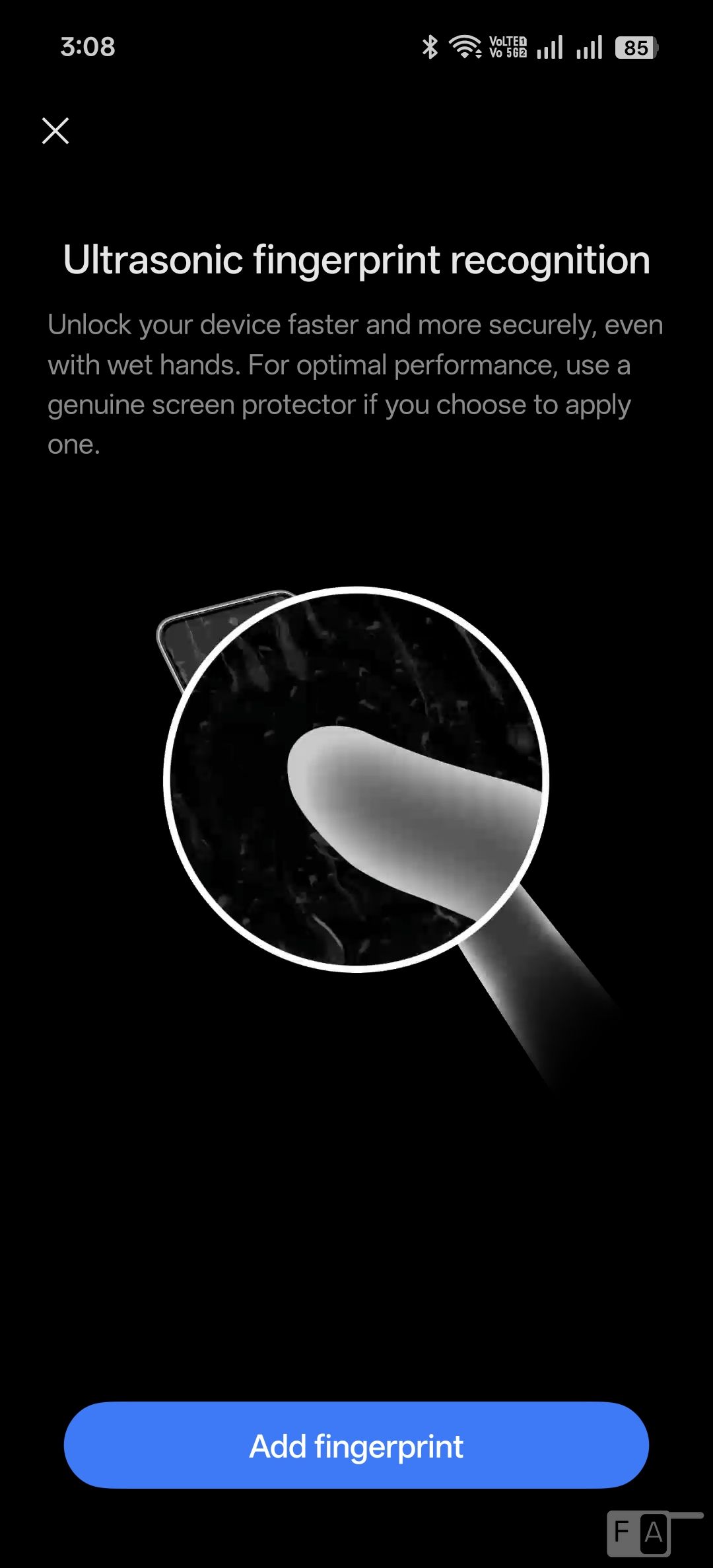
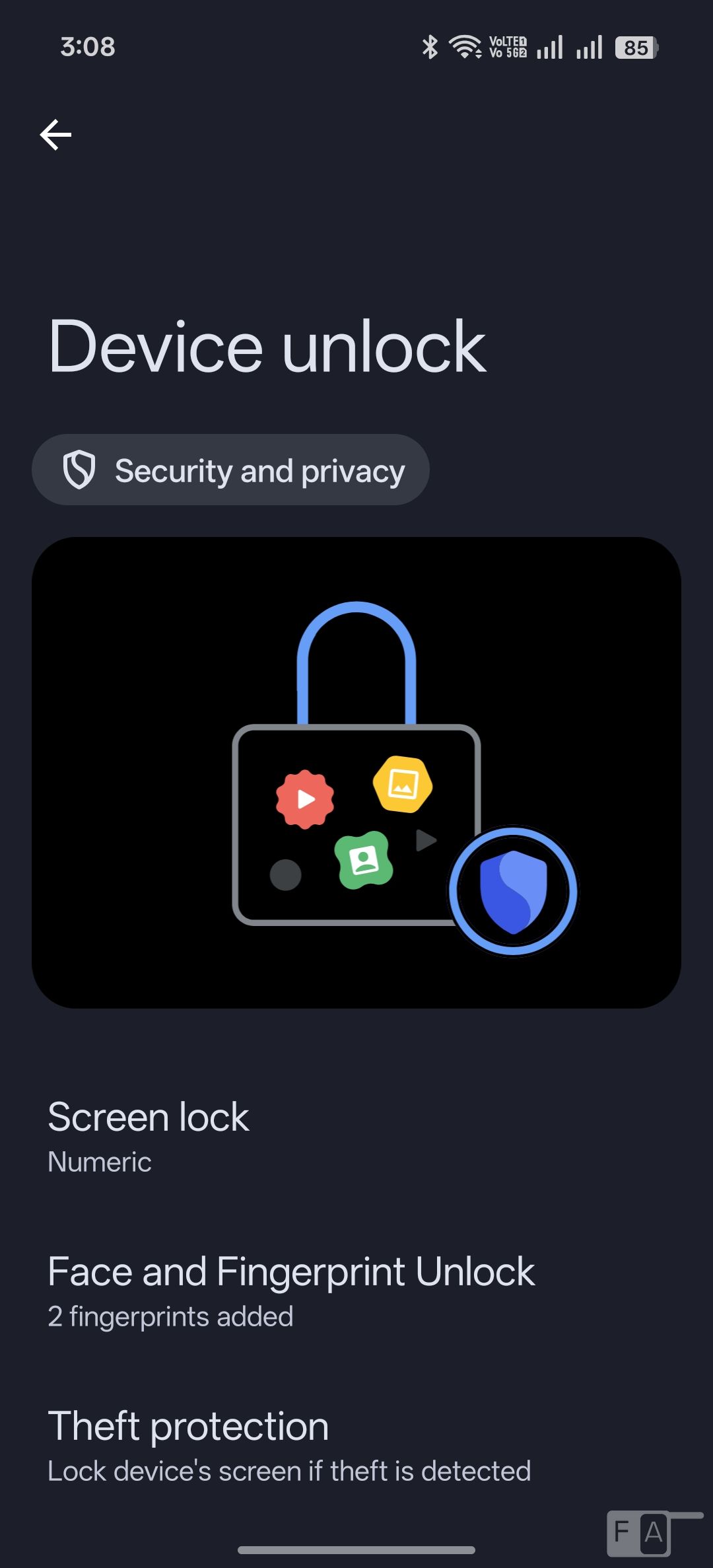
OPPO has finally switched from optical to ultrasonic in-display fingerprint sensor that is 35% faster and with 33% greater reliability and now works with wet or oily fingers You can add up to 5 fingerprints. You can also use the fingerprint for app local and payments in apps.
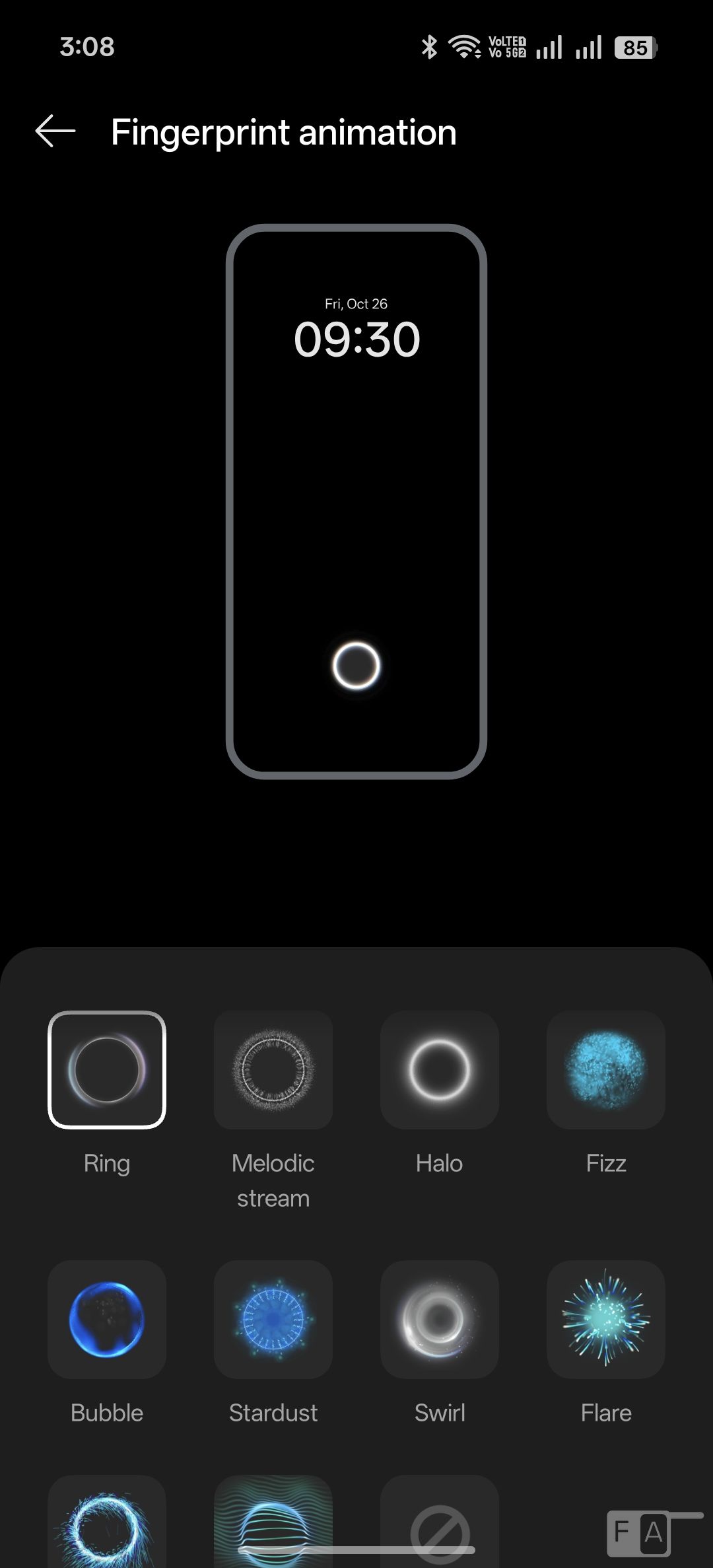
Furthermore, you can change the fingerprint animation and also disable it, and also enable quick launch option to launch apps directly from the lock screen by holding the fingerprint. The phone also has face unlock feature.
Music and Multimedia
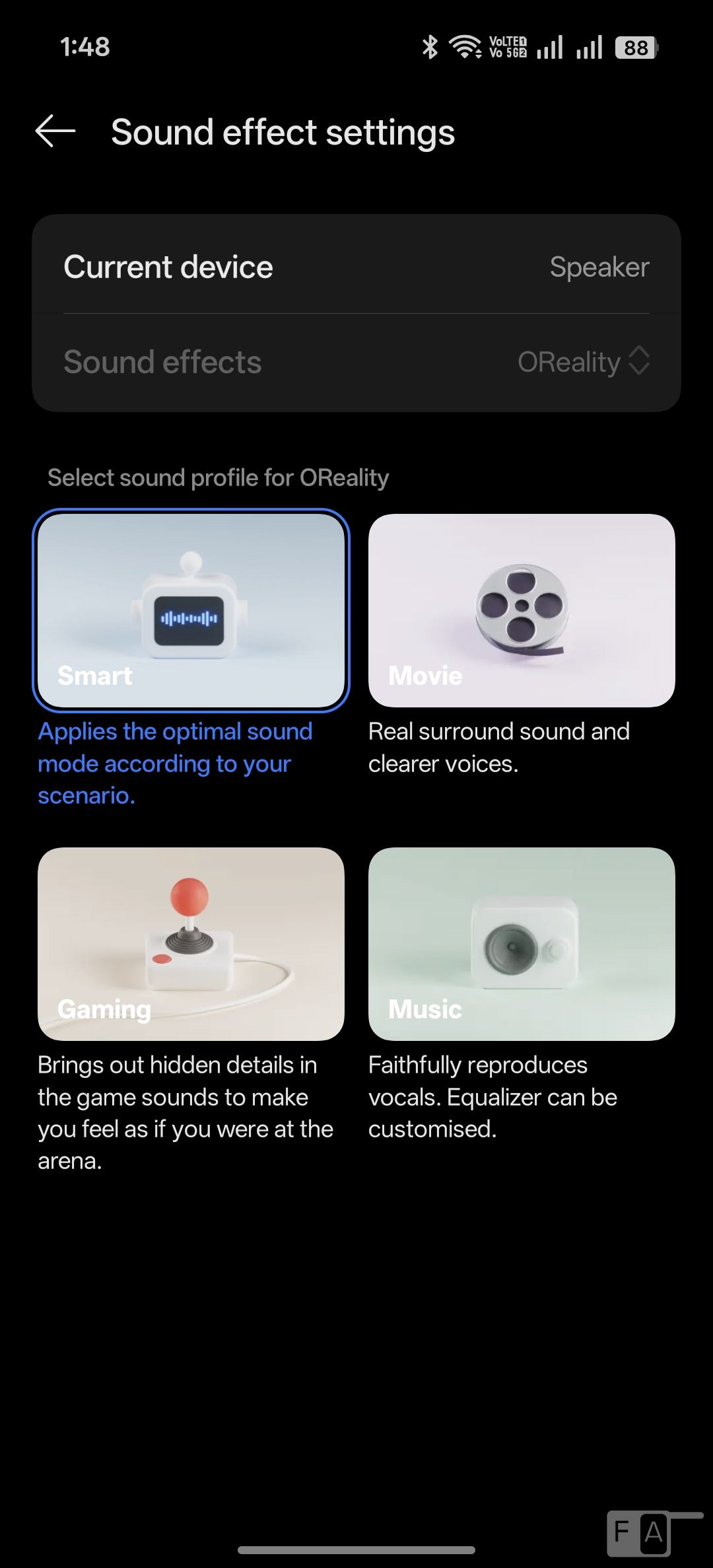
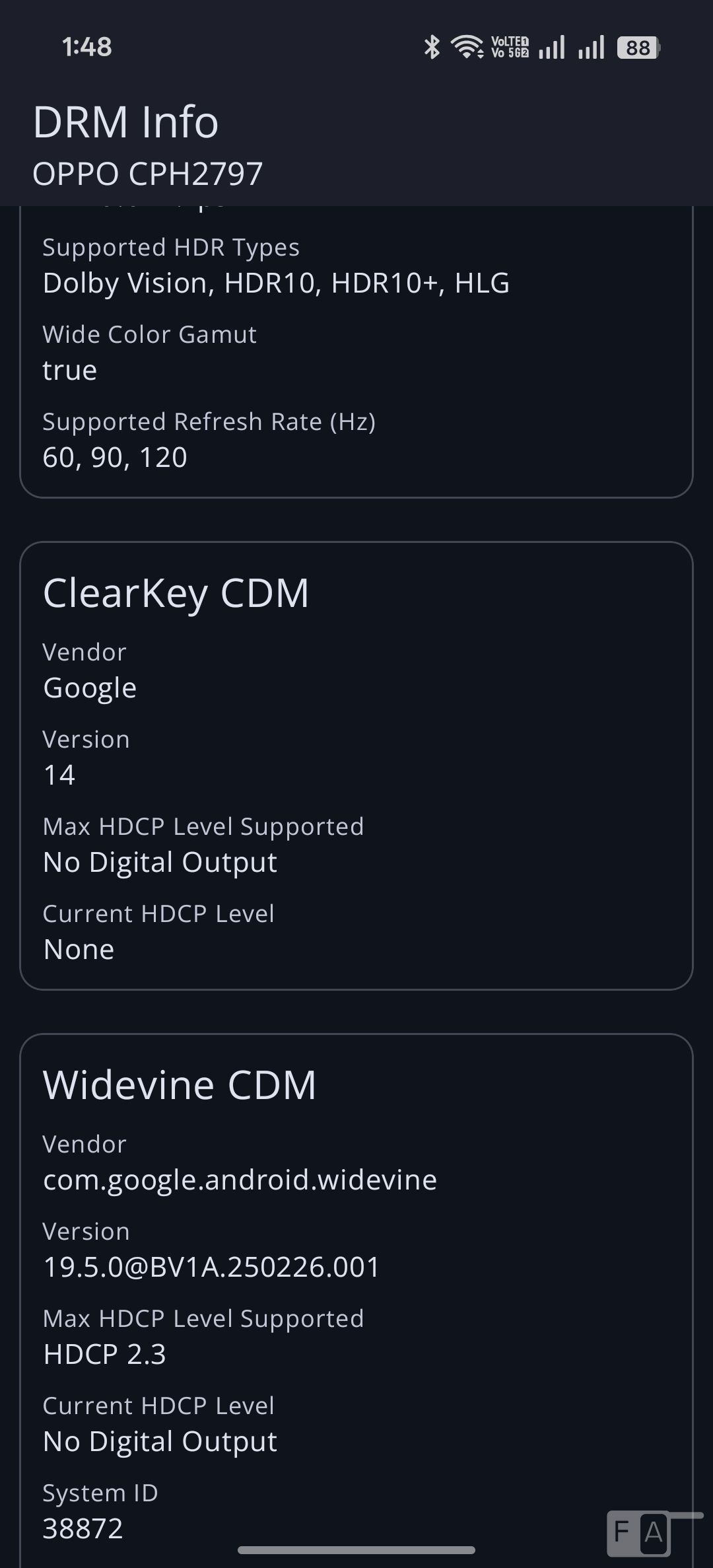
It has customizable Smart, Movie, Game and Music modes. It doesn’t have FM Radio support. Audio through the stereo speakers is good without any distortion even in full volume. Audio through earphones is good as well.
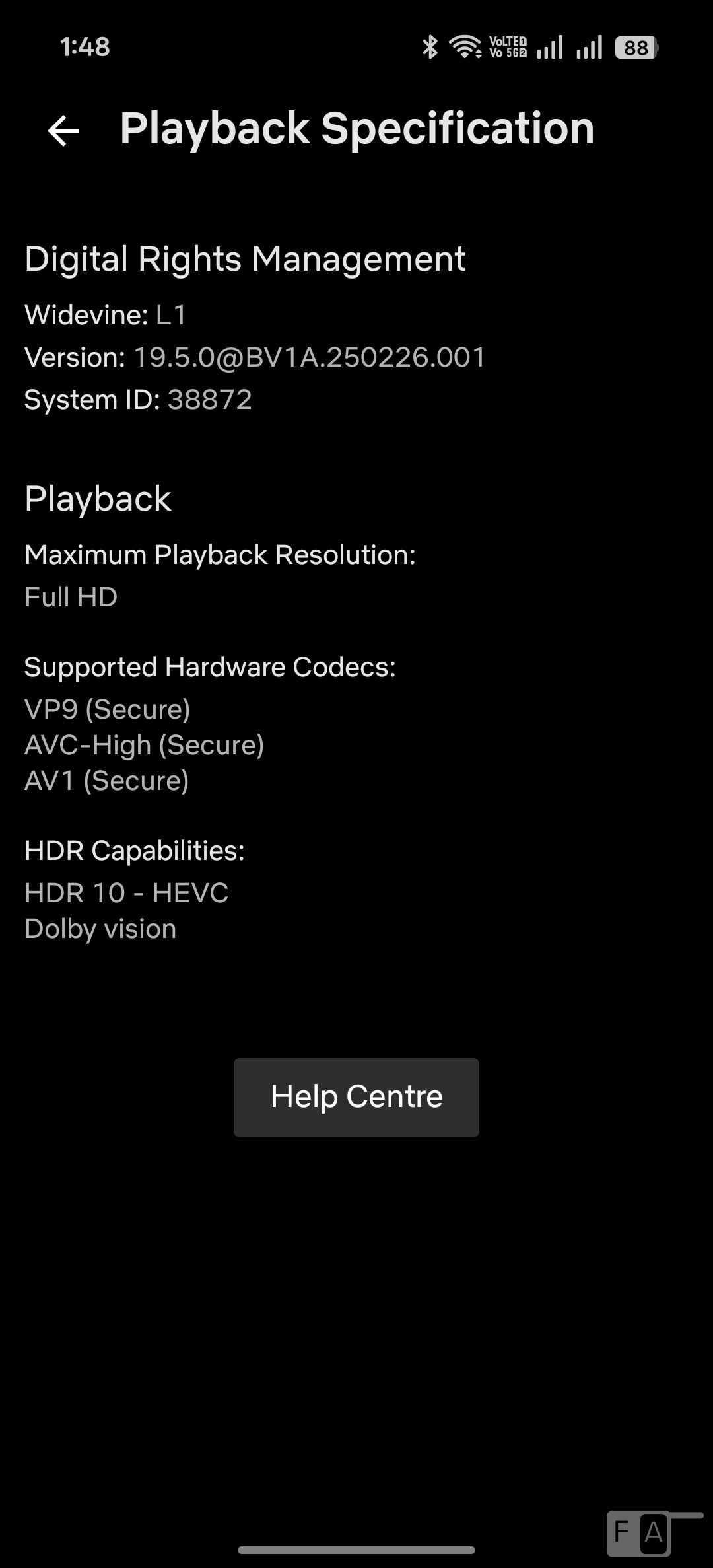
This has Widevine L1, so that you can play HD content on streaming apps. There is HDR and Dolby Vision support, HDR and Dolby Vision work on Netflix, and HDR works for YouTube.
Dual SIM and Connectivity
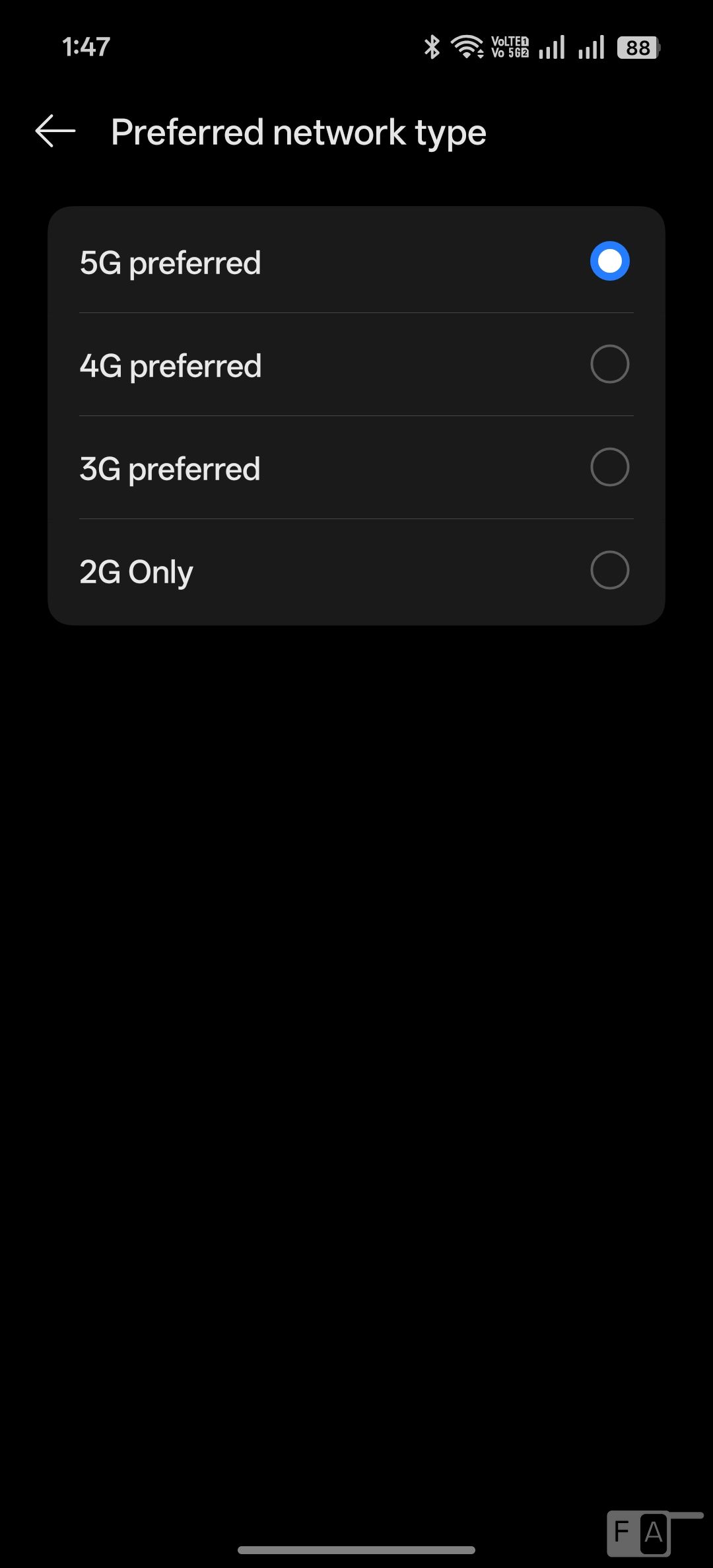
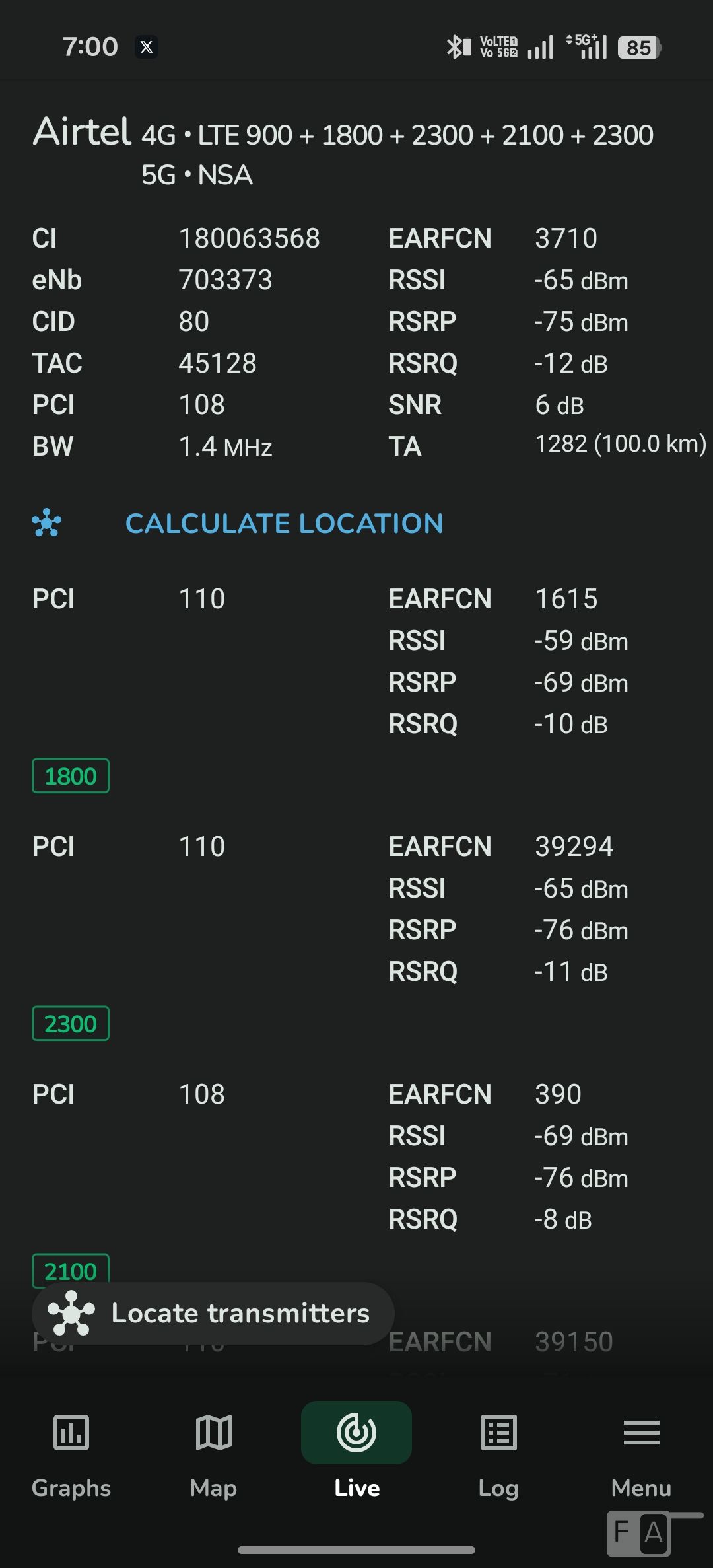
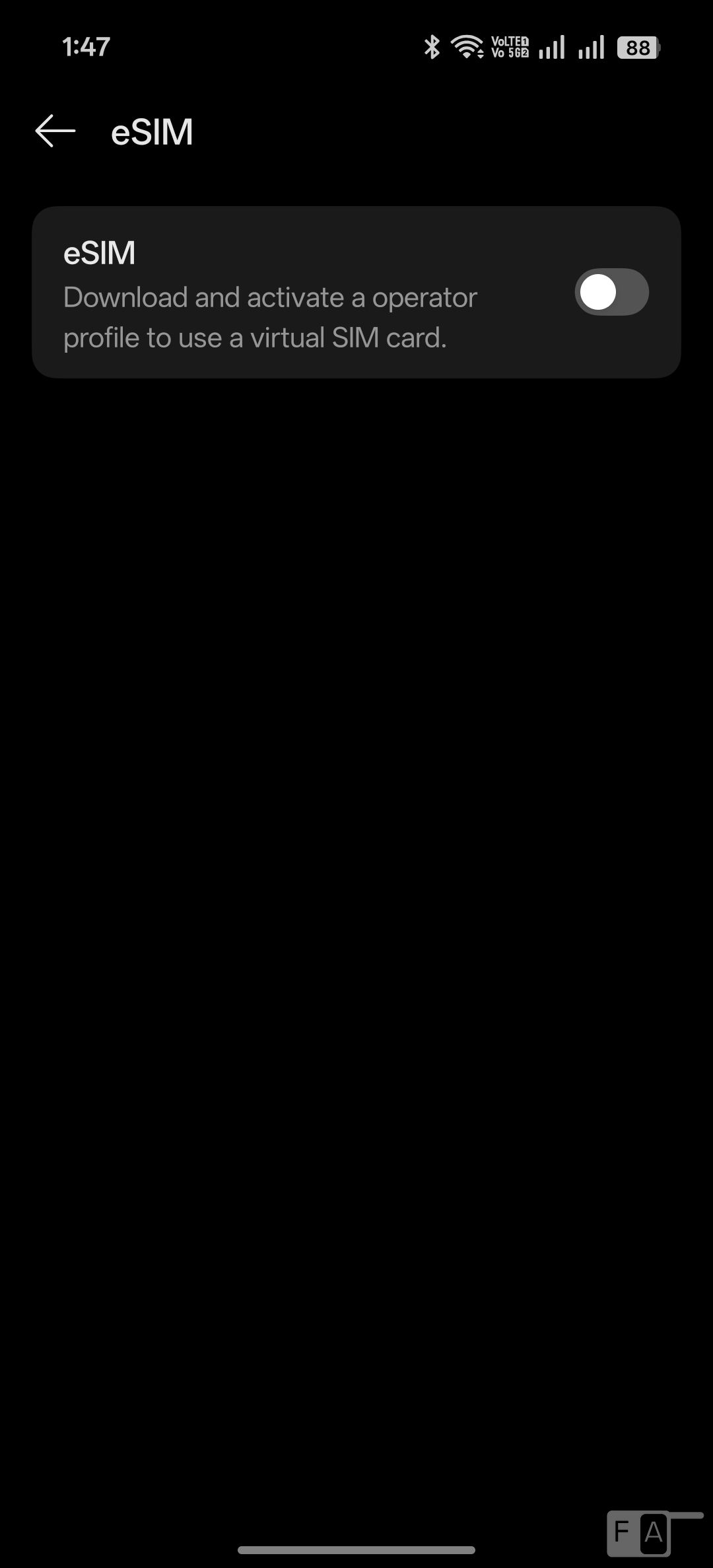
The OPPO Find X9 has support for n1/n2/n3/n5/n7/n8/n12/n20/n25/n26/n28/n38/n40/n41/n66/n75/n77/n7 5G bands. It has VoWi-Fi and VoLTE, with support for Carrier Aggregation on 4G, and it also has eSIM support. Other connectivity options include Wi-Fi 7 802.11 be (2.4GHz + 5GHz), Bluetooth 6.0, GPS(L1+L5), GLONASS(G1), BDS(B1i+B1c+B2a+B2b), Galileo(E1+E5a+E5b), QZSS(L1+L5), NavIC(L5), NFC, USB Type-C 2.0.
Moving on, the call quality is good, and we did not face any call drops and the earpiece volume was loud. The Clear Voice feature automatically blocks background noise in calling apps. It has stock dialer with call recording, AI call assistant and AI translation in several languages.
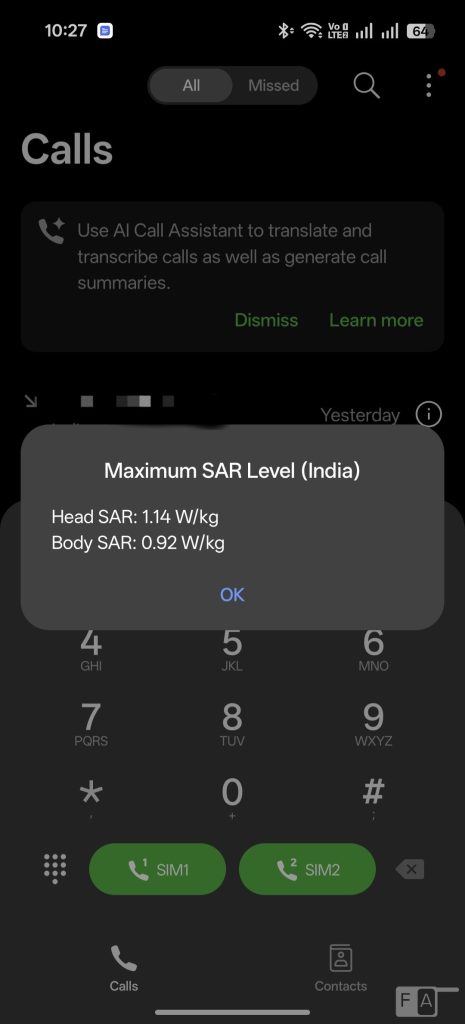
The Find X9’s body SAR is 0.92W/Kg and head SAR is at 1.14/Kg that is well under the limit in India, which is 1.6 W/kg (over 1 g).
Performance and Benchmarks
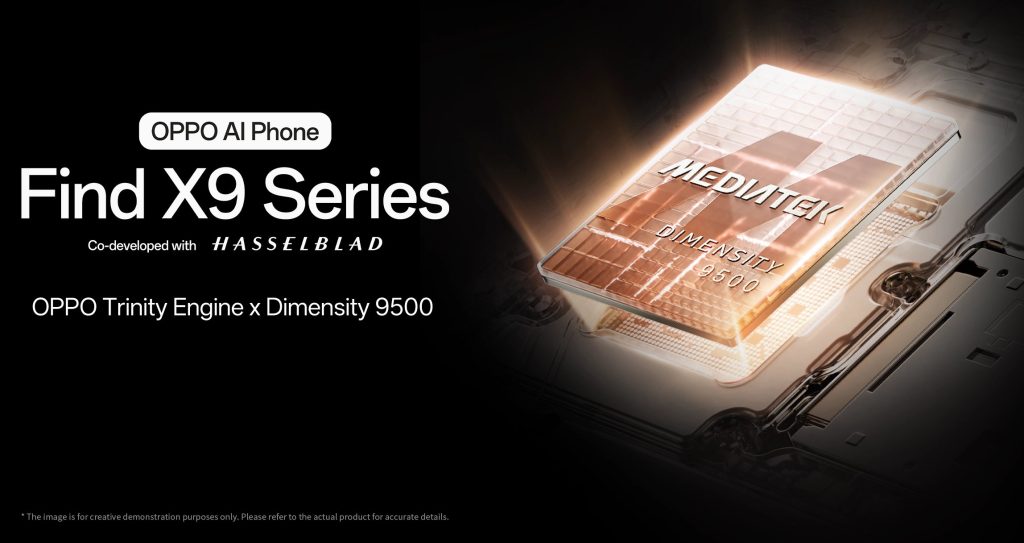
This is the first phone in India to be powered by MediaTek Dimensity 9500 SoC. It has the same 1-3-4 microarchitecture but uses 1x Arm C1-Ultra performance cores clocked at 4.21GHz, 3 x Arm C1 premium performance cores clocked at 3.5GHz and 4 x C1 Pro big cores clocked at 2.7GHz.
Its single-core performance is improved by 32% compared to the previous generation, and its multicore performance is improved by 17%, according to the company. It is fabricated using the second-generation TSMC’s 3nm process Technology and promises 42% improved power efficiency.
The phone has a massive 32,052.5mm² total dissipation area—
21.6% larger than the previous generation. It combines multiple advanced materials, including a redesigned vapor chamber, high-performance thermal gel, and extensive graphite. The vapor chamber itself has been completely redesigned with an ultrafine 0.02mm stainless steel mesh, which reduces its thickness while significantly improving thermal conductivity for more ef ficient heat transfer. The VC coverage extends across critical components, including the camera module, to prevent thermal throttling during intensive tasks like 4K video recording, said OPPO.
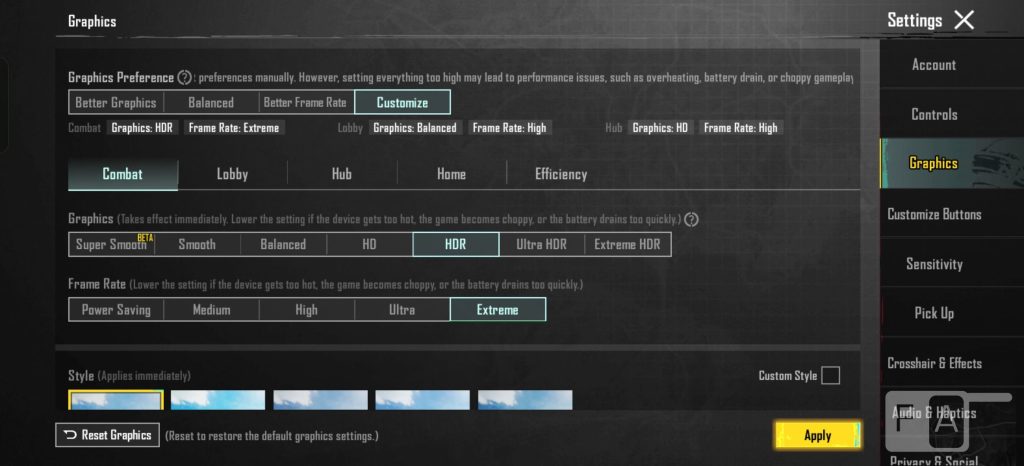
We did not face any issues or frame drops in the graphic-intensive games like COD, BGMI and Genshin Impact. HDR and Extreme works for BGMI.
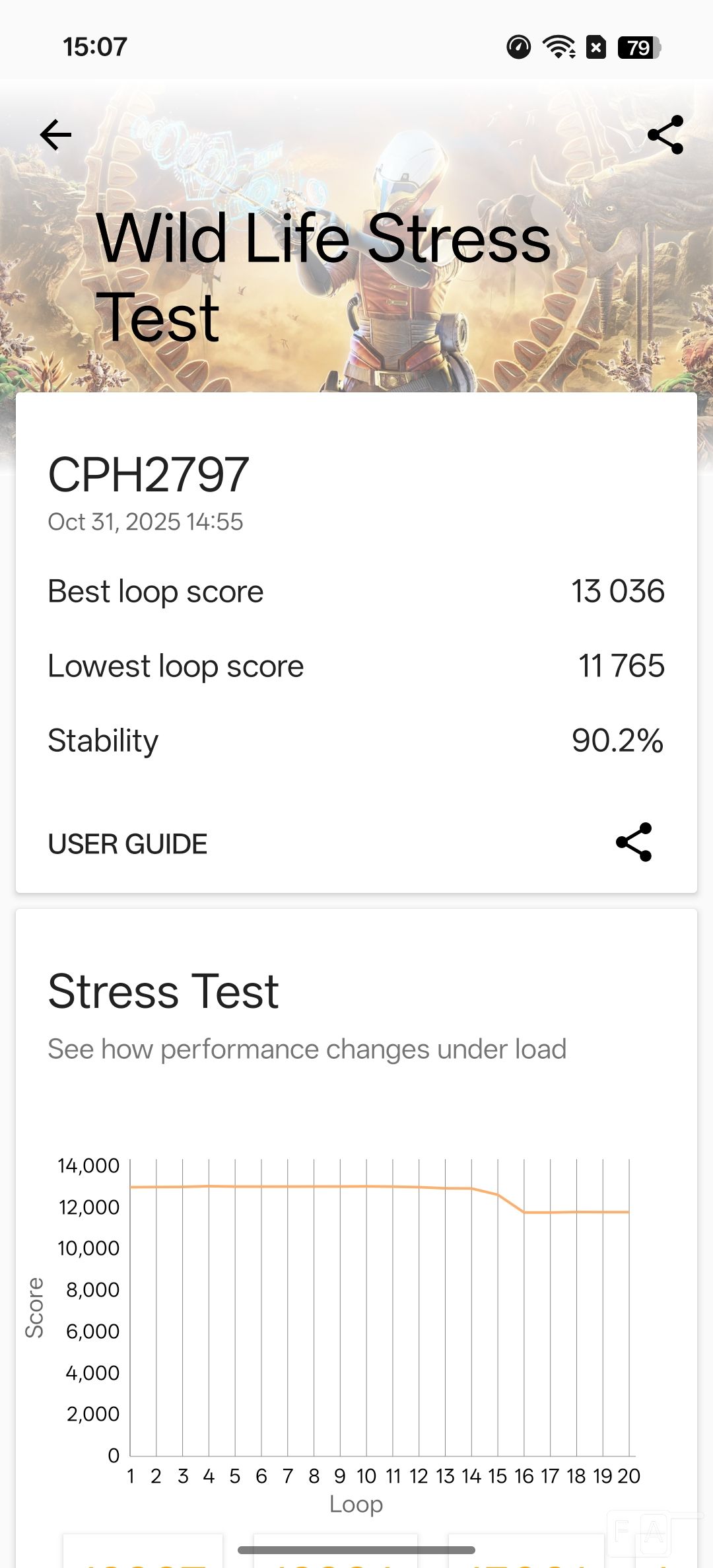
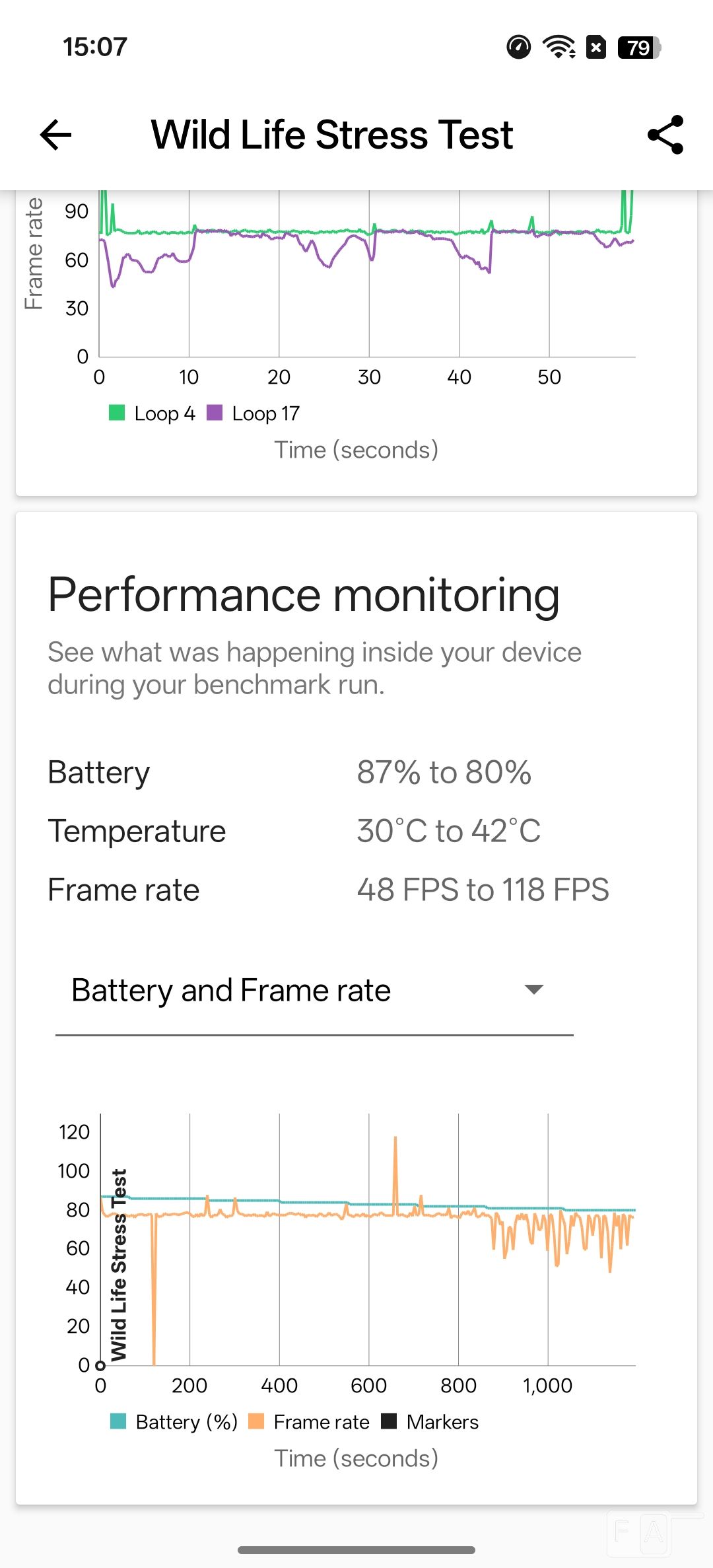
In 3D Mark wild life stress test, it scored 90.2%, which is way better the Find X8’s score of 60%, and the temperature shot up from 30 to 42 degrees. Even though the temperature increase is similar to the Find X8, there was not much of thermal throttling.
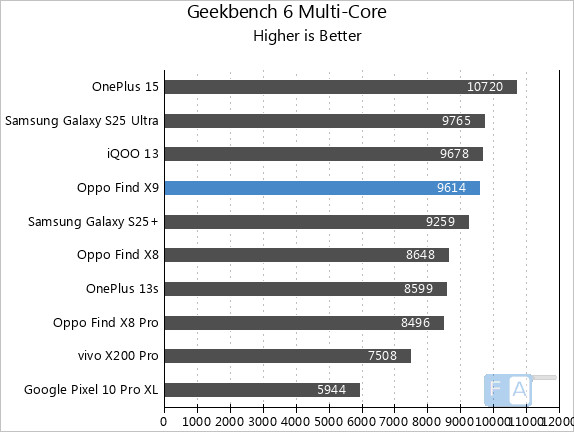
Check out some synthetic benchmark scores below.
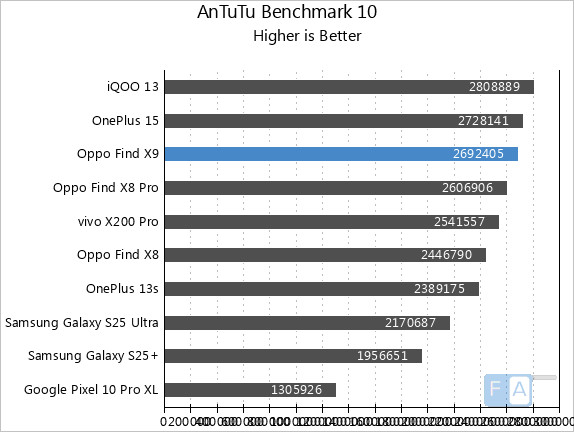
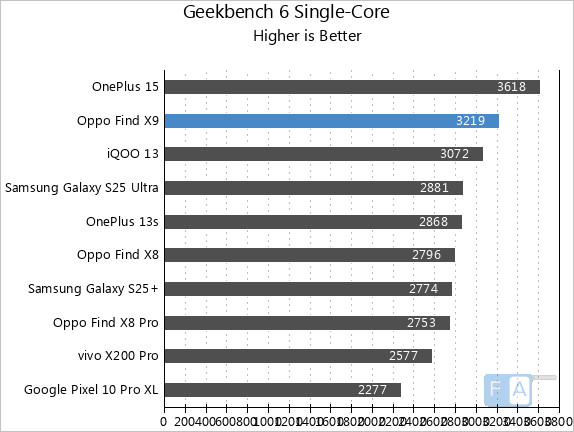
In AnTuTu Benchmark 11, it scored 3.26 million points.
Battery life
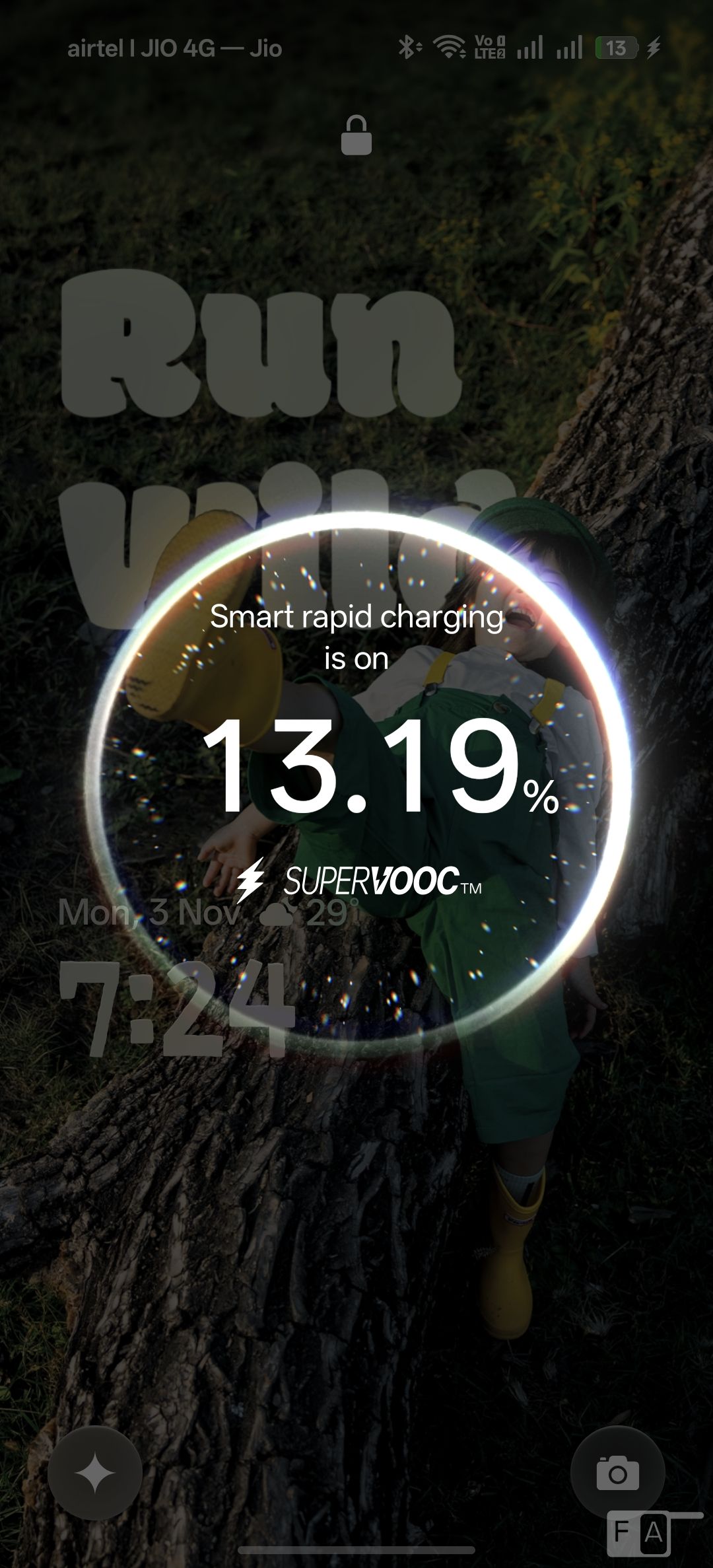
Coming to the battery life, the phone packs a whopping, 7025mAh 3rd gen silicon-carbon (typical) battery compared to 5630mAh in the Find X8 without increase in the size of the phone. It can easily last for more than a day, even with heavy use.
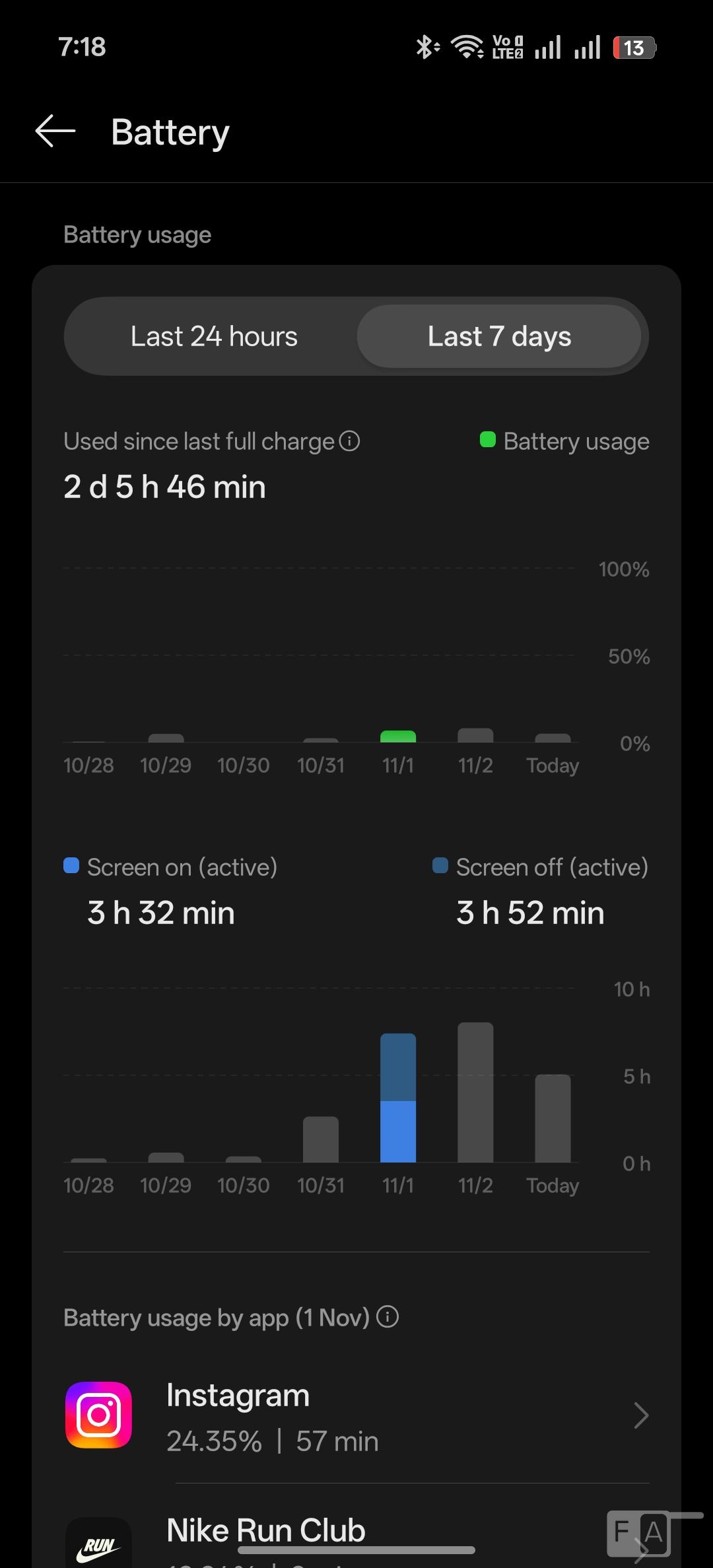
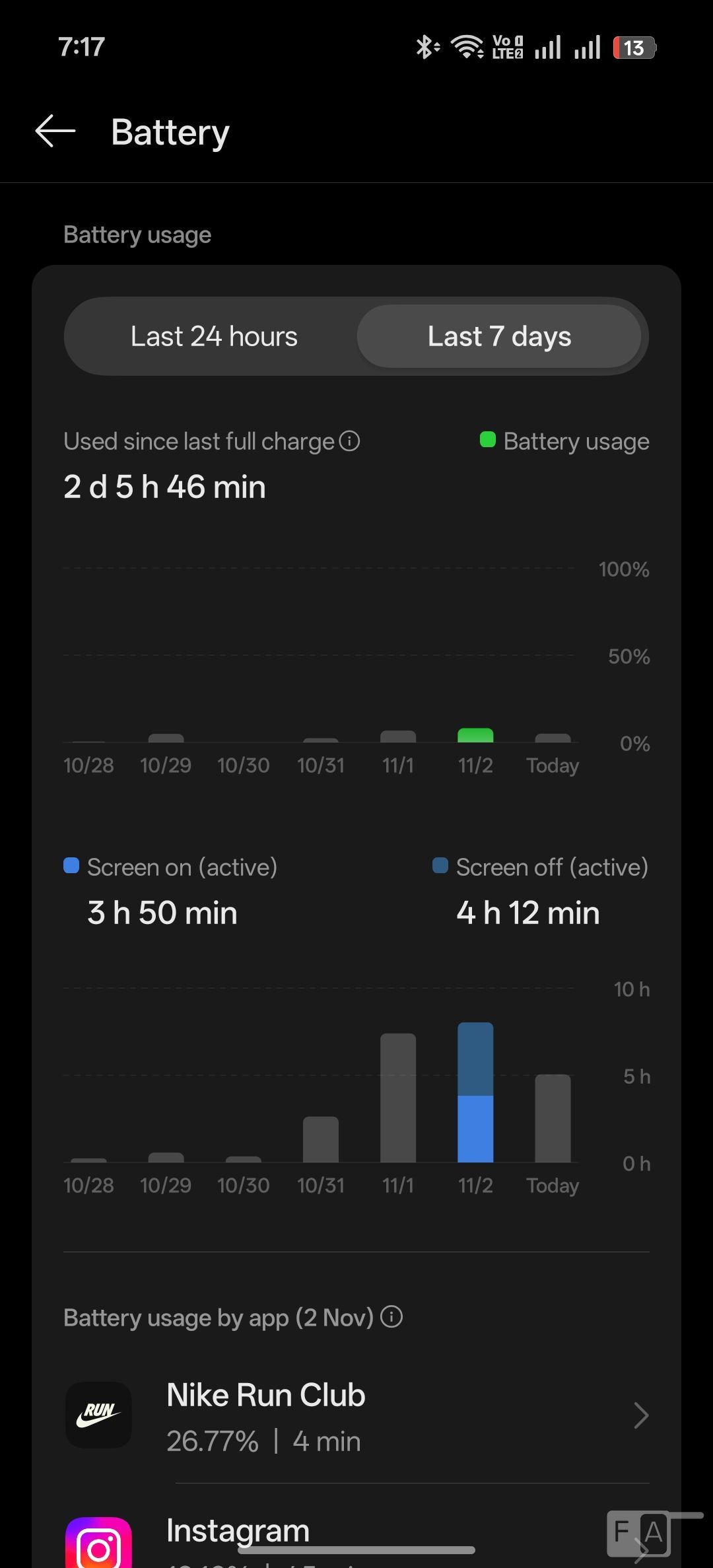
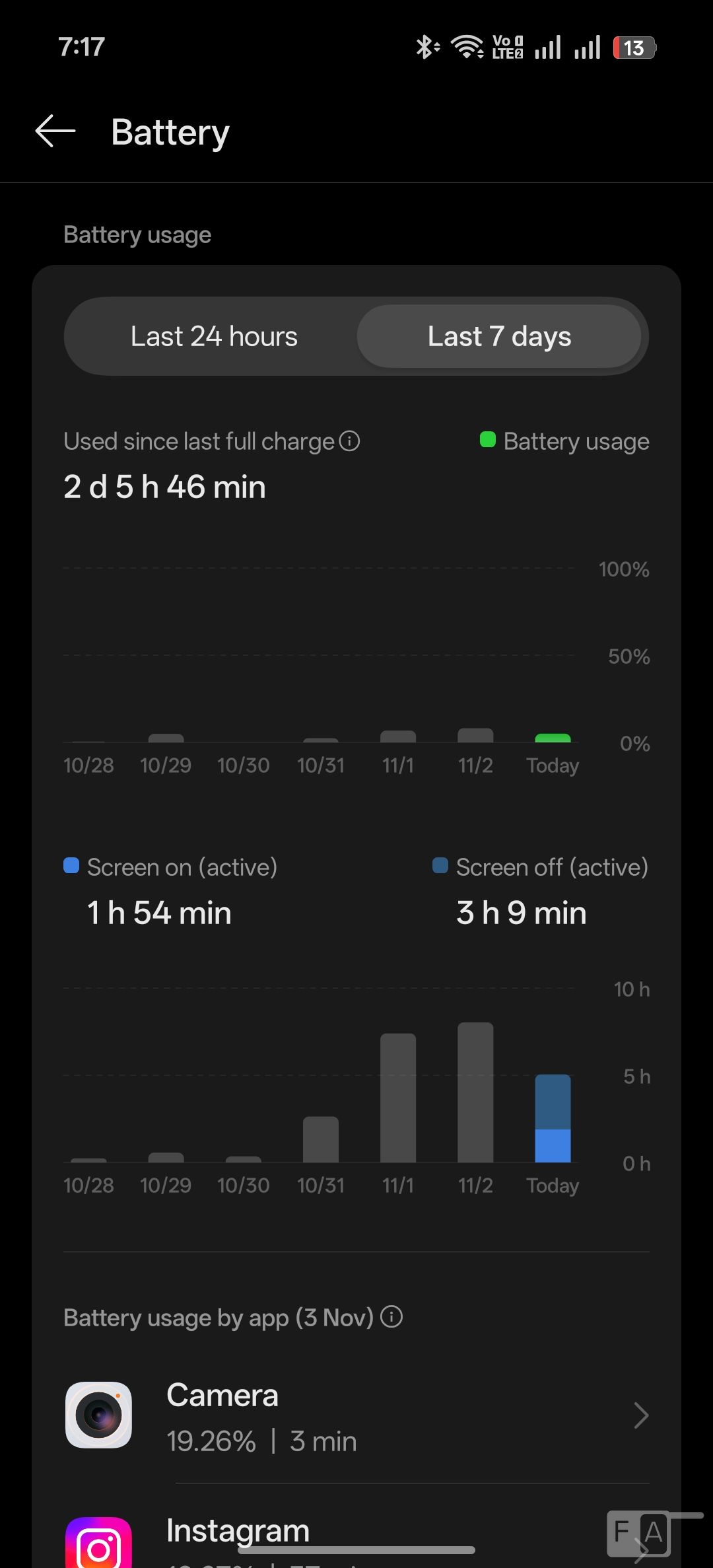
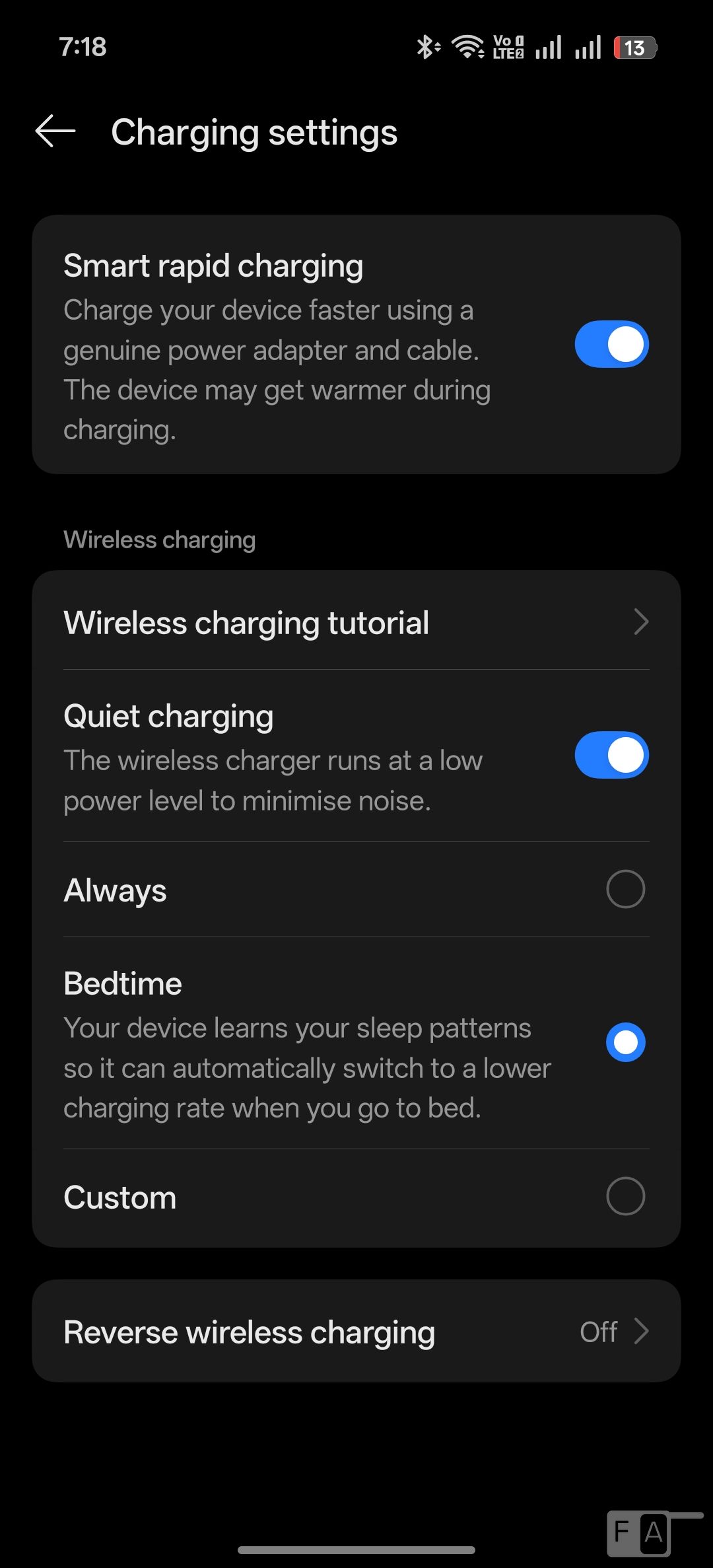
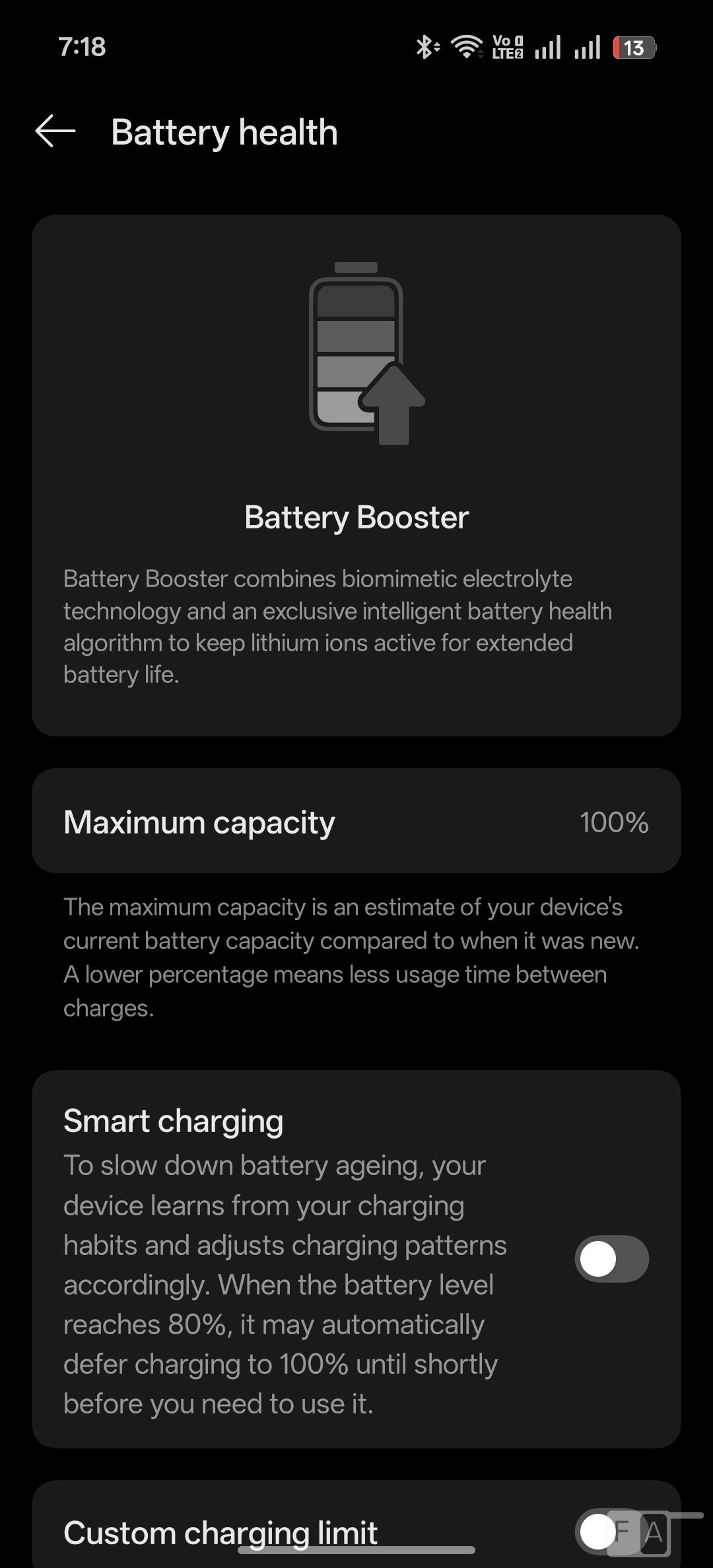
I got over 7 half hours of screen on time with 2 days of use, mostly on Wi-Fi, and occasional 5G use in 120Hz in 1.5K resolution. Since the phone has support for 80W SuperVOOC fast charging, it can charge from up to 50% in less than half an hour and 100% in less than an hour. You can also use a 55W PD charger to charge the phone. There are smart charging, option to stop charging at 80%, and the smart rapid charging can charge the device faster if the battery is too low.
The phone has 50W AIRVOOC wireless magnetic charging, and also supports 10W wireless reverse charging.
Conclusion
The OPPO Find X9 successfully continues the legacy of a high-performance, compact flagship, delivering significant upgrades in key areas that matter to users. However, there is a slight increase in price this time.
The phone offers exceptional battery life, flagship performance, top-tier camera system with 4K 120fps Dolby Vision Recording and 4K portrait video, premium design and durability and an enhanced user experience with revamped ColorOS 16 and ultrasonic fingerprint scanner. However, it lacks the LTPO technology found in the Pro model, uses USB Type-C 2.0, and the device is slightly heavier than its predecessor even though it is sleek.
Overall, the OPPO Find X9 represents a decisive step forward for the series and is recommended if you are looking for power, endurance and camera capabilities in a compact size.
Alternatives
The Samsung Galaxy S25 is a good alternative if you need a more compact flagship, but the S26 is around the corner. The latest Google Pixel 10 during offers is also a good option, but none of these can match the battery and performance of the Find X9.
Pricing and availability
The OPPO Find X9 is priced at Rs. 74,999 for the 12GB + 256GB model and the 16GB + 512GB model costs Rs. 84,999. It is available to pre-order from OPPO India online store, Flipkart and offline stores and will go on sale from November 21st. There are also launch offers.
Pros
- 1.5K AMOLED 120Hz display is good
- Smooth performance
- Impressive cameras
- Solid build quality, IP66+ IP68 + IP69 ratings
- Excellent battery life with 80W fast charging, 50W wireless charging
Cons
- No LTPO panel
- No telemacro option