
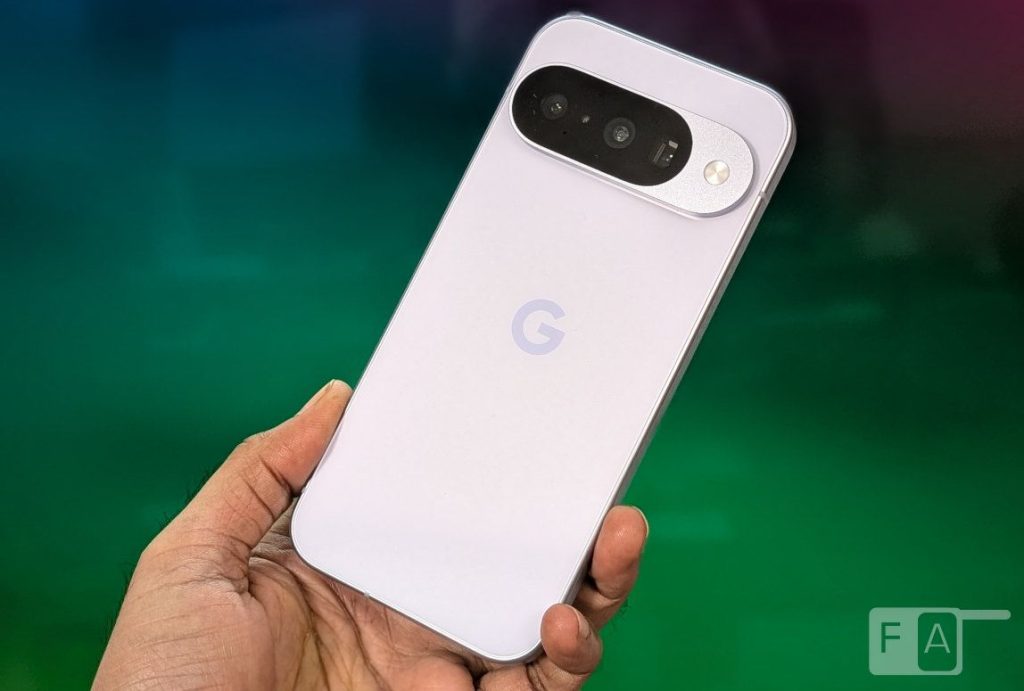
Google launched the Pixel 10, the company’s latest flagship Pixel phone, last month as the successor to the Pixel 9. This has a familiar design, but adds a telephoto camera, which the older base models lacked. It comes with the Tensor G5 SoC, and a slightly bigger battery. Is this a good successor to the Pixel 9? Let us dive into the review to find out.
| Box Contents |
| Display, Hardware and Design |
| Camera |
| Software, UI and Apps |
| Fingerprint sensor |
| Music player and Multimedia |
| SIM and Connectivity |
| Performance and Benchmarks |
| Battery Life |
| Conclusion |
Box Contents
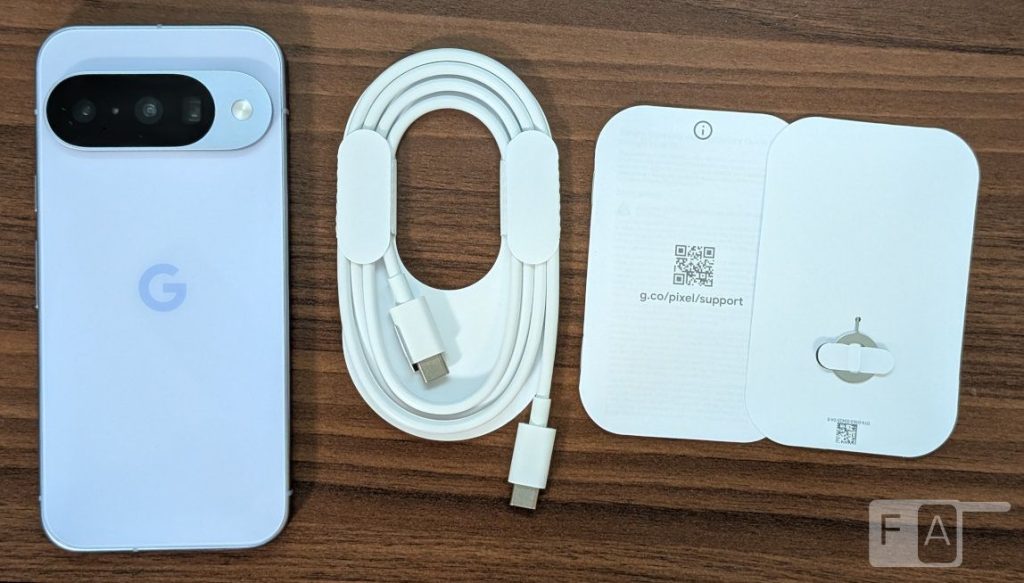
- Pixel 10 12GB + 256GB in Frost colour
- USB-C to USB-C Cable
- Quick Start Guide
- SIM Ejector Tool
Display, Hardware and Design
Starting with the display, the Pixel 10 has a 6.3-inch Full HD+ OLED display with a pixel resolution of 2424 x 1080 pixels, 20:9 aspect ratio and a pixel density of about 422 PPI, similar to the Pixel 9. The display is bright, since it has up to 2000 nits brightness for HDR and up to 3000 nits peak brightness, making it 11% brighter than the predecessor. Outdoor visibility is just brilliant. Google is calling it Actua display.
The phone has a 120Hz refresh rate display like the Pixel 9 which is not an LTPO panel that is available in the Pro models. The UI is smooth to use. It also has HDR 10+ support, which works for YouTube and Netflix.
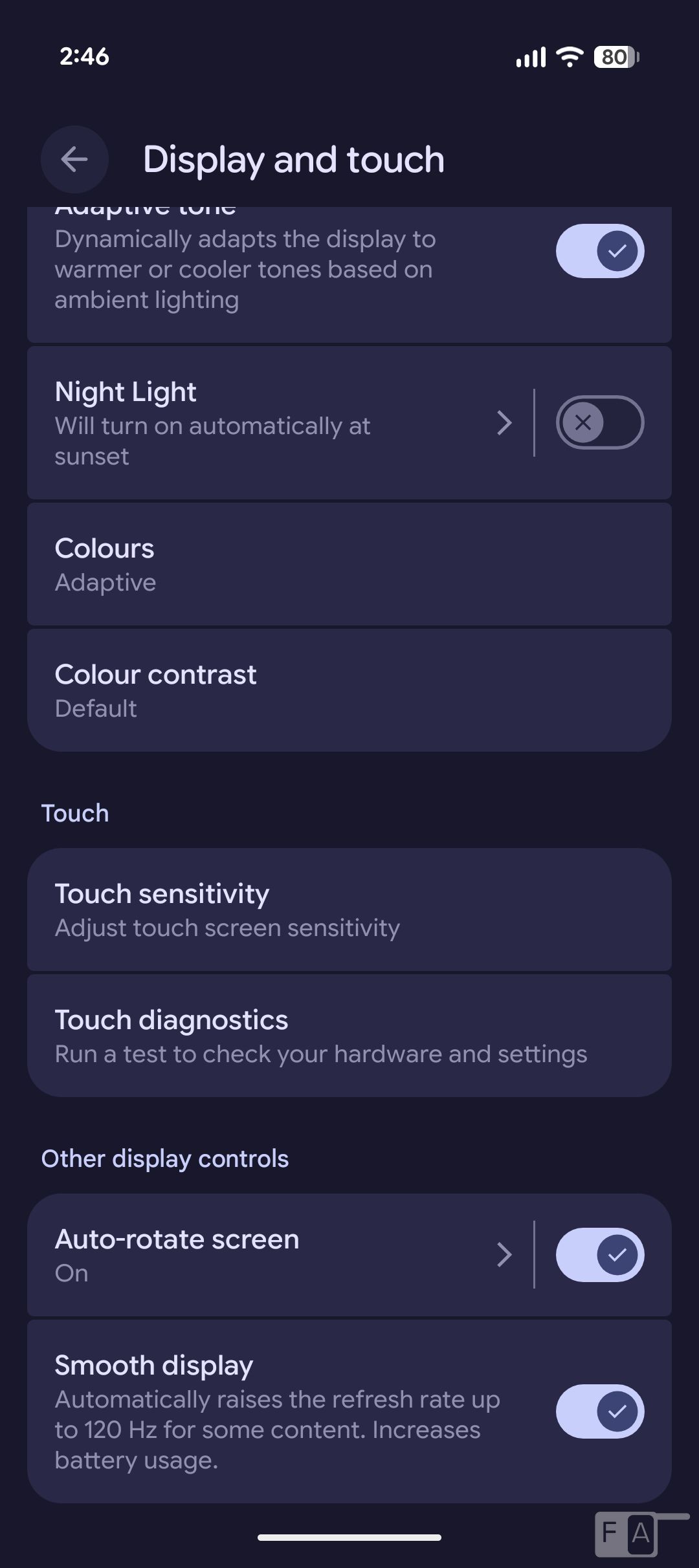
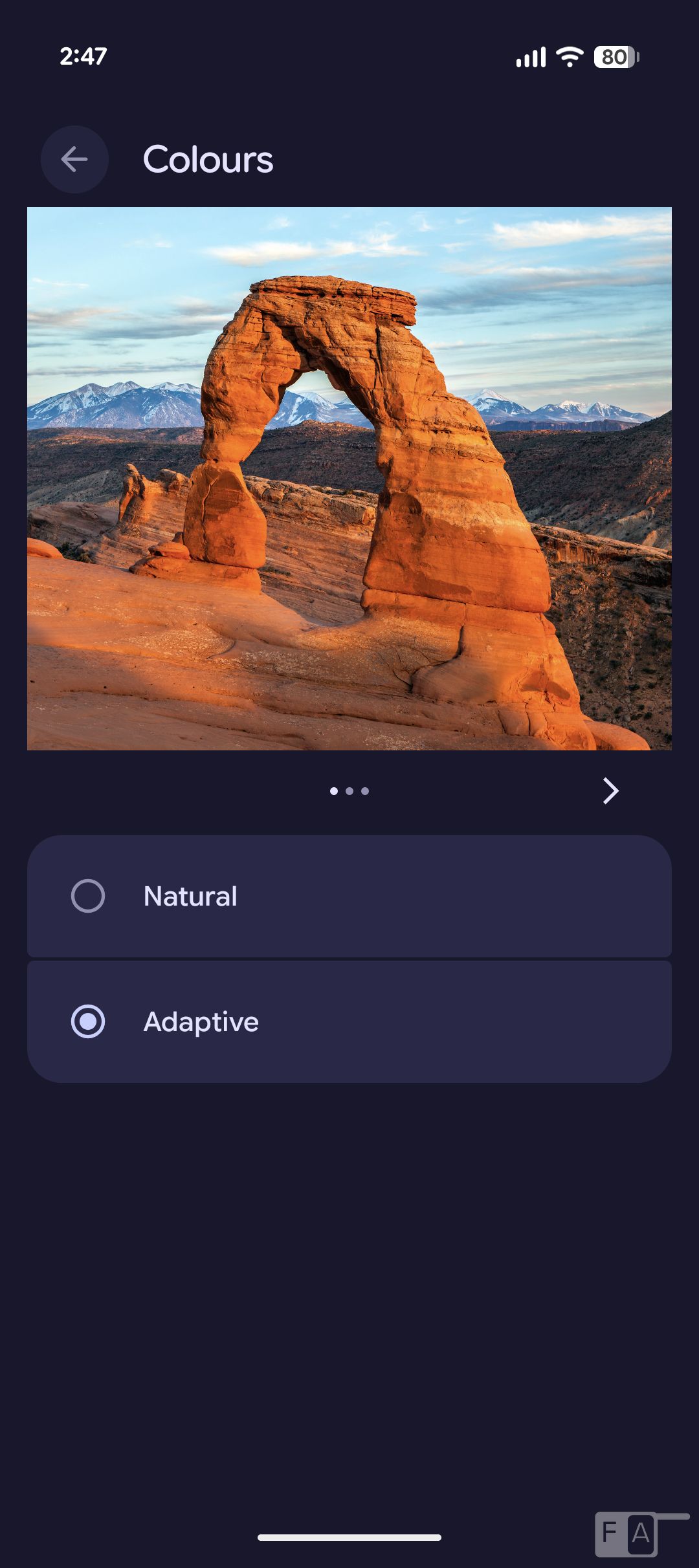
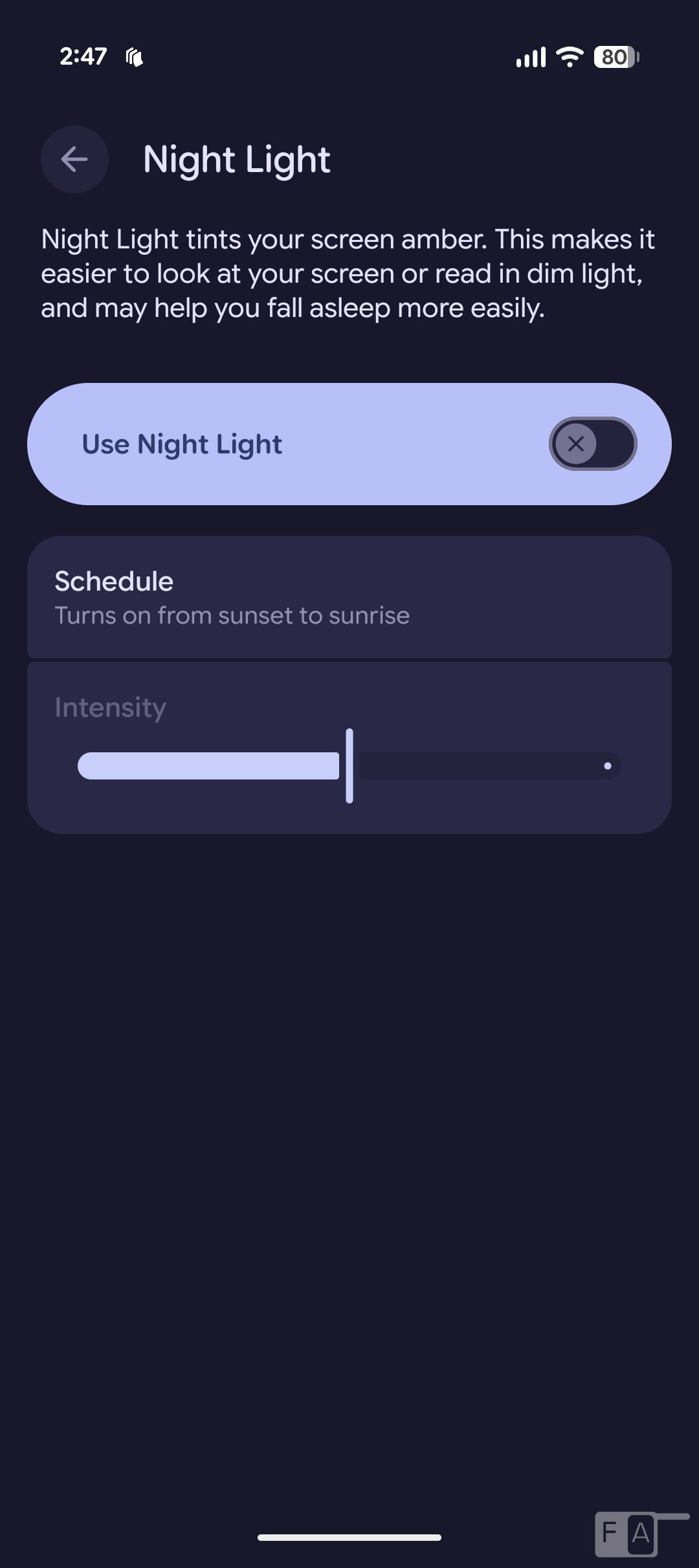
Under the display options, there are different options to adjust colours based on your preference. There is also a night light option that lets you reduce the display’s blue light emission, so it doesn’t cause eye strain when you are reading at night. There is Dark mode and an always-on display option for the lock screen, but it doesn’t offer a lot of customization. It doesn’t have MEMC or DC Dimming option. The phone comes with Corning Gorilla Glass Victus 2 protection, unchanged from the Pixel 9.
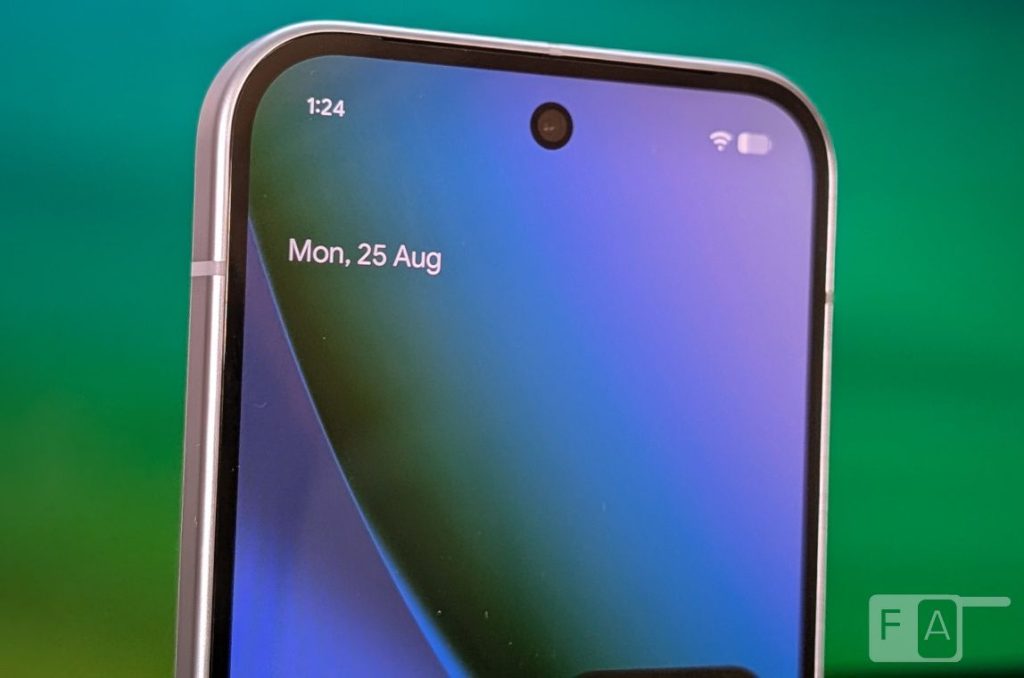
There is a centre punch-hole display that houses a familiar 10.8MP front camera that supports 4K 60 fps video recording and HDR at 4K 30 fps. Since this is small, it doesn’t disturb when watching videos. The earpiece on the top doubles up as the secondary speaker. The front camera also works for face unlock.
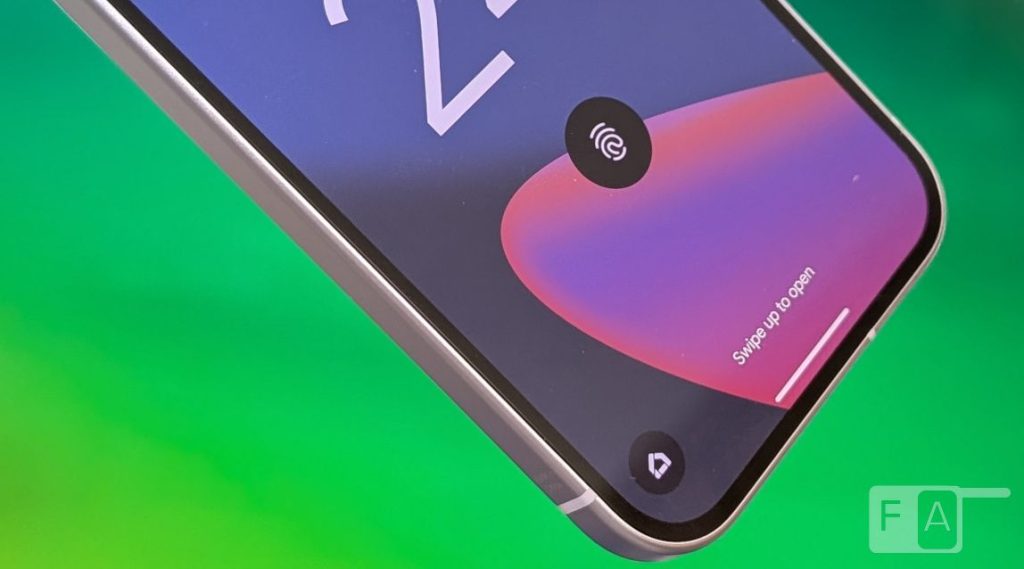
You can notice a small bezel below the display, which is now uniform as the bezels from the sides and the top.
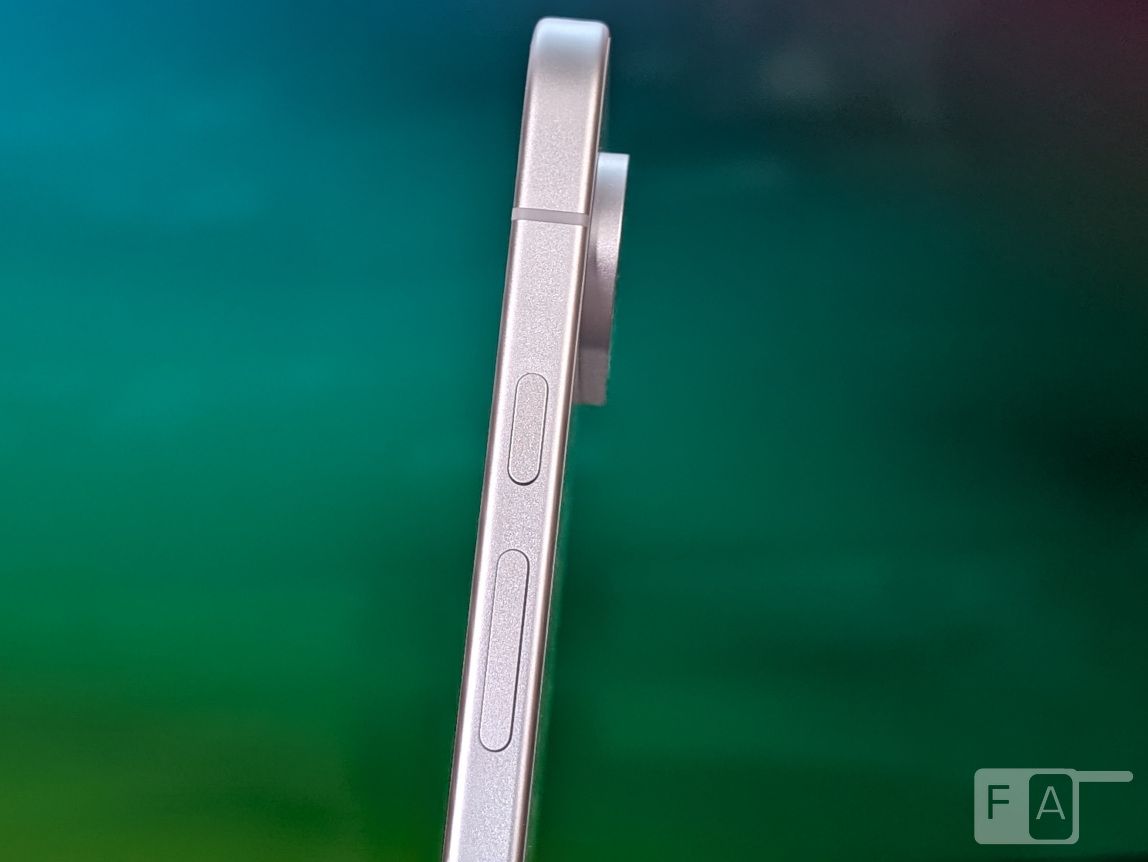
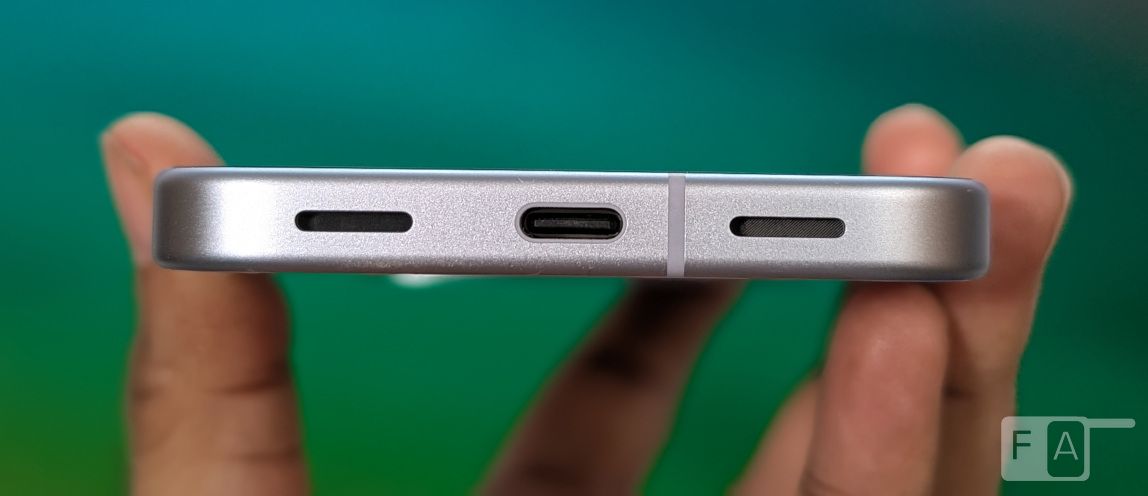
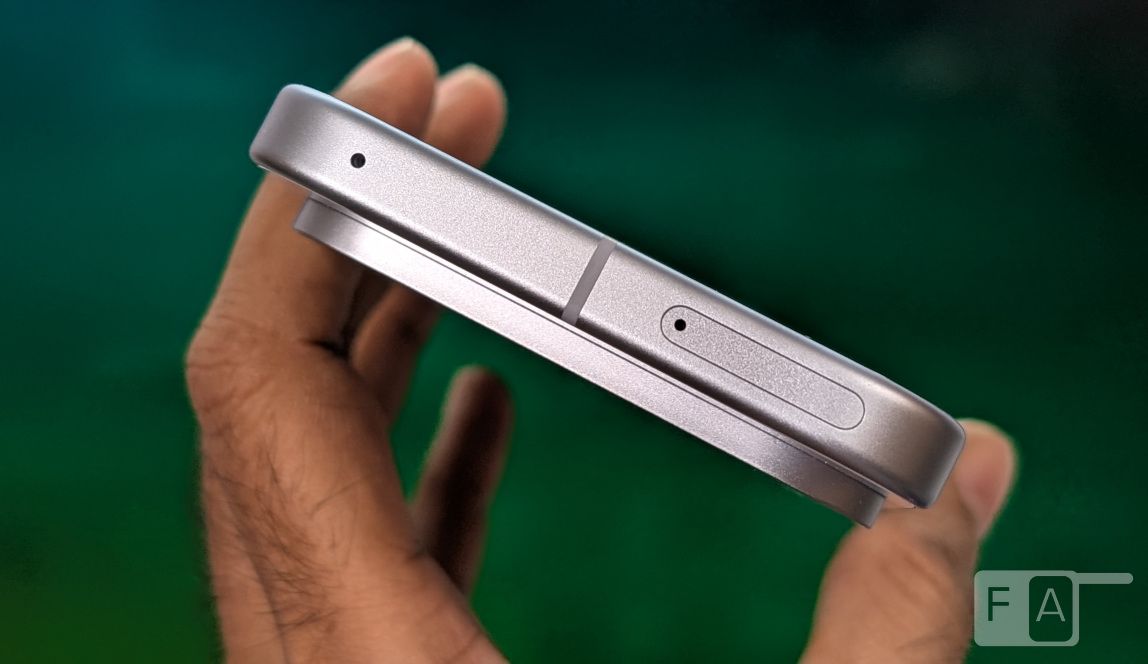
The phone has a satin metal finish on the side, so it doesn’t attract fingerprints. You can see the antenna bands around the phone. The power button and volume rockers are present on the right side.
The SIM slot has been moved from the bottom to the top along with the secondary microphone, and there is eSIM support. The USB Type-C port, microphone and speaker grill are present on the bottom.
It has a glass back with Corning Gorilla Glass Victus 2 protection, so it doesn’t get scratched, but the polished glass back attracts fingerprints and might be slippery for some. The camera bump is prominent and has a matte finish.
The phone is 8.6mm thick, making it slightly thicker than the Pixel 9. It weighs 204 grams, making it 5 grams heavier, since it has a bigger 4970mAh battery compared to, 4700mAh in the Pixel 9.
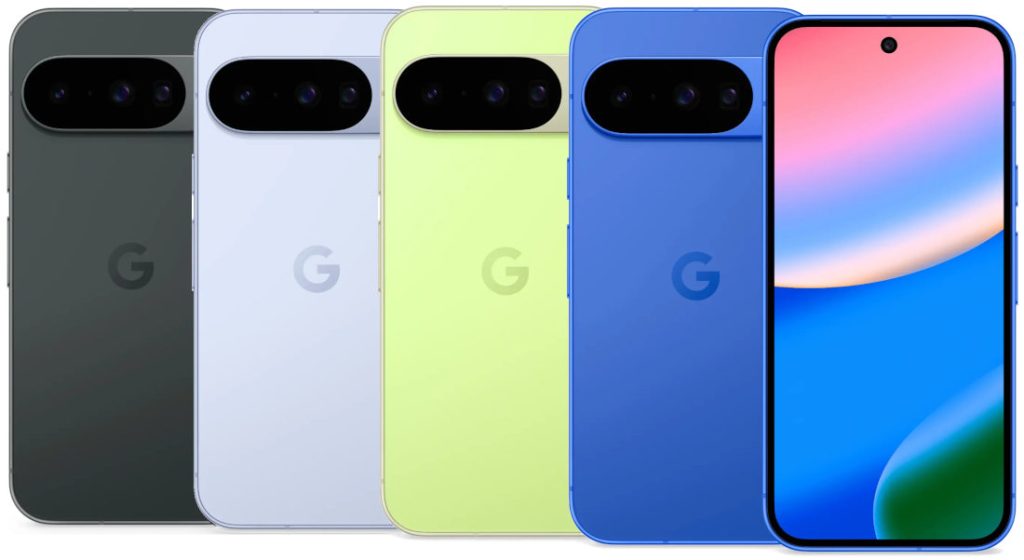
In addition to the Frost, the phone also comes in Obsidian, Frost, Lemongrass, and Indigo colours. The phone has IP68 ratings for dust and water resistance.
Camera
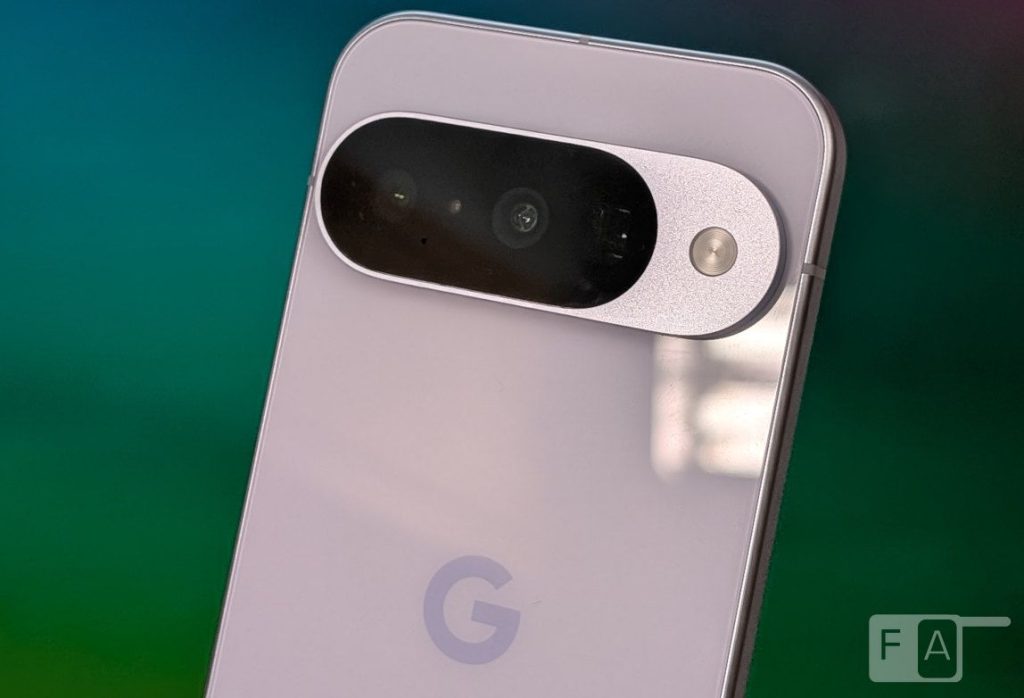
- 48MP main camera with 1/1.95″ Samsung GN8 sensor, f/1.7 aperture, OIS, LDAF, macro option
- 13MP 120° Ultra-wide camera with 1/3.1″ Sony IMX712 sensor, ƒ/2.2 aperture
- 10.8MP 5x telephoto camera with 1/3.2″ Samsung 3J1 sensor, ƒ/3.1 aperture
- 10.5MP 95° front camera with 1/3″ Samsung 3J1 sensor
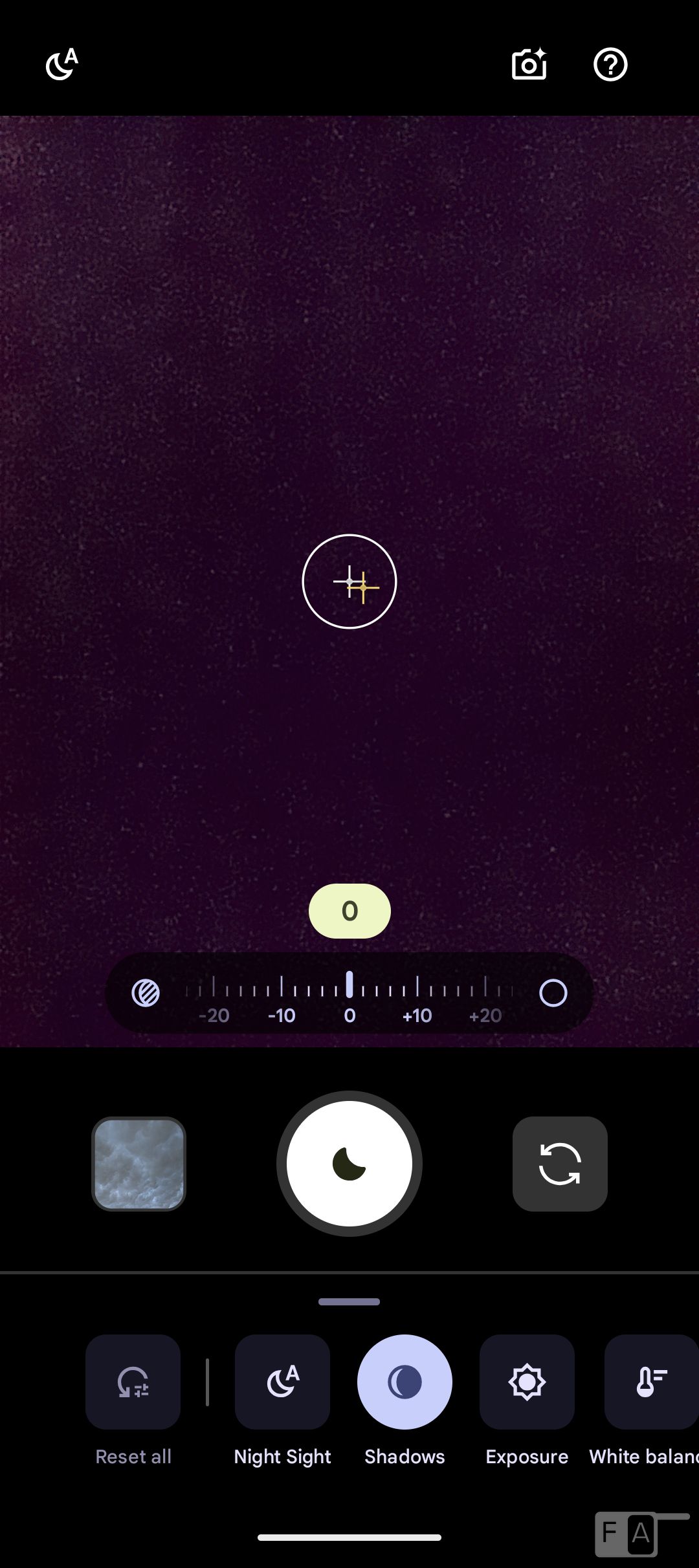
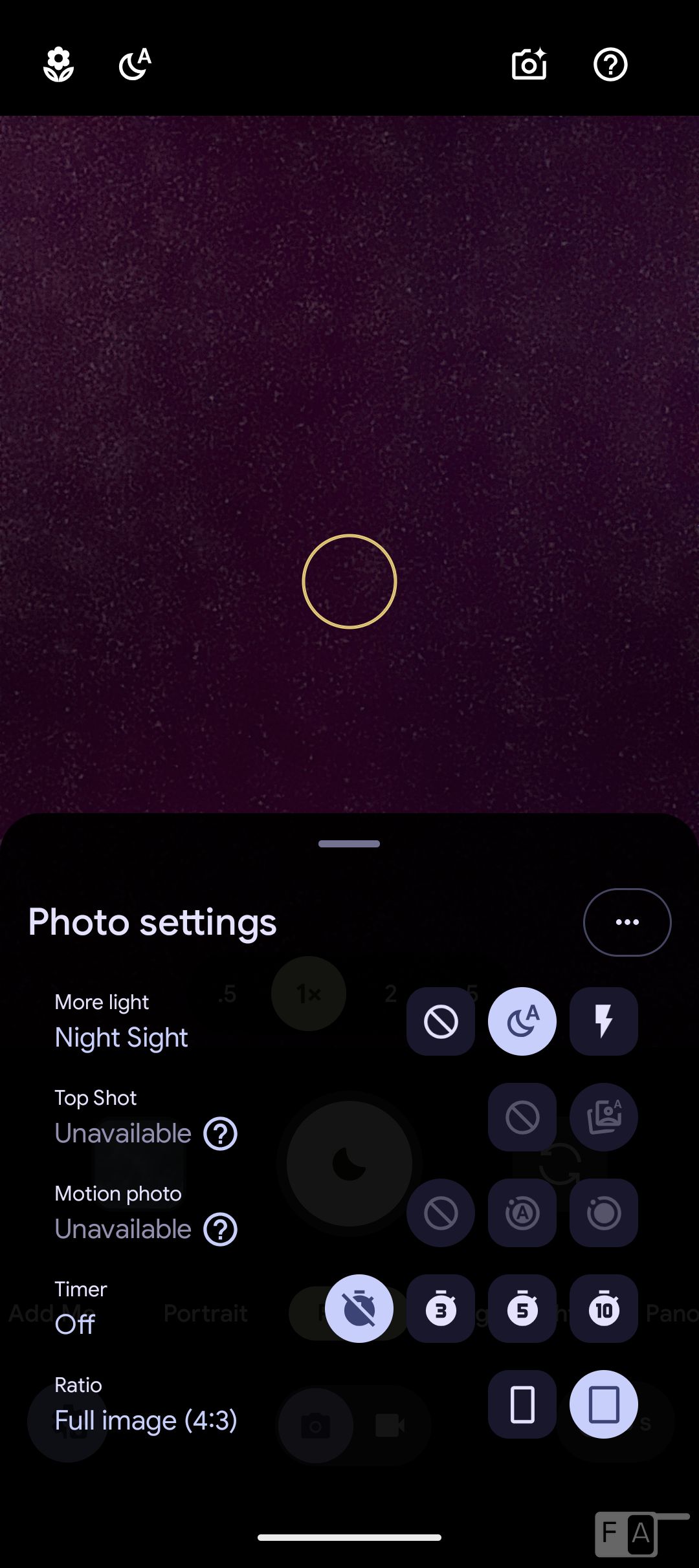
The camera UI is simple with options for night sight, portrait, camera, video, panorama, Google Lens, Astrophotography, Top Shot, Magic Eraser, Real Tone, Face Unblur, and Long Exposure mode. There is also Action Pan.
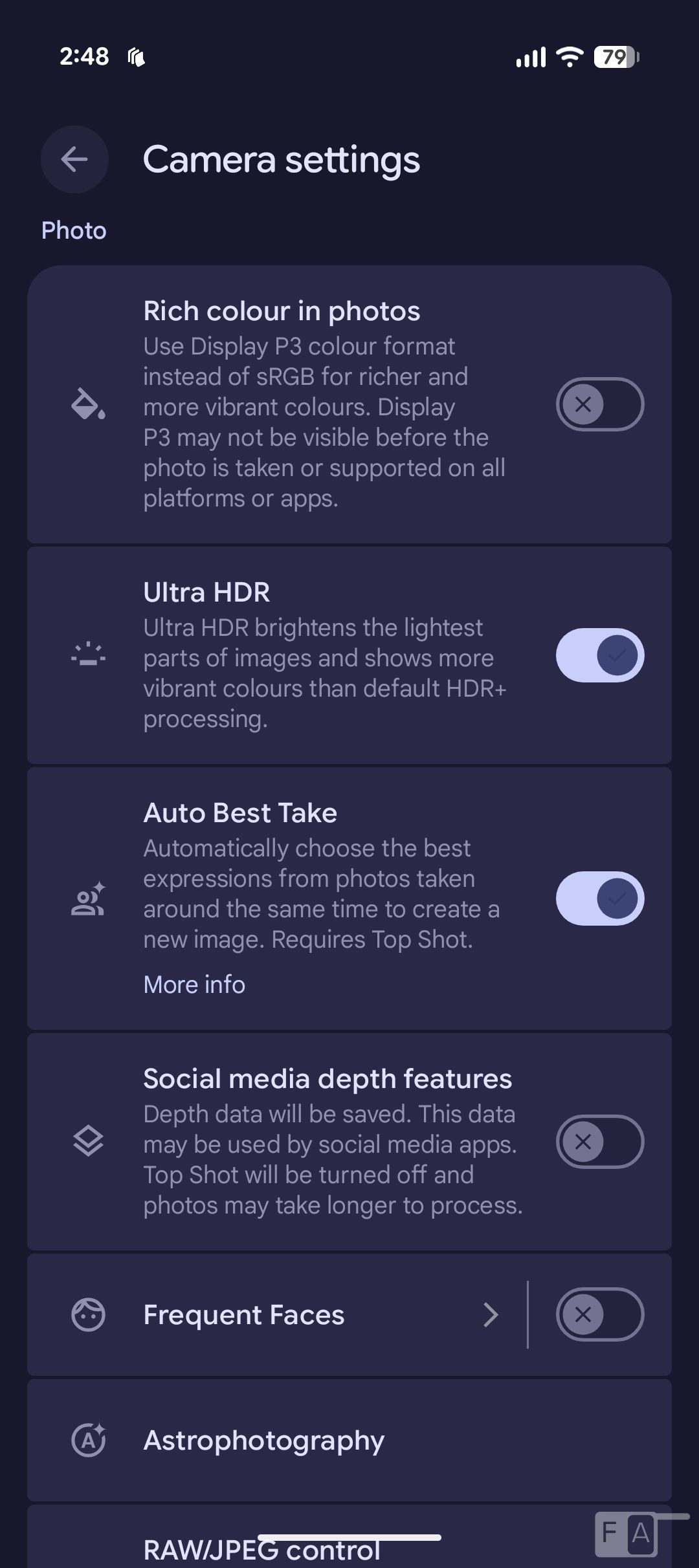
The all-new Camera Coach, powered by Gemini models built right into the camera, can read the scene, offer you suggestions and help you find the best angle, lighting and can even suggest the best modes to use. New Auto Best Take can automatically find and combine similar photos into one where everyone looks their best. The Improved Add Me feature lets you add the photographer to even bigger groups.
There is no expert or pro mode for Pixel 10 since the Pro model is only getting it, but there is a RAW option, which you can enable from the advanced settings.
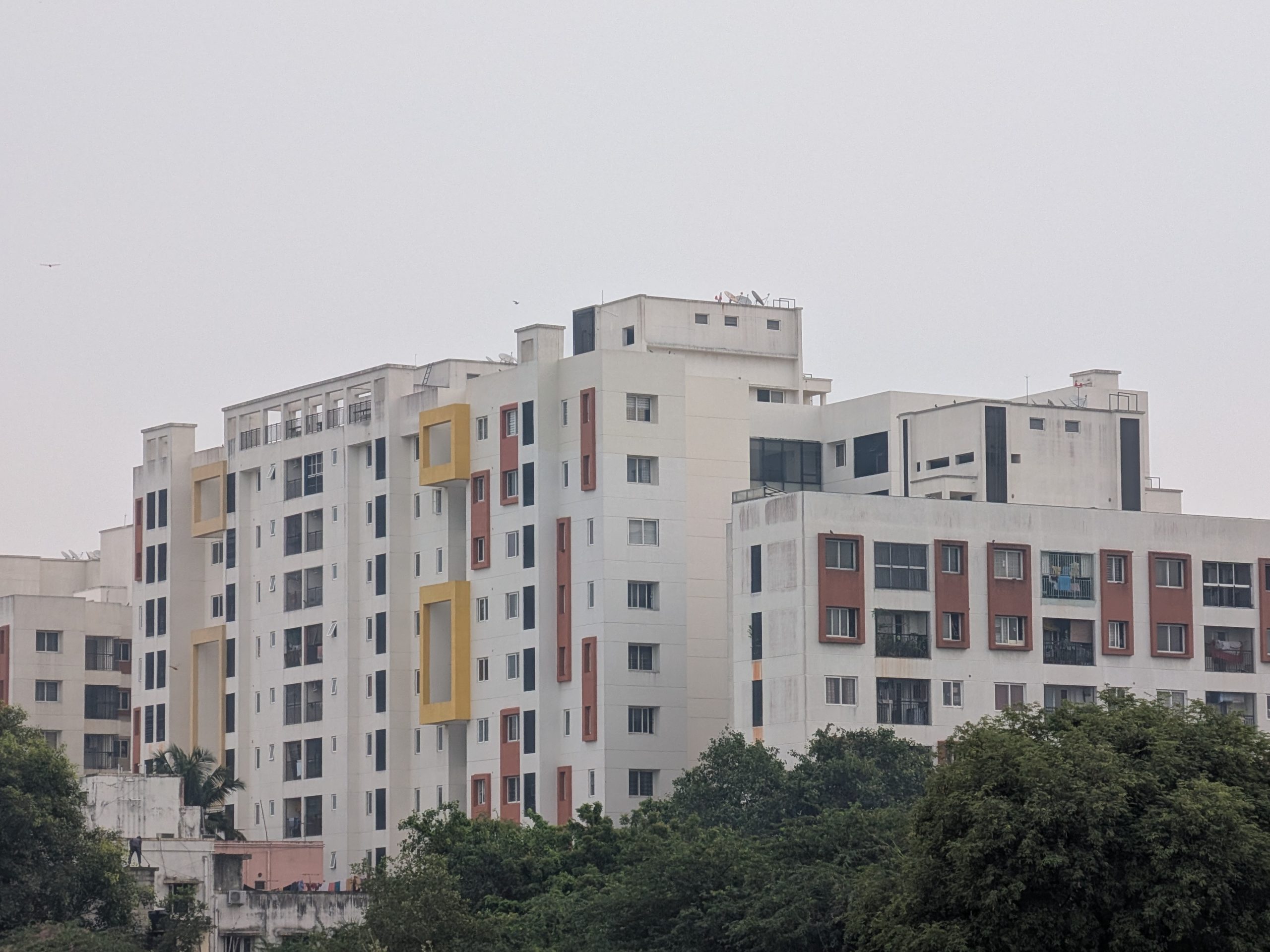
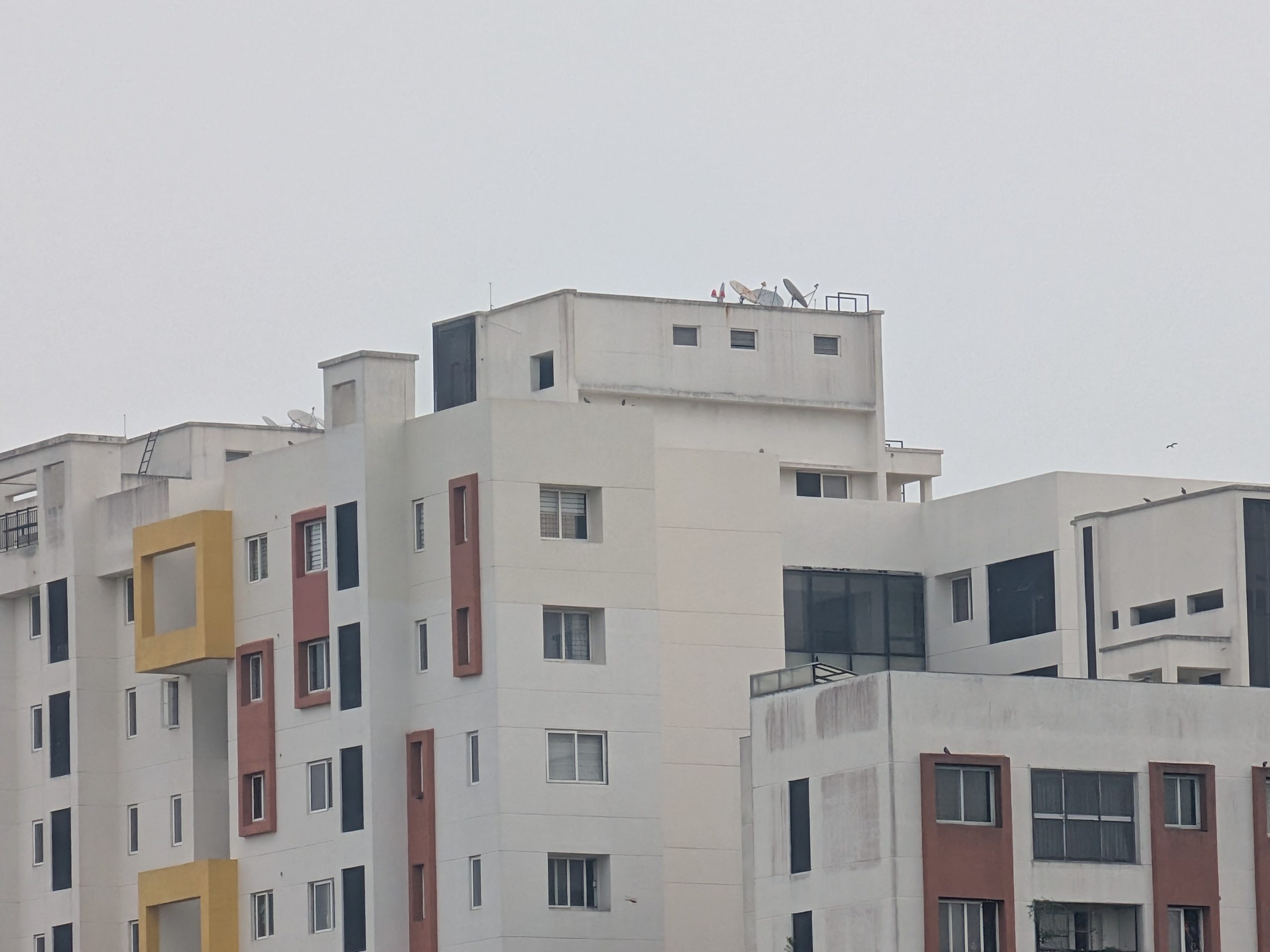
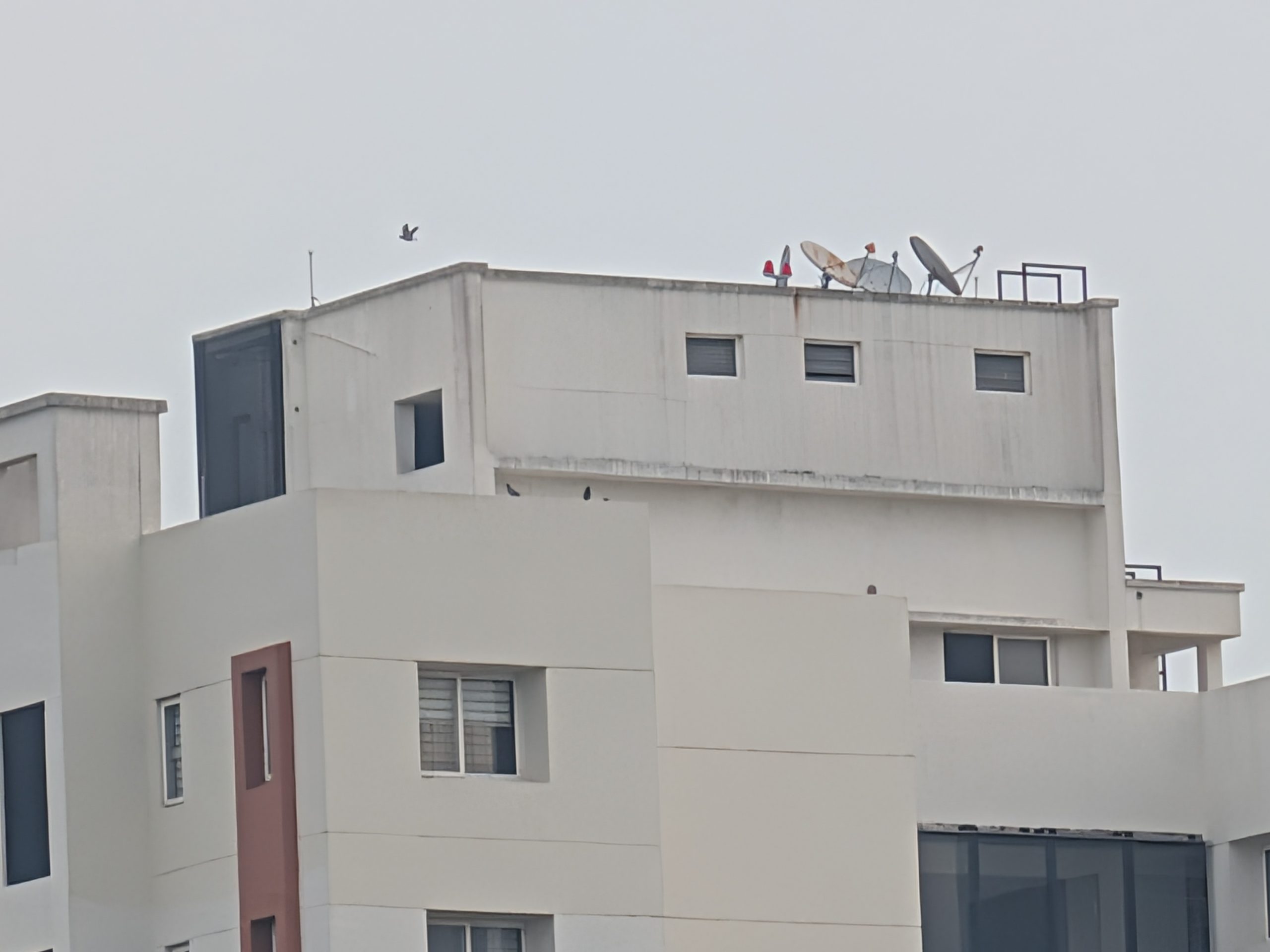
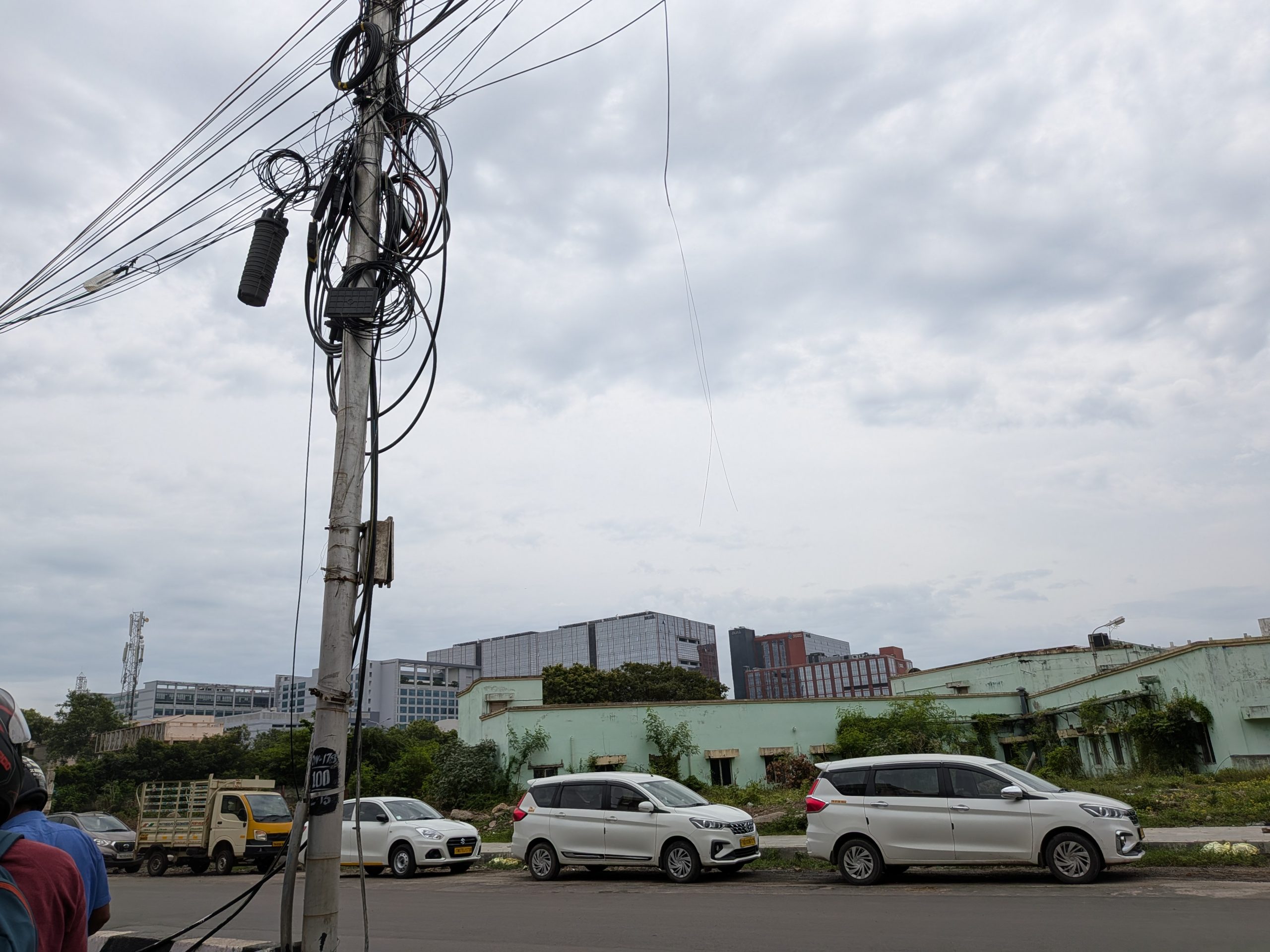
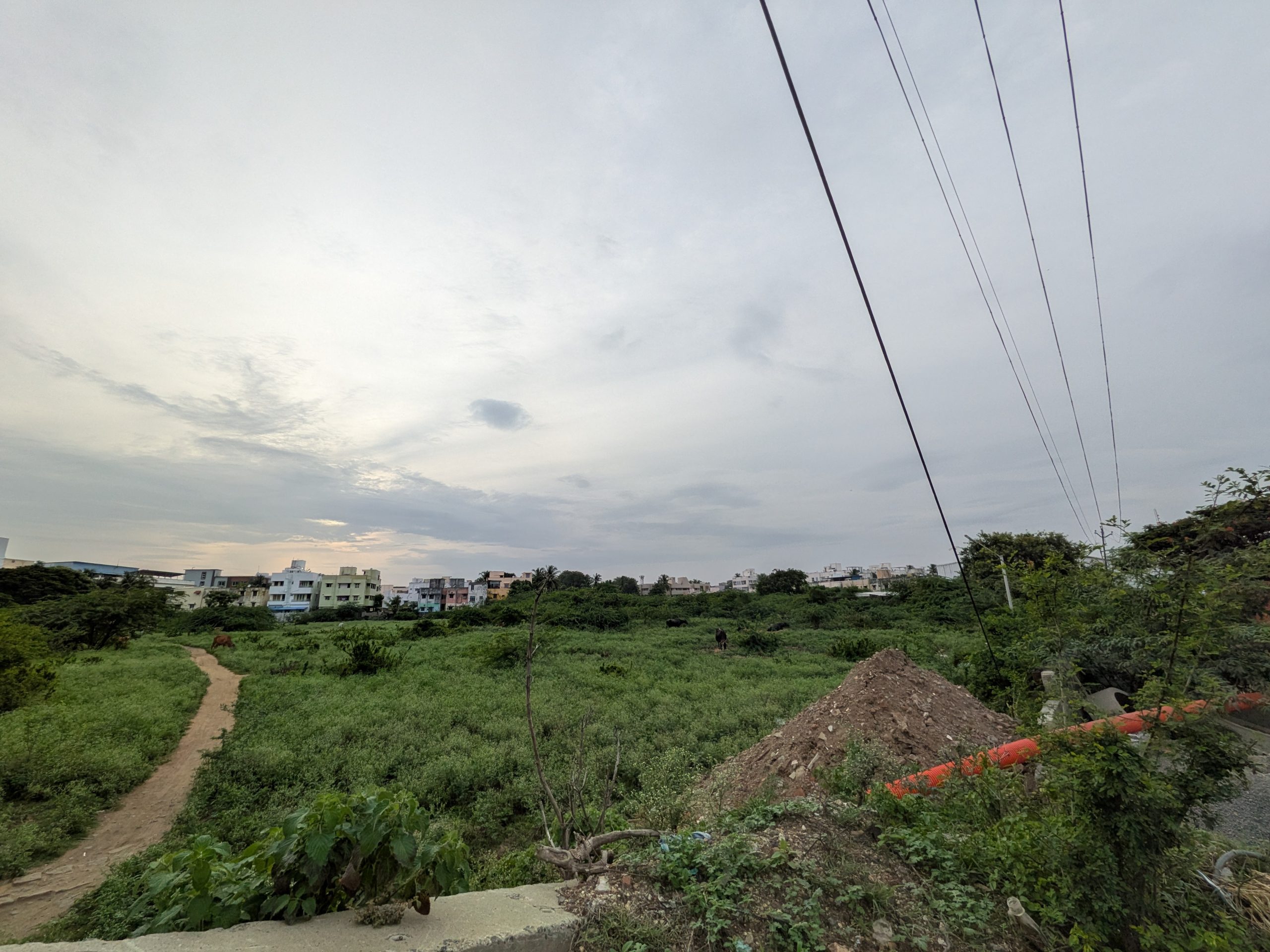
Coming to the image quality, daylight shots came out well with brilliant dynamic range from both the cameras. After pixel binning, you get 12MP output from the main camera. For ultra-wide, you get 13MP output. It finally adds macro option with a main camera instead of ultra-wide in the Pixel 9, so the quality is good. The Pixel 10 gets a 5x telephoto camera for the first time, so zoomed photos are good.
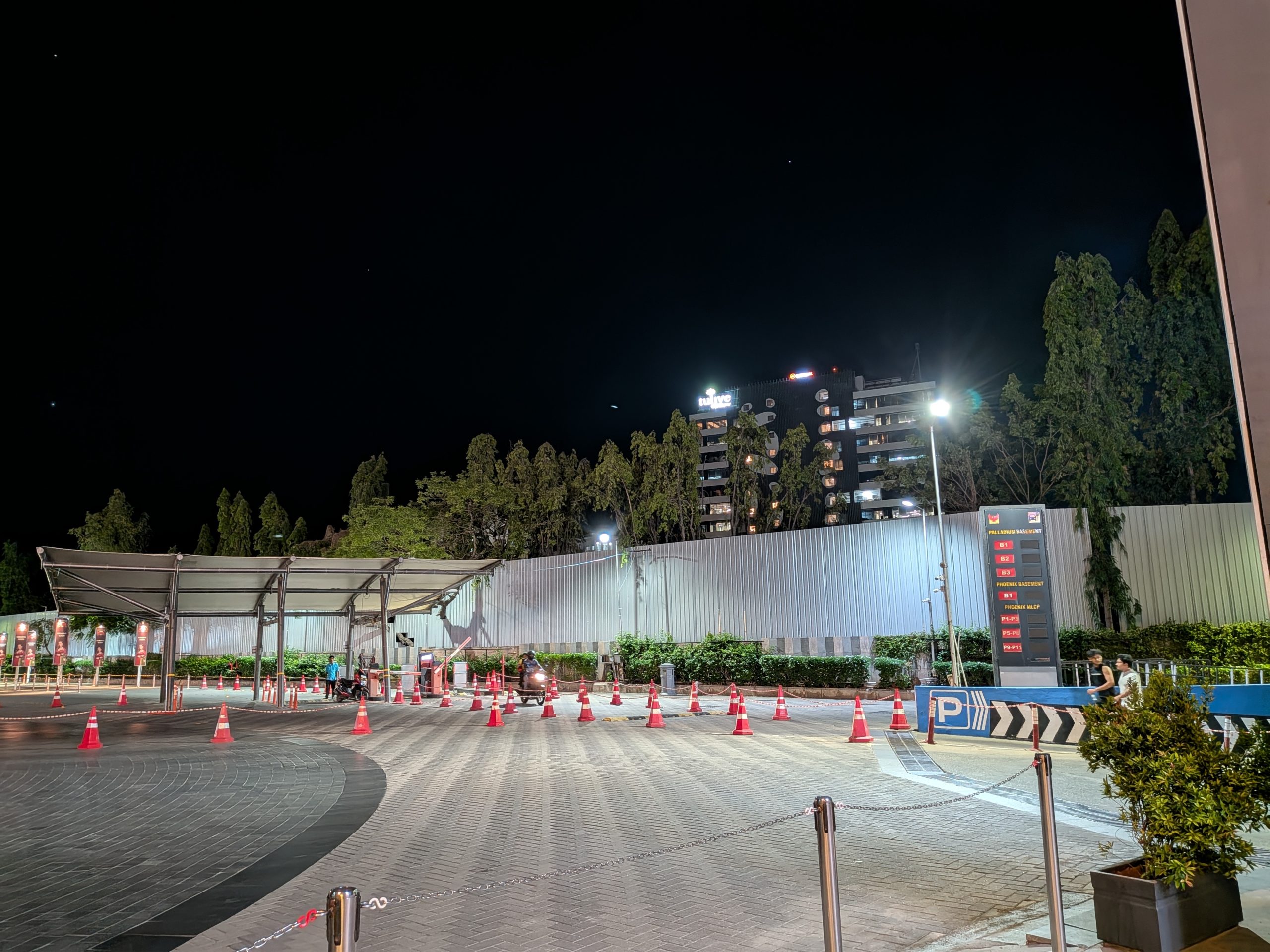
Even though the phone only has digital zoom up to 20X, the computation photography makes the image look clear. Edge detection is good in portrait. Lowlight camera performance is also good, and the night sight helps in places where there is minimal light. The 13MP front camera is good as well.
Check out the camera samples.










































Software, UI and Apps
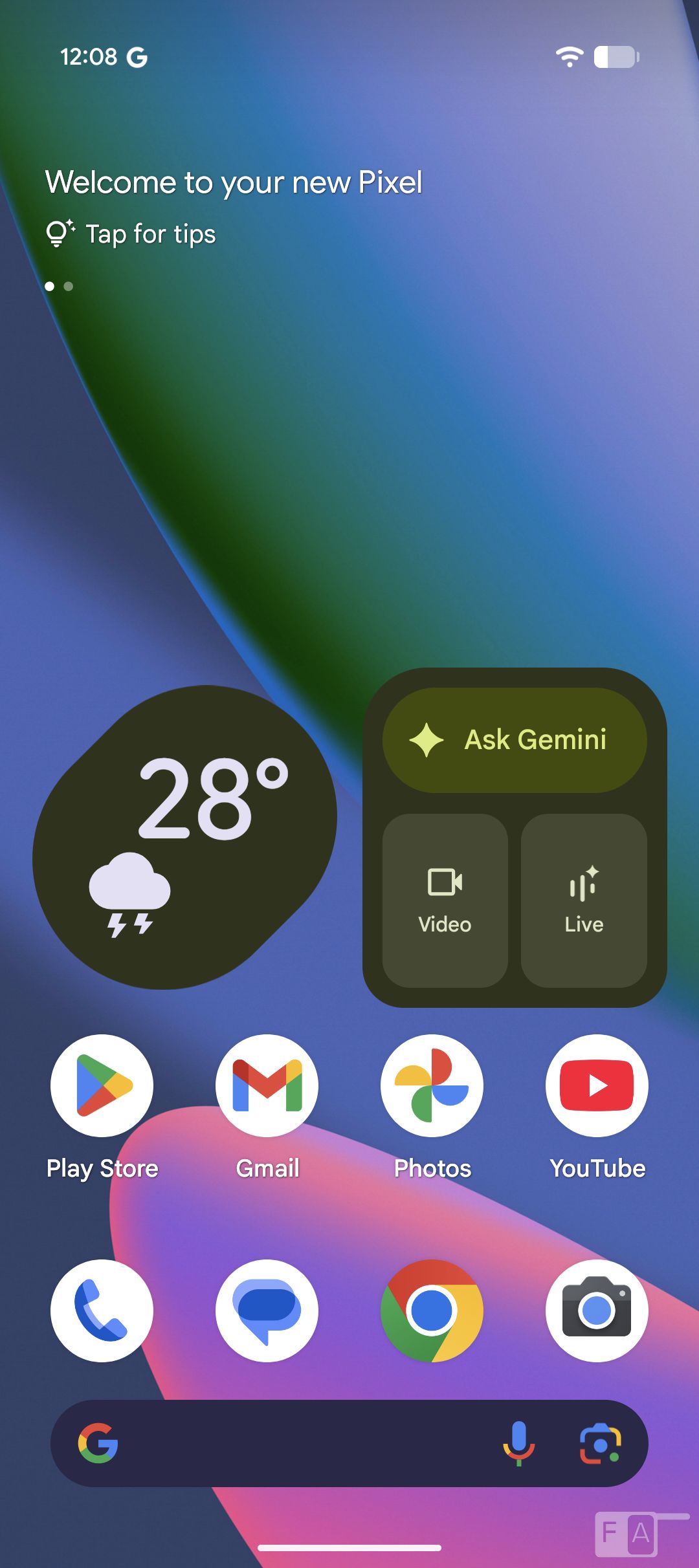
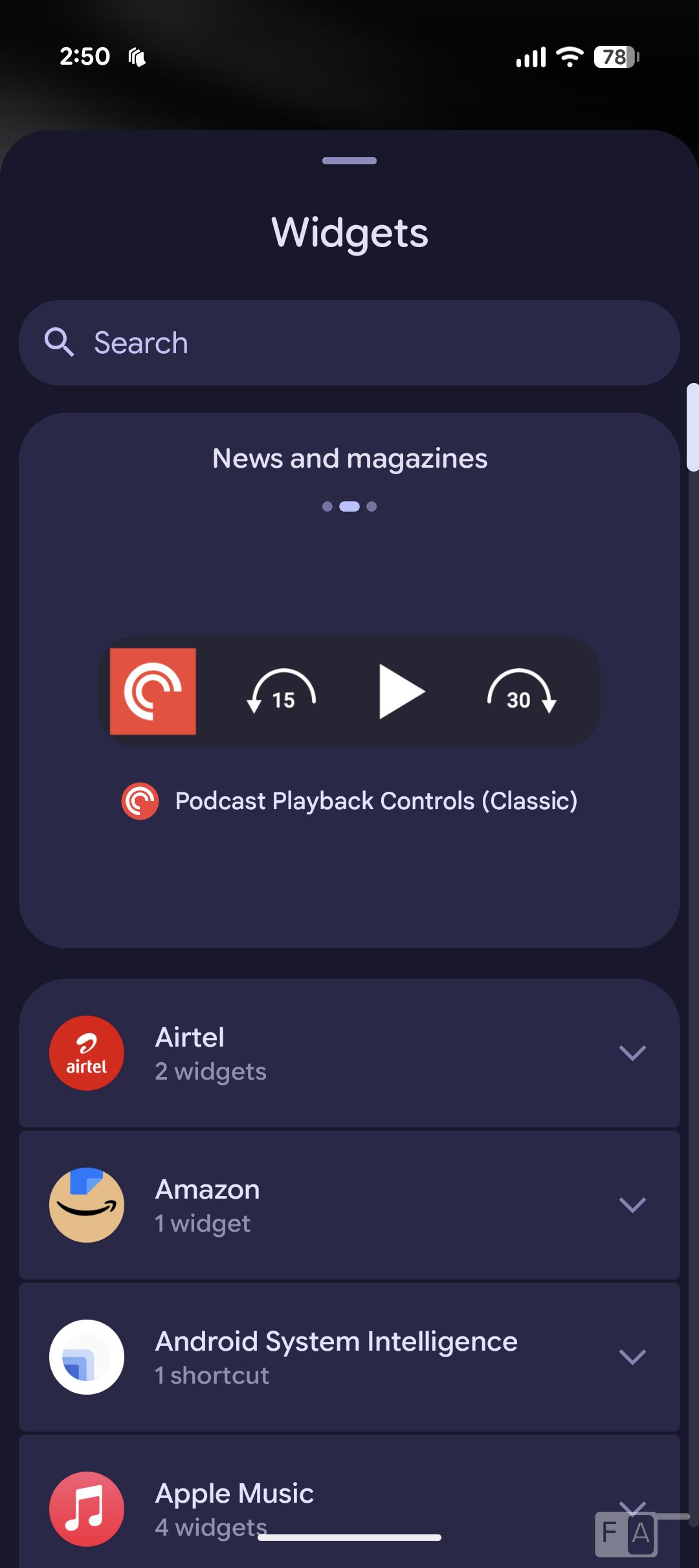
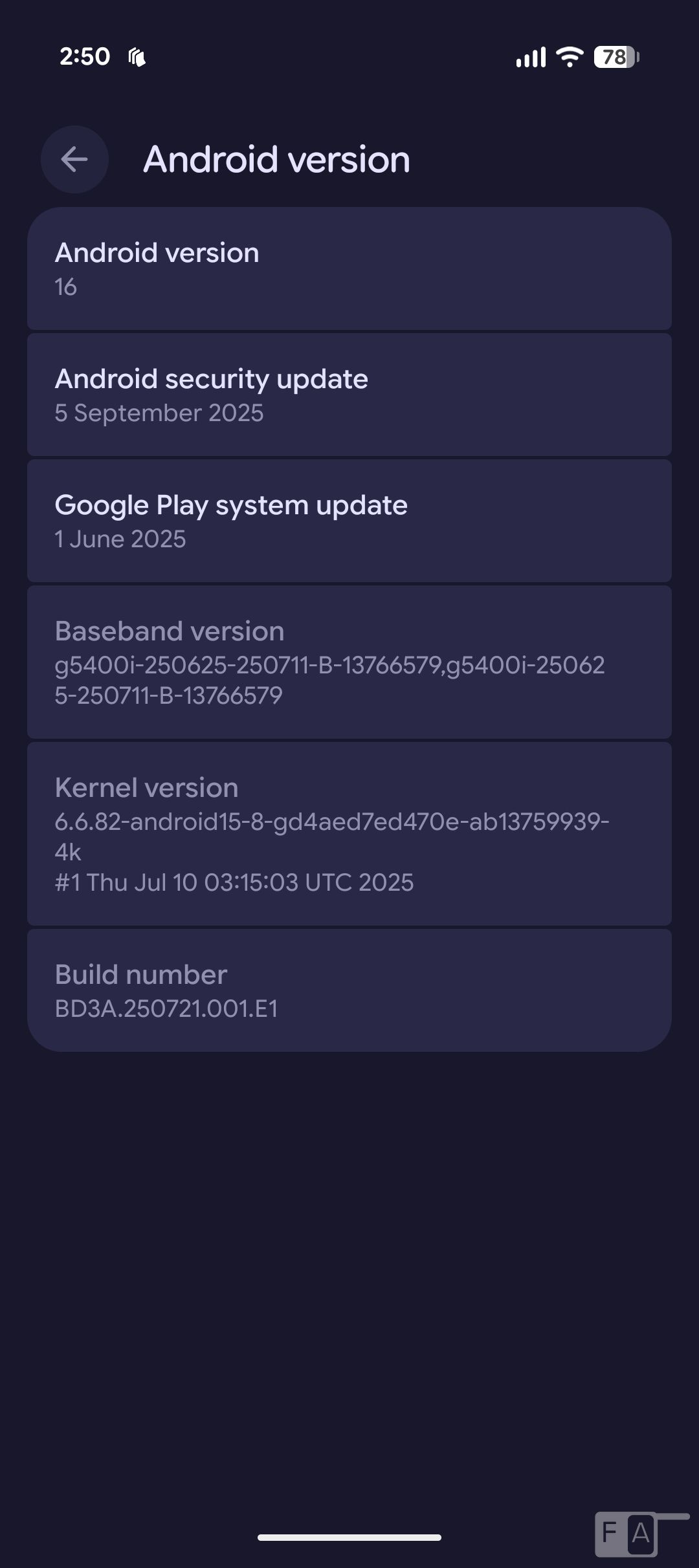
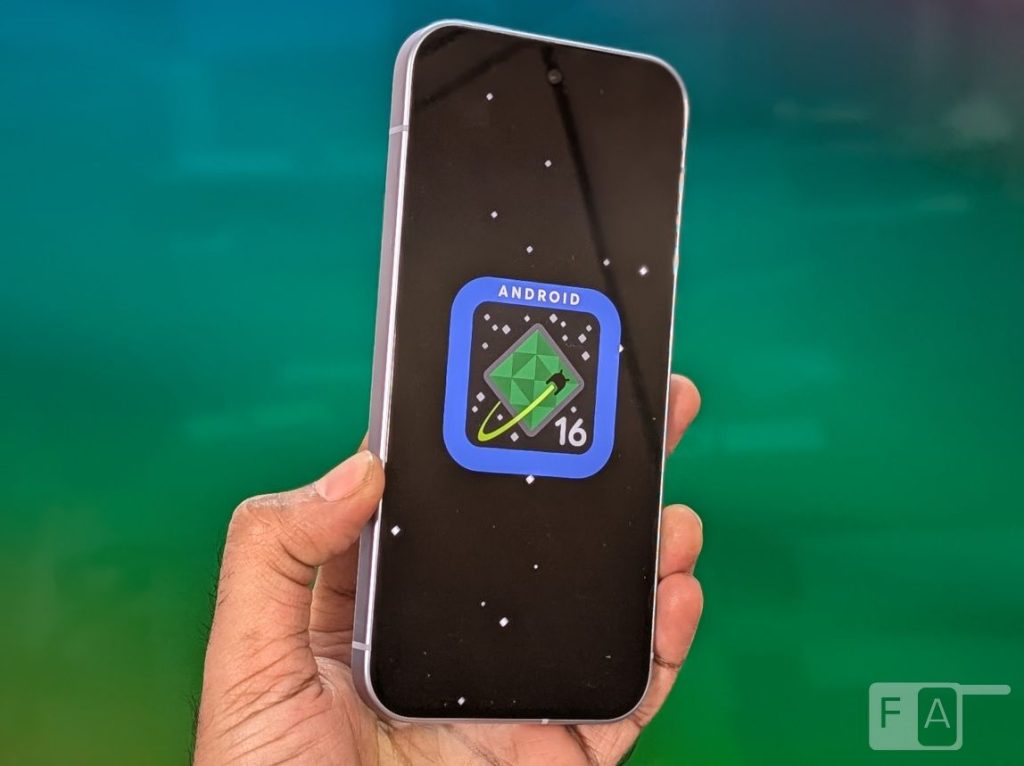
It runs Android 16 out of the box with Material 3 Expressive UI. The company has promised 7 Android OS updates, feature drops and security patches to match the other Pixel models. You don’t get any bloatware.
Android 16 with Material 3 Expressive brings more personalized and dynamic look. Users can now apply Live Effects on lock screen wallpapers, including animated shapes and weather-based visuals.
Quick Settings have been redesigned for a smoother and more intuitive layout, while calling screens can now be tailored to individual preferences, allowing a customized Phone by Google experience.
It also adds live updates for notifications, beginning with ride-share and food delivery applications. This feature aims to provide real-time information without requiring users to open the respective apps. Android 16 offers the option to activate “Advanced Protection,” described as Google’s strongest mobile device security.
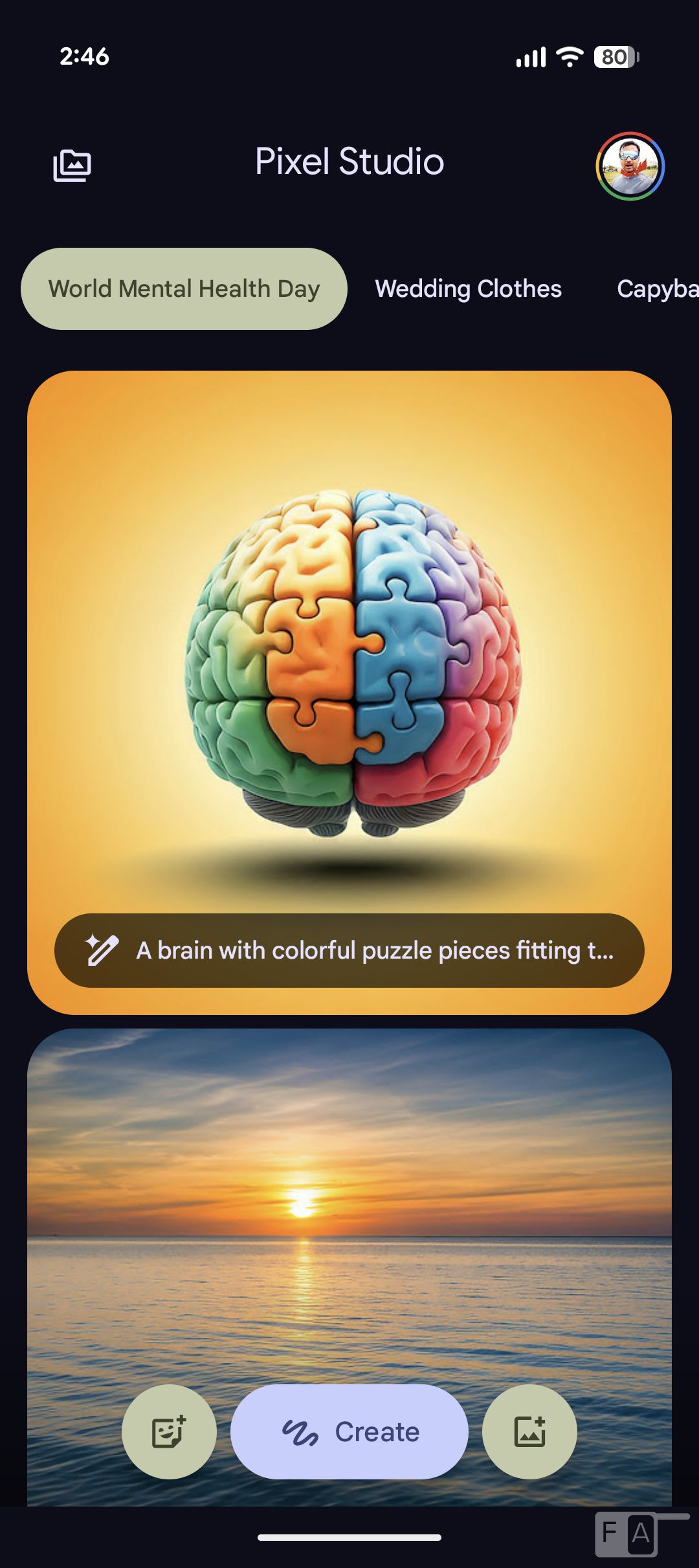
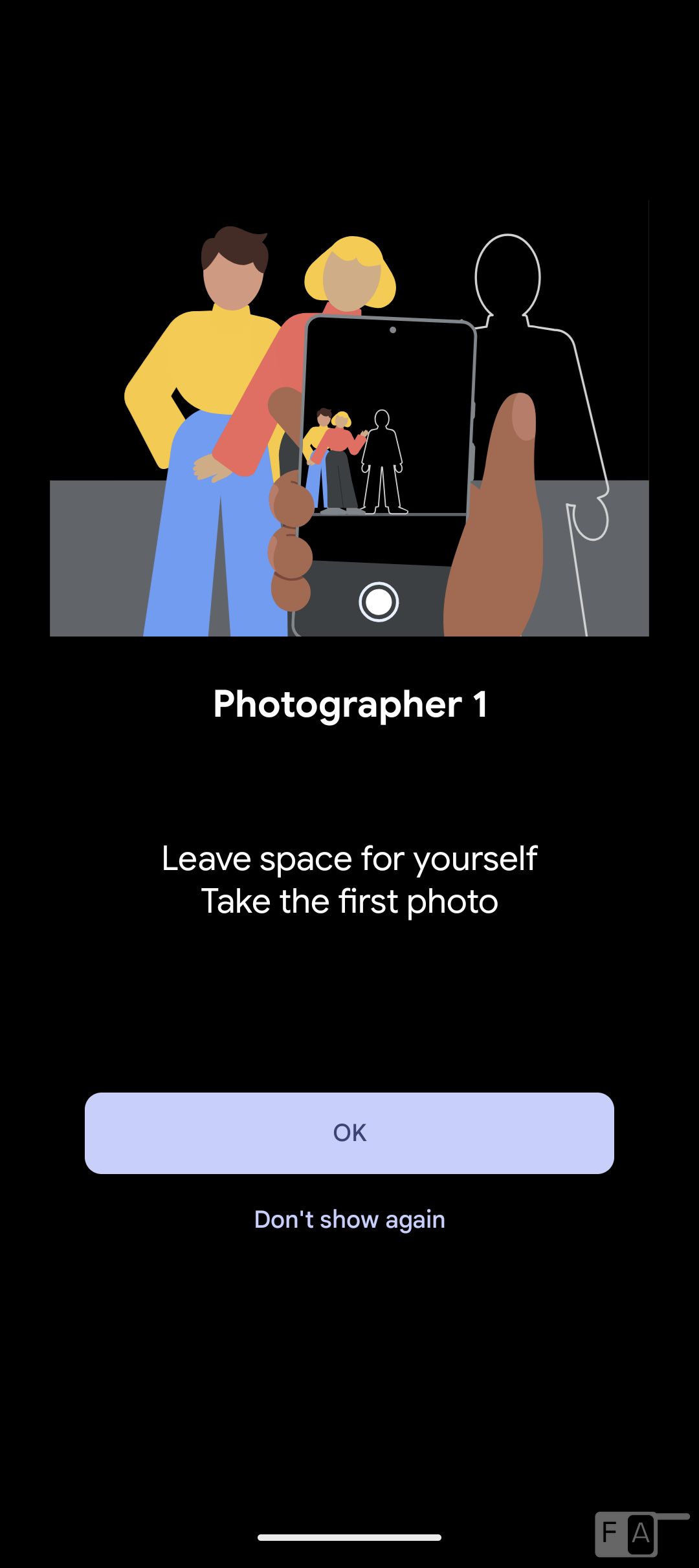
Magic Cue powered by the custom-built Google Tensor G5 chip brings a new level of personalised intelligence and helpfulness to Pixel. The Pixel Screenshot organizes and recalls screenshots by analyzing content, including links and summaries, for easy retrieval.
The new Pixel Journal app acts a private space to focus on wellbeing, progress toward your goals and build a lifelong practice of reflection. It uses on-device AI to give you writing prompts that help you process your thoughts, and it offers insights into your patterns and progress over time, said Google.
The Pixel 10 has 12GB LPDDR5X of RAM for the first time. You get 11.27GB of usable RAM, and about 4GB of RAM is free when default apps are running in the background since AI reserves 3GB of RAM. It doesn’t have memory extension or virtual RAM. Out of 256GB, you get about 228GB of free storage. It gets has UFS 4.0 storage compared to UFS 3.1 in the Pixel 9.
Fingerprint sensor and Face unlock
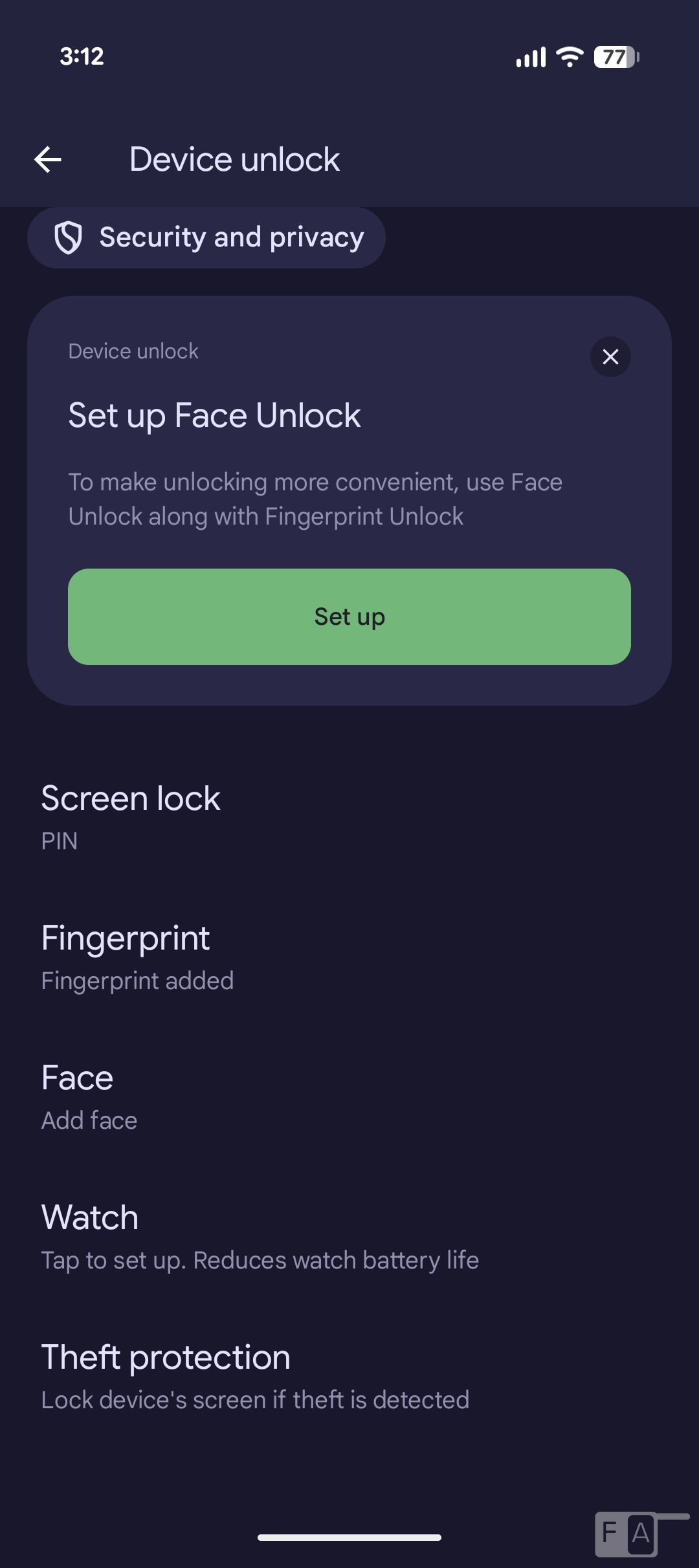
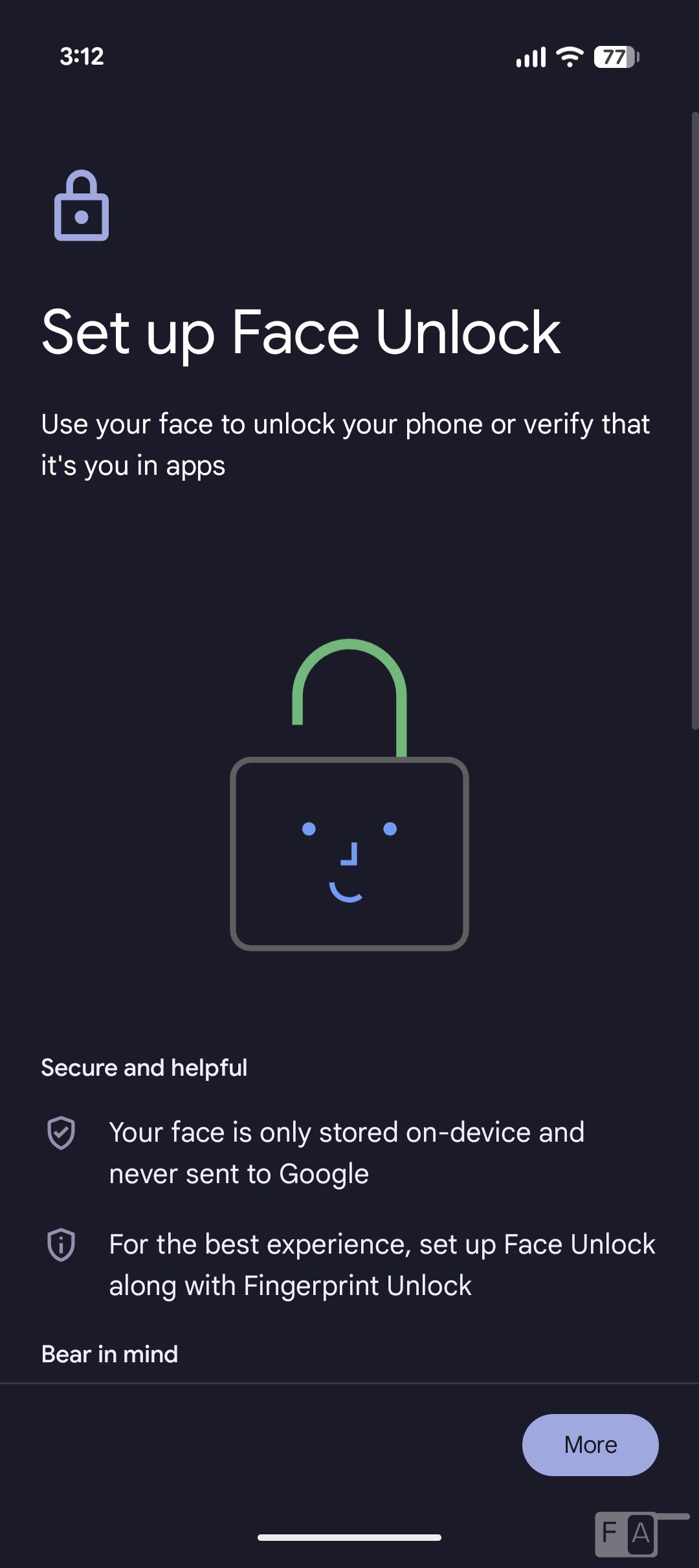
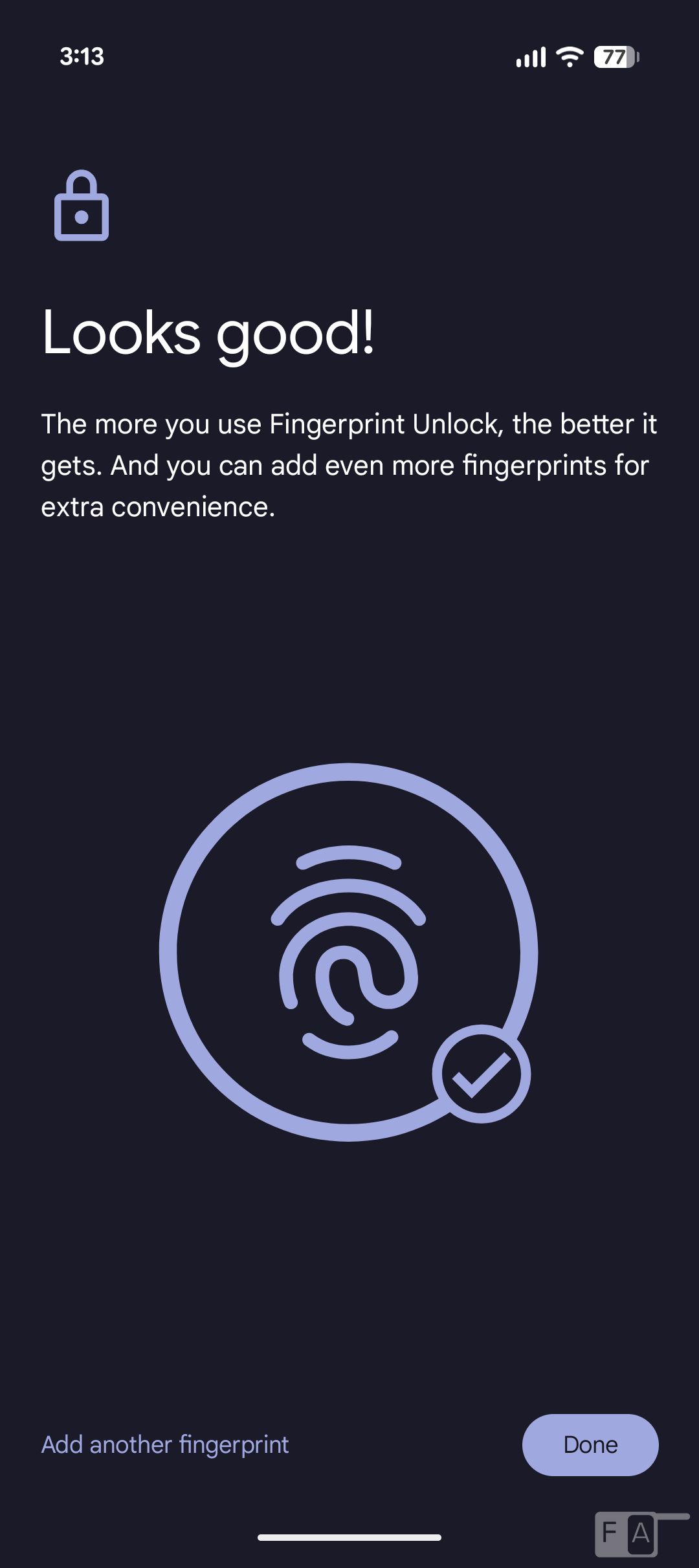
The phone has an ultrasonic in-display fingerprint scanner from Qualcomm, which is faster and accurate compared to the optical fingerprint scanner. There is also face unlock option, which is more secure for payments, says Google.
Music Player and Multimedia
YouTube Music is the default music player. It doesn’t have Dolby Atmos or any other custom audio features. Audio through the stereo speakers is clear and loud, and there is no distortion even at full volume. Audio through the headphones is good as well. Haptic feedback is top-notch as usual.
The phone has Widevine L1 so that you can play HD content on Amazon Prime Video, Netflix and other streaming apps. You also get HDR playback on Netflix, in addition to YouTube.
SIM and Connectivity
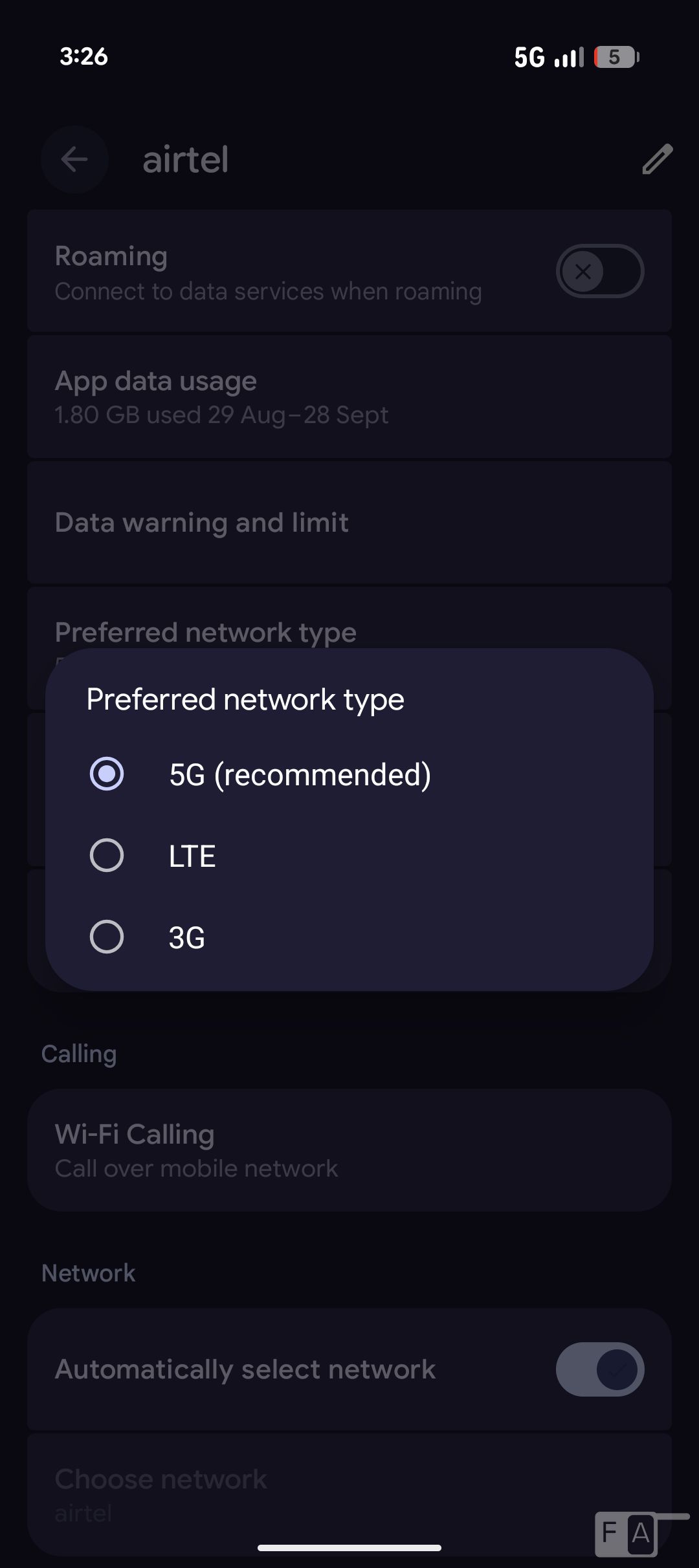
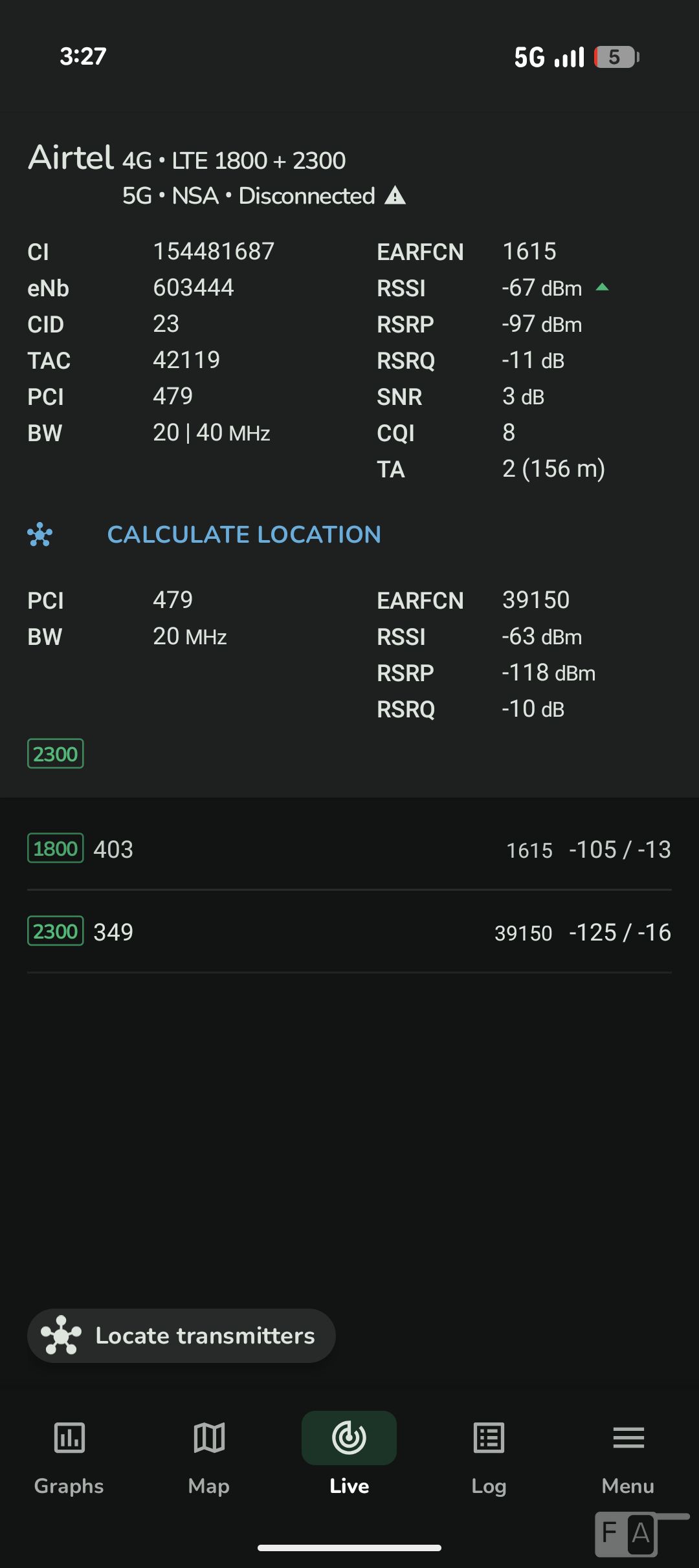
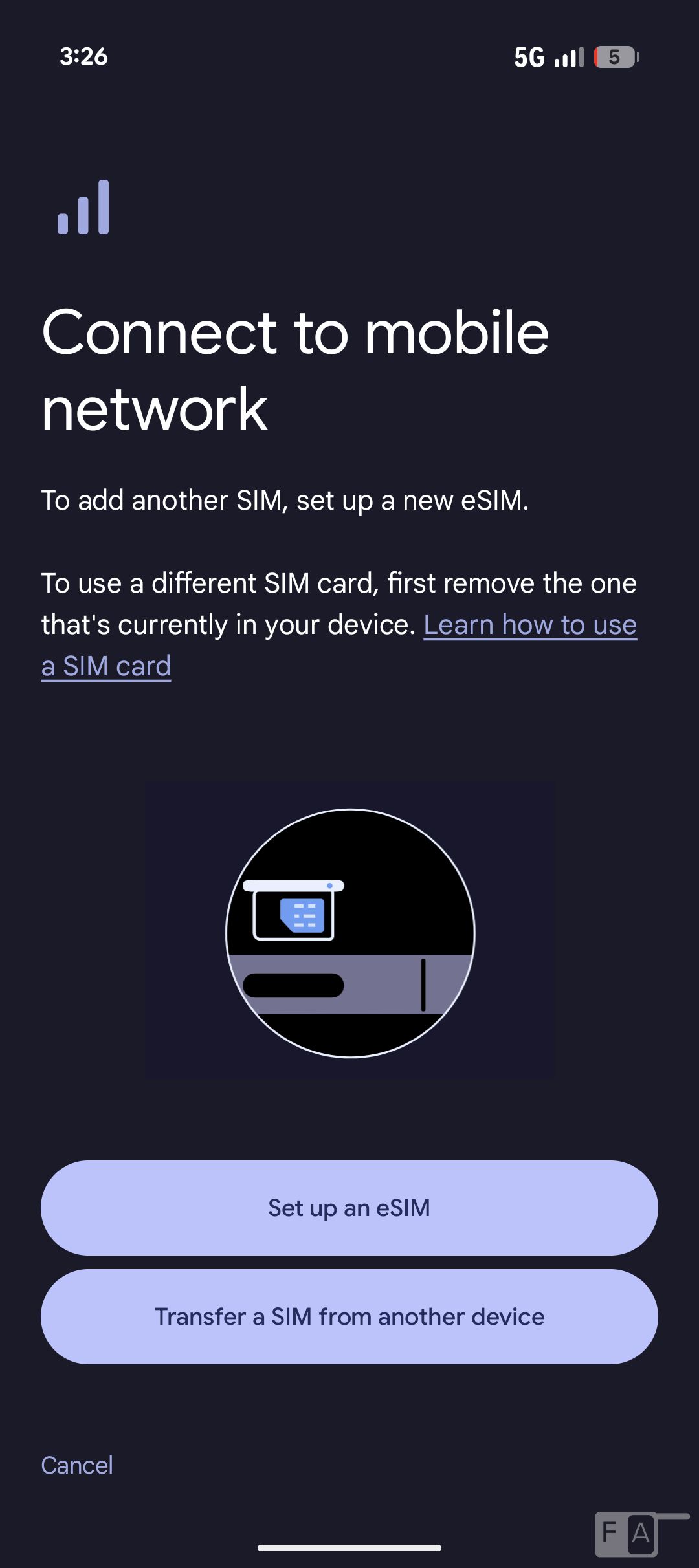
The Pixel 10 has single physical SIM and an eSIM support, so you can use it as a dual SIM phone. The phone has the usual set of connectivity features such as 5G with support for n1/2/3/5/7/8/12/14/20/25/26/28/30/38/40/41/66/71/75/76/77/78/79 bands, dual 4G VoLTE, Wi-Fi 6E 802.11ax with 2.4GHz+5GHz+6GHz, 2×2+2×2 MIMO, Bluetooth 6 with antenna diversity for enhanced quality and connection, Dual-Band GNSS GPS, GLONASS, Galileo, Beidou, QZSS, NavIC and NFC support.
It also has USB OTG support via USB Type-C 3.2. We did not face any call drops and the earpiece volume is good, even though it is present on the top edge. I didn’t have any 5G or 4G connectivity drops. This uses Exynos 5400 modem, compared to Exynos 5400c in the Pixel 9.
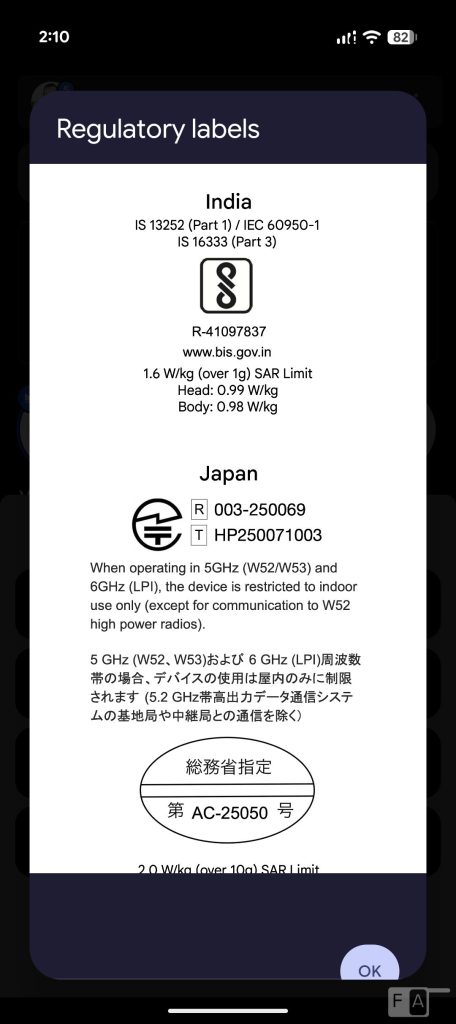
The Pixel 10’s body SAR is 0.98W/Kg and head SAR is at 0.99/Kg which is almost similar to the Pixel 9, and is well under the limit in India, which is 1.6 W/kg (over 1 g).
Performance and Benchmarks
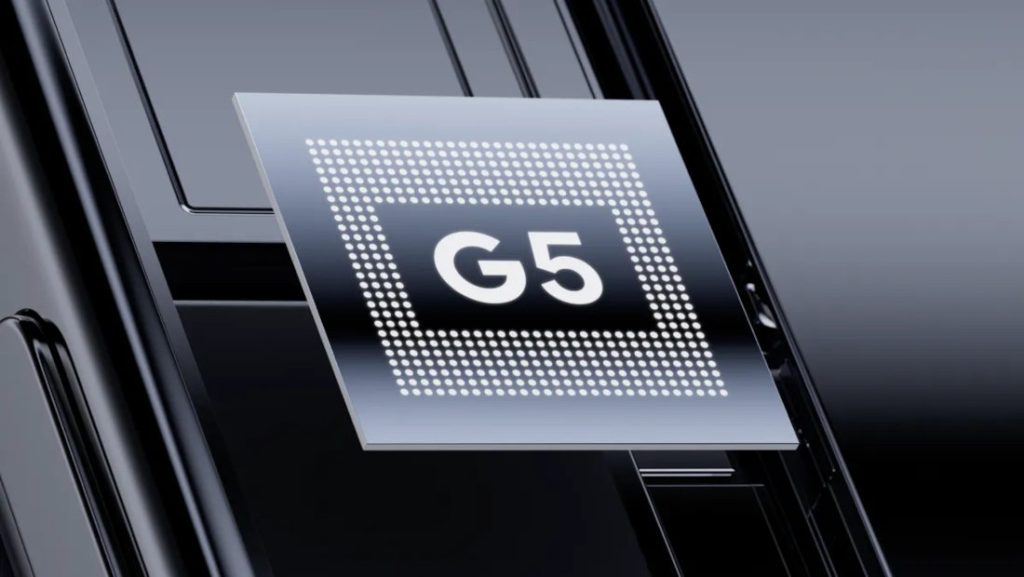
The Pixel 10 is powered by the new Google Tensor G5 SoC, an upgrade from the Tensor G4 in the Pixel 9 series. It has 1x Cortex-X4 @ 3.78GHz; 5x Cortex-A725 @ 3.05GHz; and 2x Cortex-A520 @ 2.25GHz with PowerVR DXT-48-1536 GPU and also has Titan M2 security chip. The company as finally switched from Samsung process tech to TSMC 3nm tech.
The performance is smooth without any lags like any other Pixel phones. When you play graphic-intensive games like COD, BGMI and Genshin Impact, or use the camera for a long time for recording videos, it gets hot, but compared to the Pixel 9 this was less. I did not receive an overheating warning, but it gets hot at times.
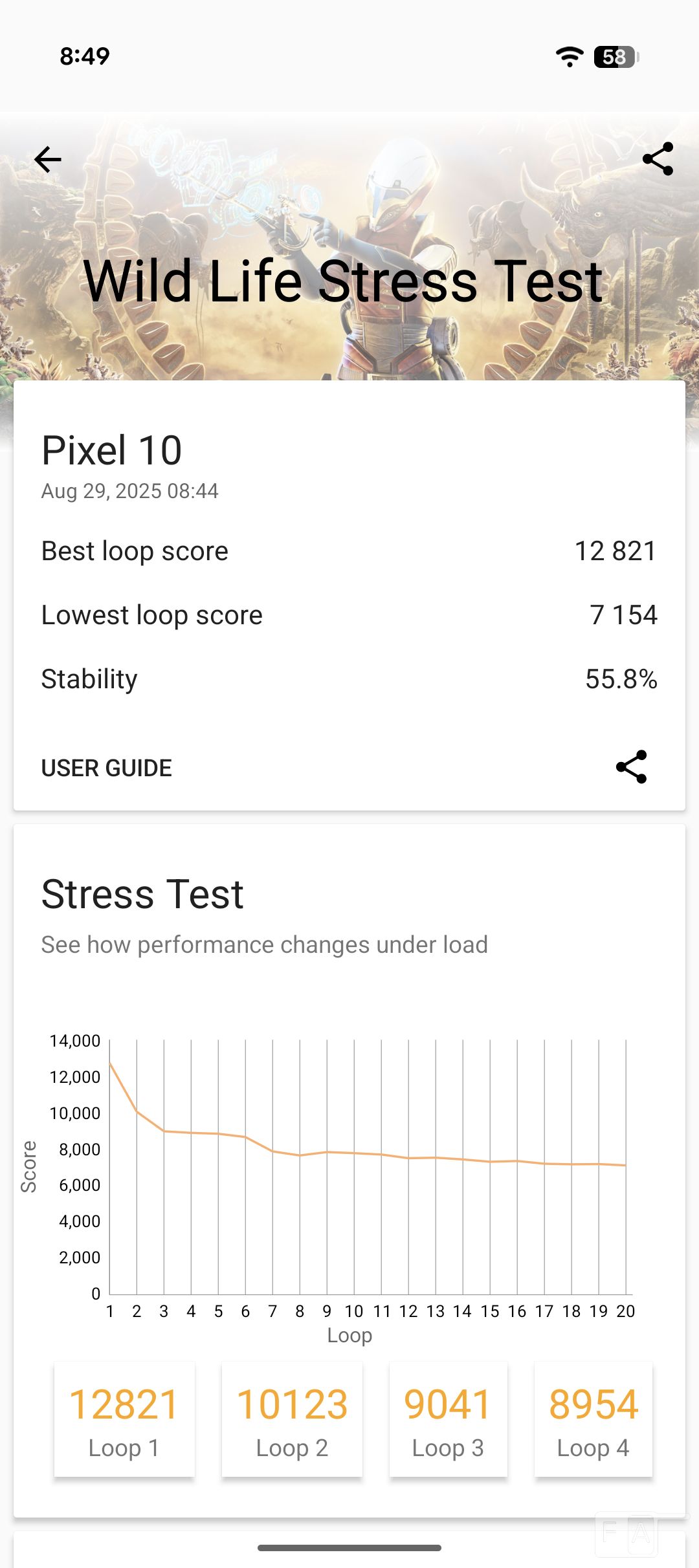
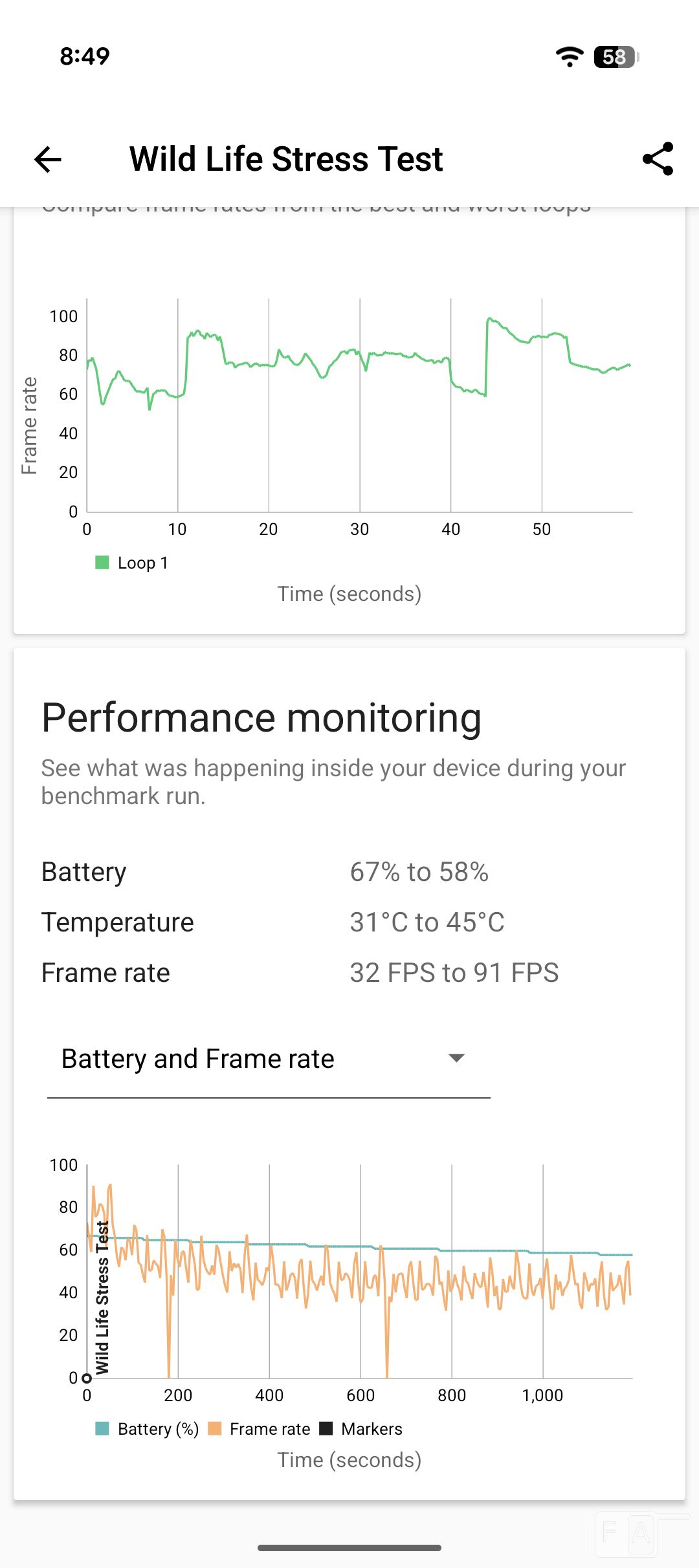
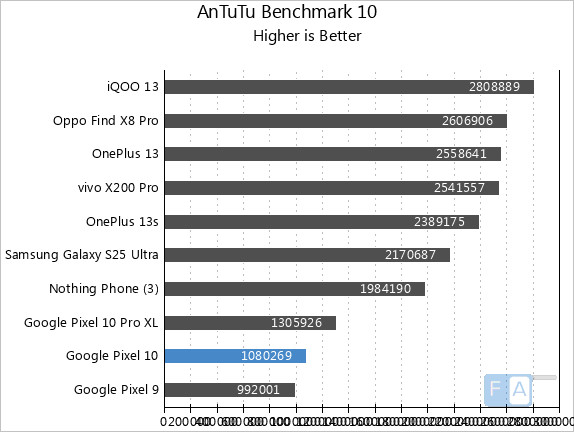
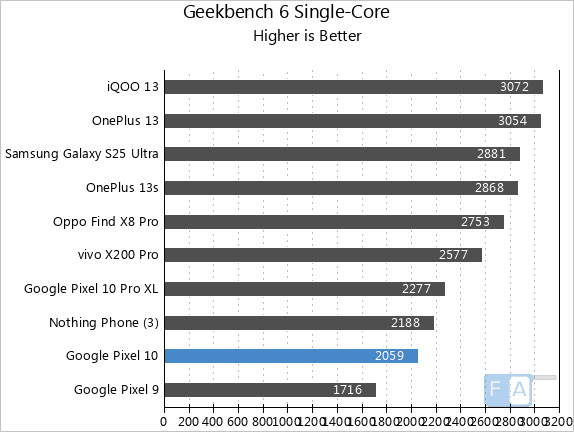
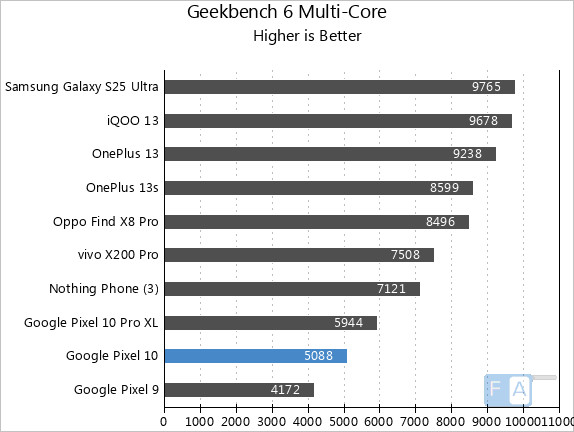
In 3D Mark wild life stress test, it scored 55.9% which is average. The temperature increased from 31 to 45 degrees, which is similar to the Pixel 9, since it doesn’t have an efficient cooling solution like the Pro models. That said, check out some synthetic benchmark scores below.
As you can see, the Tensor G5 chip is decent, but it can’t compete with Qualcomm or MediaTek’s flagship chips.
Battery life
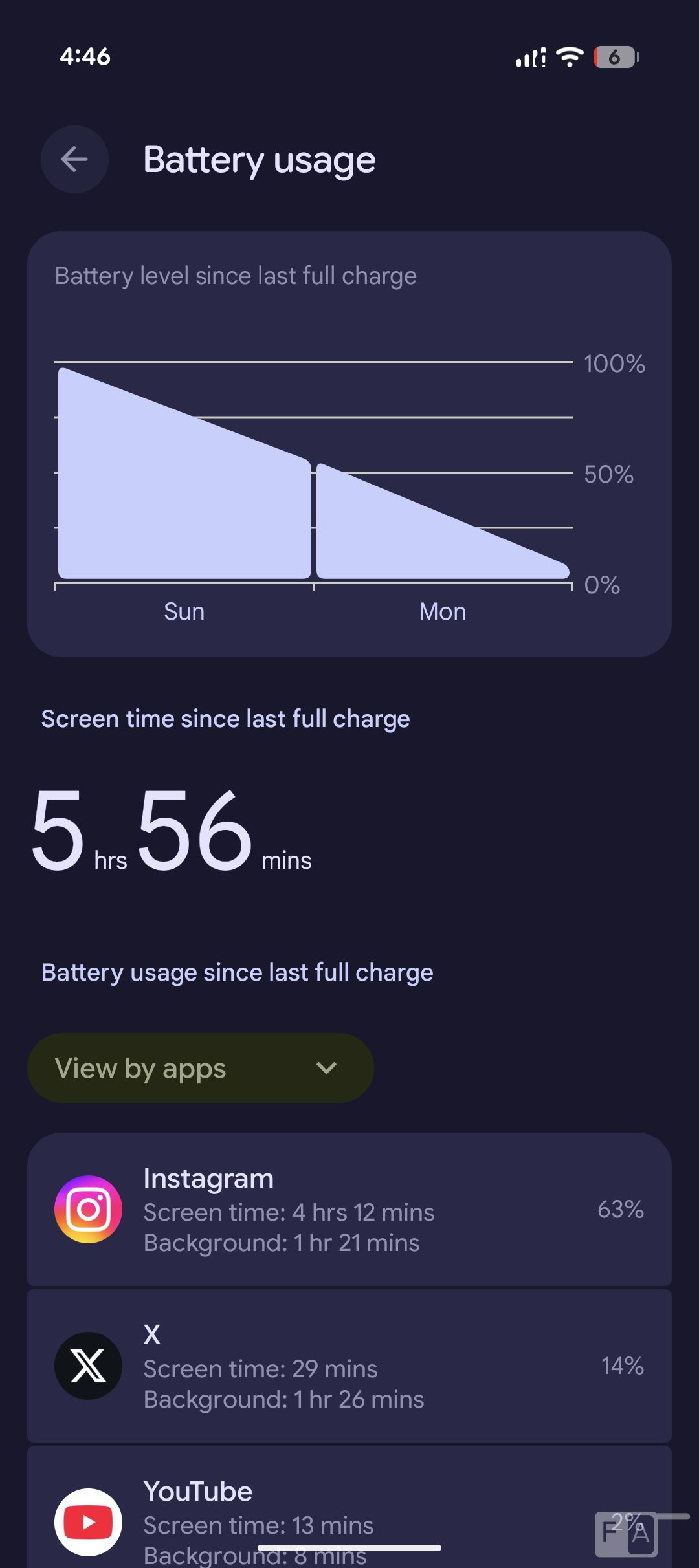
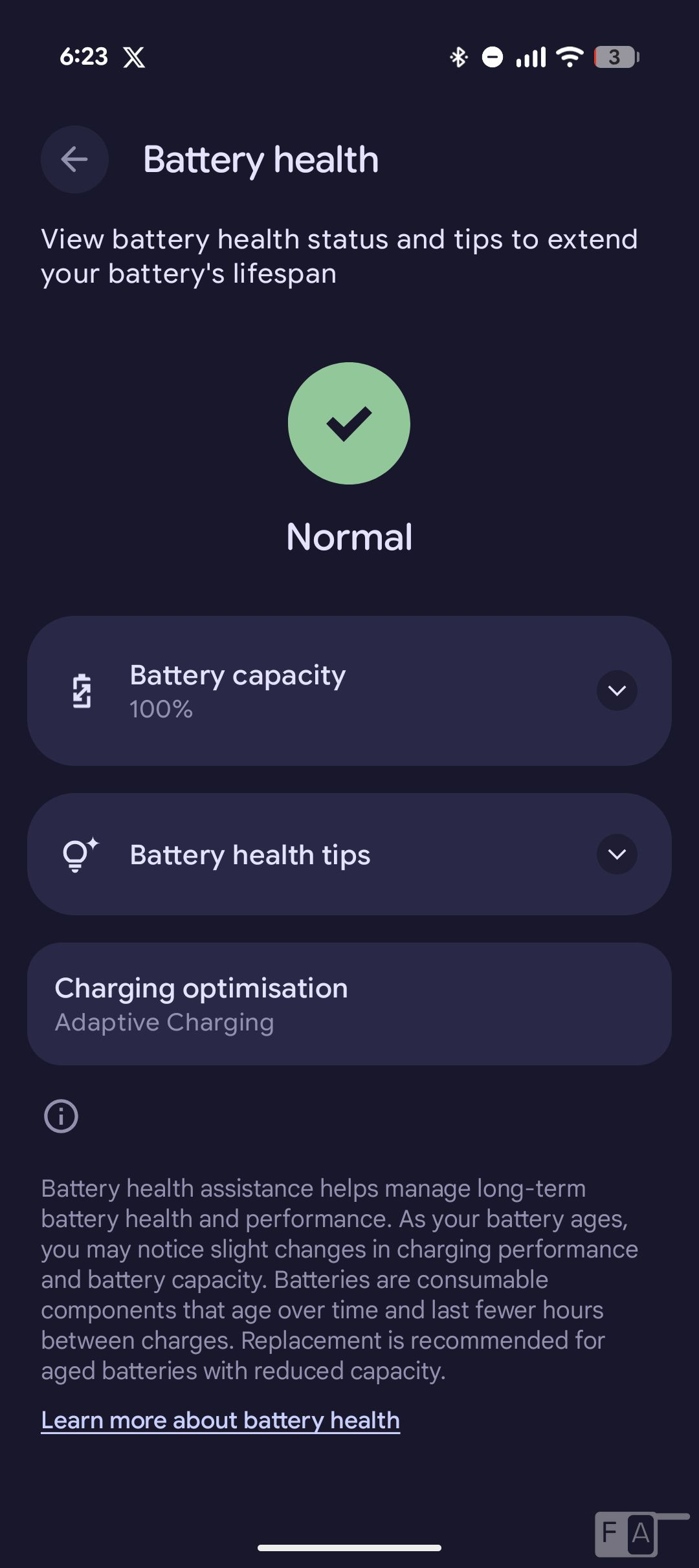
Coming to the battery life, the phone packs a 4970mAh (typical) built-in battery, which is slightly bigger than the 4,700mAh in the Pixel 9. I got more than a day of use on a single charge in 120Hz, and got close to 6 hours of screen on time once, mostly on Wi-Fi. Otherwise battery life is a mixed bag for me. With heavy use, it will last for a day for sure.
The phone has 30W PD fast charging, charges at maximum 29W, according to Google. It takes around 30 minutes to charge to 50%, and around 1 hour and 40 minutes for full charge, sligtly more than the Pixel 9. The Pixel 10 gets new 15W Qi2 Pixelsnap wireless charging, an all-new magnetic technology that lets you effortlessly snap wireless chargers, stands, grips and other accessories.
Conclusion
The Google Pixel 10 is a meaningful step forward from its predecessor. The addition of a telephoto lens to the standard model is the headline upgrade, finally giving users flagship camera flexibility without needing to pay for the Pro.
While the Tensor G5 chip still trails competitors in raw performance and the charging speeds remain modest, the Pixel 10 doubles down on its core strengths: a brilliant display, an exceptionally clean and intelligent software experience with a 7-year update promise, and a camera system that is smarter than ever. If you value a top-tier camera and software experience over raw gaming power, the Pixel 10 is an excellent successor and a compelling choice in the flagship market.
Alternatives
Samsung Galaxy S25 is a good compact phone alternative. Google’s own Pixel 9 is being sold at a cheaper rate during sale, if you are fine with the lack of telephoto camera and older SoC.
Pricing and availability
The Google Pixel 10 is priced at Rs. 79,999 for the 256GB model in India. You can get it from from Flipkart, Google India online store, and offline stores across the country.
Pros
- Brilliant display
- Versatile triple-camera system
- Smooth performance
- Good build quality, IP68 ratings
- Promise of 7 years of OS updates
Cons
- Average peak performance and thermals
- Features like Pro camera mode is exclusive to Pro series