
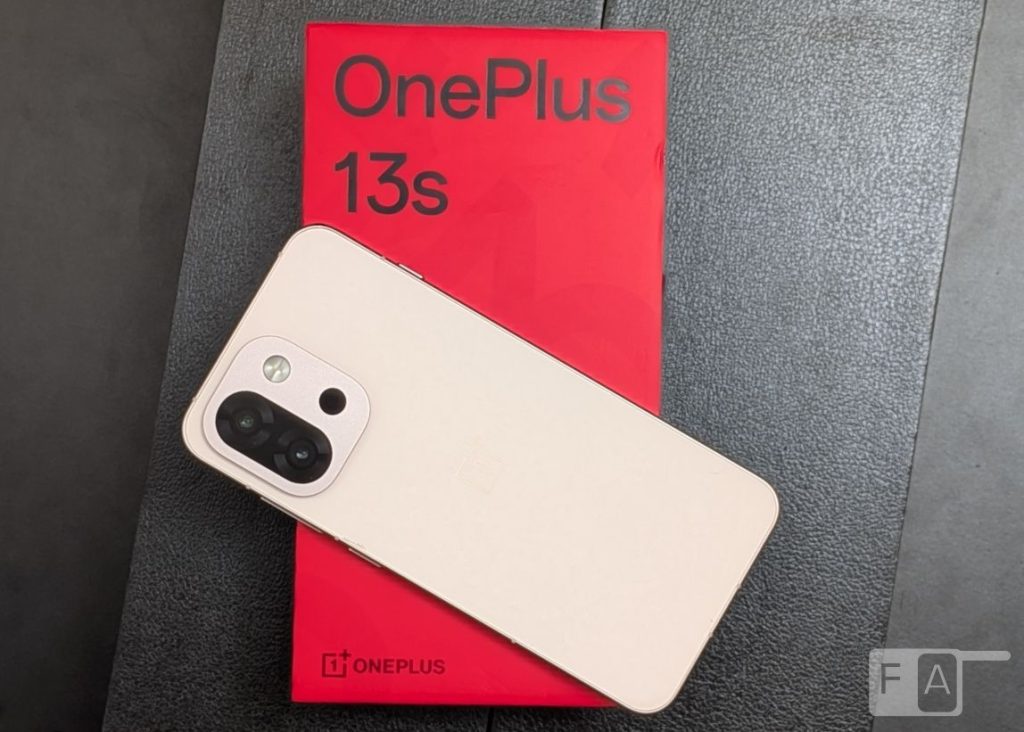
OnePlus launched its OnePlus 13s, a compact flagship smartphone, in India today. This retains the flagship Snapdragon 8 Elite SoC from the OnePlus 13, but it has a compact screen, and packs almost similar battery size. Is this the best compact flagship smartphone for the price? Let us dive into the review to find out.
| Box Contents |
| Camera |
| Battery Life |
| Conclusion |
Box Contents
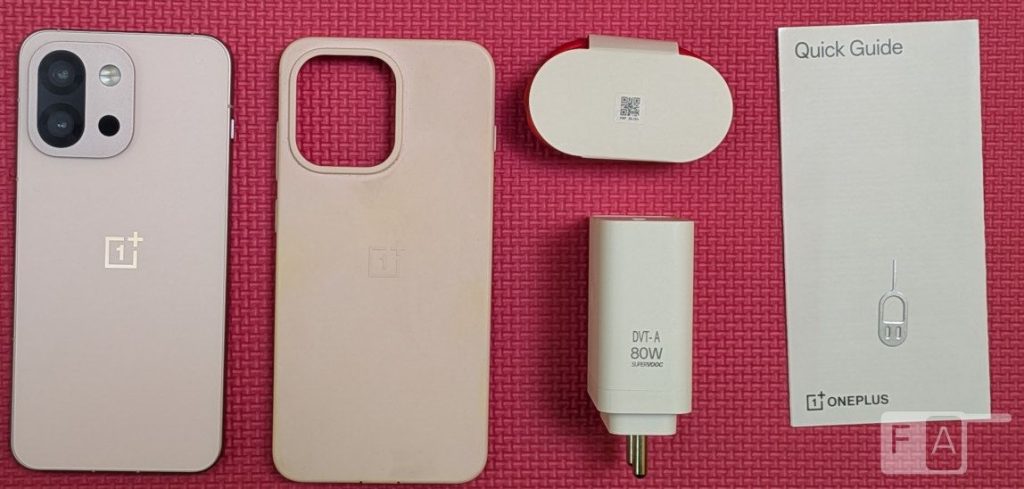
- OnePlus 13s (12GB+256GB) in Pink Satin colour
- 80W SUPERVOOC charger
- USB Type-C Cable
- Protective case
- SIM ejector
- Quick Start Guide and Warranty Information
Display, Hardware and Design
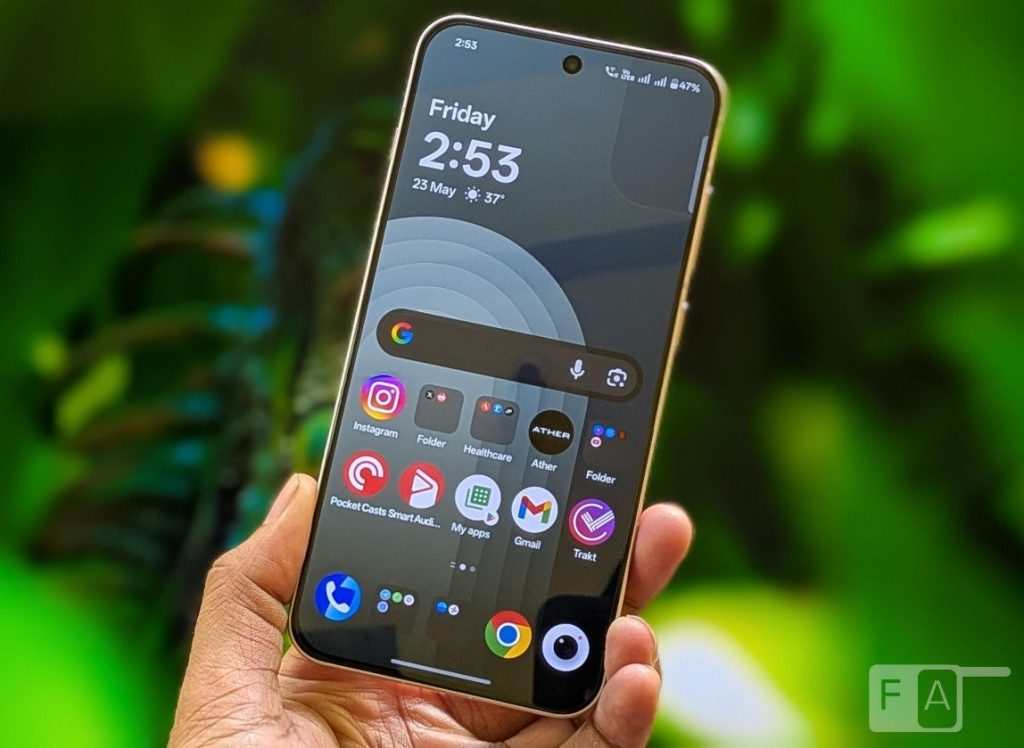
The OnePlus 13s features a 6.32-inch (2640 x 1216 pixels) 1.5K AMOLED display with 1-120Hz refresh rate LTPO display.
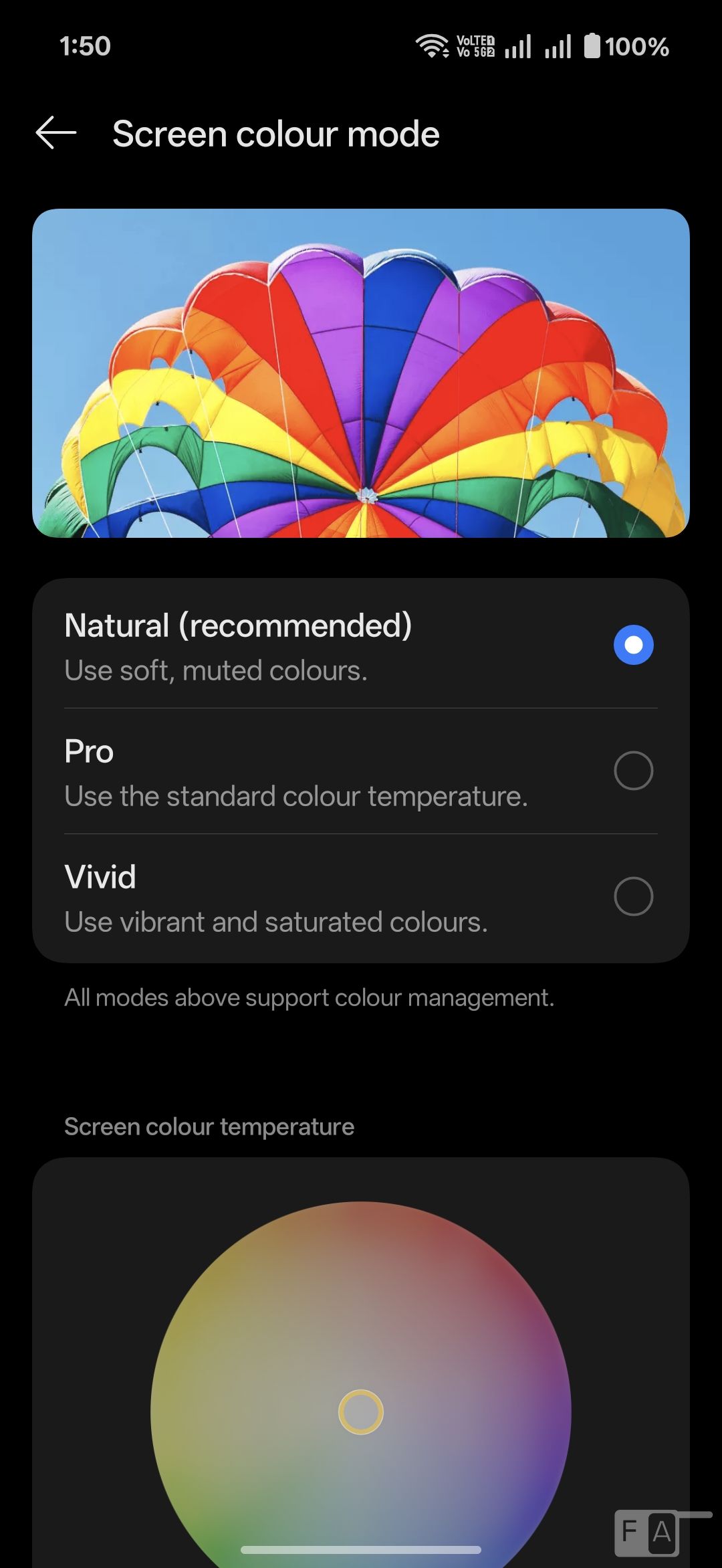
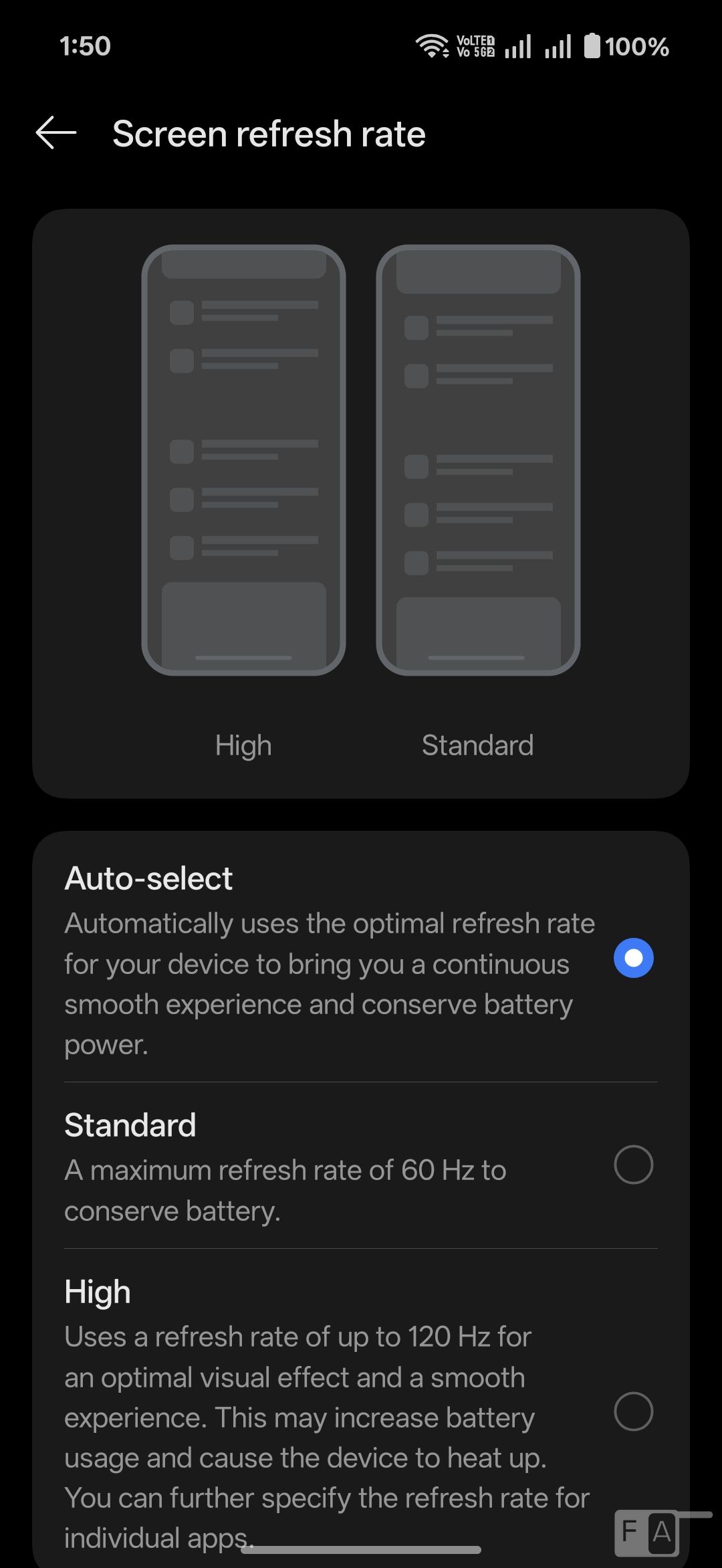
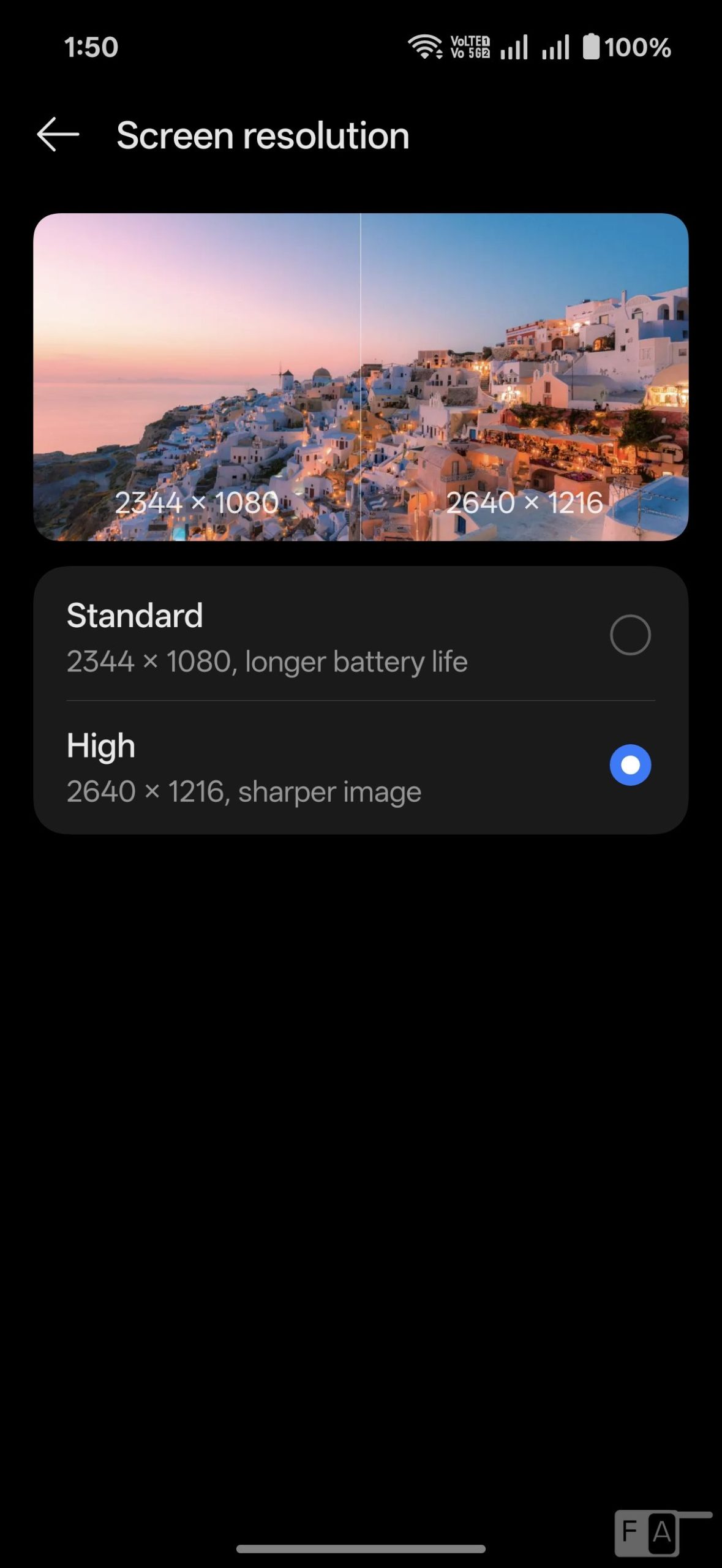
The phone has 460 PPI pixel density, and the display is bright since it has up to 1600 nits HBM mode and 800 nits typical brightness. It offers good colour output since it has 100% DCI-P3 color gamut, and the sunlight legibility is good as well. You can select from vivid, Natural and Pro screen colour modes. Nature tone display adjusts the display based on the ambient lighting conditions.
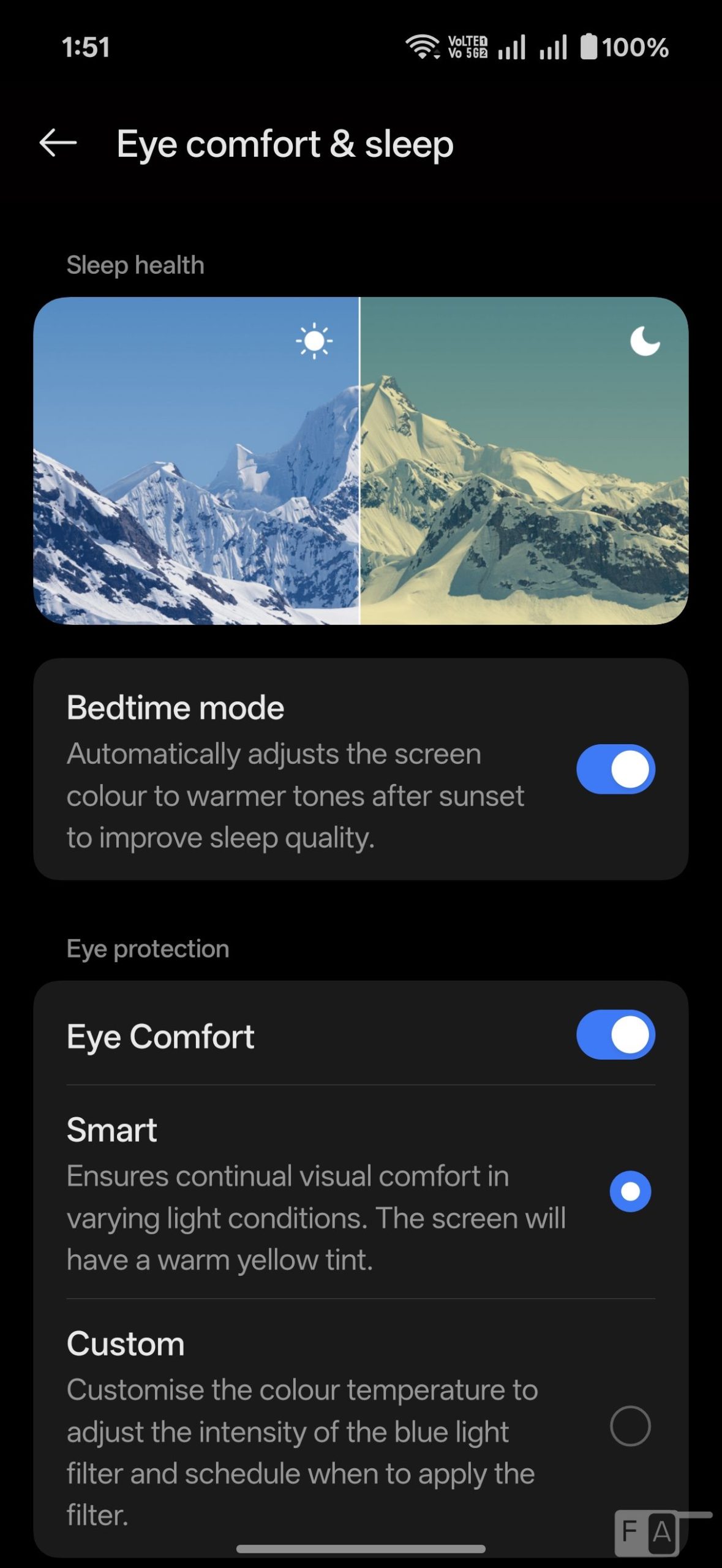
The phone has a 2160Hz high-frequency dimming technology. In dark environments (brightness below 70 nits) where DC dimming can’t work, the phone will automatically switch to 2160Hz PWM dimming mode to maintain accurate colors on display with a more comfortable eye experience, said the company. The phone has Ceramic Guard protection. There is Aqua Touch 2.0 so that you can use the phone even when the fingers are wet, and there is also Glove mode.
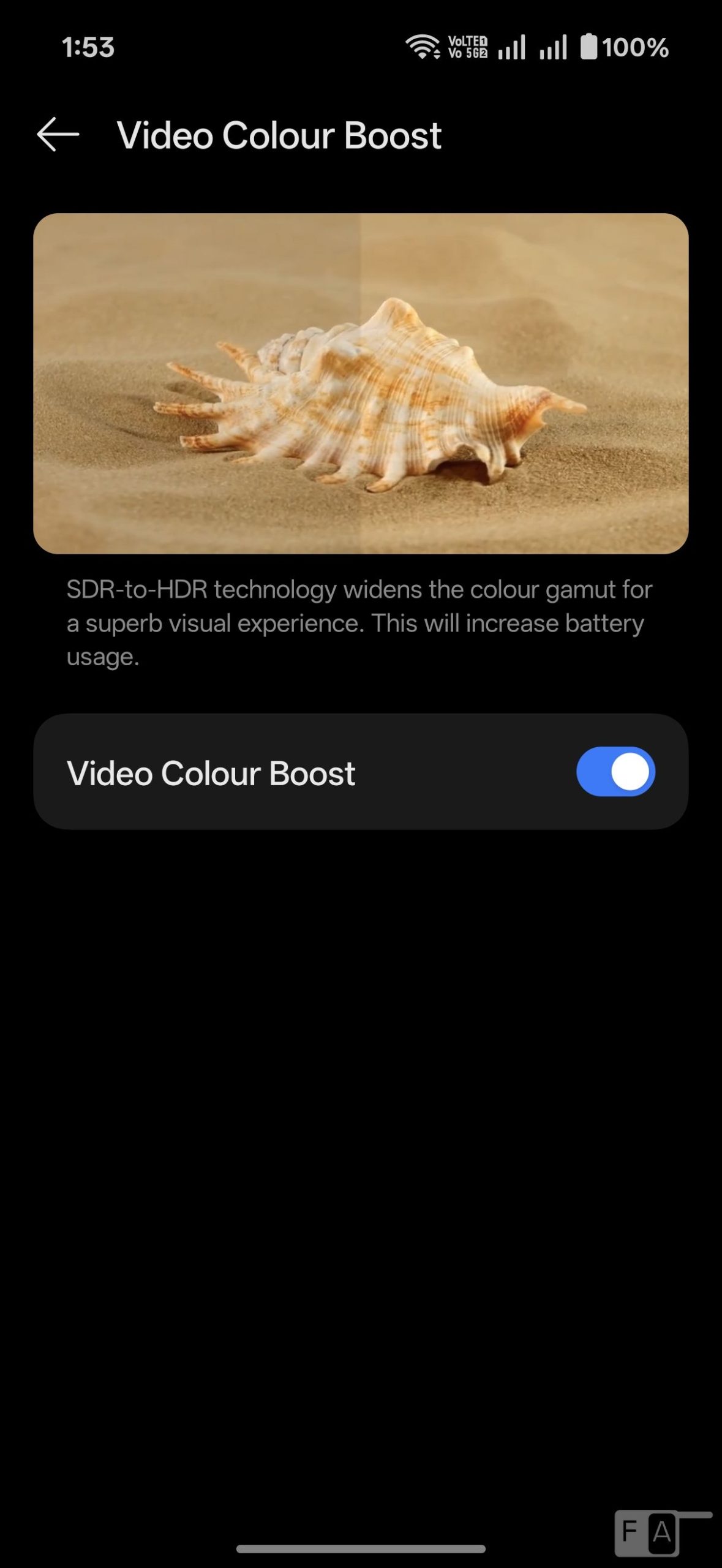
The phone also has Dolby Vision and HDR 10+ support, which works for YouTube, Netflix and Amazon Prime Video, and Dolby Vision works for Netflix. You can enable video color boost from display settings, which increases the colors in select apps. There is also image sharpener option.
The phone doesn’t have a notification LED, but this has an always-on-display that shows contextual info and notifications all day or as per schedule. The phone has ultra narrow 1.34mm side and top bezels, and 1.84mm bottom bezel. It has strong vibration motor.
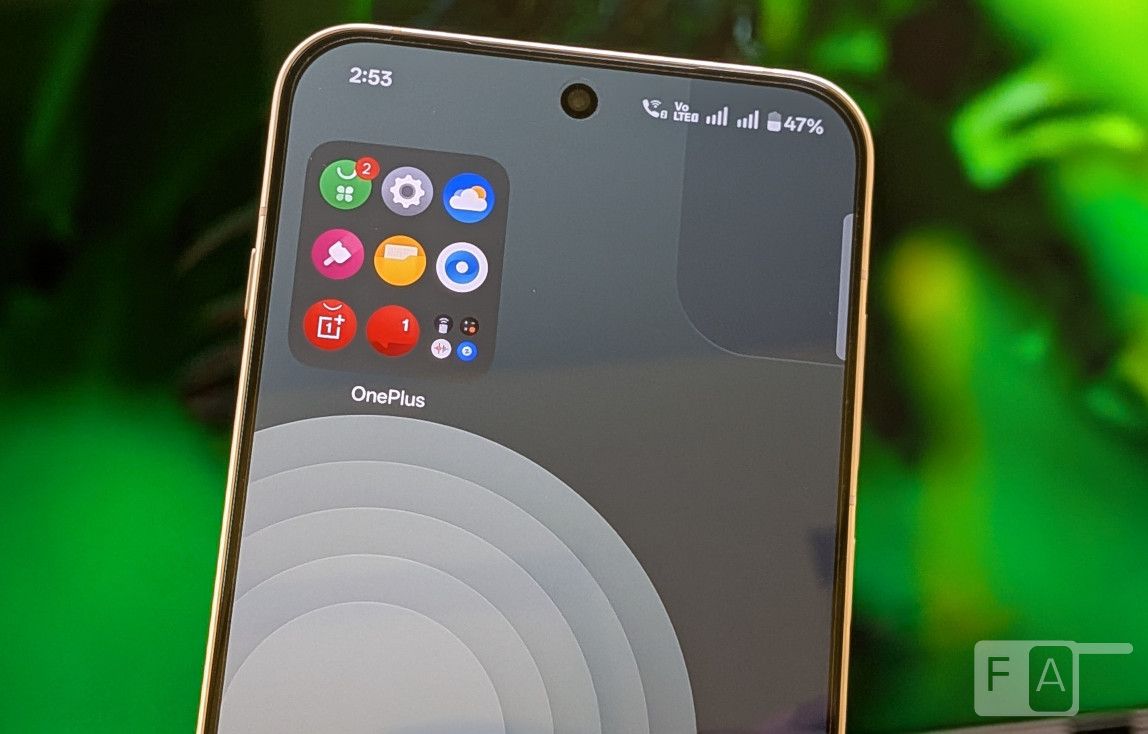
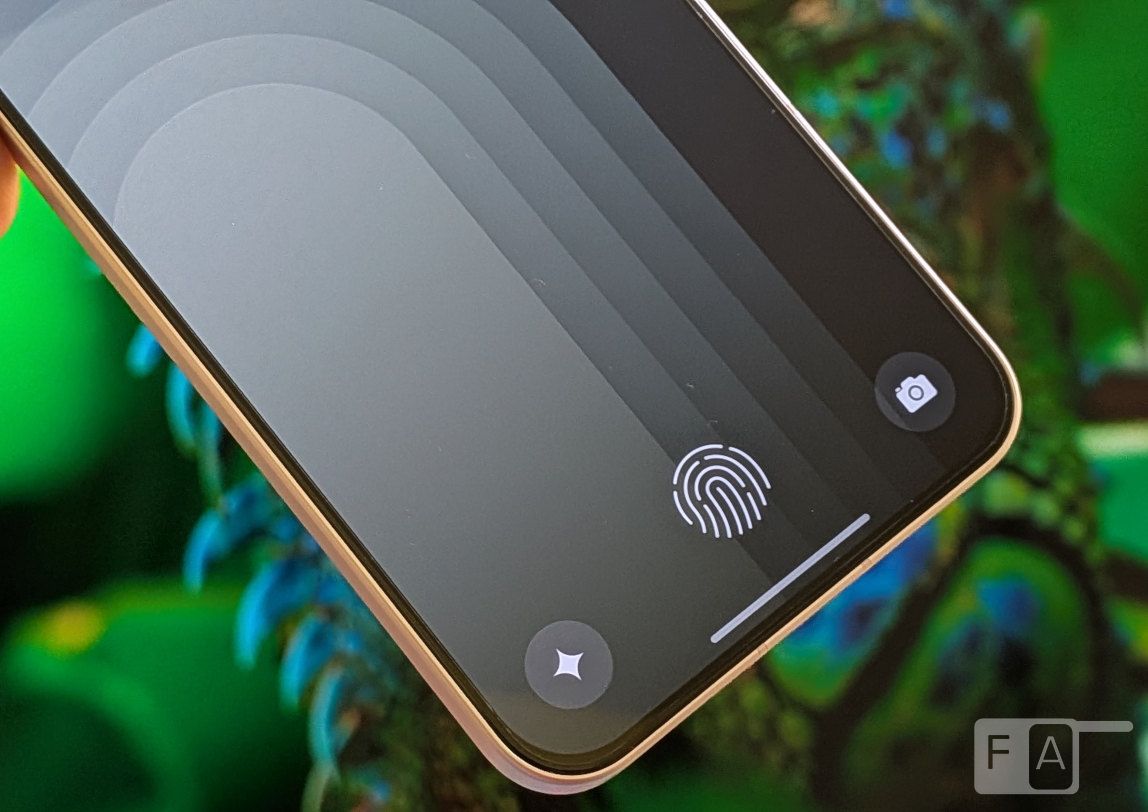
The phone has a tiny punch-hole that houses a 32-megapixel auto focus front camera. Above the display, there is an earpiece on the top edge that doubles up as a secondary speaker. It has an in-display optical fingerprint scanner.
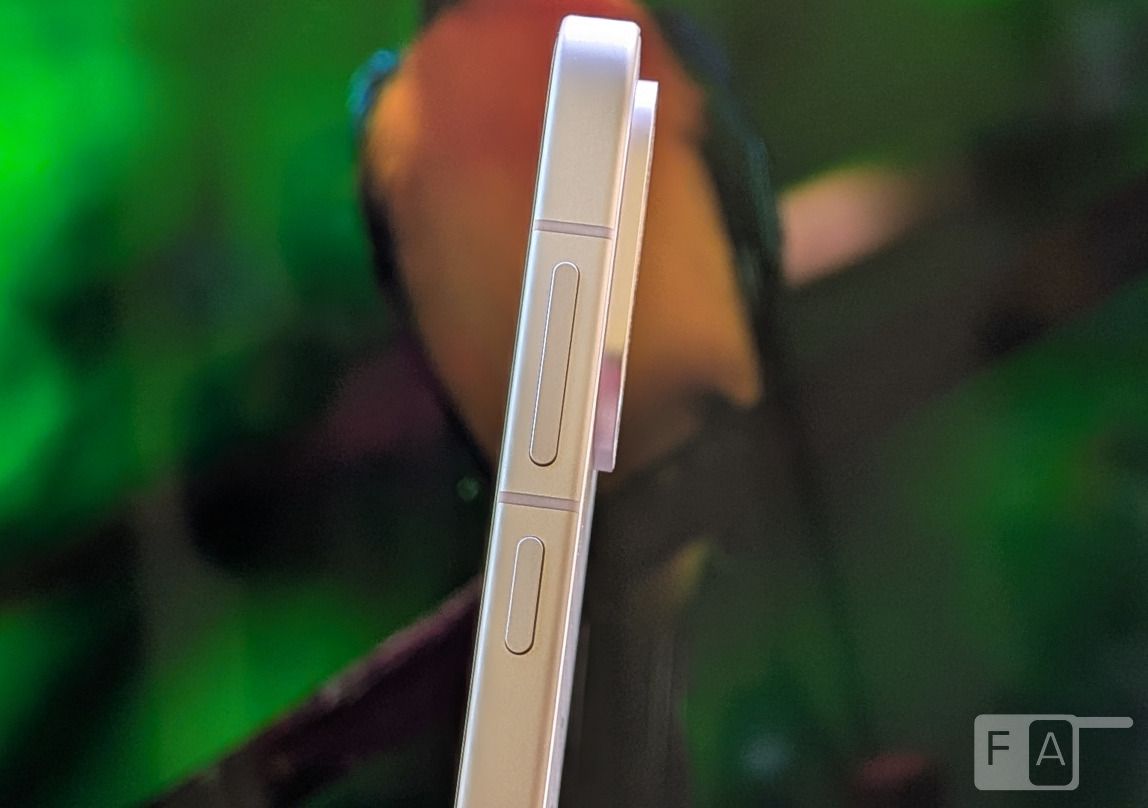
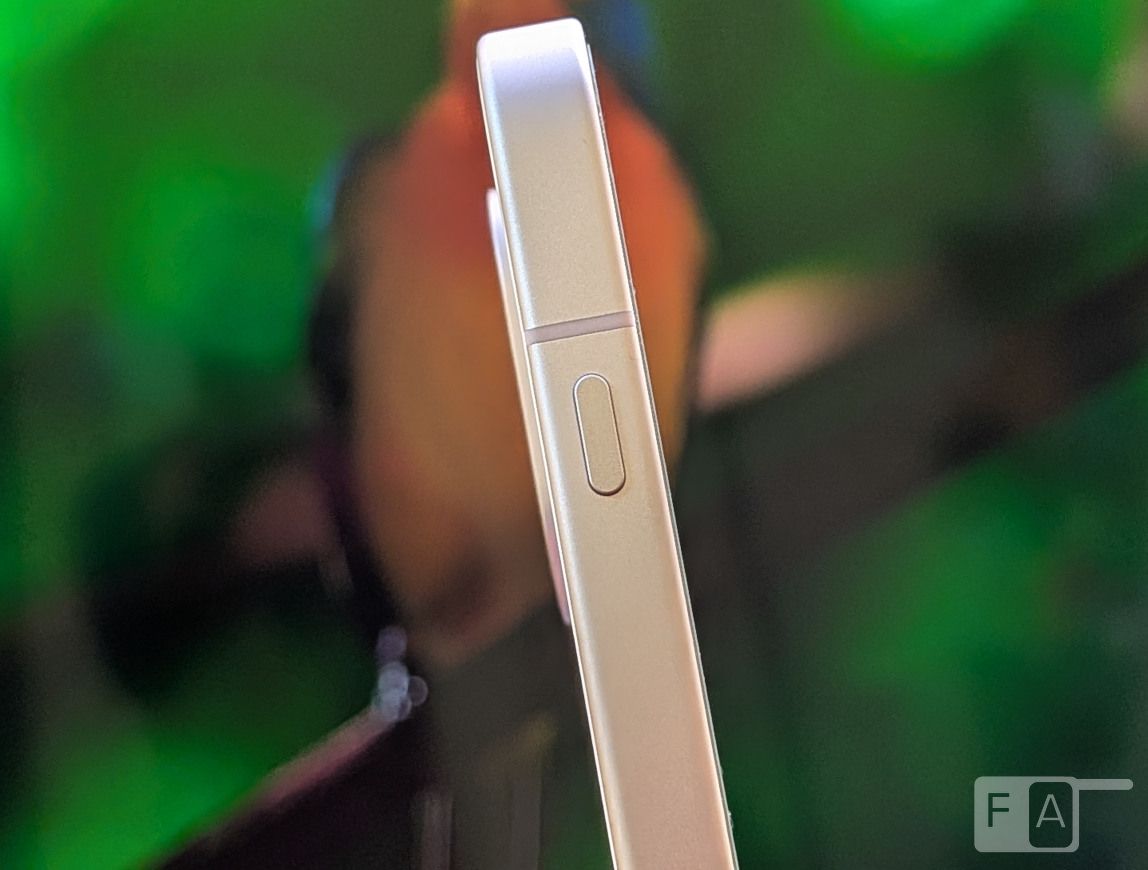
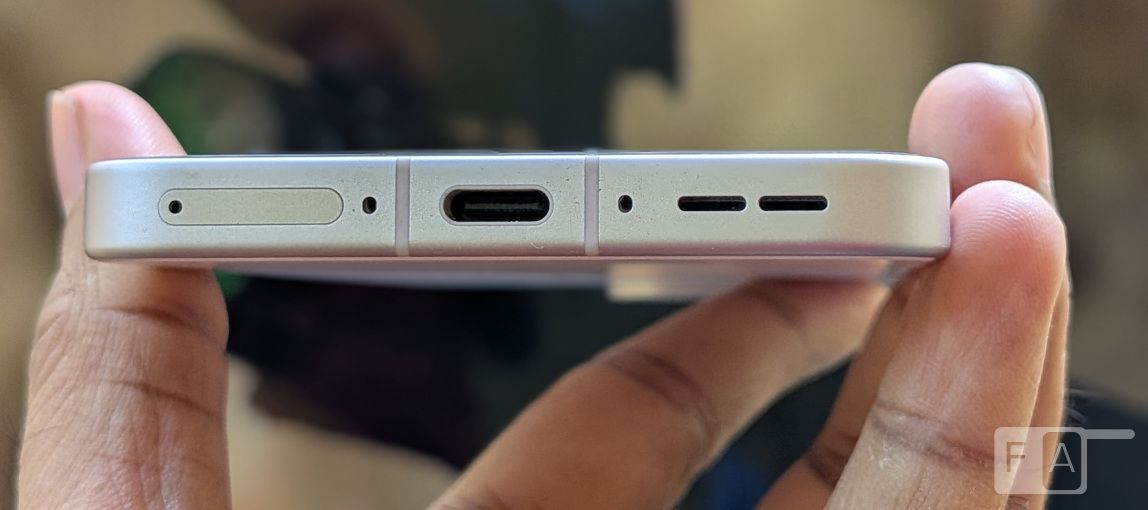
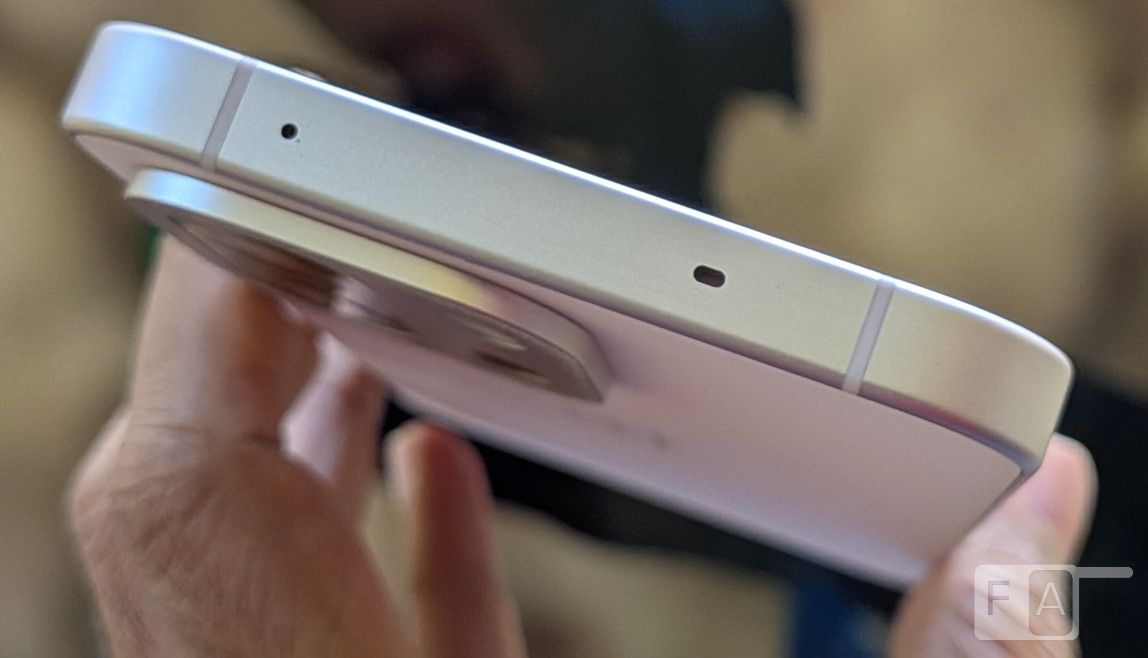
Coming to the button placements and ports, the power button is present on the right side along with the volume rockers. The alert slider has been replaced by the new, customizable Plus Key.
You can also see the antenna bands, since this has a metal frame with a brushed finish. The Dual SIM slot, primary microphone, USB Type-C 2.0 port and the loudspeaker grill are present on the bottom. The secondary microphone is on the top, along with a speaker vent. The IR blaster has been moved to the back.
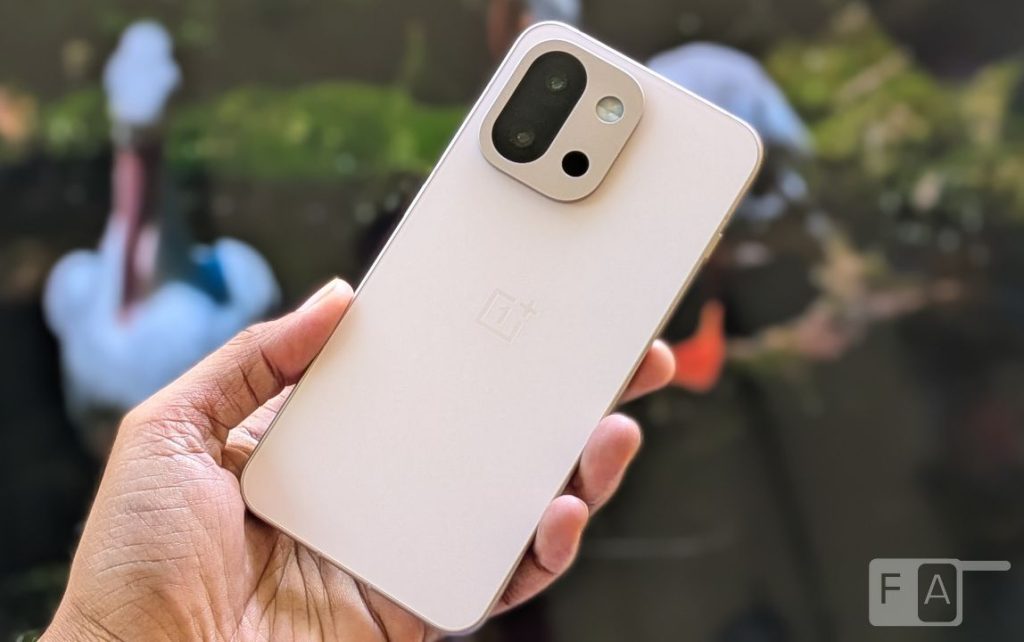
The Pink Satin colour that we have is the first Pink model from OnePlus. This has a Velvet Glass technology that uses an exclusive corrosion process to create microscopic texturing, resulting in a clean looking pink with a warm, soft touch. The India-Only Green Silk uses a similar technology. There is also Black Velvet colour variant that has a metallic sand finish.
The phone has IP65 ratings for dust and splash resistance, unlike the IP68 + IP69 ratings for the OnePlus 13. Even with a huge battery, the phone weighs 185g.
Camera
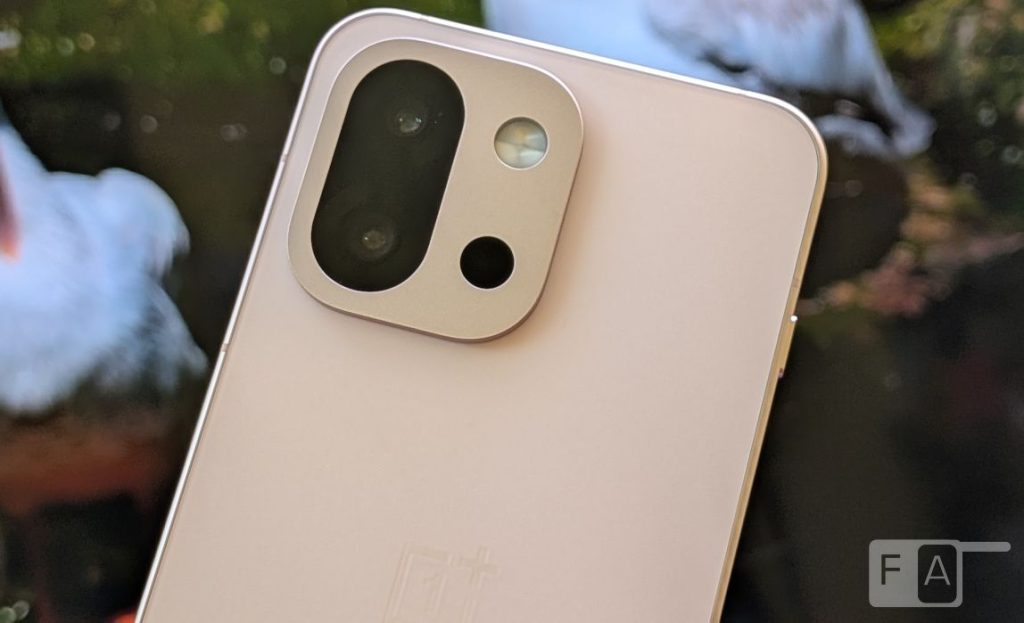
- 50MP rear main camera with 1/1.56″ Sony LYT-700 sensor, f/1.8 aperture, OIS
- 50MP 2x telephoto camera with : 1/2.75″ Samsung JN5 sensor, f/2.0 aperture, EIS
- 32MP auto focus front-facing camera with 1/3.1″ Galaxycore GC32E sensor, f/2.0 aperture
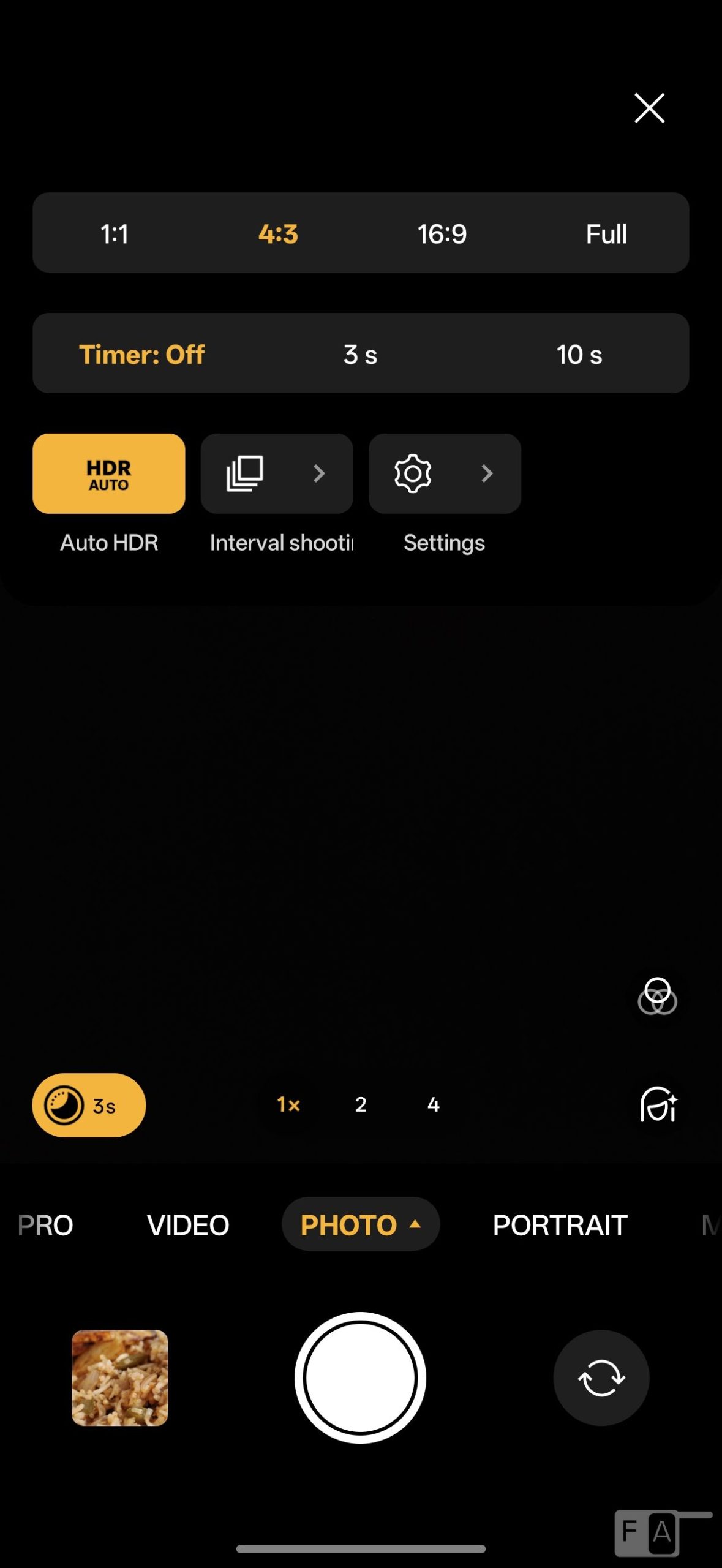
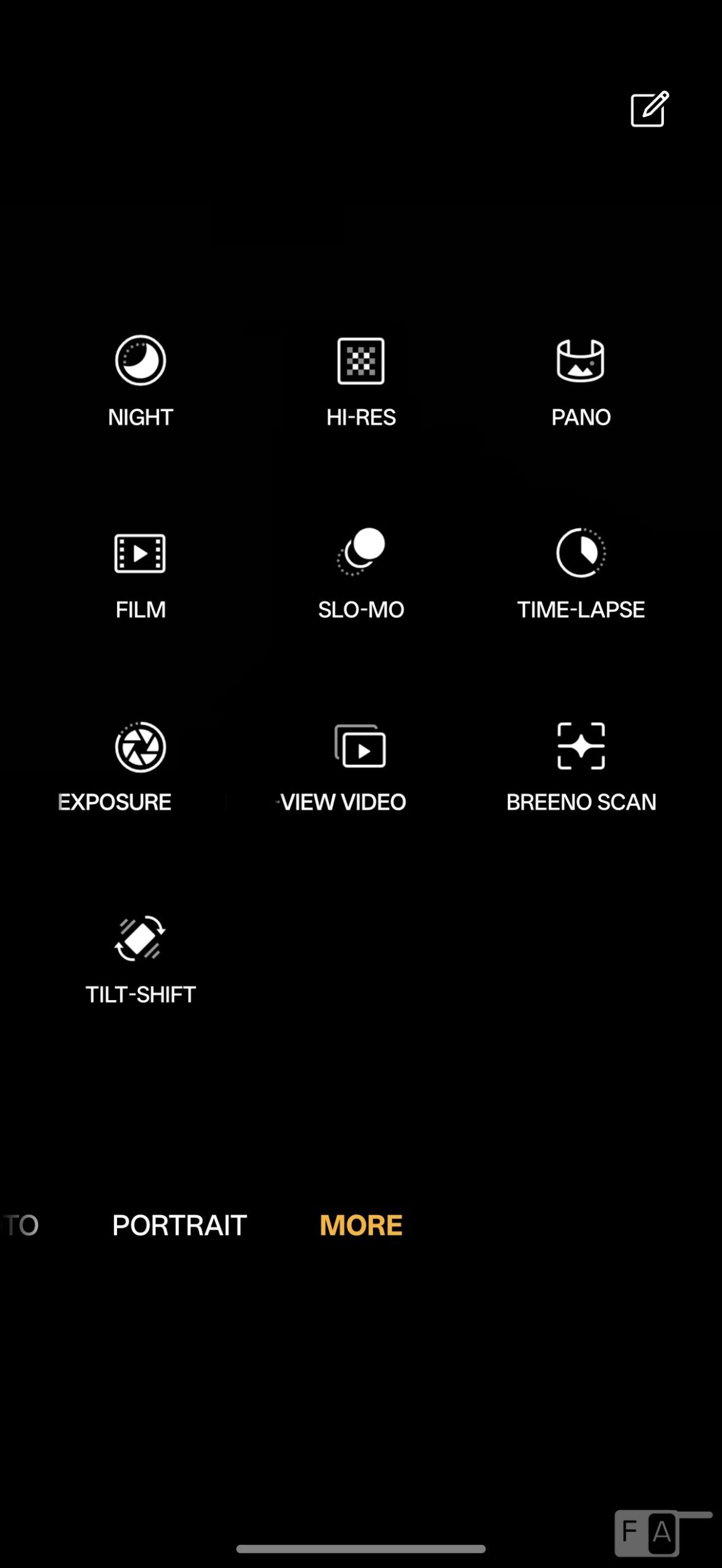
The camera UI in the OxygenOS 15 is familiar. There is Pro mode, Panorama, Macro, Slo-mo, Time-Lapse, Dual-View video, tilt-shift and more. The rear camera offers 12.5MP output after pixel binning, and the front camera images are 32MP in size.
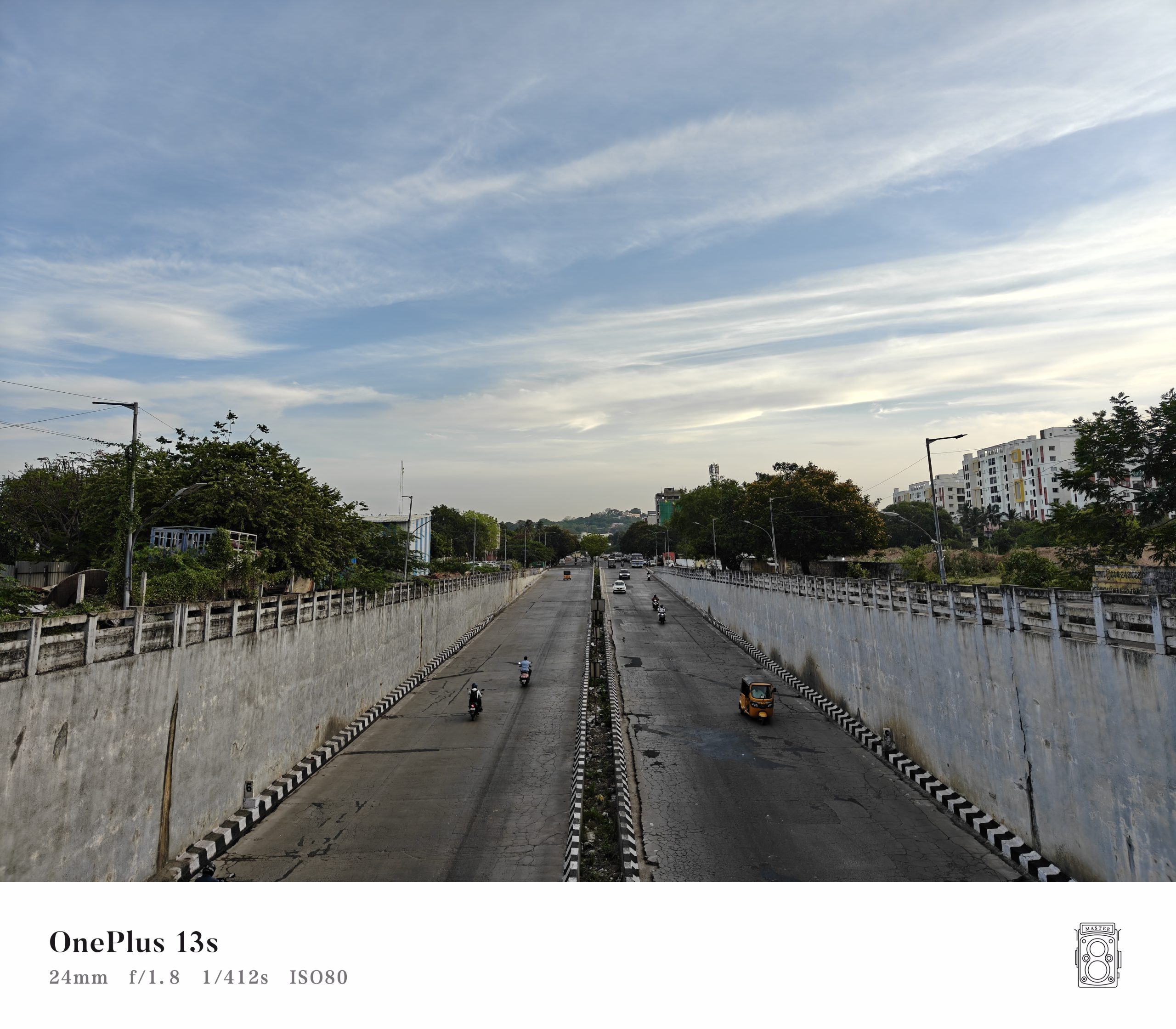
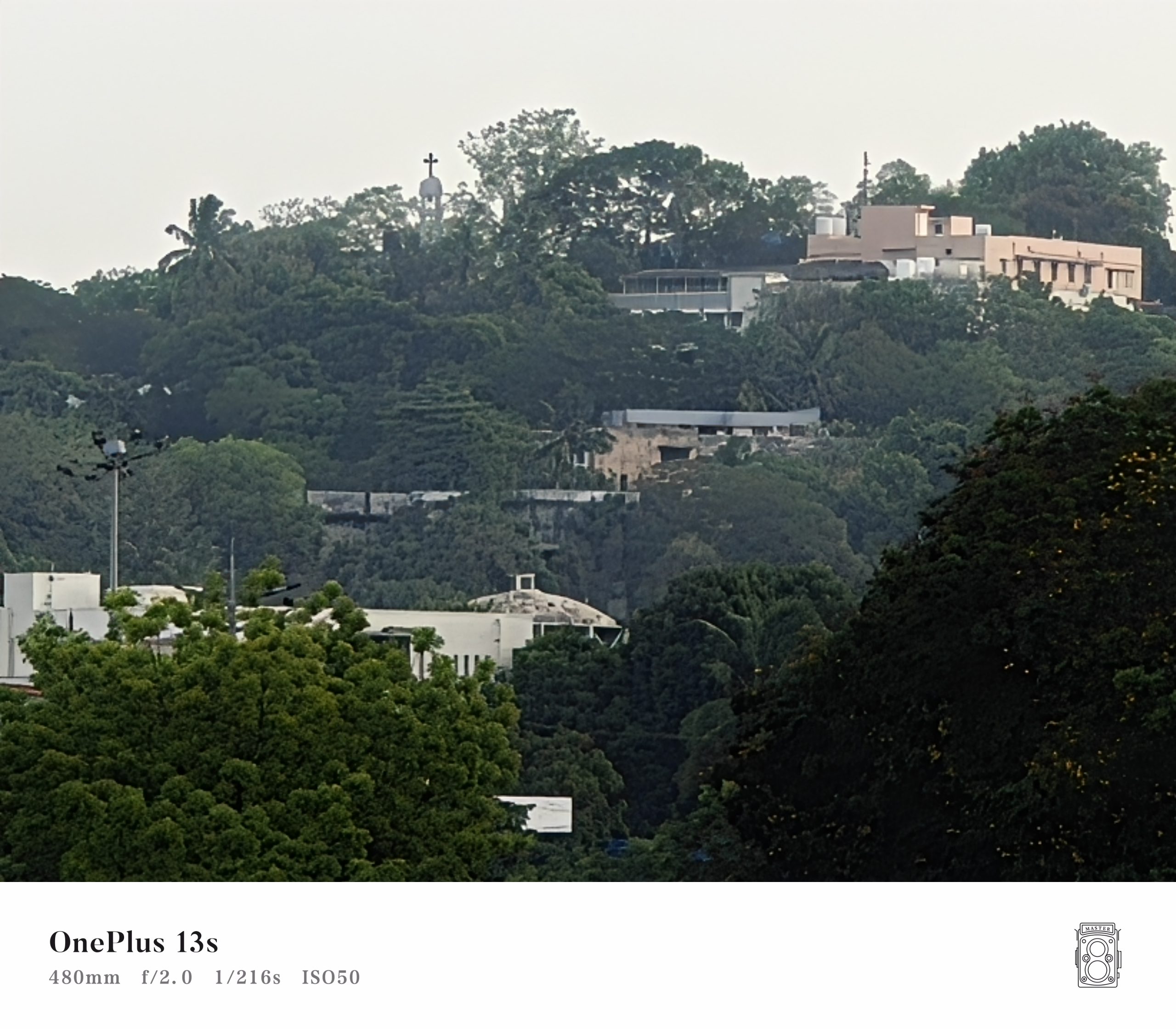
Daylight shots came out well, thanks to the 50MP sensor, and the dynamic range is better with auto HDR. Zoom is good even in 4x mode, but the quality reduces when you zoom further since it only has a 2x camera. There is only 2x mode in portrait mode by default, and there is no option to shoot 1x portrait shots. Low light shots are good as well. The night mode is useful, but it takes a few seconds to process. There is also a tripod mode. The 32MP autofocus front camera does a good job in daylight, and could be better in low light. Edge detection is good in portrait shots.
Check out the camera samples.



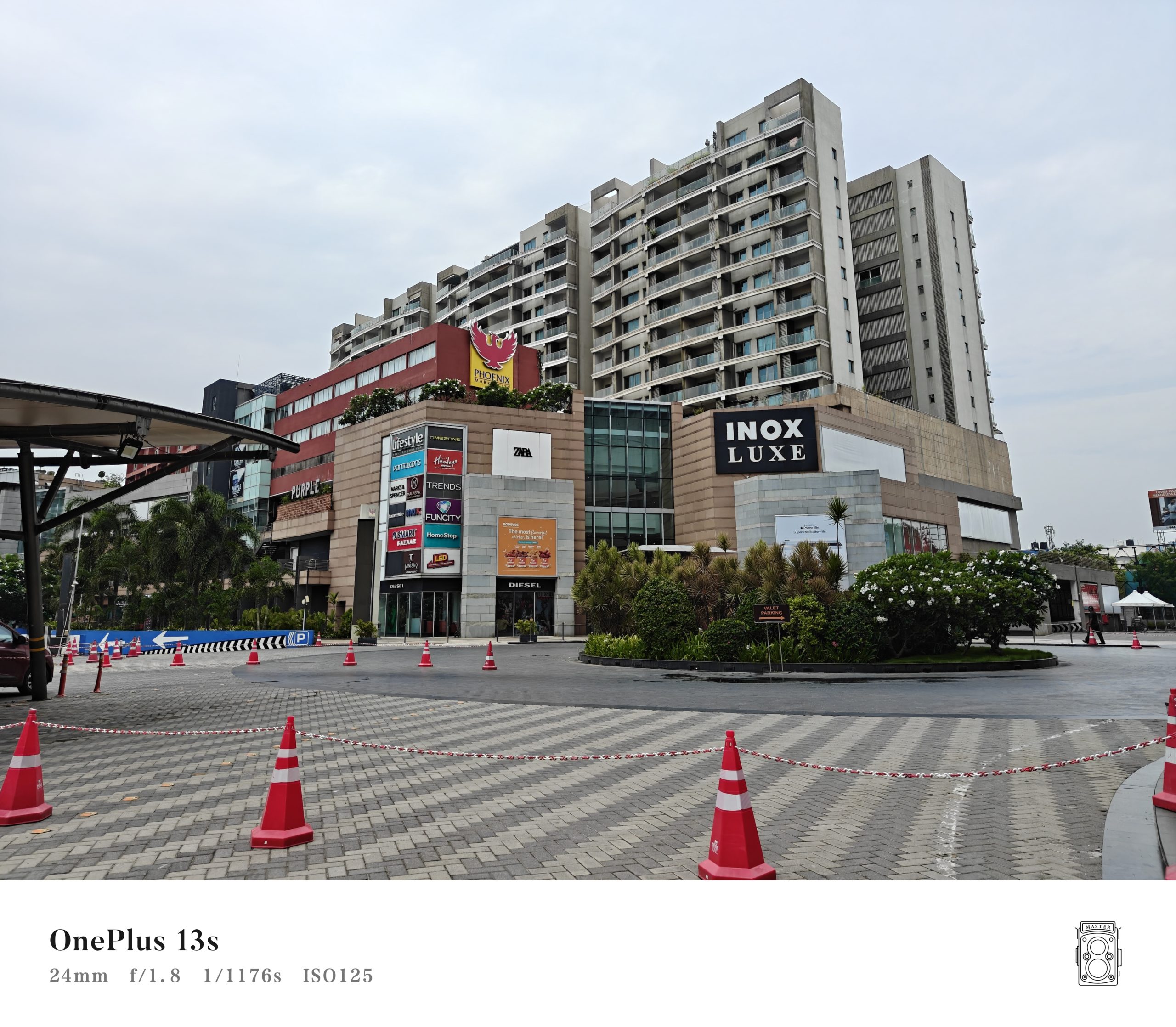
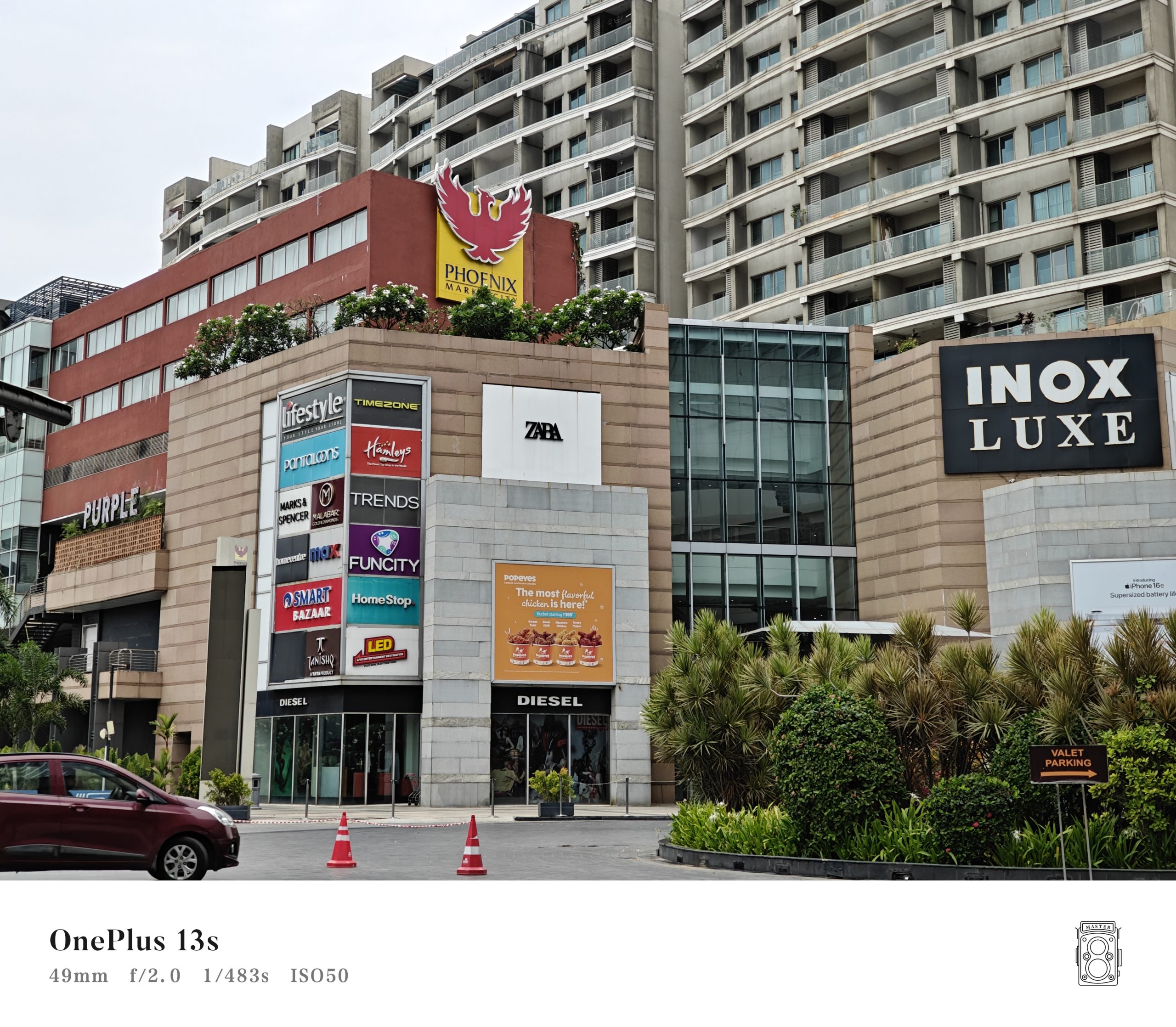


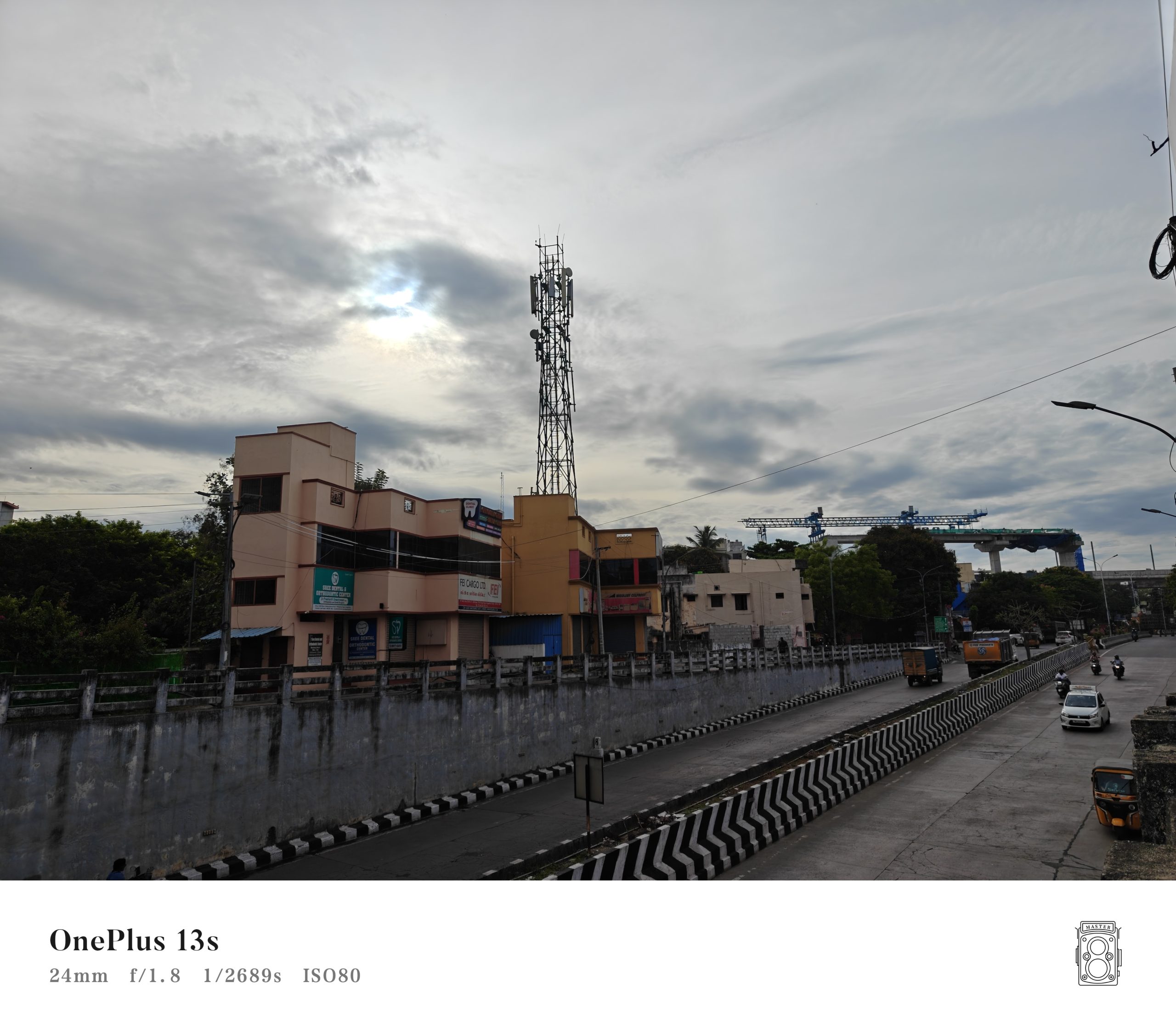
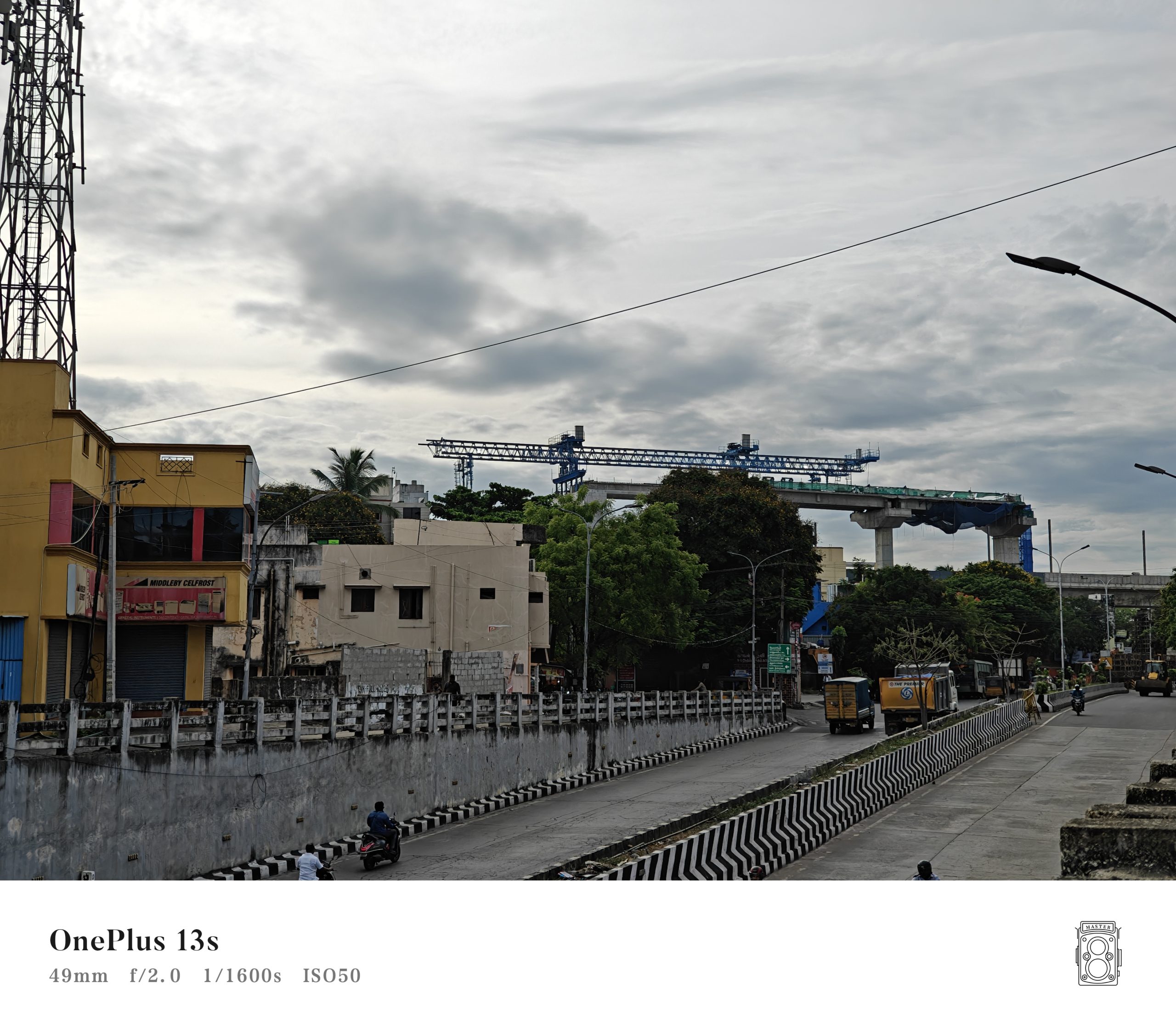
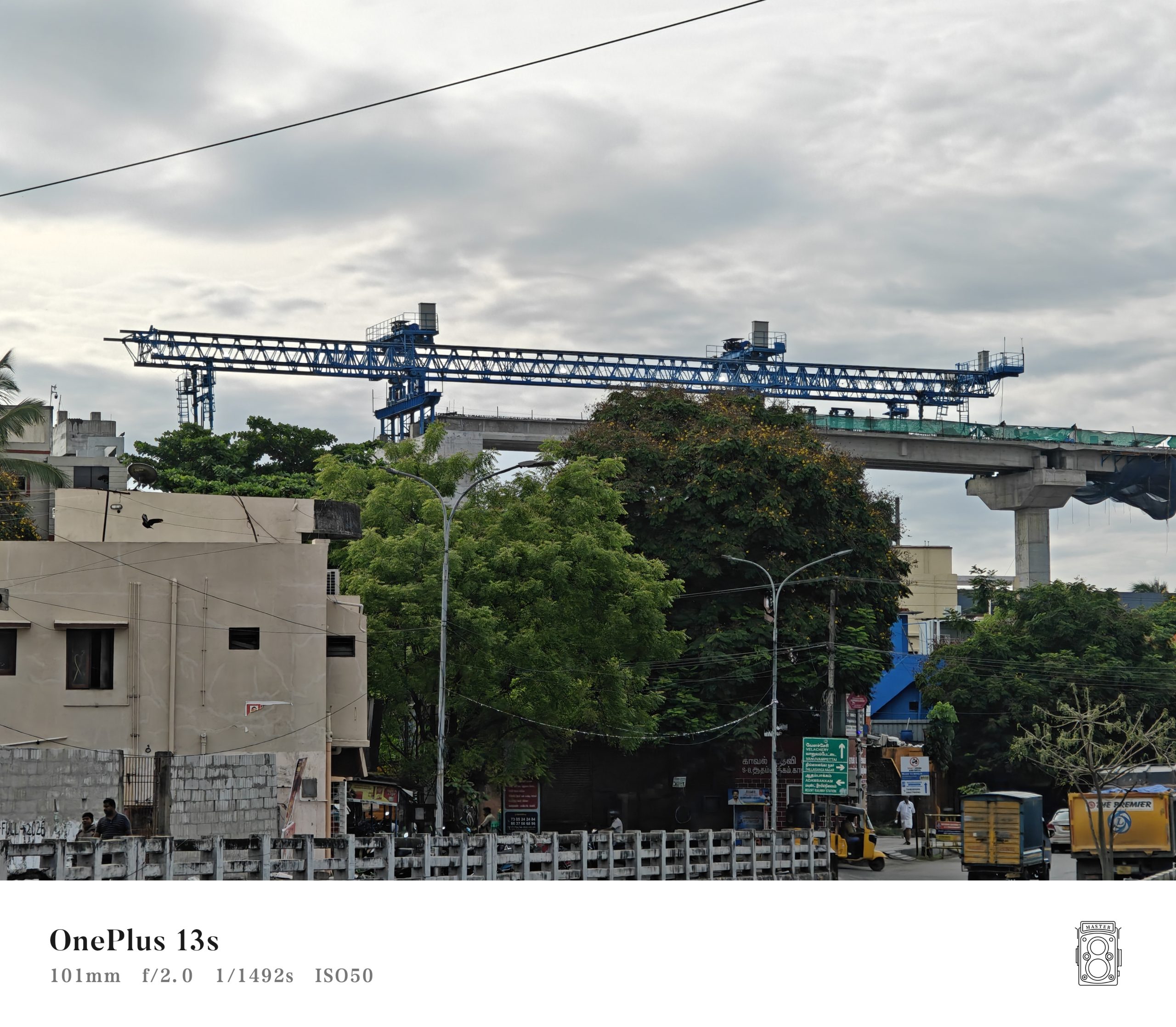
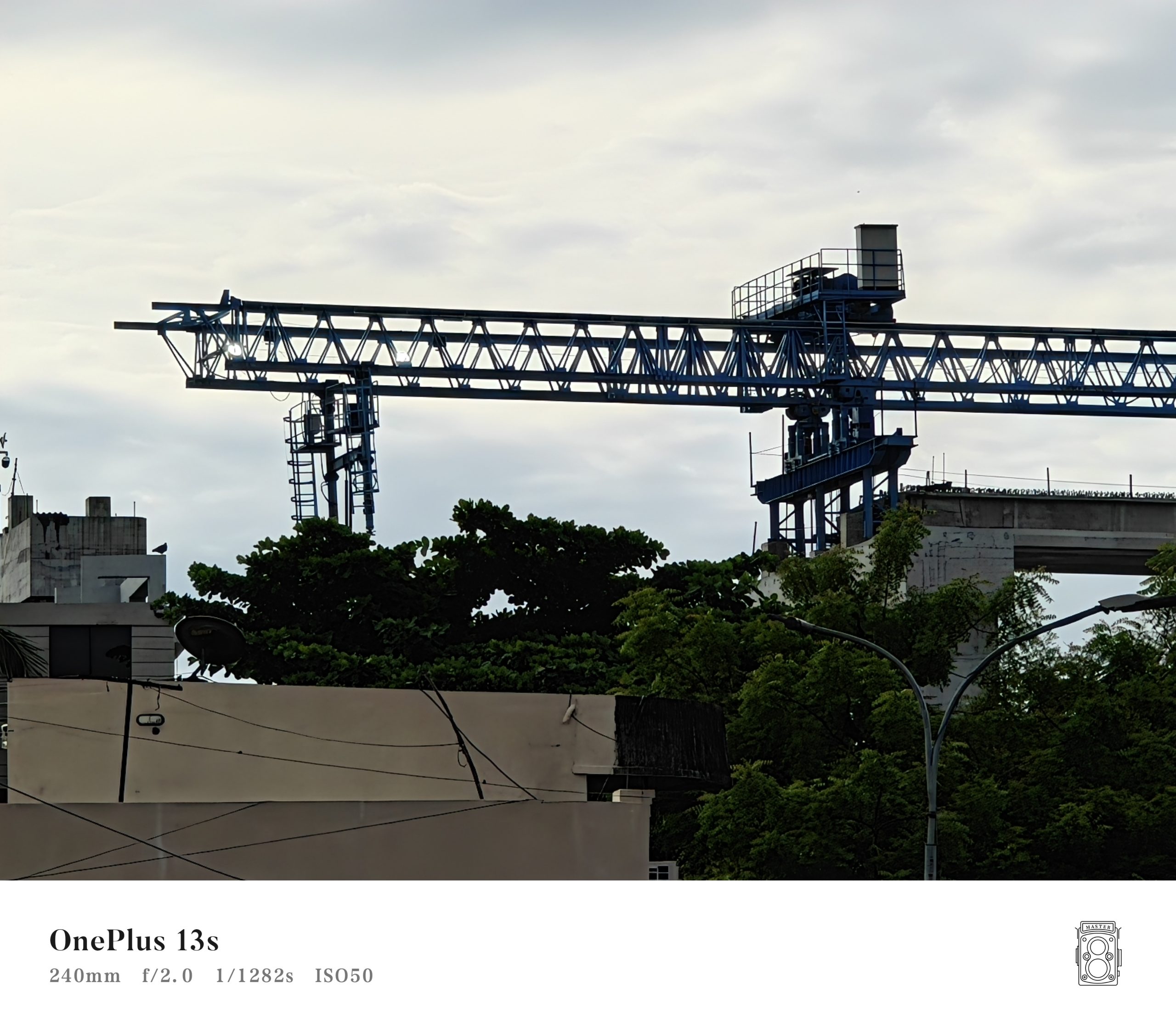
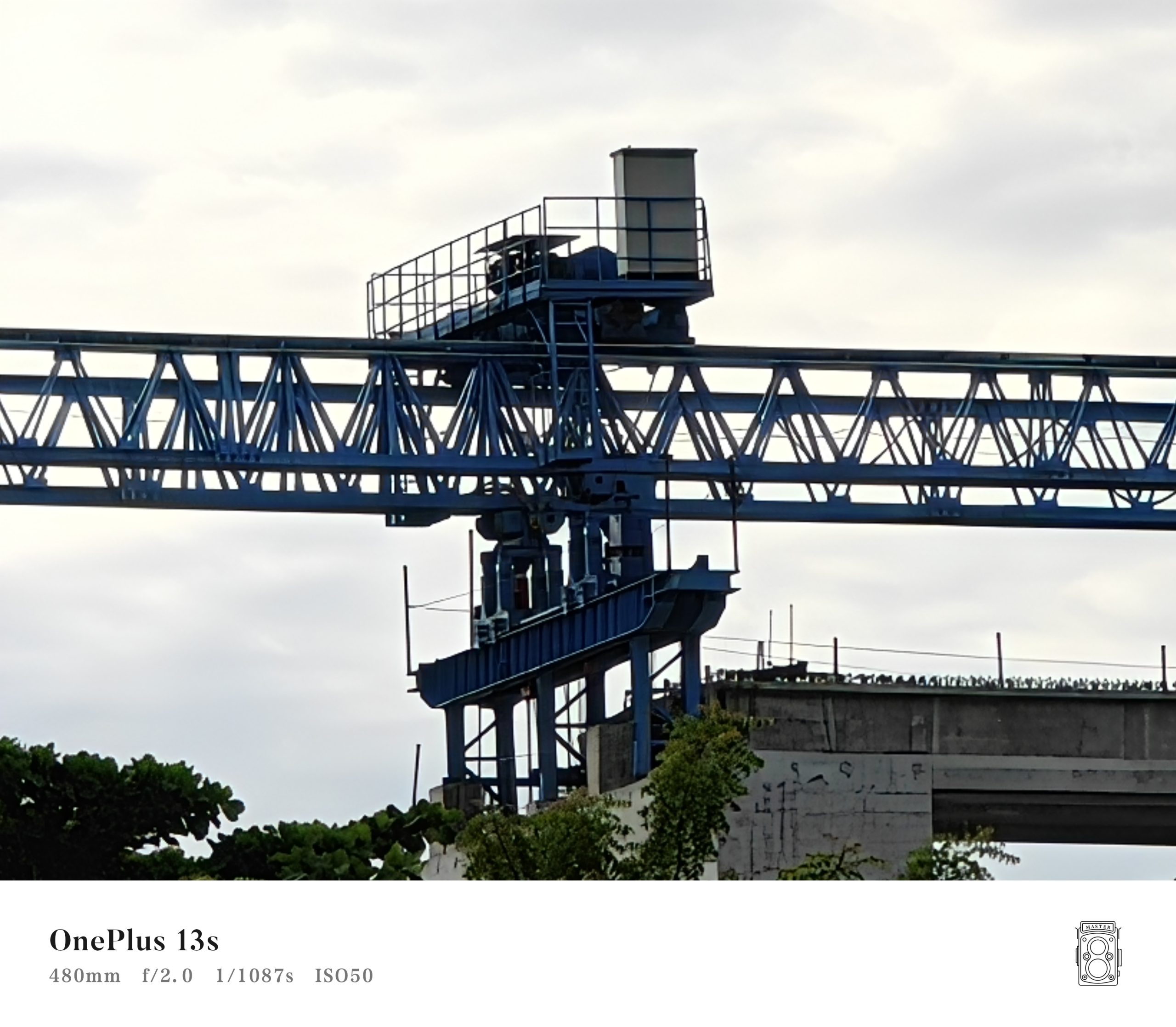









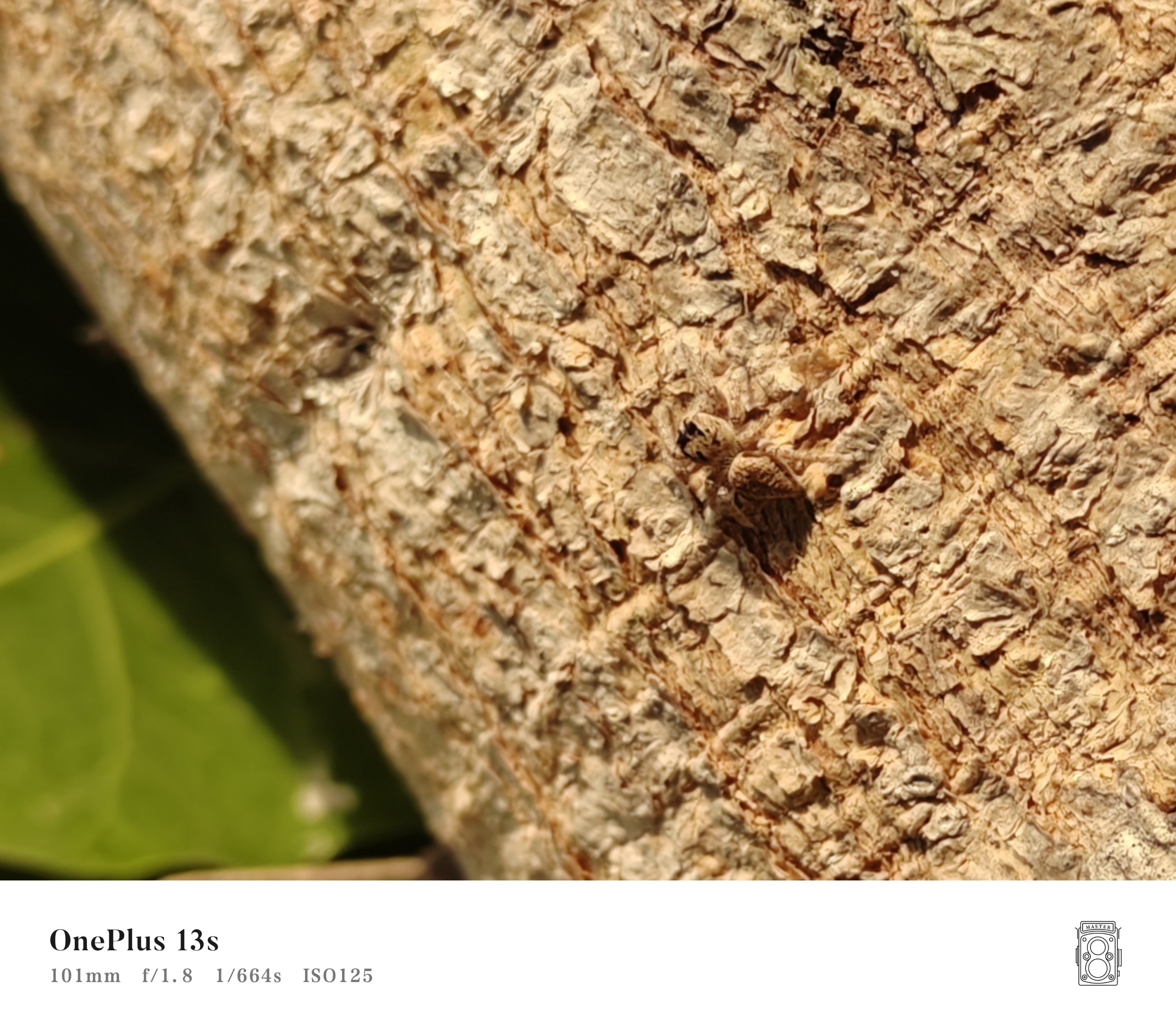

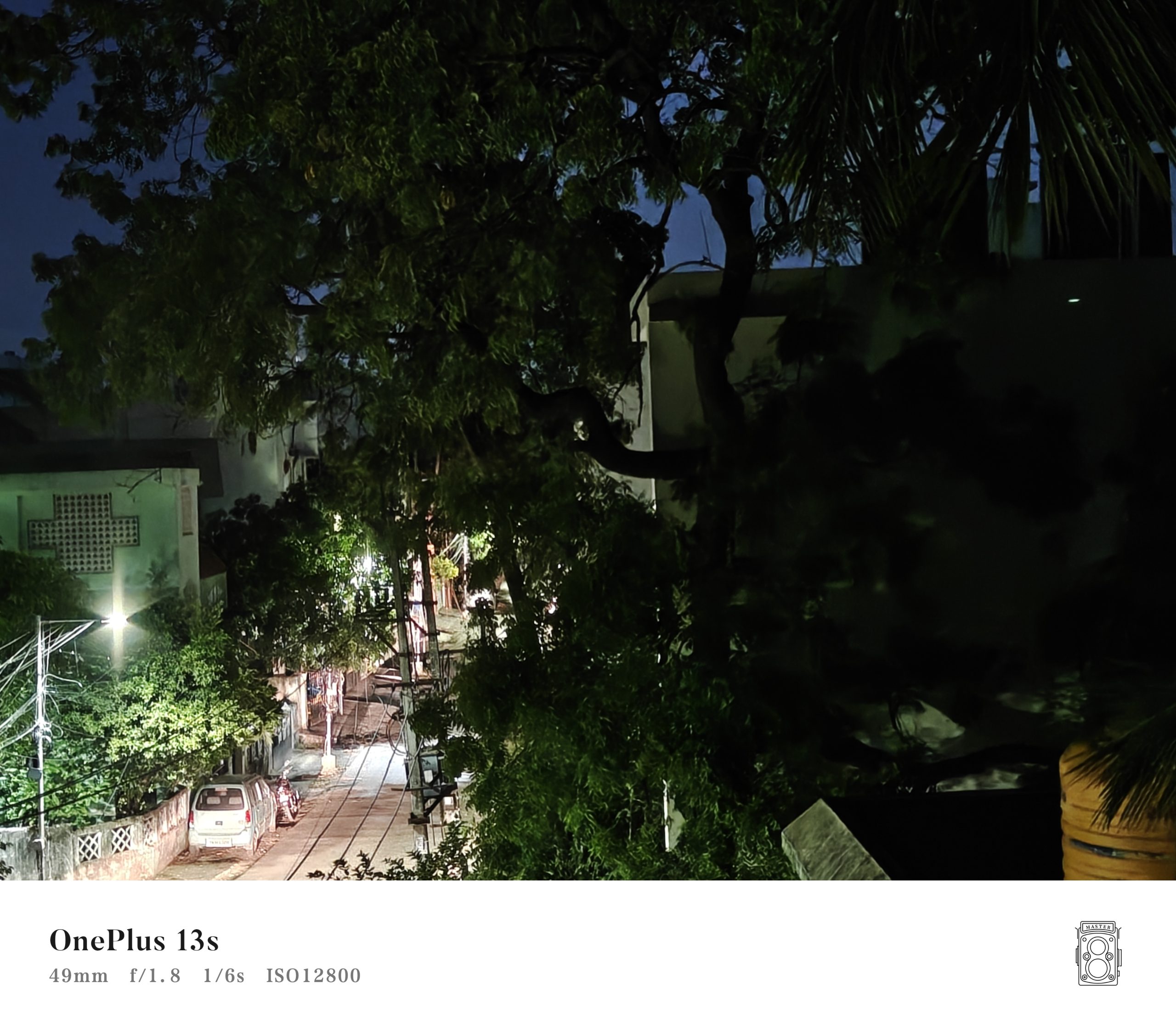
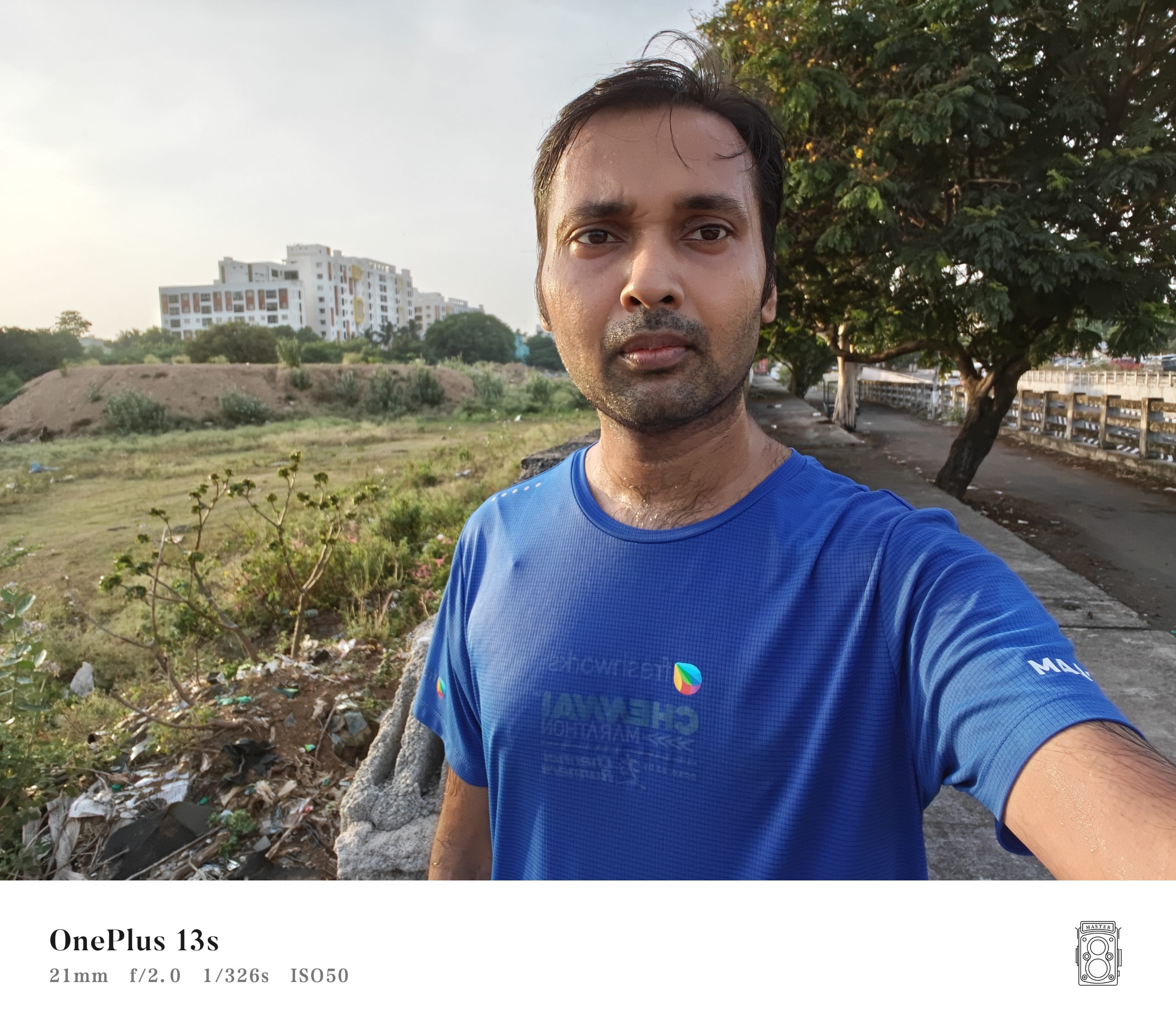
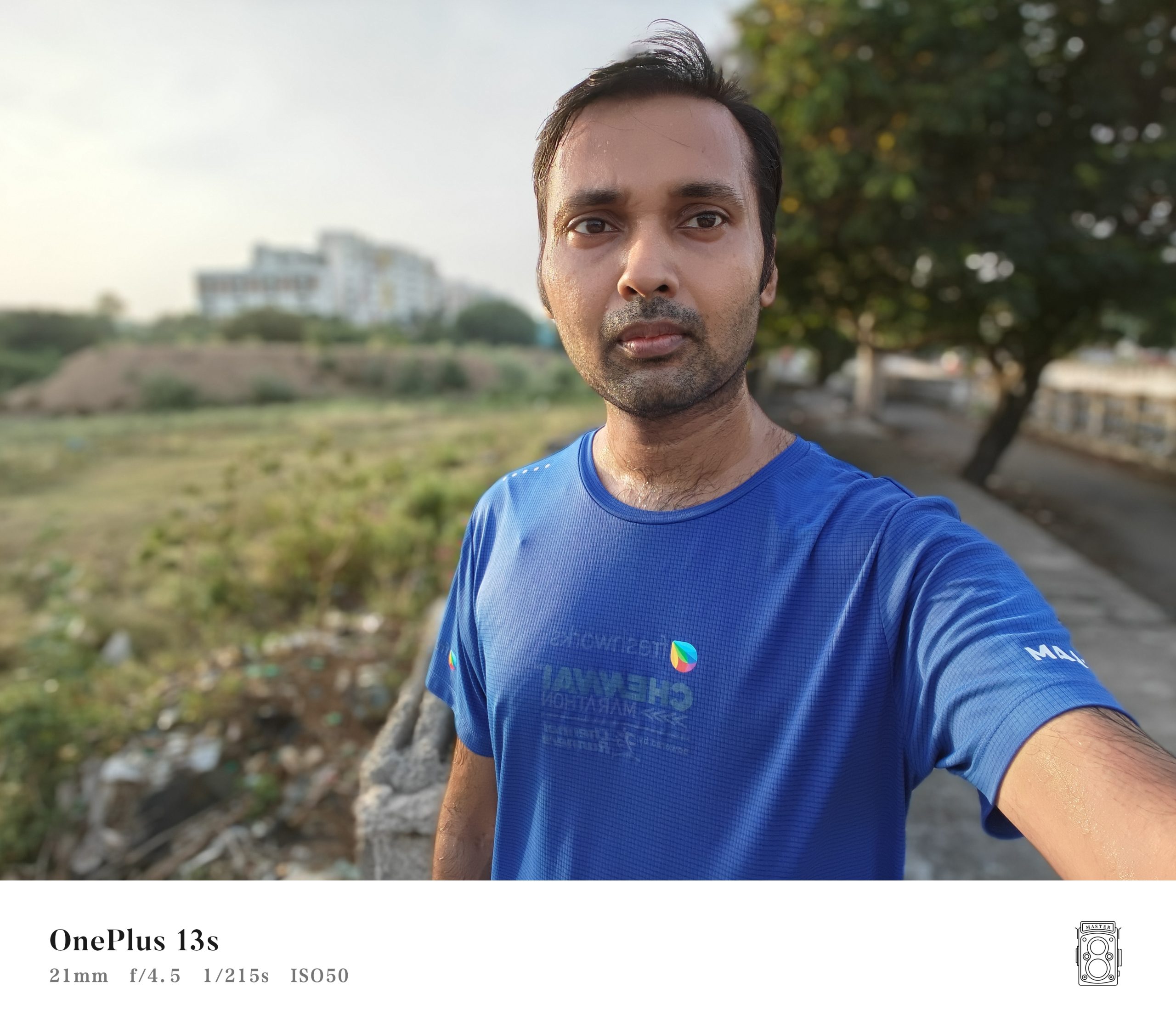
It can record videos in up to 4K in 60fps with Dolby Vision HDR from the rear camera. The front camera support up to 4K 30 fps video recording. There is slow motion 1080p at 240fps, but Portrait video mode video with the main camera is limited to 1080p at 30 fps, and ultra-steady mode lets you shoot in 4K at 60 fps. There is OIS and EIS which does decent job.
Software, UI and Apps
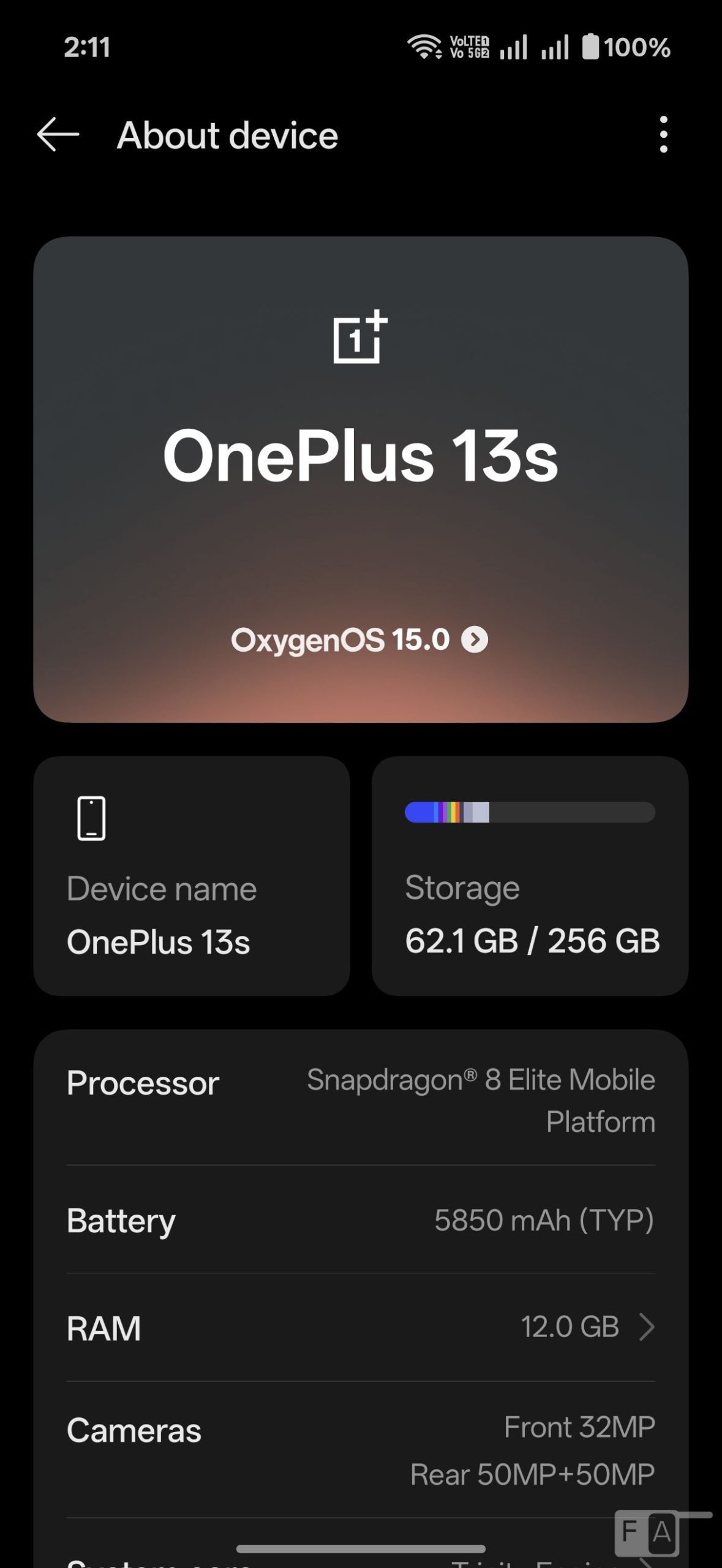
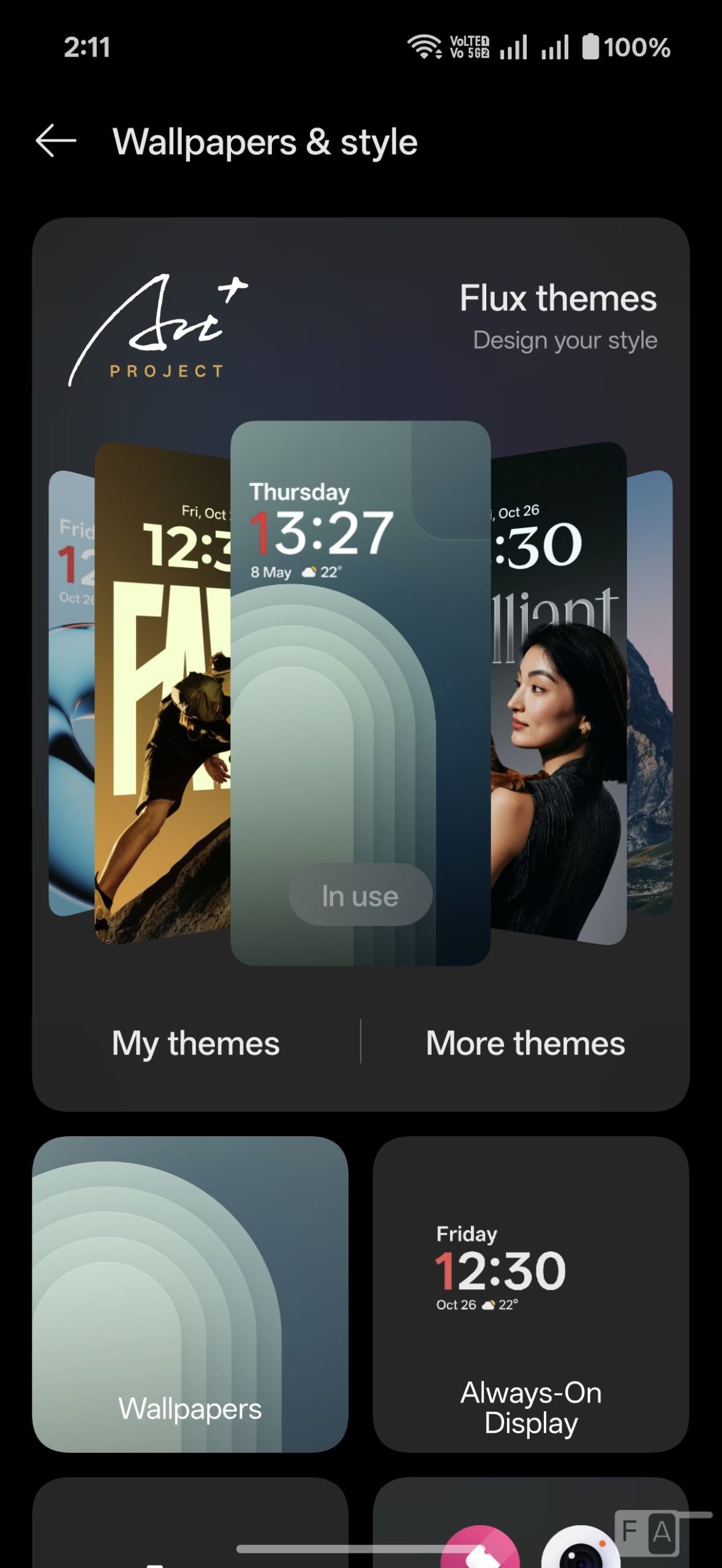
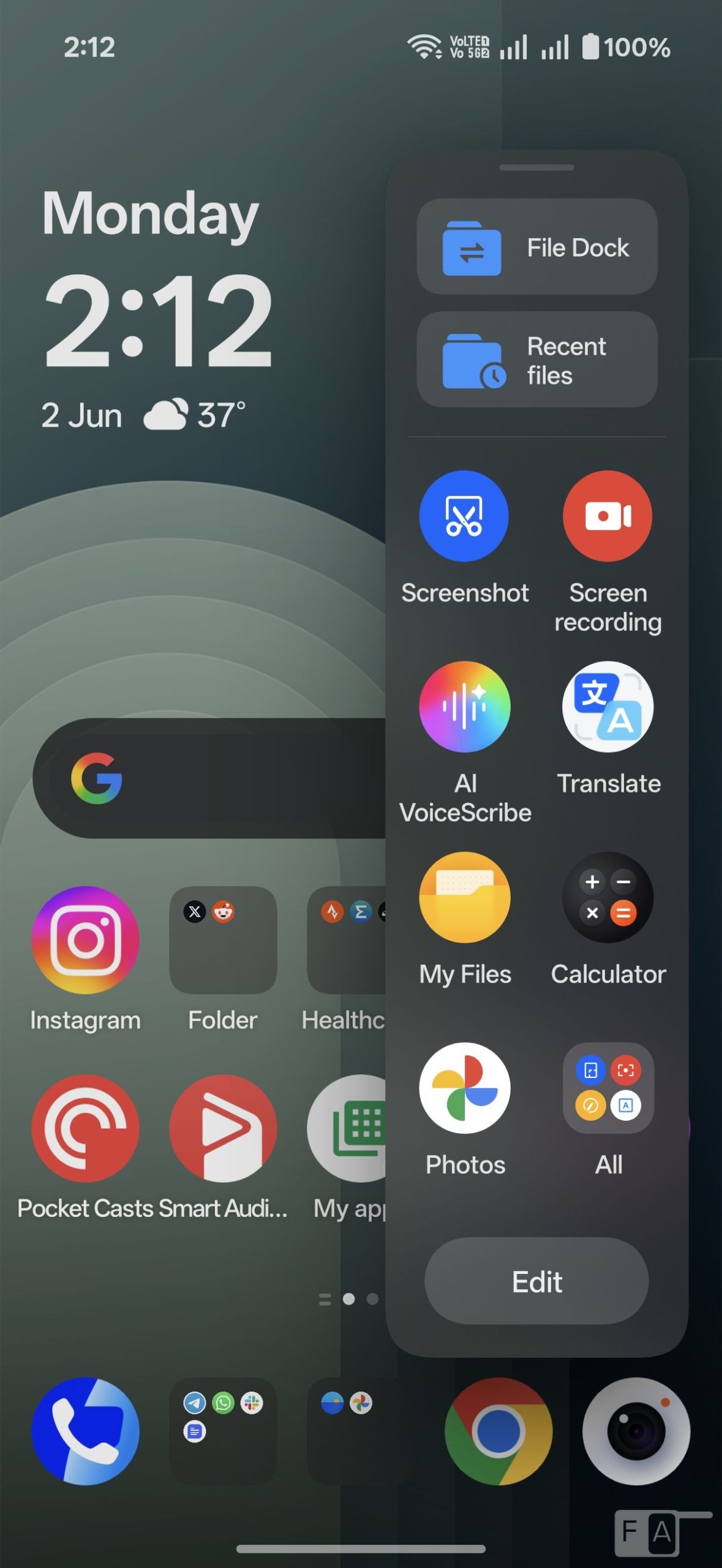
The OnePlus 13s runs Android 15 based OxygenOS 15 out of the box. It has Android security patch for April 2025. The phone will get 4 Android updates and 6 years of security updates. OxygenOS 15 offers redesigned icons, new design elements, Parallel Processing, reduction in system storage, AI features such as AI Detail Boost, AI Unblur and AI Reflection Eraser.
The Intelligent Search is an AI-powered feature that leverages natural language processing, allowing you to search across apps like Settings, Files, and Notes using simple, everyday language.
There is circle to search. You also get OxygenOS 15 bring AI Notes feature that automatically organizes notes, highlights key points, and enhances readability. It can expand or reduce content, adjust formality, and even correct grammar errors.
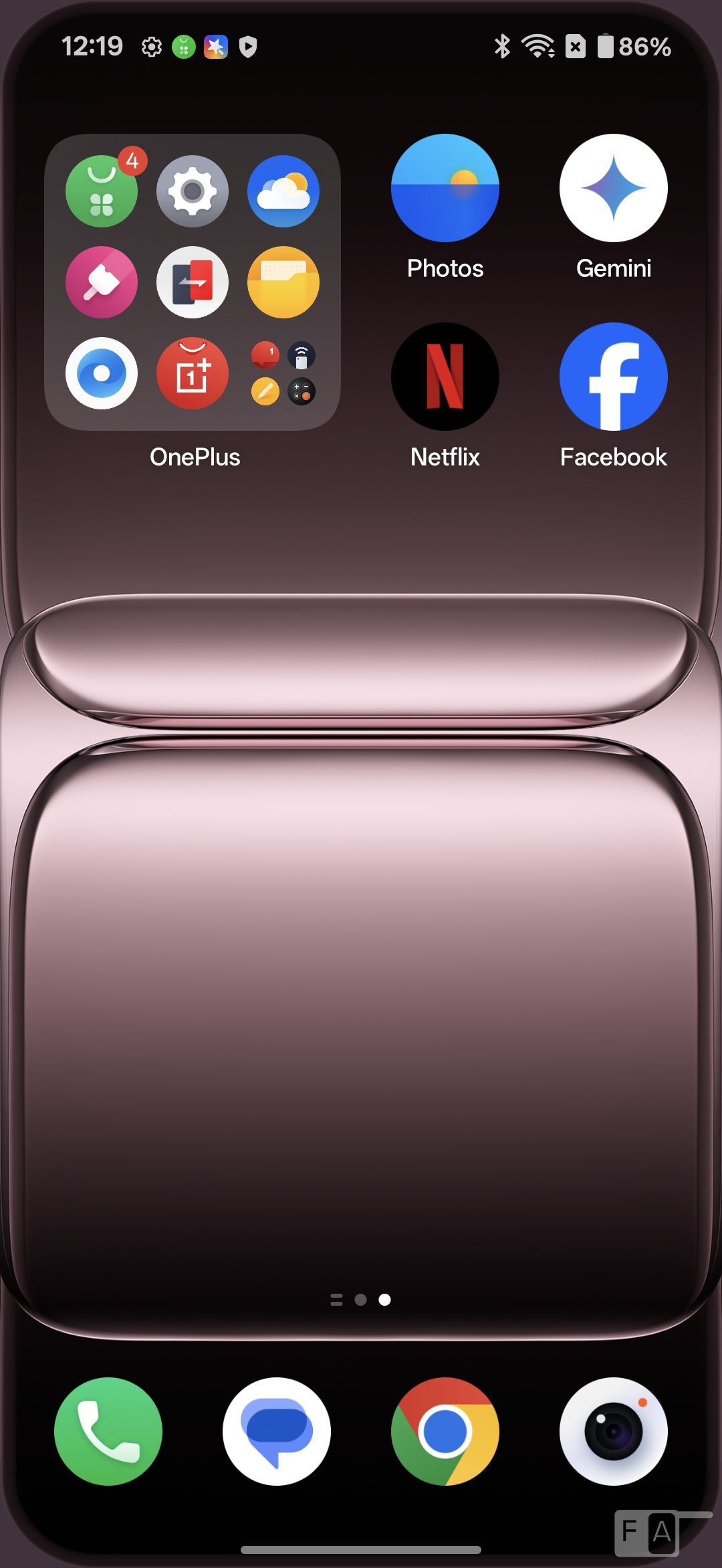
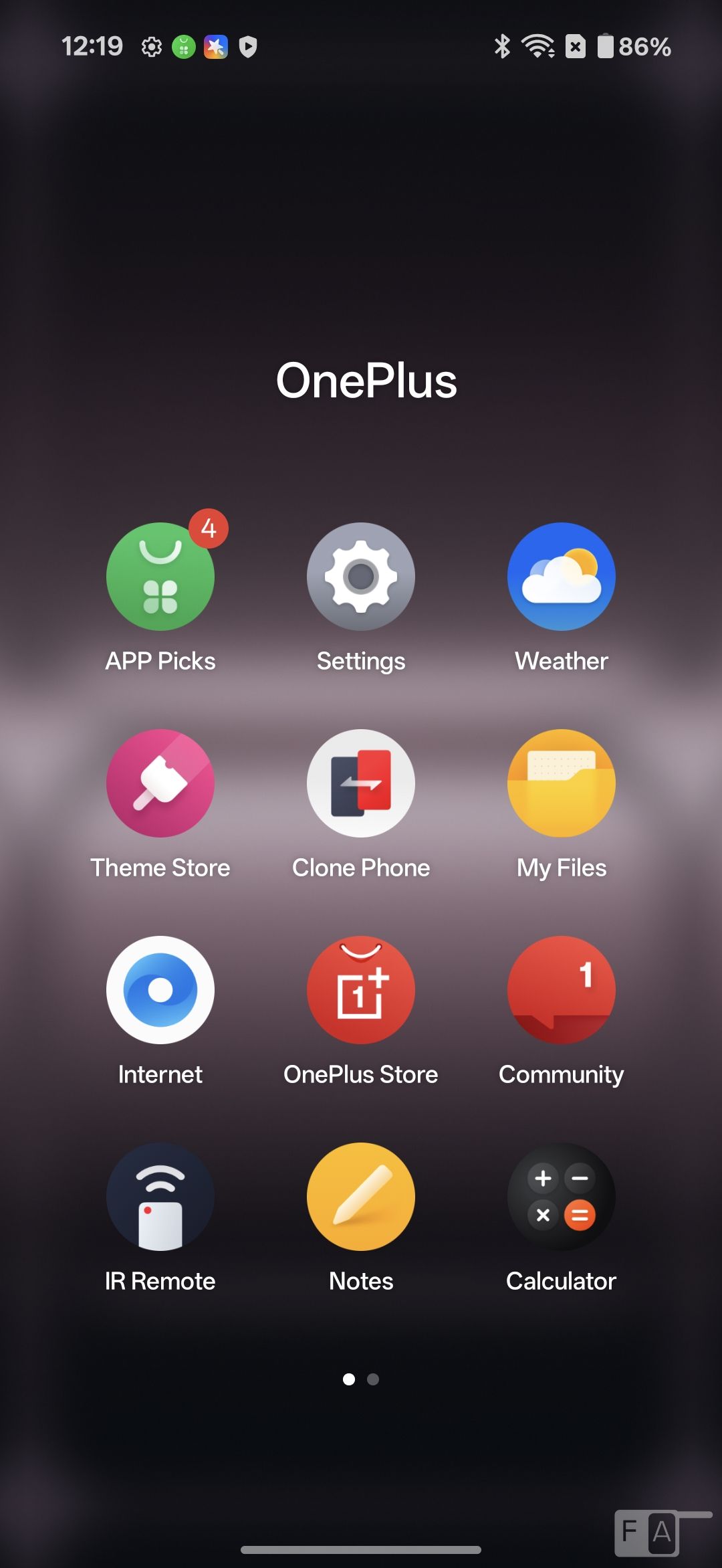
Apart from the usual set of OnePlus apps and Google apps, it comes with several pre-loaded with Netflix and Facebook, which can be uninstalled, but come back once the phone is reset. The IR remote app is useful.
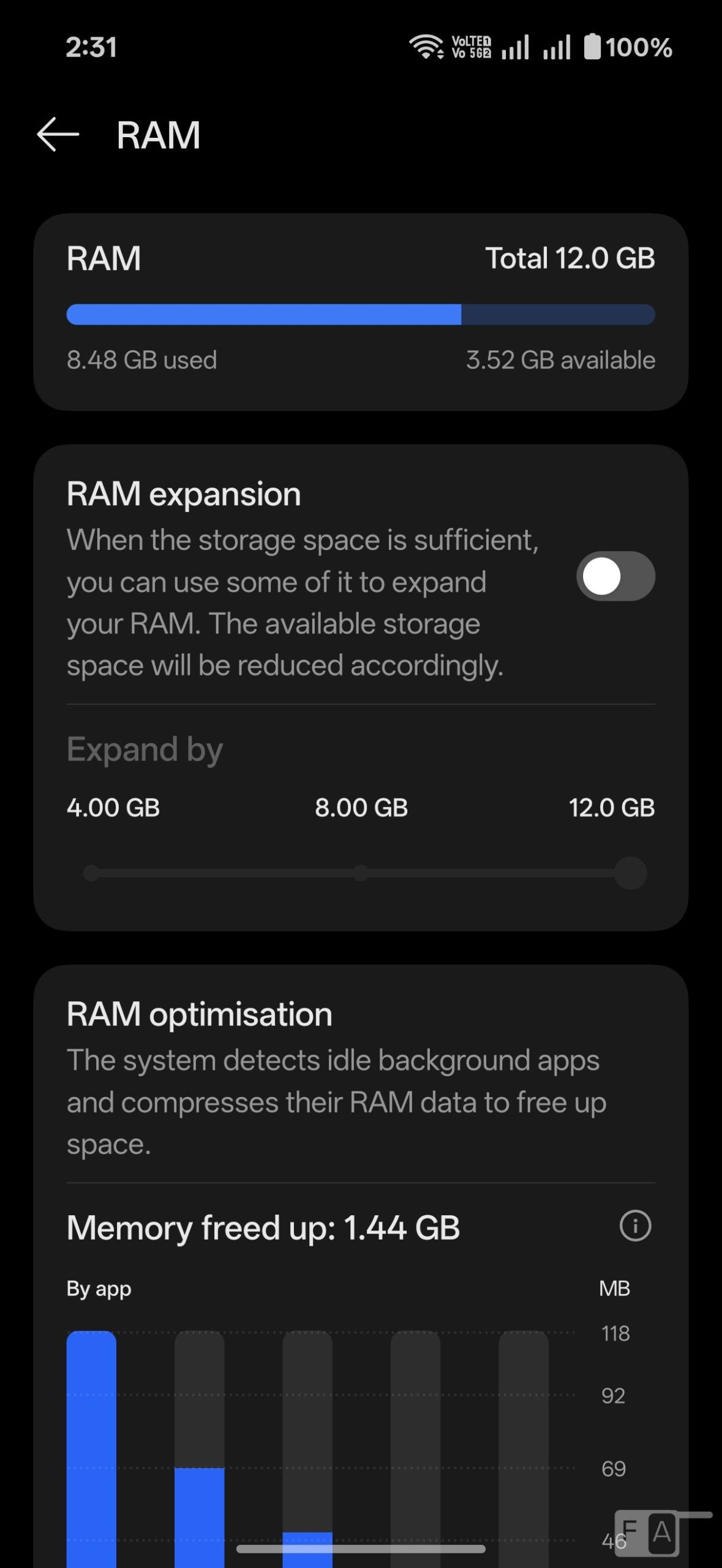
Out of 12GB LPDD5X RAM, you get 10.87GB of usable RAM, and about 5GB of RAM is free when default apps are running in the background. It also has DRE or dynamic RAM expansion feature, which uses the built-in storage as RAM. This has up to 12GB of additional RAM expansion. Out of 256GB UFS 4.0 storage, you get about 220.5GB of free storage.
Plus Key and AI Plus Mind
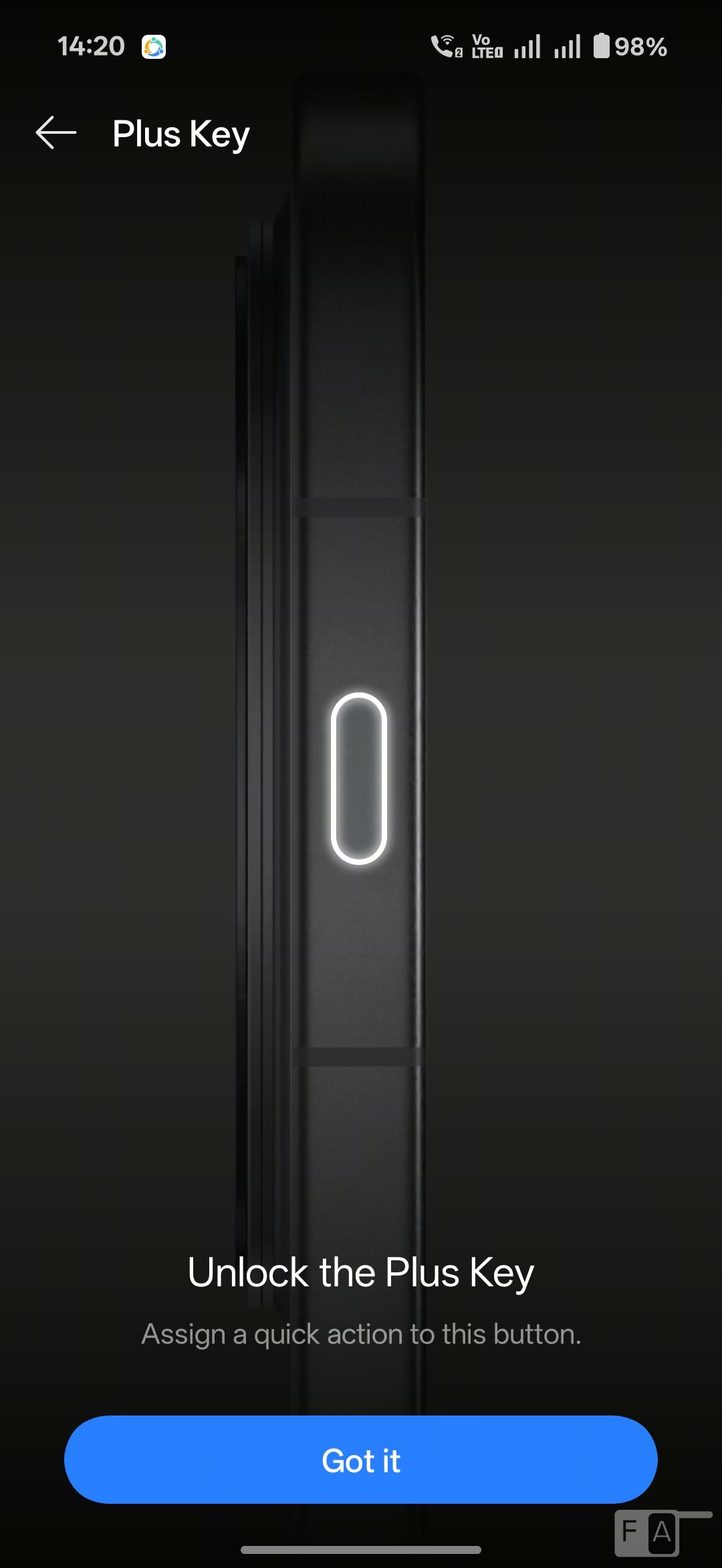
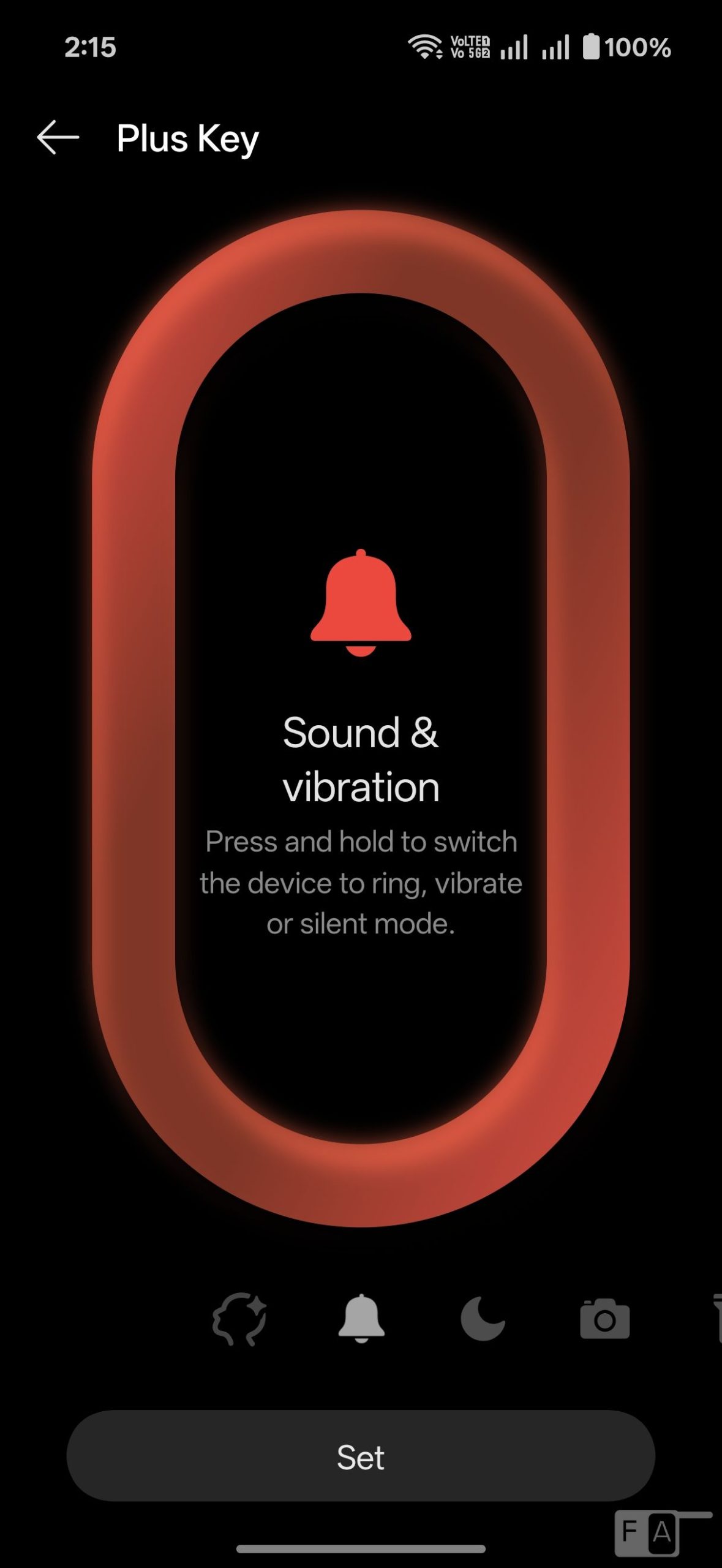
The new Plus Key lets you switch between ring, vibrate, and silent
modes. Additionally, customization allows for quick access to features
like the camera, translation, or flashlight. You can also set it to launch AI Plus Mind, which saves your content so that you can access them later.
It lets users save and organize important on-screen information — such as events, bookings, or listings — into a dedicated Mind Space, helping avoid information overload.
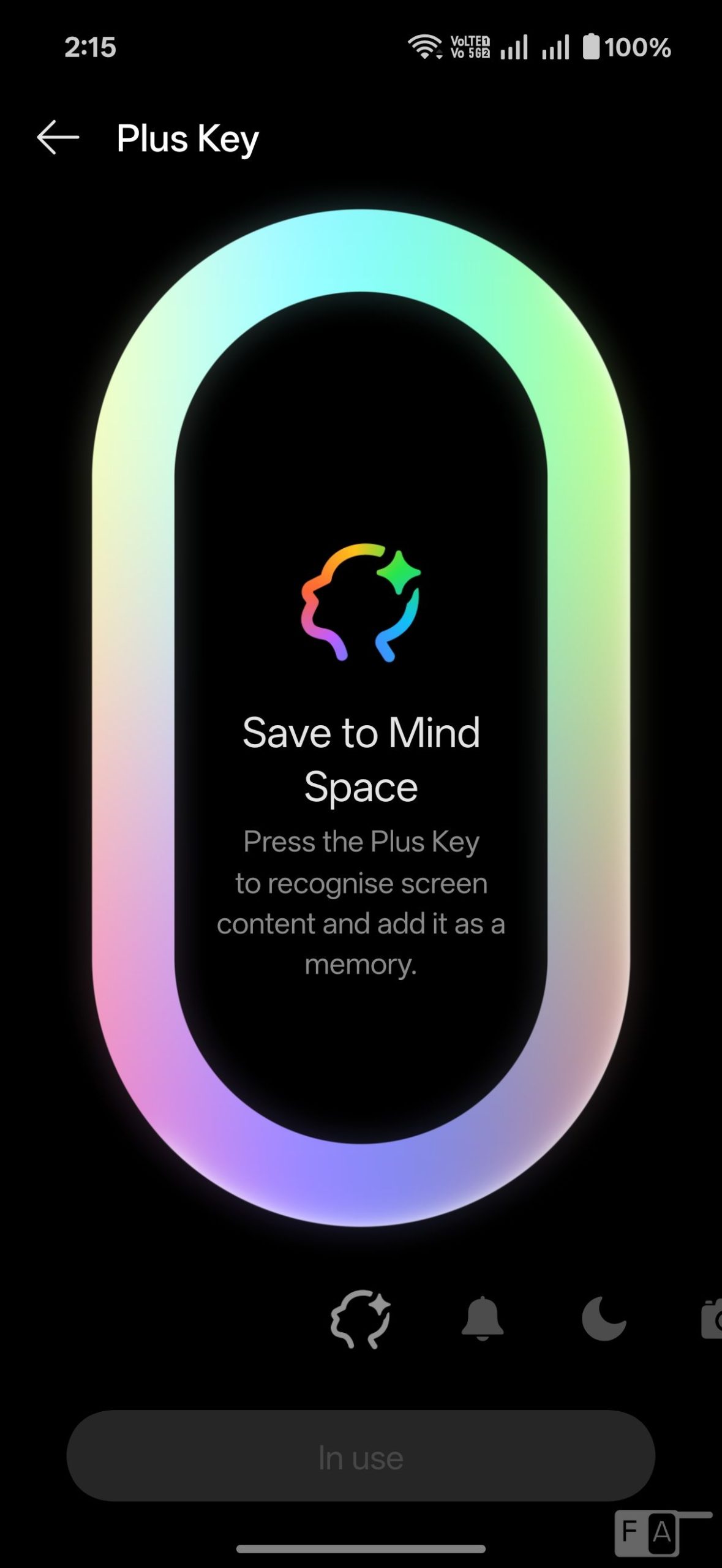
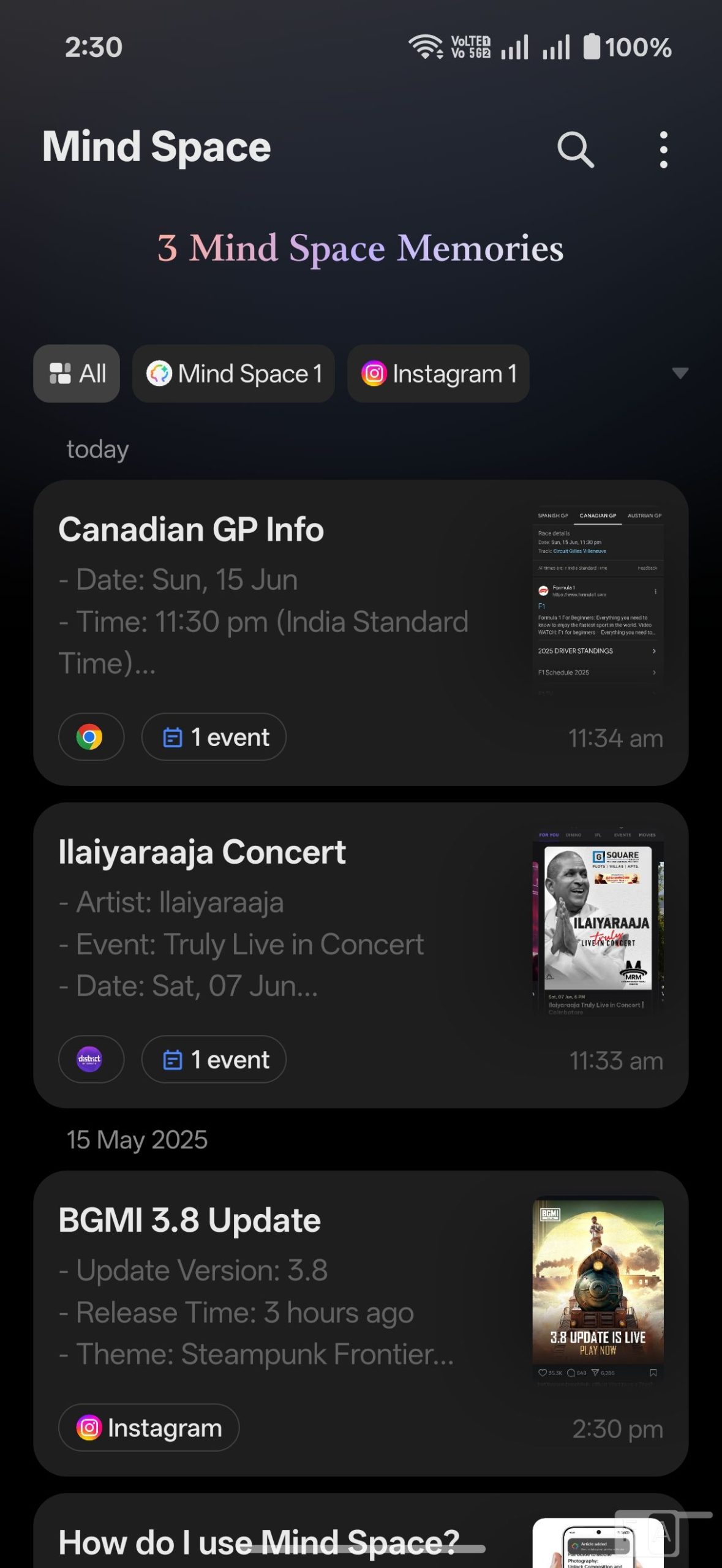
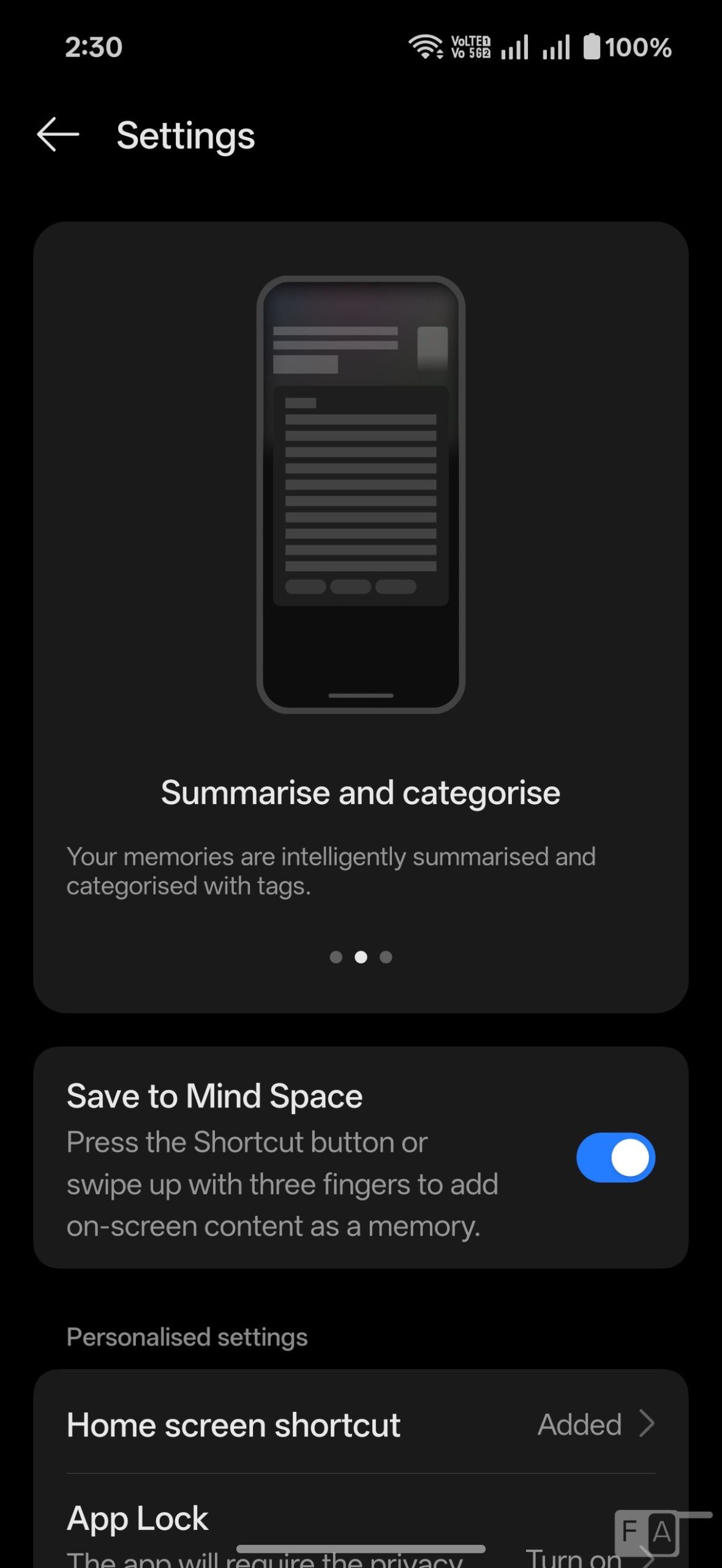
Beyond simple saving, AI Plus Mind uses artificial intelligence to understand the context of saved content. For example, it can pull event details from an image or message and add them directly to the user’s calendar. Using AI Search, users will be able to locate saved content through natural language questions. Additionally, OnePlus intends to add automatic sorting features to AI Plus Mind before the end of the year. It will get an option to automatically summarize information, in future updates, said the company.
Fingerprint sensor and Face unlock
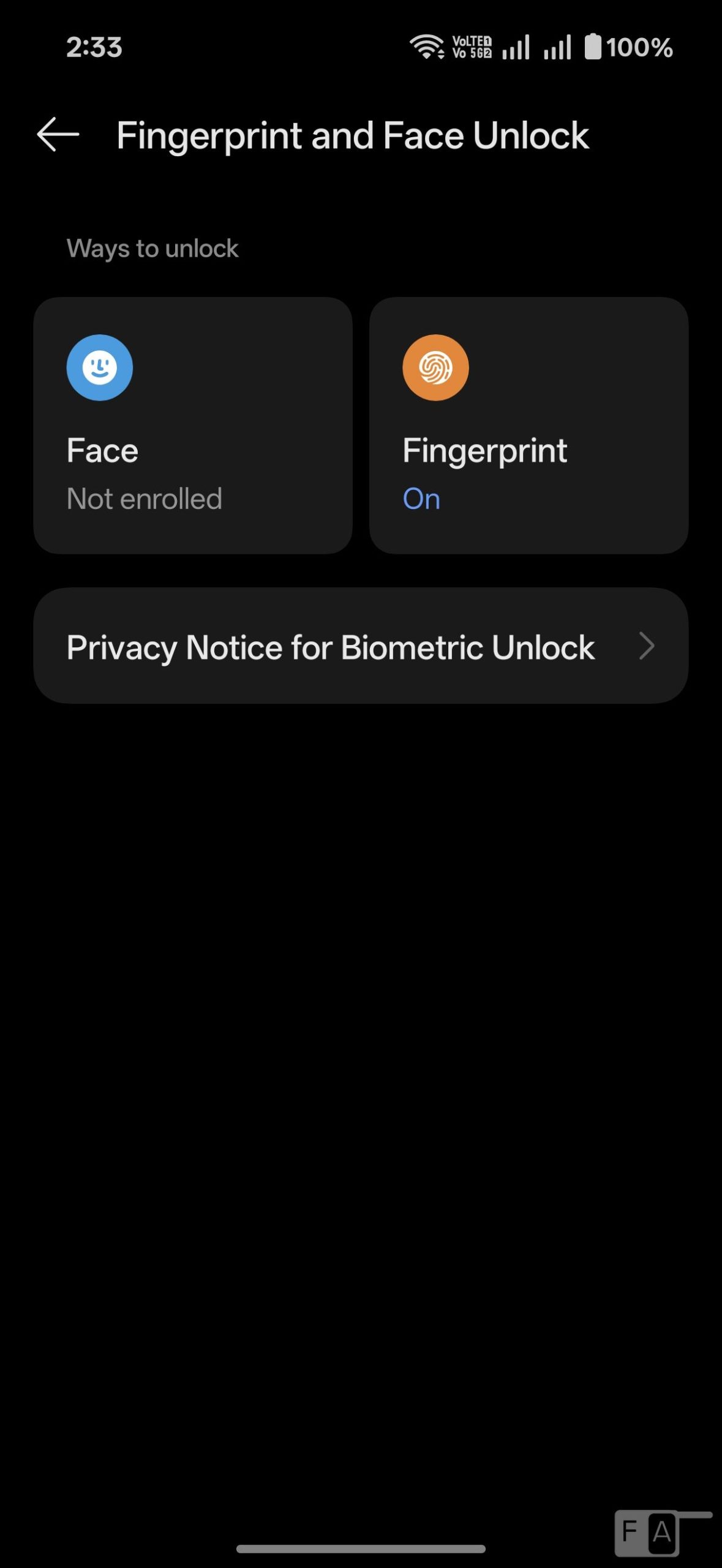
It has an in-display fingerprint sensor that unlocks the phone quickly, and it has an optical fingerprint scanner. You can add up to 5 fingerprints. You can also use the fingerprint for app local and payments in apps.
Furthermore, you can change the fingerprint animation and also disable it, and also enable quick launch option to launch apps directly from the lock screen by holding the fingerprint. The phone also has face unlock feature.
Music and Multimedia
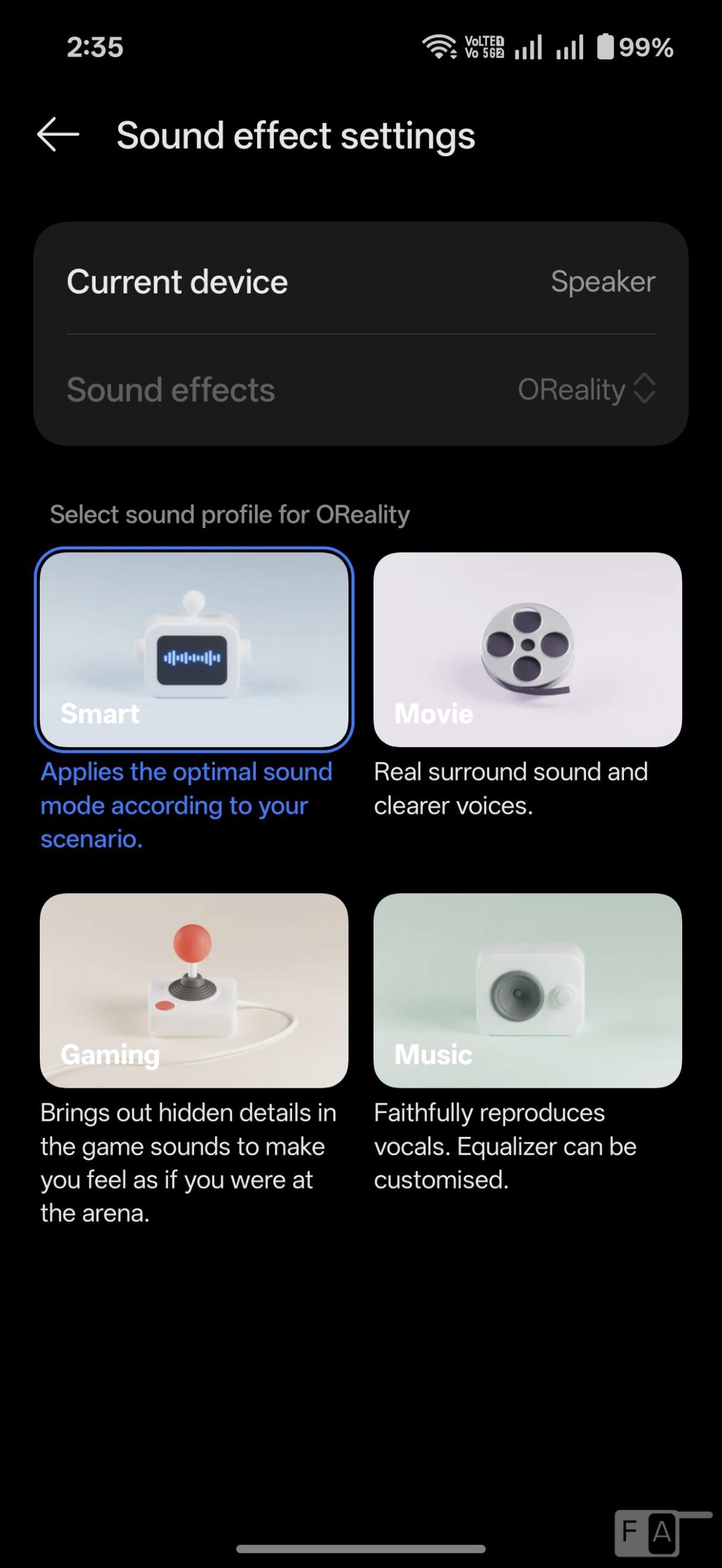
YouTube Music is the default Music Player. It doesn’t have Dolby Atmos, but has OReality Audio with customizable Smart, Movie, Game and Music modes. It doesn’t have FM Radio support. Audio through the stereo speakers is good without any distortion even in full volume. Audio through earphones is good as well.
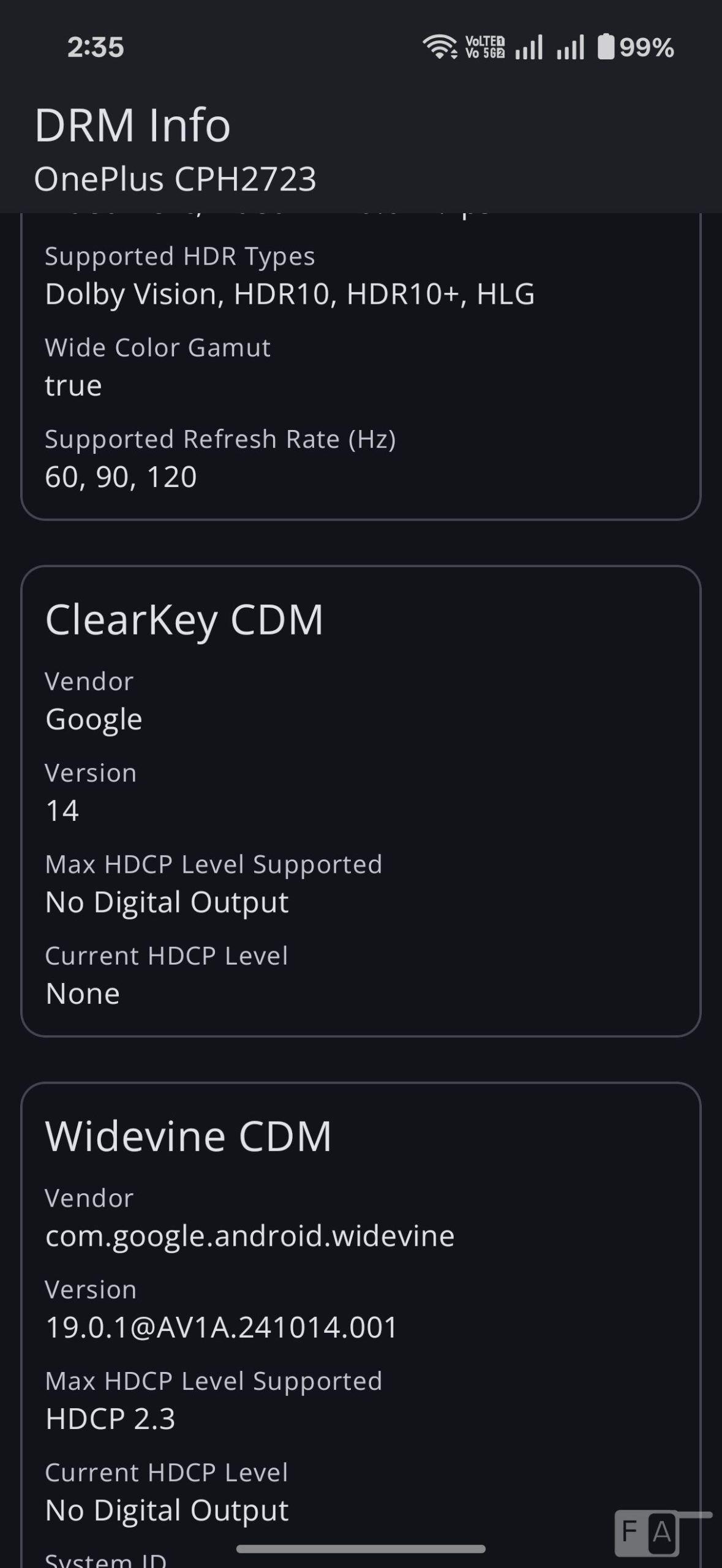
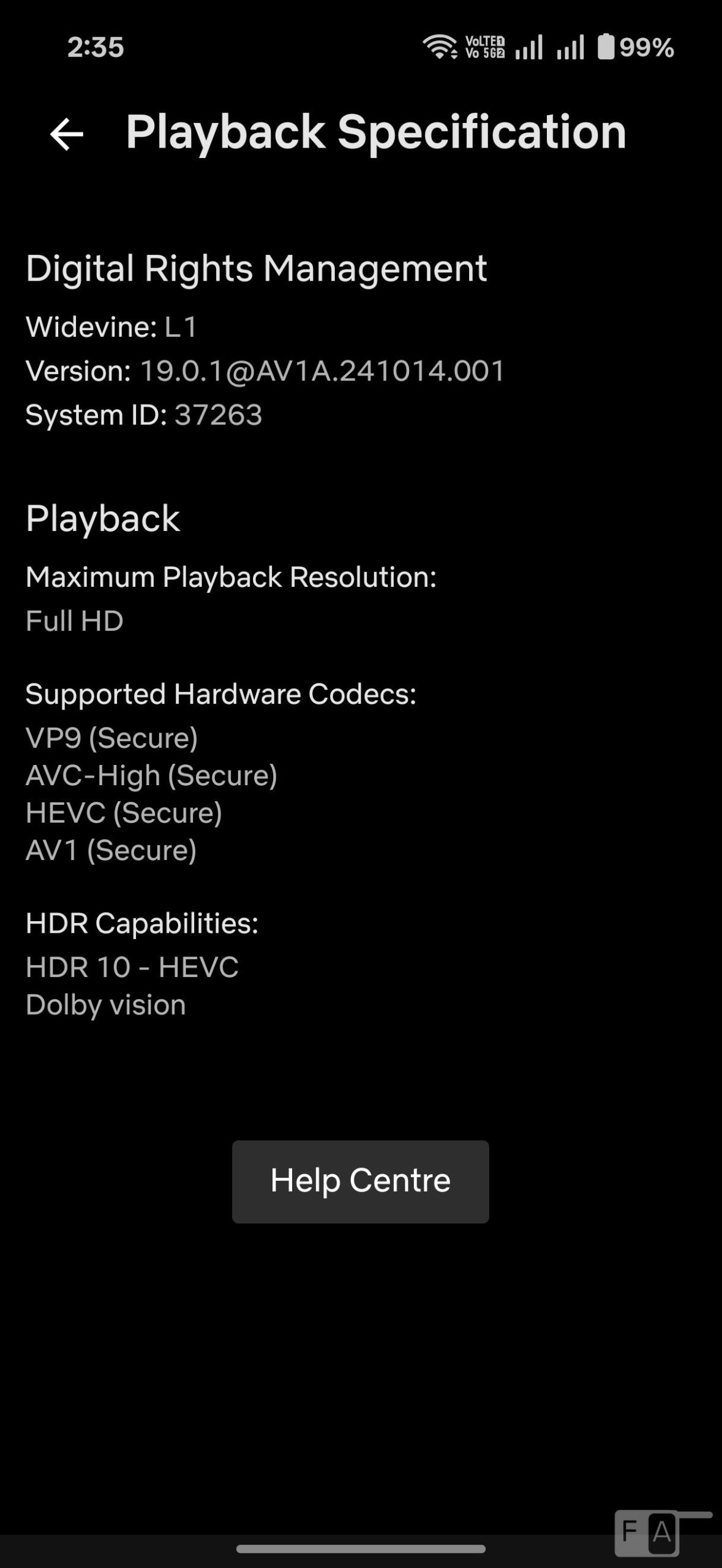
This has Widevine L1, so that you can play HD content on Netflix and other streaming apps. It supports HDR content on YouTube, and Netflix. There is also Dolby Vision for Netflix.
Dual SIM and Connectivity
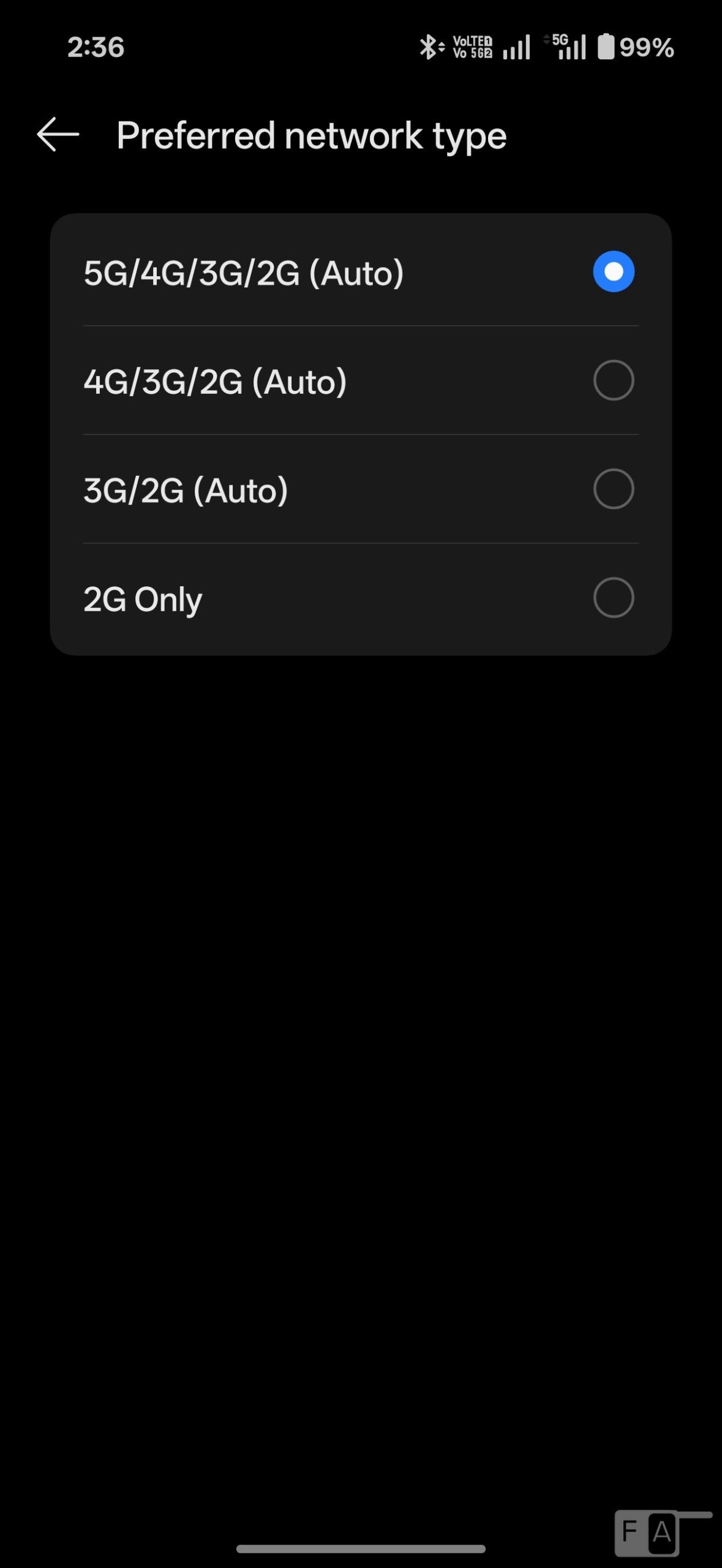
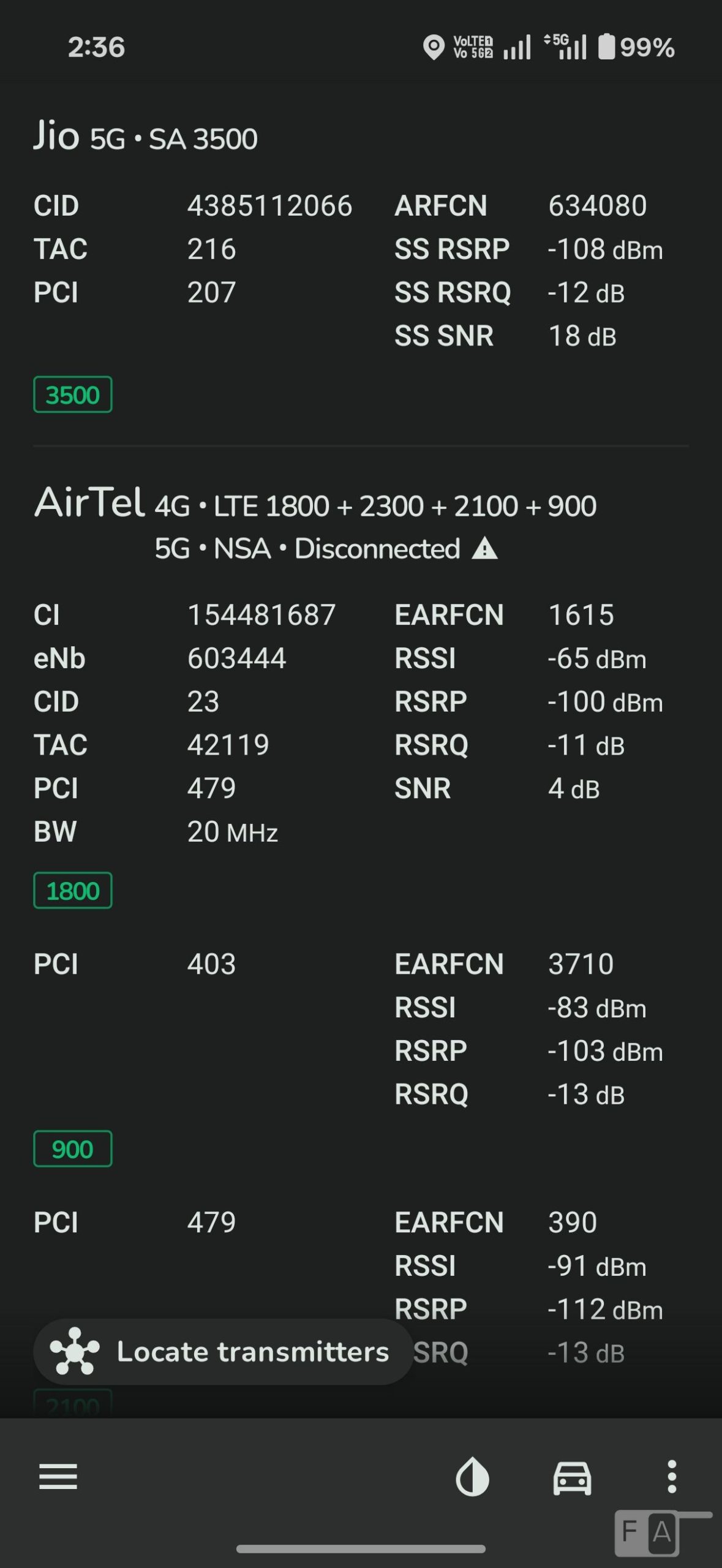
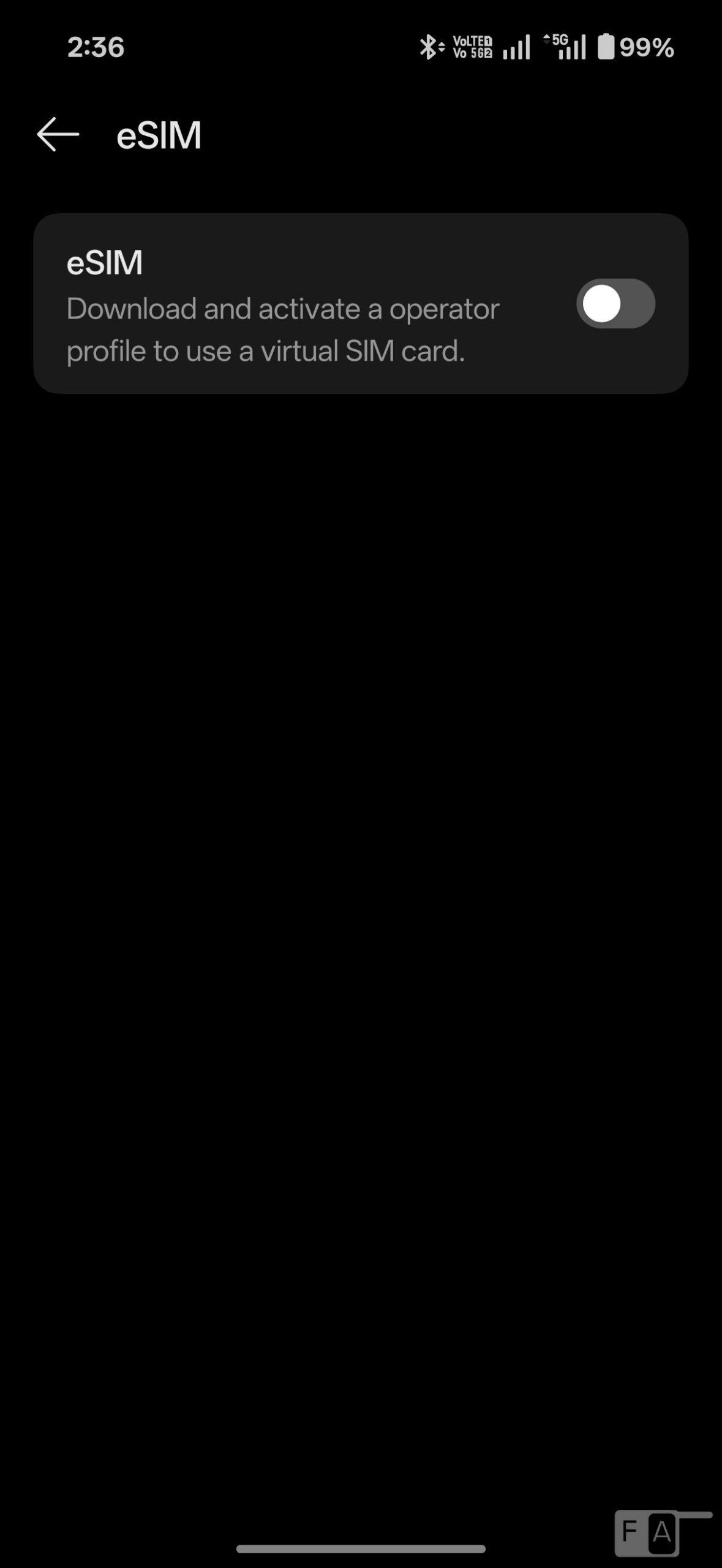
The OnePlus 13s has support for n1/n3/n5/n8/n26/n28/n38/n40/n41/n48/n66/n77/n78 Network Bands in India. It has 4G Wi-Fi and VoLTE, with support for Carrier Aggregation on 4G, and there is also eSIM support in India.
Other connectivity options include Wi-Fi 7 802.11 be (2.4GHz + 5GHz), Bluetooth 6.0,Dual band: BeiDou:B1I + B1C + B2a, GPS:L1+L5, GLONASS:G1,
Galileo(E1+E5a), QZSS(L1+L5), NavIC:(N5). It has OTG support, and NFC support.
The phone has an 11-antenna omni-directional system, including three dedicated highperformance antennas and the industry’s first quad-mode ultrawideband low-frequency antenna, plus a custom industry-first G1 Wi-Fi enhancement chip for superior Wi-Fi stability, said the company.
Moving on, the call quality is good, and we did not face any call drops and the earpiece volume was loud. The Clear Voice feature automatically blocks background noise in calling apps.
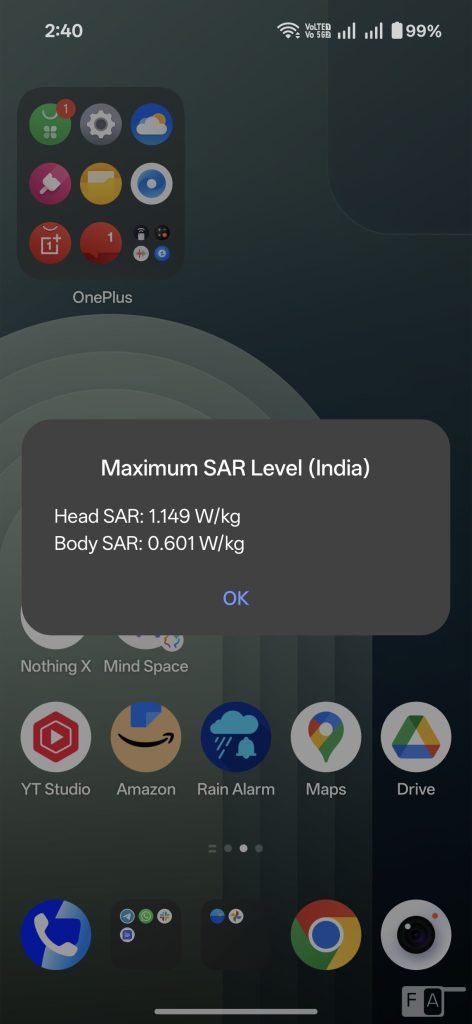
The OnePlus 13s’s body SAR is 0.601W/Kg and head SAR is at 1.149/Kg, which is well under the limit of 1.6 W/kg (over 1 g) in India.
Performance and Benchmarks
This is powered by the Snapdragon 8 Elite Mobile Platform, same as the OnePlus 13. It has a new 2 + 6 all-big core architecture that uses 2 x Oryon Prime CPU at up to 4.32GHz, 6 x Oryon Performance CPUs at up to 3.53GHz.
It is fabricated using the TSMC 3nm Process Technology. It promises 45% performance improvements and 44% improved power efficiency. The phone has e 4,400mm² 3D Cryo-Velocity Vapor Chamber that utilizes two vapor chambers, one to distribute heat evenly and another to accelerate cooling efficiently. The phone also has a cooling layer on the back cover, integrating a high-performance graphite layer into
the back cover to further improve heat dissipation and reduce surface
temperatures.
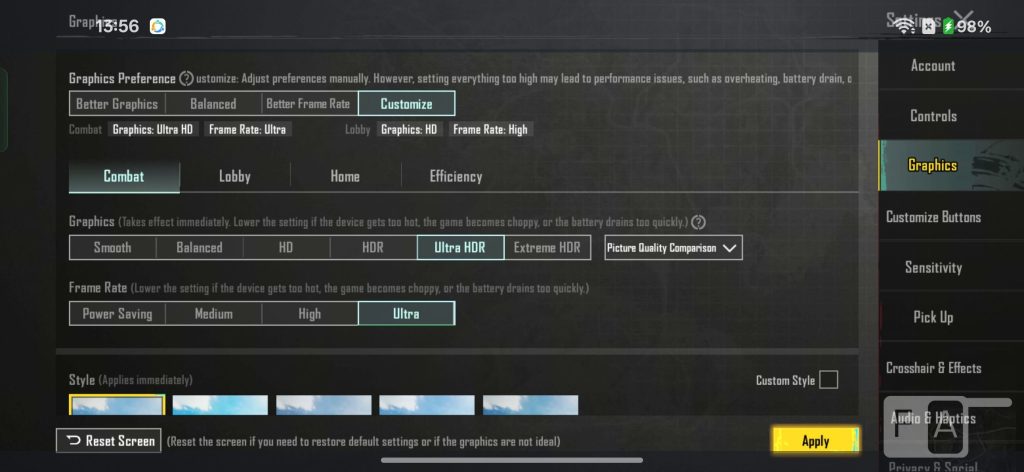
We did not face any issues or frame drops in the graphic-intensive games like COD, BGMI and Genshin Impact, thanks to the new Adreno 830 GPU. It offers 120 fps gaming in select games such as BGMI with game frame interpolation.
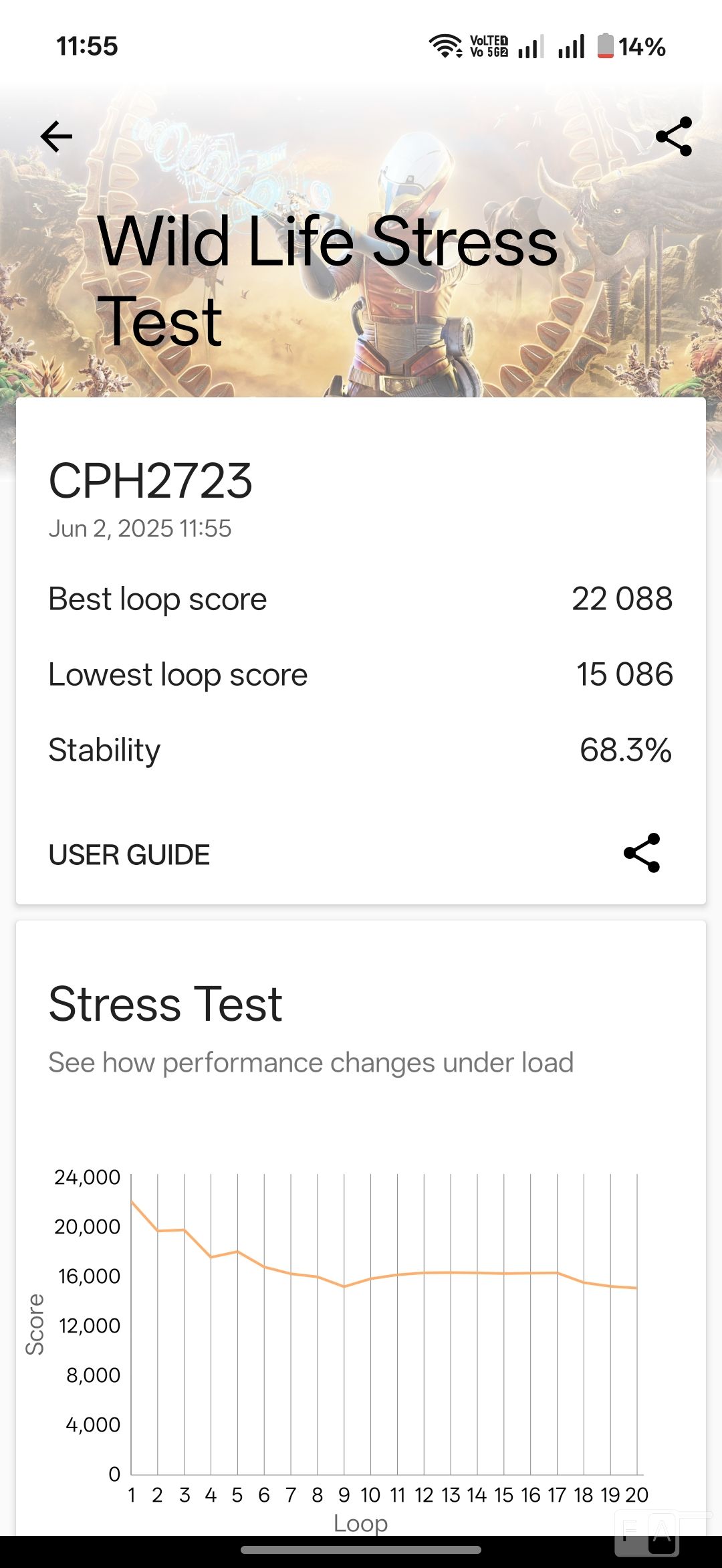
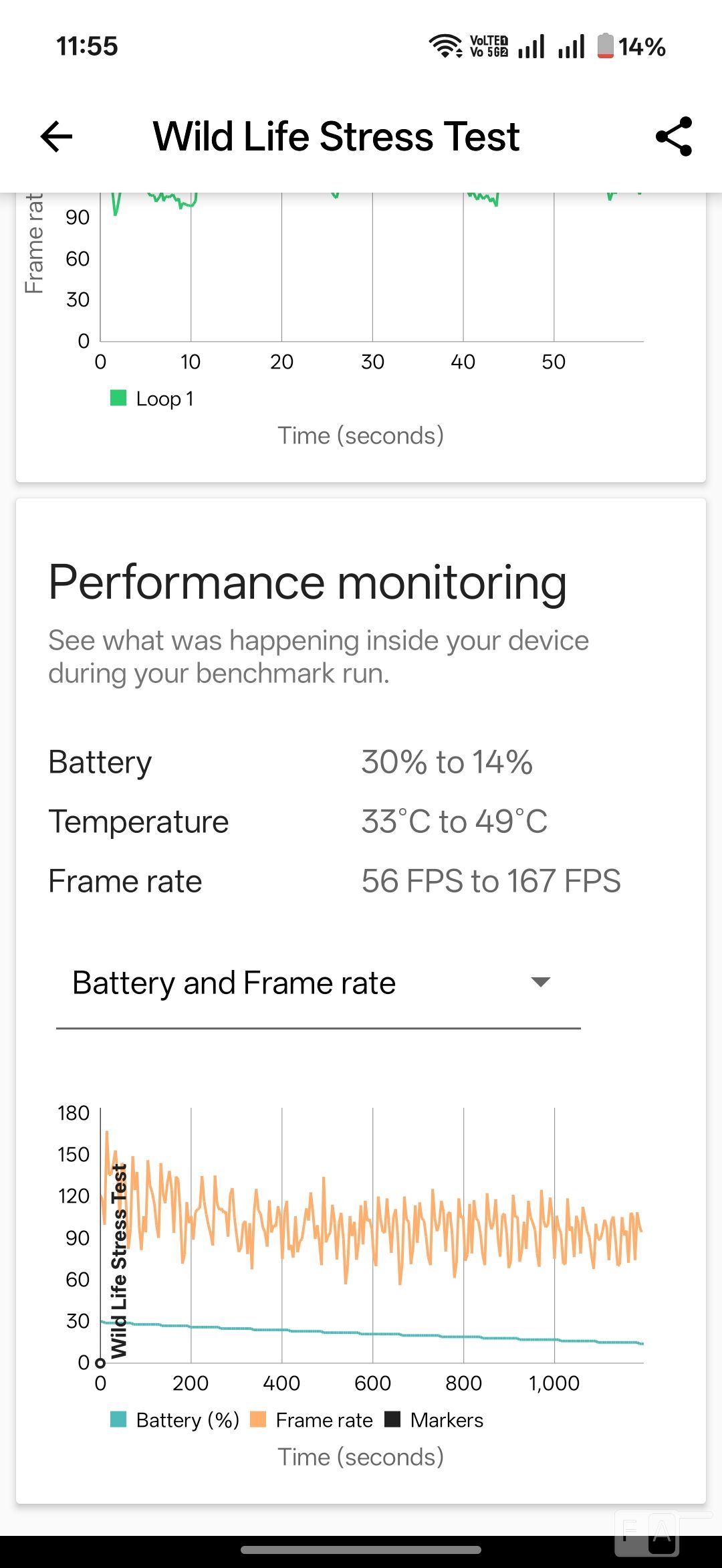
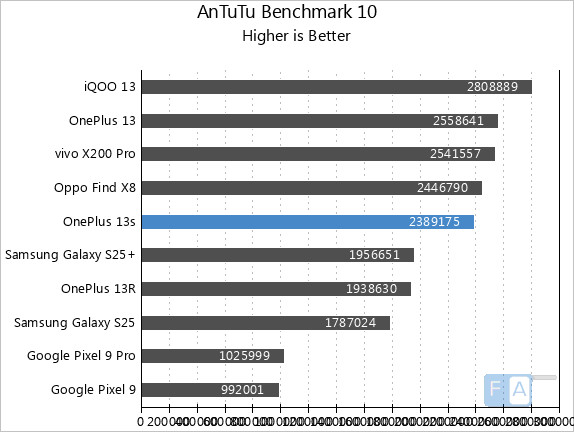
In 3D Mark wild life stress test, it scored 68.3%. Temperature shot up from 33 to 49 degrees, which is more compared to the OnePlus 13. Check out the benchmarks below.
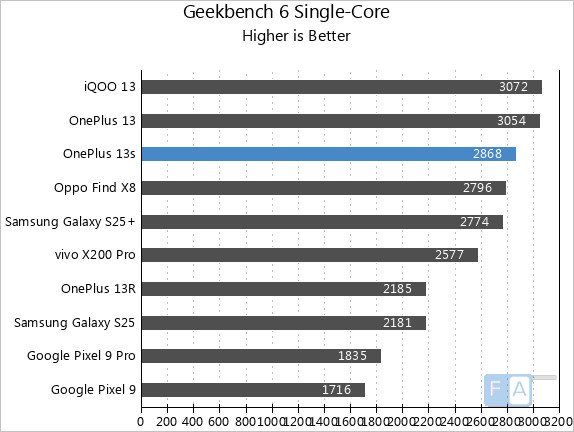
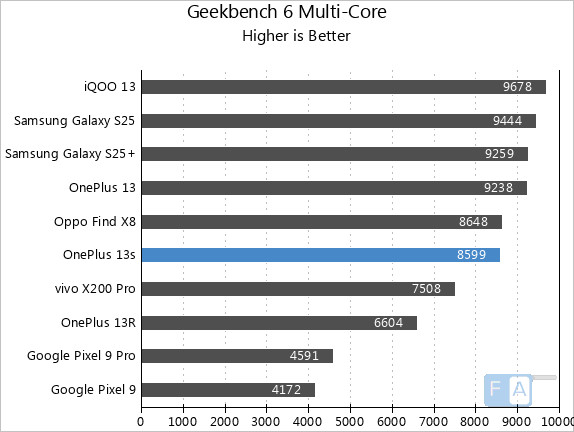
Battery life
Coming to the battery life, the phone packs a 5850mAh (typical) graphite battery compared to Silicon-Carbon battery in the OnePlus 13T in China which has a slightly bigger 6260mAh battery. Still, it can easily last for a day even with heavy use, thanks to the optimization.
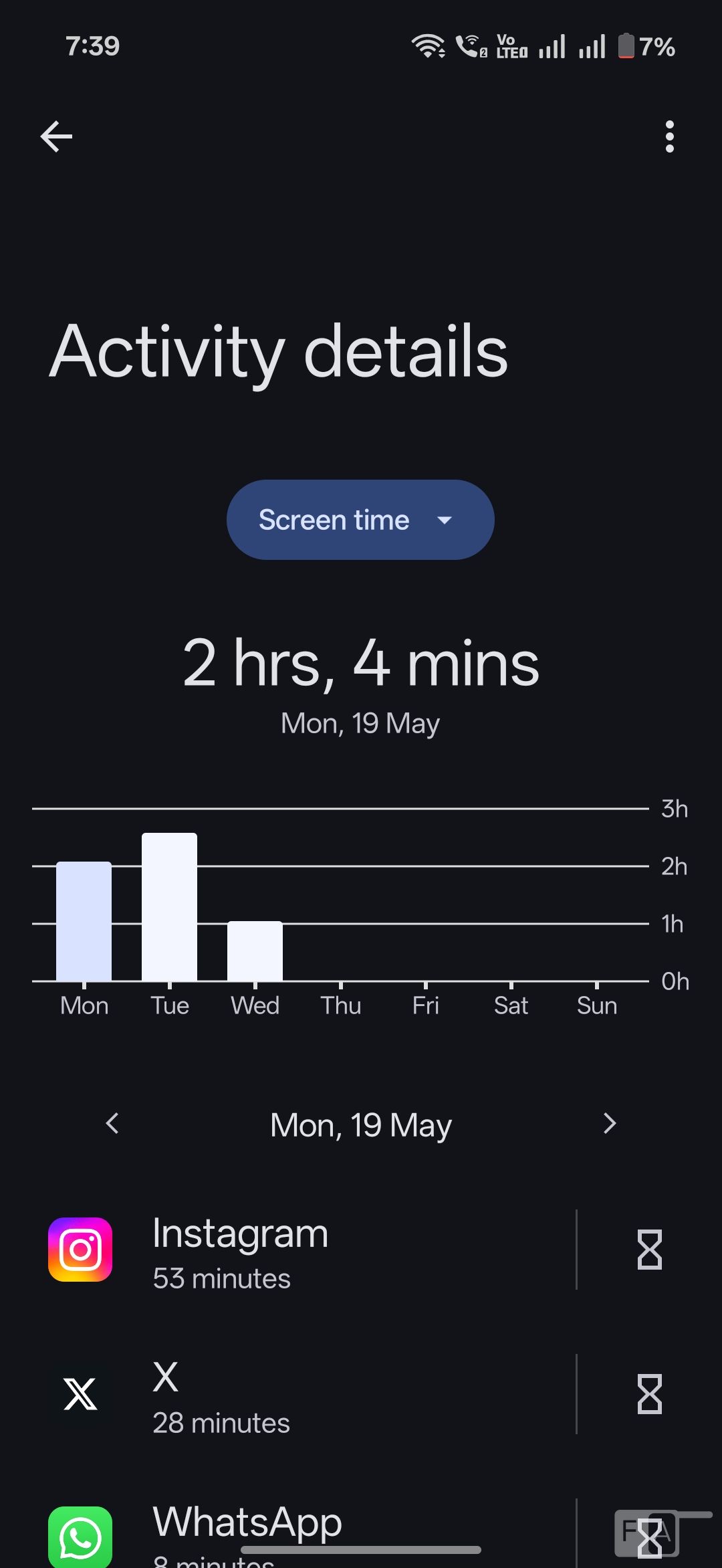
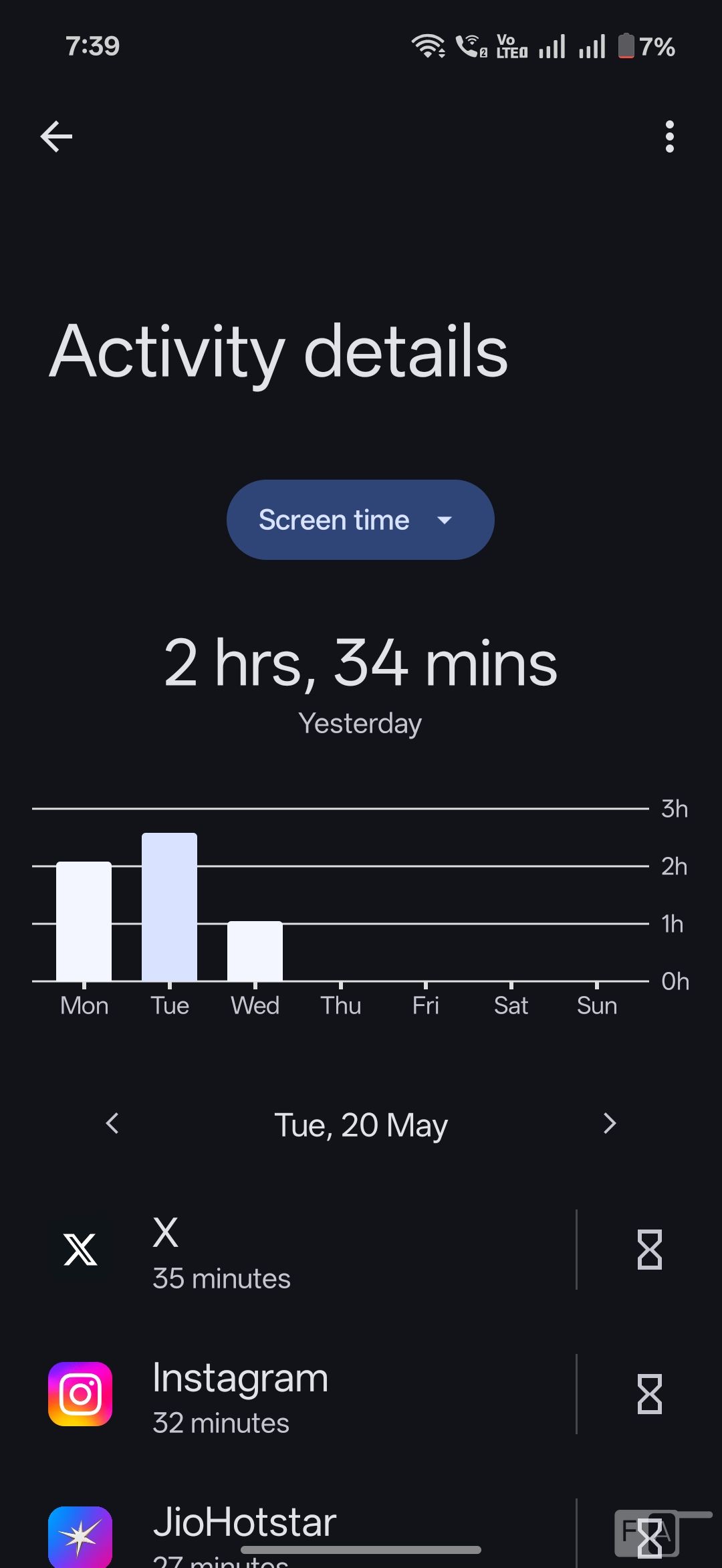
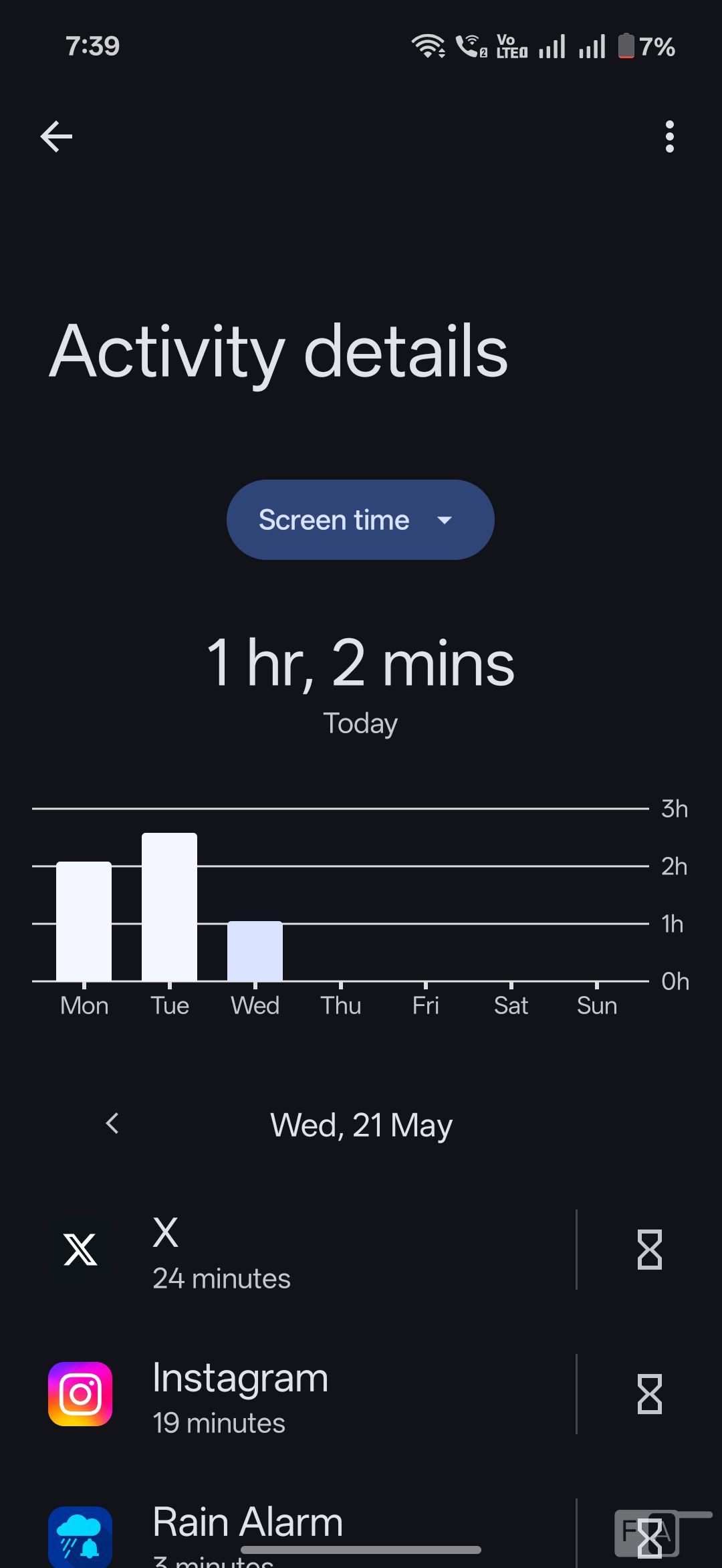
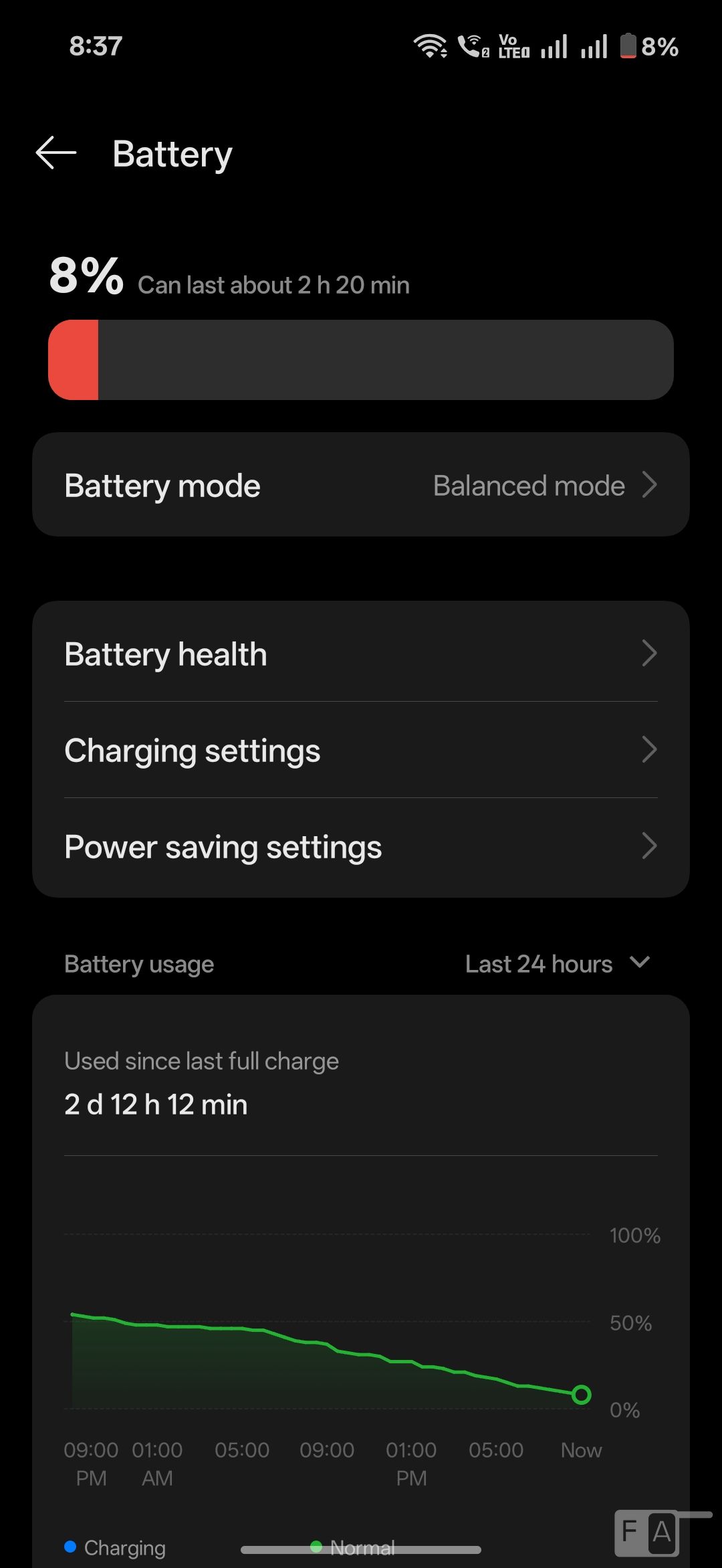
I got over 6 hours of screen on time with over 2 days of use, mostly on Wi-Fi, and occasional 5G use with Smart refresh rate. This is better than the OnePlus 13 which has a larger 2K screen.
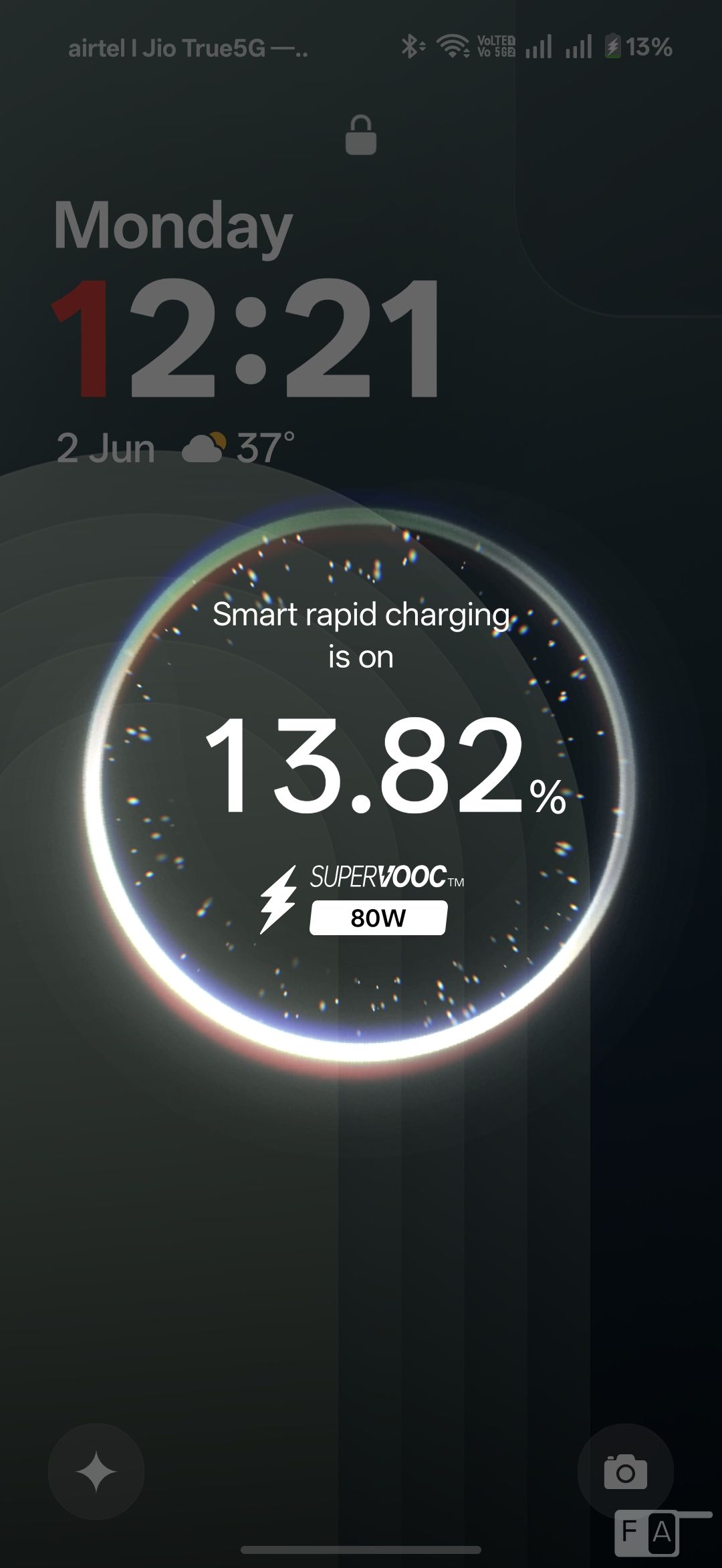
Since the phone has support for 80W fast charging, it can charge up to 50% in about 20 minutes and up to 100% in about 50 minutes. You will have to enable fast charging option if you want to reduce the charging time, but the phone gets a bit hot.
The phone also comes with Bypass Charging, which directly powers the phone instead of the battery, reducing heating and allowing for extended gaming sessions without the need to worry about the battery or overheating. The phone doesn’t have wireless charging support.
Conclusion
At a starting price of Rs. 54,999, the OnePlus 13s is a compact powerhouse flagship at a competitive price you can find the Indian market. The Indian model gets an improved 32MP front camera, which is a good improvement.
Even with a slightly smaller battery, the battery life is excellent. At the end of the day, if you are fine with the lack of the ultra-wide camera, this is a good compact flagship, you can get.
Alternatives
There is no direct competitior in the price range with Snapdragon 8 Elite, but other compact flagships are Xiaomi 15, Galaxy S25 and Google Pixel 9.
Pricing and availability
The OnePlus 13s is priced at Rs. 54,999 for the 12GB + 256GB model and the 12GB + 512GB model costs Rs. 59,999. It is now available from order from Amazon.in and other channels. With offers, the effective starting price is Rs. 49,999.
Pros
- 120Hz LTPO AMOLED display is good
- Compact, light-weight body, IP65 ratings
- Smooth performance
- Good connectivity, eSIM support
- Dependable cameras
- Good battery life
Cons
- No Ultrawide camera