
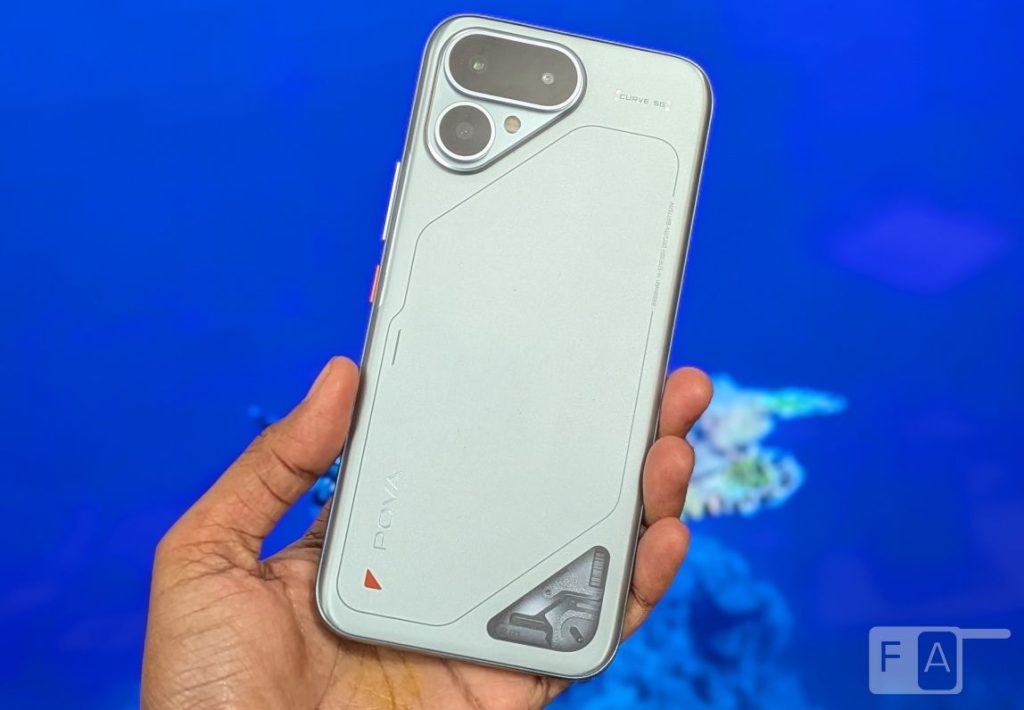
According to a new independent study conducted by CyberMedia Research (CMR) and commissioned by POVA, mobile connectivity challenges extend far beyond simple network availability, heavily impacting both personal well-being and professional outcomes.
The comprehensive study surveyed 2,000 smartphone users aged 18–35 across major urban centers, including Delhi NCR, Mumbai, Bengaluru, and Kolkata. The findings shine a light on the specific environments where infrastructure falls short and explore how hardware-level innovations might bridge the gap.
The Highway and Transit Bottleneck
The research underscores a stark contrast between stationary urban coverage and on-the-move connectivity. Transit routes emerged as a primary weak point for mobile networks:
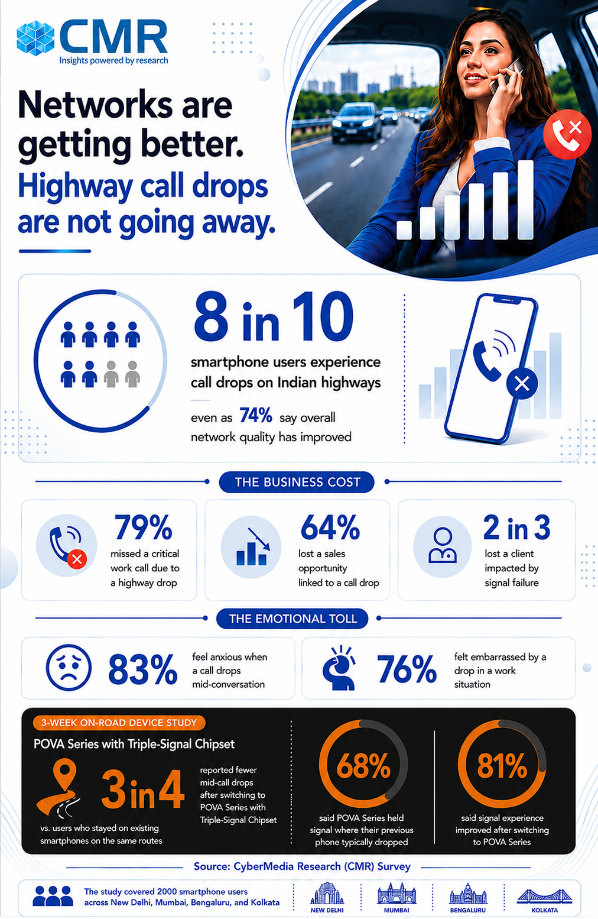
- 79% of smartphone users reported experiencing frequent call drops or connectivity interruptions while traveling on highways.
- 71% of respondents noted that they routinely have to reconnect with individuals after a dropped call, adding friction to daily communication.
Prabhu Ram, Vice President of the Industry Research Group (IRG) at CyberMedia Research, noted that while India’s progress in expanding foundational mobile coverage is undeniable, maintaining a stable, high-quality connection in real-world transit environments and low-signal zones continues to be a systemic challenge.
The Economic and Emotional Toll
The consequences of unstable connections are no longer viewed as minor inconveniences. The CMR report reveals a direct link between network instability and tangible professional setbacks, particularly for business users.
| Impact Category | Key Finding |
| Business & Financial Loss | 67% of business users reported losing clients, deals, orders, or payments due to poor signal performance. |
| Psychological Friction | More than 83% of respondents stated they experience feelings of anxiety or helplessness when an important call is interrupted. |
The data suggests that connectivity disruptions have a compounding effect. Beyond the immediate frustration of a disconnected line, users associate these interruptions with missed economic opportunities, fractured professional conversations, and a distinct decline in personal confidence during critical moments.
Can Device-Level Innovations Bridge the Gap?
As network operators work to optimize infrastructure, the study also examined whether advancements in smartphone hardware could mitigate these real-world connectivity gaps.
The research focused on frequent highway travelers utilizing devices equipped with advanced “triple-signal optimization” technology—a hardware-level innovation designed to boost reception. The real-world feedback from these users was notably positive:
- 81% reported an overall improved signal experience.
- 74% experienced more reliable calling performance while on the move.
- 72% reported faster signal recovery times after passing through known weak-coverage areas or dead zones.
Moving Beyond Basic Coverage
The study, commissioned by POVA to better map the evolving needs of Indian smartphone users, highlights a shifting paradigm in the telecom space. As mobile data and calling become foundational to the digital economy, the metric of success is shifting from where a network reaches to how reliably it performs in high-stress, mobile environments.
The findings indicate that addressing India’s remaining connectivity hurdles will likely require a dual approach: continued infrastructure optimization by service providers, alongside hardware-level antenna and signal innovations from smartphone manufacturers.