
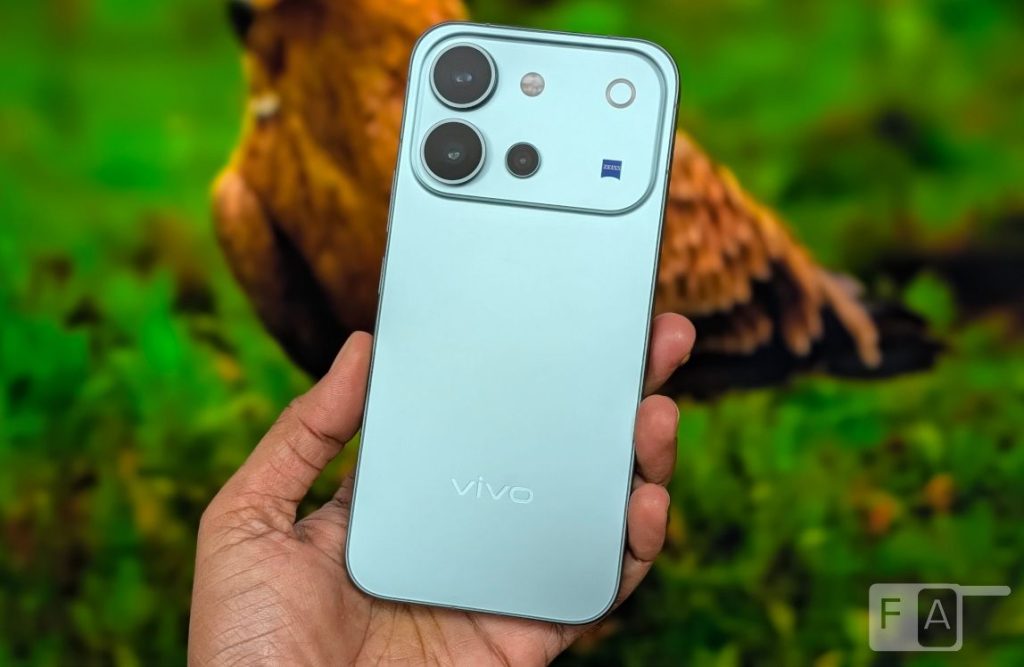
vivo launched the vivo V80 smartphone in India last week, as the successor to V70. This has a familiar screen but with 144Hz refresh rate, a familiar SoC and cameras, but has a different rear design and a bigger battery. The price has also increased due to the ongoing increase in memory cost. Is this the worthy upgrade to the V70? Let us dive into the review to find out.
Box Contents
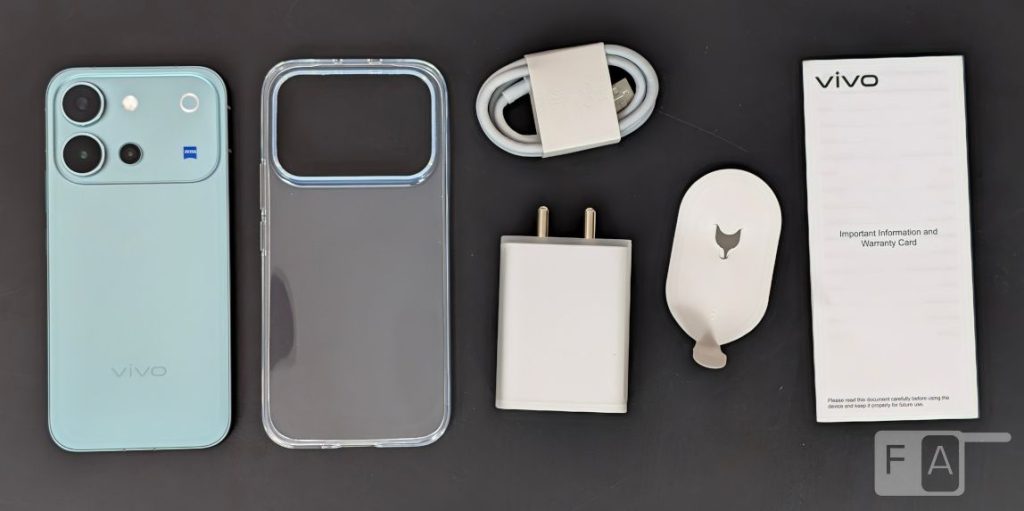
- vivo V70 8GB + 256GB version in Horizon Blue colour
- Clear protective case
- USB Type-C Cable
- 90W FlashCharge wall adapter
- SIM ejector tool
- Quick start guide and Warranty information
Display, Hardware and Design
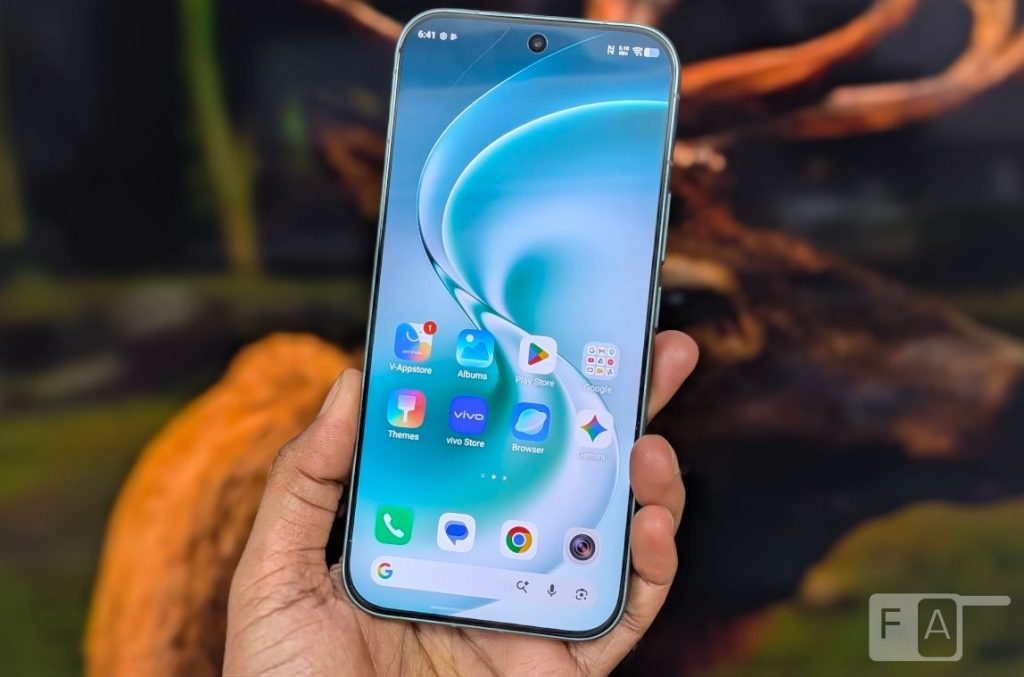
The vivo V80 retains the 6.59-inch (2750×1260 pixels) 1.5K flat, 459 PPI flat AMOLED display and 144Hz refresh rate. The display is bright even outdoors under sunlight, since it has an overall maximum brightness of up to 1800 nits and it has up to 5000 nits peak brightness. The colour output good as well since it has 1.07 billion colors.
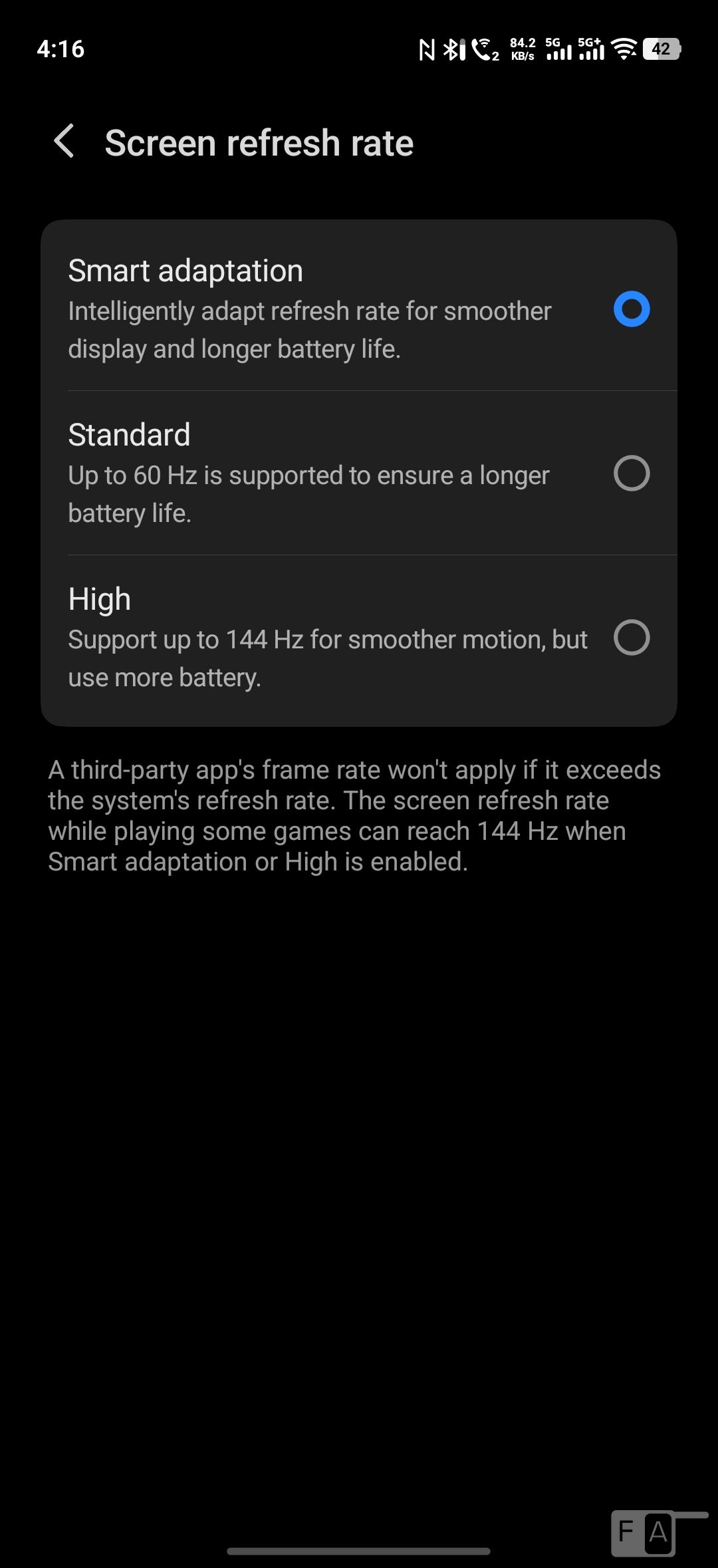
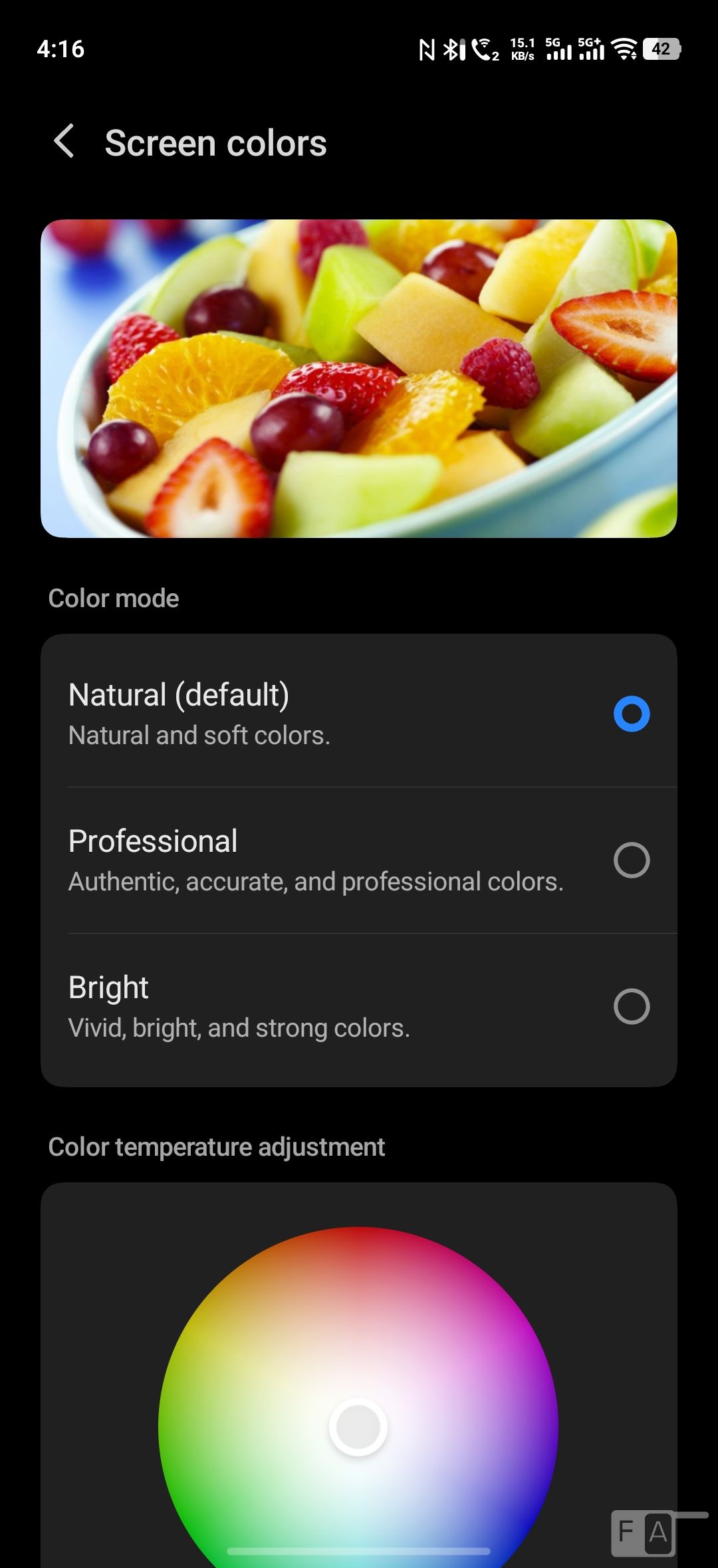
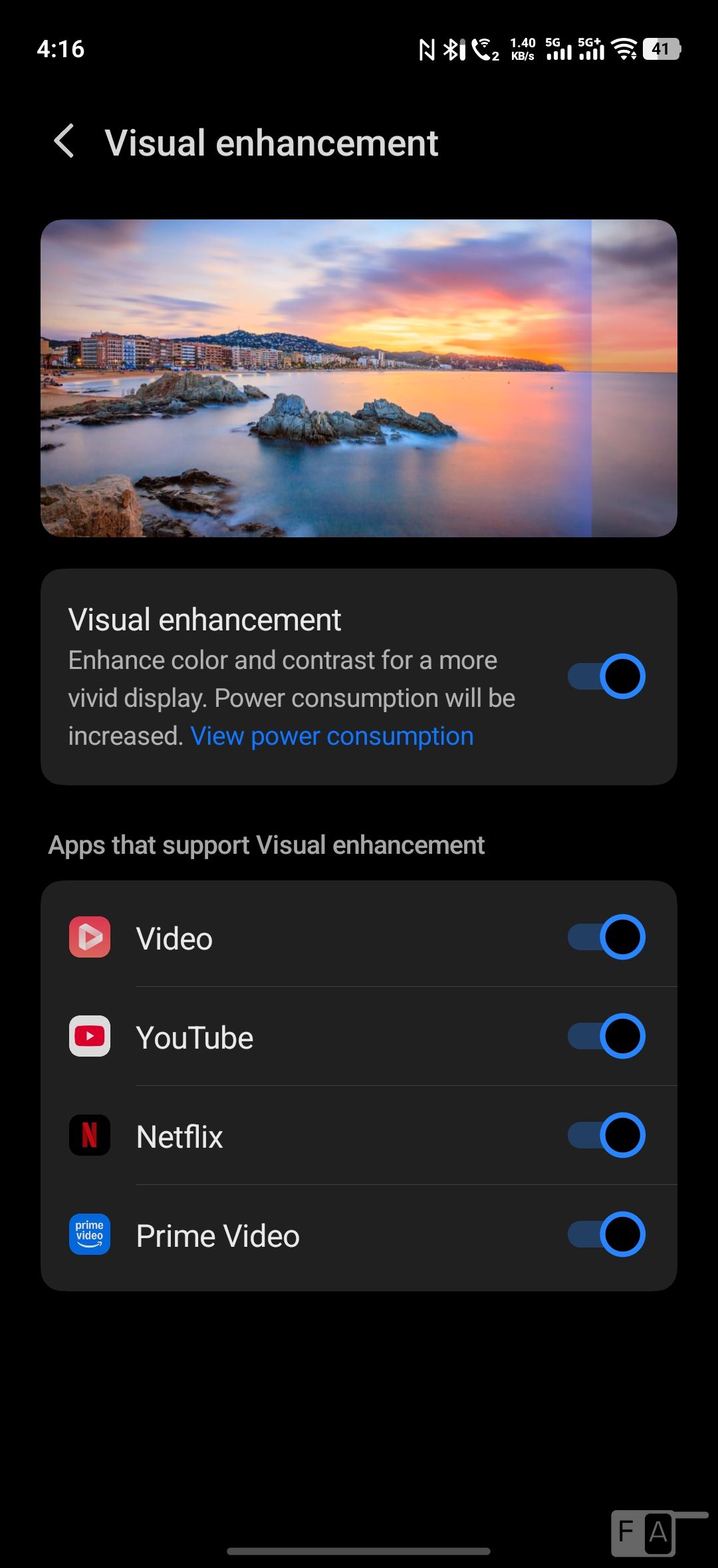
You can select from standard (default), professional and bright screen colour modes. You can select smart switch that can switch between 60 Hz/90 Hz/120 Hz, 144Hz or force it to 60Hz or 144Hz. It has 480Hz touch sampling rate. The phone has up to 4320Hz High-frequency PWM dimming.
Visual enhancement optimizes the color and contrast in apps like YouTube, Netflix and Prime Video for more vivid display effects. There is Schott Xensation Core glass protection on the front. It also has HDR 10+ support, which works for YouTube and Netflix.
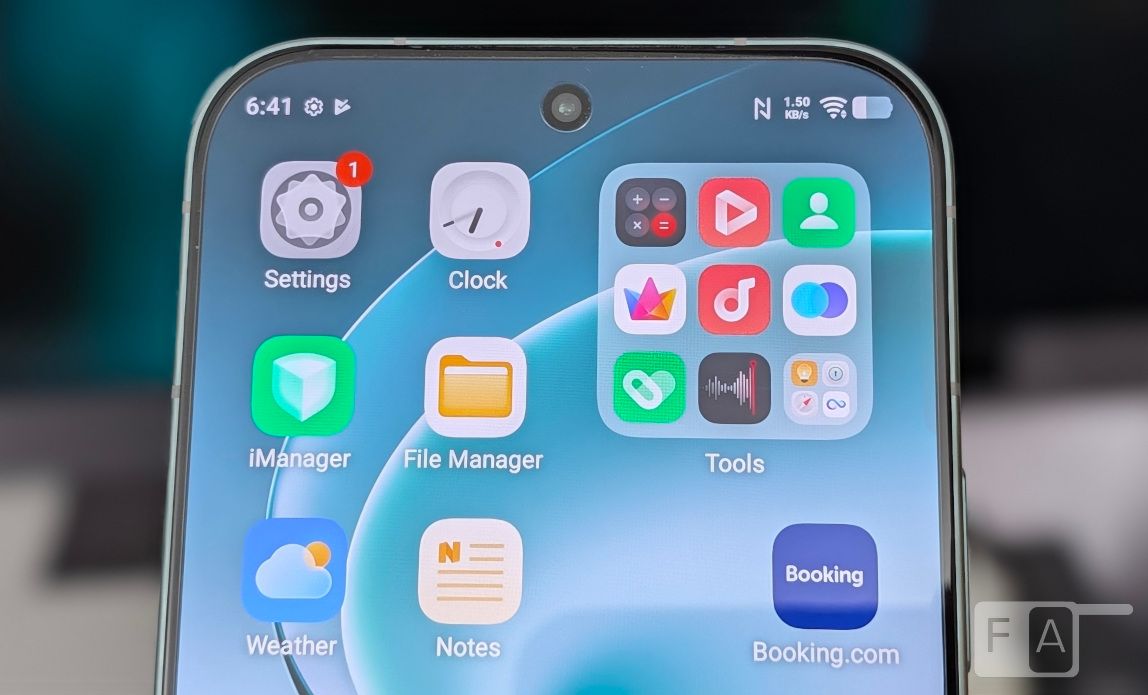
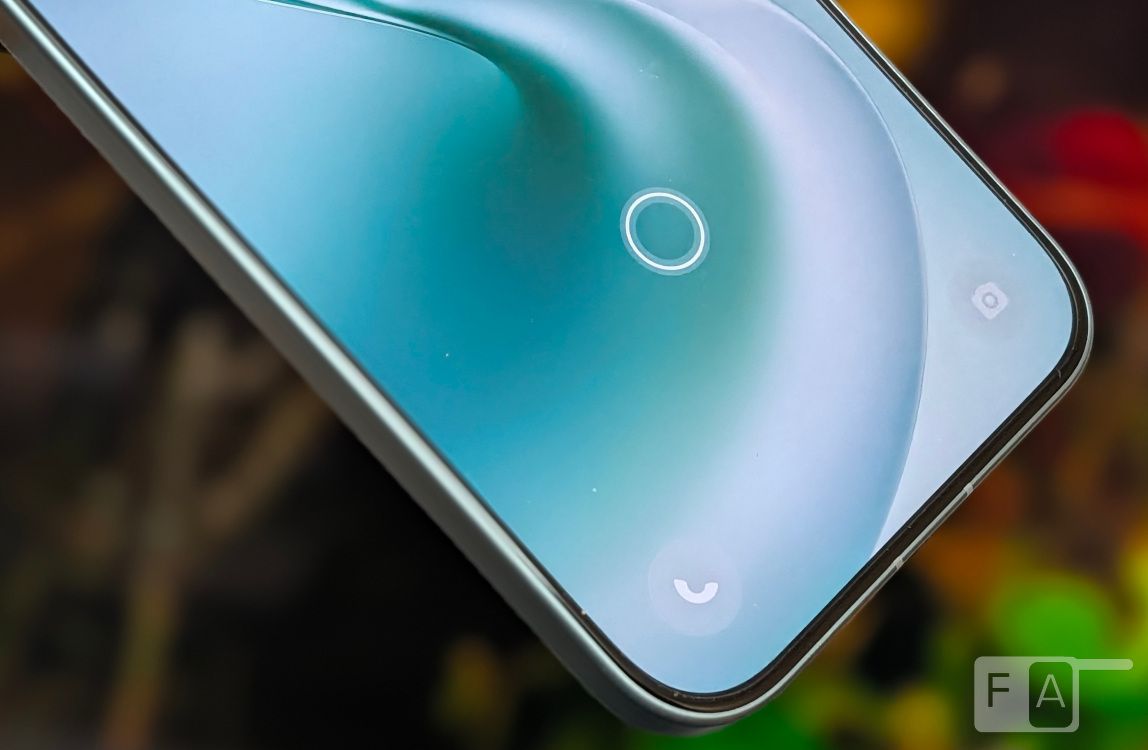
It has a tiny punch-hole that houses the 50-megapixel autofocus camera. The earpiece is present on the top edge, which doubles up as a secondary speaker. The phone has an in-display 3D ultrasonic fingerprint scanner. The bottom bezels are minimal.
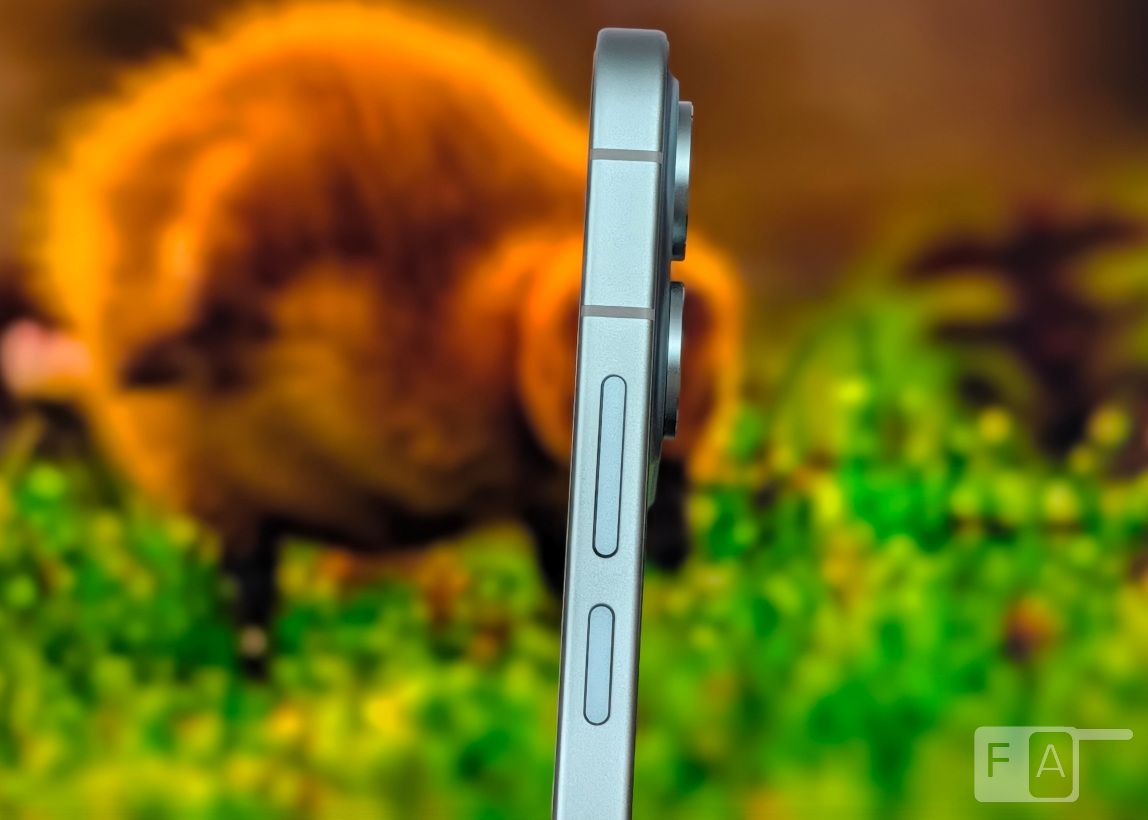
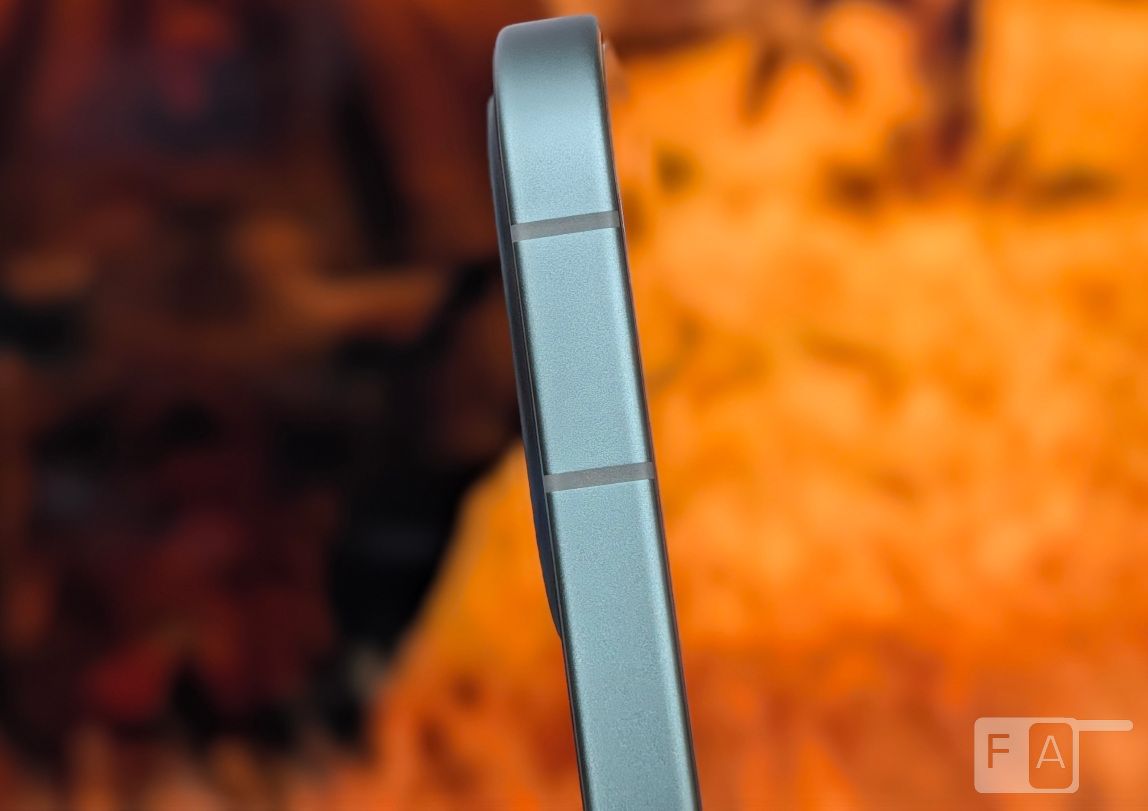
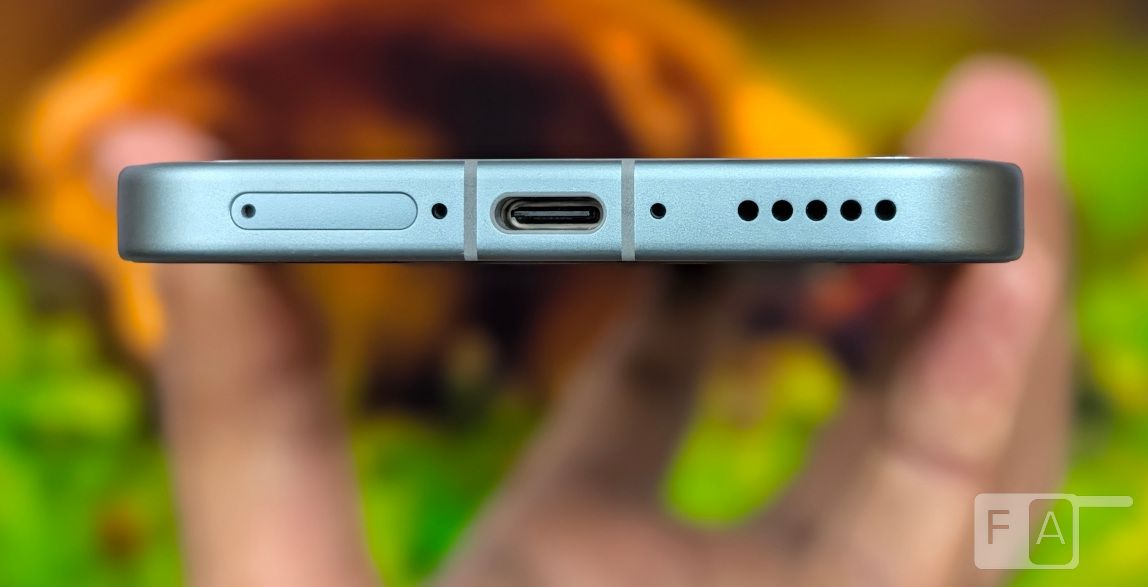
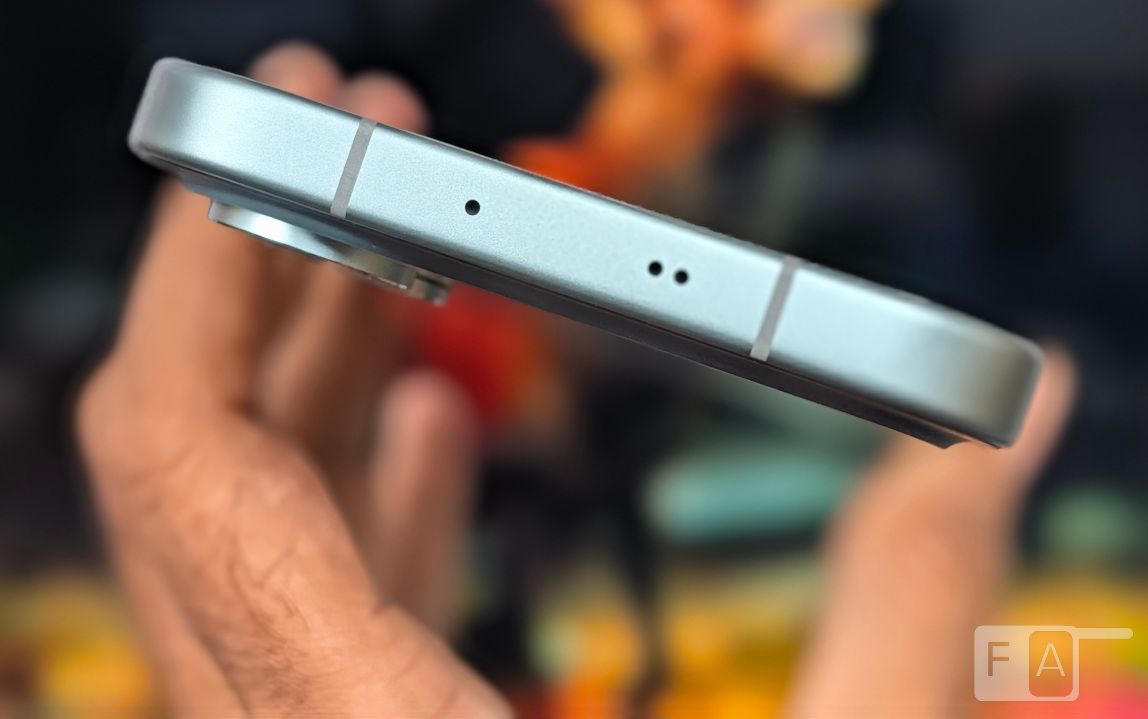
Coming to the buttons and ports, the phone has a power button and volume rockers on the right side. The dual SIM slots, primary microphone, USB Type-C port, and speaker grill are present on the bottom. The secondary microphone is present on the top, along with speaker vents.
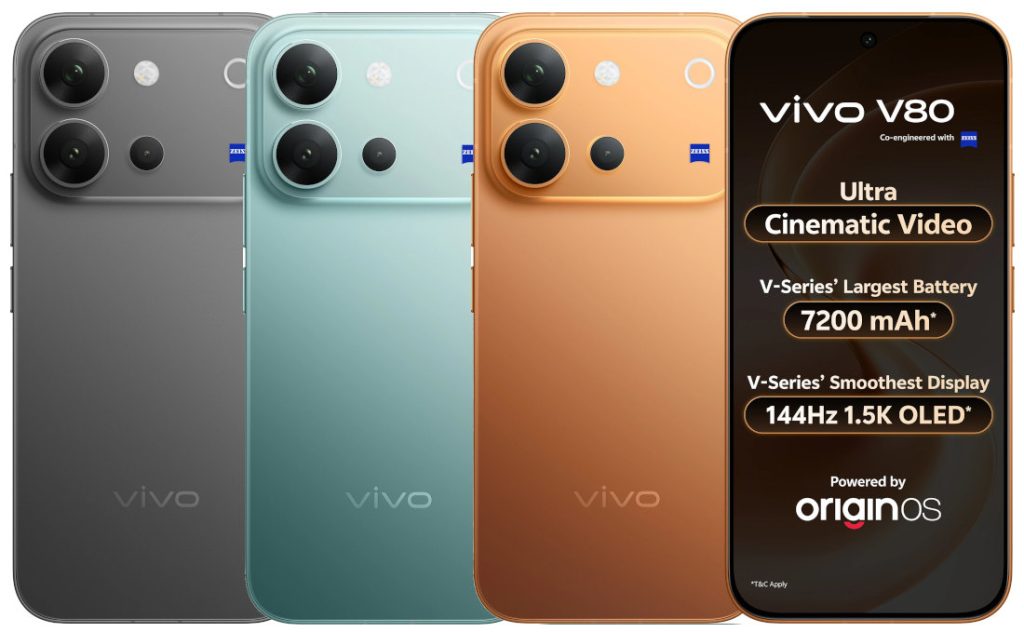
The phone has a high-strength aluminum alloy frame that looks and feels premium. In addition to Horizonblue color, the phone also comes in Sunrise Anthem and Stellar Black colors.
The rear utilizes a cold-carved glass finish, and the phone carries both IP68 and IP69 ratings for water and dust resistance. The phone is just 7.69mm thick and weighs 203 grams, even though it packs a huge 7200 mAh battery compared to 6500 mAh in the predecessor.
Camera
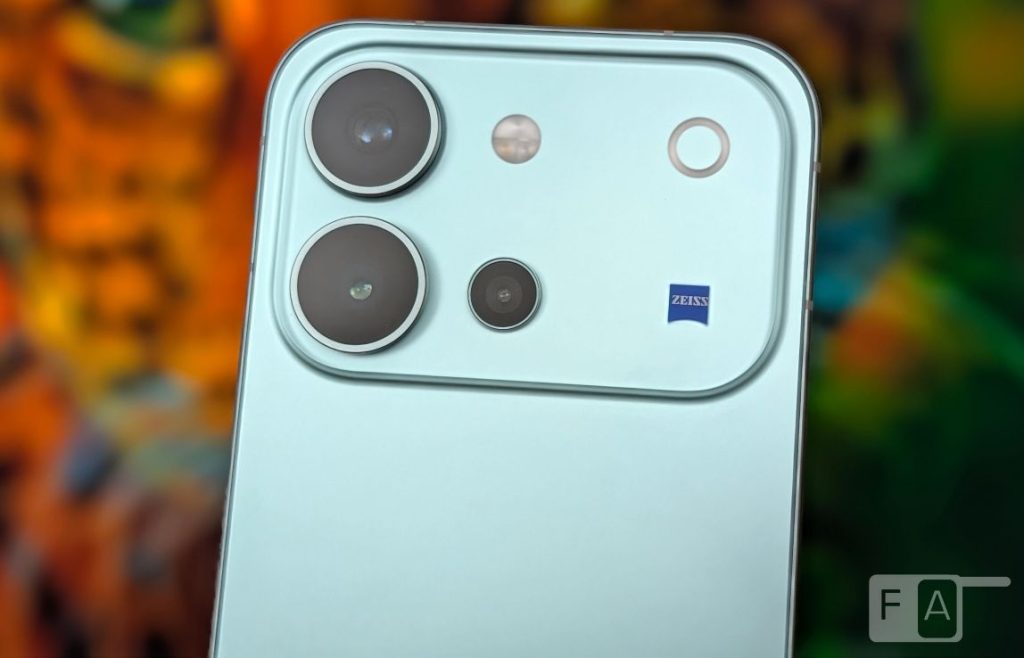
- 50MP main camera with Sony LYTIA-700V 1/1.56″ sensor, f/1.75 aperture, OIS
- 8MP 110° ultra-wide camera with f/2.2 aperture
- 50MP 1/1.95″ IMX882 3x periscope telephoto camera with f/2.65 aperture
- 50MP 92° autofocus front camera with f/2.0 aperture
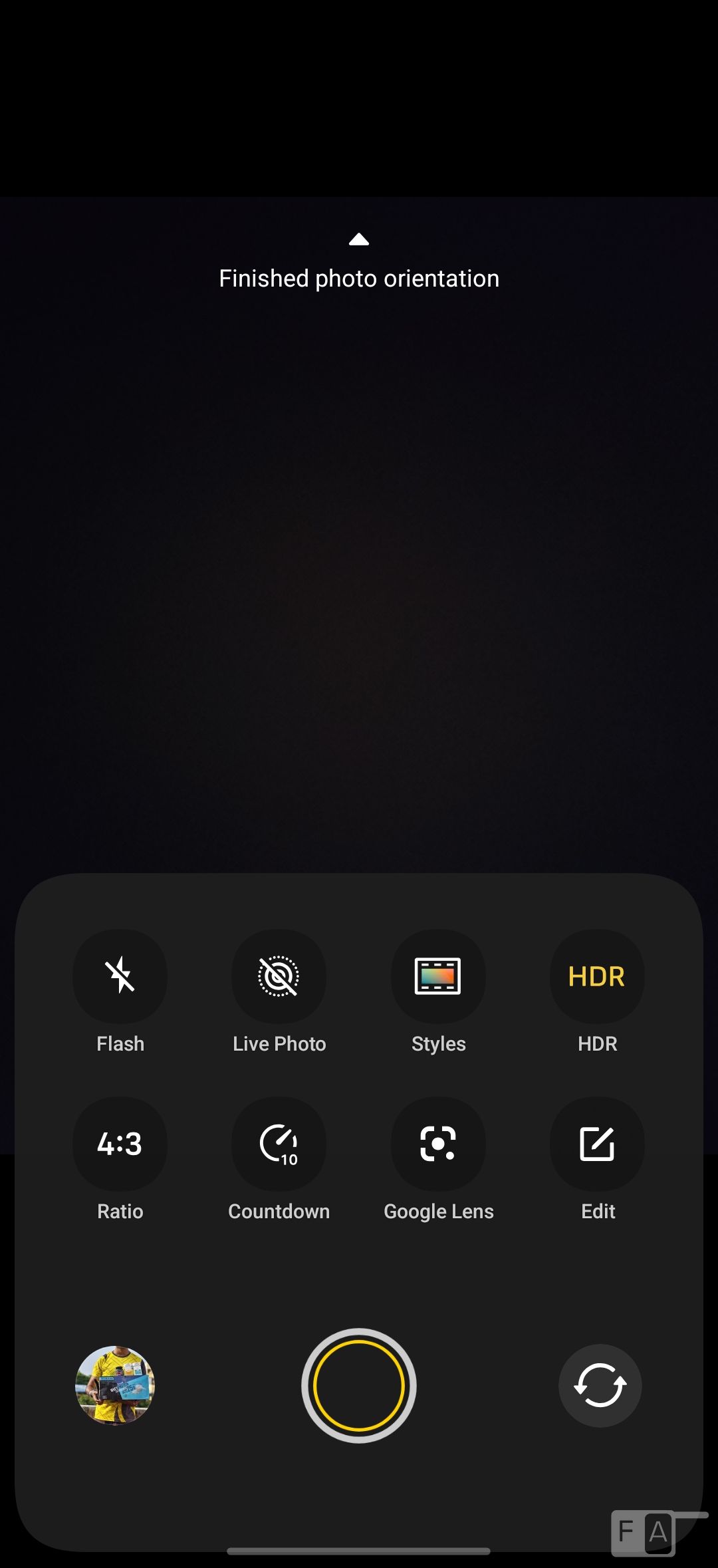
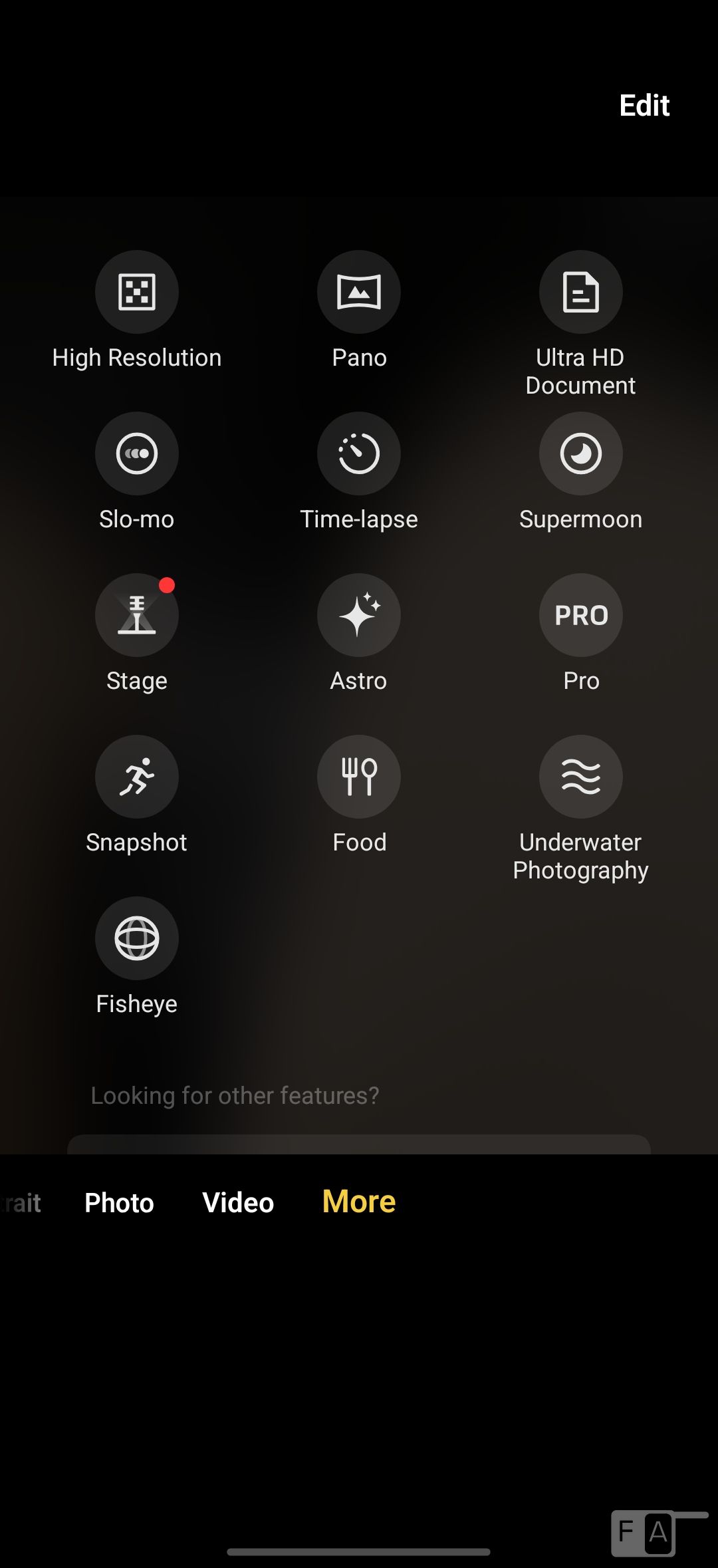
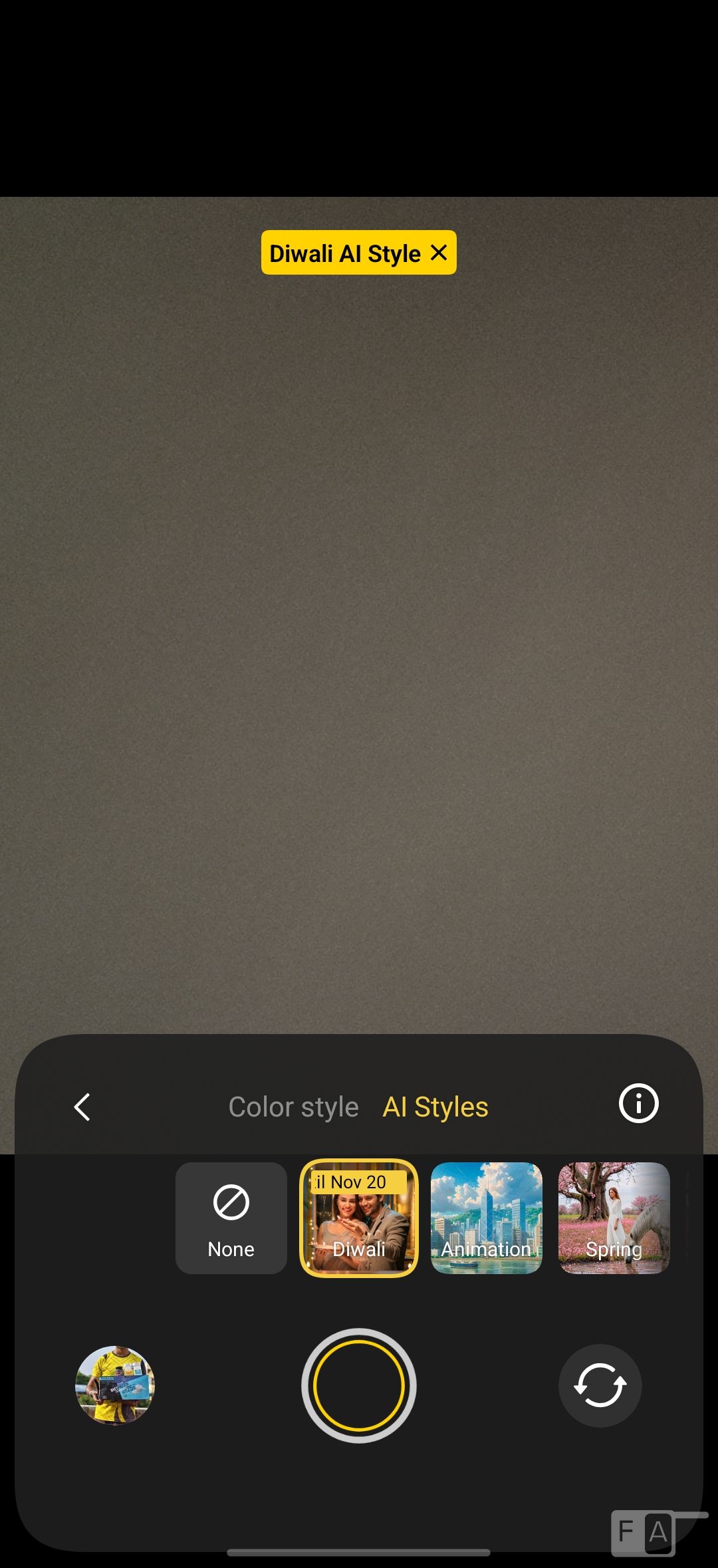
The camera UI in the Origin OS 7 is familiar. There is a 50MP mode, Panorama, Documents, Slo-mo, Time-lapse, Pro mode, live photo, stage, astro, snapshot, food, underwater photography and fisheye modes. The rear camera offers 12.5MP output after pixel binning, and the front camera images are 50MP in size.
Coming to the camera quality, the daylight shots are brilliant, and it is recommended to enable HDR option which automatically switches on HDR according to the shot, so that the dynamic range is good. The camera can focus quickly.
The 8MP ultra-wide camera does a decent job. The 50MP 3x telephoto camera can go up to 100x for hyper zoom. The quality is good up to 20x, after that, you don’t get many details.
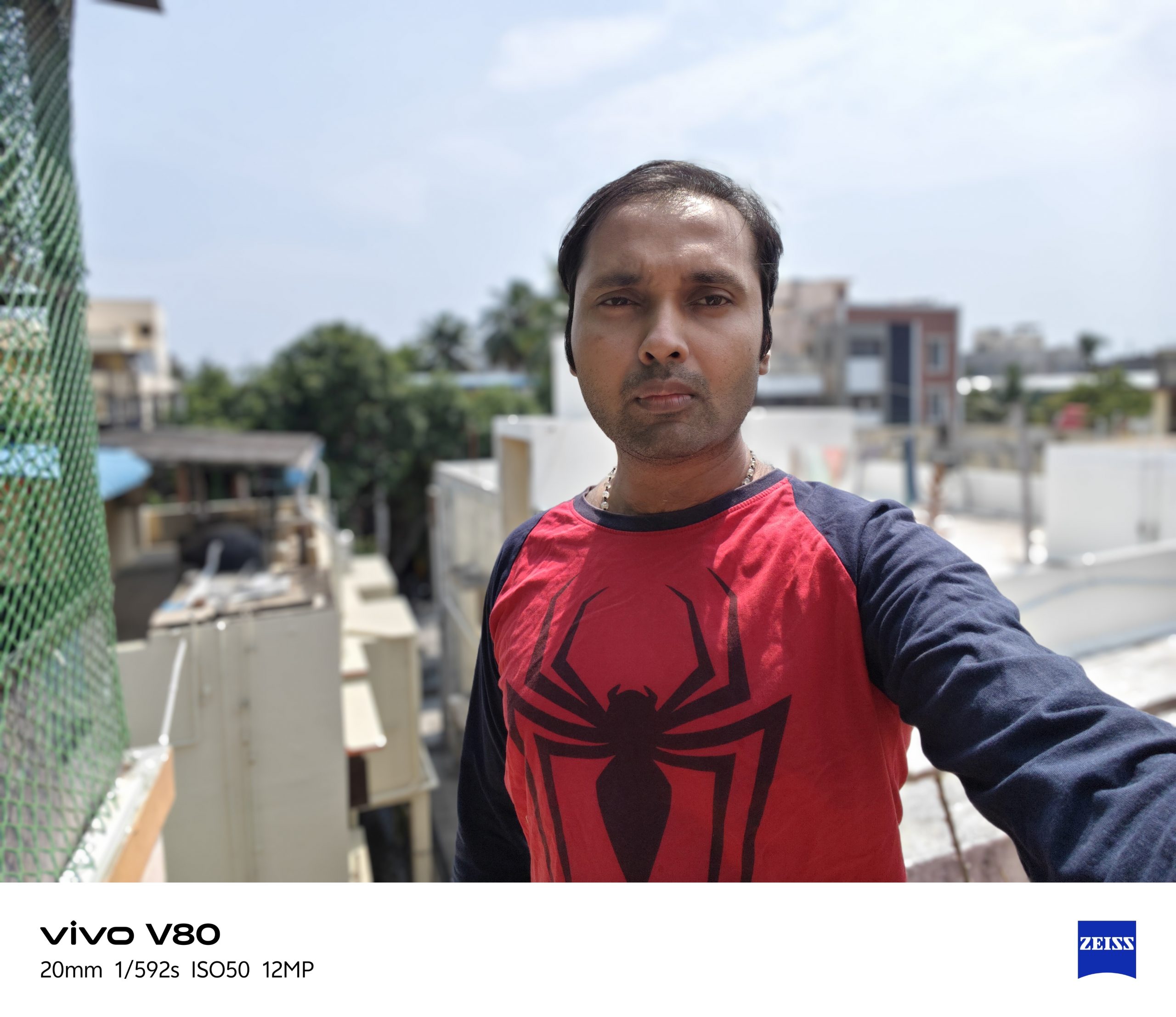
The camera offers five dedicated portrait focal lengths—23mm, 35mm, 50mm, 85mm, and 100mm—integrated with ZEISS bokeh simulations. The phone has ZEISS optics and ZEISS Style Portrait options, as well as Wedding Portrait Studio, Wedding vLog, AI Portrait styles, AI Creative Camera with over 30 preset visual styles, and AI Diwali Portrait 2.0 for festive-themed shots The phone has a light aura.
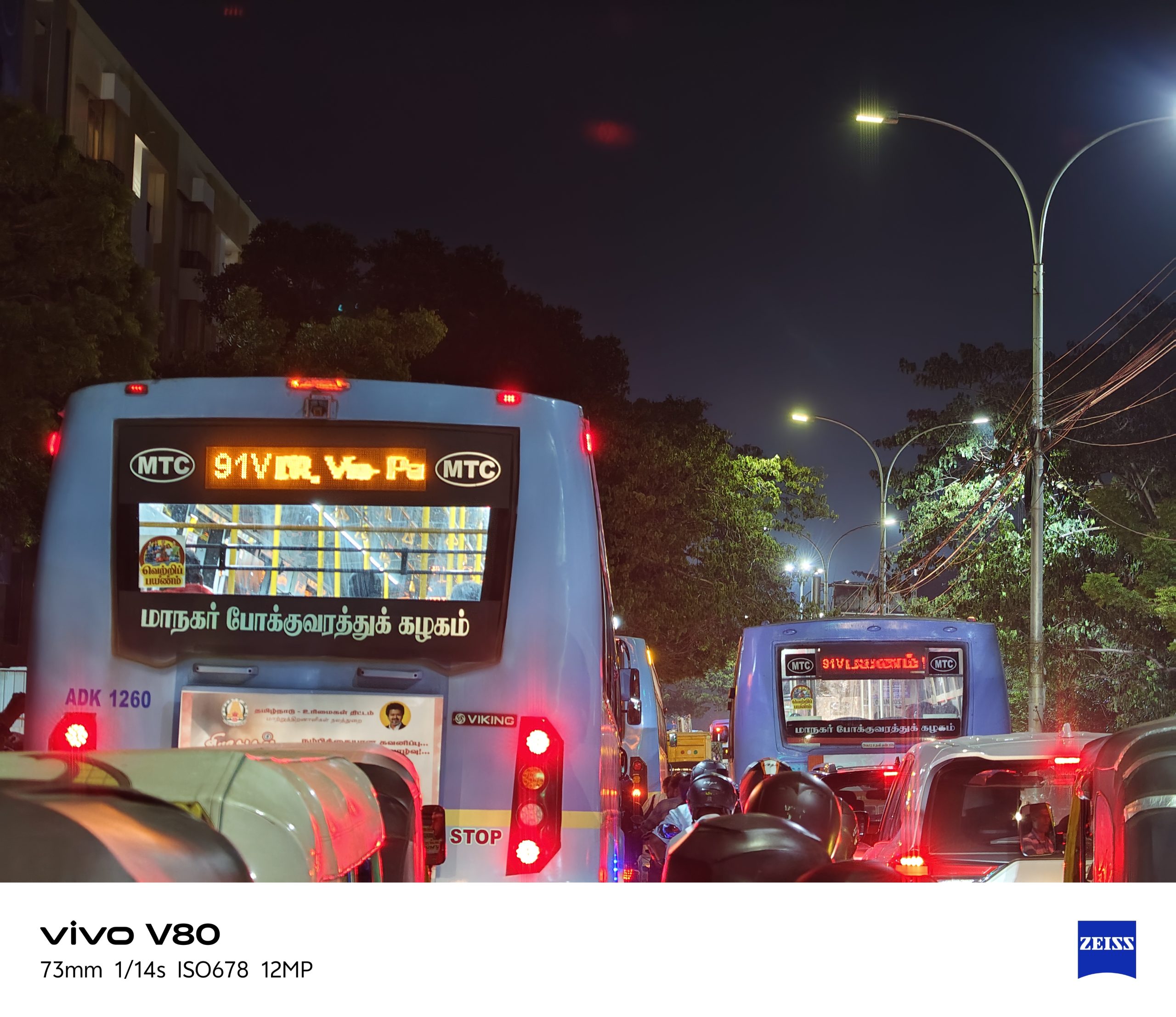
Low light shots are good with a lot of details and less noise, and the OIS helps as well to stabilize the images. The night mode automatically enables ultra dark mode if there is very little light, and that makes it better, but it takes a few seconds to process. There is also supermoon mode, which is a good addition, but you can’t compare it to flagships.
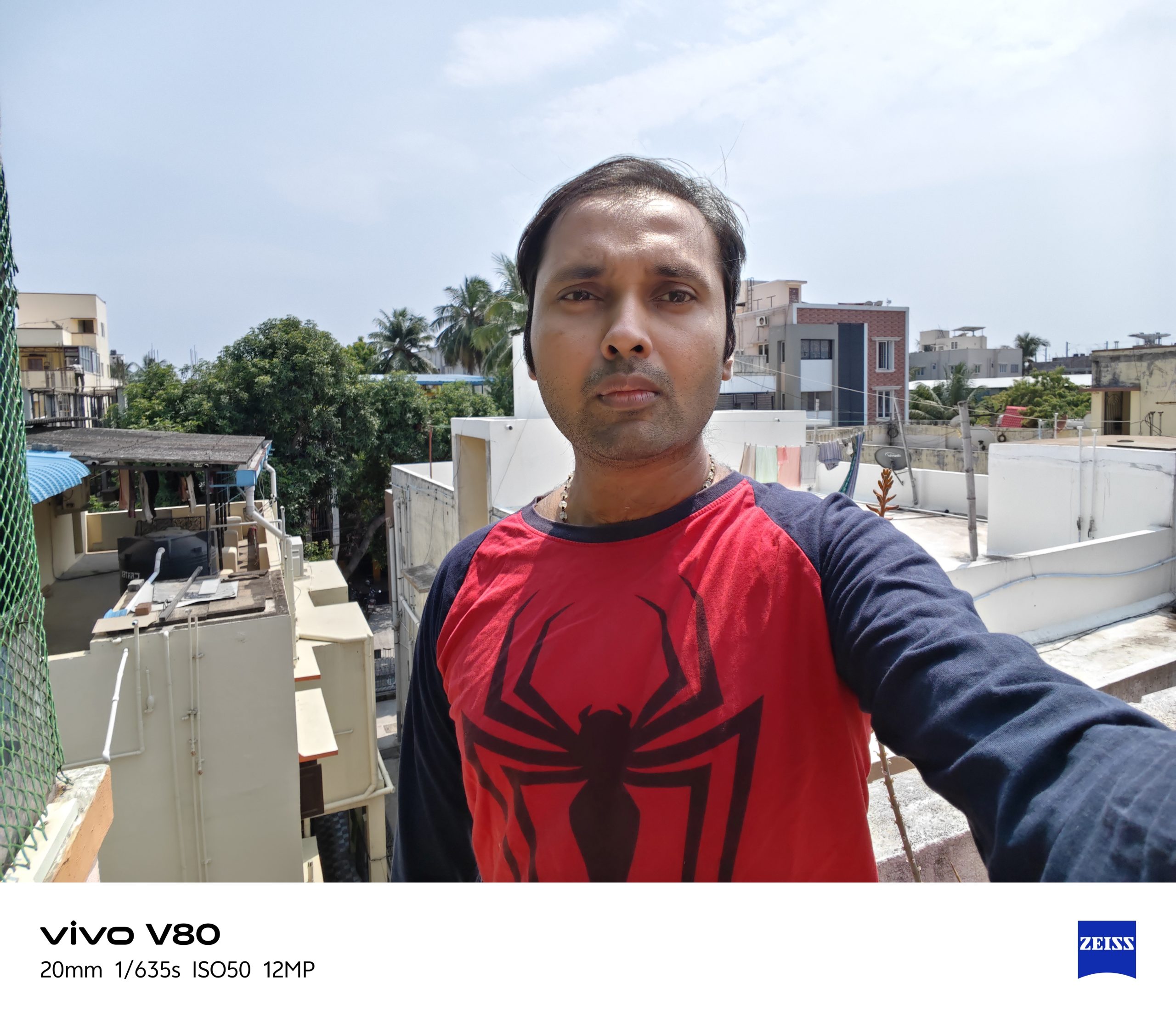
The 50MP AF front camera is also good in daylight. The portrait shots from the front camera were also good, with a good edge detection. There is screen flash for low light shots. Check out the camera samples.
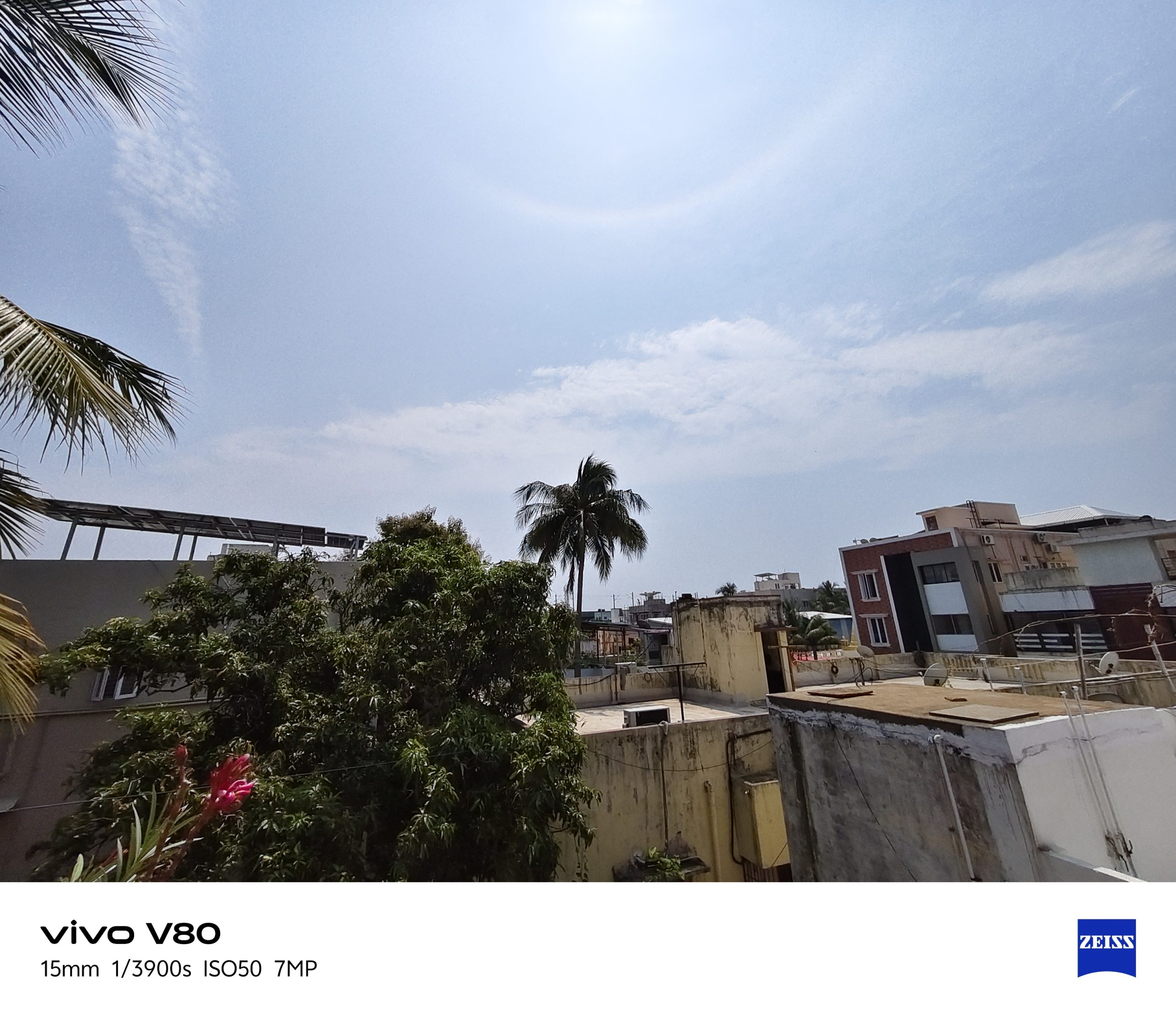
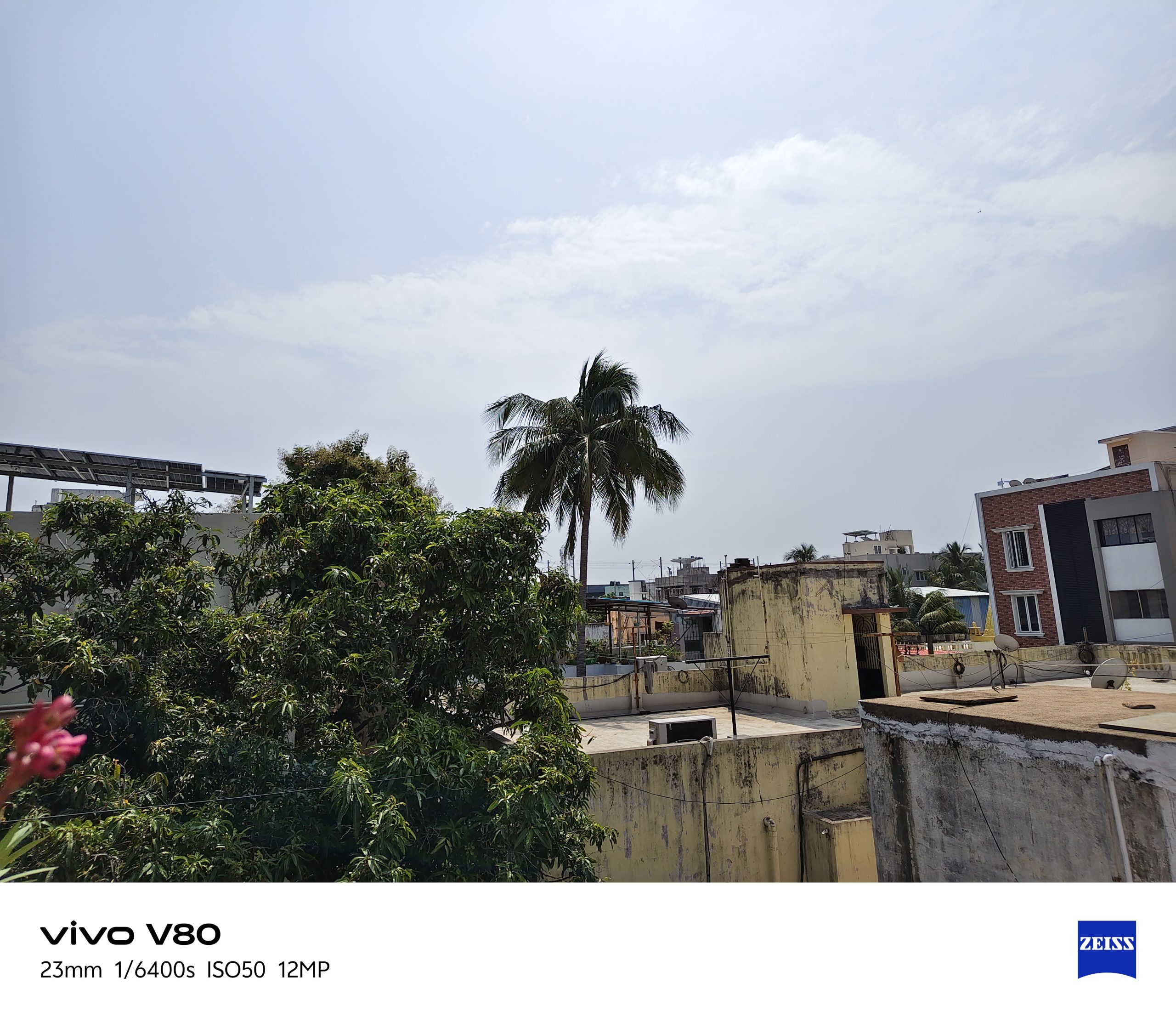
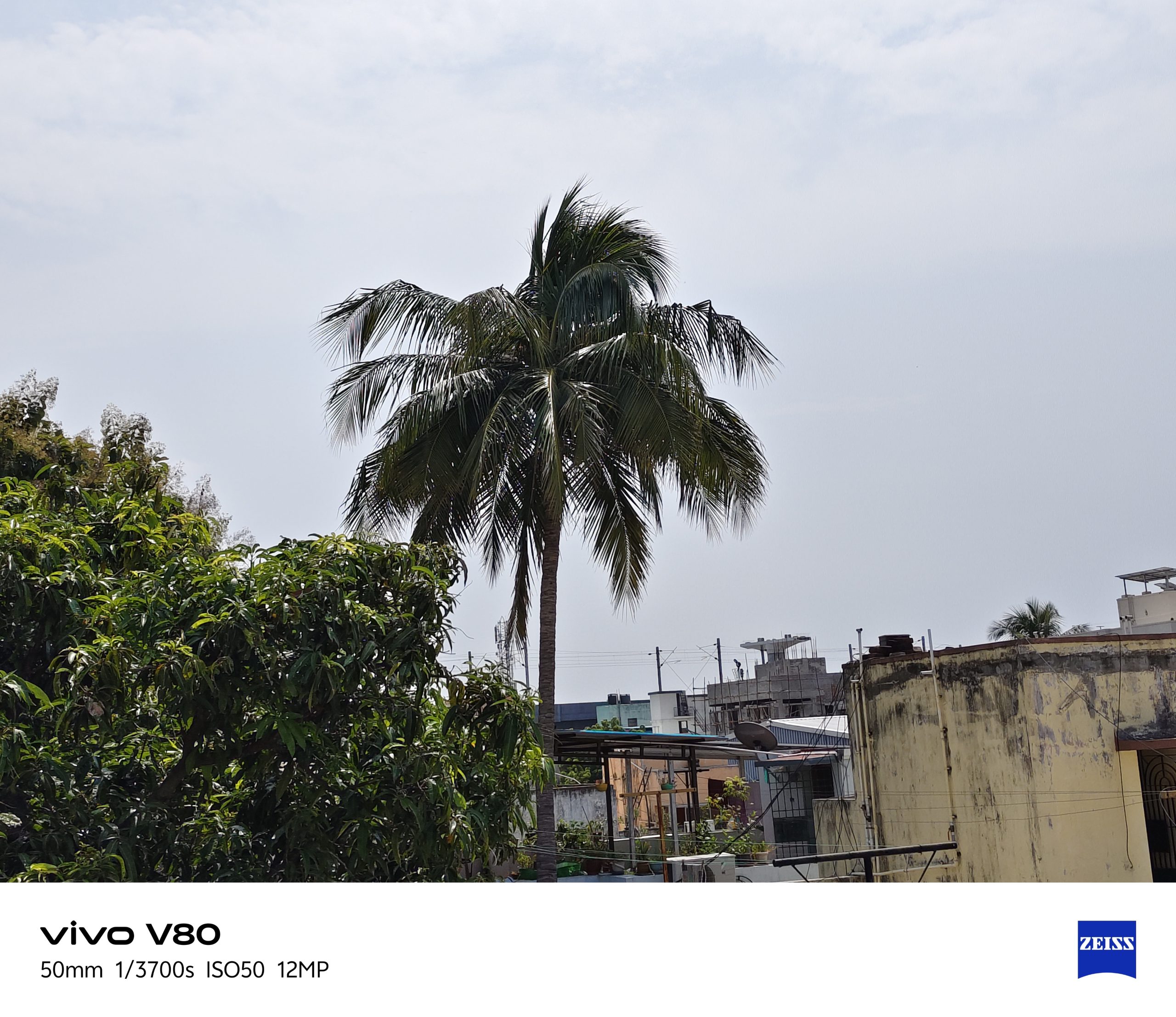
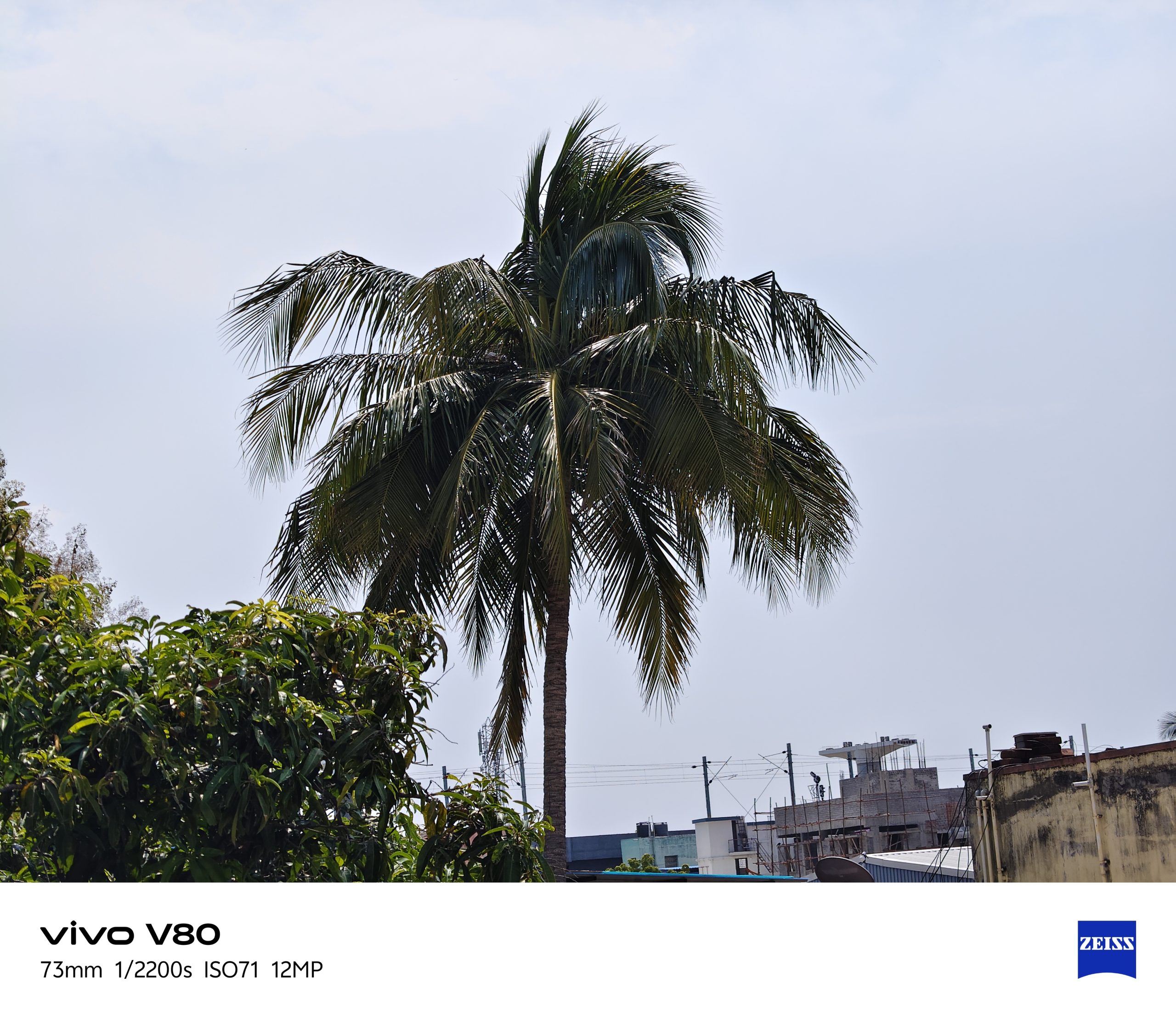
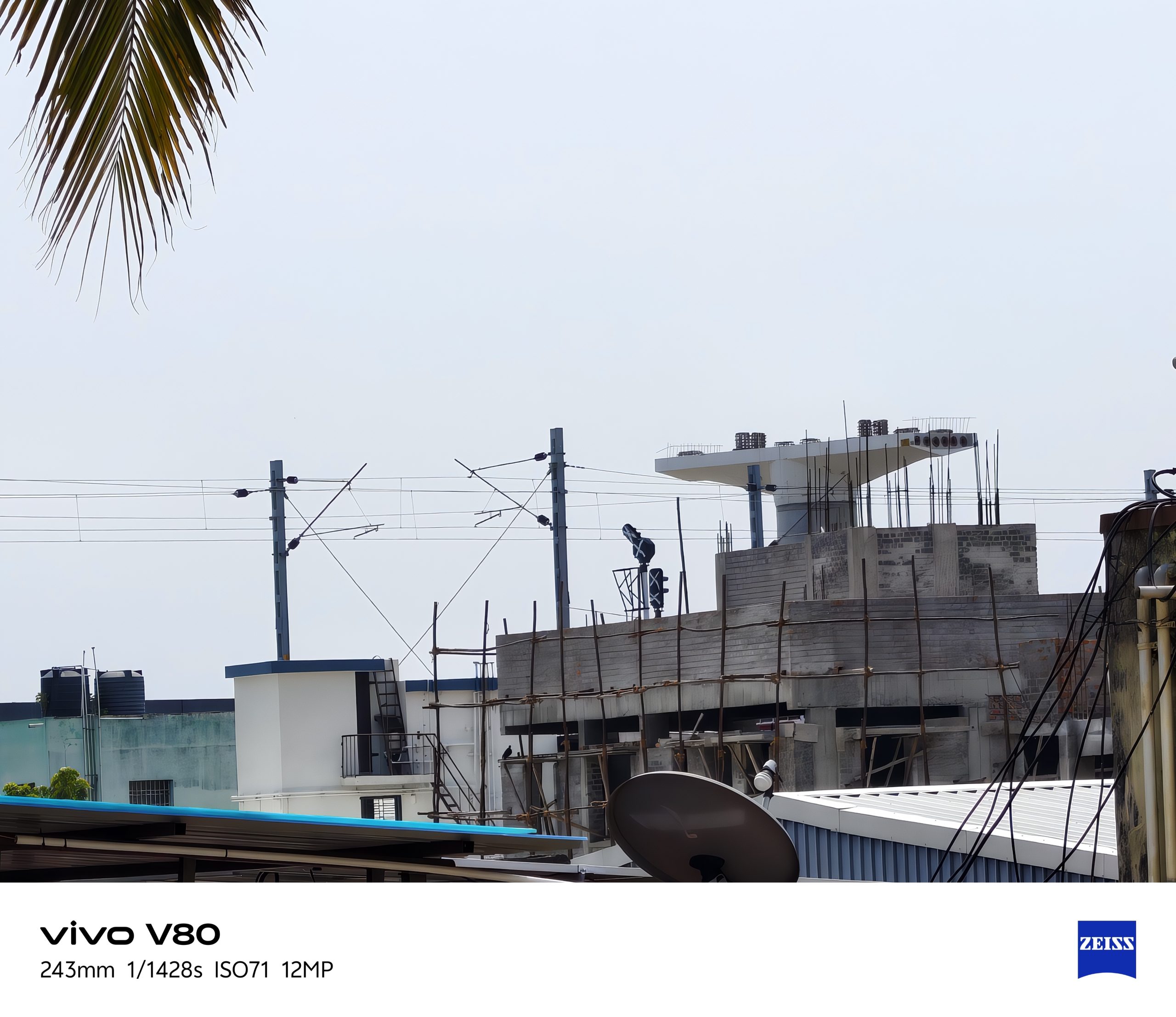
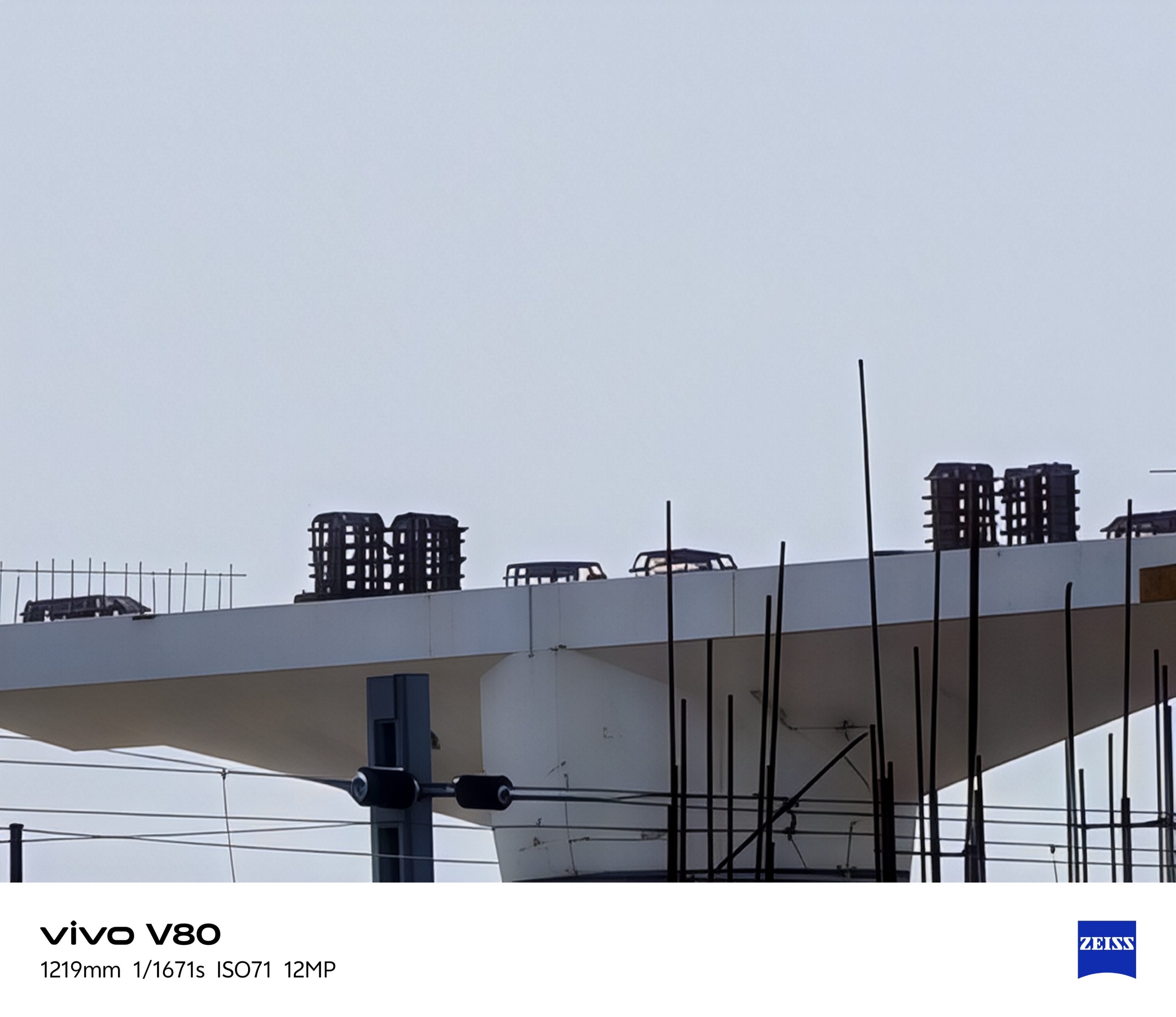
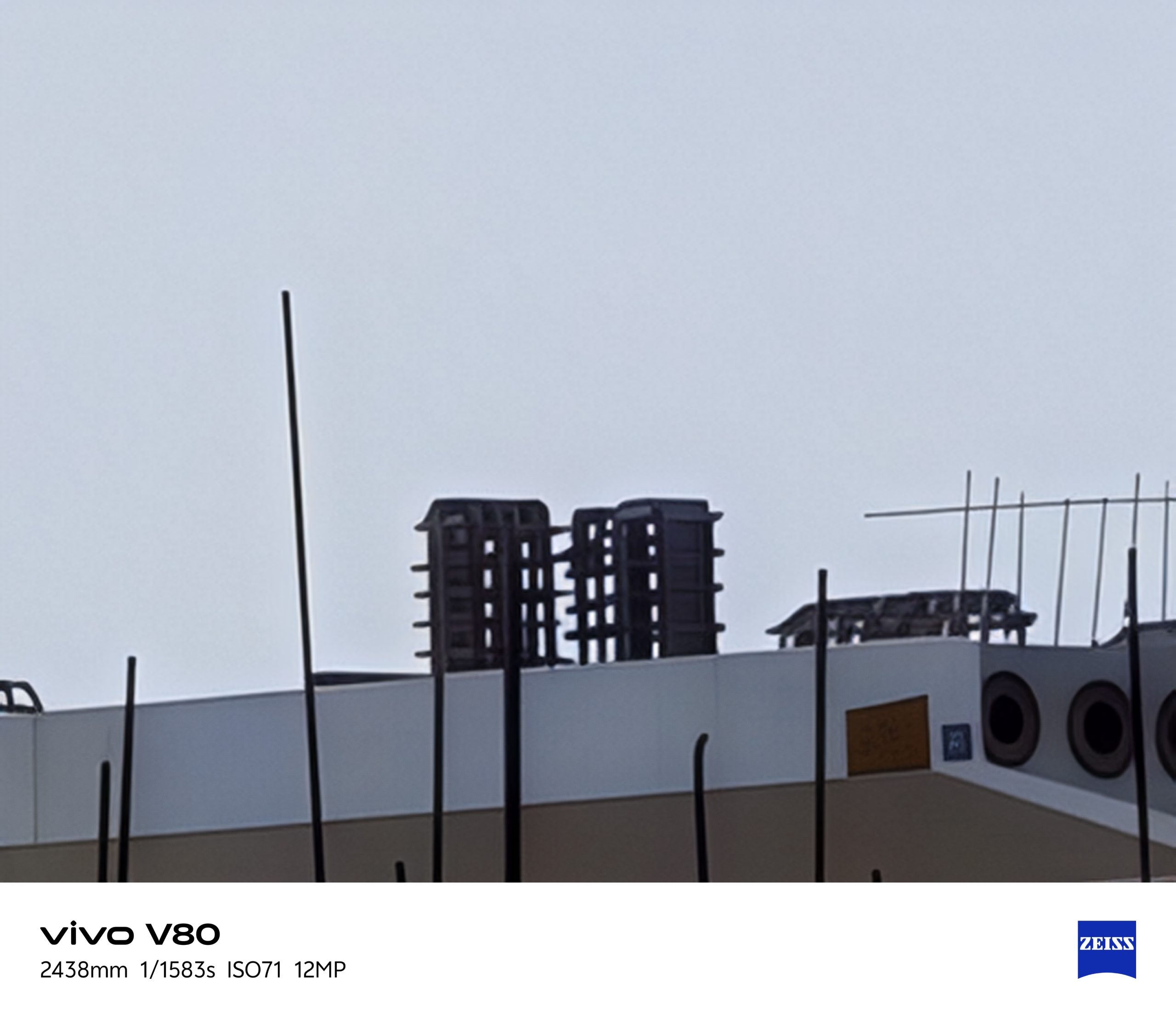
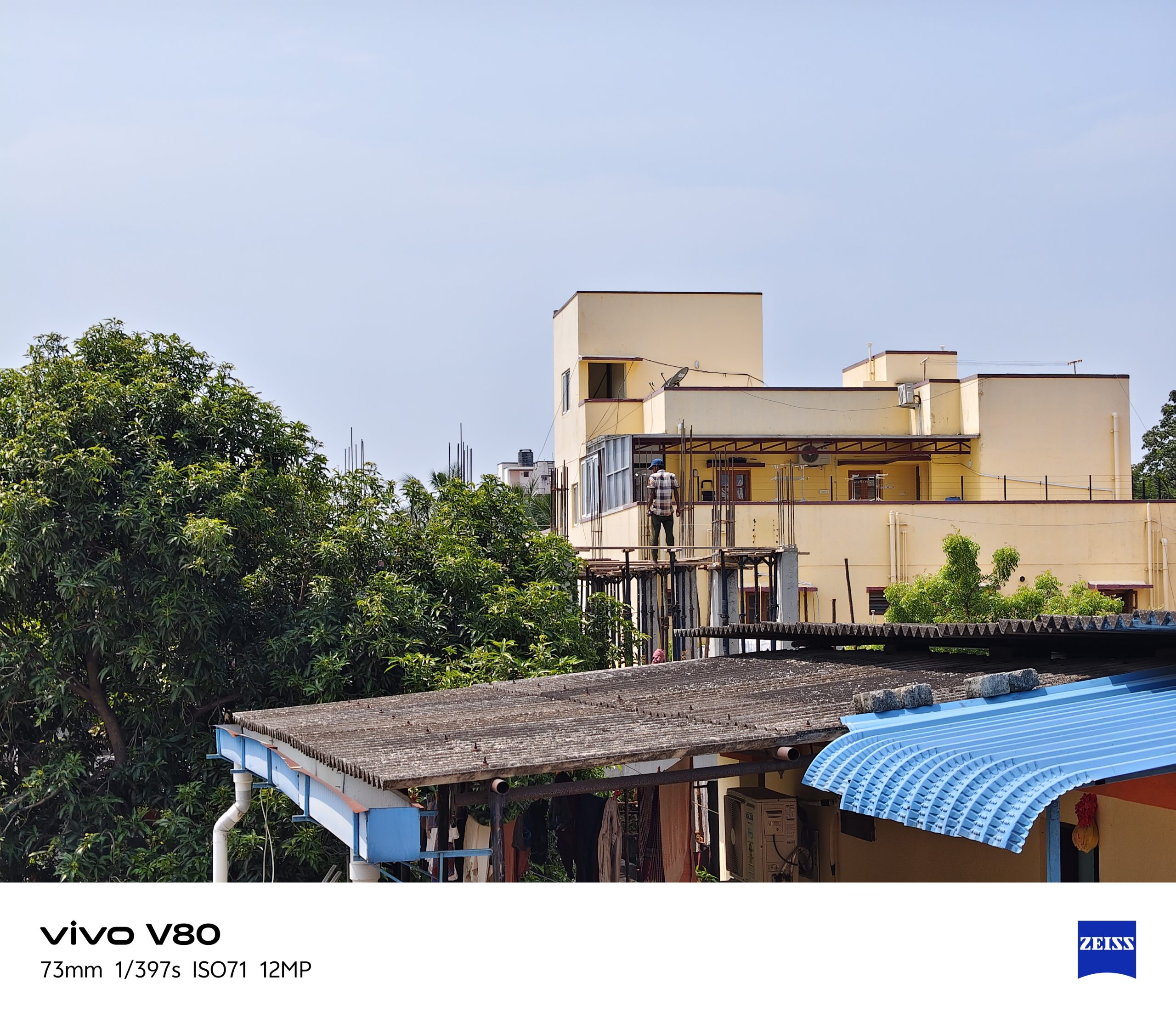
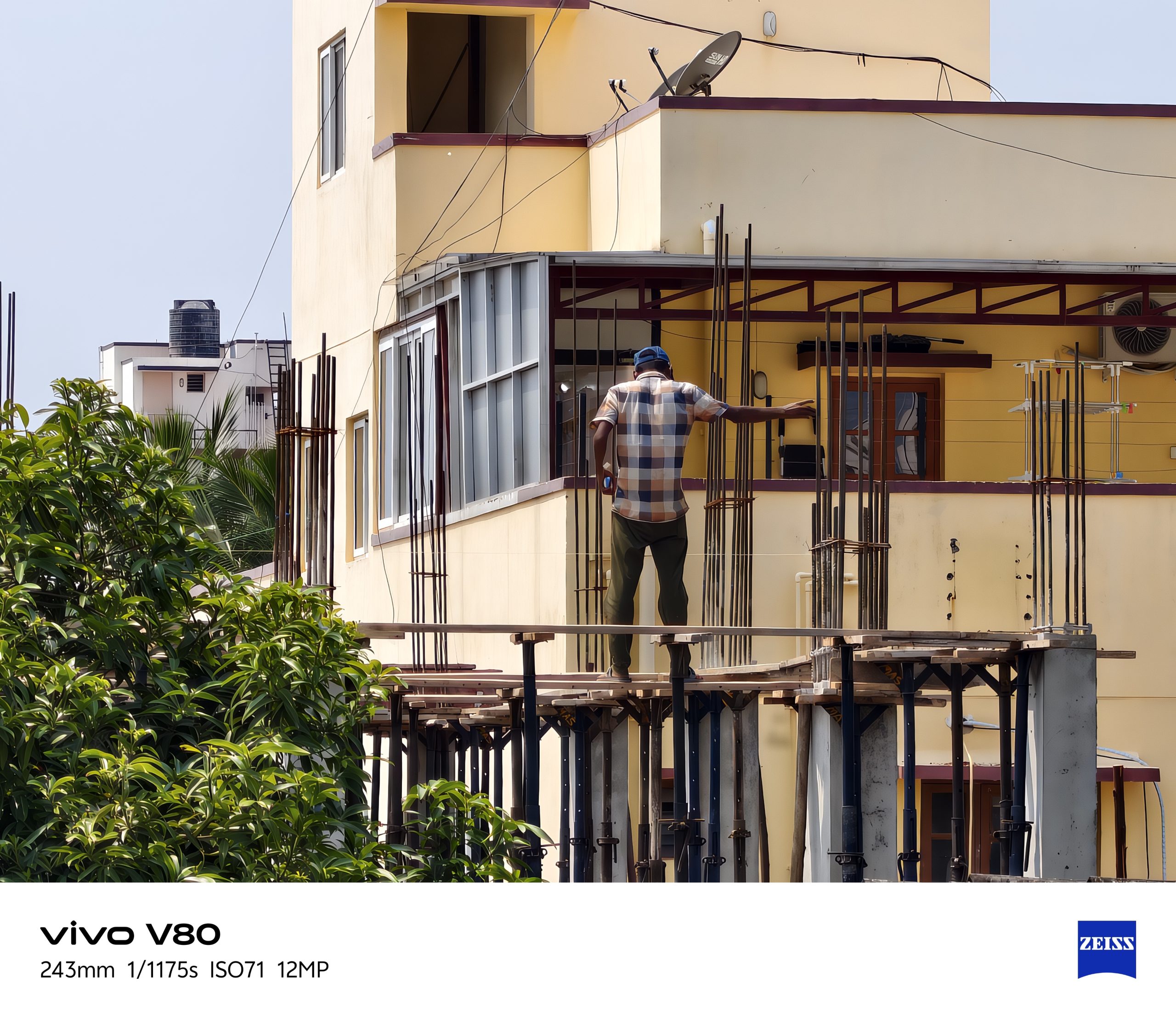
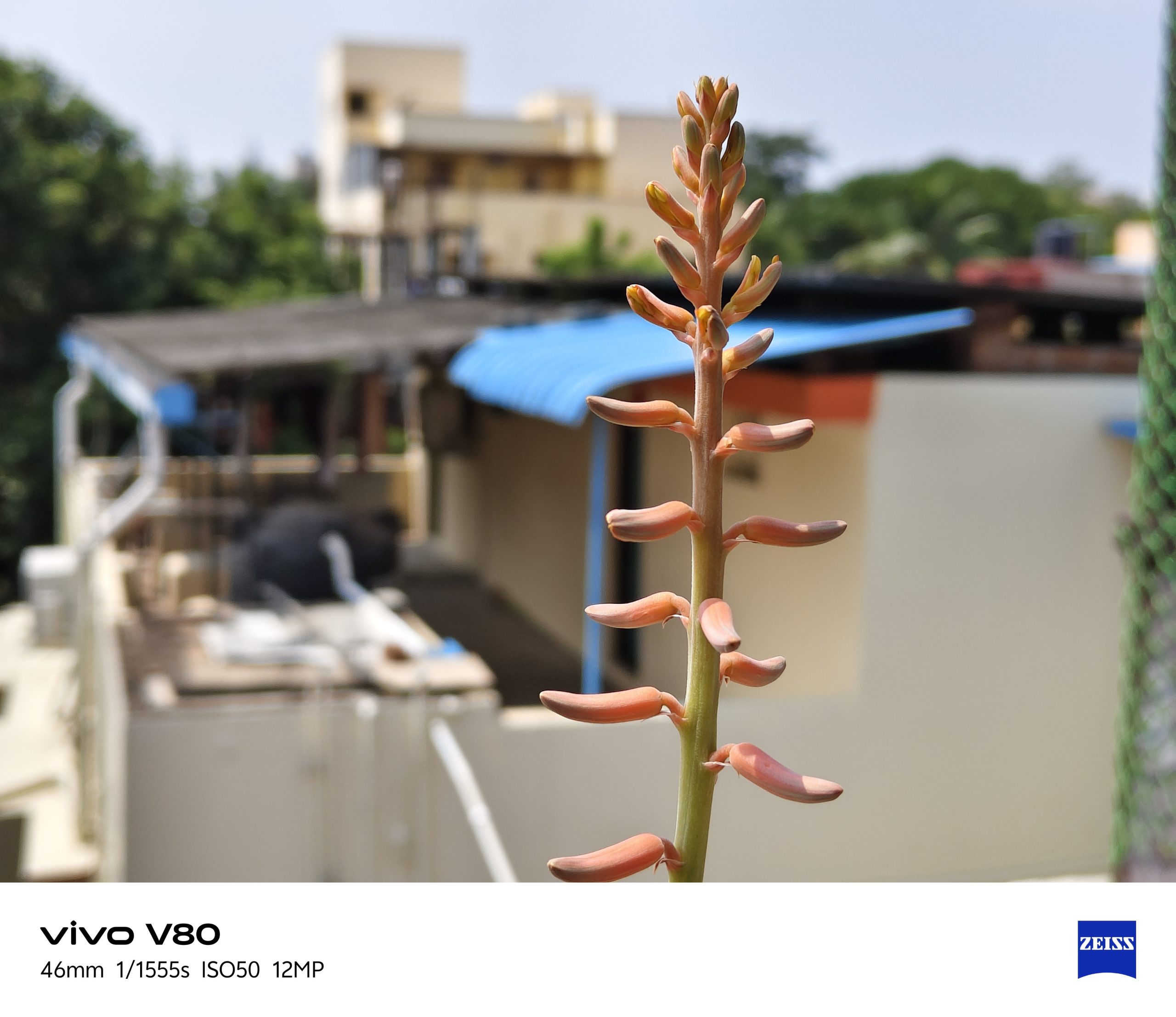
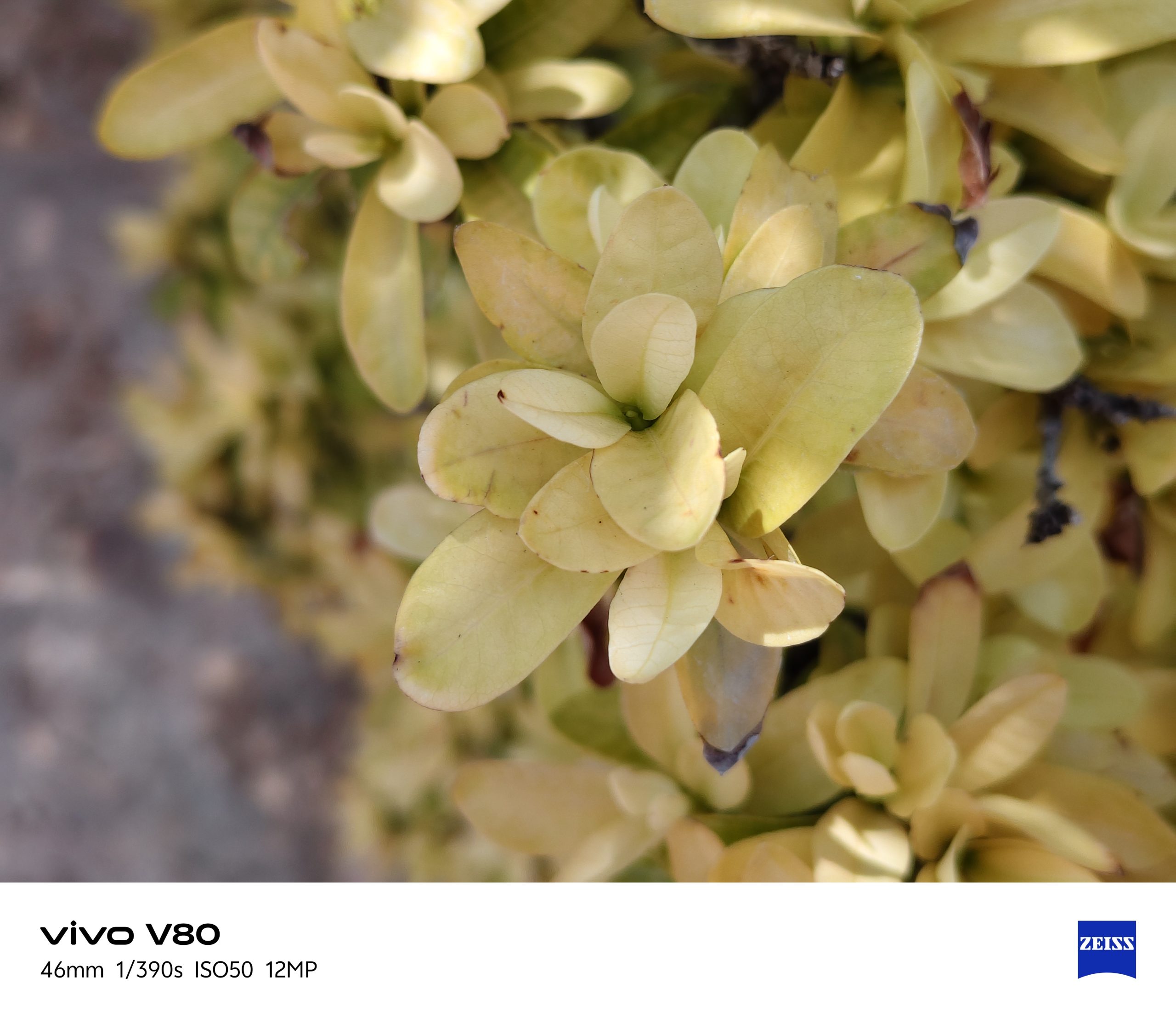
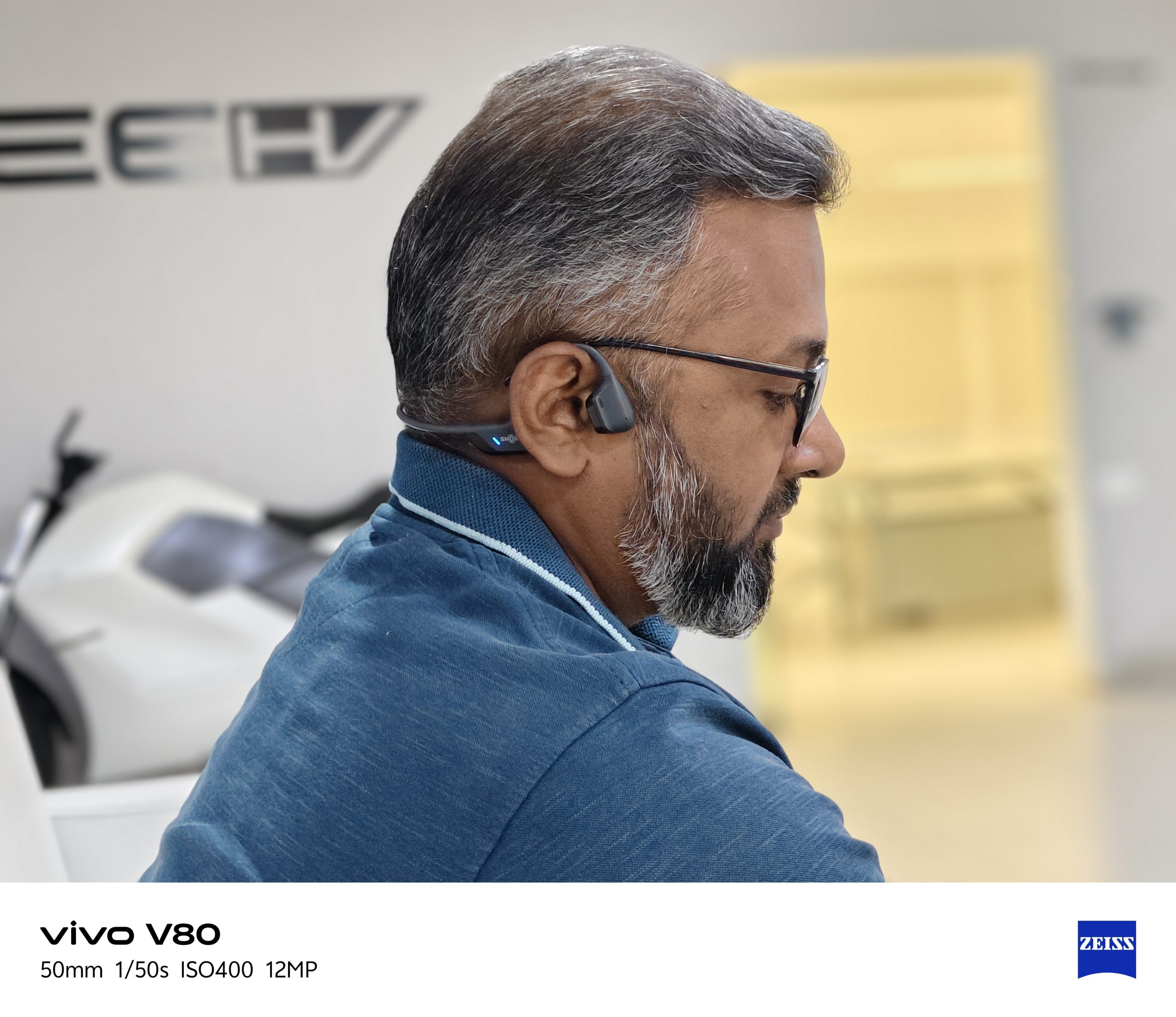
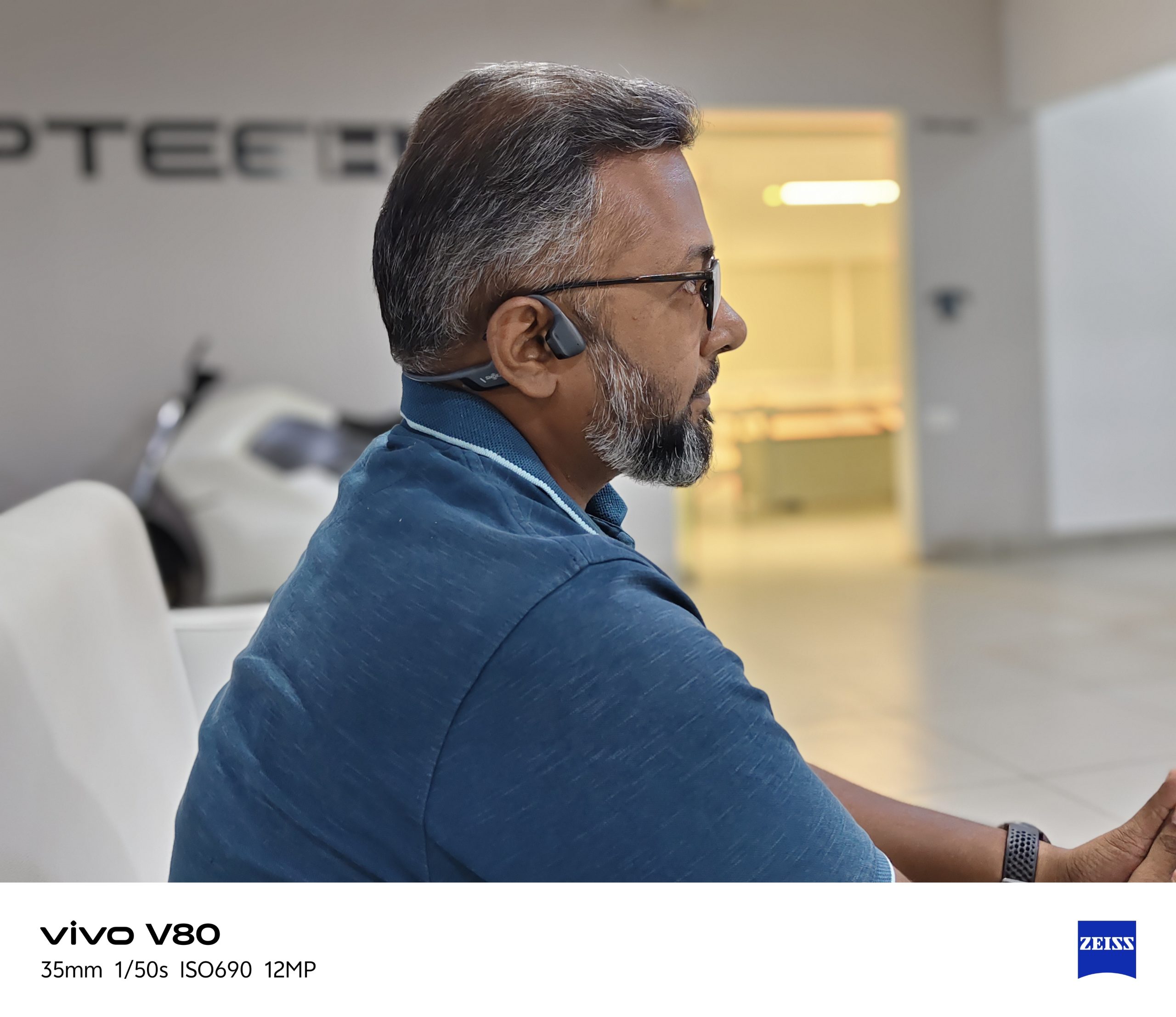
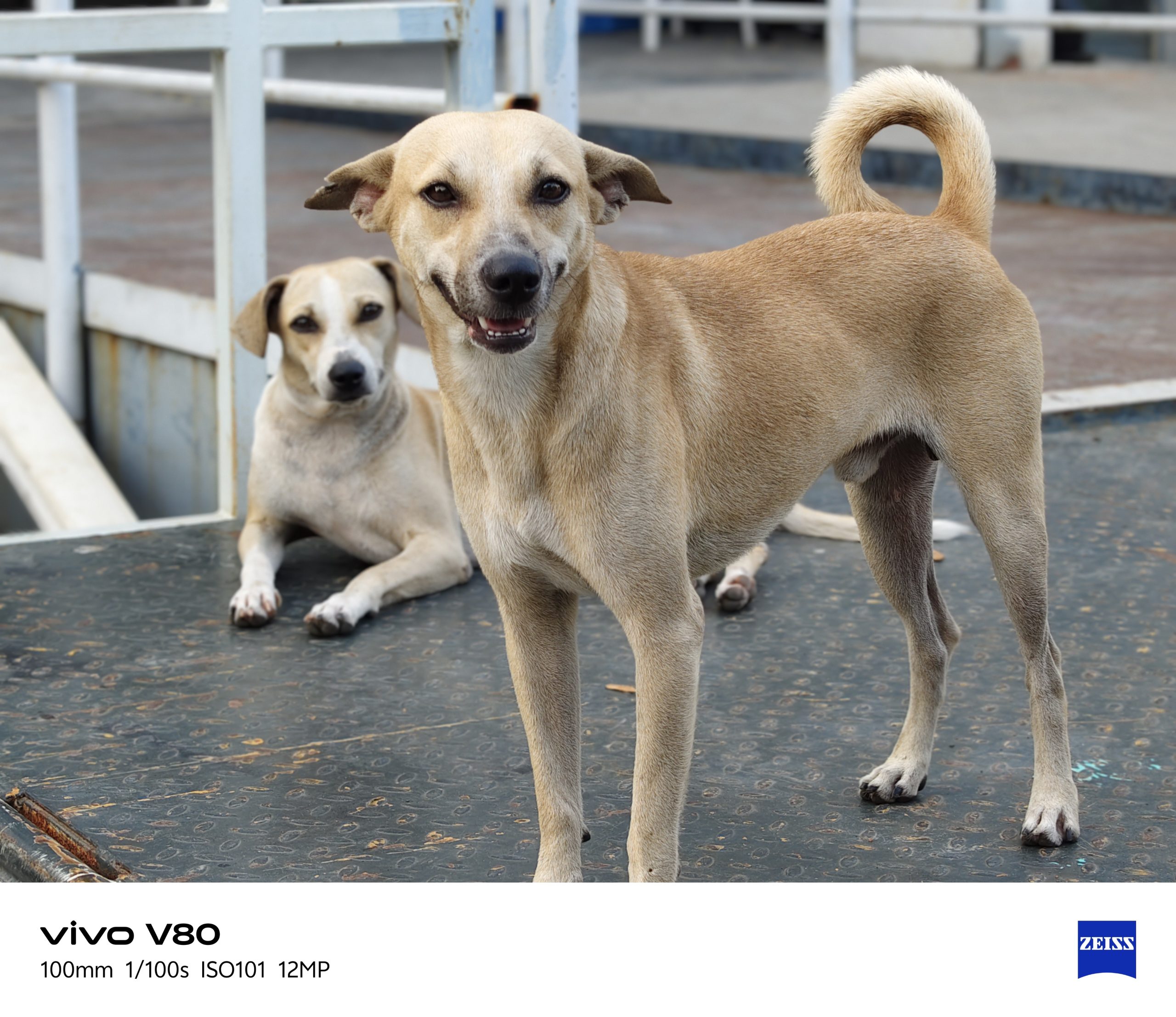
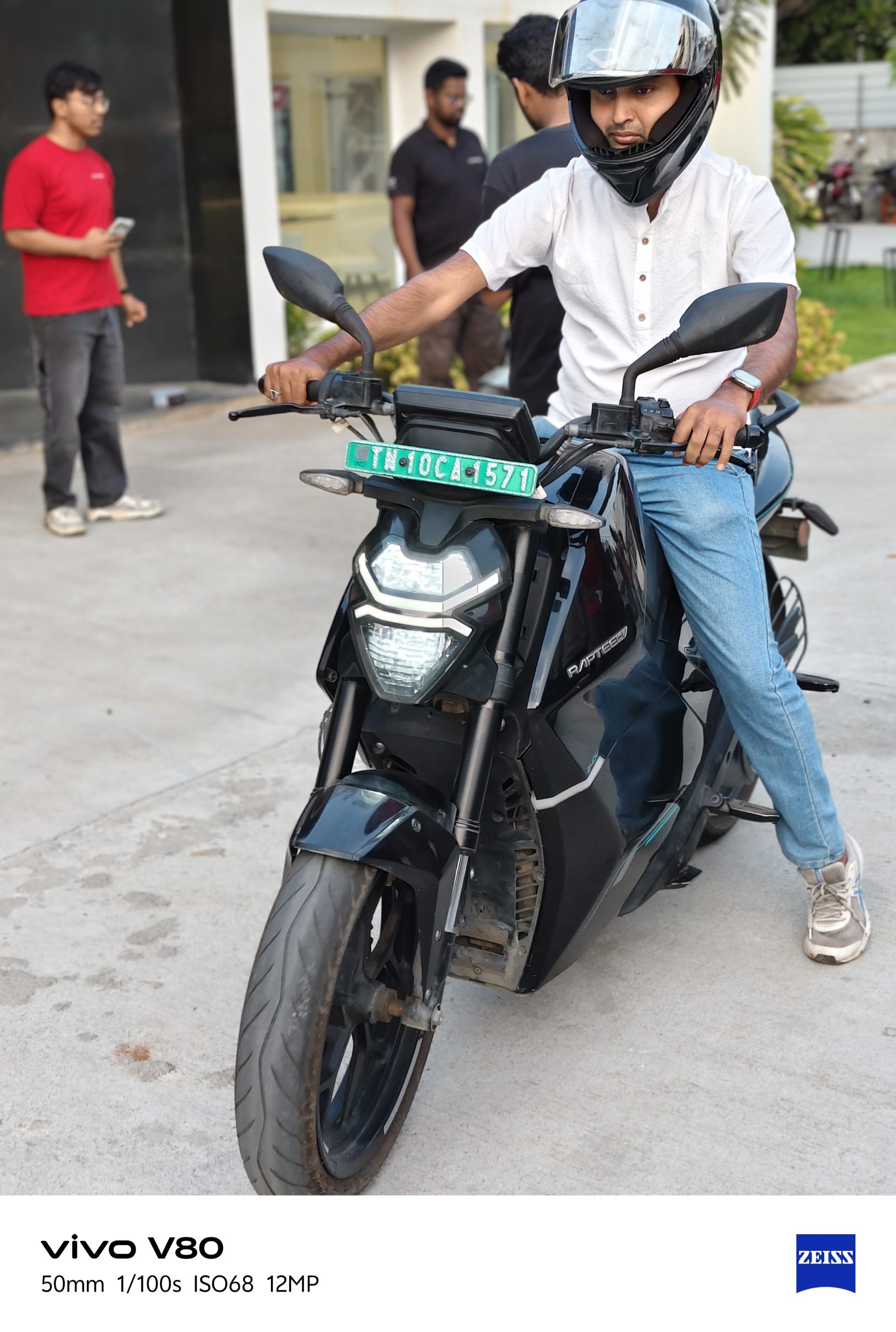
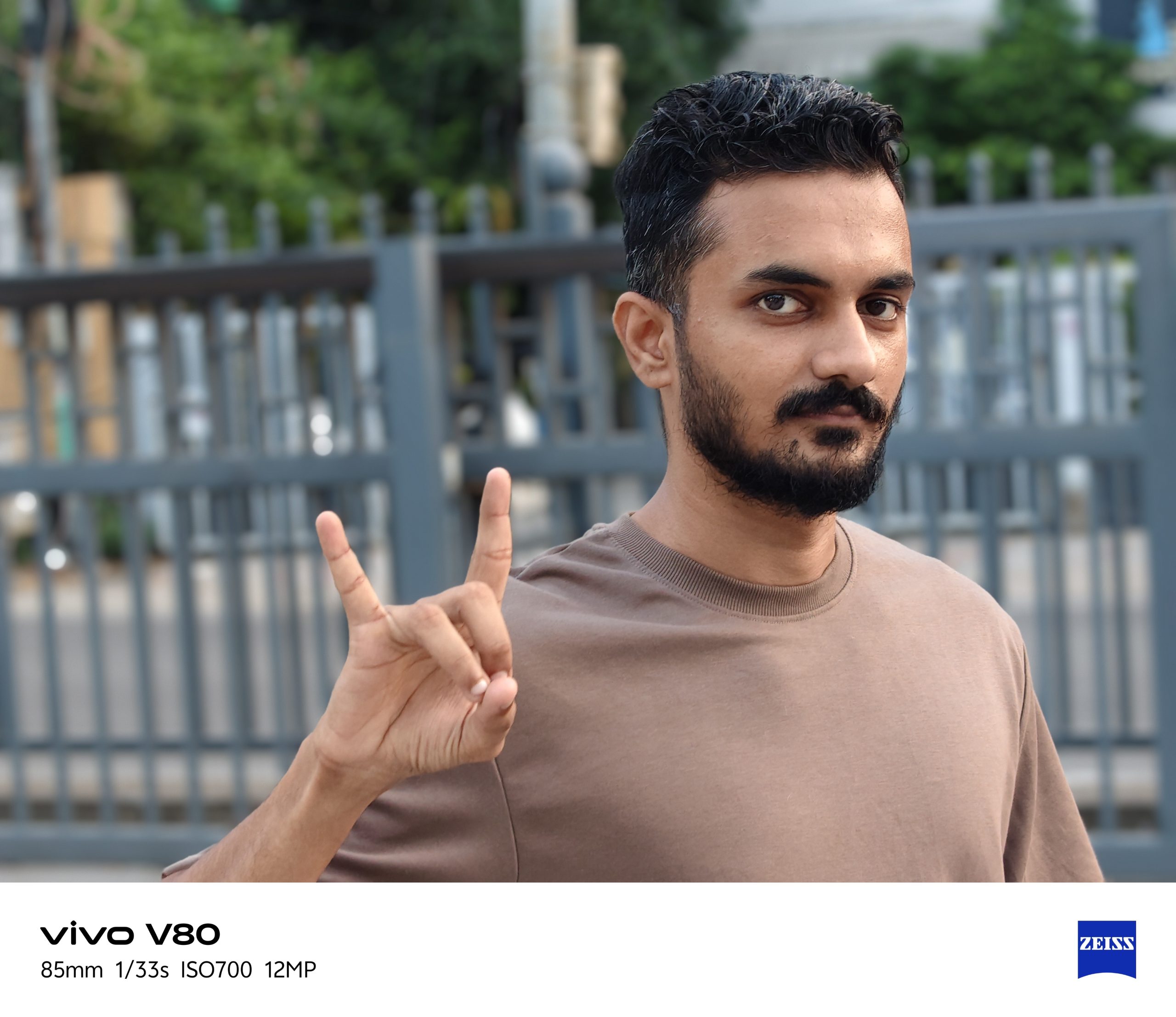
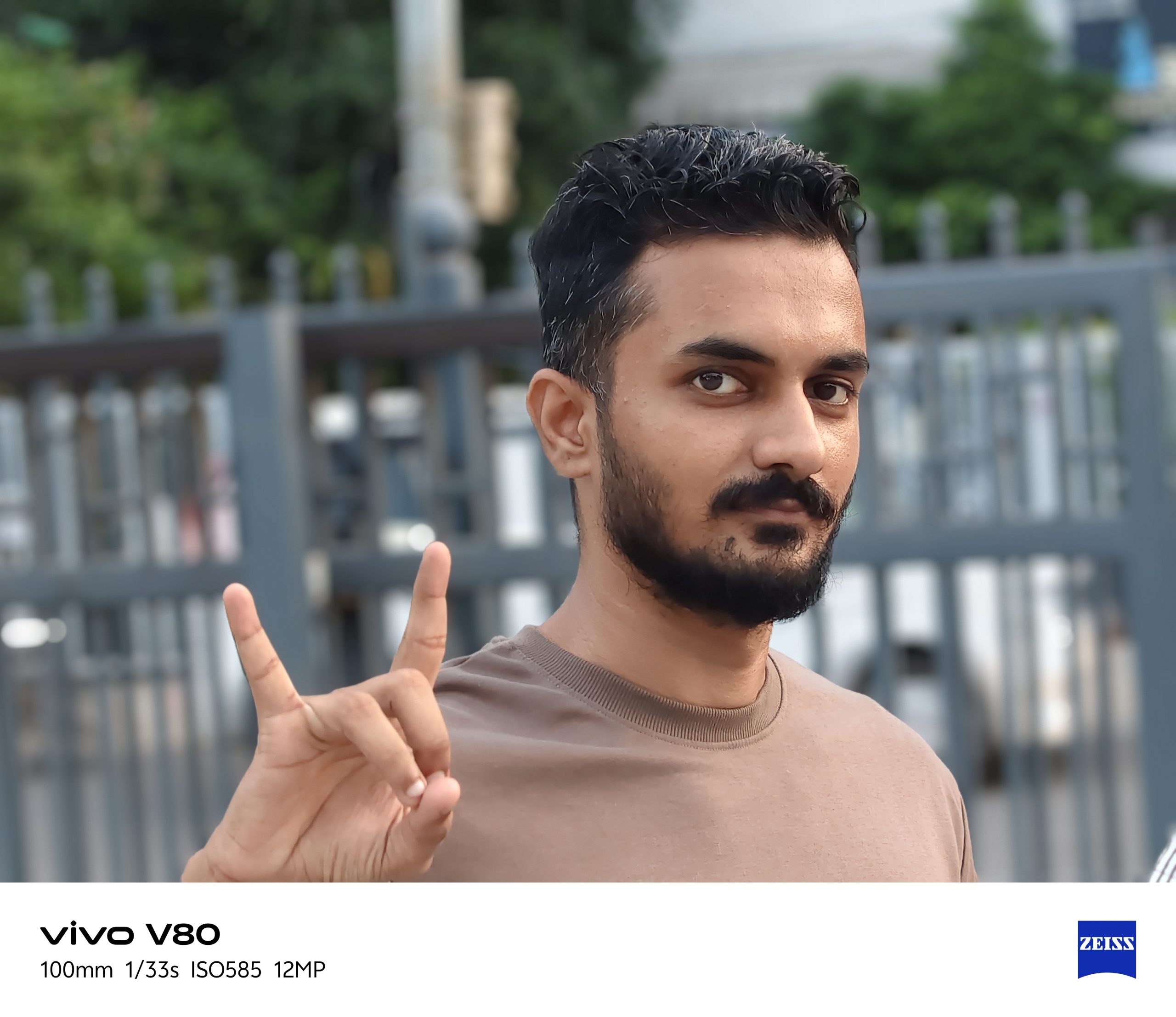
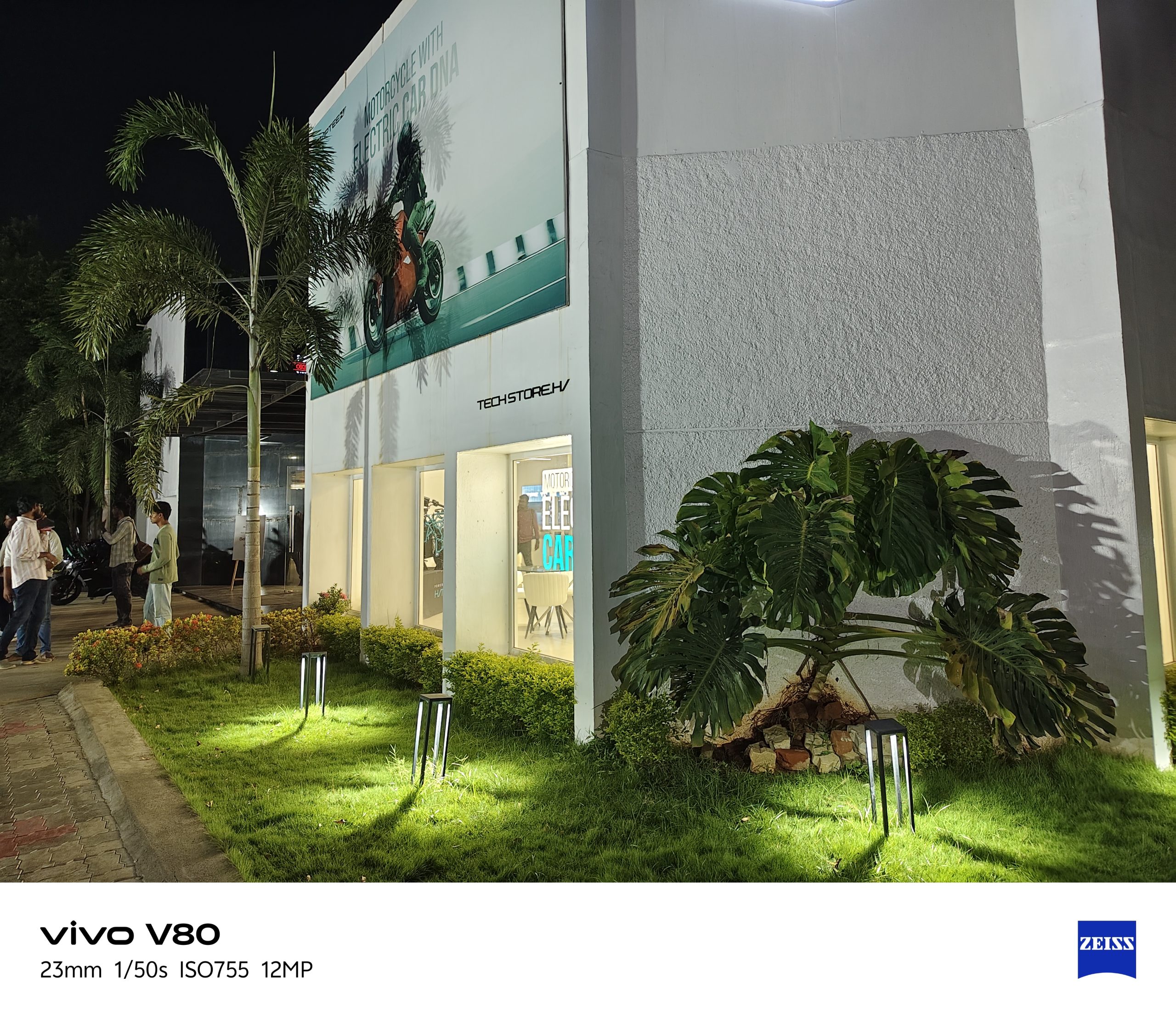
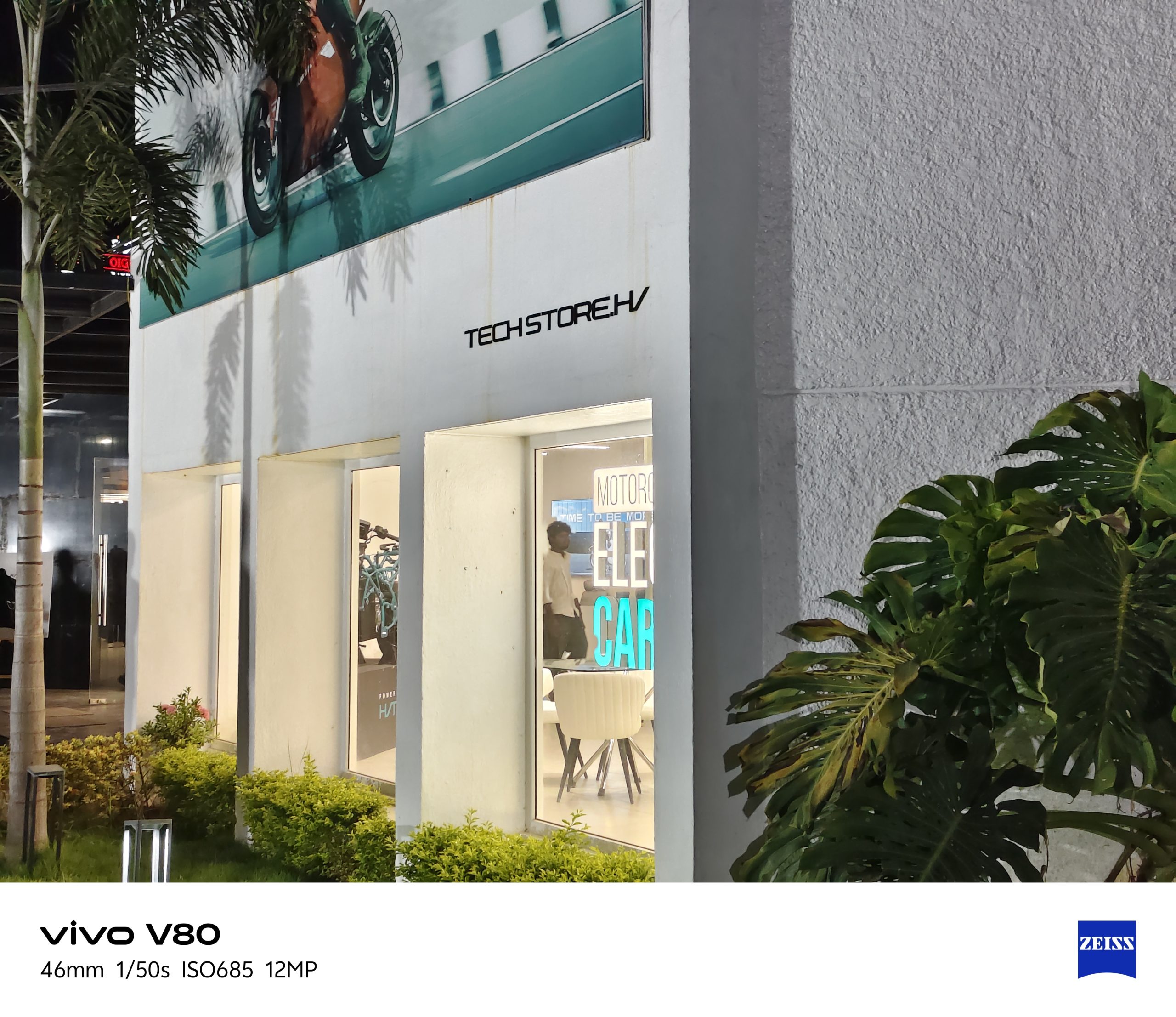
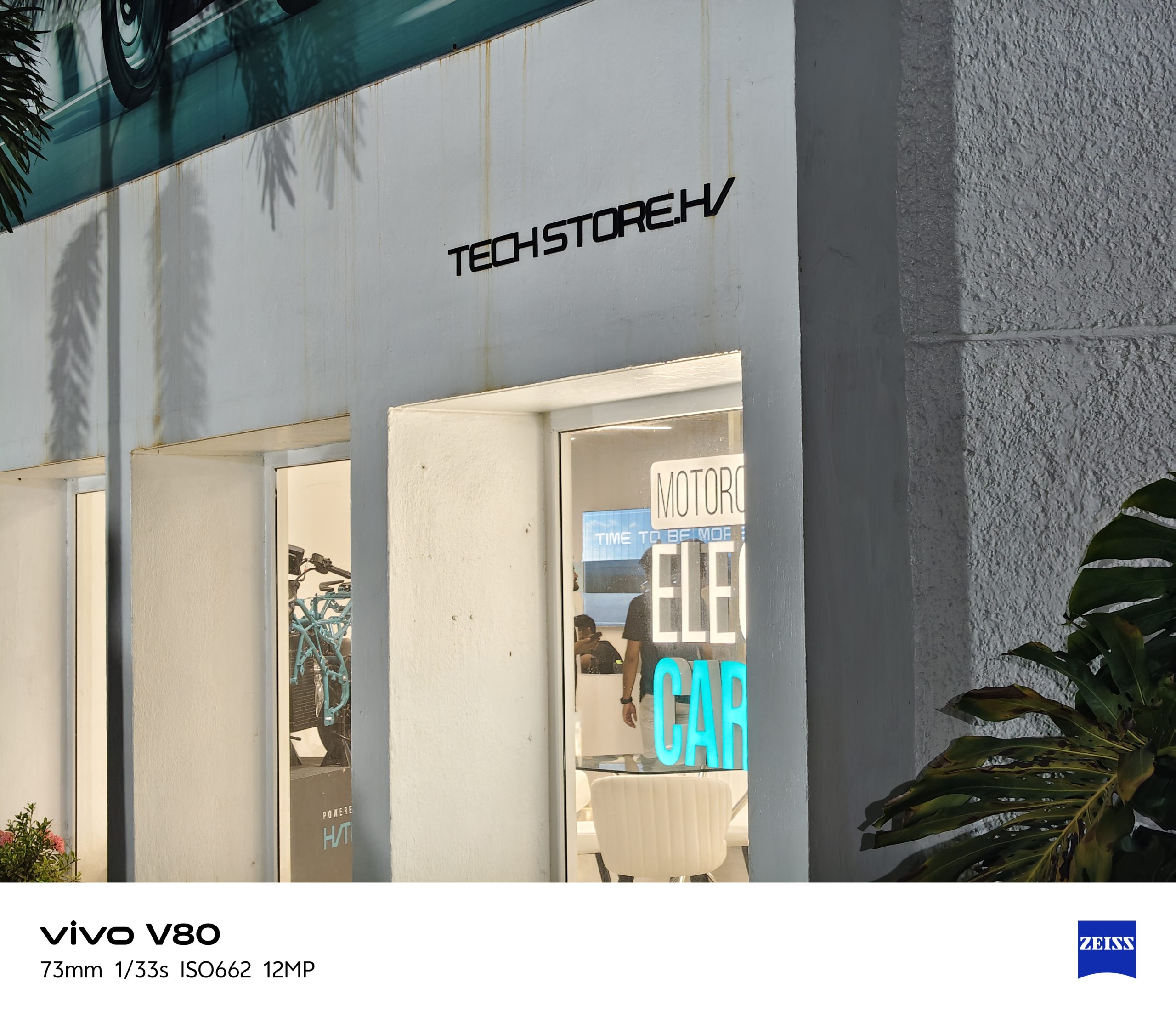
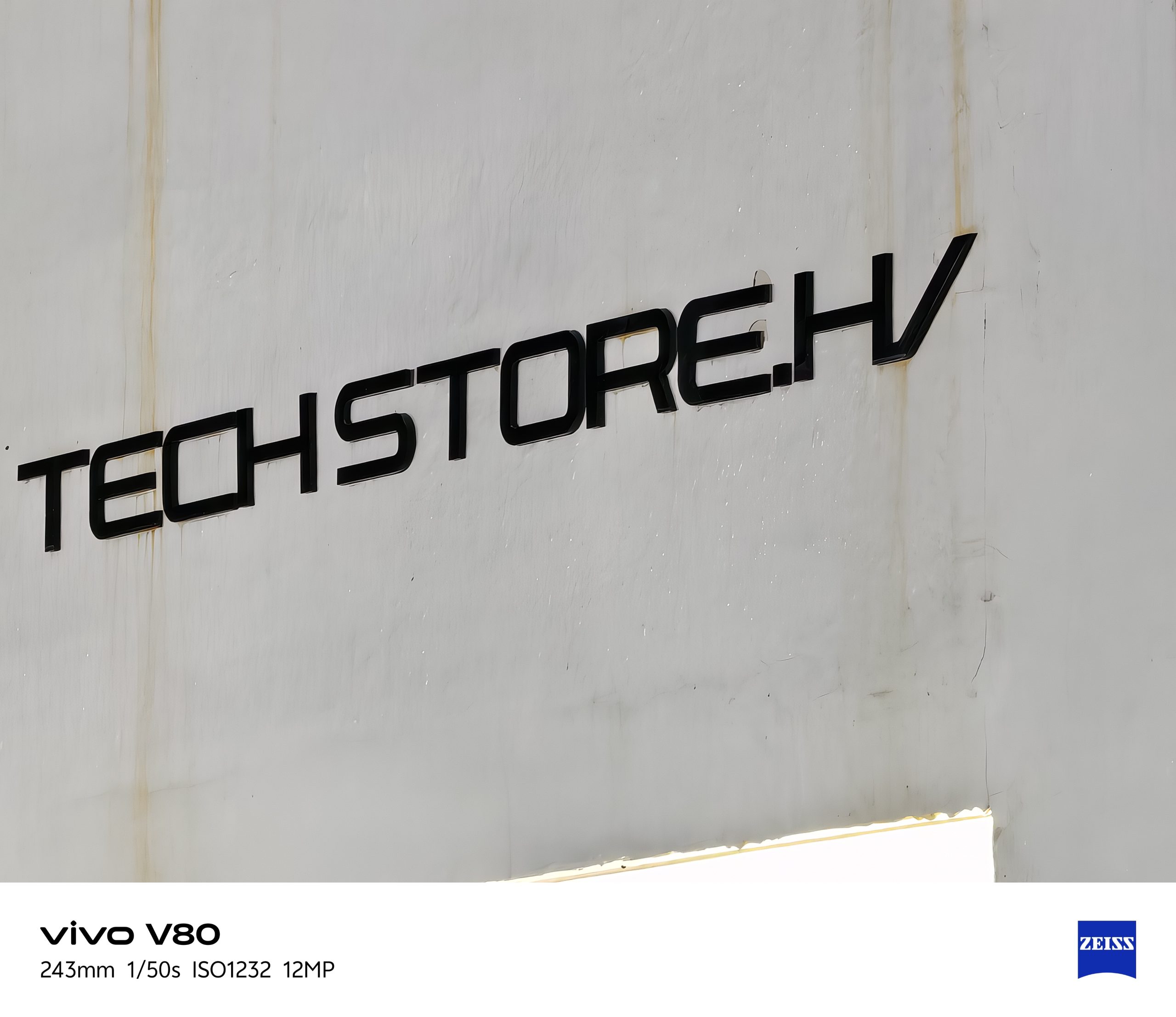
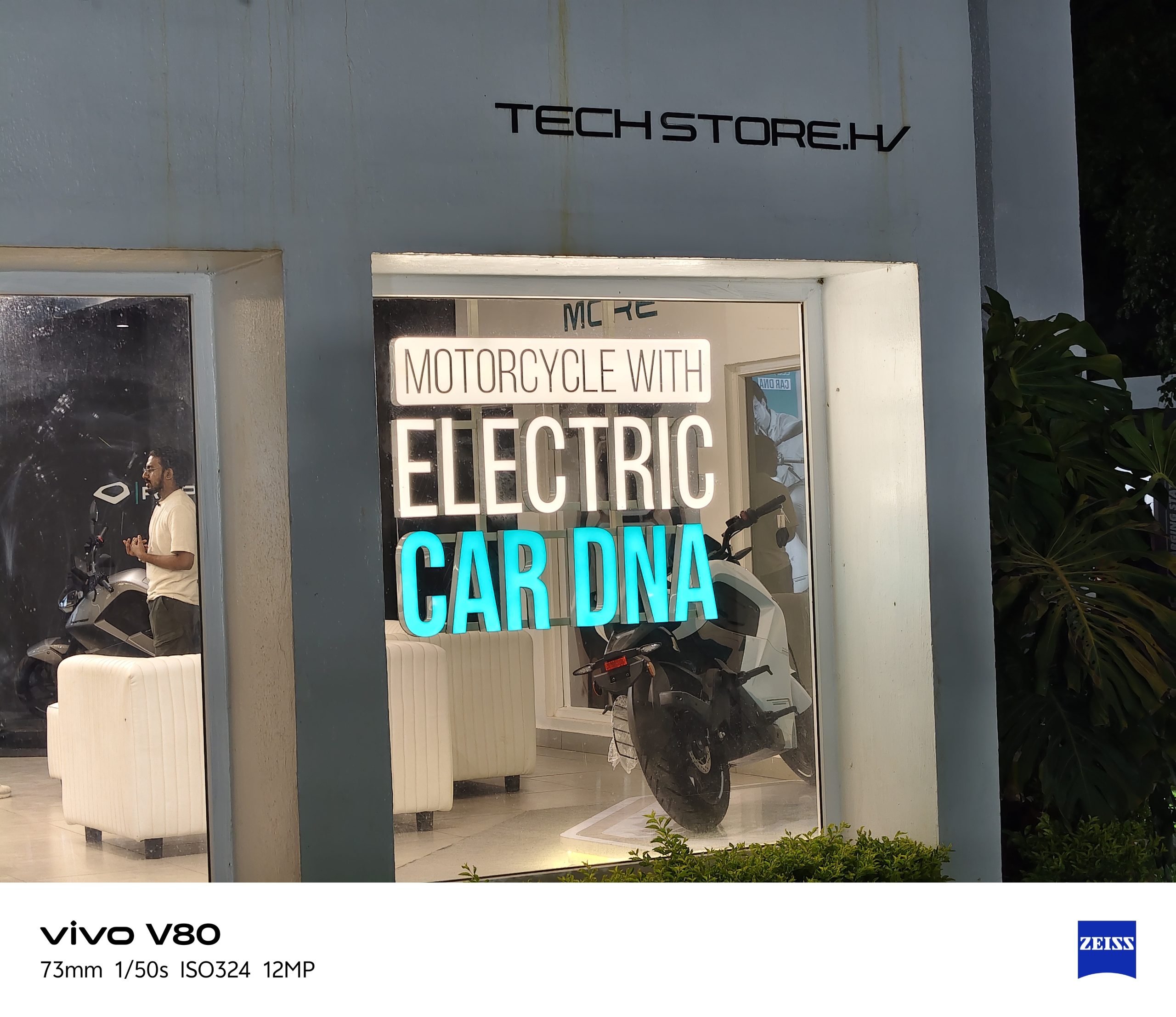
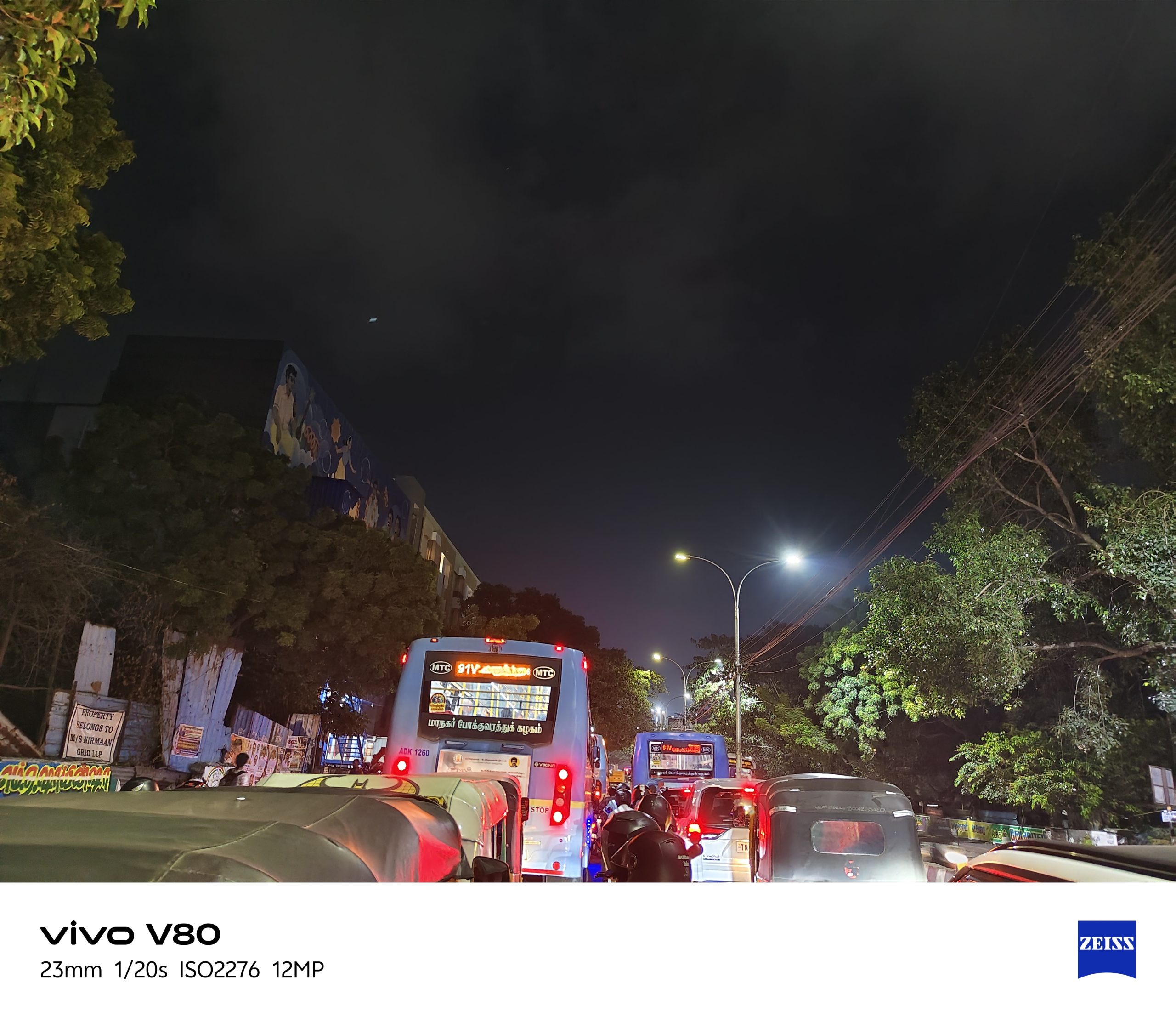
It can record videos at 4k resolution at up to 60 fps from the front and rear cameras. It has standard and ultra stabilisation, but the resolution is down to 1080p in standard and ultra options since it crops the content. OIS does a good job in stabilization. It doesn’t have portrait video recording.
Software, UI and Apps
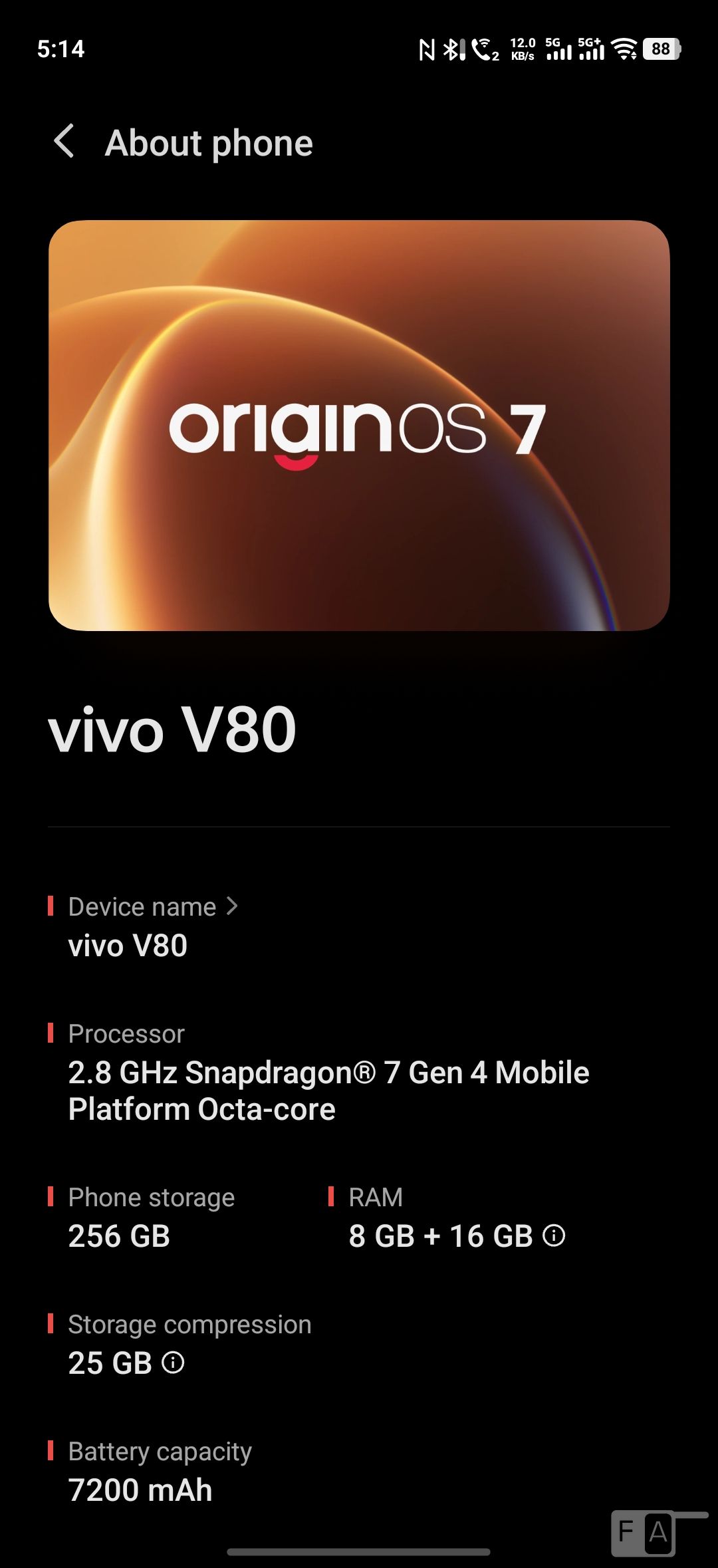
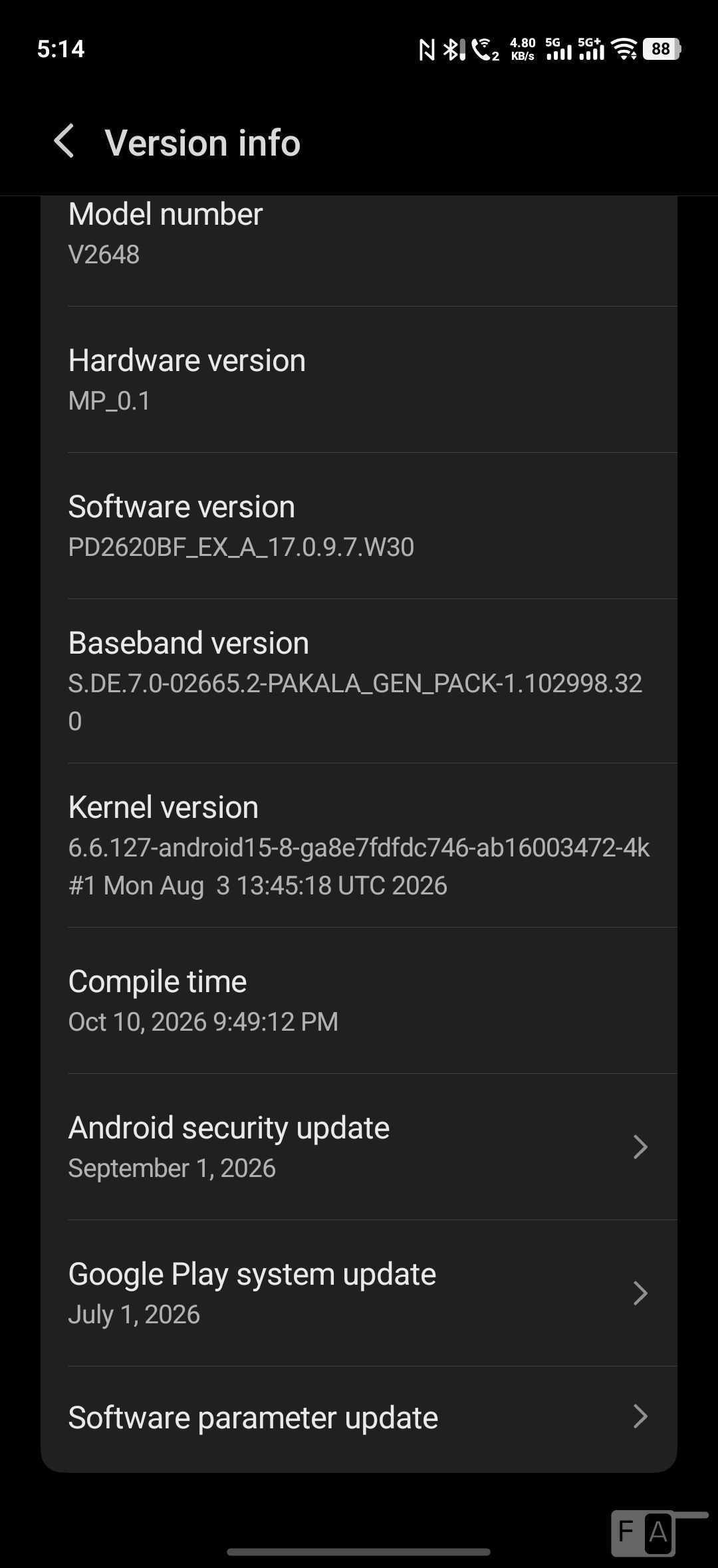
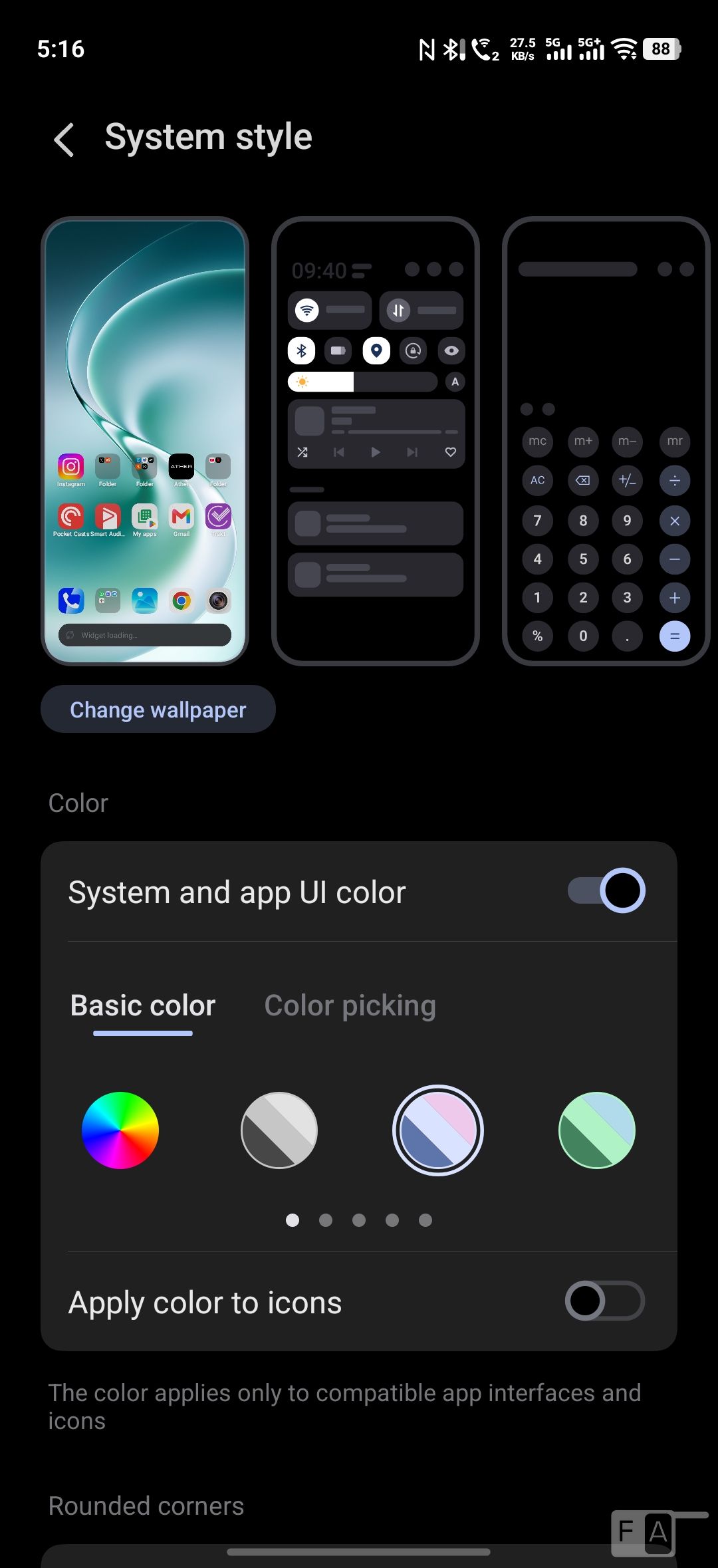
It is the first vivo phone in India and the first V-Series device to ship with OriginOS 7 out of the box, running on Android 16. It has an Android security patch for September 2026 after the latest update. The phone is slated to receive 4 Android OS upgrades and 6 years of security updates, matching vivo’s long-term software commitment.
OriginOS 7 brings a major visual overhaul and smooth fluidity to the interface:
- Origin Smooth Engine & Motion Effects: Powered by atomic computing and unified rendering architecture, the UI feels remarkably fluid with natural app opening/closing animations, non-linear gesture response, and seamless multitasking.
- Origin Island & Dynamic Notifications: vivo’s pill-shaped dynamic status capsule expands at the top of the screen to deliver real-time live activities such as ride-hailing tracking, food delivery updates, media playback, timers, and step counting without interrupting active apps.
- Desktop Components & Atomic Cards: The home screen offers modular widget grids and customizable Atomic Cards for quick access to calendars, health tracking, weather, and system toggles without opening individual applications.
- vivo Office Kit & Cross-Device Interconnect: Offers effortless multi-device continuity across Windows, Mac, and vivo tablets. Features include cross-screen drag-and-drop file transfer, shared clipboard, and screen mirroring.
- Snap Note & Productivity Suite: Snap Note allows you to photograph documents or whiteboards and instantly converts the text and tables into editable, formatted notes.
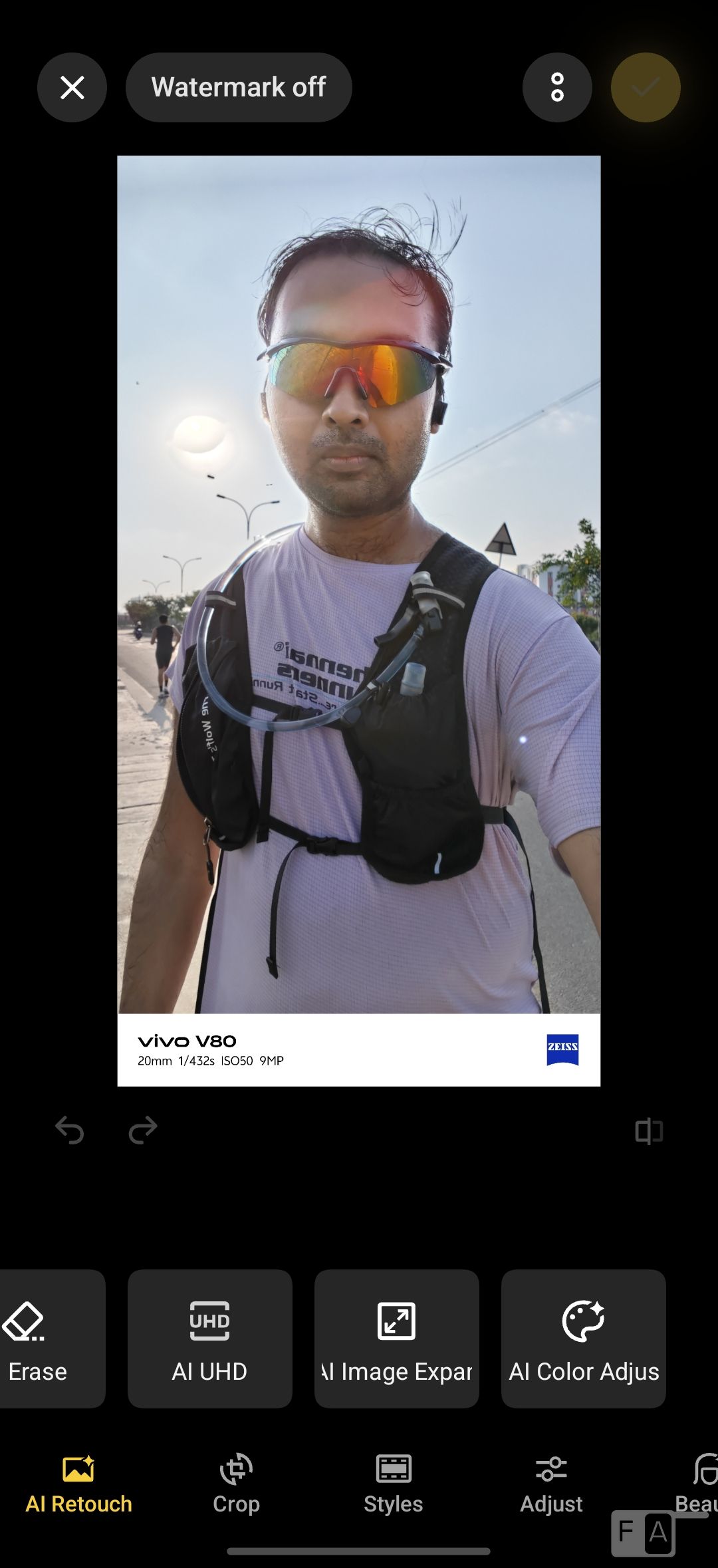
- Jovi & Deep AI Integration: The system includes system-wide AI tools such as AI Retouch (background generative expansion, object eraser, repositioning), live AI Call Translation, automated Smart Summary in the phone dialer, and an AI-assisted writing helper across text fields.
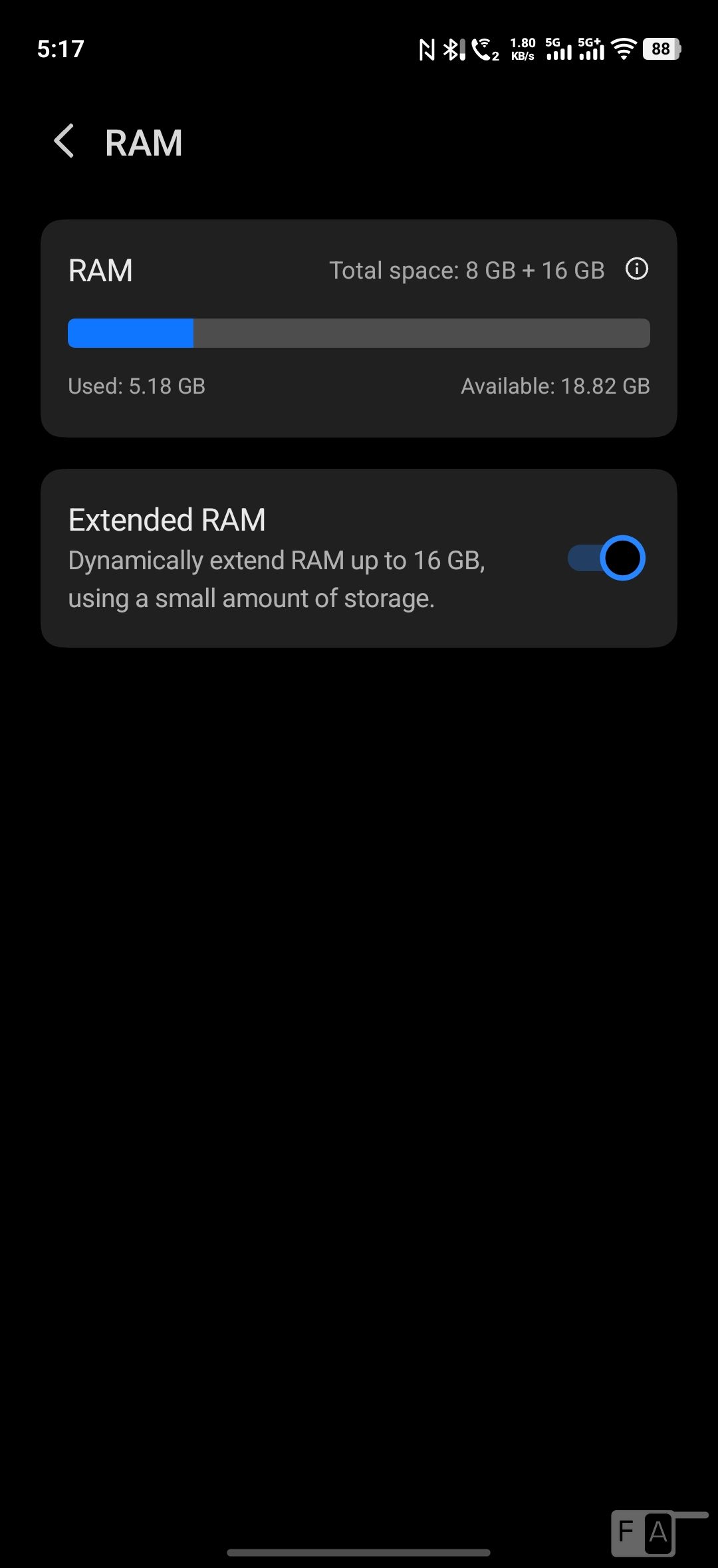
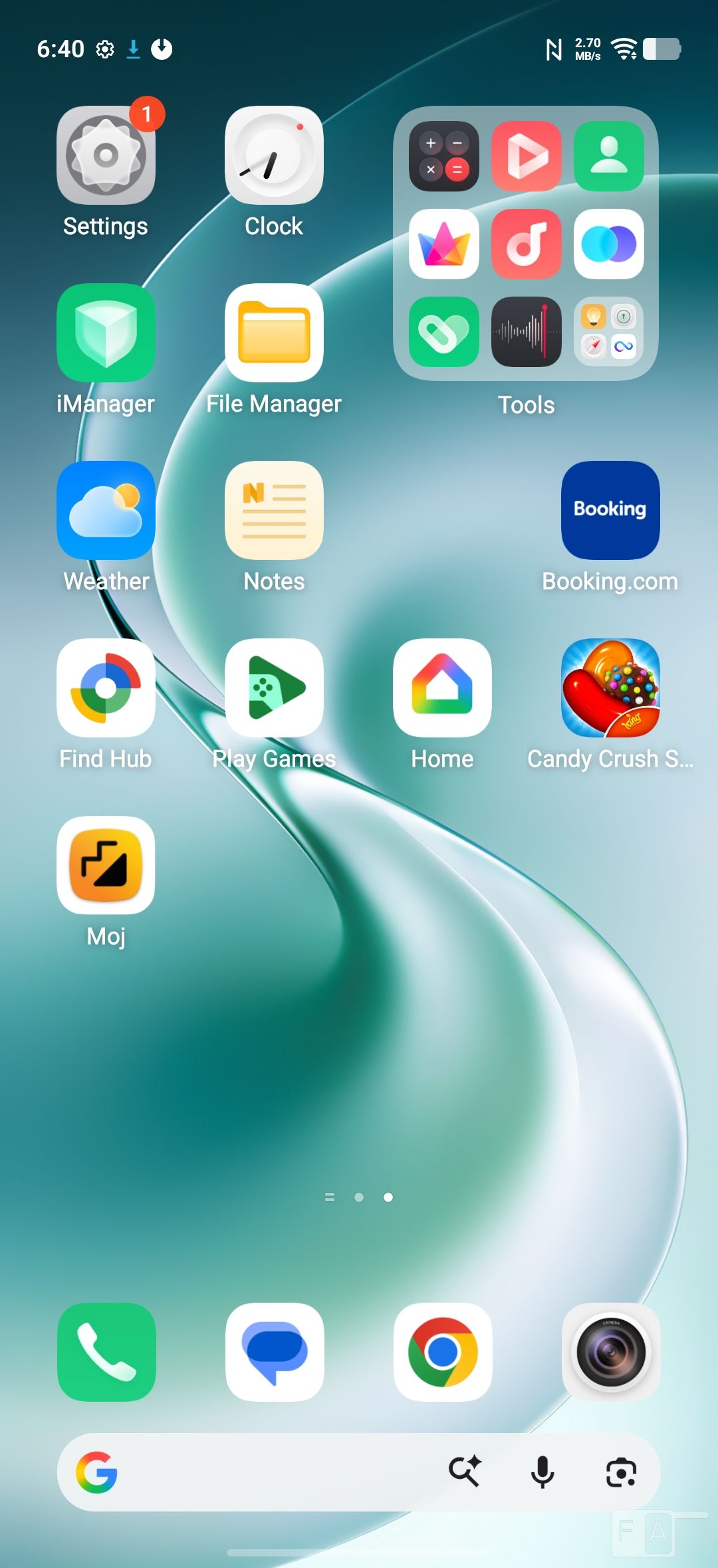
Out of 8GB of LPDDR4X RAM in the model that we have, about 7.2GB is usable, out of which 4GB is free when the default apps are running in the background. There is an additional 16GB RAM expansion feature. Out of 256GB of UFS 3.1 storage, 218.9GB is free out of the box.
Apart from the usual set of utility and Google apps, it comes preloaded with a lot of apps such as Booking.com, Moj, Netflix and some games. These apps can be uninstalled, but they come back after reset. There is also Smart Remote app since this has an IR blaster.
Fingerprint sensor and Face unlock
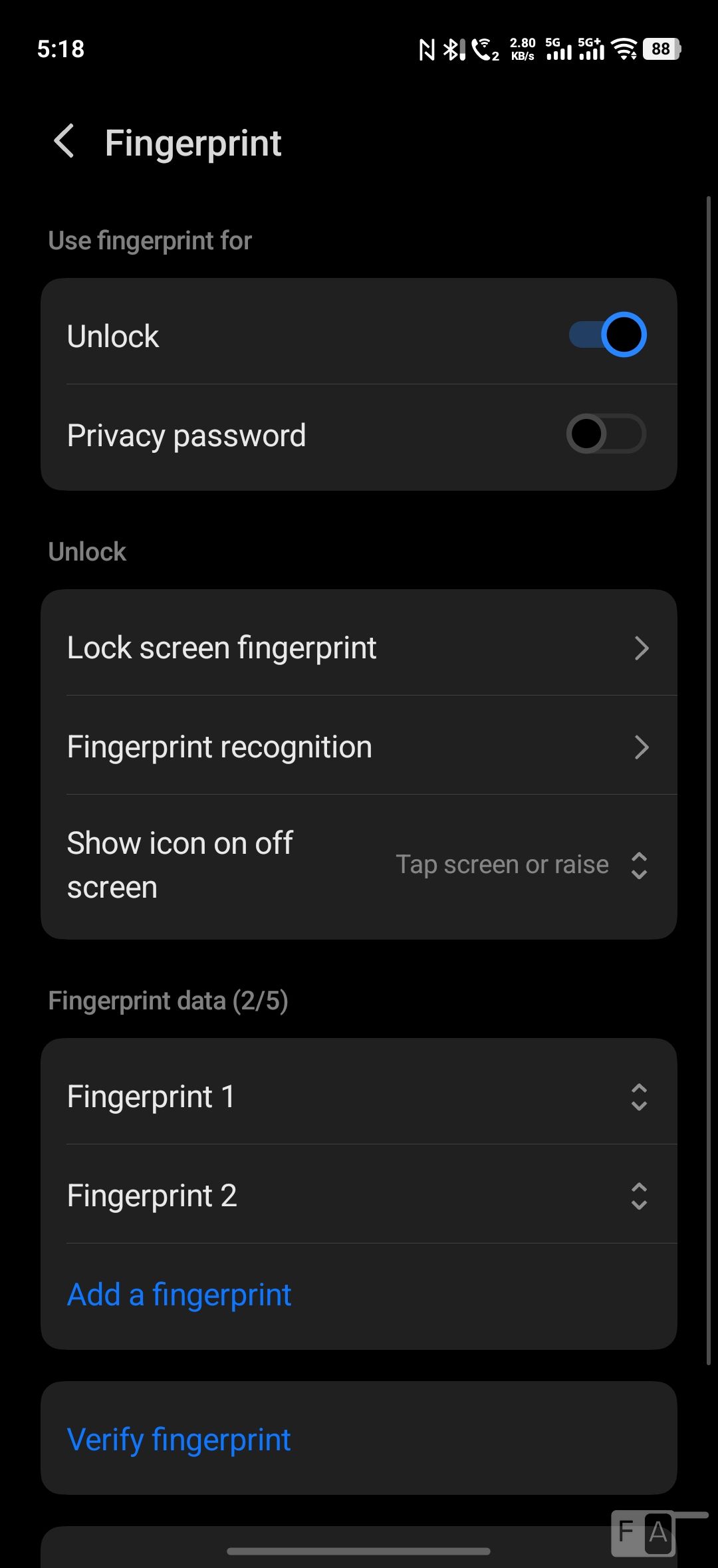
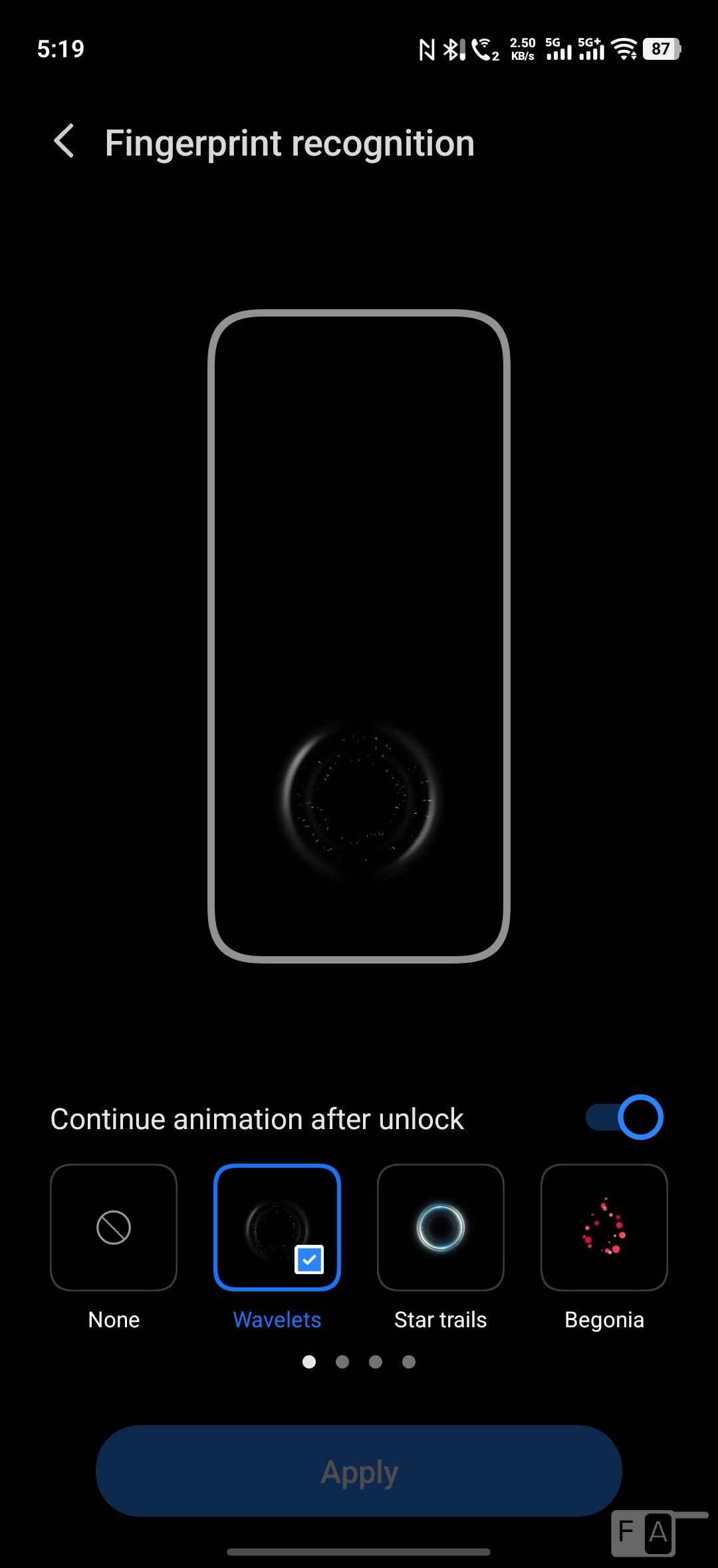
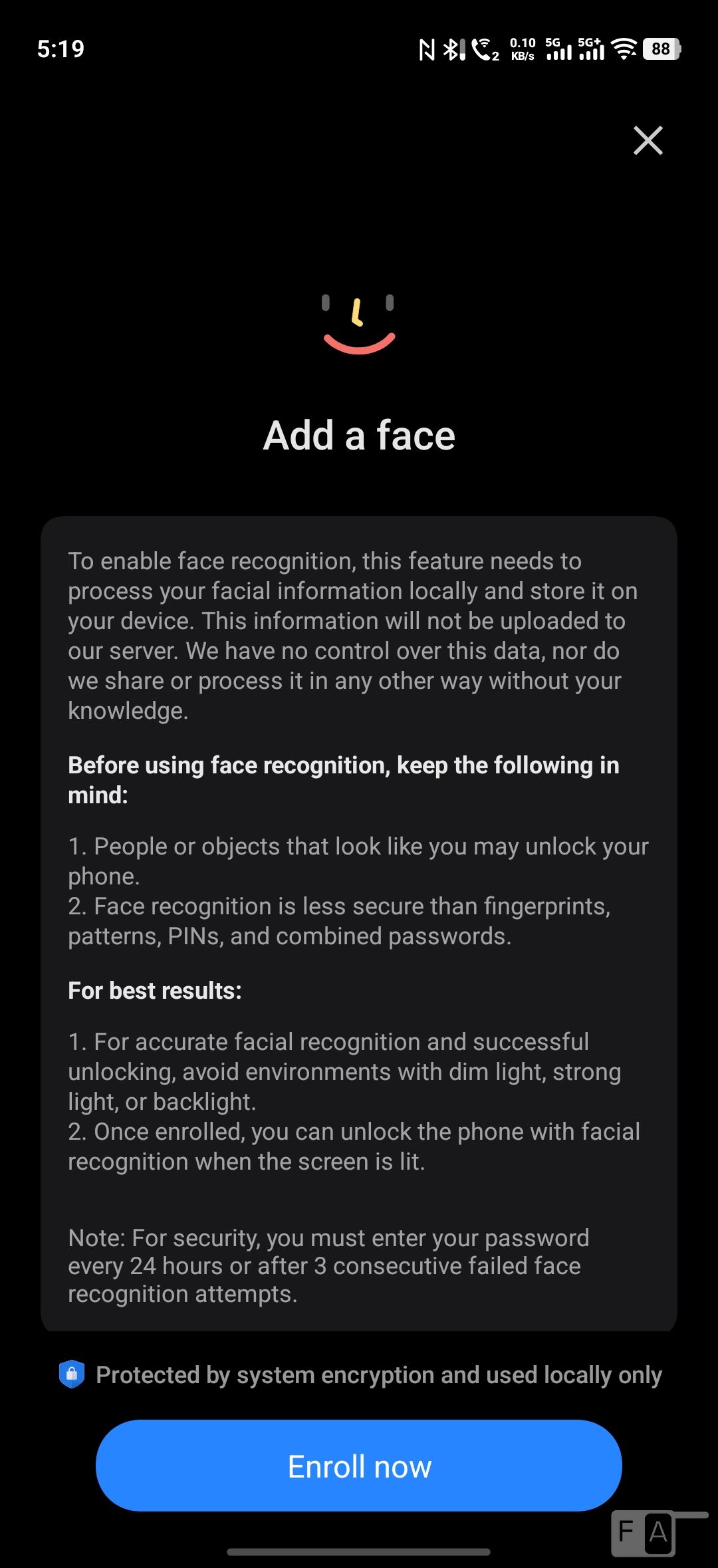
The phone uses a 3D ultrasonic in-display fingerprint sensor that is quicker and more accurate compared to optical fingerprint scanners. You can add up to 5 fingerprints. There are different animation styles that display when you unlock, which you can disable. The phone also has face unlock that can unlock the phone in seconds, but it is not as secure as fingerprint.
Music Player and Multimedia
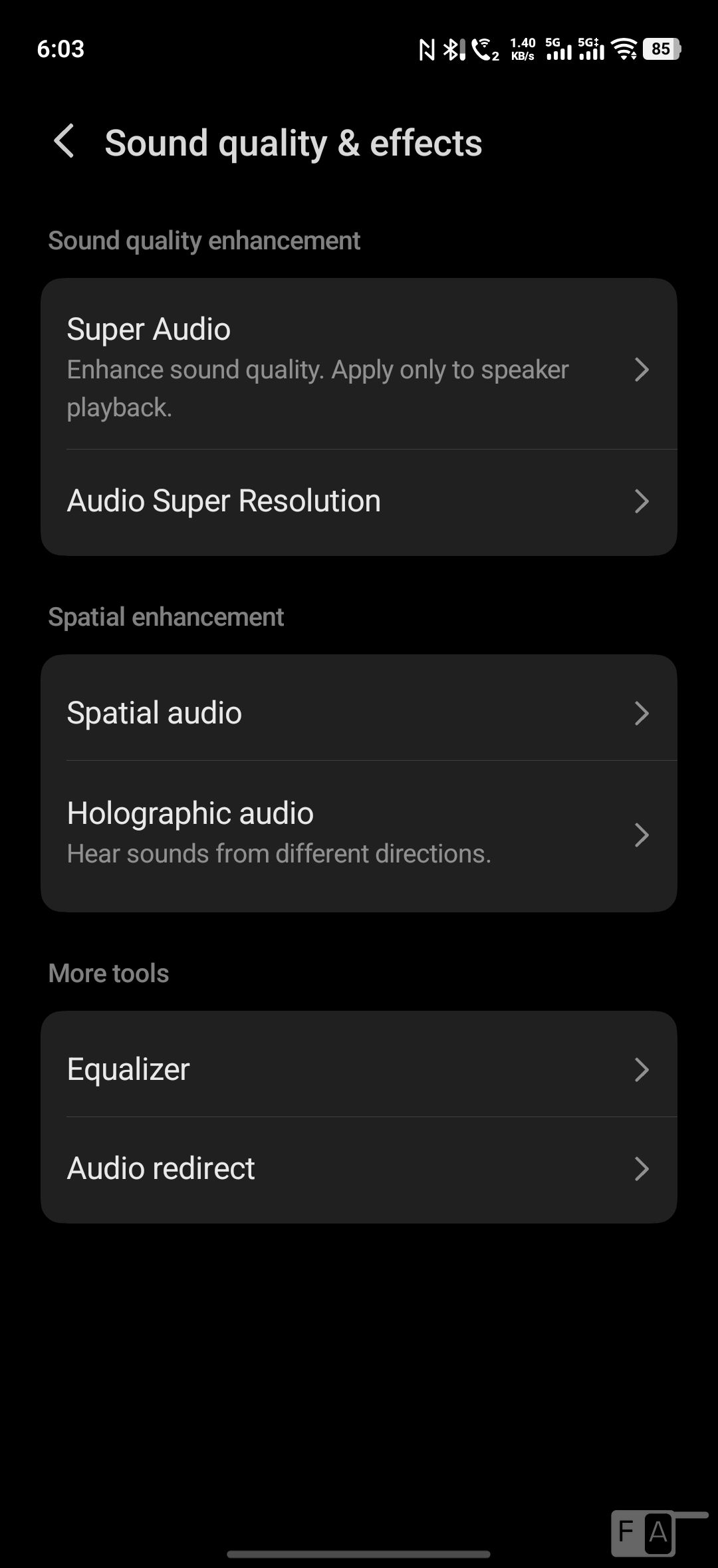
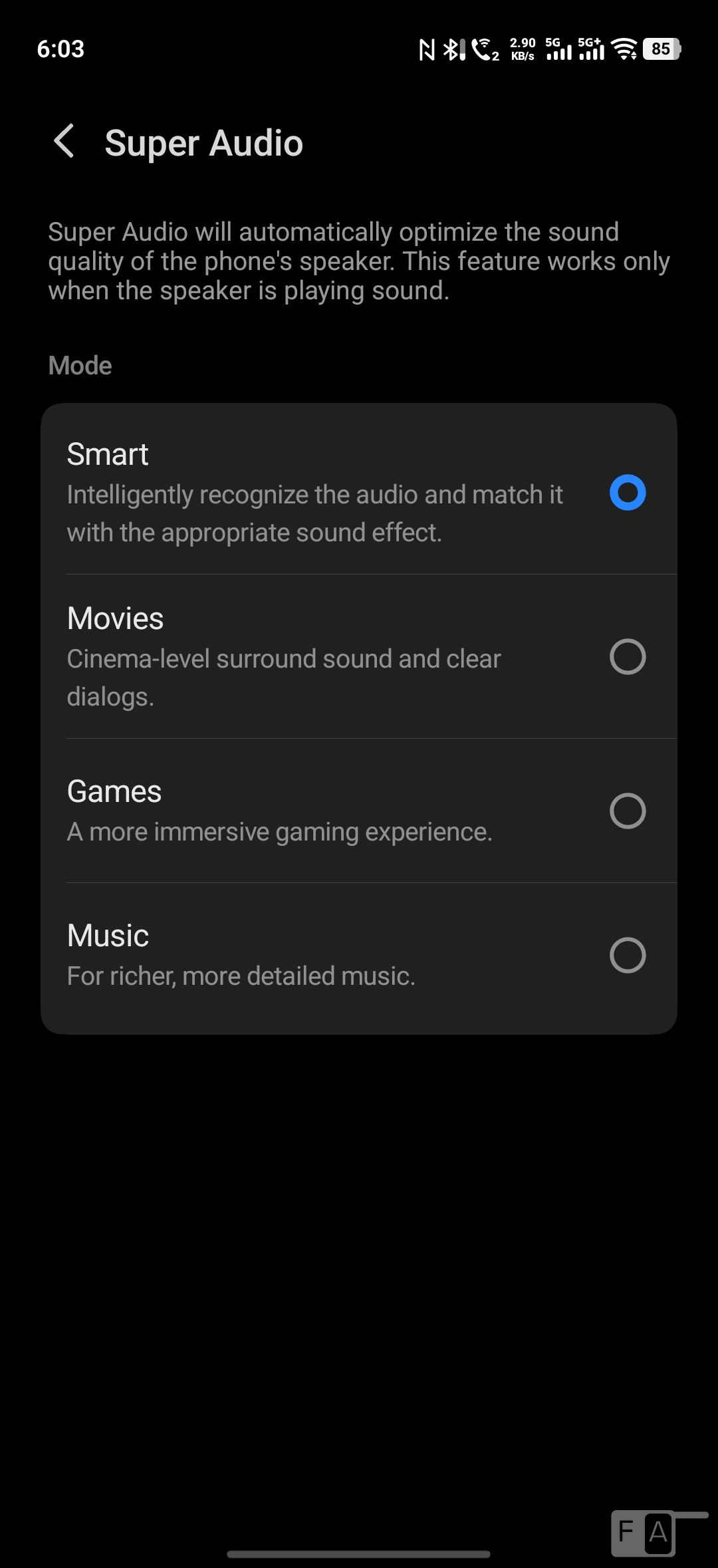
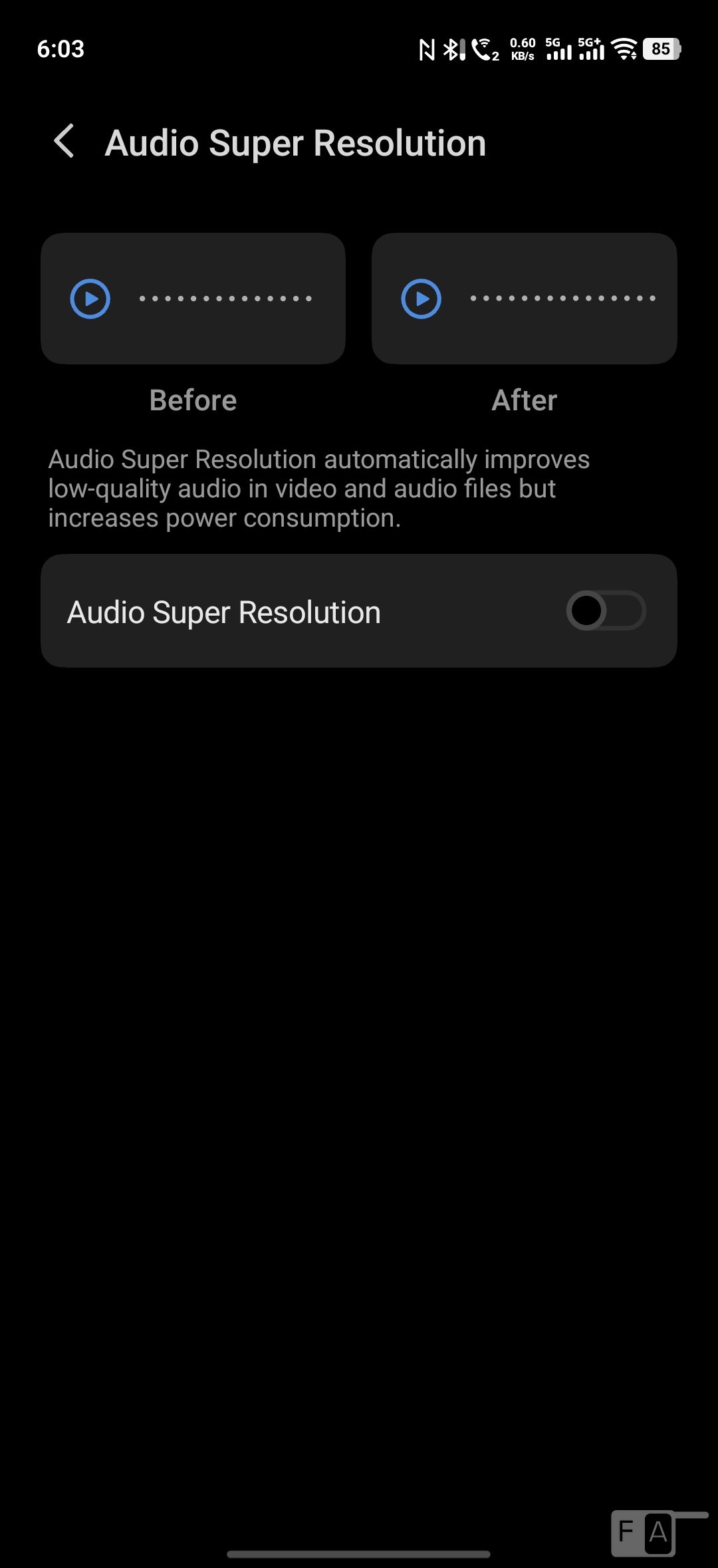
The default music player also has an equalizer and DeepField sound effects. It doesn’t have FM radio support. There is audio super resolution and super audio features. Audio through the stereo speakers is crisp and loud. Audio through the headphones is good as well.
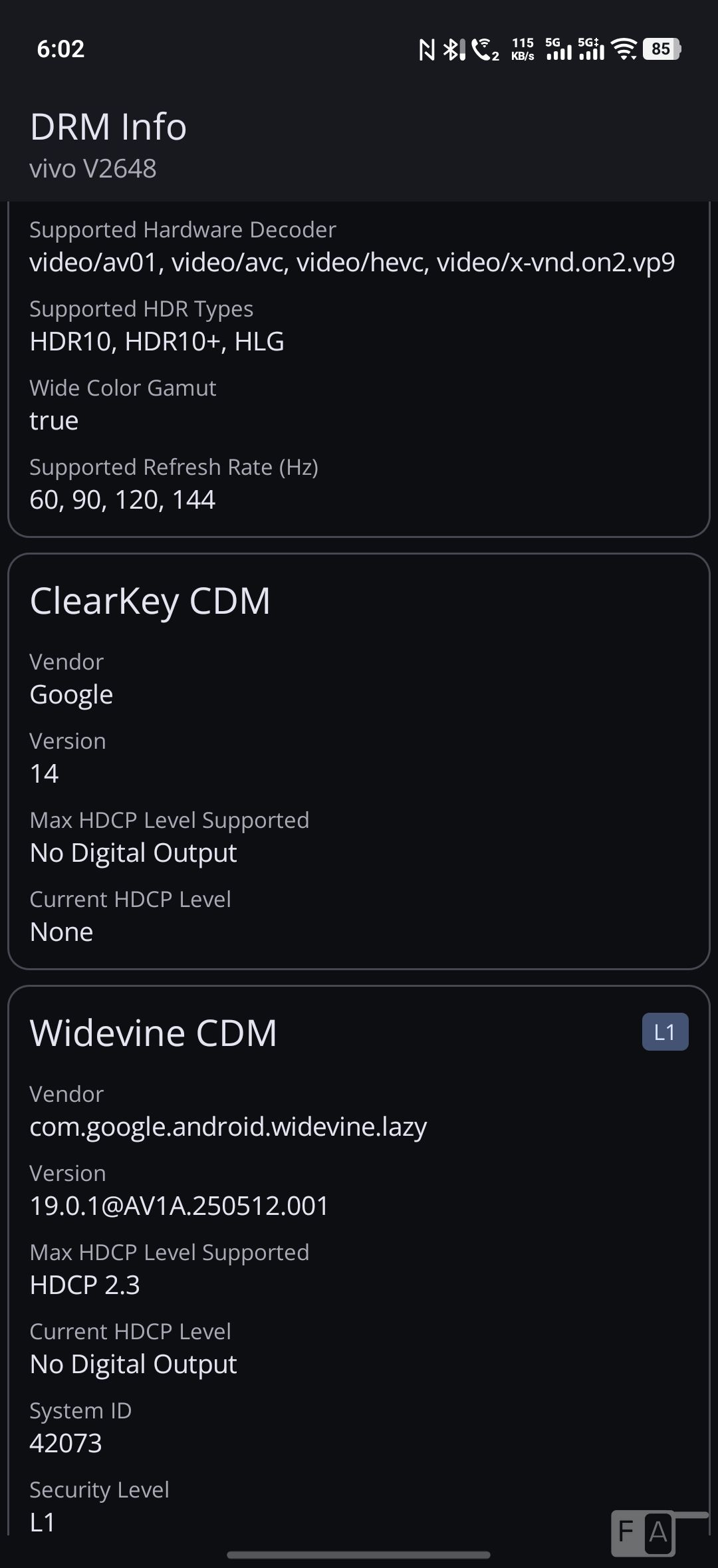
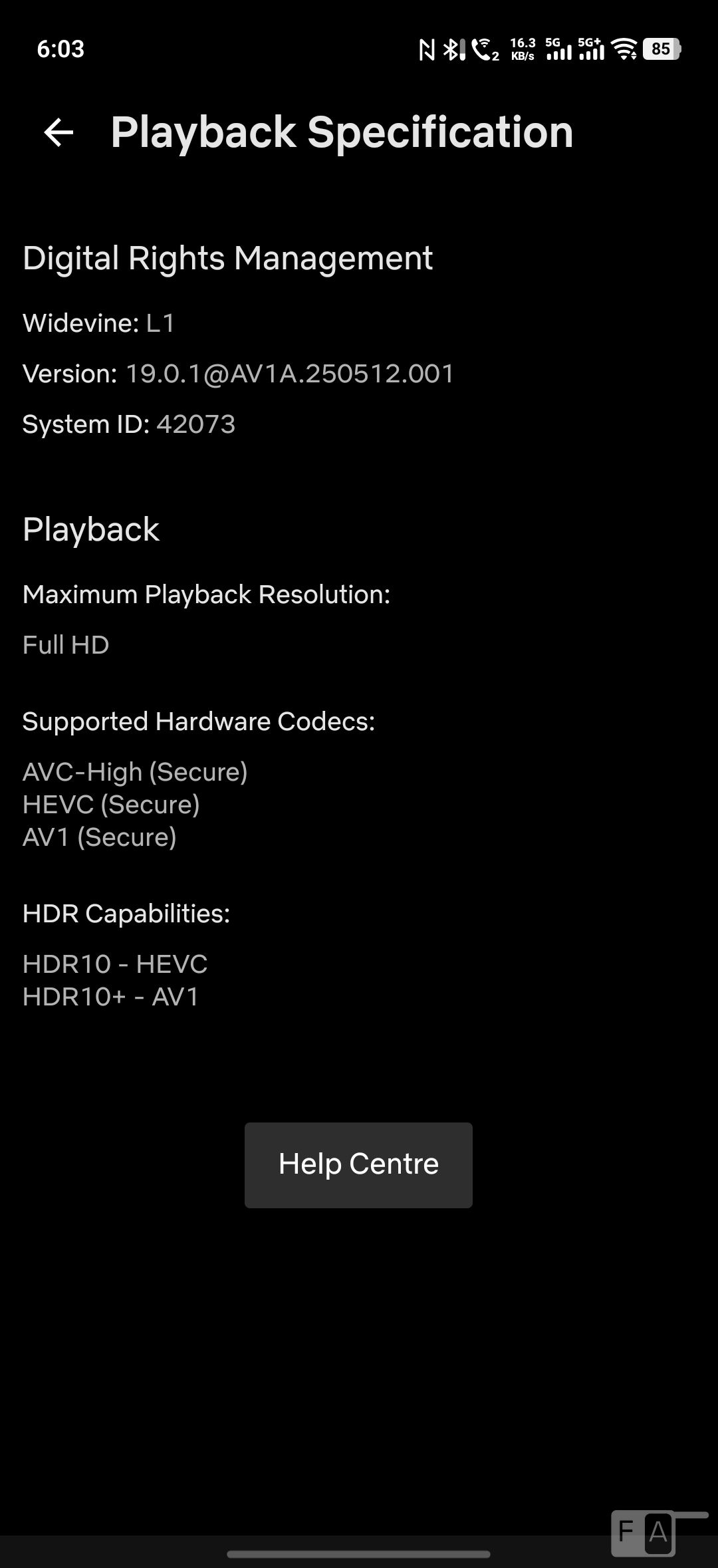
This has Widevine L1 so that you can play HD content on Amazon Prime Video, Netflix and other streaming apps. It also supports HDR playback on YouTube, and Netflix has HDR 10+.
Dual SIM and Connectivity
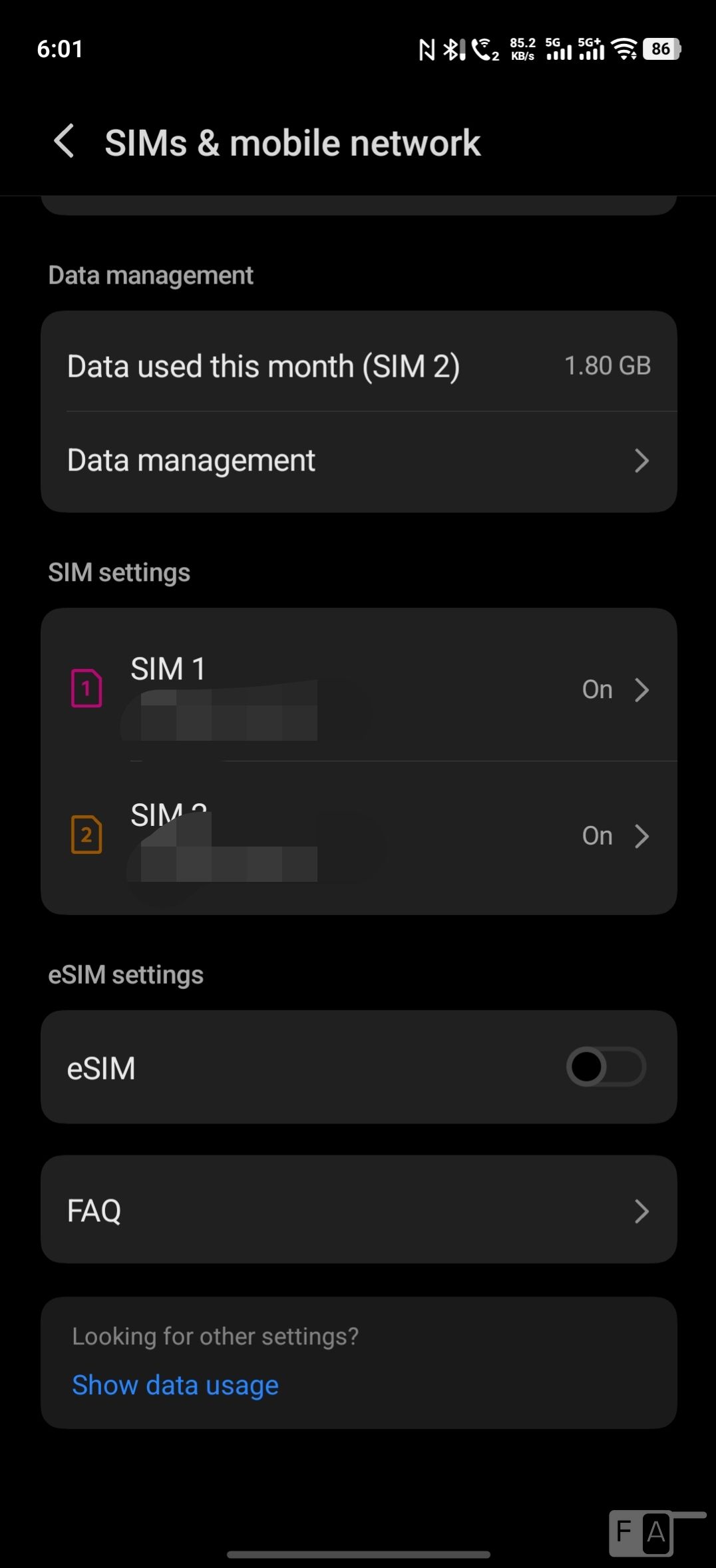
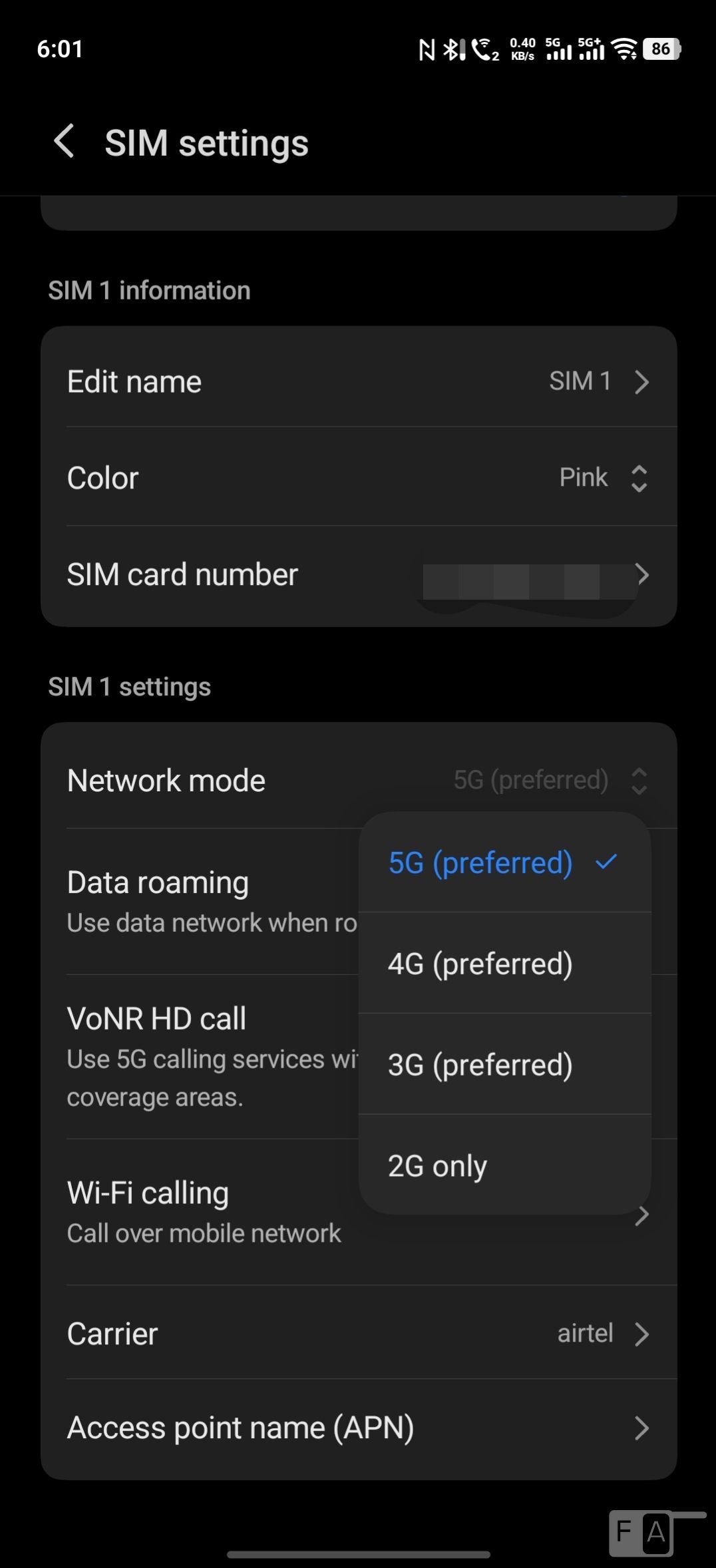
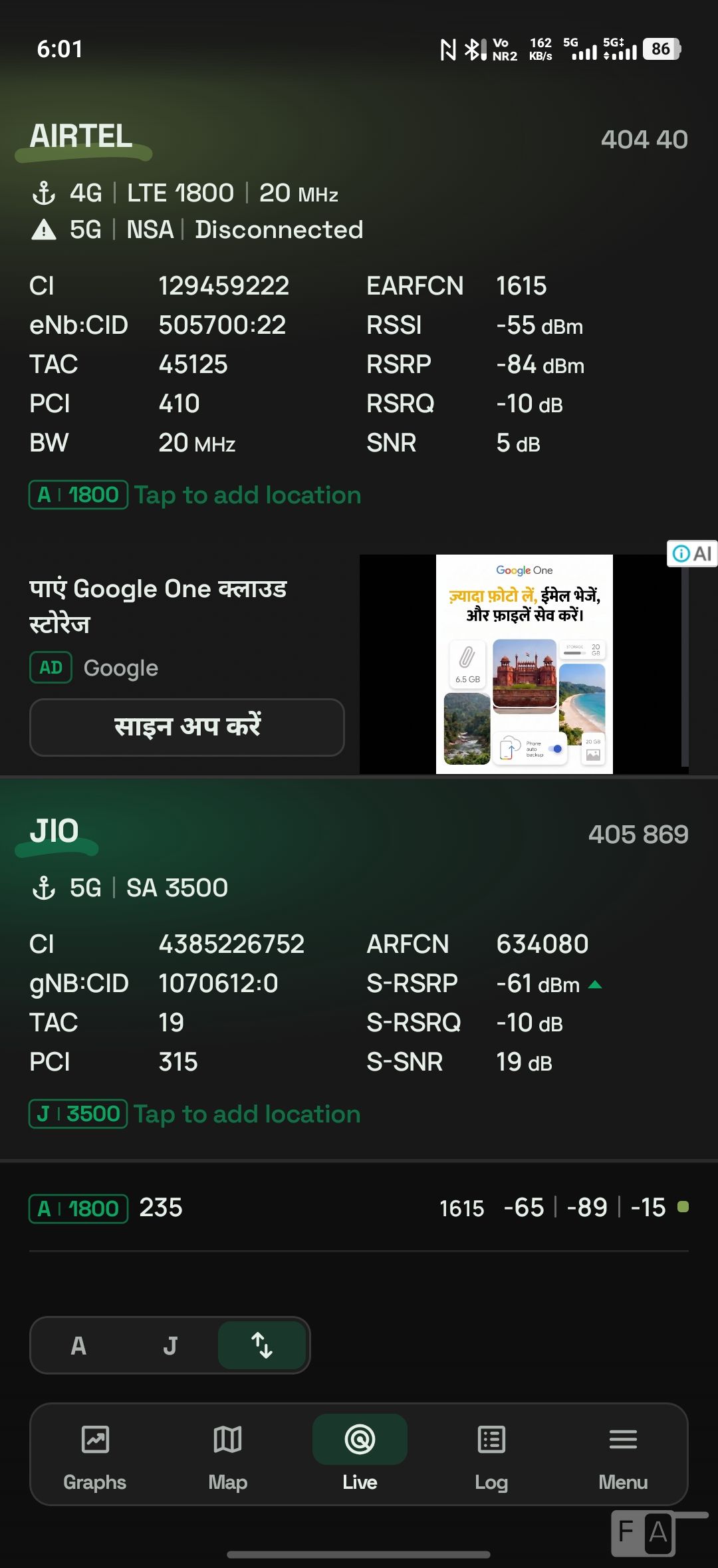
It has the usual set of connectivity features, such as 5G with support for n1/n3/n5/n8/n18/n26/n28/n38/n40/n41/n48/n66/n77/n78 bands, and supports Airtel and Jio 5G out of the box. There is also eSIM support, again a first for the V series phones. There is also dual 4G VoLTE, Wi-Fi 7 802.11be (2.4 GHz, 5 GHz and 6 GHz), Bluetooth 6.0, GPS + GLONASS and NFC support. It also has USB OTG support, and it has USB 2.0. We did not face any call drops, and the earpiece volume is good.
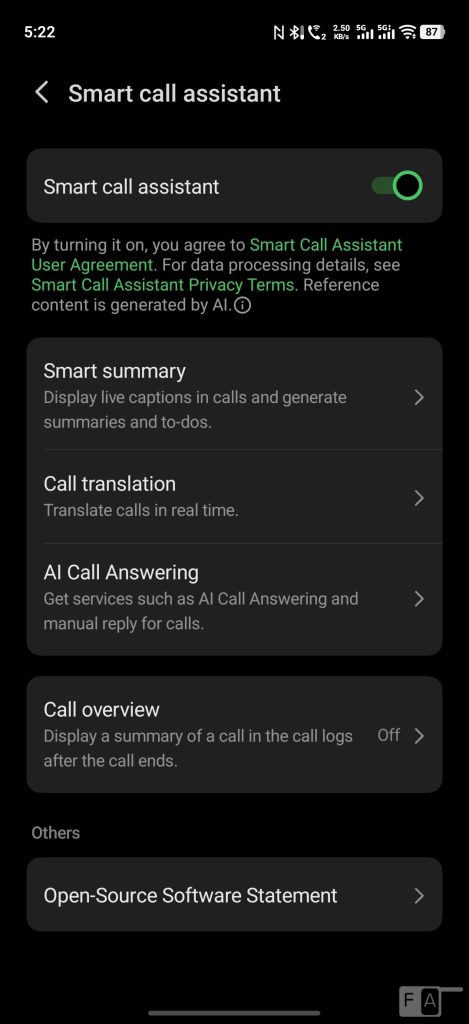
The stock dialer adds smart summary and AI call translation. There is also call recording without an announcement. It uses Google Messages.
The vivo V80’s body SAR is 0.78/Kg and head SAR is at 1.09/Kg, which is well under the limit of 1.6 W/kg (over 1 g) in India.
Performance and Benchmarks
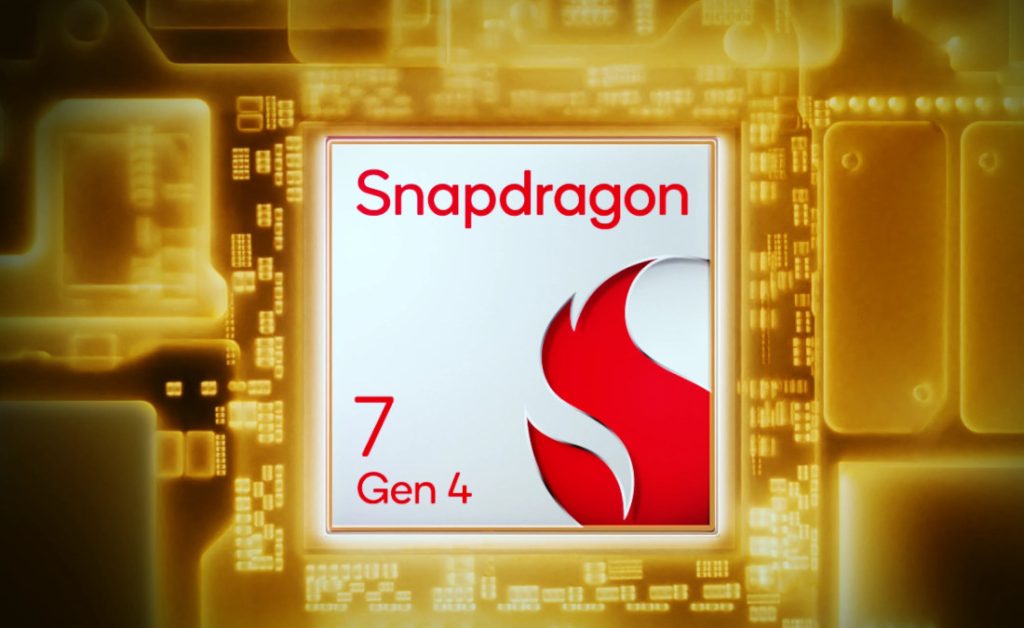
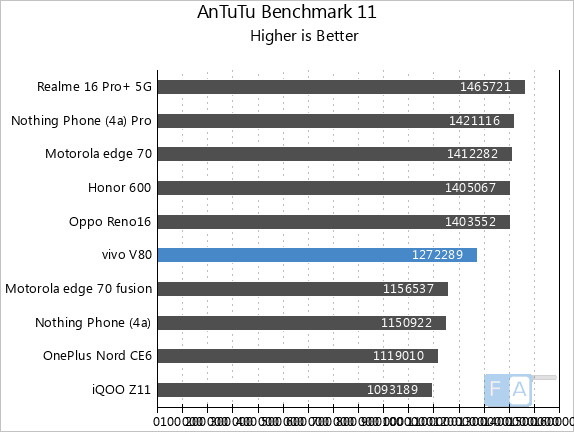
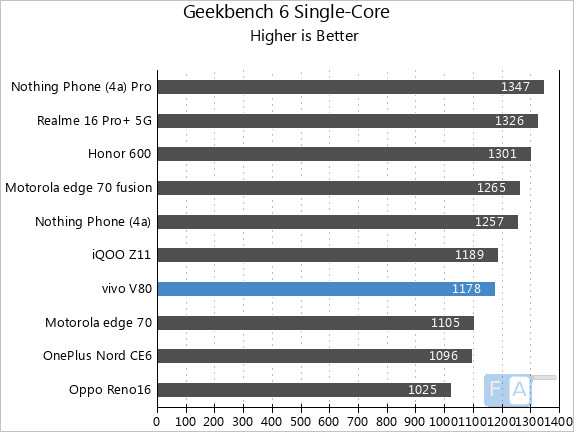
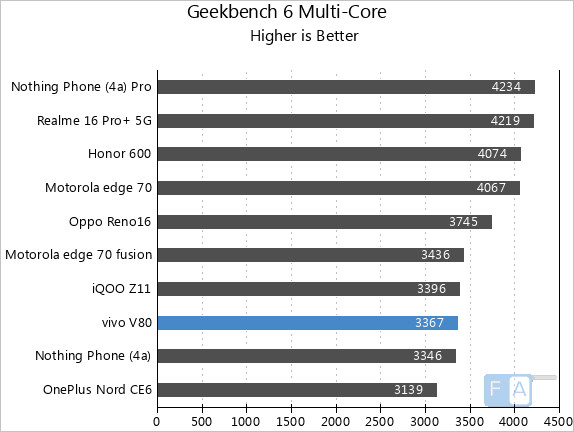
This retains the Snapdragon 7 Gen 4 Mobile Platform, same the V60 and the V70. This has 1 x 2.8 GHz ARM Cortex-A720 prime core, 3 x A720 performance cores at up to 2.4 GHz, and 4 x Cortex-A520 efficiency cores at up to 1.84 GHz.
There is Adreno 722 GPU, which offers good gaming performance and promises 30% faster GPU graphic renderings compared to the 7 Gen 3. There is no mention of cooling, and the phone gets heated quickly on intensive gaming but stays cool with normal use, including 5G use in sunny outdoors. We did not face any issues or frame drops in the graphic-intensive games like COD, BGMI and Genshin Impact. Ultra HDR graphics and Ultra frame rate works in BGMI.
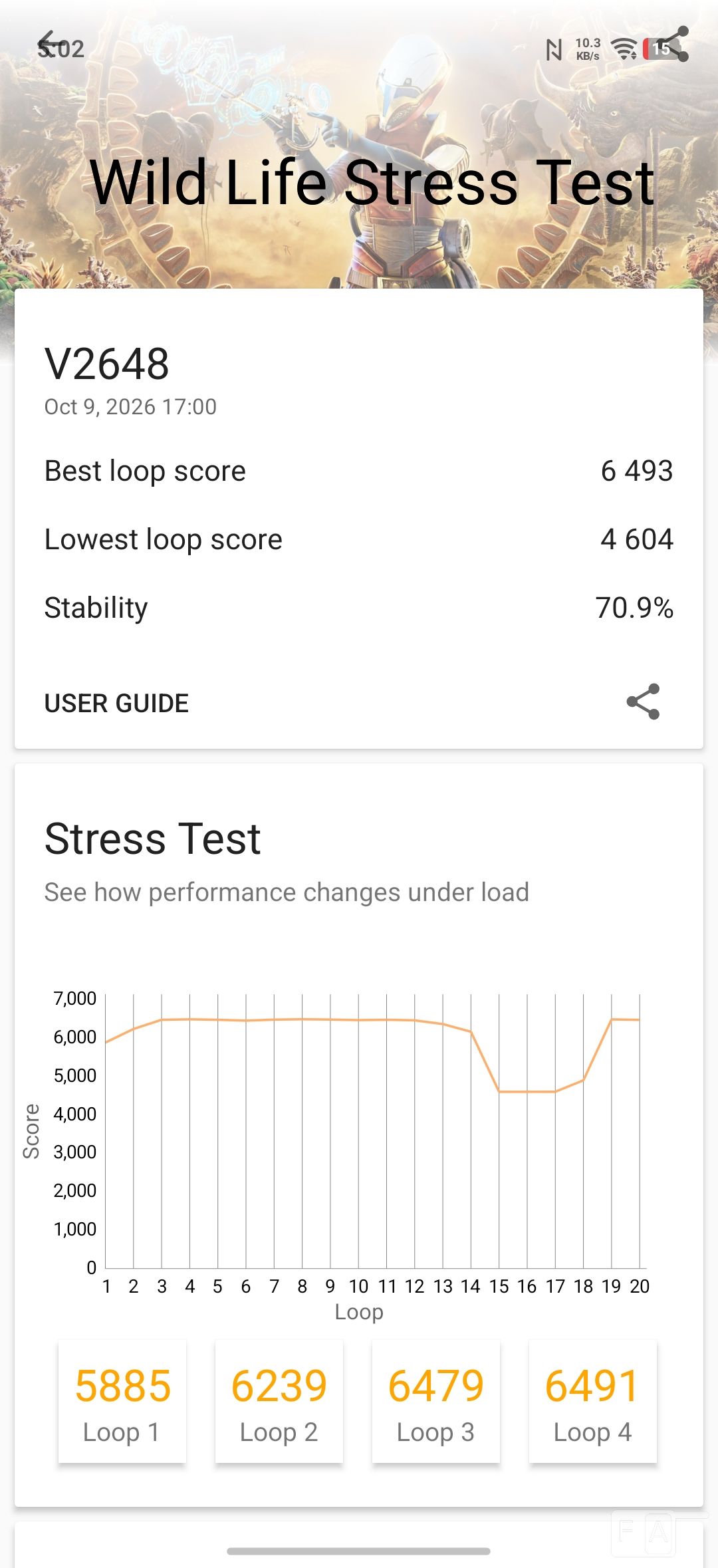
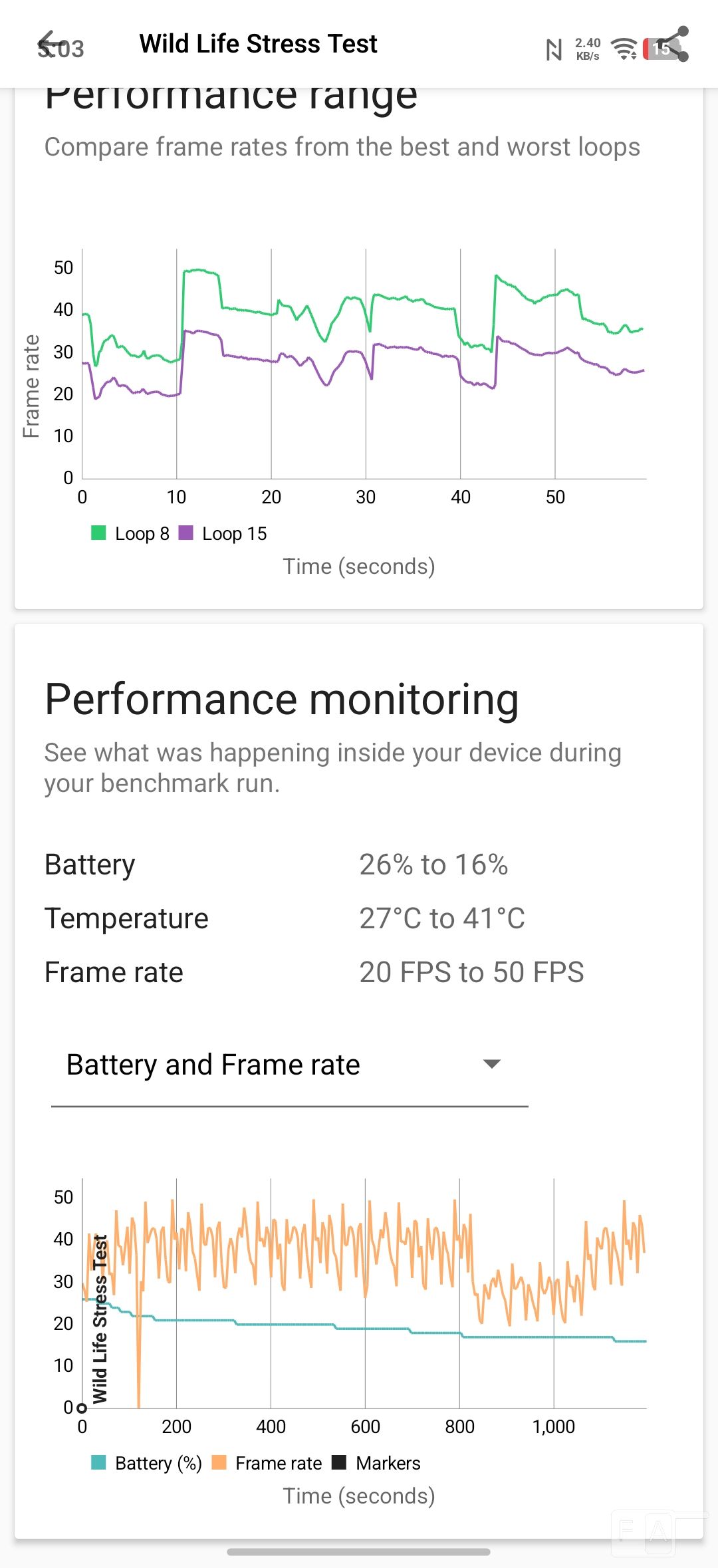
In the 3D Mark wildlife stress test, it scored 70.9%, which is decent. The temperature shot up from 27 to 41 degrees, which is high. That said, check out some synthetic benchmark scores below.
Battery life
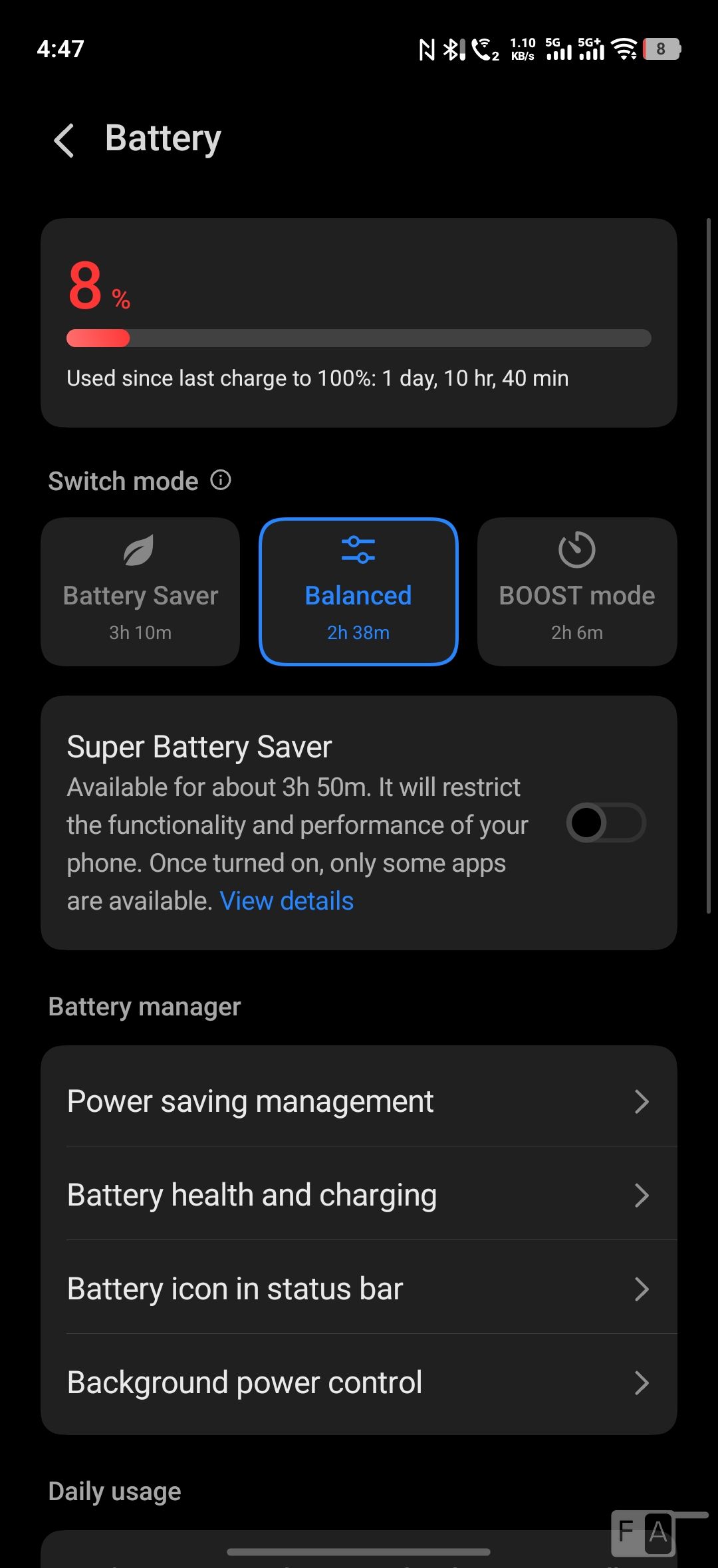
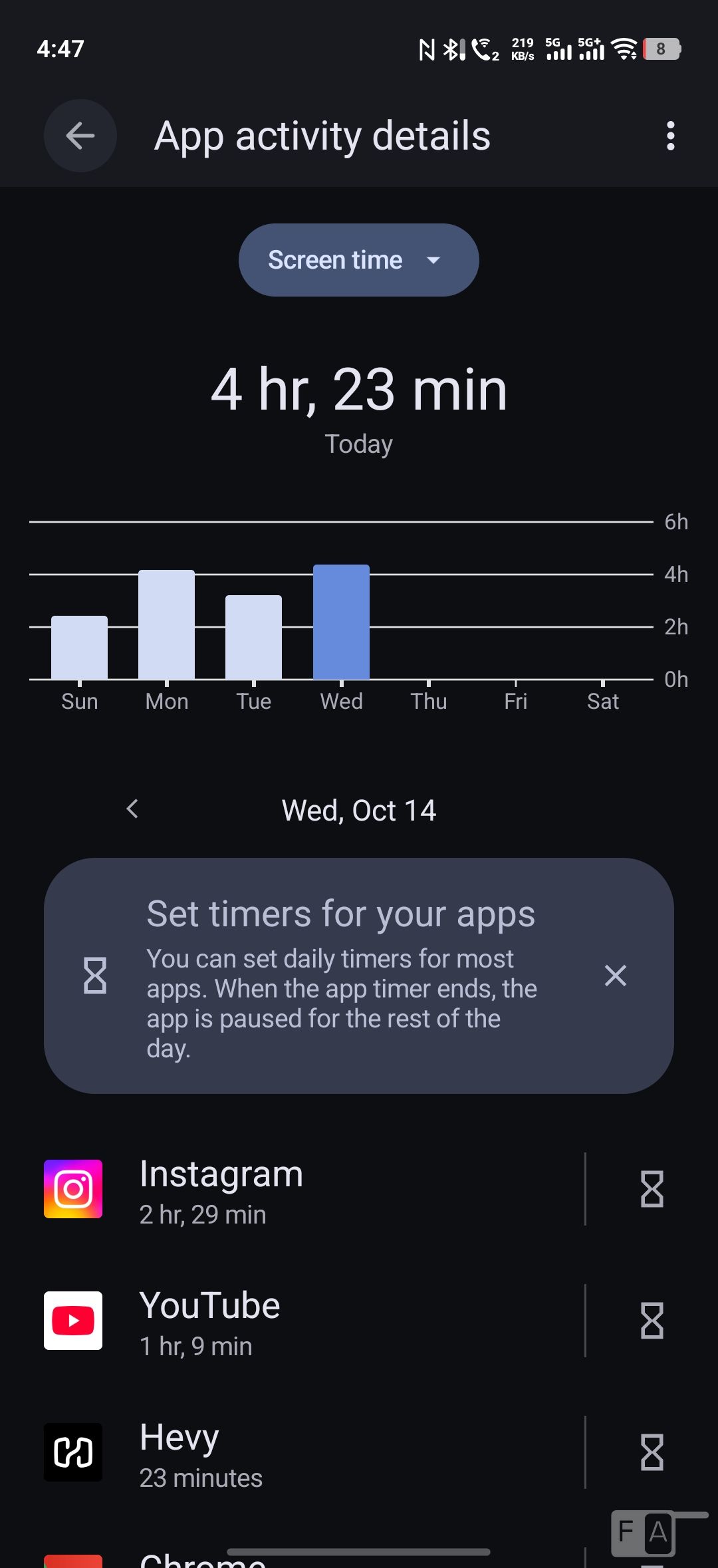
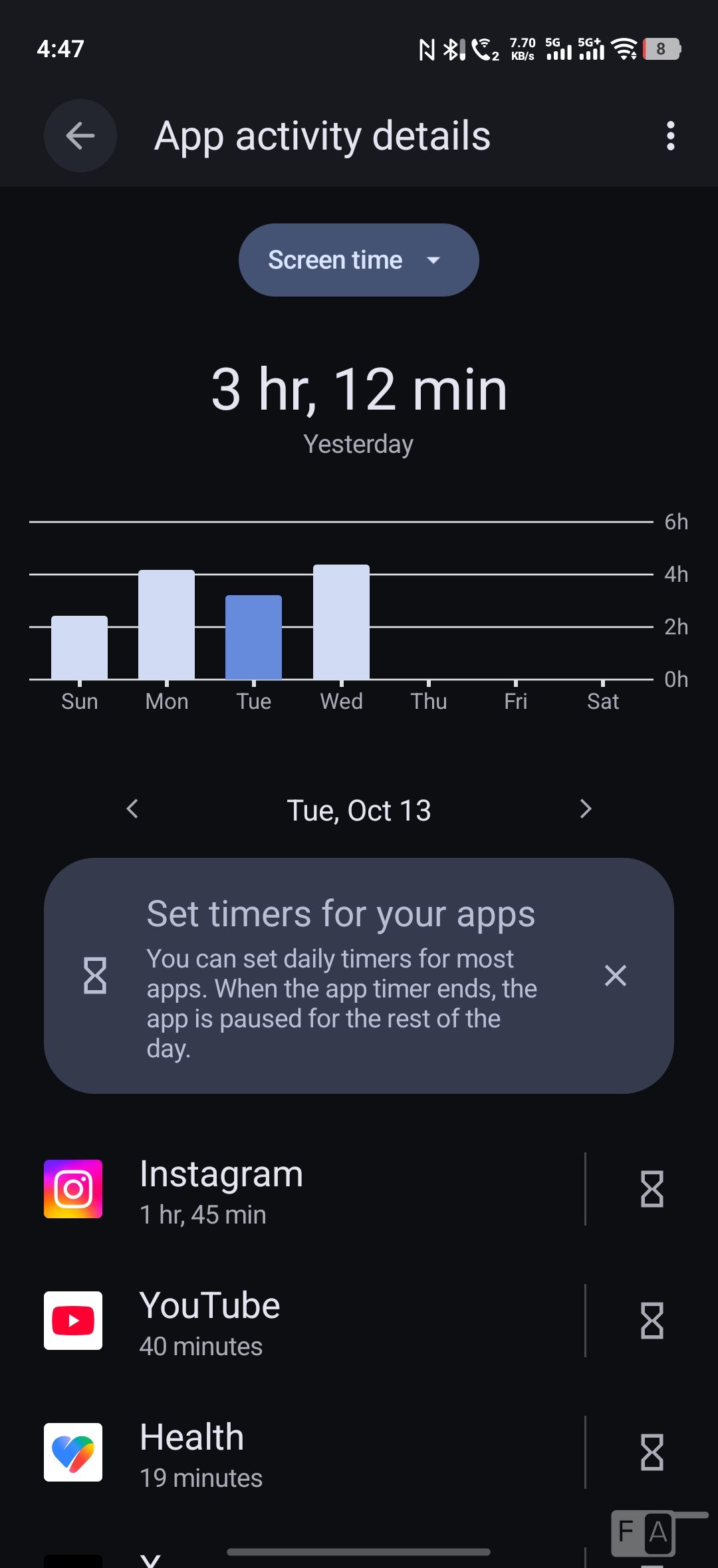
Coming to the battery life, the phone packs a 7200mAh (typical) silicon-carbon battery, a slight upgrade compared to 6500mAh in the V70, and the largest to date in the V-Series. It can easily last for a day with heavy use and for two days with typical use with 5G enabled and multimedia, thanks to the optimisation. I got over 7 hours of screen time with close to 2 days of mixed Wi-Fi and 5G use.
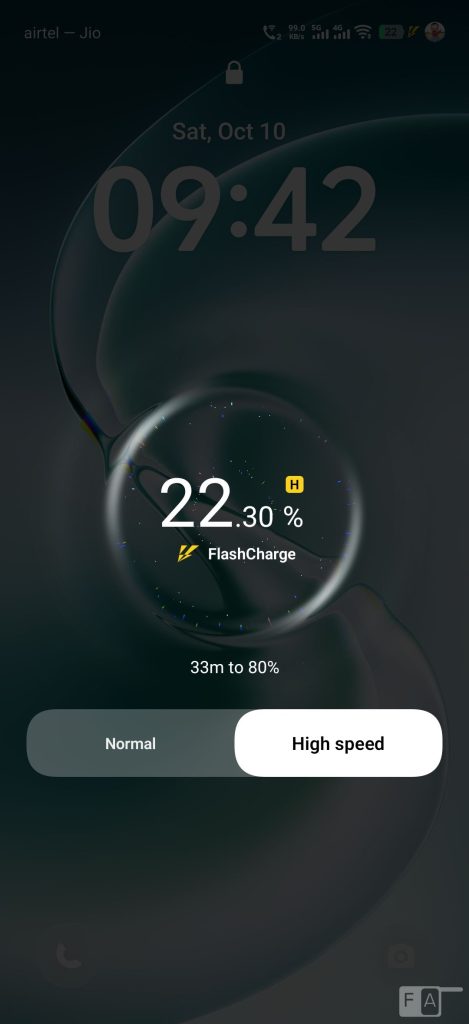
Since the phone has support for 90W fast charging, it can charge up to 50% in about half an hour, and 100% takes about an hour.
Conclusion
At a starting price of ₹62,999, the vivo V80 is an incremental update to the V70 that focuses on refinement, endurance, and premium hardware touches rather than raw processing power.
The biggest highlights of the smartphone are its massive 7200mAh silicon-carbon battery packed into a remarkably slim 7.69mm chassis, the gorgeous 144Hz 1.5K AMOLED display, and robust IP68/IP69 ingress protection with a 3D ultrasonic fingerprint scanner. The software experience also gets a fresh lease of life with OriginOS 7, backed by a generous update policy. The ZEISS-tuned portrait capabilities and the periscope telephoto lens continue to deliver reliable, versatile results for photography enthusiasts.
However, the decision to retain the Snapdragon 7 Gen 4 for a third consecutive iteration stings—especially given the significant price hike driven by rising component costs. While everyday performance is smooth and stable, power users and mobile gamers looking for peak sustained performance will find better value elsewhere in this price tier or even in vivo’s own recent lineup. Additionally, the 8MP ultra-wide sensor feels noticeably out of place on a device playing in the sub-flagship territory.
If your priorities lean heavily toward exceptional battery longevity, a top-tier display, refined portrait imaging, and flagship-grade durability, the vivo V80 makes a compelling lifestyle choice. But if pure performance and value-per-rupee are at the top of your list, you might want to look at older flagships or wait for upcoming price corrections before taking the plunge.
Alternatives
The OPPO Reno 16 is a good alternative in the similar price range. You can get the vivo V70 Elite with a more powerful chip for the same price as the V80.
Pricing and availability
- 8GB + 128GB: ₹62,999
- 8GB + 256GB: ₹69,999
- 8GB + 512GB: ₹79,999
The phone is now available from vivo’s official online store, Amazon.in, Flipkart, and authorized mainline retail stores.
Pros
- 144Hz AMOLED HDR display is good
- Good cameras in daylight
- Smooth performance
- Solid build quality, IP68 + IP69 ratings
- Excellent battery life, 90W fast charging
Cons
- Same old chip for a steep price
- Weak ultra-wide camera