
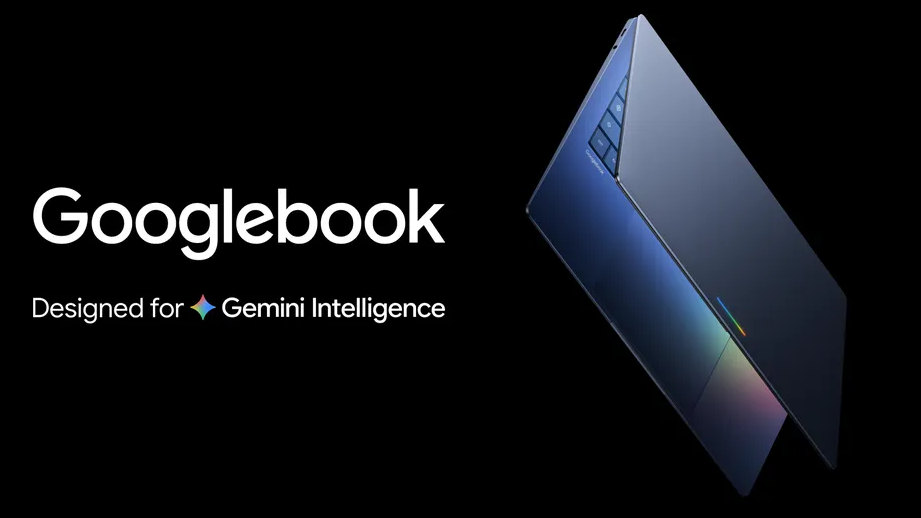
Google has announced the upcoming release of the “Googlebook,” a new category of laptops that represents a shift from traditional operating systems to an AI-centric platform. More than 15 years after the introduction of the cloud-focused Chromebook, the Googlebook aims to merge the Android and ChromeOS ecosystems while placing Google’s Gemini AI at the core of the user experience.
Core Operating System and AI Integration
The Googlebook is built upon a hybrid foundation that combines the application support of Android via Google Play with the browsing environment of ChromeOS. The primary distinction of this new device category is its foundational integration with Gemini Intelligence, designed to offer proactive and contextual assistance.
Google highlighted two key software features driven by Gemini:
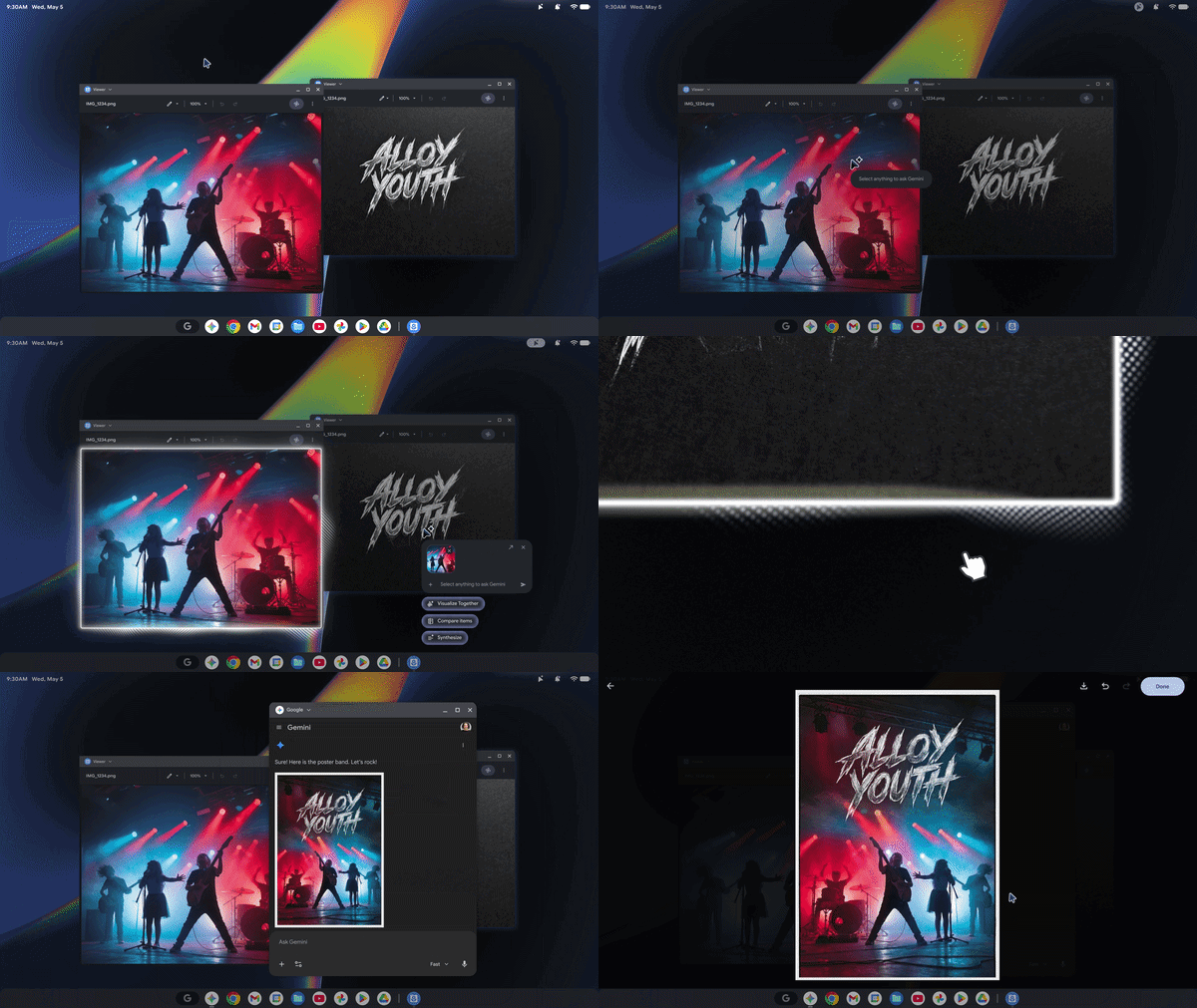
- Magic Pointer: Developed in collaboration with Google DeepMind, this feature reimagines standard cursor functionality. By activating the cursor, users can receive contextual AI suggestions based on the items they point to on the screen. Example use cases include pointing at a date in an email to automatically schedule a meeting, or selecting two distinct images to generate a combined visual representation.
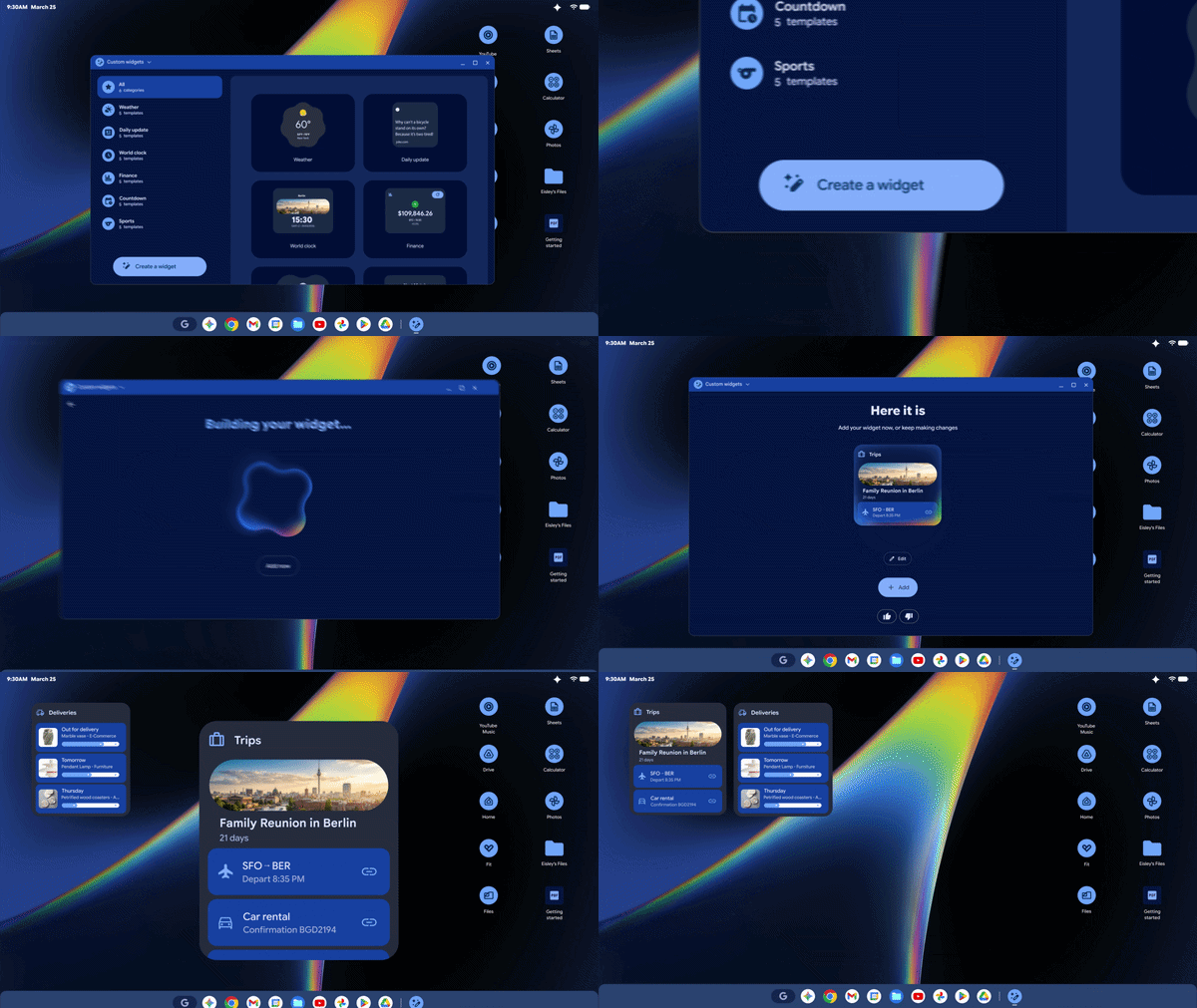
- Create your Widget: This feature allows users to generate custom desktop widgets using text prompts. Gemini can aggregate data from web searches and connected Google workspace applications (such as Gmail and Calendar) into a single dashboard. For example, a travel widget could compile flight details, hotel reservations, and a countdown timer in one location on the desktop.
Cross-Device Functionality and Android Ecosystem
Because the Googlebook utilizes components of the Android technology stack, it is designed to facilitate seamless interaction between the laptop and a user’s smartphone.
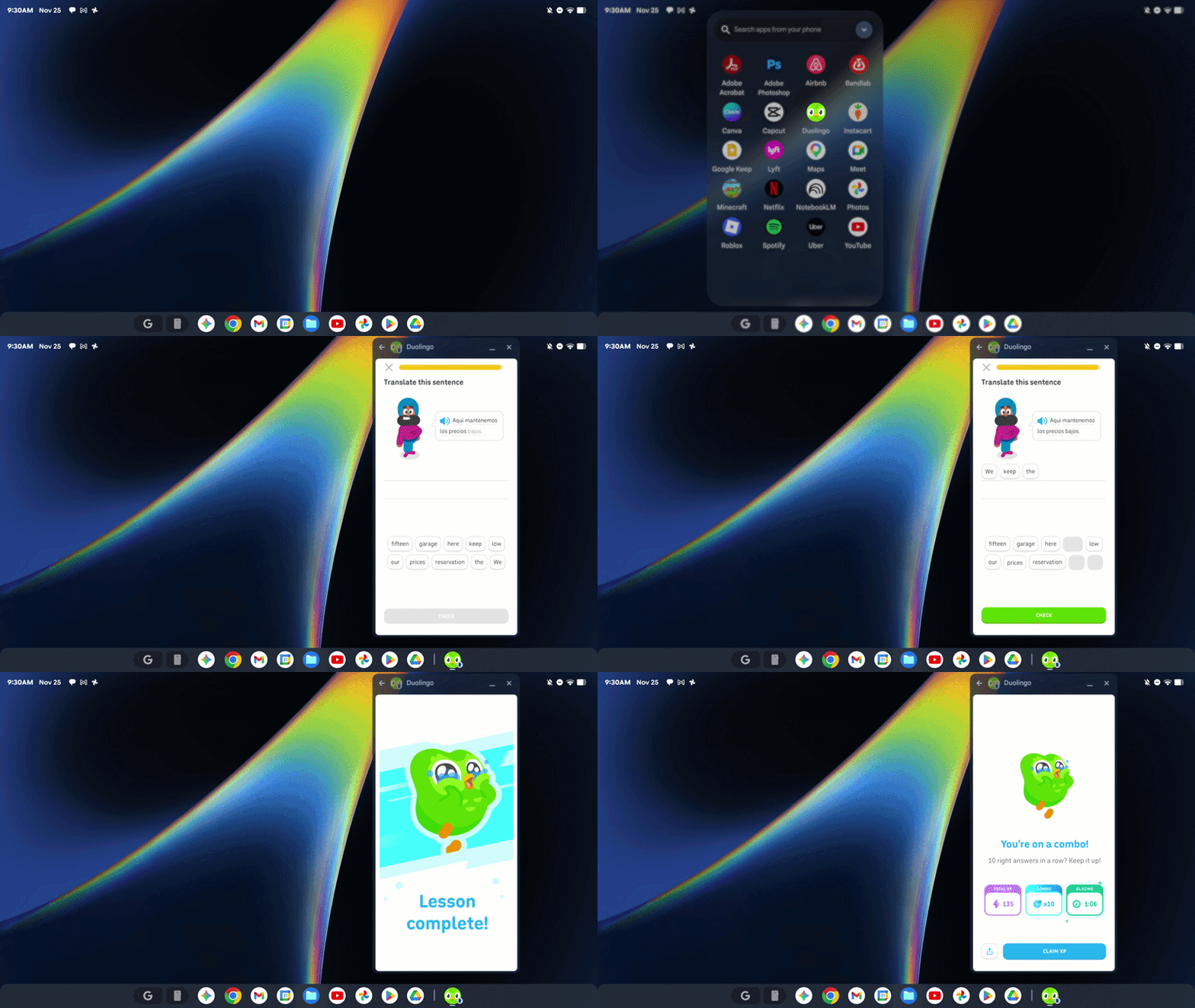
Key cross-device capabilities include:
- Smartphone Application Mirroring: Users can access and interact with apps installed on their phones directly from the Googlebook screen, allowing for continuous workflows without needing to switch devices.
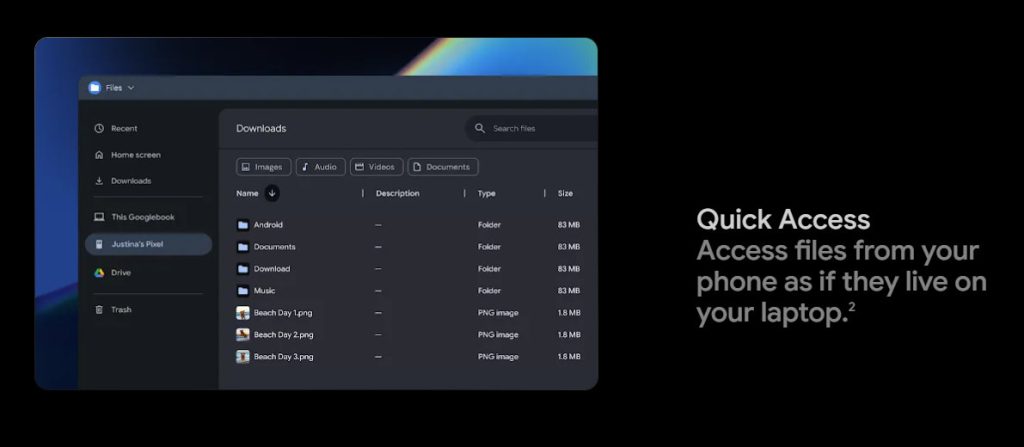
- Quick Access File Browsing: The native file browser on the Googlebook allows users to view, search, and insert files stored on their connected smartphone. This bypasses the need for manual file transfers between devices.
Hardware Partnerships and Availability
Google is collaborating with several major computer hardware manufacturers to produce the initial lineup of Googlebooks.
Confirmed Manufacturing Partners: Acer, ASUS, Dell, HP and Lenovo.
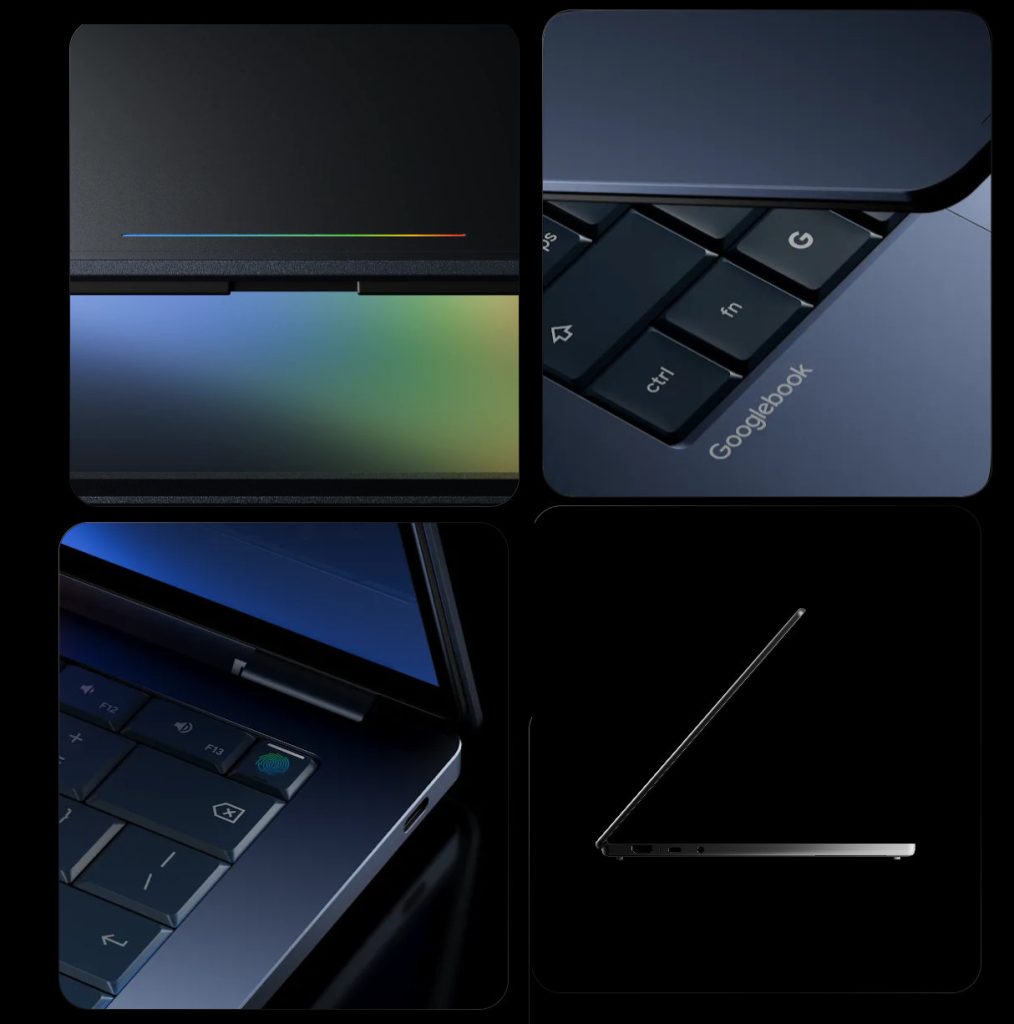
According to the announcement, the devices will feature premium construction materials and will be available in various form factors. A distinguishing physical characteristic of the hardware will be a functional “glowbar,” serving as a unique identifier for the Googlebook line.
Further details regarding the Googlebook are expected to be released via the product’s official website, with the first consumer devices slated to become available in the fall.