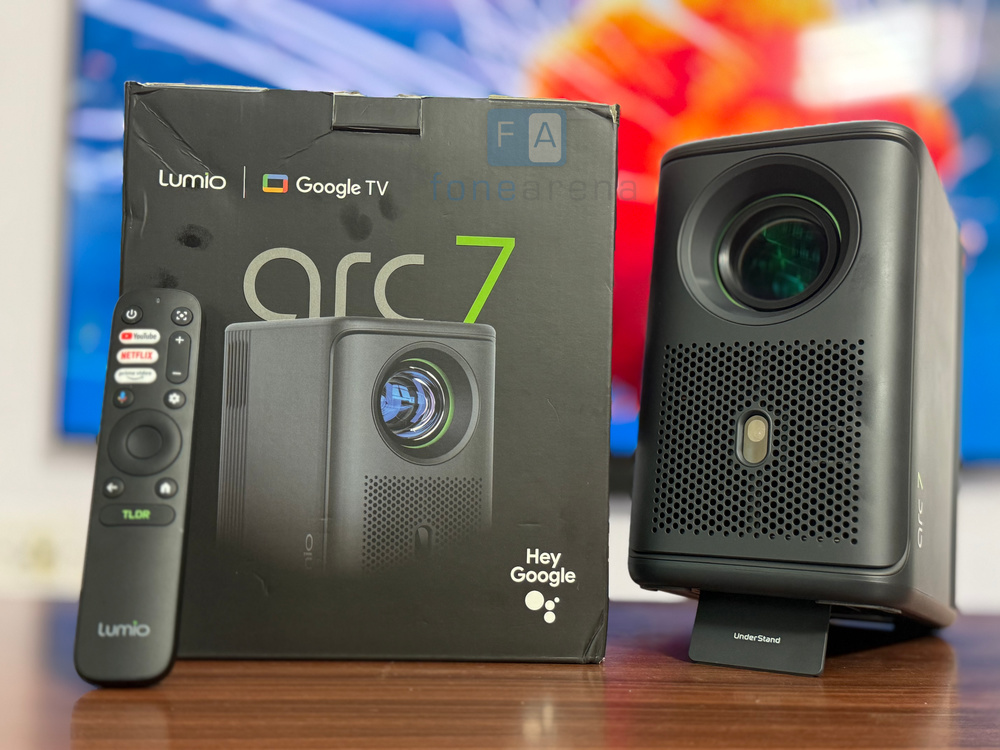
For years, the affordable projector market in India has been a bit of a wild west. You either settled for a low-cost, no-name device with clunky software and non-existent support, or you had to shell out a small fortune for a high-end model. Finding a middle ground has been a challenge. Enter Lumio, an Indian brand that made some waves with its snappy smart TVs. Now, they’re stepping into the projection game with the Lumio Arc series. The company says it looked at what frustrates users the most – laggy interfaces, the nightmare of getting Netflix to work, and poor audio – and decided it could do better. Their answer is the Lumio Arc 7, a projector that aims to be the go-to recommendation not because it’s cheap, but because it simply works. I’ve spent some time with the Arc 7, and here are my unfiltered thoughts.
The Setup: Mostly Magic, Some Manual Effort Required
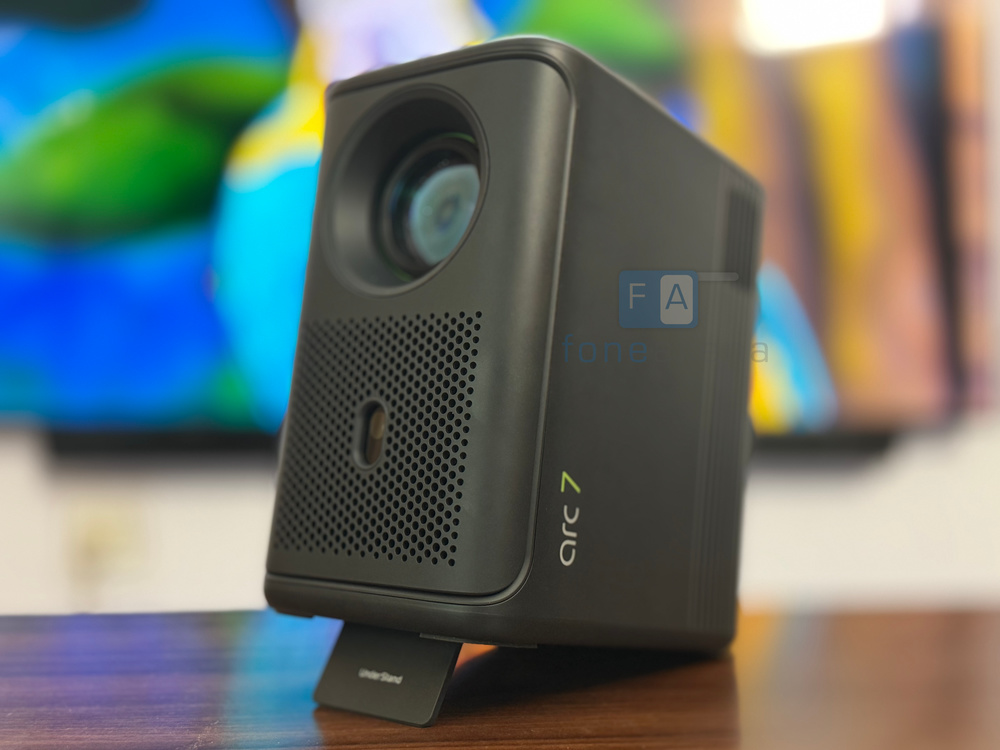
Let’s get straight to the point. Setting up this projector is ridiculously easy. I’ve fiddled with many old projectors, and the setup process is often a tedious dance of manual focusing and keystone correction. The Arc 7 does away with most of that. You plug it in, point it at a wall, and turn it on.
Box Contents
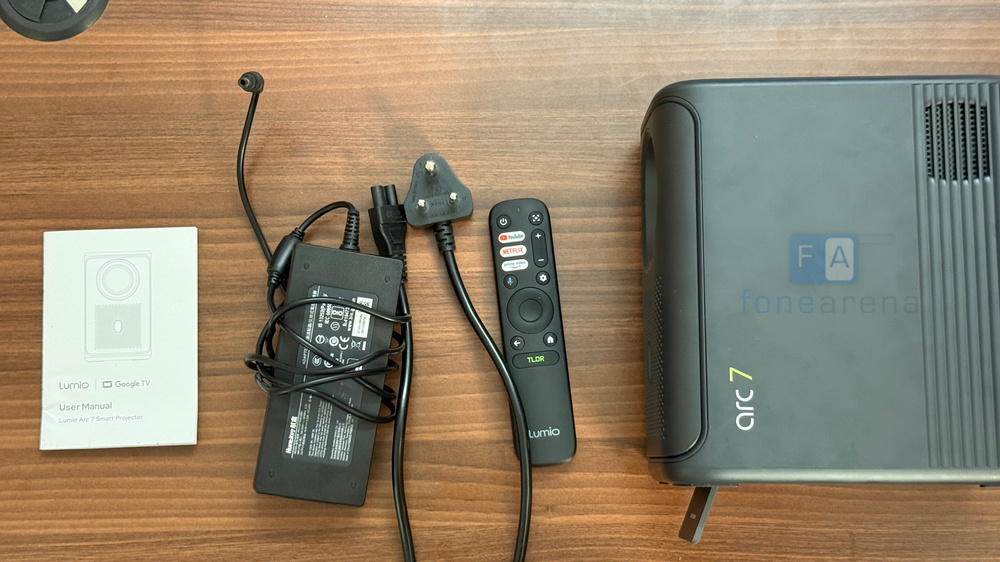
Lumio calls its technology Smooth Trapezoidal Recalibration (STR8), which is a fancy way of saying it automates the entire alignment process. It uses a dedicated Time-of-Flight (ToF) sensor to measure the distance to the wall and the projection angle.
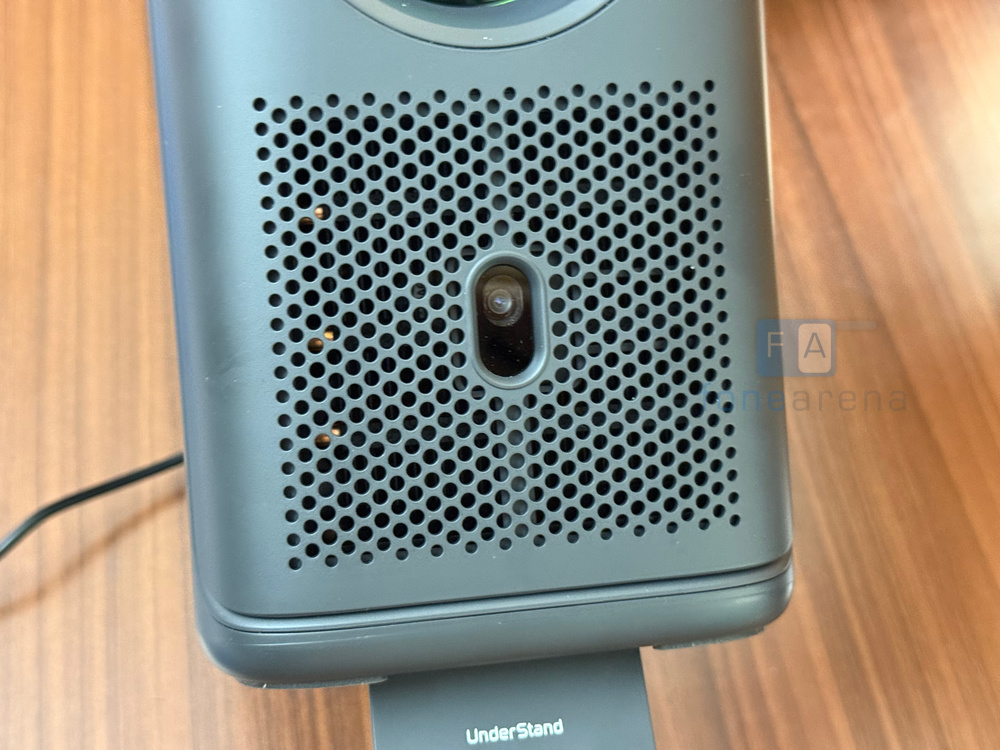
This enables a few key features that genuinely feel like magic, including an auto-focus with a motorized ring that adjusts automatically whenever you move the projector, instantly sharpening the image. It also performs real-time auto keystone correction, both vertically (up to ±30°) and horizontally (up to ±25°), ensuring you always get a perfect rectangle. What’s particularly clever is the obstacle avoidance, where the ToF sensor detects things like switchboards or photo frames on the wall and automatically shifts the projected image to avoid them.
Honestly, finding a large, empty wall in my house was a bigger task than the initial setup. However, while the auto-settings are fantastic for getting started, they aren’t always perfect. In some environments, to get the absolute best picture, it’s a must to dive into the settings and manually adjust the brightness and the focus of the corners.
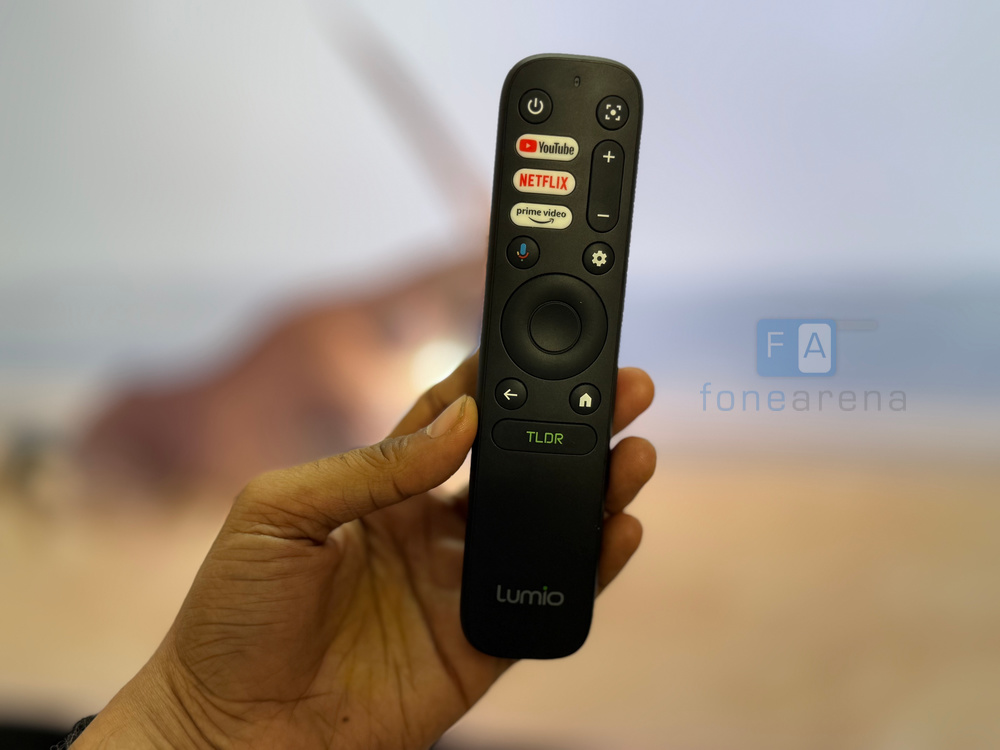
This brings me to the manual controls. The auto-focus works great, but if you do need to fine-tune it, your only option is the remote. There is no manual focus dial on the unit itself. The digital controls on the remote aren’t the most intuitive on the first try, and a simple analog dial would have made these small adjustments much quicker and more precise.
Design and Build: Practical, But with Room for Improvement
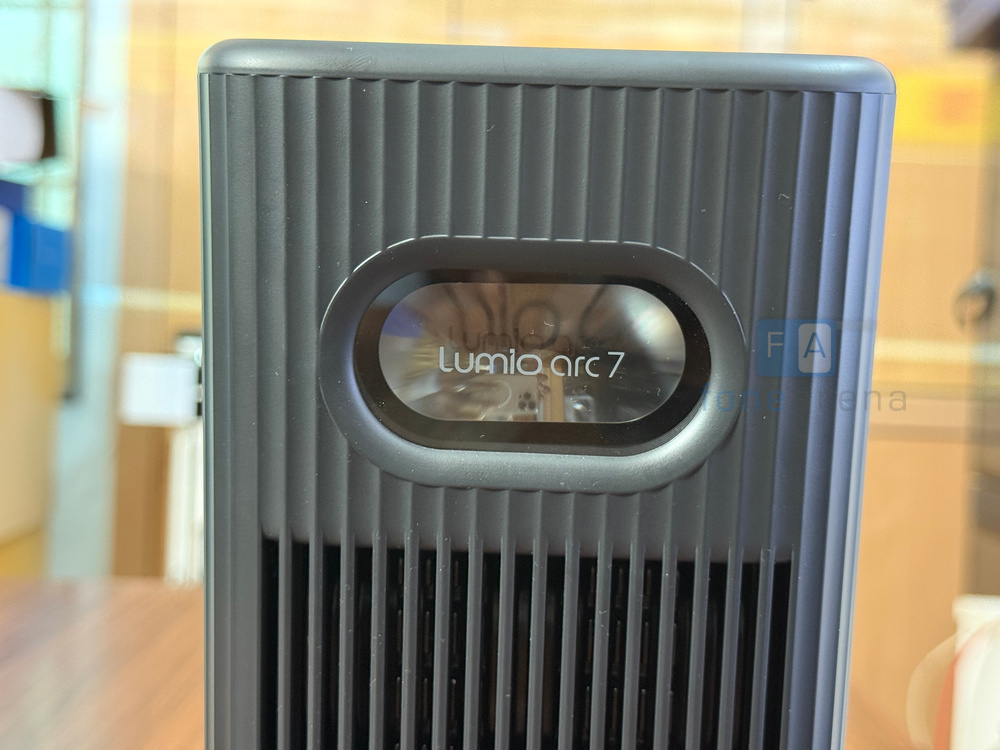
The Arc 7 has a vertical tower design, which is a smart choice. It takes up about 40% less table space than traditional flat projectors and feels quite stable. It weighs 2.36 kg, making it portable enough to move between rooms. However, a simple built-in carry handle would have been a welcome and practical addition for easier transport.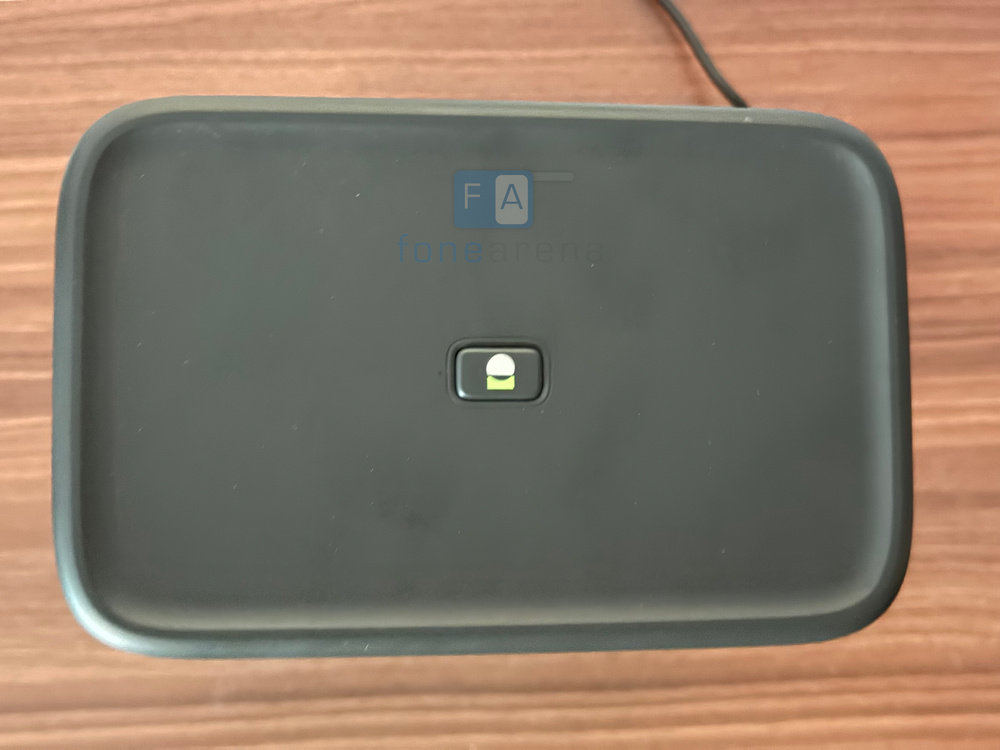
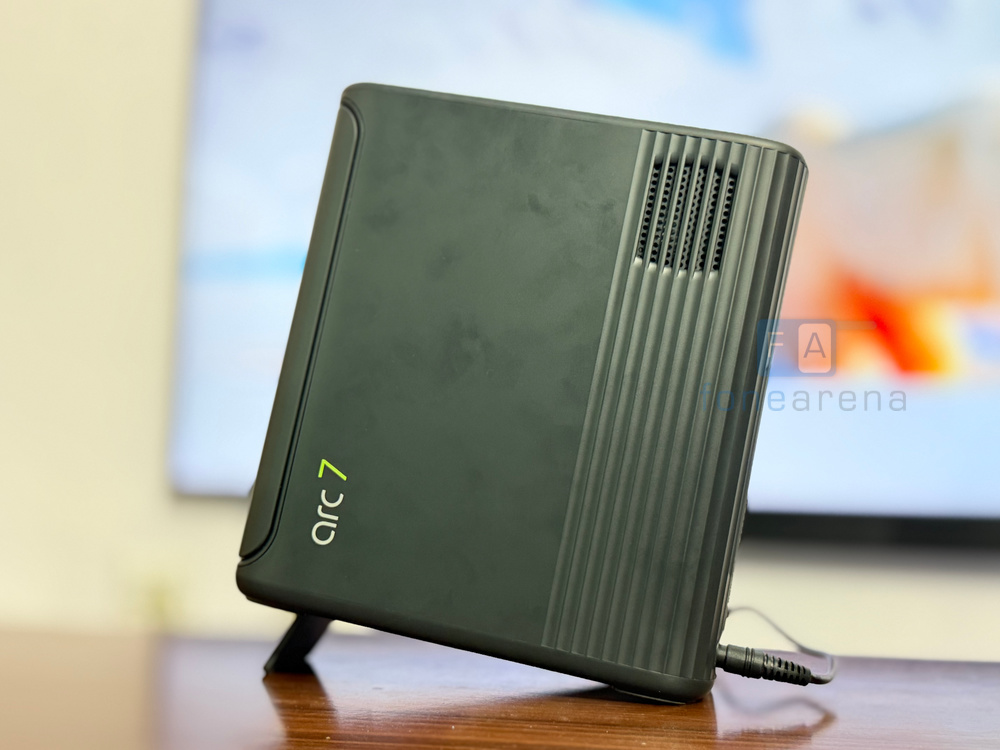
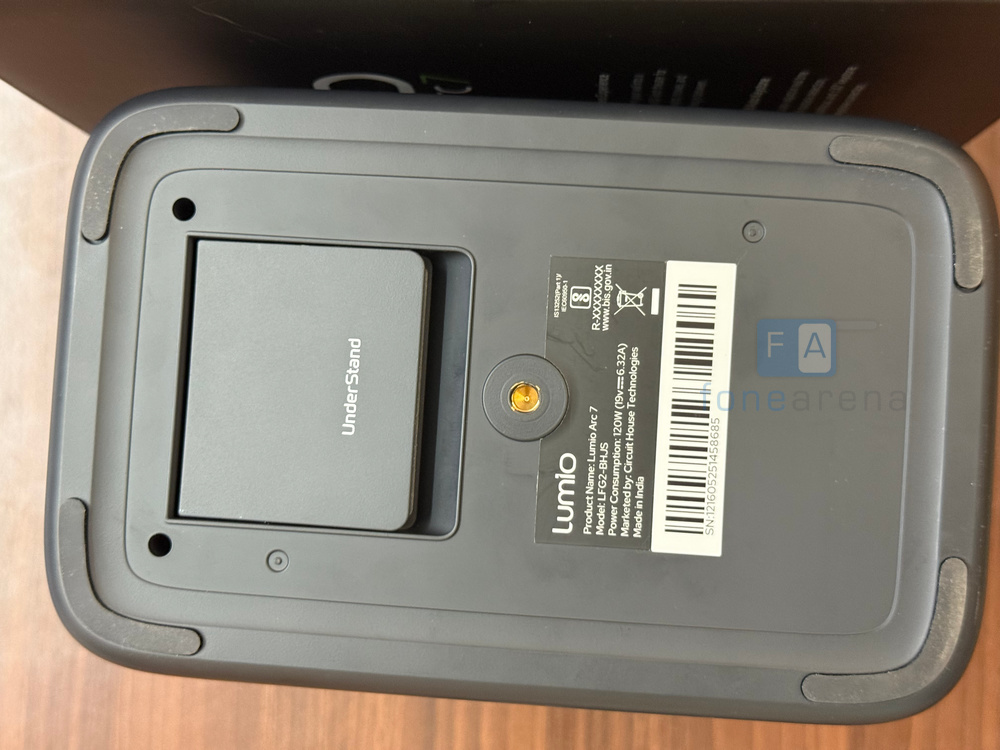
The chassis has a matte finish that looks clean and modern, but it does attract fingerprints. This is especially noticeable in the humid weather of a city like Chennai. The area around the lens is a glossy plastic that is a fingerprint and dust magnet. While Lumio’s sealed lens prevents dust from getting inside the optics, the external surface inevitably gathers dust. A simple lens cover included in the box would have been a smart choice to protect the lens and reduce the need for constant wiping, which always carries a risk of micro-scratches. For mounting, there’s a standard tripod mount on the bottom, which is great for those looking for a more permanent ceiling or fixed setup.
Picture Quality: Great for the Price
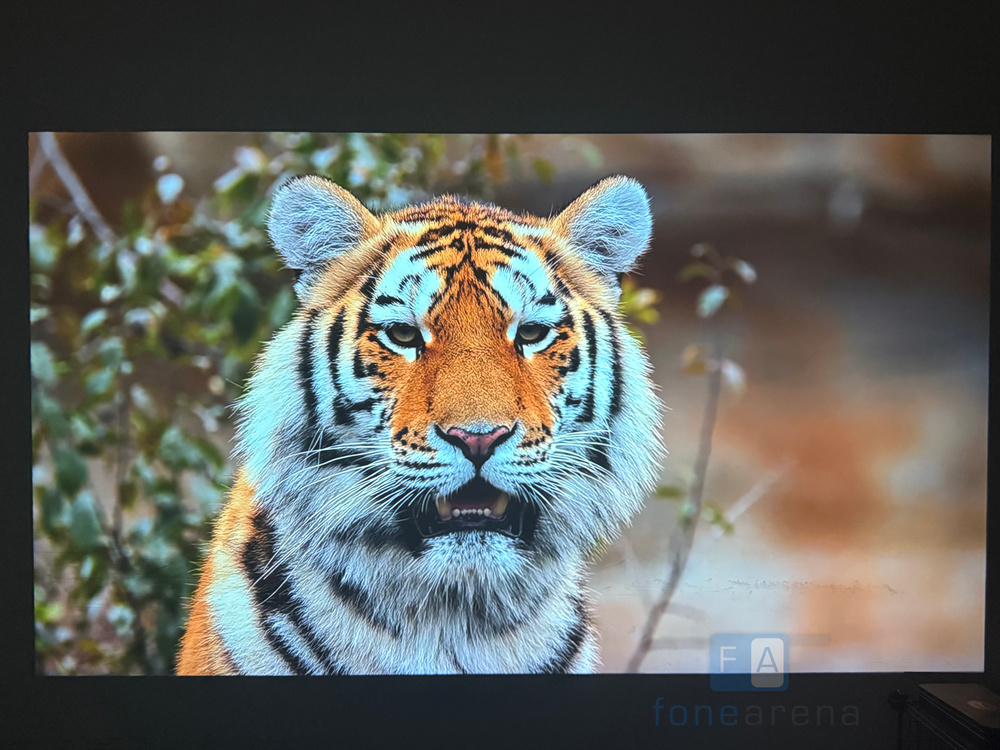
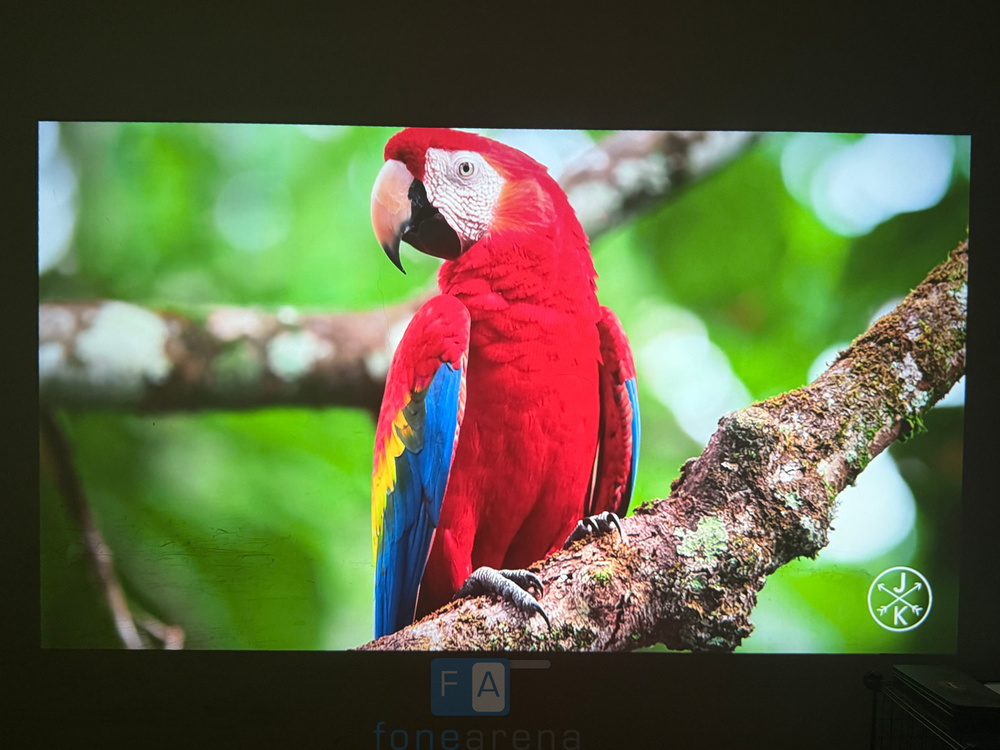
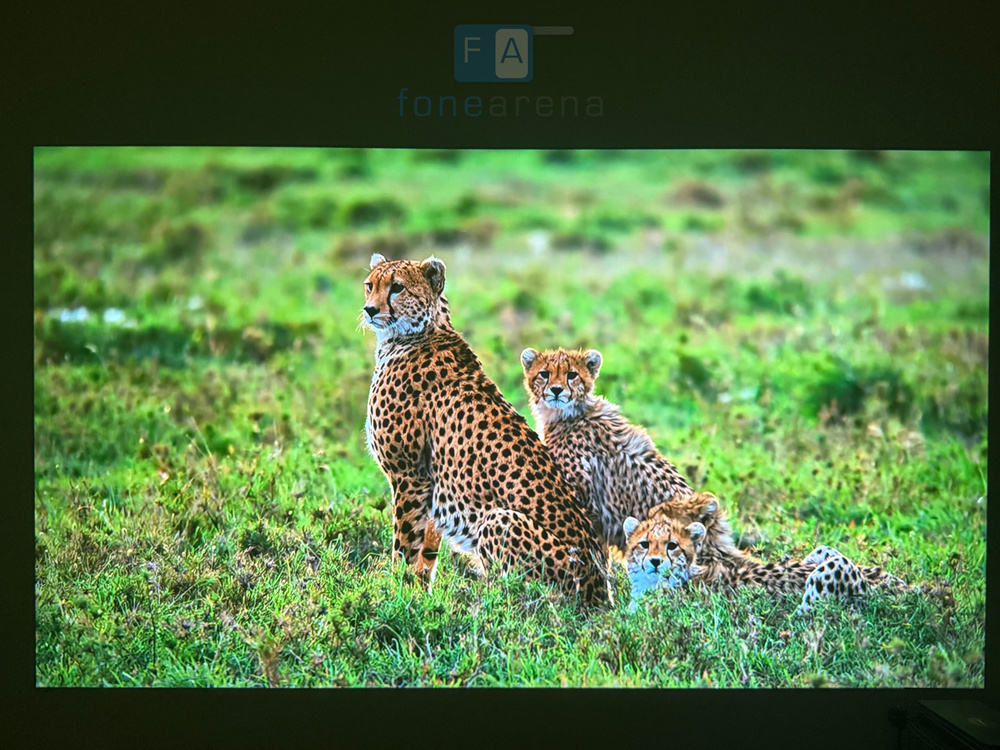
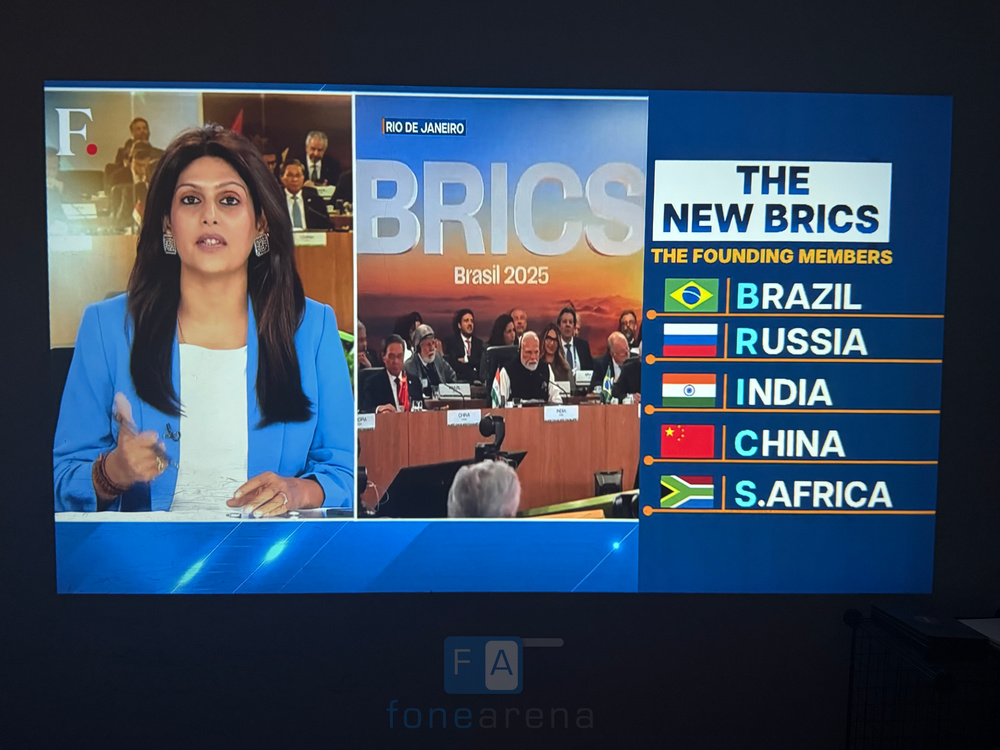
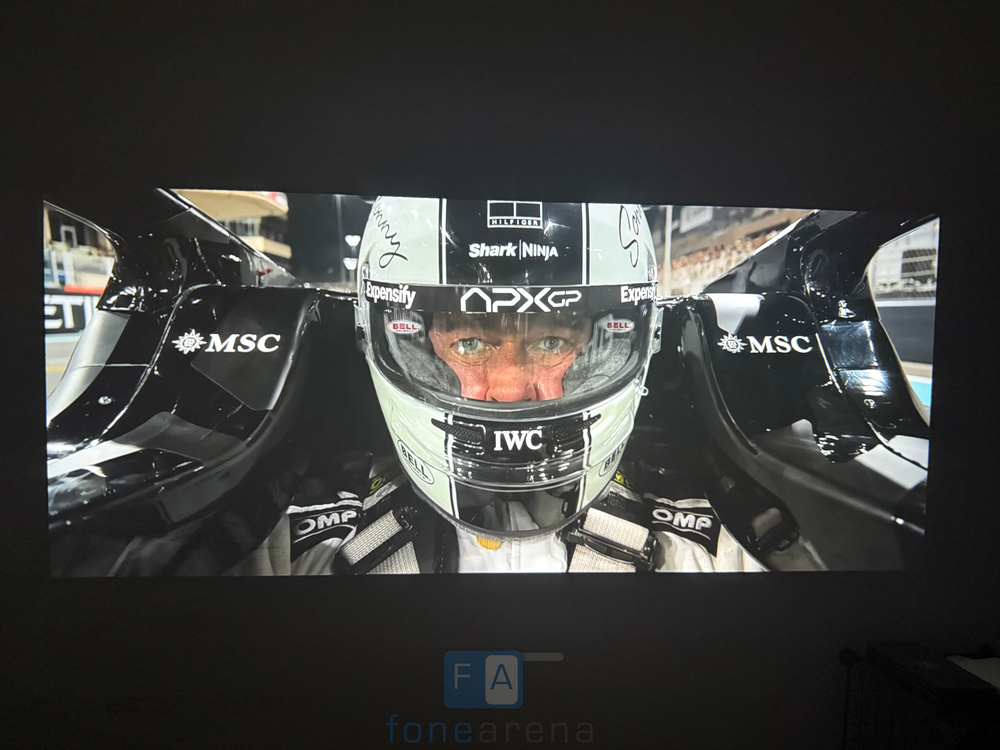
The Arc 7 isn’t trying to compete with 4K laser projectors, and it doesn’t have to. It offers a native Full HD 1080p (1920×1080) resolution, and this is a key point. The image quality is actually great for the price; despite being limited to 1080p, the inclusion of HDR support makes a significant difference. It delivers a genuinely sharp, crisp picture with legible text and vibrant colors. With a brightness of 400 ANSI lumens, it’s adequate for a dimly lit room. It can project a massive 100-inch screen from just under 9 feet away, with a recommended size between 60 and 100 inches. The support for HDR10 helps in rendering better contrast and richer colors, especially from streaming sources.
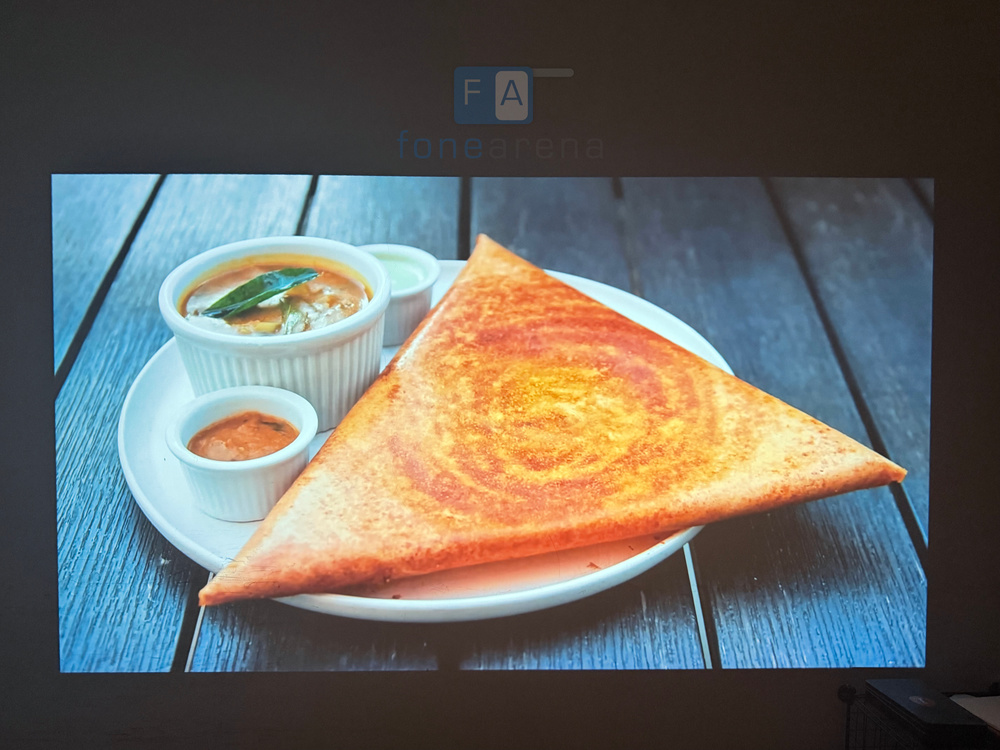
The HDR implementation adds a noticeable pop to the picture. While you can manually adjust brightness and corner settings, the automatic setup gets you 90% of the way there. At its core is what Lumio calls the ArcLight Engine—a fully sealed, custom-developed projection core. The Arc 7 uses a larger 4.45-inch LCD panel, which results in a smoother, more cinematic image with a less visible pixel grid compared to smaller panels.
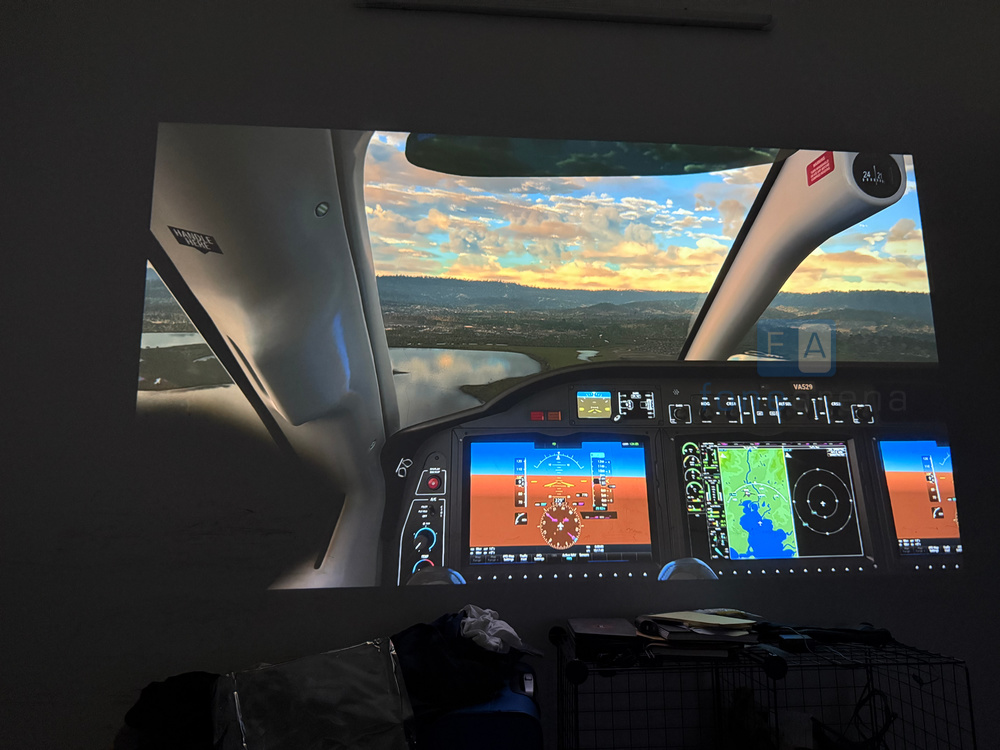
I even managed to connect my gaming PC to the projector and got some large screen Flight Simulator experience, which I thoroughly enjoyed.
Software: The Google TV Advantage
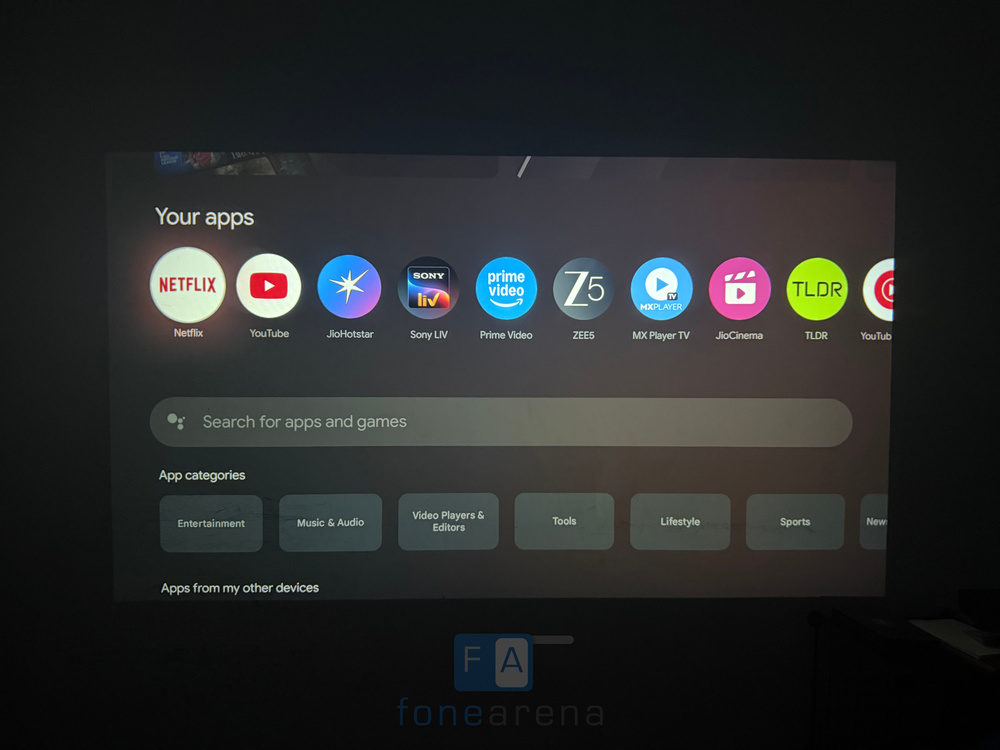
This is where the Arc 7 truly shines and pulls ahead of the competition. It runs official, certified Google TV, not a modified, buggy version of Android.
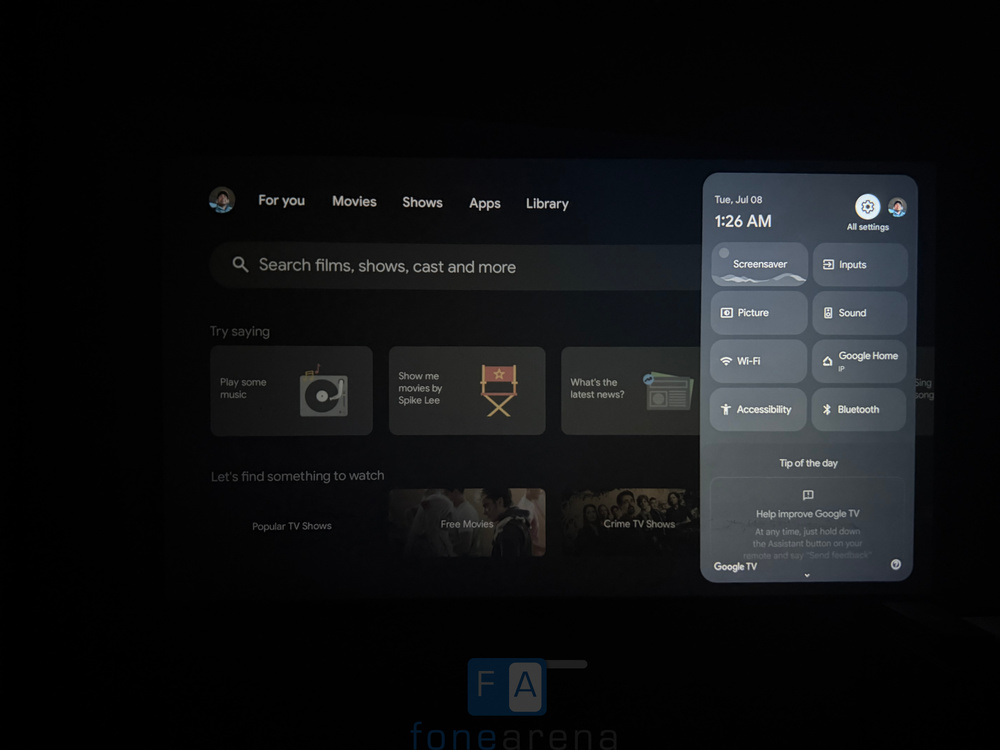
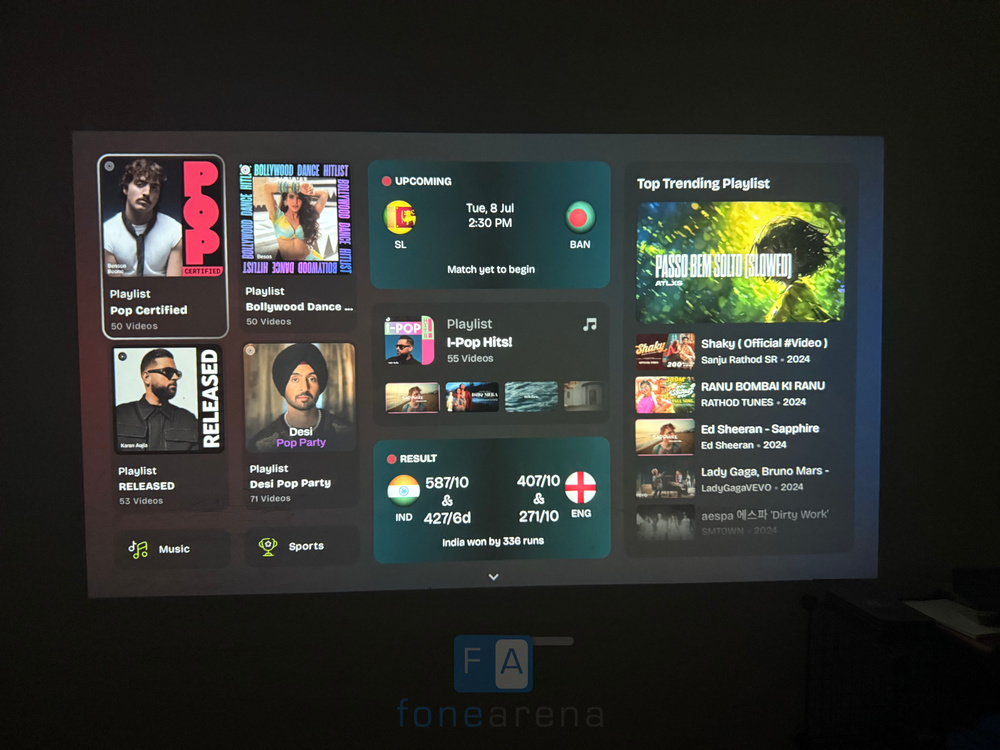
You get the full, polished experience with complete Google Play Store access. A huge deal is that it’s Netflix Certified, meaning the app works out of the box with Full HD and HDR10 playback, a feature most projectors in this range lack. The experience is enhanced with Google Assistant built into the remote for voice search and smart home control, and TLDR, a custom dashboard for discovering music and sports content without hopping between apps. The included remote is straightforward, with hotkeys for Netflix, YouTube, and TLDR. Just the mute button is missing and it is replaced with the auto-keystone.
Sound and Connectivity
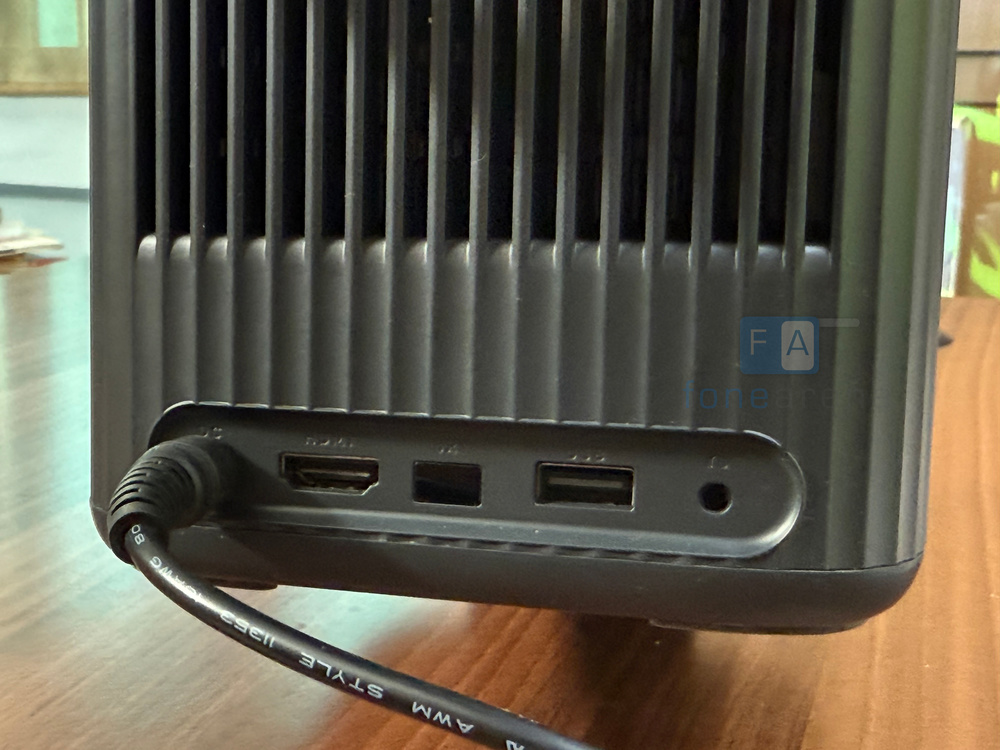
The Arc 7 is equipped with two 8W stereo speakers and a passive radiator. The sound is loud and clear enough to fill a medium-sized room, and it supports Dolby Audio. For those with a dedicated home theatre system, it also supports Dolby Atmos passthrough via the HDMI ARC port. You also get plenty of other options for connectivity, including a 3.5mm headphone jack for wired audio and Bluetooth 5.1, which allows you to connect an external speaker or even use the Arc 7 as a standalone Bluetooth speaker. To top it off, it has Google Cast for streaming audio directly from your phone.
The Wishlist: A Missed Opportunity
For all its strengths, there’s a clear area for improvement: accessories. Sourcing the right add-ons can be tricky for first-time projector owners. By not offering its own line of accessories, Lumio is missing a significant business opportunity and, more importantly, a chance to provide a truly wholesome and complete experience to the buyer. It would be a huge advantage if Lumio offered bundles or standalone products like a perfectly matched projection screen or a recommended tripod mount. This would complete the ecosystem and make the entry into home cinema even more seamless.
Final Thoughts
The Lumio Arc 7 is priced at ₹34,999, with an introductory offer bringing it down to ₹29,999 with ₹2000 coupon and ₹3000 bank offer. At this price, it makes a compelling case for itself. It successfully addresses the biggest pain points of the mid-range projector market: setup is a breeze, the software is clean and official, and the picture quality is more than satisfying for movie nights and sports. It is designed in Bengaluru by Lumio and manufactured in Daman & Diu and is a good quality Made in India projector we have been waiting for.
While minor physical design elements like the lack of a lens cover and carry handle are noticeable, they don’t detract from the core experience. The Lumio Arc 7 feels like a well-thought-out product for the Indian consumer who wants a big-screen experience without the traditional hassle. It truly is a “plug-and-play” device that just works.
The Lumio Arc 7 will be available from Amazon.in starting from July 12th, 2025.