
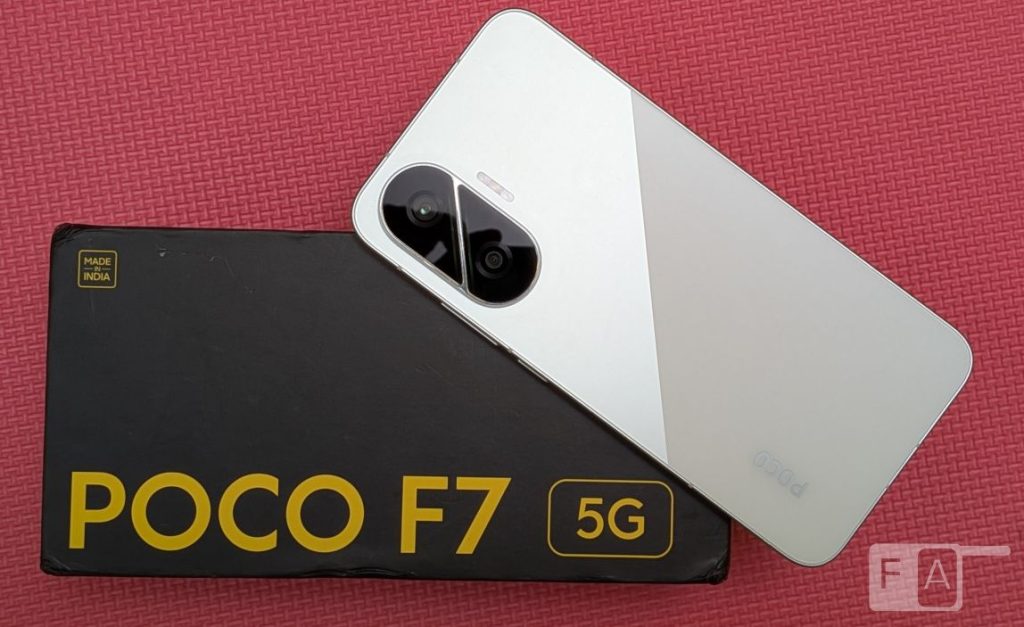
POCO launched the POCO F7, the company’s latest smartphone in the F series, in India last week. Once again, we have impressive on-paper specs including a large 1.5K 120Hz AMOLED display with Dolby Vision, Snapdragon 8s Gen 4 SoC, a major upgrade from Snapdragon 8s Gen 3, metal frame, glass back, and the biggest ever 7550mAh battery, while maintaining the same price. Is this the best phone in the Rs. 30,000 price range? Let us dive into the review to find out.
Box Contents
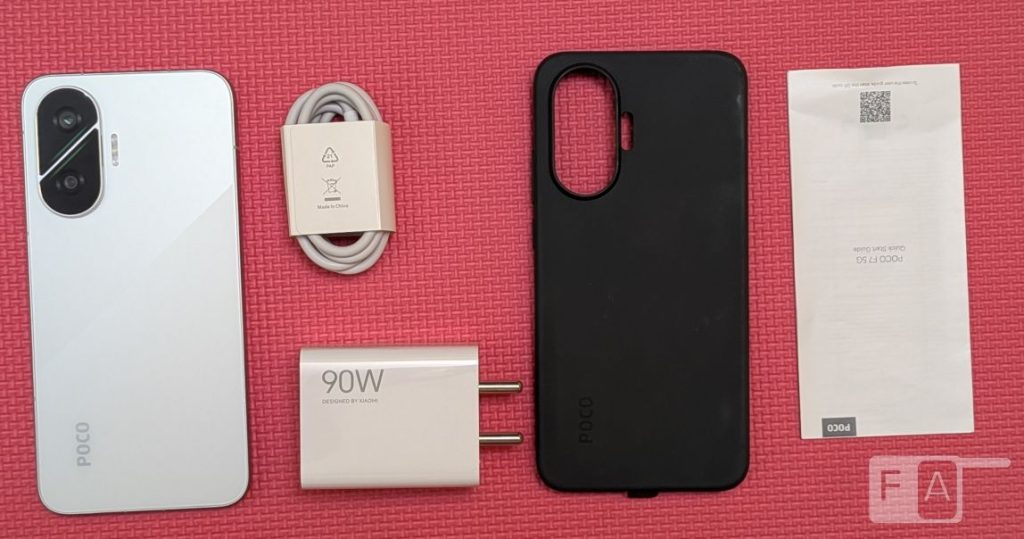
- POCO F7 5G 12GB + 512GB in Frost White colour
- 90W fast charger
- USB Type-C Cable
- SIM Ejector tool
- Protective case
- Screen protector (Pre-installed)
- User guide
Display, Hardware and Design
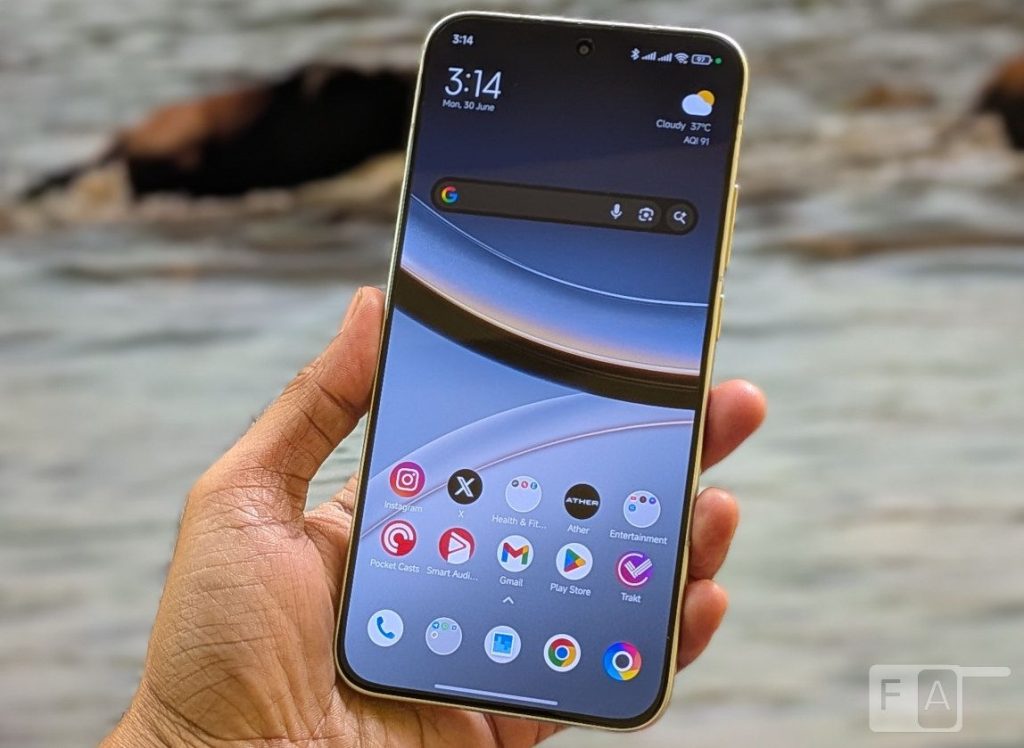
Starting with the display, the POCO F7 has a 6.83-inch 1.5K AMOLED display with a pixel resolution of 2800 x 1280 pixels, 20:9 aspect ratio and a pixel density of about 447 PPI. The screen is better than the POCO F6, and it offers up to 320 nits peak brightness, compared to 2400 nits in the F6. It is bright outdoors or watching HDR content. The colours are vibrant.

The phone has a 3840Hz high-frequency dimming technology. In dark environments, the phone will automatically switch to PWM dimming mode to maintain accurate colors on display with a more comfortable eye experience.
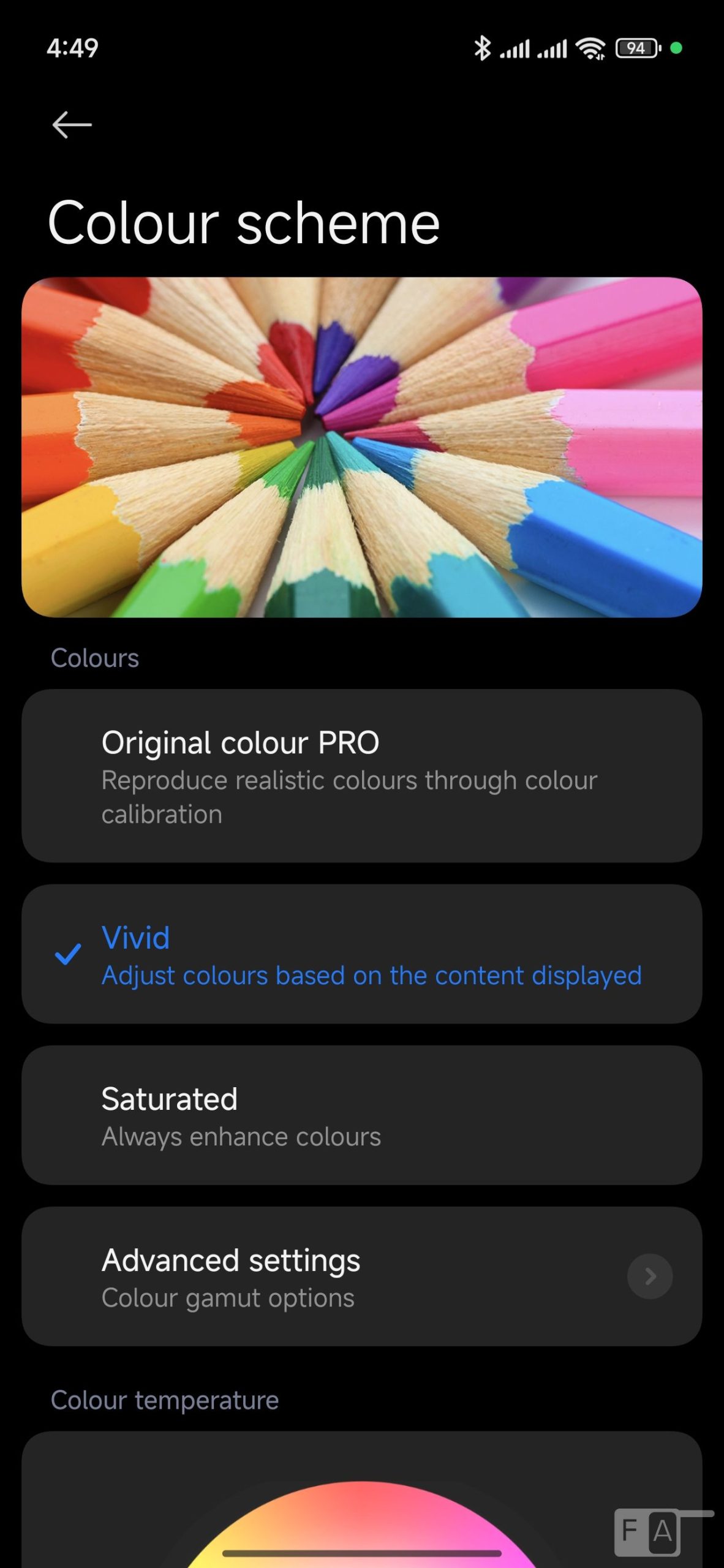
Under the display options, there are different options to adjust colours and contrast based on your preference with Original colour PRO option. It also has Super resolution, AI HDR enhancement for videos, but it doesn’t have MEMC. The phone has an always-on-display option, which can be enabled from display settings. The phone comes with Corning Gorilla Glass 7i protection.
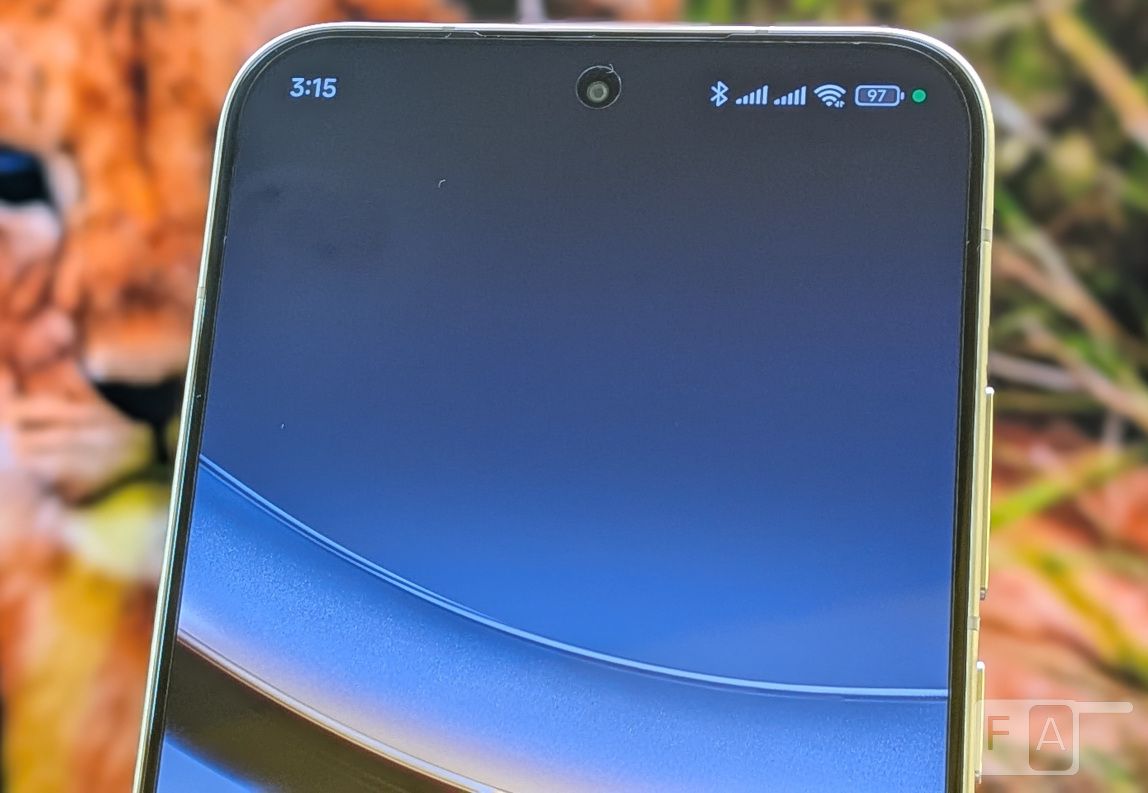
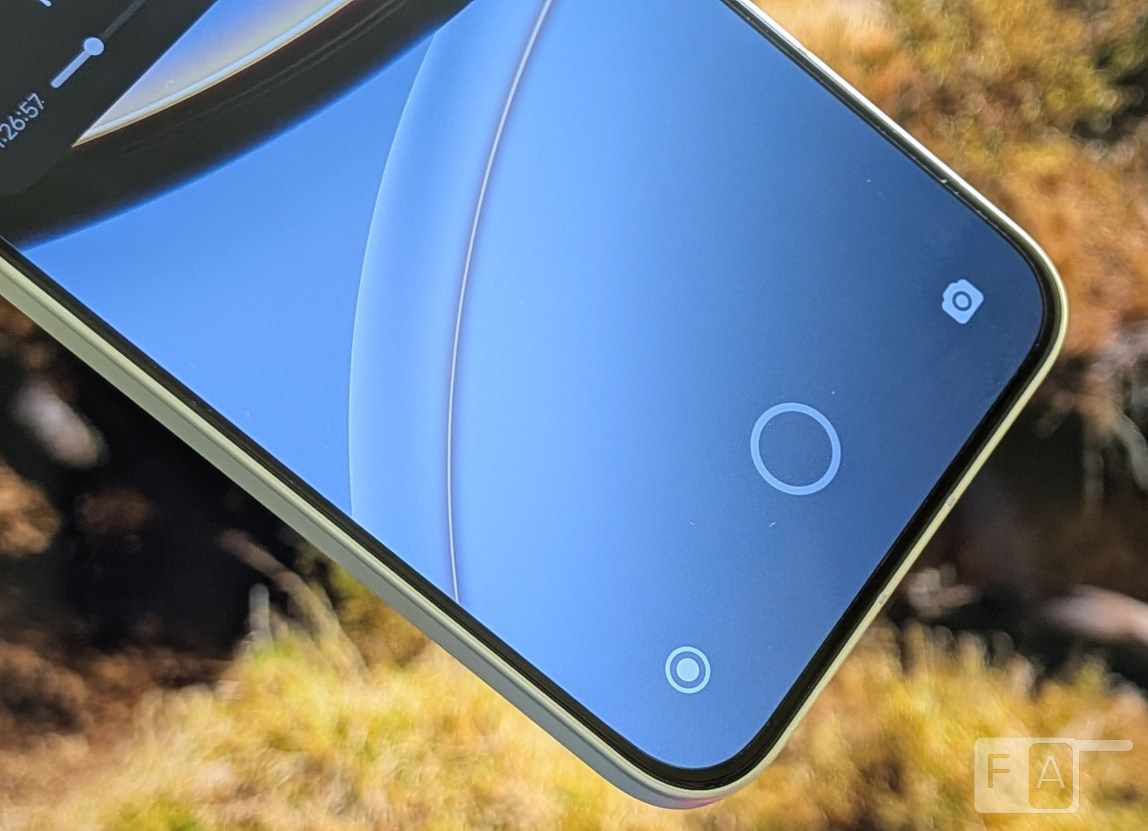
The phone has a tiny punch-hole that houses a 20-megapixel camera, which doesn’t disturb when watching videos since it just occupies a small space. Above the display there is an earpiece on the top edge which also doubles up as a secondary speaker. It has a 1.9mm ultra-narrow bottom bezel.

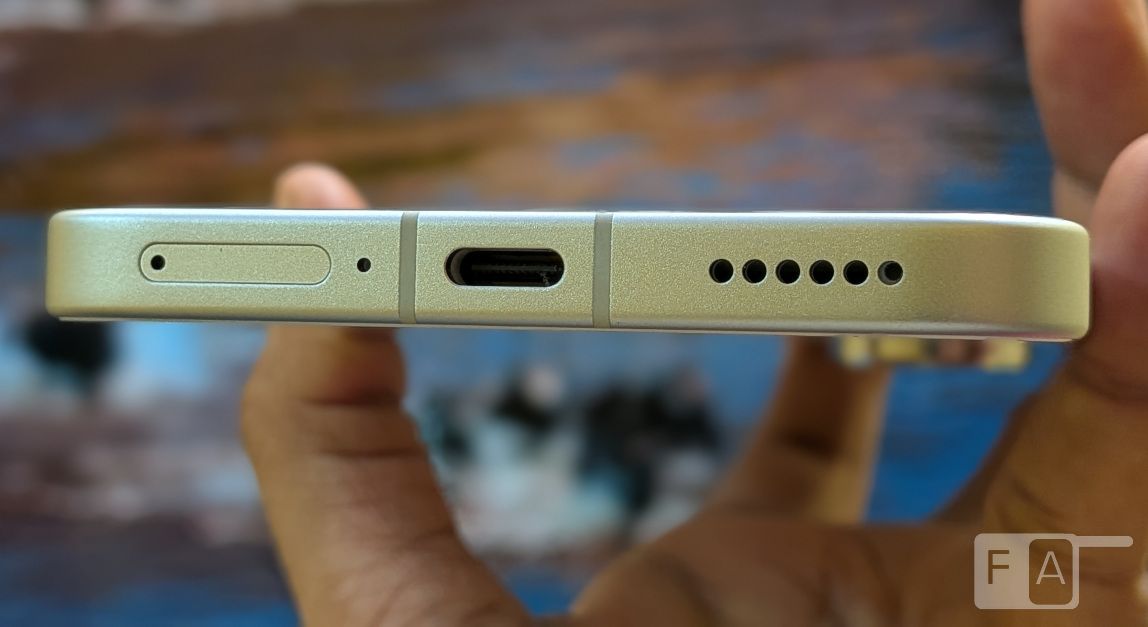
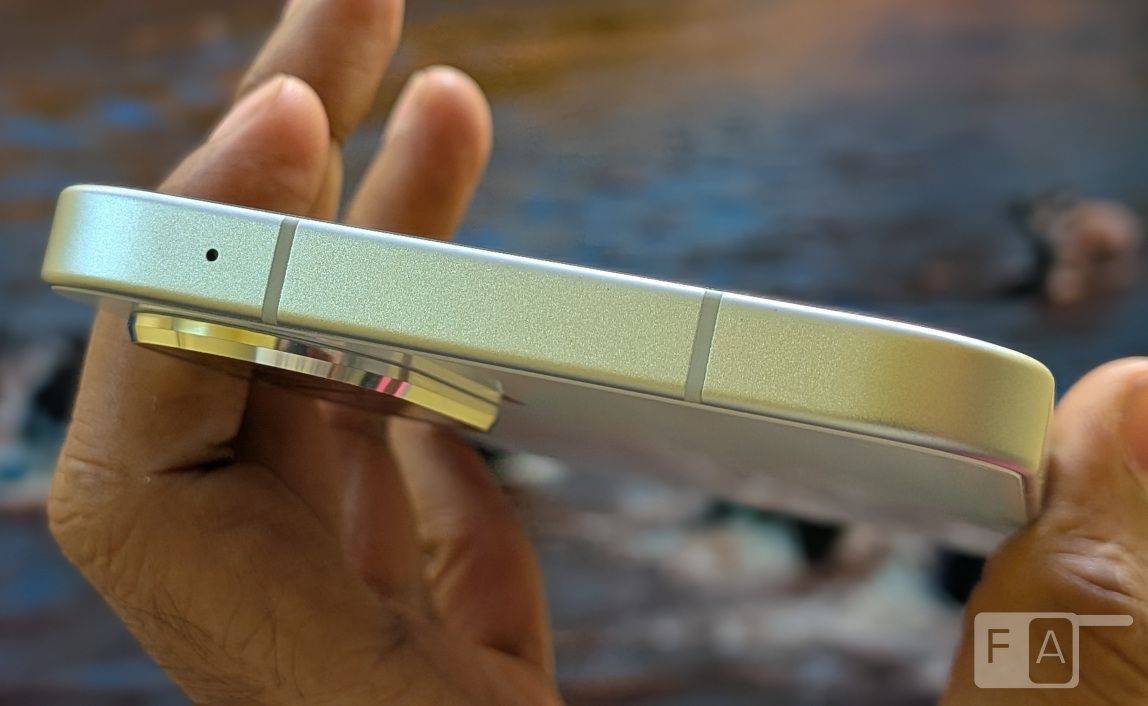
Coming to the button placements, the volume rockers and the power button are present on the right side of the phone. The dual SIM slot, loudspeaker grill, primary microphone and USB Type-C port are present on the bottom. It doesn’t have a microSD expansion slot. On the top there is a secondary microphone. The infrared sensor is actually present on the back. Since the phone has a metal frame, you can see the antenna cutouts. The flat frame offers a good grip to hold and doesn’t attract fingerprints.
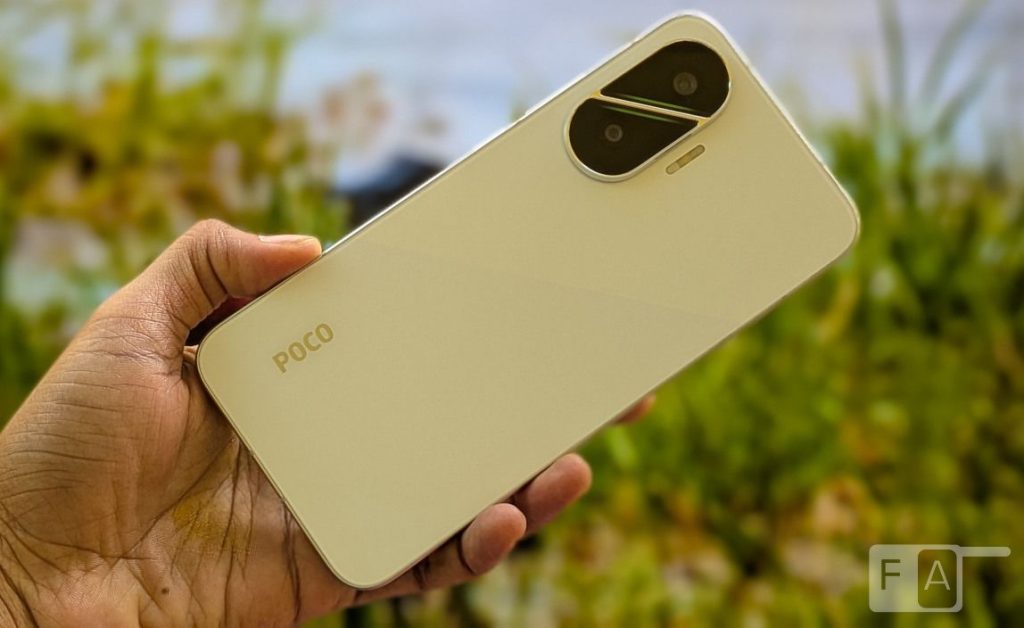
The back of the phone also has a glass finish, which looks a feels premium and doesn’t attract fingerprints easily.
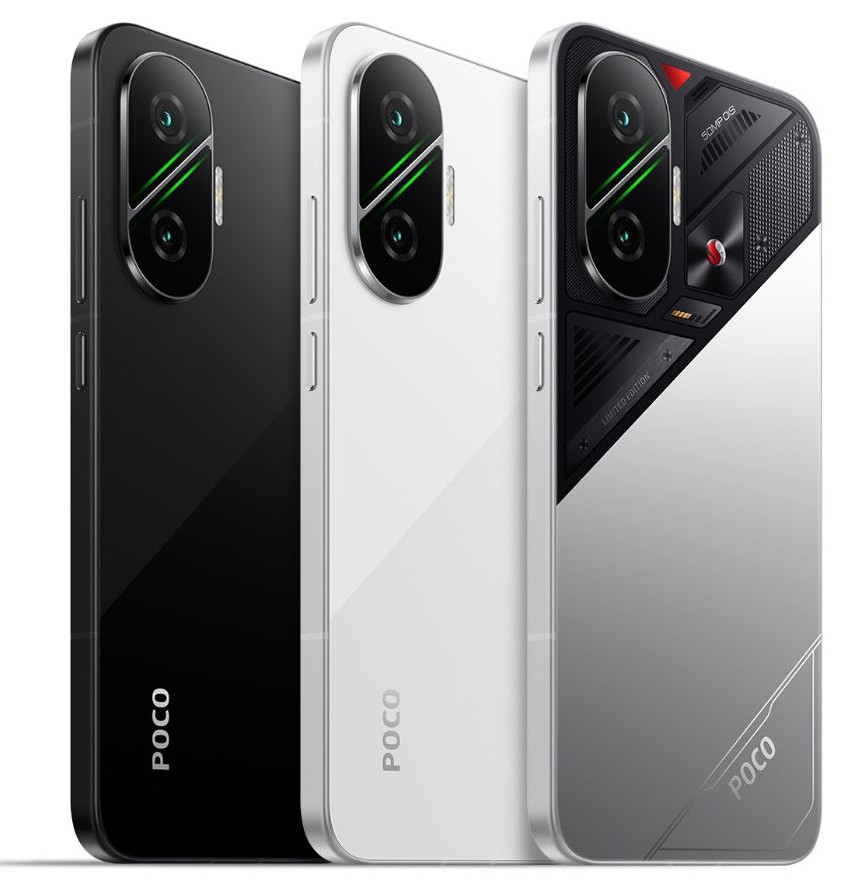
In addition to the White colour that we have, the phone also comes in Phantom Black and Cyber Silver Edition with Snapdragon logo on the back.
The phone is just 7.98mm thick, even though it packs a 7550mAh battery. The phone has IP66 + IP68 certification and also has IP69 support for dust and water resistance compared to IP54 ratings in the F6, which is a major upgrade.
Camera
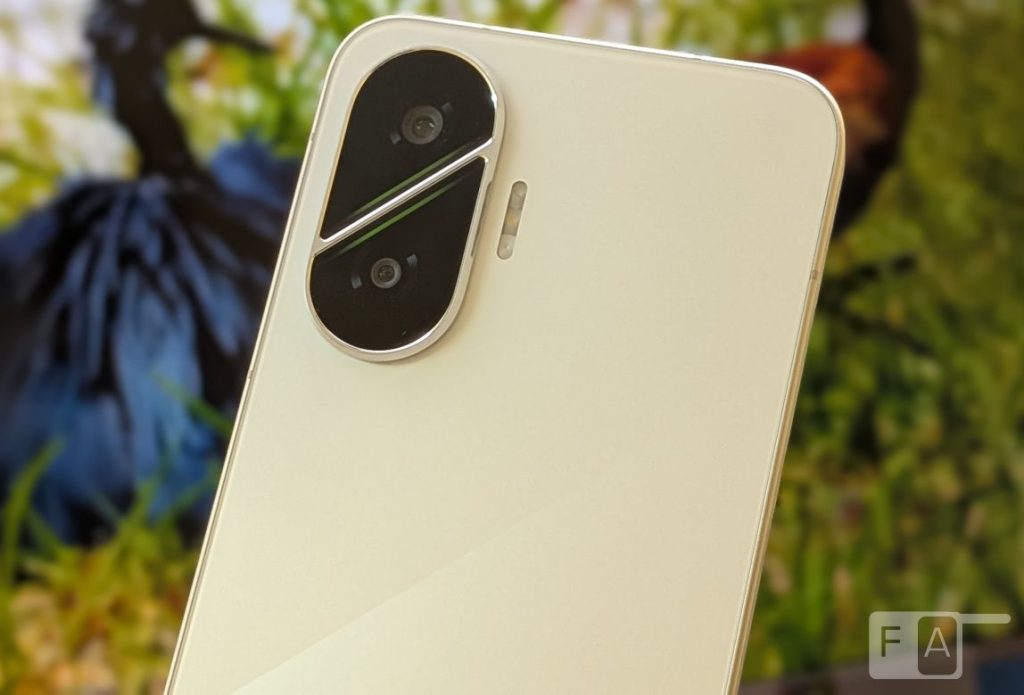
- 50MP main camera with 1/1.95″ Sony IMX882 sensor, f/1.5 aperture, OIS, EIS
- 8MP ultra-wide camera with f/2.2 aperture
- 20MP front camera with 1/4″ OV20B sensor, f/2.2 aperture
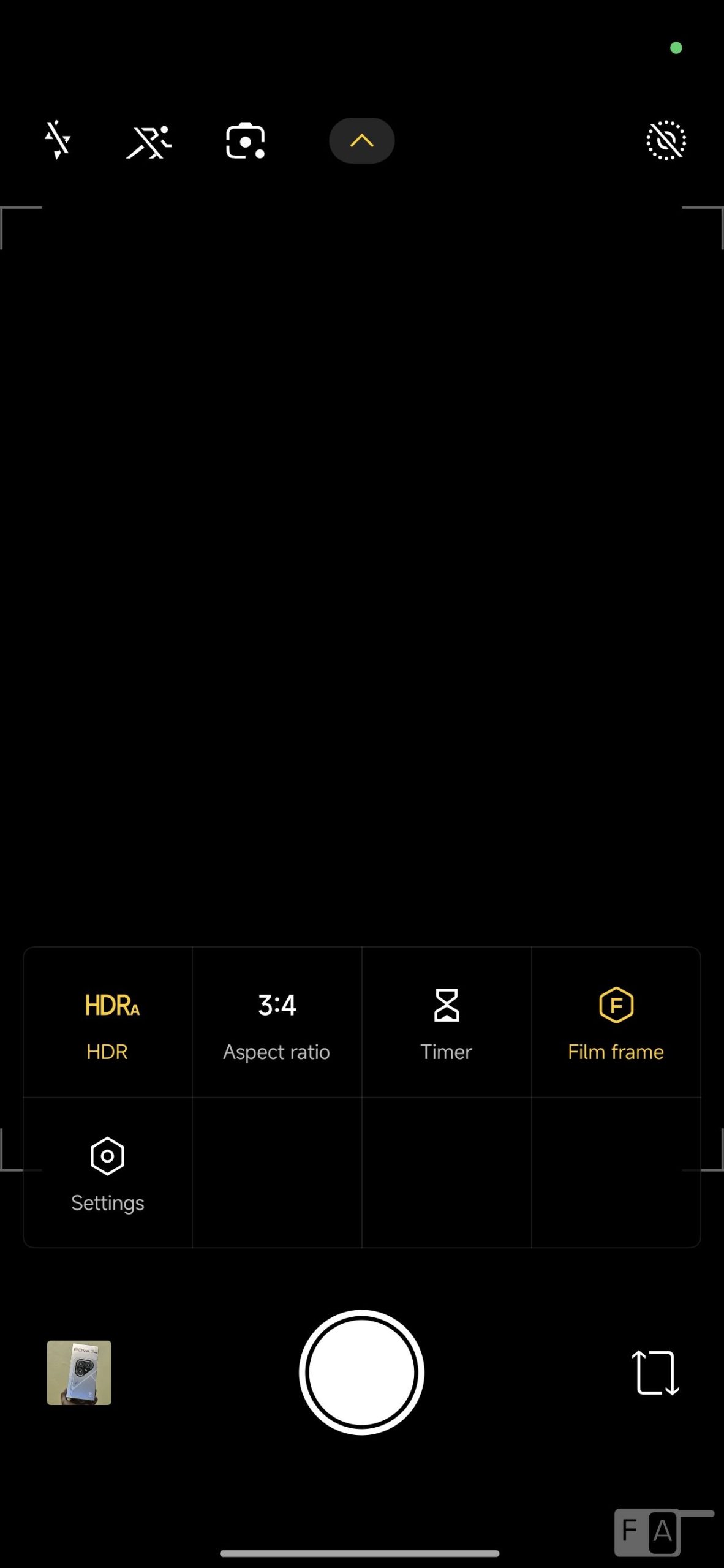
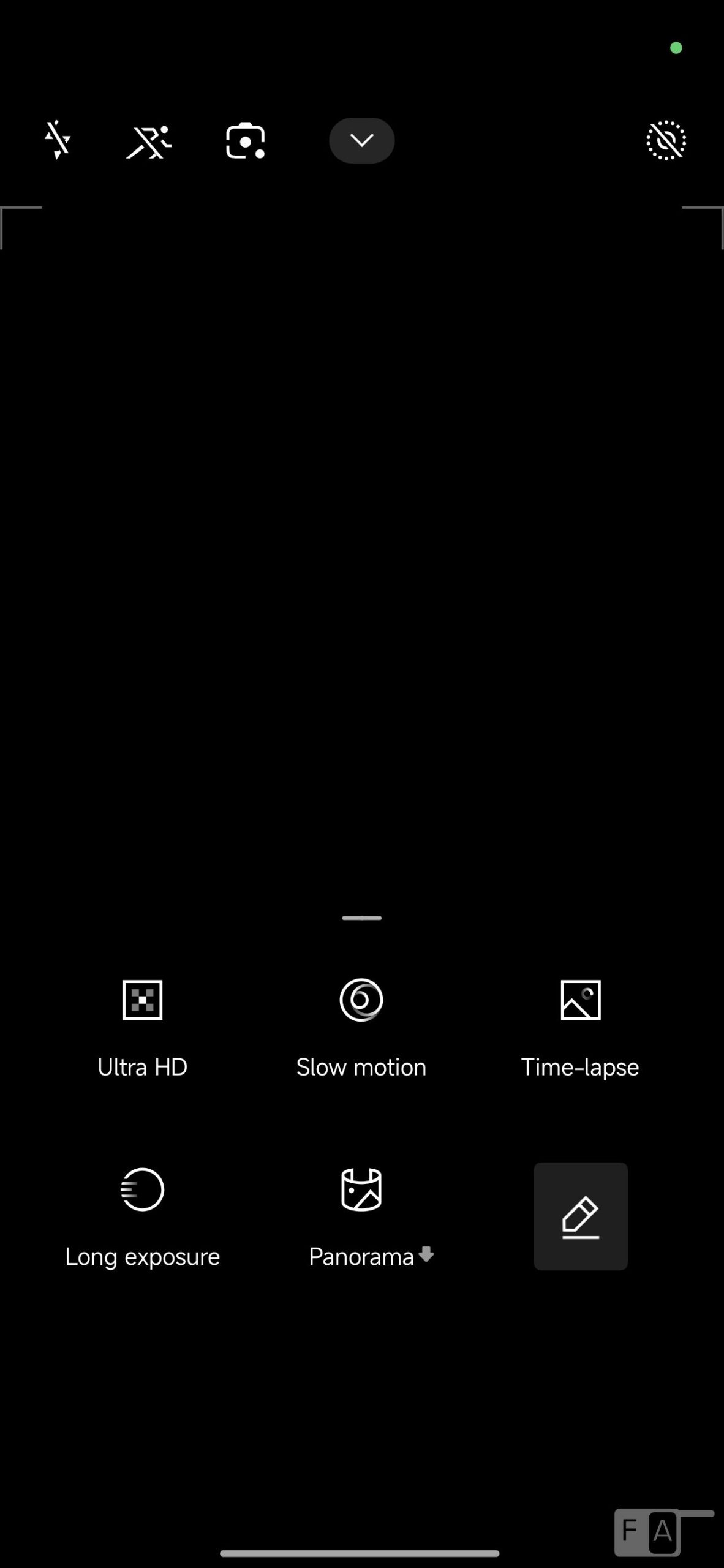
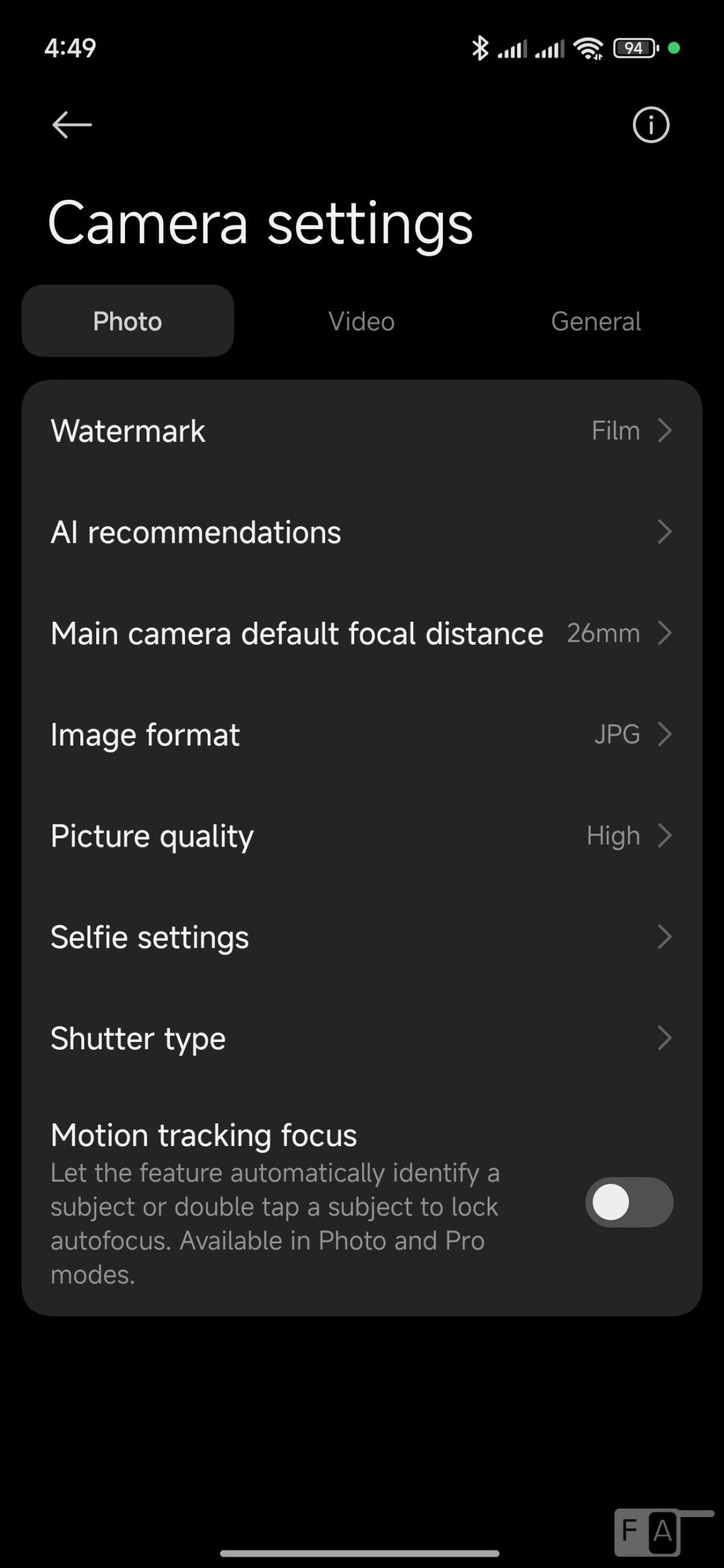
The camera UI is familiar with other Xiaomi or POCO smartphones running Hyper OS 2. You get all the features such as Pro, Night, 50MP, Short Video, Panorama, VLOG, Slow motion, Time-lapse, Dual video, AI watermark, Long exposure and Pro mode lets you adjust white balance, focus, shutter speed (1/4000s to 30 seconds), ISO (50 to 6400) and option to select main, and ultra-wide lens. You can enable focus peaking, exposure verification and more options.
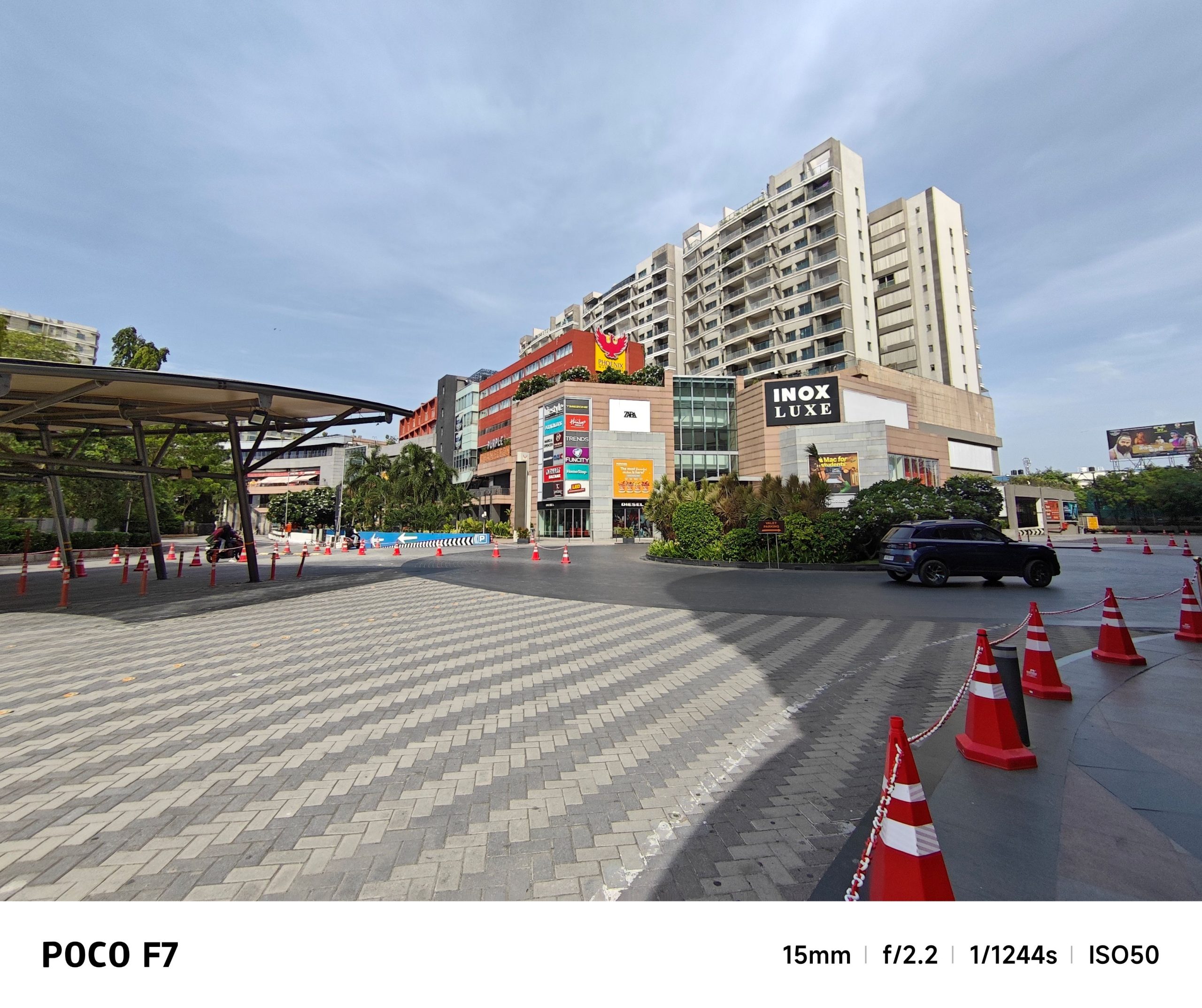
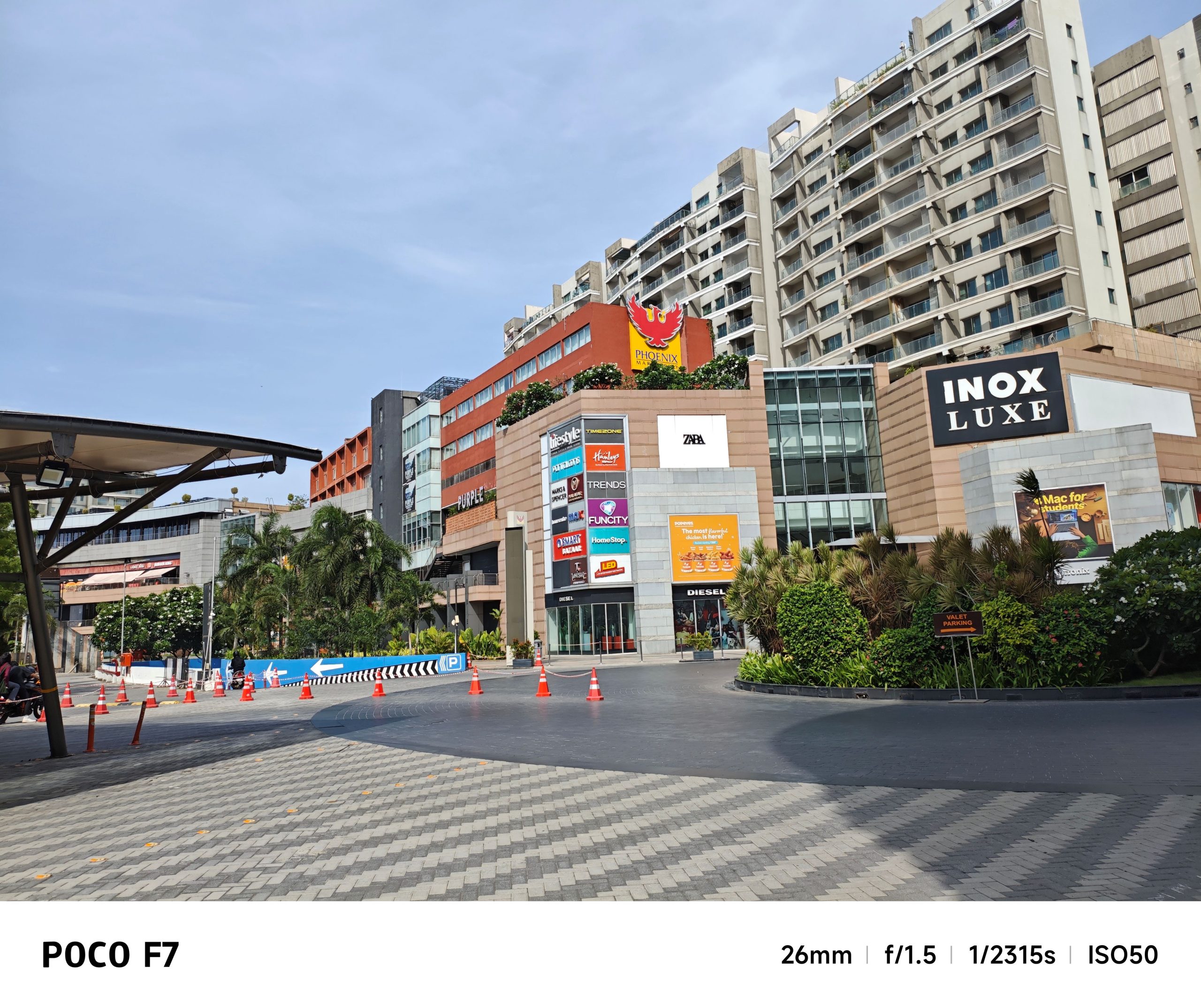
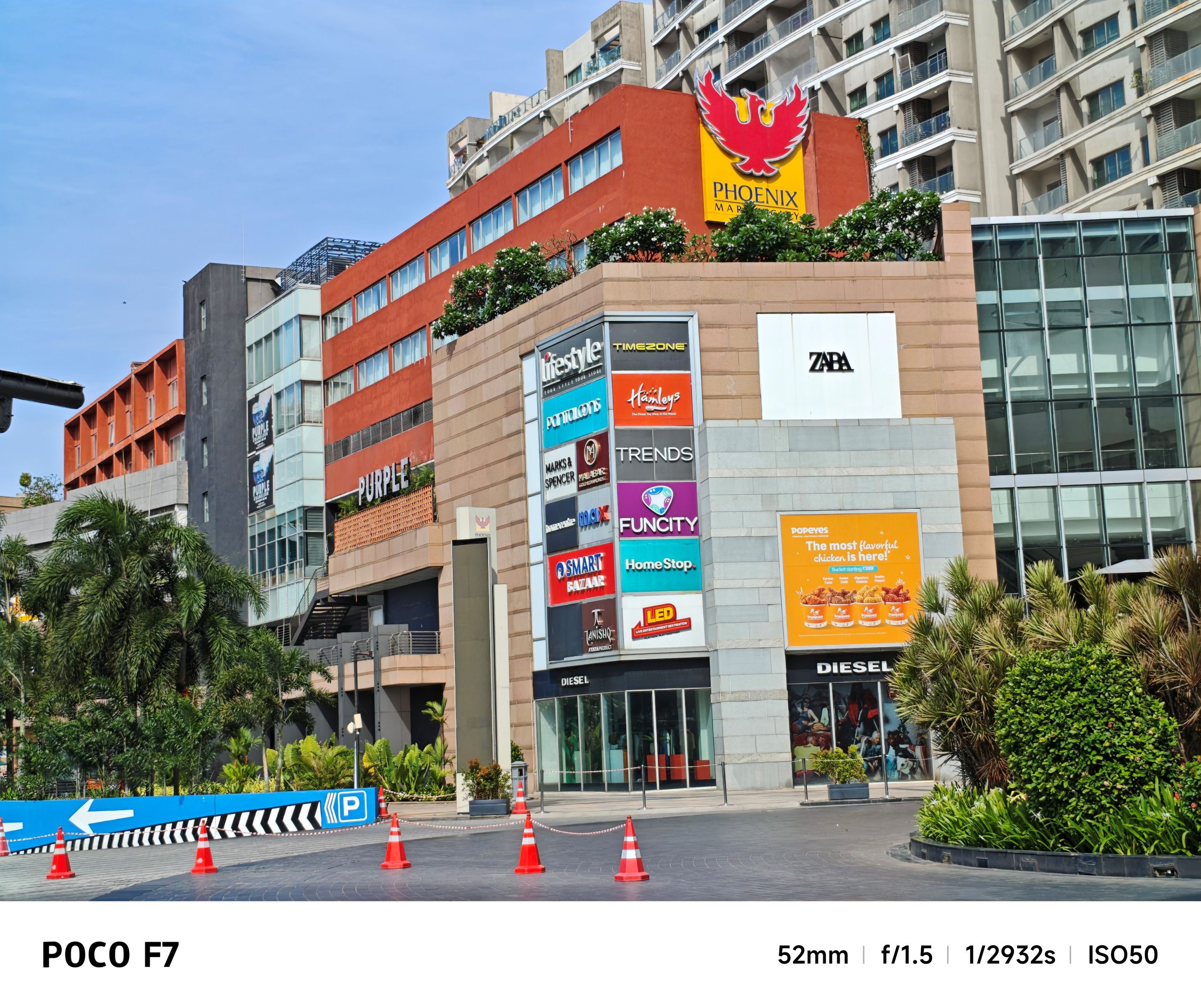
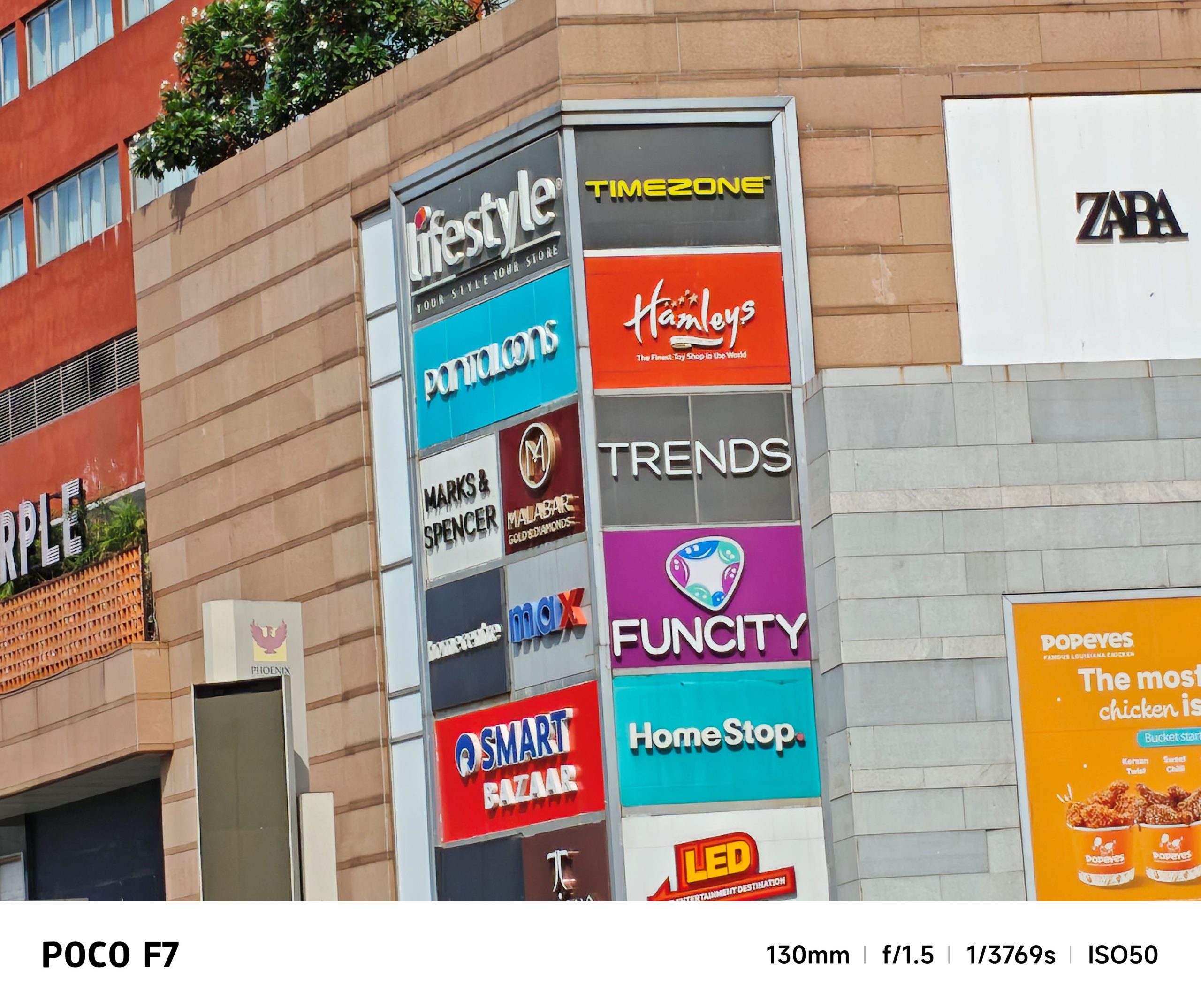
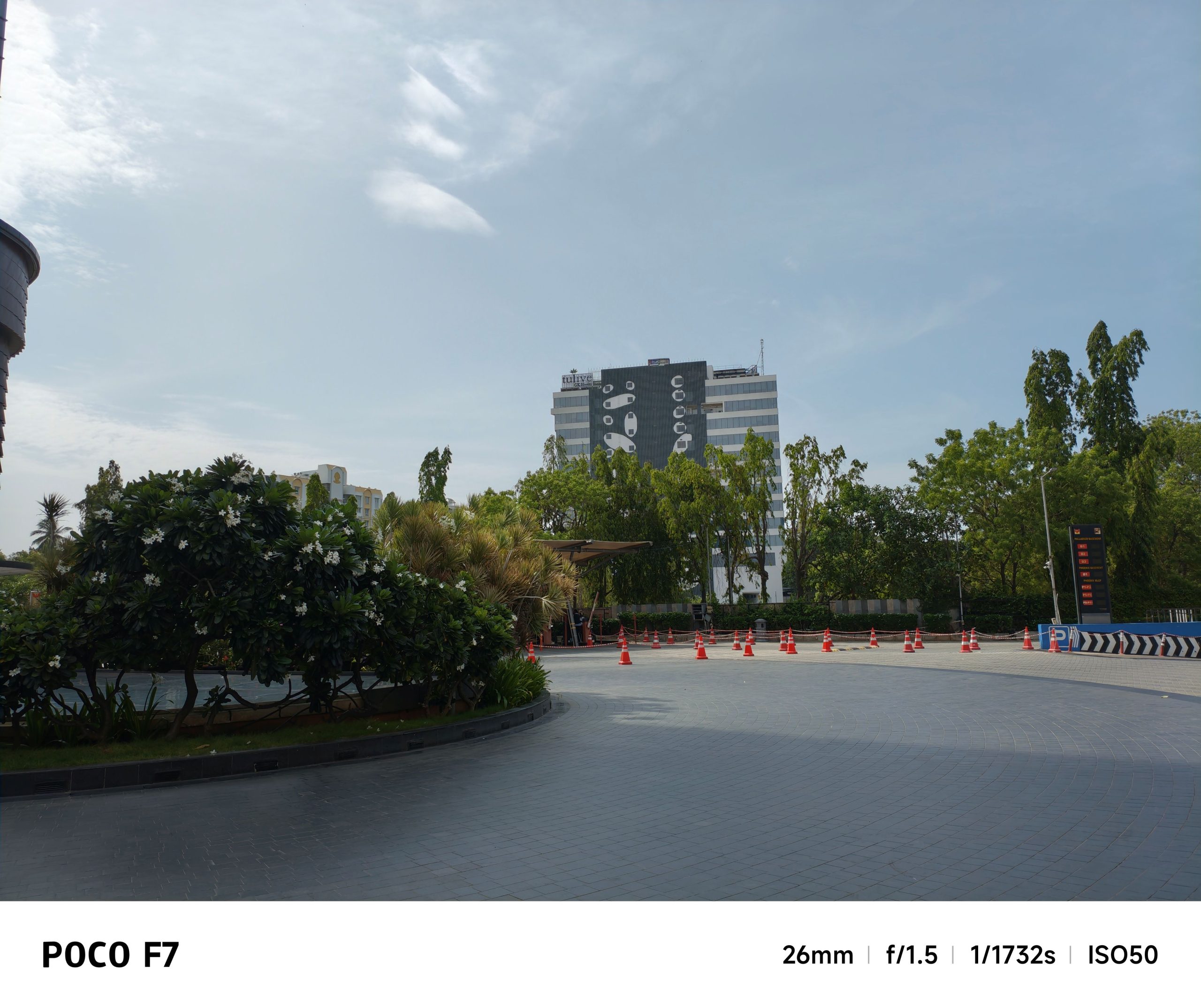
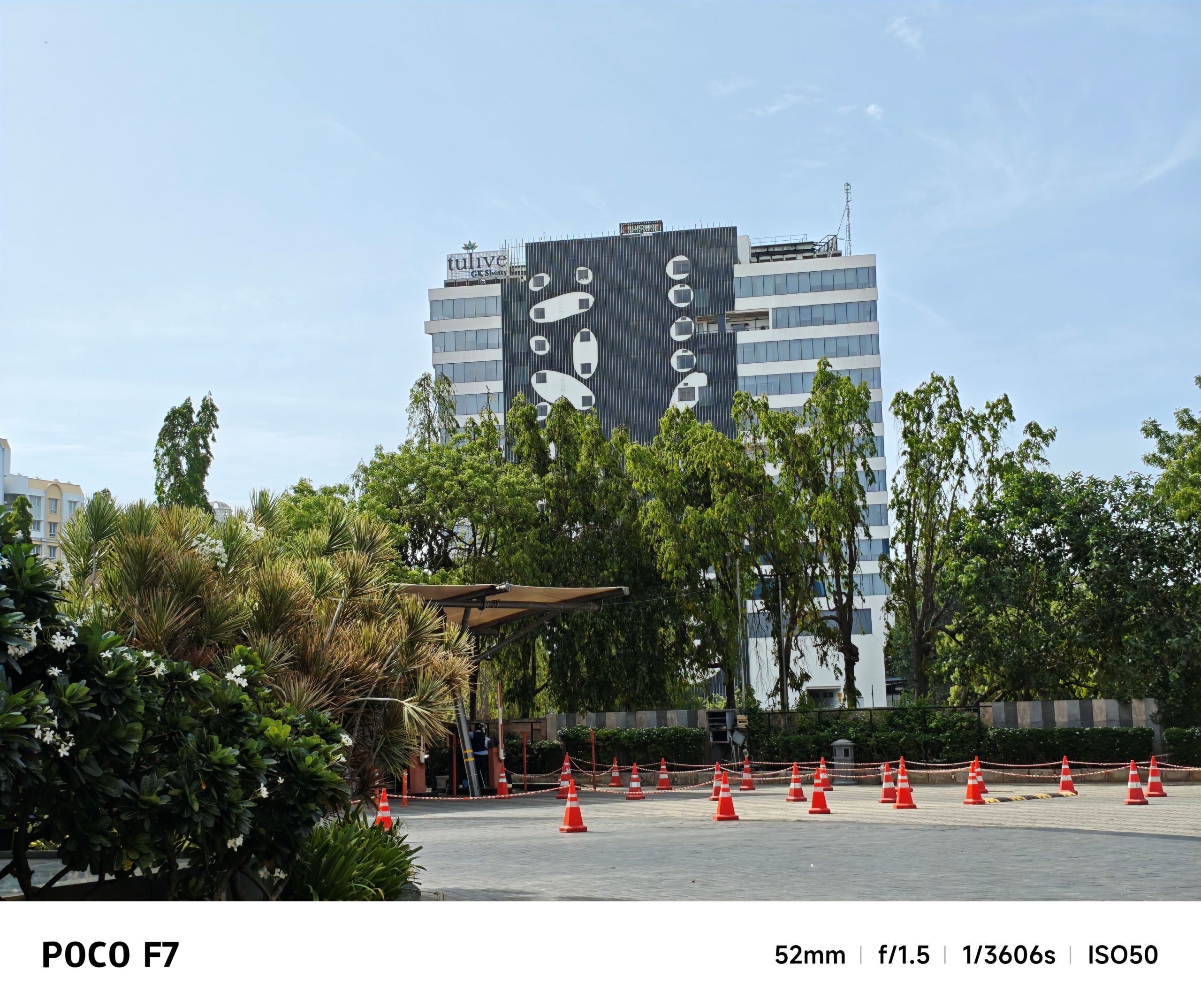
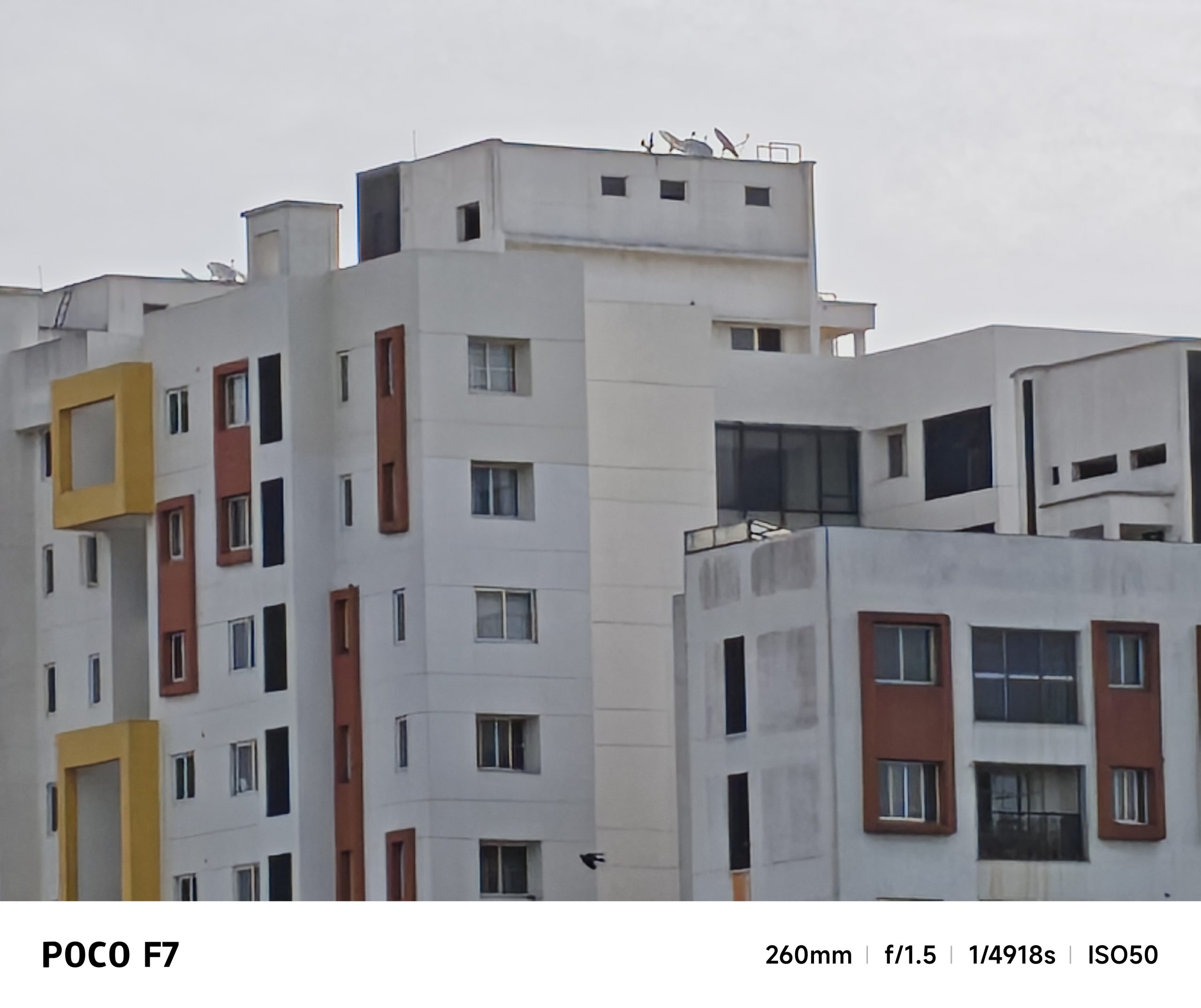
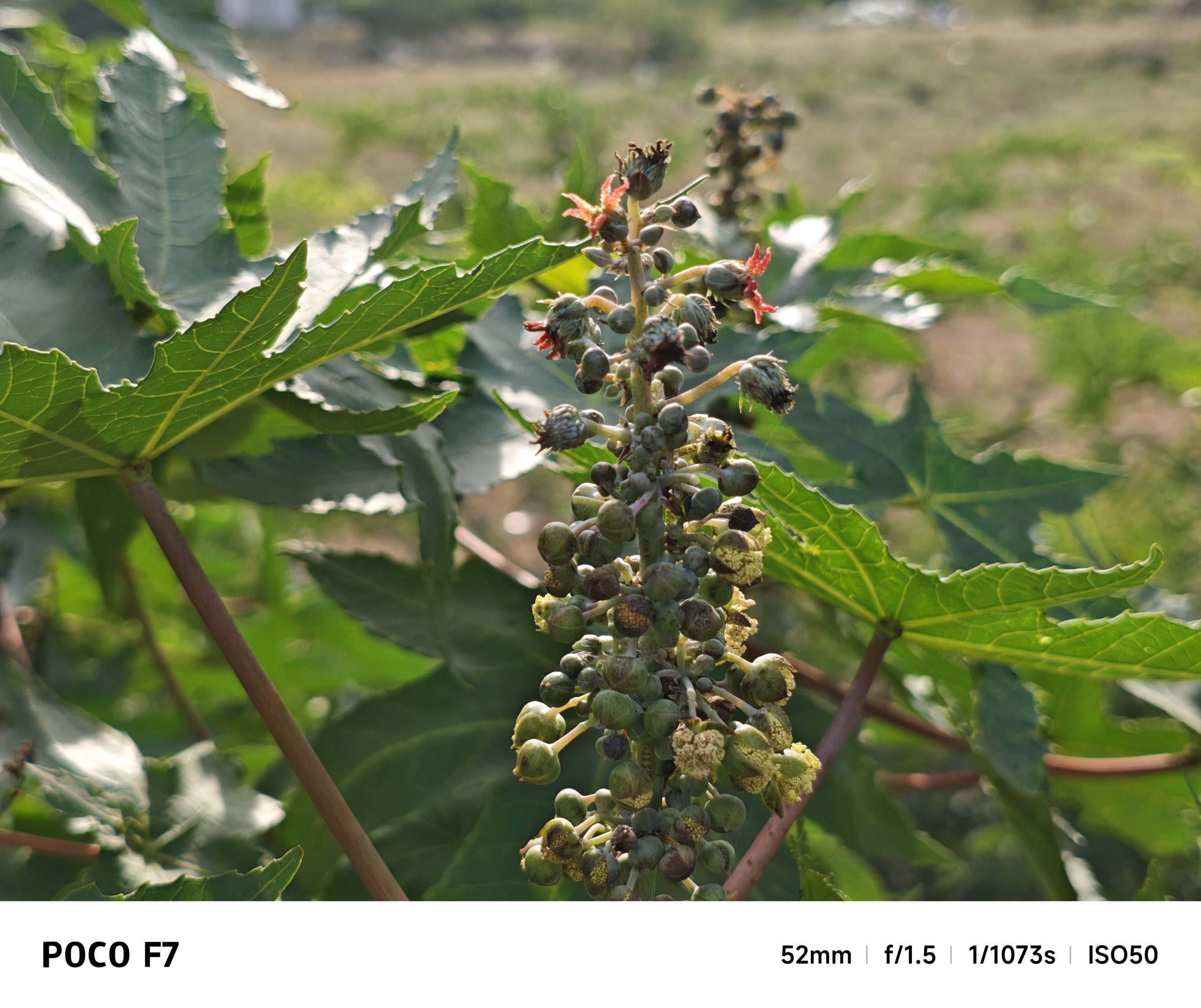
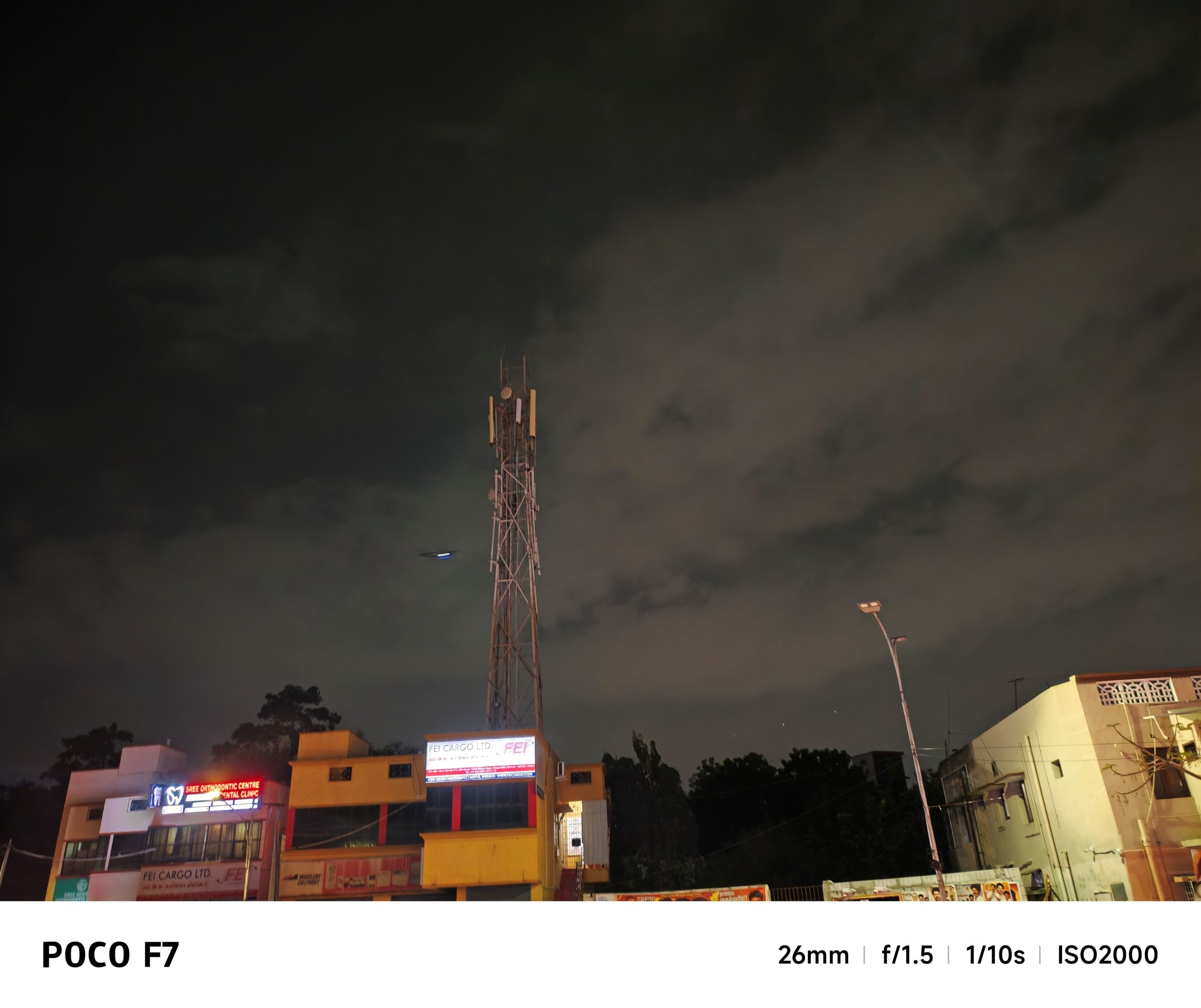
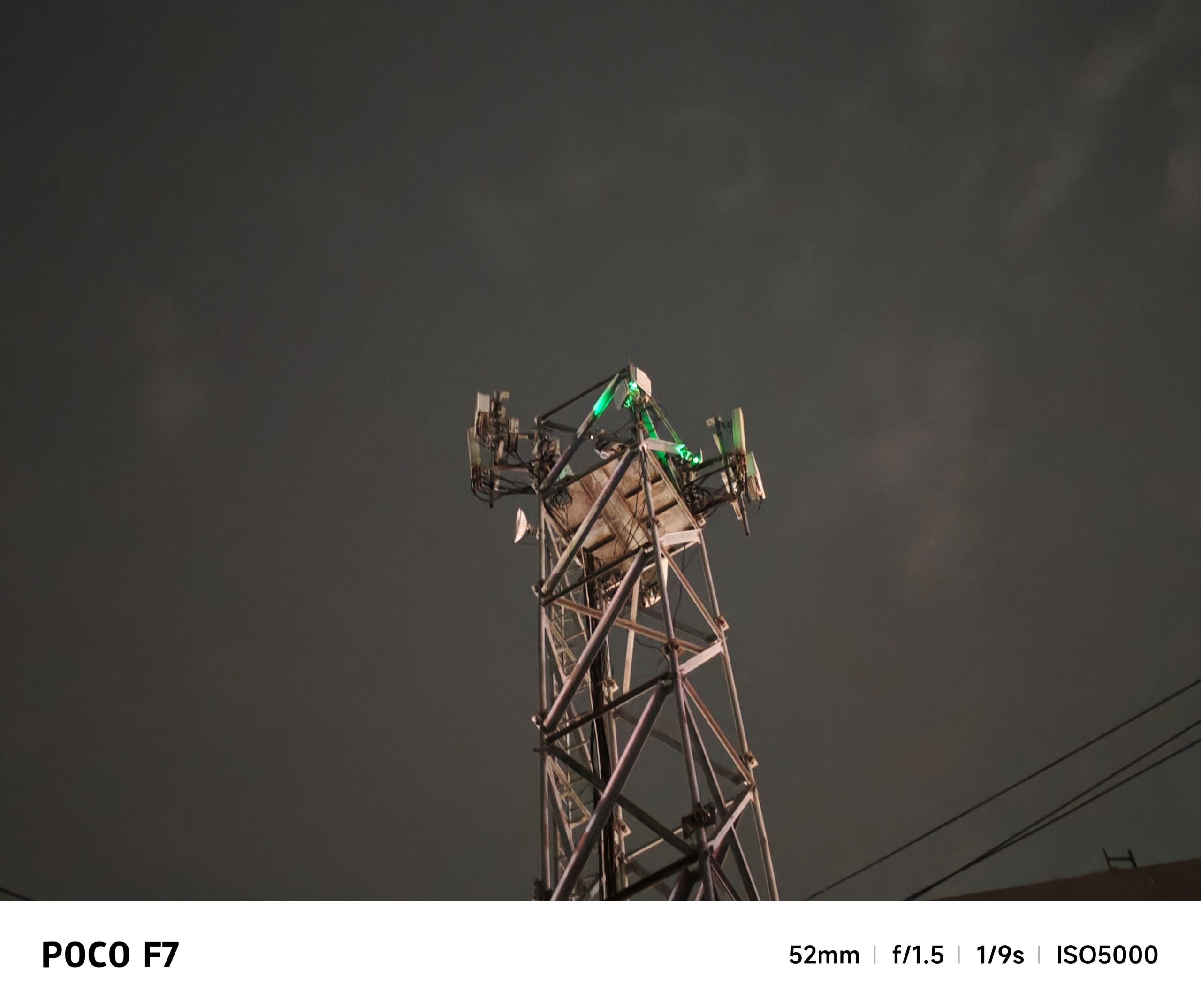
Coming to the image quality, daylight shots came out well with good dynamic range. After pixel binning technology, you get 12MP output from all main camera. HDR shots are better with improved dynamic range. 8MP wide-angle shots are decent. The 20MP front camera is good, and you get full 20MP output. Lowlight camera performance is decent, but it could have been better.
Check out the camera samples.
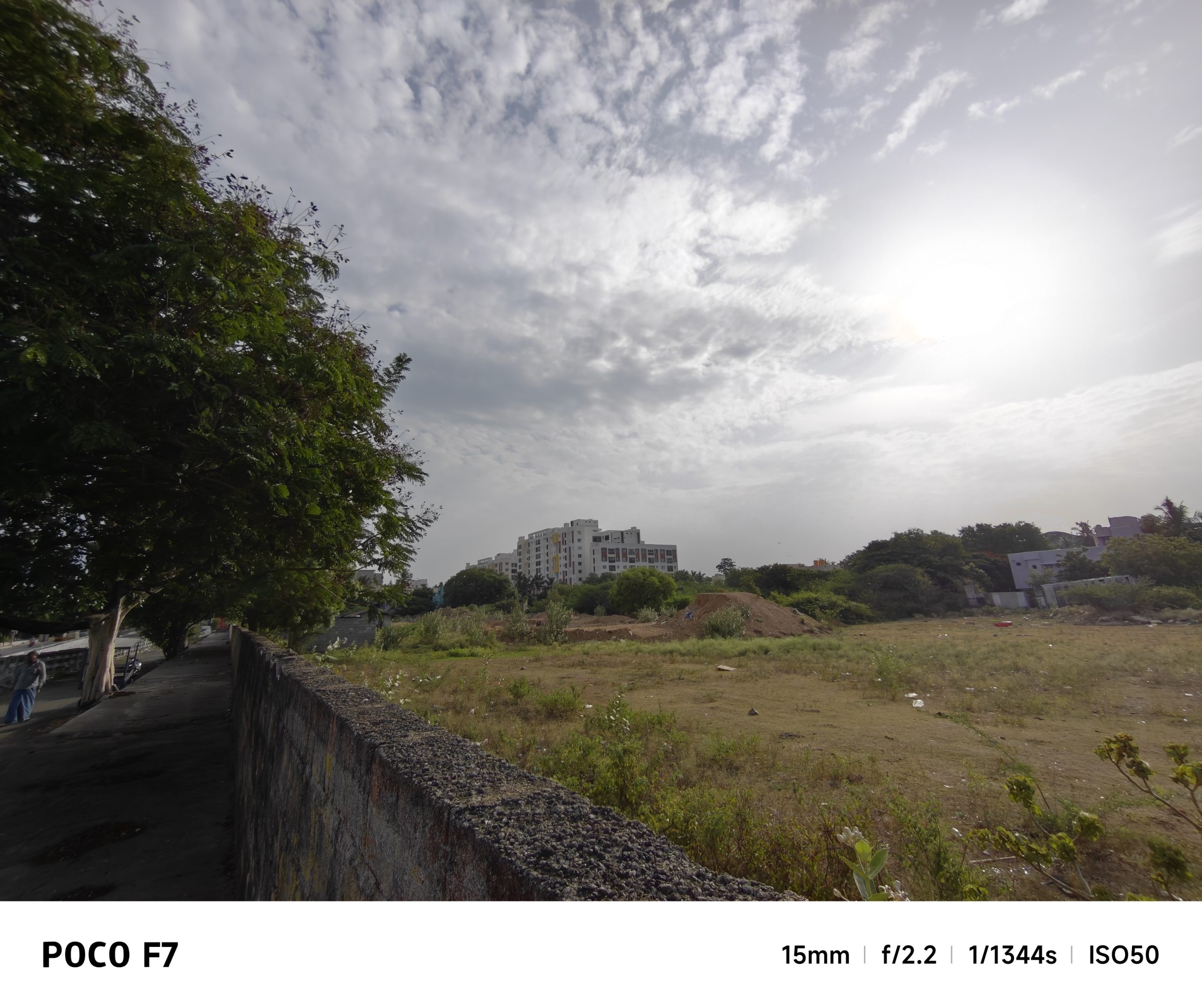
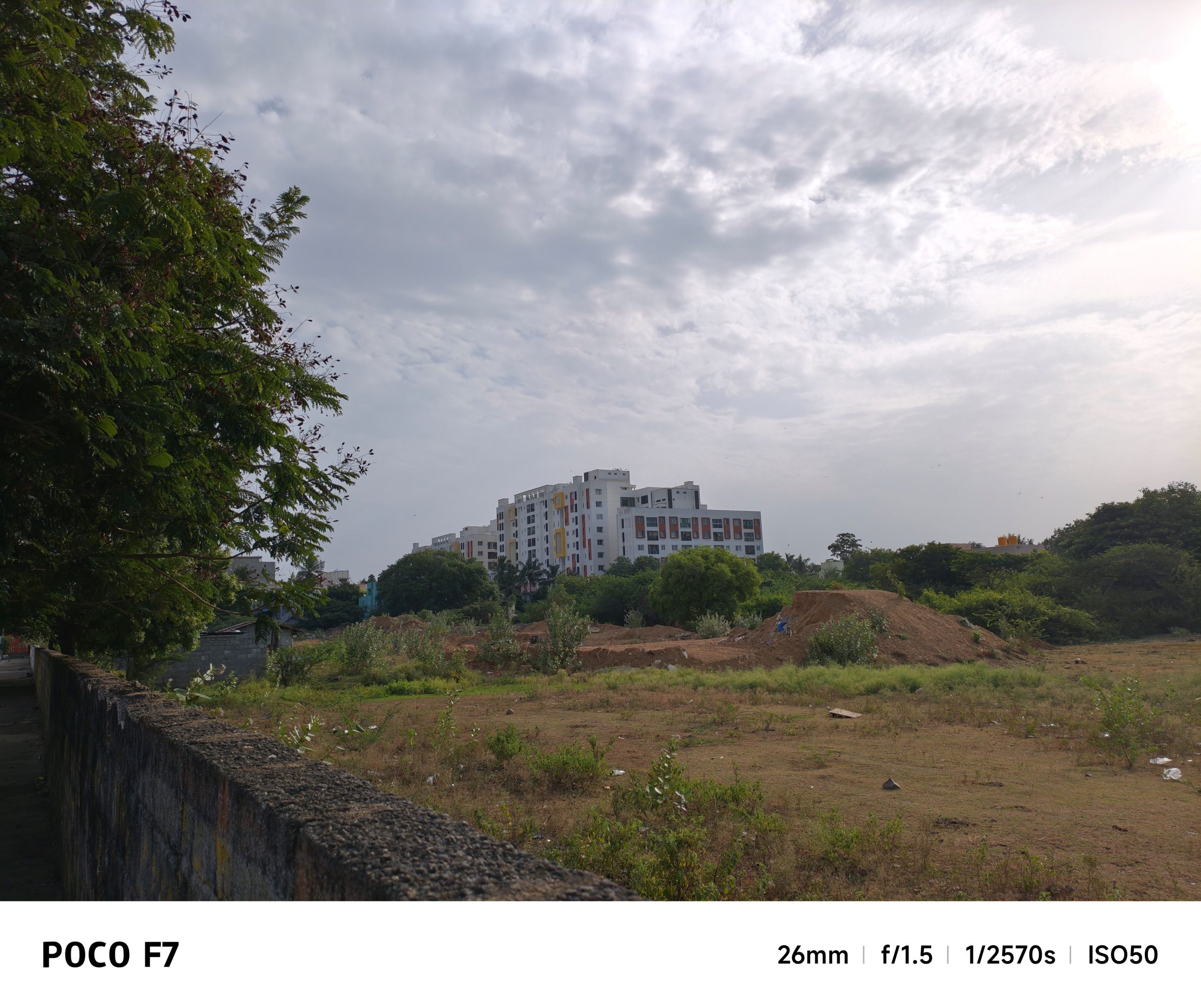
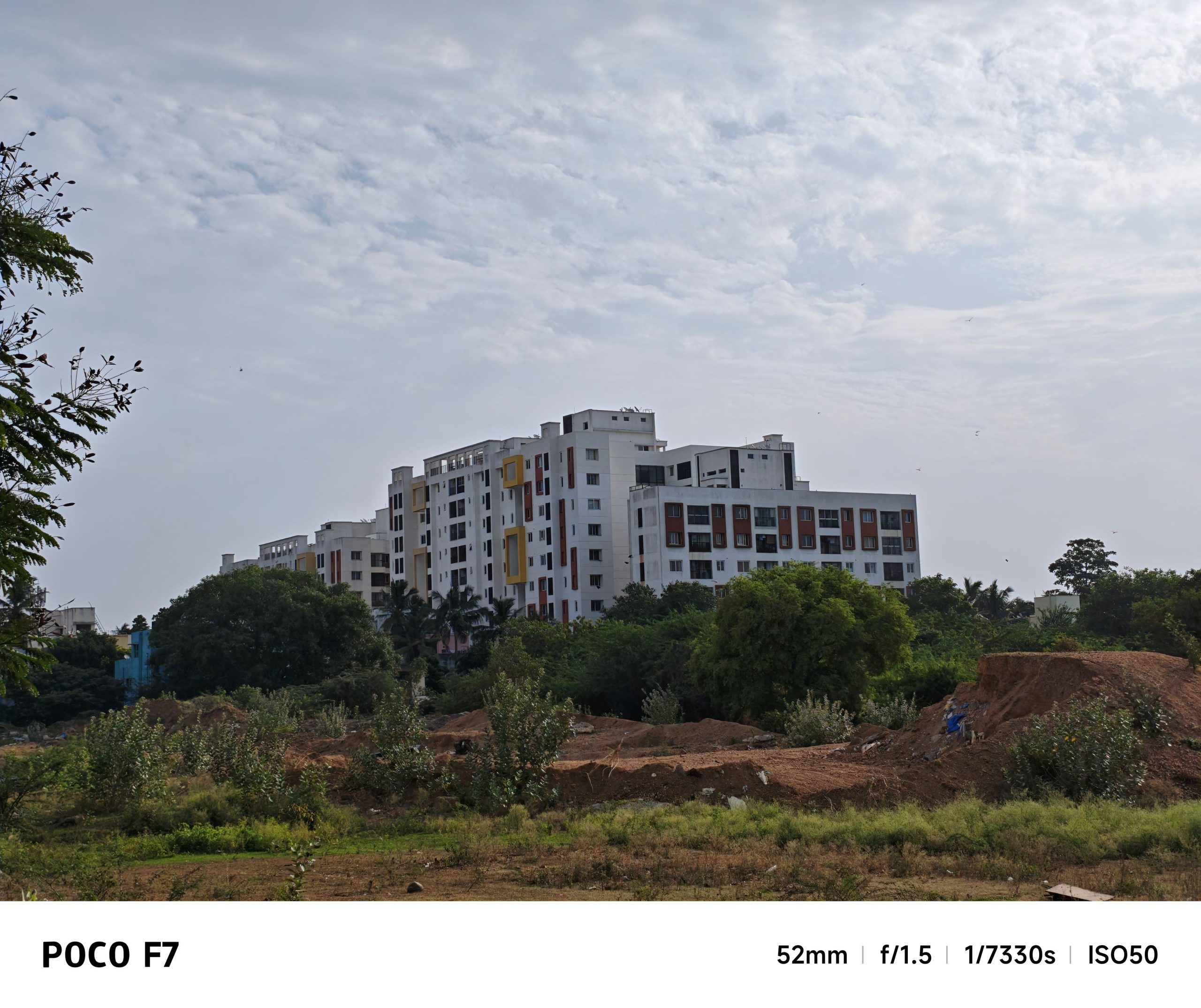
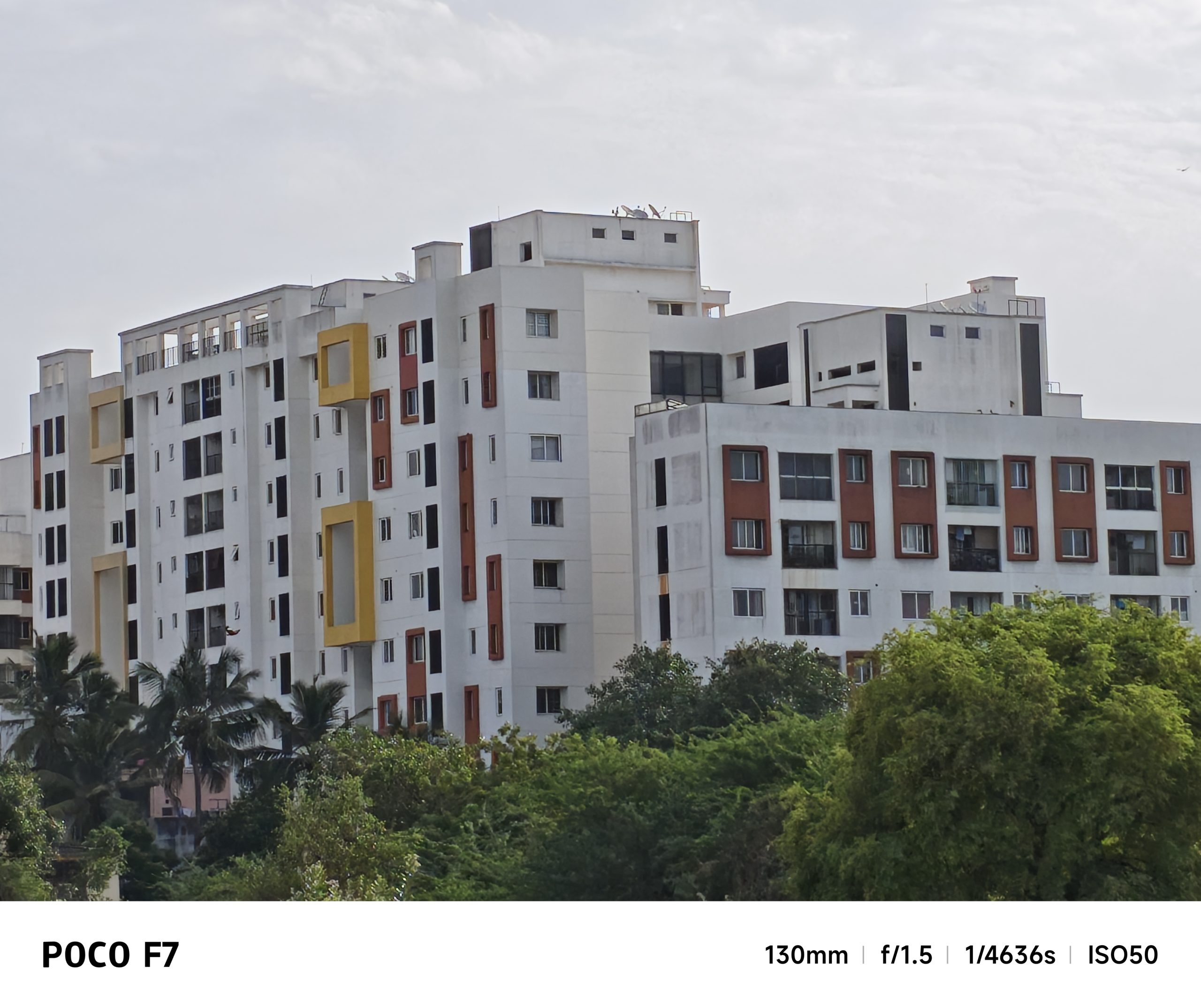





It can record videos at 4k resolution at 60 fps, and it also has slow motion 1080p at up to 240 fps and there is interpolation to 960 fps. You can also shoot 1080 60 fps videos using the front camera and 1080p 30fps from ultra-wide camera. There is no HDR video option, which you can enable from settings. OIS in the main camera does its job, and there is a separate ultra-steady mode that uses both OIS and EIS, but it switches to 1080p.
Software, UI and Apps
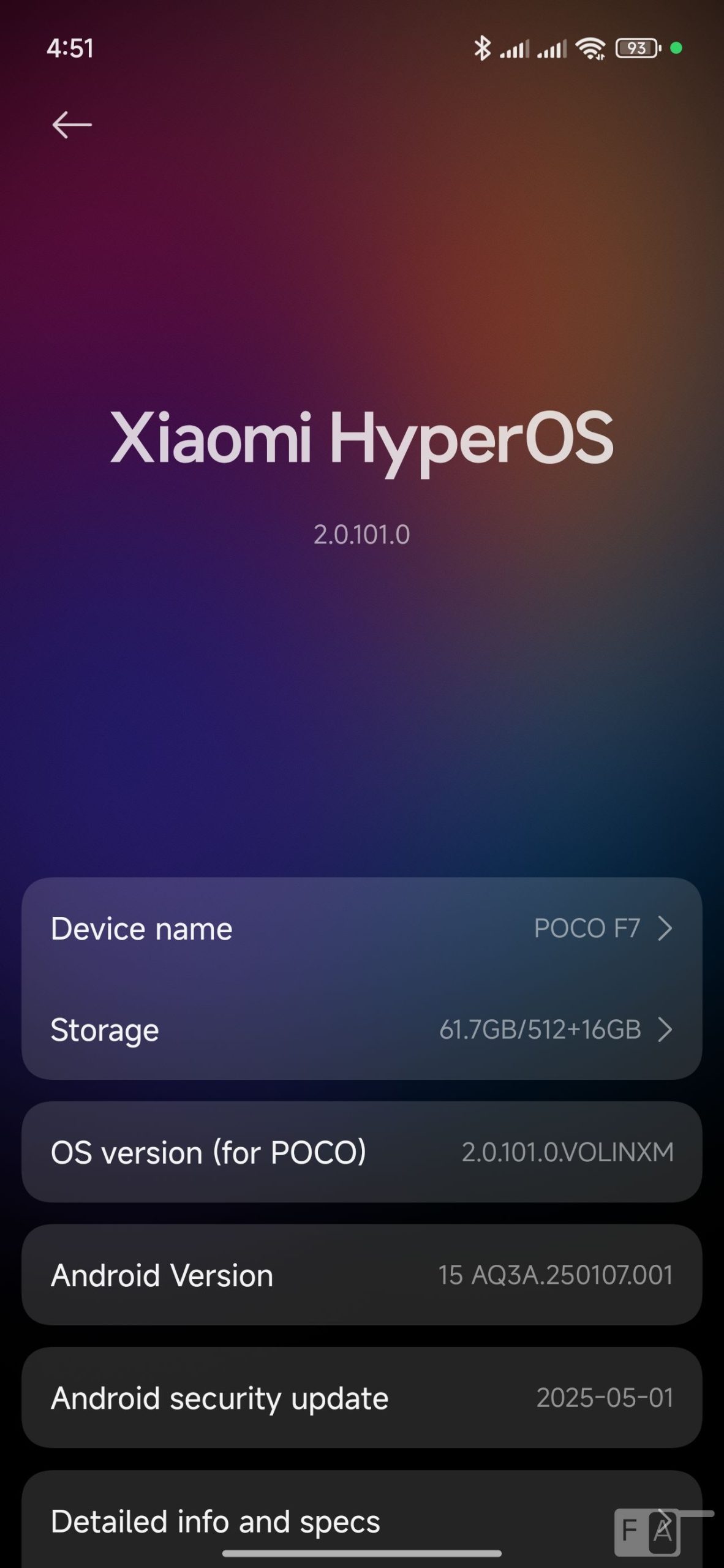
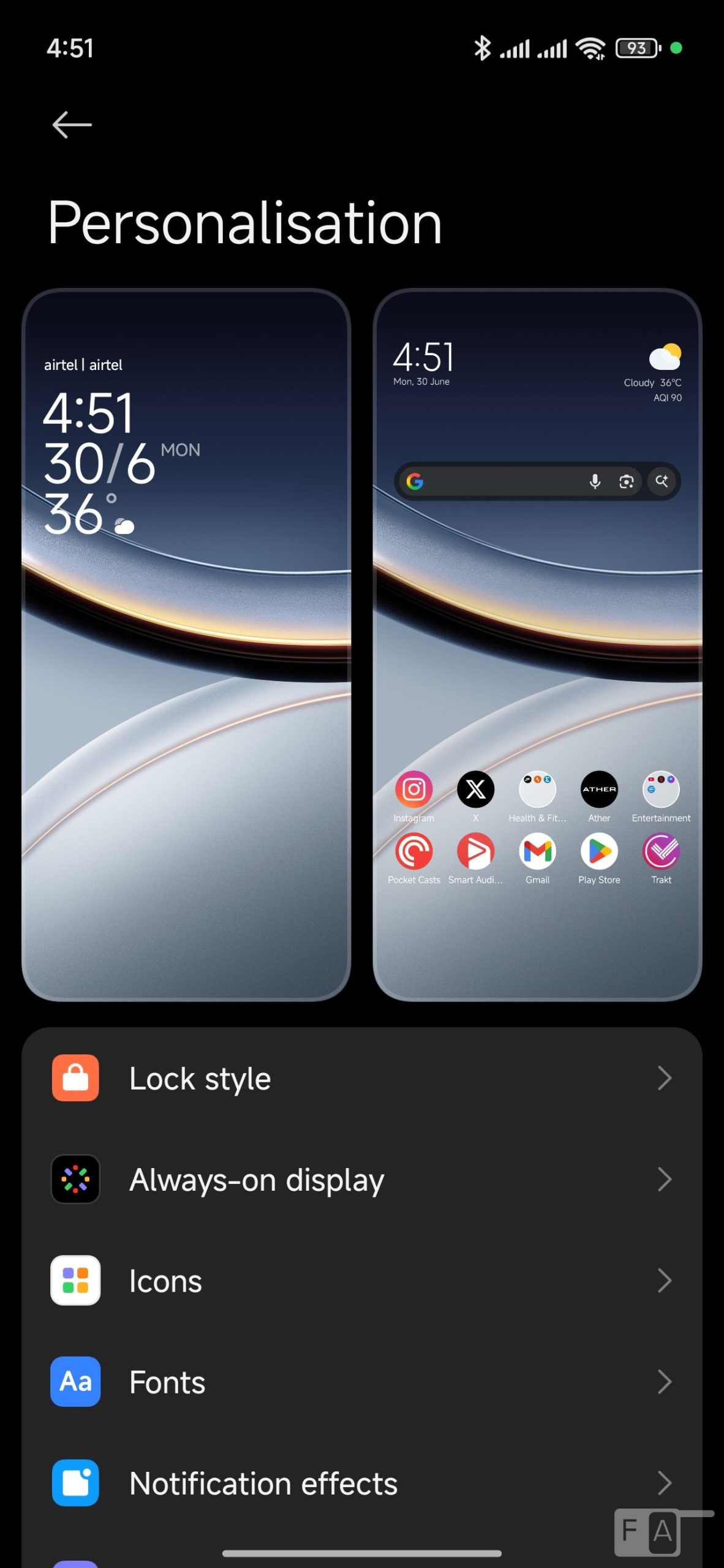

The phone runs HyperOS 2 out of the box on top of Android 15. It has got May 2025 Android security patch. The company has promised 4 OS updates and 6 years of security updates for the phone for the first time. HyperOS 2 brings several customization options such as upgraded lock screen setup with personalized customization, Dynamic Effects Across Screens, 3D Real-Time Weather System, Upgraded Xiaomi Interconnectivity, Link to Windows and more.
There are also AI features such as AI Notes, AI Recorder, AI Interpreter and AI subtitles. You also get AI-powered editing features like expand, reflection remover, erase and sky replacement. I didn’t face any bugs with the phone during my use.
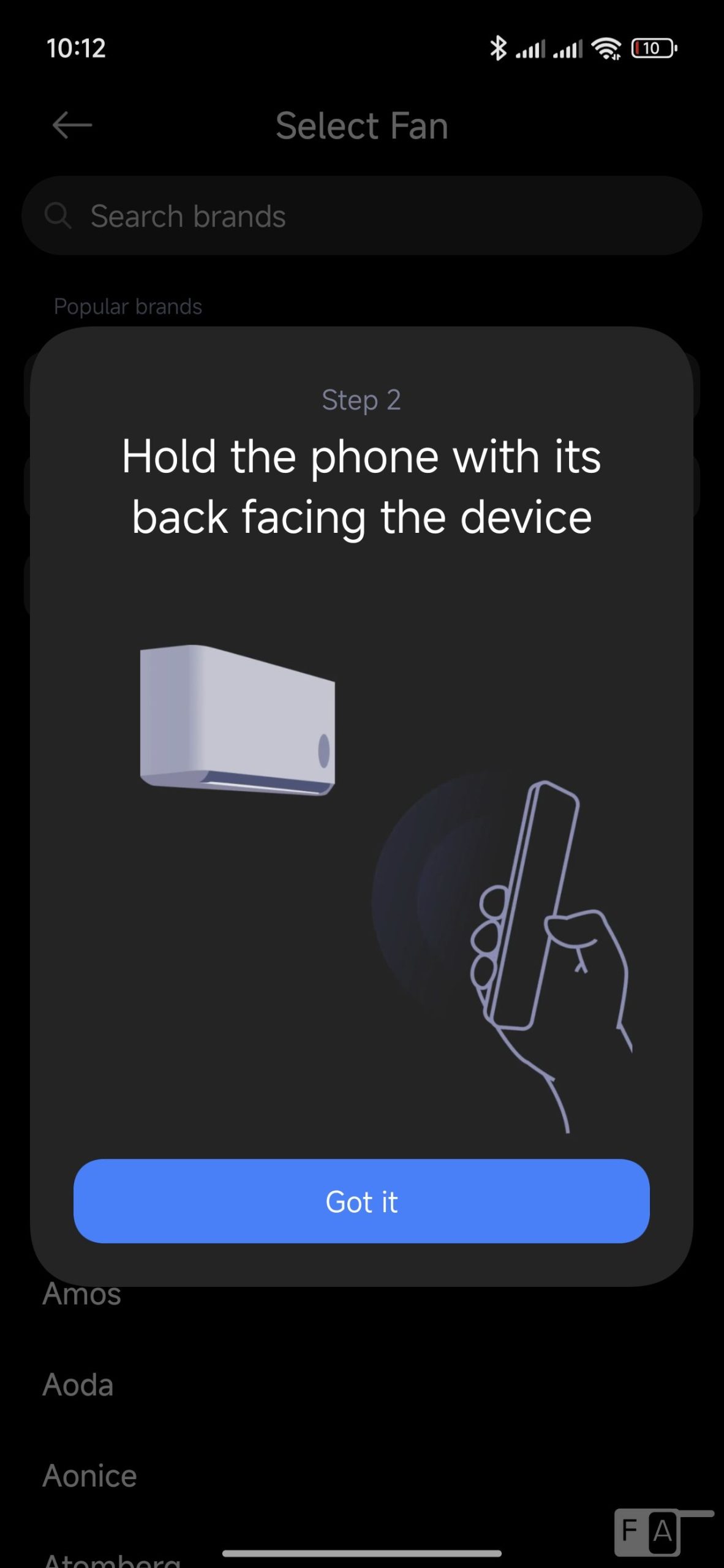

Since the phone has an infrared sensor for remote function, it comes with Mi Remote that lets you control your home appliances easily. Out of 12GB LPDDR5X RAM, you get 11GB of usable RAM, and about 5GB of RAM is free when default apps are running in the background. It also has up to 12GB of memory extension or virtual RAM, which you can disable from additional settings. Out of 512GB UFS 4.1 storage, you get about 478.72 of free storage.
Apart from the usual set of utility apps, Google apps and POCO’s own set of apps, it comes preloaded with Netflix, Amazon, Facebook, LinkedIn, OneDrive, Spotify, Snapchat and a couple of games. It also asks for additional app installation during setup, which you can skip. You can easily uninstall these apps, but these come up when you reset the phone. Even though there is personalized ads option during set up and recommendations in all the apps, you don’t get any ads in apps.
Fingerprint sensor and Face unlock
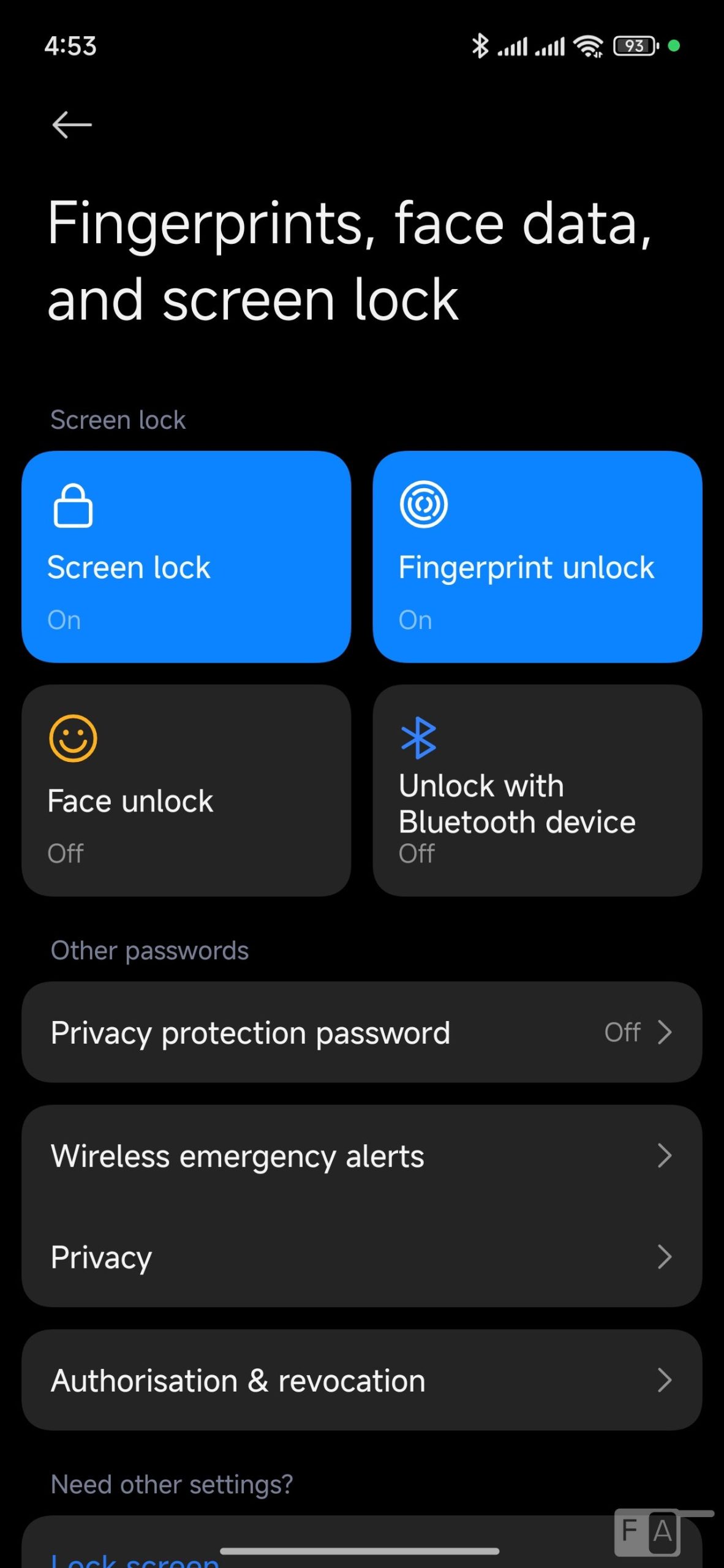
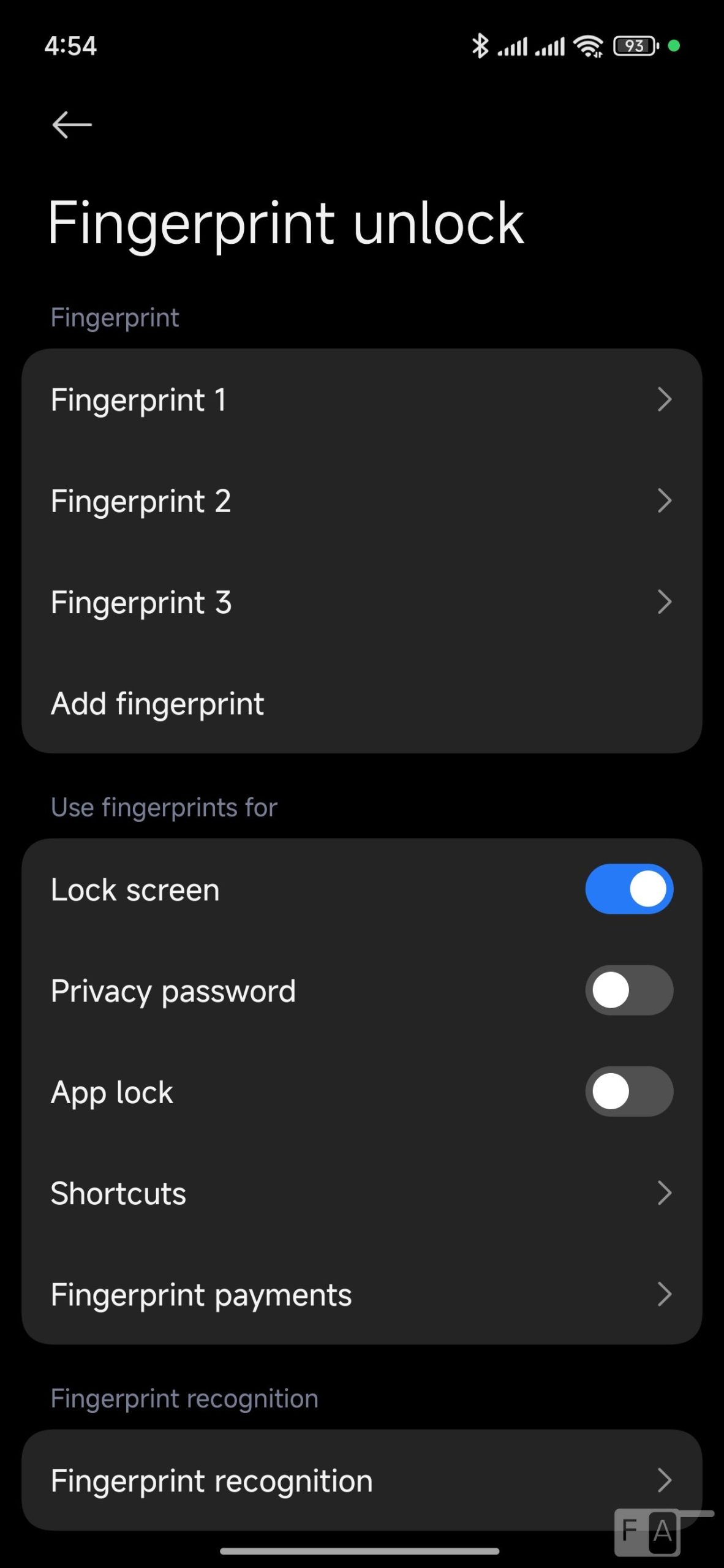
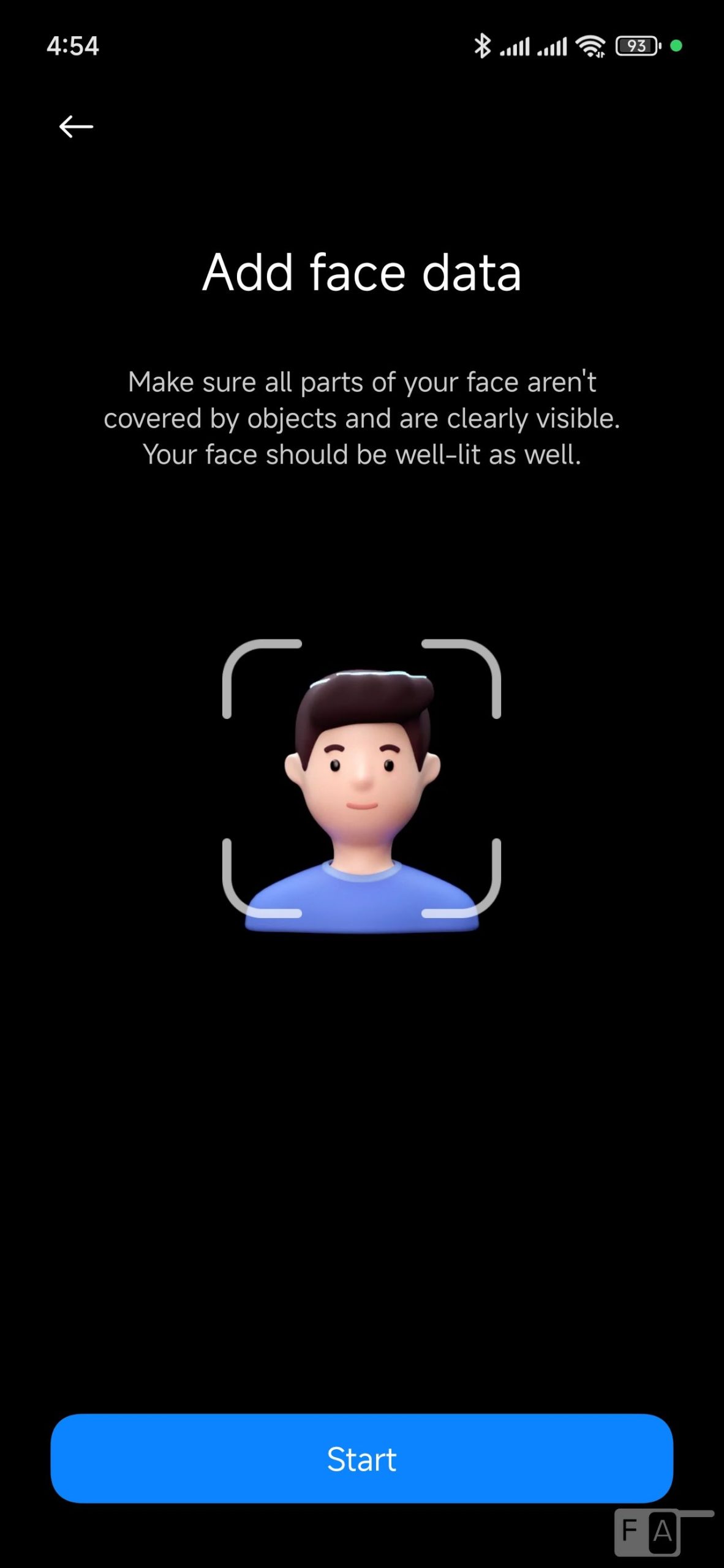
The phone has an in-display fingerprint sensor. You can add up to 5 fingerprints. You can also use the fingerprint for app local and payments in apps. There are also options to change the fingerprint animation. The phone also has face unlock, but it is not that secure.
Music Player and Multimedia
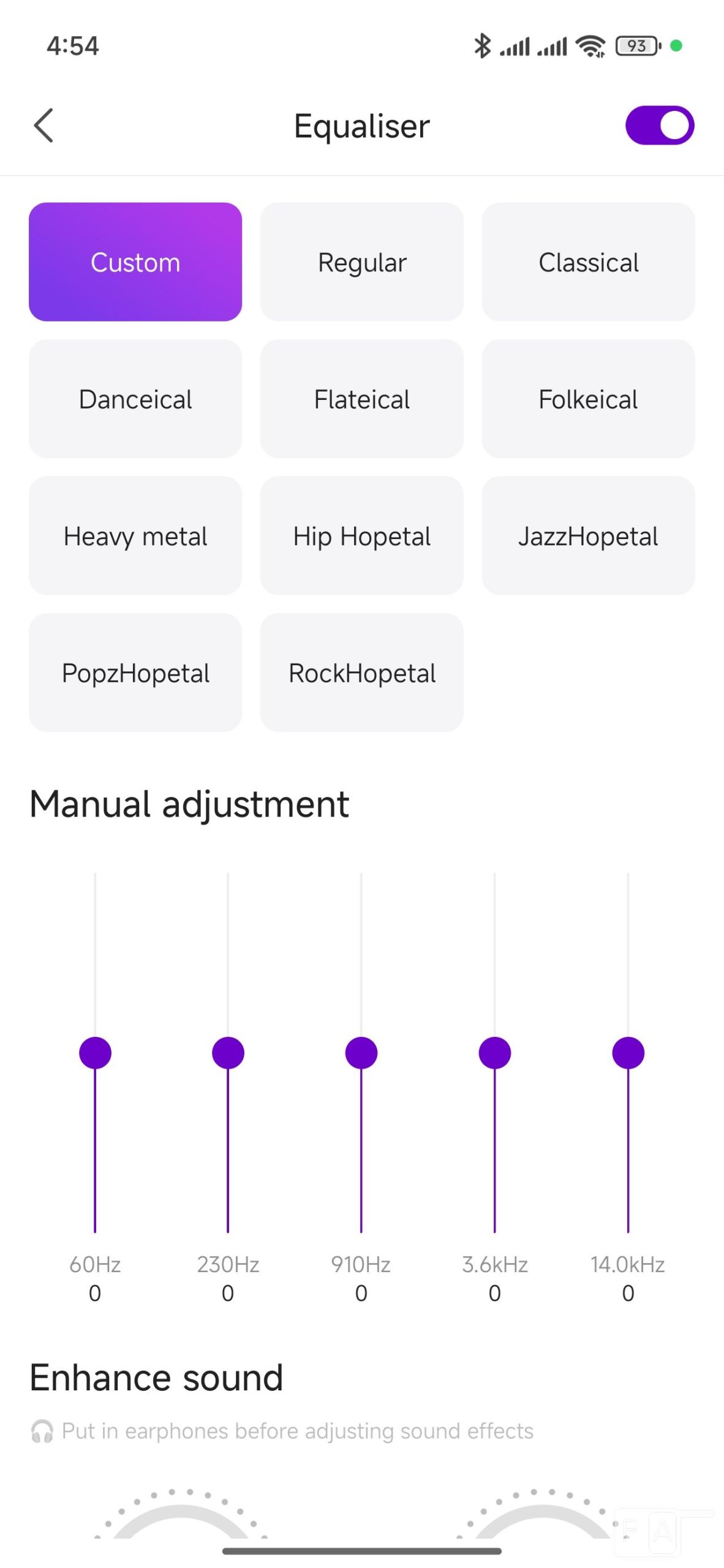
The Mi Music Player is the default music player with usual POCO audio effects and equalizer. It also doesn’t have FM Radio, but comes with Dolby Atmos, and the phone has stereo speakers that offer a good audio experience, and Audio through earphones is good as well.
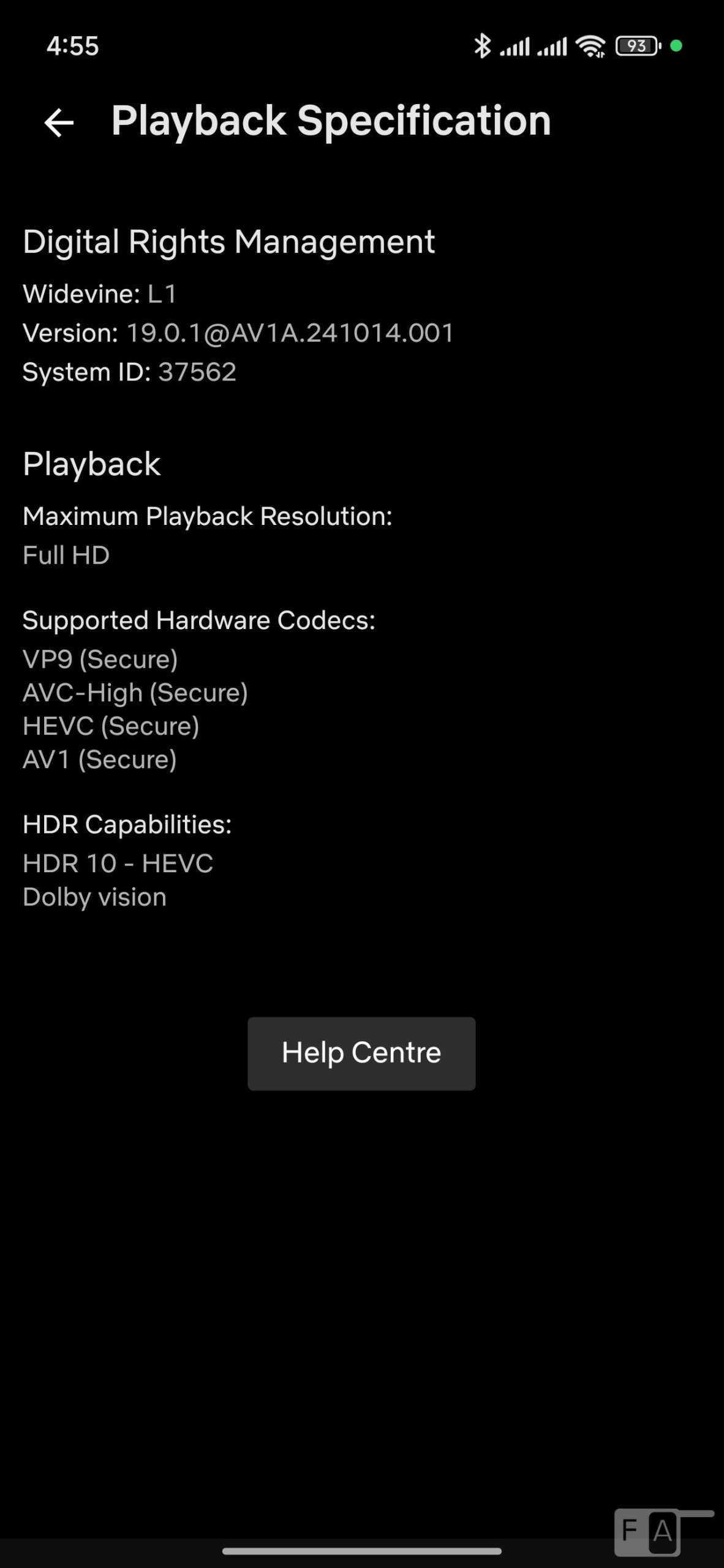
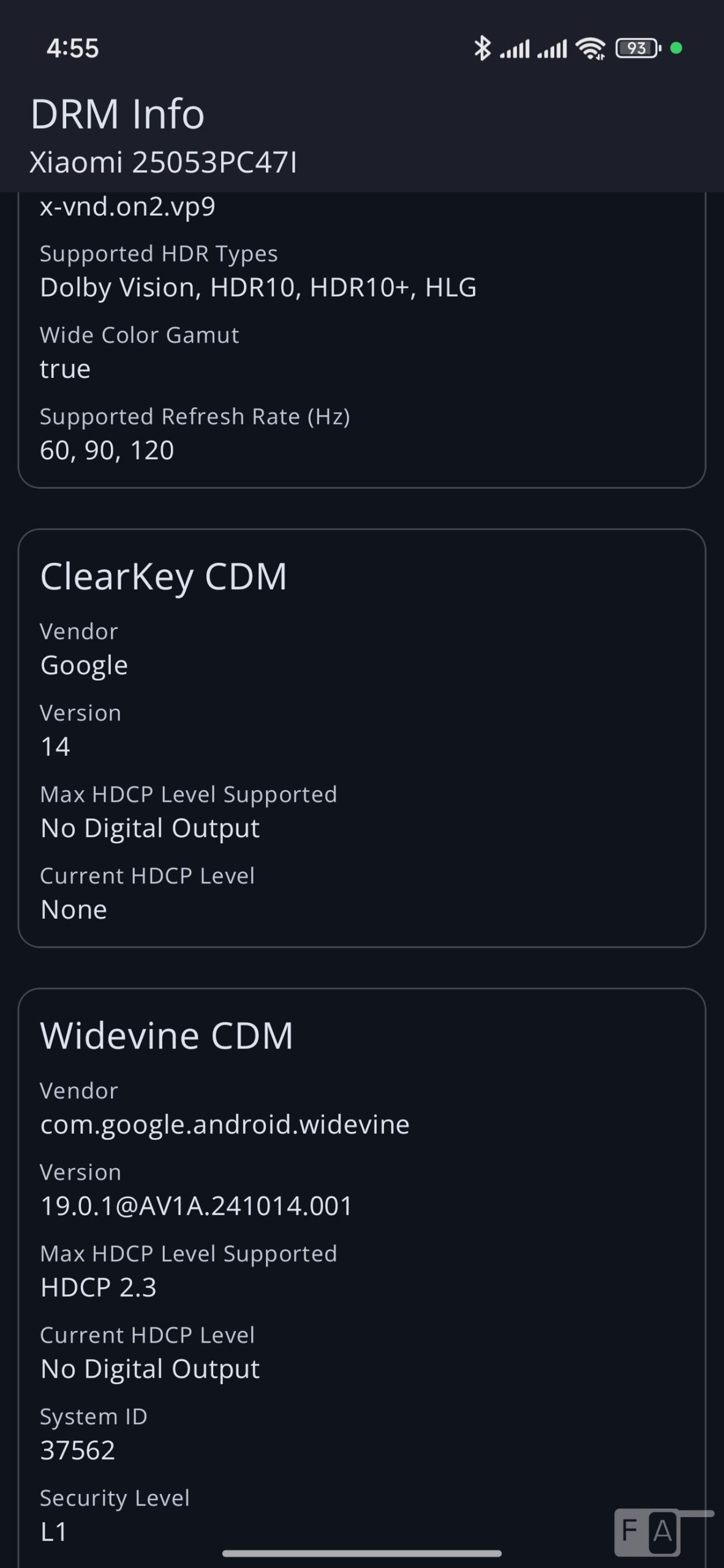
It has Widevine L1 support, so you can play HD content on Netflix, Amazon Prime Video and other streaming apps without any issues. The phone also supports Dolby Vision for Netflix and HDR10+ for Amazon Prime Video. Vibration motors are good, so the haptic feedback is good as well.
Dual SIM and Connectivity

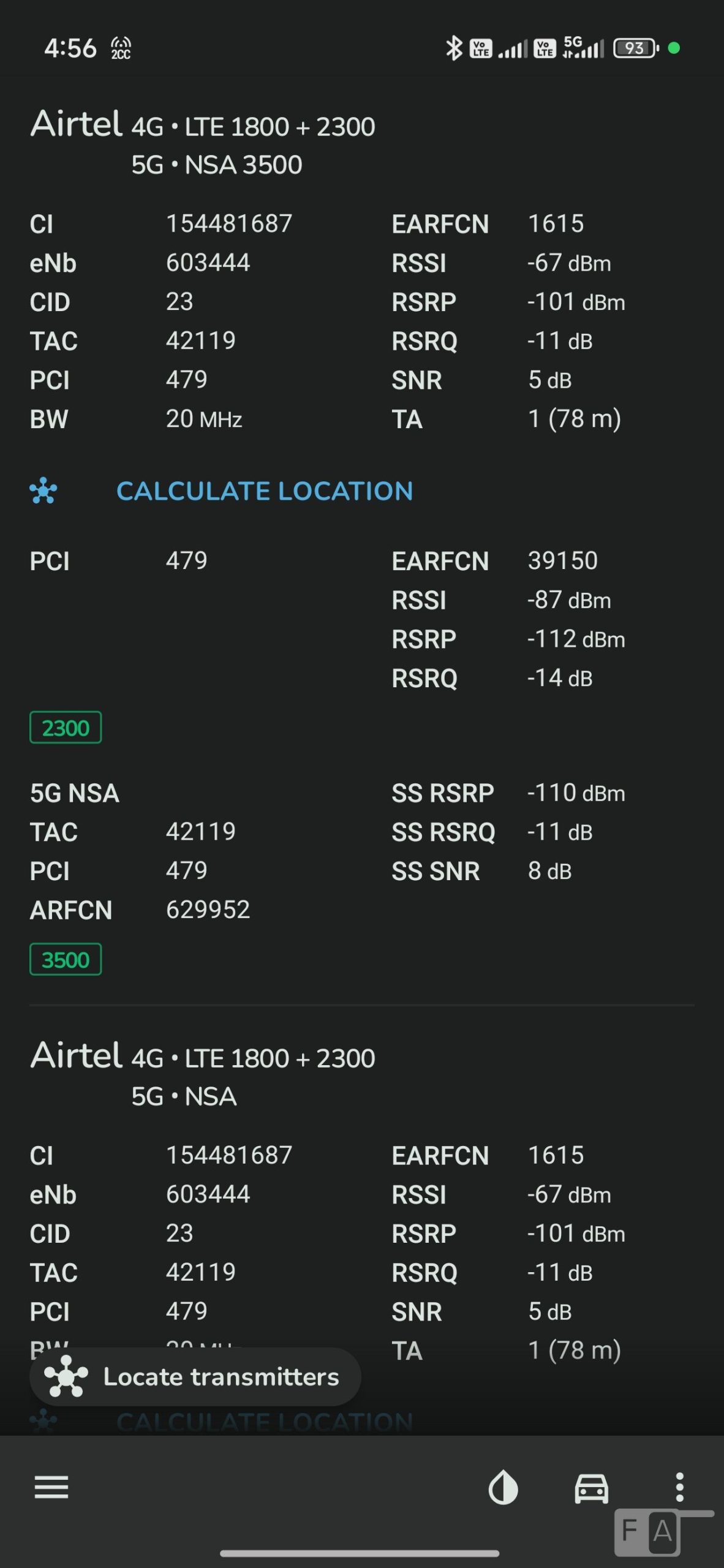
It supports 5G, and has support for several 5G Bands – SA: n1/n3/n5/n7/n8/n20/n28/n38/n40/n41/n66/n77/n78/n2/n48 and NSA: n1/n3/n5/n7/n8/n20/n28/n38/n40/n41/n66/n77/n78. There is also support for Dual 4G VoLTE and phone supports carrier aggregation as well. Other connectivity options include Dual-Band Wi-Fi 7 802.11 be. It has VoWiFi / Wi-Fi calling support, Bluetooth 5.4 LE, GPS, Glonass, Beidou, and there is also NFC support.
It also has USB OTG support that lets you connect USB drives. Call quality is good, and we did not face any call drops and the earpiece volume was loud. It has Xiaomi dialer instead of Google dialer seen in some Xiaomi phones.
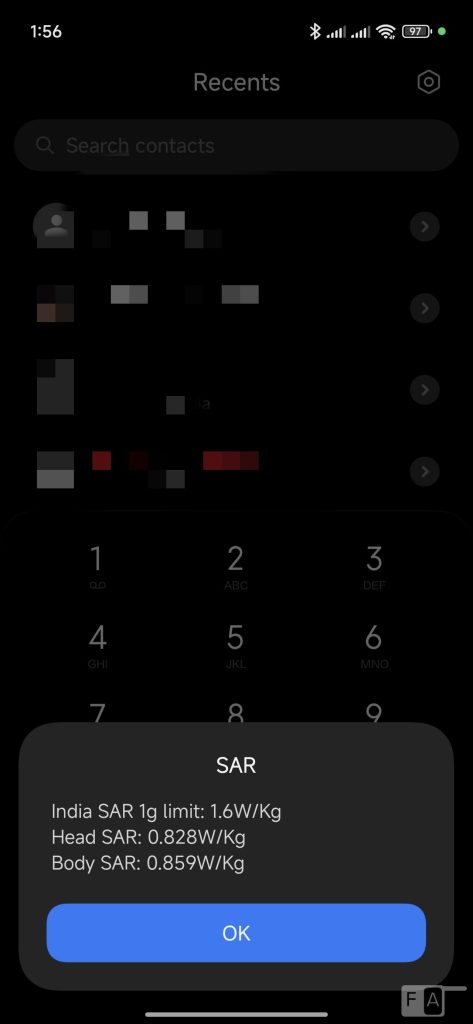
The POCO F7 Pro’s body SAR is 0.859W/Kg and head SAR is at 0.828/Kg, that is well under the limit of 1.6 W/kg (over 1 g) in India.
Performance and Benchmarks

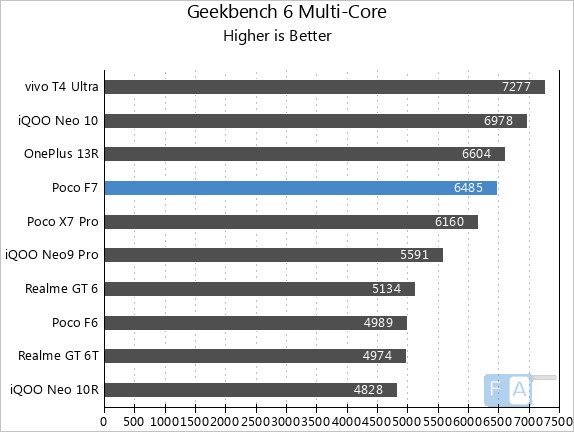
This is of the few phones to be powered by the latest Qualcomm Snapdragon 8s Gen 4 SoC in India. It uses the same microarchitecture as the Snapdragon 8s Gen 3, but the performance has drastically improved.
It uses 1 x Kryo Prime CPU (Arm Cortex-X4 based) at up to 3.2GHz, 3 x Kryo Performance CPUs (Arm Cortex-A720 based) at up to 3.01GHz, 2 x Kryo Performance CPUs (Arm Cortex-A720 based) at up to 2.80GHz, 2x Kryo Performance CPUs (Arm Cortex-A720 based) at up to 2.02GHz, ARMv9 architecture.
The SoC is fabricated using the TSMC 4nm Process Technology, same as Snapdragon 8s Gen 3. The phone has 6000mm² dual-loop 3D IceLoop cooling.
The Adreno 825 GPU has Hardware-Accelerated Ray Tracing with Global Illumination, Qualcomm Adaptive Performance Engine and Snapdragon Game Super Resolution 2.0. It has POCO’s Wildboost 4.0 optimization for high quality image rendering, high fps and has a new UI.
We did not face any issues or frame drops in the graphic-intensive games like COD, BGMI and Genshin Impact, thanks to the new Adreno 825 GPU. In BGMI there is up to Ultra HDR graphics and Ultra frame rate option and offers 120fps native frame rate.
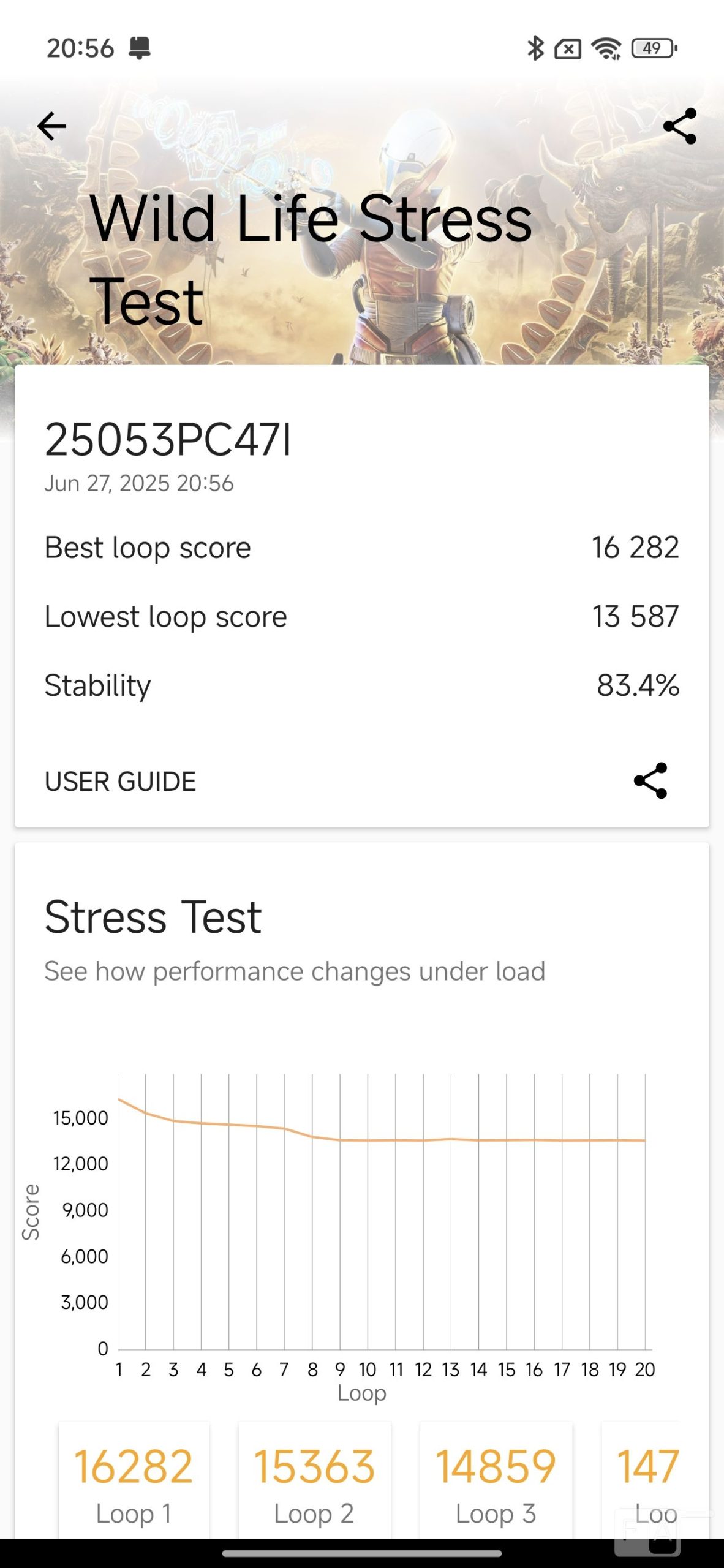
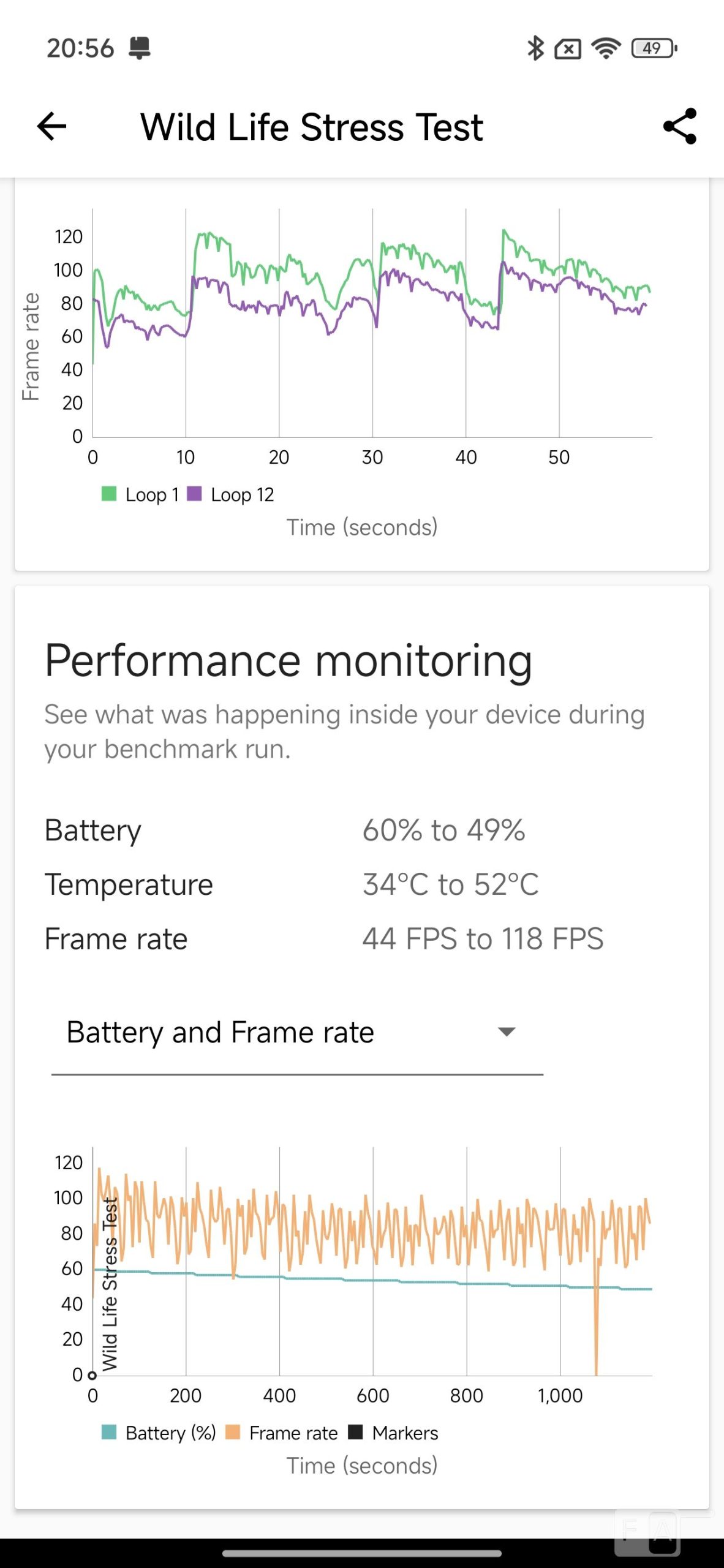
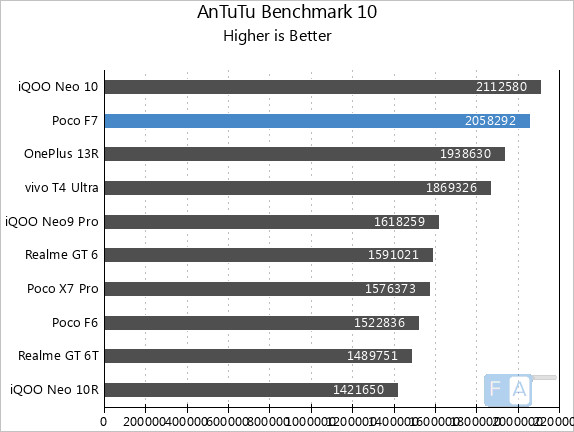
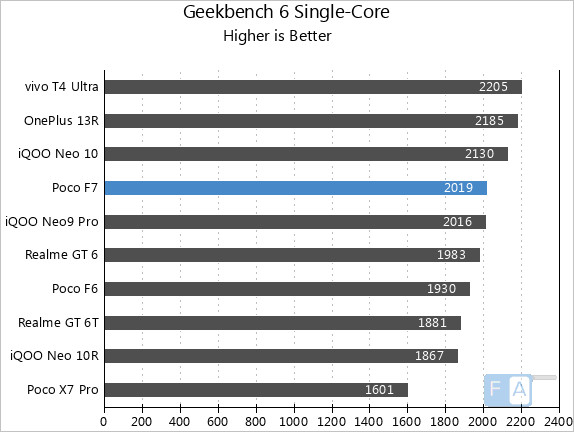
In 3D Mark wild life stress test, it scored 83.4%, which is slightly better than the POCO F6. The temperature shot up from 34 to 52 degrees, almost similar to the POCO F6. That said, check out some synthetic benchmark scores below.
Battery life
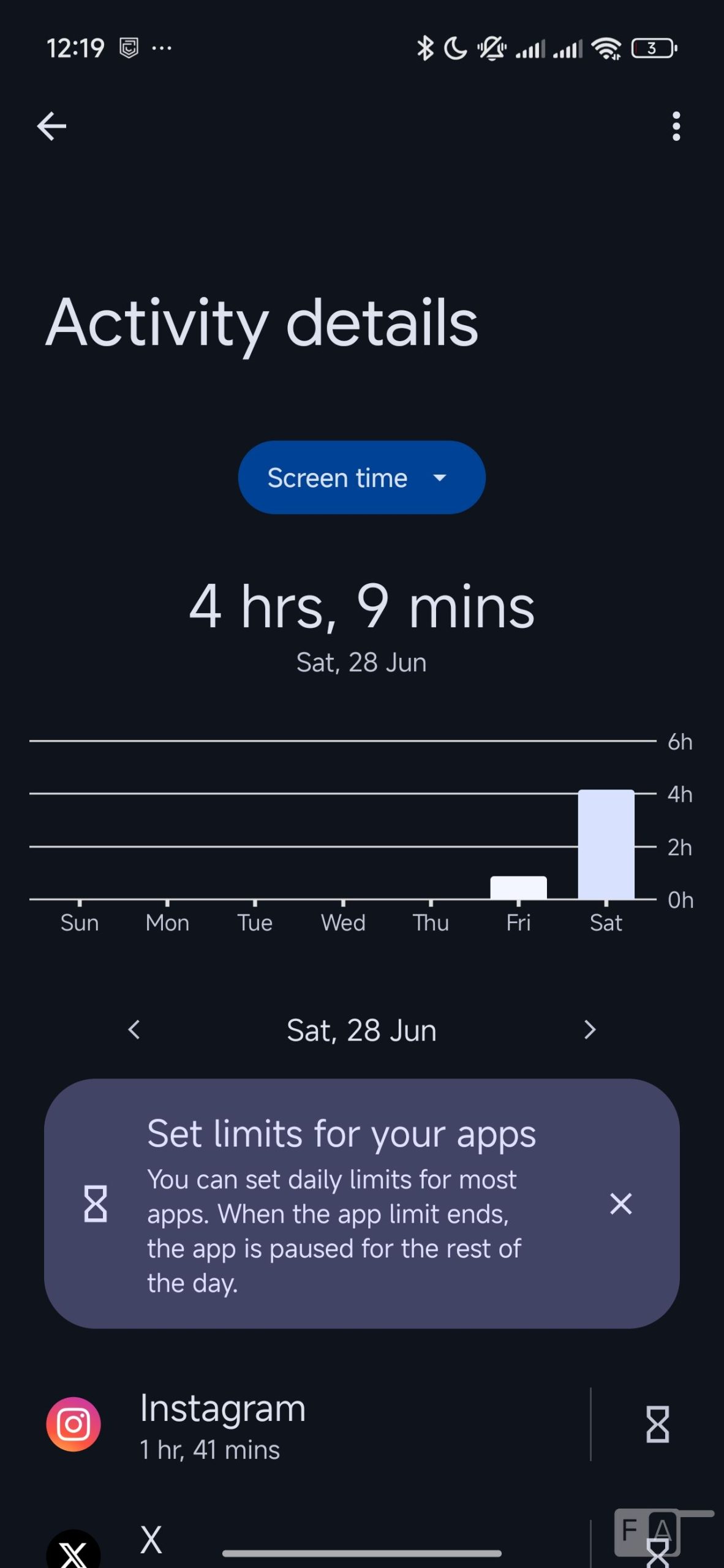
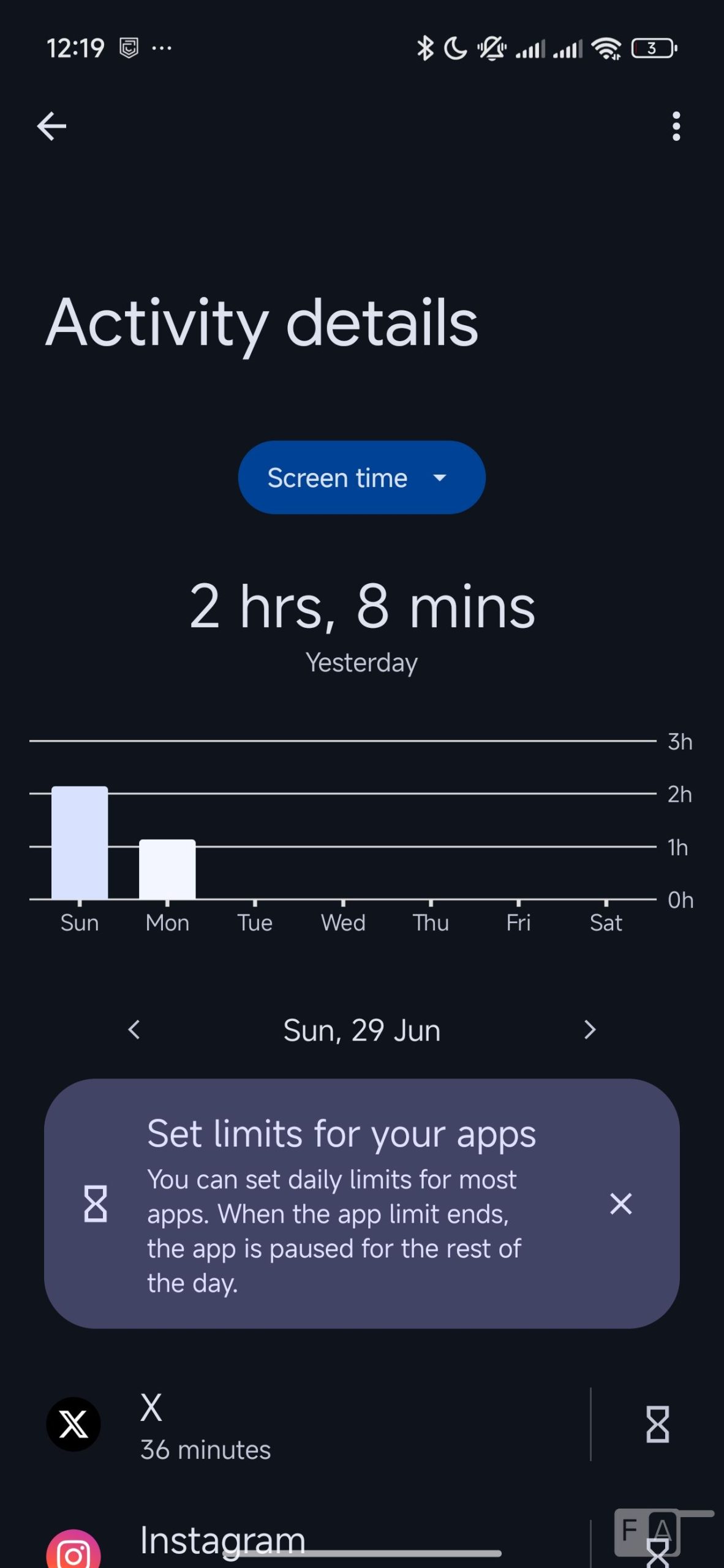
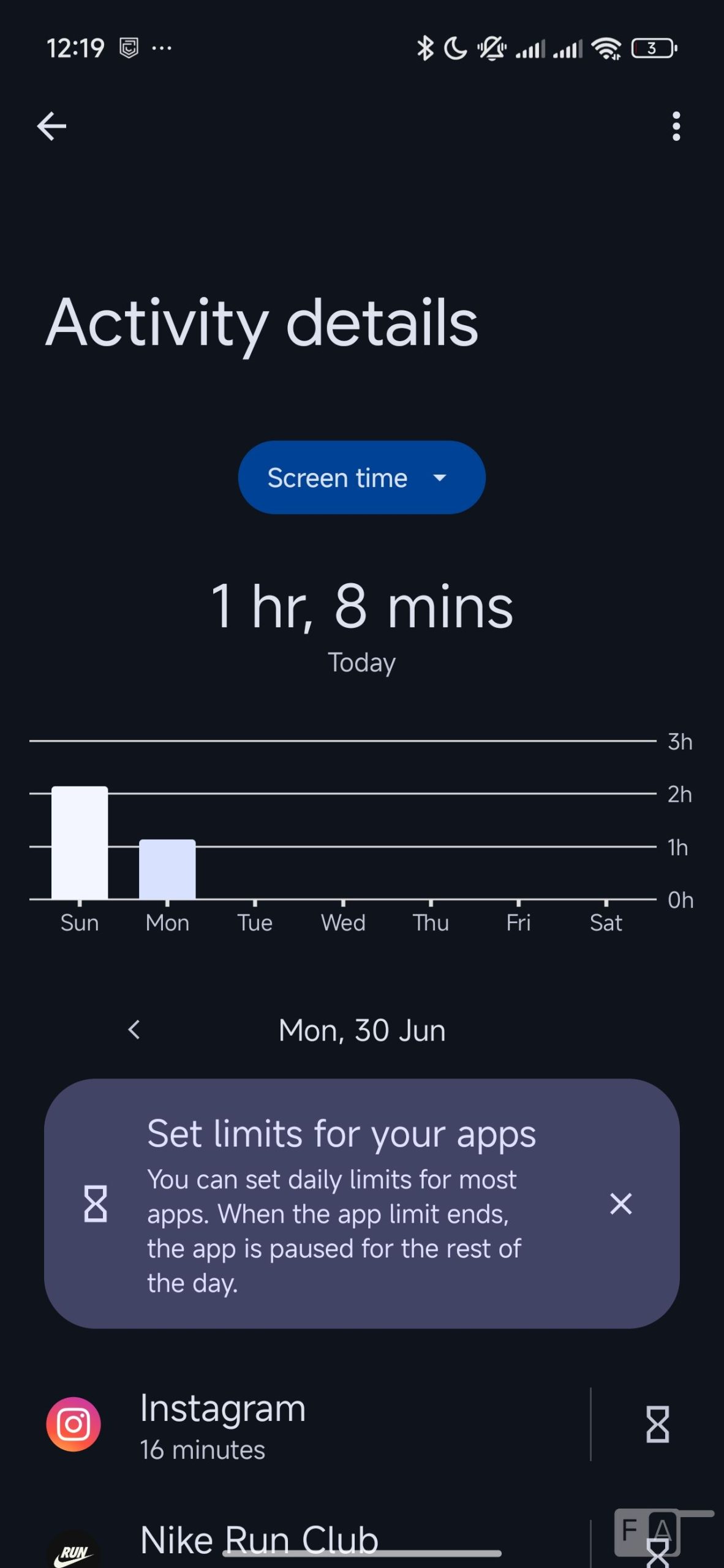
Coming to the battery life, the phone packs a huge 7550mAh (typical) built-in carbon silicon battery compared to 5000mAh in the POCO F6, and this is the highest on a POCO phone, or any other phone in India till date. This lasts for more than a day, even with heavy use. With minimal use on Wi-Fi, it should last for over 2 days. I got over 7 hours of screen on time with over 2 days of mixed use on 5G and Wi-Fi in 120Hz.

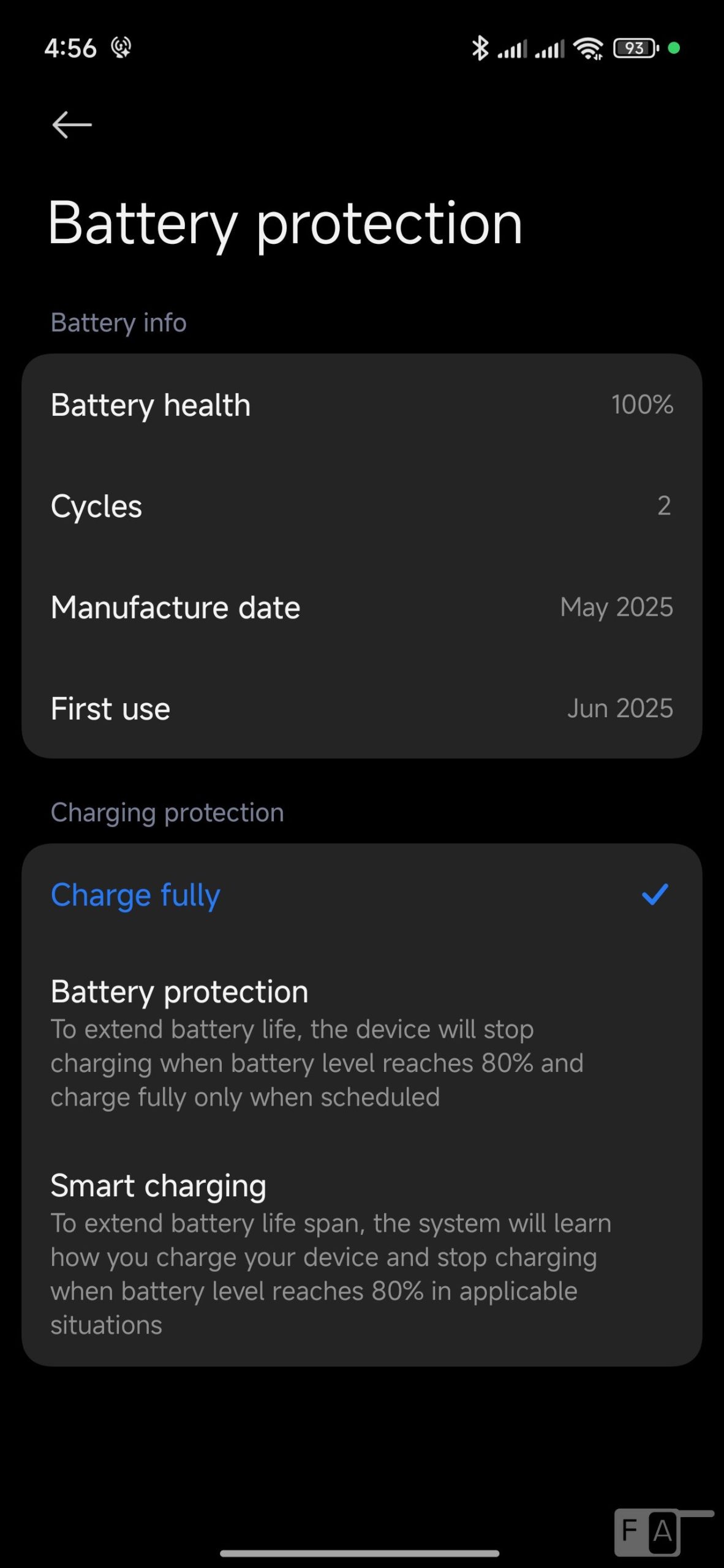
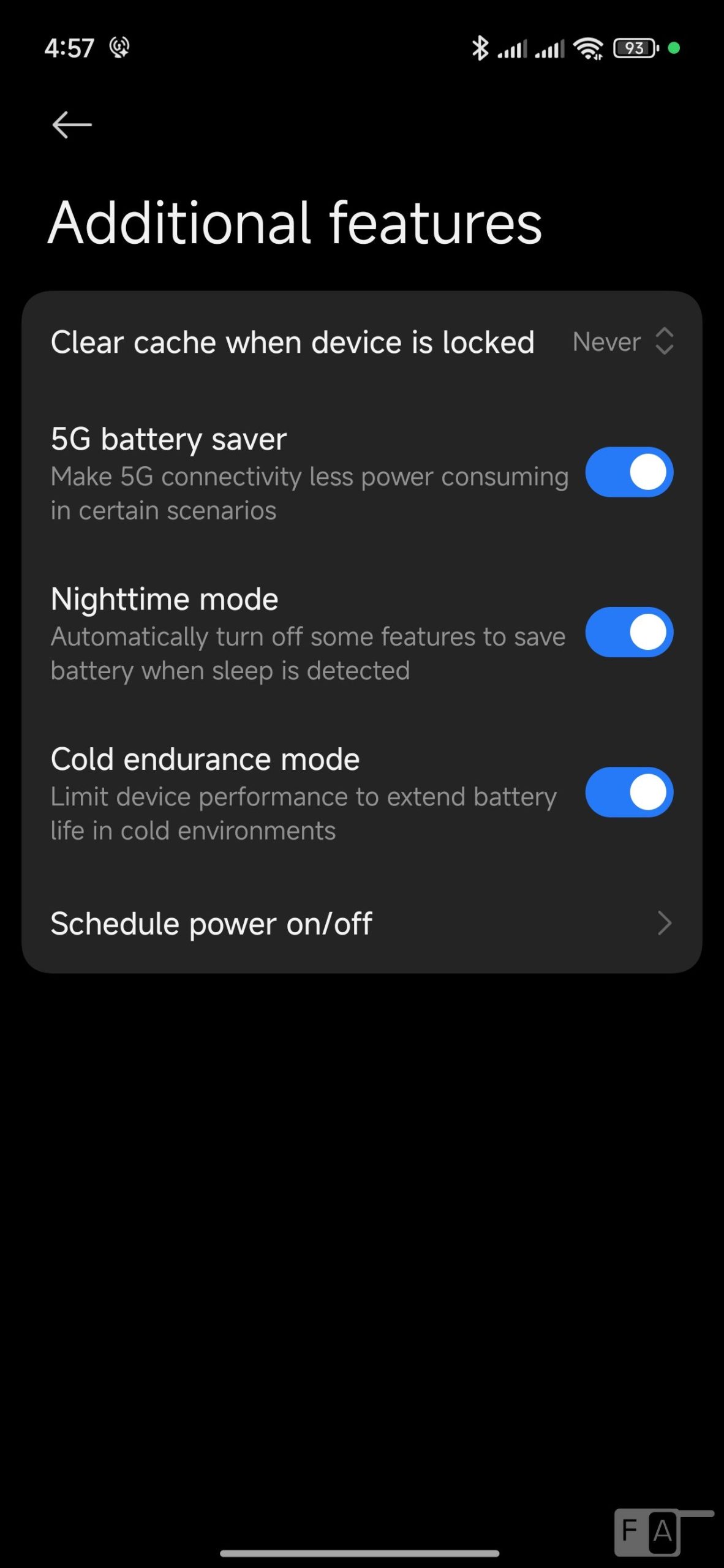
There is 5G battery saver, boost charging and more features in the battery settings. Since the phone has support for 90W fast charging, it can charge up to 50% in less than 20 minutes and up to 100% in about 45 minutes. The phone now shows charging cycles. It promises 1600 times of four-year durable long cycle, ultra-long service life. There is also 22.5W reverse charging which comes in handy.
Conclusion
At a starting price of Rs. 31,999, the POCO F7 is another value-for-money offering from POCO, making it an unbeatable performer for the price. There are upgrades in the SoC, battery, build quality and the waterproof ratings has also improved. The front camera and low-light camera performance from the rear camera are decent, but could have been better.
Alternatives
There is no direct competitor to the POCO F7 in the price range, but at a slightly higher price, there is iQOO Neo 10 that is also powered by the same Snapdragon 8s Gen 4 chip has a 144Hz AMOLED panel, and a slightly better gaming experience.
Pricing and availability
The POCO F7 is priced at Rs. 31,999 for the 12GB + 256GB model and the 12GB + 512GB model costs Rs. 33,999. It will be available from Flipkart starting from today, July 1st from 12 noon. With Rs. 2000 bank discount, the effective starting price is Rs. 29,999, and there are also day 1 sale offers such as 1-year additional warranty and 1-year free screen replacement.
Pros
- 1.5K 120Hz AMOLED display with HDR10+ and Dolby Vision is brilliant
- Smooth performance and good gaming performance
- Good build, IP66 + IP68 ratings and IP69 support
- Android 15 with a promise of 4 OS updates
- Excellent battery life with 90W fast charging
Cons
- Bloatware
- Gets heated quickly on intensive gaming
- Front camera lacks 4K video recording