
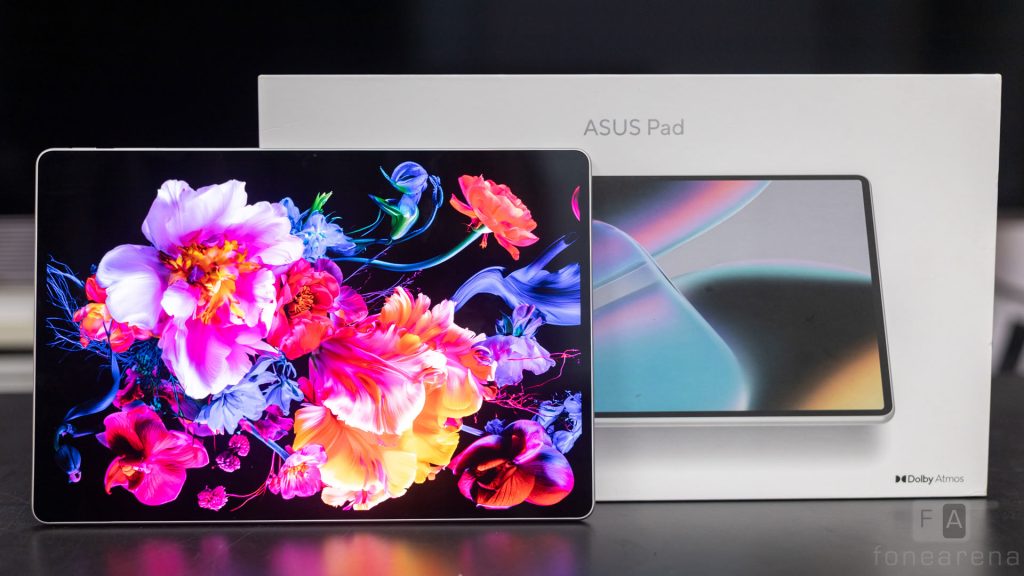
ASUS’s return to the Android tablet market with the launch of the ASUS Pad (T3201) left us intrigued. The company had not released an Android device in the Indian market for a while, let alone a tablet, making this launch a notable one. On paper, the specifications look promising, with a MediaTek Dimensity 8300 chipset, a 144Hz OLED display and a 9000mAh battery. At a starting price of Rs. 45,990, the ASUS Pad T3201 also appears to be well positioned on value. But how does it hold up in real world use? We find out in this review.
Design and Build Quality
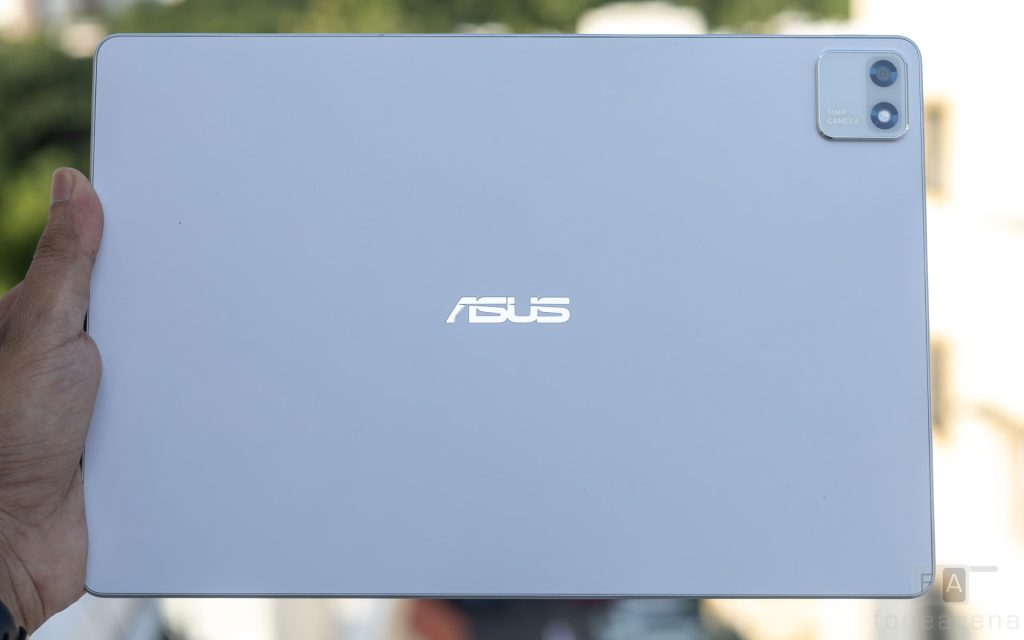
The ASUS Pad T3201 has a clean, minimal design, with a white rear panel and matte silver edges. The chassis uses a magnalium (magnesium-aluminium alloy) frame with a fibreglass back cover for durability. It weighs 523 g with good weight distribution, comfortable to hold on the couch or while moving around the house, and the gentle curve along the edges and corners also contributes to good ergonomics.
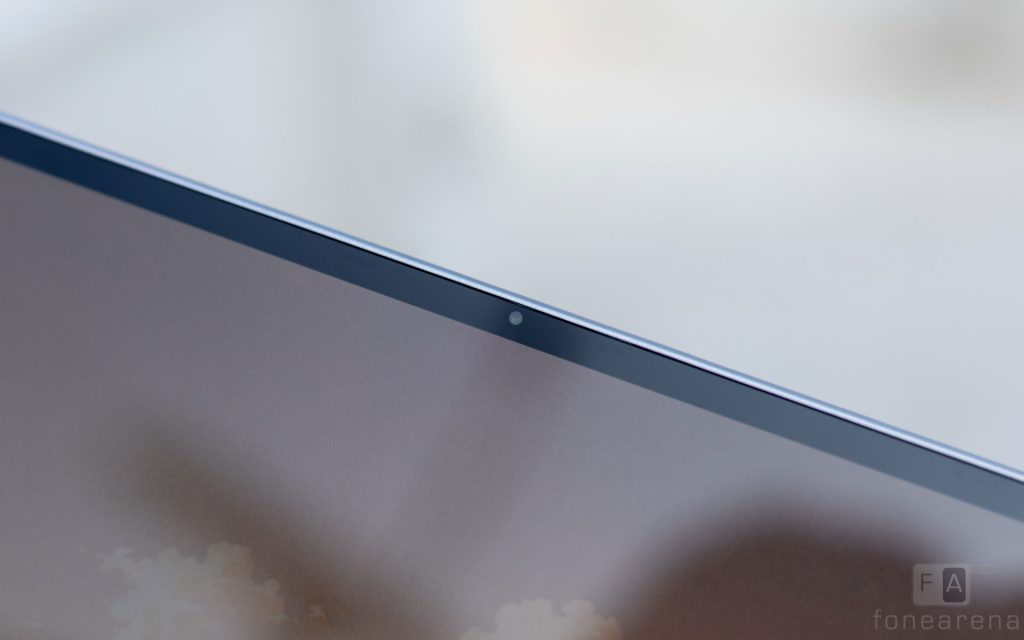
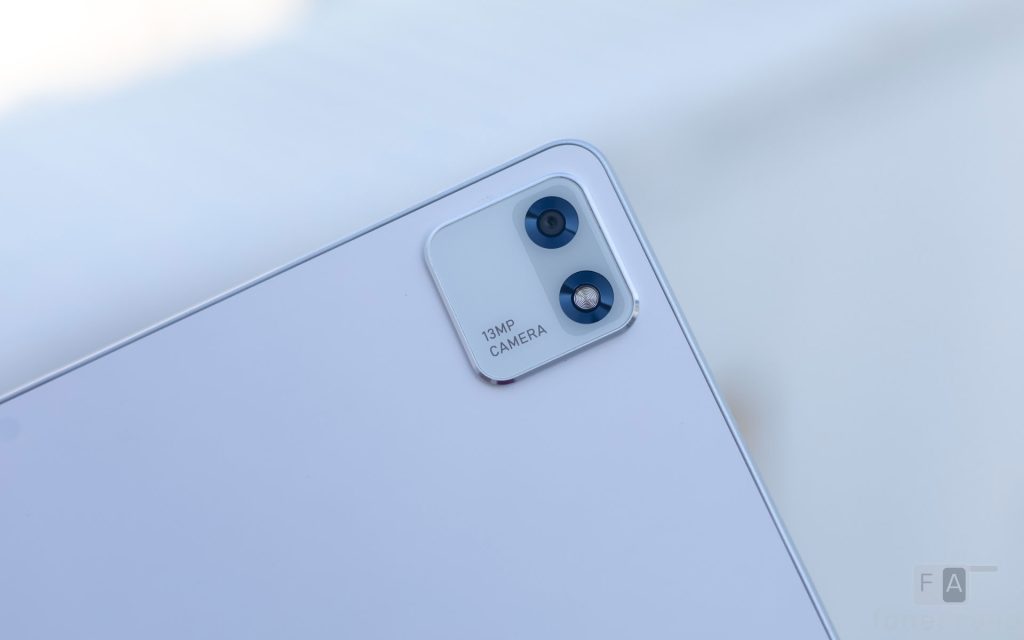
At 6.5 mm thick, the ASUS Pad T3201 pairs a slim profile with thin, even bezels for a modern look. The rear panel features a single ASUS logo in silver, while a square camera bump in the top right corner houses the rear camera and flash.
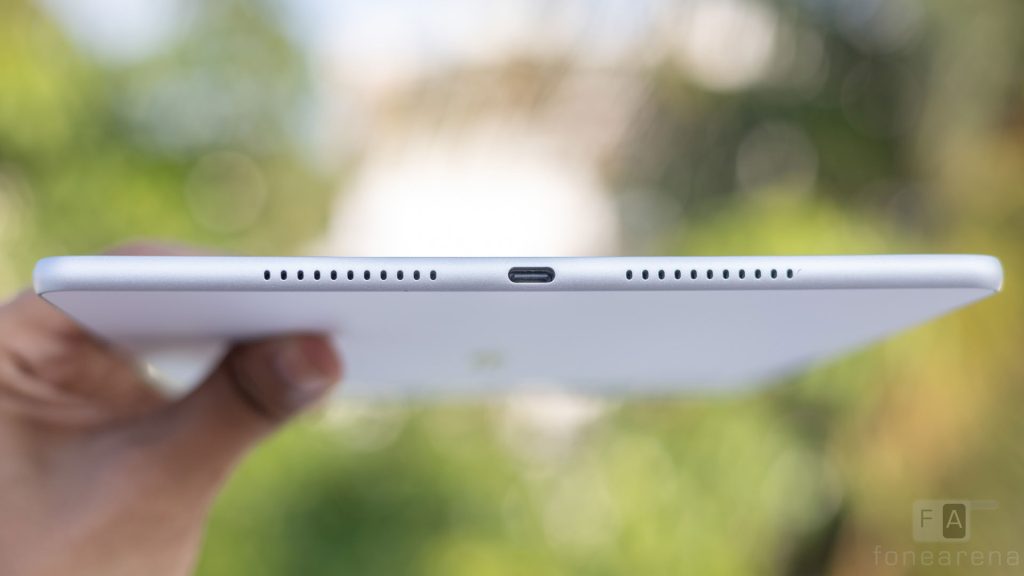
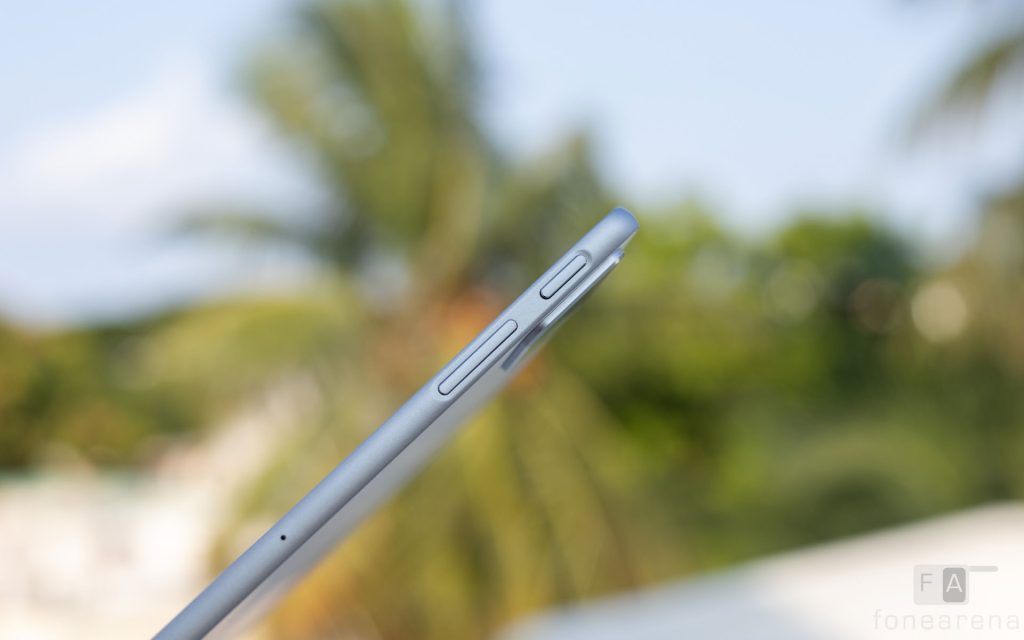
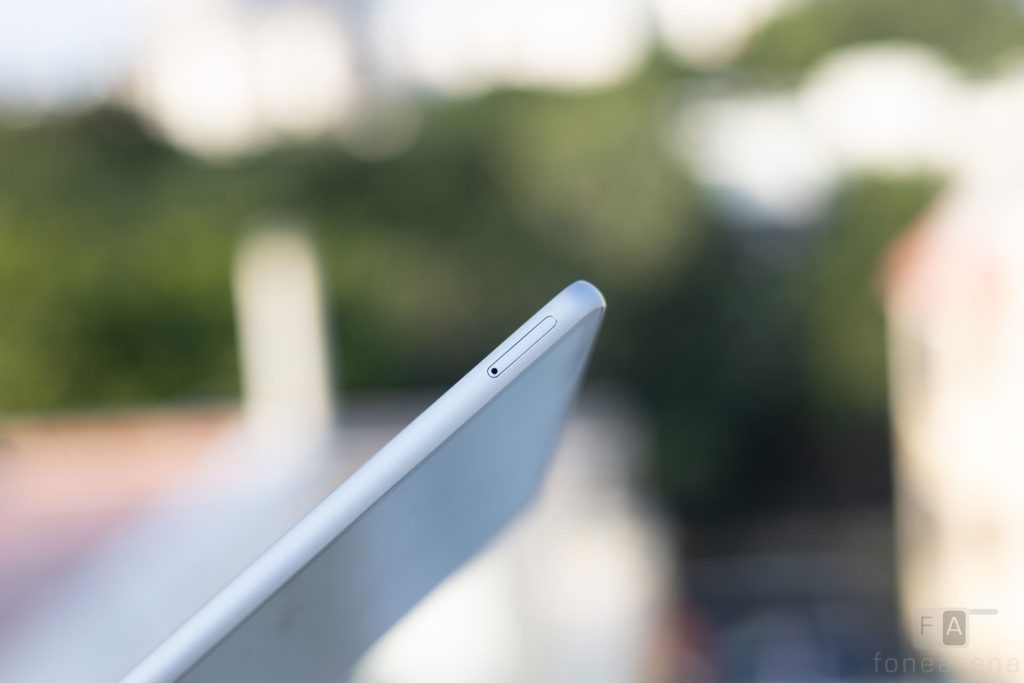
Four speaker grilles run along the left and right edges, with a USB-C port between one of the pairs. The top edge houses the power button, the volume rocker and a removable tray for microSD card expansion. Since the tablet does not support 5G, it also skips a SIM tray, worth noting for buyers expecting cellular options.
Display and Audio
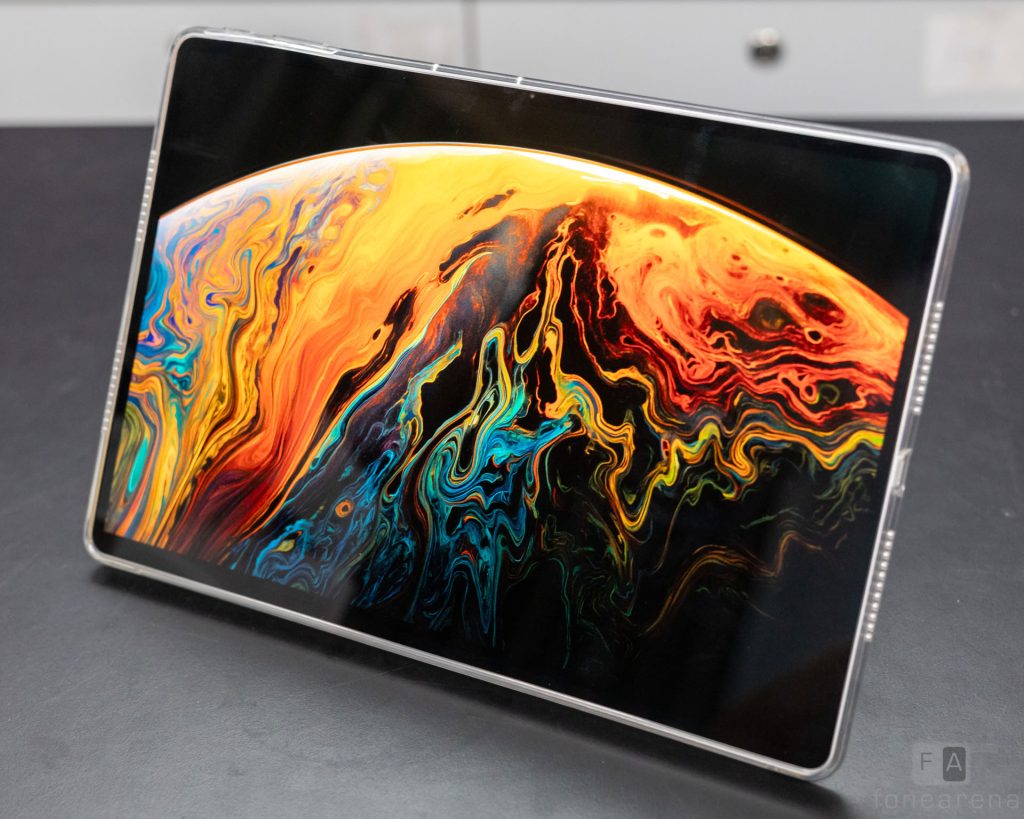
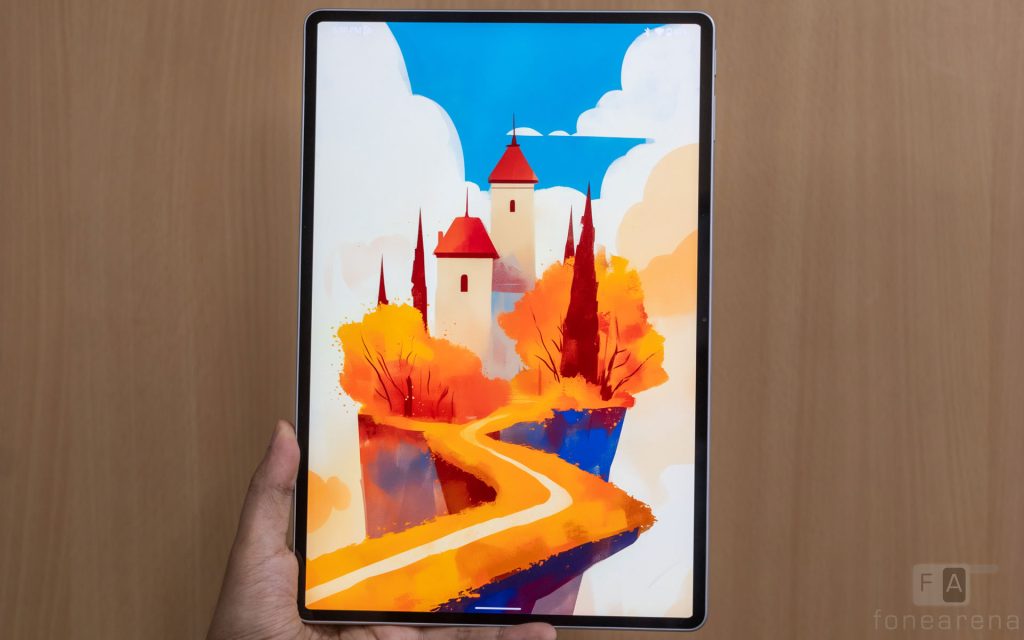
The display is an area of strength for the ASUS Pad. It is a 12.2-inch, 2.8K OLED panel with a resolution of 2800×1840 and a 144Hz refresh rate. The aspect ratio works out to 3:2, which suits reading documents and productivity tasks better than the more common 16:10, though we still found the 7:5 ratio on OnePlus tablets to be the best fit for those use cases. For anyone who also wants to watch a lot of content, the ASUS Pad’s display strikes a good middle ground.
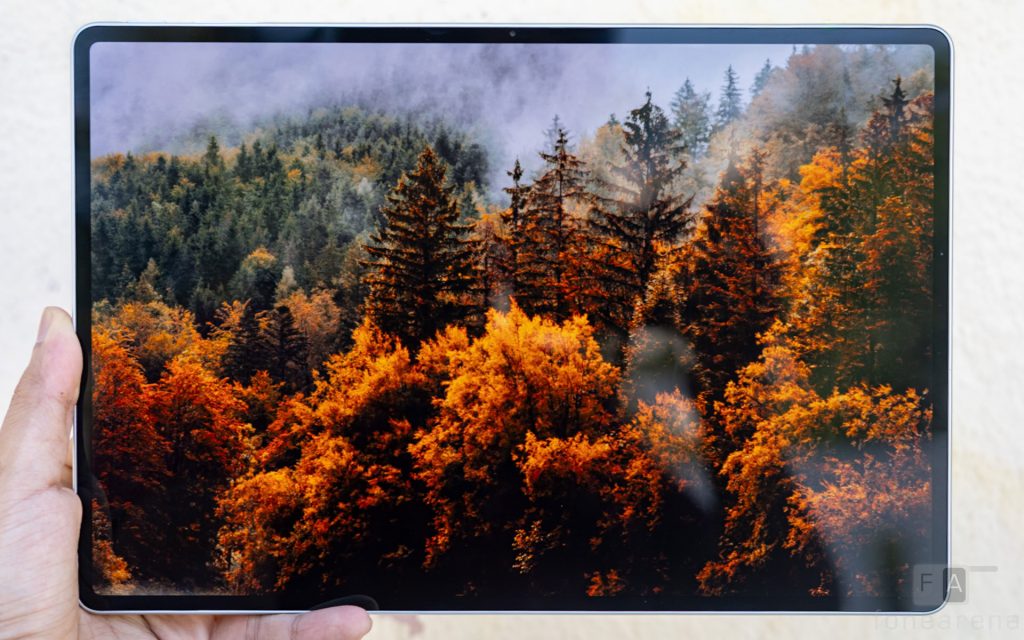
ASUS’s choice to use OLED technology for the display is commendable. Most of the competition uses LCD panels, which show noticeable disadvantages in contrast and black levels by comparison. The ASUS Pad’s display offers richly saturated colours and gets sufficiently bright for most situations. We found content to be legible even outside in direct sunlight.
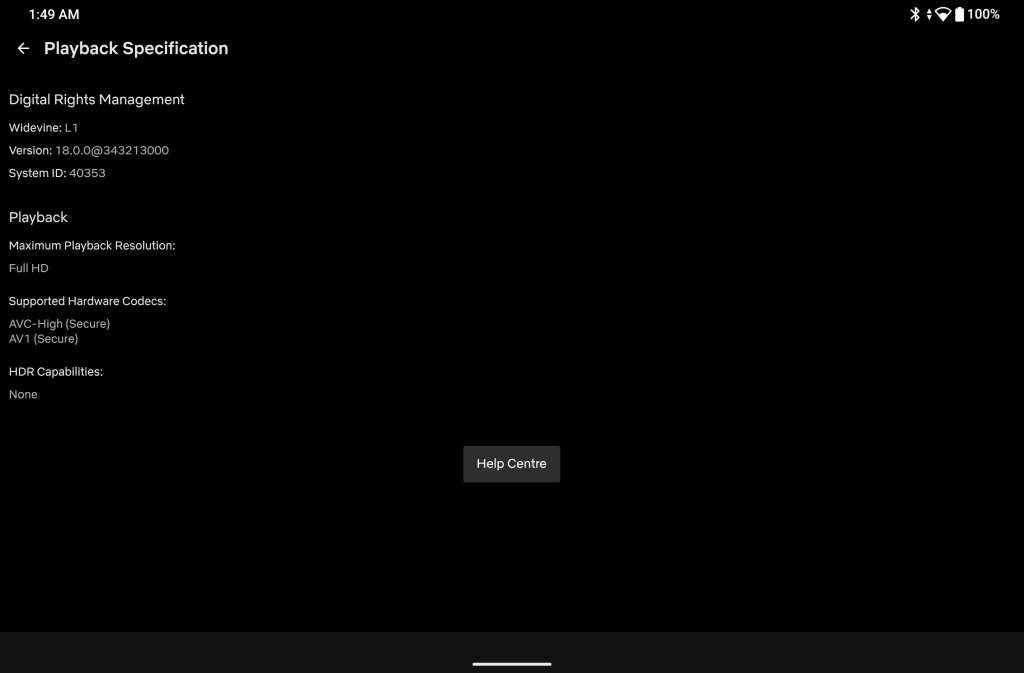
HDR content on YouTube looked great, though Netflix did not support HDR on the device, which was a disappointment. Gaming was smooth as well, thanks to the combination of the 144Hz refresh rate and a fast pixel response time.
One issue we found with the display is the lack of variable refresh rate, as manufacturers typically offer the option to set the refresh rate to 60Hz or let it change dynamically. On the ASUS Pad, however, the refresh rate appears to be locked at 144Hz, resulting in a consistently smooth experience that also shortens battery life, which is not ideal.
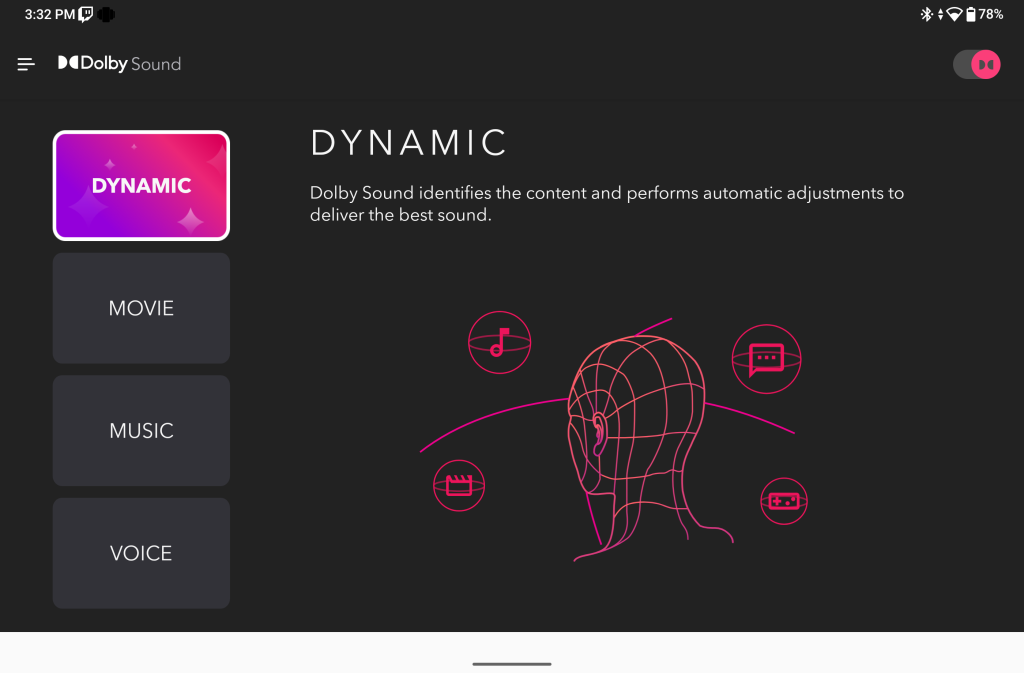
For audio, the tablet is equipped with a quad-speaker setup that supports Dolby Atmos. The speakers get reasonably loud, with good enough clarity in the mids and highs. The bass, however, felt lacking, which is a common issue among Android tablets. The Pad comes pre-loaded with the Dolby Audio X3 app, which offers audio tuning customisation based on the content.
Performance and Connectivity
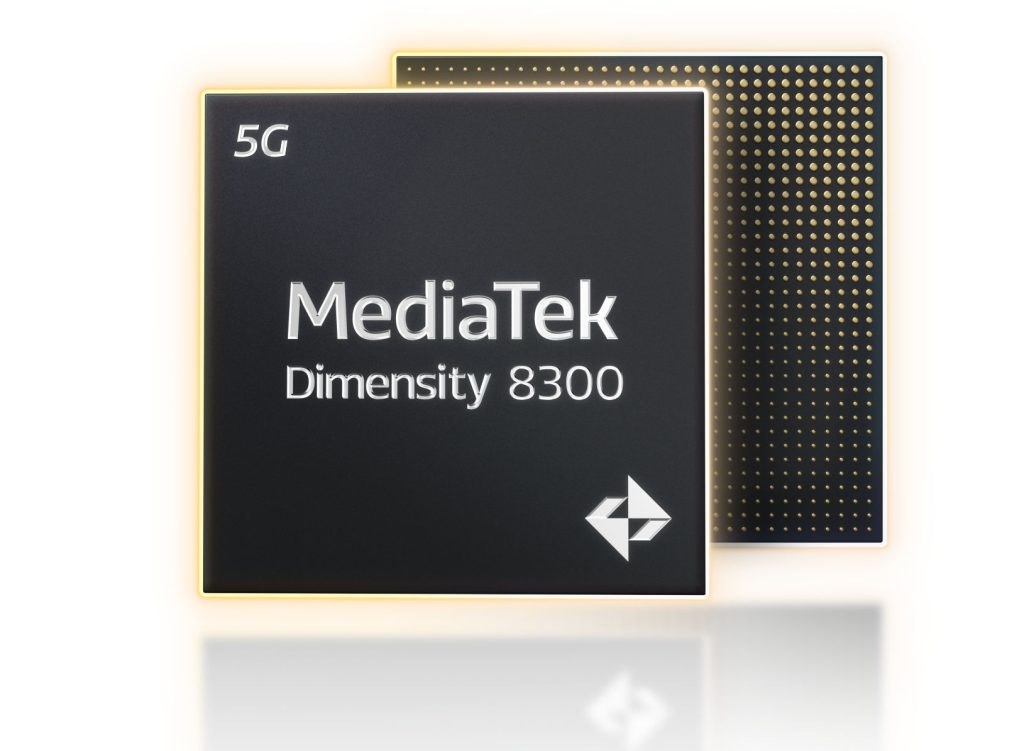
Underneath the hood, the ASUS Pad T3201 runs on the MediaTek Dimensity 8300 chipset, paired with 8GB of LPDDR5X RAM and storage that goes up to 256GB internally. The Dimensity 8300 is an octa-core CPU with 4x Arm Cortex-A715 and 4x Cortex-A510 cores. Graphics are handled by the Arm Mali-G615 GPU.
Performance on the ASUS Pad T3201 is strong. For everyday tasks such as consuming media, streaming content and reading books, the tablet runs smoothly without any issues. It can comfortably switch between apps and handle light editing tasks with ease. Gaming on the tablet was an enjoyable experience, with the Pad handling high frame rates even in demanding titles such as Genshin Impact. The 144Hz OLED display further enhances the gaming experience.
On the connectivity front, the ASUS Pad T3201 supports Wi-Fi 6E along with Bluetooth 5.3. During our time with the device, Wi-Fi connections were stable and worked reliably. Whether streaming 4K content or downloading large files from Google Drive, speeds were consistently fast. Bluetooth functioned as expected as well.
The lack of 5G connectivity is something to note, as a few other Android tablets, even at lower price points, offer 5G connectivity for those who need it.
Software

Traditionally, ASUS has offered a near stock experience on its Android devices, and that is the case here as well. The ASUS Pad T3201 runs Android 16 out of the box. ASUS has not specified how many software updates it will receive going forward.
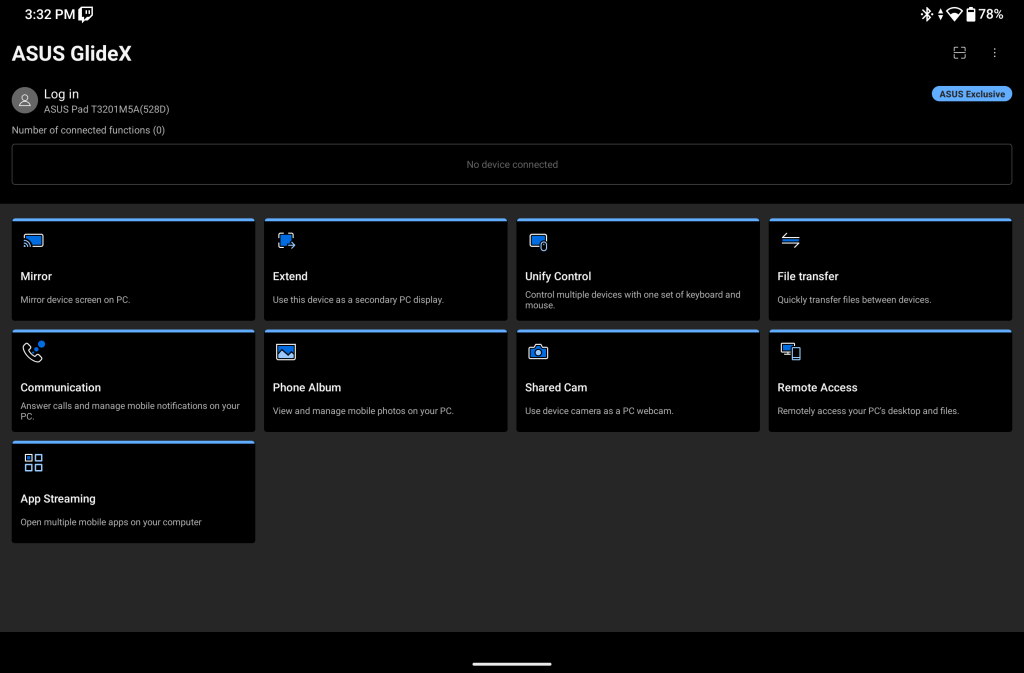
As mentioned earlier, the software experience is clean, with few unnecessary extras. The animations are fluid, and apps open and function as expected. For simple tasks, the OS performs well. The tablet comes pre-loaded with ASUS’s GlideX app, which syncs files and inputs, mirrors displays and enables remote access. For those with multiple ASUS devices, this app offers useful productivity features.
A major issue we discovered is the complete lack of multi-tasking support. We could not find any way to open two apps side by side, which was surprising. Nearly every competing Android tablet supports some method of running two or more apps simultaneously, but the ASUS Pad had none of that. This meant only one app could be used at a time, an inefficient use of the available screen space. This lack of multi-tasking support puts the ASUS Pad at a significant disadvantage compared to the competition.
Another issue, which we mentioned earlier, is the lack of a way to select the display’s refresh rate. ASUS does not appear to have paid much attention to the software experience on the Pad, which feels disappointing overall.
Battery Life
ASUS has equipped the Pad with a respectable 9000mAh battery. The tablet supports fast charging via the included 45W USB-C adapter. In our testing, we charged the Pad from 0 to 100% in about an hour and a half.
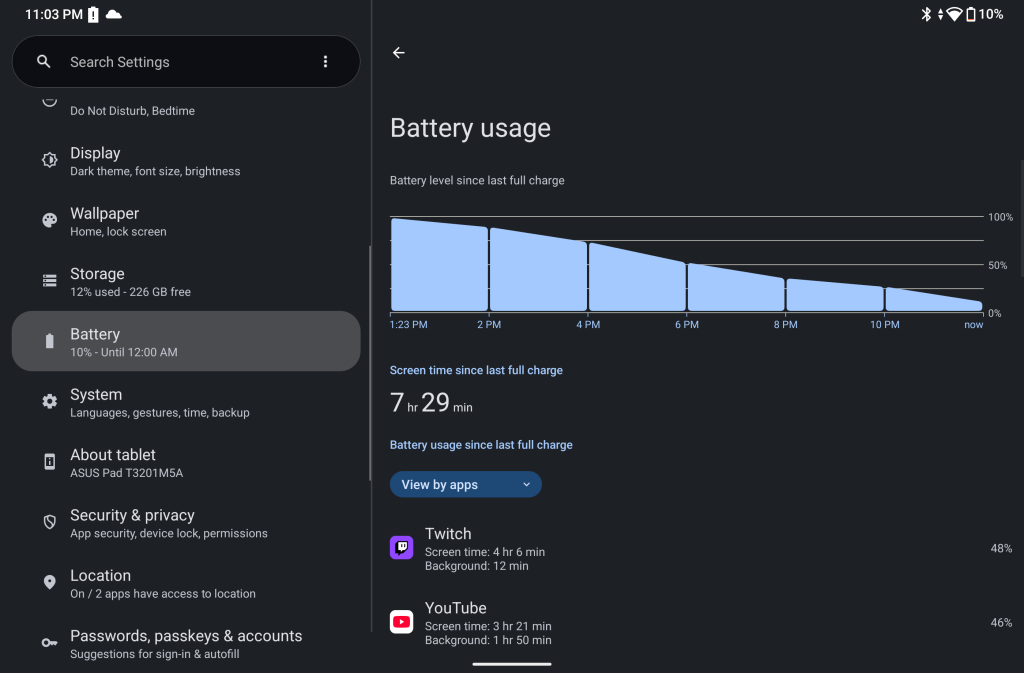
Given the large 9000mAh capacity, we expected the Pad to perform well in the battery life department; however, we observed a screen-on time of just over 7.5 hours, which is average. This was with relatively light tasks such as streaming video. Battery drain increased noticeably with heavier tasks such as gaming.
Among the competition, it is common to see battery life near or above 10 hours. The ASUS Pad falls short in this regard. We suspect the MediaTek Dimensity 8300, combined with the locked 144Hz refresh rate, is behind the shorter battery life, and as noted earlier, the Pad does not offer a way to lower the refresh rate to save power.
Verdict
For a tablet priced under Rs. 50,000, the ASUS Pad T3201 offers a compelling overall Android experience. The 2.8K OLED display and the powerful Dimensity 8300 processor help it stand out from the competition. It is held back somewhat by the lack of multi-tasking support, average battery life and the absence of 5G connectivity. Buyers who prioritise those areas may want to consider other options from OnePlus or Samsung instead. However, if the primary use case is media consumption and gaming, the ASUS Pad T3201 is a solid option.
The ASUS Pad (T3201) starts at Rs. 45,990 and is available on the ASUS eShop, offline stores and Flipkart.