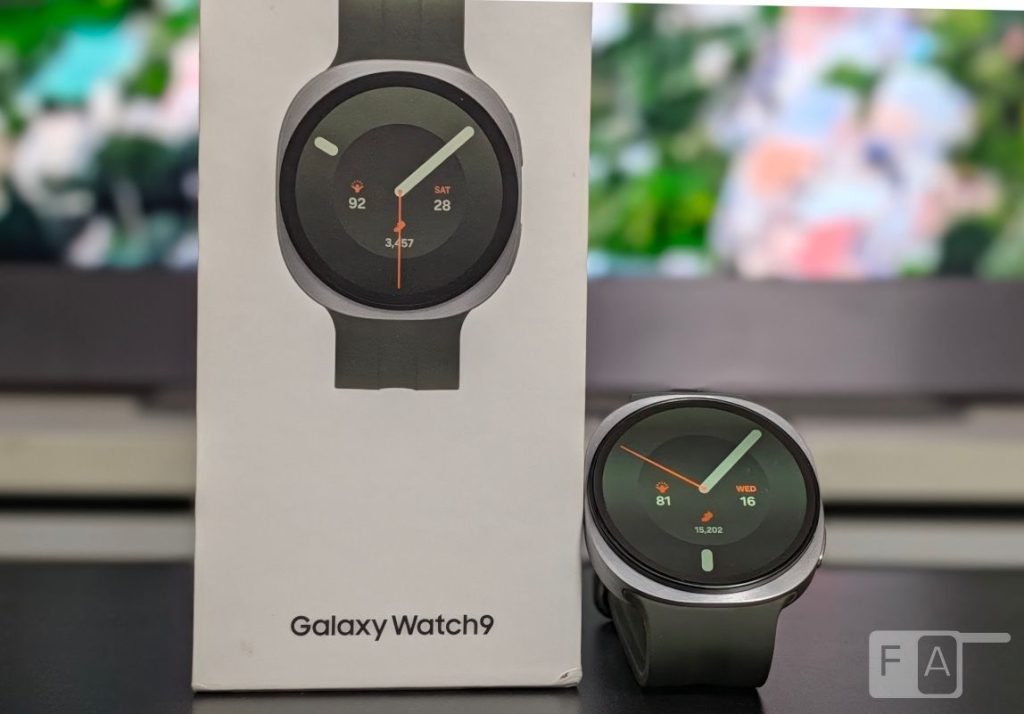
Samsung launched the Galaxy Watch9, the company’s latest number series smartwatch, at the Galaxy Unpacked event in July as the successor to last year’s Galaxy Watch8.
The Galaxy Watch9 is the first Galaxy Watch powered by the Snapdragon Wear Elite platform, a change from the usual Exynos chip. It also a bigger battery, a cushion-style case, and sapphire crystal glass. Is this a worthy successor to the Watch8? Let us dive into the review to find out.
Box contents
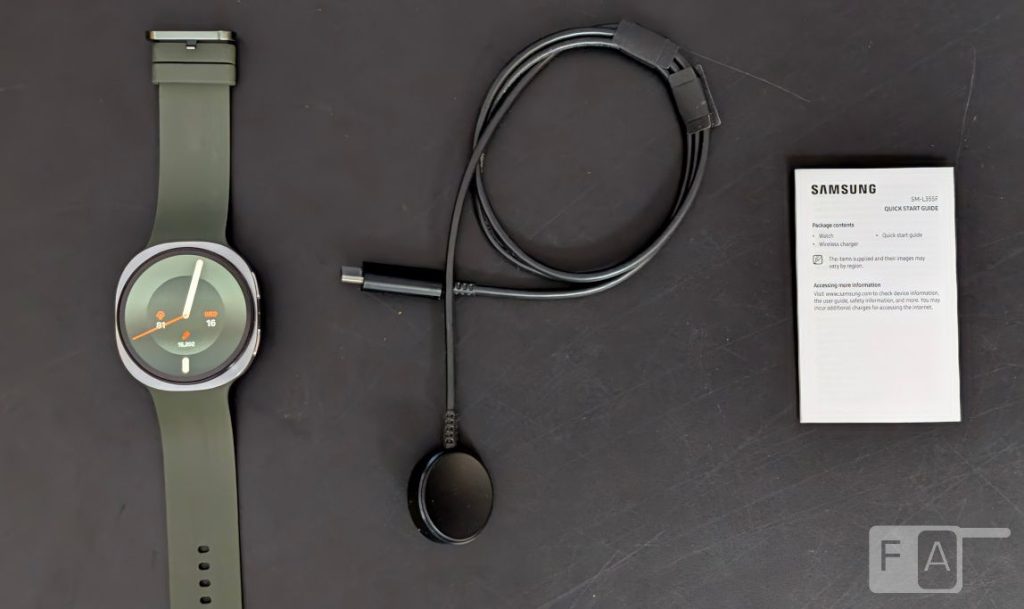
- Samsung Galaxy Watch9 in Silver colour
- Charging connector
- User manual
Design and Build
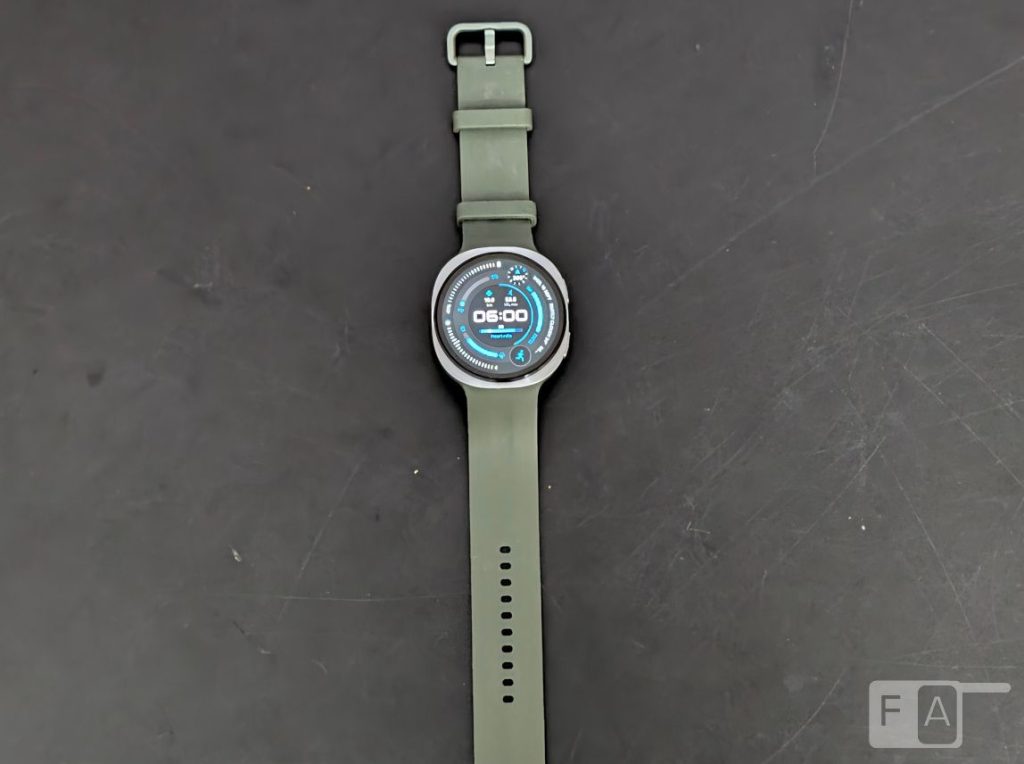
The Galaxy Watch9 retains the circular dial. It weighs 31.5 grams, almost similar to the predecessor, even with a larger battery. It has a lightweight aluminum case with Samsung’s cushion design and supports interchangeable soft-touch bands.
The smartwatch has 5ATM+ and IP68 ratings, so you can even wear it when swimming, and it also has MIL-STD-810H certification, making it durable.
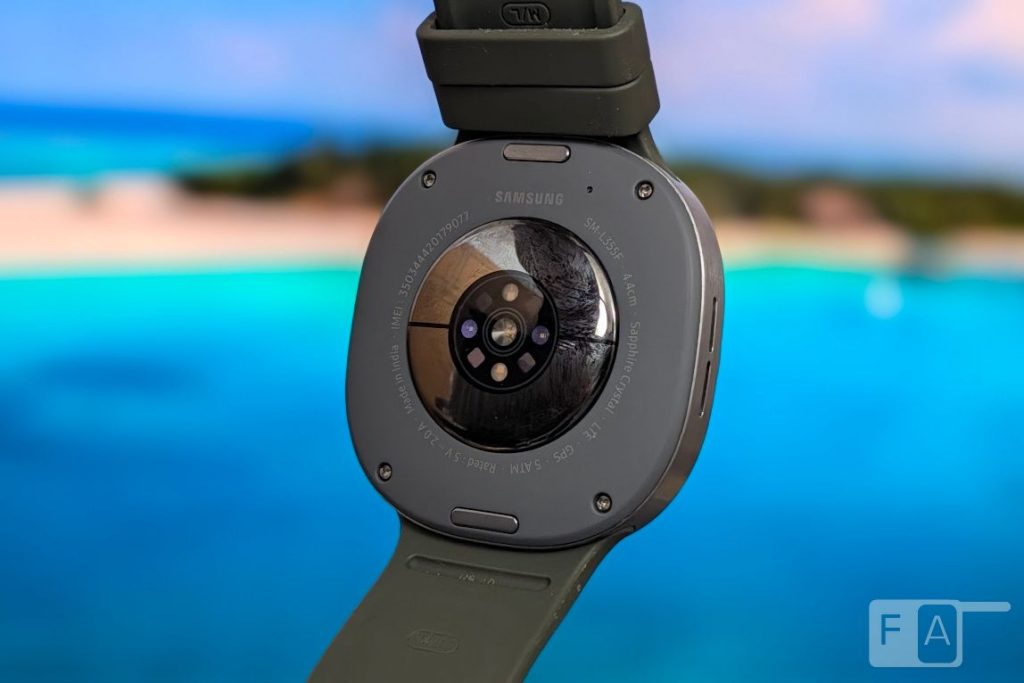
On the back, there are heart rate sensors with glowing green LED lights when you are using them to measure heart rate, and the SpO2 sensor has glowing red lights when you start measuring. Since it has wireless charging, you don’t see any contact points.
The smartwatch has Samsung BioActive Sensor (Optical Bio-signal Sensor + Electrical Heart Signal + Bioelectrical Impedance Analysis), Temperature Sensor, Accelerometer, Barometer, Gyro Sensor, Geomagnetic Sensor, and Light Sensor.
It uses Bluetooth 6.0 to connect to Android devices and doesn’t work with iOS. There is LTE, 2.4+5GHz, NFC, L1+L5 Dual-Frequency GPS.
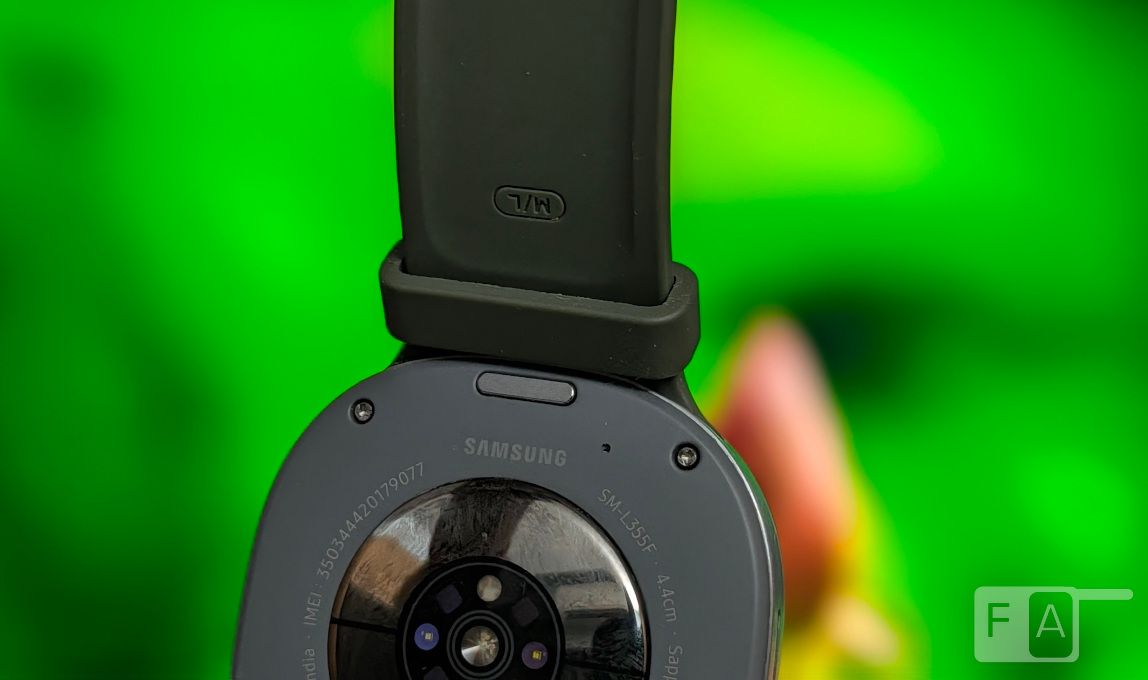
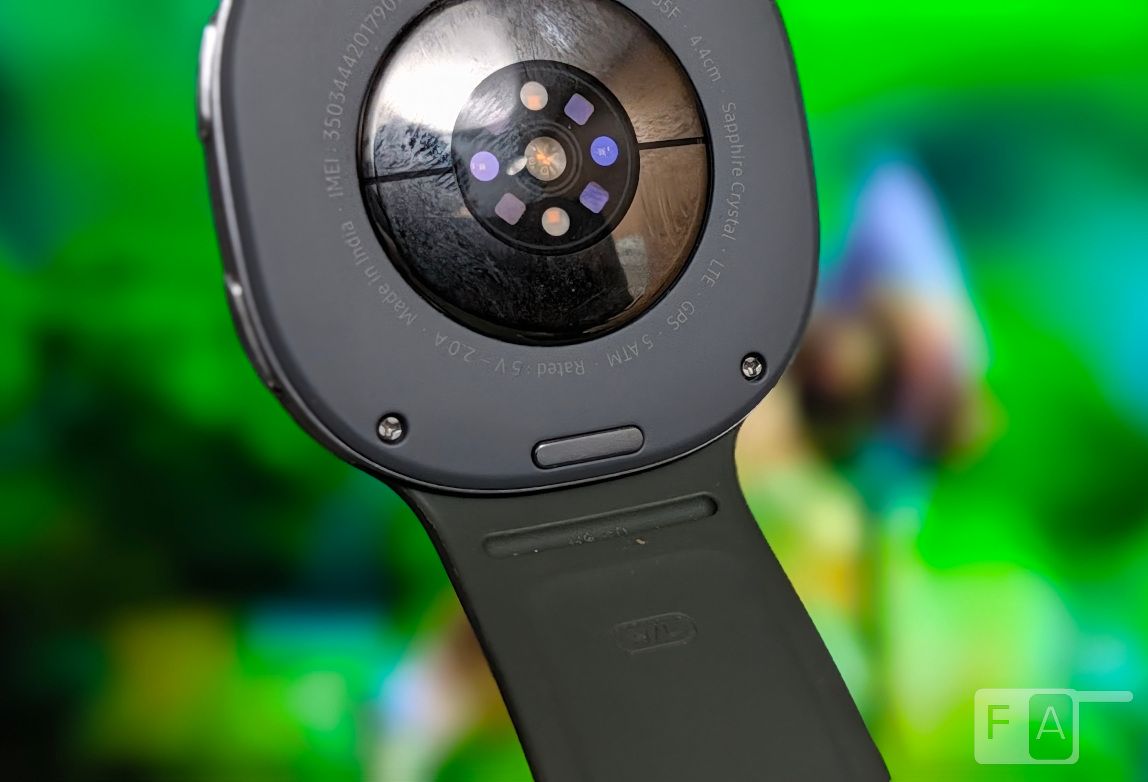
Coming to the strap, it is made of skin-friendly material that is designed for water swimming and is light and durable. The band is now lighter, thinner, and more breathable with a new air pocket structure. This is now comfortable for day-and-night wear, says the company, which is true. In addition to the silver colour that we have, the smartwatch also comes in the graphite colour with a matching band.
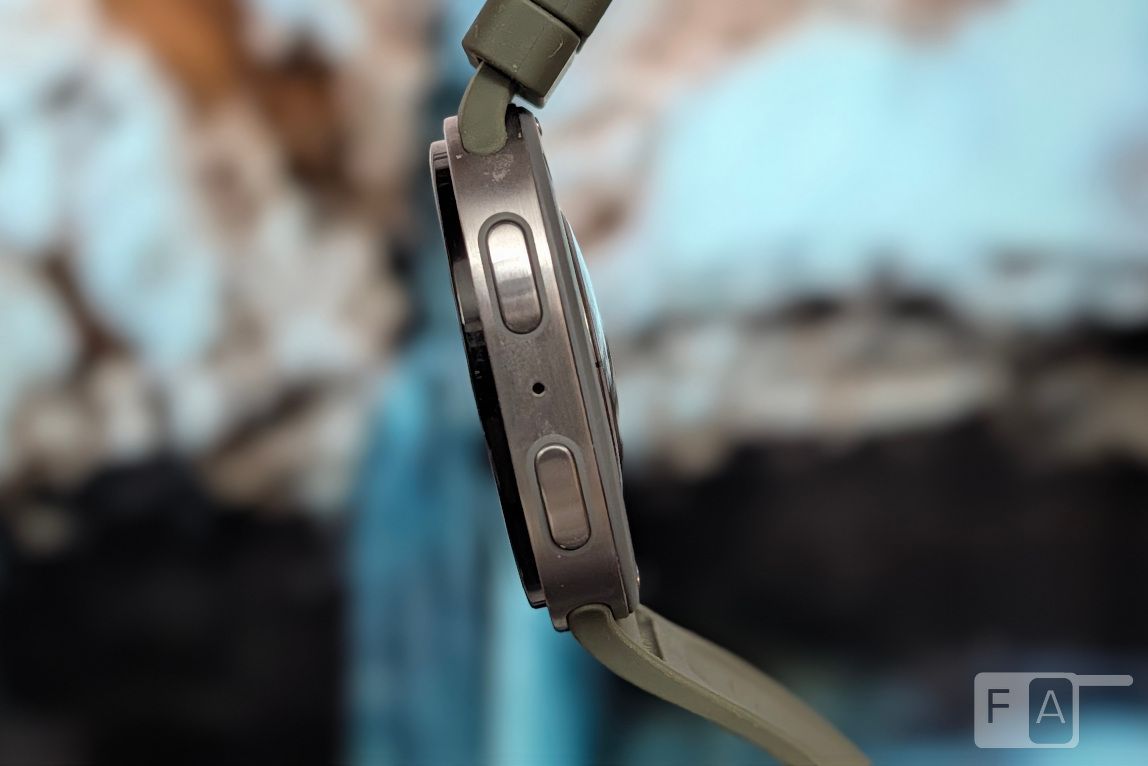
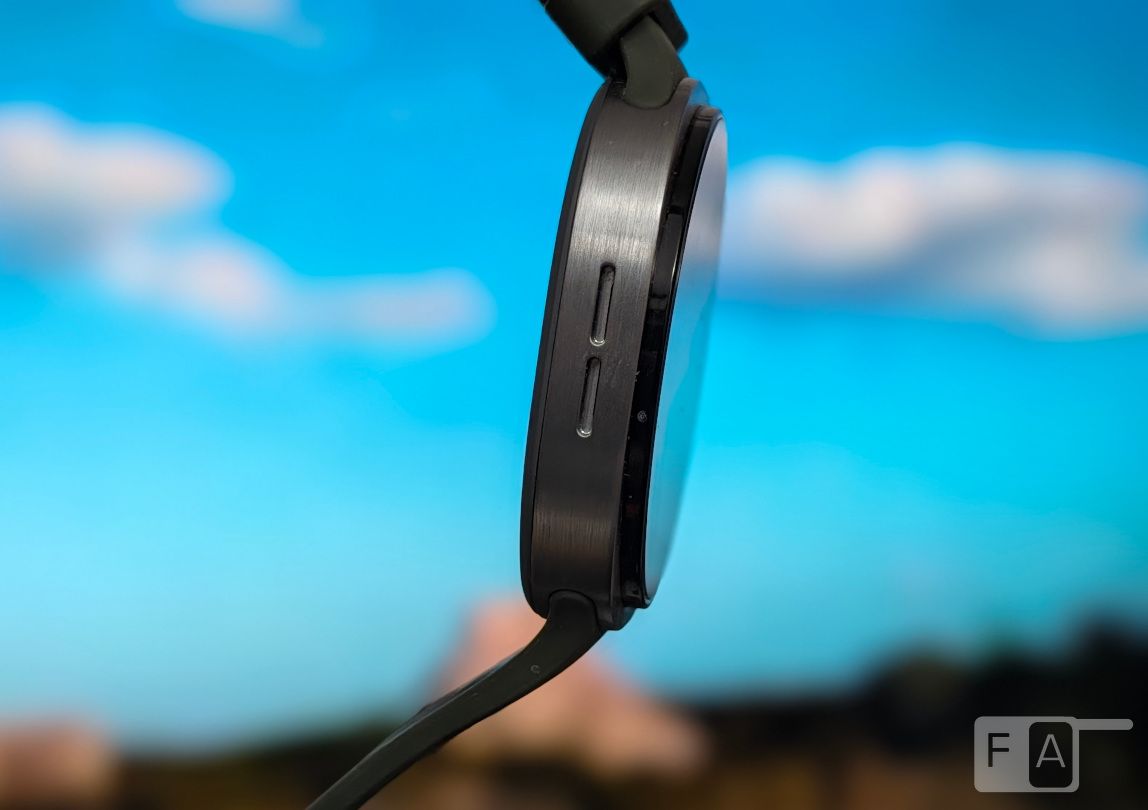
There are Home and Back buttons on the right side. You find the microphones between the buttons, and the speaker is present on the other side. Furthermore, you can take calls directly from the watch when you connect it to the smartphone over Bluetooth. Since this has LTE, it also works as a standalone device to make and receive calls, but you have to enable the eSIM feature.
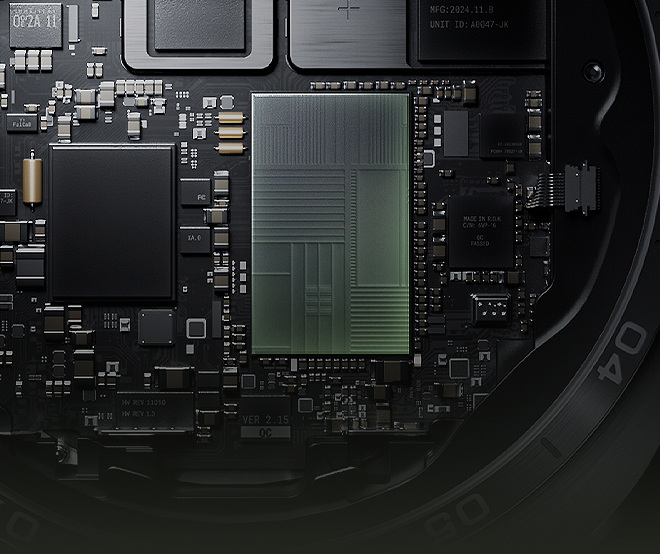
The watch is powered by Qualcomm Snapdragon Wear Elite Platform Qualcomm SDW6100 (Penta-Core, 3nm) SoC, a change from the usual Exynos chip. This has up to 2.1 GHz, 1 x high-performance Cortex-A78 core and four efficient Cortex-A55 cores.
It is said to offer 54% higher single-core and 56% higher multi-core performance than the Exynos W1000 it replaces. There is 2GB of RAM, which is enough to run several apps in the background without any issues.
Display and features
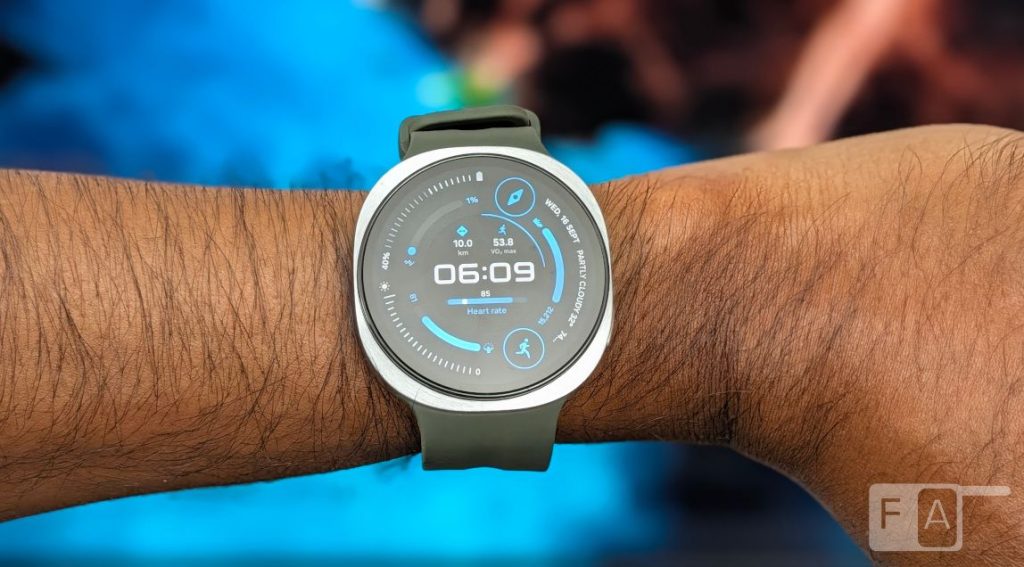
Coming to the display, the Galaxy Watch9 has a large 1.47-inch (438 x 438 pixels) Super AMOLED colour touch screen display with up to 3000 nits peak brightness, similar to the predecessor. You can set it to turn on when you lift your hand, and the screen turns off in a few seconds to save power.
It doesn’t attract fingerprints, but when the screen is off, it is reflective. The company says that it has Sapphire Crystal protection. I didn’t notice any scratches during my use. The touch screen is smooth to use, has good viewing angles, and the outdoor visibility is good as well. You can adjust the brightness from Settings → Display → Brightness or directly swipe down to access the brightness settings. You can adjust it from level 1 till level 6, but the ambient light sensor is helpful in setting up the brightness according to the condition.
It still doesn’t feature a physical bezel, so you can’t rotate it. However, with the digital bezel, you need to lightly press and drag your finger clockwise or counterclockwise using the bezel on the edge of the screen to move through a list.
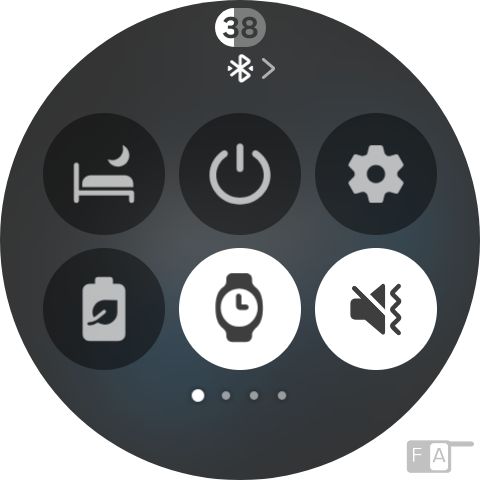
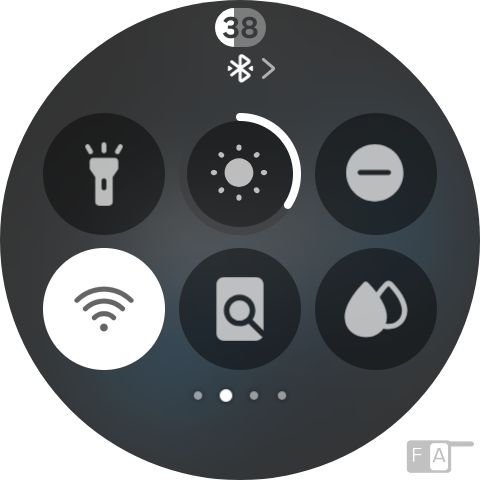
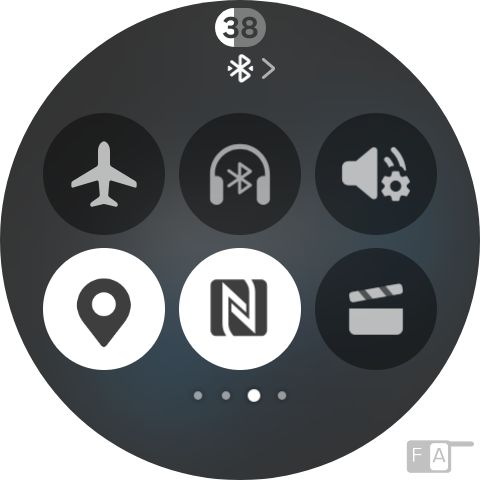
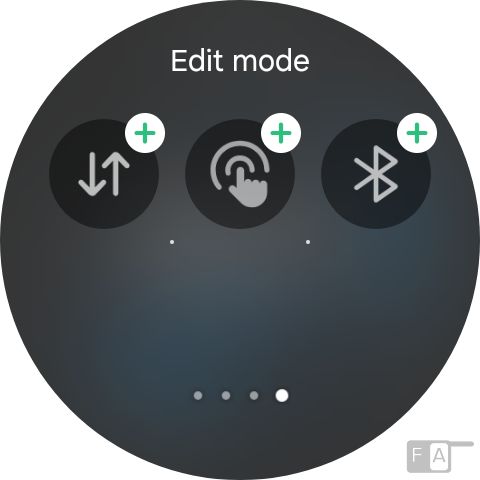
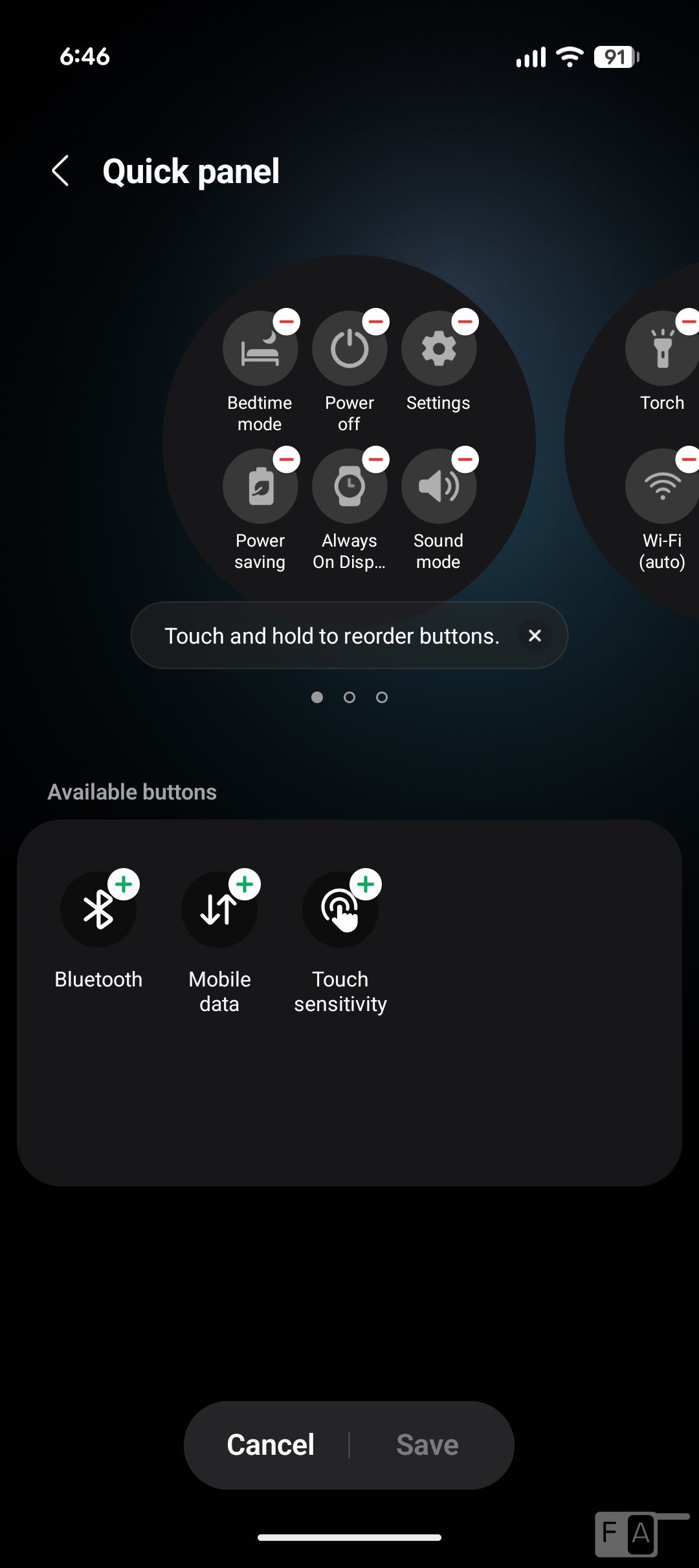
There is also an easy notification shade option when you swipe from the top. This has Sleep Mode, Power, Settings, Power Saving, Always on Display, Sound/Vibration, Flashlight, Brightness toggle, DND, Wi-Fi, Find My Phone, Water Lock Mode that lets you shake the watch to remove any water from the pressure sensor that is present on the back, Airplane mode, Bluetooth Headset Connection, Volume, GPS, NFC, and Theater Mode. You can manually add the network toggle, touch sensitivity, and Bluetooth toggle from the add button.
Software
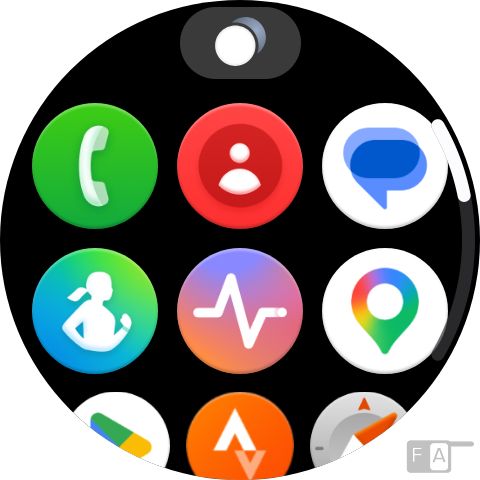
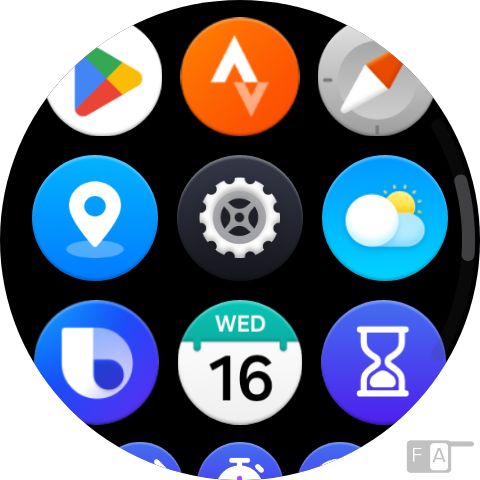
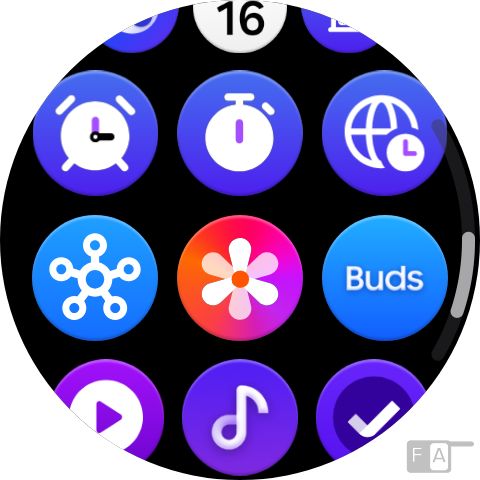
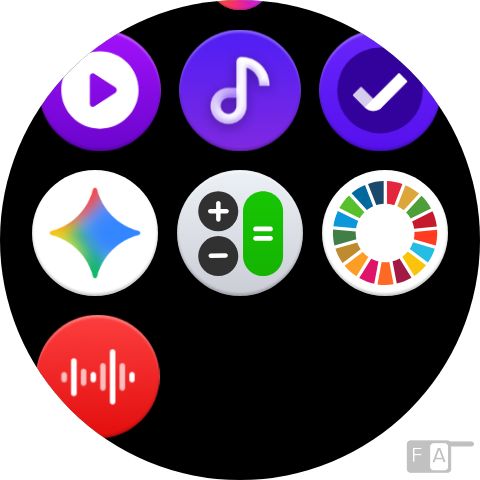
The Galaxy Watch9 runs Wear OS 7 Powered by Samsung One UI 9 Watch. This brings a refreshed interface, deeper AI integration, and advanced health telemetry based on Wear OS 7.
- Raise to Talk: Activate Google Assistant or Gemini instantly by raising your wrist to your face.
- Updated Gestures: Combine double pinch for positive actions (answering calls, music control) and shake for negative actions (declining calls, dismissing alarms).
- Knock-Knock Gesture: Make a fist and bend your wrist down to trigger quick shortcuts.
- Tap to Wake: Tap the screen directly to wake up the watch display (can be toggled off in settings)
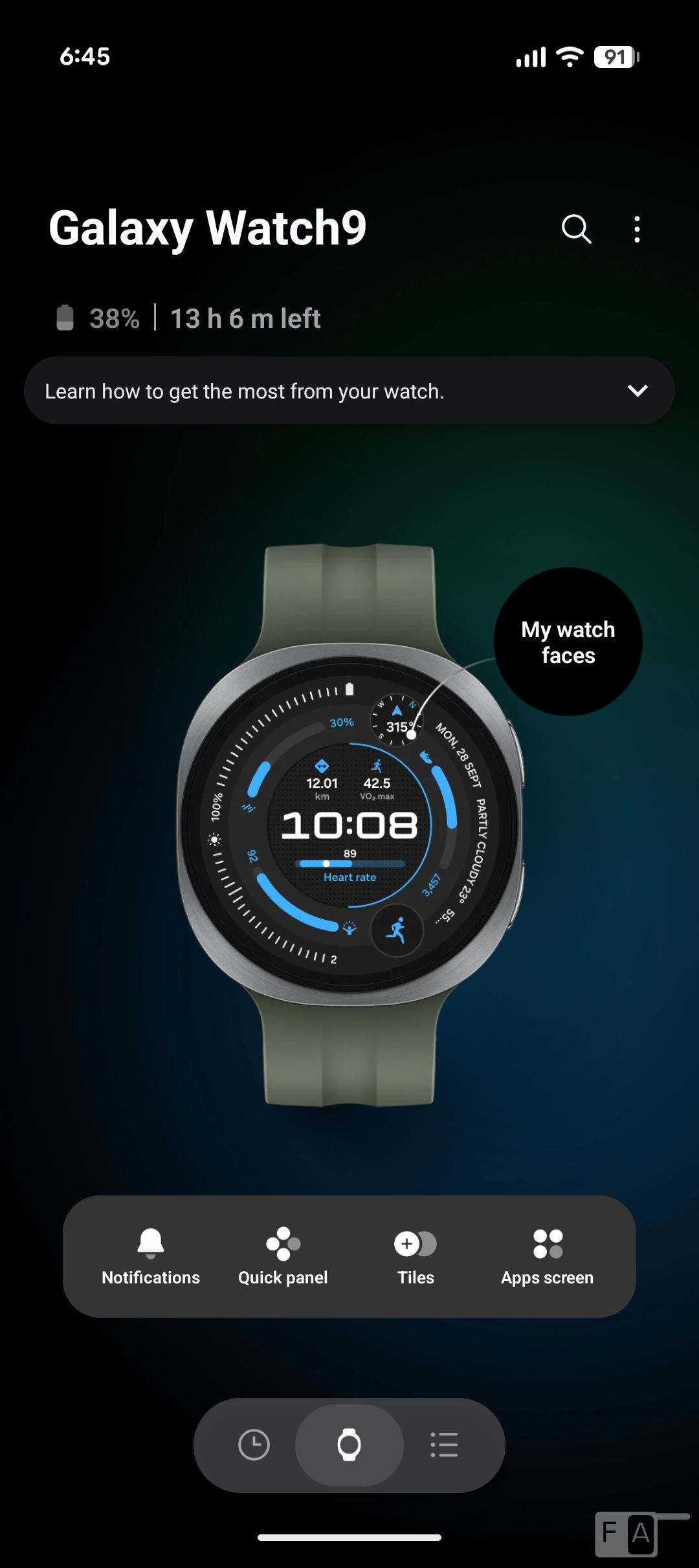
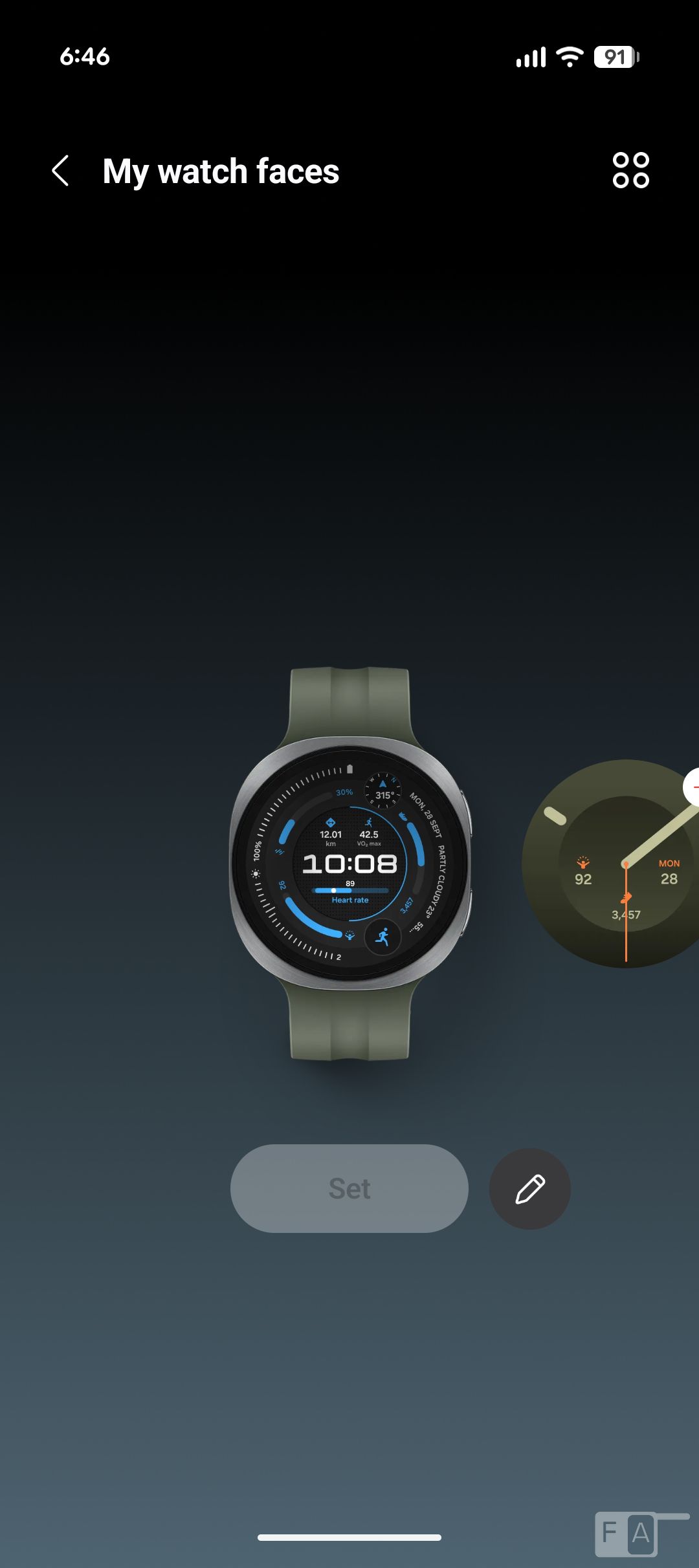
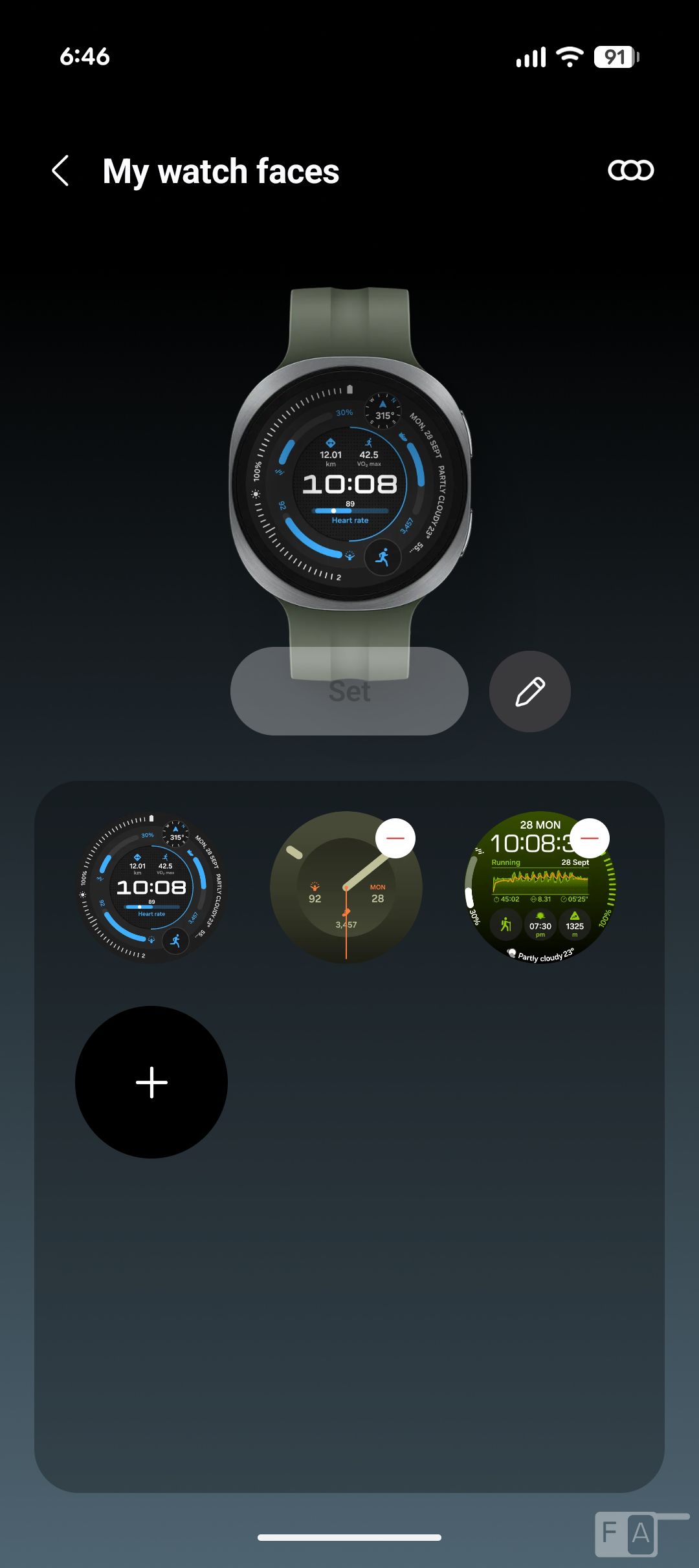
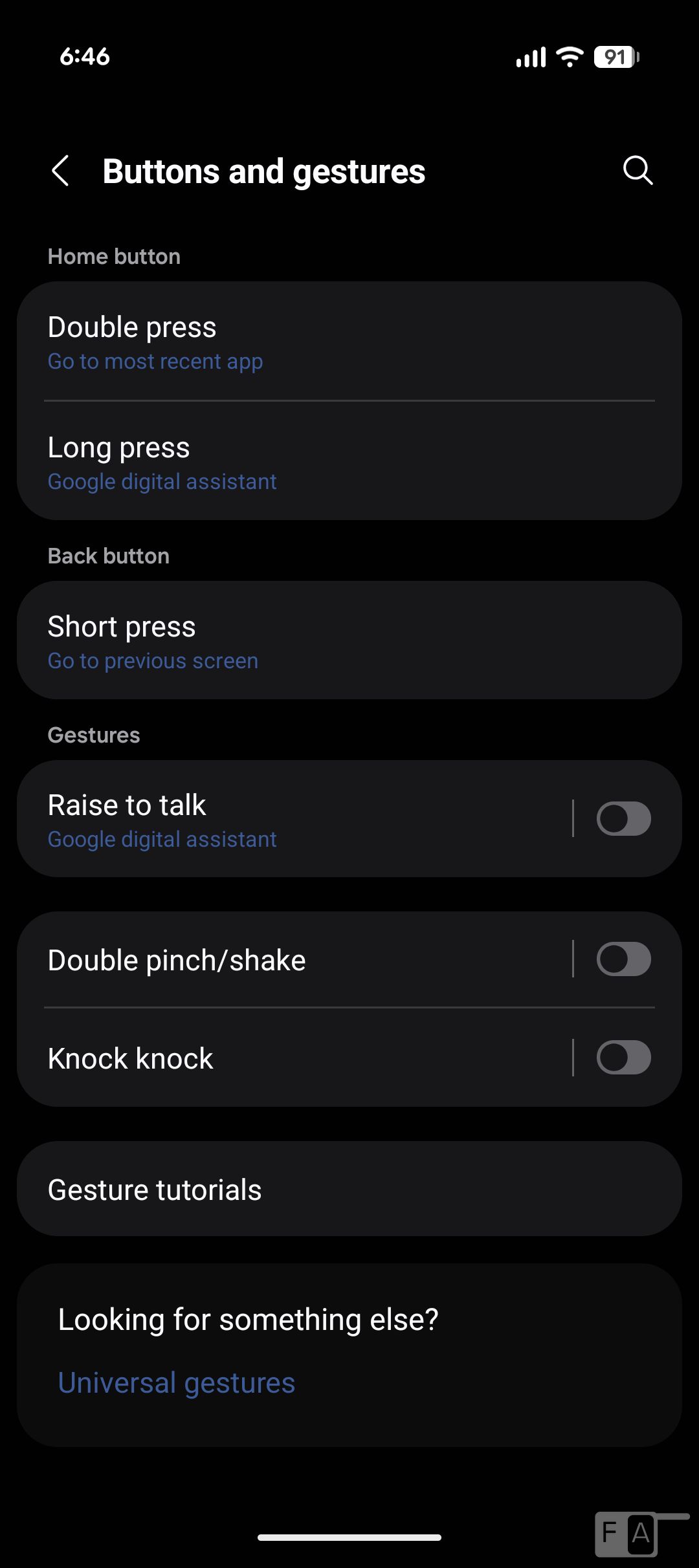
You can customize these using the Galaxy Wearable that needs to be downloaded from Google Play. The app also lets you customize watch faces. There are few built-in watch faces and several downloadable watch faces, and you can also get more watch faces using third-party apps from Google Play. The Ultra series features an automatic or manual red-monochrome Night Mode for watch faces, designed to preserve night vision during low-light outdoor use or astronomy tracking.
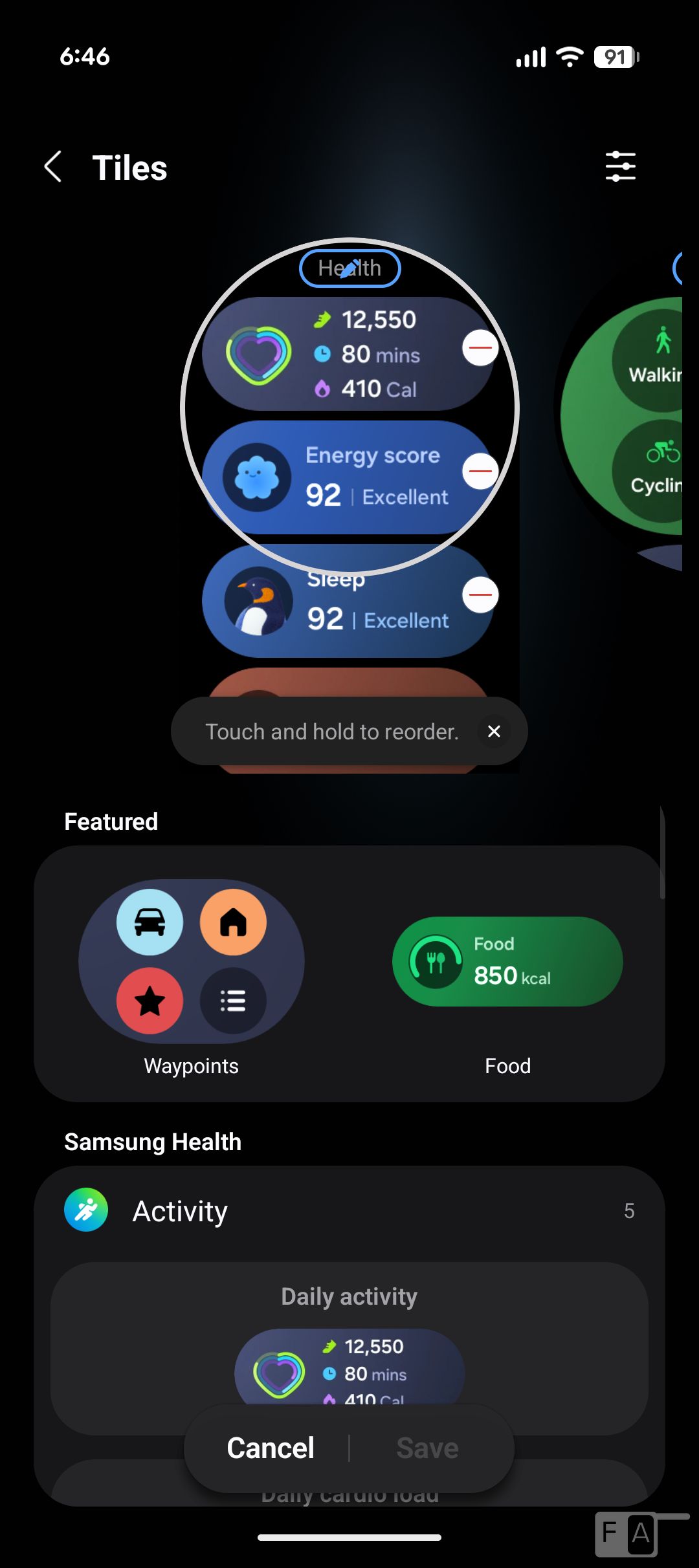
The app also allows you to manage the app screen, tiles, quick panel, and notifications; customize the action button, home button, and back button, including gestures. You can also install apps directly from Google Play in the Galaxy Watch. There is offline music playback support for Spotify, YouTube Music, and more to make use of 32GB internal storage.
Fitness tracking
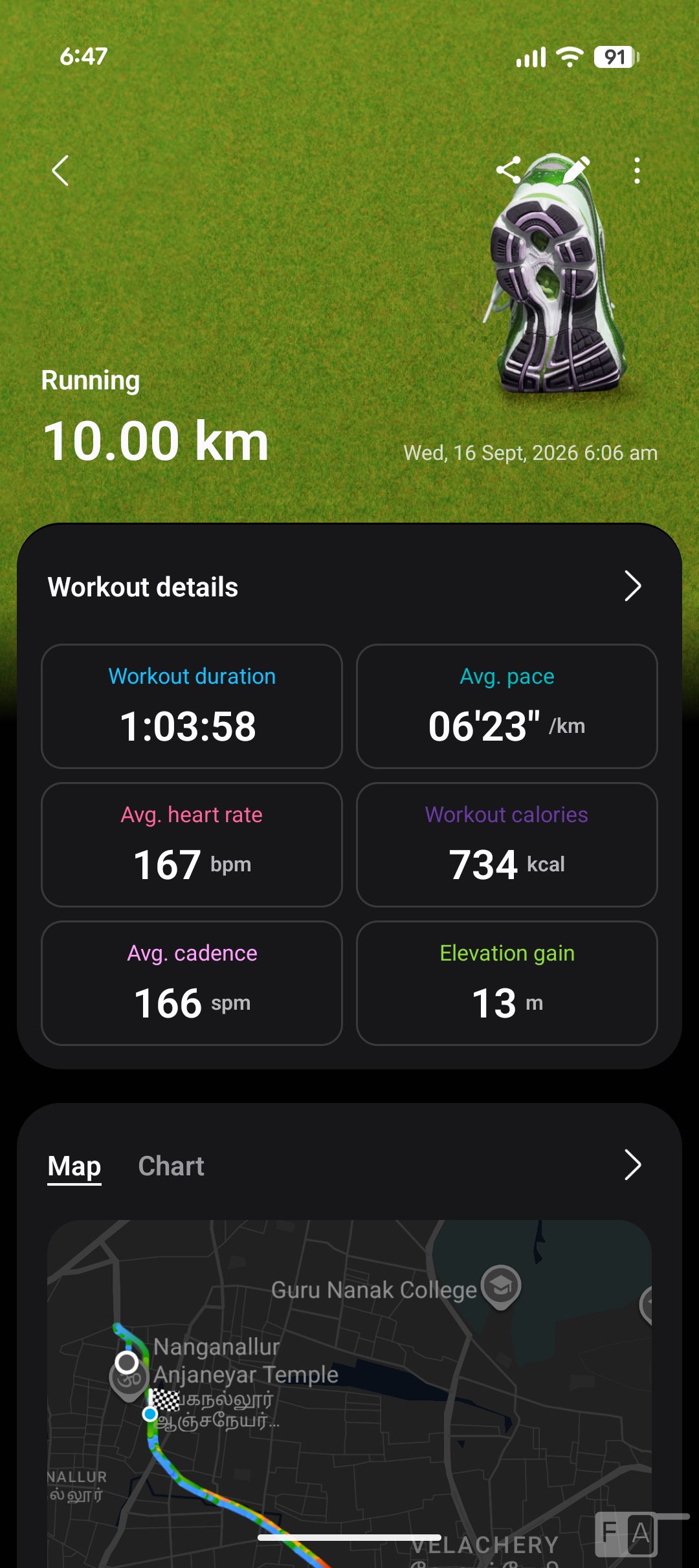
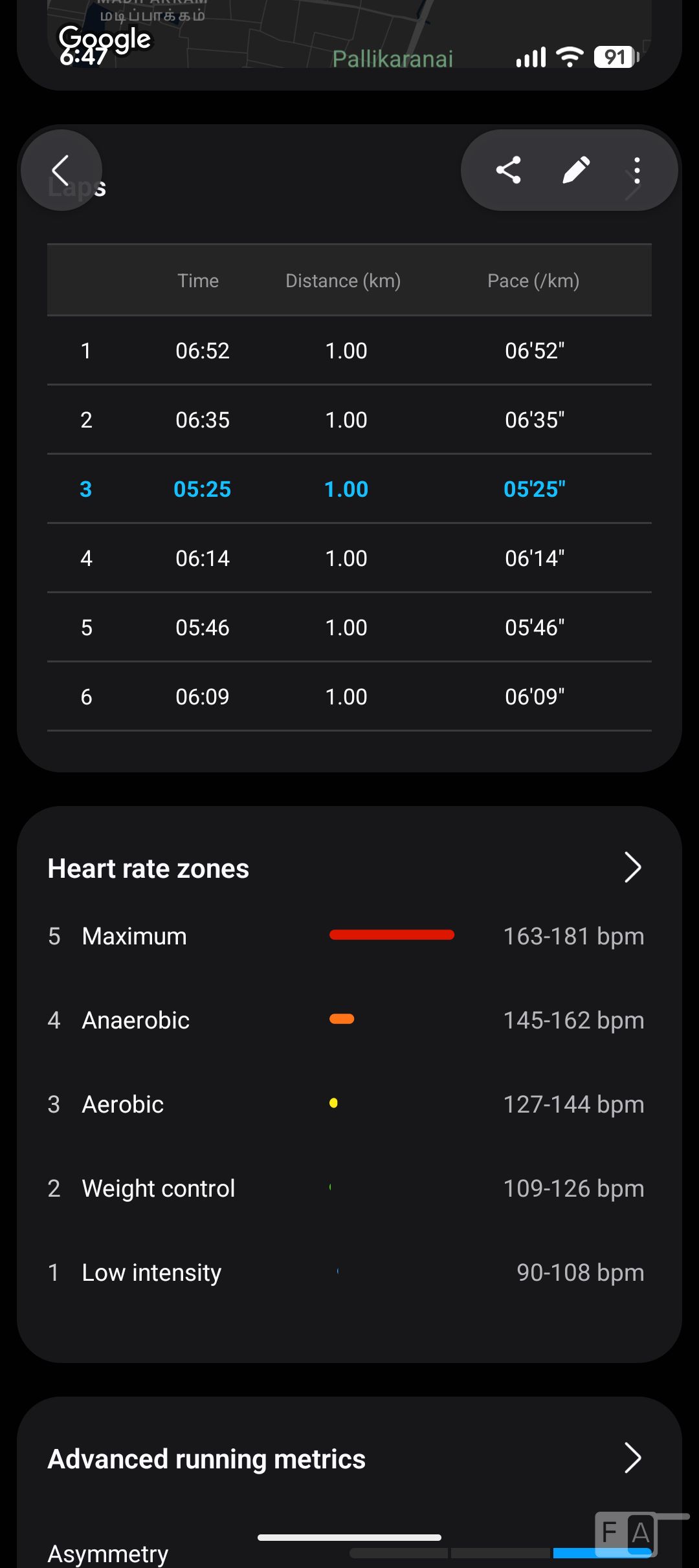
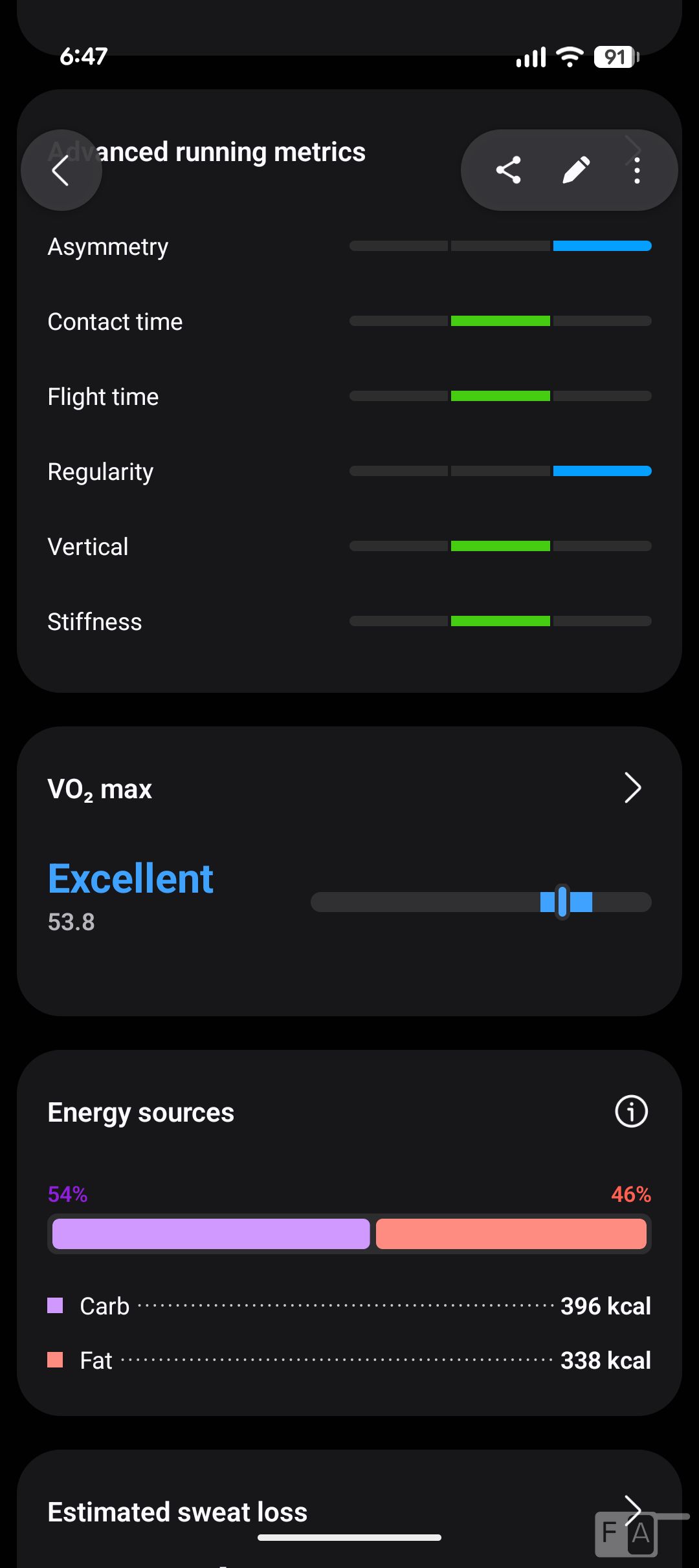
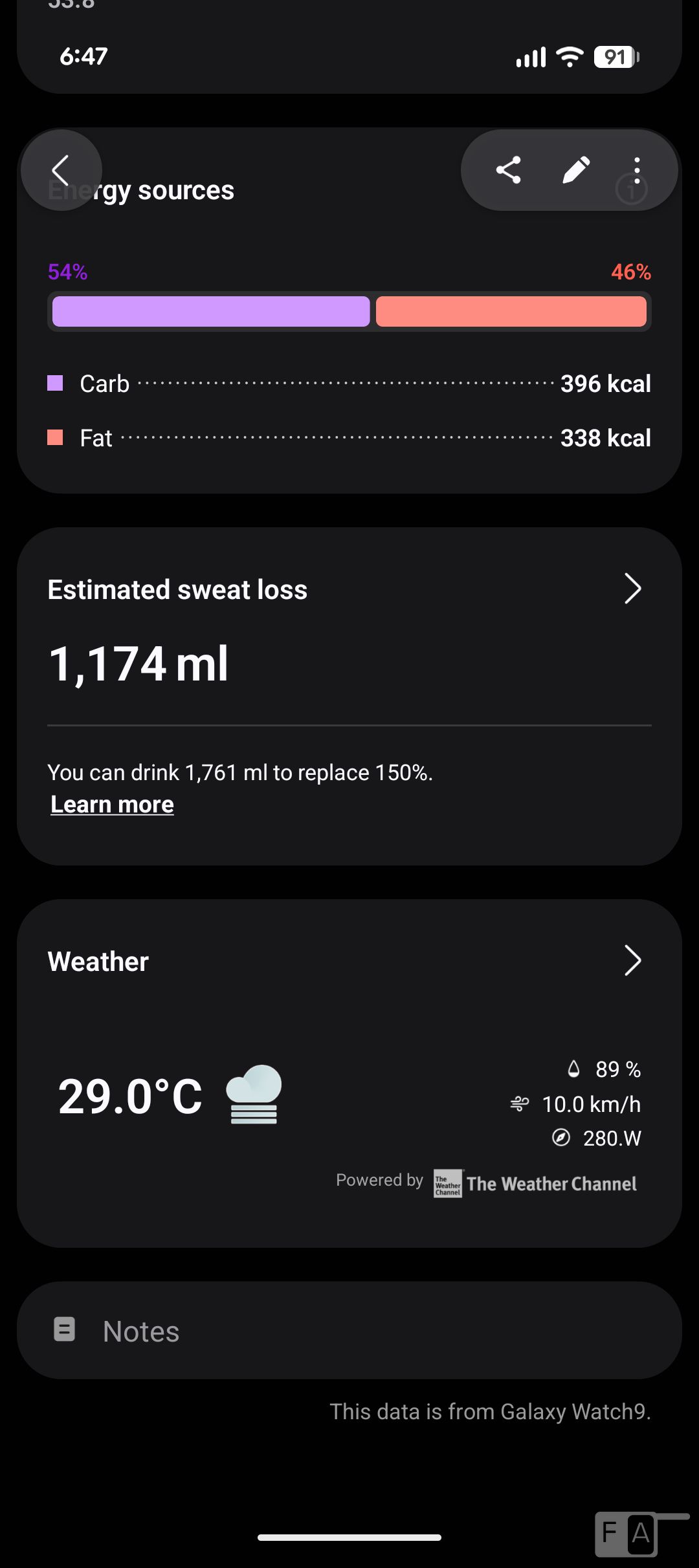
The Samsung Health app needs to be downloaded to get more details about your activities, fitness, food and sleep tracking. The Watch9 has several sports modes, including a new Multi-Sports mode that can be launched from Multi-Sports tiles that allow you to customize workout combinations and measure the results of different workouts, including duathlons and triathlons.
Steps tracking is accurate compared to data from a phone. GPS tracking takes only a few seconds to lock for outdoor workouts and is accurate. GPS tracking doesn’t cut out if there are some intrusions like trees or bridges.
For running, it shows a lot of data, such as pace, elevation, heart rate, VO2 max, advanced running metrics, and lots more. Unlike the Watch Ultra, this doesn’t have a dedicated trail run mode. The new Nutrition Alert feature expands the existing Sweat Loss feature by estimating sweat loss based on body weight and providing hydration guidance during runs. The Functional Threshold Power (FTP) for cycling accurately measures maximum cycling power in just 4 minutes with AI-powered FTP metrics.
Samsung still doesn’t show running power that is available even in mid-range Amazfit smartwatches, other than Garmin, Suunto, Polar, and other high-end smartwatches.
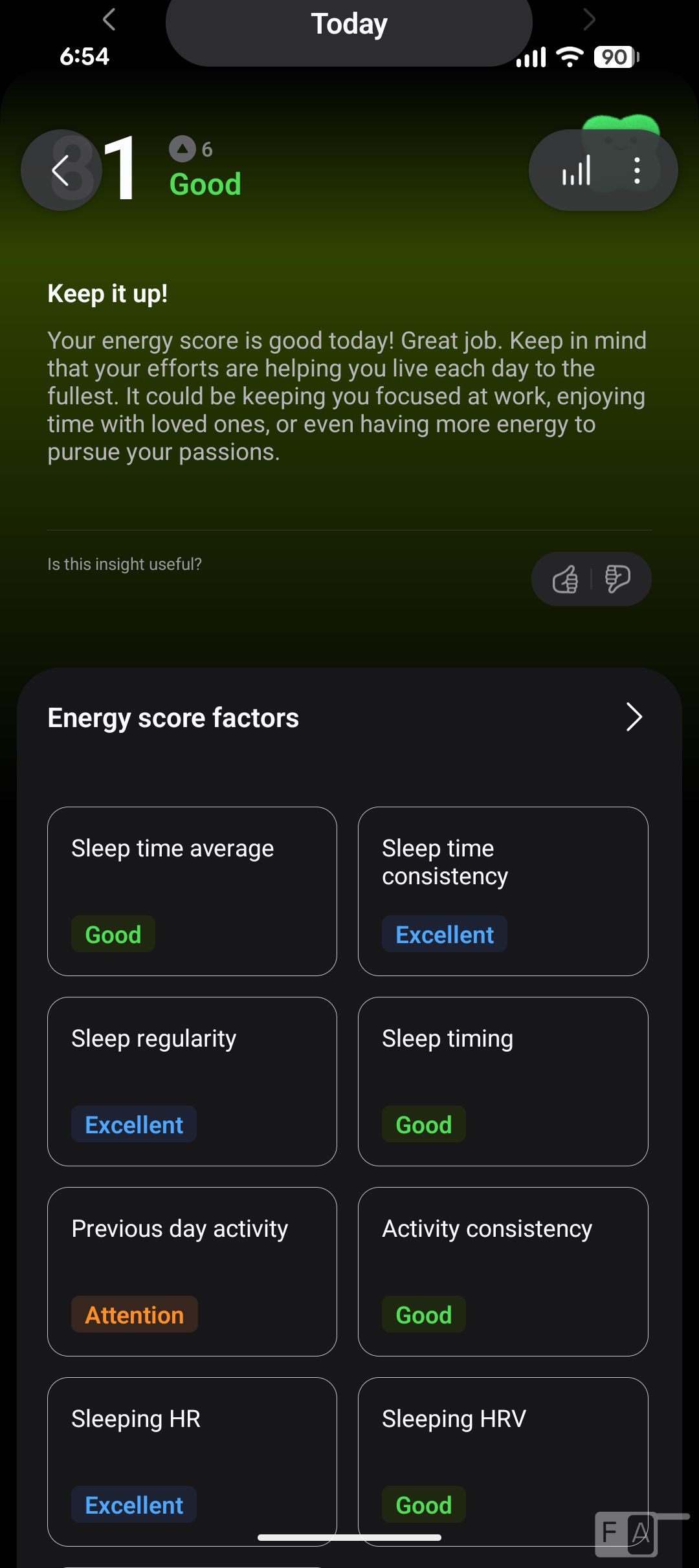
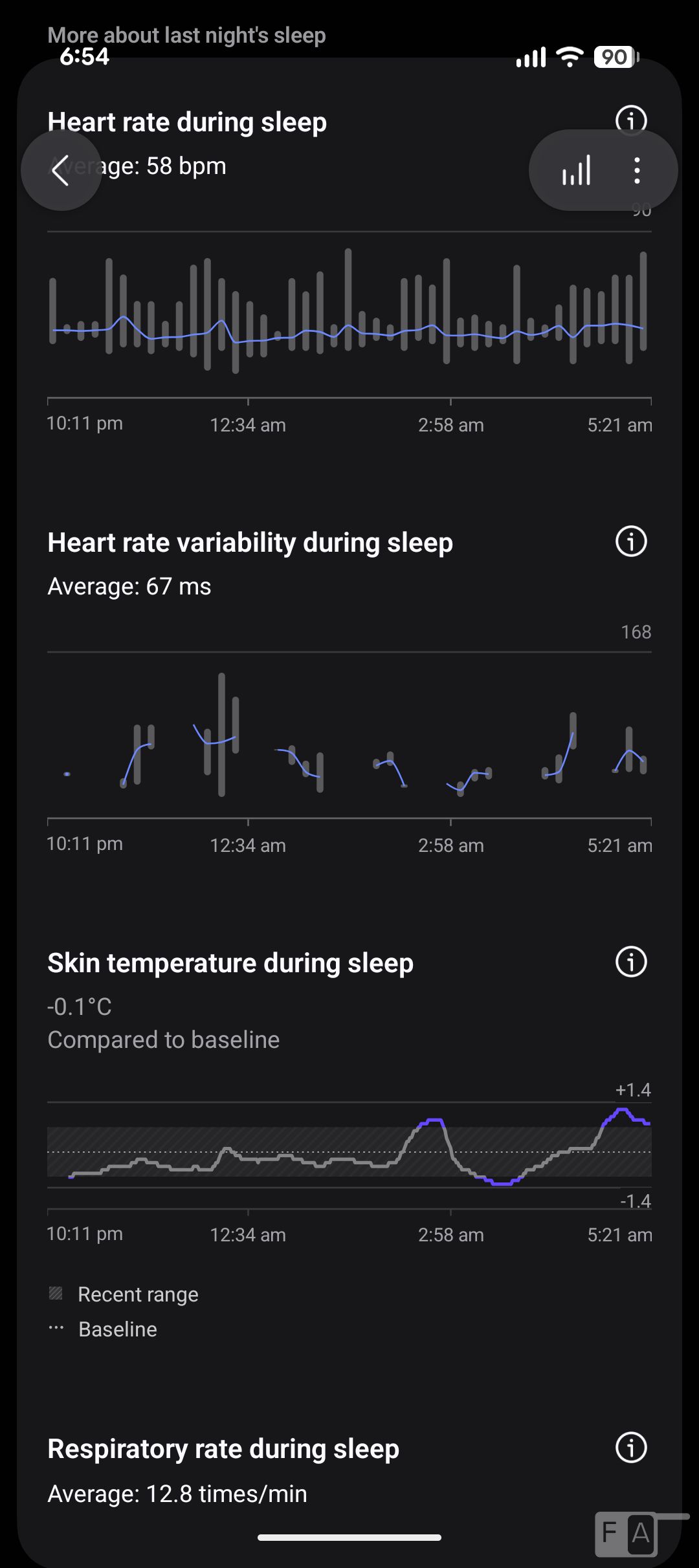
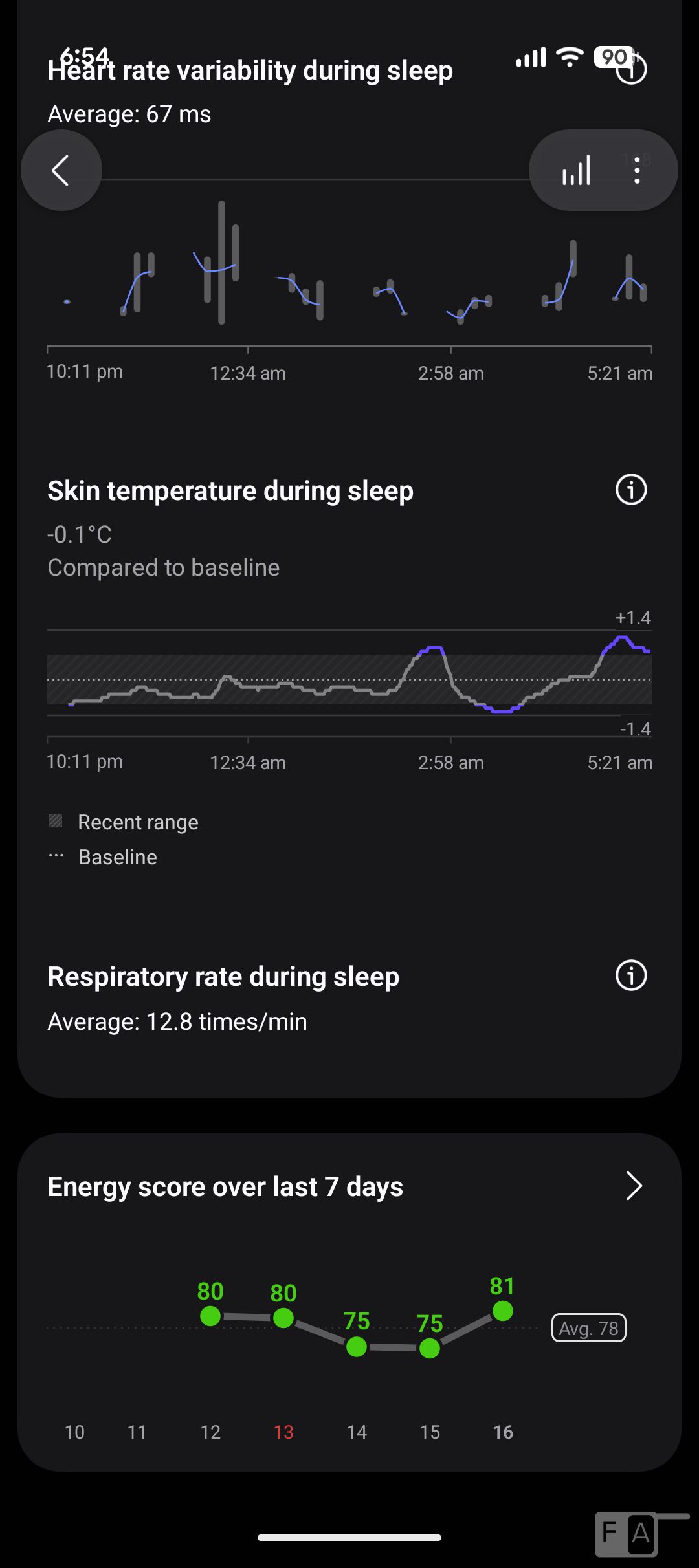
The Energy Score feature uses Galaxy AI that analyzes key indicators of your overall condition and gives you a daily score based on your recent activity, sleep patterns and overnight heart signals. There are fitness coaching videos in the app. Together feature lets you track the daily step count of your friends.
You can share the workout data as an image, and there is Strava support and Technogram sync, which can be enabled from Settings and Selecting Services. There is also Health Connect sync.
Fitness Index and Body Composition
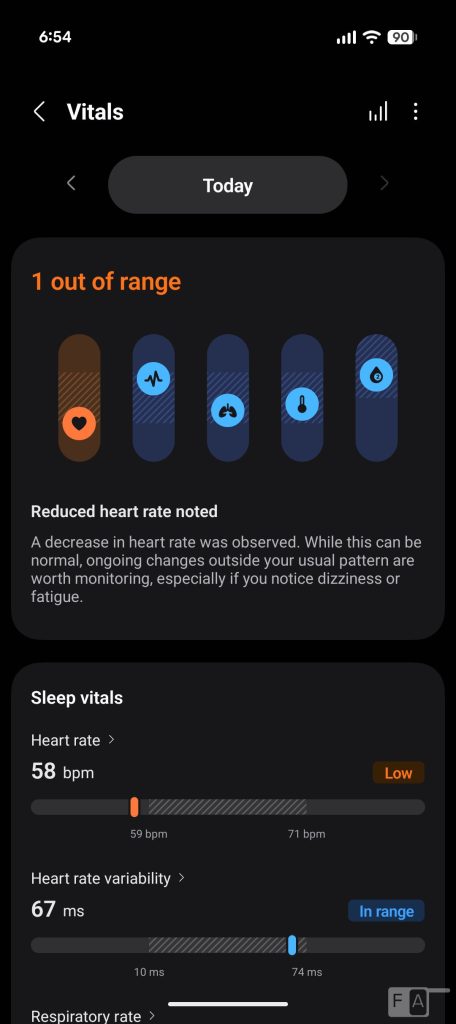
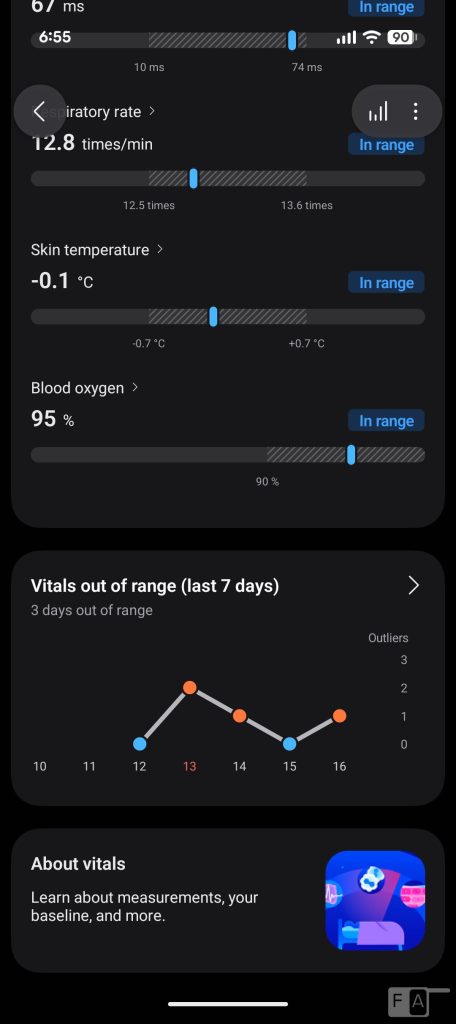
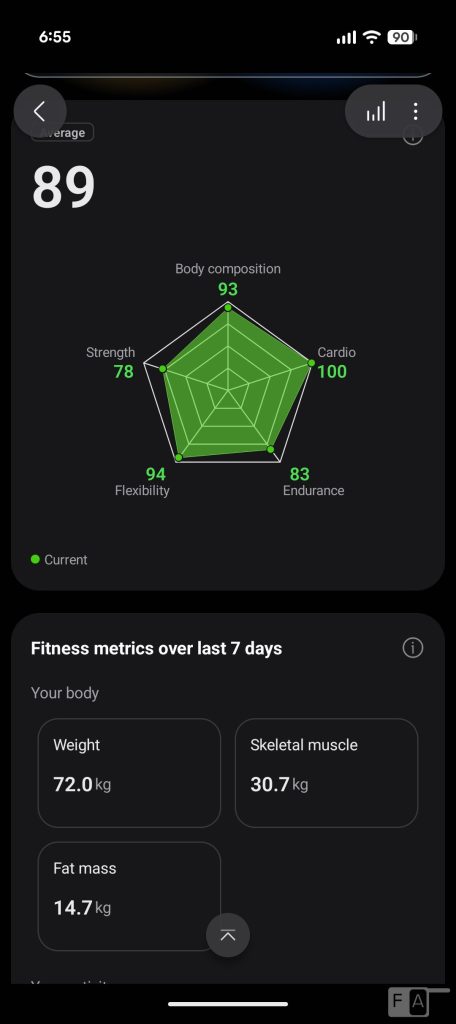
Fitness Index combines data from your daily activity, workout intensity, and built-in health sensors to give you a single score that reflects your overall physical ability. You can use it to track your progress over time and get suggestions on the right content to help you improve.
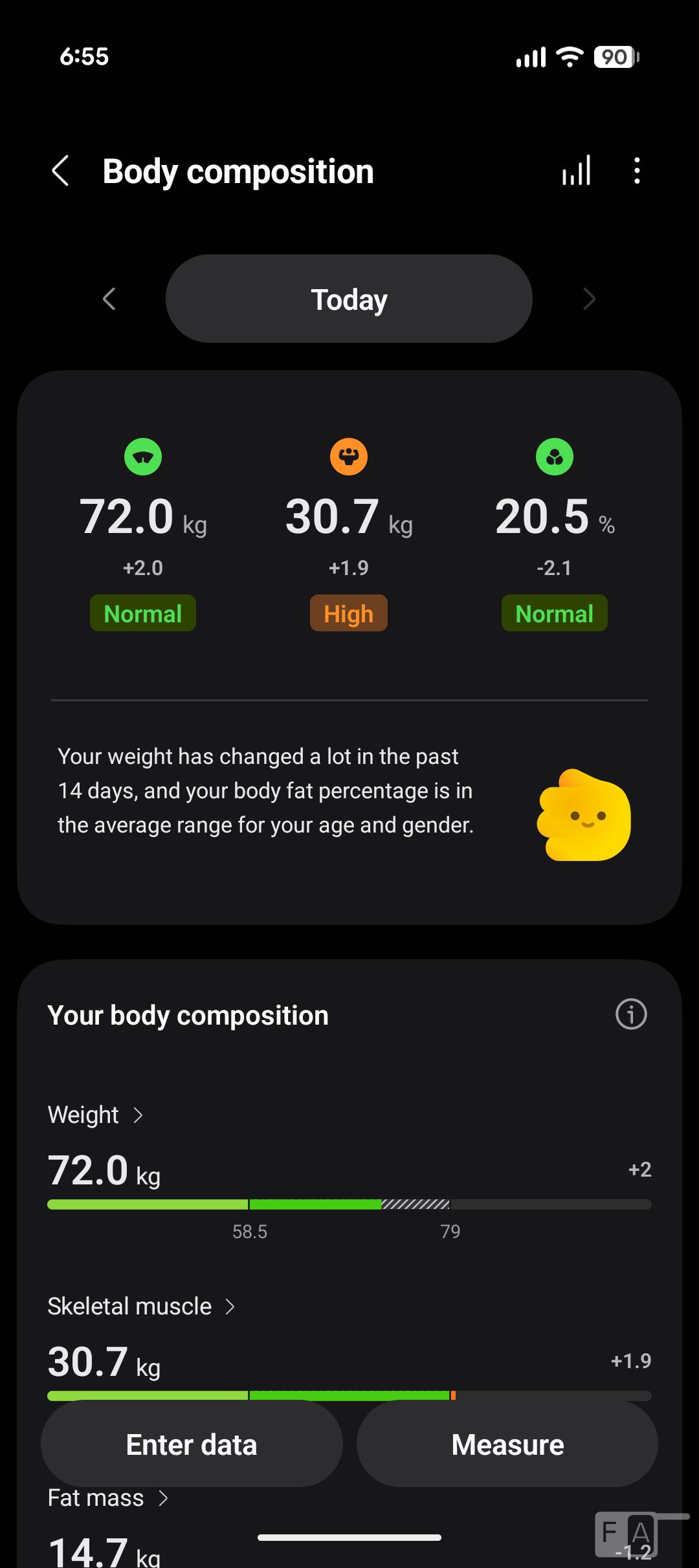
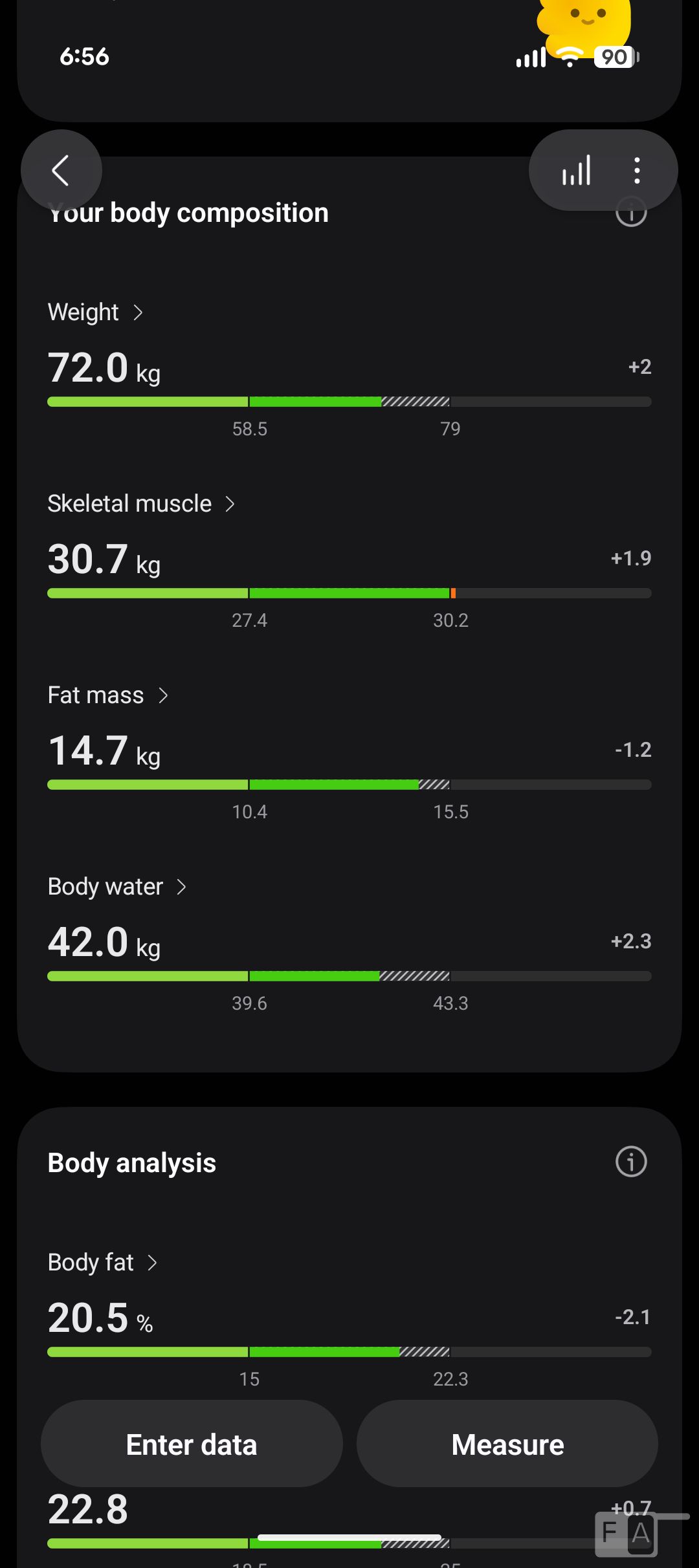
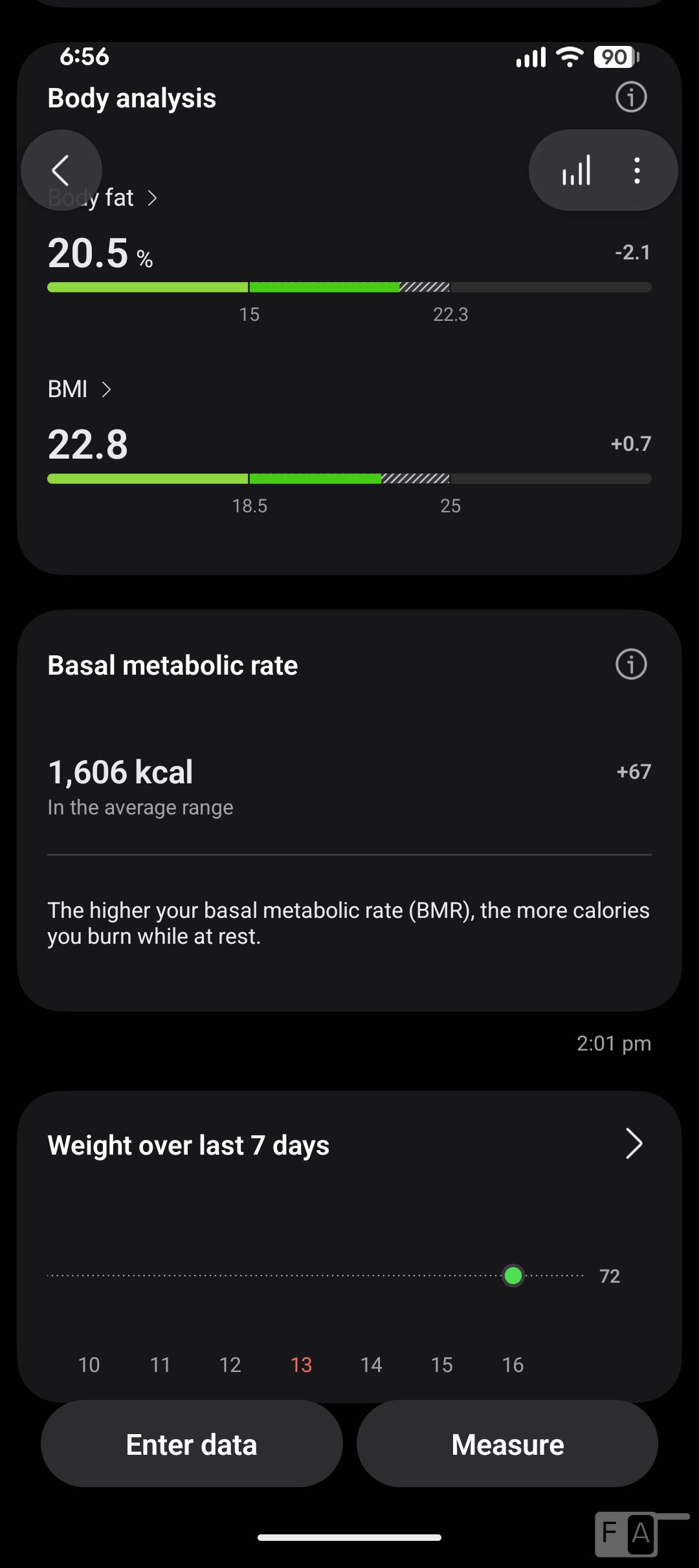
This uses body composition data. For this you need to place the middle and ring fingers on the home and back buttons and keep them still during measurement. This takes a few seconds to measure, and you need to enter the weight manually.
Just like the digital weighing scales, this has sensors in the home and back buttons to send electrical signals into the body and receive it back to get back details such as body fat, skeletal muscle, body water, BMI, and BMR. You can’t say this is 100% accurate, since there are slight changes between the data from this and the Mi Body Composition Scale.
Sleep tracking
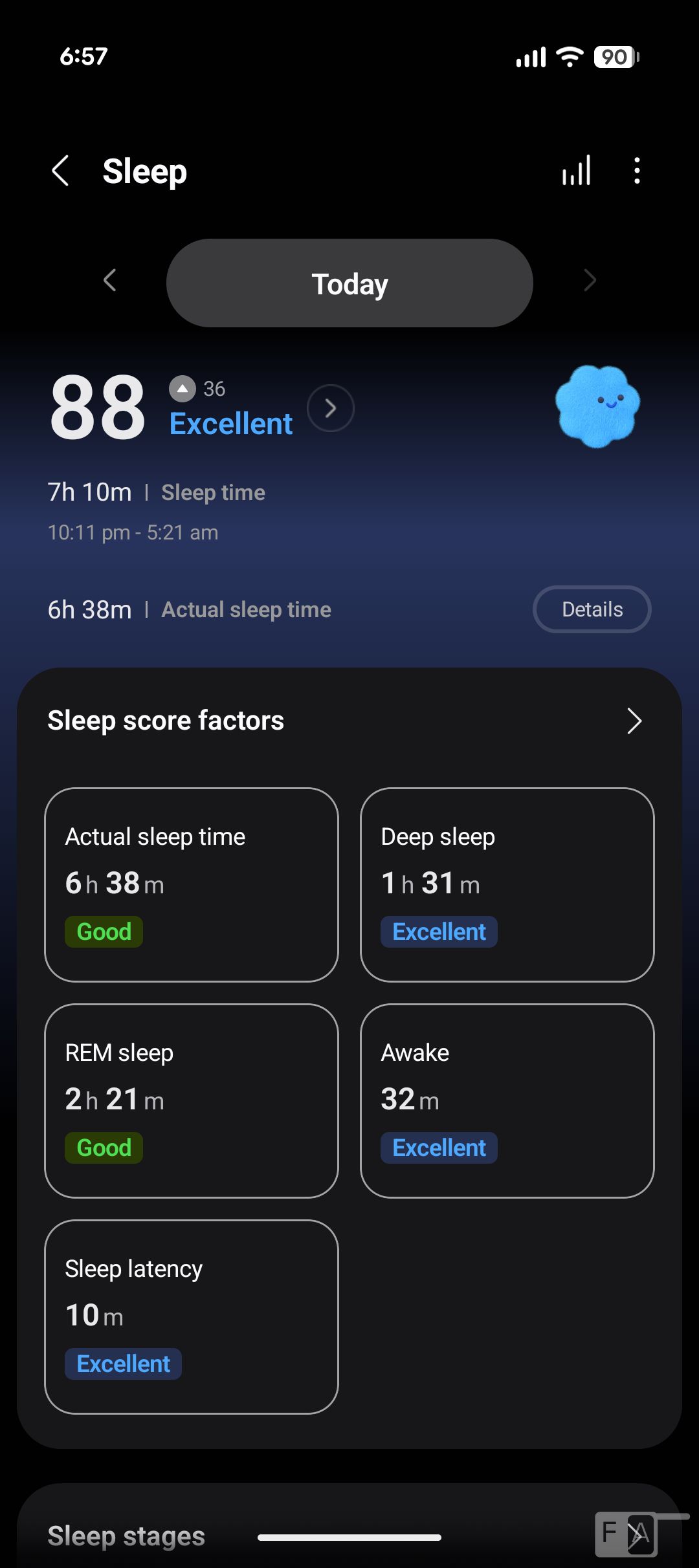
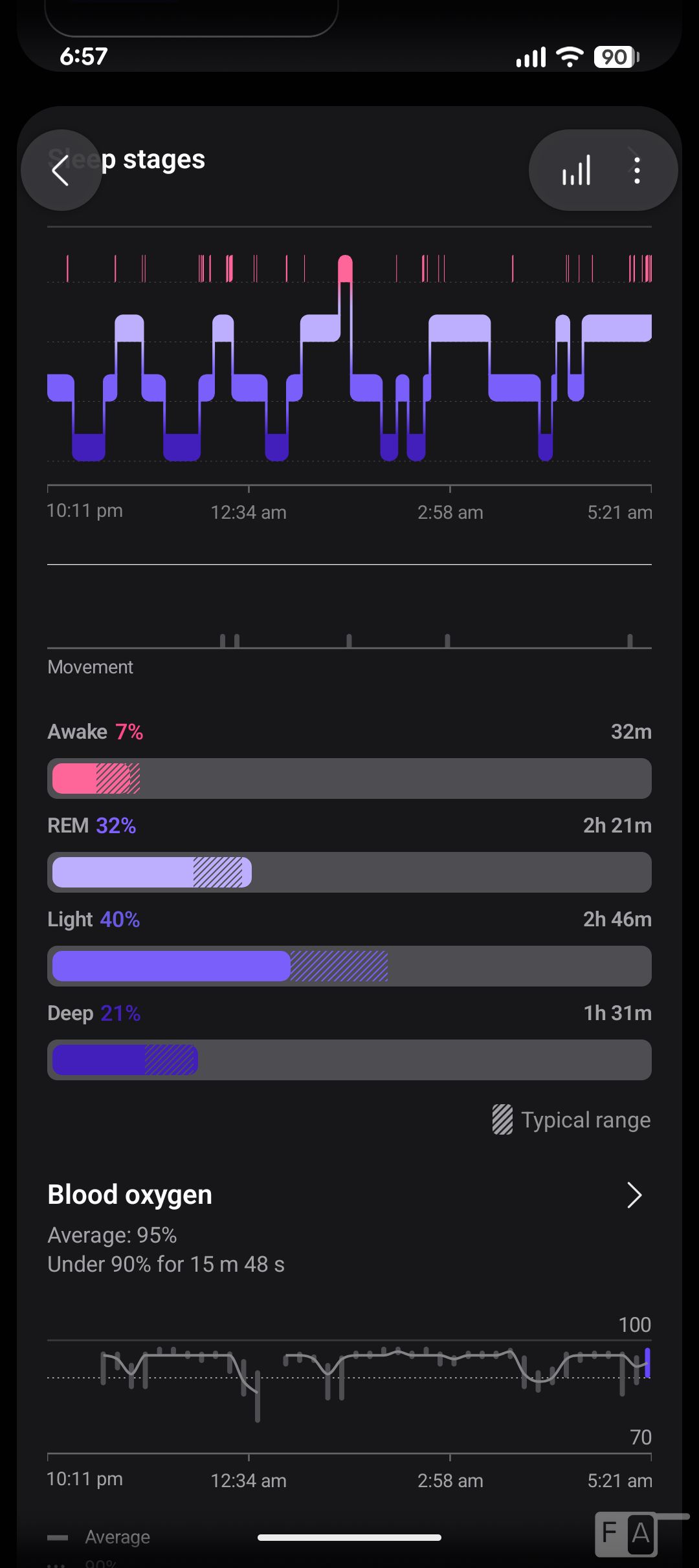
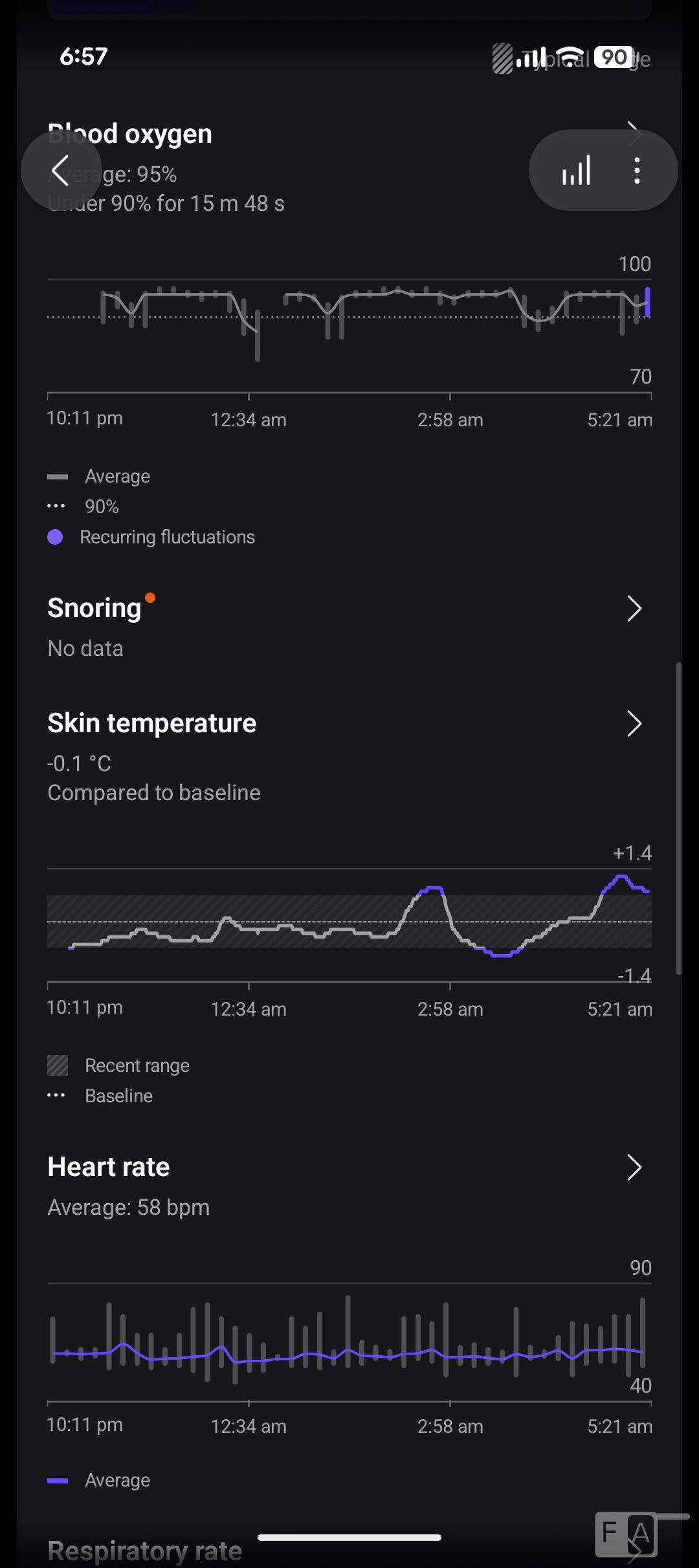
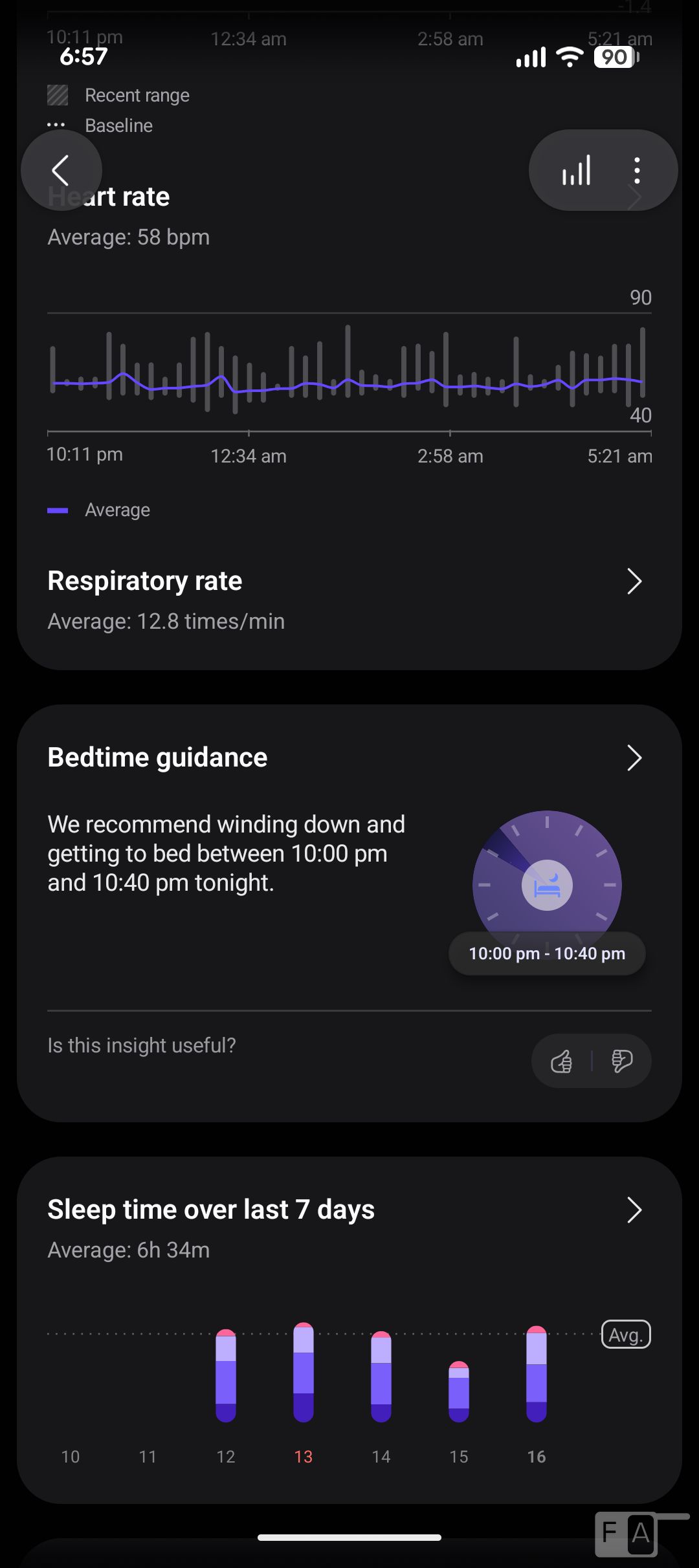
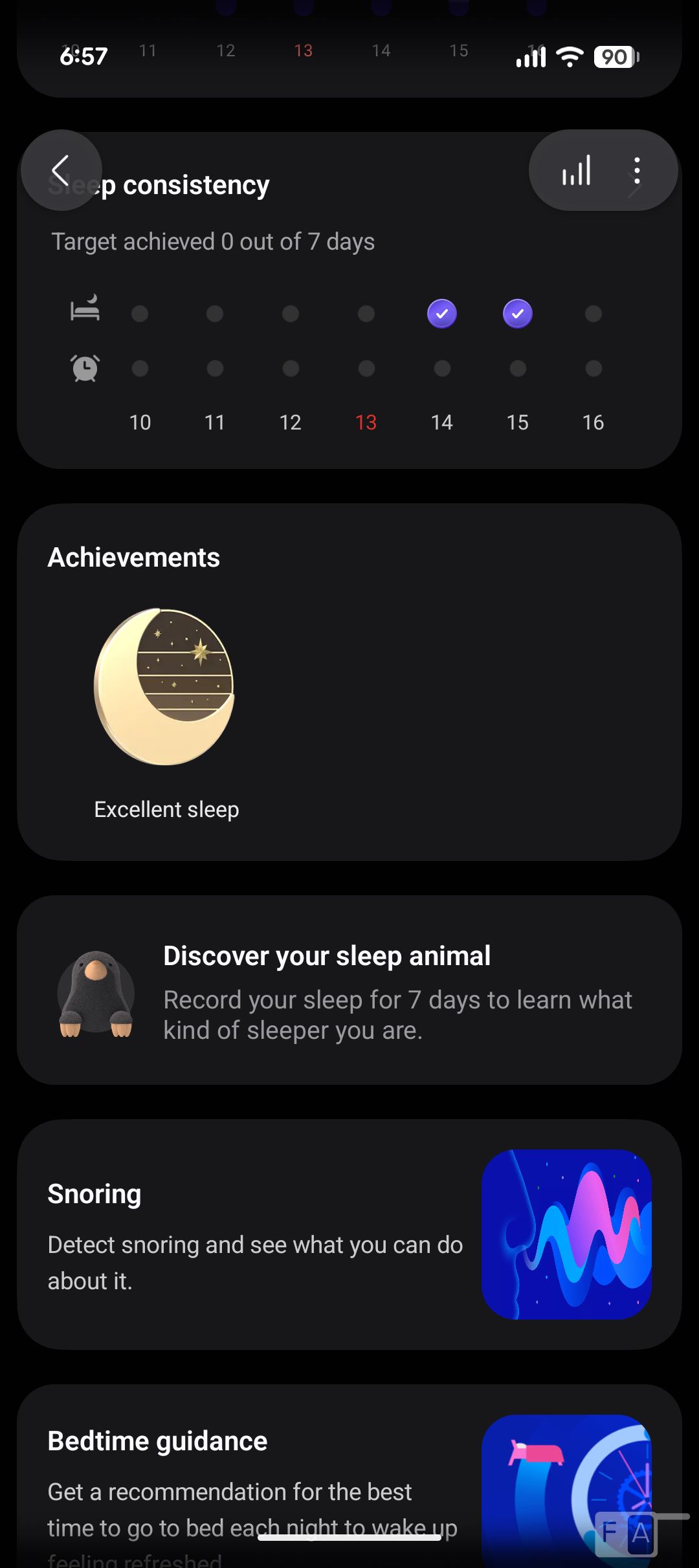
Sleep tracking is accurate, and there is also data for different stages such as REM, light, and deep with a chart. It also shows when the blood oxygen went below 90%, skin temperature during sleep, and respiratory rate. It also says the watch can detect snoring when you place the phone near your face during sleep with a microphone, but I didn’t try it.
The Sleep Coaching features are a personalized program that helps you build better sleep habits over time. This works when you wear the Galaxy Watch Ultra2 for a week to uncover your sleep type, represented as one of eight animals. Then, follow a 3- to 4-week program of simple, incremental changes designed to improve your sleep quality night after night. Overall, the watch has excellent fitness tracking and sleep tracking.
Heart rate, SpO2, and Stress monitoring
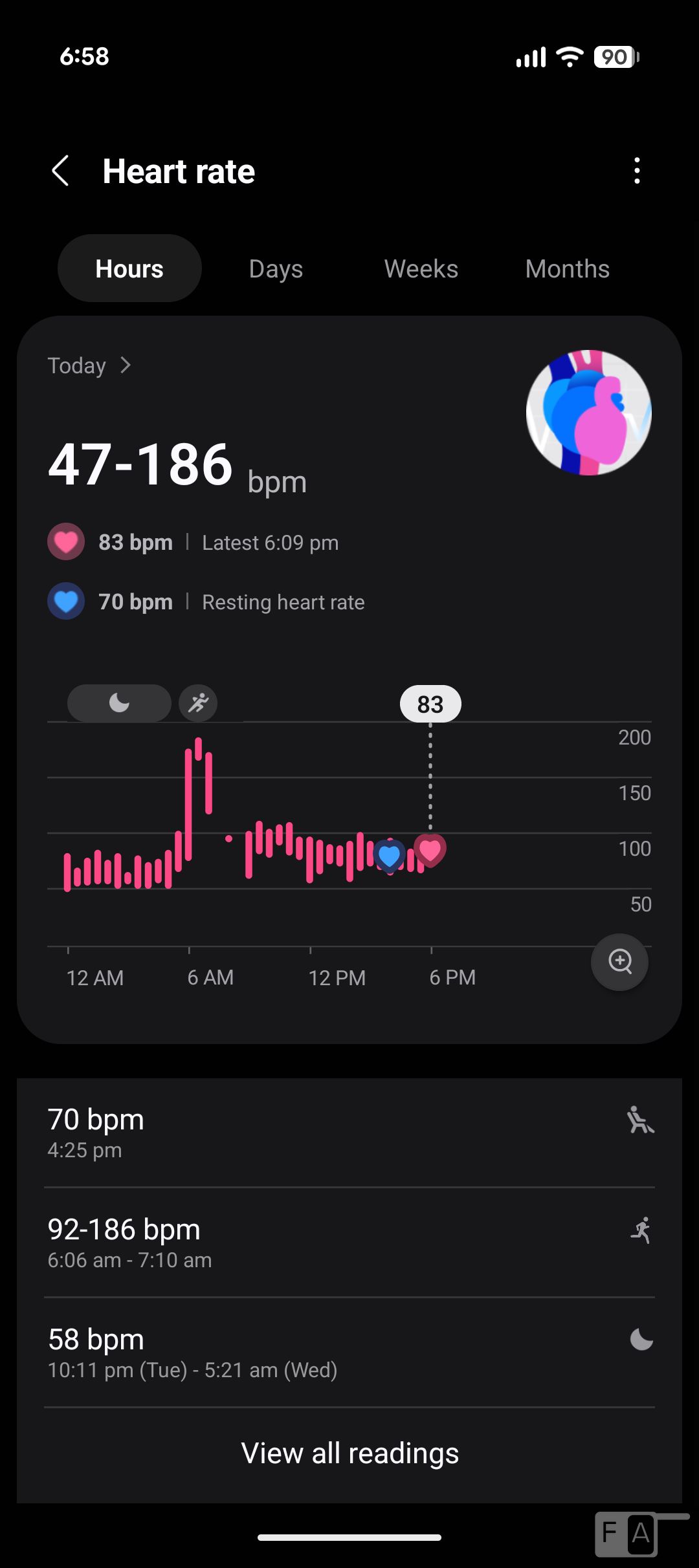
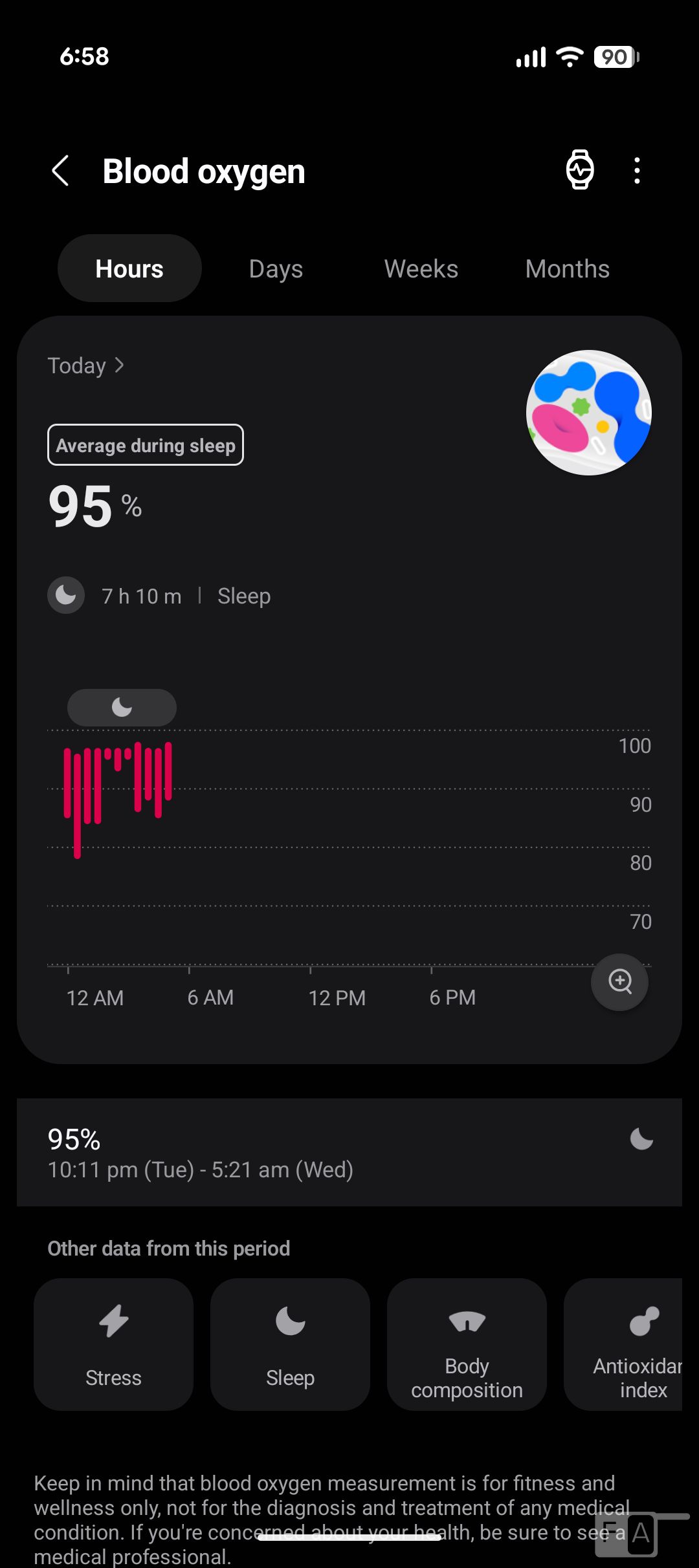
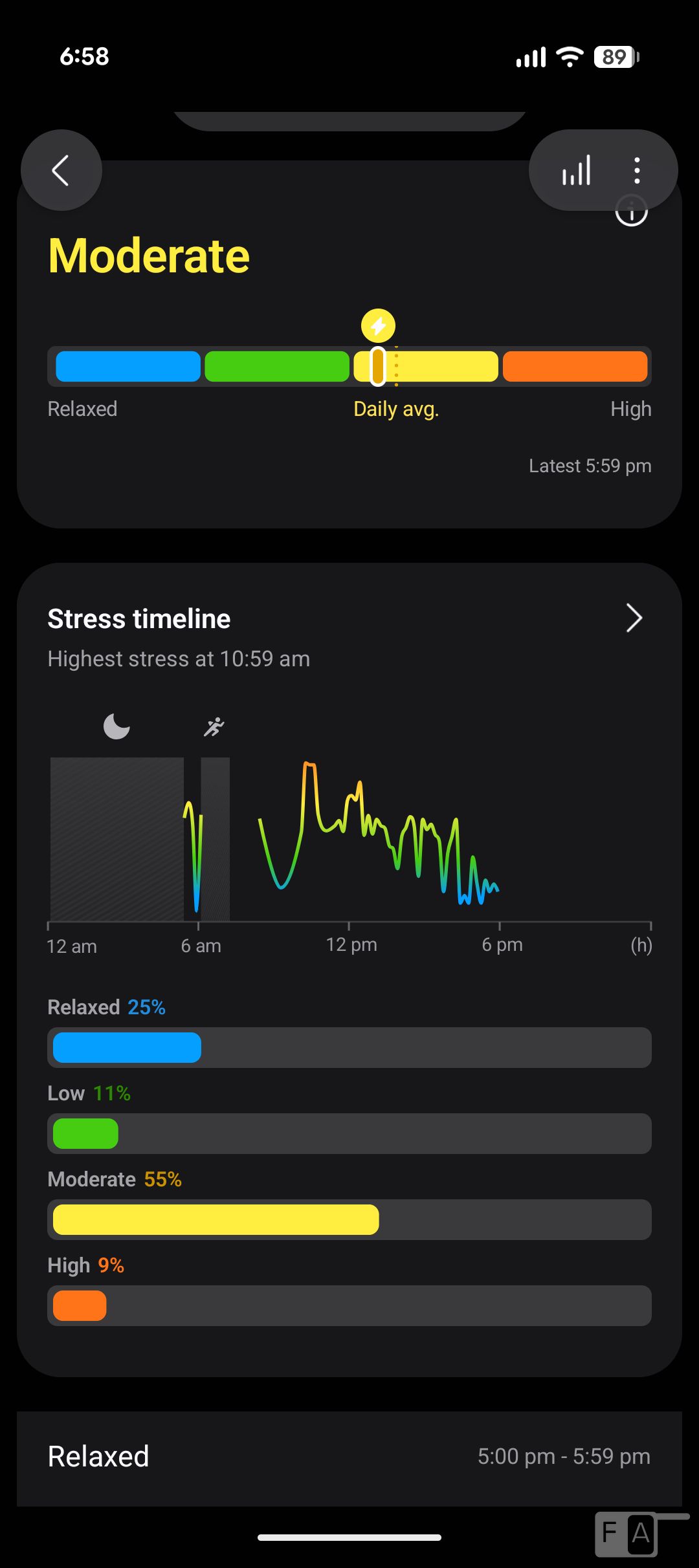
The smartwatch uses LED lights and photo-diodes to illuminate the blood vessel for a while and monitors the heart rate via the change of green light absorbed. It stores the data with date and time. There is also resting heart rate data. Compared to pulse oximeter, this is accurate. It can also measure blood oxygen and stress 24 x 7.
BP and ECG monitoring
You can also receive real-time readings and alerts for abnormally high or low heart rates with heart rate monitoring, detect irregular heart rhythms suggestive of atrial fibrillation (AFib) with IHRN (Irregular Heart Rhythm Notification), and get a deeper understanding of your heart health with electrocardiogram (ECG) and blood pressure (BP) monitoring.
However, for BP tracking, you need an upper-arm, cuff-based blood pressure monitor for calibration, and you need to do it once every 28 days for accurate results. The BP and ECG monitoring works only with Samsung phones.
Battery life
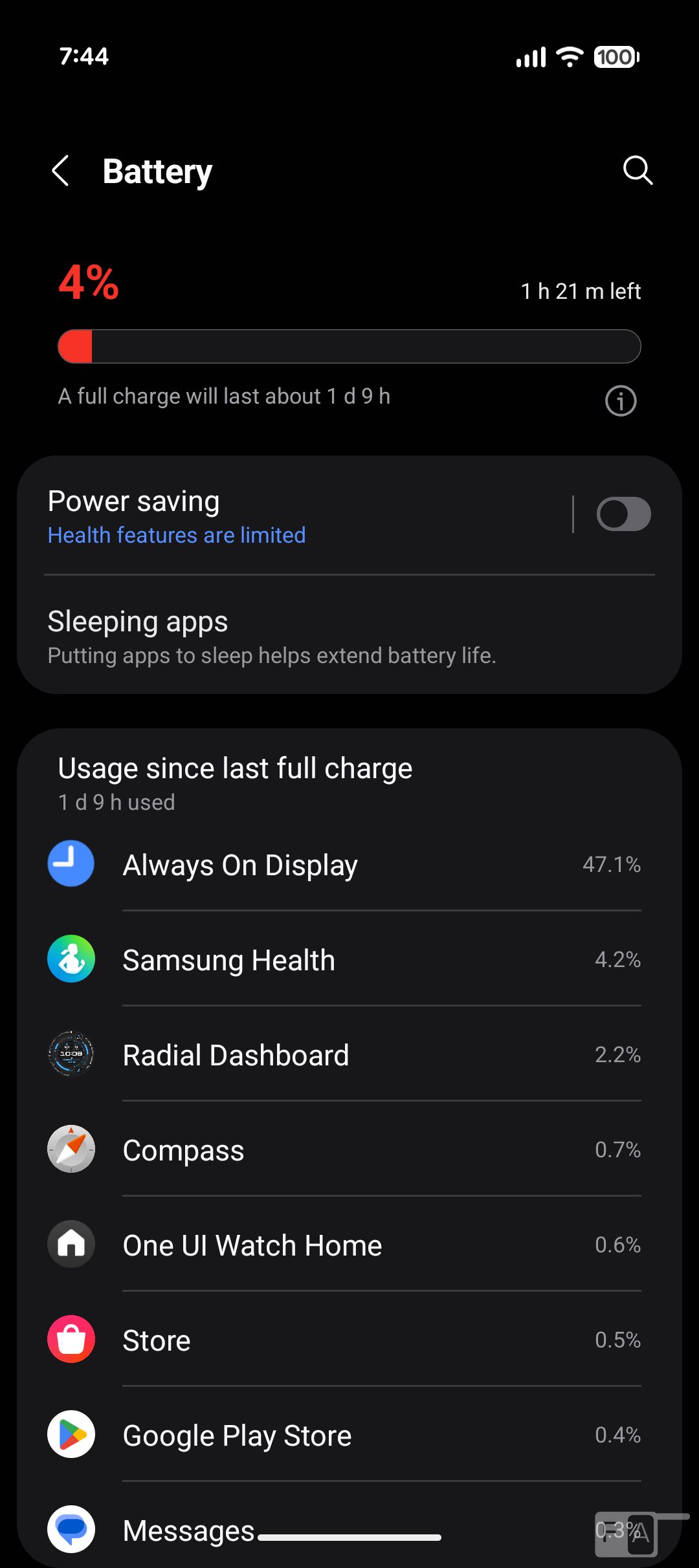
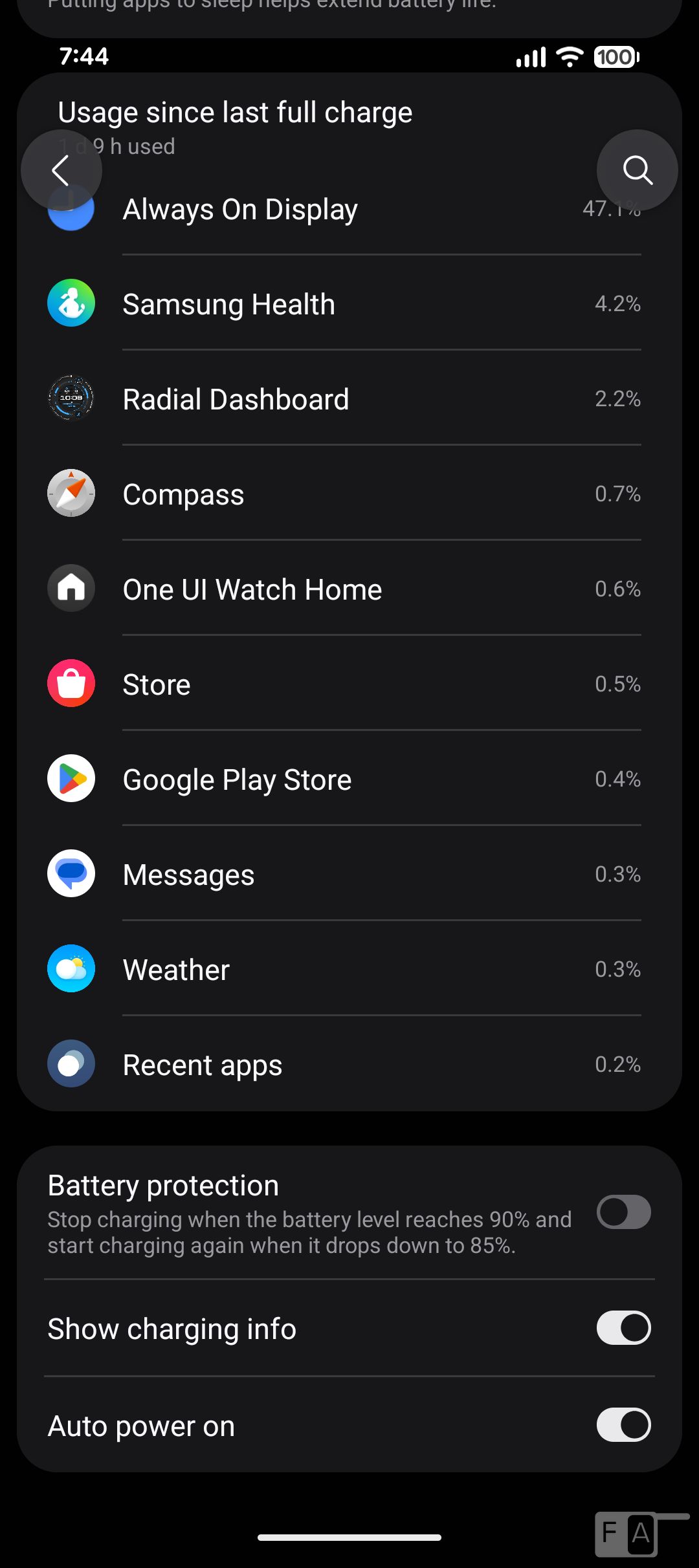
The Galaxy Watch9 has a 390 mAh battery — 20% larger than the comparable Galaxy Watch8 and 30% larger than the Galaxy Watch7 and Galaxy Watch6. The company promises 40 hours or 1 and a half days of battery life with typical use with AOD off. With heart rate and stress monitoring always enabled and SpO2 monitoring during sleep, I consistently got 1 and a half days of battery life with AOD off, which is decent but could have been better.
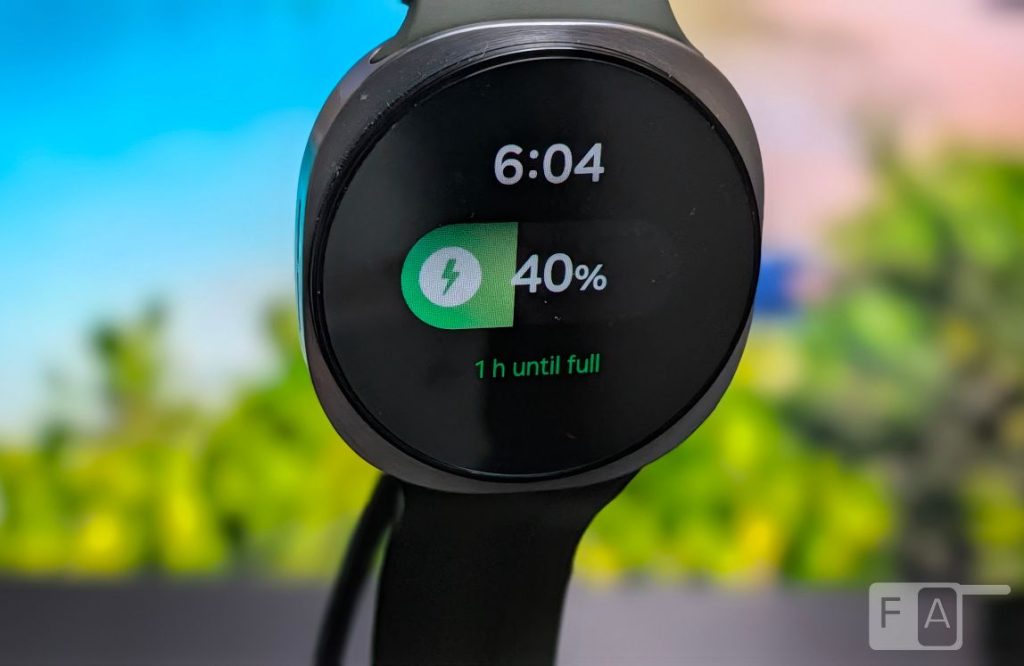
The smartwatch uses WPC-based wireless charging that requires you to use the bundled charger and doesn’t work with third-party wireless charging pads. But it also didn’t work with older Galaxy Watch chargers. Older Galaxy Watches could be reverse wireless-charged off the back of Galaxy flagship phones. Due to the redesigned rear BioActive sensor glass curvature and coil spacing, Wireless PowerShare from phones also doesn’t work.
It takes about one and a half hours to charge the smartwatch fully, which is decent. Wish it had faster charging like the Watch Ultra2.
Conclusion
The Samsung Galaxy Watch9 delivers a notable generational leap, primarily driven by the switch to the Qualcomm Snapdragon Wear Elite platform. The 3nm chip provides a noticeably snappier experience, smoother UI navigation, and faster app launches across Wear OS 7 and One UI 9 Watch. Combined with the ultra-bright 3000-nit AMOLED display, robust health sensors, accurate dual-frequency GPS, and refined cushion-style chassis, it stands out as one of the most capable Wear OS smartwatches on the market.
However, battery endurance remains its primary compromise. While the battery capacity has grown, real-world longevity still hovers around 1.5 days with typical usage, meaning daily charging habits remain necessary. The lack of backwards compatibility with older Galaxy Watch pucks is a minor setback for existing users. Additionally, key clinical tools like ECG and BP tracking remain locked behind the Samsung phone ecosystem.
If you are an Android user (particularly within the Samsung ecosystem) seeking premium build quality, fluid performance, and comprehensive fitness tracking, the Galaxy Watch9 is an excellent upgrade—especially if moving up from a Galaxy Watch6 or older. Watch8 owners, however, might find the day-to-day gains outside of pure chipset speed a bit more incremental.
Pricing and availability
The Galaxy Watch9 starts at Rs. 37,999 for the 40mm Bluetooth model, Rs. 40,999 for the 44mm Bluetooth model, and the 44mm LTE model costs Rs. 44,999.
It is available from Samsung.com and other online retailers such as Amazon.in as well as offline stores. It gets cheaper during sale, and there are bank offers on top of it.
Pros
- Brilliant AMOLED display with Sapphire Crystal protection
- The powerful Qualcomm SDW6100 3nm SoC offers smooth performance
- Solid body with MIL-STD-810H certification
- Enhanced BioActive Sensor for metabolic health insights
- 5 ATM + IP68 water- and dust-resistant
Cons
- ECG and blood pressure monitoring work only with Samsung phones
- Charging doesn’t work with older Galaxy Watch chargers
- Battery life is average