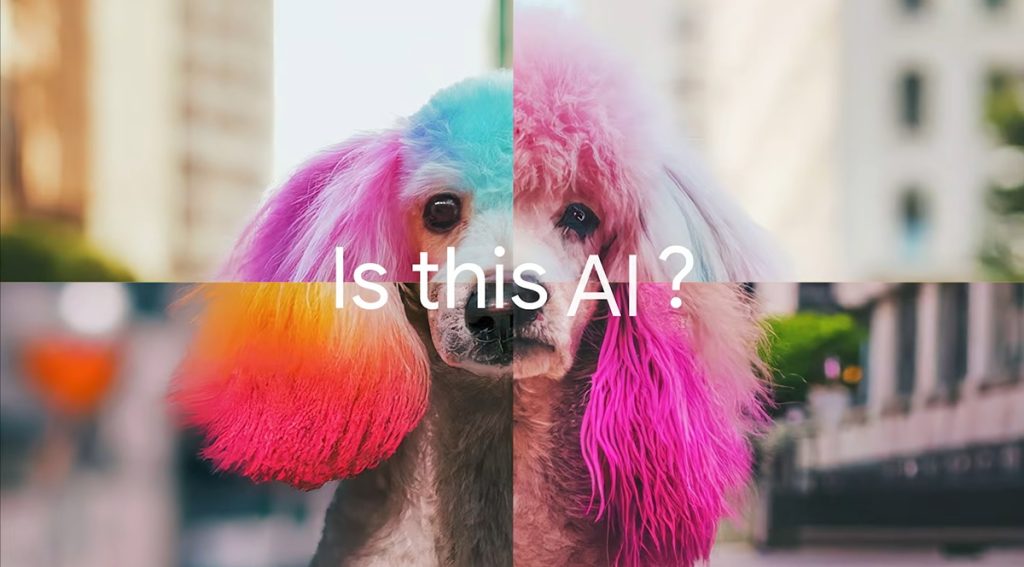
Google has announced that it is signing the EU AI Act Code of Practice on Transparency of AI-Generated Content to support responsible AI use and transparency around AI-generated content in Europe.
EU AI Act transparency requirements
The Code of Practice supports compliance with the EU AI Act’s transparency obligations under Article 50, which require providers and deployers of generative AI systems to mark, detect, and label AI-generated or manipulated content.
The transparency requirements cover:
- AI-generated audio, images, videos, and text
- AI-generated or manipulated content, including deepfakes
- Certain AI-generated text publications
The transparency obligations will apply from 2 August 2026.
The Code of Practice was developed by independent experts through a multi-stakeholder process facilitated by the European AI Office. It provides guidelines for providers and deployers of generative AI systems, covering the marking, detection, and labelling of AI-generated or manipulated content.
While signing the Code of Practice is voluntary, the transparency requirements under Article 50 of the AI Act are legal obligations. The code provides an EU-wide framework for signatories to demonstrate compliance with AI content marking and labelling requirements across member states.
Google’s AI transparency efforts
Karen Massin, Head of Government Affairs and Public Policy – EU Institutions at Google, said the company’s signing builds on its 2025 signing of the GPAI Code of Practice and aligns with its ongoing work to adopt and accelerate the C2PA industry standard and develop AI transparency tools, including SynthID.
Google highlighted its AI transparency efforts, including:
- C2PA industry standard: Supporting efforts around content provenance and transparency standards.
- SynthID: Google’s digital watermarking technology that helps people understand how content was created and edited.
- Industry collaboration: Partnering with third-party AI labs and technology companies, including Apple, ElevenLabs, Kakao, NVIDIA, and OpenAI, to support the adoption of interoperable watermarking tools using SynthID.
Google raises concerns over regulatory complexity
Google said it supports transparency but raised concerns that additional regulatory complexity could conflict with Europe’s goals of improving competitiveness and simplifying regulations while technical solutions for AI transparency are still evolving.
The company said overlapping AI labels and legal disclosures could make it harder for users to get clear context about online content.
Google said it will work with regulators and partners to develop practical solutions that provide transparency and help people make informed decisions about the content they see online.