
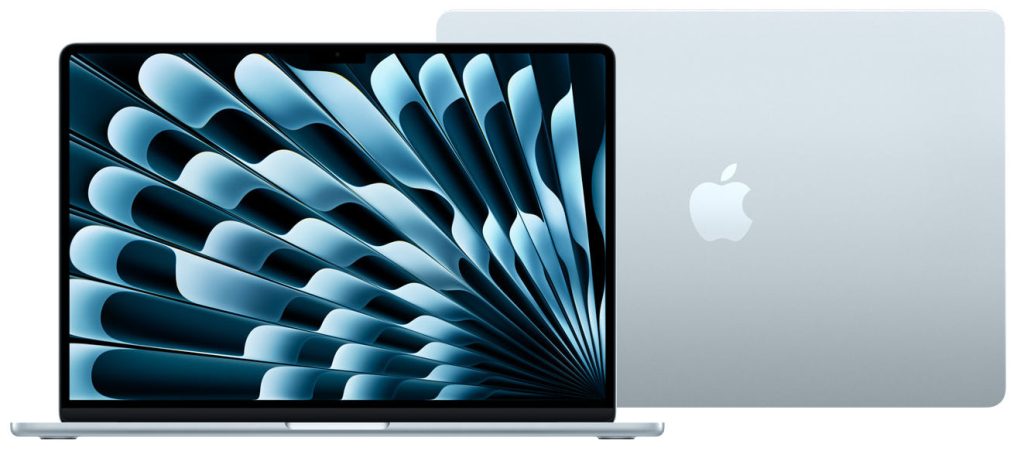
Apple is preparing major updates to its MacBook Air, iPad mini, and iPad Air lines, introducing OLED displays, according to Mark Gurman of Bloomberg. The company is testing versions of each device with organic light-emitting diode (OLED) panels, which offer richer colors, deeper contrast, and better efficiency than current LCD screens.
Gurman noted that this move is part of Apple’s broader plan to expand OLED technology across its product lineup, extending it beyond the iPhone and Apple Watch.
iPad mini and iPad Air display upgrades
The iPad mini is expected to be the first among the three to adopt OLED, with a launch likely around 2026. The new model — code-named J510 — could see a price increase of up to $100 due to the higher cost of OLED panels.
He added that Apple has tested a redesigned, water-resistant casing and a vibration-based speaker system that removes traditional speaker holes to minimize water entry. This design differs from the iPhone’s approach, which uses openings sealed with gaskets and adhesives for protection.
The iPad mini was last updated in late 2024, featuring a faster processor and Apple Intelligence support. The next iPad Air, expected in spring 2026, will continue using an LCD panel, with OLED planned for a later generation. Apple currently has no plans to bring OLED to its entry-level iPad.
MacBook Air and Pro OLED roadmap
Gurman said the MacBook Pro will be the first Mac to feature an OLED display in its next major redesign. Apple has also begun early work on an OLED-equipped MacBook Air, though that model isn’t expected before 2028.
In the meantime, the M5 chip will debut in the existing MacBook Air design in spring 2026, retaining the LCD screen. The transition reflects Apple’s effort to refresh the Mac lineup amid slowing computer and tablet sales compared to the 2021–2022 pandemic highs.
Outlook
Gurman indicated that Apple’s OLED expansion represents a long-term shift across its device ecosystem. The company recently discontinued its last non-OLED iPhone, replacing the iPhone SE with the iPhone 16e, and continues using micro-OLED panels in the Vision Pro headset.
He also noted that internal timelines remain flexible — for instance, development of an 18-inch foldable iPad has been pushed back to 2029. The broader OLED transition aligns with industry trends, as most tablets and laptops still rely on LCDs, with only high-end models such as the iPad Pro and Samsung Galaxy Tab S11 currently using OLED displays.