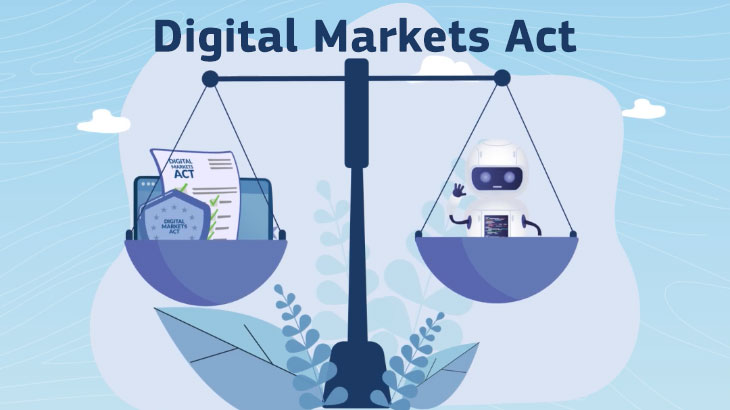
The Digital Markets Act (DMA), introduced by the European Union in 2022, aims to regulate major digital platforms and ensure fair competition. More than a year into its implementation, leading technology companies have raised concerns about its effects.
Both Apple and Google submitted detailed responses to the European Commission’s consultation, highlighting delays, risks, and economic impacts that they believe are undermining the law’s intended goals.
Apple’s Perspective: Impacts on European Users
Apple emphasizes that the DMA is changing the user experience in Europe, slowing feature rollouts, increasing security risks, and complicating privacy protections.
Feature Delays
Apple points out several key features that have been postponed due to DMA requirements for interoperability with non-Apple platforms:
- Live Translation with AirPods – delayed because ensuring private on-device processing across third-party platforms is complex.
- iPhone Mirroring on Mac – postponed since secure integration with non-Apple devices has not been achieved.
- Maps features such as Visited Places and Preferred Routes – delayed to prevent sharing sensitive location data with third parties.
App Store and Security Implications
The DMA also requires Apple to allow sideloading, third-party app stores, and alternative payment systems. Apple warns this may:
- Expose users to scams, malware, and fake banking apps.
- Introduce pornography and gambling apps previously blocked on the App Store.
- Create fragmented marketplaces where it is harder for users to determine app safety and accountability.
Privacy Concerns
Apple states that companies have requested access to sensitive data, including:
- Notification content, covering messages, emails, and alerts.
- Wi-Fi network history, which can reveal personal locations and activities.
Apple argues that these requirements compromise user privacy and are creating a riskier, less intuitive experience for EU users. The company believes that, instead of increasing consumer choice, the DMA is slowing innovation and weakening protections.
Google’s Perspective: Economic and Regulatory Challenges
Google’s response, led by Oliver Bethell, focuses on market-level and economic consequences.
The DMA has affected the European tourism sector, according to Google, by requiring Search to prioritize intermediary websites over direct airline and hotel links. This has resulted in:
- Traffic losses of up to 30% for direct booking platforms.
- Increased costs for consumers due to intermediary fees.
- Estimated revenue reductions of up to €114 billion across European industries.
Google also argues that the DMA favors a small set of intermediaries over most businesses that rely on direct customer access. The company reports that regulatory uncertainty has delayed AI feature launches by up to a year, leaving European users behind other global markets. Overlapping national rules and ongoing court cases are further complicating compliance, undermining the DMA’s goal of harmonized regulations.
Google calls for a reset in enforcement, urging the Commission to ensure rules are fact-based, consistent, and focused on benefiting users and businesses while maintaining product quality and security.
Shared Concerns and Outlook
While Apple highlights user-facing risks and Google emphasizes economic consequences, both companies share the view that the DMA is not meeting its objectives. They contend it is slowing innovation, increasing risks, and leaving European users and businesses at a disadvantage compared with global counterparts.
The European Commission’s review of industry feedback will determine whether enforcement adjusts to address these concerns or continues under the current framework.