
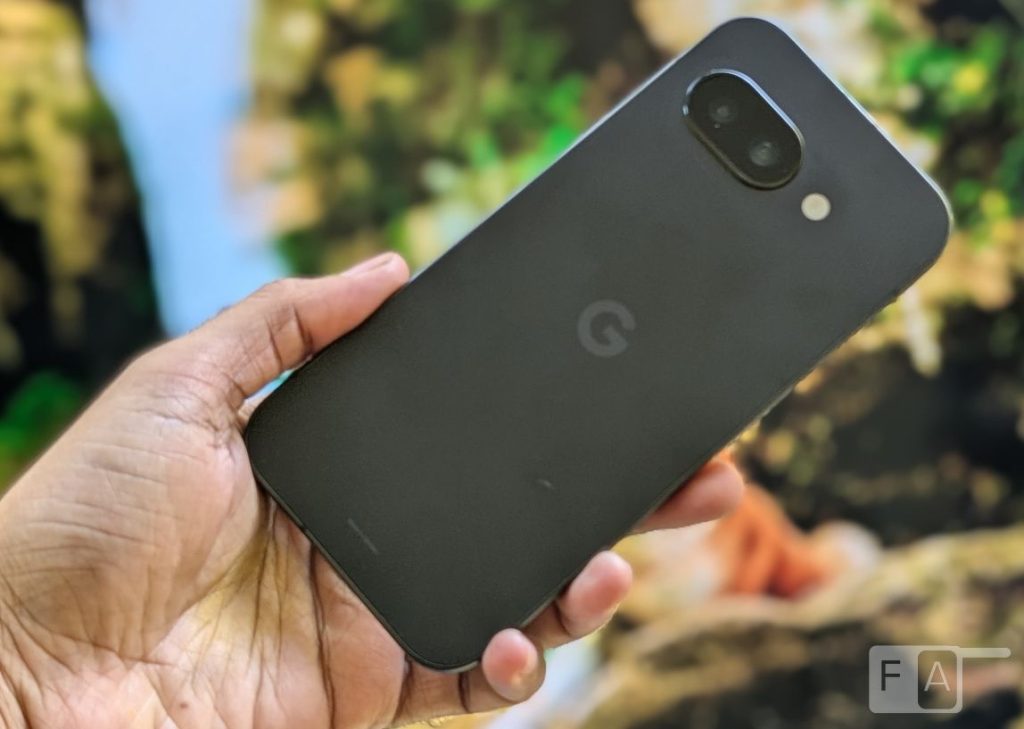
Google’s Pixel 10 series has only just reached stores, but attention has already turned to the upcoming Pixel 10a. Expected in late Q1 or early Q2, 2026, the Pixel 10a will serve as the entry-level model in the lineup. Early leaks indicate it may share more with the Pixel 9 family than the recently launched Pixel 10.
Tensor G4 Chipset Carries Over
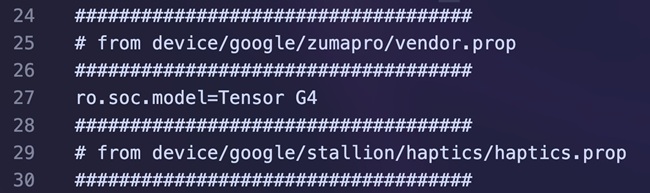
Mystic Leaks on Telegram claims the Pixel 10a will run on the Tensor G4, the same chip inside the Pixel 9 series, rather than the newer Tensor G5 used in the Pixel 10 lineup.
Other Features and Leaks
UFS 3.1 Storage Instead of UFS 4.0
The leak also points to the Pixel 10a using UFS 3.1 storage, even though Google moved to UFS 4.0 on Pixel 10 models with 256GB and higher. UFS 4.0 delivers faster performance and lower power consumption, and most brands already use it in mid-range and flagship devices.
Camera Setup Without Telephoto
Despite Google adding a telephoto lens to the base Pixel 10 this year, the Pixel 10a is tipped to exclude this feature, sticking to a standard dual-camera configuration.
Brighter Display
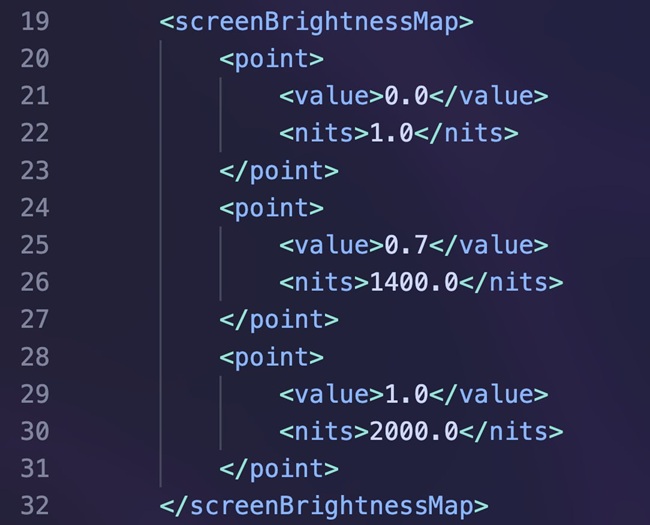
On the display front, the Pixel 10a could see a modest upgrade, with brightness expected to reach 2,200 nits, slightly higher than the 2,000 nits on the Pixel 9a.
No Magic Cue AI Feature
The leak also points to the absence of Magic Cue, Google’s on-device AI tool for live contextual assistance during calls and chats. The omission may be due to the Tensor G4’s limited AI performance, making it difficult to handle this feature.
Pricing and Strategy Outlook
The Pixel 10a is expected to launch around the $500 price point, in line with earlier “a” series devices. However, if it ships with the same chipset, camera, and design as the Pixel 9a, its value could be questioned. By 2026, older Pixel 9 models may present a stronger option at similar or lower prices.
Based on current leaks, the Pixel 10a may end up closer in design and hardware to the Pixel 9 series than the Pixel 10. Unless Google introduces further upgrades, the phone could face challenges in justifying its expected price at launch.