
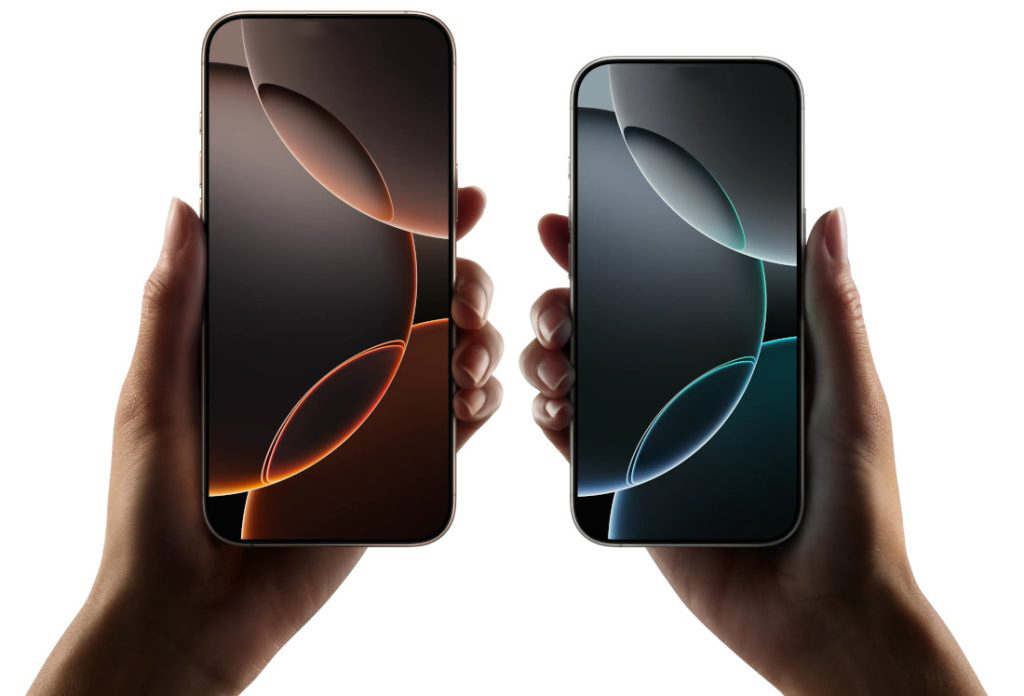
Apple’s design for the 20th-anniversary iPhone is apparently moving toward a full-screen device with no visible front camera or Face ID components.
According to The Information, citing sources familiar with the company’s plans, at least one iPhone model set to launch in 2027 will feature a “truly edge-to-edge display.” Apple is reportedly working to place both the front camera and Face ID sensors underneath the screen to eliminate notches or cutouts.
A Vision Years in the Making
The 2027 model would coincide with 20 years since the original iPhone’s debut, making it a symbolic moment for a major design shift. The report noted that Apple’s former design chief, Jony Ive, had long envisioned an uninterrupted all-screen iPhone, and the company may now be close to delivering on that idea. The all-screen design is expected to debut on higher-end models—likely the iPhone 19 Pro series—when they arrive in September 2027.
Under-Screen Tech Coming in Phases
Before reaching the all-screen design, Apple is expected to make incremental updates. The iPhone 18 Pro and iPhone 18 Pro Max, slated for release in 2026, are rumored to incorporate under-display Face ID, with a small hole remaining for the front camera.
This would mark the removal of the current pill-shaped cutout and act as a transitional step toward a completely seamless display, according to sources with direct knowledge of the matter.
Past Reports Support the Timeline
Bloomberg’s Mark Gurman also previously reported that Apple is working to move some of the Dynamic Island components under the screen, which supports these developments. While earlier speculation suggested the iPhone 16 Pro could feature under-display Face ID, updated reports indicate Apple is now targeting 2026 or later, aligning with the timeline mentioned in the new report.
Challenges With Under-Display Cameras
Under-display camera technology has already been introduced by a few Chinese smartphone makers, such as the recently launched Nubia Z70S Ultra Photographer Edition, though with limited success due to image quality issues.
Apple appears to be taking more time to refine the technology. With a couple of years still to go, the company is expected to work on improving the performance of under-screen sensors, aiming to deliver a true full-screen iPhone experience by 2027.