
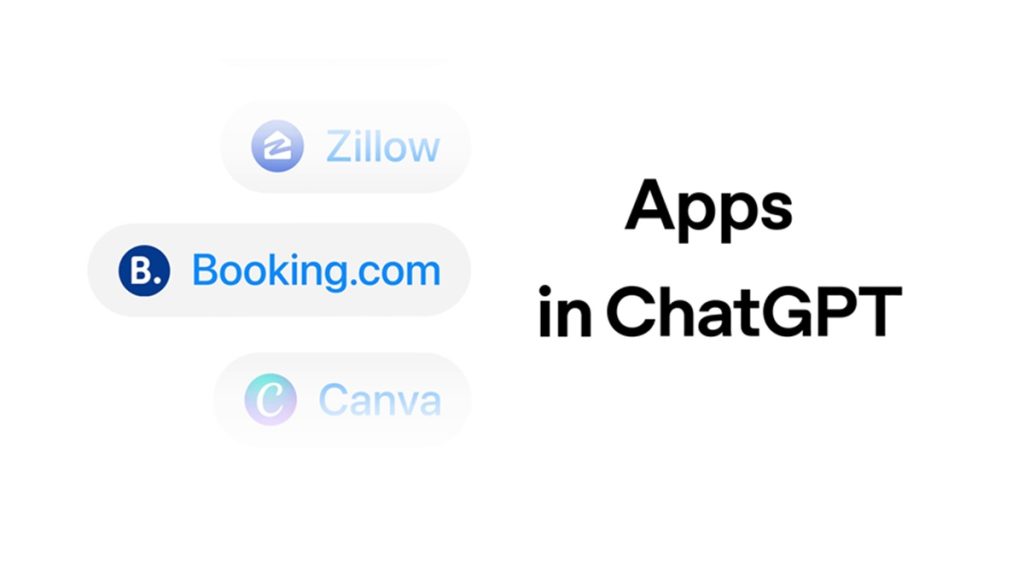
OpenAI has unveiled a new generation of interactive apps inside ChatGPT, alongside AgentKit — a complete toolkit for building, deploying, and optimizing AI agents.
The update expands ChatGPT’s capabilities with in-chat app experiences while giving developers a unified platform to create, test, and manage agentic workflows efficiently.
Apps in ChatGPT
The new Apps in ChatGPT feature allows users to interact with third-party services directly within conversations. These apps understand natural language, include interactive elements such as maps, playlists, and slides, and appear automatically when relevant to a discussion.
Users can activate an app by starting a message with its name — for example, “Spotify, make a playlist for my party this Friday.” ChatGPT will surface the app and prompt for connection approval, explaining what data may be shared.
Apps can also appear contextually. For instance, during a conversation about buying a home, ChatGPT may suggest Zillow to browse property listings on an interactive map inside the chat.
This update blends familiar interfaces with conversational flexibility, enabling users to create presentations with Canva, explore travel options via Expedia, or take courses from Coursera — all without leaving ChatGPT.
Early partner apps
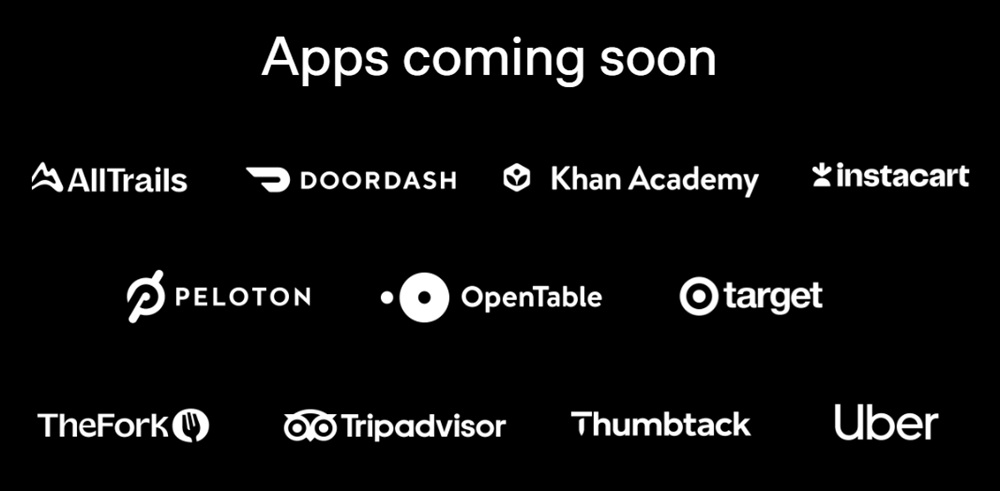
OpenAI launched the first set of integrated apps from Booking.com, Canva, Coursera, Expedia, Figma, Spotify, and Zillow, available starting today for English-language ChatGPT users outside the EU. The company said feedback from these early partners shaped the Apps SDK now available in preview for developers.
Apps SDK and developer access
Developers can build their own ChatGPT apps using the new Apps SDK, built on the Model Context Protocol (MCP) — an open standard that connects ChatGPT to external tools and data.
The SDK extends MCP to let developers define both the app’s logic and interface, and connect it directly with their backend for user authentication or premium access.
OpenAI has open-sourced the Apps SDK so apps created with it can run on any platform adopting the MCP standard. Documentation, design guidelines, and example repositories are also available to help developers design conversational, interactive experiences.
Safety and privacy
OpenAI stated that all apps in ChatGPT must comply with usage policies, partner rules, and audience-appropriate content standards.
Developers are required to include clear privacy policies, collect only necessary data, and disclose all permissions. When users connect an app for the first time, ChatGPT outlines what data will be shared.
Later this year, OpenAI plans to offer granular data controls so users can choose which categories of personal data apps can access.
What’s next for ChatGPT apps
OpenAI will expand app access to ChatGPT Business, Enterprise, and Edu later this year. Developers will be able to submit apps for review and publication, and users will gain a dedicated app directory to browse and search.
Apps meeting OpenAI’s quality standards will be eligible for enhanced visibility, and OpenAI plans to support monetization via the upcoming Agentic Commerce Protocol for instant in-chat checkout.
AgentKit: unified tools for agent development
Alongside apps, OpenAI introduced AgentKit, a comprehensive suite that unifies tools for building, deploying, and improving AI agents.
Previously, agent creation required complex orchestration, separate connectors, and manual evaluations. AgentKit simplifies this with new modules designed for faster, safer, and more reliable workflows.
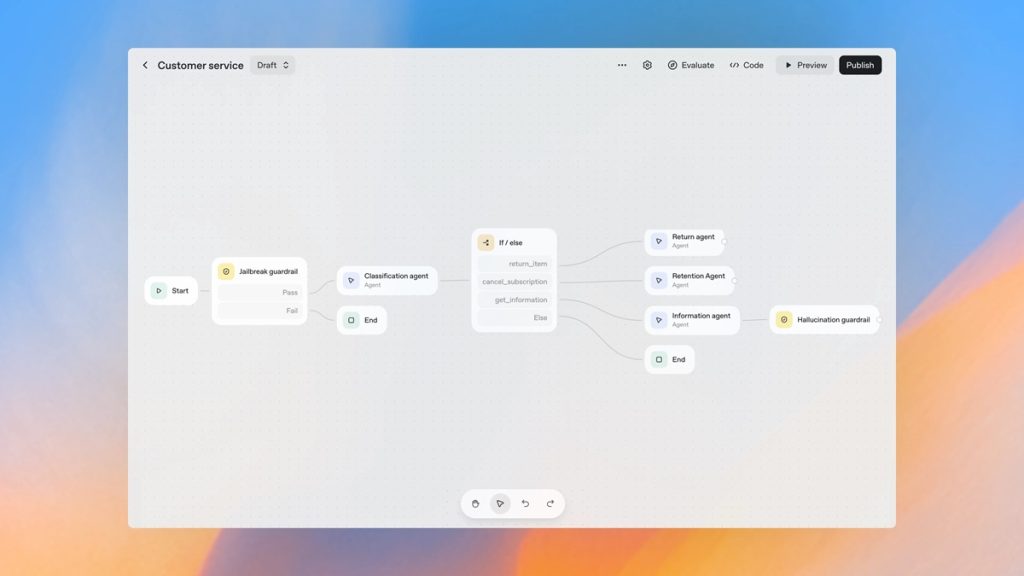
Key components include:
- Agent Builder – A visual canvas to design and version multi-agent workflows using drag-and-drop nodes, connections, guardrails, and preview runs.
- Connector Registry – A centralized system for managing how data and tools connect across OpenAI products, integrating services such as Google Drive, SharePoint, Dropbox, and Microsoft Teams.
- ChatKit – A framework to embed customizable chat-based agent experiences into products and websites, supporting brand styling and user interface flexibility.
Guardrails and evaluation tools
AgentKit integrates Guardrails, an open-source safety layer that prevents unintended agent behavior by masking or flagging personal data, detecting jailbreaks, and enforcing policy-based constraints. It also introduces new evaluation features through the Evals platform, adding:
- Datasets for building agent test pipelines
- Trace grading to assess full workflows automatically
- Automated prompt optimization based on grader feedback
- Third-party model support for comparing model performance
These tools help developers measure and refine agent reliability across different tasks and models.
Reinforcement fine-tuning and custom grading
OpenAI is expanding Reinforcement Fine-Tuning (RFT) to customize model reasoning. RFT is now generally available on o4-mini and in private beta for GPT-5. The update adds custom tool calls and custom graders, allowing developers to train agents to use tools more effectively and define evaluation criteria specific to their needs.
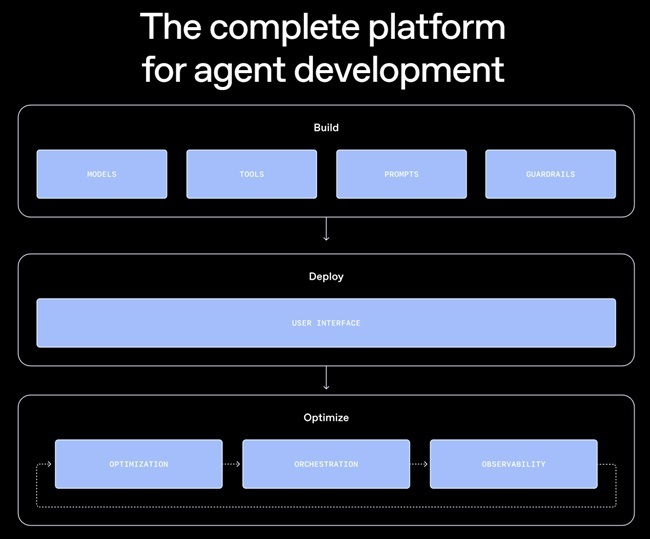
Unified agent development platform
AgentKit consolidates every step of agent creation and deployment into one system. Developers can design workflows using Agent Builder, implement logic through the Agents SDK (available for Python, Node, and Go), deploy chat experiences via ChatKit, and evaluate performance using Evals — all within a unified ecosystem.
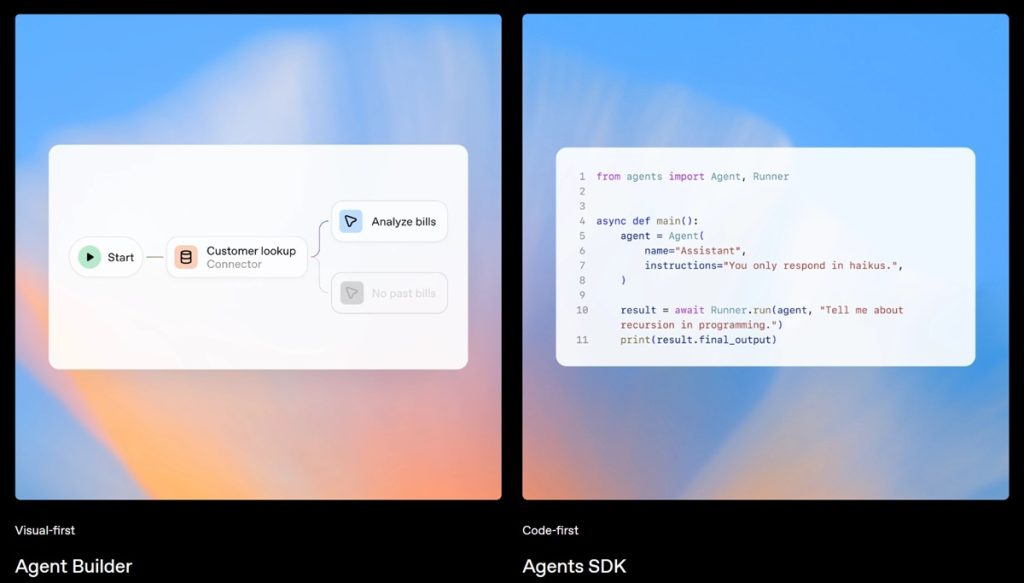
This integration aims to make agent development faster, more reliable, and easier to scale across products and organizations.
Availability
- Apps in ChatGPT: Available today for all logged-in ChatGPT users on Free, Go, Plus, and Pro plans outside the EU.
- Apps SDK: Developer preview available now as an open standard built on MCP.
- AgentKit tools: ChatKit and new Evals features are generally available.
- Agent Builder: In beta rollout.
- Connector Registry: Beta available to API, Enterprise, and Edu users with access to the Global Admin Console.
OpenAI plans to add a standalone Workflows API and new agent deployment options to ChatGPT in the coming months.