
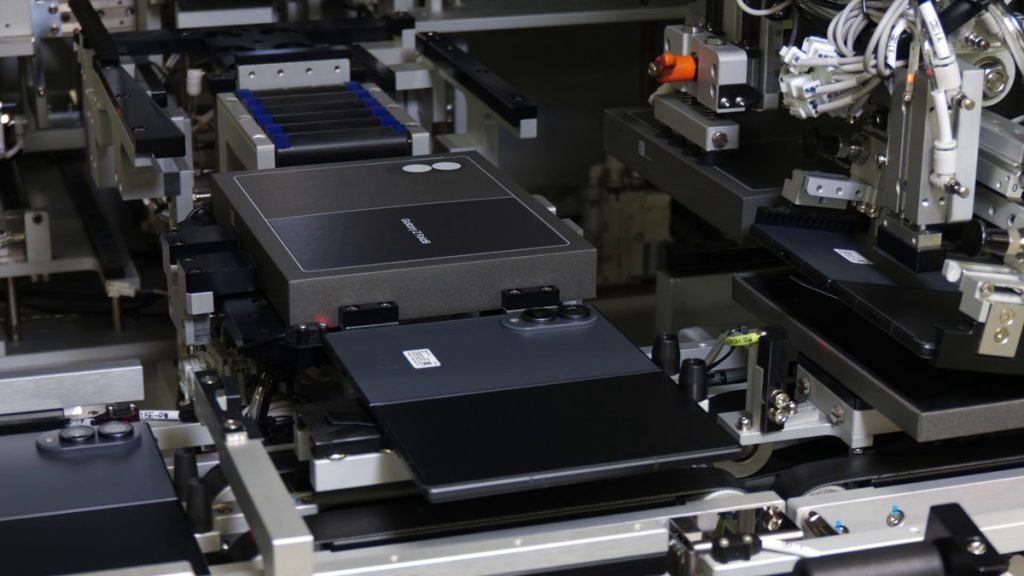
Samsung has shared an exclusive behind-the-scenes look at the manufacturing process of the Galaxy Z Fold8 for the first time, including its engineering and quality checks. The videos show the precision involved in manufacturing the foldable smartphone, the materials used and the more than 100 tests conducted to evaluate its durability, display quality and long-term reliability.
Samsung said eight generations of foldable engineering and real-world learning have helped it refine the balance between portability, durability, display quality, battery performance and long-term reliability. This experience has also helped the company make the Galaxy Z Fold8 thinner and lighter without compromising on strength, performance or durability.
Galaxy Z Fold8 design and materials
The Galaxy Z Fold8 weighs 201g and measures 4.5mm when unfolded and 9.7mm when folded. To achieve these dimensions, Samsung re-examined approximately 270 components and more than 180 types of auxiliary parts, optimizing the display, hinge, materials, internal architecture and component layout together.
Samsung selects materials according to the mechanical role of each component rather than using the strongest or most premium material throughout the device. The two materials highlighted include:
- Flex Titanium: Combines an ultra-thin titanium-alloy film with an enhanced titanium support plate to provide strength, flexibility and structural support around the folding display. This enabled a 10% thinner display module while improving flatness and helping maintain display stability over time.
- Advanced Armor Aluminum: Used for the frame to provide the rigidity and resistance to permanent deformation required for everyday use without adding unnecessary weight.
Samsung said reducing weight and thickness where possible allows it to allocate the saved space and weight to other components.
Battery and thermal management
The revised internal structure creates room for a larger battery and stronger heat management. Samsung uses the following materials and technologies to support battery and thermal performance:
- First silicon-carbon anode
- Higher-performance graphite
- Independent Charging Architecture
The objective is to reduce thickness and weight without treating battery life, sustained performance or thermal stability as necessary compromises.
Galaxy Z Fold8 undergoes more than 100 reliability tests
Samsung said its Galaxy Z foldable devices undergo more than 100 reliability validation tests to evaluate how the complete device handles stresses that accumulate during everyday use. These include:
- Repeated mechanical stress across the display and hinge
- Impact and pressure
- Exposure to particles
- Smaller forces that accumulate through everyday handling
The tests assess how the device continues to perform as these stresses interact over time. They also evaluate how its major components work together: the display must remain protected as the hinge moves repeatedly, the hinge must continue to operate reliably through everyday exposure, and the frame and internal structure must help protect the device without adding unnecessary bulk.
Samsung said eight generations of foldable engineering have helped it identify real-world stress points and address them across the device as a system rather than treating durability as a single specification.
Reducing weight can also lower the burden on users’ hands and wrists during extended use. The engineering approach involves removing unnecessary mass without weakening the structures that protect the device, while reinforcing areas that carry the greatest mechanical load. This helps maintain the strength and rigidity required for repeated folding, everyday handling and long-term use.